Jablanica: Where Natural Beauty Meets Historyand Gastronomy
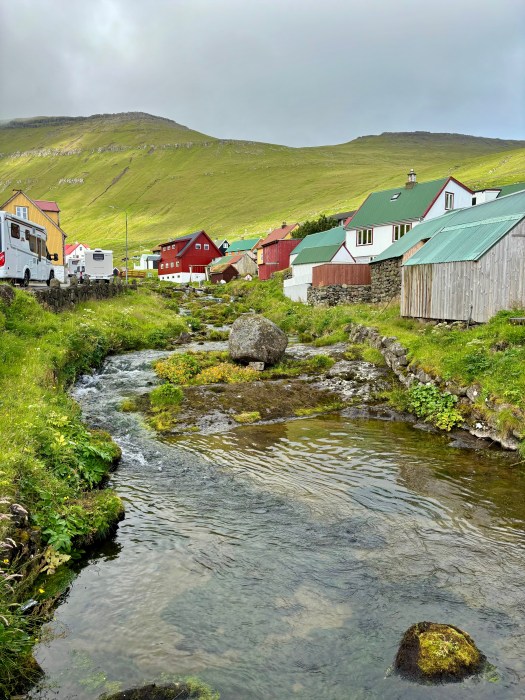
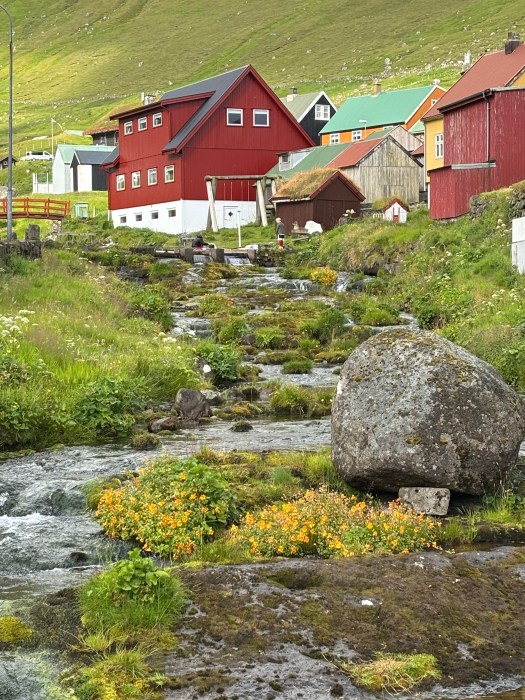
Halfway between the cities of Sarajevo and Mostar is the town of Jablanica. It is located in the beautiful Neretva River valley and is known for its natural beauty, cultural heritage, and roasted lamb. We stopped here on our way to Mostar after whitewater rafting in Konjic, another charming little town about 20 km away.
Jablanica has several notable attractions, including the picturesque man-made Jablanica Lake, perfect for boating and fishing, as well as the pristine Neretva River, which offers rafting and kayaking. The high peaks of Mt. Prenj and Mt. Čvrsnica are known for their challenging hiking trails, making it a paradise for nature lovers. Along with incredible nature, Jablanica steeped in history specially played key role in second world war.
Jablanica Bridge- A thrice destroyed bridge
Jablanica Bridge
Jablanica Bridge holds a significant place in history, having witnessed destruction and restoration multiple times. The first instance was a clever ruse, orchestrated to outwit Nazi forces during World War II. Subsequently, the bridge fell victim to an actual attack, succumbing to the ravages of warfare. Remarkably, its story continued to unfold even after the war, as it was reconstructed for the filming of “The Battle of Neretva,” only to be meticulously destroyed once again as part of the movie production. Each of these events contributed to the bridge’s enduring legacy, perpetuating its role as a symbol of resilience and historical significance.
Visitors can explore remnants of the conflict and visit the Museum of Battle for the Wounded, offering an immersive experience into the town’s historical significance and the bravery of those who fought for freedom.
The Battle of Neretva movie and Pablo Picaso’s poster
The movie “Battle of the Neretva” depicts the true story of the Yugoslav partisans fighting against the Nazi invaders during World War II. In a powerful gesture, Picasso created the poster for this movie and incorporated elements from his artwork “The Rape of the Sabine Women” into the film’s poster, symbolizing the battle against oppression. Picasso declined payment for his work, requesting instead a box of the finest Yugoslav wine containing 12 bottles.
Roast lamb on Lamb alley
The Jablanica area is known localy well known for its ‘jagnjetina’, lamb meat made in old tradition of roasting sheep over an open fire brought fame to a series of restaurants on the main road (M17) south of the town. This part of M17 is known as lamb alley. Our friends from Mostar suggested that we should try Restoran Kovacevic Jablanica not only for the lamb but also for the view form the restaurant. We stopped at the restaurant for the view (mostly vegetarians in our group) and it was absolutely beautiful. In most the restaurant on lamb alley you can watch the sheep being roasted on a spike in the traditional way
View from the kovacevic restaurant
Final thoughts
We stopped at Jablanica on our way to Mostar after spending most of the day white water rafting in Konjic but Jablanica definitely needs more time than we spent to truly appreciate all it has to offer. There are a few tour companies that offer specific 1-3 day trips( sich as visitJabalnica to Jablanica and based on what we saw, 2 days in Jablanica might be good to truly appreciate the place
There are over 3000 mosques in Istanbul, the most famous being the Blue Mosque or the Sultanahmet Mosque. The blue mosque gets its name from the interior of the mosque that is lined with more than 20,000 blue colored, handmade ceramic tiles from İznik, which are richly decorated with flowers, trees, and abstract patterns. Above the tiles the walls are painted with various motifs, also in a blue color. However, three are 2 other mosques in Istanbul that also have the blue interior and covered in Iznik tiles– Sokullu Mehmed Pasha Mosque, and Rustem Pasha mosque.
Rustem Pasha mosque- a hidden gem
Rüstem Pasha Mosque, a hidden gem and magnificent work of Mimar Sinan, nestled in the bustling market of Istanbul near Golden horn is a miniature version of the iconic Blue Mosque without the crowds. In fact, when we visited on a Thursday afternoon in June of 2024, there were only 3 other people in the mosque. We had visited blue mosque earlier that afternoon and it was buzzing with 100s of people.
The mosque was designed and built in 1561 by the renowned Ottoman imperial architect Mimar Sinan for Grand Vizier and son-in-Law of Suleiman the magnificent- Rüstem Pasha. The mosque is built in a rectangular shape with semi domes around the main dome that are seated over four elephant feet and columns. Both inside and outside are made of white marble and interior of the mosque is one of the most embellished mosques with 7227 pieces of hand-made Iznik tiles containing 36 tulip motifs and 5 different colors. 850 of these tiles have calligraphy written on them.
Dome of Rustem Pasha MosqueMihrab of Rustem Pasha mosqueDome of Rustem Pasha MosqueElephant columns
Where is Rustem Pasha mosque located
Address: Rüstem Paşa, Hasırcılar Cd. No:62, 34116 Fatih/İstanbul, Türkiye
Rustem Pasha mosque can be challenging to locate but it is close to Spice Bazar and Yeni Camii mosque and located in the Hasırcılar Çarşısı (Strawmat Weavers Market) in the Tahtakale neighborhood of the Fatih district . From Yeni Cami, head toward the Spice Market, turning right up a small road at a large coffee shop. Further down this small street there are set of access stairs on Hasırcılar Caddesi and another on the small street that runs right (north) off Hasırcılar Caddesi towards the Golden Horn. At the top of the stairs, there’s a terrace and the mosque’s colonnaded porch
rustem pasha mosqueEntrance to the mosqueOutside courtyard
RÜSTEM PASHA MOSQUE OPENING HOURS (2024)
Rüstem Pasha Mosque is open daily from 10 am to 6 pm, with closures during prayer times and religious holidays such as Ramadan.
Entrance fee
There is no fee to enter but it is an active mosque and please be mindful of prayer hours
Final thoughts
Rustem Pasha mosque is a magnificent masterpiece of Mimar Sinan and definitely worth a visit and you can appreciate the intricate design of the Iznik tiles without the crowds of the blue mosque
The Bosnian War (1992–95) had a significant impact on the cultural landscape of Bosnia and Herzegovina. As a former Yugoslav republic with a multiethnic population comprising Bosniaks (Bosnian Muslims), Serbs, and Croats, the war sparked bitter fighting among these groups and involvement from the Yugoslav army. The resulting death toll of over 100,000 people, mostly Bosniaks, left emotional scars and deep ethnic and political divides across the region. Despite the suffering, we found Bosnians to be generous and kind people. The war has certainly influenced their perspective on life, as our guide mentioned that many Bosnians prefer to work until they have enough money to live a comfortable life rather than being rich.
During our time in Bosnia, the impact of the war was evident everywhere. The destruction caused by the conflict was unmistakable, particularly with iconic structures like the 427-year-old Mostar stone bridge, which was destroyed during the war and subsequently rebuilt. Additionally, the Sarajevo city hall, once the national library, fell victim to fire in 1992, resulting in the destruction of two million books, articles, and magazines that had reflected the multicultural life of the region under the Ottoman and Austro-Hungarian empires.
Sarajevo roses- Everything but a flower
During the siege of Sarajevo from 1992 to 1995, the city endured relentless bombardment by enemy forces. On average, over 300 shells rained down on the city each day, reaching a devastating peak of 3,777 shells on July 22nd, 1993. When mortar rounds struck concrete surfaces, they left behind distinctive fragmentation patterns resembling flowers, which were later filled with red resin, earning them the name “Sarajevo Roses.” These marks serve as silent memorials people who lost their lives at each location during the siege. Scattered across Sarajevo, these blood-like stains stand as a poignant reminder of the war and the city’s resilience. For more information about the Siege of Sarajevo, you can visit Memories of a War.
Approximately 200 Sarajevo Roses were originally present throughout the city, but due to lack of upkeep and the rebuilding of the city, only about 28 remain. Despite the difficulty of being so close to reminders of death every day, it is important to remember what happened in Sarajevo. You can find one of these roses in front of the Sacred Heart Cathedral, another one close to City Hall, and one near the entrance of the Tunnel of Hope.
Sarajevo Rose at Sacred Heart Cathedral
Mortar holes in Mostar
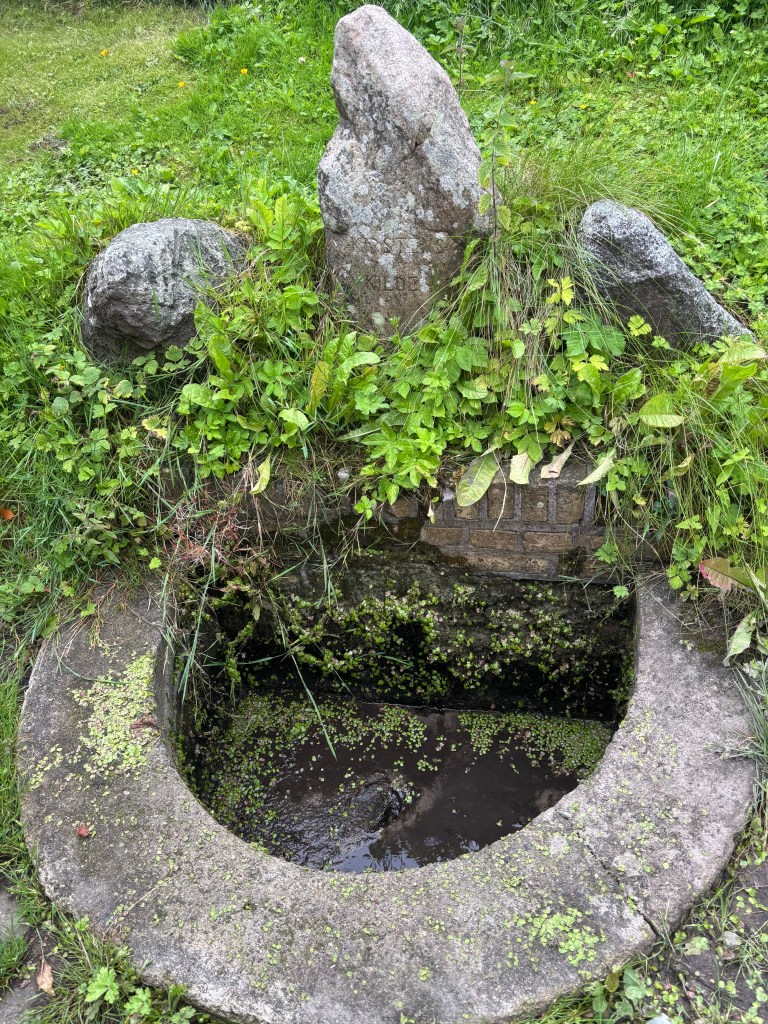
The battles scars in Mostar are much more visible compared to Sarajevo. Decades after the ending of the war, there are still many empty and abandoned buildings. Ther are many building in the old town Mostar close to the bridge that was riddled with holes from the mortar attached, and visible bomb damage. Near the stone bridge, there is a rock wit inscription that stats Don’t forget 93 referring to the war on the Onescukova street that served as the war frontline.
Stories told by our guides
Most of the guides that we hired were old enough to remember the war and lived through it. One of our guides, Stefan, who spent three days with us in Croatia, told us that he was only two years old when the war happened, but he lost his father during the conflict. Growing up without a fatherly figure to guide him, Stefan got into a lot of trouble with his friends from school. He mentioned that not having a father wasn’t that unusual and he wasn’t treated as anything special, as most of his classmates also had lost their patents in the war.
In Mostar, we stayed in a house owned by friends of friends who fled to Atlanta, US during the war, and the house was completely demolished. The family rebuilt the house, and we were fortunate to stay with them and hear first-hand about their war experiences and how it had completely changed their lives. The host had worked as a hotel manager in Mostar before the war, and the hotel was completely destroyed. He took us to a local restaurant right across from the damaged hotel, which is finally being rebuilt.
“Christmas Eve/Sarajevo 12/24”
Photo: Cellist Vedran Smailovic in the bombed National Library in Sarajevo Credit: Michael Evstafiev/AFP/Getty Images
Vedran Smailovic brought hope to Sarajevo during very difficult time in Bosnian war. In 1992, a group of people waiting to buy bread in a market were hit by mortar shells, resulting in 22 deaths. Vedran Smailovic, a well-known cellist in the city, was deeply affected by this event. The following day, he went to the spot, which was covered in flowers as a tribute, and started playing his cello. He hadn’t planned it, but he did it instinctively, and as people gathered around him, there was a sense of healing. He played there for 22 days, in honor of the 22 who had been killed, performing the same piece, Albinoni’s Adagio in G minor. Despite the presence of snipers on the hills, the cellist continued to play, risking his life. For another two years, he played at various locations in the city, amidst the ruins, dressed in a white shirt and black tailcoat, as if he were on stage in an orchestra. He soon became a symbol of courage for Sarajevo and the world. This story has been immortalized by Trans-Siberian Orchestra’s “Christmas Eve / Sarajevo” – iconic instrumental piece tells the story of Vedran Smailović during Bosnian war. I have this heard this song so many times during Christmas and didn’t realize it based on Vedran until I was visited Sarajevo. If you want to, you can watch the Trans-Siberian song /video here
All these stories are poignant reminders of horrors of war and effect on the cultural fabric of the country and its people. They also show the resiliency of the people and perseverance of hope despite unimaginable horrors.
Don’t watch the clock; do what it does. Keep going
Right next to the Gazi Husref-bey mosque in old town Sarajevo, stands a clock tower known as Sahat-Kula that displays time in a unique way, following lunar “a la turca” time which means that time is set according to that day’s sunset, when its hand must be firmly on 12. Without a manual reset, the clock would stop functioning within a week. The times of prayers are also determined according to the Clock Tower, and during Ramadan the Clock is responsible for determining the time of iftar (breaking fast). The clock tower was built in the 16th century by Gazi Hursref Bey, and in 1876, after the original clockface was broken, the current one was installed and has been working since then.
Muvekit (clock keeper)
Since the sunset changes every day depending on the season, the clock must be regulated often, and this is the job for the muvekit or the clock keeper. Current clock keeper is Mensur Zlatar, has a regular job as a jeweler near grand Gazi Husrev-beg mosque and his second job is to keep the clock tower running. Twice a week since 1967, Zlatar has climbs the 76-step tower of Sahat-Kula, to set the time.
Even during the 1990s war in former Yugoslavia, when Sarajevo was under siege for 1425 days and it was dangerous for people to go out as snipers from surrounding hills would shoot any civilian, Zlatar still climbed the steps of Sahat-Kula to set the time every week. He scaled it back to once a week during the war and since then has resumed his twice-weekly climb (This Man Keeps Time on the World’s Last Lunar Clock)
And that’s the heart of wabi-sabi—not the perfect tick of a quartz watch, but the weathered hands of a man who climbs for time. A clock that needs human touch. A ritual that has lasted because it’s flawed, fragile, and yet enduring.
Where modern life seeks precision, Sahat-Kula answers with presence.
Right opposite to the City hall in Sarajevo, across the bridge there is a unique Bosnian restaurant named Inat Kuća, or “House of Spite”. More than being just an oddly named restaurant, this place was once a house that belonged to a Bosnian man named Benderija. I decided to check out this place out of pure curiosity and sat outside the patio and drank Rakija and people watched.
Inside the house of Spite restaurant
The restaurant menu also talks about the history of the place and why it is called house of spite. As the story goes, the house was originally located across the river where the current city hall resides. In the late 19th century, Austria-Hungary was transforming Sarajevo into a model colony. As part of this makeover, they began constructing a magnificent city hall. However, an elderly Bosnian man Benderija stood in their way. Despite generous offers, he refused to let them demolish his house. After lengthy negotiations between the old man and the city (with even the Austro-Hungarian Minister of Finances getting involved) until finally, in 1895, he agreed to sell his property for the extravagant price of a sackful of gold ducats, but with one condition: the authorities would have to move his Ottoman-era house, brick by brick, and rebuild it on the other side of the river.
According to our guide, the old man spent every day of the move sitting in the middle of a nearby bridge, smoking cigarettes and watching the workers transport each brick across the river. When the house was finally rebuilt, it was aptly named Inat Kuća, or the House of Spite.
City hall from house of Spite
The food and drink were really good and views are definitely worth it to visit this place.
Location: The canals are situated just south of Mostar, near the M-17 highway. They mark the confluence of the Neretva River with its left tributary, the Buna. We stopped here on our way to Počitelj from Mostar. It is about 12Km from Mostar
What is it: It is natural wonder where narrow channel of the Neretva River merges with the Buna River (Same River that originates from cave at Blagaj) over travertine barriers. Unlike typical confluence of rivers, at this place, the rivers flow next to each other, and merge through a series of waterfalls.
It is best to visit this place in the summer when river water is low, and the canals can be seen in their full glory. During winter months, snow melt creates a high water in the river, and you won’t be able to see the canals and waterfalls in their full glory. The Neretva River is slightly more than three meters wide in that part, and the rivers join in a length of about 300 meters and continue towards Adriatic Sea.
Even though it is more popular now, when we visited Buna canals in mid-June, 2024, we were the only tourists other than a lone bicycle rider that had stopped to take photos. The bridge to the Buna canals runs close to old Ćiro railway, now converted into bike path.
Kayaking and Canoeing- Another claim to glory for Buna canals is that in the eighties, these canals were used for World and European Kayaking championships as these canals provide natural water pathways that are difficult and demanding than anything man could create.
If you are in Mostar or travelling towards Split from Mostar, Buna Canals is definitely a great stop to appreciate the beauty of Bosnia and Herzegovina.
Costa Rica… a paradise of lush rainforests, golden beaches, and vibrant biodiversity, where nature lovers and thrill-seekers alike find their haven. Here, travelers can immerse themselves in the lively streets of San José, filled with rich history, bustling markets, and welcoming locals. Or, venture beyond the capital into the heart of the country’s breathtaking wilderness—where towering volcanoes, misty cloud forests, and exotic wildlife create a mesmerizing world waiting to be explored.
Costa Rica’s magic is undeniable—from the dazzling Pacific and Caribbean coastlines to the serene beauty of its national parks, home to sloths, toucans, and colorful frogs. Whether riding the waves in Tamarindo, ziplining through Monteverde’s treetops, or savoring the country’s renowned coffee, every moment here is an invitation to adventure and relaxation. Pura vida is more than a saying—it’s a way of life that welcomes visitors with open arms and unforgettable experiences.
Costa Rica is located in Central America, connecting North and South America. It borders Nicaragua to the north and Panama to the south.
The country is divided into seven provinces – San José (capital), Alajuela, Cartago, Heredia, Puntarenas, Guanacaste and Limón) and most popular destination include : San Jose, La Fortuna, Monteverde, Tamarindo, Nosara, Samara, Jaco, Manuel Antonio, Uvita, Drake Bay (See the map below)
Costa Rica doesn’t have an army as of Dec. 1, 1948 and very stable democratic country.
Official language- Spanish
Official currency- Colón (plural colones) (¢)
Where to fly?
There are 2 main airports and few small local airports –
SJO Aeropuerto Internacional Juan Santamaría – In San Jose (Capital)Juan Santamaría International Airport (Code: SJO) is the country’s main airport, located in Alajuela.
Daniel Oduber International Airport in Liberia (Code: LIR) good airport for travelling Guanacaste, Monteverde and La Fortuna
Places to go in Costa Rica
Costa Rica has so many places that you will be overwhelmed to choose one or two places to visit. I found Costa Rica might be a place we will have to visit more than once to cover the entire country. If you just want to see our itinerary, check here .
Even though a small country, it takes long time to travel from place to place due to mountainous, curvy, single lane roads. For instance, to travel from La Fortuna to Manuel Antonio, it took us almost 6 hours and it is 136 miles (218 km) apart and we were told that we were lucky that it took us only that much time (Hotel staff estimated anywhere between 6-9 hours). Keeping this in mind, we decided to choose 2 places to visit for our first trip- La Fortuna and Manuel Antonio (2 green flags on the map above)
Most popular locations include:
Central Costa Rica – Culture and nature
San Jose – Culture, Museum, Airport, Restaurants
Poas volcano: most visited volcano in the Central Valley. Good stopping point between San Jose and La Fortuna
La Paz Waterfalls : La Paz Waterfall Garden is the another popular stop between San Jose and La Fortuna. This park has 5 waterfalls and an animal sanctuary.
Northern costa Rica – Outdoor adventure and Wild animals
La Fortuna / Monteverde – Best place for outdoor adventures
Distance from airport: Both San Jose airport and Liberia airport are about 2-3 hours.
Most people choose either La Fortuna or Monteverde for rainforest experience and some people do both places to experience rainforest and cloud forest (The cities are 80 miles apart). It takes about 5-6 hours to get to Monteverde from La Fortuna as you have either take a ferry to cross Lake Arenal or drive around Lake Arenal. This is the info from costa Rica Travel blog and if you want to include both La Fortuna and Monteverde in your travels, please check out this blog for details of travel between the two cities.
Rio Celeste – Another great place to visit near La Fortuna with a blue waterfall and lots of wild life. My review of this place is here
We dedicated day 5 for the long drive from La Fortuna to Manuel Antonio. There is not too much to do between these places other than stopping at Sarchi (https://www.atlasobscura.com/articles/colorful-oxcarts-costa-rica) to visit the last factory that makes Ox Cart. We stopped at the Río Tárcoles Crocodile Bridge which is near Jaco, and you can see lots of crocodiles in the river. There are few shops and restaurants here and it’s a good place to stretch your legs.
Guanacaste - Beaches, Surfing lessons,
Some popular spots in this area include Gulf of Papagayo, Tamarindo, Playa Conchal and Ricon De la Vieja National park- famous for natural hot springs and mud baths.
Nicoya Peninsula– Pristine beaches and yoga retreats
Santa Teresa– Beautiful beaches that are great for surfing. This town along with Malpais and Montezuma are in the blue zone where longevity of people is very high.
Playa Samara- Lovely beach town and famous for horse riding. Popular place for expats.
Nosara – Epicenter of Yoga retreats and epitome of Pura Vida lifestyle.
Osa Peninsula– Nature lovers and Photographers dream
Remote part of the Costa Rica on the pacific side and hence less touristy but home to Corcovado National Park which has 13 types of ecosystems and has amazing wildlife with over 40 species of frogs, 25 lizard’s species, crocodiles and 400 bird species. This is next my list to visit when we go back to Costa Rica
Drake Bay – Stunning destination for all water related actives including Snorkeling, Kayaking, scuba diving etc. Also great place for bird watching and hiking
Uvita– Famous for “The whale tail beach” as well as tropical rain forest. Good place to see humpback whales and other activities including waterfall visit, horseback riding etc.
CaribbeanCoast – Less touristy and chill vibe
Not as popular as the pacific coast , Carribean coast has its own vibe and blend of Latin and Carribean cultures. Some of the popular spots include :
Puerto Viejo – known for its stunning beaches, abundant wildlife and delicious food, this town gives the laid back feel that Caribbeans are known for. You can also visit Cahuita National Park to see monkeys, Sloths and birds.
Tortuguero National park– Located on the northeast side of the Caribbean coast, this national park is one of the best places in the world to see Giant Green Sea Turtles lay their eggs and to watch as the baby turtles hatch and make their way to the sea during the turtle season (June to October).
Some practical Information
Best season to visit is during dry season from December to April. We went at the end of December and still got rain almost every day for at least couple of hours.
Caribbean coast has very different season and less developed. Good time to see turtles hatching is between July to October
Nature and wildlife- Hiring guides help to see more animals but I also found that by paying attention to little noises (ruffling of leaves) or just looking up to the treetops helps a lot.
Tico time- Pack lot of patience. The Pura Vida life style is followed on the roads too. Driving from one location to another takes longer than you think due to one lane roads and getting behind slow moving trucks.
Popular locations such as La Fortuna, Manuel Antonio are very well connected but if you plan to go to remote locations such as Drake Bay, do some research.
Colones and dollars are accepted every where but it might be cheaper to use colones
Some essential things to pack- Dry bag or waterproof pouch, Light rain jacket, Water sandals or shoes, Bug spray, Binoculars, Sunscreen.
Like any other place, there are pick pocketers, and thieves that take your stuff if you leave it alone. Lock your vehicles and hide your valuables.
Chachagua Rainforest Hotel and Hot Springs located between the Children’s Eternal Rainforest and the Arenal Volcano National Park and is off the beaten path but still an amazing place to stay. We spent 4 nights during Christmas break and loved the room, the grounds, and over all ambience of the place.
Only con is that it is about 20 min from La Fortuna town and if you don’t have your own car, you are stuck eating in-house restaurant food for the length of your stay. The food is not bad but limited as they try to do as much farm to table type with the fresh fruits and vegetables grown in their farm. Unlike the hotels in the town, you can’t walk or Uber to a local Soda/ restaurant and taking a cab is bit on expensive side( $50-80).
The property has 28 bungalows and feels like a mix of rainforest and tropical garden, and I could not stop taking pictures of beautiful flowers and birds that fed on them. There is a river running through the middle of the property which adds to the serenity of the hotel. The hotel has about 3-4 small thermal pools fed by volcanic hot water an additional plus for the place. The thermal pools are not as hot as the pools near the volcano but warm enough to relax after a long day of hiking.
Welcome cocktailShampoo Ginger
The hotel sits on 94 hectares of rainforest, and it is isolated and unspoiled. This hotel was featured in 1000 places to see before you die by Patricia Shultz, and we felt like it was one the best hotel we stayed. The hotel also has its own waterfall, and I spent every morning just admiring the calmness and setting of this waterfall. There are tons of hiking paths, and you can watch birds, monkeys, and sloths on the property.
The Bungalows: Most of the rooms are 1-bedroom bungalows with the porch in the front. The individual bungalows are surrounded by trees and bushes and connected by walking paths and are very private. The porch has a hammock, a sofa with coffee table, and built in wooden table and stools. If you decide to get a massage or facial, they bring the massage table to the porch, and you can get a massage in the tranquility of rain forest. We stayed in room 107 and felt like we were cocooned in our own rainforest. Some of the bigger bungalows have plunge pool and jacuzzi tubs.
Massage set up on the porchMassage on the porch with real rainforest sounds Walkways connecting bungalows.
Night walk and Bullet ants– We did nigh walk on the property where we were able to see various kinds of frogs, toads, turtles, sleeping hummingbird, but what we didn’t expect to see was Bullet ants. Bullet ants are named after its powerful and potent sting that feels like being shot, and they are also called “hormiga veinticuatro” or “24 (hour) ant” by the locals, referring to the 24 hours of pain that follow being stung by one of these ants. There were tons of these ants roaming around lake, on fences and our guide warned us not to lean on anything. Thankfully nobody was bit, but presence of these ants added to mystery of the night. Bullet ants are 4 times the size of regular ant and are nocturnal.
Night walk ToadBullet antSleeping butterfly
Birds and working farm – One of my favorite memories of this hotel is waking up in the morning and looking out of the window to see a hummingbird feeding on heliconia flower. This happened pretty much every day and the hotels has tons of hummingbirds that feed on the tropical flowers on the property. On my morning hike every day, I would spend some time watching birds including Toucans. The last day, we decided to check out the cocoa and coffee farm where they teach how to make coffee and cocoa. I wish I had ventured out to this place earlier on our stay. Since this is a working farm, there are tons of fruit trees and Toucans and Aracari’s hanging out here feeding on the fruits. It is few steps from the waterfall and definitely worth checking out both for the cooking class as well as for birds.
Toucan in flightFarm on the Chachagua hotelSugar Cane juice maker
Ceiba Tree– Hiking within the property, there are signs for Ceiba tree which is well worth the visit. It’s a giant tree that stands tall among the rainforest trees and after visiting the tree, I did some research and found out that this tree is the national tree of Guatemala and has significant place in both Mayan and African cultures.
Ceiba Tree on Chachagua Ceiba Tree on Chachagua
Called as the First Tree or Green Tree in Mayan language (Yax Che), according to Maya mythology, Ceiba tree the symbol of the universe. The tree signified a route of communication between the three levels of earth. Its roots were said to reach down into the underworld, its trunk represented the middle world where the humans live, and its canopy of branches arched high in the sky symbolized the upper world and the thirteen levels in which the Maya heaven was divided (Source: https://www.thoughtco.com/ceiba-pentandra-sacred-tree-maya-171615).
Food and Drinks – Since we didn’t rent a car, we ended up eating at the Colibri restaurant on site which was pretty decent albeit limited selection. There was live music every day and we enjoyed ordering Tikki drinks just to see how many different kinds of cups we get.
Final Thoughts:
All in all, staying at Chachagua Rainforest Hotel and Spa was an amazing experience. I loved the cozy, private bungalows, and numerous hiking trails as well as the river and waterfall. The staff was very pleasant and helpful, and organized all the acuities including ziplining, hike to Rio Celeste, and white-water rafting through the hotel and had a great time.
Some more random pictures taken from the hike on the property:
We spent 9 days in Costa Rica dividing our time between La Fortuna rainforest/volcano area and Manuel Antonio-pacific beach town. We got to see tons of animals during our stay and on our guided hikes to National parks and night walks. I was amazed by the variety of birds, lizards, flowers, and monkeys you can see as well as the way Costa Ricans have preserved the nature and its diversity. Costa Rica is one country where I found my iPhone camera isn’t enough to capture all the colors and vibrancy of nature.
These are some of the things that fascinated me during our stay:
Leaf Cutter Ants- Nature’s farmers that grow Fungai
First time I saw these little ants carrying the leaves was on a zip lining trip in La Fortuna and someone pointed them out to me. I was amazed by these ants carrying as much 50 times their weight in leaves as if to prepare an amazing salad. I read about them after coming back to hotel and spent next couples of hikes actively looking for them. Next to the human society, leaf cutter ants have most complex society with caste system and are the best farmers after us.
Leafcutter ants don’t eat the leaves they carry but use leaves as their fertilizer to grow their fungal gardens. These ants act as true gardeners by providing the fungus with freshly cut leaves, protecting them from pests and molds, and clearing them of decayed material and garbage. In return, the fungus acts as a food source for the ants’ larvae. Ants are very sensitive to the needs of these fungi and change up the leaf if the Fungai don’t like it as a food source. This symbiotic relationship also benefits from a bacterium that grows on the ant’s bodies and secretes antimicrobials, which the ants use to protect their fungi. You can read more about these amazing insects here .
Leaf Cutter ants
Sloth and its symbiotic relationship with algae and moth
Most people who go to Costa Rica want to see sloths which are the national animal and symbol of Costa Rica. We were able to see Sloths in a few places both in La Fortuna and in the Parador resort at Manuel Antonio which had a resident sloth named Valentina that hung out by the pool on the mango tree with her baby.
Valentina-the 2 toed sloth and her baby at Parador Resort in Manuel AntonioRandom 3-toed sloth on the way to hanging bridge
Although pretty common in Costa Rica, Sloths are not easy to spot. We were able to see 3-toed sloths in La Fortuna area during daytime while we saw nocturnal 2 t0ed sloths in Manuel Antonio Park. We weren’t able to spot first few until the guides pointed out but after a week, we got pretty good at spotting them especially on certain tress where they inhabit. As a slow-moving animal, sloths have developed a good camouflage technique that makes them hard to find. Sloths have a specialized fur coat that is covered in tiny grooves, providing the perfect environment for green algae to grow. This green alga acts as a natural camouflage, allowing the sloth to blend seamlessly with the surrounding green leaves of rain forest. This camouflage not only helps sloths hide but also provides a source of nutrients as these sloths often lick their fur, eating the algae, which provides them with essential vitamins and minerals.
Spot the slothSpot the sloth
Hermit hummingbird and false bird of paradise/ Heliconiaflower
One of my favorite memories from Costa Rica was waking up on day 1 in the rain forest bungalow and looking out of the window to see a hummingbird feeding on a flower. The Chachagua Rainforest hotel where we stayed had beautiful gardens and tons of hummingbirds but every morning, the one hummingbird came back to feed on the same flower. Until we went on hike to Rio Celeste and Naturalist guide explained relationship between the hummingbird and this particular flower, I finally understood the reason.
The false bird of paradise is called Heliconia and Green hermit hummingbirds have a symbiotic relationship, and this relationship is a great example of the fine tuning of coevolution between plants and its pollinators. The green hermit hummingbirds have curved bill that mimics the shape of the flower of Heliconia. Only after being pollinated by these long-billed birds, the Heliconia plant begins to reproduce. The plant accepts pollen only from birds with bills that match the shape of its flowers. It seems like the long-billed birds and long-flowered plants evolved to fit each other. Isn’t nature full of surprises? You want to read more about this symbiotic relationship, you can check out this article.
Red eyed tree frog
Red eye tree frog is the most iconic symbol of Costa Rica and you will see on any books or items related to Costa Rica. I thought it would be easy to see these frogs as everyone posts beautiful pictures of them but our first night walk in La Fortuna, we didn’t see any red eyed tree frogs. I was determined to see them before we left Costa Rica and we did another night walk at the Parador nature resort. As soon as we reached the pond area, the guide said you are in luck as he can hear the mating call of the frog but after 30 minutes searching, we didn’t find any even though we knew they were close by but well hidden in the trees.
As much as you can easily recognize these frogs with their large red eyes and bright green skin, they are hard to spot. The bright green color of the skin easily blends with the surrounding and when frightened they close their eyes and perfectly blend on the green rain forest leaves and surface. The large red eyes of these frogs also help them to see in low light conditions. Additionally, the red eyes can help to startle predators and give these frogs a chance to escape. Our guide was finally able to spot one on our way back from the night walk and I was able to finally capture the picture of this iconic frog.
Halloween Crabs
These crabs go by various names including red land crab, white spot crab, moon crab etc and usually have some combination of red, orange, purple, black, and or blue. When every animal in rainforest is trying to blend with its environment and hide from predators, these crabs seem have taken opposite approach and gone as colorful as possible. As you walk through Manuel Antionio National Park or kayak in Mangroves, you will see hundreds of these crabs. When I asked guide why they are so brightly colored, I was told that the crabs have poor vision and bright colors is how they see each other. According to this article, these crabs are also ecosystem engineers and create habitats with deep dug borrows. “These burrows then serve as homes for a host of other creatures after the crab has moved on or become something’s dinner. They also participate in the nutrient cycle. They eat seeds, seedlings, and leaf matter, which they carry down to their burrows returning nutrients to the soil. Their diet affects their environment in another way. The seeds and seedlings that they decide to eat or not eat ultimately help to shape the plant populations in the areas where they live” (from https://guanacastewildlifemonitoring.com/)
White tailed deer- National Symbol of Costa Rica wildlife
One of the first animal we saw in Manuel Antonio National Park was a white-tailed deer and its baby and our guide spent 10 minutes talking about the animal. Living in Northeast and South of US, where these deer are everywhere and not so special and they usually they run into roads causing accidents. But sometimes, when you travel, you realize that your ordinary is someone’s extraordinary. In Costa Rica, these deer sightings are rare and it’s an accomplishment to see these animals. They are a protected species facing extinction and penalty for killing these animals is huge and our guide joking said that ” he would rather be caught selling drugs and other petty crimes than to kill this deer”. White tailed dee is declared national symbol, by President José María Figueres Olsen, on May 2nd, 1995.
We were able to see couple of different kinds of venomous snakes in Costa Rica. We saw the eyelash viper both in Mistico hanging bridges as well as in Rio Celste hike. One of the most prominent features of the eyelash viper is its scales, which are responsible for its rough and bumpy appearance, providing a unique texture to its skin. The color of the snake usually shades of green or yellow and it seamlessly blends into its surrounding. Both times, the guides were able to spot them, but we struggled spot them even after we knew they were there. The name of these snakes comes from extensions of scales above the eyes resemble eyelashes.
Fer-de-lance – Another venomous snake we saw in Manuel Antonio ( scientifically known as Bothrops asper). Fer-de-lance means “spearhead” in French, this venomous pit viper is known for its triangular-shaped head and deadly venom and are masters of camouflage. Again, even after the guide pointed out, it took us a little while see this snake. On the flip side, the coral snake we saw on our hike to Rio Celeste is as bright as possible.
We were able to see several types of birds both in La Fortuna and in Manuel Antonio. Humming birds and Toucans were abundant in Chachagua Nature resort that we stayed in La Fortuna. We saw couple of Scarlet Macaws in Manuel Antonio but weren’t able to capture their photo. One of the crown jewels of Costa Rican bird is the Quetzal, we didn’t get to see it, but we will see them in our next trip to Costa Rica.
Flowers of Costa Rica
Just like the birds, Costa Rica has abundant flowers of various colors and sizes including a variety of Orchids, Birds of Paradise, False Bird Paradise (Heliconia), and ornamental bananas. One of the most beautiful and best smelling flower/ plant I saw is the shampoo ginger which smells like ginger and is used for making shampoos as well as Ilan-Ilan that smelled like Channel No. 5 perfume.
Shampoo Ginger Ilan-Ilan
Colorful carts of Costa Rica
When you travel in Costa Rica, you will see these bright colored carts displayed in parks, hotels, and miniature versions in gift and souvenir shops. These bright colored and intricate patterned carts are unique to Costa Rica and were essential to Costa Rica’s growth, enabling the transport of coffee from the mountains to the coasts for export. Costa Ricans improved the cart design using a solid construction based on Aztec wheels that helped them to get through unique landscape of Costa Rica. In 2005, UNESCO inscribed Costa Rican oxcarts onto its list of intangible cultural heritage, and these carts the country’s official symbol of labor.
Even though Ox Carts are no longer used in Costa Rica for transportation, instead of fading away, ox cart become a symbol of Costa Rica and a testament to the old way of doing things. The painted carts were symbol of economic status in their time and craftsman that made the carts started painting bright colors and intricate designs that included flowers, stars, faces, landscapes. Each town/area developed its own unique designs. Also, carts were added with bells and whistles, so each cart played a signature song whenever it moved. Today, Sarchí a small town near San Jose (a good stop on the way from La Fortuna to Manuel Antonio), is only place left that produces these colorful, hand-painted works of art. Eloy Alfaro, who founded the factory in 1923 in Sarchí and is operational till today and you can visit and see the factory in operation. (https://www.atlasobscura.com/articles/colorful-oxcarts-costa-rica)
Costa Rican Rainforest mask or Boruca Masks
Boruca Mask
One of my regrets after visiting Costa Rica is not buying one of these colorful masks made by Boruca community. The origin of these masks’ dates back to 500 years during the Spanish conquest of Costa Rica. These masks were created by Borucan indigenous people with the intent to scare the unwelcome Spinrads. These diablito masks or little devil masks were created as homage to the animal spirts that guided the tribe to successfully fight Spinrads. Usually carved in a single piece of Cedar or balsa wood, these intricate masks are carved and painted to represent the spirits, fierce animals, devils, and also images of the local flora and fauna. The carvers use a technique called relief carving that creates three dimensional images with unbelievable depth. There are 3 different kinds of mask – the ‘diablito’ or ‘devil’ mask are the traditional masks used for ceremonial purpose, ‘ecologica’, featuring animals and plants of the rainforest such as Toucan or sloth and are considered more modern and ‘combinados’, are the combination of both the ‘diablitos’ and the ‘ecologica’, as they represent the blending of the traditional and contemporary styles. (Check out here for more information). These masks can be bought in gift shops and other artisanal stores (not sure how authentic), but the authentic ones can be bought directly by Boruca Community or from this place in San Jose. The tradition and history behind these masks are amazing.