Varanasi where the Ghats hold the secrets of time and the past meets the present on the banks of the holy Ganges.
unknown
Ghats (pronounced as gots) are series of steps/stairway leading the river and there are at least 84/85 of these in Varanasi (Some say 84 while others say 85. I didn’t count to confirm one way or the other). Best way to see these Ghats is either by walking so you can get up close or by taking a boat ride. Morning boat rides are especially popular as you get to the see the full glory of Varanasi in the early morning sunlight. Most of the ghats are used for everyday bathing to ceremonial rituals, festivals and cremation. If you decide to walk the ghats especially starting at Assi Ghat, you will be following the path taken by ” Panchatirthi” (Five tirthas) pilgrims who travel entire length of the city by the riverbank. These pilgrims stop at 5 ghats (Pancha) and take a dip in Ganga and visit temples on these ghats. Most of the pilgrims end their journey at Vishwanath temple.
Each ghat in Varanasi has its unique history and significance and tells a fascinating story. Some ghats commemorate notable figures like Tulsidas (Assi Ghat, and Tulsi Ghat), who penned the revered Rama charita manas, serving as a beacon of wisdom for humanity. While others have palatial buildings built by kings that were used as resorts and ritualistic places for special occasions (such as Darbhanga Ghat) while other ghats tell stories of mythological or spiritual significance (Manikarnika Ghat).
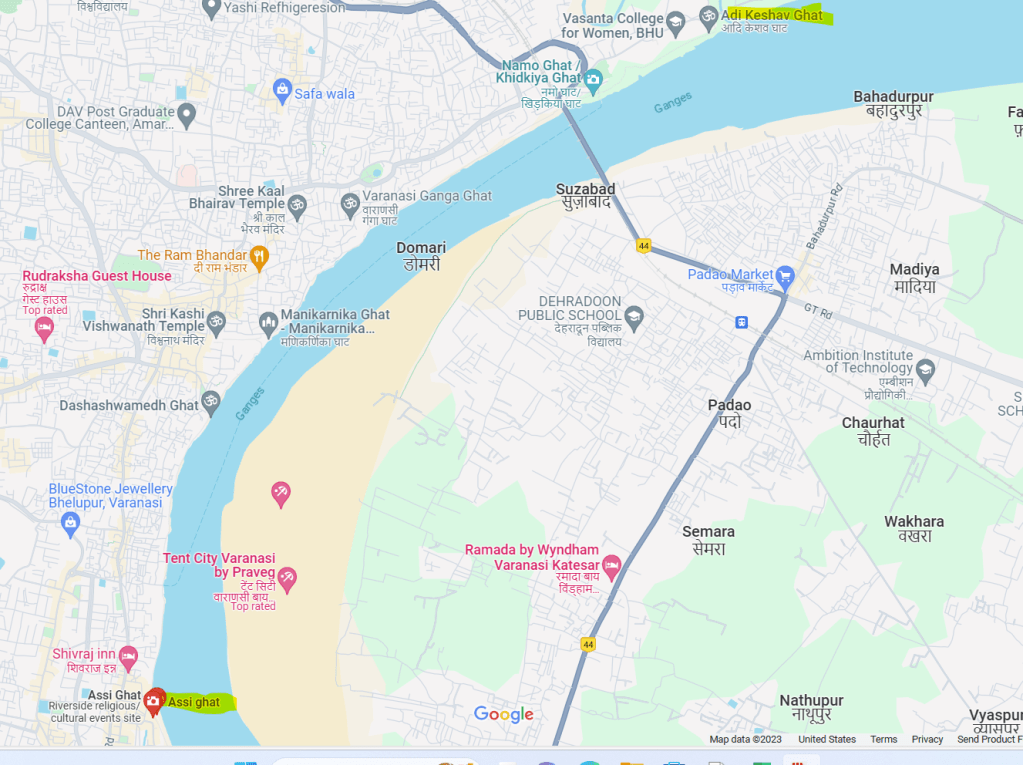
River Ganga forms a crescent shape in Varanasi and with base of crescent is at the Assi ghat and at the tip at the Adi Keshava ghat. This 6.5 Km long river front has 84/85 Ghats/Stairways and taking a holy dip along the Ghat in river Ganga is considered to be sacred. All Ghats feature around 40-60 stone steps and believed to be constructed around 14th century. Each ghat has octagonal raised platforms built for public use and smaller rectangular platforms which are closer to the river built for the use of Brahmins for religious rituals.

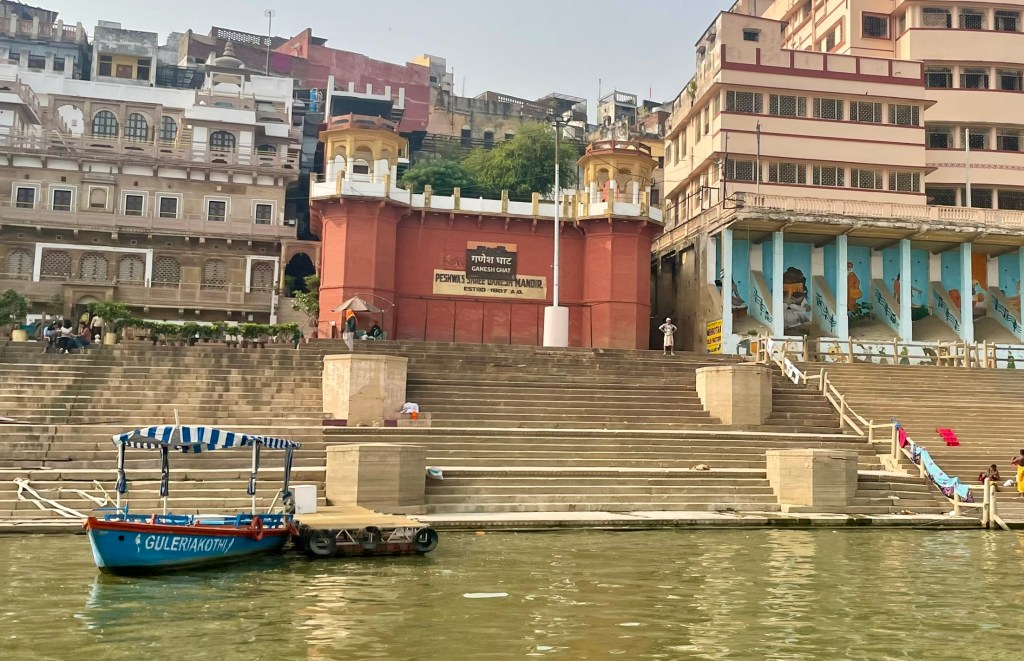
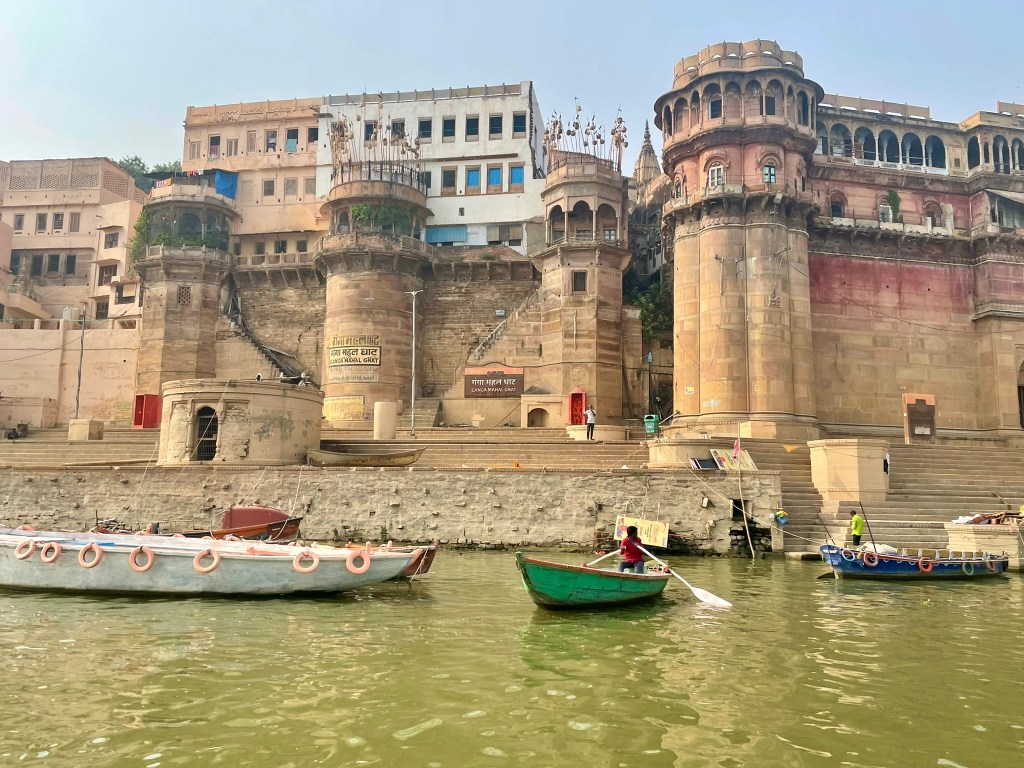
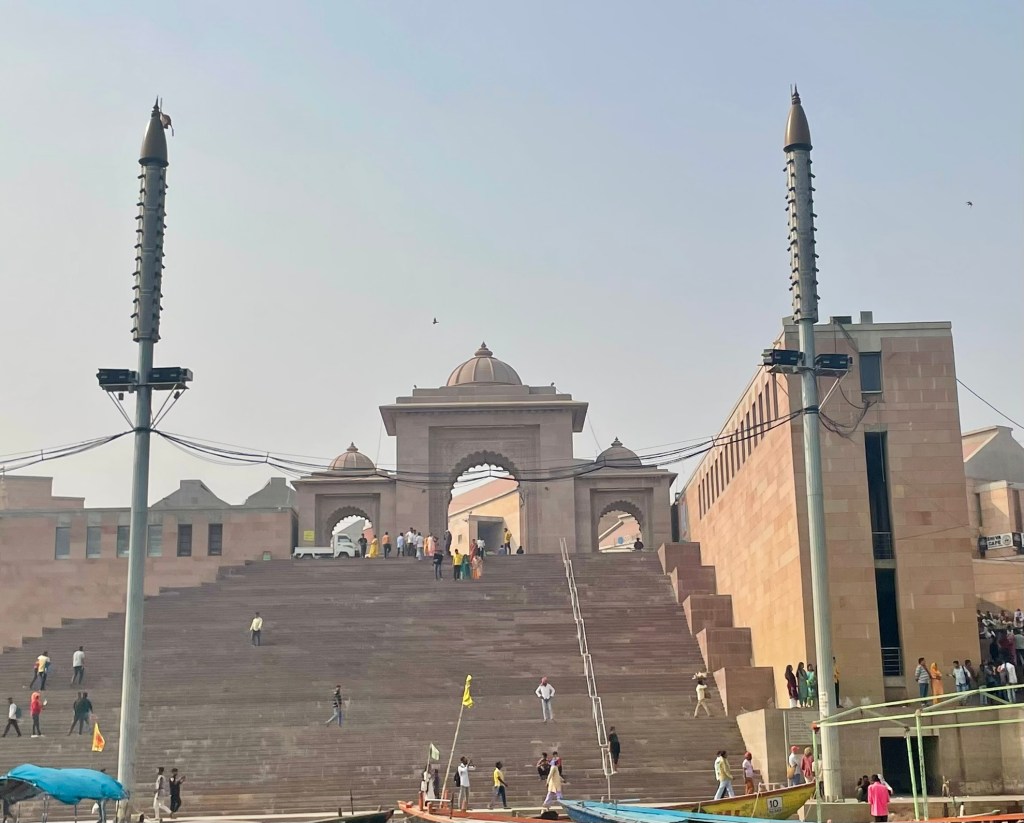
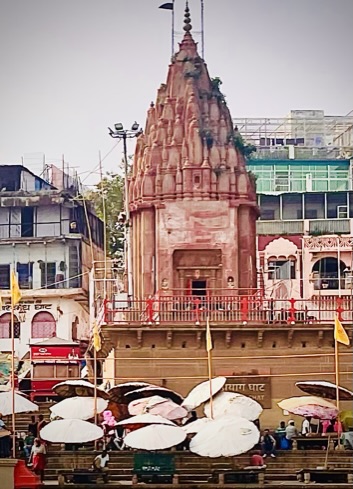
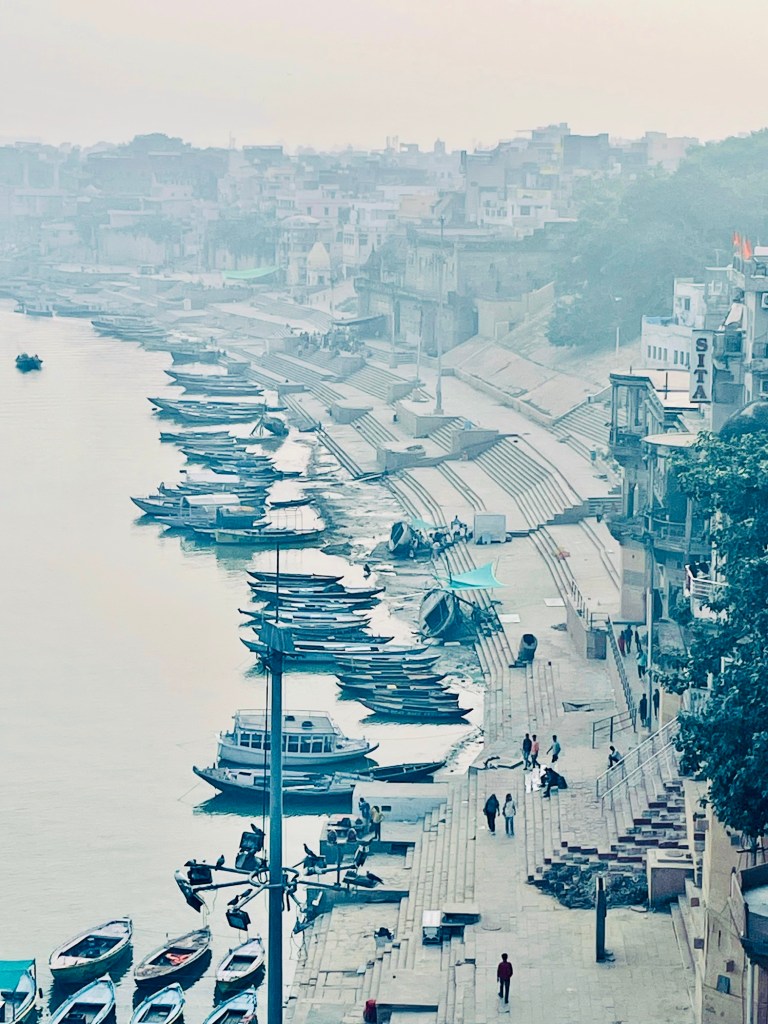
Few of the most popular ghats include:
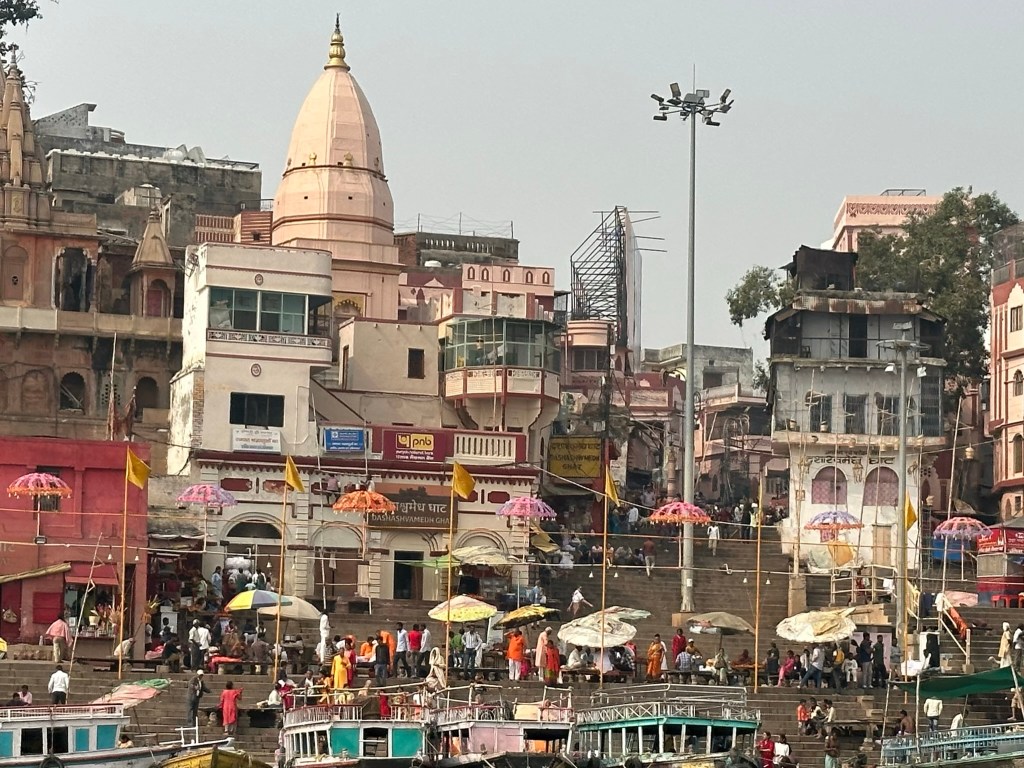
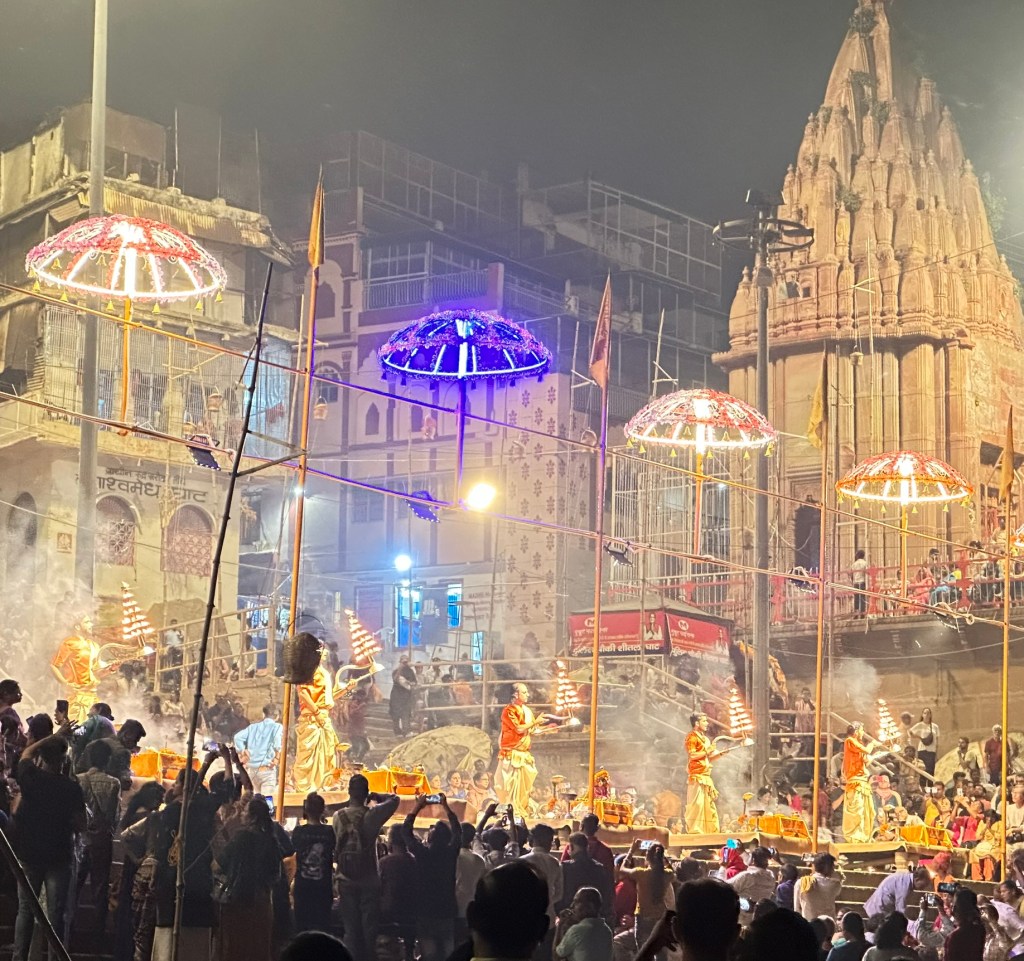
Dashashwamedh Ghat-located close to the Kashi Vishwanath Temple and is one of the busiest and sacred ghats. It is believed that Lord Brahma created it to welcome Lord Shiva and performed the DASA-ASHWAMEDH YAJNA (Literal meaning “Sacrificing ten horses”). This is the Ghat where Ganga Aarti is performed every evening. This is a busy ghat especially in the morning and evening and you will see rows of priests sitting under bamboo umbrellas performing various religious tasks for the pilgrims.
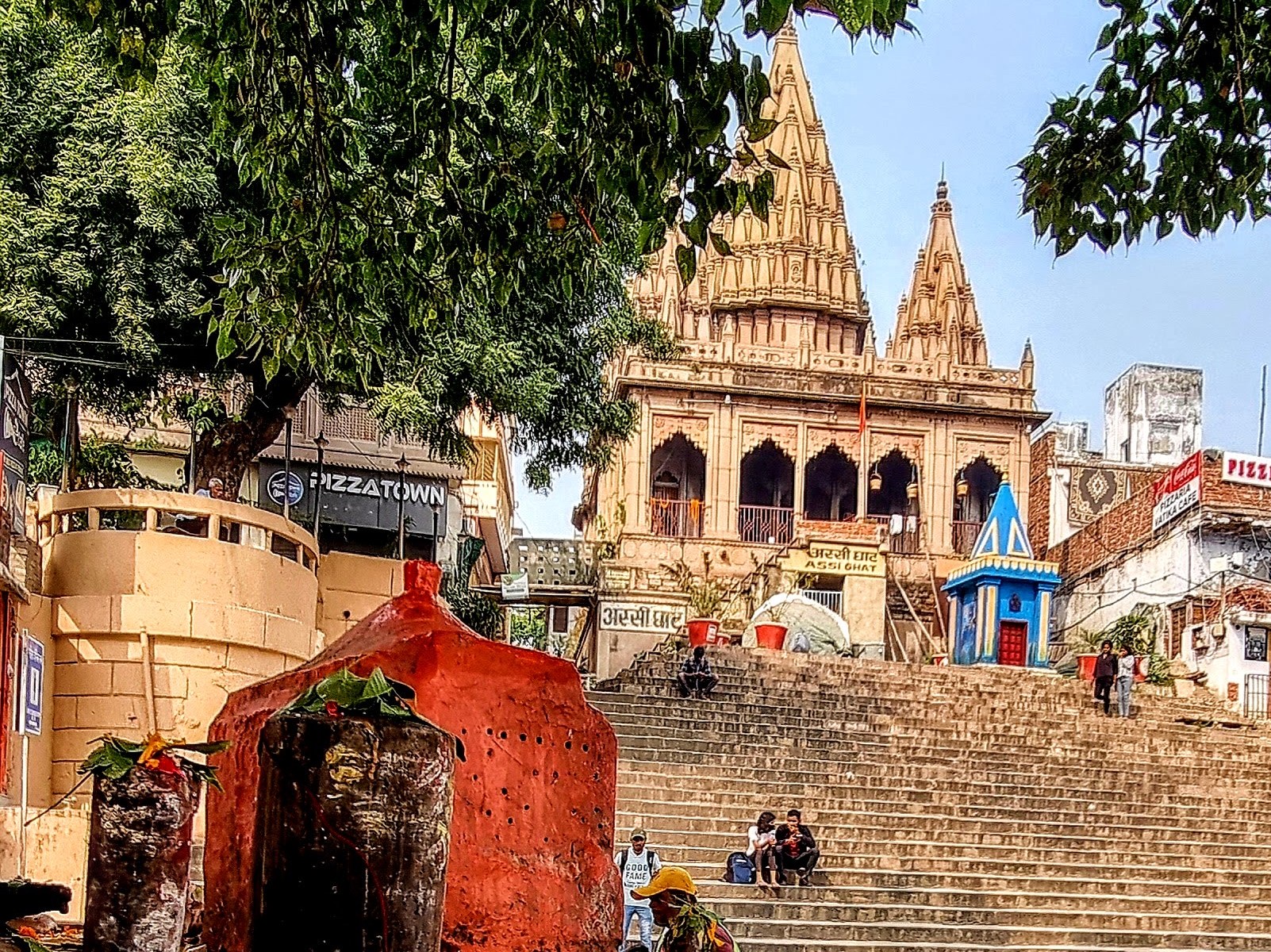
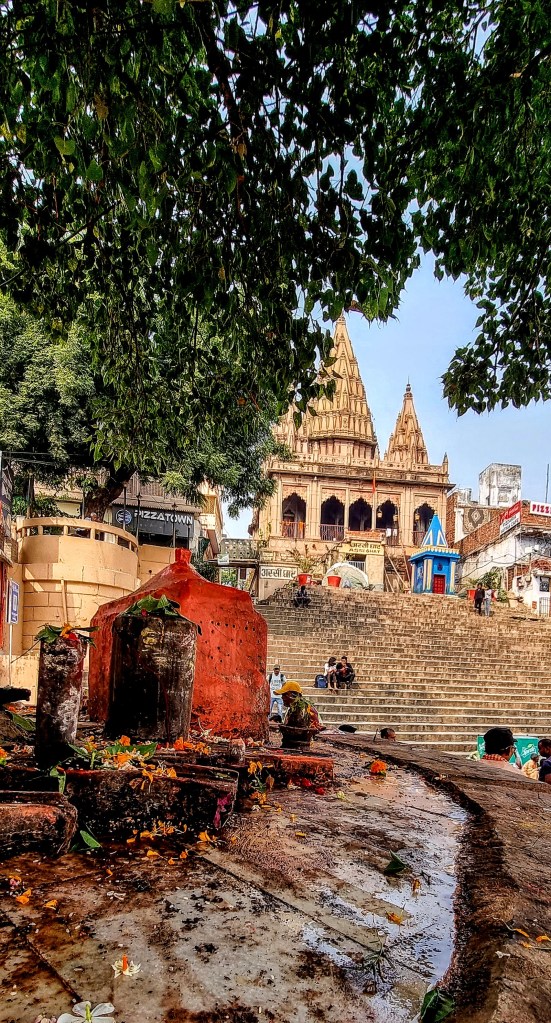
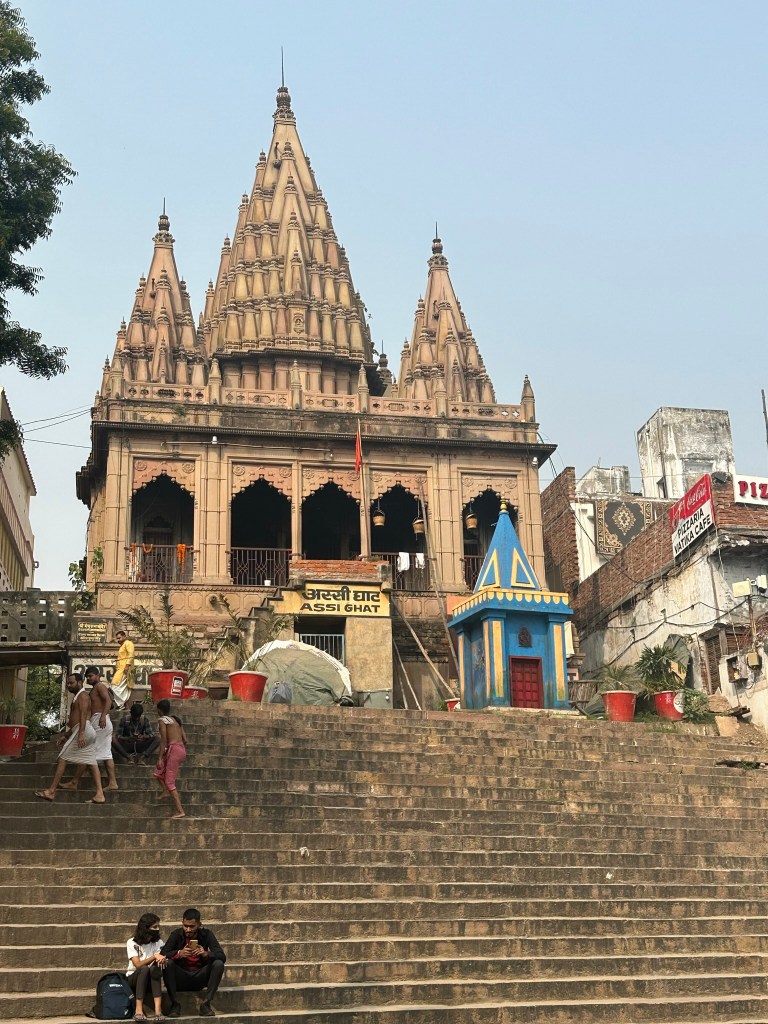
Assi Ghat– Forms the south boundary of the city where river Assi meets Ganga and considered to be the oldest Ghats in Varanasi. It is one of major bathing ghats that still has a clay bank and considered to be one of the most spiritual ghats and bathing here is deemed very auspicious. You cannot miss the imposing Lakshminarayana Pancharatna Mandir on the Ghat and this temple was built by Queen Dulari Radhakunvar, Bihar. Another key feature of this Ghat is an open air shiva temple under the pipal tree that is considred to be “Lord of the confluence of Assi” and worshiped by visitors . Assi Ghat is popular place to visit int the early morning for Subah-e-Banaras Aarti a prayer ceremony offered to both the Sun God and the holy river Ganga. The aarti is an extremely surreal experience and is performed diligently every single day of the year. Check time as it changes depending on the season. If you are near Assi Ghat, check out Lolark Kunda pond dedicated to Sun God.
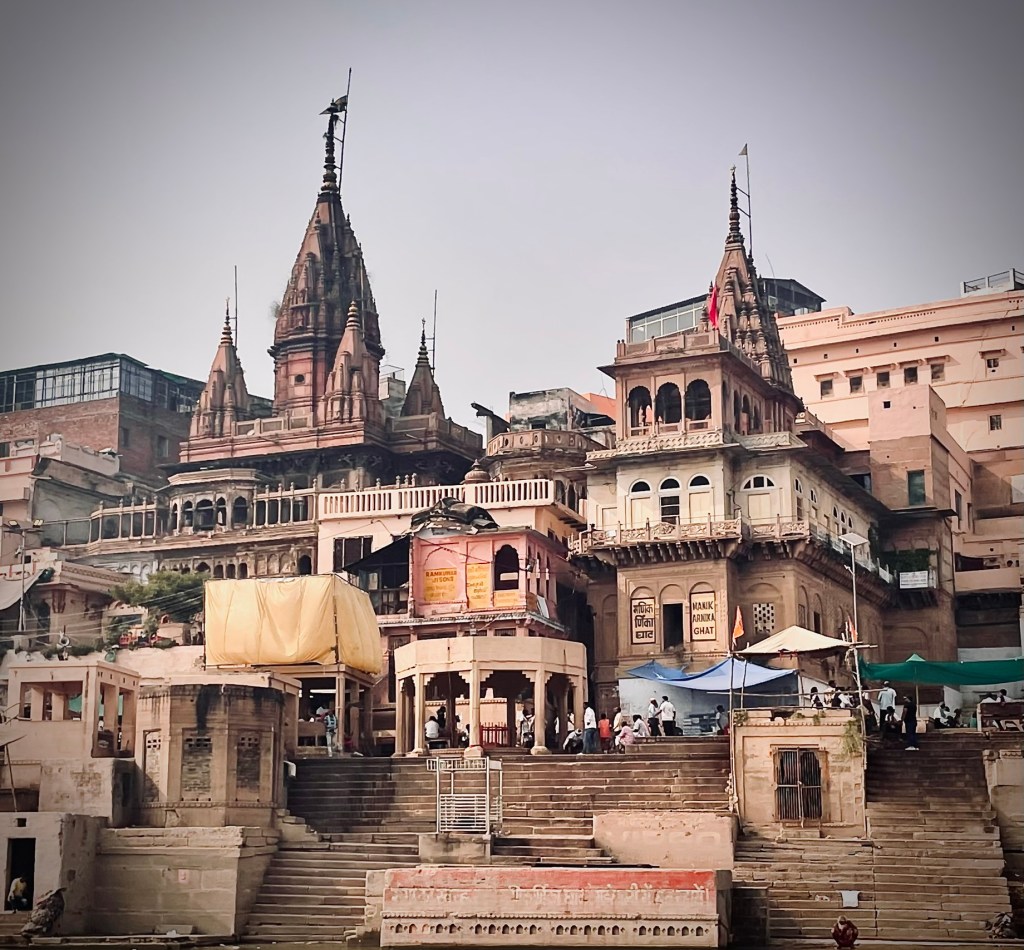
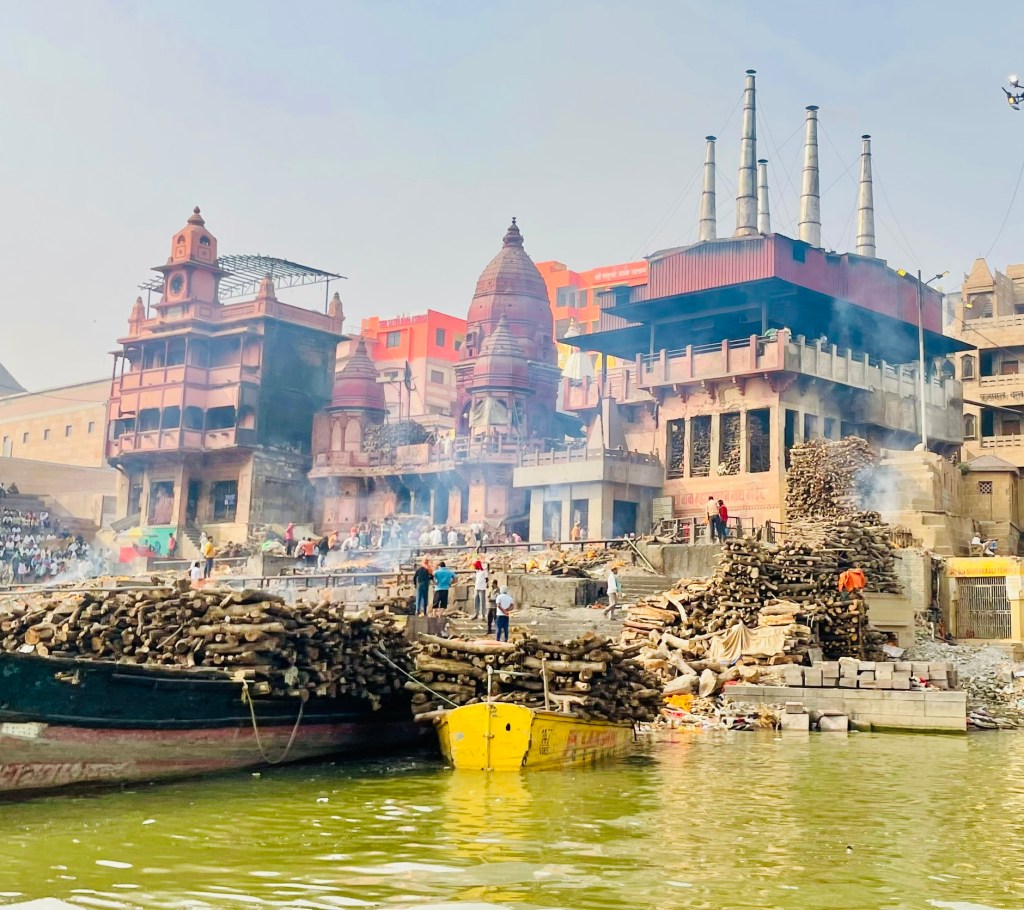
Manikarnika Ghat/Harish Chandra Ghat– These are the 2 Ghats in Varanasi where cremations are performed. Manikarnika ghat being the older of the 2 and primarily uses wood for cremation. Manikarinka Ghat gets its name from the legend, that the ear-ring (Manikarnika) of Lord Shiva or his wife fell here. There is another myth related to the Tarakesvara Temple (Shiva temple at the Ghat), and it is said that this shiva bestows the “prayer of crossing” at the time of the death thus leading to liberation.
Cycle of birth, death and attaining moksha-According to Hindi belief system all living things have a soul or Atman and all living being goes through birth, life, death, and rebirth or reincarnation. Once a living being dies, its soul will be reborn or reincarnated into a different body depending on its karma from its previous life. For example, if a person has good karma in a previous life, then their atman will be reborn or reincarnated into something better than they were previously. A person gains good karma for doing good things in life, such as helping others through following their dharma. A Hindu’s ultimate goal in life is to reach moksha. Moksha means liberation or freedom from samsara, and it can only happen after a Hindu has been reborn many times. If a Hindu gains good karma from many lifetimes, they will have gained ultimate knowledge and have freed themselves from the constraints of the material world. Once this happens, a Hindu’s atman no longer needs to be reborn into another being and is ready to be free from samsara. As a result, the atman will achieve moksha and will be re-joined with Brahman. Hindus come to Banaras from all over India to die, and it is not a feared death. A death in Kashi is liberation (moksha), a release from the worldly cycle of reincarnation. (From https://www.bbc.co.uk/bitesize/guides/zmgny4j/revision/3)
Panchaganga Ghat– This sacred Ghat is located at the confluence of the five holy rivers which is Ganga, Yamuna, Saraswati, Dhutpapa and Kirana. This is magnificent ghat and you will see Alamgir Mosque (locally known Bindu Madhav- Ka- Darera), erected by emperor Aurangzeb, in the background here. Before the mosque, there was a grand temple of Bindu Madav that had been rebuilt in late 16hth century. Like other temples of Varanasi, this temple was destroyed several times between twelfth and sixteen centuries and finally by Aurangzeb to build the mosque to match the grandeur of the previous temple.
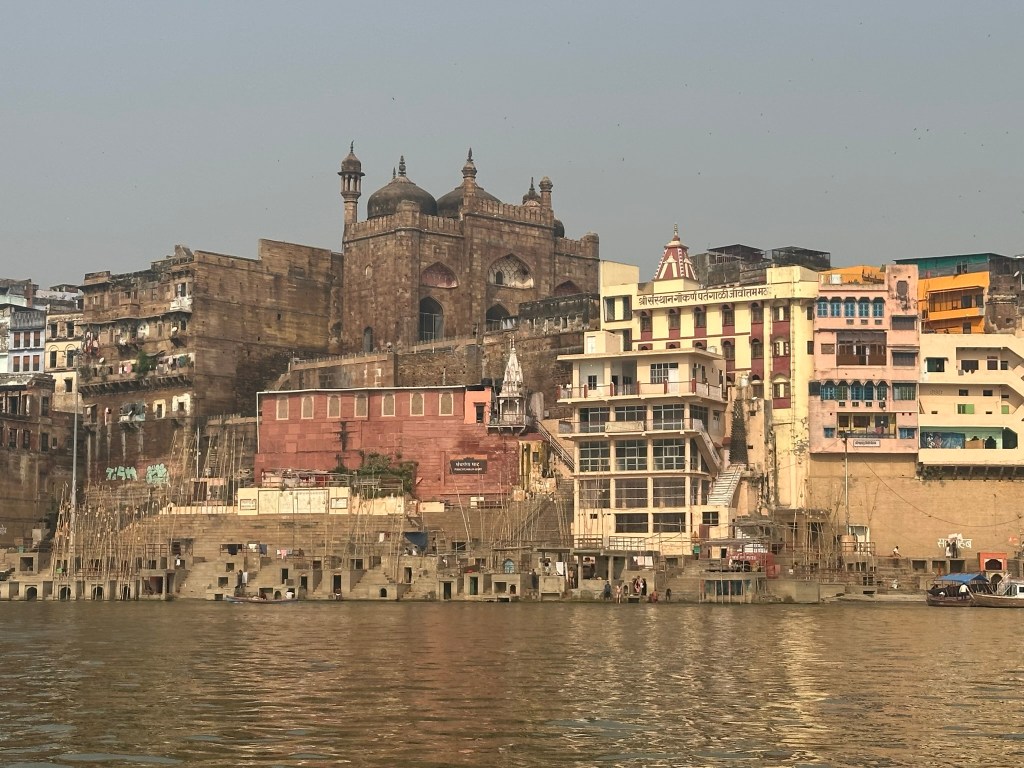
The Panchaganga Ghat has small rooms that open into the river and some of these are used for yoga and meditation. These rows of rooms are usually under water and only visible after the rainy season.
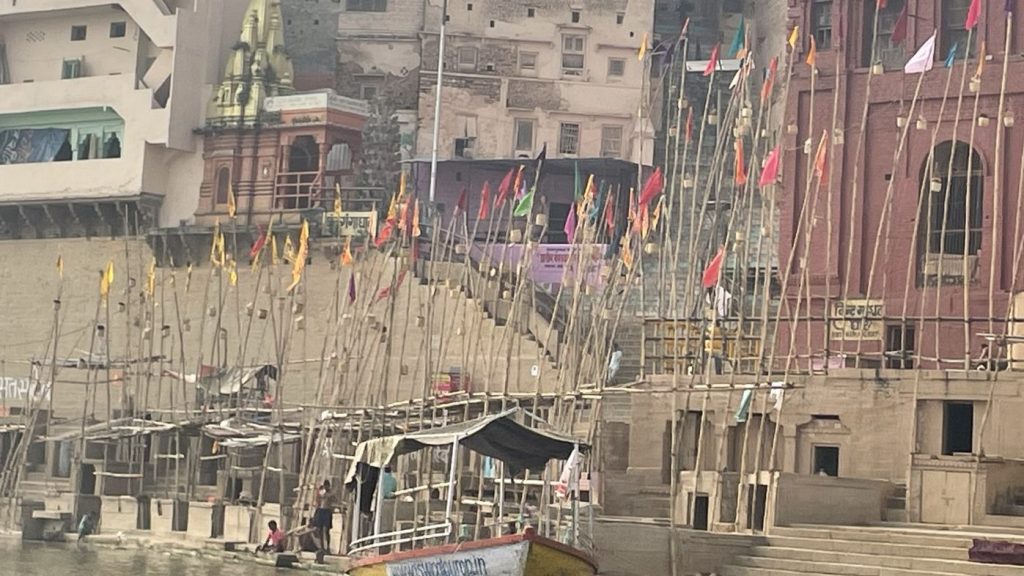
Darbhanga Ghat– We were fortunate to stay in Brijrama palace- a heritage luxury hotel and my review can be read here. Historically, Darbjanga Ghat was named for recoginition of kings of Darbhanga for their support of art and culture. The palace was supposed have been built in 18th century and incorporated both Rajput and Mughal styles. Mythologically, legend says that Lord Rama bathed in this ghat and hence holds a special place.
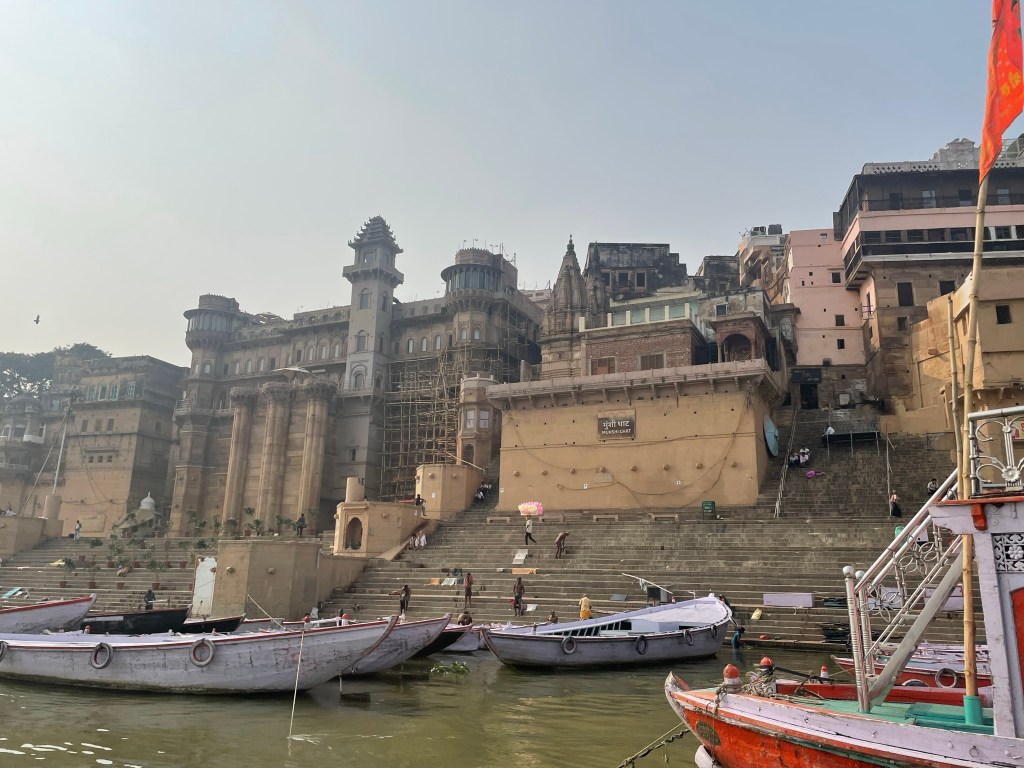
Other ghats that are unique include:
Leaning temple of Scindia and Manikarnika Ghat-Ratneshwar Mahadev temple
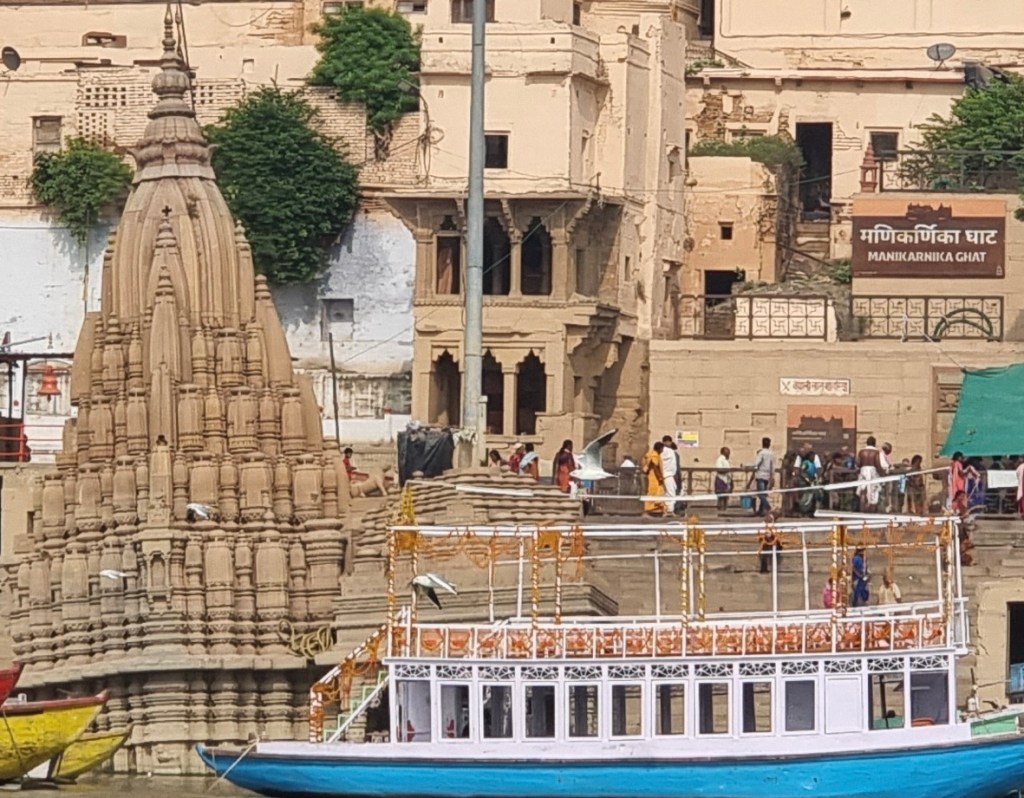
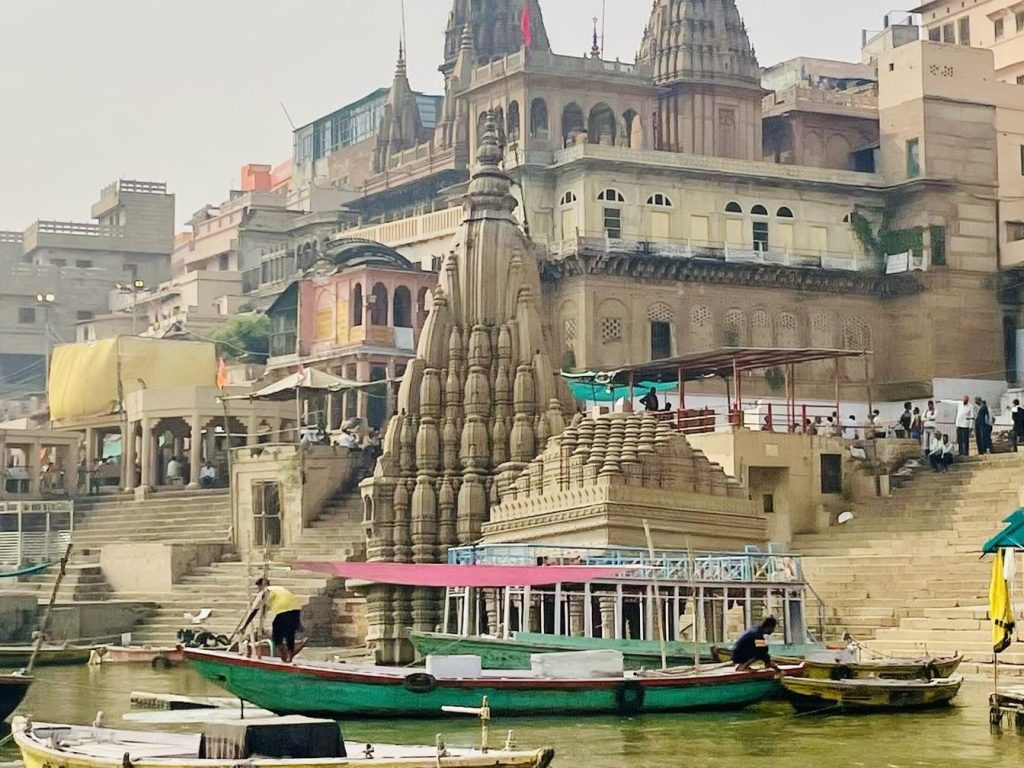
You can’t miss this leaning temple of Ratneshwar Mahadev when you travel by boat on the Ghats of Varanasi. Located between Manikarnika Ghat and Scindhia Ghat, this temple is supposed to have a nine degree tilt and built so close to river that the part of the temple is under water during rainy season. There are couple of legends associated with why the temple is leaning. One legend tells the story of son building temple to honor his mom and boasting that he had re-payed his debt to his mother. Since it is impossible to re-pay mother’s debt, the temple started to lean.
Rani Ghat with palace/grand house built by queen of Lucknow Muniya Sahiba in 1937
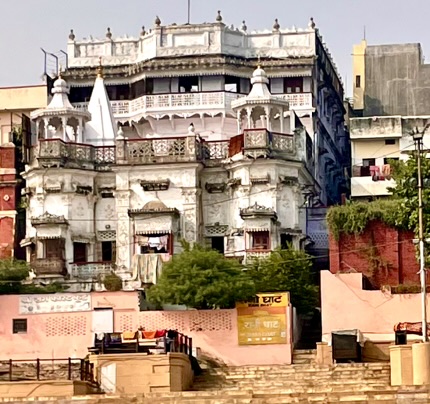
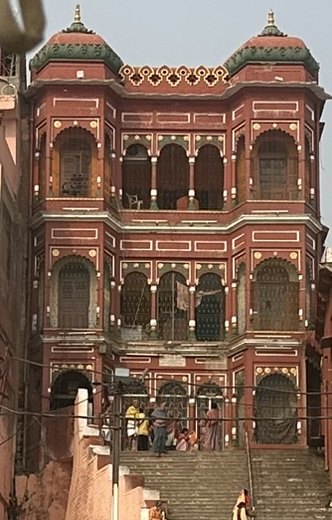
Vijayanagar Ghat– with small palatial building, in south Indian architectural style built by the king of Vijayanagaram in 1890.
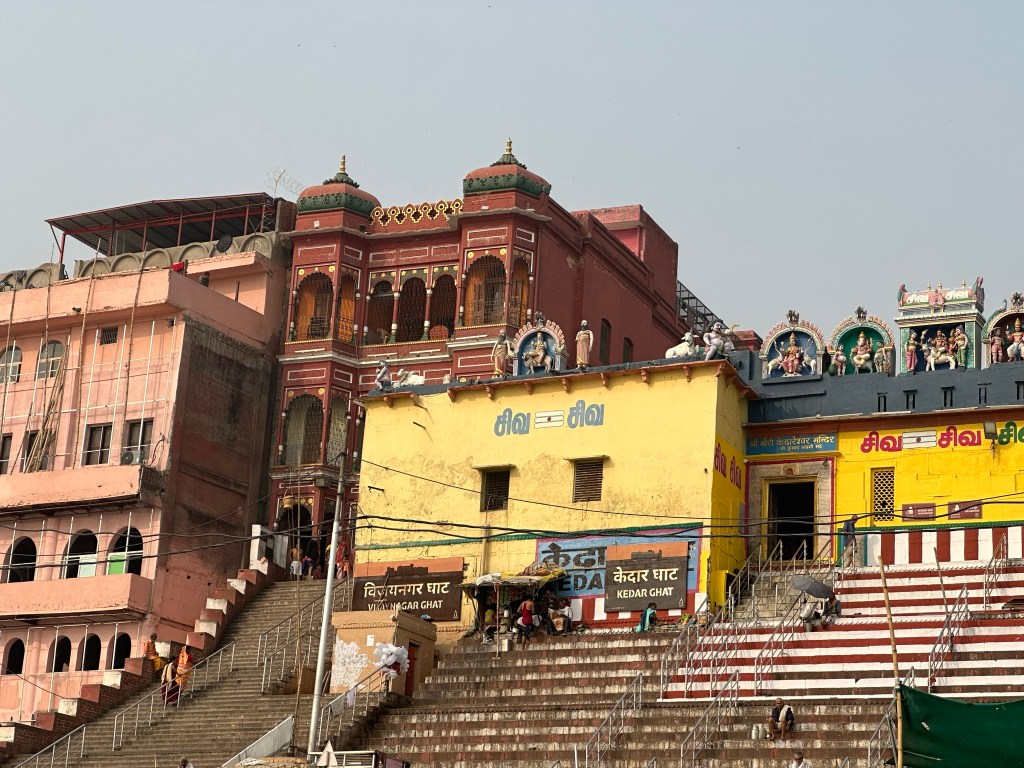
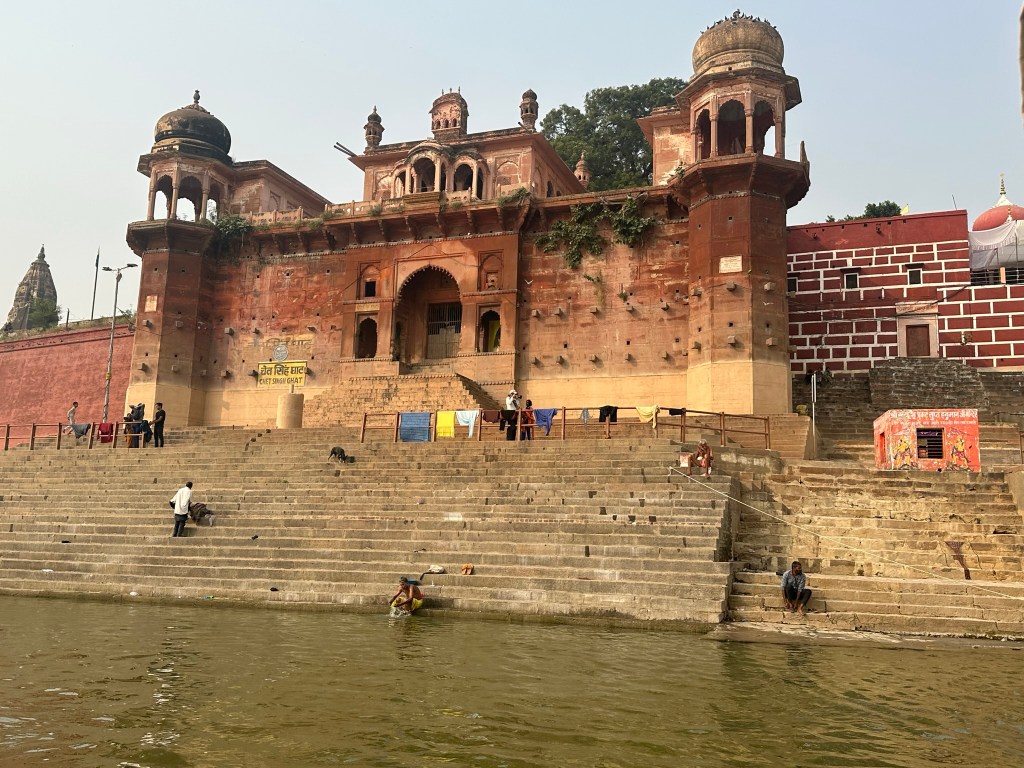
Chet Singh Ghat– Built by Maharaja Chet Singh one of the rulers of Varanasi, this Ghat saw one of the fiercest battles of Indian history fought between the British troops and the army of Raja Chet Singh in 1781 AD. British had the possession of this Ghat until 19th century when King Prabhunarayan Singh had again took the possession of this fort. The northern part of it was donated to Naga group of ascetics who late on built their monasteries and ghats, called Niranjani Ghat and Nirvani Ghat.
Jain Ghat- Jain Ghat is a prominent Jain pilgrimage site as Varanasi is believed to birthplace of Suparshvanatha (7th tirthankara) and Parshvanatha (23rd tirthankara). It is believed that the Jain Maharajas used to own these ghats and the Ghat is home to several Jain temples and shrines, including the Shri Parshvanath Digambar Jain Temple, which is dedicated to the 23rd Jain Tirthankara, Parshvanath. Another important temple at the Jain Ghat is the Shri Mahavirji Jain Temple, which is dedicated to Lord Mahavira, the 24th Tirthankara of the Jain religion. The temple is adorned with beautiful paintings and murals that depict scenes from the life of Lord Mahavira.

The ghats of Varanasi have incredible stories to tell and walking or taking boat ride appreciating the beauty and legends is a great way to start journey of Varanasi.
 Peaks to Palaces
One Reply to “”