Dining in the Depths: The Magic of La Gruta Teotihuacรกn

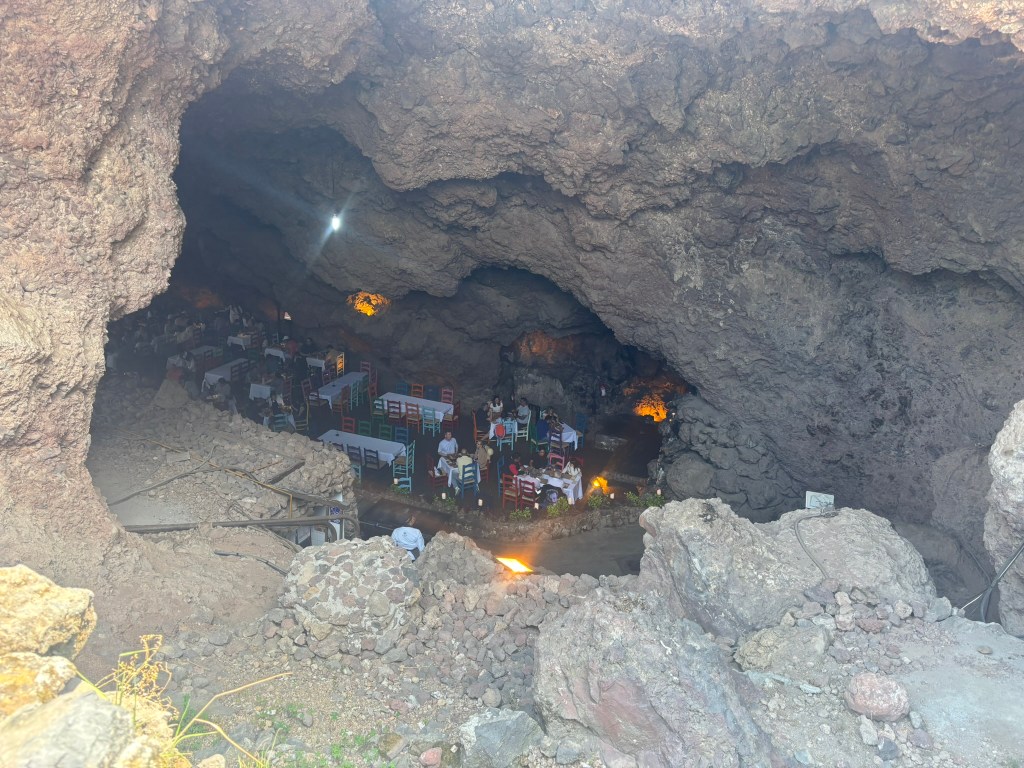
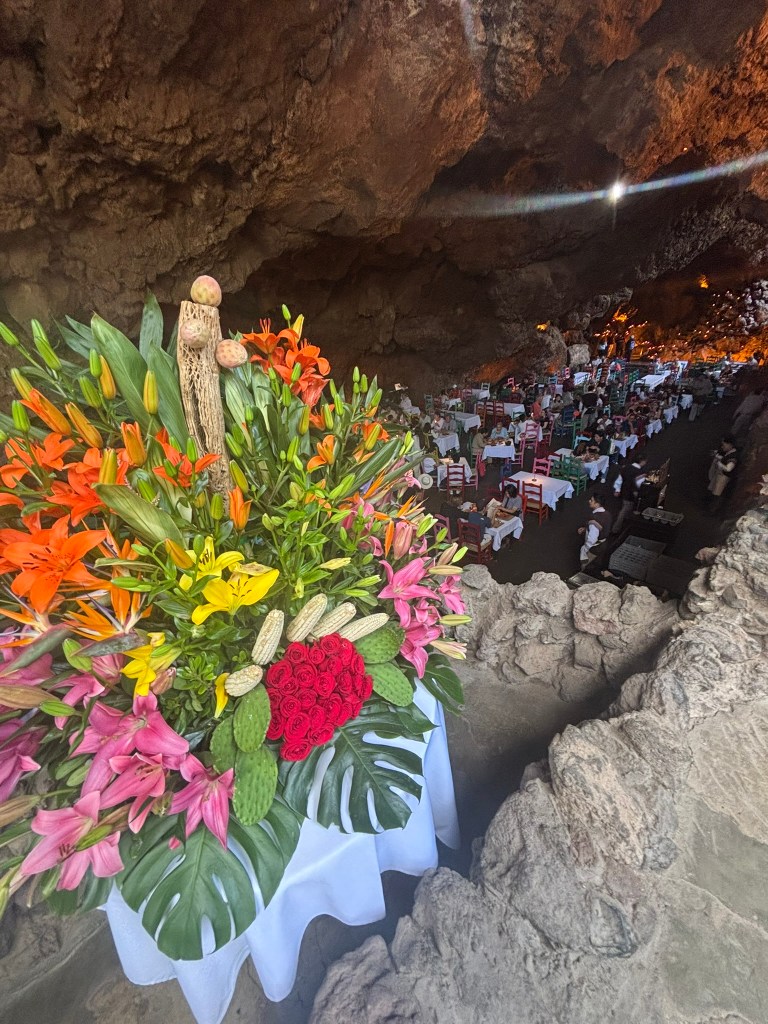
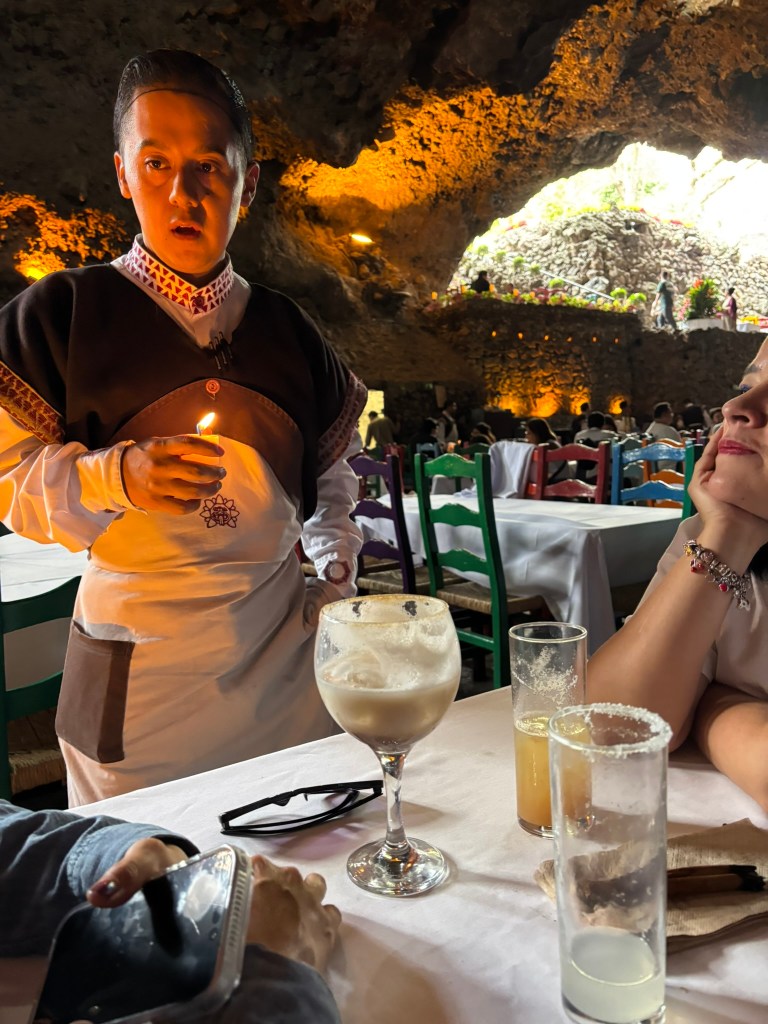
No trip to the ancient pyramids of Teotihuacรกn is complete without descending into La Gruta, one of Mexicoโ€™s most spectacular and unique culinary destinations. Located just behind the Pyramid of the Sun near Gate 5, this iconic restaurant is built entirely inside a majestic, thousand-year-old volcanic cave and natural lava tunnel. After a hot day exploring the archaeological zone, stepping down the stone staircase into the cool, cavernous dining roomโ€”illuminated by warm golden spotlights and filled with vibrant, brightly colored chairsโ€”feels like entering another world. Operating since 1906, La Gruta blends ancient pre-Hispanic heritage with traditional Mexican cuisine to offer a dining atmosphere that is unmatched anywhere else in the region.
To Start: Authentic Pre-Hispanic Appetizers

La Gruta’s celebrated horchata cocktail takes center stage, elegantly served over ice in a classic stemmed goblet with a cinnamon-dusted rim and a whole cinnamon stick artfully perched on top. The waiter enhances the experience by lighting the cinnamon tableside, infusing the drink with an enticing aroma. This rich and velvety concoction harmoniously blends the creamy, sweet, and spiced notes of traditional Mexican rice milk with a smooth kick of alcohol, making it an absolute favorite for guests looking to unwind inside the cool embrace of the volcanic cave.
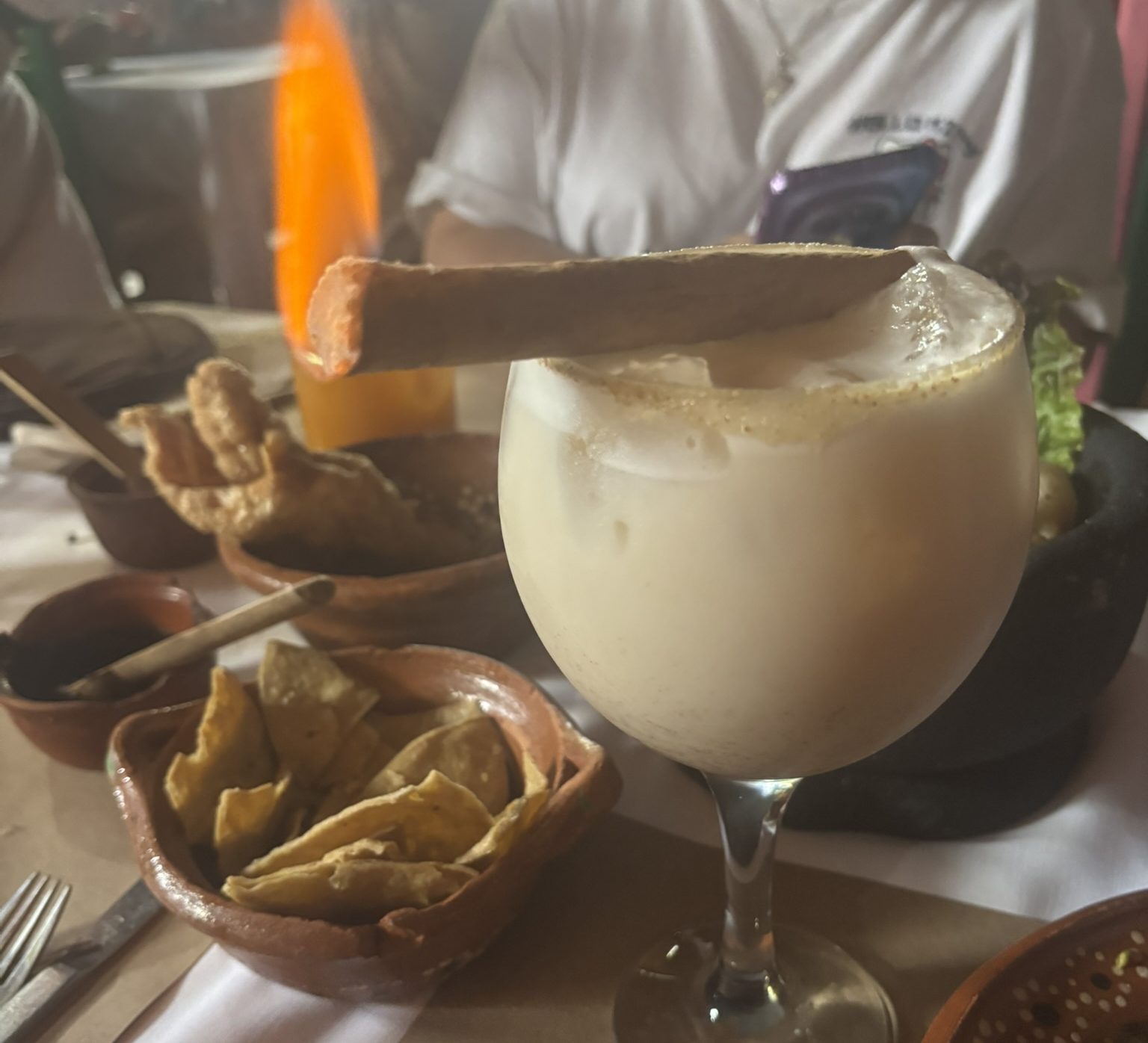
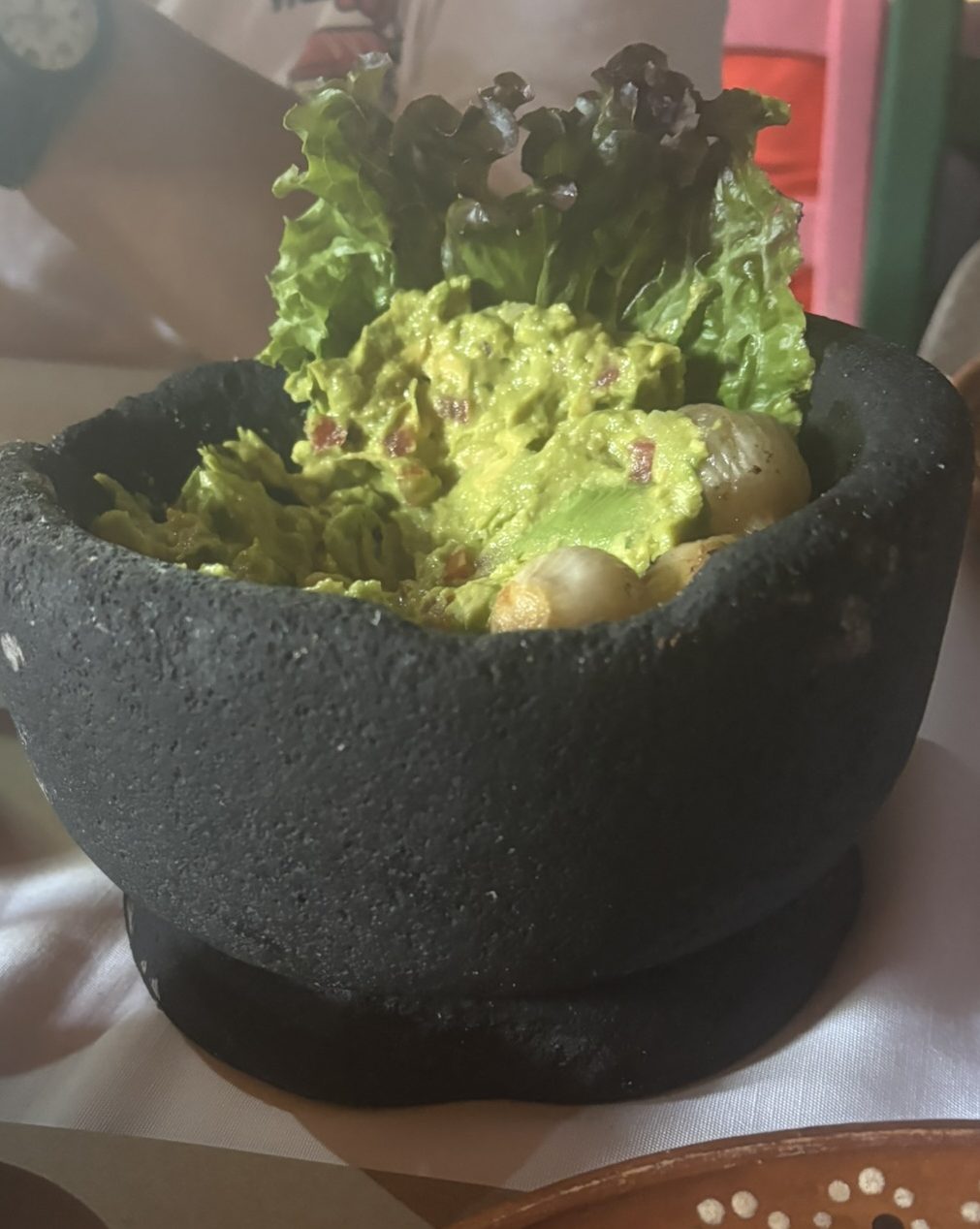
Along with Horchata, you can order a spread of pre-Hispanic and traditional Mexican appetizers, including a rustic clay bowl packed with thick, house-made corn tortilla chips ready for dipping. You’ll want to order the fresh guacamole served in a traditional stone mortar topped with crispy, golden chicharrรณn (pork rinds) alongside a fiery-orange table salsa. For the true culinary adventurer, don’t miss the escamoles (ant larvae). Sautรฉed gently with butter and epazote, these “Mexican caviars” have a remarkably delicate, buttery flavor that pairs beautifully with fresh corn tortillas.
The Main Event: Unlocking Centuries of Flavor

There is a distinct magic in how traditional Mexican food is served here. Our main course arrived tucked inside a gorgeous, dotted cazuela de barro (traditional Mexican clay pot), its handles glowing in the cavern’s candlelight. When the server places the beautifully glazed, hand-painted earthenware on your table, the anticipation peaks.
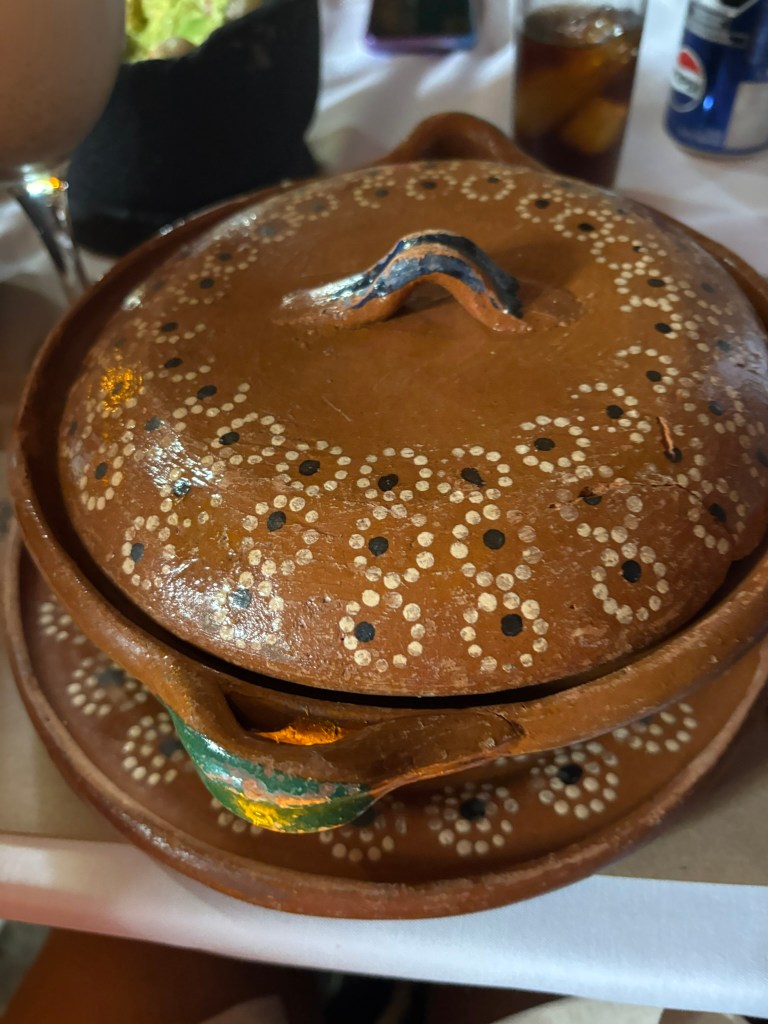
Lifting the heavy lid releases a dramatic cloud of fragrant, earthy steam that smells intensely of slow-cooked spices and toasted maguey leaves. Itโ€™s a sensory time-machine, instantly bridging the gap between the ancient pre-Hispanic cave around you and the vibrant flavors waiting inside. Inside, you will find a traditional, slow-cooked pre-Hispanic stew like their famous Mixiote de Pollo, gently steaming in its aromatic maguey leaf packet, or a piping-hot side of slow-cooked pot beans (frijoles de la olla). If you prefer steak, their flame-grilled arrachera a las brasas comes incredibly juicy and is served alongside roasted nopales (cactus pads).

Sweet Finales: Desserts You Can’t Miss

No pre-Hispanic feast is truly complete without experiencing La Grutaโ€™s traditional dessert menu, which cleverly infuses classic Mexican sweets with local, aromatic ingredients. If you have room after your main course, these sweet treats pair beautifully with a hot, spiced cafรฉ de olla or a final artisanal cocktail:

  • Flan La Gruta: The restaurant’s signature dessert. This velvety, ultra-creamy Napolitano-style custard is beautifully decorated with a crown of crunchy, toasted amaranth seeds and a drizzle of local honey.
  • Pastel de Elote (Sweet Corn Cake): A deeply traditional Mexican favorite. This warm, dense, and naturally sweet corn cake is generously drizzled with rompope de conventoโ€”a rich, Mexican-style eggnog liqueur originally crafted by historical convent nuns.
  • Pastel de Chocolate Tibio (Warm Chocolate Cake): For the chocolate lovers, this decadent cake is uniquely made from gluten-free amaranth flour. It arrives warm and gooey, served alongside a tart, refreshing artisanal scoop of house-made guava and hibiscus (jamaica) ice cream.
  • Piรฑa Tatemada (Charred Pineapple): Flame-cooked and flambรฉed right before your eyes with orange liqueur, it is subtly infused with the herbal, anise-like notes of hoja santa leaves and balanced with an artisanal orange-blossom honey ice cream.

The Rebirth Candle Ceremony

The true highlight of the meal comes at the very end during La Gruta’s timeless candle ceremony. Drawing deeply on Mesoamerican cosmology, the Aztecs viewed caves as spiritual portals to the underworld and places of energetic purification. At the conclusion of your meal, your server will present you with a small, lit candle. You are invited to walk to the back of the cavern, make a wish, and leave it resting along the dark rocky ledges alongside hundreds of other flickering flames left by past travelers. Leaving your candle behind symbolizes a ritual of rebirthโ€”shedding old, negative energy and leaving the volcanic depths to step back into the daylight fully renewed.
๐Ÿ“… Booking & Reservations

  • Reserve Early: Book your table up to two weeks in advance via OpenTable. Weekend slots fill up remarkably fast.
  • Walk-In Strategy: If you cannot secure an online reservation, the restaurant keeps a daily walk-in waitlist. Arrive by 11:00 AM to get seated immediately or beat the heavy 1:00 PM to 3:00 PM lunch rush.
  • Time Tolerance: La Gruta only holds reservation tables for exactly 10 minutes before releasing them to the walk-in crowd.

๐Ÿงญ Location & Getting There

  • The Location: Nestled right outside the archaeological perimeter behind the Pyramid of the Sun, closest to Gate 5. You can easily walk directly over after finishing your pyramid tour.
  • From Mexico City: Take a 50-minute Uber or taxi from the city center, or catch the Autobuses Teotihuacanos public bus departing regularly from the Terminal del Norte station.

๐Ÿ’ฐ Budgeting & Costs

  • Expected Spend: Plan for an upscale tourist price point relative to standard local dining. Expect to spend roughly $350 to $750 MXN ($20 to $40 USD) per person for an appetizer, main dish, and signature drink.
  • Payment Formats: Cash, credit cards, and debit cards (Visa, Mastercard, and American Express) are fully accepted inside the cave.
My culinary adventures through Mexico City- Navigating Mexico Cityโ€™s Culinary Icons as an Ovo-Lacto Vegetarian

One of the greatest advantages of traveling for business is the opportunity to dine with local co-workers. They act as your ultimate culinary guides, leading you past the tourist traps straight to the city’s best traditional restaurants for an authentic taste of local culture. Furthermore, dining with locals provides an invaluable safety net. Having native speakers clearly explain your ovo-lacto-vegetarianย preferences to the restaurant staff gives you complete peace of mind, so you can relax and fully enjoy your meal without worrying about hidden meat broth or unexpected lard.

This local guidance is especially liberating in Mexico City. On the surface, the capitalโ€™s food scene presents a notoriously meat-heavy facade, dominating the streets with the aroma of sizzling pork pastor and rendering lard into a daily staple. Yet, beneath the carnivore-centric surface lies a profound culinary secret: traditional high-end Mexican cuisine is rooted in an incredibly rich, pre-Hispanic biodiversity of corn, ancient grains, wild greens, chilies, and dairy.

With local colleagues guiding the kitchen, navigating this meat-based city becomes an effortless, rewarding journey. Here is how to experience three of Mexico Cityโ€™s most prestigious culinary institutions as a sophisticated ovo-lacto vegetarian.

1. Restaurante El Cardenal: The High-Mass of Mexican Breakfast

Located in the heart of downtown (with its classic flagship on Calle de la Palma 23), Restaurante El Cardenal is an absolute institution [Food 9]. Established in 1969 by Oliva Garizurieta de Briz and her husband Jesรบs Briz, this multi-story dining temple treats traditional Mexican cuisine with religious reverence.

The restaurant operates its own dedicated dairy farms outside the city to process fresh milk, cream, and artisan cheeses daily, ensuring a farm-to-table lineage that is rare for a metropolitan hub.

       โ”Œโ”€โ”€โ”€โ”€โ”€โ”€โ”€โ”€โ”€โ”€โ”€โ”€โ”€โ”€โ”€โ”€โ”€โ”€โ”€โ”€โ”€โ”€โ”€โ”€โ”€โ”€โ”€โ”€โ”€โ”€โ”€โ”€โ”€โ”€โ”€โ”€โ”€โ”€โ”€โ”€โ”€โ”€โ”€โ”€โ”€โ”€โ”€โ”€โ”€โ”€โ”€โ”€โ”€โ”€โ”€โ”€โ”
       โ”‚             THE EL CARDENAL MORNING RITUAL             โ”‚
       โ”œโ”€โ”€โ”€โ”€โ”€โ”€โ”€โ”€โ”€โ”€โ”€โ”€โ”€โ”€โ”€โ”€โ”€โ”€โ”€โ”€โ”€โ”€โ”€โ”€โ”€โ”€โ”€โ”€โ”€โ”€โ”€โ”€โ”€โ”€โ”€โ”€โ”€โ”€โ”€โ”€โ”€โ”€โ”€โ”€โ”€โ”€โ”€โ”€โ”€โ”€โ”€โ”€โ”€โ”€โ”€โ”€โ”ค
       โ”‚ 1. Sit down and open the historic menu manifesto.      โ”‚
       โ”‚ 2. Order the artisan "Chocolate Doรฑa Oliva".           โ”‚
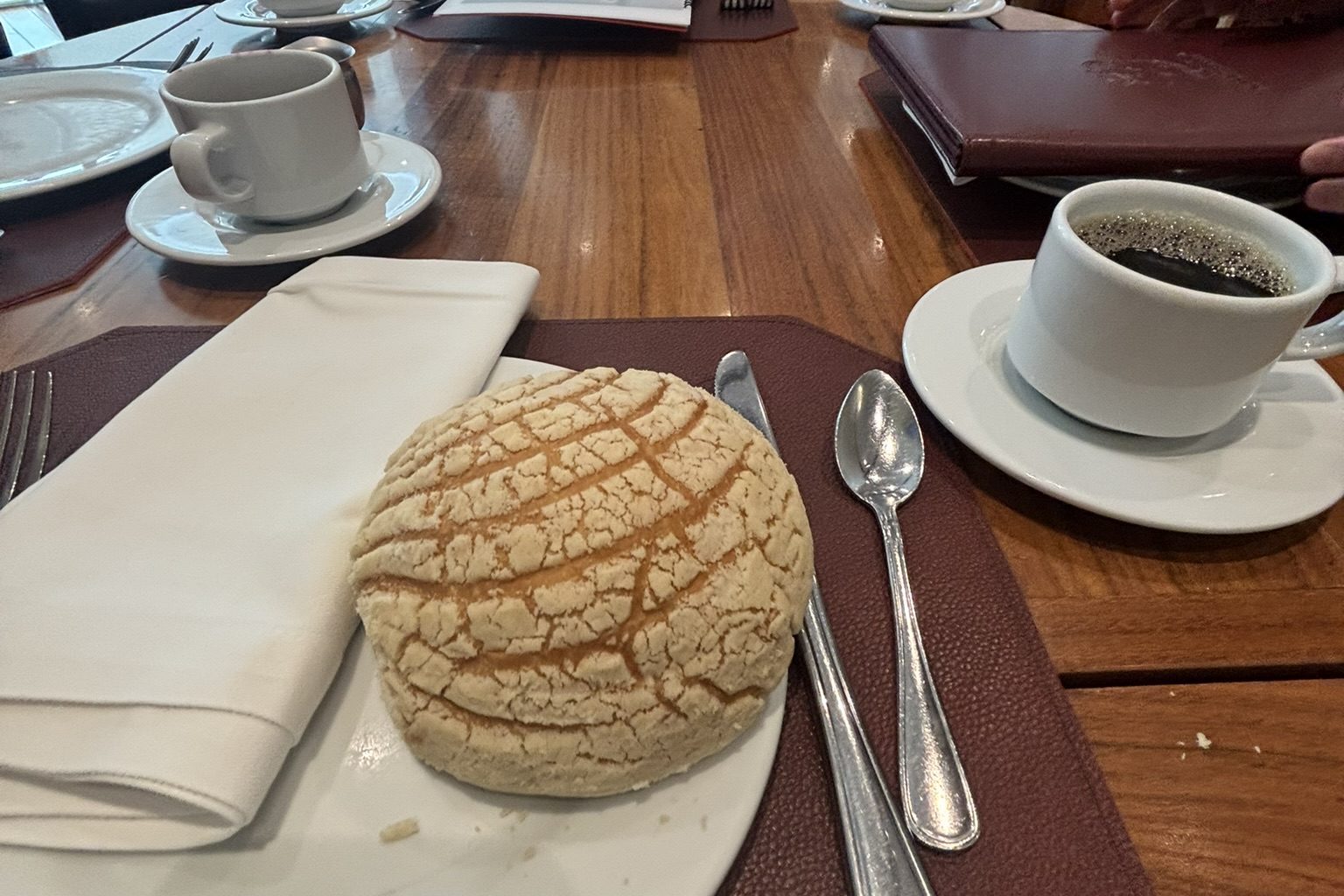
       โ”‚ 3. Select a warm, fresh Concha from the pastry tray.   โ”‚
       โ”‚ 4. Slather a thick layer of raw "Nata" inside the bun. โ”‚
       โ”‚ 5. Dunk the cream-filled pastry straight into hot cocoaโ”‚
       โ””โ”€โ”€โ”€โ”€โ”€โ”€โ”€โ”€โ”€โ”€โ”€โ”€โ”€โ”€โ”€โ”€โ”€โ”€โ”€โ”€โ”€โ”€โ”€โ”€โ”€โ”€โ”€โ”€โ”€โ”€โ”€โ”€โ”€โ”€โ”€โ”€โ”€โ”€โ”€โ”€โ”€โ”€โ”€โ”€โ”€โ”€โ”€โ”€โ”€โ”€โ”€โ”€โ”€โ”€โ”€โ”€โ”˜

  • The Vibe: Formal, bustling, and deeply traditional. You will dine alongside multi-generational Mexican families, politicians, and local business leaders.

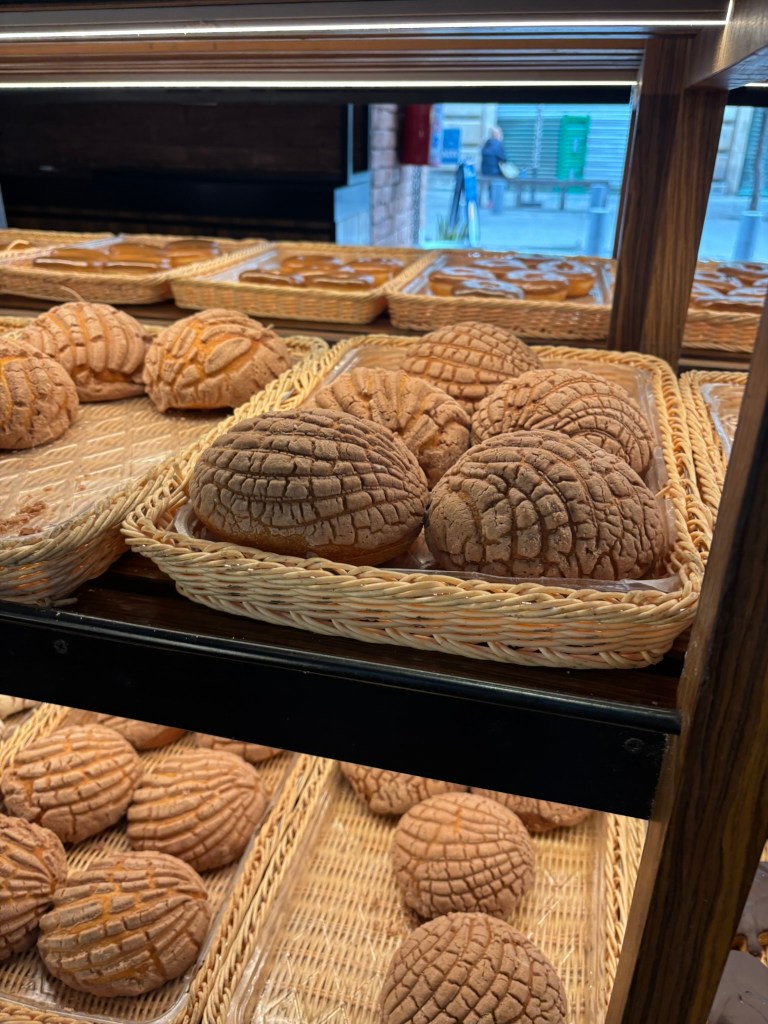
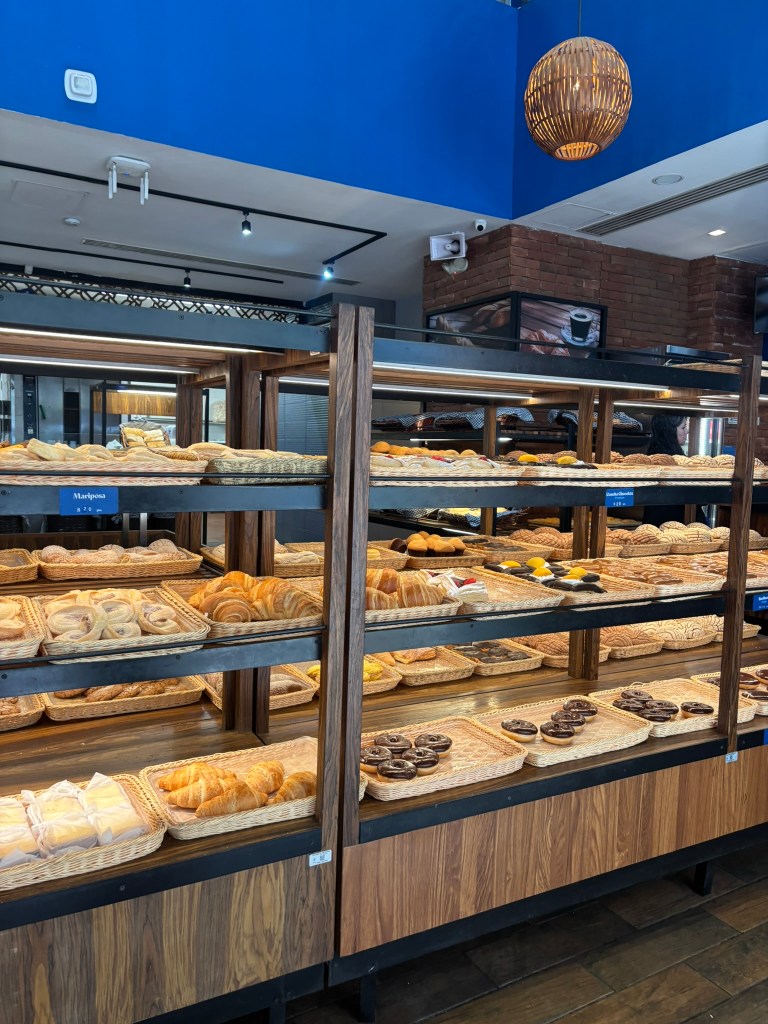
The magic here begins the exact second your feet hit the floor. Almost as soon as you sit down, a waiter balancing a massive wicker basket sweeps by your table to offer an array of fresh, warm bakes. For a first-time traveler, this moment can be beautifully overwhelming. After consulting my local co-workers on what to choose, I was handed my very first Conchaโ€”and an immediate obsession was born. The roll was unbelievably soft, pillowy, and carried a delicate sweetness from its crackled cookie crust that harmonized perfectly with a cup of hot black coffee.

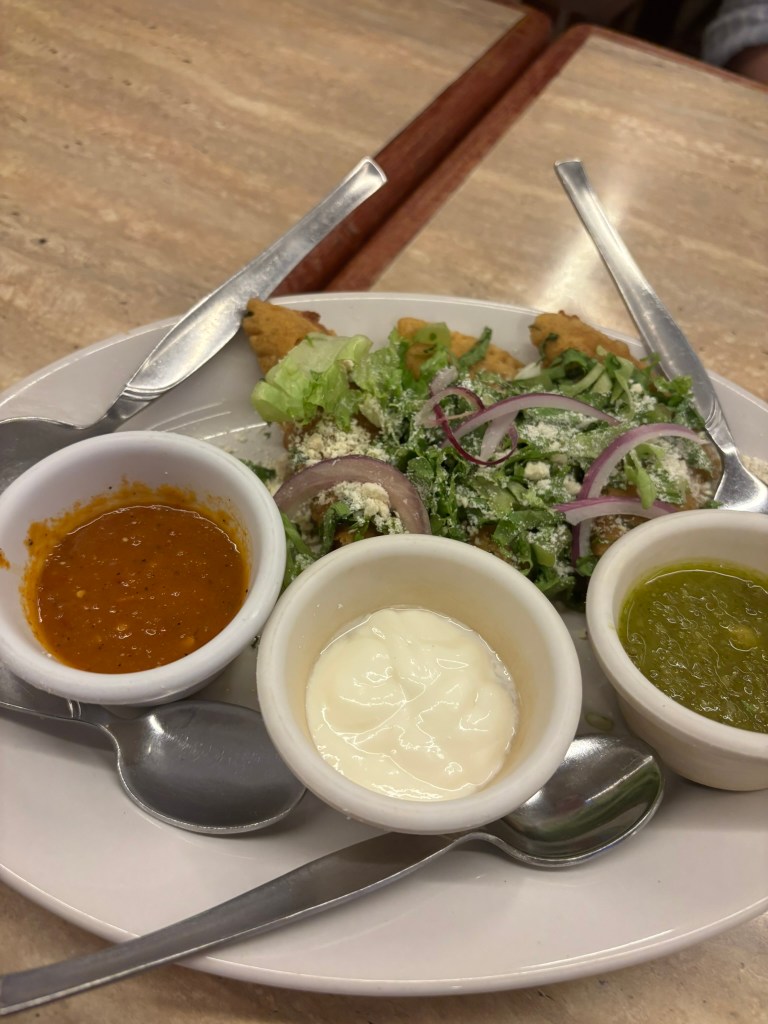
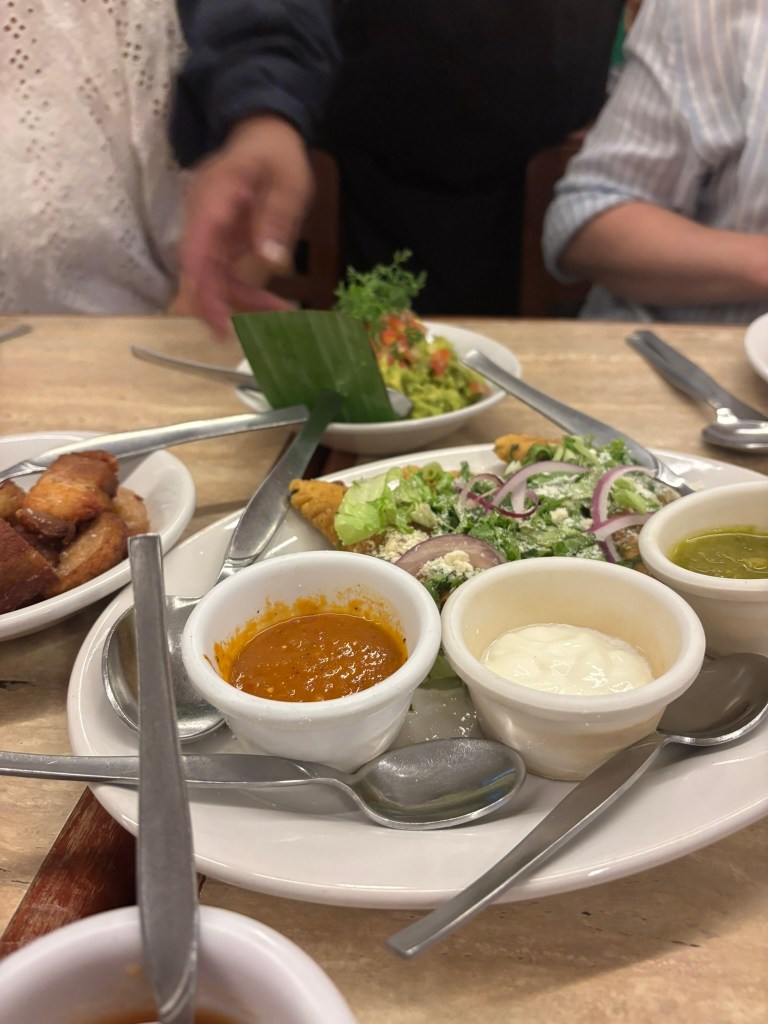
  • The Appetizer Starter: Kick off your breakfast with a plate of crisp Molotes. These deep-fried, pocket-shaped corn masa dumplings arrive under a fresh garden layer of shredded lettuce and cotija cheese. Use the three accompanying dishes to dress each bite with cool cream, smoky red salsa, or bright green tomatillo salsa. Vegetarian Check: Have your co-workers double-check with the waiter that these are fried in clean vegetable oil rather than pork lard (manteca).
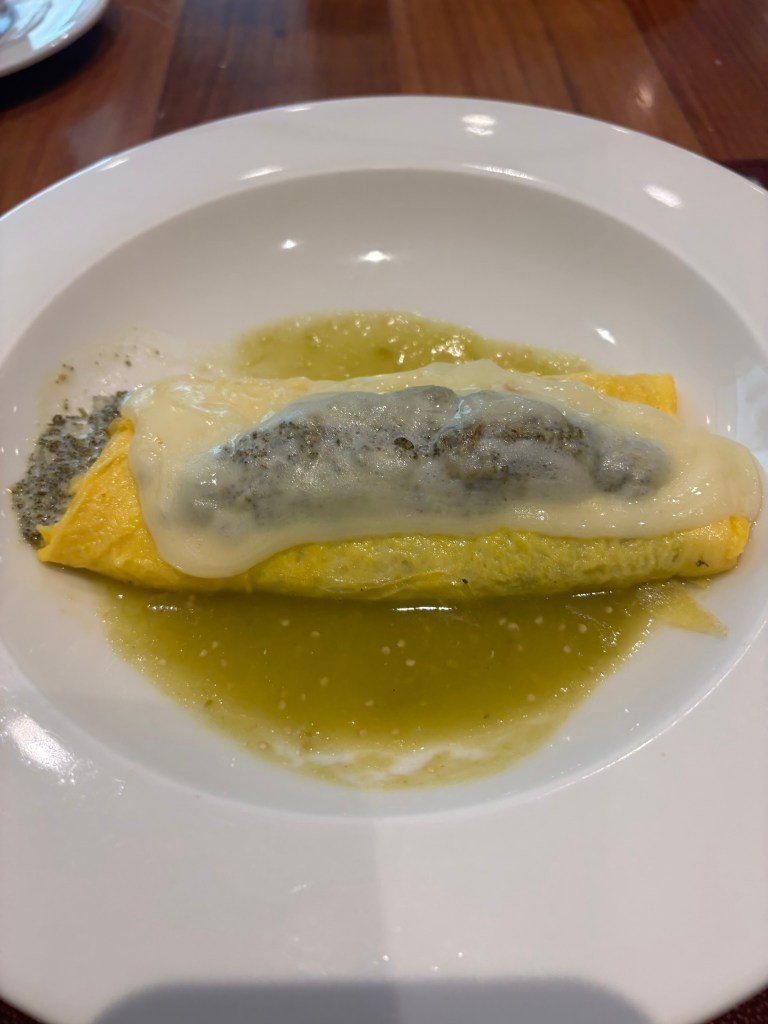
  • The Masterpiece Main: For your primary dish, request the historic Omelette de Huauzontles. This dish is a masterclass in culinary balance: a silky, folded egg jacket generously stuffed with huauzontleโ€”an ancient, pre-Hispanic Aztec chenopod herb carrying a robust, slightly bitter herbal punch. El Cardenal perfectly balances this natural bitterness by blanketing the omelet under a rich layer of melted artisan cheese and pooling it in a vibrant, tangy green tomatillo sauce. Crucially, the plate is accompanied by an uchepoโ€”a highly distinct, sweet, fresh-corn tamal native to the state of Michoacรกn.

    The Historical Significance of Your Plate

    Choosing the huauzontle is a triumphant nod to indigenous survival. Along with corn and amaranth, huauzontle was one of the primary staple crops of the Aztec Empire, often used as sacred tribute. Because it was heavily integrated into indigenous religious ceremonies, the Spanish conquistadors strictly banned its cultivation under penalty of severe physical punishment. Despite centuries of systemic suppression, indigenous farmers secretly preserved the seeds in remote mountain valleys, allowing this highly nutritious wild green to survive all the way to your modern breakfast table.

    2. San รngel Inn: Aristocratic Elegance & Mid-Century Bohemianism

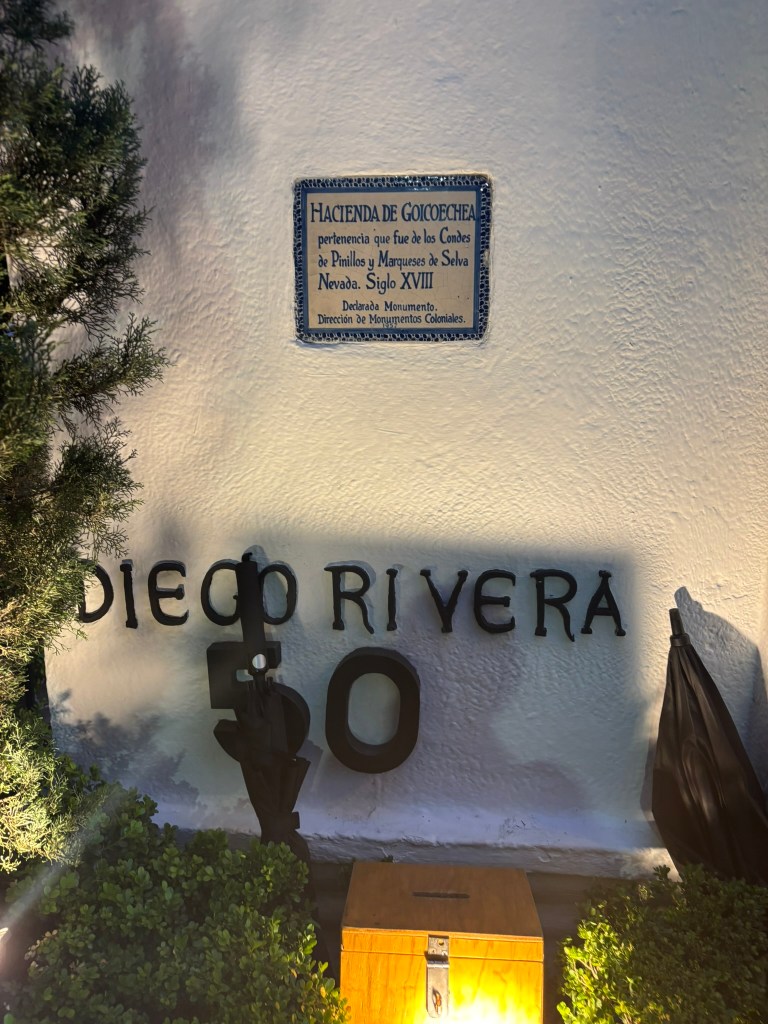
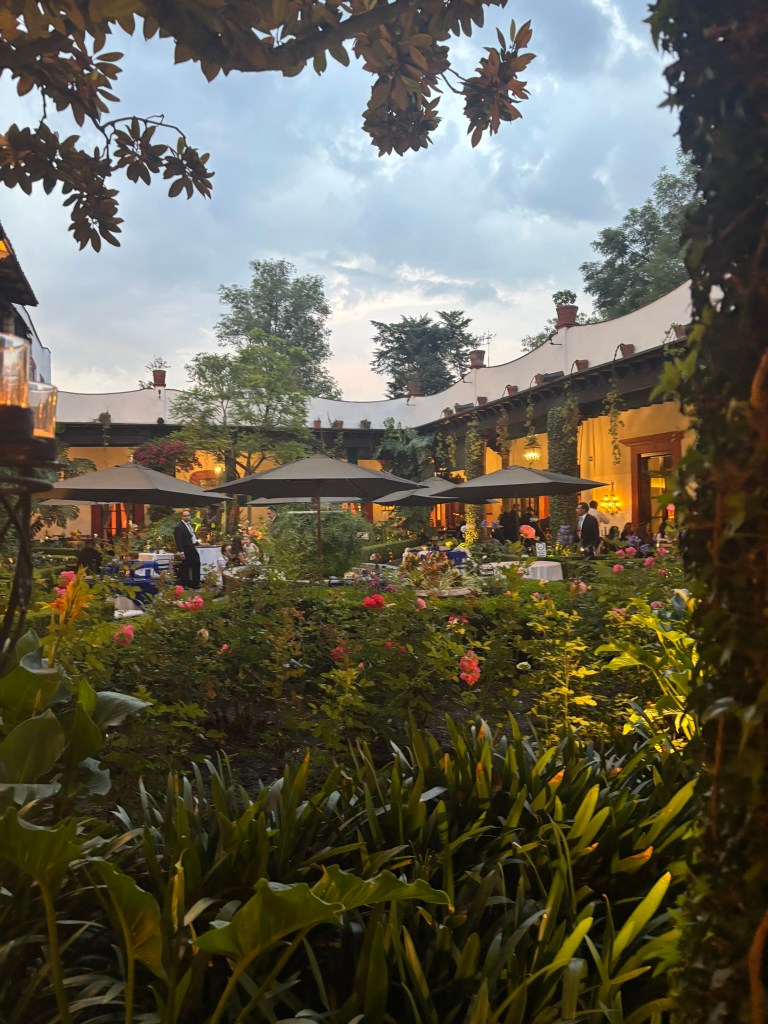
    To escape the concrete roar of the center, head southwest into the winding, cobblestone lanes of the exclusive San รngel neighborhood. Here, inside a beautifully manicured 18th-century estate at Diego Rivera 50, you will find the breathtaking San รngel Inn.

    The property originally functioned as the Hacienda de Goicoechea, a massive colonial pulque plantation and monastery complex. In 1937, it was officially declared a National Monument to preserve its flawless Mexican-Baroque architecture.

    In the mid-20th century, it became a legendary meeting hub for the city’s bohemian art elite. Directly across the street sits the striking, functionalist block houses of the Museo Casa Estudio Diego Rivera y Frida Kahlo. Diego and Frida, along with visiting international stars like Marilyn Monroe, would regularly cross the cobblestones to lounge, drink, and argue by the colonial fountains.

    • The Vibe: Old-world opulence, immaculate white-glove service, and lush, tranquil garden courtyards.

    What I ate and drank at this restaurant

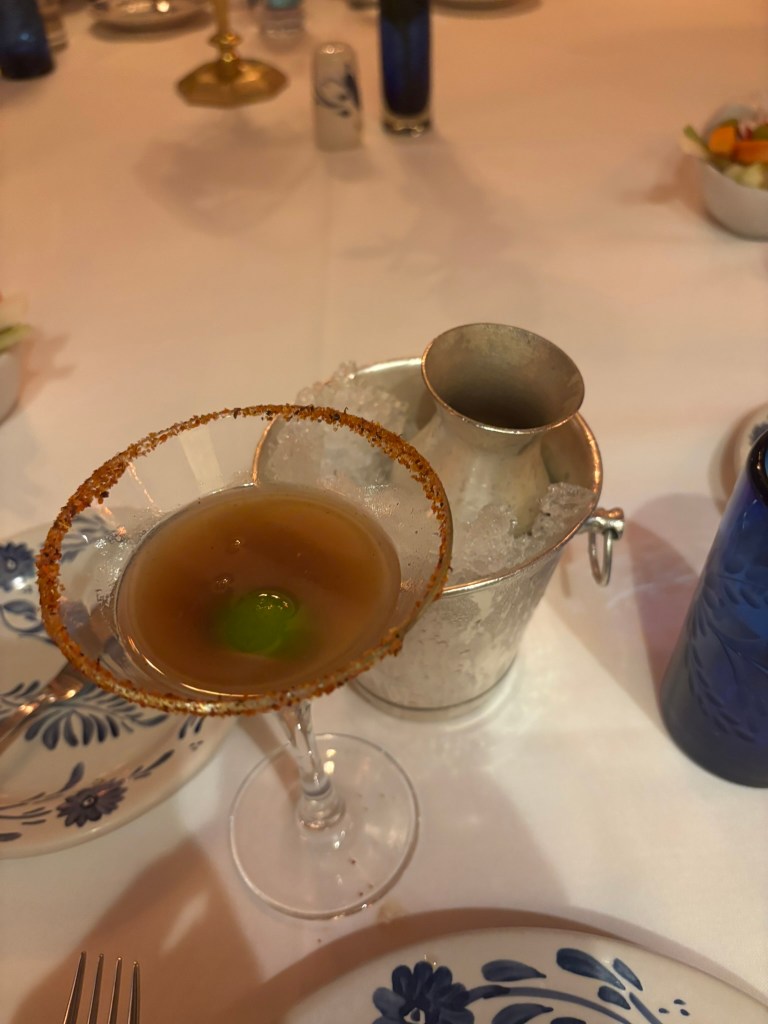
    Started the evening sitting by the courtyard fountains with a Tamarind Margarita. The sharp, puckering acidity and earthy sourness of the native tamarind serve as the ultimate palate cleanser against rich food.

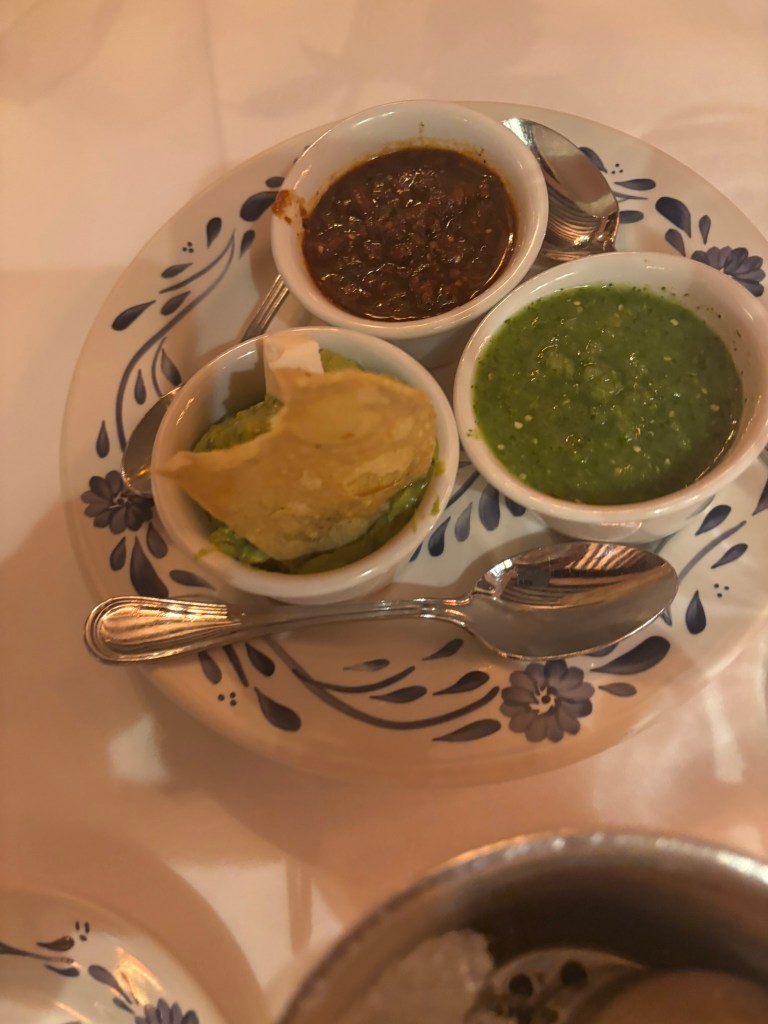
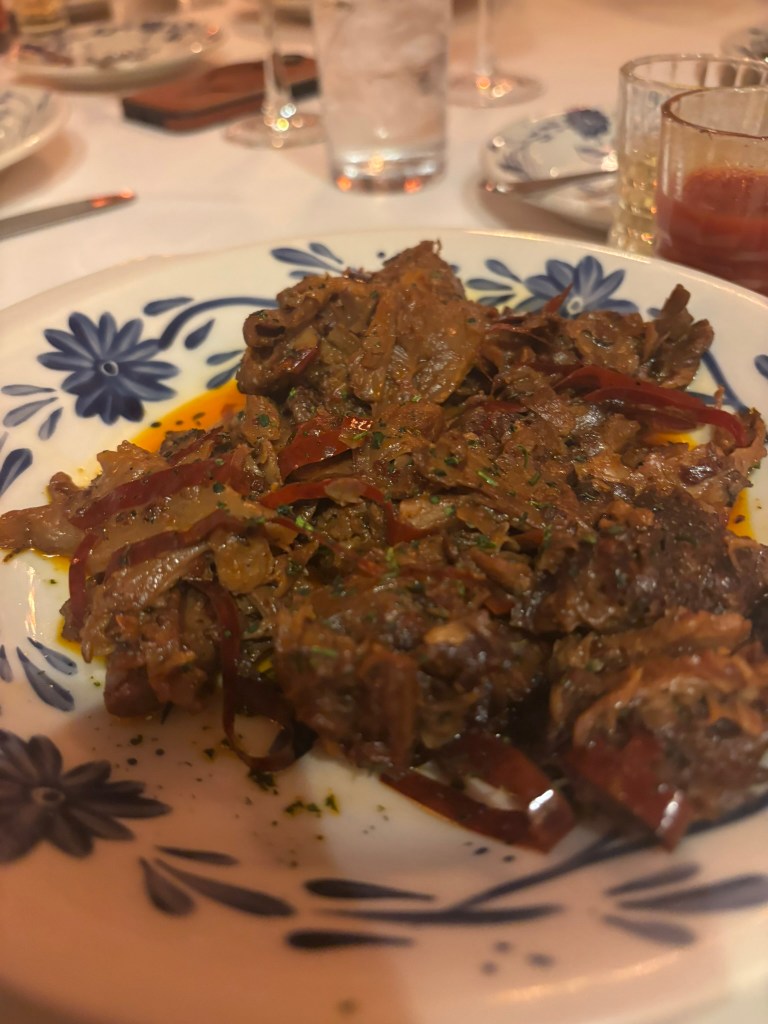
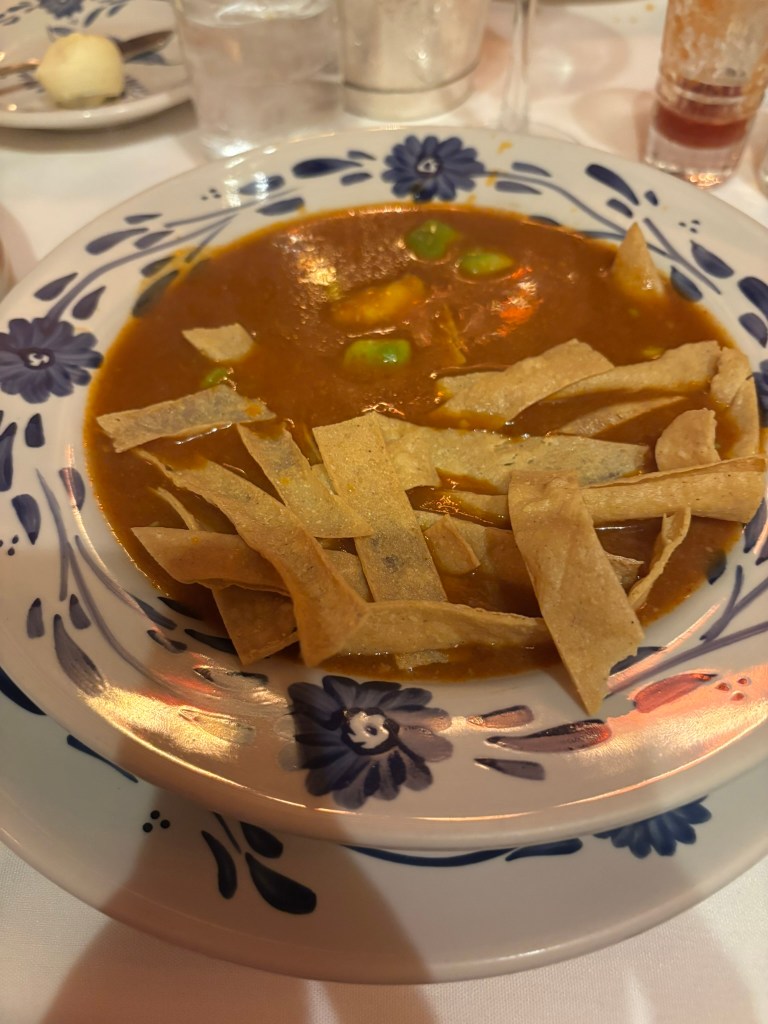
    • For dinner, follow up with their delicate, earthy Mushroom Tacos and Tortilla soup, seamlessly paired with a premium Tequila, served alongside a traditional tomato-based sangrita digestif.
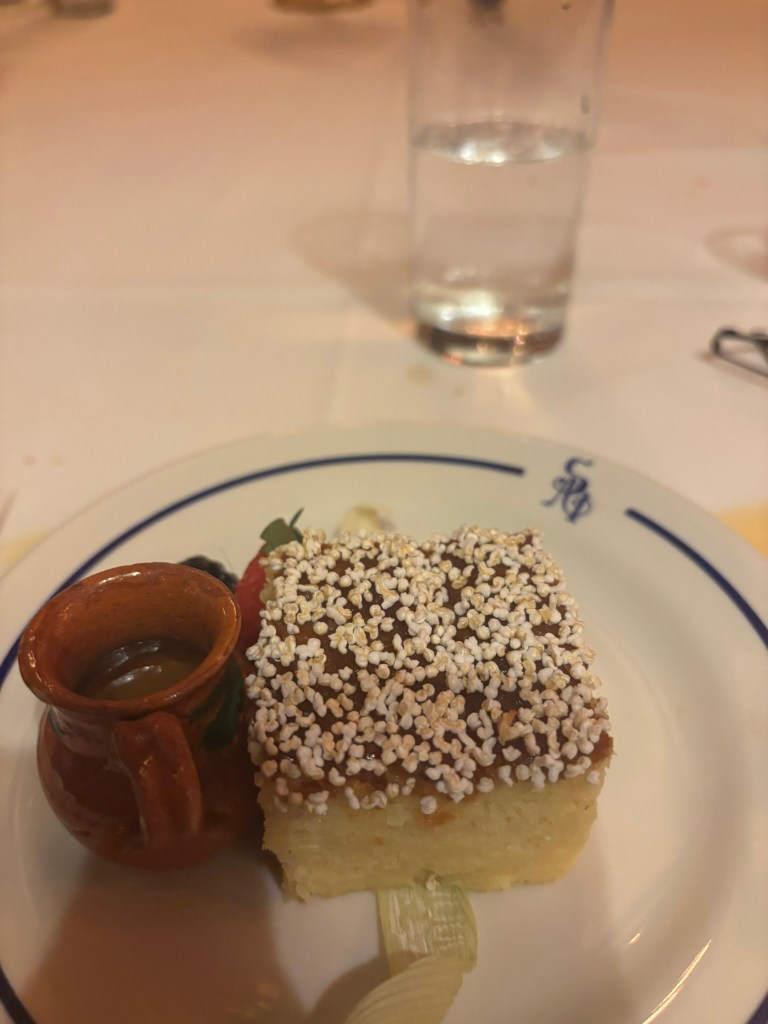
    • The Grand Finale: End your meal with their absolute showstopper dessert: the Panquรฉ de Elote (Mexican Sweet Corn Cake). Rather than utilizing dry cornmeal, San รngel Inn prepares this cake by scraping raw, tender kernels straight off the cob to create a dense, intensely moist, pudding-like crumb. The cake arrives wrapped in a rustic corn husk, heavily encrusted with popped amaranth seeds (alegrรญa) for a nutty crunch, and is served alongside a miniature clay jarrito filled with hot cajeta caramel to drizzle tableside.

    3. Cantina La Ribera: Fire, Smoke, & Modern Cantina Artistry

    For a complete shift in energy, head into the vibrant, urban pulse of Colonia Doctores at Avenida Cuauhtรฉmoc 140 to experience Cantina La Ribera. While it carries the title of a Cantina Restaurante, this is far from a dark, dusty drinking saloonโ€”it is a massive, multi-story celebration of northern Mexican culinary arts, celebrated for its tableside interactive carts (carritos).

    While known heavily for its charcoal meat-grilling, this is where having your local co-workers pays off the most: the kitchen gladly adapts its high-end service to craft a bespoke, vegetarian-friendly feast.

    • The Vibe: High-energy, loud, and celebratory, featuring live mariachi music, oversized embroidered sombreros for the table, and rolling drink carts weaving between tables.

    What I ate at this restaurant

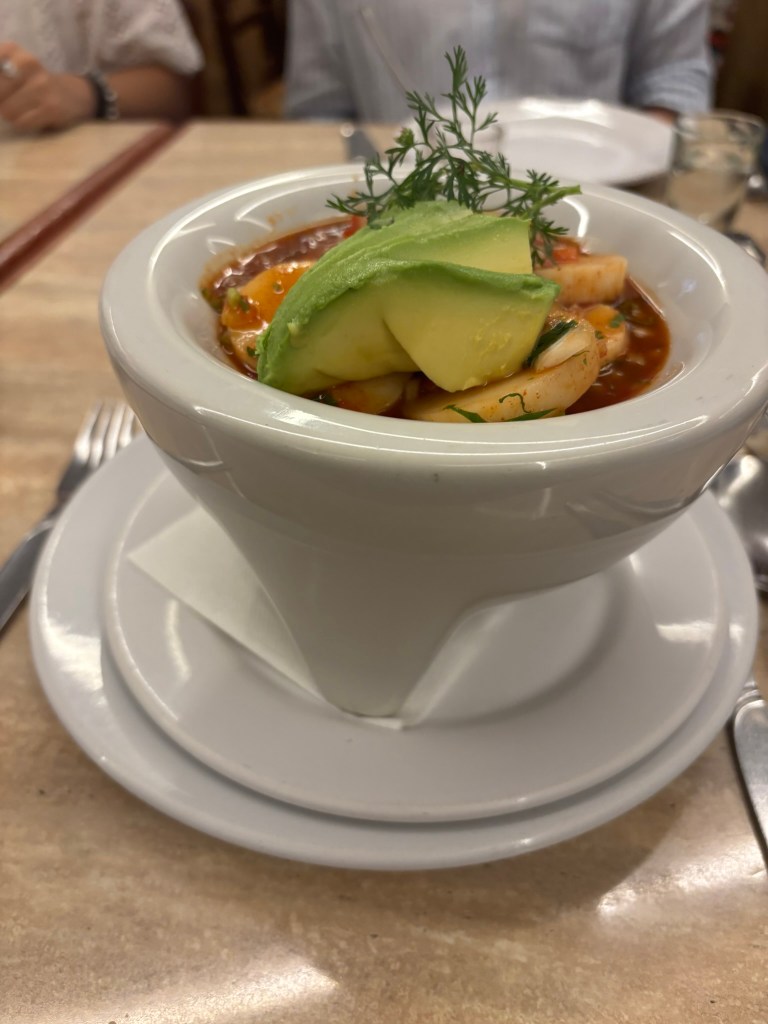
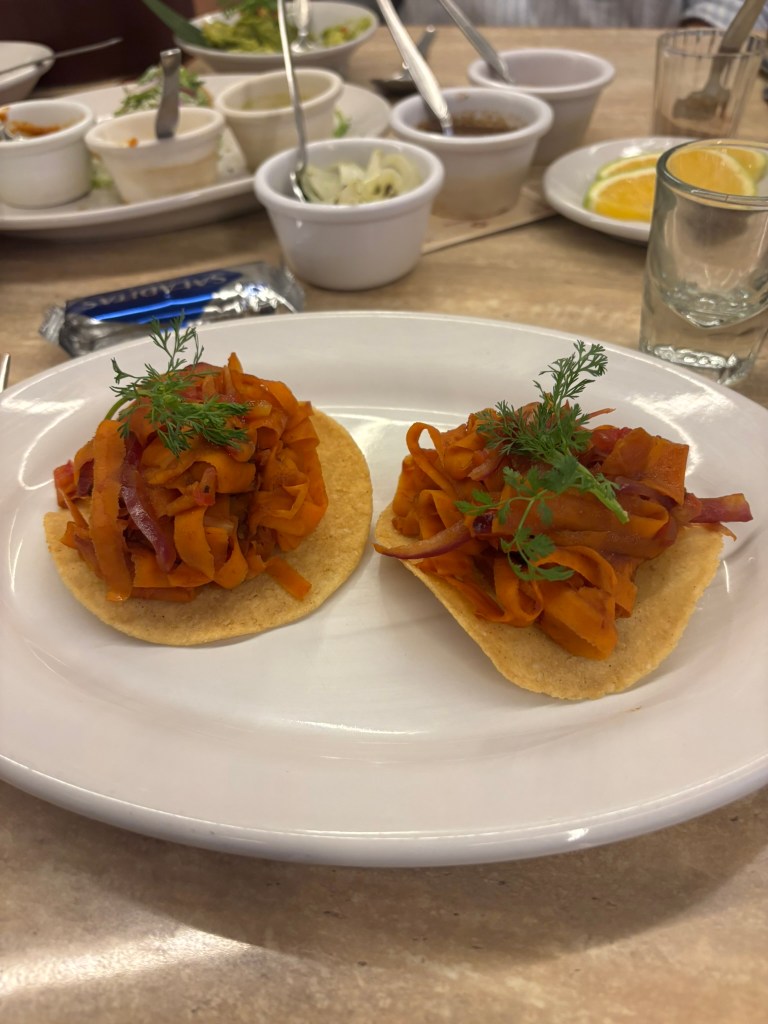
    We started with a very tasty vegetarian Ceviche made with tofu, as well as vegetarian empanadas. I followed that with a spicy carrot tostada that wasn’t on the menu but created specially for me

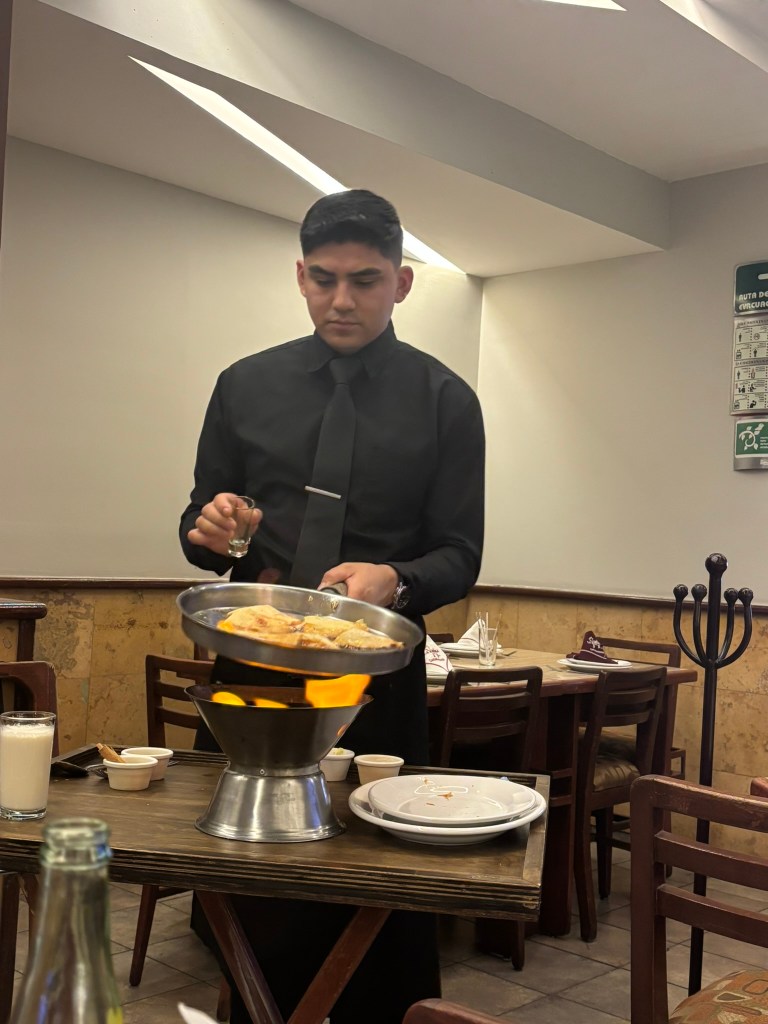
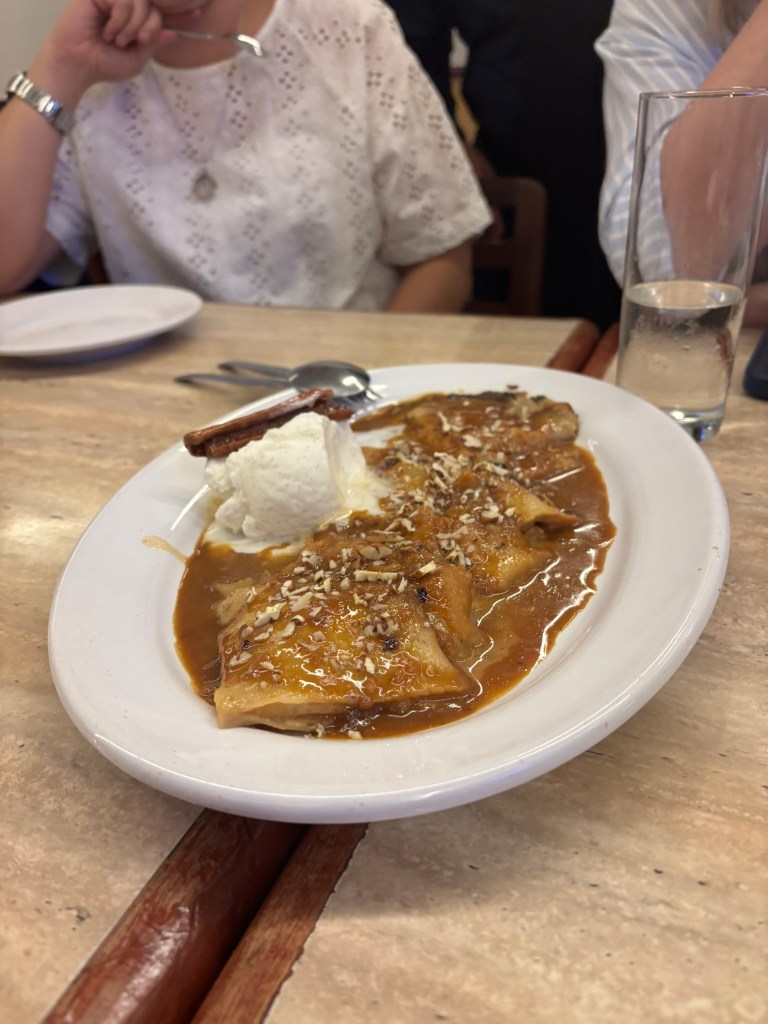
    The Grand Finale: Close out the entire evening with an elegant performance as servers prepare Crepes Suzette tableside on rolling, fire-lit carts, splashing spirits over an open flame to perfectly caramelize the sweet orange-butter sauce.

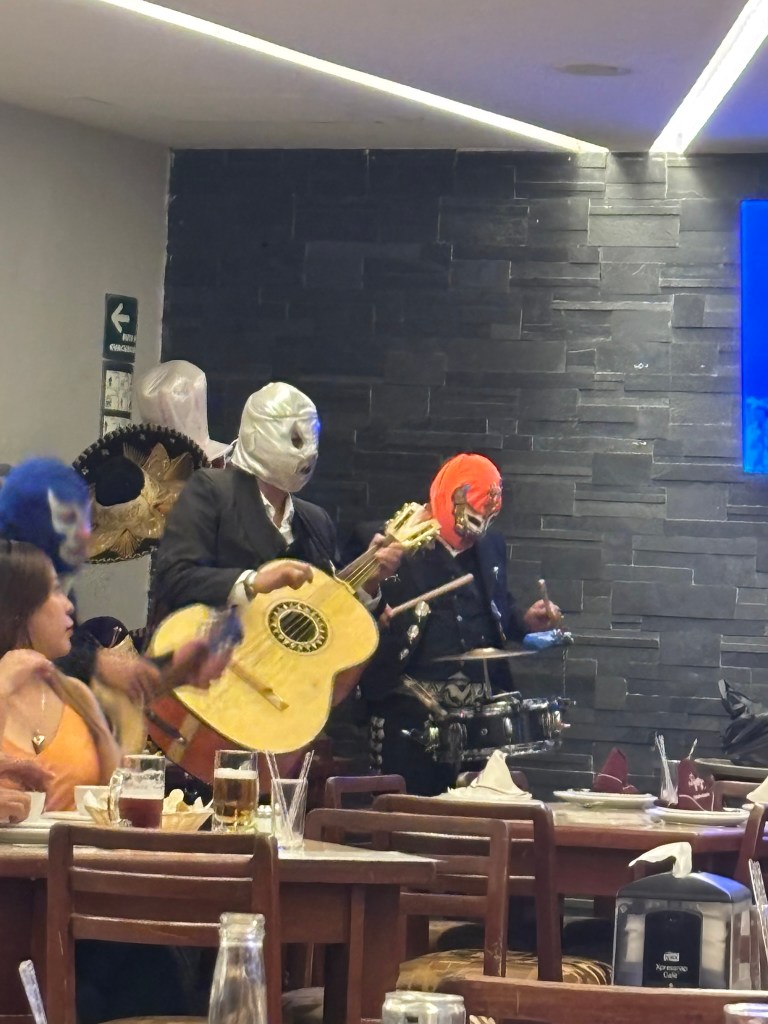
    The Ultimate Entertainment: While you eat, the restaurant erupts with a performance entirely unique to Mexico City: a Lucha Libre Mariachi band. Musicians dressed in immaculate traditional black charro suits storm the floor, wearing iconic wrestling masksโ€”paying homage to legends like El Santo and Blue Demonโ€”and deliver high-octane acoustic sets that turn the dining room into a festive, unforgettable party.

    Cultivating Connections: The Final Takeaway of the Vegetarian Business Traveler

    Ultimately, navigating a world-class culinary capital like Mexico City proves that business travel is about much more than boardroom meetings and spreadsheetsโ€”it is about the deep cultural connections forged across the dinner table.

    While the cityโ€™s complex, meat-dominant landscape can initially feel intimidating to an ovo-lacto vegetarian, stepping into its historic dining rooms alongside local colleagues completely unlocks the destination. Having trusted coworkers to navigate the nuances of the menu not only ensures total comfort and peace of mind, but it also opens the door to regional secretsโ€”like discovering a life-changing obsession with your very first warm concha bread straight out of a waiter’s basket.

    By leaning on local expertise, respecting ancient ingredients, and embracing the celebratory spirit of the table, you don’t just eat like a localโ€”you get to experience the very soul of Mexico.

    Crumb Trails Through Time: The Historic Bakeries of Mexico Cityโ€™s Zรณcalo

    In Mexico City, the sweet smell of yeast, caramelized sugar, and warm butter is an inescapable part of the morning commute. The Centro Histรณrico surrounding the Zรณcalo (the central plaza) serves as the beating heart of this vibrant flour-and-sugar universe.

    To fully understand Mexico’s unique panaderรญa (bakery) culture, you must look beyond the shelves. The classic pan dulce we love today is a product of culinary hybridizationโ€”born from 16th-century Spanish wheat farming, indigenous adaptations with local ingredients like lard and piloncillo sugar, and 19th-century French lamination techniques popularized during the French intervention.

    When touring the historic center, follow this guide to the ultimate historic bakeries, what you need to order at each, and the deep, hidden histories carved into their foundations.

    1. 1. Pastelerรญa Ideal: The Cathedral of Dough Built on Sacrificial Stone
    2. 2. La Vasconia: The Oldest Standing Bakery in the City
    3. 3. Pastelerรญa El Molino: The Birthplace of a Global Empire
    4. 4. Pastelerรญa Madrid: The Chilango Local Favorite
    5. Walking route map
      1. Detailed Navigation Steps

    1. Pastelerรญa Ideal: The Cathedral of Dough Built on Sacrificial Stone

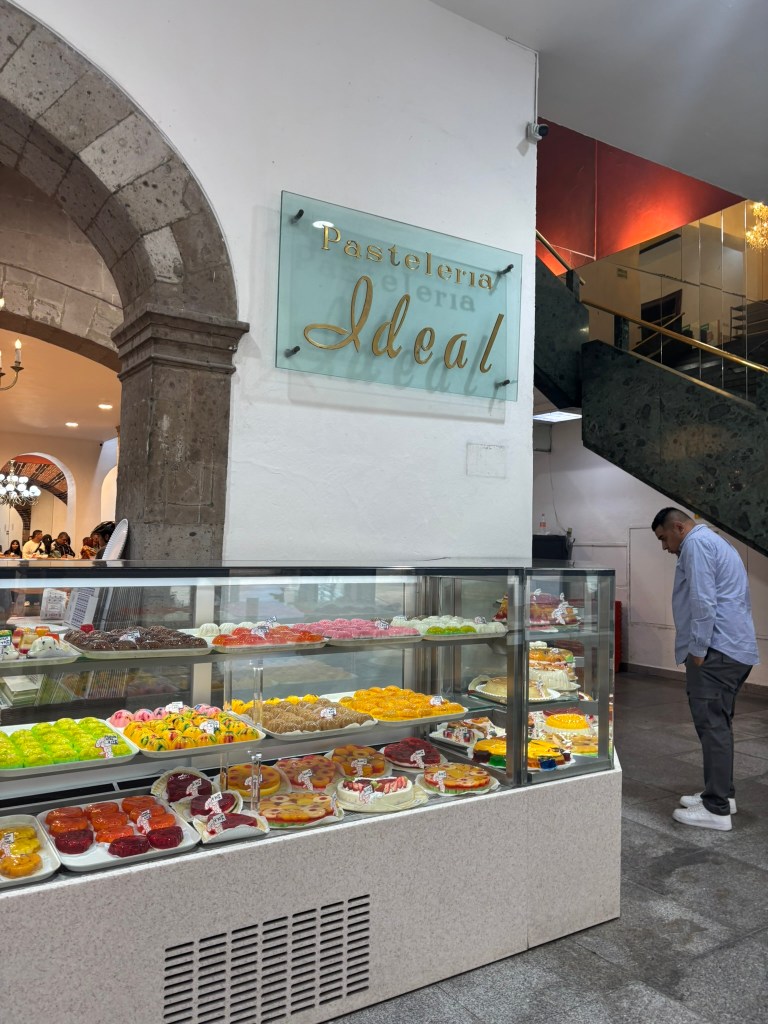
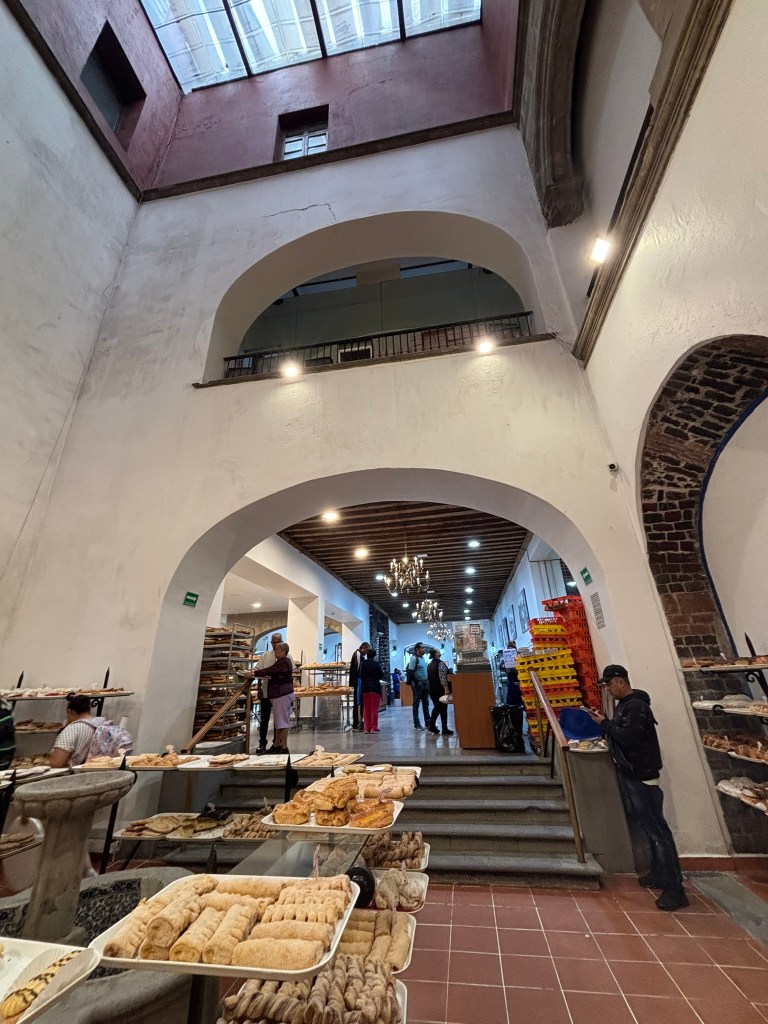
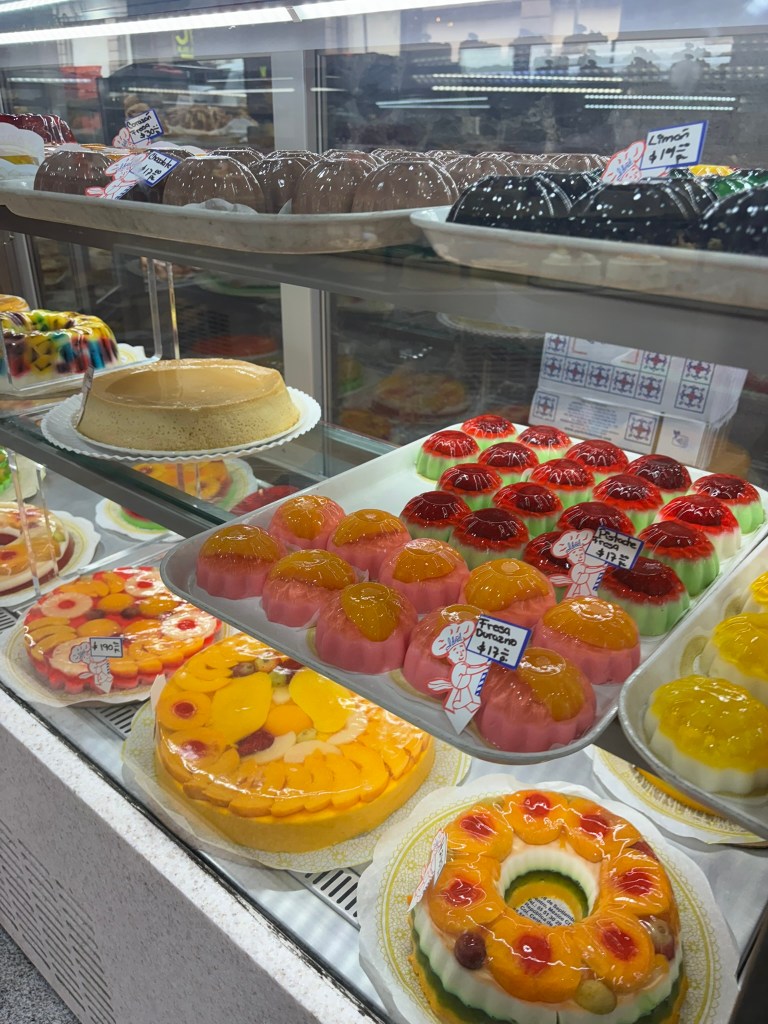
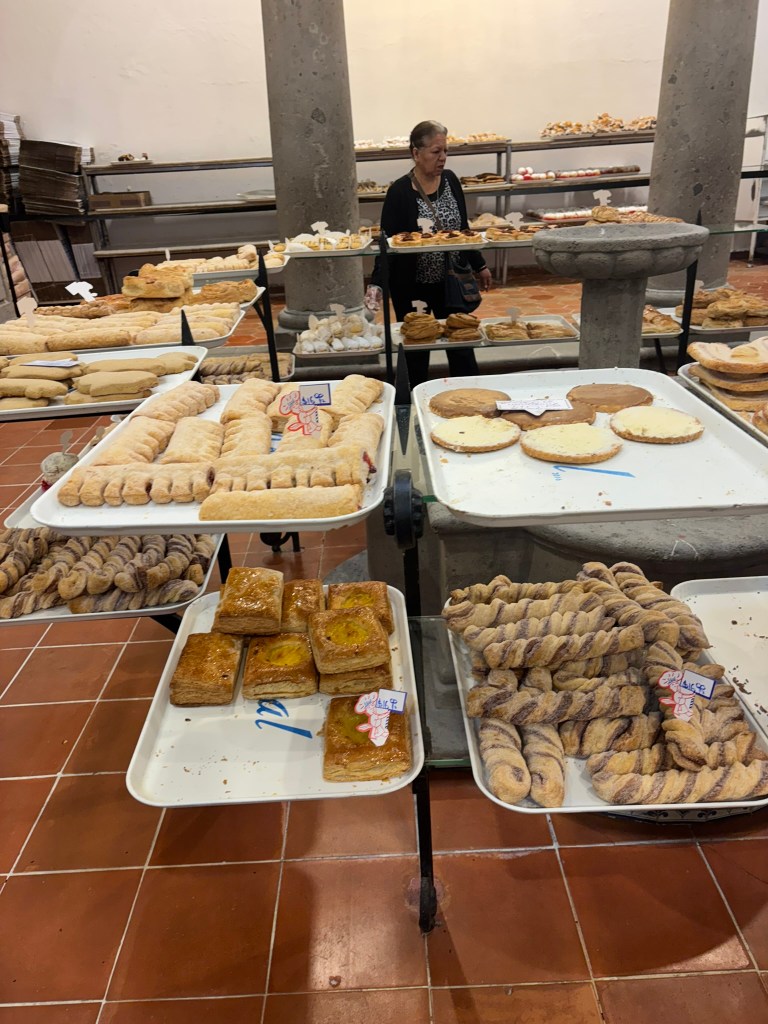
    No culinary tour of the Zรณcalo is complete without stepping into the pure, high-volume pandemonium of Pastelerรญa Ideal (Address: 16 de Septiembre 18). Established in 1927 during the turbulent years of the Cristero War, Ideal has transformed from a humble neighborhood bread shop into a massive, multi-generational cultural pillar.

       โ”Œโ”€โ”€โ”€โ”€โ”€โ”€โ”€โ”€โ”€โ”€โ”€โ”€โ”€โ”€โ”€โ”€โ”€โ”€โ”€โ”€โ”€โ”€โ”€โ”€โ”€โ”€โ”€โ”€โ”€โ”€โ”€โ”€โ”€โ”€โ”€โ”€โ”€โ”€โ”€โ”€โ”€โ”€โ”€โ”€โ”€โ”€โ”€โ”€โ”€โ”€โ”€โ”€โ”€โ”€โ”€โ”€โ”
       โ”‚                THE PASTELERรA IDEAL RITUAL             โ”‚
       โ”œโ”€โ”€โ”€โ”€โ”€โ”€โ”€โ”€โ”€โ”€โ”€โ”€โ”€โ”€โ”€โ”€โ”€โ”€โ”€โ”€โ”€โ”€โ”€โ”€โ”€โ”€โ”€โ”€โ”€โ”€โ”€โ”€โ”€โ”€โ”€โ”€โ”€โ”€โ”€โ”€โ”€โ”€โ”€โ”€โ”€โ”€โ”€โ”€โ”€โ”€โ”€โ”€โ”€โ”€โ”€โ”€โ”ค
       โ”‚ 1. Grab a massive, circular metal tray from the stack. โ”‚
       โ”‚ 2. Take a pair of long mechanical tongs.               โ”‚
       โ”‚ 3. Weave through the crowds to pile your tray high.   โ”‚
       โ”‚ 4. Take your haul to the wrap counter.                 โ”‚
       โ”‚ 5. Watch clerks tie it up in iconic blue-white boxes. โ”‚
       โ””โ”€โ”€โ”€โ”€โ”€โ”€โ”€โ”€โ”€โ”€โ”€โ”€โ”€โ”€โ”€โ”€โ”€โ”€โ”€โ”€โ”€โ”€โ”€โ”€โ”€โ”€โ”€โ”€โ”€โ”€โ”€โ”€โ”€โ”€โ”€โ”€โ”€โ”€โ”€โ”€โ”€โ”€โ”€โ”€โ”€โ”€โ”€โ”€โ”€โ”€โ”€โ”€โ”€โ”€โ”€โ”€โ”˜

    The Sacrificial History Beneath the Flour

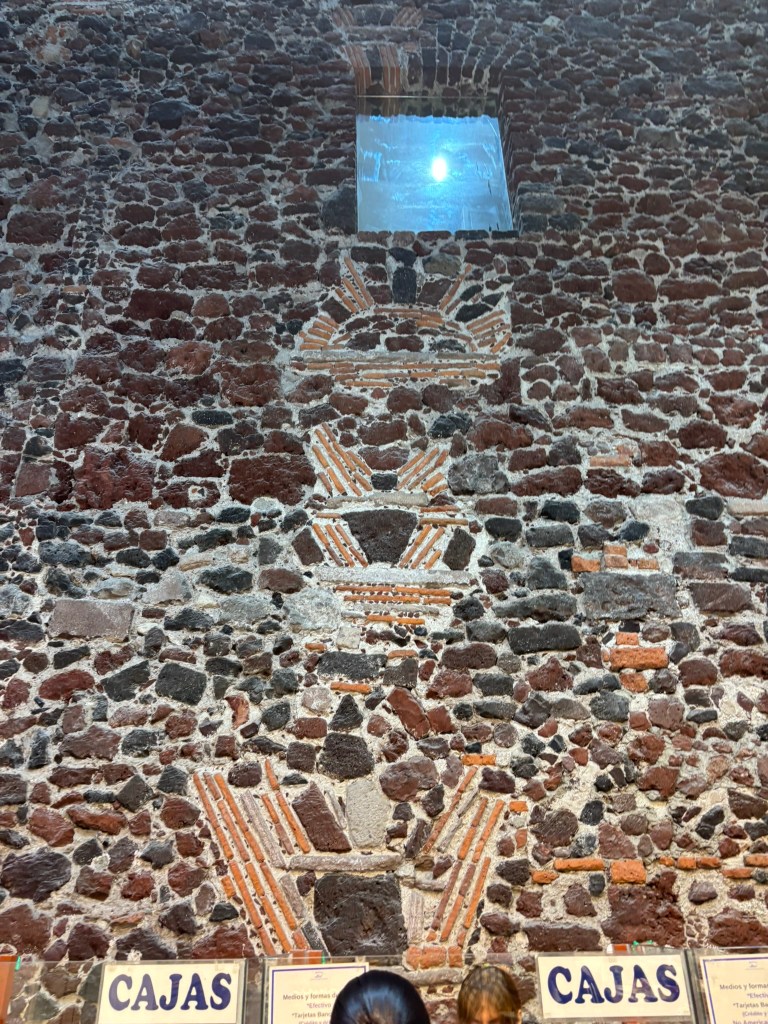
    The address itself holds profound historical weight. Pastelerรญa Ideal was built directly within the footprint of the Convento de San Francisco de Asรญs (Conquest-era Franciscan Monastery).

    Following the Spanish Conquest of Tenochtitlan in 1521, Hernรกn Cortรฉs granted land to the Franciscan order to build their headquarters. Built directly over the ruins of the Aztec Emperor Moctezumaโ€™s wild-animal zoo (Vivario), the Convento de San Francisco grew into the largest monolithic religious complex in the Americas. It housed extensive cloisters, gardens, chapels, and the first primary school for indigenous youth.

    The complex was systematically dismantled and largely demolished during the Reform War (Guerra de Reforma) under President Benito Juรกrez. The Liberal government’s 1856 Ley Lerdo confiscated all church-owned property. To break the economic power of the clergy and integrate the city, streets like 16 de Septiembre were cut directly through the monasteryโ€™s sacred cloisters, structures were torn down, and plots were sold off to secular business entities. The massive sugar factory, Pastelerรญa Ideal, operates directly atop these centuries-old ruins.

    • What to try: Get the classic Concha (a pillowy brioche bun topped with an iconic, crackled vanilla or chocolate cookie shell) and their delicate Pastas Secas (traditional dry butter cookies).

    2. La Vasconia: The Oldest Standing Bakery in the City

    Operating continuously since 1870 at the corner of Calle Tacuba and Calle de la Palma, La Vasconia is officially Mexico City’s oldest standing bakery.

    Founded by a Basque immigrant during the peak of the Porfiriatoโ€”the era where President Porfirio Dรญaz attempted to fully Europeanize the architecture and food of the capitalโ€”La Vasconia is a living museum. The interior, with its heavy wooden trim, high ceilings, and time-worn glass displays, feels entirely unchanged by time.

    • What to try: The bakery is famous for its crisp Orejas (the Mexican take on French Palmiers; flaky puff pastry layered with caramelized sugar) and their freshly baked savory lunch tortas made on-site.

    3. Pastelerรญa El Molino: The Birthplace of a Global Empire

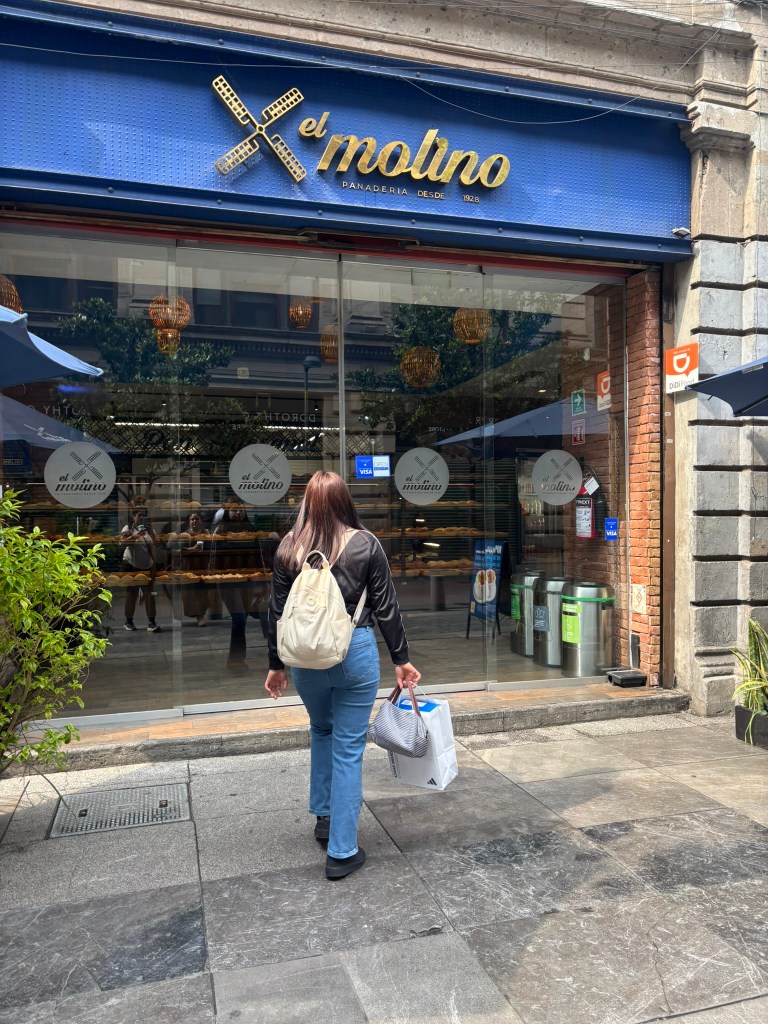
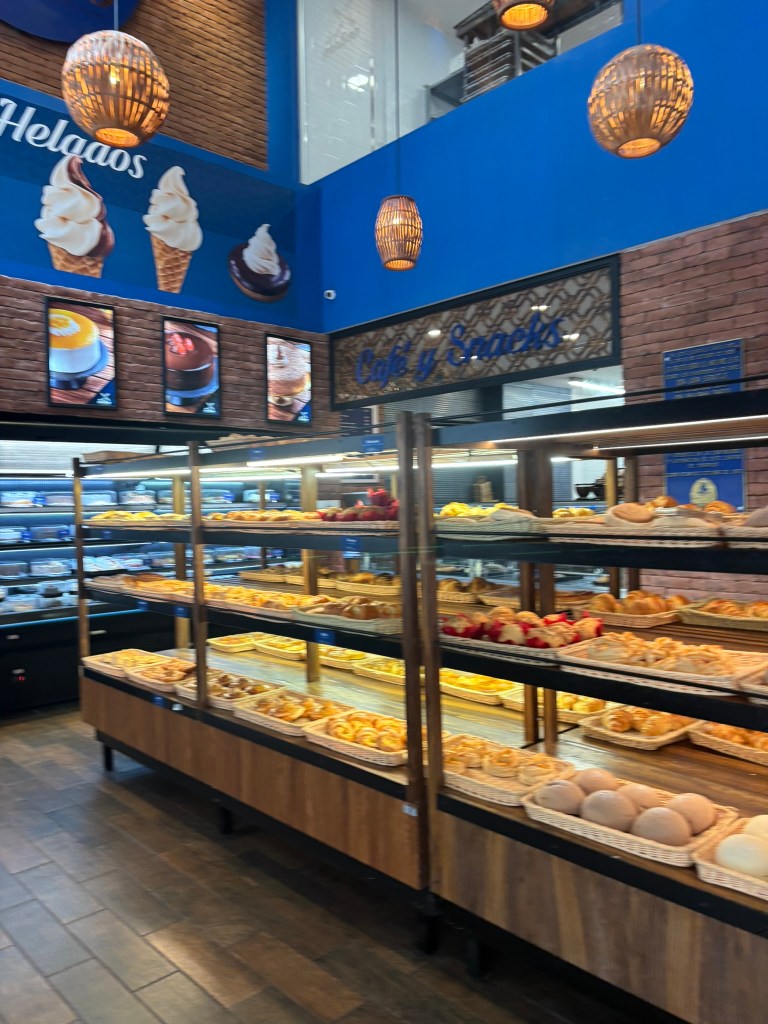
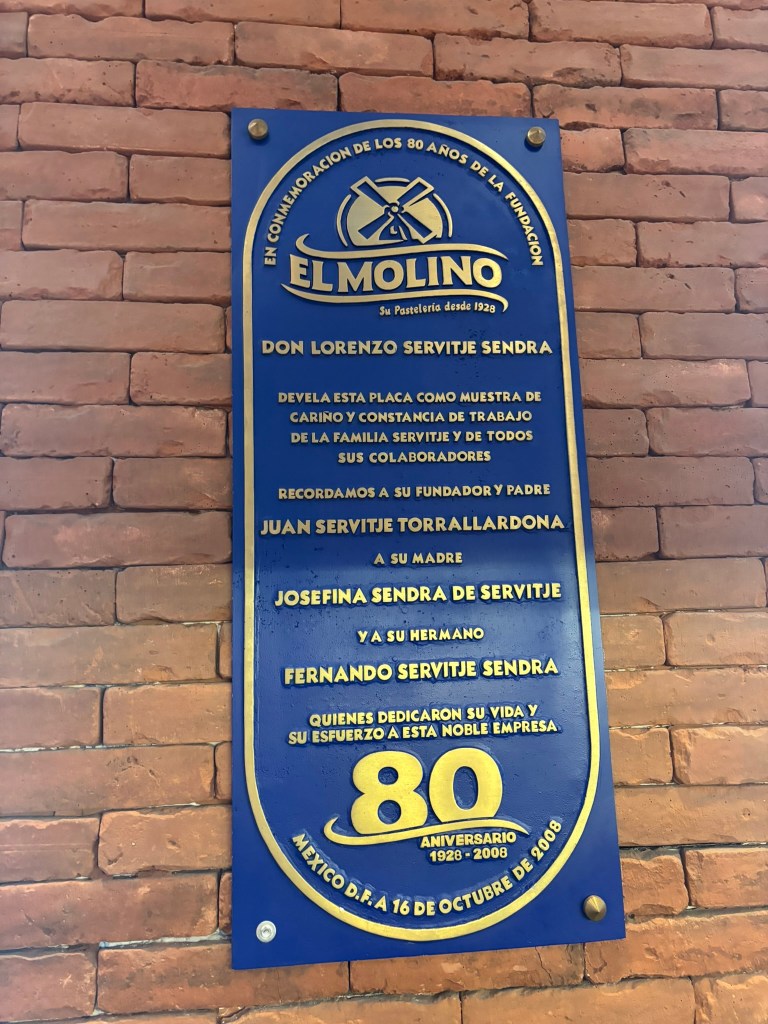
    Located at Av. 16 de Septiembre 59, Pastelerรญa El Molino has been serving passersby under its striking blue-and-gold windmill logo since 1928. While it operates today as a modern, budget-friendly neighborhood pastry shop, a commemorative plaque on the interior brick wall uncovers its massive industrial legacy.

    El Molino is the exact birthplace of Grupo Bimbo (Bimbo bakeries), the largest commercial baking company on Earth. Founded by Catalan immigrant Juan Servitje Torrallardona, the shop passed to his son, Don Lorenzo Servitje Sendra, in 1937. Lorenzo honed his commercial knowledge running this exact storefront. In 1945, using the capital, supply chains, and industry practices developed right here, he co-founded Panificaciรณn Bimboโ€”launching an empire that now spans over 35 countries.

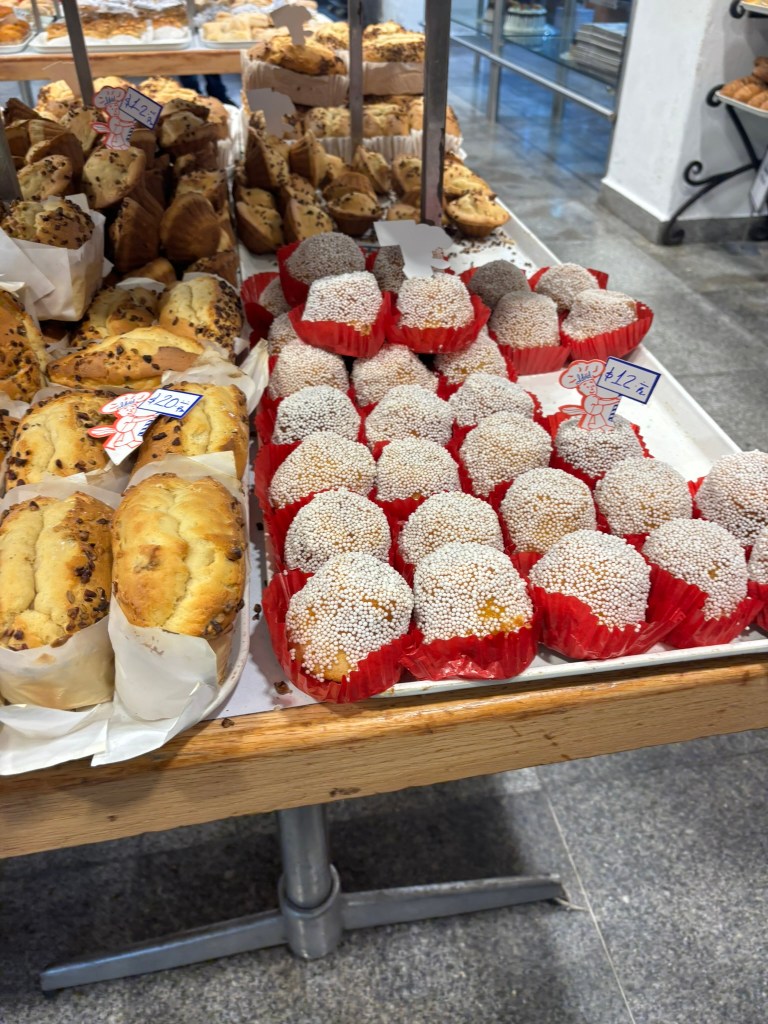
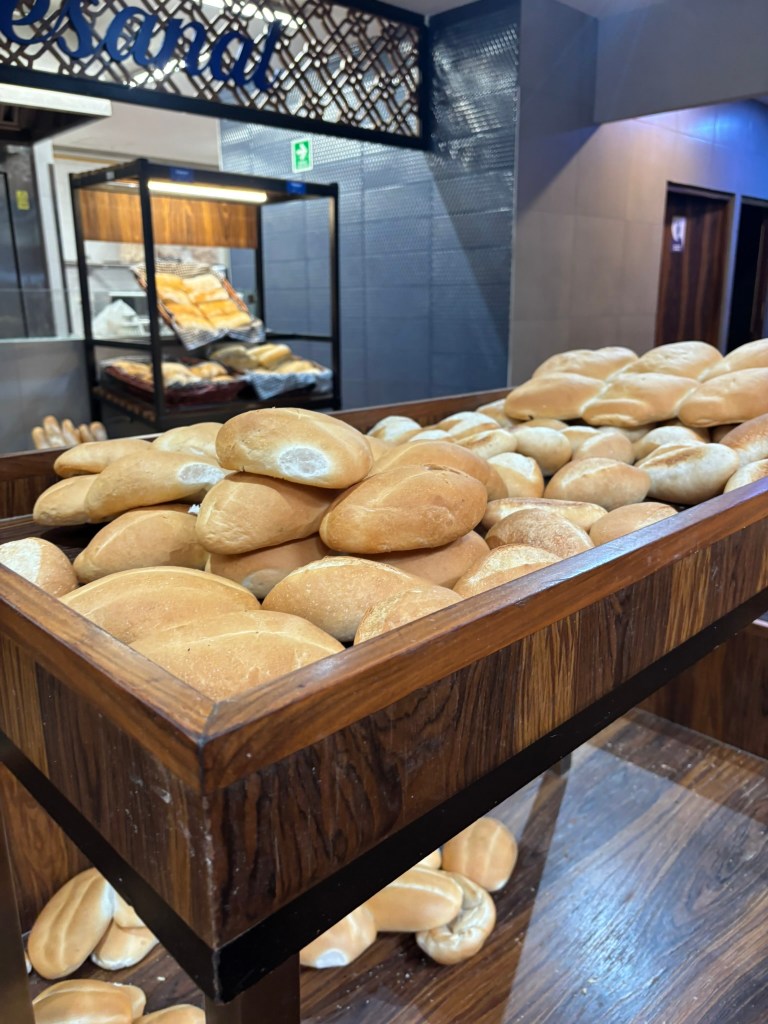
    • What to try: Do not miss their fresh Bolillos (traditional savory sandwich rolls descended from the French baguette, featuring a crisp outer crust and a pillowy soft interior) or their traditional Mariposa (butterfly puff pastry) dusted heavily in white sugar.

    4. Pastelerรญa Madrid: The Chilango Local Favorite

    Tucked slightly away from the primary tourist paths at C. 5 de Febrero 25, Pastelerรญa Madrid is where local Chilangos go to buy their daily bread. It is noisy, budget-friendly, and deeply integrated into the local neighborhood routine.

    • What to try: This is the absolute best spot to sample Panquรฉ de Elote (a dense, intensely moist, and naturally sweet Mexican corn cake) along with their exceptional cheese-filled pastries.

    Walking route map

    Here is a 1.6-kilometer (1-mile) custom walking loop through the Centro Histรณrico, designed to hit all four historic bakeries in a seamless, logical path starting and ending near the Zรณcalo.

    The entire walk takes about 20 to 25 minutes of pure walking time, keeping you on historic, highly pedestrianized streets.

           [ START: Zรณcalo Plaza ]
                     โ”‚
                     โ–ผ (Walk 1.5 blocks West on Av. 16 de Septiembre)
         1. PASTELERรA IDEAL  โ”€โ”€โ”€โ–บ  2. PASTELERรA EL MOLINO
                     โ”‚                        โ–ฒ
                     โ–ผ (South on Filomeno Mata)โ”‚ (West on 16 de Septiembre)
         [ Cross Av. Madero & 5 de Mayo ]     โ”‚
                     โ”‚                        โ”‚
                     โ–ผ (North on Tacuba)      โ”‚ (South on 5 de Febrero)
         3. LA VASCONIA       โ”€โ”€โ”€โ–บ  4. PASTELERรA MADRID

    Detailed Navigation Steps

    Stop 1: Pastelerรญa Ideal

    • Route: From the main Zรณcalo plaza, walk west down the pedestrian-friendly Avenida 16 de Septiembre. Walk past the front of the Gran Hotel de Mรฉxico. After 1.5 blocks, Pastelerรญa Ideal will be on your right side.
    • Vibe Check: Grab your massive metal tray immediately upon walking in.

    Stop 2: Pastelerรญa El Molino

    • Route: Exit Ideal, turn right, and continue walking west down Avenida 16 de Septiembre for just half a block. Cross Calle de Bolรญvar, and Pastelerรญa El Molino will be right there under its blue-and-gold windmill sign.
    • Vibe Check: Stop inside to read the historic Bimbo foundation plaque on the brick wall.

    Stop 3: La Vasconia

    • Route: From El Molino, turn right and walk to the next corner (Filomeno Mata). Turn right (heading north). You will cross the busy pedestrian hubs of Avenida Madero and Avenida 5 de Mayo. Continue north until you hit Calle de Tacuba. Turn right on Tacuba and walk 2 blocks east. La Vasconia is on the corner of Tacuba and Palma.
    • Vibe Check: Notice the 19th-century wooden framing. This is the oldest bakery in town.

    Stop 4: Pastelerรญa Madrid

    • Route: From La Vasconia, head south down Calle de la Palma. Walk 3 blocks south, crossing straight back over Madero and 5 de Mayo. When you hit Avenida Repรบblica de Uruguay, turn right, walk one block, then turn right again onto Calle 5 de Febrero. Pastelerรญa Madrid is just up the street.
    • Vibe Check: This is a local favorite; expect low prices and crowd energy.

    Heading Back to the Zรณcalo

    From Pastelerรญa Madrid, walk half a block north to Avenida 16 de Septiembre, turn right, and walk 1.5 blocks straight east to find yourself right back in the center of the Zรณcalo.


    A Taste of Home: Khanavalis, Karadantu, and the Flavors That Shaped My Childhood

    I was born in a small village in the North Karnataka region, and my earliest memories are steeped in its red earth, quiet lanes, and the comforting aromas of food cooked with love. Returning to Badami after nearly forty years felt like opening a long-forgotten chapter of my own story. As we drove through those familiar villagesโ€”names that once shaped my childhoodโ€”the vibrant green fields and gentle rhythm of rural life.

    When my family moved to South Karnataka at the age of ten, we carried North Karnataka with us in our hearts. We often found ourselves reminiscing about the genuinely kind people, the unhurried pace of life, and of course, the foodโ€”bold, earthy, and unique to the region. This trip back wasnโ€™t just a homecoming; it was a rediscovery of the flavors that shaped my childhood.

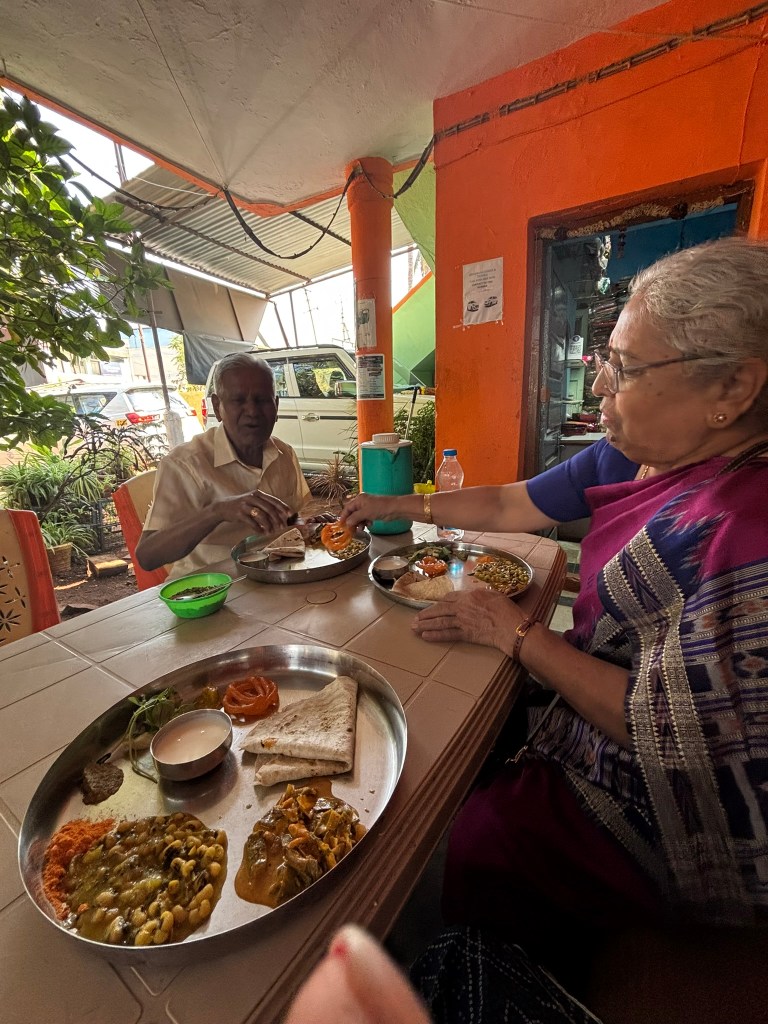
    No visit to North Karnataka region is complete without eating in a Khanavali. A khanavali (also spelled khanavali, khanawali, or khanavali mane) is a traditional North Karnataka restaurant jolada rotti oota. Think of it as a no-frills, simple, and unlimited meals. These establishments are characterized by a warm, welcoming ambiance, where guests are often treated like family, enhancing the dining experience. The menu typically features a variety of regional dishes highlighting Karnataka’s rich culinary heritage and includes sides such as saaru, dal, and chutney, all made with locally sourced ingredients. These restaurants are often family-run, ensuring recipes are passed down through generations, creating a sense of continuity and tradition. Very budget-friendly, Khanavalis offer an affordable dining option for both locals and travelers alike, making it a beloved choice for those seeking genuine, home-cooked meals away from home.

    Jolada Rotti Oota

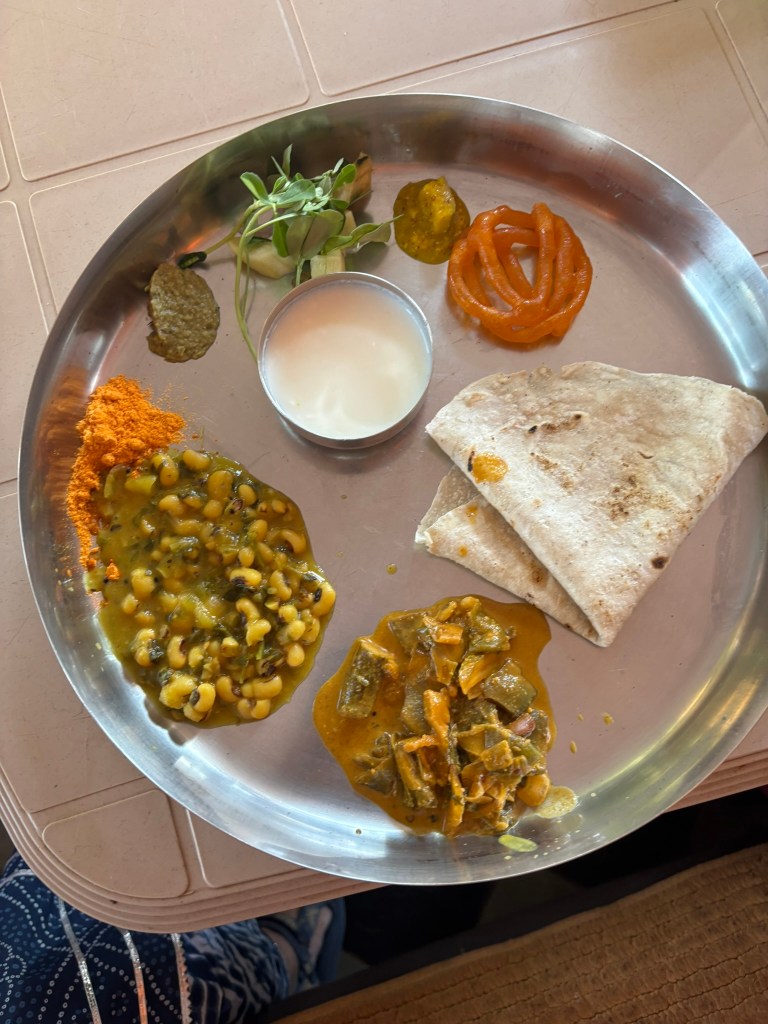
    The signature meal includes:

    • Jolada rotti (jowar/Millet roti)
    • Yennegai (stuffed brinjal/eggplant curry)
    • Shenga chutney pudi (peanut spice powder)
    • Hesarukalu / Palya– Lentil Curry
    • Sambar / Saaru
    • Curd / buttermilk
    • Some type of Sweet dish

    We stopped at a small khanavali in Badami for lunch before heading to the cave temples, and the experience instantly transported me back to the flavors of my childhood. The food was simple, comforting, and made with the kind of care you only find in a home kitchen. The man serving us kept insisting we eat moreโ€”bringing extra rotis, more rice, and refusing to take no for an answer. In between all this, he shared stories from his life, telling us heโ€™d been working there for 13 years and genuinely loved feeding people. It didnโ€™t feel like a restaurant at all; it felt like visiting a long-lost relative whoโ€™s determined to send you off with a full stomach. As an NRI, Iโ€™m usually cautious about eating outside food, but this meal left me only with a happy, satisfied stomach and a heart full of nostalgia.

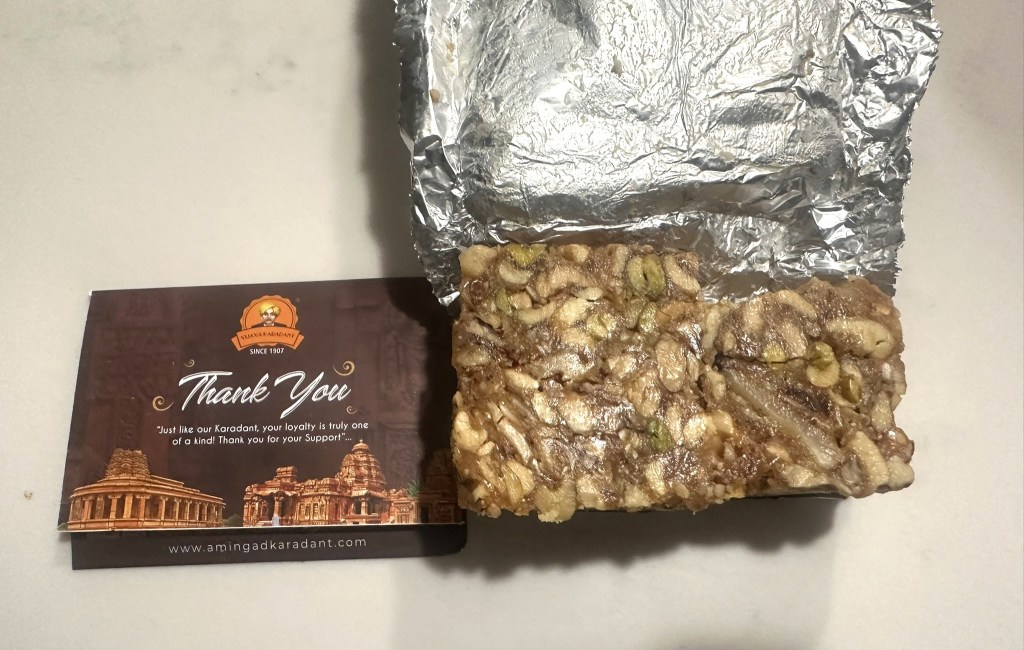
    And then, of course, came the sweet that is so unique to this region: Karadantu. This chewy, jaggery-rich delicacyโ€”packed with edible gum, nuts, and dried fruits.

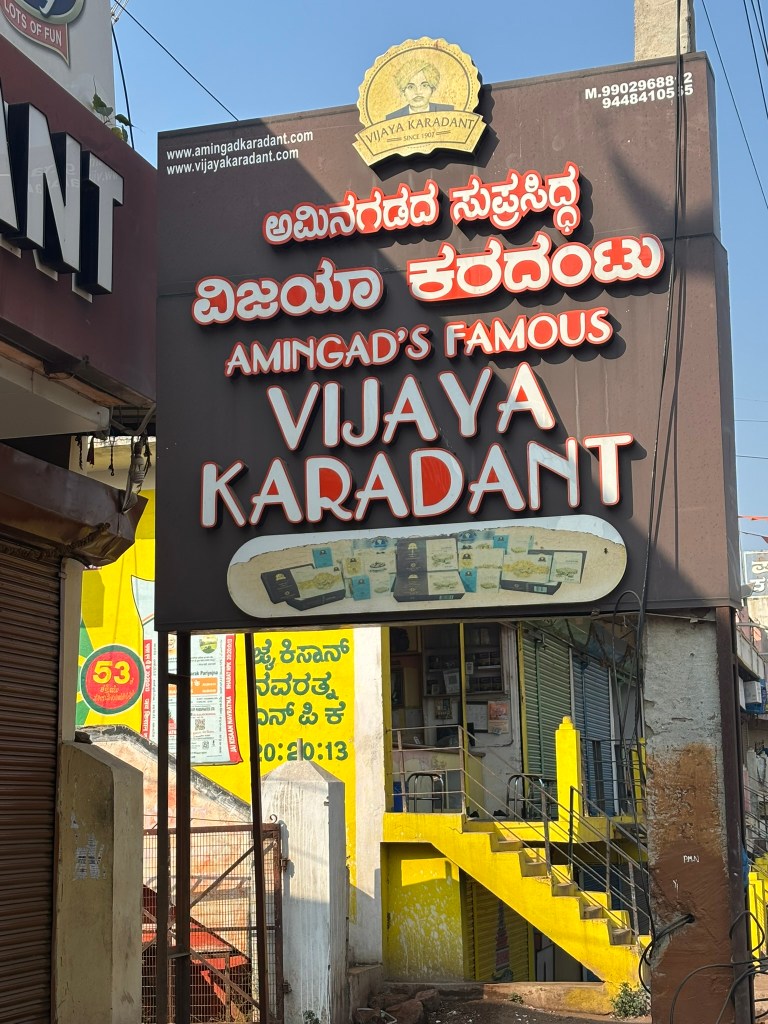
    While Gokak and Amingad both claim to make the “best” Karadantu, the real difference lies in their backstories, textures, and secret-ingredient ratios. I swung by Vijaya Karadant, known for whipping up the Amingad version since 1907. Of course, I snagged a few packs to share with my family ( and eat in the car as we travelled) and even brought one back to the US so my husband could enjoy a taste of my childhood nostalgia.

    Final Thoughts

    As I left Badami that afternoon, traveling through familiar fields and villages, I felt a surprising sense of fullness โ€” not just from my meal, but from the richness this place offers. From the warmth of a khanavali where strangers become family, to the chewy sweetness of Karadantu โ€” every bite tells a story.

    Returning after nearly forty years reminded me that some parts of us never truly leave home. They reside in our memories, ready to resurface with the first taste of a familiar dish. Bringing back a small box of Karadantu to the US โ€” a piece of my childhood wrapped in a box โ€” revealed that food beautifully keeps a bit of home with us, no matter how far we go.