The Bosnian War (1992–95) had a significant impact on the cultural landscape of Bosnia and Herzegovina. As a former Yugoslav republic with a multiethnic population comprising Bosniaks (Bosnian Muslims), Serbs, and Croats, the war sparked bitter fighting among these groups and involvement from the Yugoslav army. The resulting death toll of over 100,000 people, mostly Bosniaks, left emotional scars and deep ethnic and political divides across the region. Despite the suffering, we found Bosnians to be generous and kind people. The war has certainly influenced their perspective on life, as our guide mentioned that many Bosnians prefer to work until they have enough money to live a comfortable life rather than being rich.
During our time in Bosnia, the impact of the war was evident everywhere. The destruction caused by the conflict was unmistakable, particularly with iconic structures like the 427-year-old Mostar stone bridge, which was destroyed during the war and subsequently rebuilt. Additionally, the Sarajevo city hall, once the national library, fell victim to fire in 1992, resulting in the destruction of two million books, articles, and magazines that had reflected the multicultural life of the region under the Ottoman and Austro-Hungarian empires.
Sarajevo roses- Everything but a flower
During the siege of Sarajevo from 1992 to 1995, the city endured relentless bombardment by enemy forces. On average, over 300 shells rained down on the city each day, reaching a devastating peak of 3,777 shells on July 22nd, 1993. When mortar rounds struck concrete surfaces, they left behind distinctive fragmentation patterns resembling flowers, which were later filled with red resin, earning them the name “Sarajevo Roses.” These marks serve as silent memorials people who lost their lives at each location during the siege. Scattered across Sarajevo, these blood-like stains stand as a poignant reminder of the war and the city’s resilience. For more information about the Siege of Sarajevo, you can visit Memories of a War.
Approximately 200 Sarajevo Roses were originally present throughout the city, but due to lack of upkeep and the rebuilding of the city, only about 28 remain. Despite the difficulty of being so close to reminders of death every day, it is important to remember what happened in Sarajevo. You can find one of these roses in front of the Sacred Heart Cathedral, another one close to City Hall, and one near the entrance of the Tunnel of Hope.

Mortar holes in Mostar
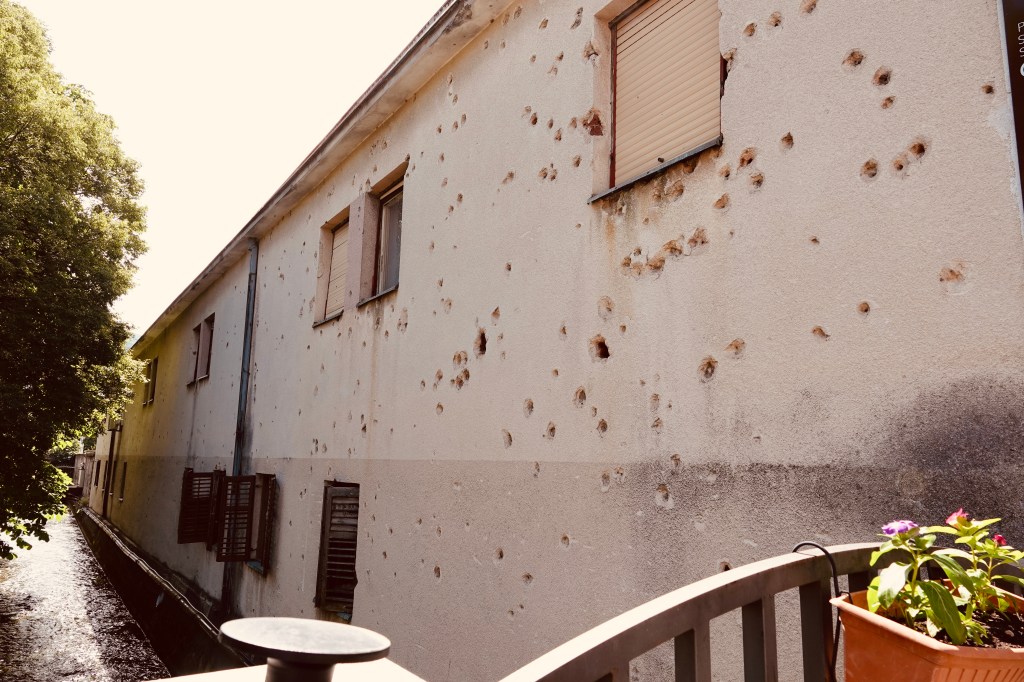
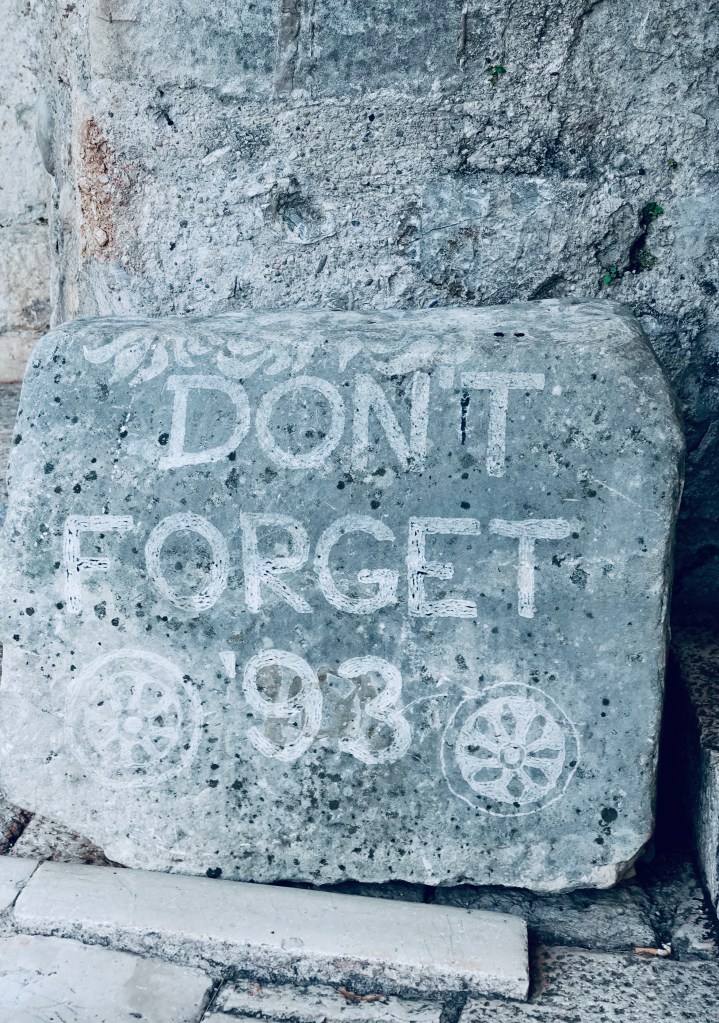
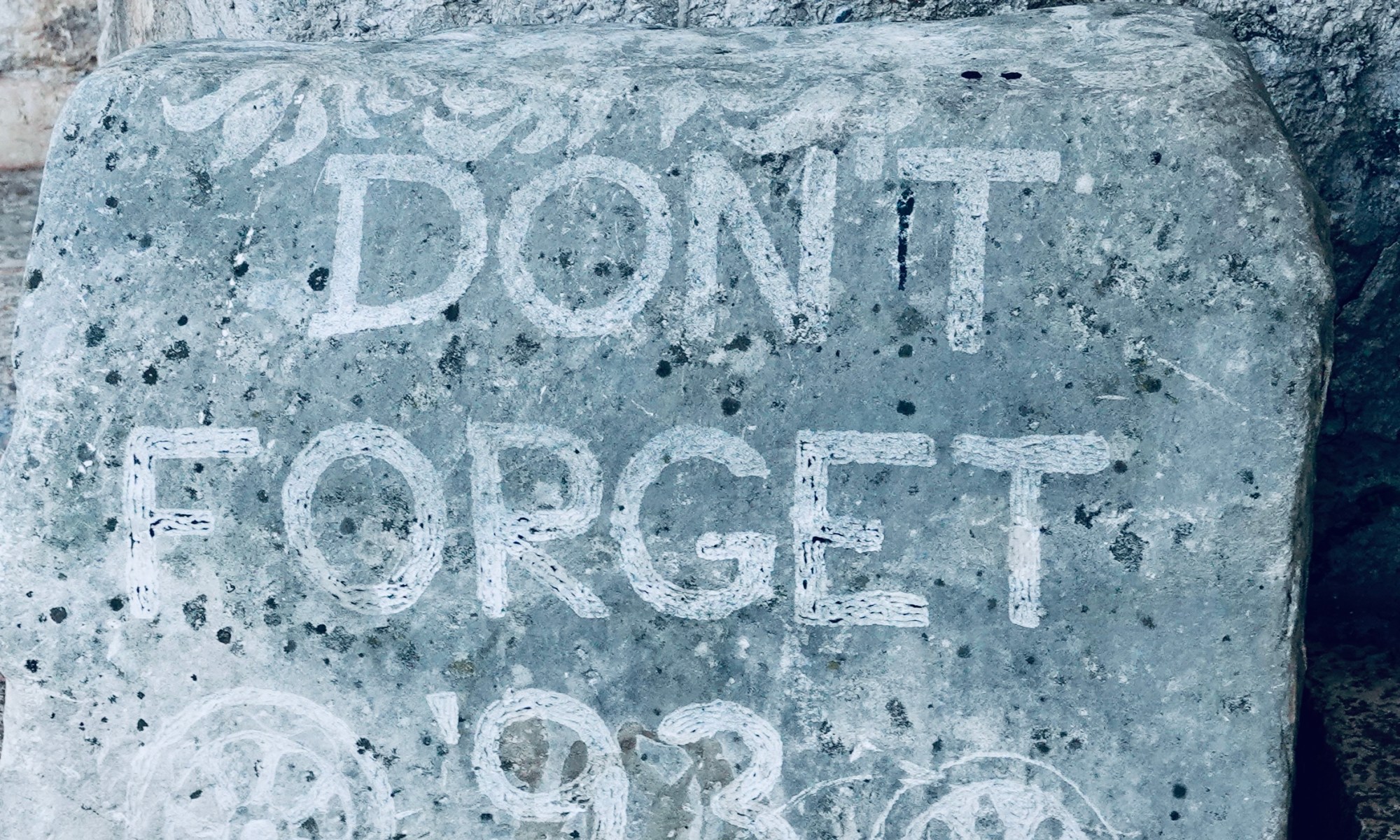
The battles scars in Mostar are much more visible compared to Sarajevo. Decades after the ending of the war, there are still many empty and abandoned buildings. Ther are many building in the old town Mostar close to the bridge that was riddled with holes from the mortar attached, and visible bomb damage. Near the stone bridge, there is a rock wit inscription that stats Don’t forget 93 referring to the war on the Onescukova street that served as the war frontline.
Stories told by our guides
Most of the guides that we hired were old enough to remember the war and lived through it. One of our guides, Stefan, who spent three days with us in Croatia, told us that he was only two years old when the war happened, but he lost his father during the conflict. Growing up without a fatherly figure to guide him, Stefan got into a lot of trouble with his friends from school. He mentioned that not having a father wasn’t that unusual and he wasn’t treated as anything special, as most of his classmates also had lost their patents in the war.
In Mostar, we stayed in a house owned by friends of friends who fled to Atlanta, US during the war, and the house was completely demolished. The family rebuilt the house, and we were fortunate to stay with them and hear first-hand about their war experiences and how it had completely changed their lives. The host had worked as a hotel manager in Mostar before the war, and the hotel was completely destroyed. He took us to a local restaurant right across from the damaged hotel, which is finally being rebuilt.
“Christmas Eve/Sarajevo 12/24”
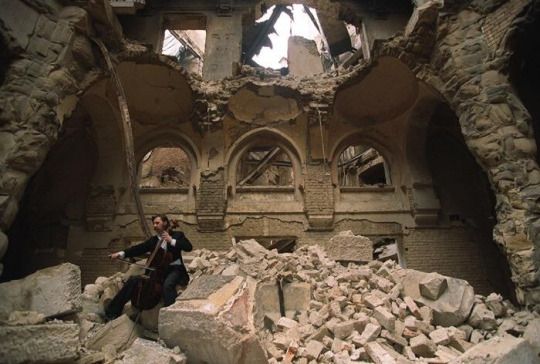
Credit: Michael Evstafiev/AFP/Getty Images
Vedran Smailovic brought hope to Sarajevo during very difficult time in Bosnian war. In 1992, a group of people waiting to buy bread in a market were hit by mortar shells, resulting in 22 deaths. Vedran Smailovic, a well-known cellist in the city, was deeply affected by this event. The following day, he went to the spot, which was covered in flowers as a tribute, and started playing his cello. He hadn’t planned it, but he did it instinctively, and as people gathered around him, there was a sense of healing. He played there for 22 days, in honor of the 22 who had been killed, performing the same piece, Albinoni’s Adagio in G minor. Despite the presence of snipers on the hills, the cellist continued to play, risking his life. For another two years, he played at various locations in the city, amidst the ruins, dressed in a white shirt and black tailcoat, as if he were on stage in an orchestra. He soon became a symbol of courage for Sarajevo and the world. This story has been immortalized by Trans-Siberian Orchestra’s “Christmas Eve / Sarajevo” – iconic instrumental piece tells the story of Vedran Smailović during Bosnian war. I have this heard this song so many times during Christmas and didn’t realize it based on Vedran until I was visited Sarajevo. If you want to, you can watch the Trans-Siberian song /video here
All these stories are poignant reminders of horrors of war and effect on the cultural fabric of the country and its people. They also show the resiliency of the people and perseverance of hope despite unimaginable horrors.
 Peaks to Palaces