
In the heart of Washington, D.C., nestled along the Tidal Basin, stood a tree that looked more like a memory than a monument. Stumpy, as he came to be known, was a Yoshino cherry tree—gnarled, hollowed, and barely clinging to life.
Stumpy was one of thousands of Cherry trees gifted by Japan in 1912, a symbol of friendship. But over time, rising tides and sinking land turned the basin into a twice-daily flood zone. Stumpy, rooted too close to the seawall, endured years of waterlogging, sun-scalding, and fungal decay. By the time he captured the public’s imagination, he had only a few flowering branches left. His trunk was more air than wood. But oh, how he bloomed. During the pandemic, a photo of Stumpy appeared on Reddit. It had a caption comparing his condition to a love life gone awry. Something about that image—a tree so clearly broken, yet defiantly blossoming—resonated. People began to visit. They left flowers, poems, even bottles of whiskey. Stumpy became a folk hero, a symbol of resilience, and a quiet reminder that beauty doesn’t need perfection
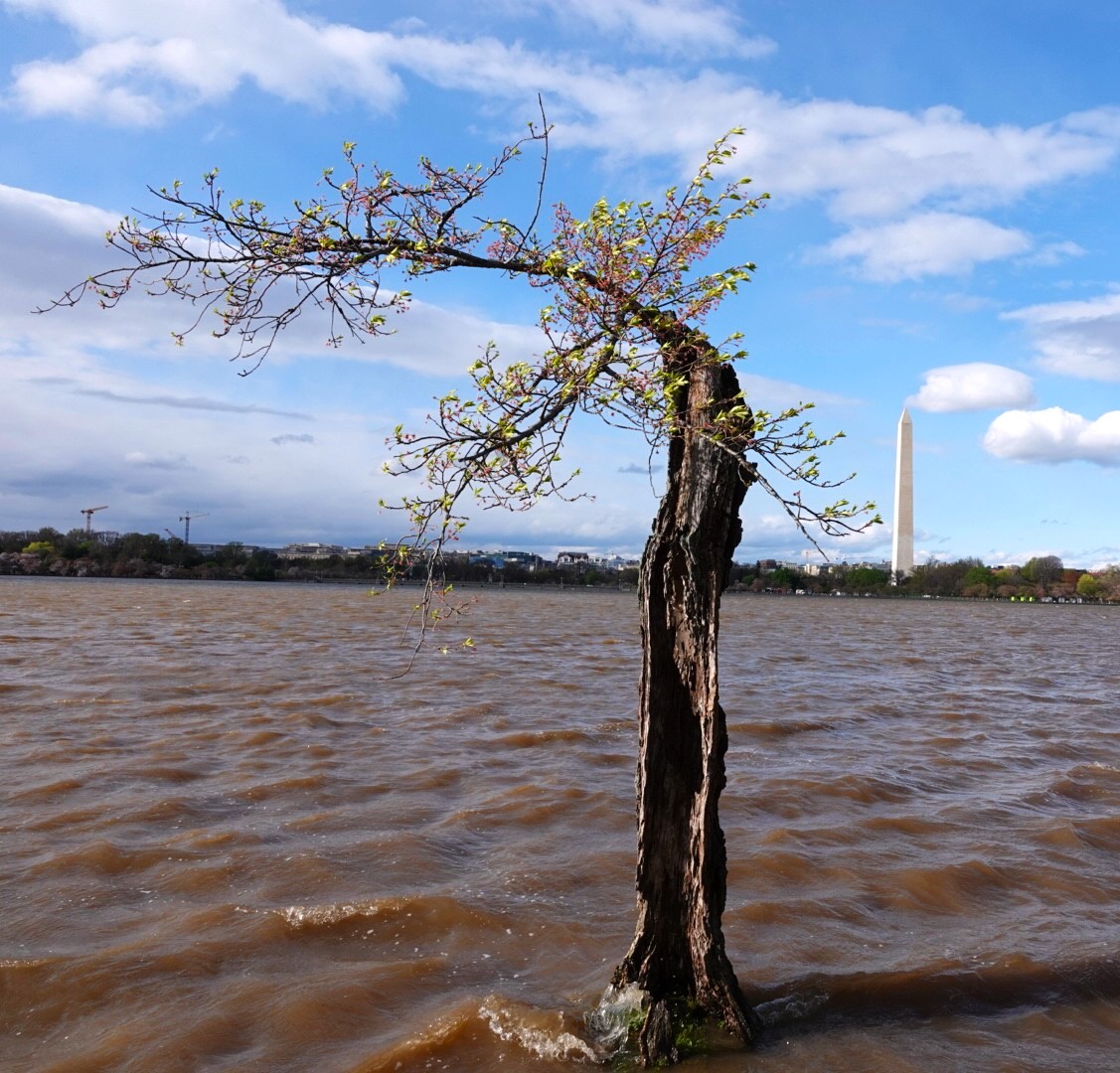
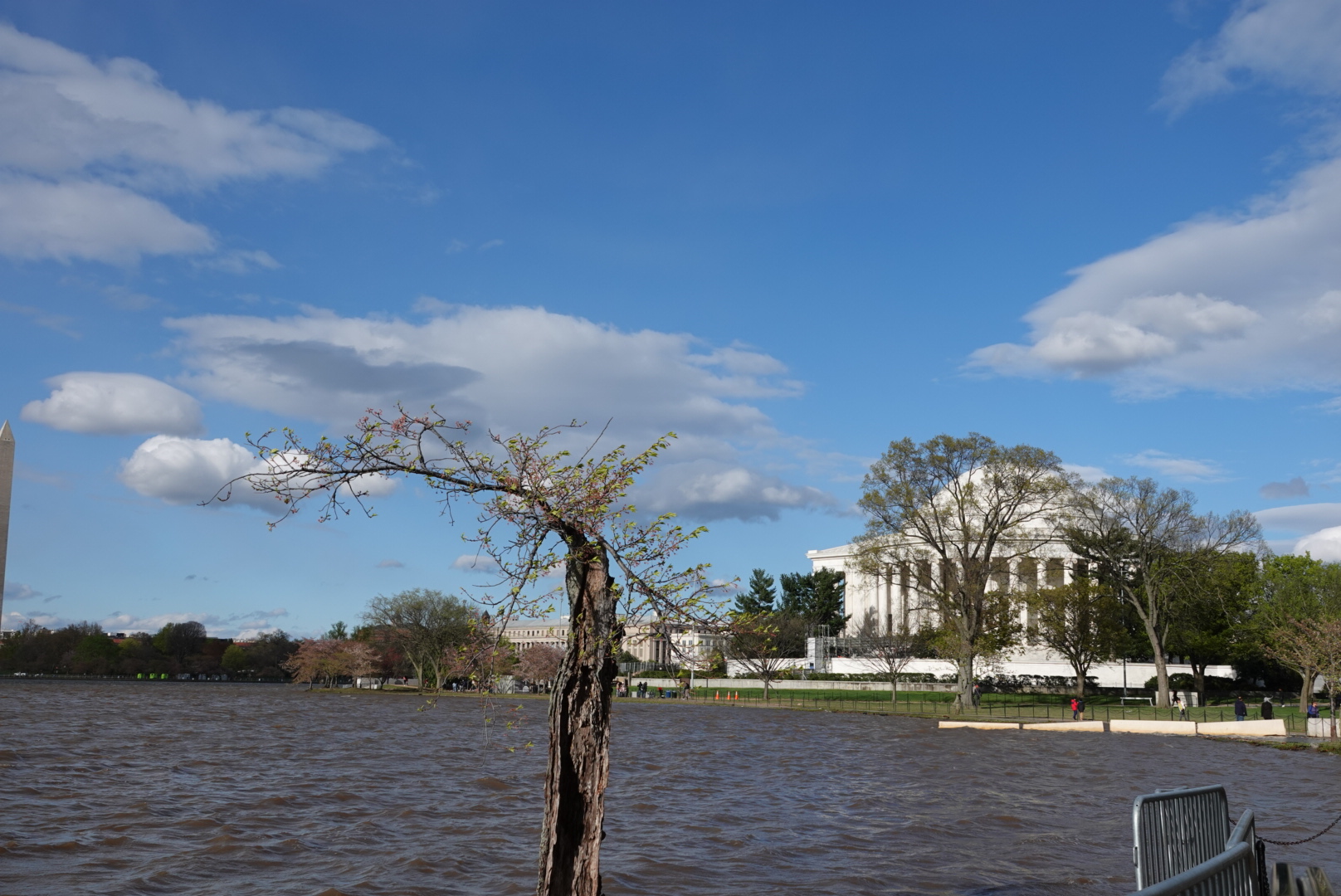
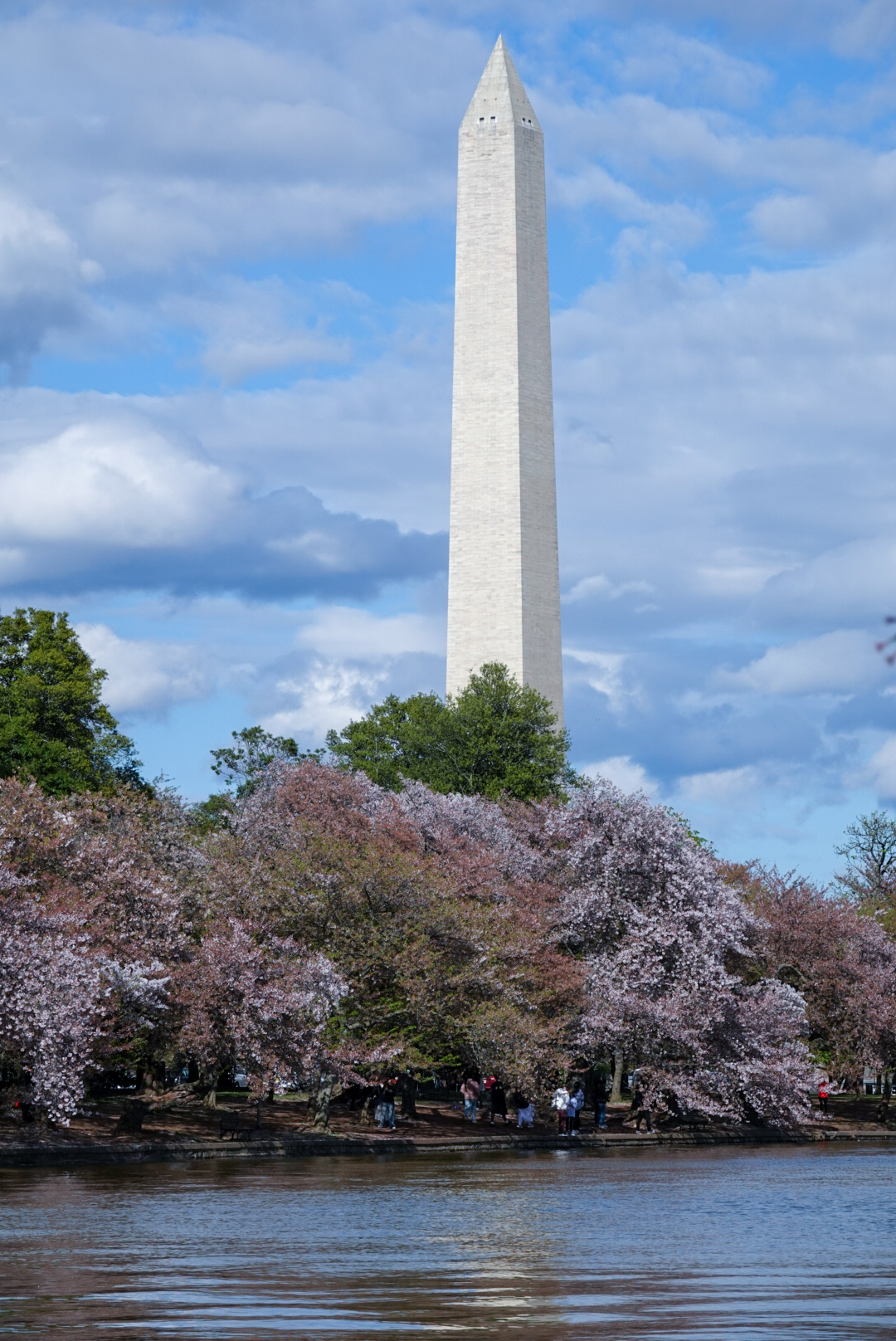
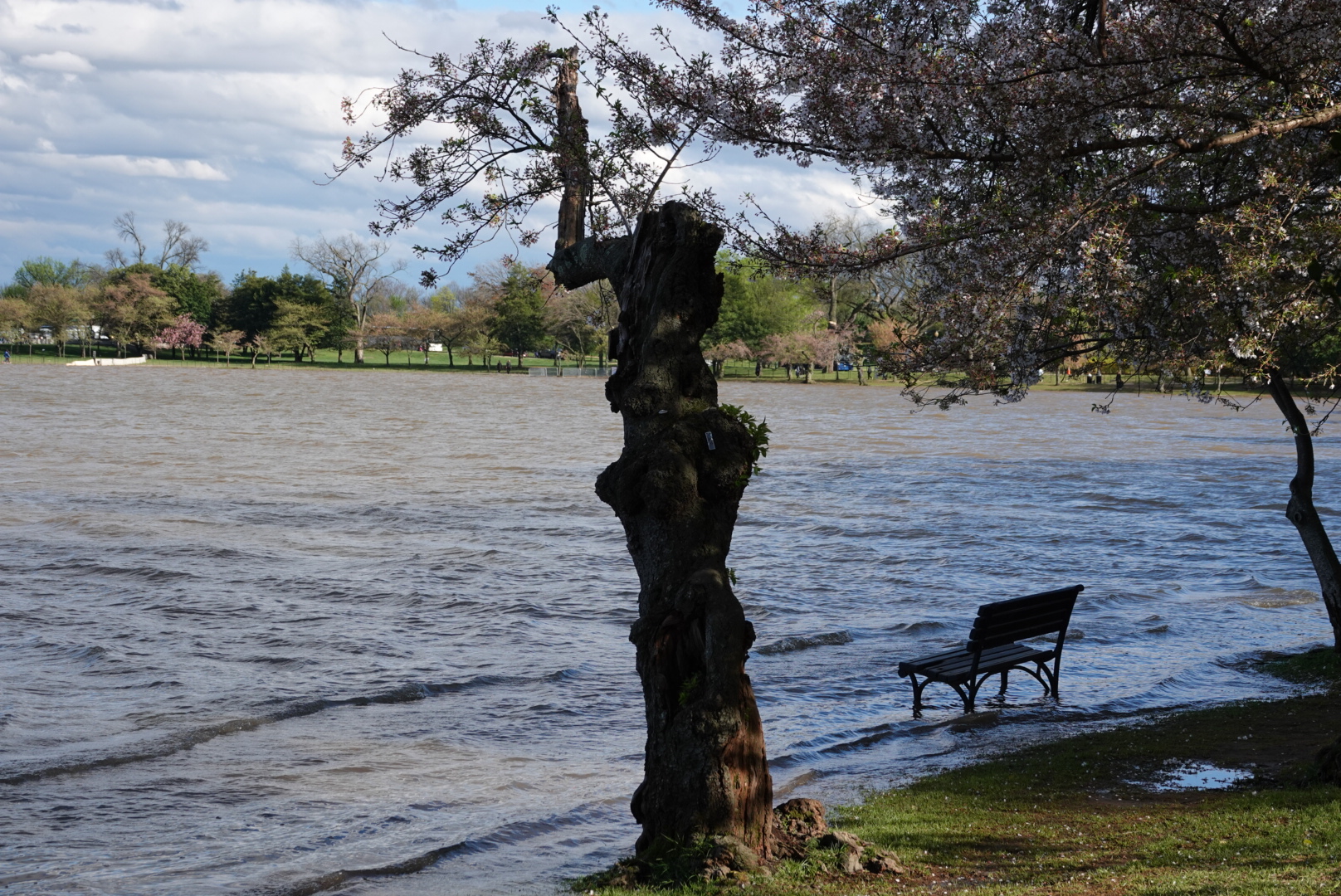
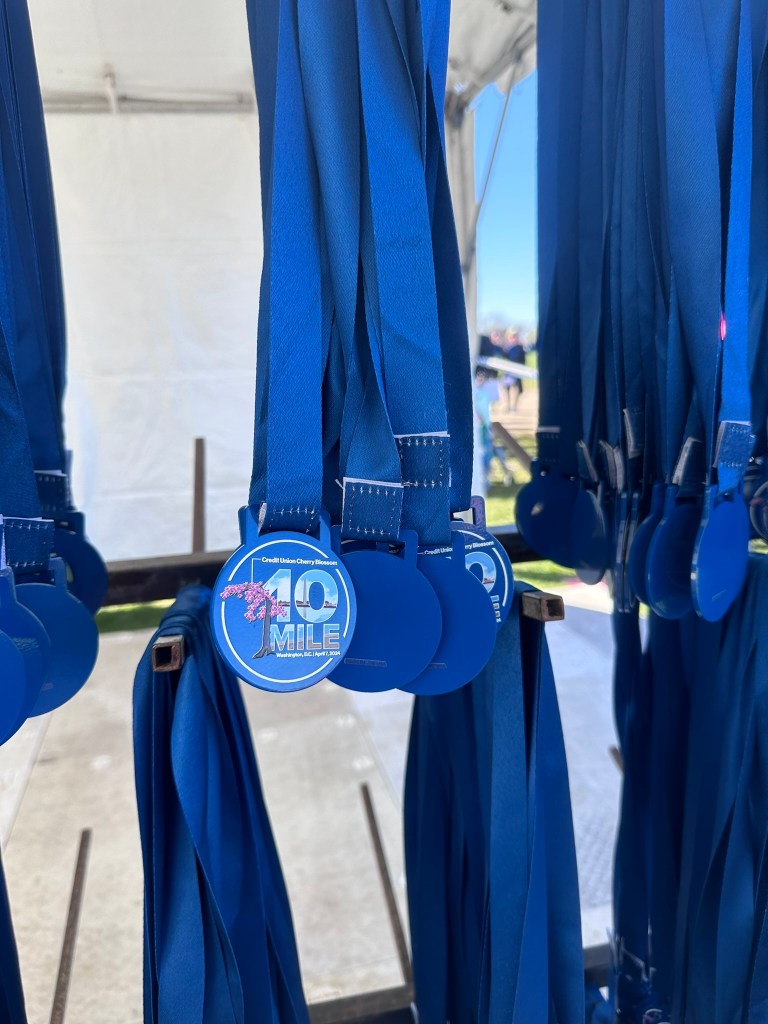
In May 2024, Stumpy was removed to make way for seawall repairs. But his story didn’t end there—it evolved. Since 2024, Stumpy has been honored as the mascot of the Credit Union Cherry Blossom Ten Mile Run. I got to see Stumpy before he was removed and managed to snap a few photos of him in 2024 April before running the Cherry Blossom race. I also received a medal with Stumpy on it after finishing the race. Even though Stumpy is gone, his legacy lives on through his clones and his role as the official mascot.

Wabi-Sabi teaches us to embrace the imperfect, the transient, the quietly profound. Stumpy was all of that—and more. He didn’t stand tall or symmetrical. He stood anyway. And now, even in his absence, he leads the race.
 Peaks to Palaces