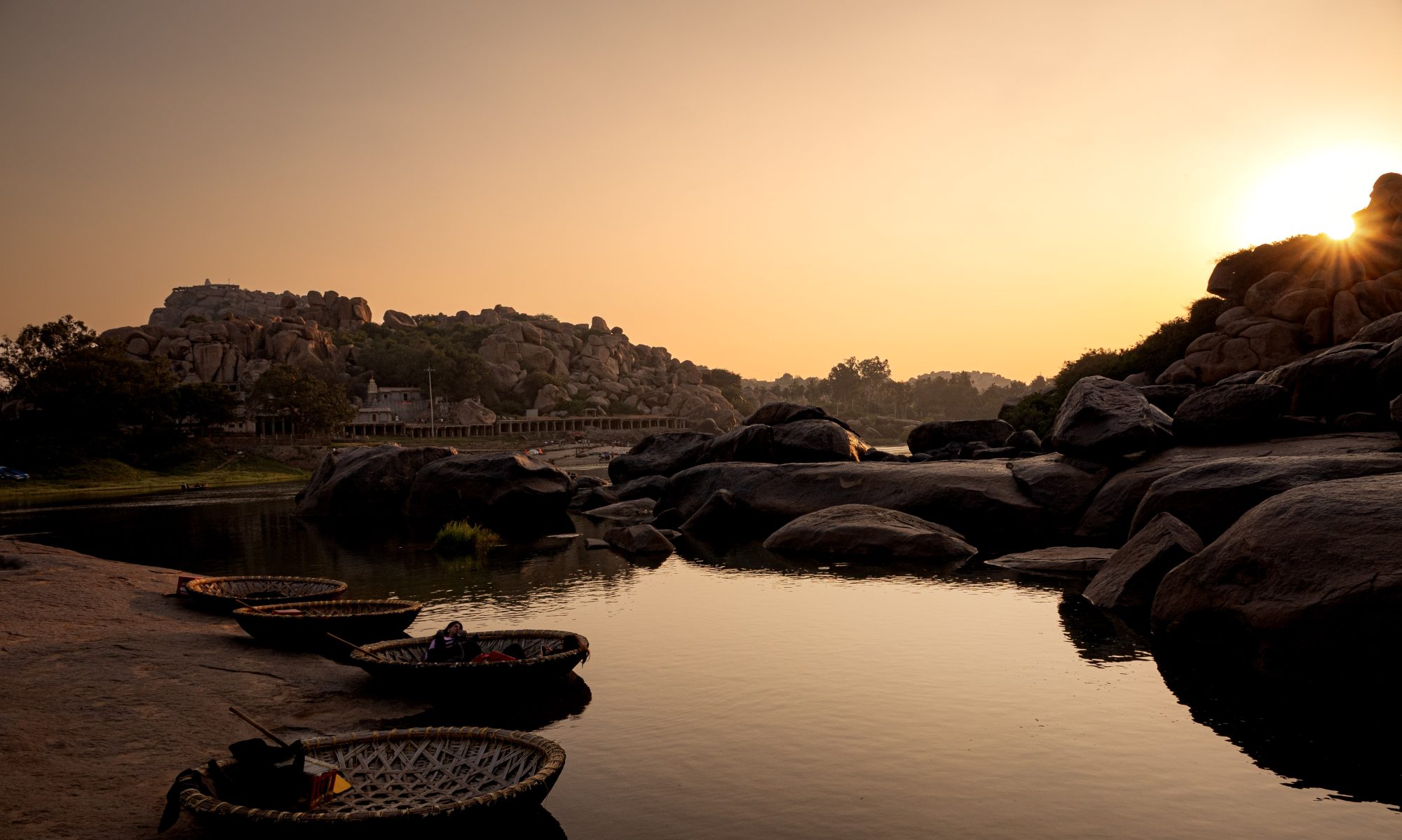
I didn’t expect to love Sarajevo as much as I did but I fell in love with this city. We spent last 2 days of our Balkan Itinerary in Sarajevo before flying home. We stayed at President hotel which is right in the center of the town at the edge of old market and walkable distance to all the main attractions in Sarajevo. We took “food and history” walking tour of the old town and enjoyed some local cuisine along with the history of the town.
- Sebilj Fountain- Symbol of Sarajevo
- Gazi Husrev Bey’s Bezistan (covered bazaar) and Tašlihan-stone inn
- Morića Han
- Gazi Husrev-beg ‘Beys’ Mosque
- Latin Bridge and World war I
- East meets West sign
- Mount Trebevic and Bobsled track
- Sunset at Yellow fortress
- Old Bazar and copper Street
- Tunnel of Hope
- Skakavac waterfalls and MTB
- Park Bosanski Stećak i Zastava- Park with 7 flags
- Final thoughts
Sebilj Fountain- Symbol of Sarajevo
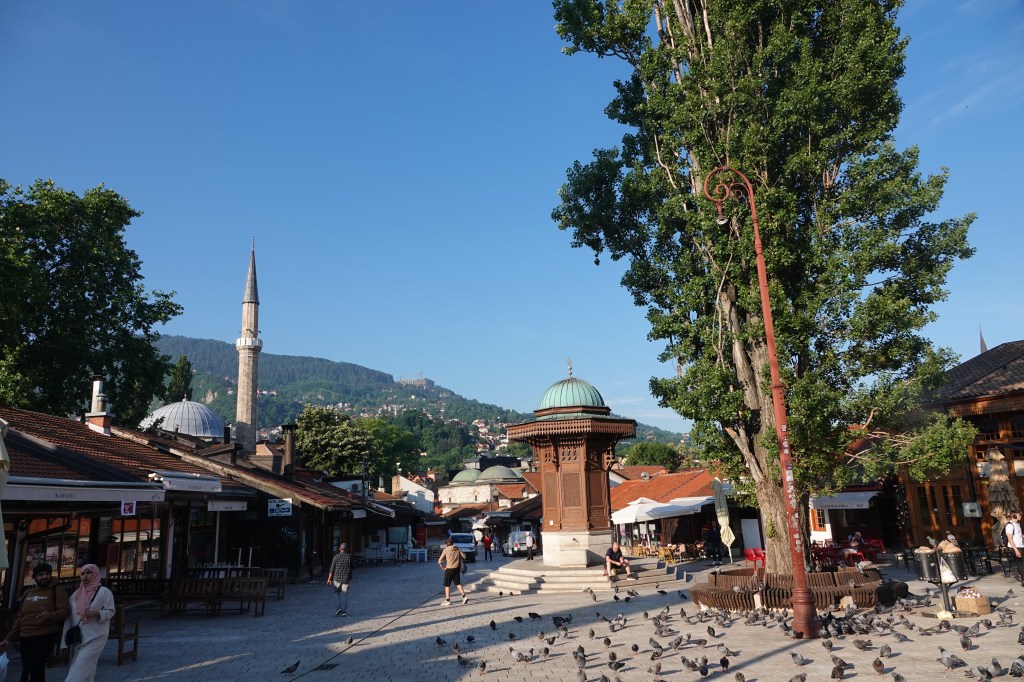
You can’t walk through old town Sarajevo without seeing the wooden water fountain known as Sebilj. The locals call this place as pigeon square, and it is used as meeting spot. Sebilj meaning a place where water is given is and intended to provide free water to travelers and locals stood as a symbol of hospitality. It originally built in 1753 in Otteman -style by Mehmed Pasha Kukavica, and was relocated to current location by Austrian architect Alexander Wittek in 1891. According to local legend “Whoever drinks water from any of Sarajevo’s fountains and spouts will come to Sarajevo”.
Gazi Husrev Bey’s Bezistan (covered bazaar) and Tašlihan-stone inn
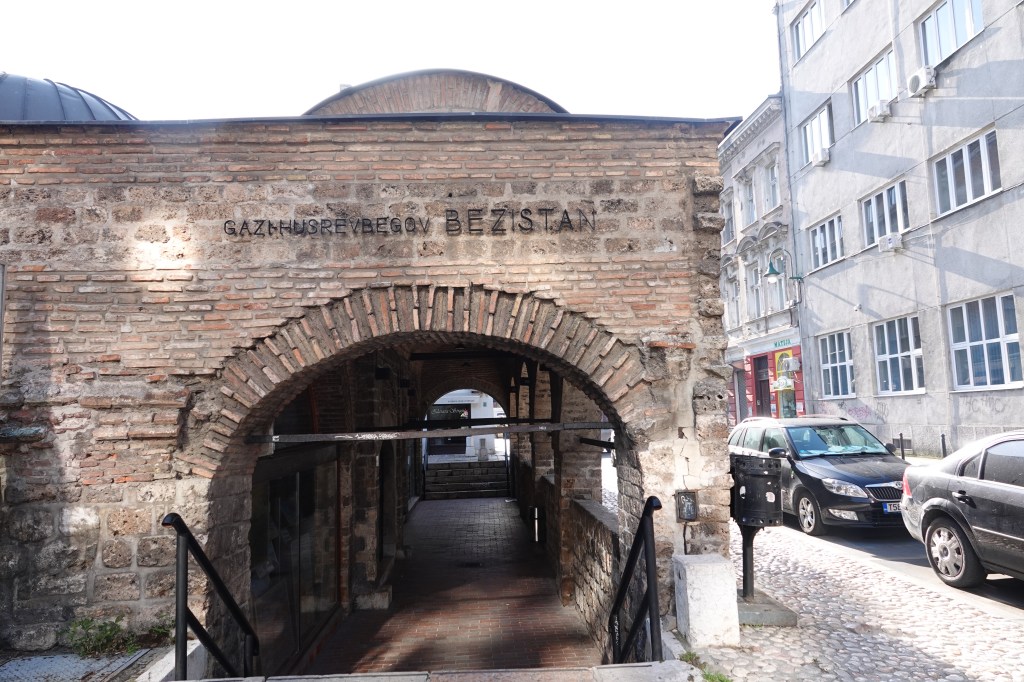
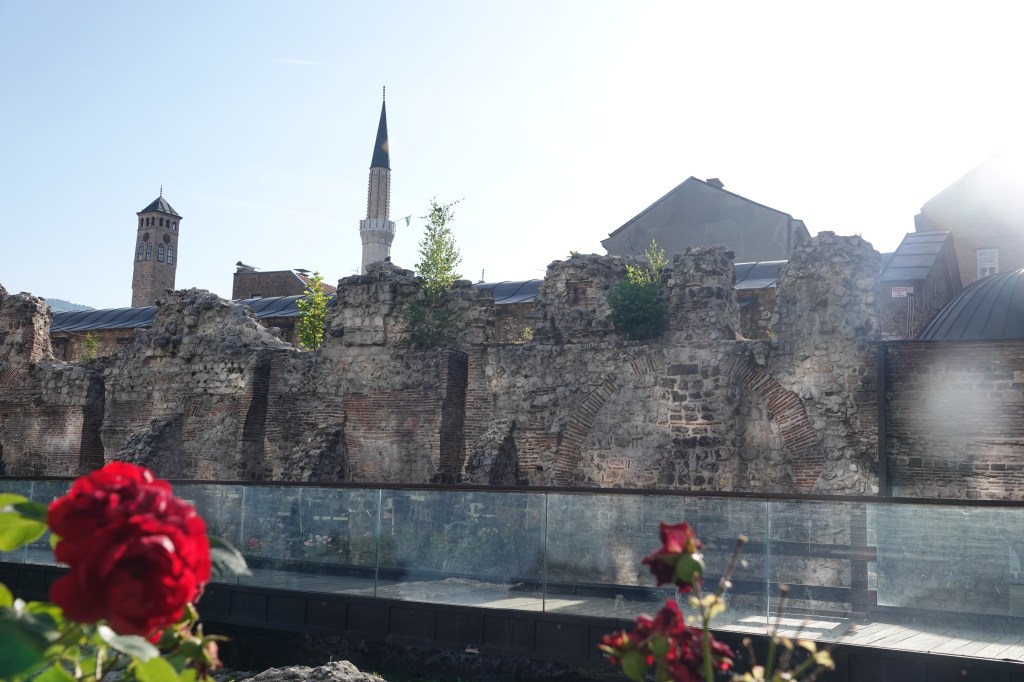
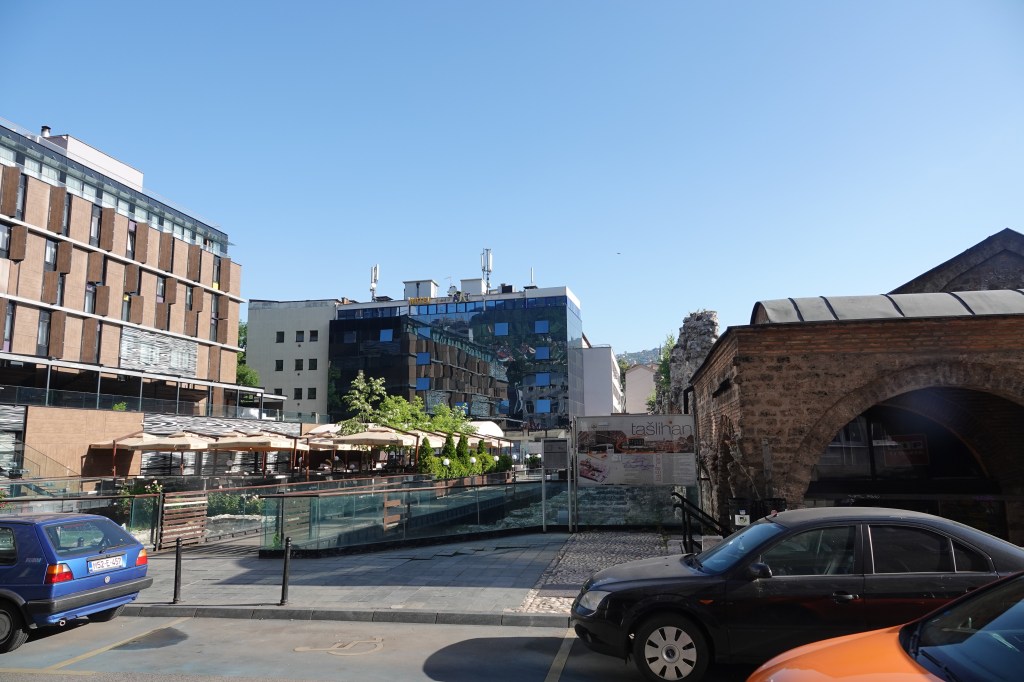
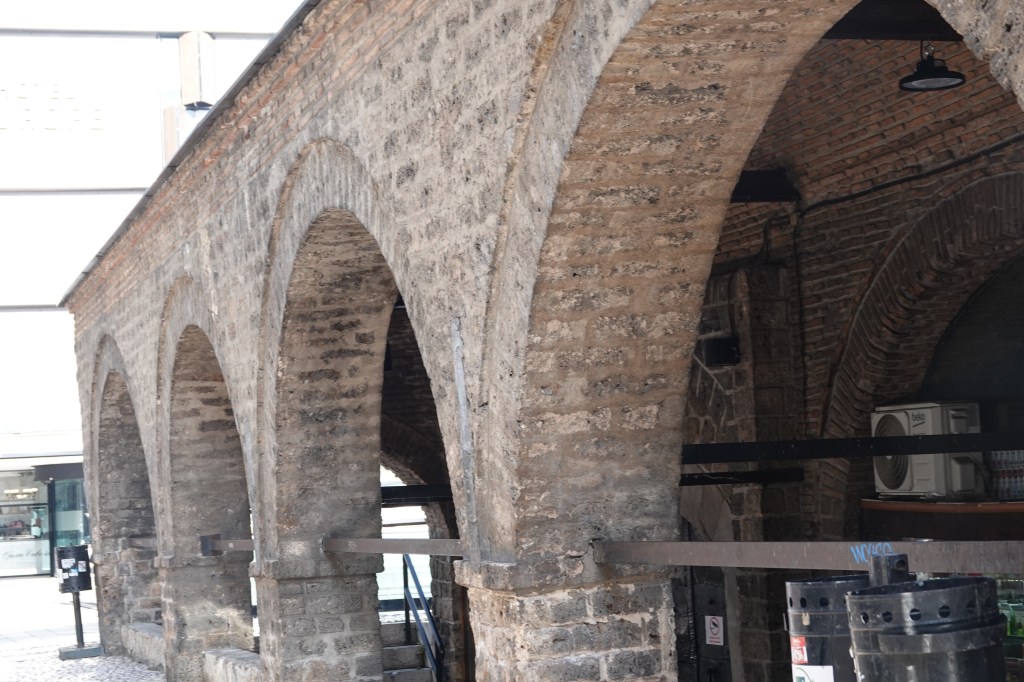
Located together, the Bezistan and Tašlihan were built in 1540 and 1543, funded by the Ottoman Governor, Gazi Husrev Bey.
During the Ottoman era, Bezistan housed textile shops, while the outdoor shops on Gazi Husrev Bey Street belonged to the metalworkers’ čaršija, where gold and silver jewelry were made and sold. The bazaar has four entrances, two from Gazi Husrev Bey’s Street, one on Ferhadija, and another on Zelenih beretki.
Tašlihan was one of three caravanserais in Sarajevo, providing accommodation for travelers and horses. Caravanserais were large fort-like structures that could accommodate entire caravans, including pack horses and merchants. They typically had one entrance, which was locked at night. The open courtyard was used for loading and unloading goods, often paved with cobblestones, and included a well or fountain.
Morića Han
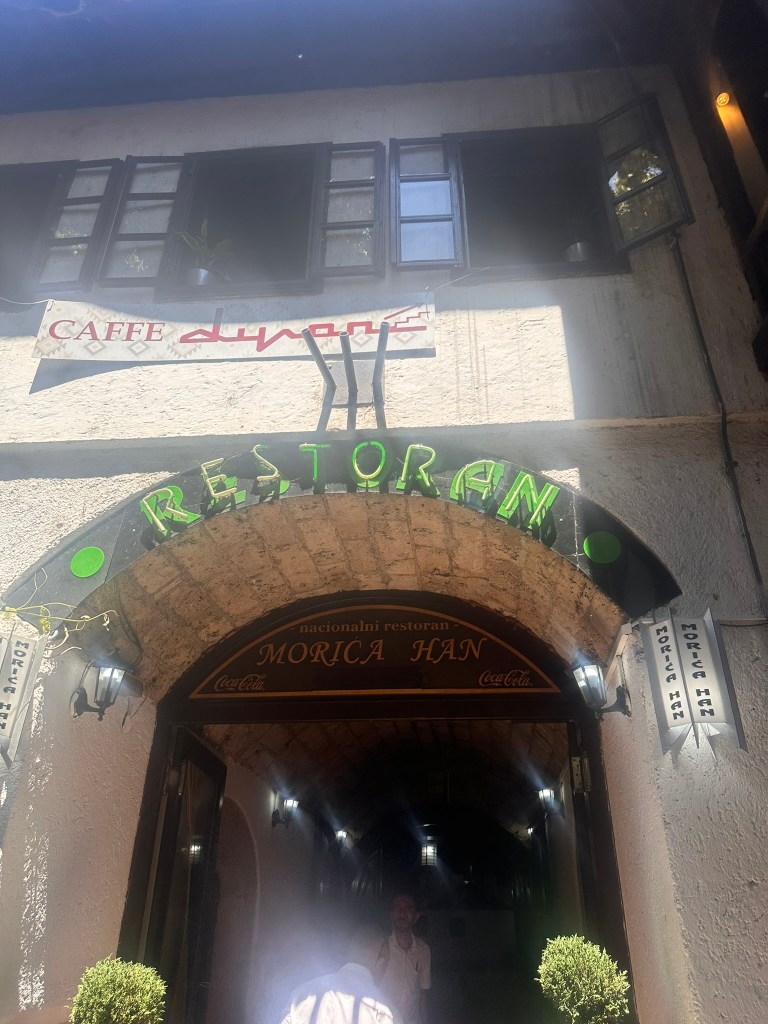
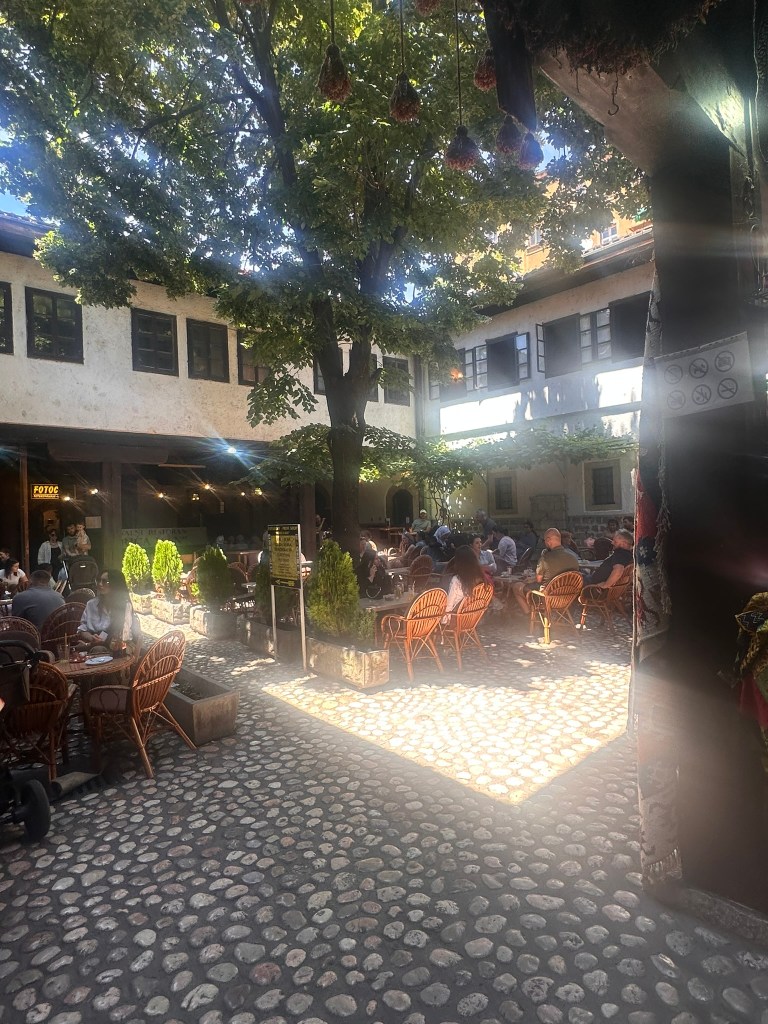
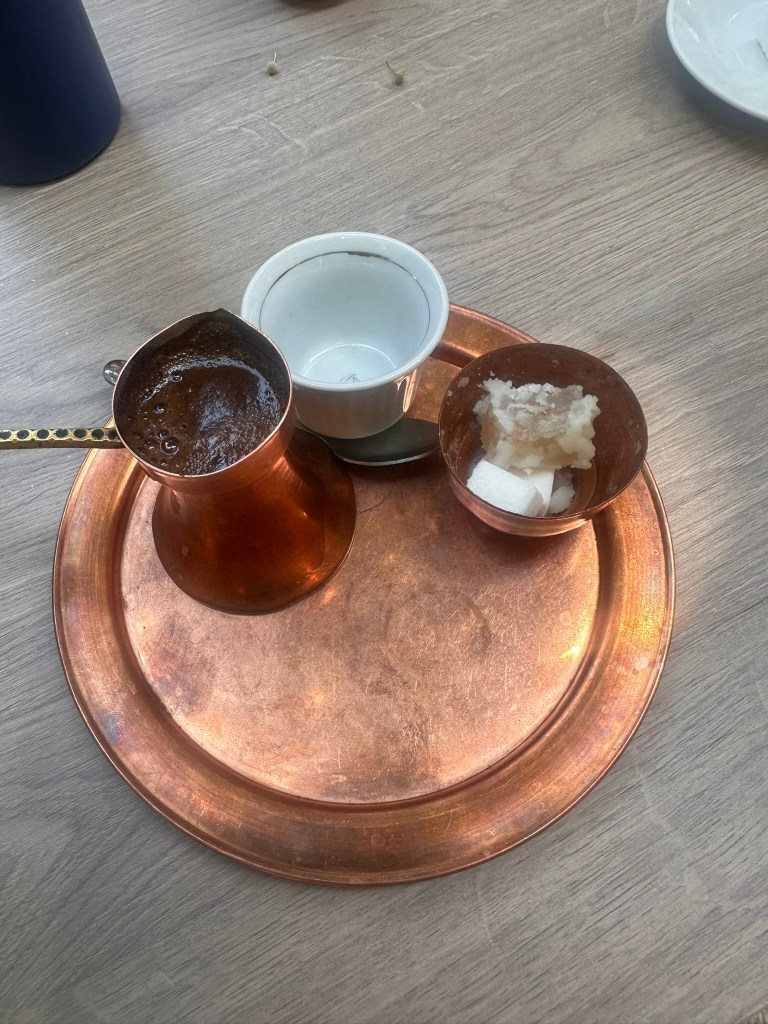
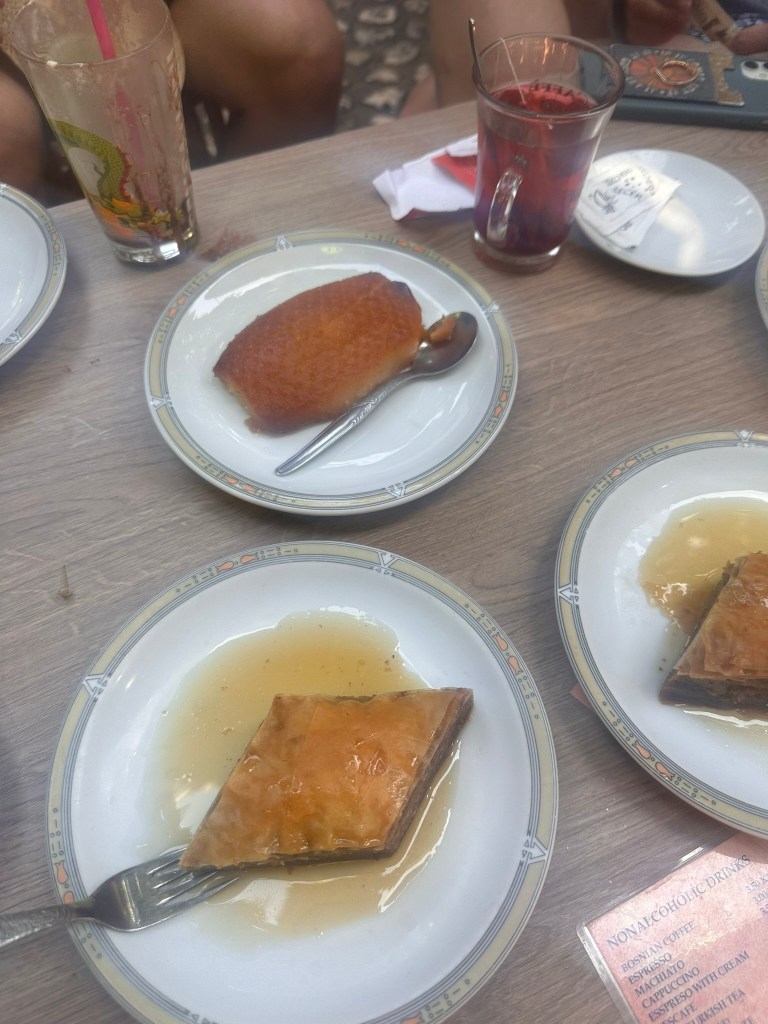
We stopped at Morića Han during our food tour and enjoyed Bosnian coffee and sweets. It’s a beautiful place to relax, drink coffee, and watch people. The inn was built in the heart of Baščaršija between the 16th and 17th centuries as part of an endowment established by Gazi Husrev Bey. The inn’s sleeping quarters could accommodate a caravan with 300 travelers and 70 horses. The room of the innkeeper was right above the main entrance, and the ground level was used for horses and goods. Upstairs, there were rooms for the travelers and a large coffeehouse.
The inn was also a gathering place for the Sarajevo elite and artisans, and its coffeehouse is even mentioned in sevdalinka lyrics. Morića Han is named after Mustafa Aga Morić, son of Ibrahim Aga, one of the famous Morić brothers. Today, Morića Han is home to a few cafés and shops, as well as a restaurant serving traditional Bosnian food.
Gazi Husrev-beg ‘Beys’ Mosque
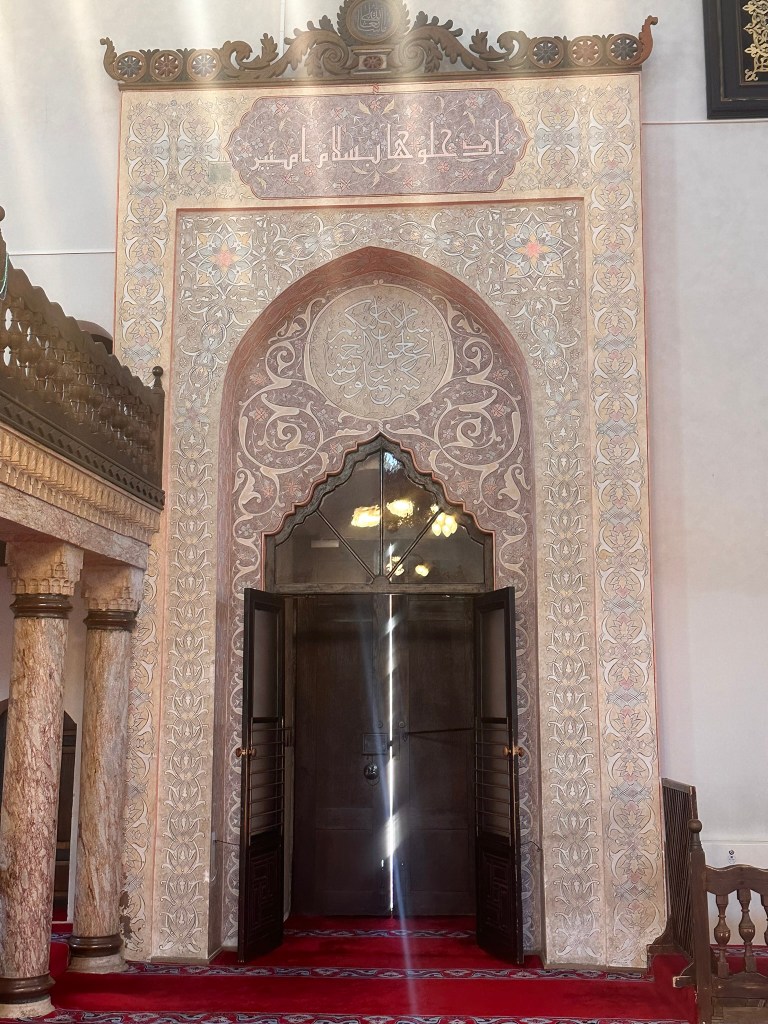
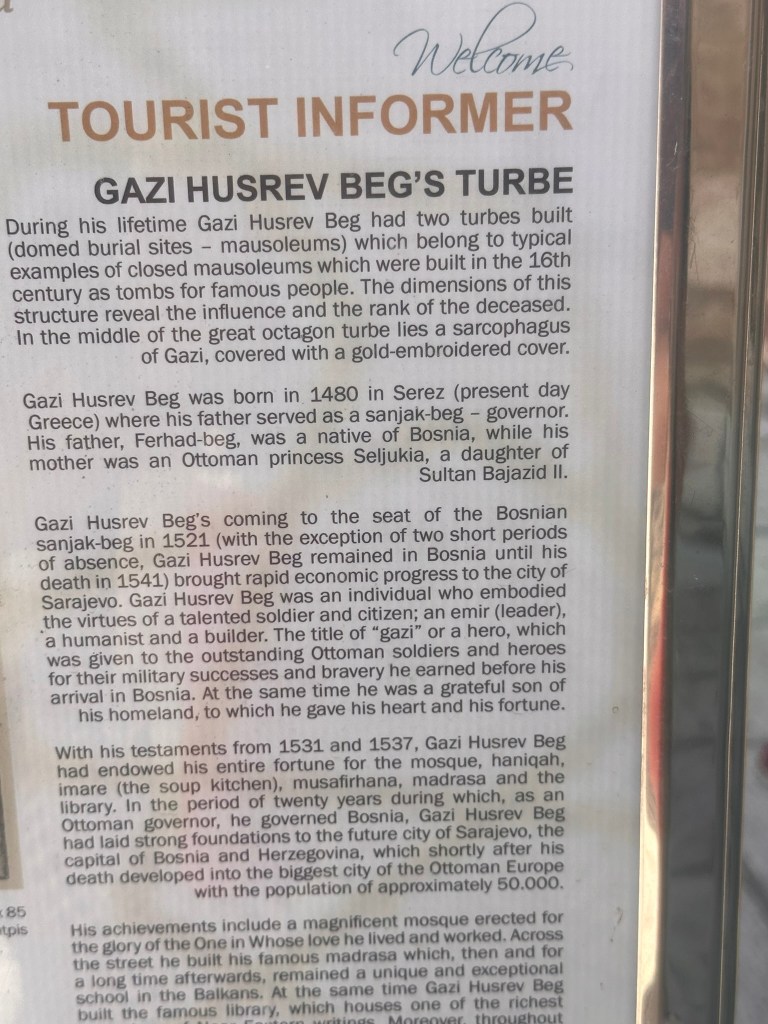
Huzrev-Beg bey, a prominent figure in the Ottoman Empire, held the position of governor (sanjak-bey) of the Sanjak of Bosnia and made significant contributions to the cultural and commercial advancements in the city. His influence extended to the construction of mosques, schools, markets, administrative facilities, and public baths, shaping the early development of the region. One of his enduring legacies is the Gazi Husrev-beg Mosque, an architectural marvel completed in the 16th century, characterized by exquisite Ottoman design. Even today, this mosque stands as one of the largest in Bosnia and Herzegovina.
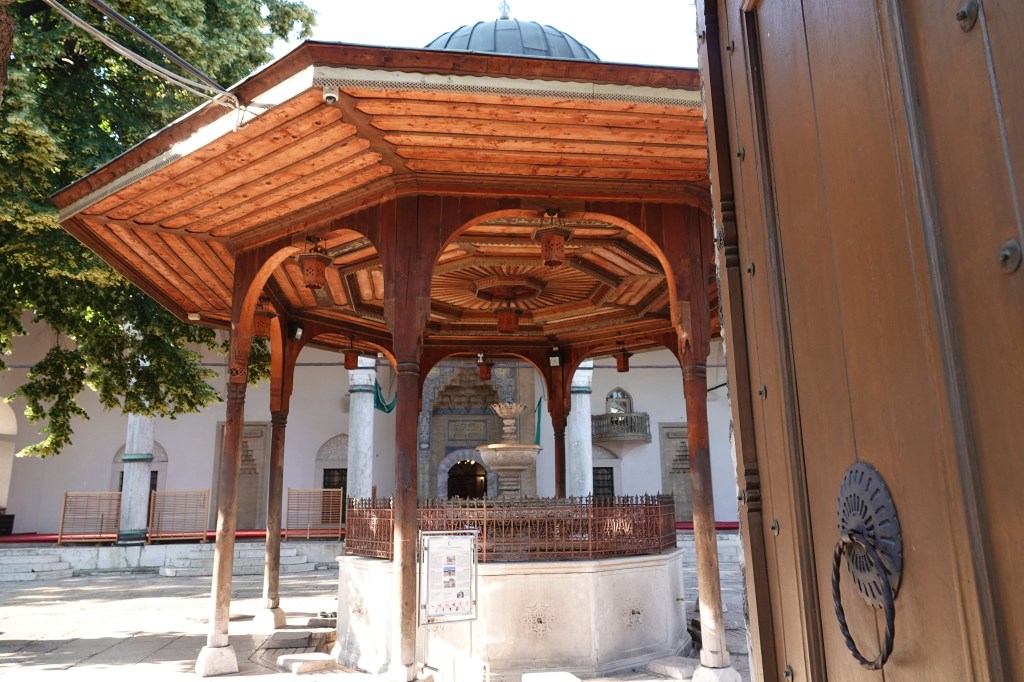
The Gazi Husrev-beg Mosque has witnessed remarkable historical milestones, including being the first mosque in the world to be electrified in 1898. The interior of the mosque is adorned with intricate wooden panels on the dome and adorned with captivating decorative paintings, offering a glimpse into its rich artistic heritage. Despite enduring significant damage during the siege of Sarajevo, extensive reconstruction efforts have preserved its original style, albeit altered from its former grandeur. It remains an enduring symbol of cultural and architectural significance.
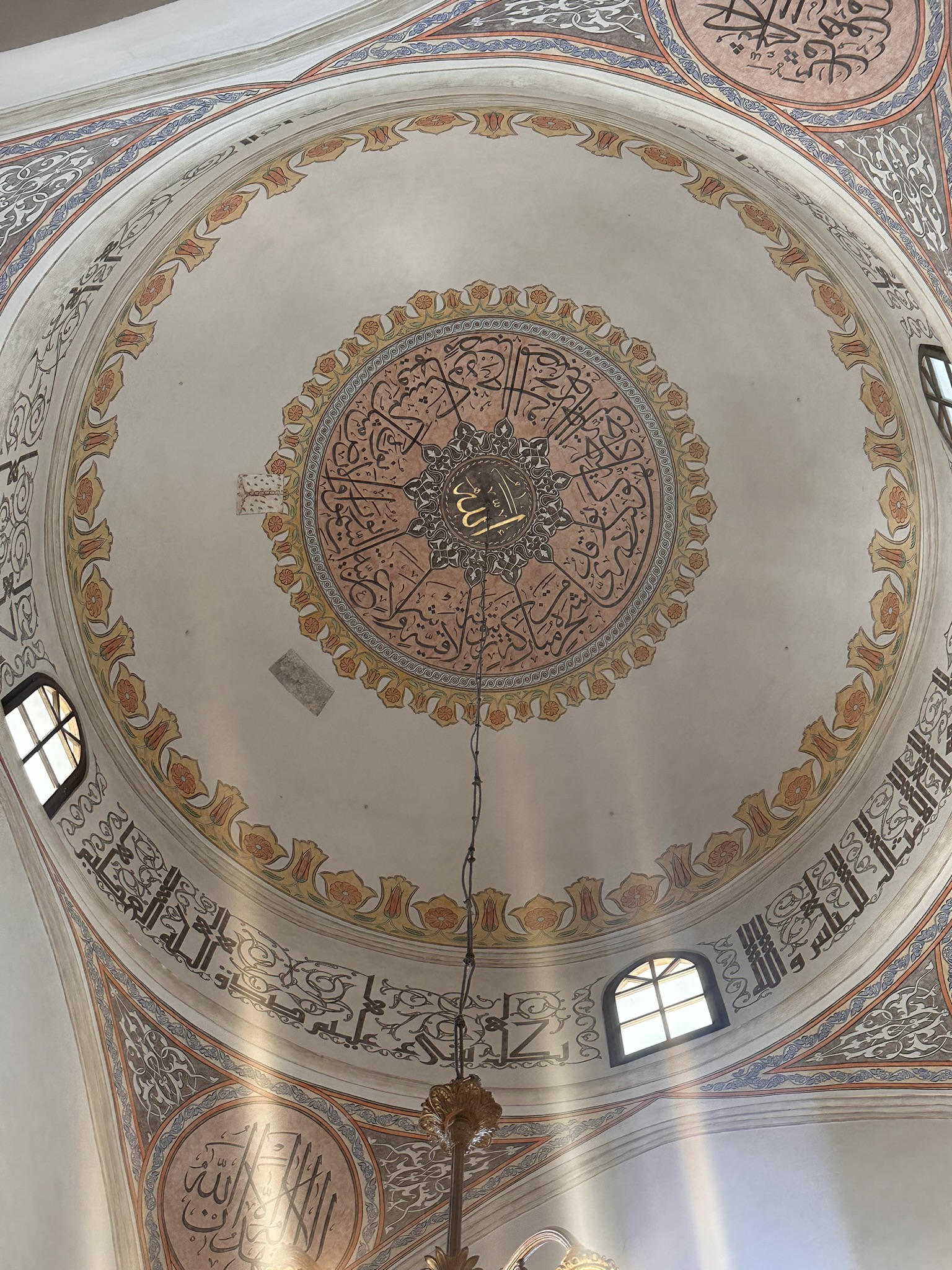
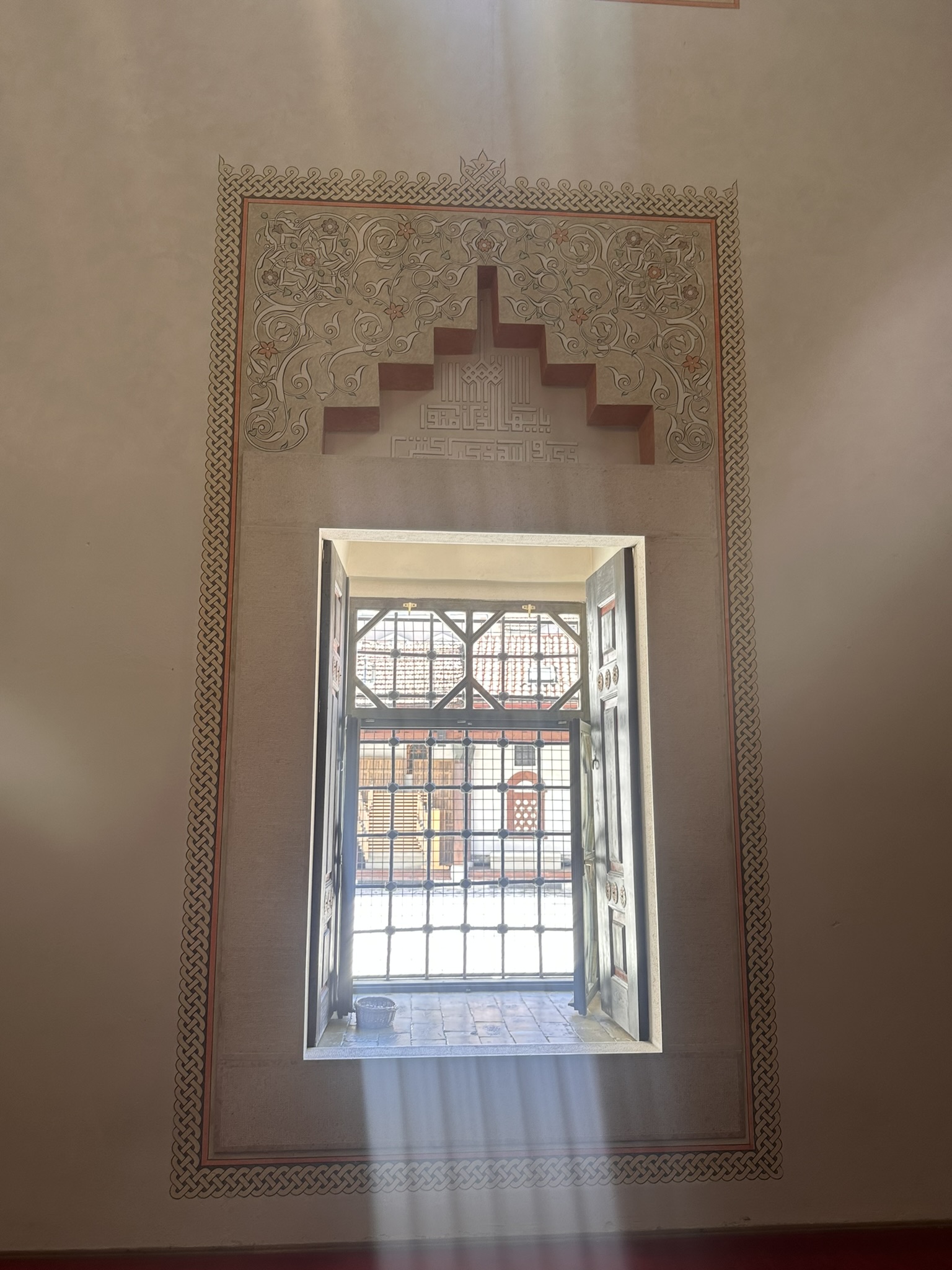

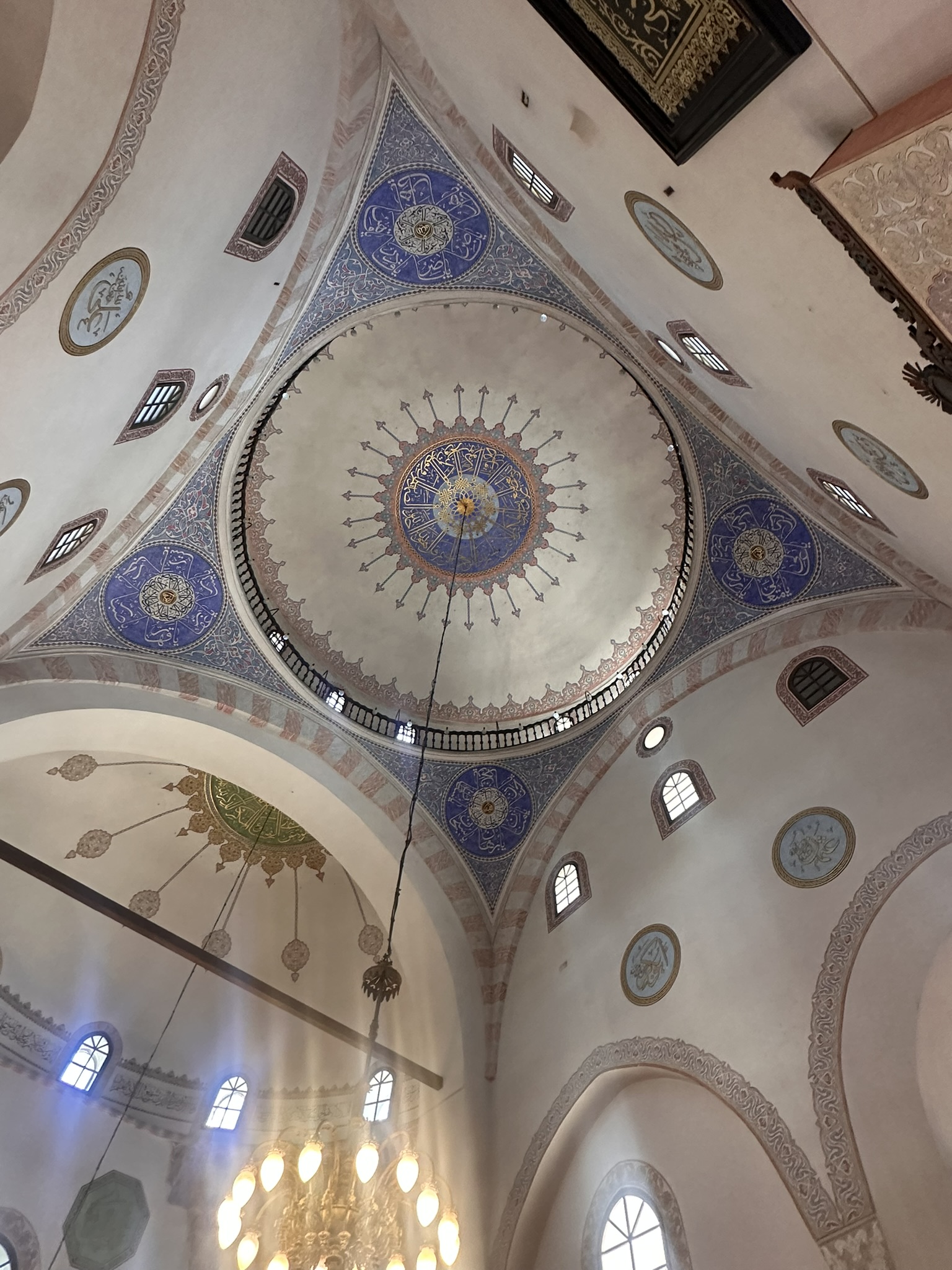
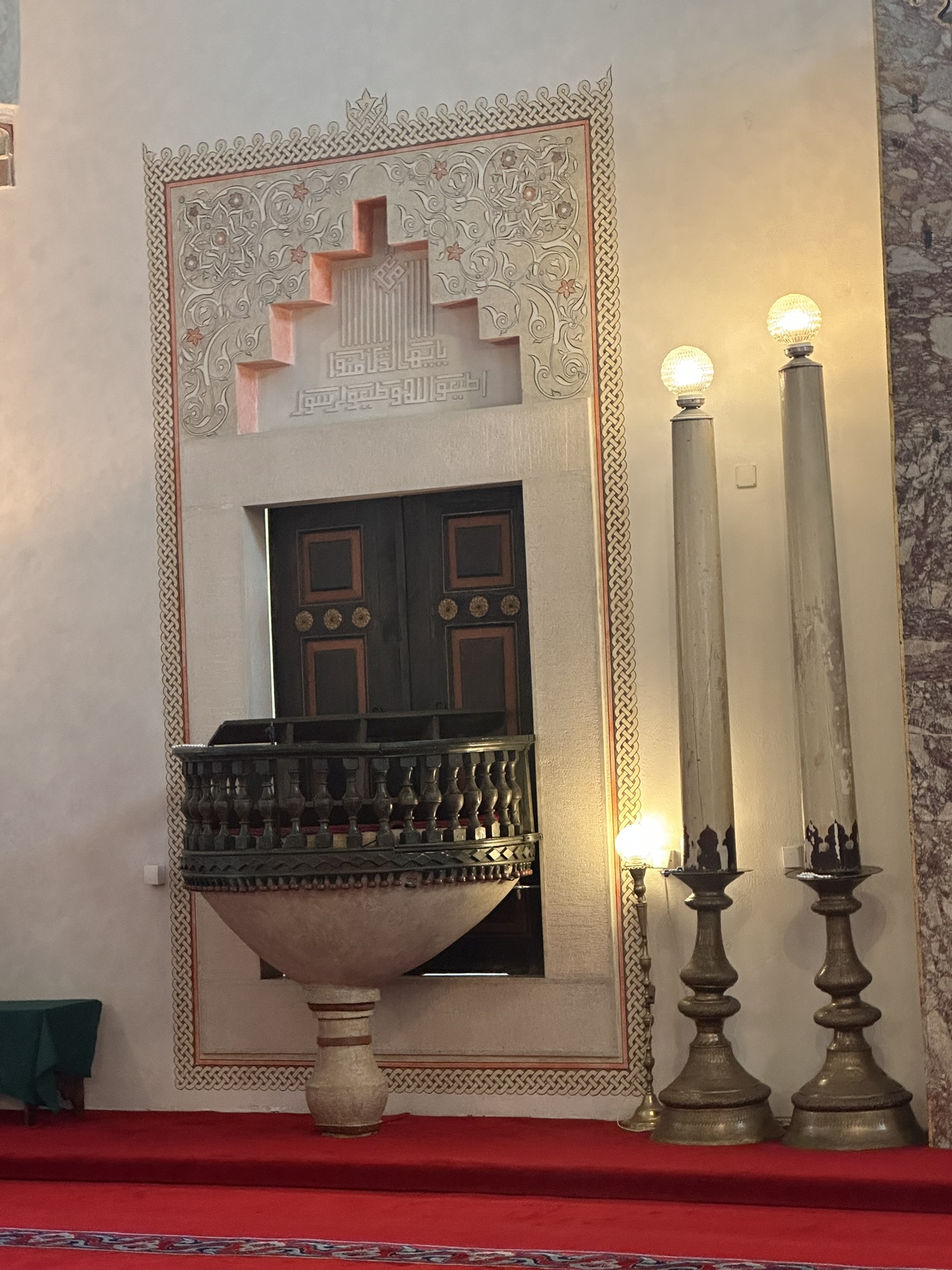
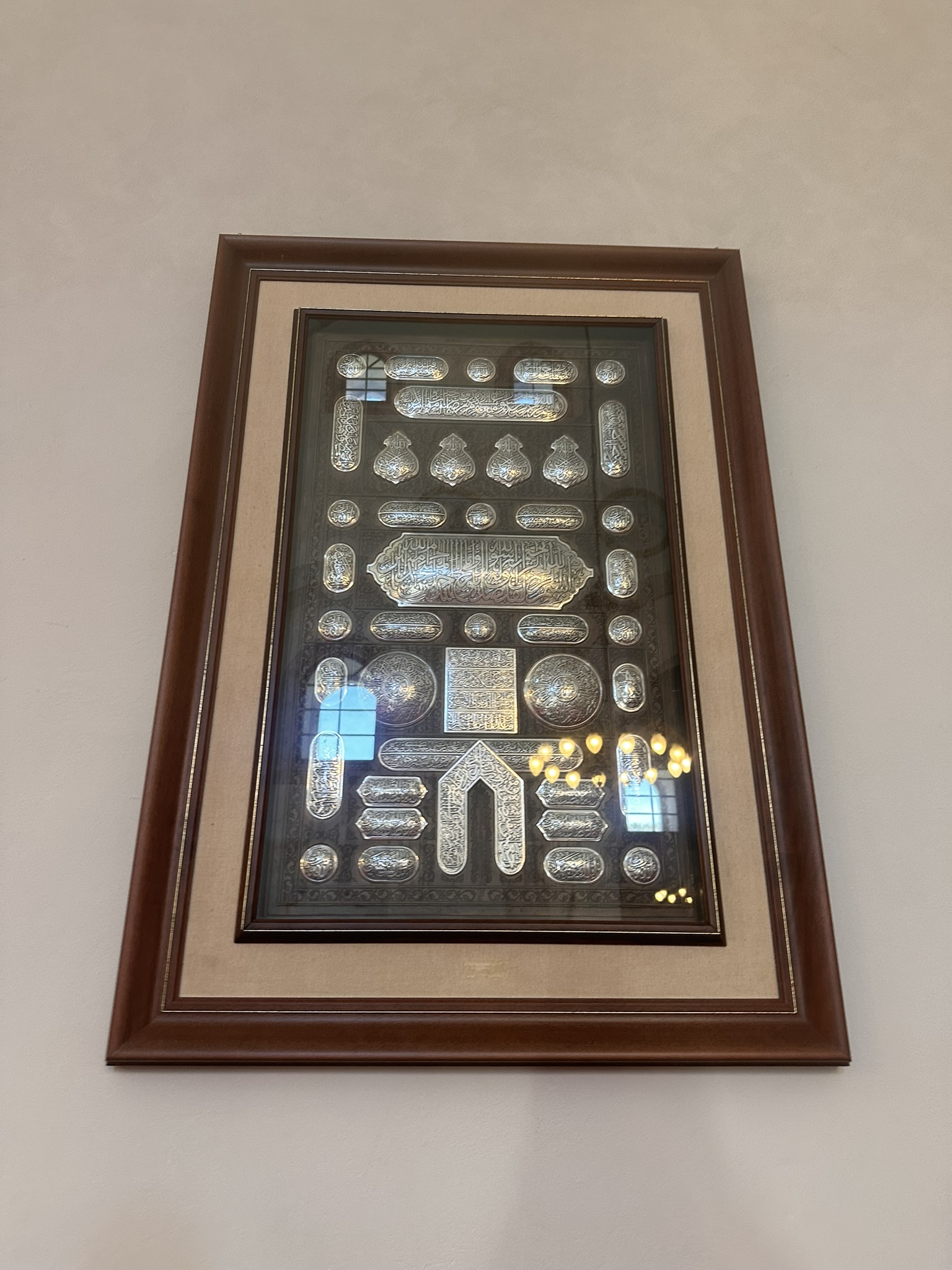
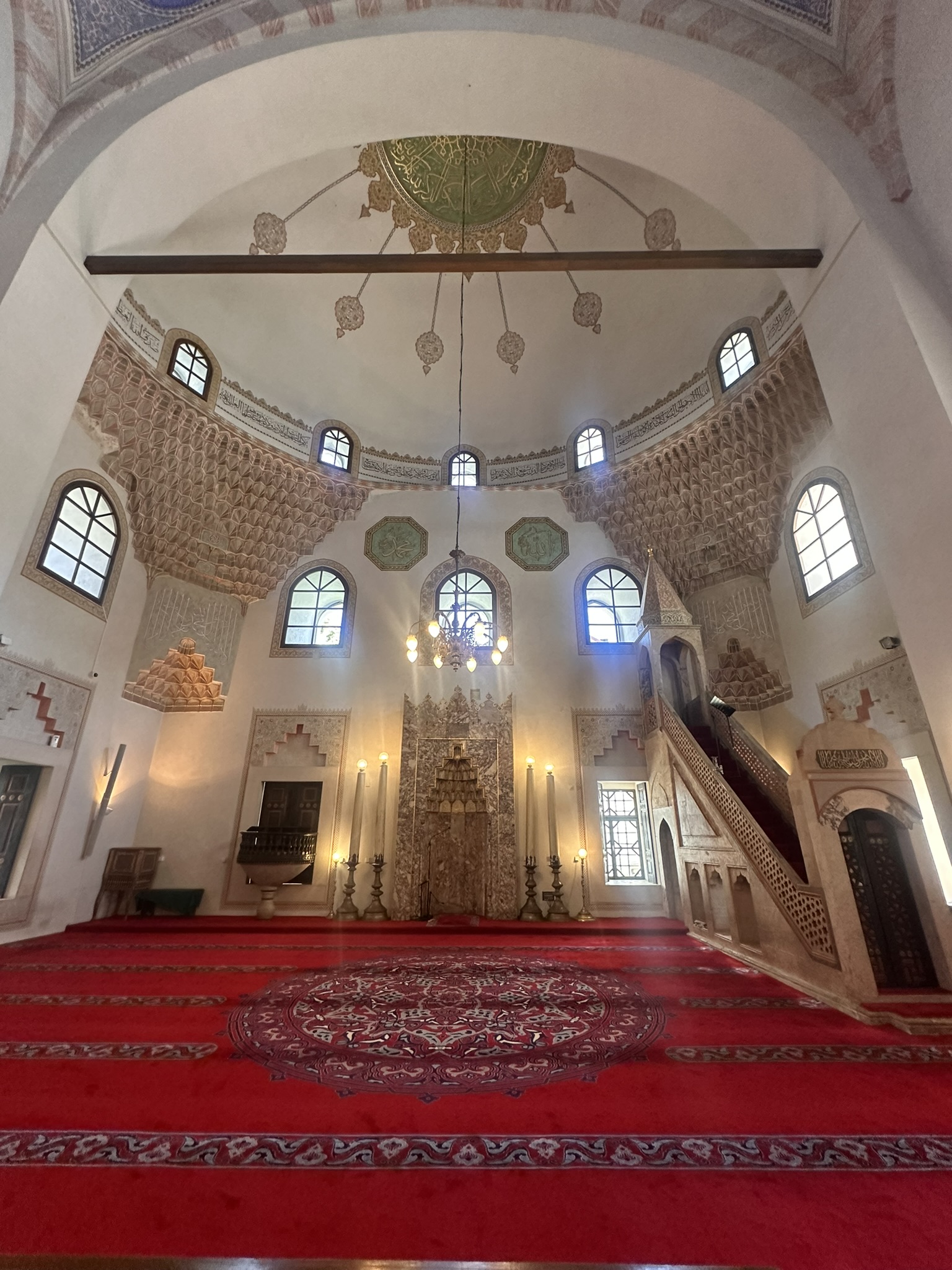
This is an active mosque and visitors are not allowed during prayer times. The exterior of the mosque features several tombs, including that of Gazi Husrev Beg himself, along with the resting places of other influential early residents of the city. Furthermore, the adjacent decorative garden and school complex (madrassa) offer additional insights into the historical significance of the area. The madrassa houses a small museum that sheds light on Huzrev-Beg’s life and his pivotal role in the city’s development, providing visitors with a deeper understanding of this remarkable historical figure and the era in which he lived.
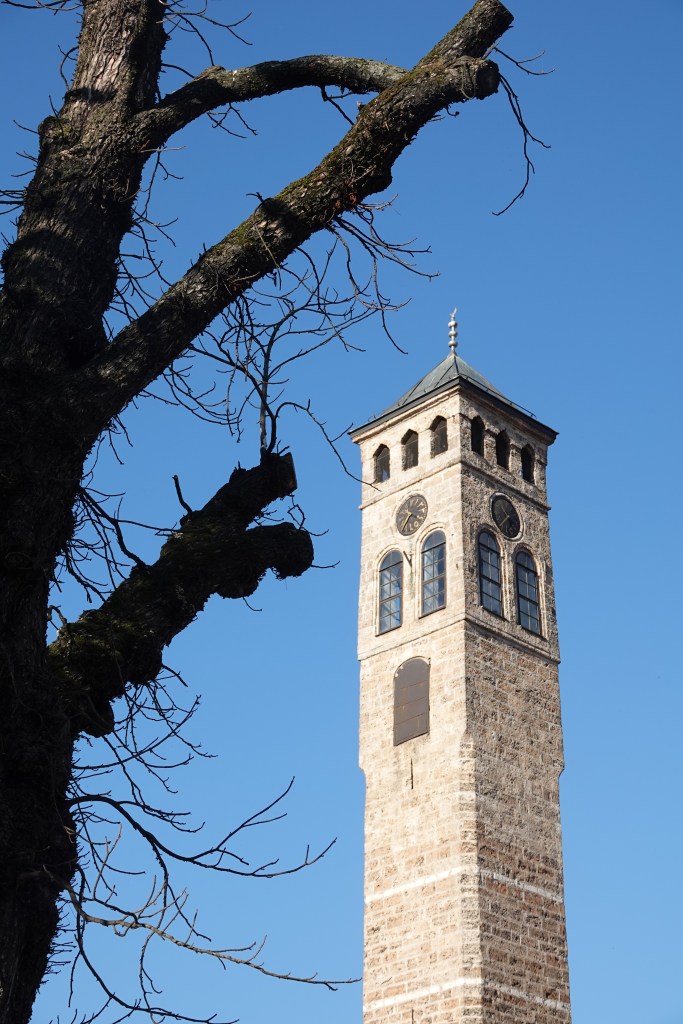
Do not forget to check Sahat kula right next to the Hazi beg mosque. To know more about this clock tower, check out this blog post
Latin Bridge and World war I
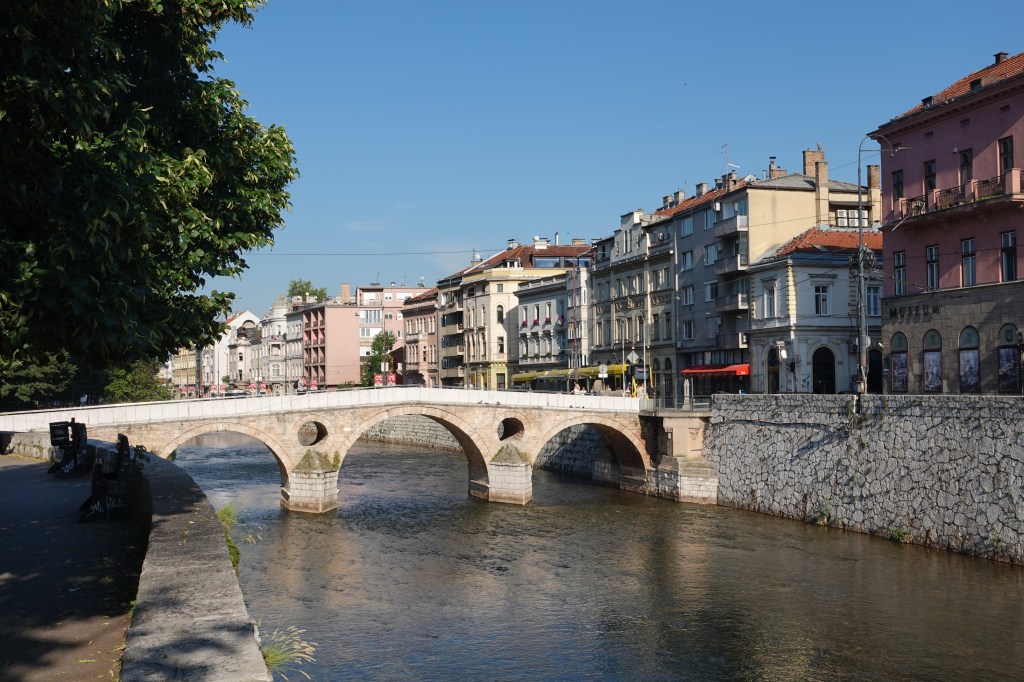
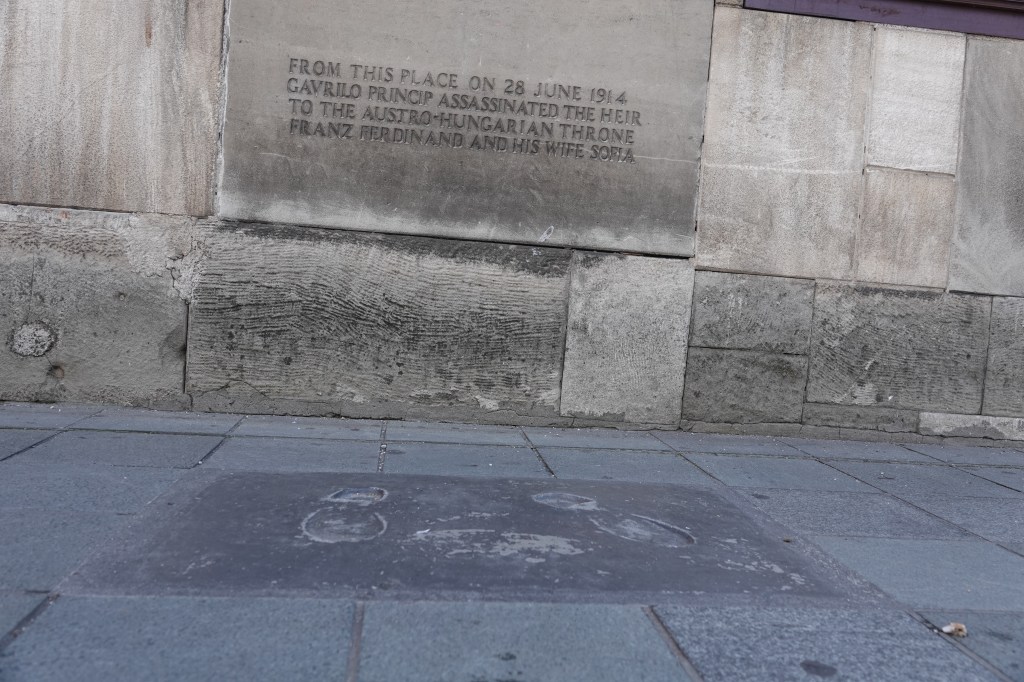
The Latin Bridge is not only a beautiful Ottoman-era bridge over the Miljacka River in Sarajevo, but also a place of immense historical significance. It was at this very location that the Archduke Franz Ferdinand of Austria and his wife, Sophie, were tragically assassinated on June 28, 1914. This event, carried out by Gavrilo Princip, a Bosnian Serb nationalist, is widely recognized as the catalyst that triggered the outbreak of World War I, leading to a chain of events that would change the course of history.
Originally built in the 16th century, the bridge got its name “Latin Bridge” because it connected the right bank of the Miljacka with the Catholic quarter of the city, known as “Latinluk”. During the Yugoslav era, it was renamed “Princip’s Bridge” in honor of Gavrilo Princip. Standing on the Latin Bridge today, one can’t help but feel the weight of the events that transpired here and the impact they had on the world. It serves as a somber reminder of the power of historical events and the influence they continue to have on our lives.

East meets West sign
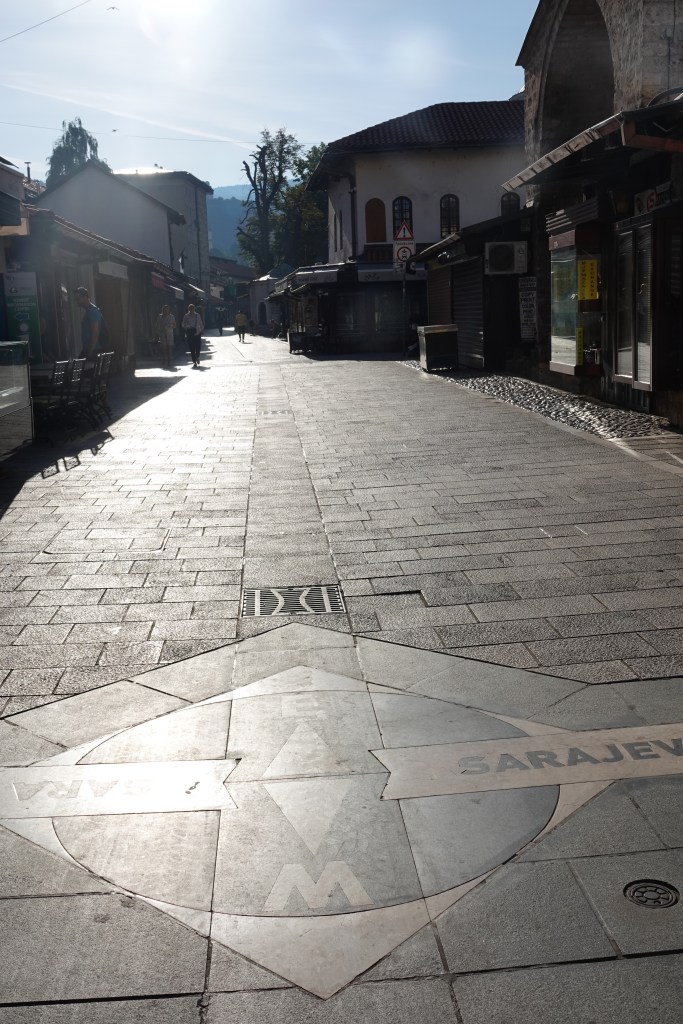
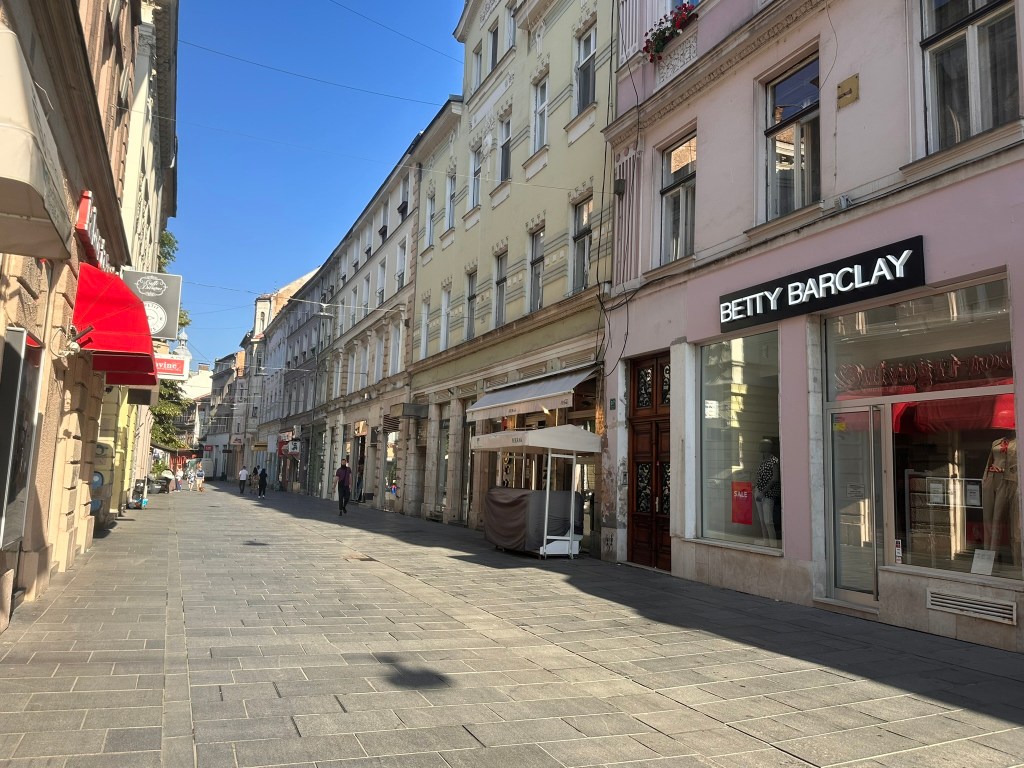
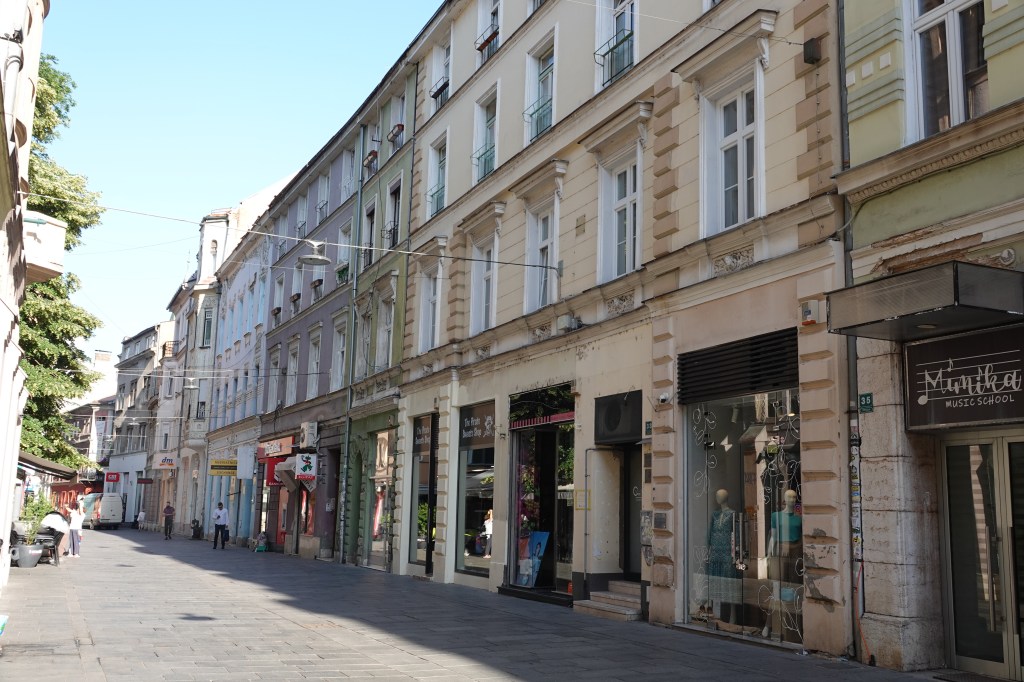
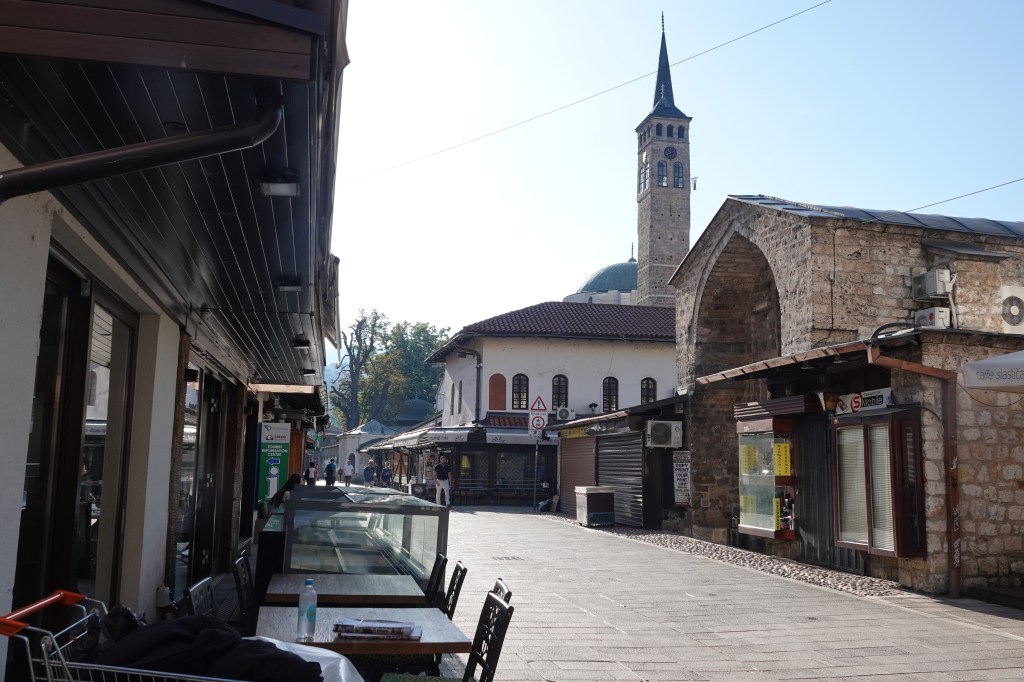
In Sarajevo, the “East Meets West” sign is located on the main pedestrian street, Ferhadija. This spot serves not only as a literal marker but also as a symbolic representation of the diverse cultural tapestry that characterizes this remarkable city. Here, you can visually experience the profound cultural transition between the eastern influences of the Ottoman Empire and the western styles introduced during the Austro-Hungarian period.
When you stand at this spot and look westward, you’ll encounter a bustling scene filled with modern, western-style architecture and contemporary shops. This area reflects a lifestyle that embraces modernity and is characterized by sleek storefronts, cafes, and vibrant urban life.
Turning to face east, you’ll be greeted by the enchanting sights of the old Ottoman bazaar, a place steeped in history and tradition. This section of the city showcases its mosques with towering minarets including Gazi Bev Mosque, ornamental architecture, and the captivating sights and sounds of bustling oriental shops serving coffee and selling copper stuff. This vibrant marketplace bursts with life, evoking the rich history and culture that have coexisted and evolved through centuries in this extraordinary city.
Mount Trebevic and Bobsled track
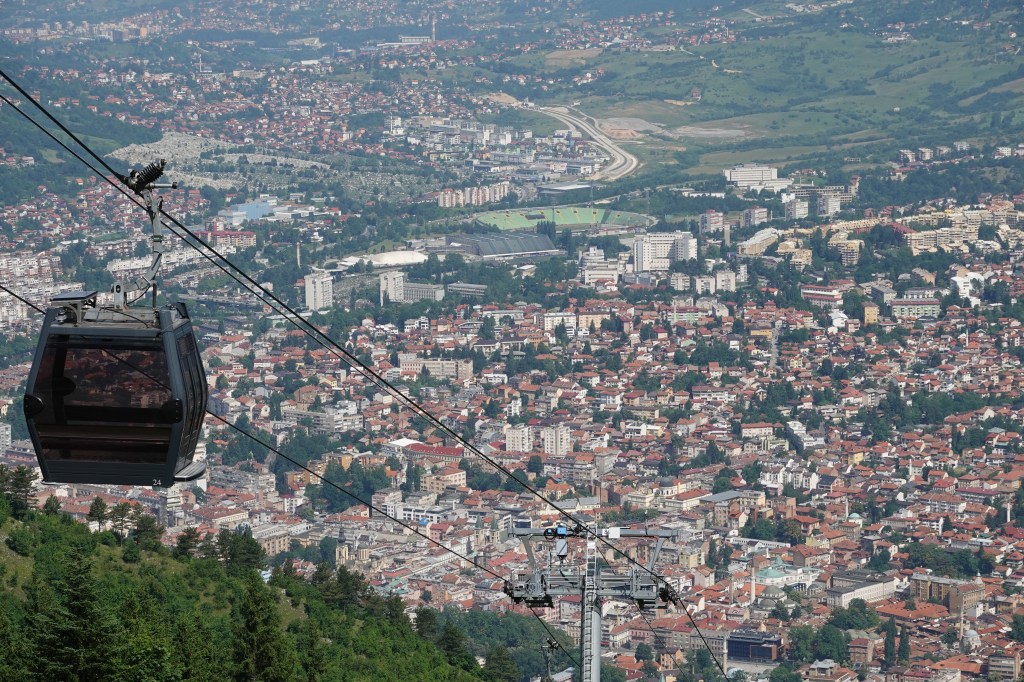
Mount Trebević, situated near Sarajevo in central Bosnia and Herzegovina, rises to 1,627 meters and is part of the Dinaric Alps. It is celebrated for its natural beauty and outdoor activities such as hiking, climbing, mountain biking, and skiing. The mountain was significant during the 1984 Winter Olympics, hosting events like bobsledding, and is a protected area that conserves its rich biodiversity. A key attraction is the Trebević Cable Car, which offers spectacular views of Sarajevo. Additionally, the area features notable quartz and calcite crystal deposits, some displayed in the National Museum of Bosnia and Herzegovina.
Sarajevo Cable Car
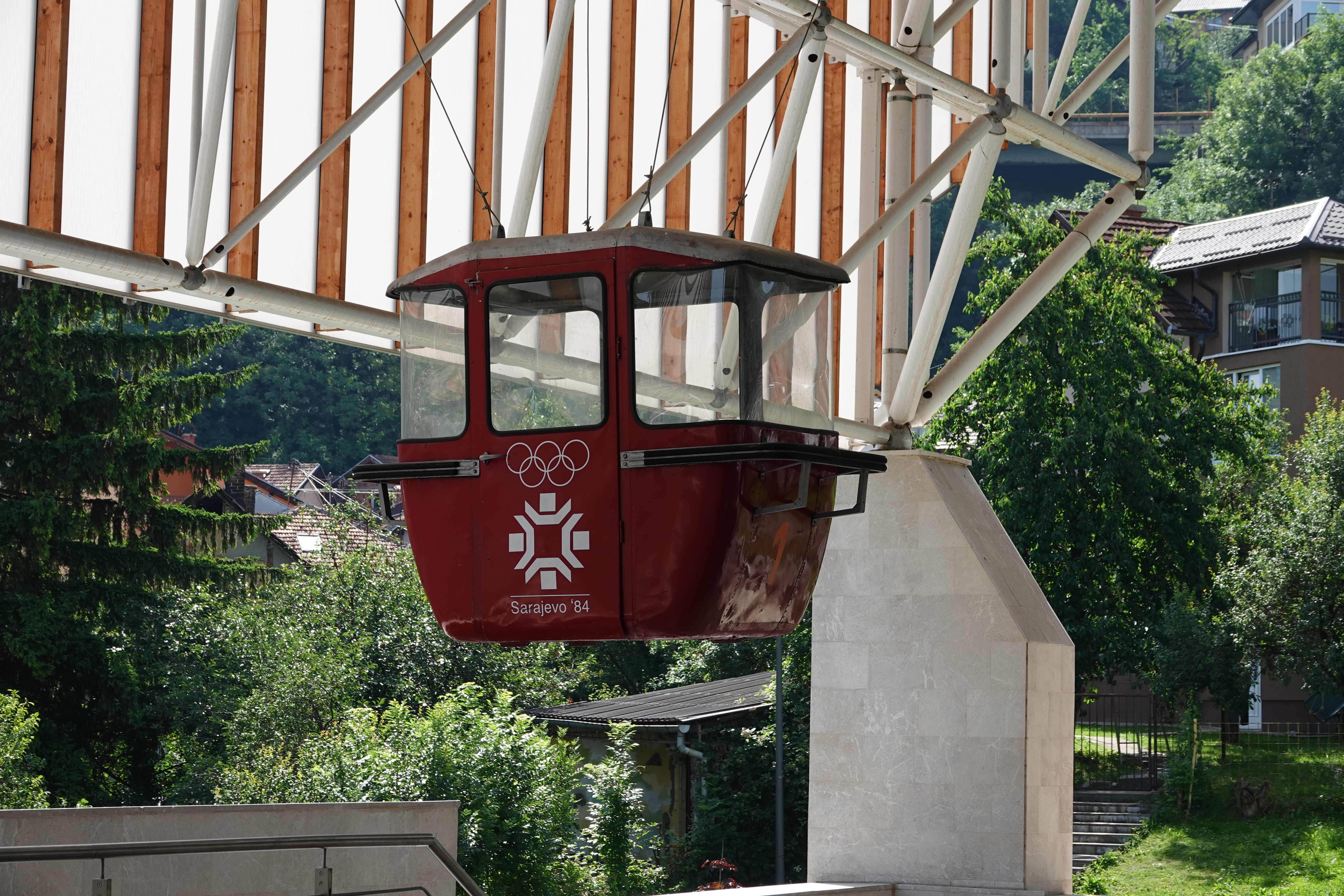
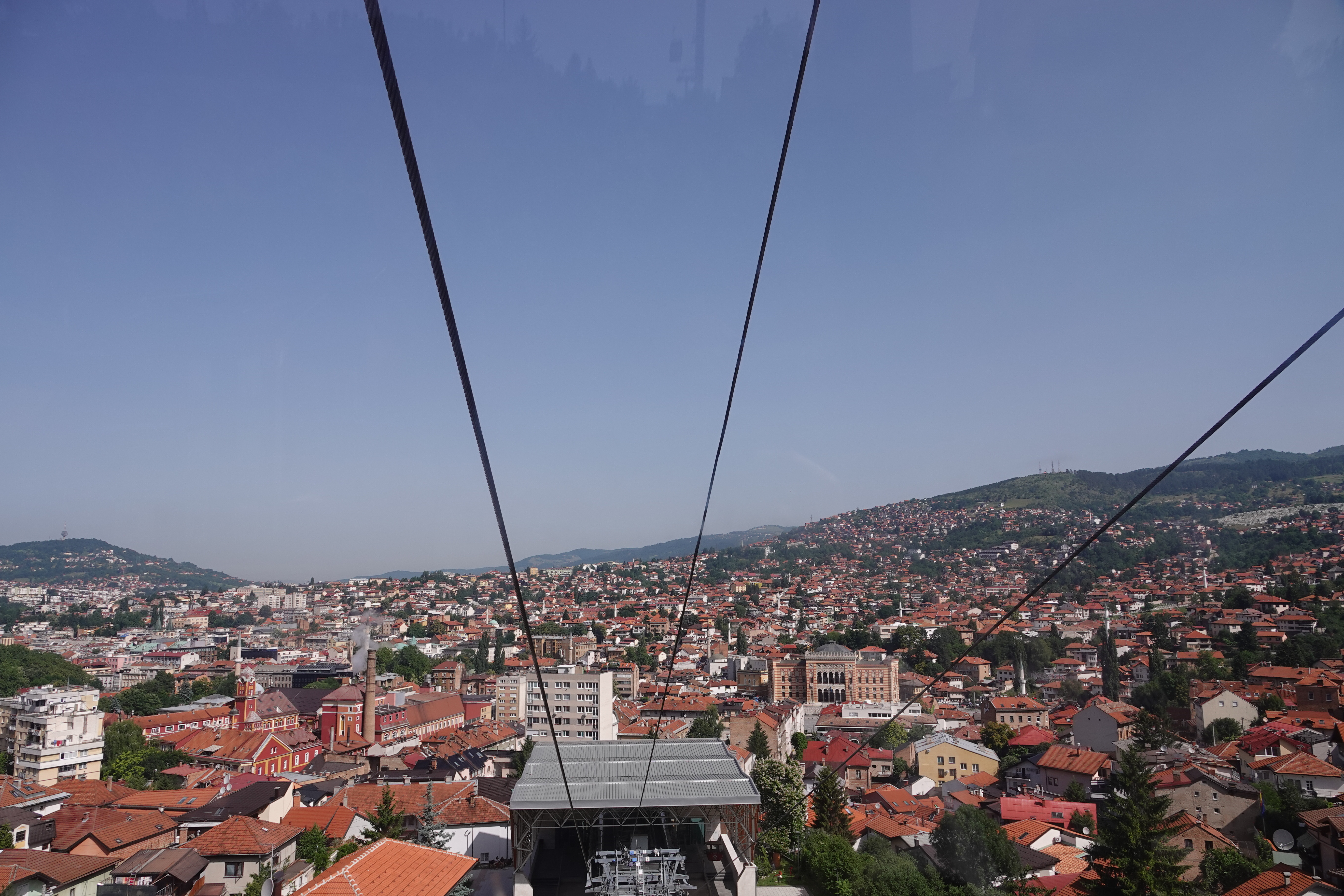
The Sarajevo cable car, connecting the Old Town with Trebević mountain, opened on May 3, 1959, initially serving 400 passengers per hour. It fell into disrepair over the years and was destroyed during the Bosnian War (1992-1995). After reconstruction in 2017-2018, it reopened on April 6, 2018, featuring 33 modern gondolas that transport 1,200 passengers per hour, with a journey time of about 9 minutes. The views from the gondola are spectacular and we took the cable car up the mountain but walked down using the bob sled track.
BobSled track
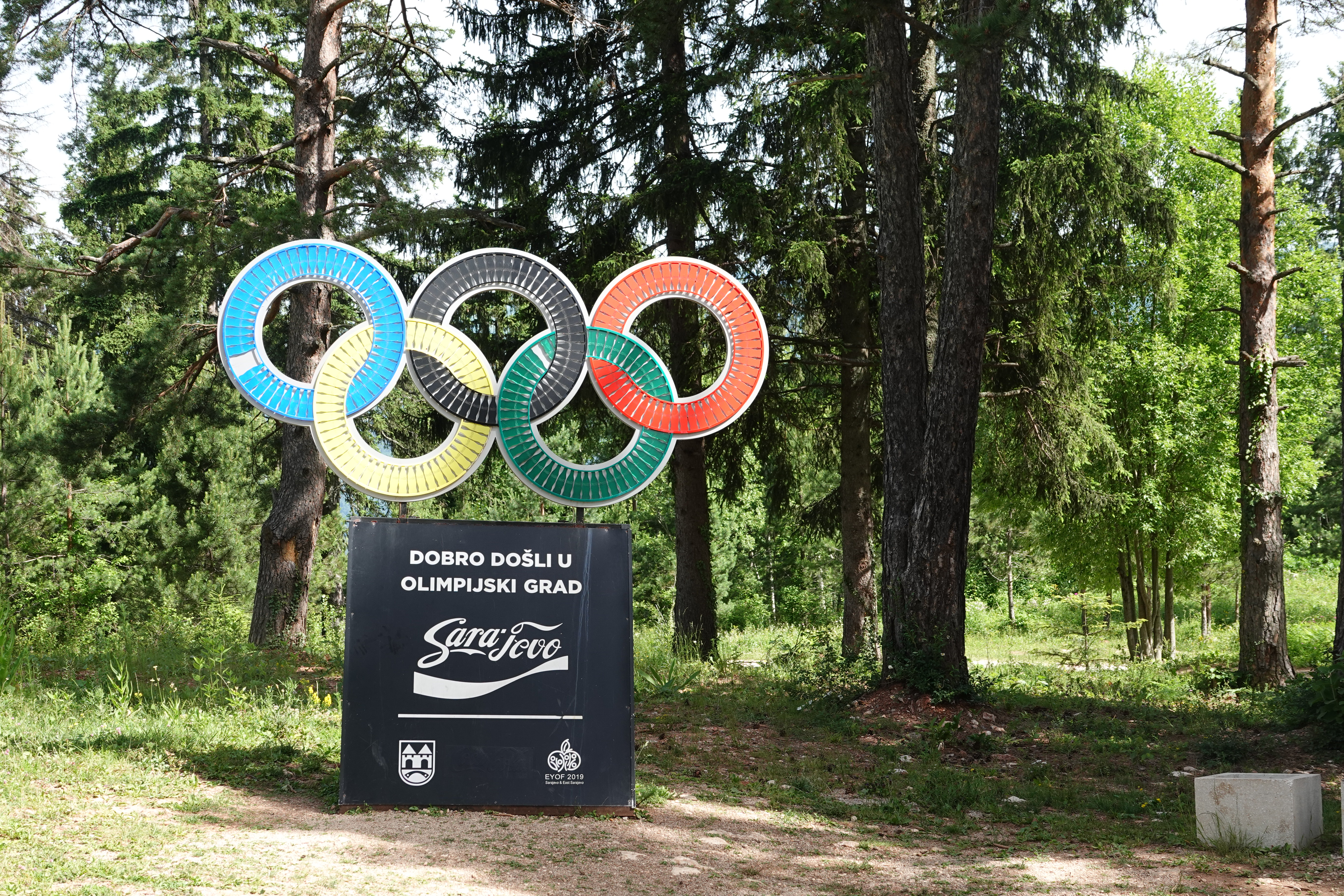
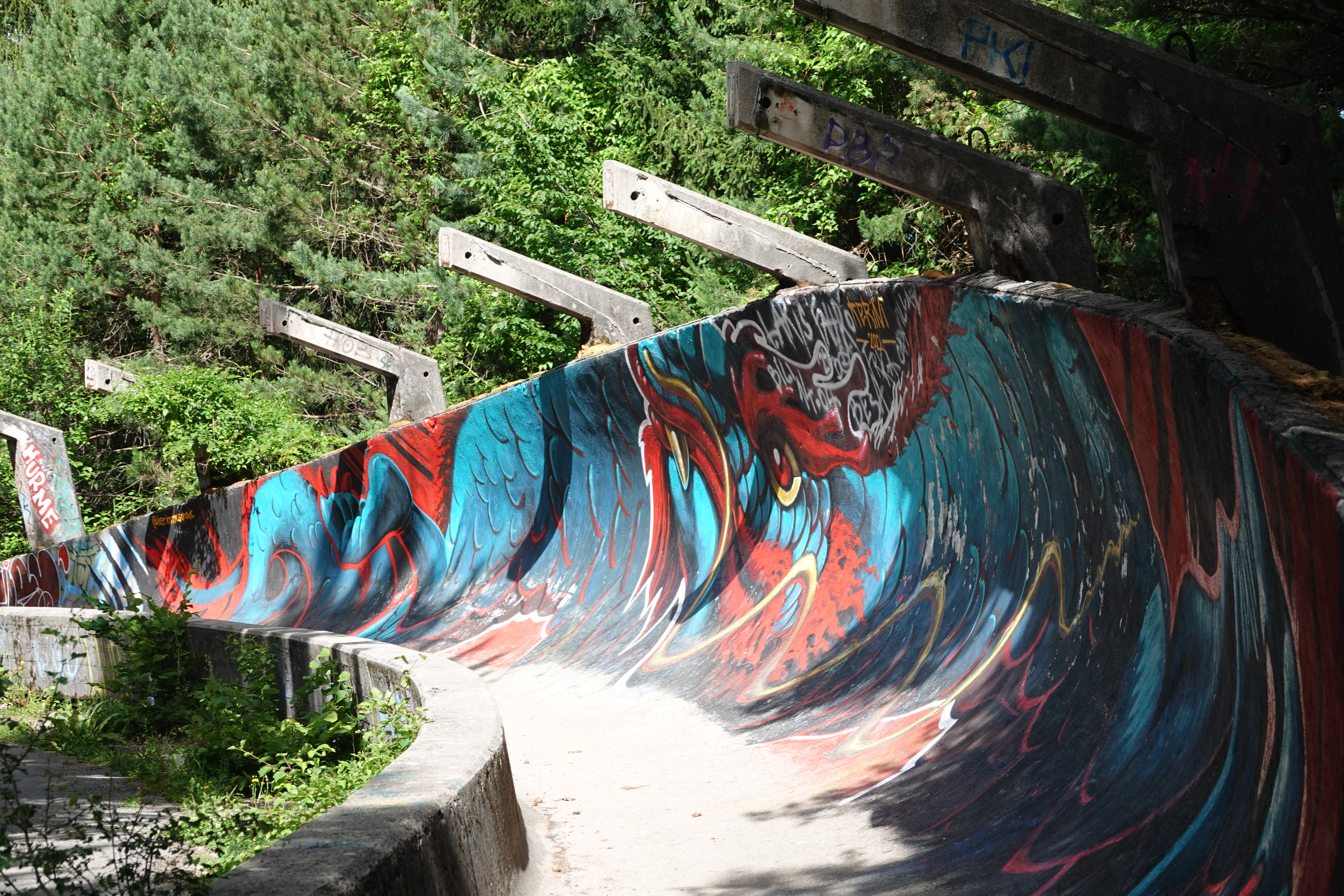
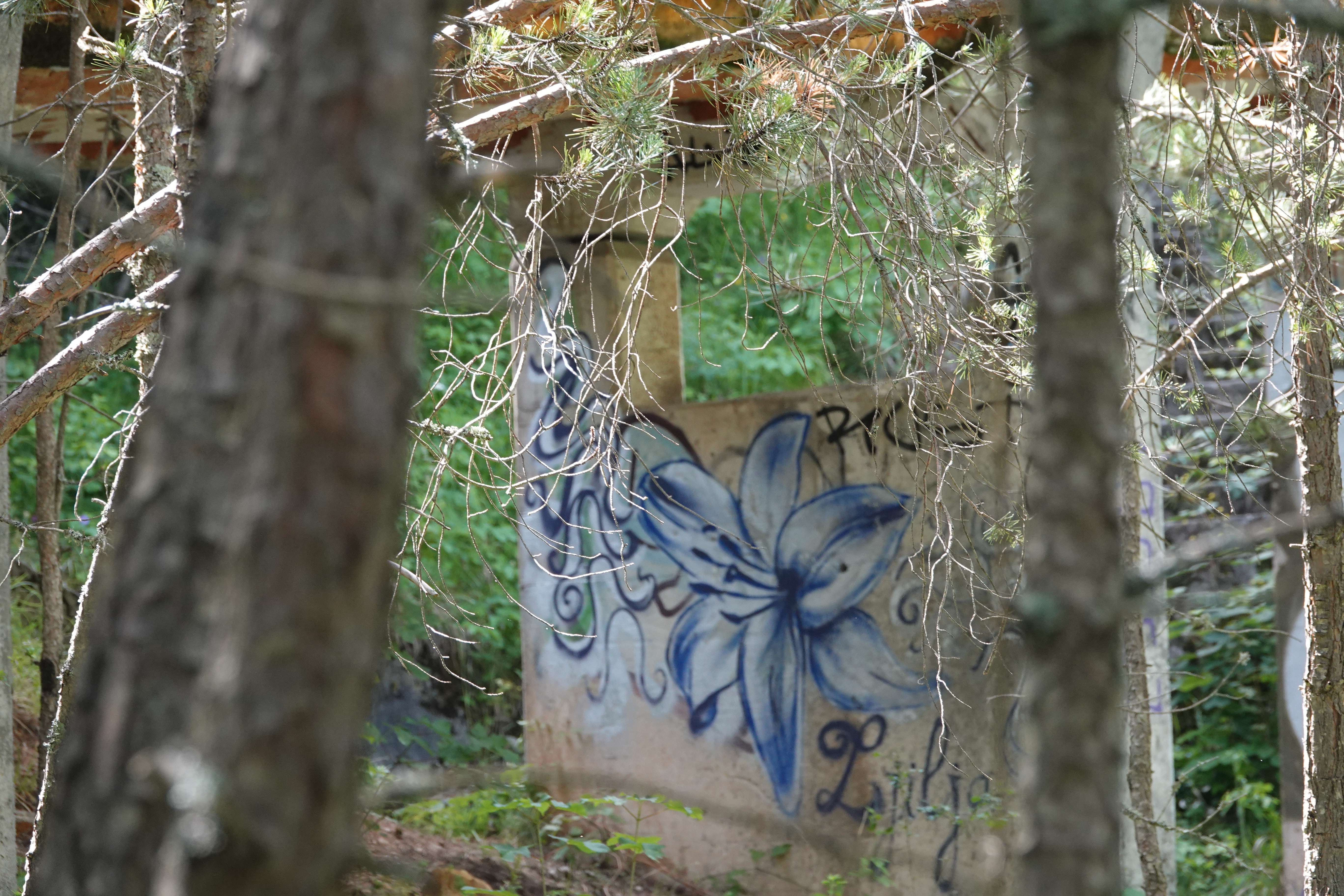
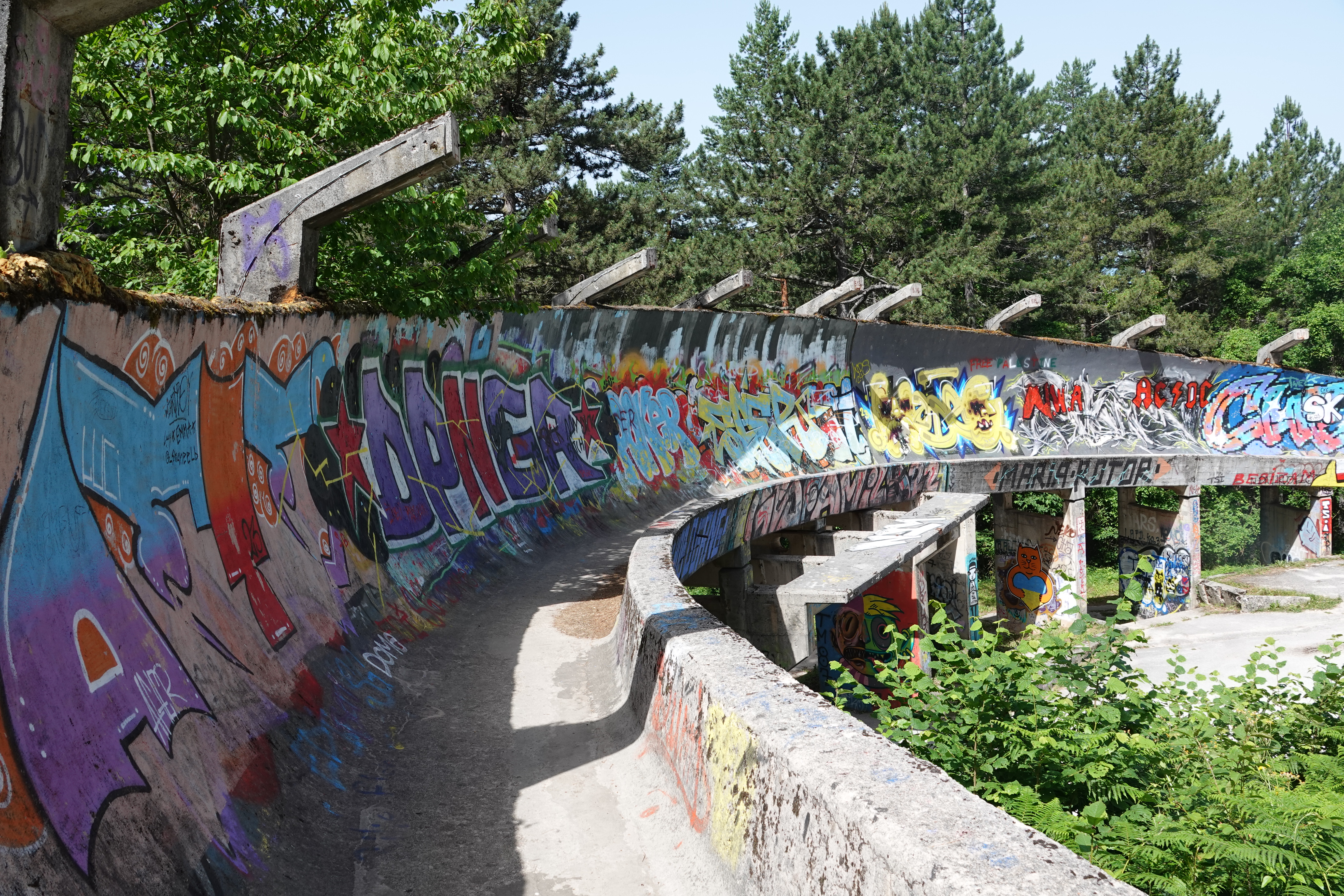
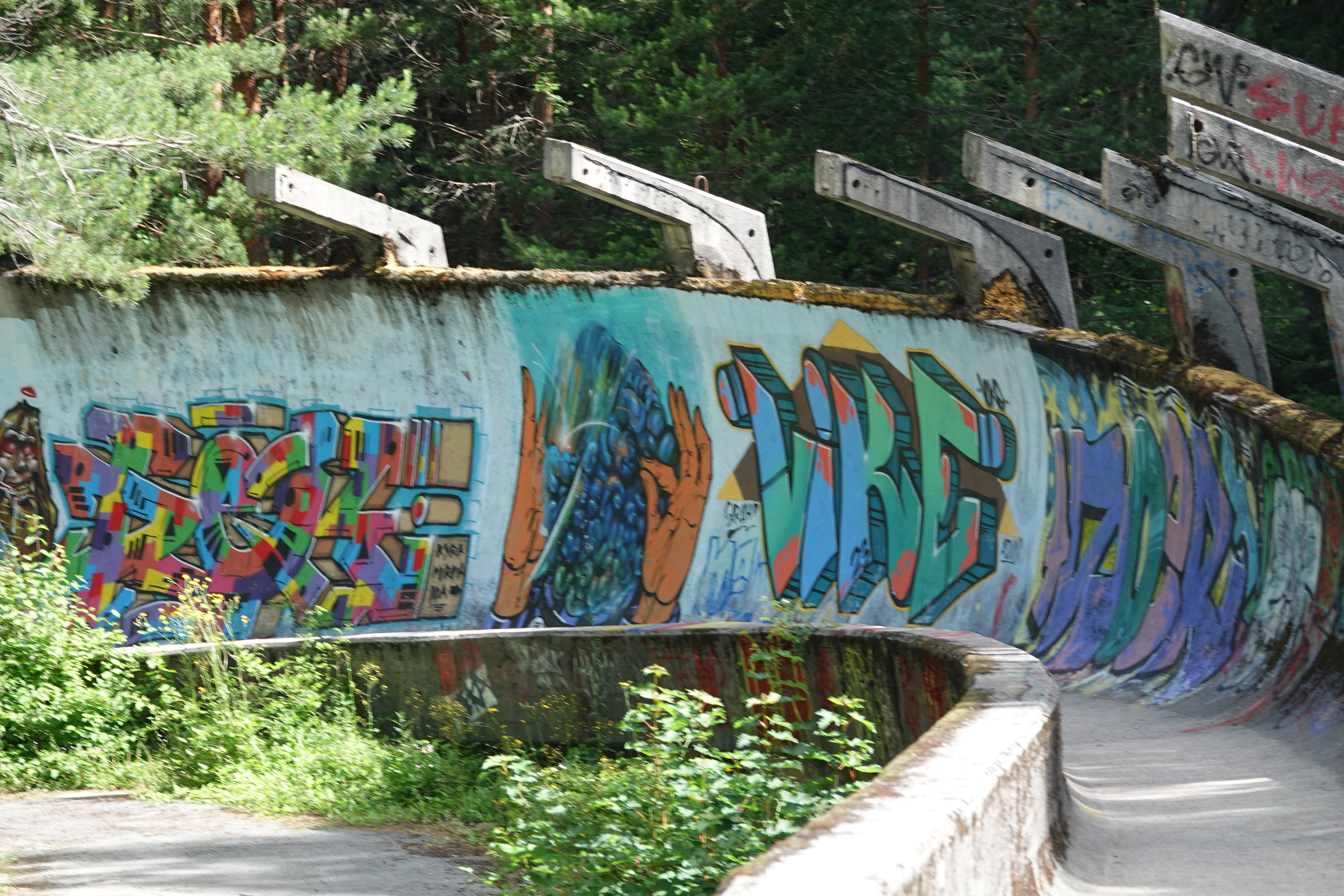
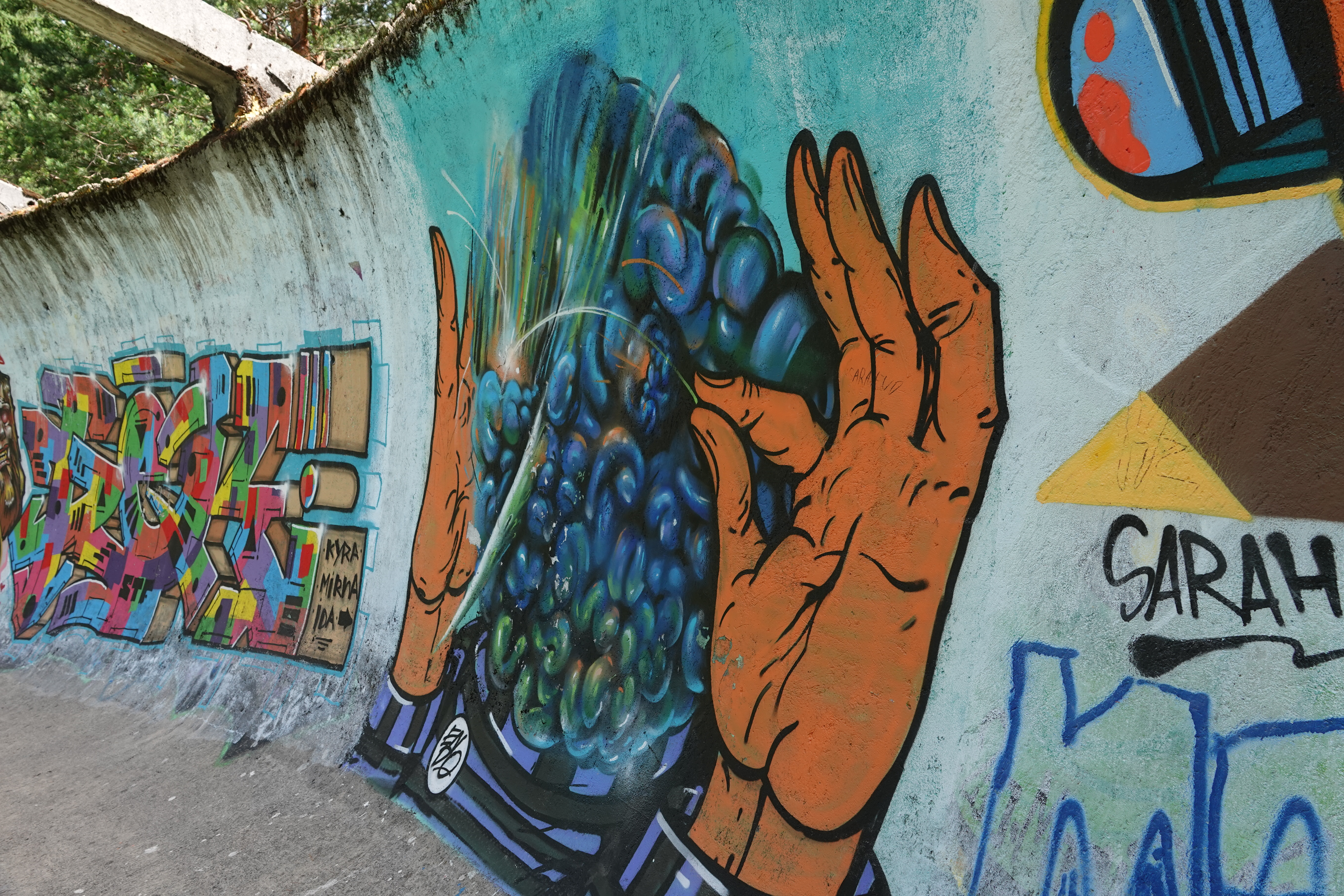
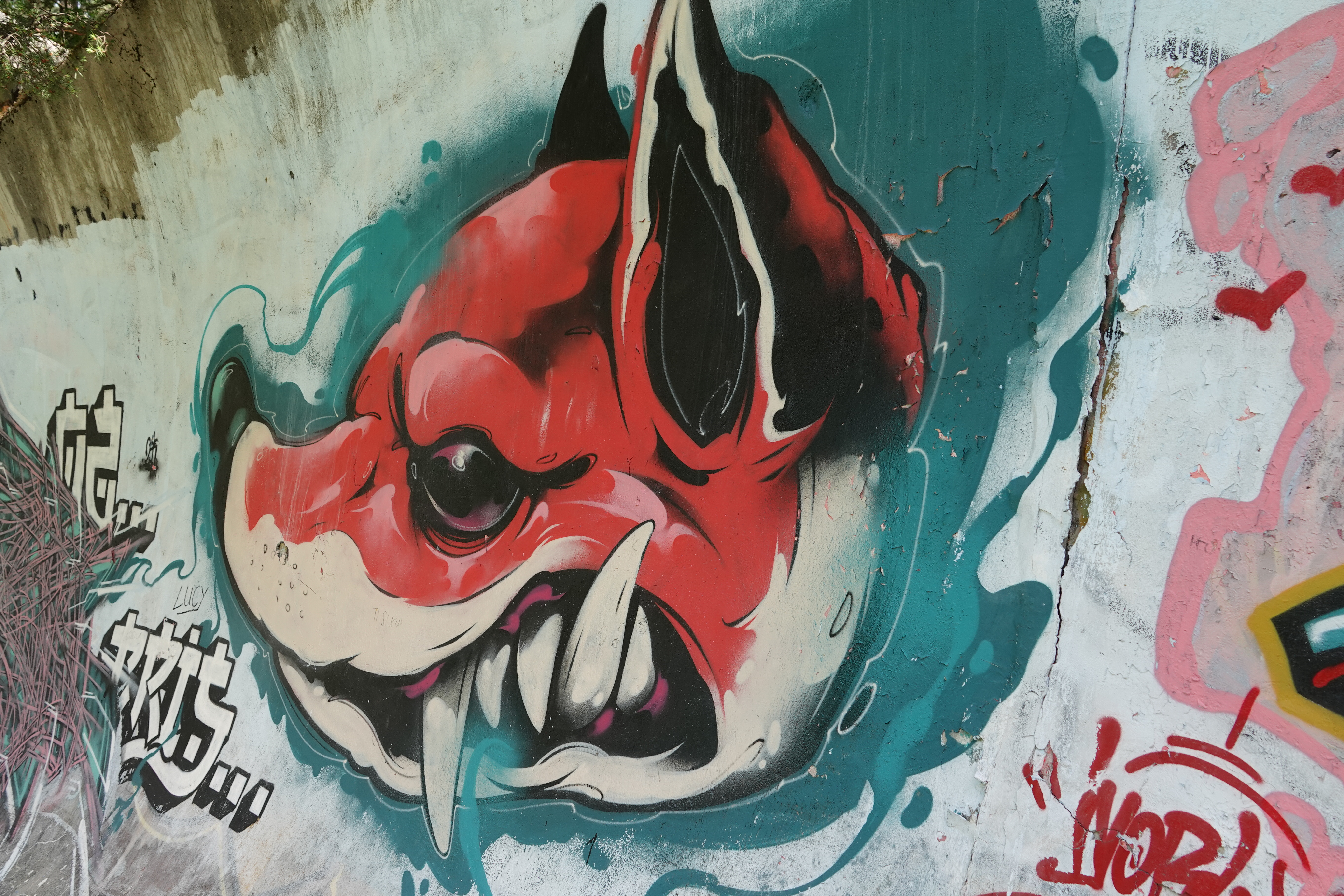
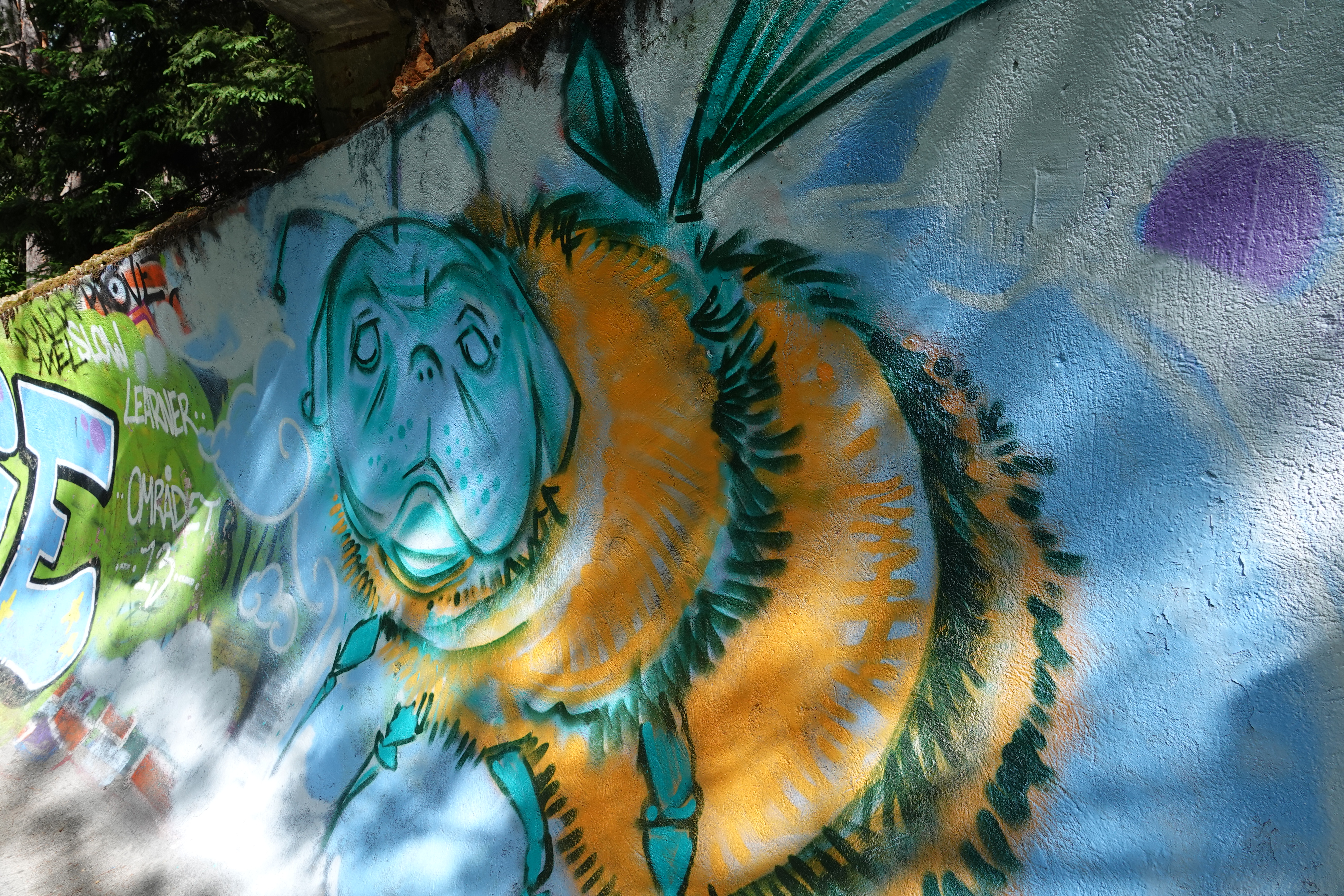
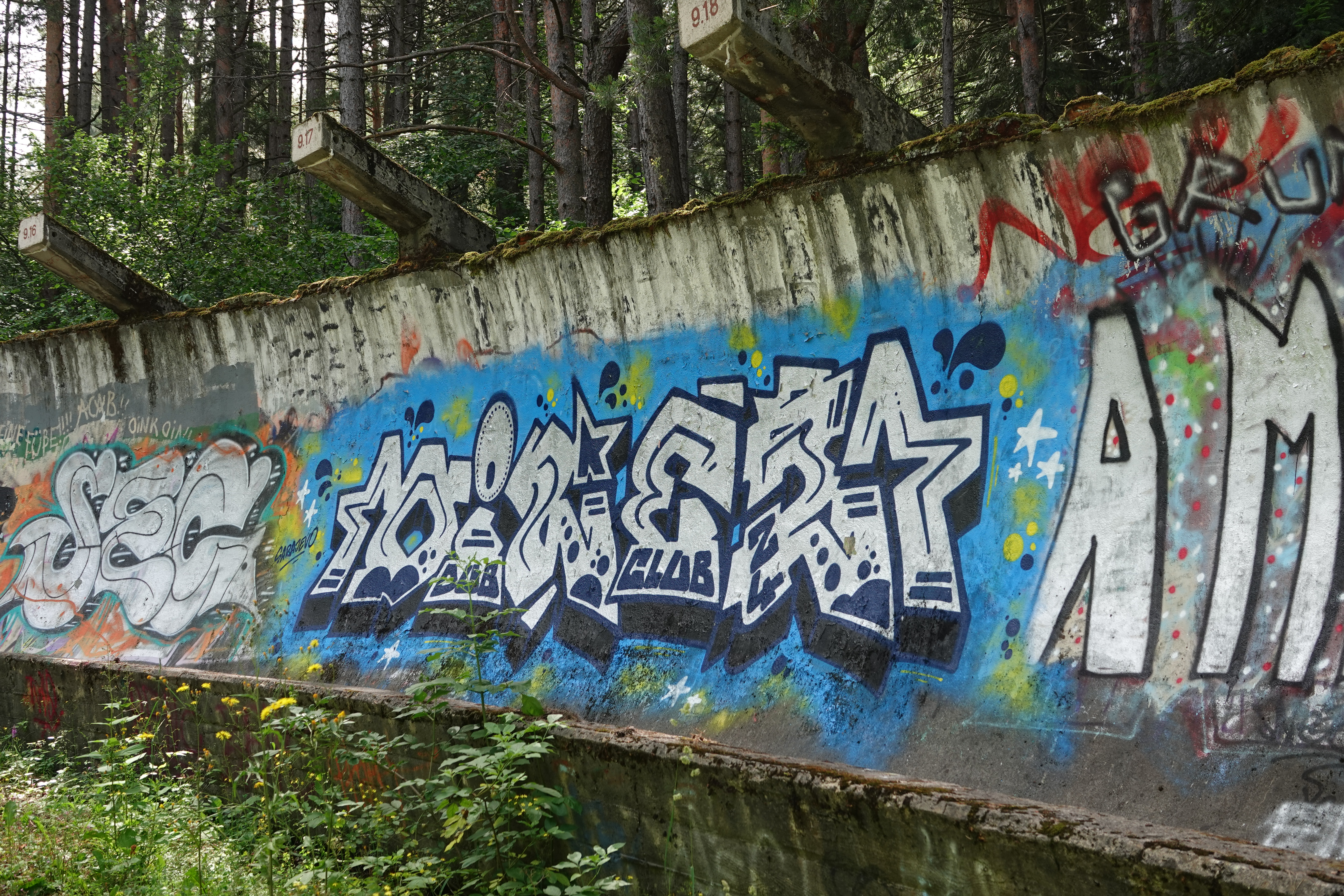
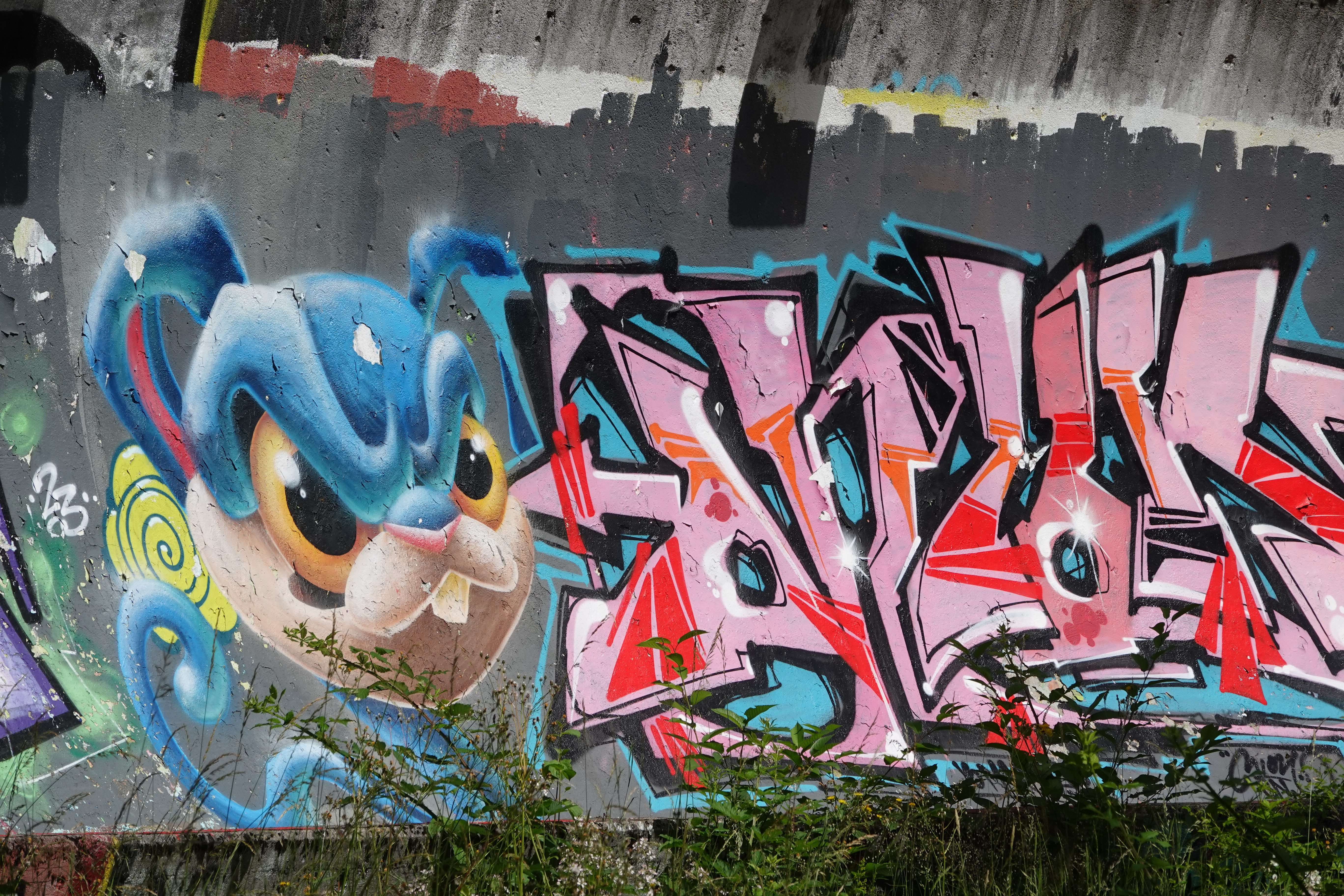
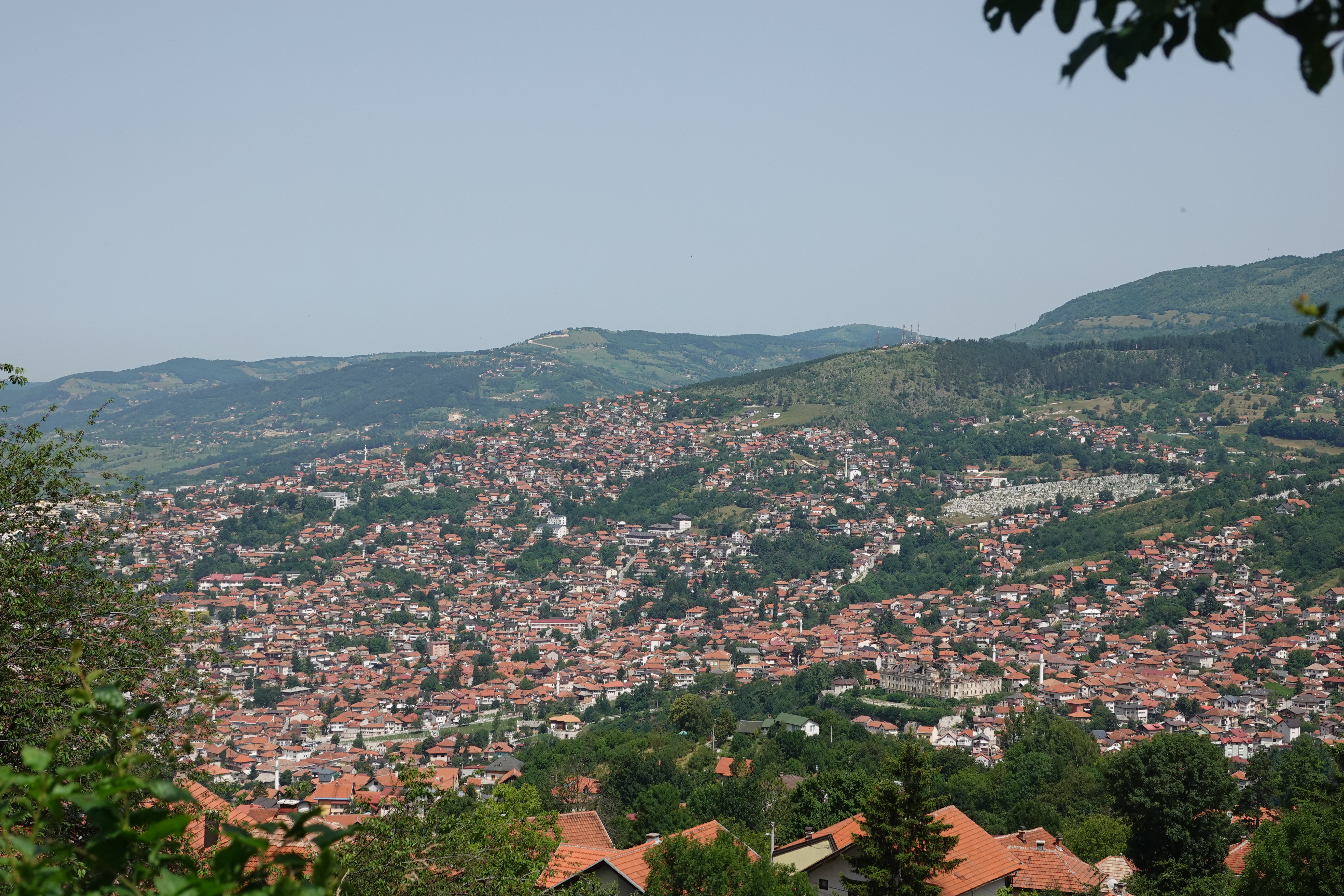
Trebević hosted bobsleigh and luge events during the XIV Winter Olympic Games in Sarajevo in 1984. After being awarded the Olympics in 1977, the construction of a bobsleigh and luge track began in 1981 and was completed in 1982 at a cost of 5.5 million Yugoslav dinars. The events attracted significant crowds, with 20,000 spectators at the luge and 30,000 at the bobsled competitions. Following the Olympics, the track was used for World Cup events until the outbreak of the Yugoslav wars in 1991, which severely damaged the track as it was repurposed for military use. Today, it has become a canvas for graffiti artists and it is fun to walk down this track with amazing views of Sarajevo and very interesting graffities and it took us about 90 min walk down.
Sunset at Yellow fortress
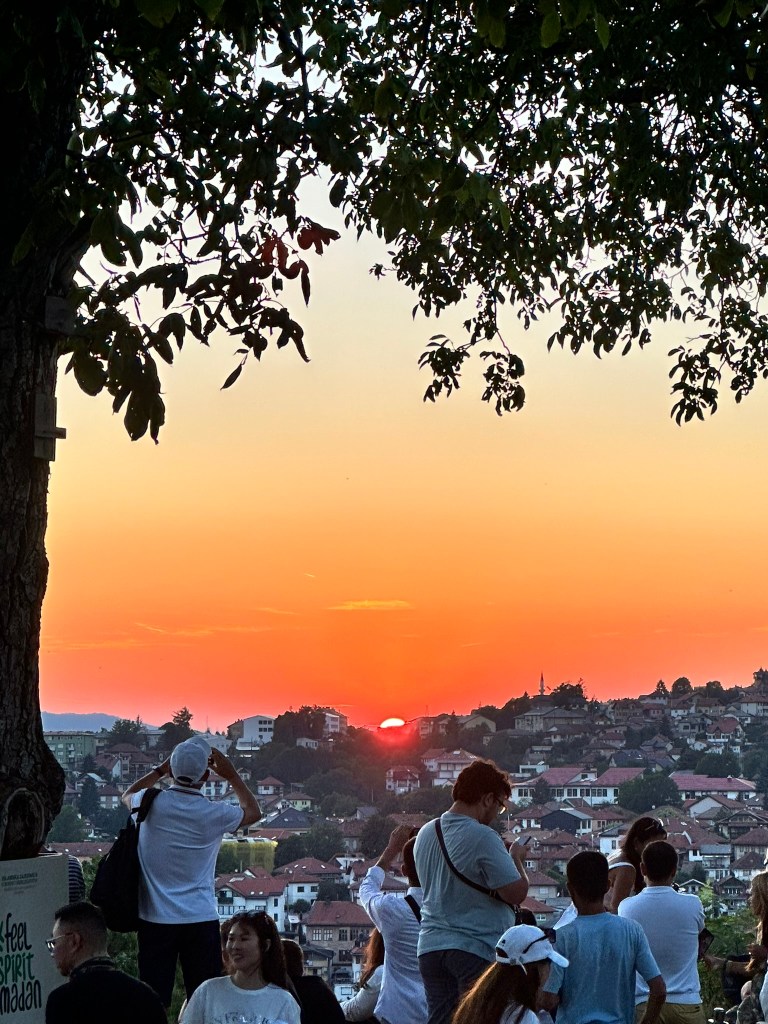
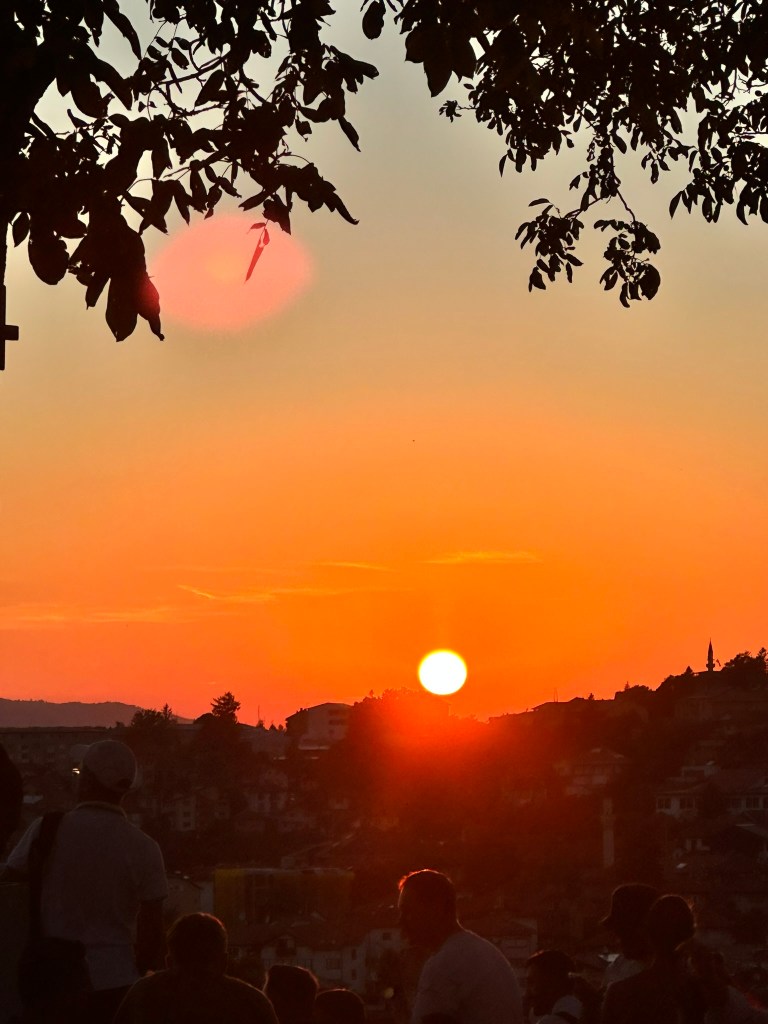
Yellow Fortress offers stunning views of Sarajevo and is a perfect spot to watch the sunset. Located on the Jekovac cliff, also known as Jekovačka tabija, it is part of the old town’s defensive ramparts. The climb to the fort provides a unique experience with panoramic views and sounds. Built in 1809 from rough stone, it has seven exterior faces that are 10 meters high, with the north side reaching 27.5 meters. There are stairs and a building for soldiers on the north side, while the southwest side features a Muslim cemetery.
Old Bazar and copper Street
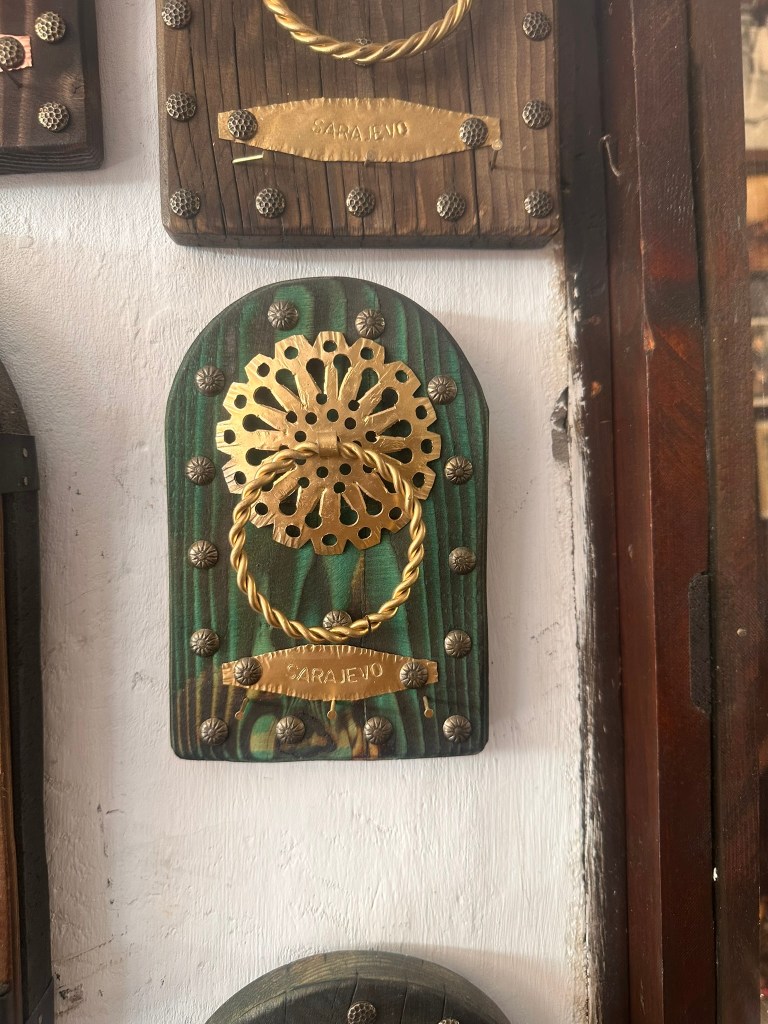
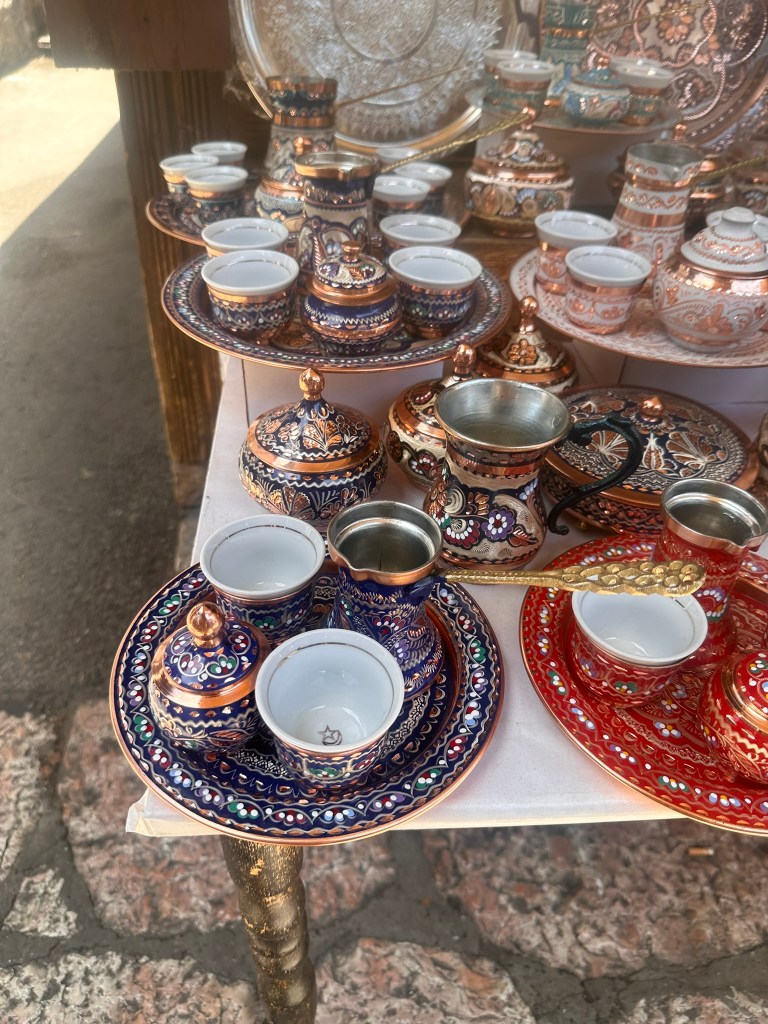
Sarajevo features its own Coppersmith Street in the old bazaar, known as Kazandžiluk, which is one of the oldest streets in Baščaršija. Here, visitors can find traditional handmade copper items such as coffee pots, tea sets, grinders, and lamps, as well as antiques from the past. A section of the shop serves as a museum dedicated to Ottoman Sarajevo. Kazandžiluk has existed since the 16th century, originally established as a center for crafts and trade.
Tunnel of Hope
From July 1993 to February 1996, the Sarajevo War Tunnel served as the sole connection between besieged Sarajevo and the outside world. It took over six months to construct the 800-meter-long tunnel using basic tools, with light provided by homemade “war candles.” Completed on July 30, 1993, the tunnel restored access to essential resources like phone lines, food, and electricity. After the war, 20 meters of the tunnel were preserved as part of a museum showcasing artifacts from the Siege of Sarajevo, which was the longest siege in modern history.
Skakavac waterfalls and MTB
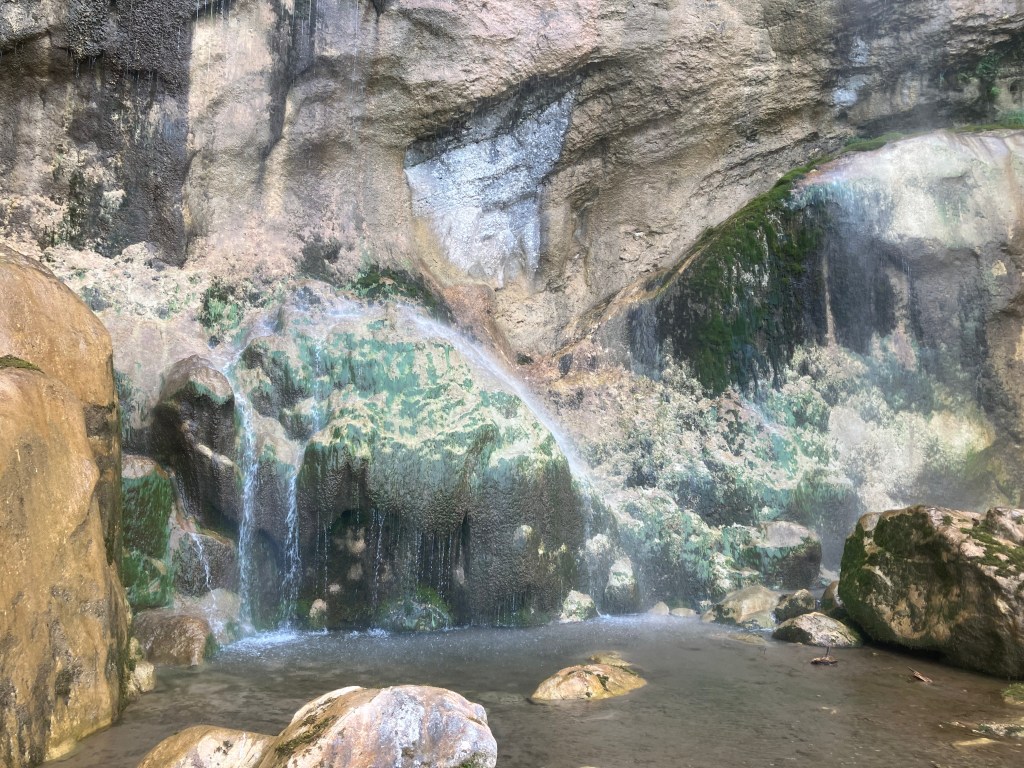
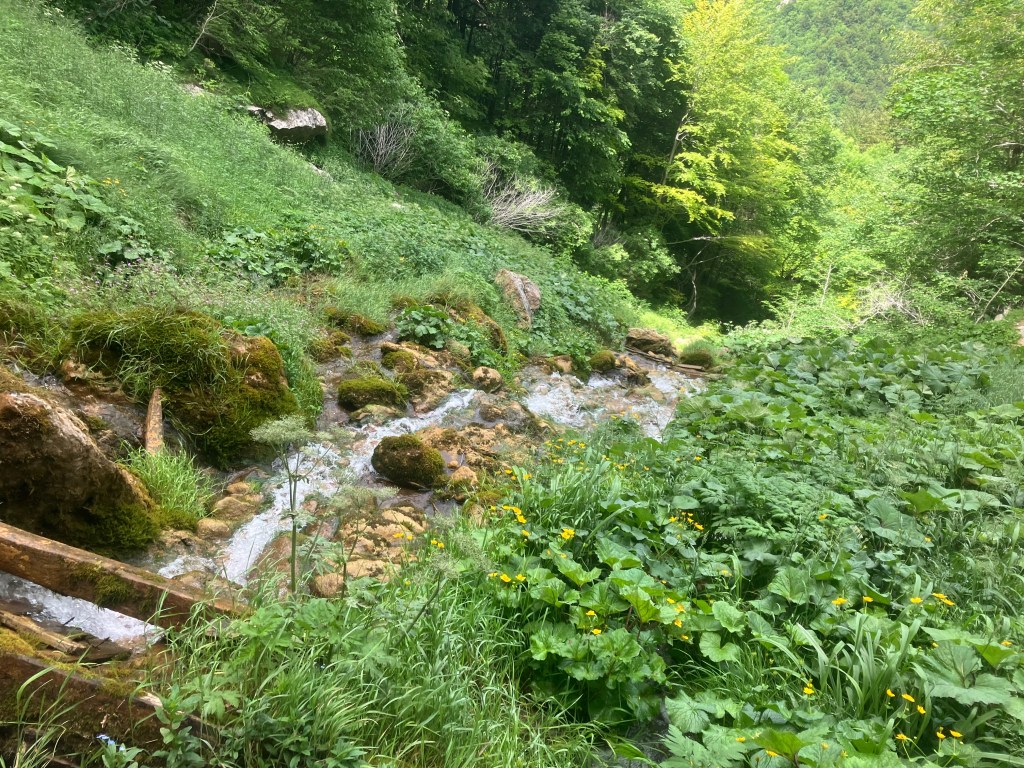
On day 2 of our stay in Sarajevo, our group decided to split up and some of us went to Mount Trebević and bob sled track while others decided to be more adventurous and did Mountain biking up to Skakavac waterfalls using this tour.
Skakavac waterfalls is located about 12 kilometers northeast of Sarajevo, above the village of Nahorevo and it is one of the tallest in the Balkans, with a height of 98 meters (322 feet). The ride up was tough but beautiful
Park Bosanski Stećak i Zastava– Park with 7 flags
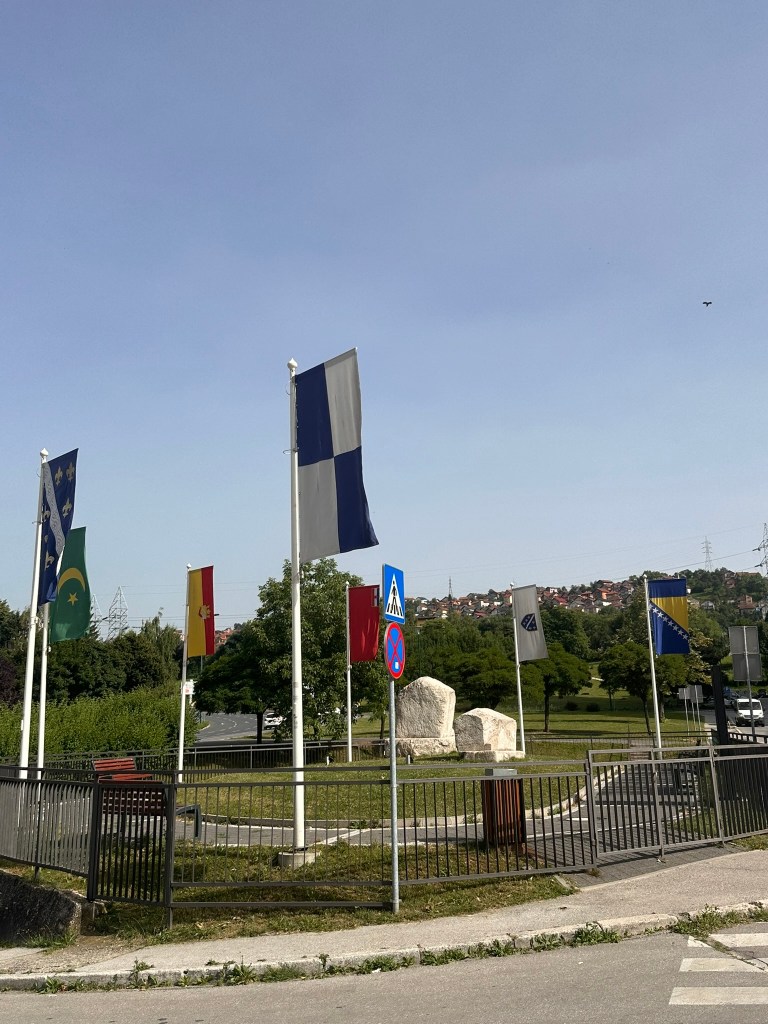
Park Bosanski Stećak i Zastava is a fascinating historical site located at Trg solidarnosti 2 in Sarajevo, Bosnia and Herzegovina. It is not close to the old town of Sarajevo, which provides a serene escape from the bustling tourist areas. We had to take the tram to get to this park, which added an element of adventure to our journey. This park celebrates the rich cultural heritage of the region and features a remarkable collection of medieval tombstones known as stećci, each telling its own story through intricately carved designs and symbols. These tombstones not only reflect the artistic traditions of medieval Bosnia and Herzegovina but also represent the spiritual beliefs and societal values of the time. In addition to the stećci, the park also showcases seven flags that symbolize different historical periods of Bosnia and Herzegovina, each representing the nation’s diverse history and resilience. This combination of historical artifacts and symbols, along with the peaceful surroundings, makes the park a unique place to explore the country’s past while also allowing visitors to reflect on the enduring legacy of its cultural identity.
The 7 flags represent:

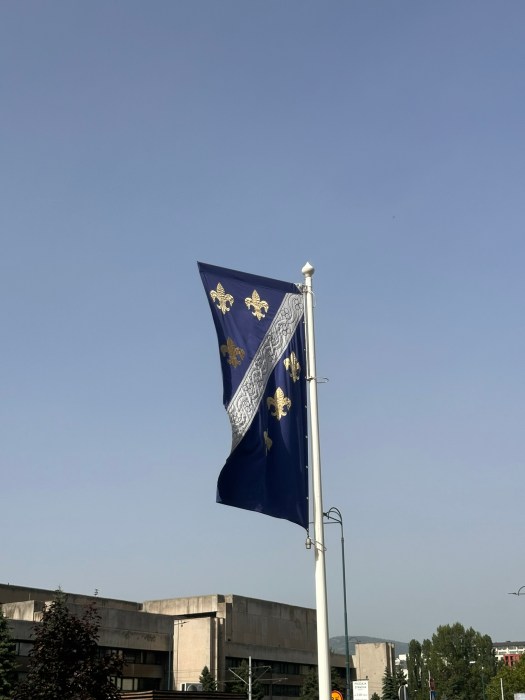
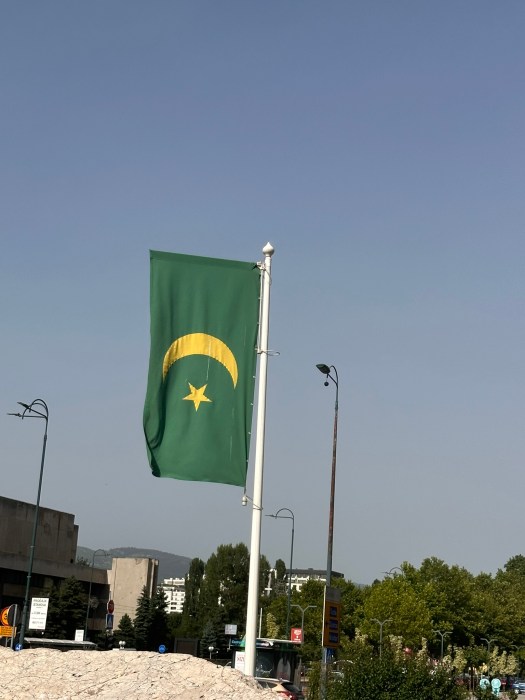
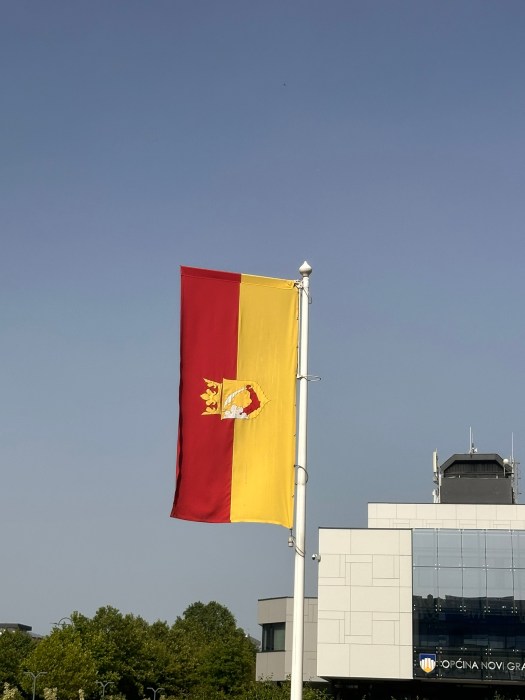

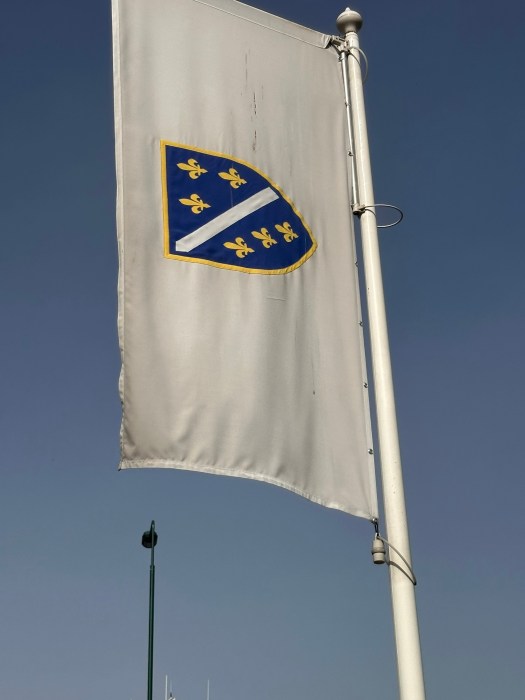
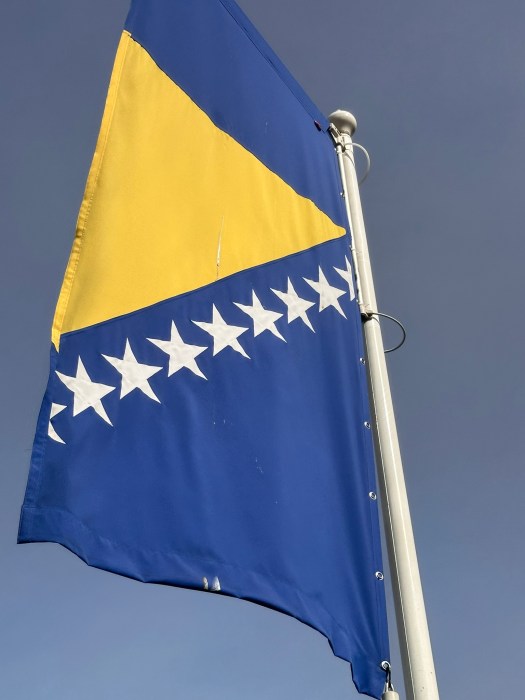
- Medieval Bosnia – Representing the Kingdom of Bosnia.
- Ottoman Empire – Reflecting the period of Ottoman rule.
- Austro-Hungarian Empire – Marking the Austro-Hungarian occupation.
- Kingdom of Yugoslavia – Symbolizing the interwar period.
- Socialist Federal Republic of Yugoslavia – Representing the socialist era.
- Republic of Bosnia and Herzegovina – The flag used during the Bosnian War.
- Current Flag of Bosnia and Herzegovina – The modern-day flag.
Final thoughts
You can easily spend couple of days in Sarajevo appreciating everything the city has to offer. We spent the first day walking the old town, watching sunset at the yellow fortress and second day at Mount Trebevic, and walking around the rest of Sarajevo. The city also has a great food scene and several restaurants in the old town area serve traditional Bosnian coffee and Burek. The food scene of Bosnia/Sarajevo needs its own blog post. All in all, spending at least 2 days in Sarajevo is worth it.
 Peaks to Palaces