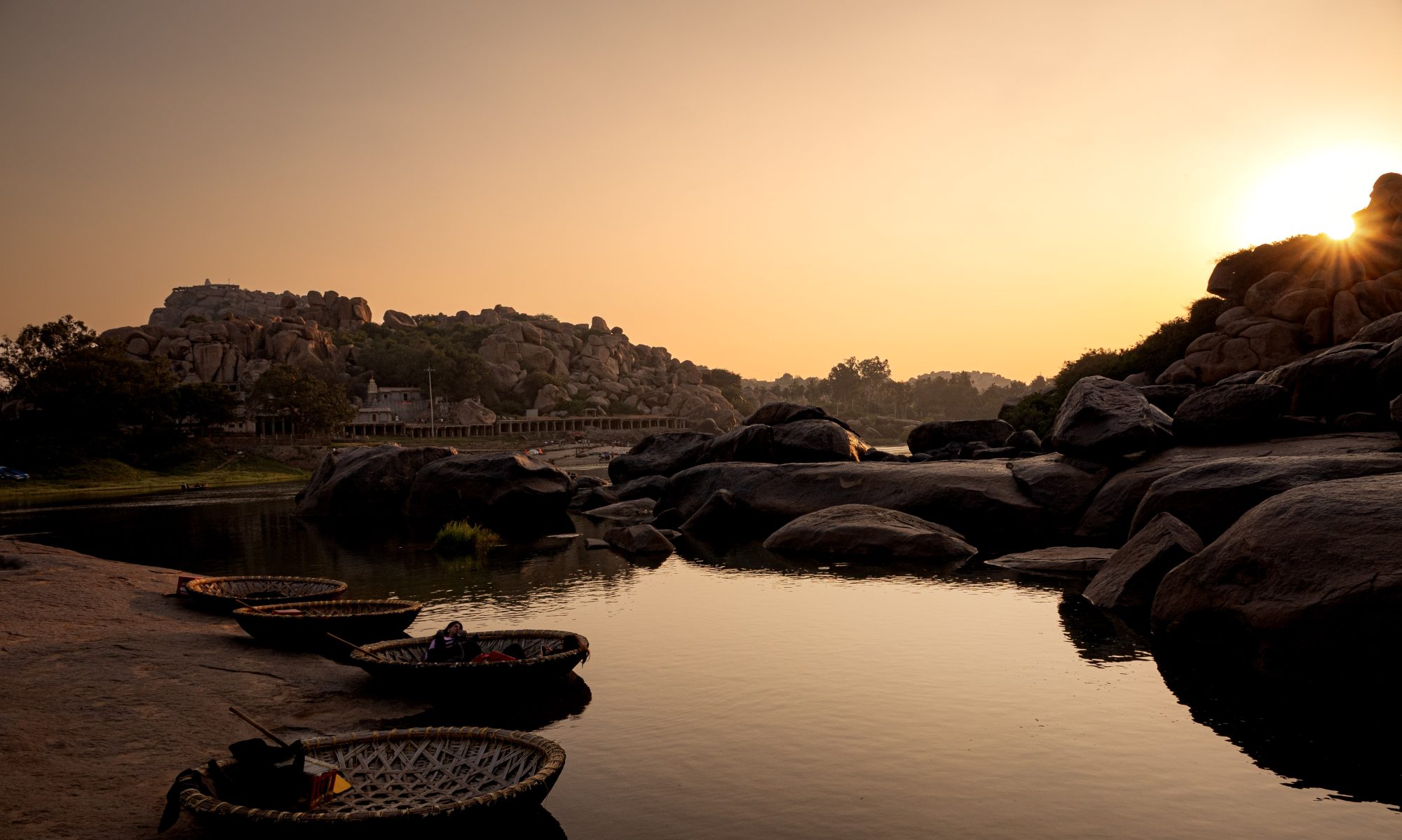
I was born in a small village in the North Karnataka region, and my earliest memories are steeped in its red earth, quiet lanes, and the comforting aromas of food cooked with love. Returning to Badami after nearly forty years felt like opening a long-forgotten chapter of my own story. As we drove through those familiar villages—names that once shaped my childhood—the vibrant green fields and gentle rhythm of rural life.
When my family moved to South Karnataka at the age of ten, we carried North Karnataka with us in our hearts. We often found ourselves reminiscing about the genuinely kind people, the unhurried pace of life, and of course, the food—bold, earthy, and unique to the region. This trip back wasn’t just a homecoming; it was a rediscovery of the flavors that shaped my childhood.
No visit to North Karnataka region is complete without eating in a Khanavali. A khanavali (also spelled khanavali, khanawali, or khanavali mane) is a traditional North Karnataka restaurant jolada rotti oota. Think of it as a no-frills, simple, and unlimited meals. These establishments are characterized by a warm, welcoming ambiance, where guests are often treated like family, enhancing the dining experience. The menu typically features a variety of regional dishes highlighting Karnataka’s rich culinary heritage and includes sides such as saaru, dal, and chutney, all made with locally sourced ingredients. These restaurants are often family-run, ensuring recipes are passed down through generations, creating a sense of continuity and tradition. Very budget-friendly, Khanavalis offer an affordable dining option for both locals and travelers alike, making it a beloved choice for those seeking genuine, home-cooked meals away from home.
Jolada Rotti Oota
The signature meal includes:
- Jolada rotti (jowar/Millet roti)
- Yennegai (stuffed brinjal/eggplant curry)
- Shenga chutney pudi (peanut spice powder)
- Hesarukalu / Palya– Lentil Curry
- Sambar / Saaru
- Curd / buttermilk
- Some type of Sweet dish
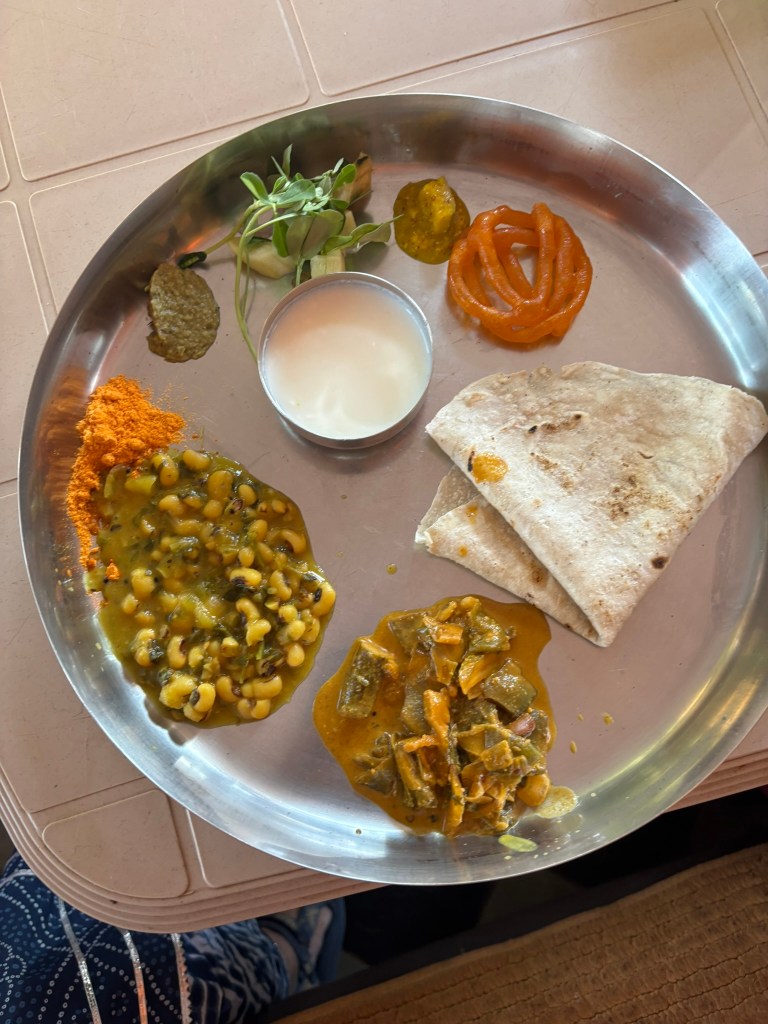
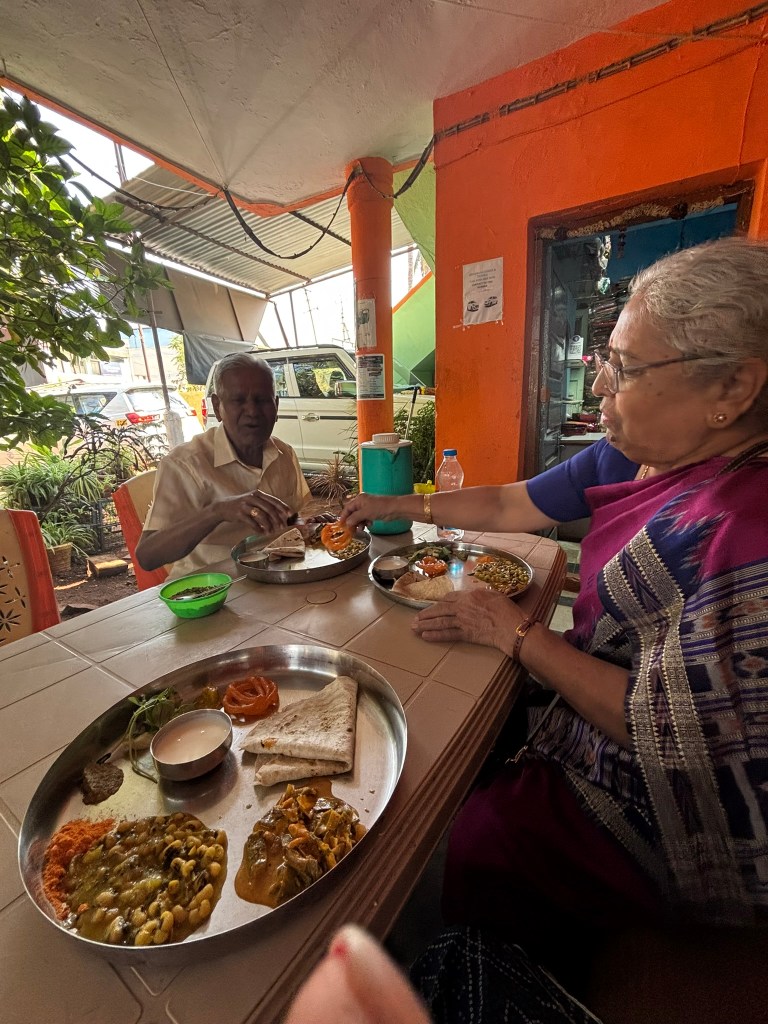
We stopped at a small khanavali in Badami for lunch before heading to the cave temples, and the experience instantly transported me back to the flavors of my childhood. The food was simple, comforting, and made with the kind of care you only find in a home kitchen. The man serving us kept insisting we eat more—bringing extra rotis, more rice, and refusing to take no for an answer. In between all this, he shared stories from his life, telling us he’d been working there for 13 years and genuinely loved feeding people. It didn’t feel like a restaurant at all; it felt like visiting a long-lost relative who’s determined to send you off with a full stomach. As an NRI, I’m usually cautious about eating outside food, but this meal left me only with a happy, satisfied stomach and a heart full of nostalgia.
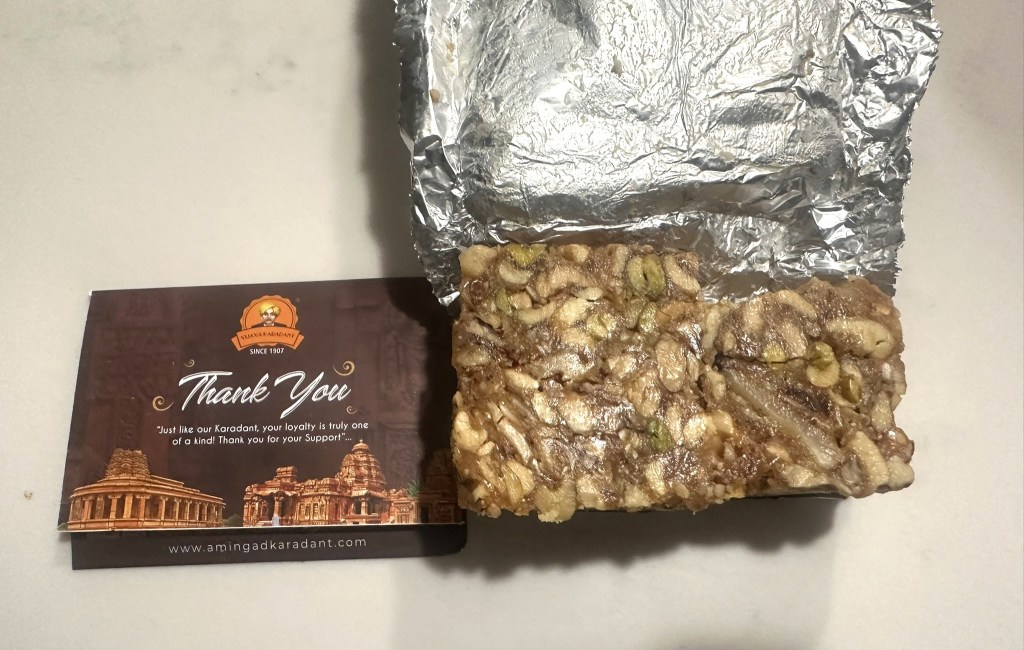
And then, of course, came the sweet that is so unique to this region: Karadantu. This chewy, jaggery-rich delicacy—packed with edible gum, nuts, and dried fruits.
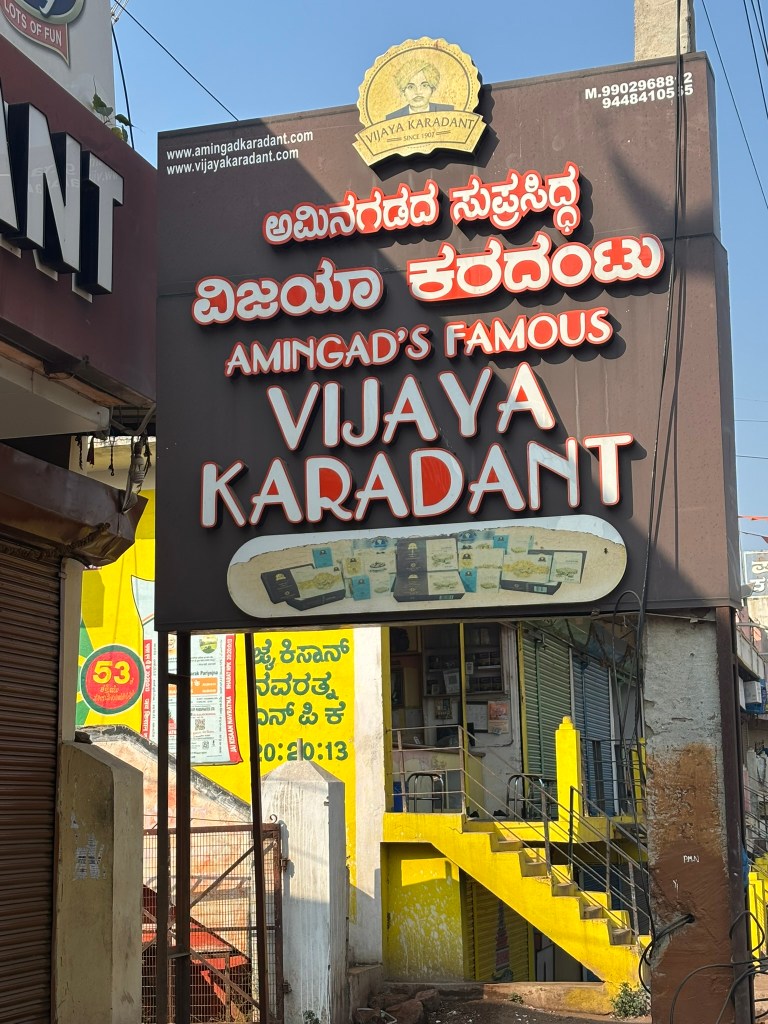
While Gokak and Amingad both claim to make the “best” Karadantu, the real difference lies in their backstories, textures, and secret-ingredient ratios. I swung by Vijaya Karadant, known for whipping up the Amingad version since 1907. Of course, I snagged a few packs to share with my family ( and eat in the car as we travelled) and even brought one back to the US so my husband could enjoy a taste of my childhood nostalgia.
Final Thoughts
As I left Badami that afternoon, traveling through familiar fields and villages, I felt a surprising sense of fullness — not just from my meal, but from the richness this place offers. From the warmth of a khanavali where strangers become family, to the chewy sweetness of Karadantu — every bite tells a story.
Returning after nearly forty years reminded me that some parts of us never truly leave home. They reside in our memories, ready to resurface with the first taste of a familiar dish. Bringing back a small box of Karadantu to the US — a piece of my childhood wrapped in a box — revealed that food beautifully keeps a bit of home with us, no matter how far we go.
 Peaks to Palaces