The best education you will ever get is travelling. Nothing teaches you more than exploring the world and accumulating experiences.
Anonymous
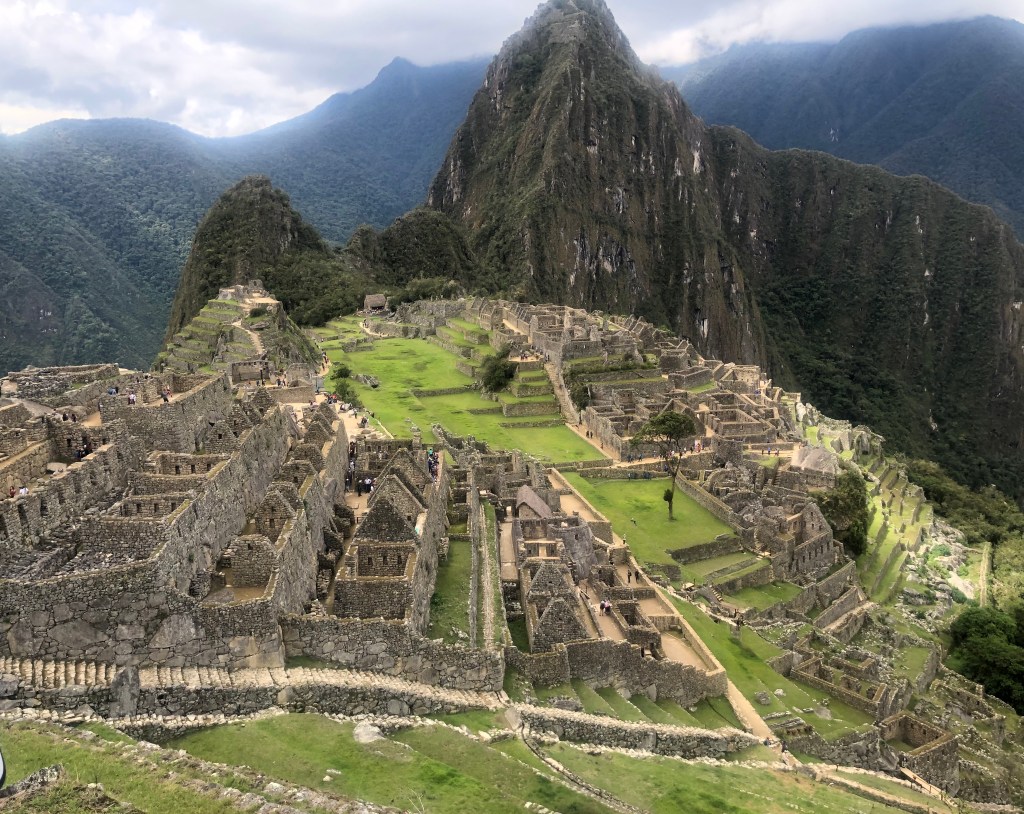
Peru one of most famous South American country because of its rich ancient history, stunning landscapes, and a very diverse culture. Machu Picchu is almost synonymous with Peru but there is more to Peru than this ancient citadel. As of any of my travel blogs, if you just want to see the itinerary and some practical information, check out here. (It’s like to jump to recipe in food blog without all the background story). If you want to read my personal narrative, continue below.
This was trip planned by my brother and his family and we decided to tag along with them. My brother and sister-in-law do a great job researching and planning the trips and going with them is like having personal guides. We went to Peru in November of 2019 and little did we know that we will not travel again together or on our own until December of 2022 when finally, covid related travel restrictions were eased.
The Plan :
The plan involved flying from US to Lima and from Lima to Cusco on Sunday and reaching Ollantaytambo by 11 AM on Sunday but as it happens sometimes, well laid plans go awry. When we reached Lima airport, we had to transfer from Internatinal to domestic and go through whole process of re-checking in the baggage and going through the security. The 2 hours between the international flight to our Cusco flight wasn’t enough to actually go through immigration and rechecking the bag. We learned 2 valuable lessons that day that we follow on all our weeklong international trips- everyone takes carryon bags and back packs (No checked bags) and leave at least 3-4 hours space between international and domestic flights especially if you don’t know the airport well. We were rebooked for next morning flight to Cusco, we found hotel near the airport and spent an un-planned day in Lima. There are couple of hotels near the airport including this Wyndham one with free breakfast.
Day 1: Unplanned Lima stop
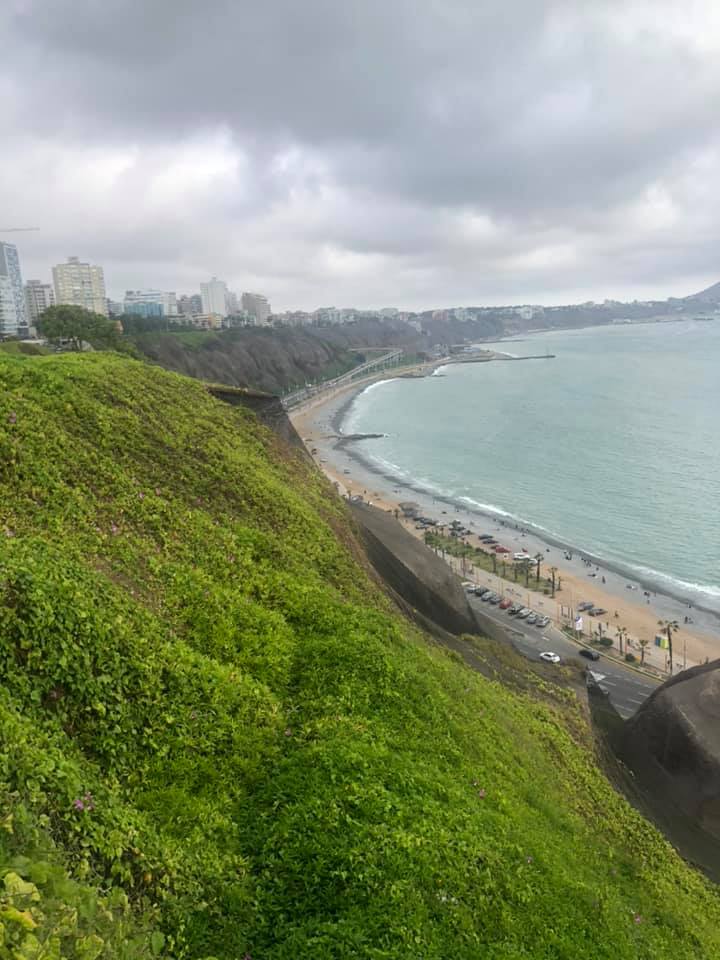
We deiced to make the best lemonade out of the lemons thrown at by travel gods and spent the day exploring Lima. After checking into our hotel, we asked the front desk for recommendations and were told to go to Miraflores which is an upscale shopping and residential district. One of the most popular activities to do in Miraflores is stroll down the 6ish mile Malecon- an elevated wide walkway that has phenomenal views of Pacific Ocean.
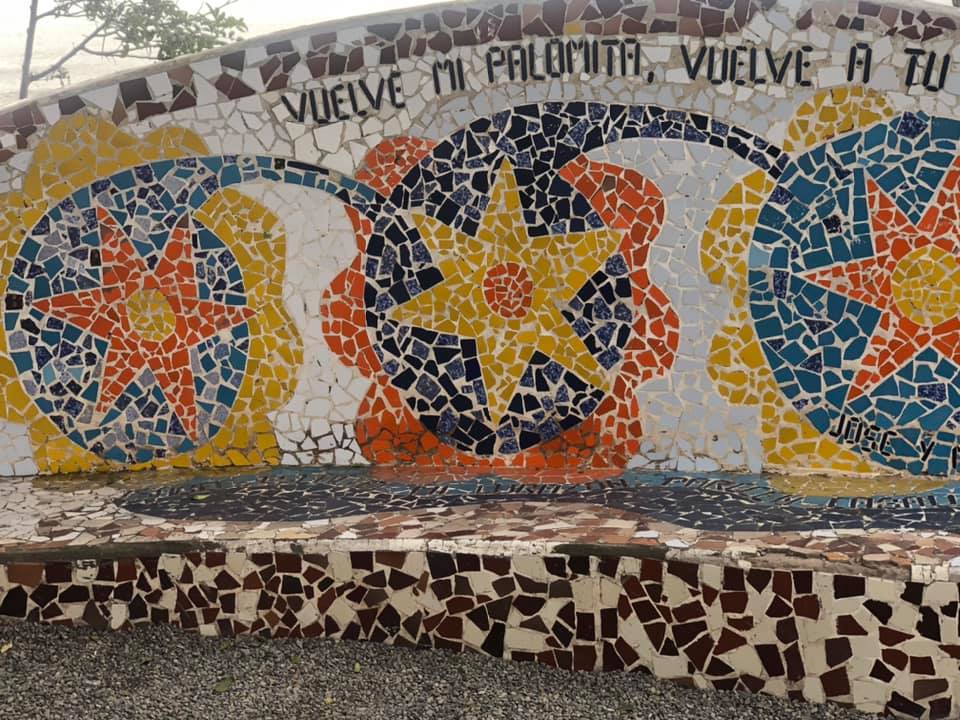
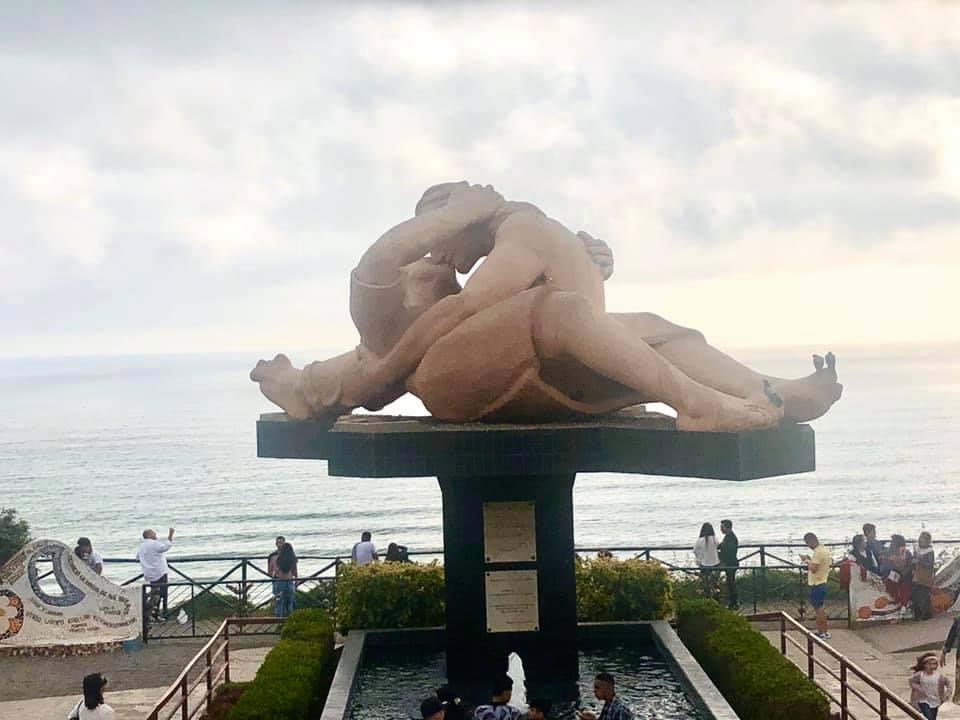
Parque del Amor: Along the path on Miraflores, there is a beautiful park called Parque del Amor or The Love Park with a huge statue of kissing couple and beautiful mosaic wall. With the views of Pacific Ocean and lots of flowers this park, it is popular site for picnic and dates, and you will see plenty of people sitting on the benches and enjoying the scenery.

Another site you will not miss as you walk down the Malecon are the paragliders. Miraflores in one of the most popular spots for paragliders as the beautiful views and geographical features, makes it a best place for paragliding as sea breeze that directly hits the cliffs and then rises, creating a continuous upward current that is ideal for paragliders.
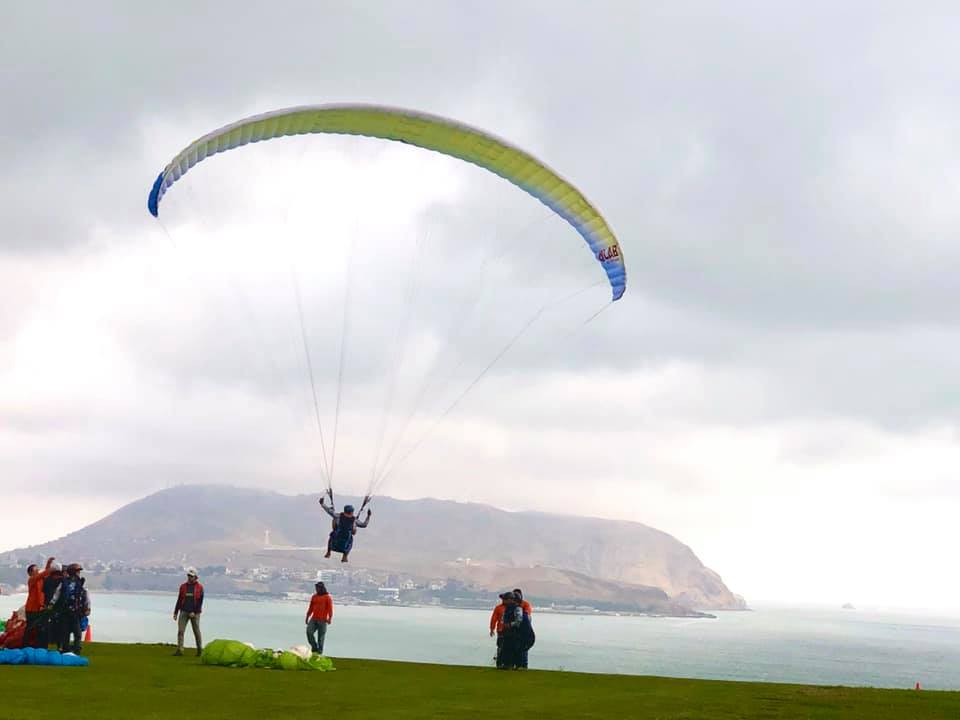
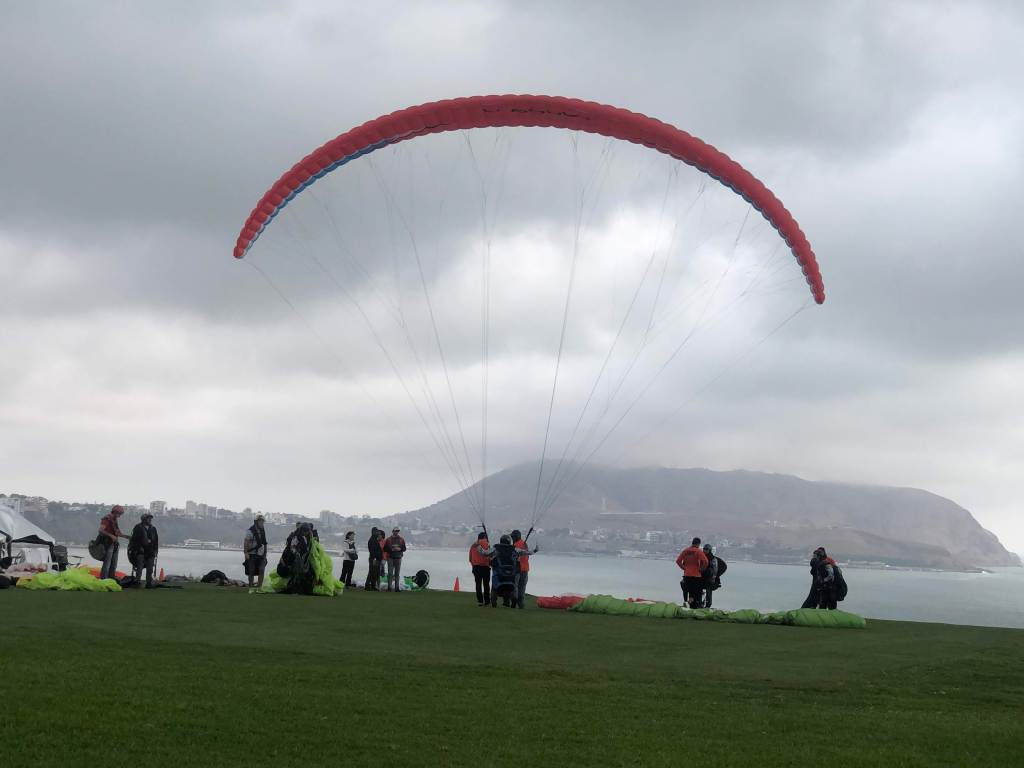
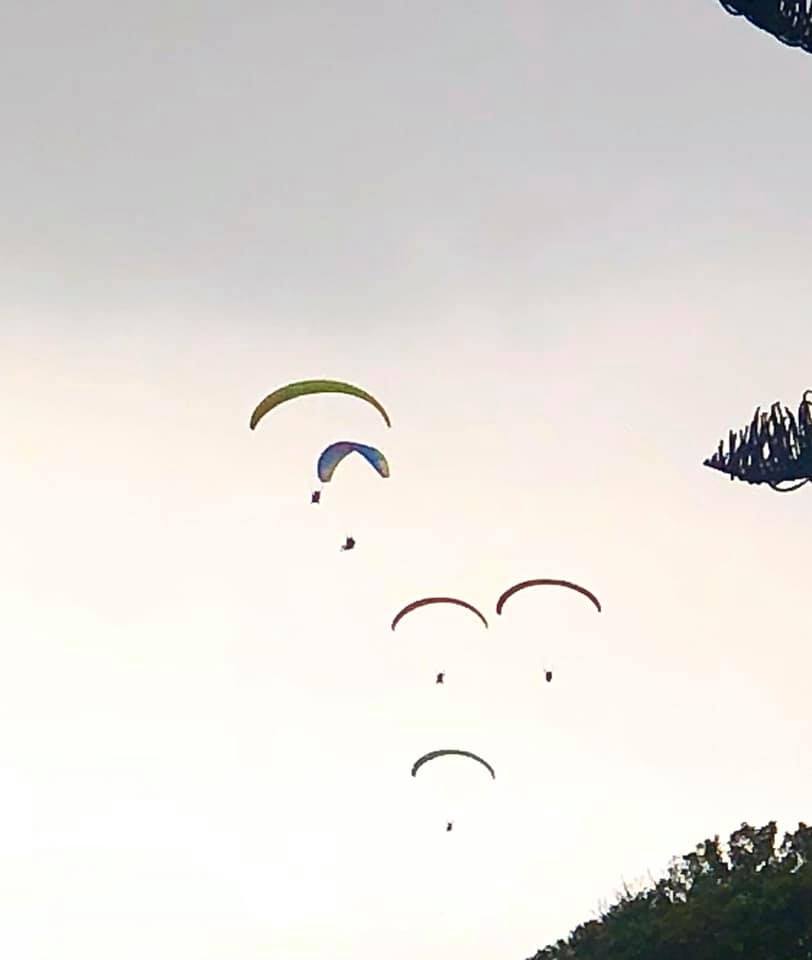
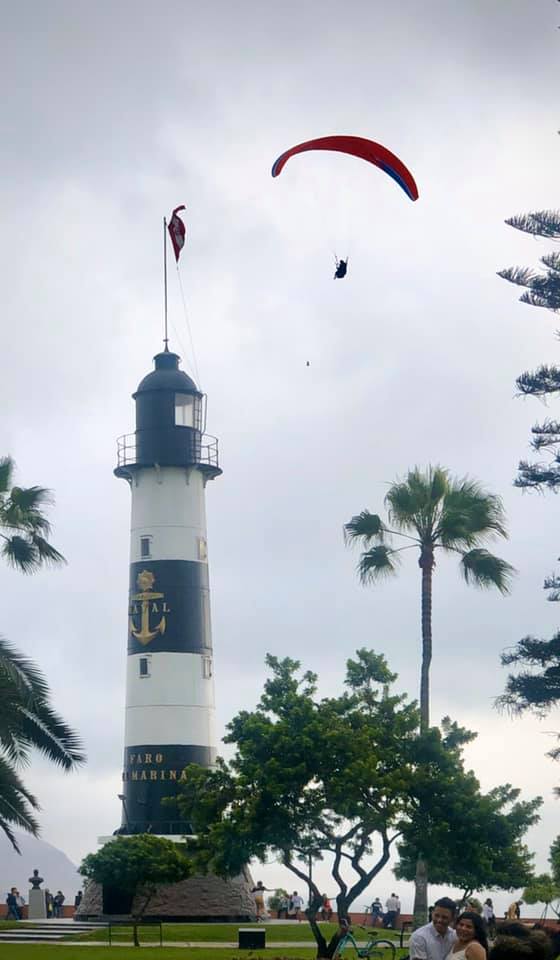
Other activities along this path include surfing, shopping, and plethora of restaurants with great views and even greater Peruvian food.
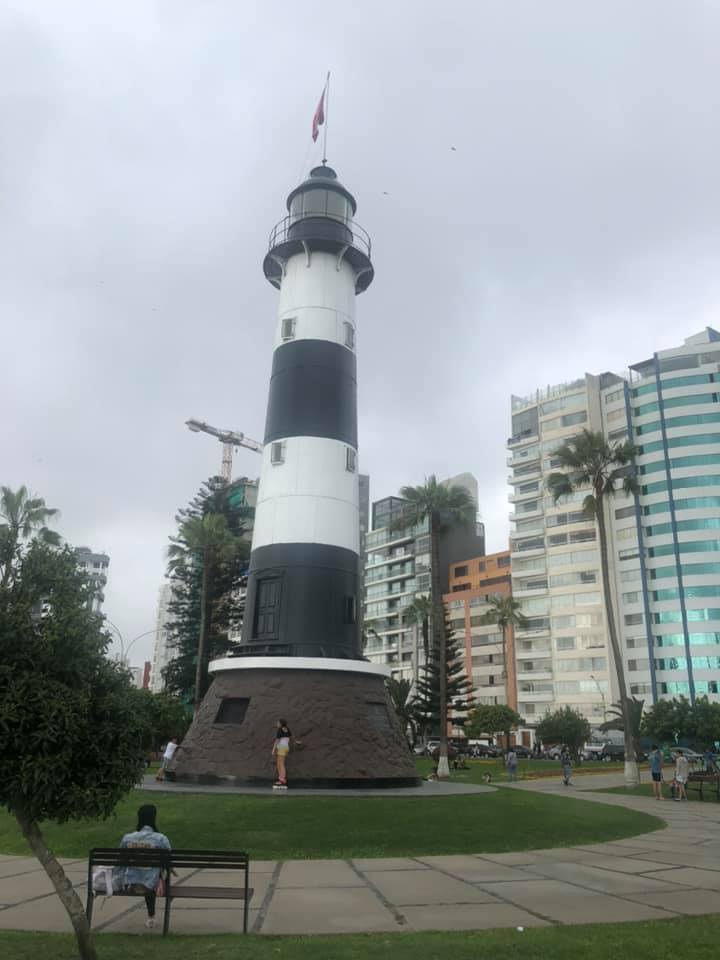
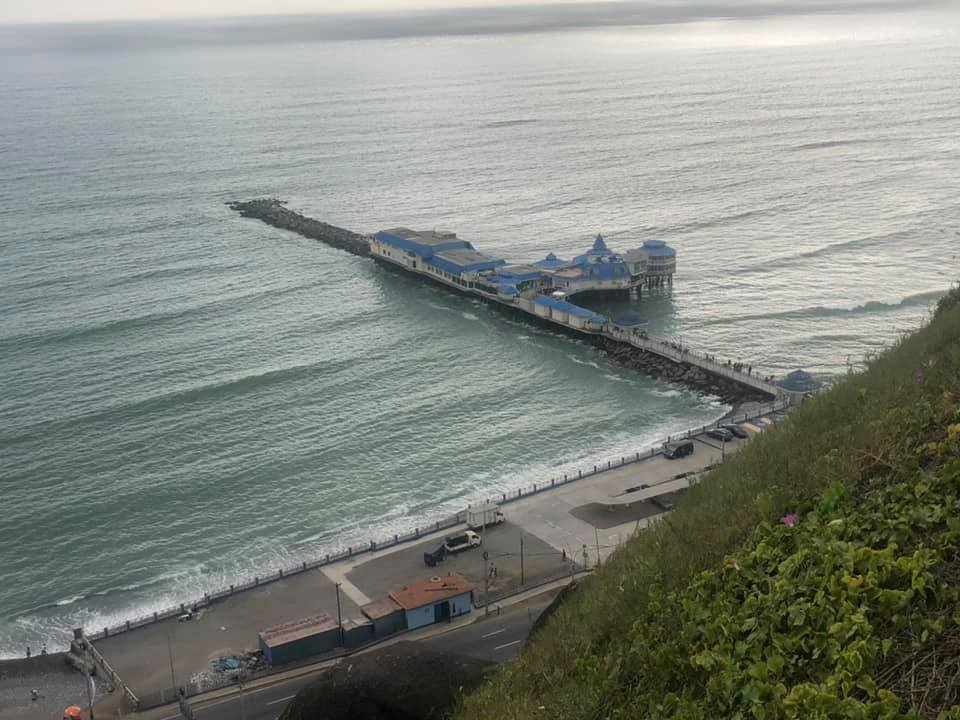
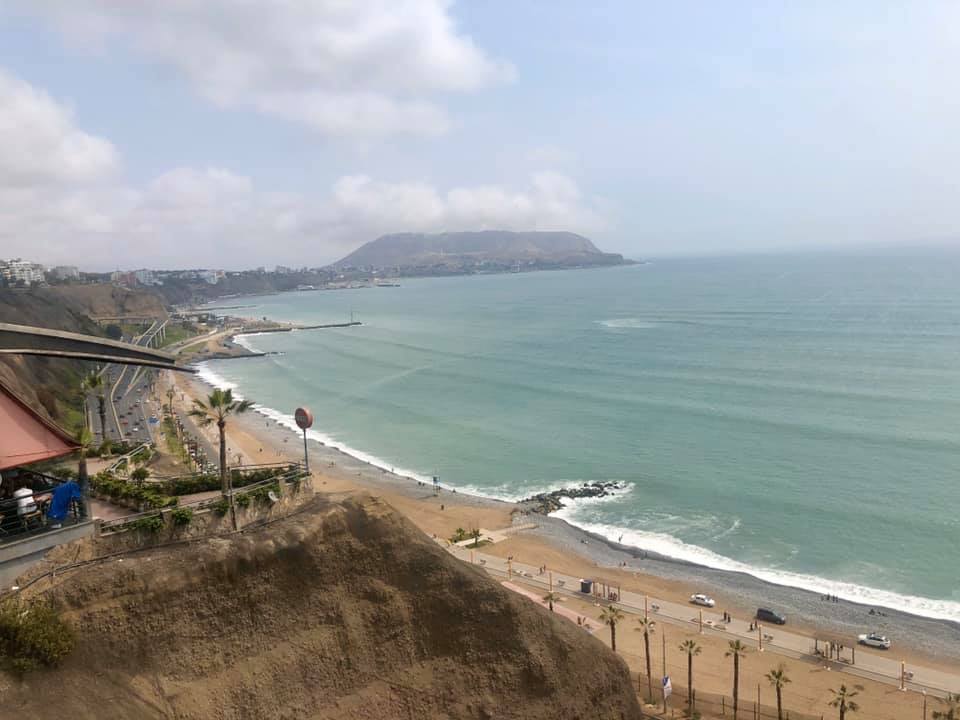
After spending the day eating, shopping, and walking around, we called it a night as our flight to Cusco was at 4 AM next morning.
Day 2 : Maras, Moray, and chinchero
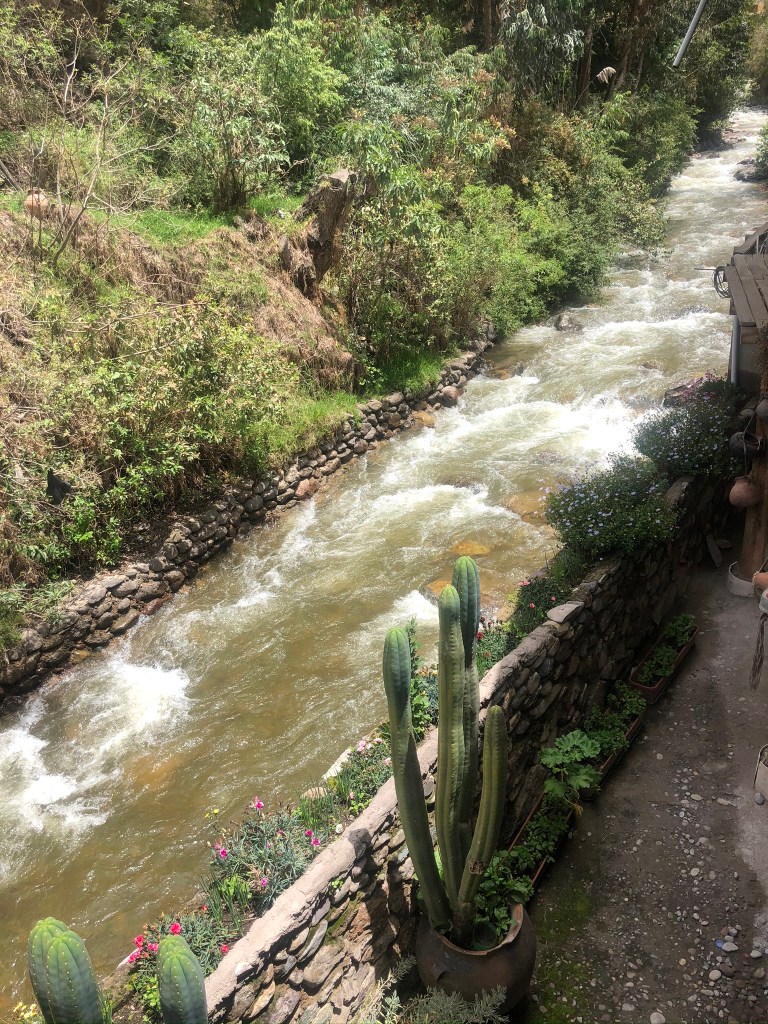
We reached a hotel in Ollantaytambo with very early morning flight from Lima (1.5 hours) and car ride from Cusco to Ollantaytambo (1.5 hours). The road to Ollantaytambo from Cusco is beautiful with snow covered peaks and babbling brooks. We stopped at multiple places just to take in the scenery and appreciate beauty of the surroundings. We had pre-booked a transport from Cusco through Taxidatum and it was seamless.
You can either have Cusco or sacred valley- Ollantaytambo or Urubamba as your base. We chose Ollantaytambo as our base as it gives you time to acclimatize to altitude as Ollanta is about 9,100 ft, whereas Cusco is at over 11,100 ft. If you suffer from altitude sickness (which I do), then you will take couple of days to acclimatize and you need to take it easy for few days. I had really bad headaches for couple of days and by the time we made it to Machu Picchu on Wednesday, I was feeling much better.
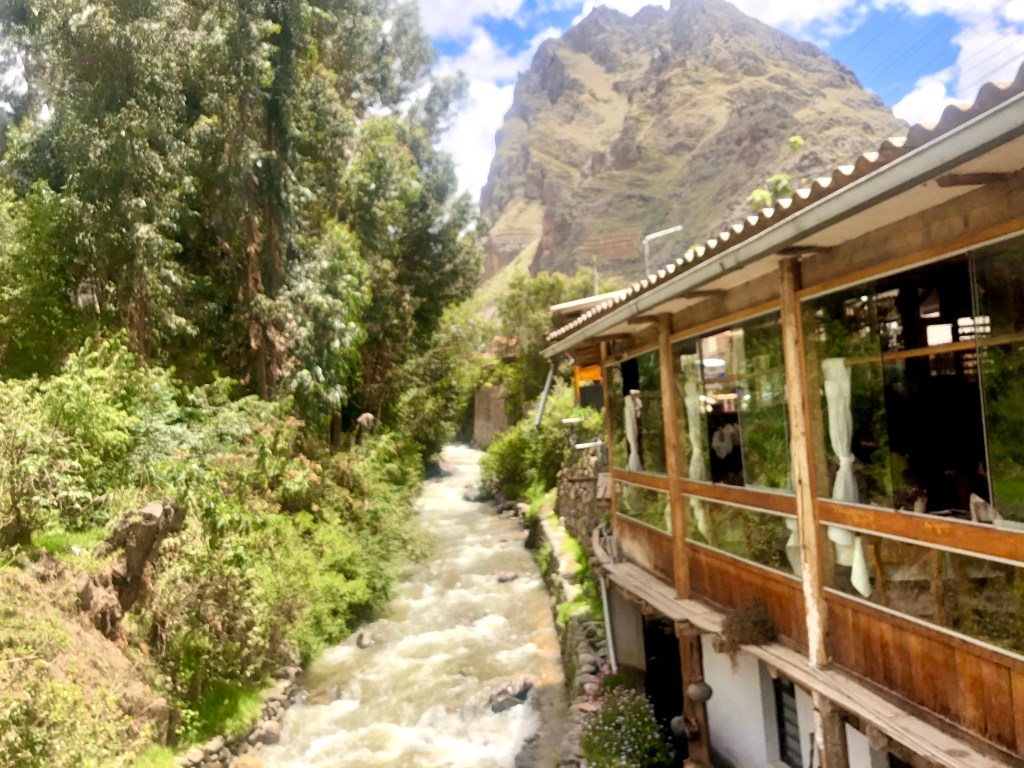
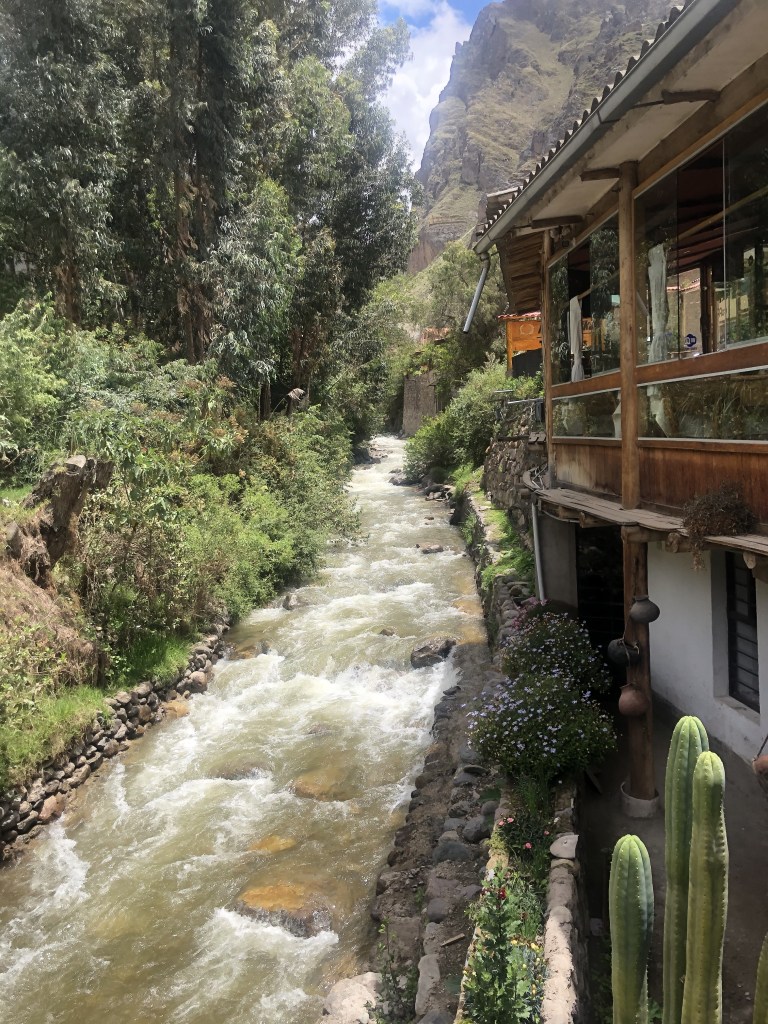
Staying in Sacred valley: We chose Tambo de Ollantay as our hotel as it is right in the middle of the city with walking distance to the ruins, train station as well as the plaza. The owner Dona Maria is wonderful, warm and friendly lady and she cooks your breakfast to order. Breakfast is included in the price (About $40-50 per night in Nov 2019) and includes fresh squeezed juices, eggs and warm bread. Our rooms were facing the babbling brook behind the property, and we woke up to view of ruins of Ollantaytambo through the window. There are several hotels on this street -Av. Ferrocarril, s/n, Ollantaytambo and you can’t beat the location. See here for more options.
Another great town to stay is Urubamba and it has hotels at all price ranges including this Marriott luxury hotel and Belmond Rio Sagrado.
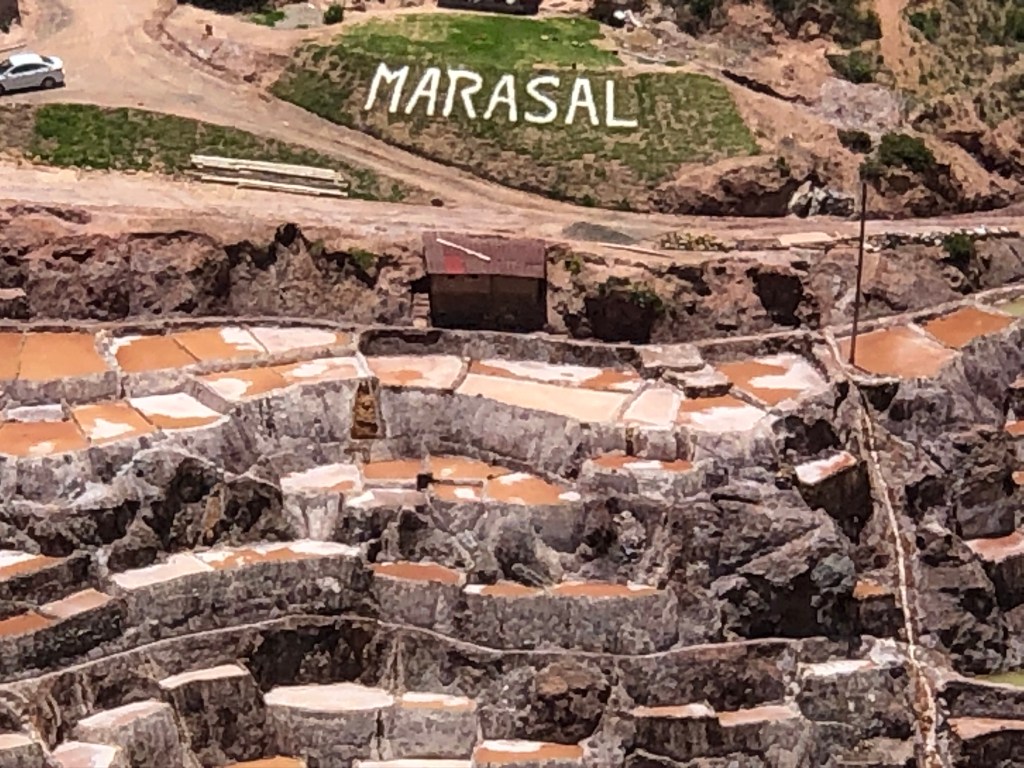
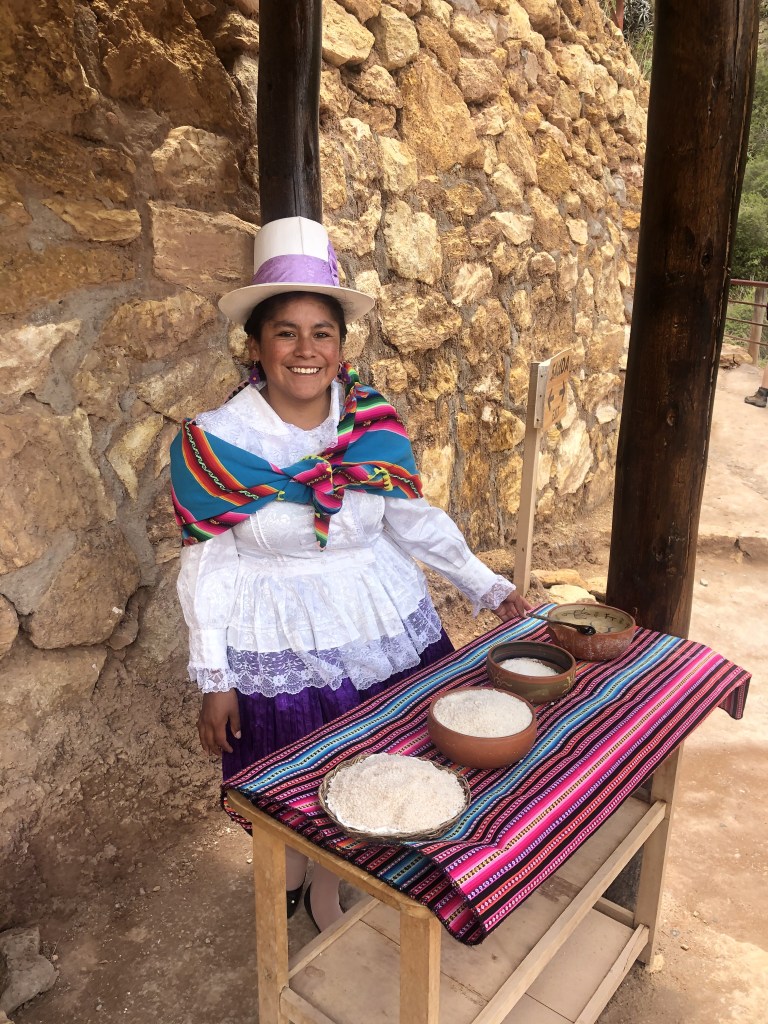
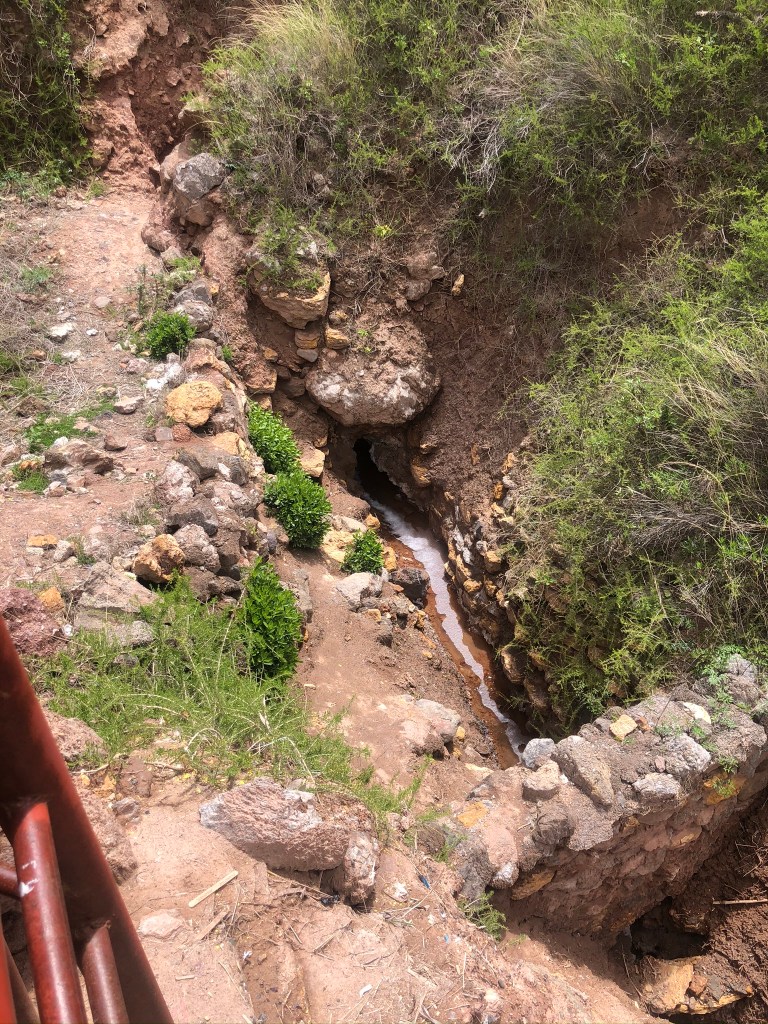
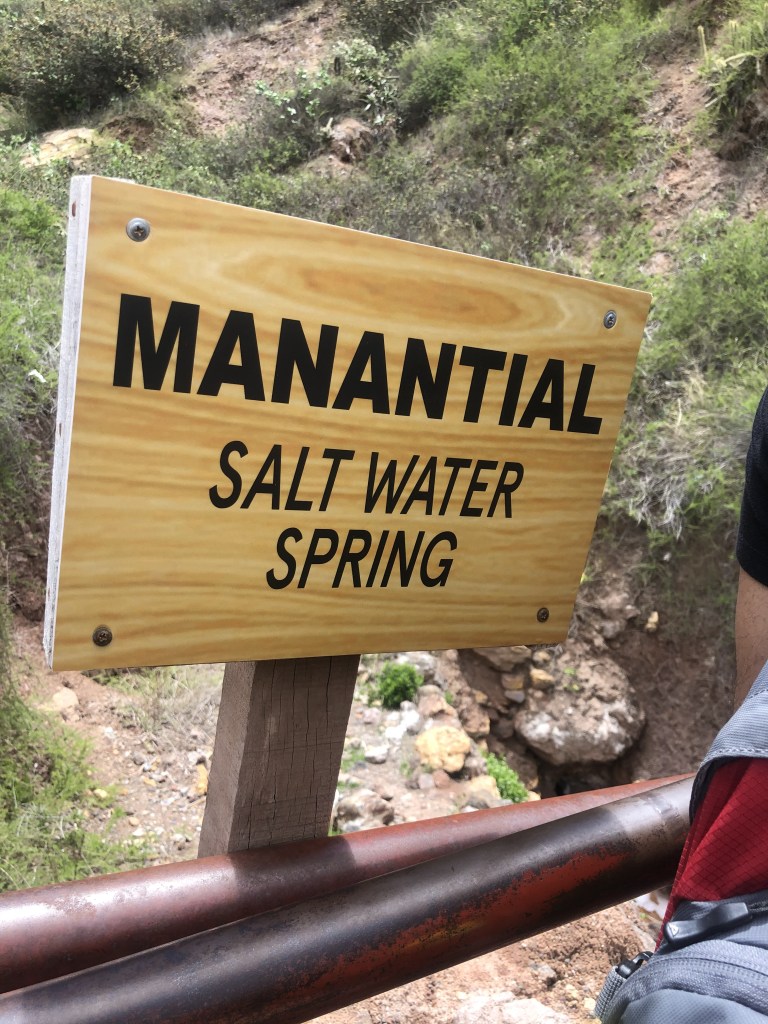
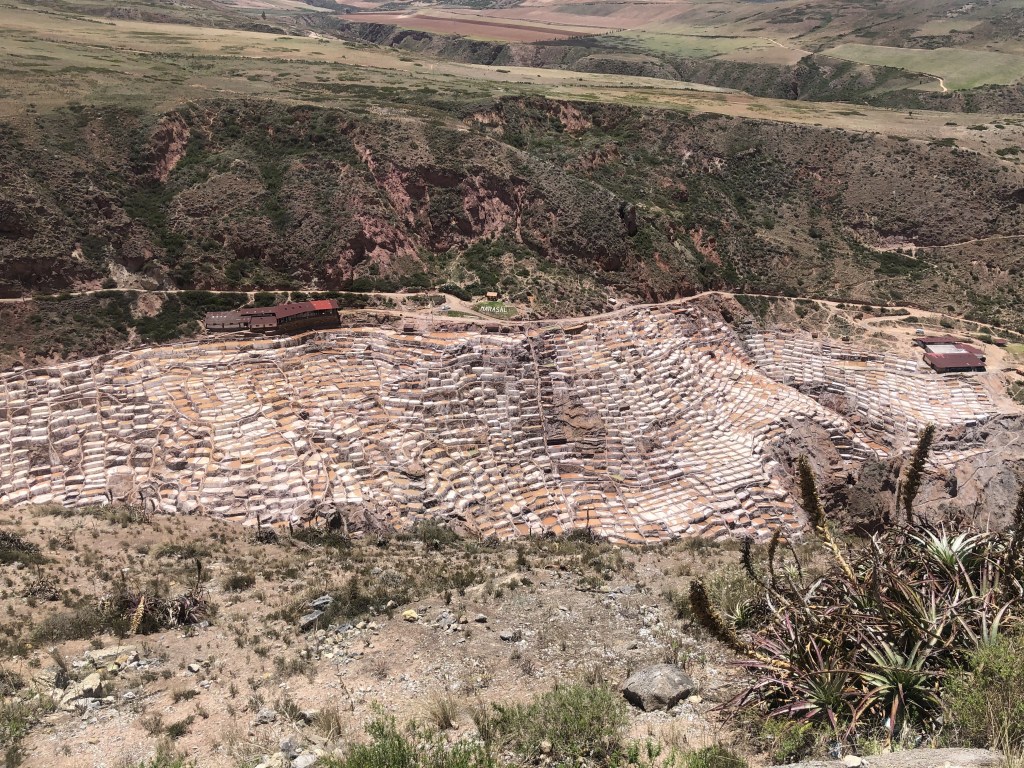
Maras: First stop of the day after a heaty breakfast was Maras and its ancient salt mines. These salt mines date back to pre-Incan times, meaning the local families have owned these sales mines for hundreds of years. There are more than 500 hexagonal ponds that are fed by a small saltwater spring that originates in the sounding mountains and the water is evaporates in the ponds and salt is harvested. There are various grades of salts, and you can try them on site as well as in various products including chocolates and bath salts.

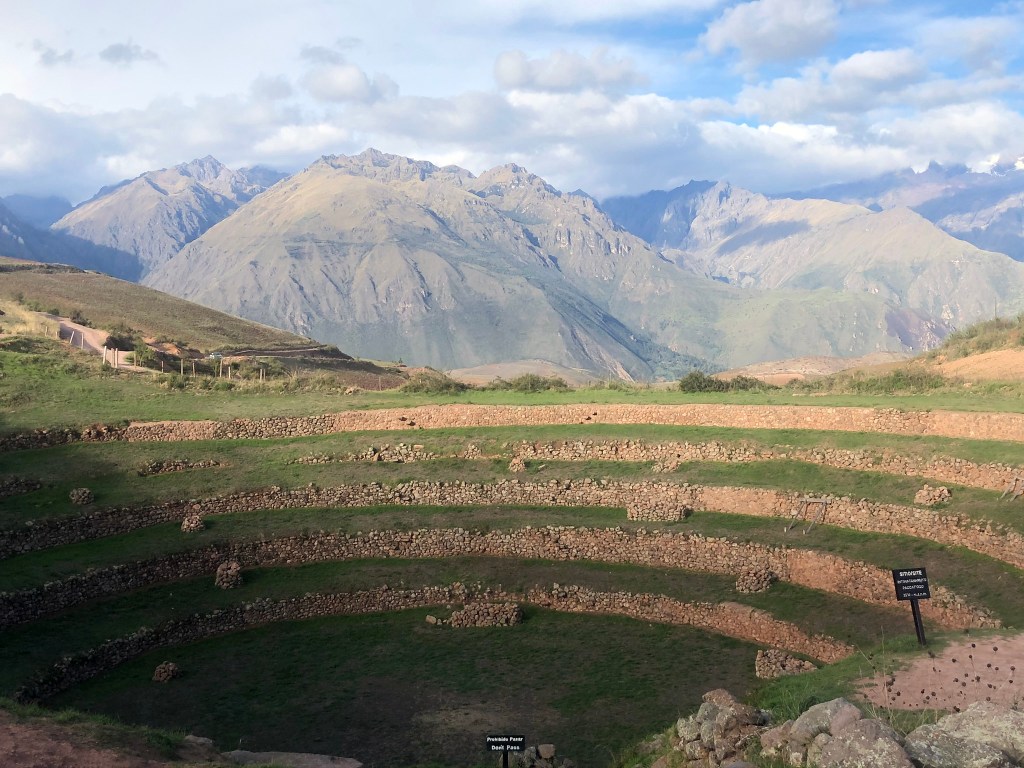
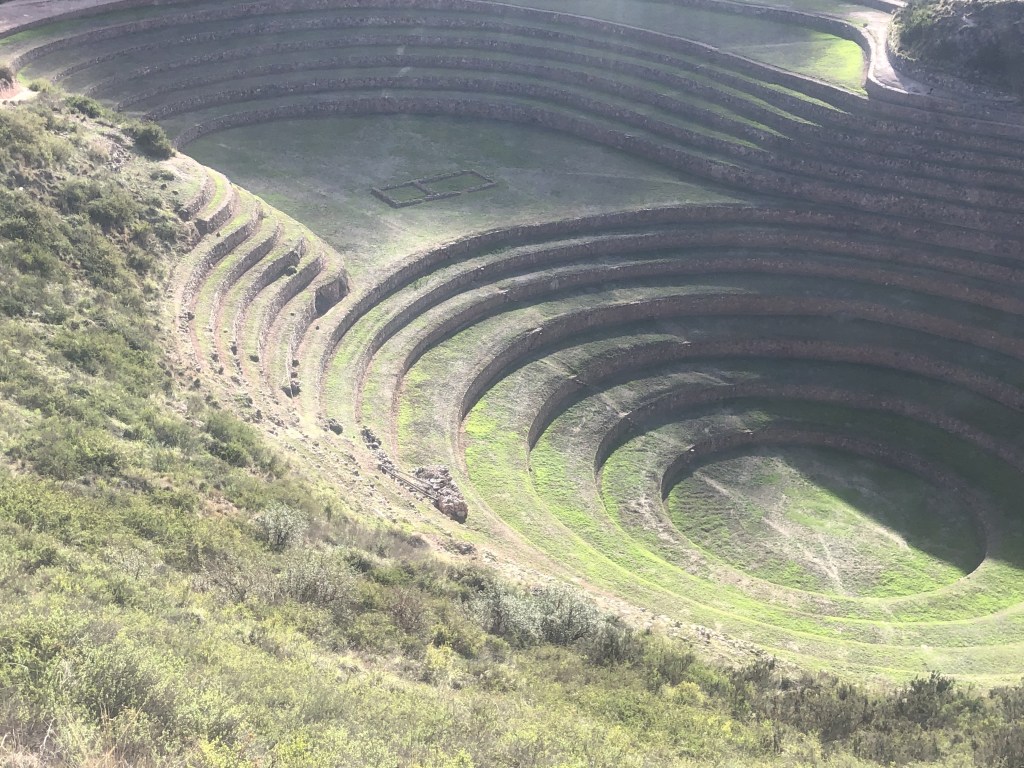
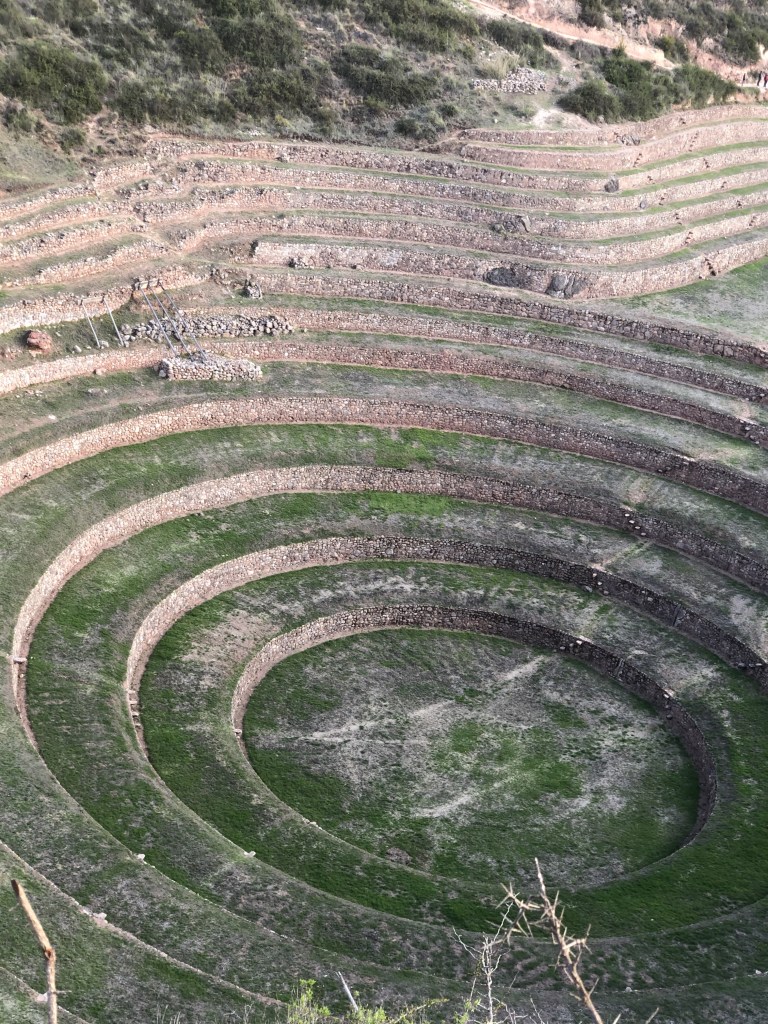
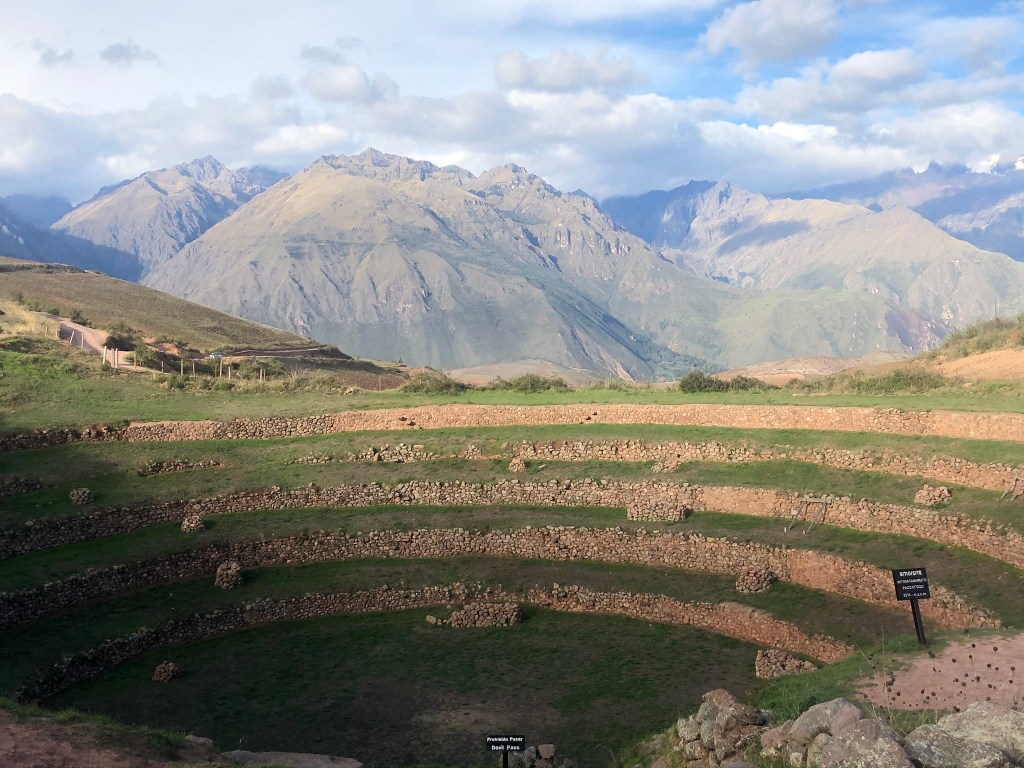
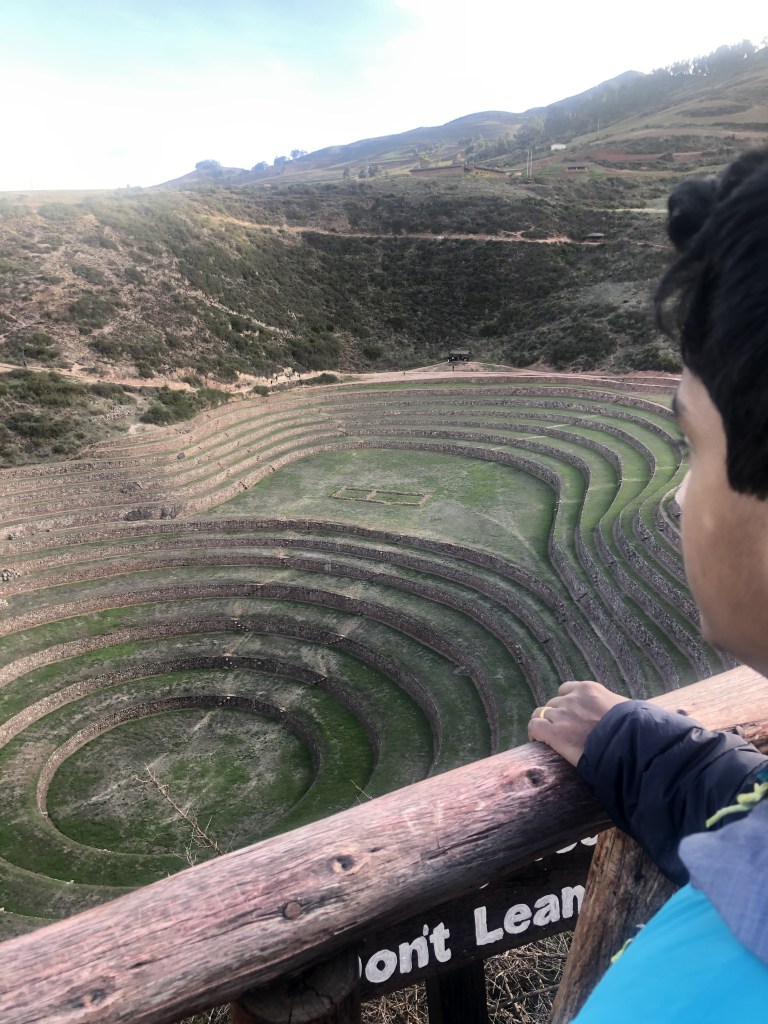
Moray Agricultural terraces: Second stop on this trip was the visually stunning Maray ruins that are few miles away from Moras. There are several theories as to why these terraces were constructed including possible alien landing site, but most accepted theory is that these terraces are created as agriculture research stations. The concentric circles look like an amphitheater and known to have a vast temperature range (up to 15 C) from top to the bottom thus creating microclimates where Incas could study impact of temperature and other conditions on crops. The more I learn about the ancient cultures, more I am impressed with their ingenuity as well as their advanced knowledge of engineering and Technology. Whatever is the reason behind these marvelous terraces, they are definitely stunning to see.
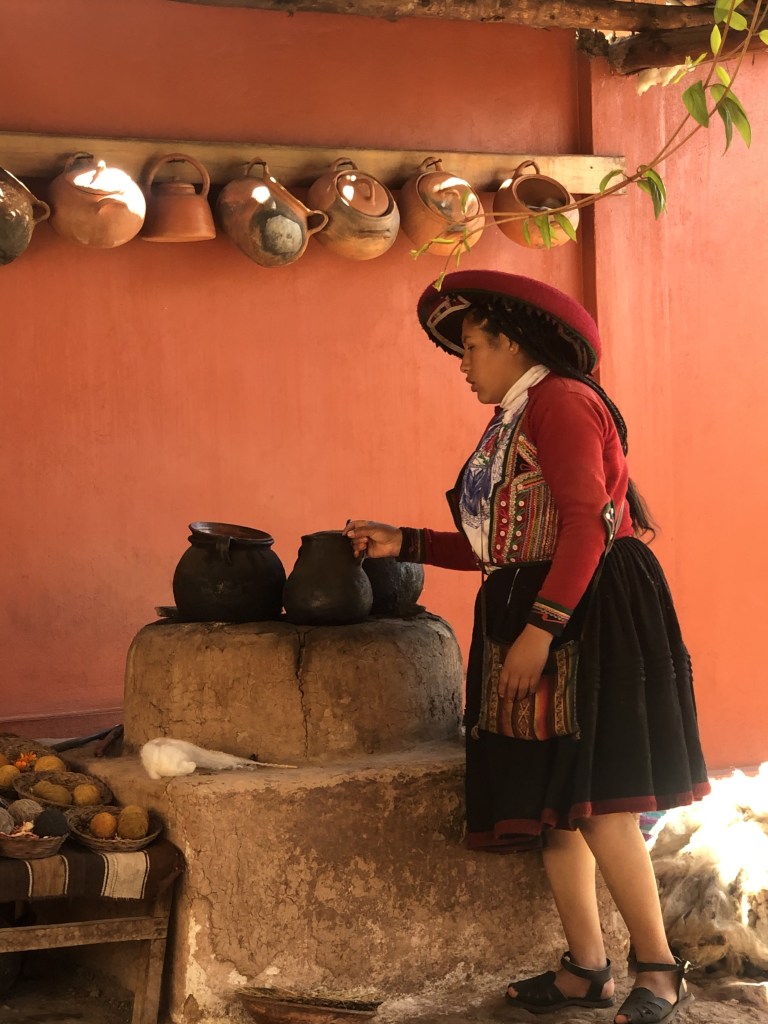
Chinchero – The birthplace of rainbow: Last stop on day 1 was Chinchero also known as the birthplace of rainbow in honor of the colorful fabrics that are produced in this town. Walking into the town feels like stepping back in time as many traditions of Incas are well preserved in this town. We started the tour by visiting one of the many textile centers where you can learn about traditional process of making the colorful textile using natural dyes and alpaca wool.


The demonstration included making red dye or the carmine color from Cochineal insect that grows on cactus leaves (White stuff on the photo above is thousands of insects known as Cochineal) and the insects are killed by immersing in hot water to general bright red dye. The red color of the insect can then be manipulated by adding minerals to the water bring various shades of red, orange, purple etc. The carmine color has been used by Aztecs and Mayans for centuries for dyeing the fabric as well as making long lasting lipstick! I am not sure what to think about this and seeing the live insect being boiled to death and then putting the dye made from them on lips is bit too much for me, but carmine color is very widely used in food and cosmetics and now you know how it is made!
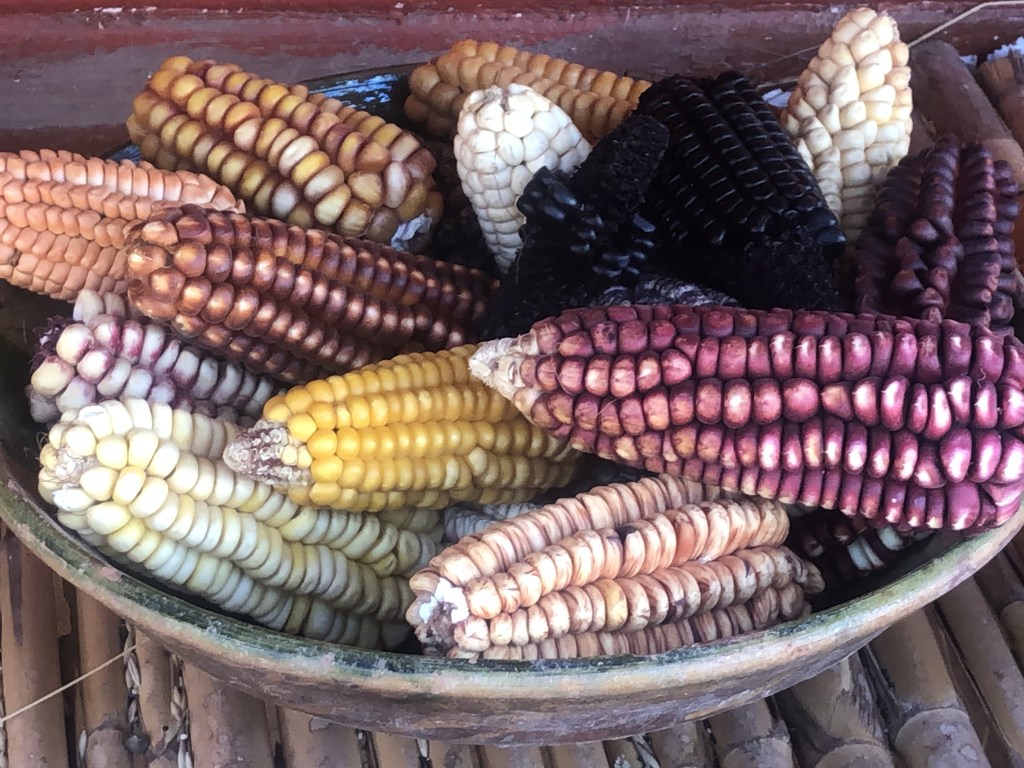
If you happened to be in Chinchero on a Sunday, then you can go to the colorful Sunday market which is the biggest market in Sacred valley, and you can buy all kinds of foods including corn, potatoes, and high-quality handmade fabric.
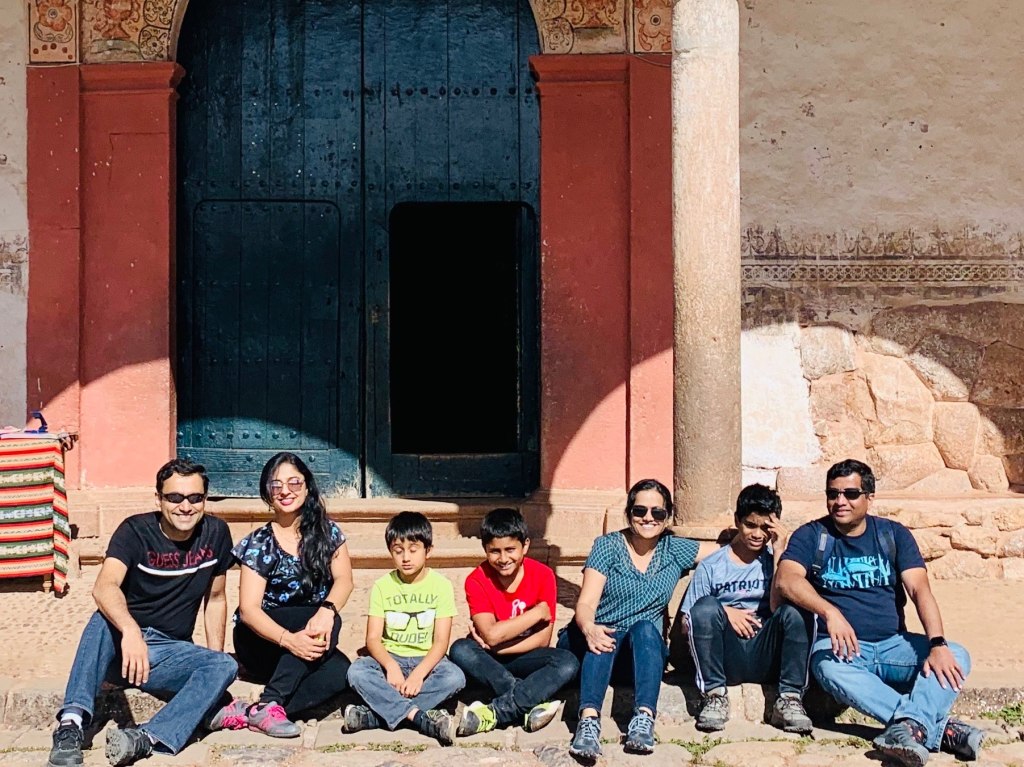
Chinchero was also the home to the Royal estate of the 10th Inca King, Tupac Yupanqui, and place of Tupac is located within the extensive archaeological complex. In this complex, you will also find the Church of Our Lady of Montserrat, built in the 17th century and considered as the oldest roman catholic church in Peru.
Day 3: Ollantaytambo
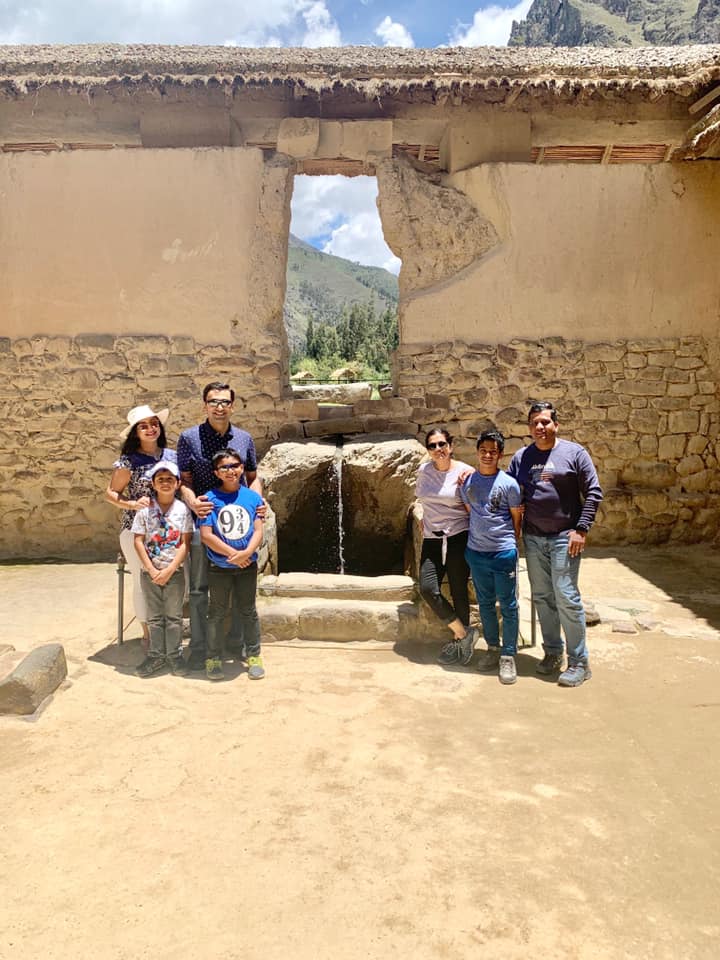
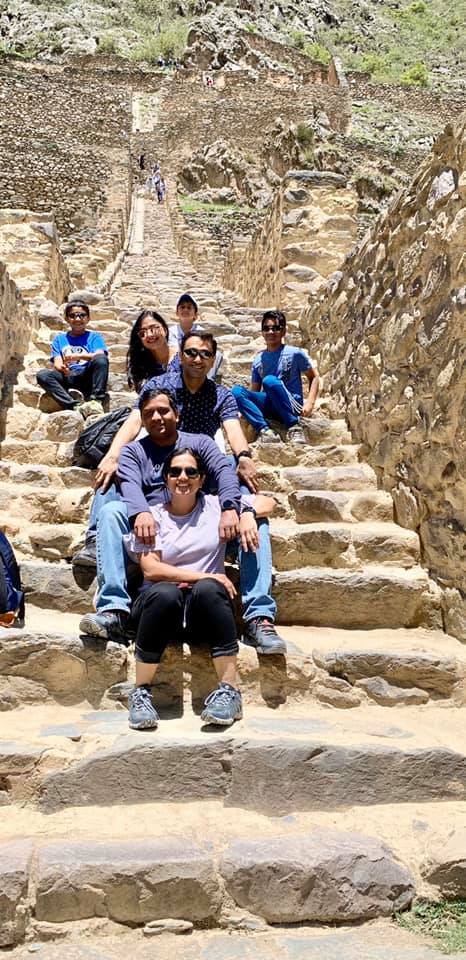
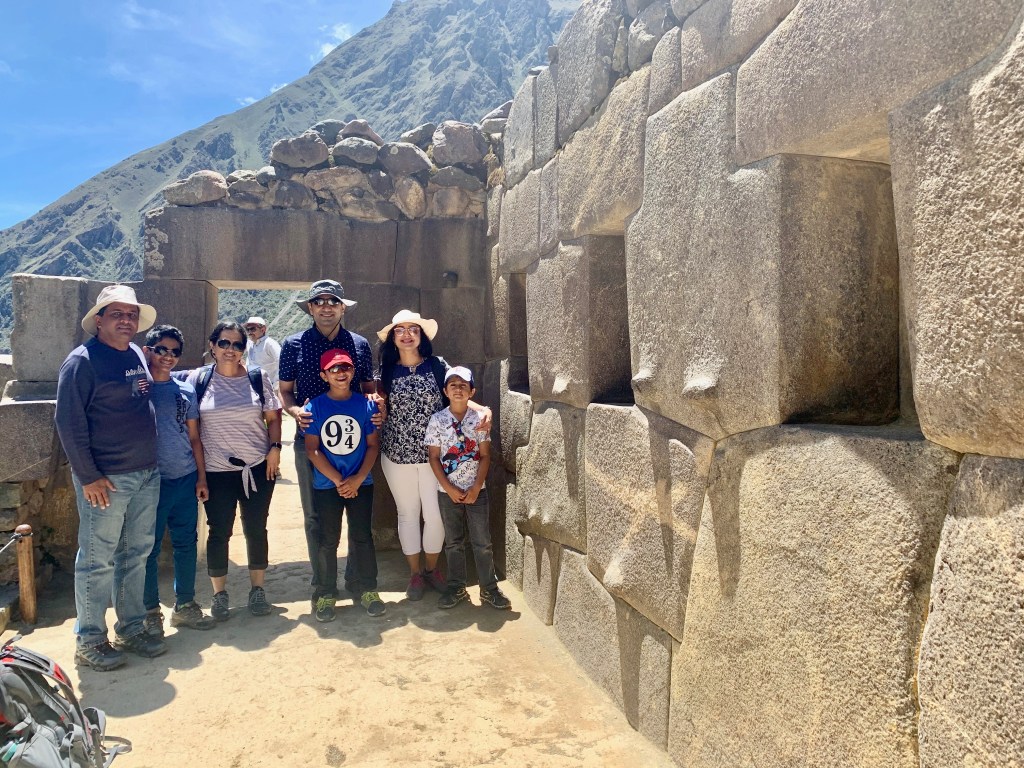
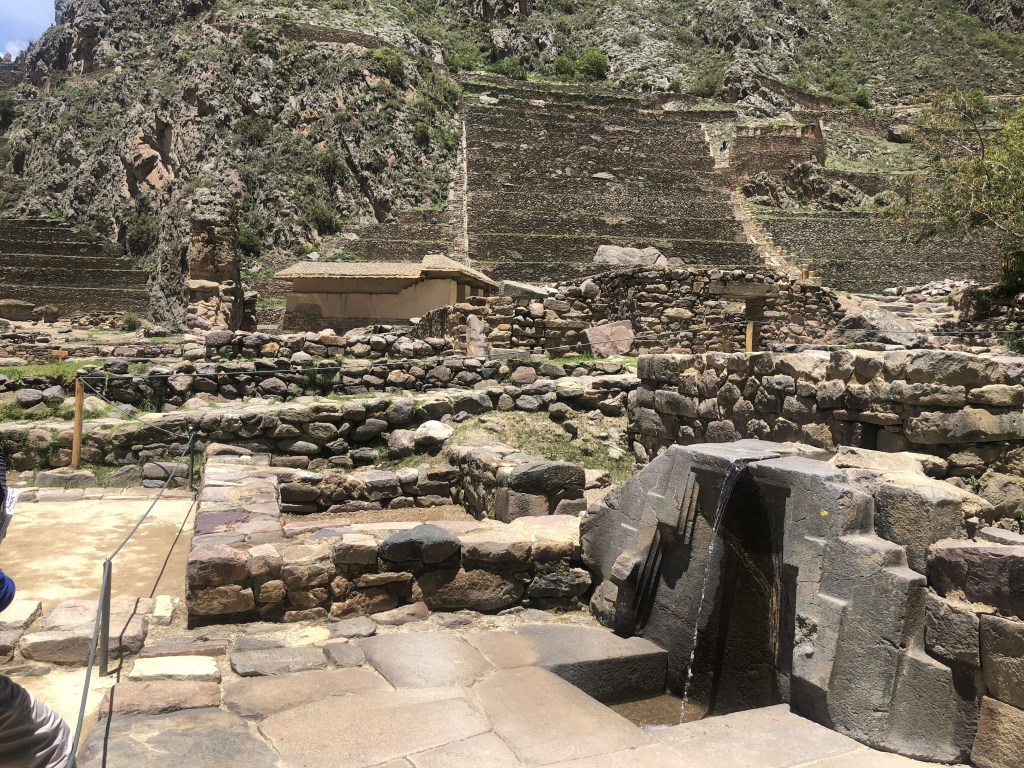
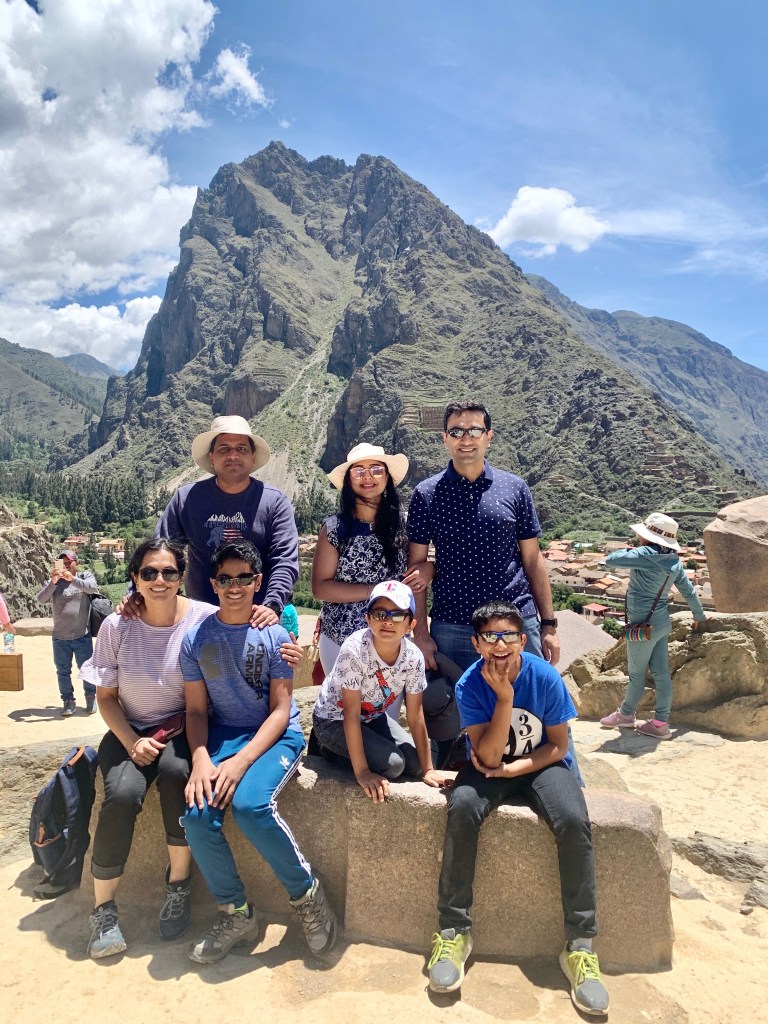
Day 3 of the trip we decided to stay local and explore the town of Ollantaytambo (Olly) which is known for being a living Inca city with cobbled stone streets, temples, and local people still maintaining the Incan traditions. Walking through this town feels like you have stepped back in time and some of parts of the village still has the water canals or aqueduct system, which is still fully operational today with running water gives the town an old-time charm. The town plaza is the center piece of the town and has some great restaurants and shops.
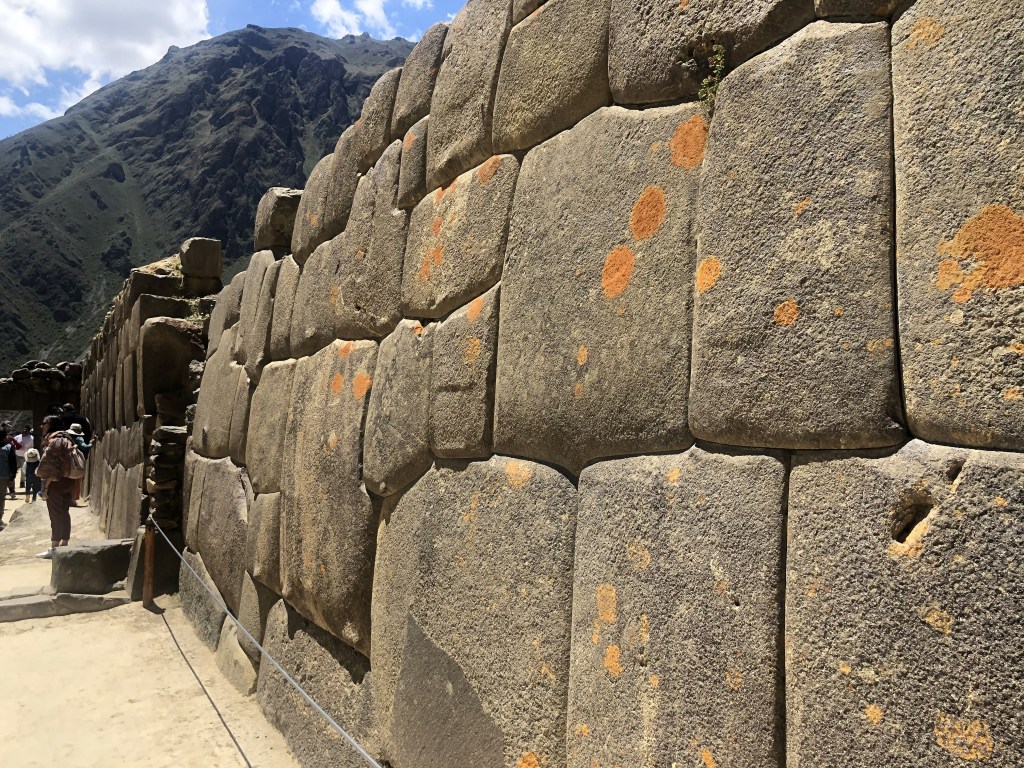
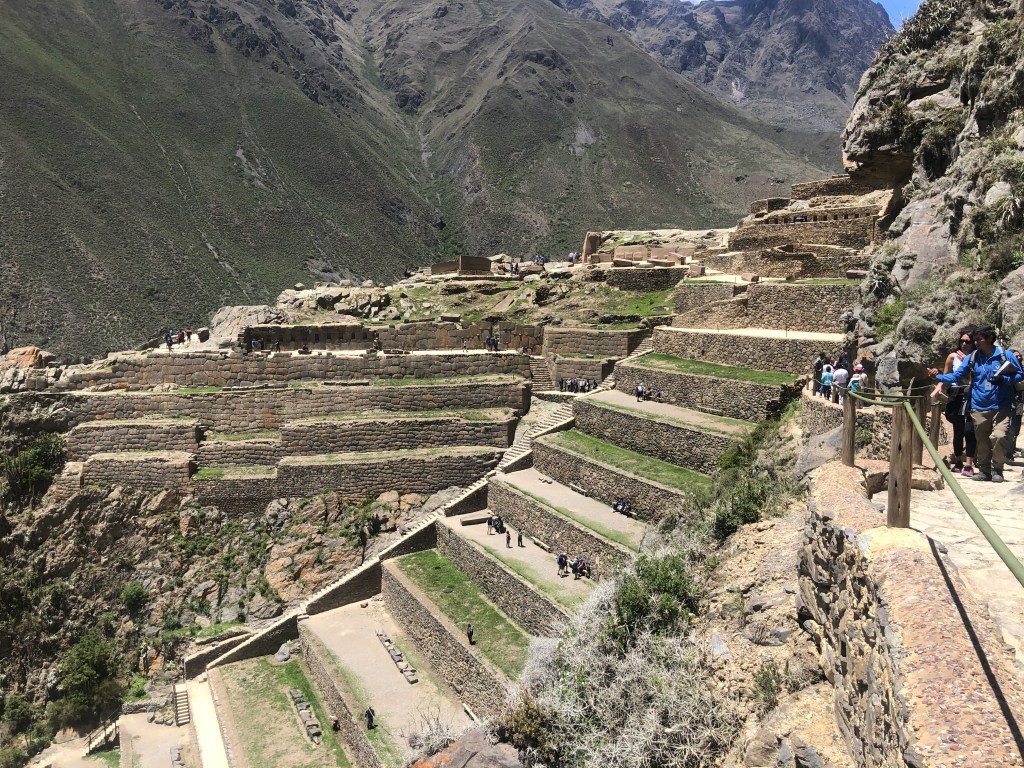
The face of Wiracocha and other master pieces of Ollantaytambo: The Ollantaytombo ruins built 3500 years ago (supposedly older than Machu Picchu) and full of mystery and intrigue and considered to be one the marvels of architecture and engineering. The main sites to take in at these ruins are:
The royal house of sun– Made of very large, superimposed terraces.
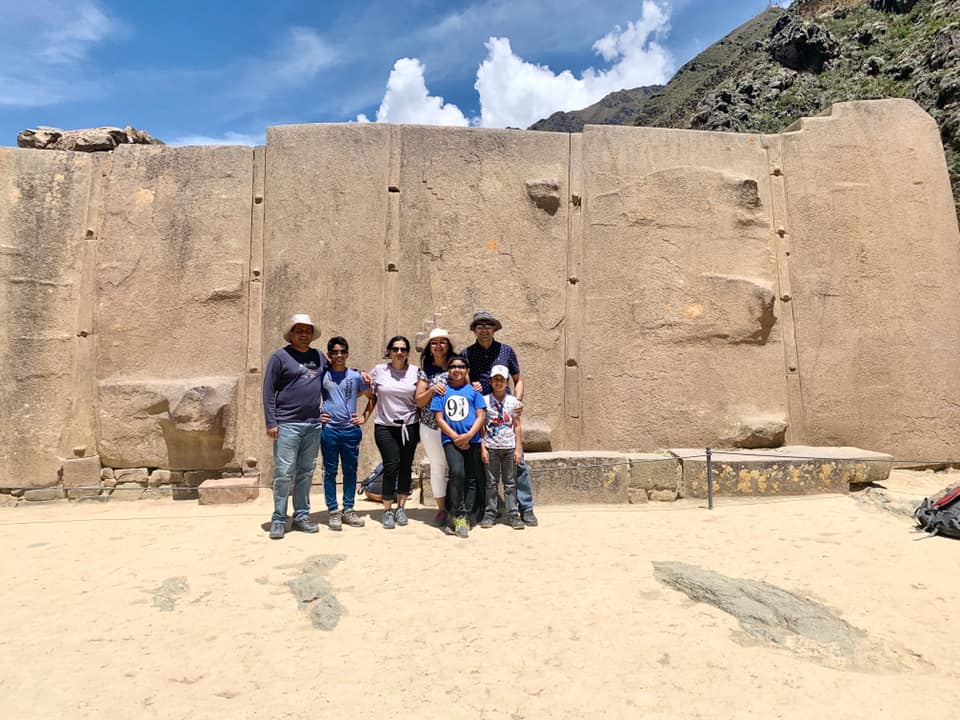
The temple of the Sun: An impressive un-finished monolith formed of 6 huge perfectly polished rocks that form the western wall and a true engineering marvel and one of main mysteries of this place. According to the legend, these rocks were transported from the nearby quarry using the river. How these were transported to the top the fortress is still a question. The purpose of the sun temple is supposed to serve as a calendar and had specific purpose specially on the summer and winter solstice.
Enclose of the ten niches and monumental gate : A wall consisting of 10 stone canvases and another engineering marvel with how precisely these have been placed. This architecture style here is similar to one used in Qoricancha in Cusco and most of the structure was destroyed during the Spanish conquest. This construction is located at the end of the upper group of platforms. Its walls are constituted by two stone canvases polished with great precision.
The Bath of the Ñusta: is a beautiful fountain made of a single stone and are known as the places of worship could be found in the main cities of the Inca Empire.
The face of wirocha and Store house: Standing on top of the Ollantaytambo, you can see the ruins of the old store houses that served as granary. The guides also point out a face carved in the mountain which is supposed to be deity of Wirocha who the creator of everything. You can climb to the granary and face of Wirocha from the other side of the town. We didn’t see any faces but who are we question Incan wisdom?

Day 4: Machu Picchu- The long journey

The crown jewel of Peru takes some effort to reach, and it can be over whelming. You will need train tickets to Aguas Calientes from either Cusco or Olly, entrance tickets to Machu Pichu, and bus tickets to Machu Picchu from Aguas Calientes Here is step by step what you need to do:
- As soon as you book your Peru trip, figure out which day you would like to go to Machu Picchu and book the train tickets. You can either book from Olly or from Cusco. You can book one way trip and catch the earliest train back and not have to hurry from Machu Picchu ruins. Return tickets are much more easier to get directly from the train station. You can also book round trip tickets.
- There are 2 main train services that go to Machu Picchu (There is no road connecting Machu Picchu to any of the cities) – Inca Rail and Peru Rail (Check this blog for everything you need to know about taking the train to Machu Picchu).
- We took the Vistadome through Peru rail leaving Olly in the morning and came back to Olly by the evening train. Vistadome is the middle of the pack train in terms of luxury and has large panoramic windows and informative audio about the highlights seen on the way. During each trip, passengers are served snacks and refreshments and is a really nice way to reach the gateway to Machu Pichu-Aguas Calientes train station.
- If you are going in high season (June to August), you should buy Machu Picchu tickets as soon as possible. You can buy these tickets directly from here. We got the one for general admission with circuito 1, 2 3, or 4. Choose the time based on what time your train reaches and give at least 1-2 hours as you still have to catch a bus. (More info on the tickets here. You don’t have to buy from this company, but I found them to have most comprehensive information. You can buy your tickets directly from the Peru cultural ministry). We bought only Machu Picchu tickets and not for hiking any of the mountains around it. Decide before buying what you want to do.
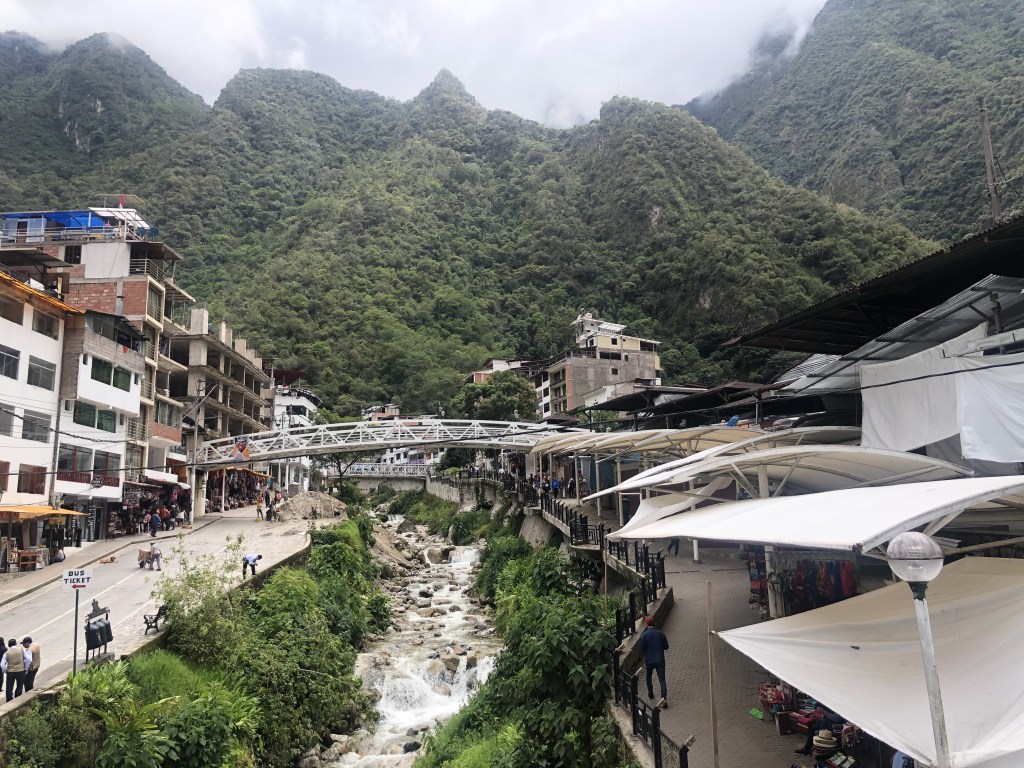
- Aguas Calientes to Machu Pichu– Once you reach the Agus Calientes, next step is to catch a bus to Machu Picchu. The bus stop is located opposite to the train station after crossing all the artisan markets, and you can buy the tickets on site. You don’t need to purchase beforehand. The buses leave every 5-10 minutes, and it takes about 30 min reach the gate of Machu Picchu. (More information on the bus service check here)
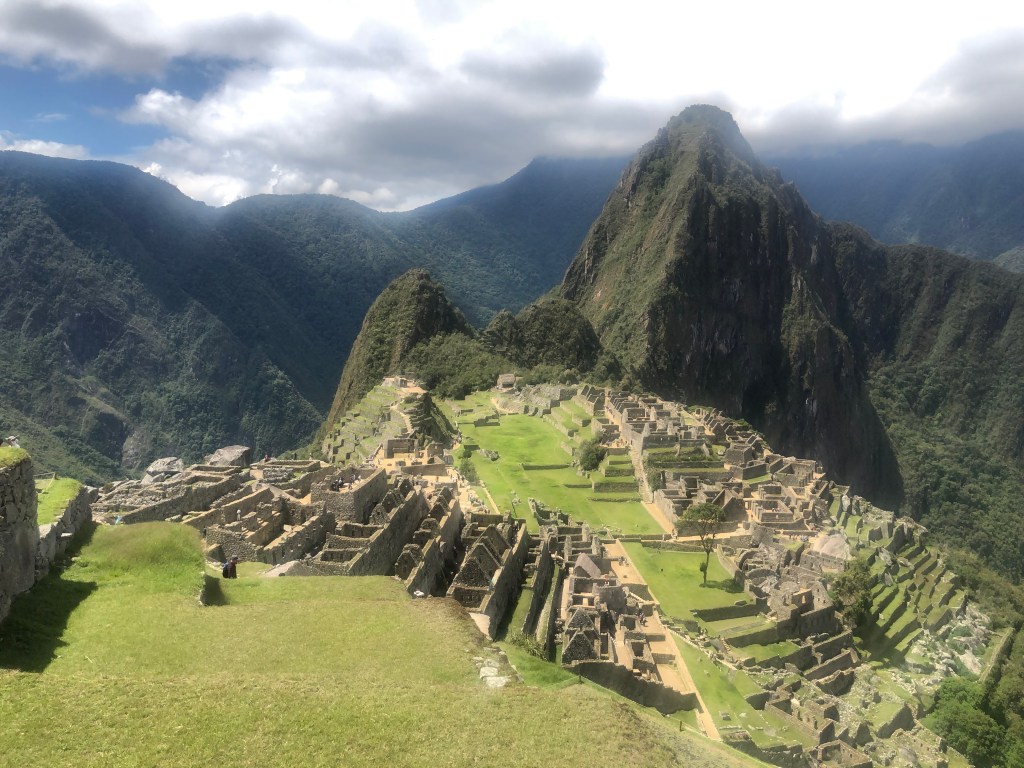
Machu Picchu-The lost Incan city : Considered as one the modern seven wonders of the world, Machu Picchu is the one of the most visited destinations in America. The city was rediscovered by Hiram Bingham in 1911 and has about 196 tourist spots. We hired a guide at the entrance (negotiate the price before hiring) and she took us all the important sites.
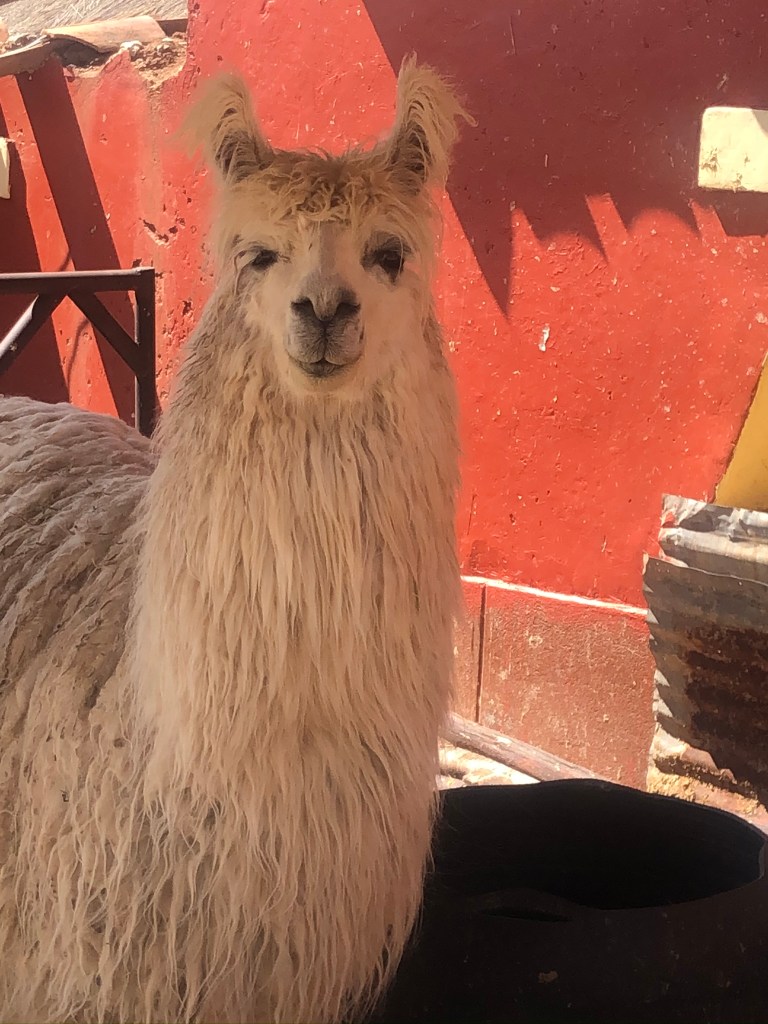
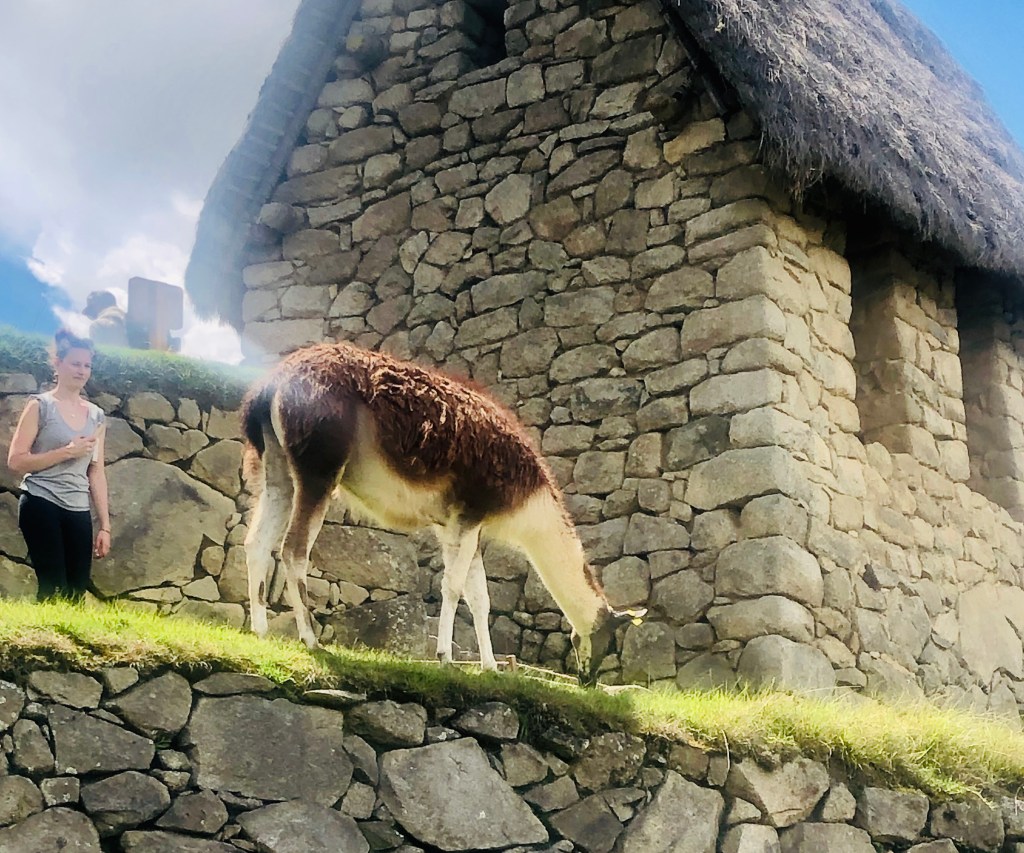
Guard House or watchman’s hut– After entering the city, this is the first site you will see. This is the perfect place to get a fantastic view over the whole city and take the panoramic photos. You will see Llamas/Alpacas roaming freely around here .
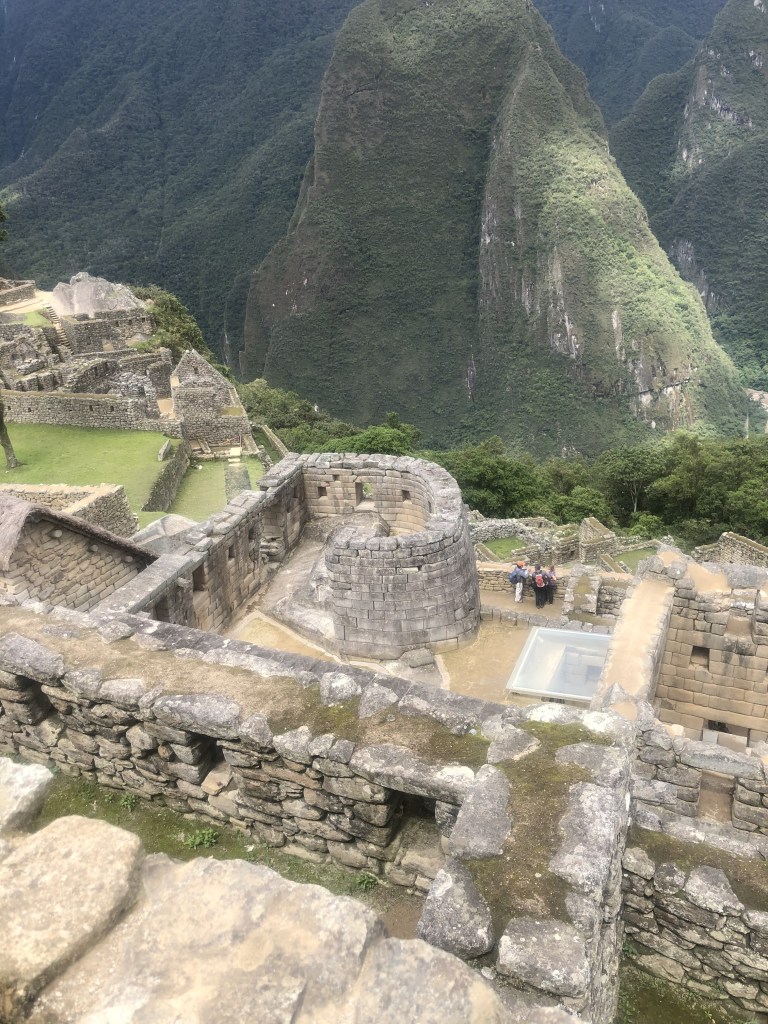
- Temple of the Sun-This is a semi-circular structure and during the summer solstice, the sun shines through a temple window and aligns with both the boulder within and the tip of a nearby mountain peak. Another Incan ingenuity and marvel.
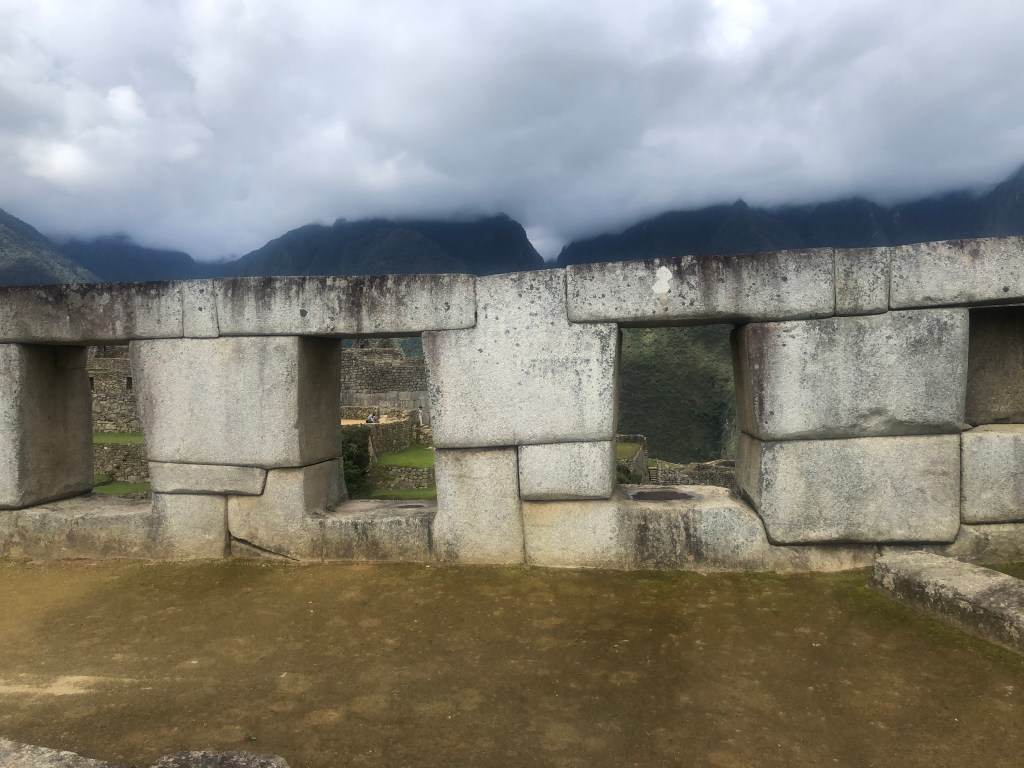
- Temple of the three windows, the windows of the universe– Originally built with 5 windows, only 3 of them remain now. These 3 windows represent each part of the world: The underground (Uku-Pacha) the heaven (Hanan-Pacha) and the present or the actual time (Kay-ok Pacha). These windows also represent the rise of the sun
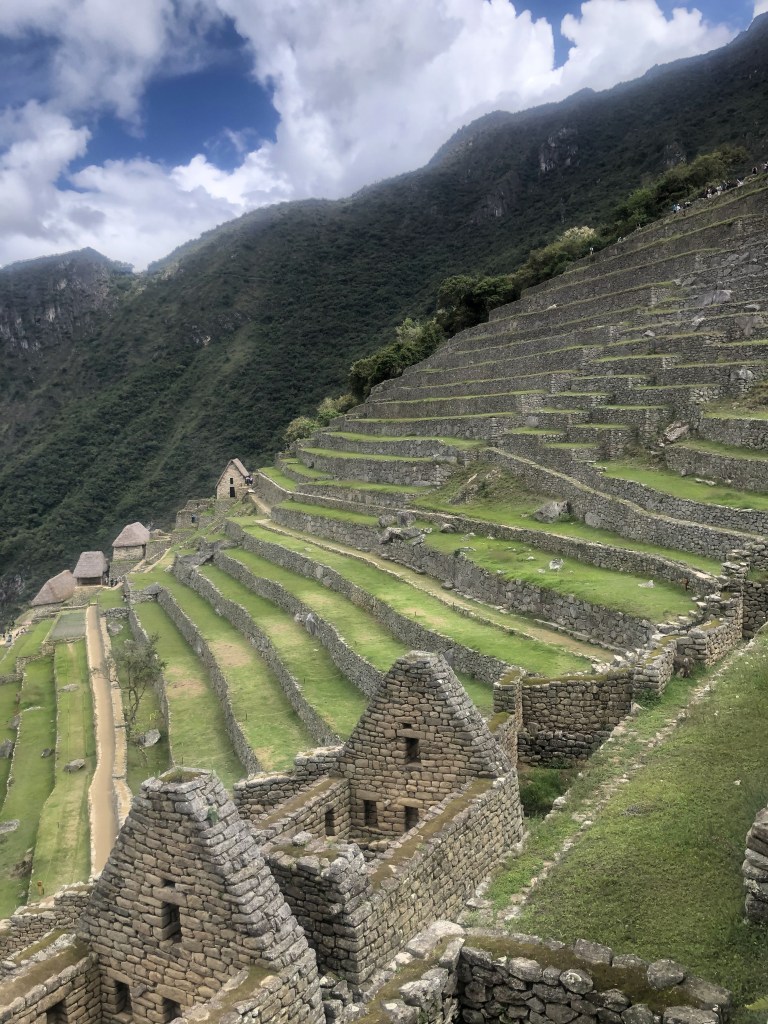
- Terraces : Terraces used by the Inca to grow food for people living in the urban area.
- Main Gate of the City: The main gate is a stone doorway that separates the agricultural sector from the urban sector. The main gate frames Huayna peak perfectly as Incas valued framed views of the surrounding mountains, taking great measures to align doorways and window to these surroundings.
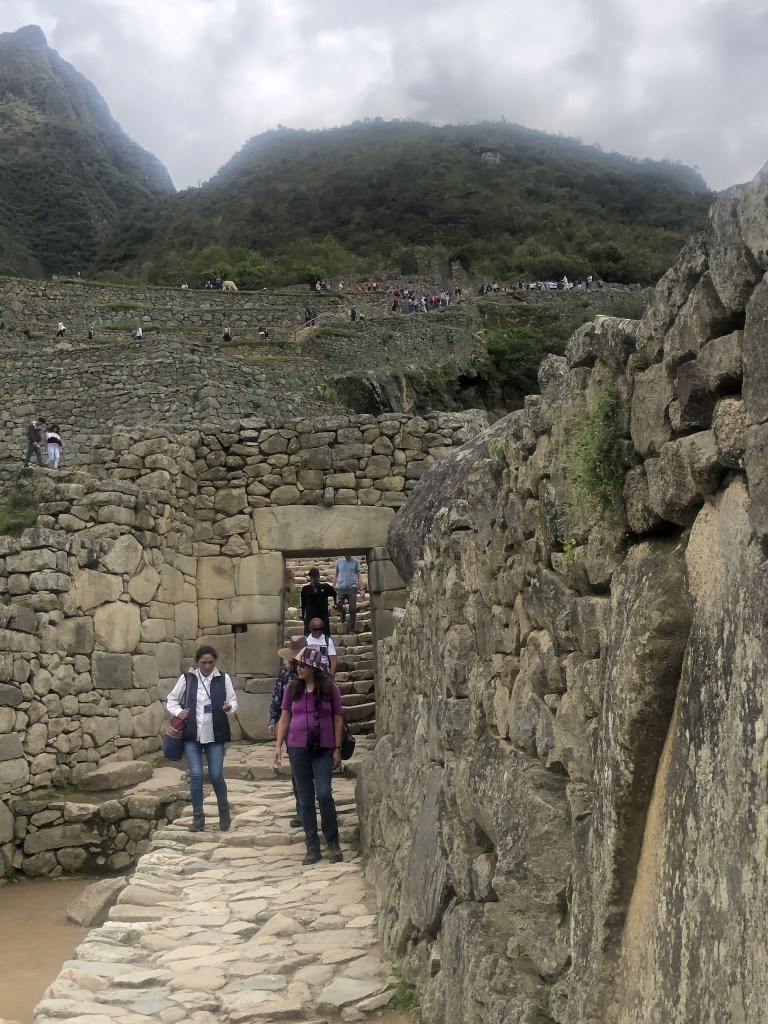
Like Ollantaytambo ruins, one of the amazing things about Machu Picchu is the engineering feat that was achieved as these buildings were built without use of mortar. The rocks are perfectly cut and aligned together and have stood the test of the time and earthquakes.
Day 5 : Pisac and Cochahausi Animal Sanctuary
After a long day 4, we checked out our hotel in Ollantaytambo and travelled to Cusco via Pisac. Pisac has its own charm and has ruins that are well preserved and a world-famous Sunday market. By day 5, kids were getting bored of seeing ruins and after seeing olly and Machu Picchu, this was little bit of letdown. My suggestion would be to pick 2-3 ruins and skip the rest as it becomes very redundant.

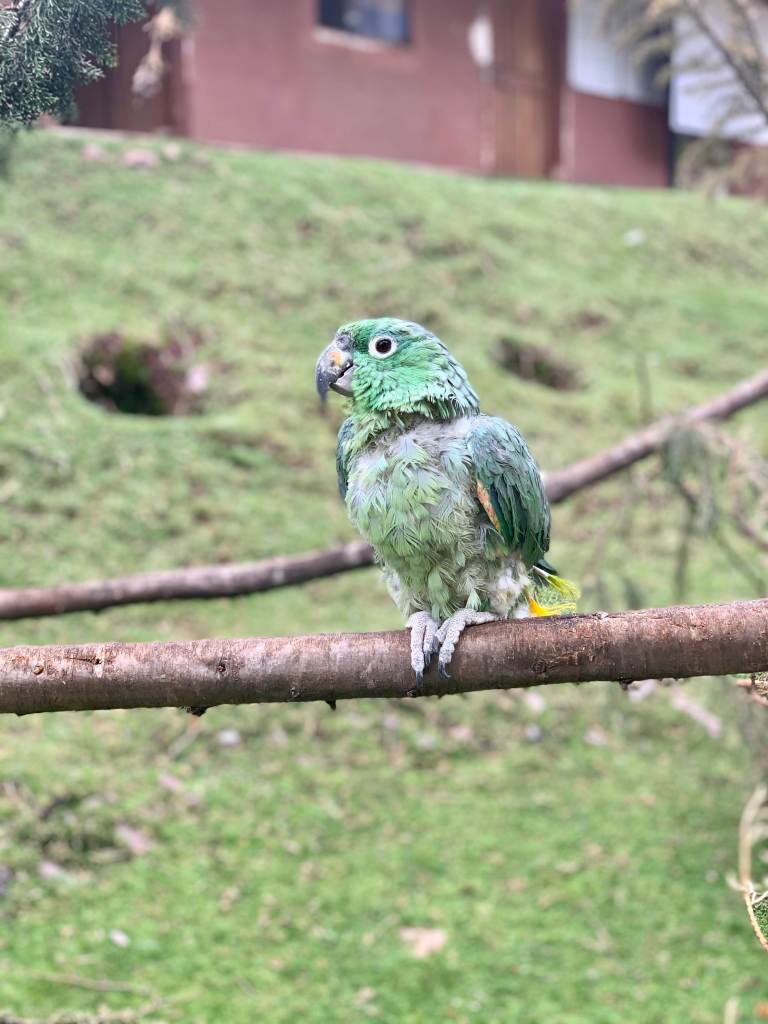
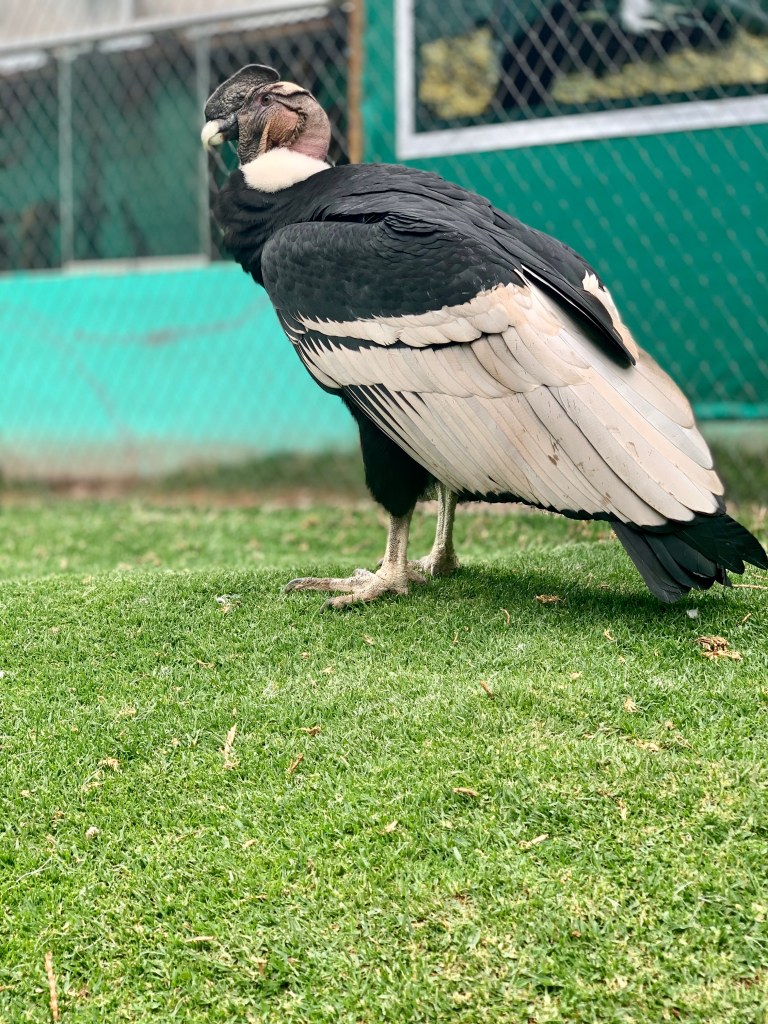
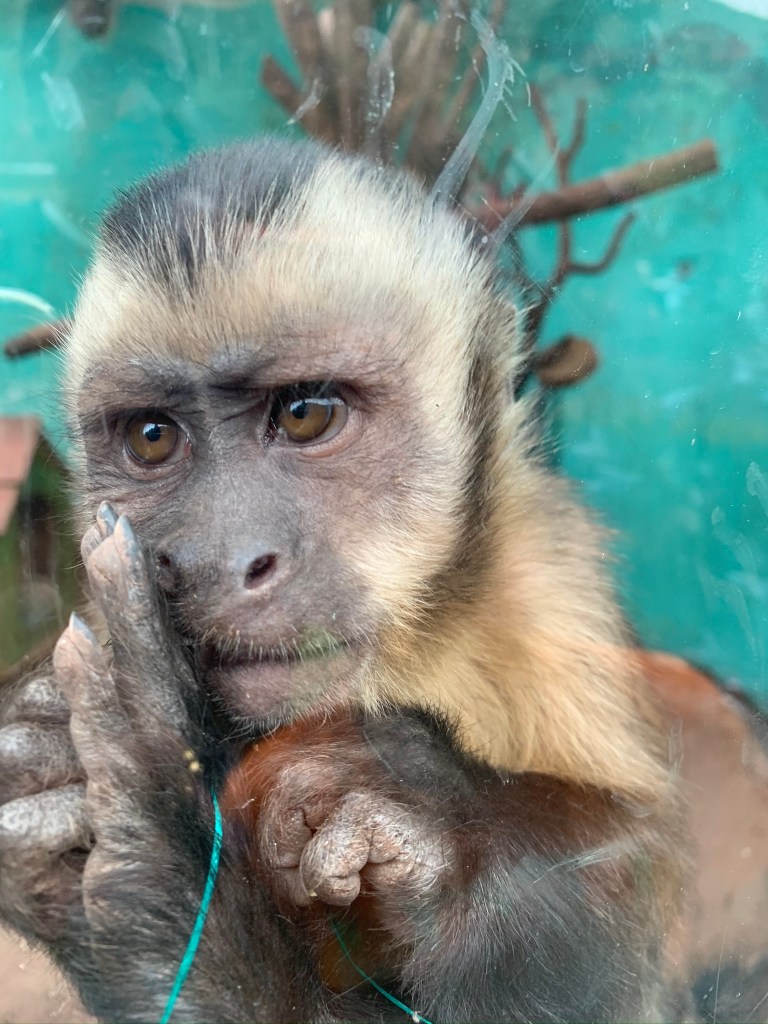
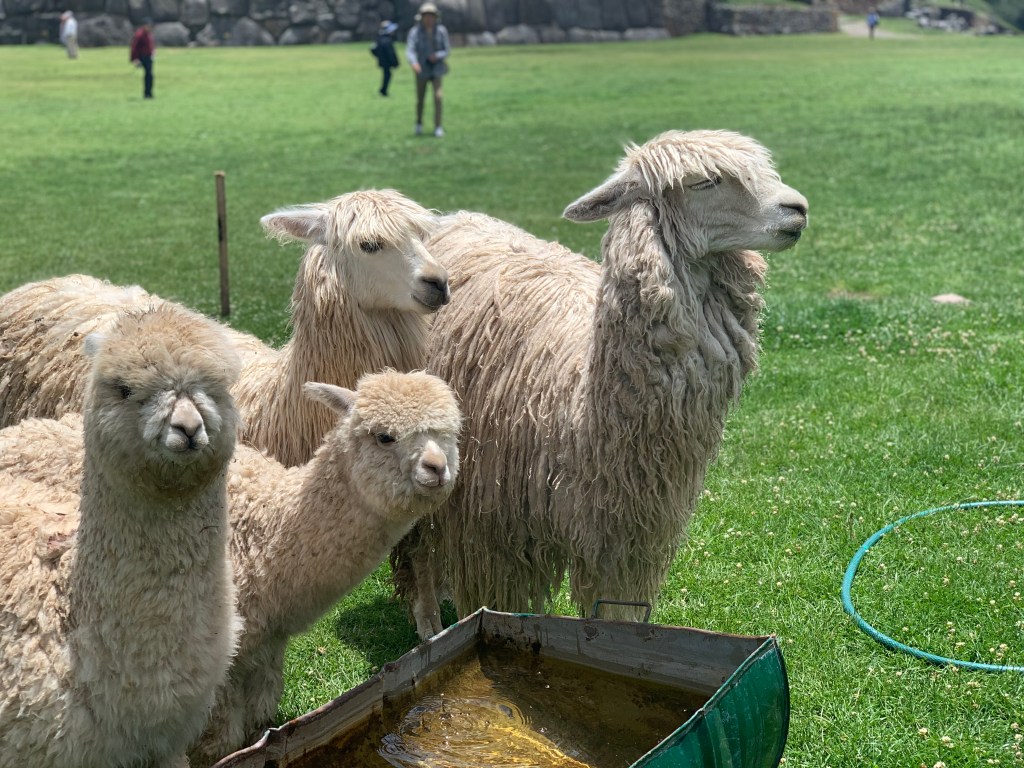
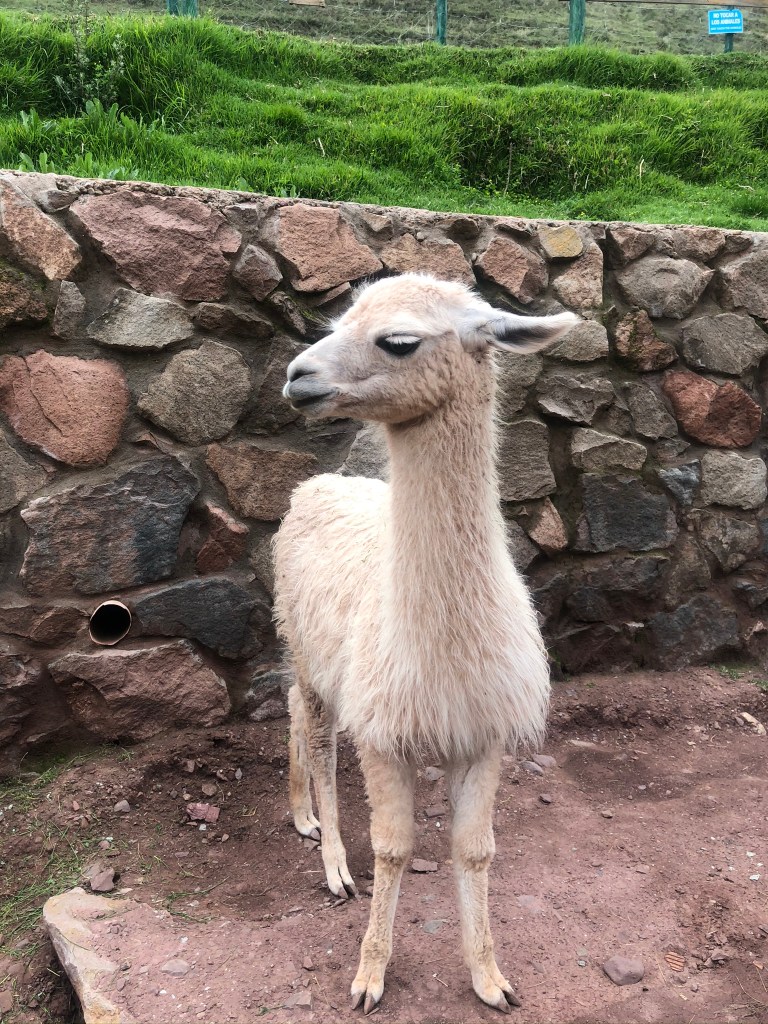
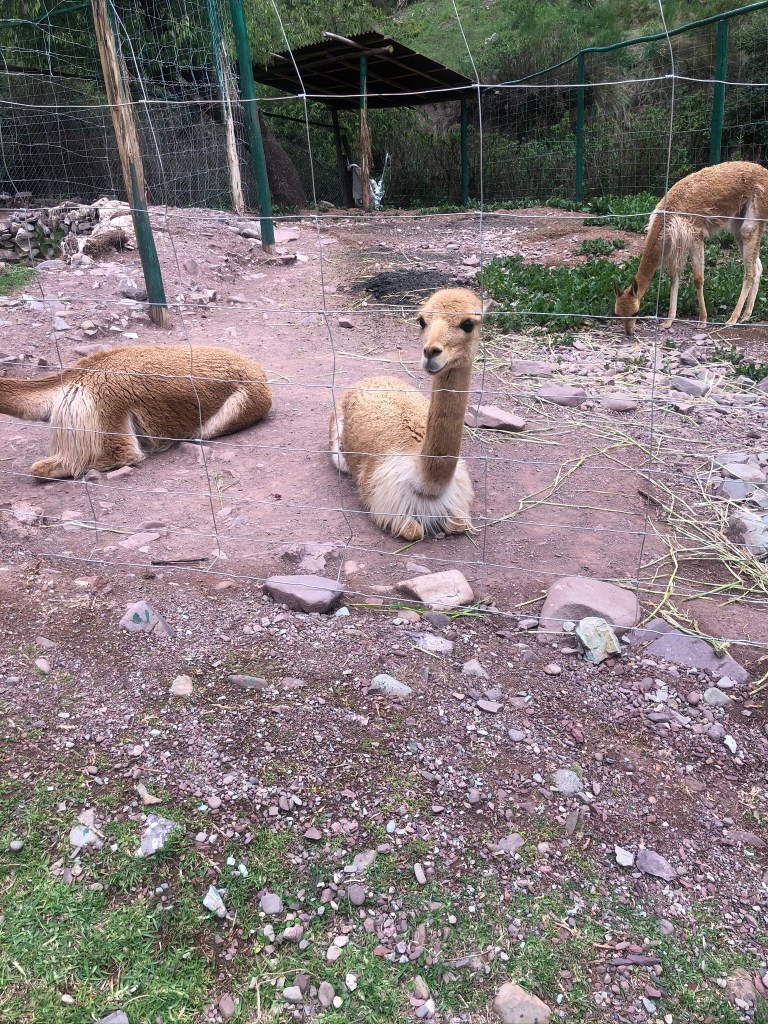
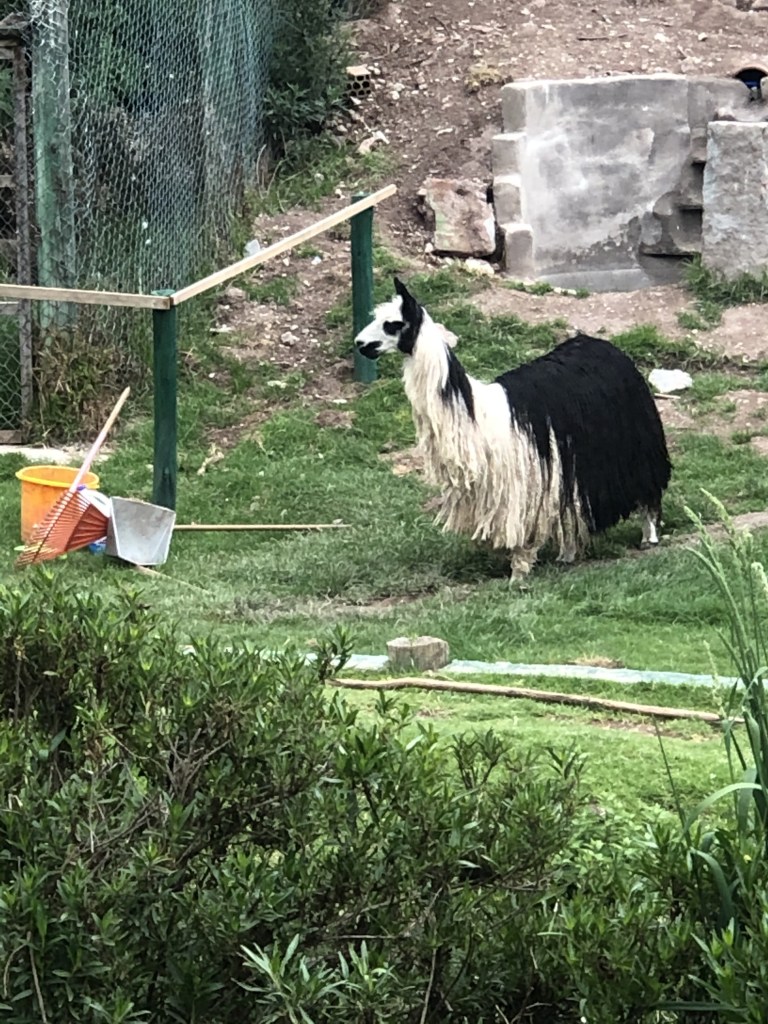
Next stop on the way to Cusco was the Cochahaui Animal Sanctuary (https://www.santuariocochahuasi.com/) and this was a super duper hit with the kids and adults. We got to see lot of rescued animals and spent a fun morning here and would highly suggest visiting this place.
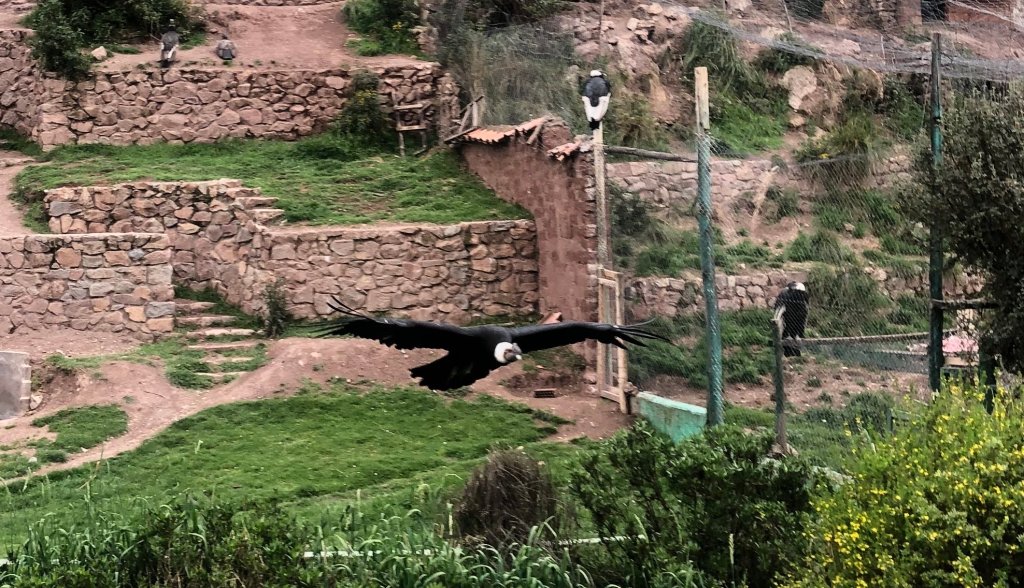
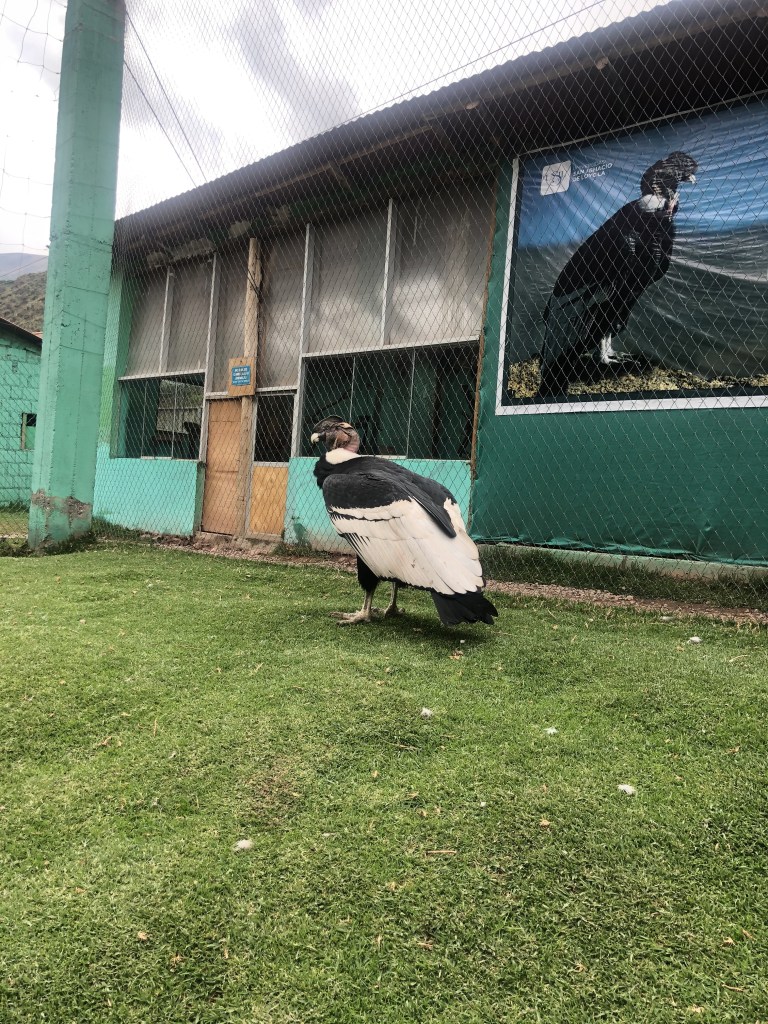
Day 6 : Cusco and Ziplining
We decided to make an easy day today and started the day off with zip lining with Cusco Zipline. The activity takes place about 35km (or 22 miles) outside of Cusco, in the village of Racchi. This village is located in the Sacred Valley region and you will get to go through the ravines, river, and canyons. This was lot of fun and highly recommend this activity to anyone.
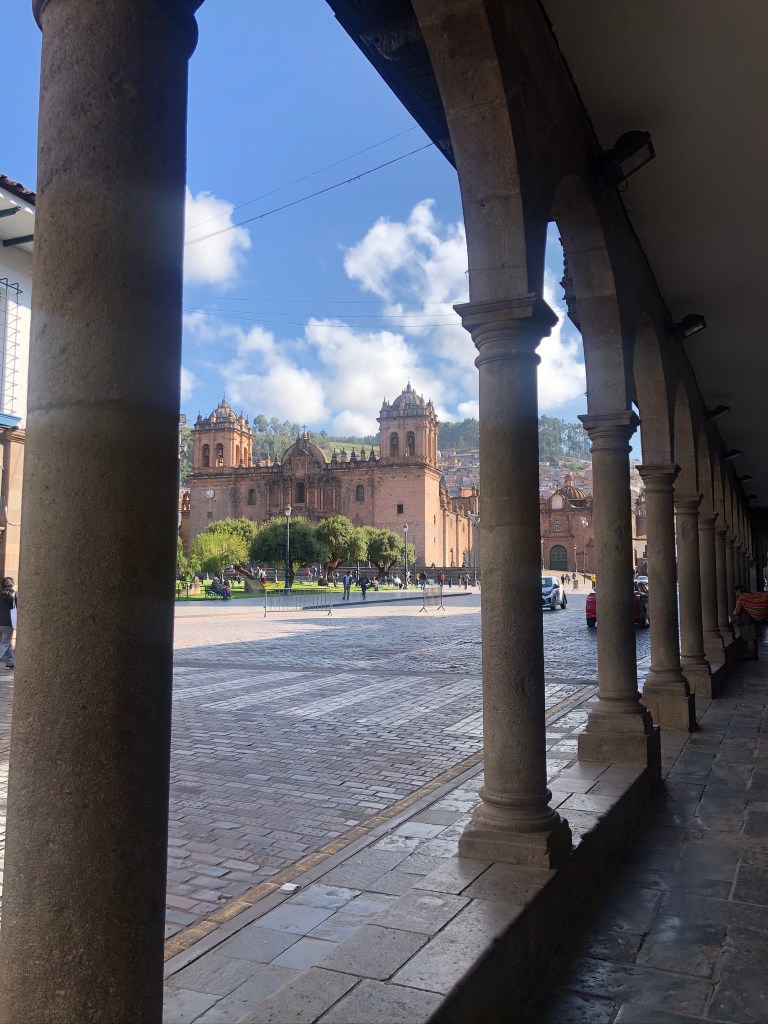
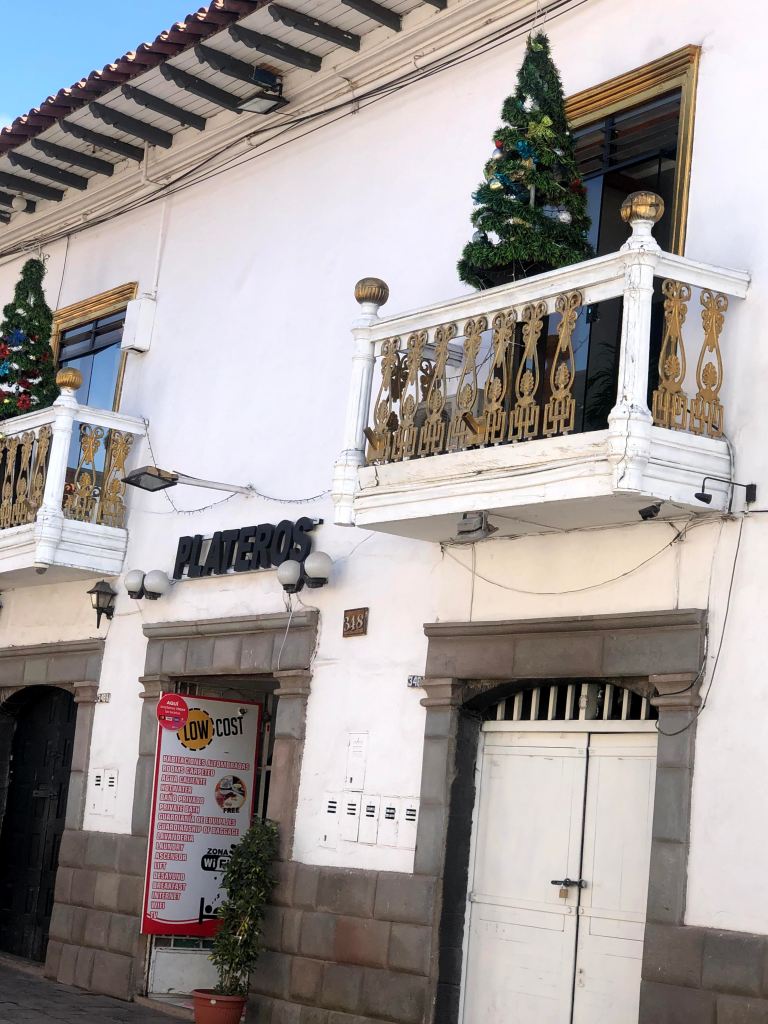
Rest of the day we spent in Cusco walking around Plaza de Armas and eating lunch at this plant based Peruvian cuisine- The Green Point. Vegetarian/vegan are not, this place has amazing food and drinks and I highly recommend trying this place out. Plaza de Armas is vibrant place with wide stone pathways and home to 2 important buildings- Cusco Cathedral and Jesuit Iglesia de la Companía de Jesús. Other fun things do is to have coffee or pisco sour on one many restaurants around the plaza that overlooks into the plaza. There are lots of vendors selling anything from Alpaca wool, day trips, to massages. Getting Peruvian massage is a good way to spend the afternoon after climbing all those ruins for past 4-5 days. Check this blog out for fun things to do around the plaza de Armas in Cusco and you can easily spend a day walking around here.
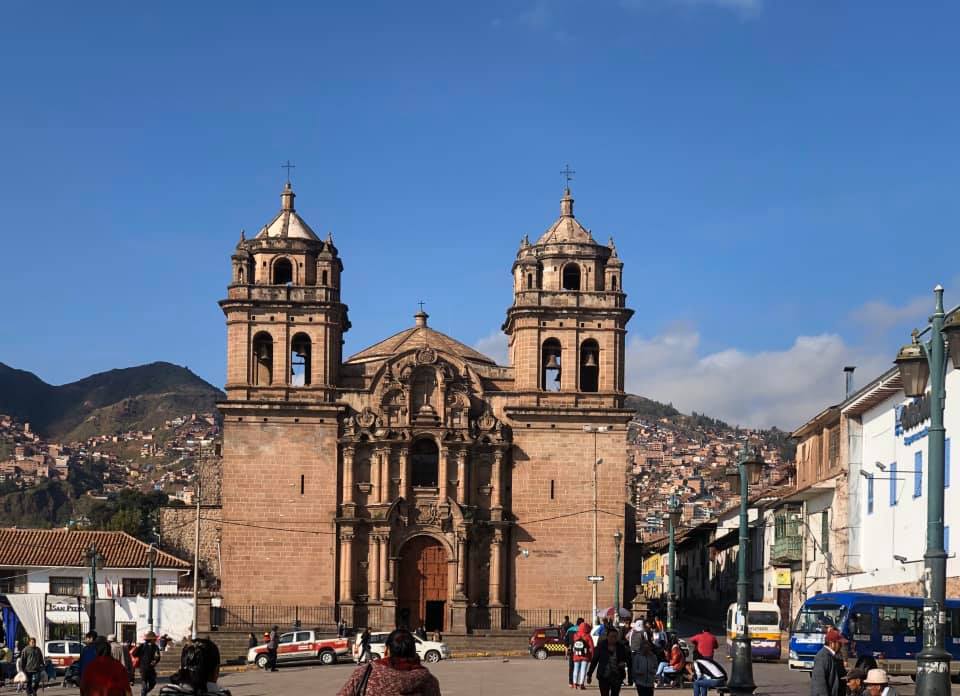
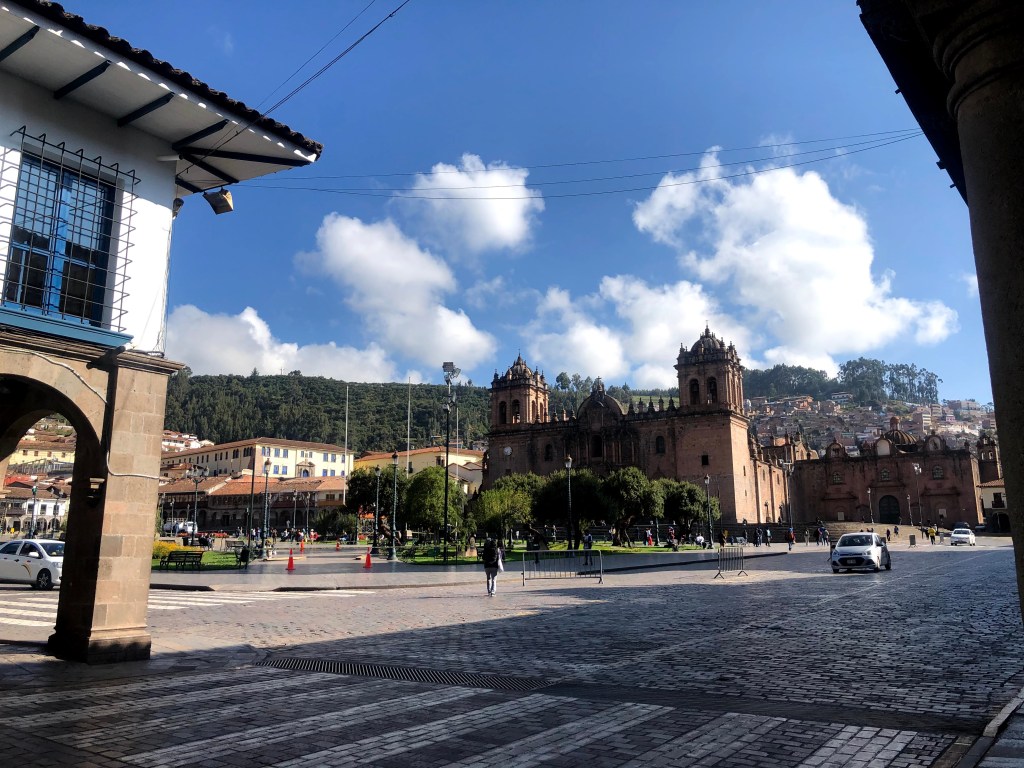

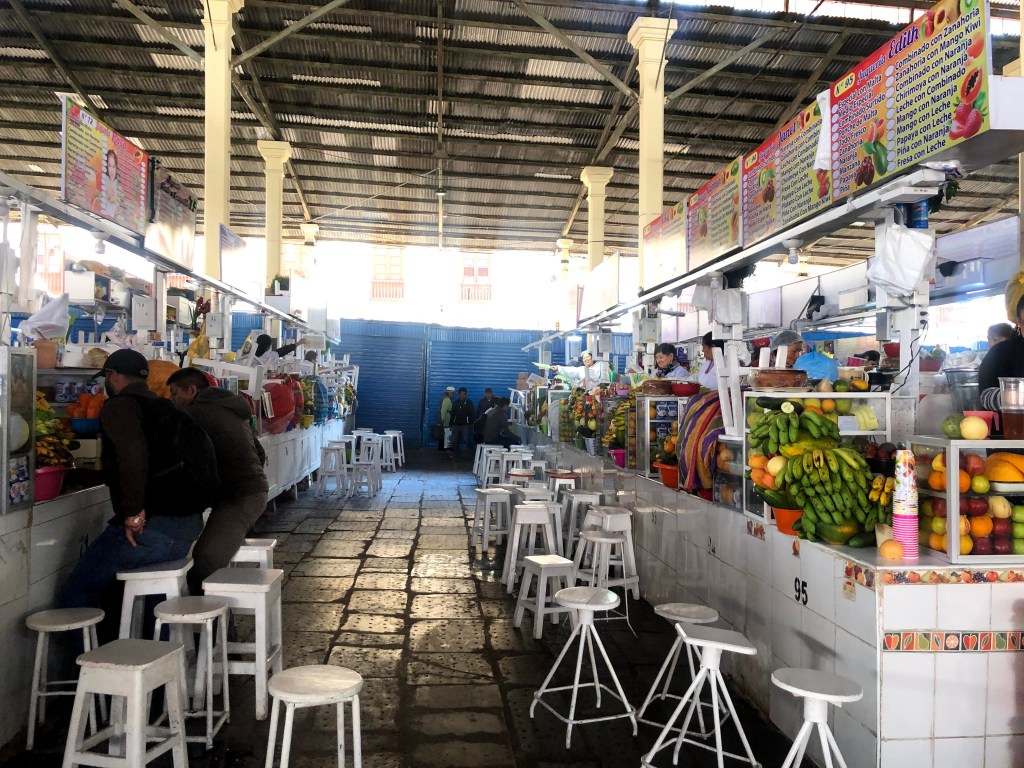
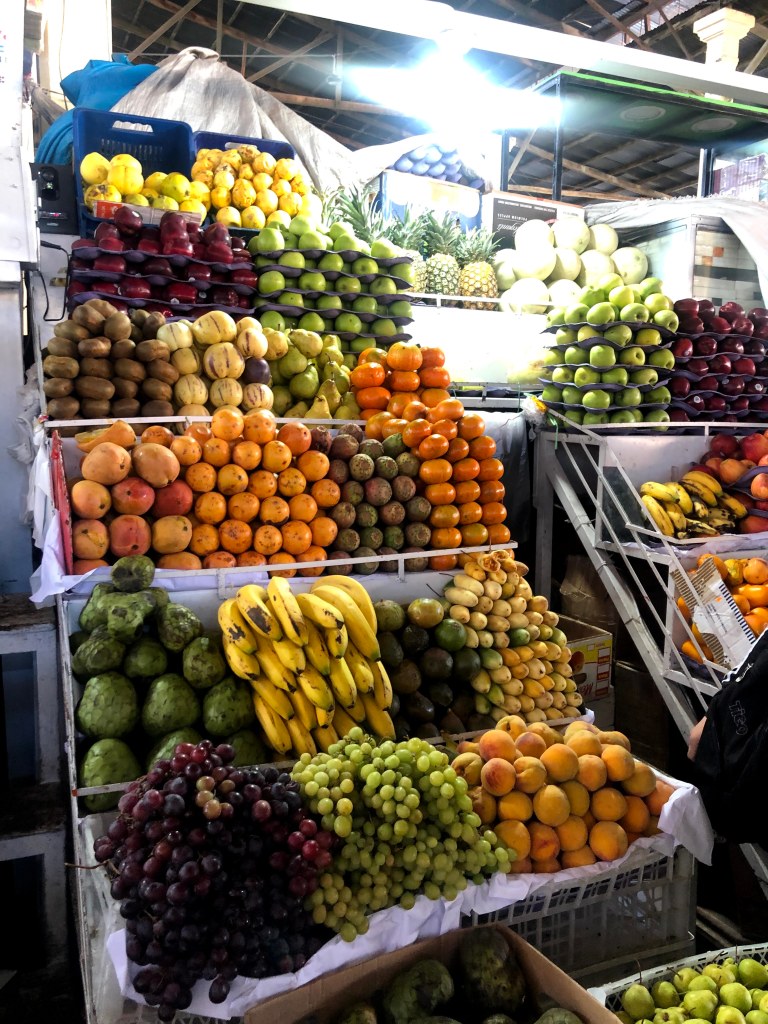
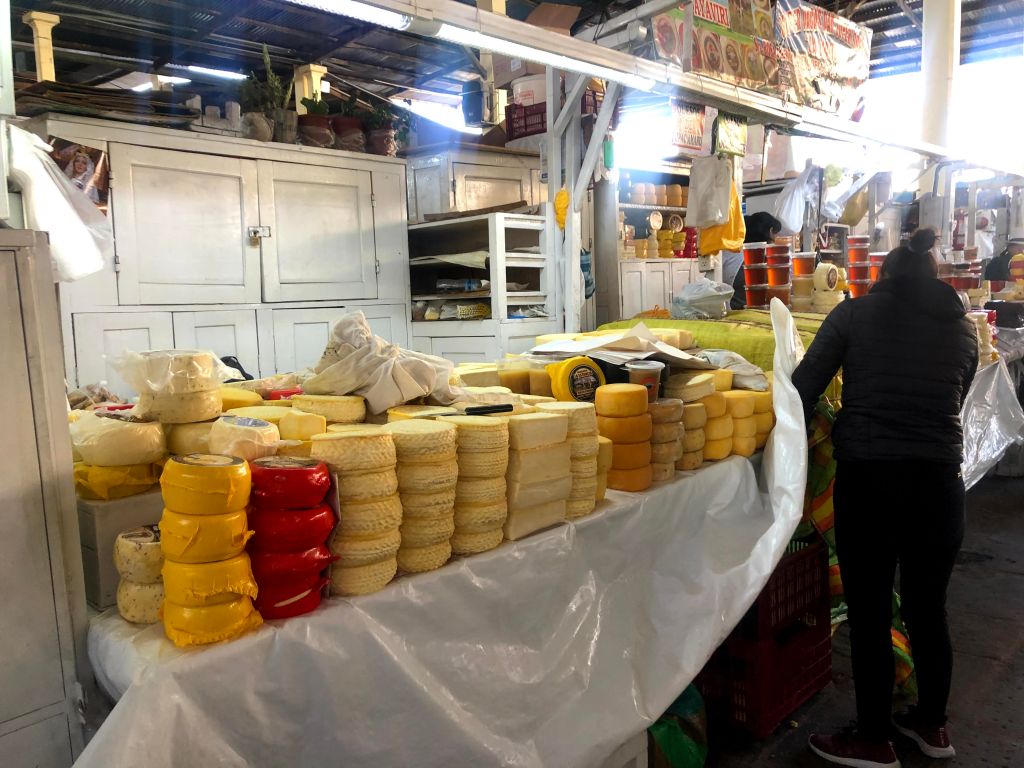
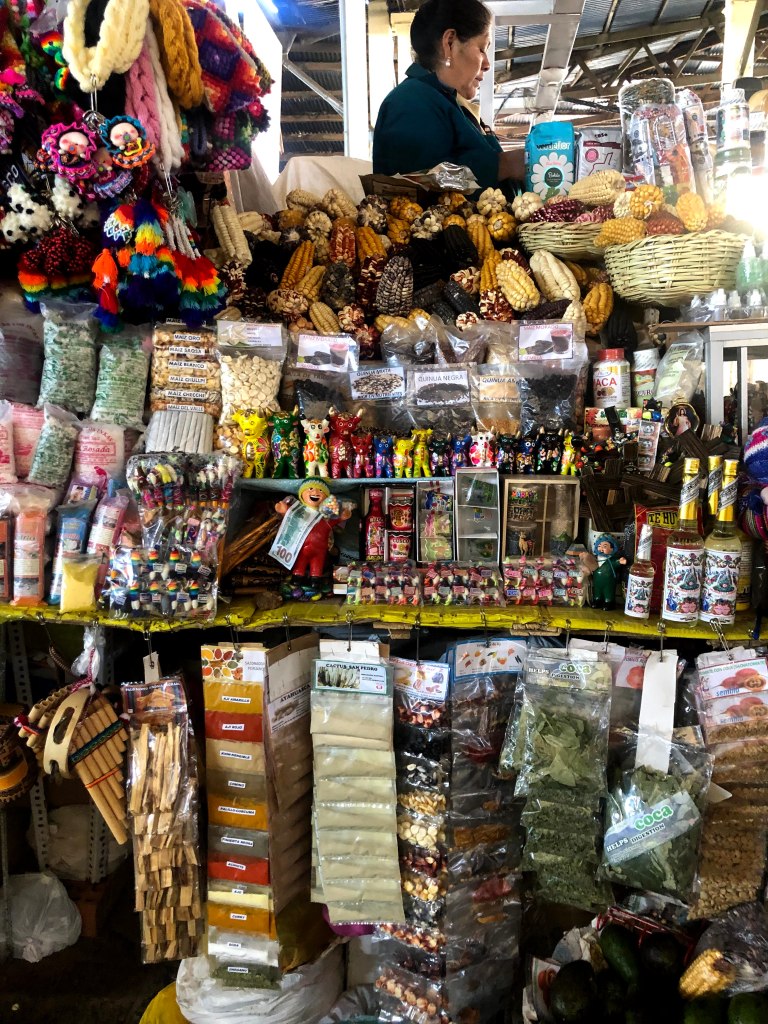
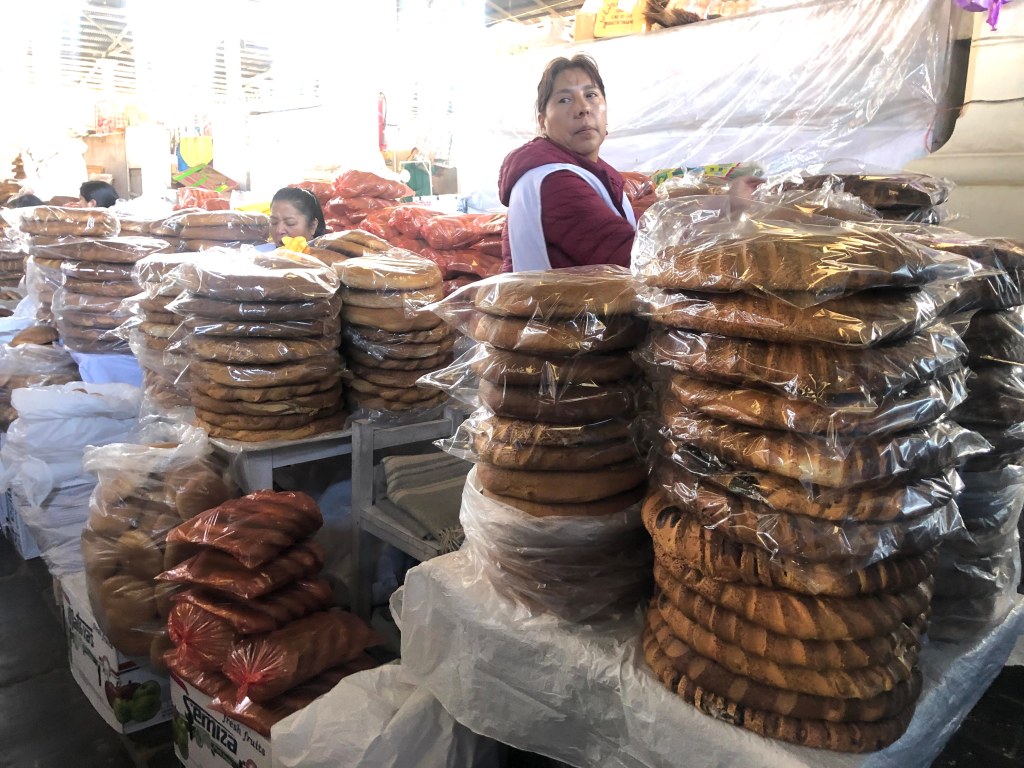
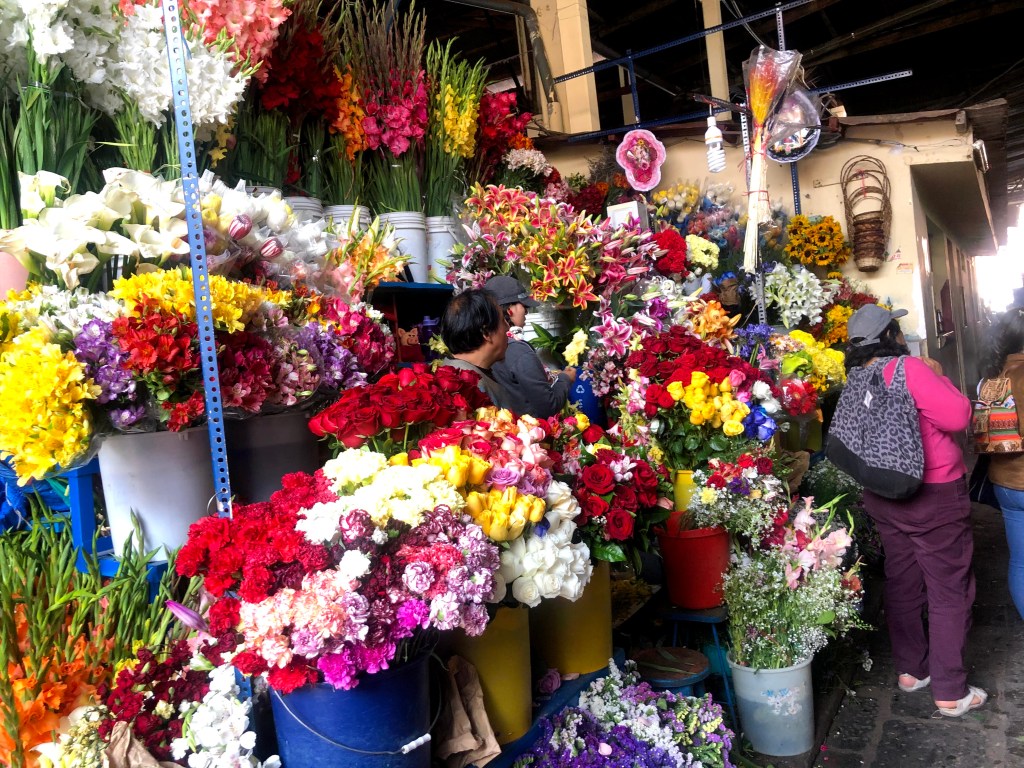
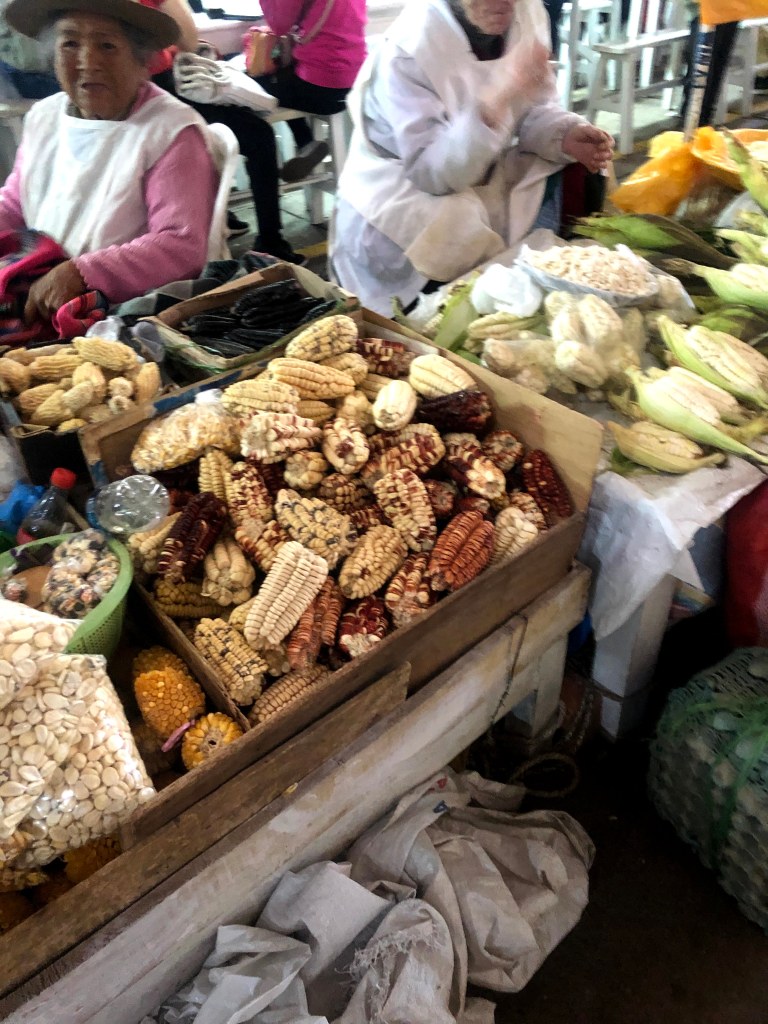
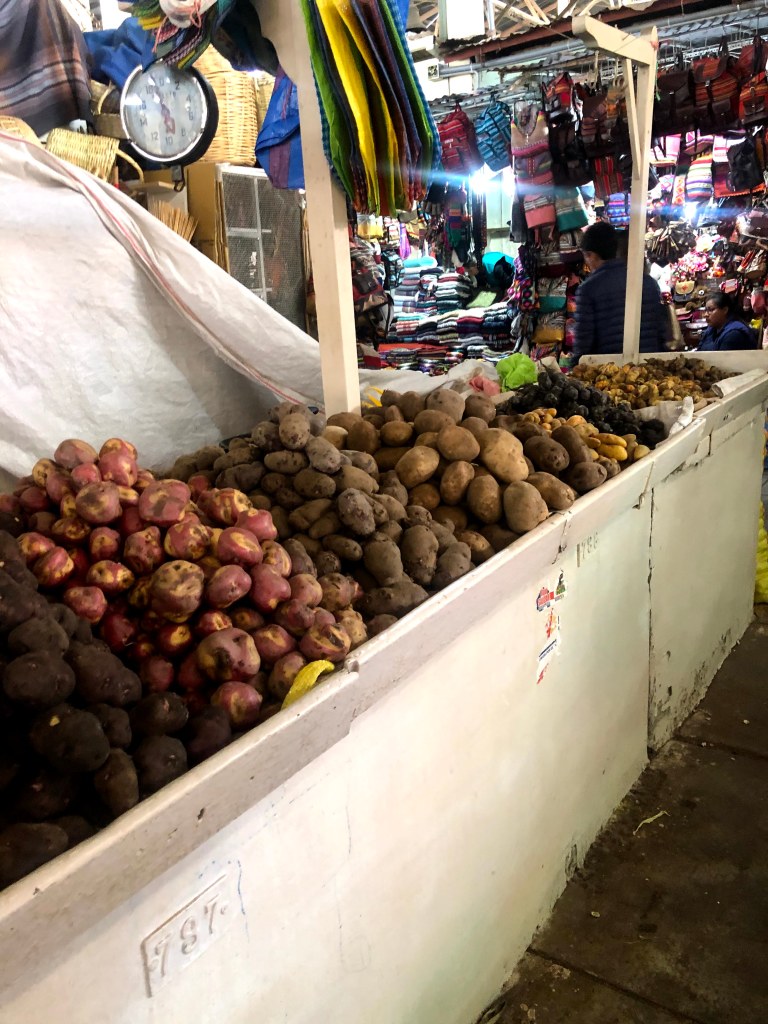
Another fun thing to do near Plaza De Armas is the San Pedro market. I went early in the morning and had fun time watching people set up their shops. It’s a local market with row of stalls selling bread, meat, cheese, Peruvian art and crafts. This is a good place to buy any wool or other Peruvian stuff but remember to bargain.
Day 7: Cusco and Tipon
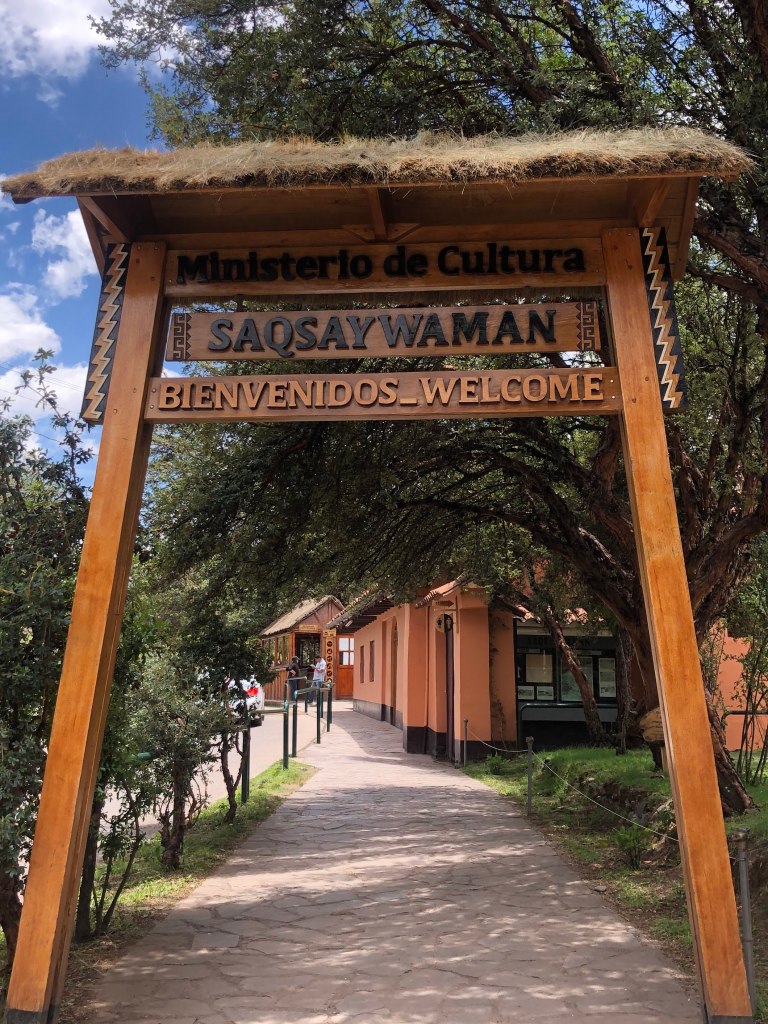
This is our last day in Cusco and Peru, and we decided to spend the day by visiting Sacsayhuaman (humorously known as Sexy Woman) in Cusco. It is not too far away from Plaza De Armes and great way to spend 1/2 day. By day 7, kids were really tired of going to see ruins and were not very keen on seeing one more ruin, but Sacsayhuaman had so many Ilamas’ roaming around the grounds, it made them happy. Please refer to my travel guide on my take for visiting Incan ruins. After seeing a few, they will all start to look the same and I would suggest picking 3 to 4 ruins that are unique and different from each other.
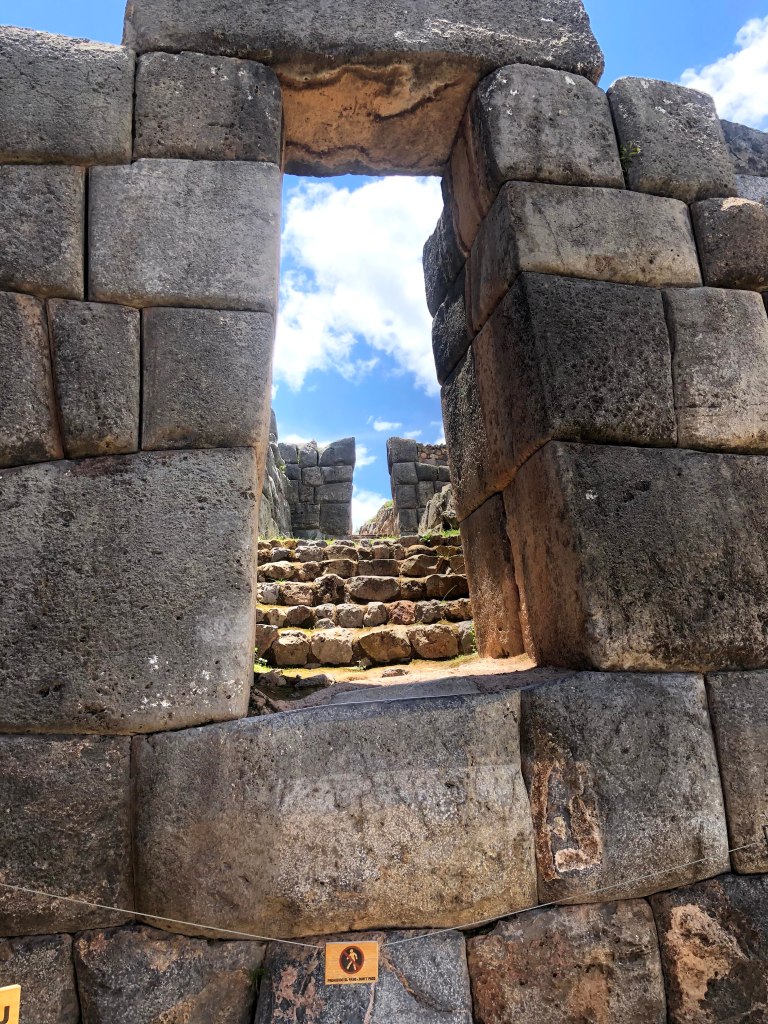
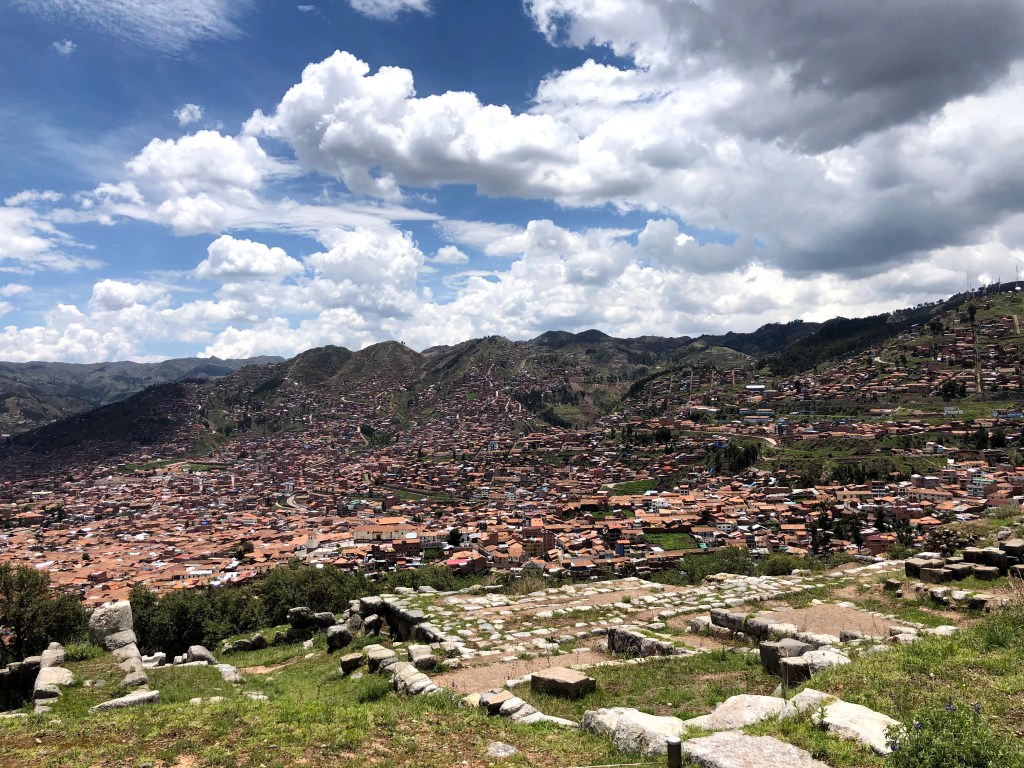
Sacsayhuaman is an Incan fortress and best thing to do here is to freely roam the area seeing the plazas, altars, doorways, steps, wall, terraces, towers, aqueducts and giant boulders. You will get a really nice view of Cusco town and admire the Incan architecture and engineering

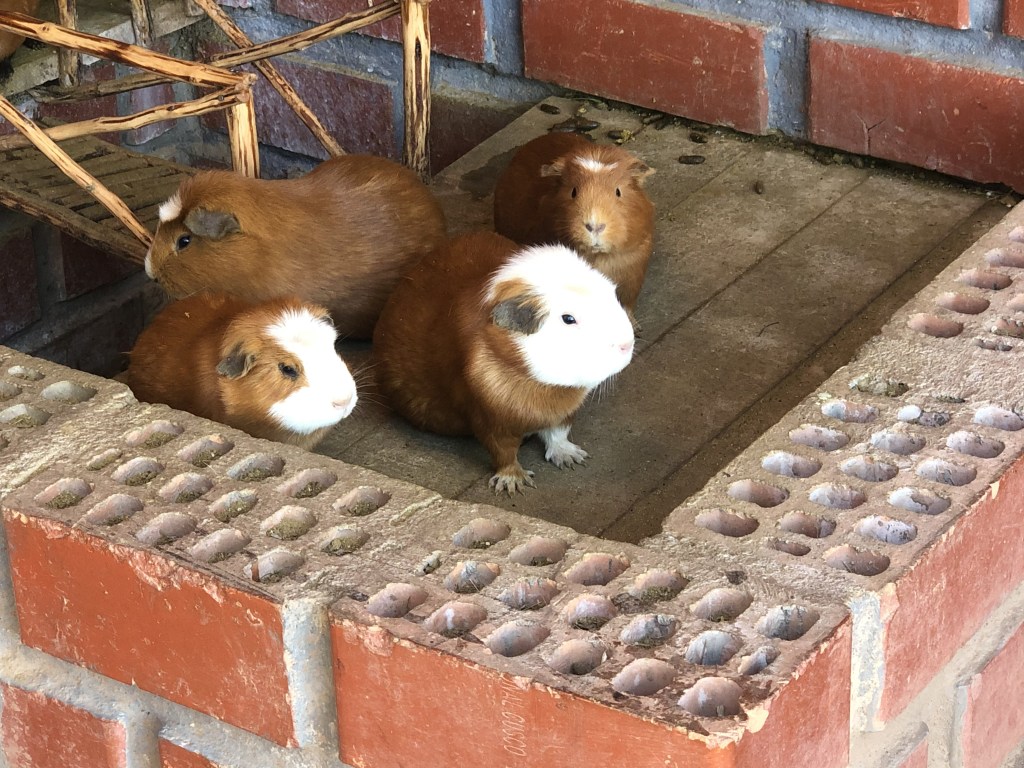
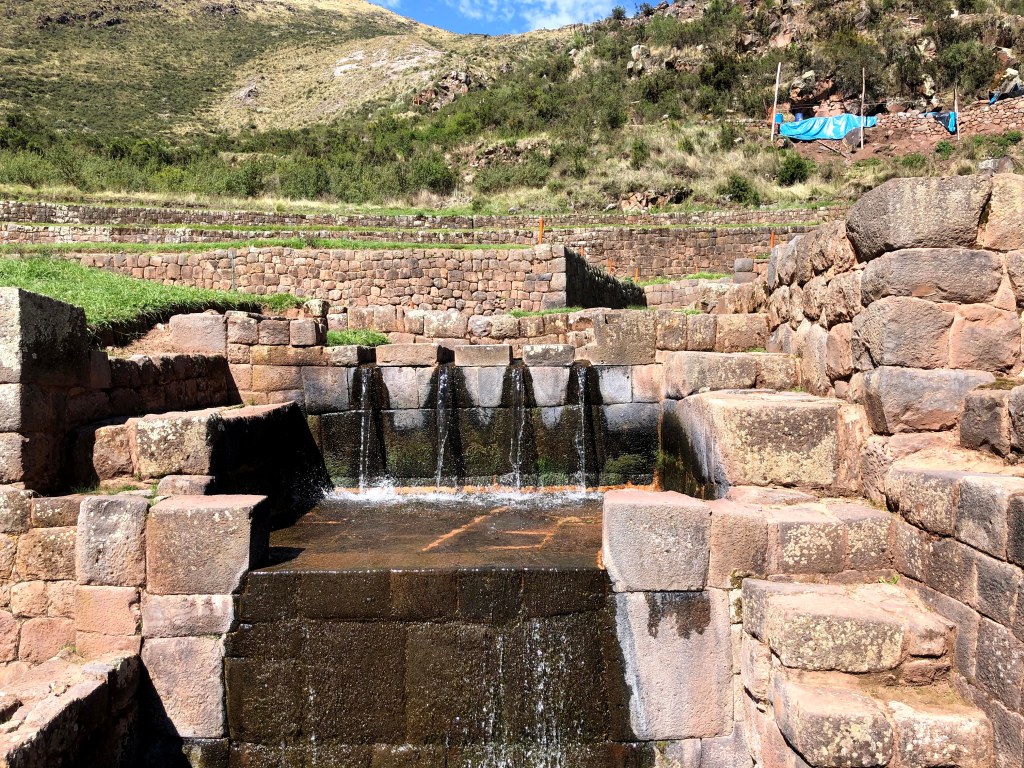
Tipon- Tipon is about 22km from Cusco but with traffic felt like it was 100 km away. Tipon ruins are one of the most intact irrigation systems in the Inca world, and you can see the ingenuity of the Incan engineering with canals and fountains that are being fed by melting ice from the top of the mountain. You can spend half a day to full day here depending on your interest, but we spent only couple of hours as everyone was tired of seeing ruins. This site is definitely unique, and you will probably appreciate more if you haven’t already seen other Incan ruins. One thing that stood out for me with this site visit was it felt so far away from Cusco, and we couldn’t get any vegetarian food. There were plenty of restaurants serving fried Cuy and if you want to try this Peruvian delicacy, this will be a good place. We landed up buying Fruit cake, chips and other snacks from a roadside store and ate it as lunch. For more detailed description of the place and what you can do here check out this blog as I feel like we were so tired by the end of our trip that I took only 1 photo of this place and wouldn’t do justice this place.
Final thoughts:
- 7 days is enough time to spend in Peru if you are planning to see the most amazing Incan ruins.
- You can either make Cusco or Ollantaytambo/ Urubamba as your base and do this trip as most of the places. Cusco is more vibrant city with various accommodations and if you plan to add Lake Titicaca and Puno/Uros- the floating Village (2 days trip) and Rainbow Mountain (day trip from Cusco, then Cusco is a better base. Machu Picchu is about 4 hours and can be done as a long day trip.
- Ollantaytambo is closer to Machu Picchu and lower altitude and hence better location to acclimatize to altitude and much quieter and cheaper than Cusco. Machu Picchu can be a day trip from Olly and if you are planning to do the Incan Trail to Machu Picchu, it starts in Olly.
- Please see the trip planning post to see different itinerary options based on our experience.
- Peru should be on your to-do list Culinary, Culture, and amazing Nature experience. Check my post about Food and Drinks of Peru here.
 Peaks to Palaces