** The title of the blog is from a book written by Susan Neider. This book a visual portrait of some of best thermal features of Yellowstone
Thermal Features
According to National Park Service’s there are 5 types of hydrothermal features in Yellowstone and it is pretty easy to see each one if you spend a day or two in Yellowstone. According to NPS, the five hydrothermal features are differentiated as:
- Hot springs: Pools of hydrothermally heated water.
- Geysers: Hot springs with constrictions in their plumbing, which causes them to periodically erupt to release the pressure that builds up.
- Mudpots: Hot springs that are acidic enough to dissolve the surrounding rock, and typically also lack water in their systems.
- Travertine terraces: Hot springs that rise up through limestone, dissolve the calcium carbonate, and deposit the calcite that makes the travertine terraces.
- Fumaroles: These hot features, also known as steam vents, lack water in their system, and instead constantly release hot steam.
Saphire pool
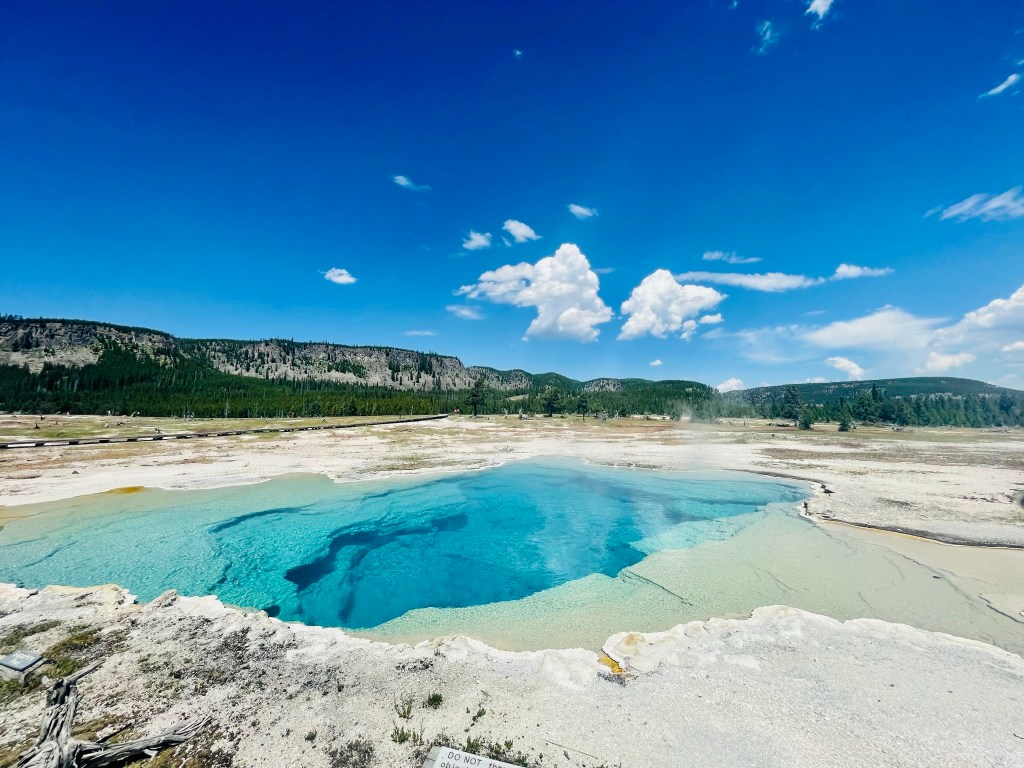
Often ignored by most Yellowstone visitors, Biscuit basin and its Saphire pool is worth a visit and one of my top recommendations for must visit places in Yellowstone. The thermal pools in Biscuit basin have the prettiest jewel colors and have pretty names like Black opal pool, Saphire pool etc. The Avoca Spring and shell geyser are worth seeing too.
Beryl Spring
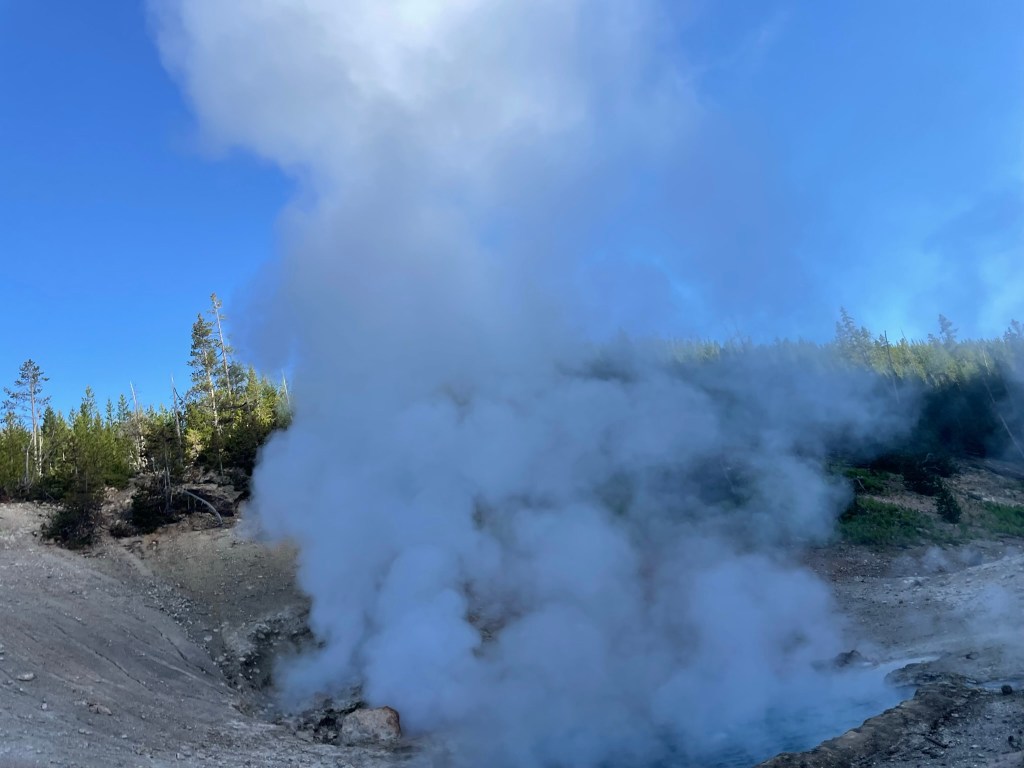
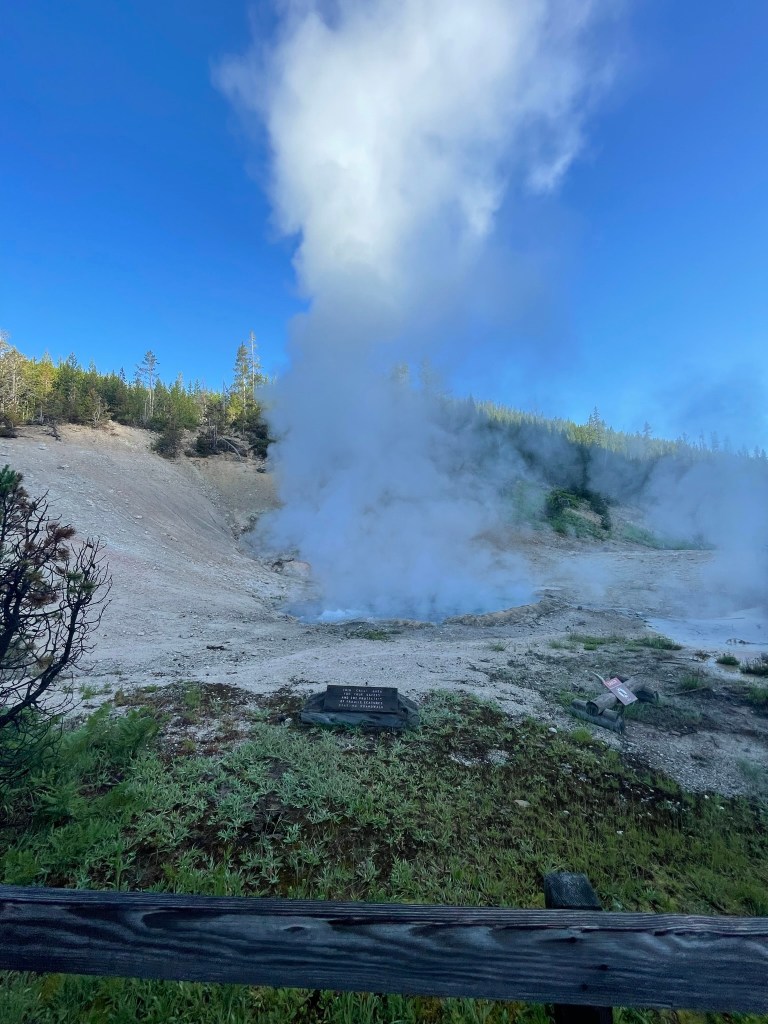
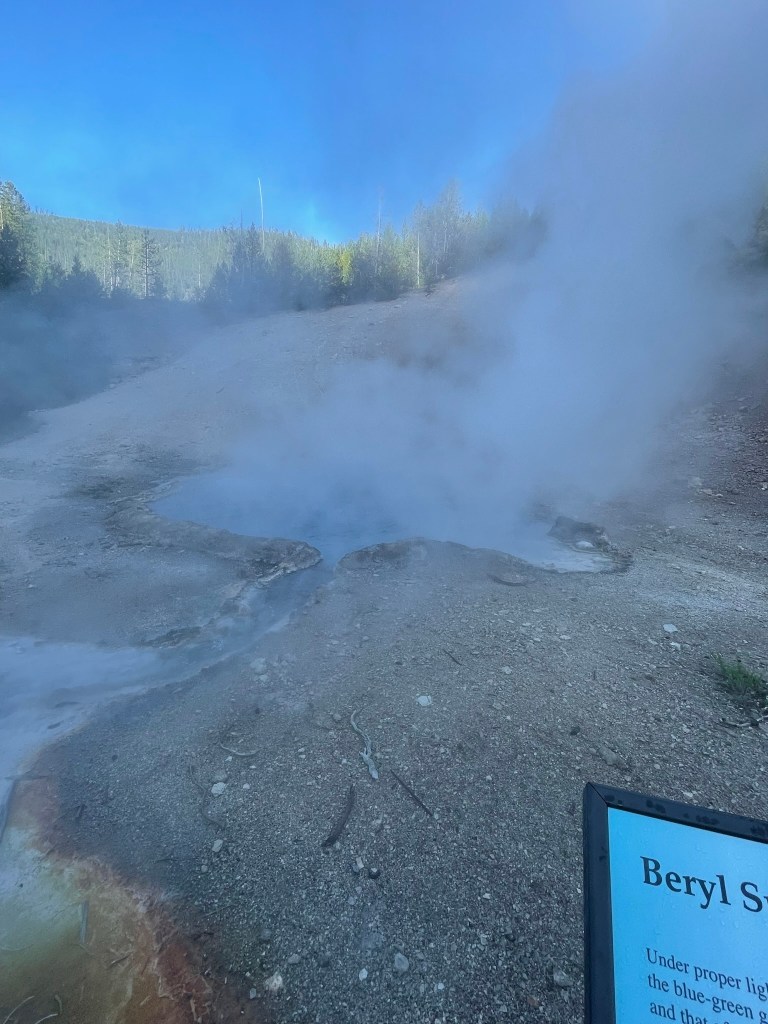
The first thermal feature that we stopped on our way to Midway Geyser basin is the Beryl Spring and it is conveniently located on the side of the road, and you can see the steam coming from it well in advance. This spring is named after Beryl gemstone as the water is blue-green color and is one of hottest thermal features in the park with temperatures reaching up to 196F/91C. The steam you see before reaching the spring comes from the vent sitting behind the spring and it sounds a like roaring jet engine.
Grand Prismatic Spring
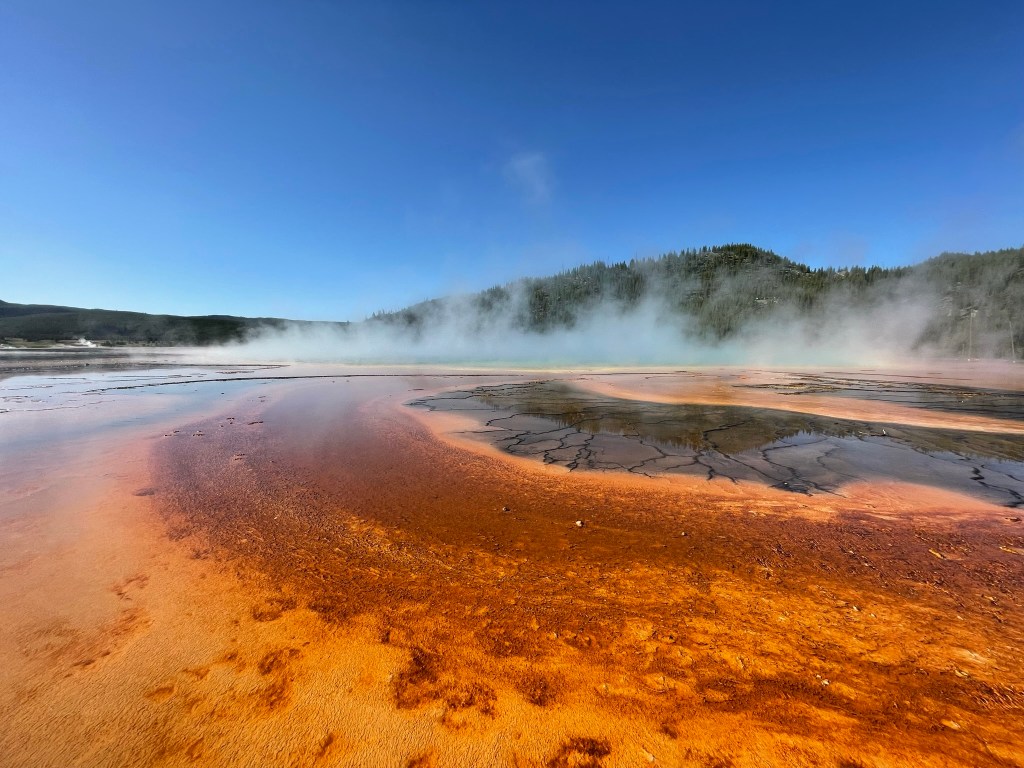
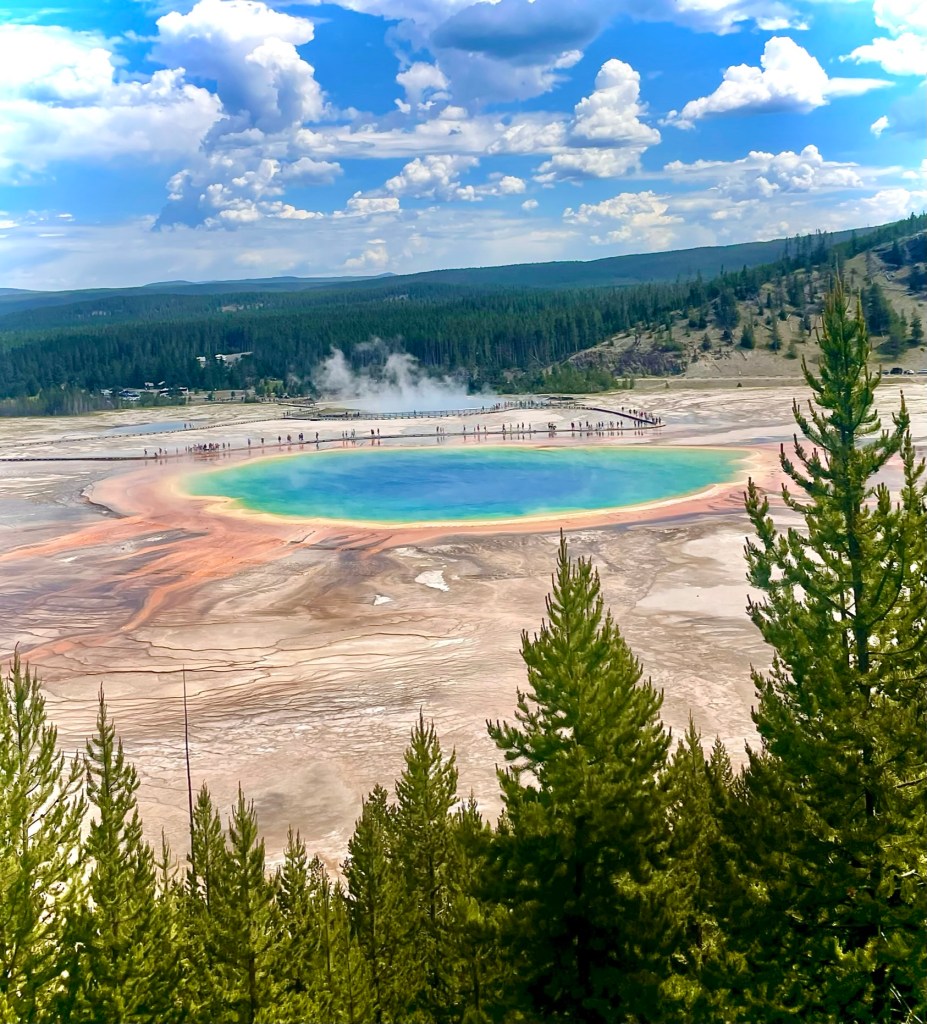
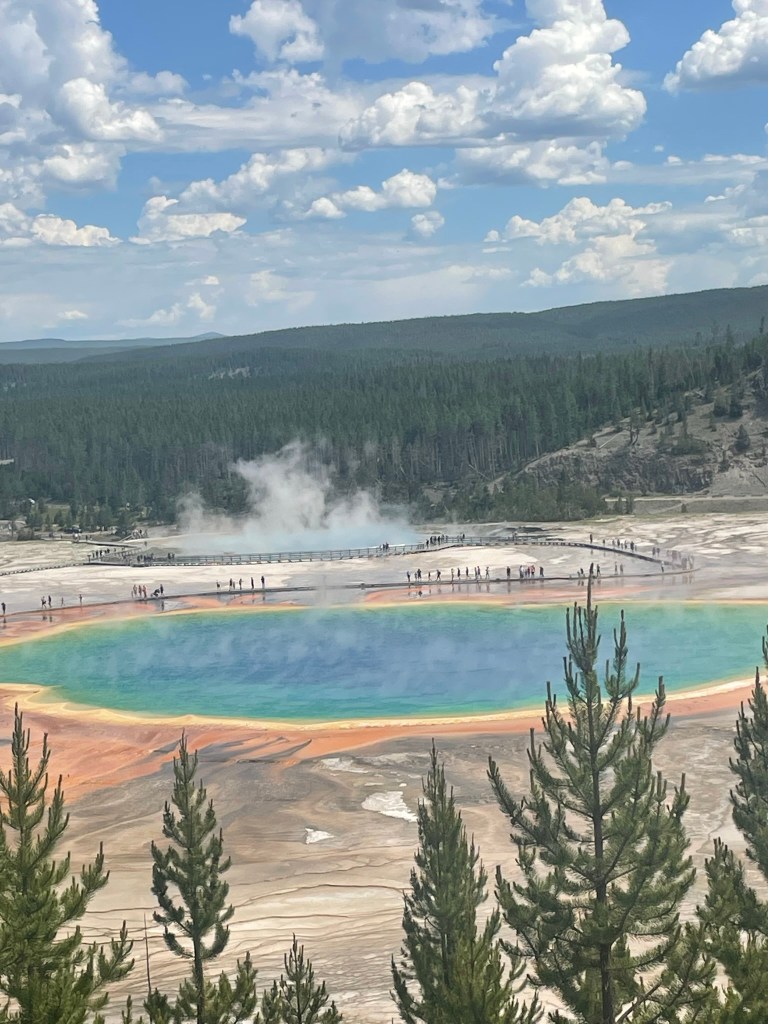
This is the most iconic Yellowstone hot springs with its red, orange, green and blue color and is the largest hot spring in the park. There are 2 ways to view this beautiful spot and we did both to appreciate a closer as well as from the overlook around noon where the colors are brighter without too much steam obstructing the view.
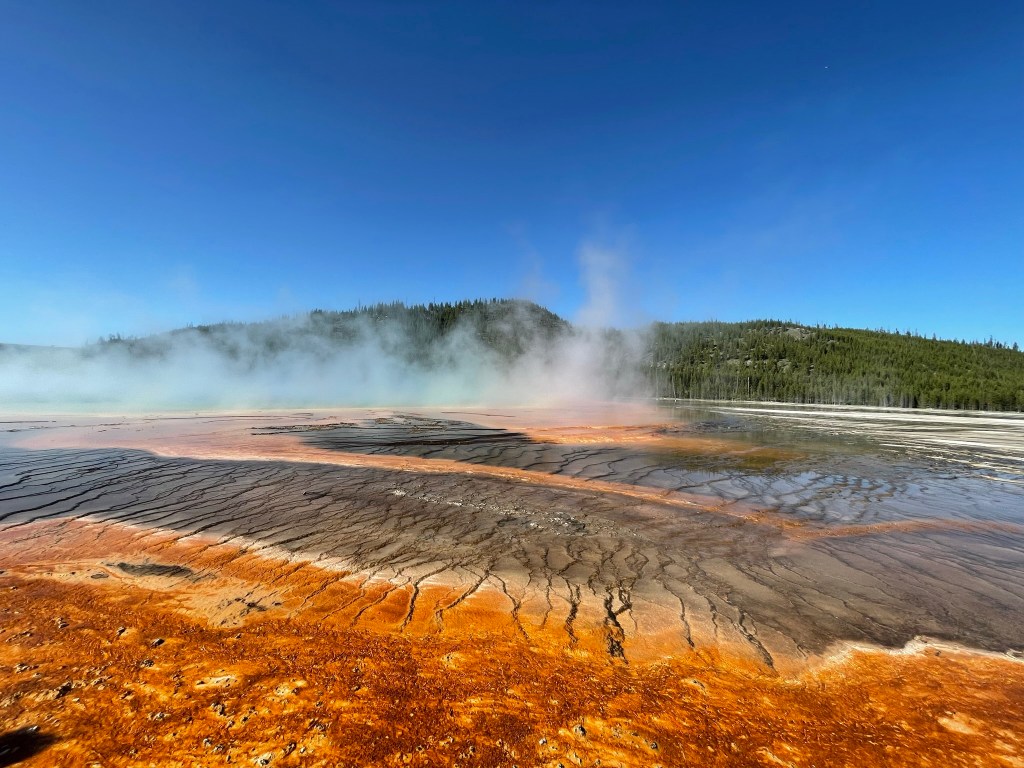
At midway geyser basin, you can take the boardwalk to get an up-close look at the Grand Prismatic spring. The colors of the spring are attributed to microbial mats around the edges of the mineral-rich water. The mats produce colors ranging from green to red.
However, if you want to see the Grand Prismatic Spring from the vantage point of its overlook, you will need to access that trail from a parking lot located a mile further down the road on the Grand Loop drive at Trailhead to Grand Prismatic Overlook and Fairy Falls. It is about a mile walk and colors brightest around noon time.
Terrace Spring
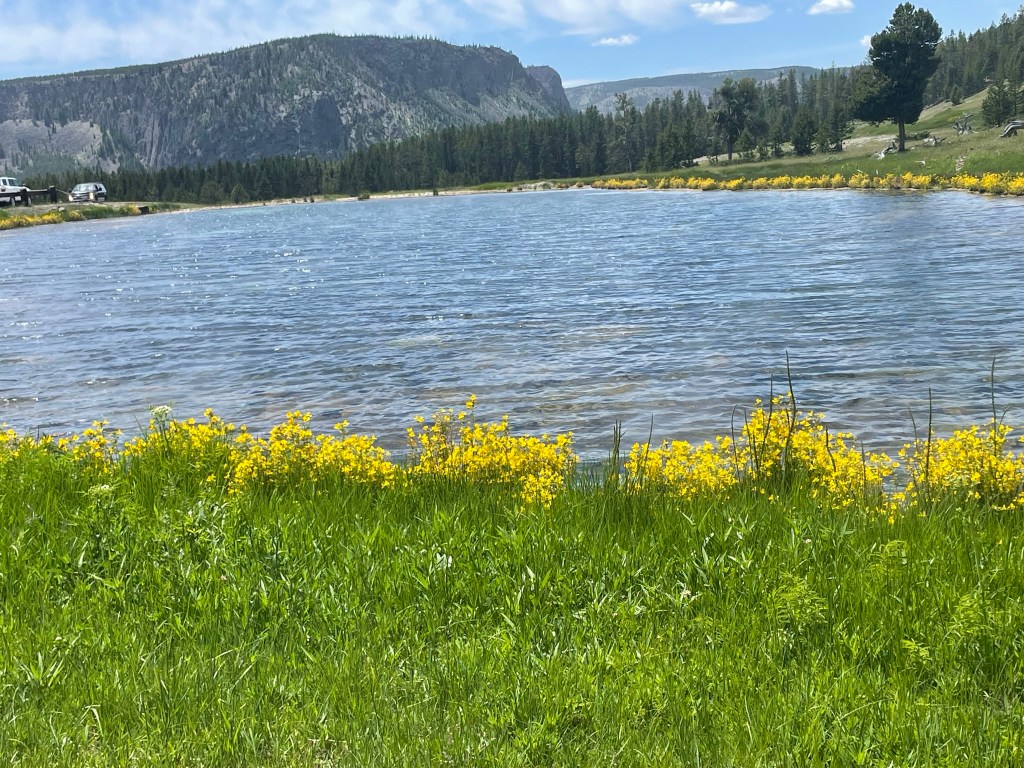
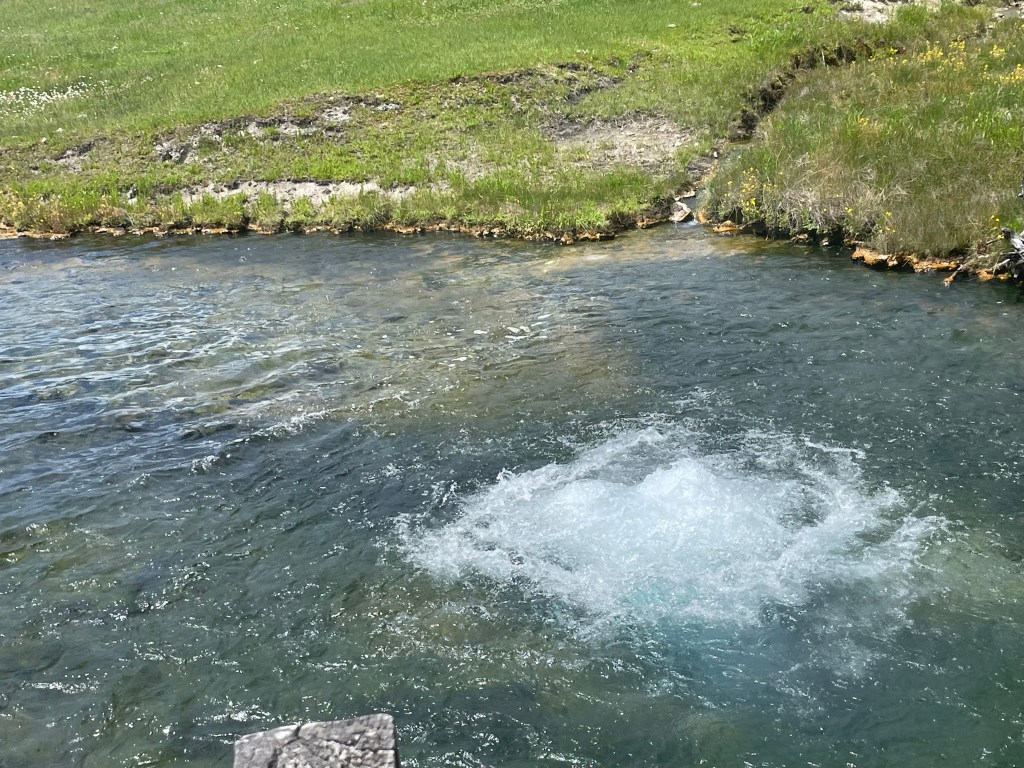
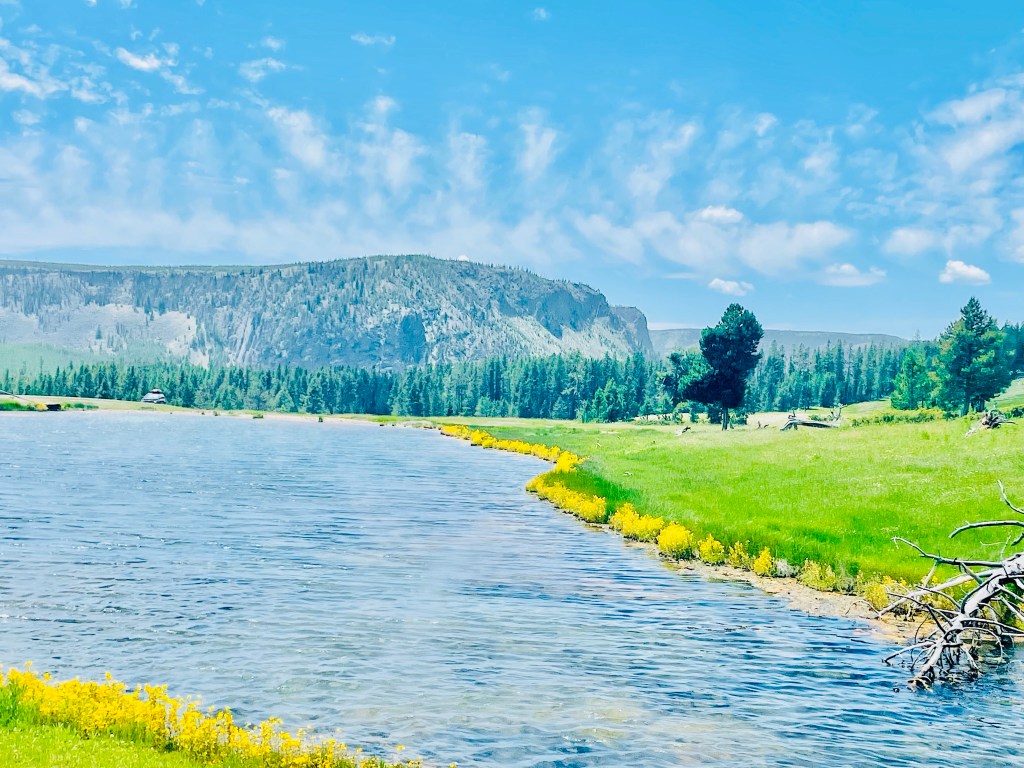
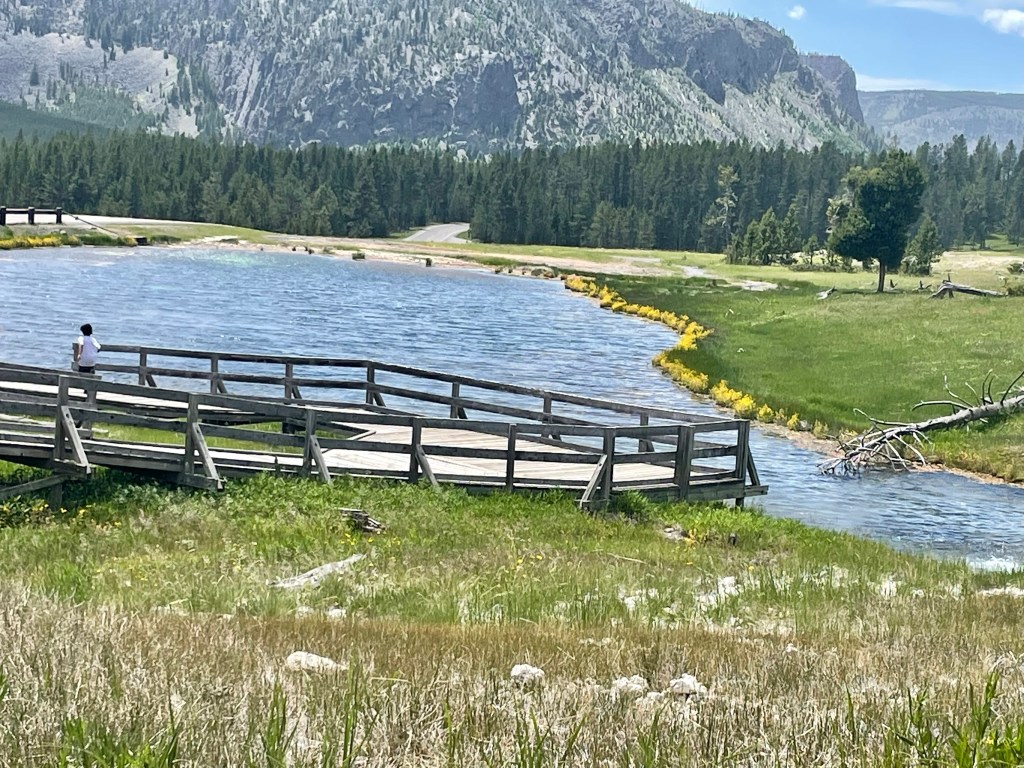
This was one of my favorite geothermal ponds that is right next to the grand loop road and has 2 bubbling hot pools and yellow flowers that line pond’s edge. The overall effect of pond with flowers and thermal pools is very unique and eye catching

Dragon’s Mouth Spring
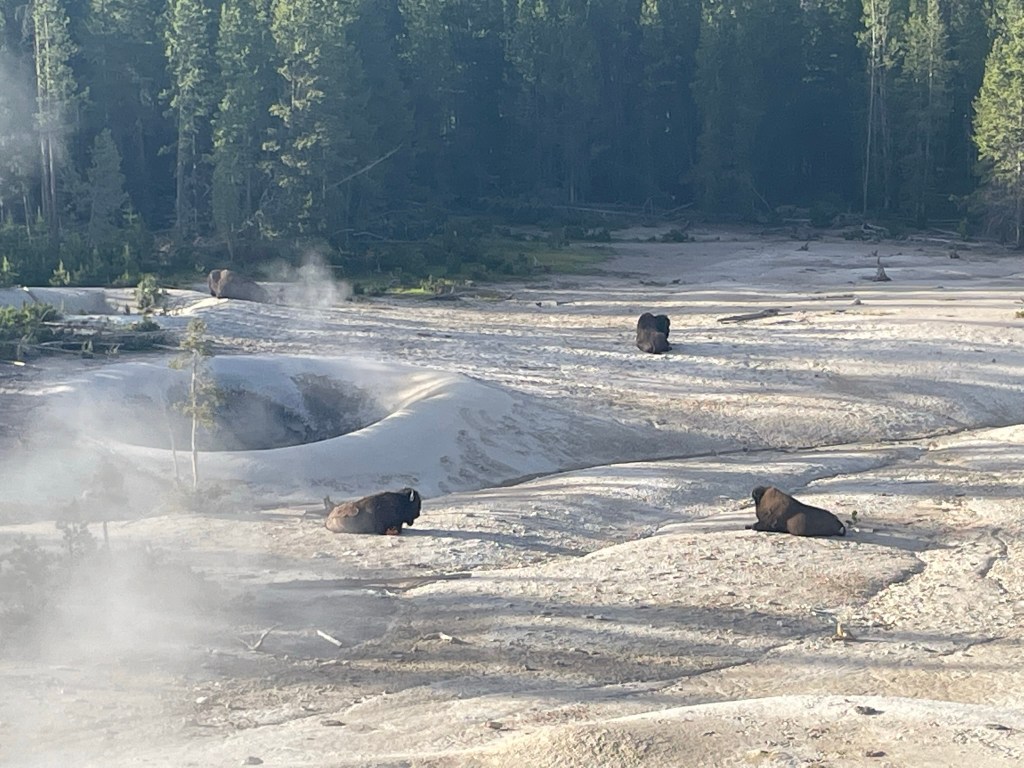
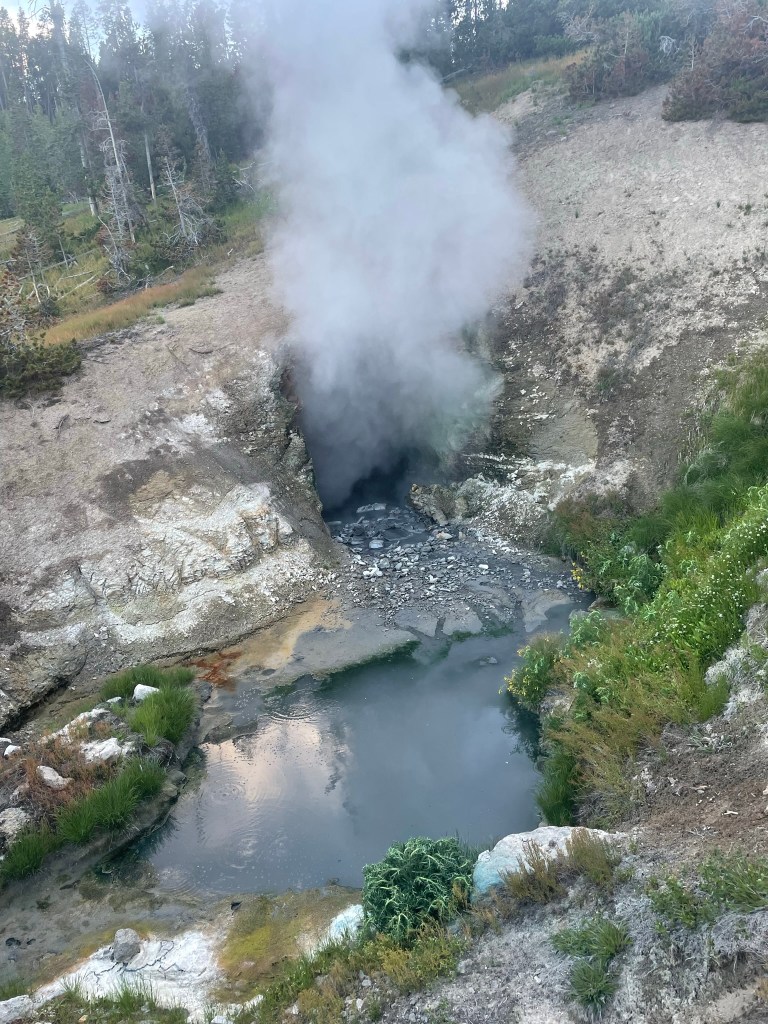
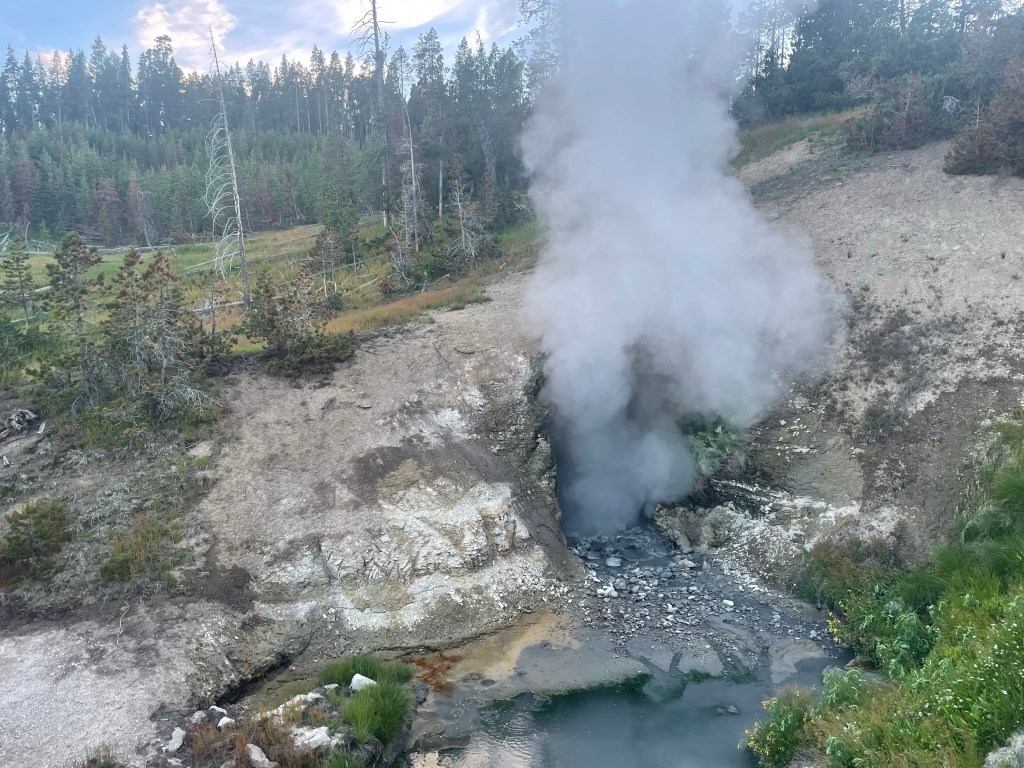
Dragon’s mouth spring is part of the mud volcano area and one of my favorite unique thermal springs in Yellowstone. It is a cavern which looks like a dragon’s mouth and smoke bellows out frequently. The gray colored waters in the cave create a hissing sound that seem to originate from the deep inside the tunnel. Definitely worth stopping for a visit and walking around the boardwalk
Artists paint pots
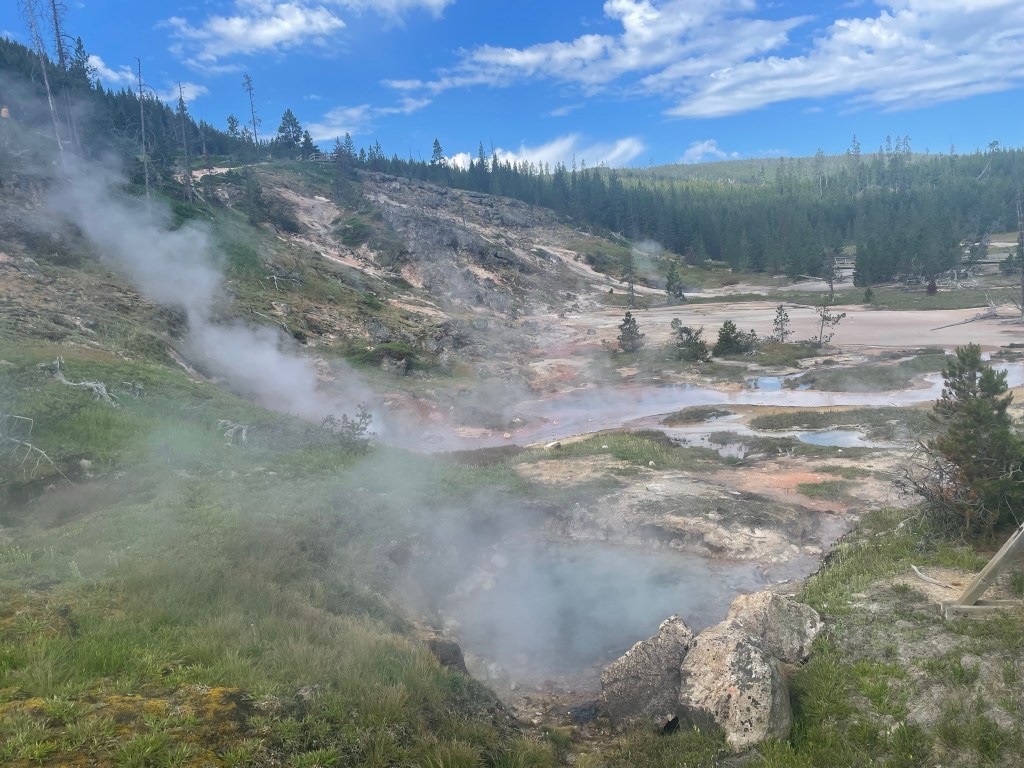
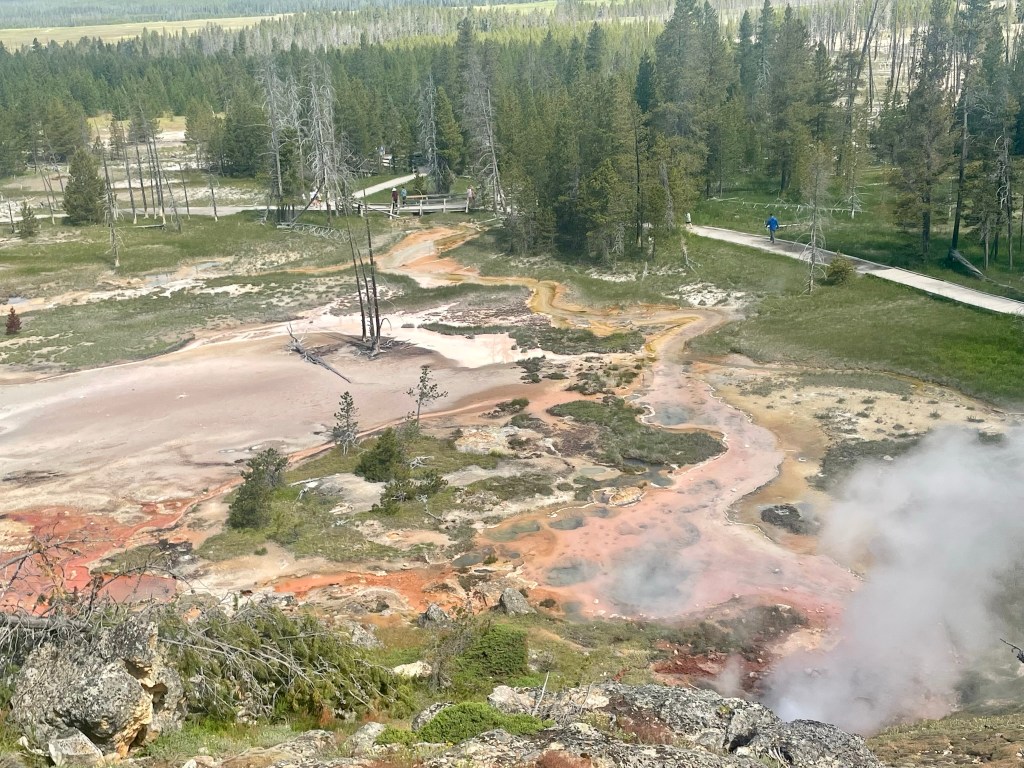
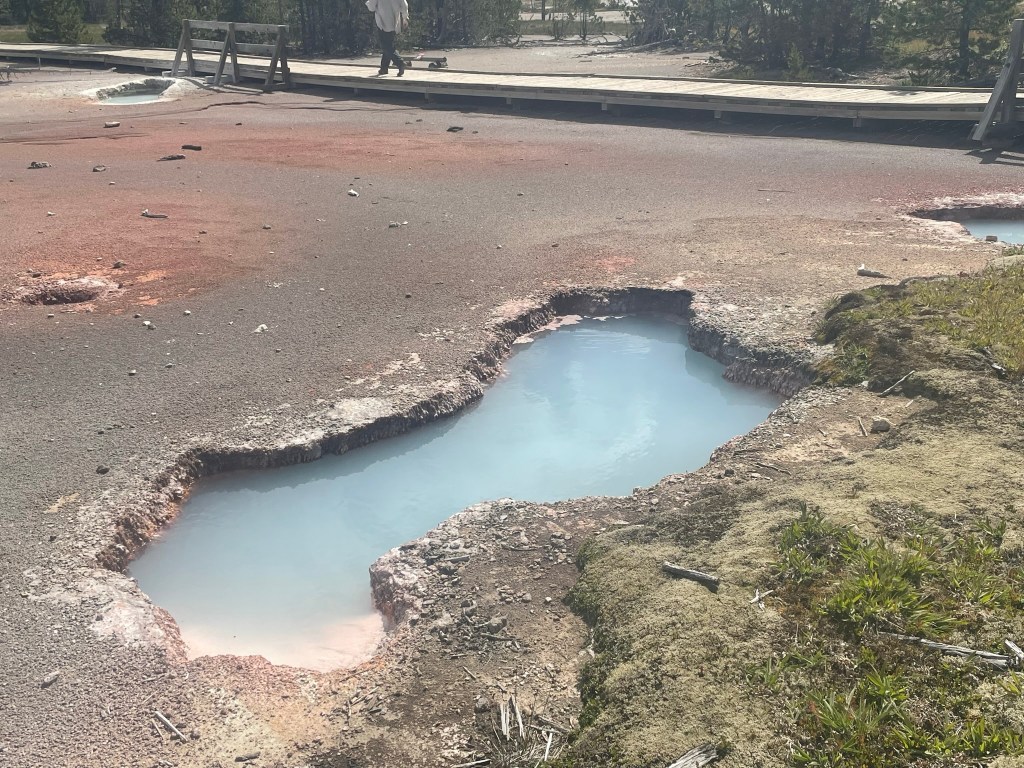
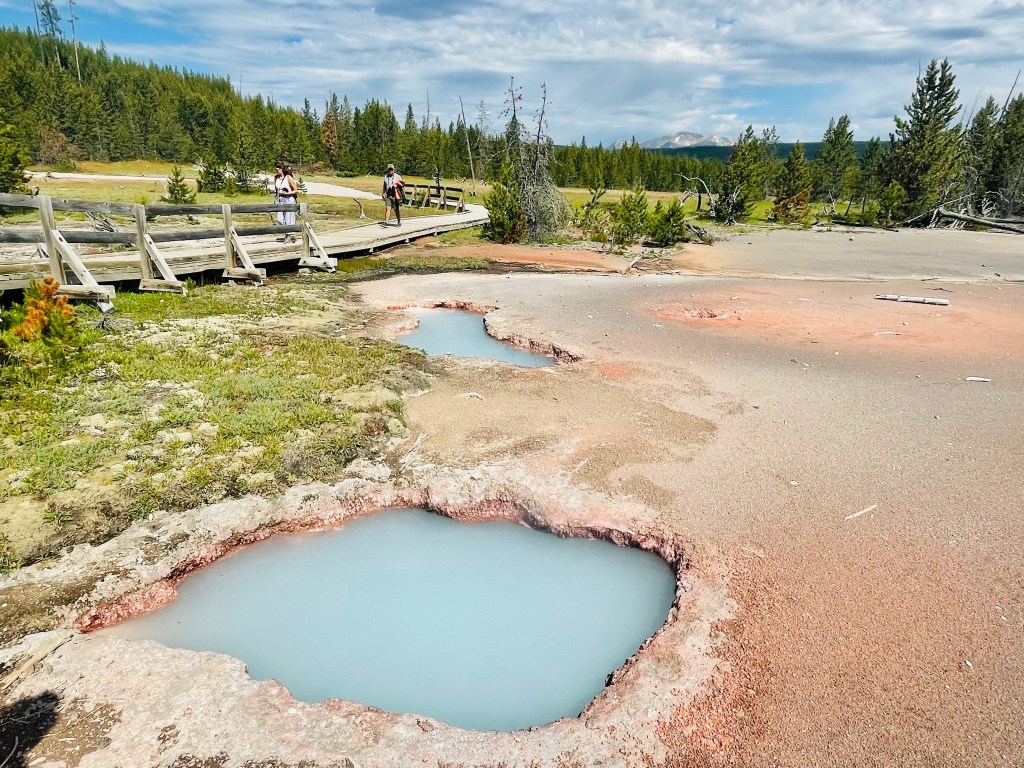
Artists pain pots is one of the easiest and most unique thermal features in Yellowstone with a collection of colorful hot springs and mud pots. The area is called paint pots as the mud pots resemble paint pots due to their palette of earthy colors.
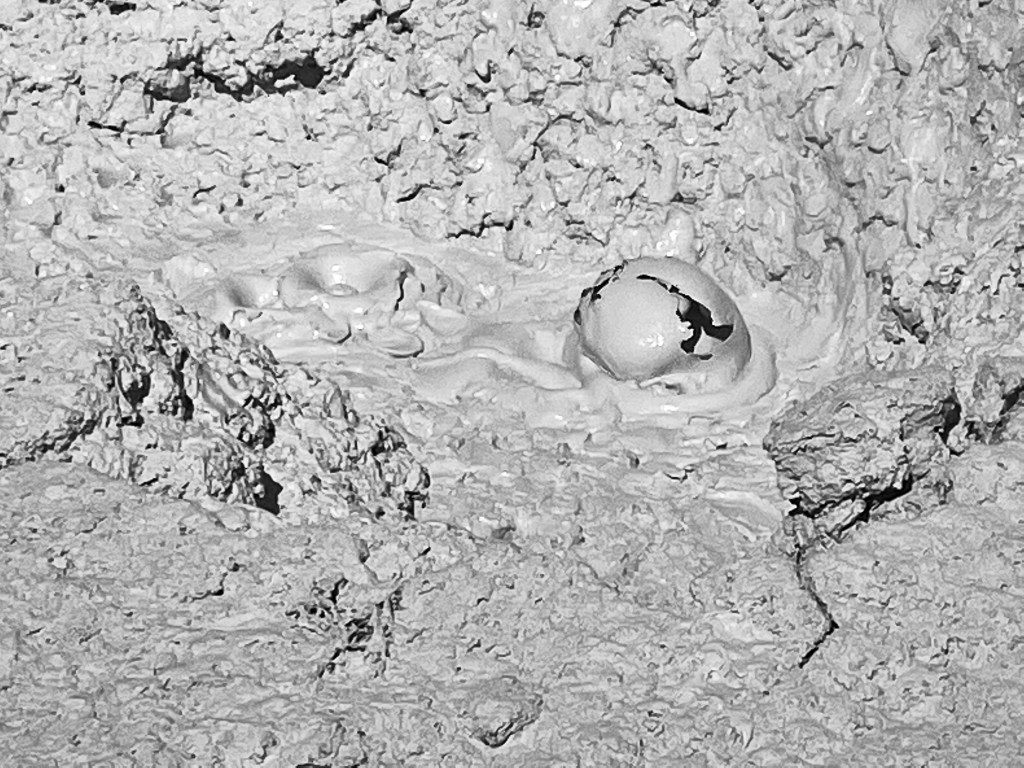
Mudpots are thermal features with limited water supply and the microorganisms growing in the mud pots generate gases which escape through the wet clay mud creating giant bubbles and unusual midair shapes. I was able to capture a giant bubble as it burst from the gasses. The area definitely smells like rotten eggs but the mud pots are fascinating to watch
Yellowstone lake
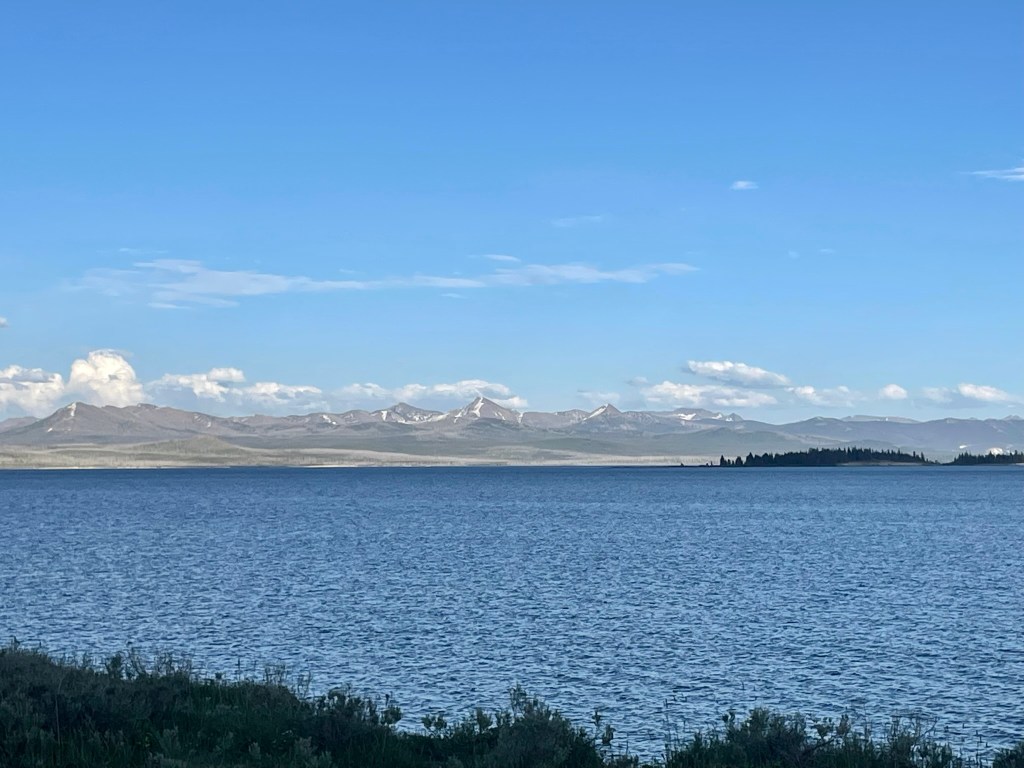
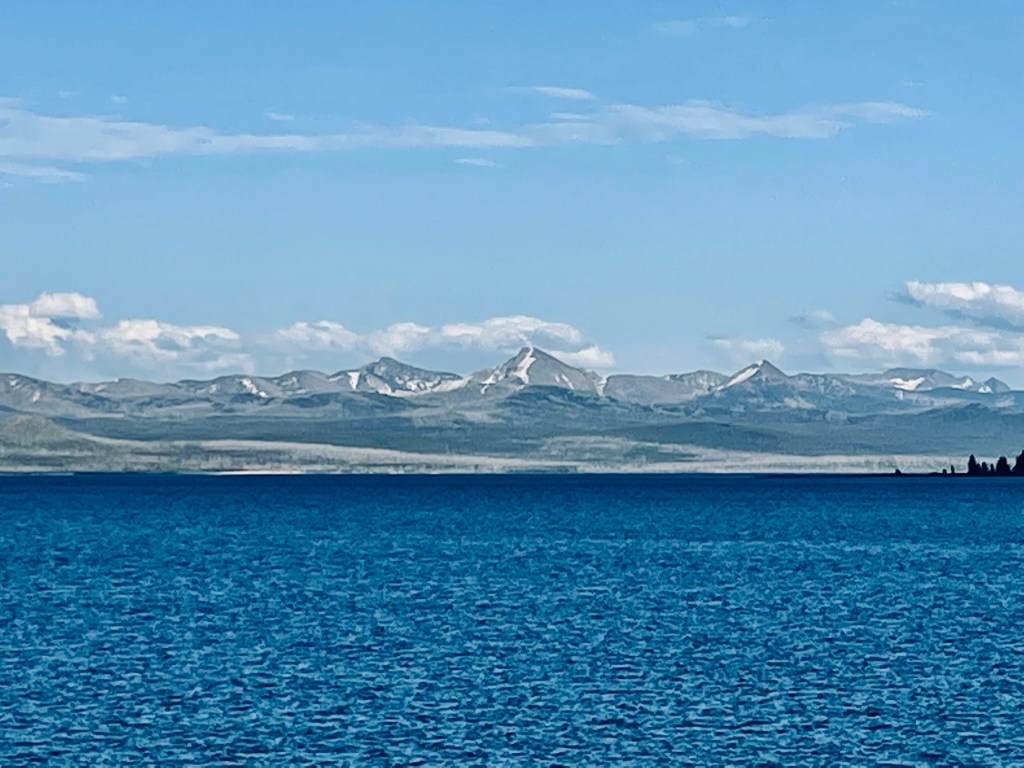
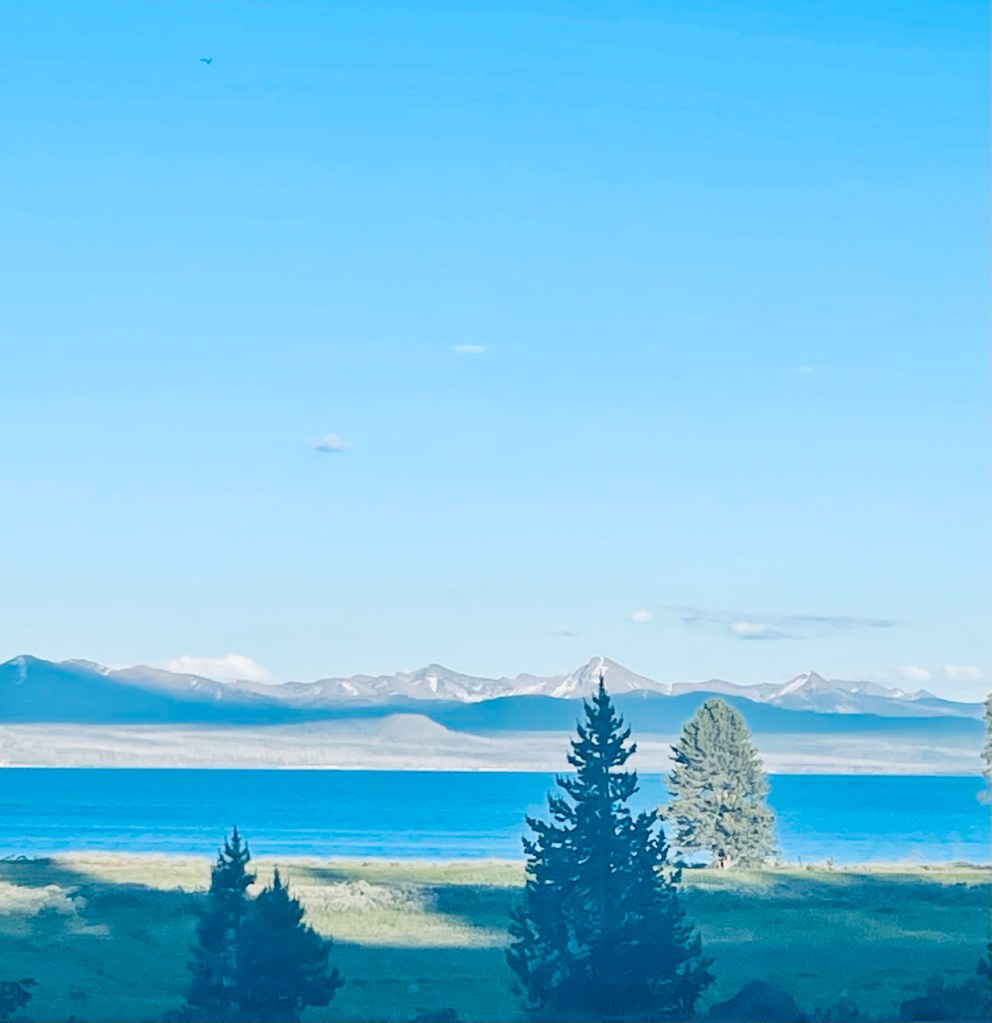
Covering about 132 square miles with 141 miles of shoreline, it is hard to miss Yellowstone Lake. Lake Lodge in the Yellowstone is located on the shoreline, and it has a large porch with rocking chairs offering the view of Yellowstone Lake. Although it is not a thermal feature, this was one of my favorite spots in Yellowstone. We had dinner at the restaurant on day 2 of our trip and spent some time on the front porch watching elks and having a drink. The main lodge is constructed of logs and is the focal point of this classic and comfortable building and looked like great place to stay.
Waterfalls of Yellowstone
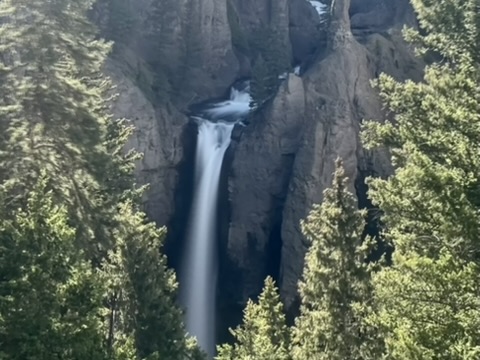
Other than Grand Canyon of Yellowstone which has 2 falls-upper and lower, there are several other waterfalls throughout the park . We pulled over couple of times after seeing the waterfalls on the side of the Grand loop road. 2 of my favorites include Gibbon falls and Tower falls
Gibbon Falls-This is 80ft waterfall right off the grand loop road at the Madison and Norris Junctions with easy access to the parking lot. There is an upper deck where you see most people taking photos, but lower deck has better views and fewer people.
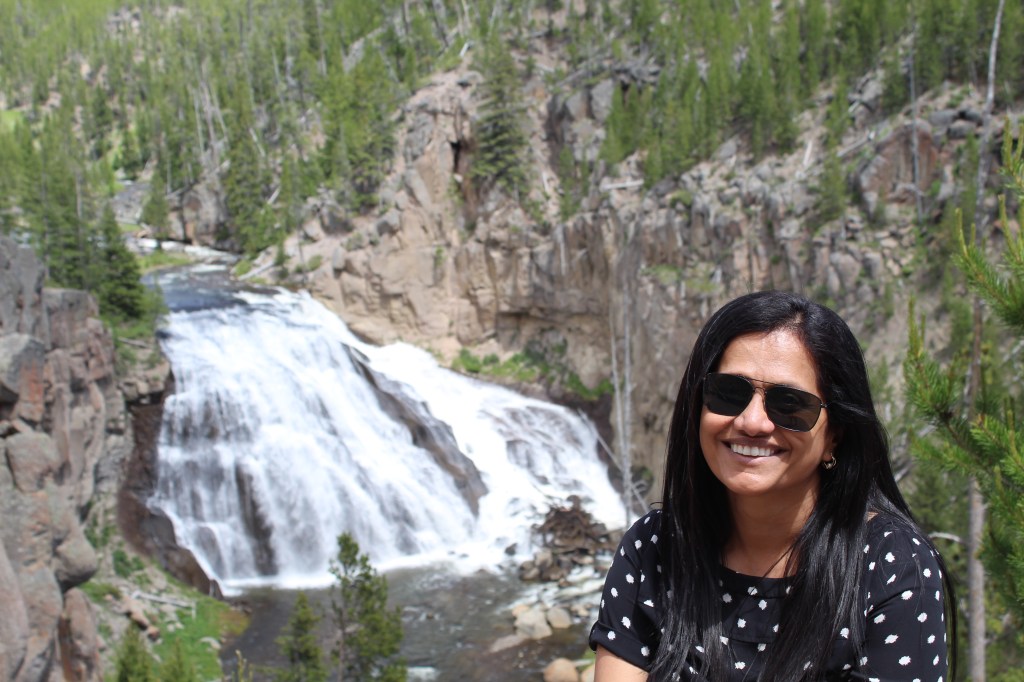
Tower falls-Located in the northeastern part of Yellowstone about 2.2 mile south of Tower-Rosevelt and Canyon village, this fall plunges a stunning 132 feet. The unusual rock columns north of the fall were created by lava flow and forms quite contrasting landscape to the falls
 Peaks to Palaces