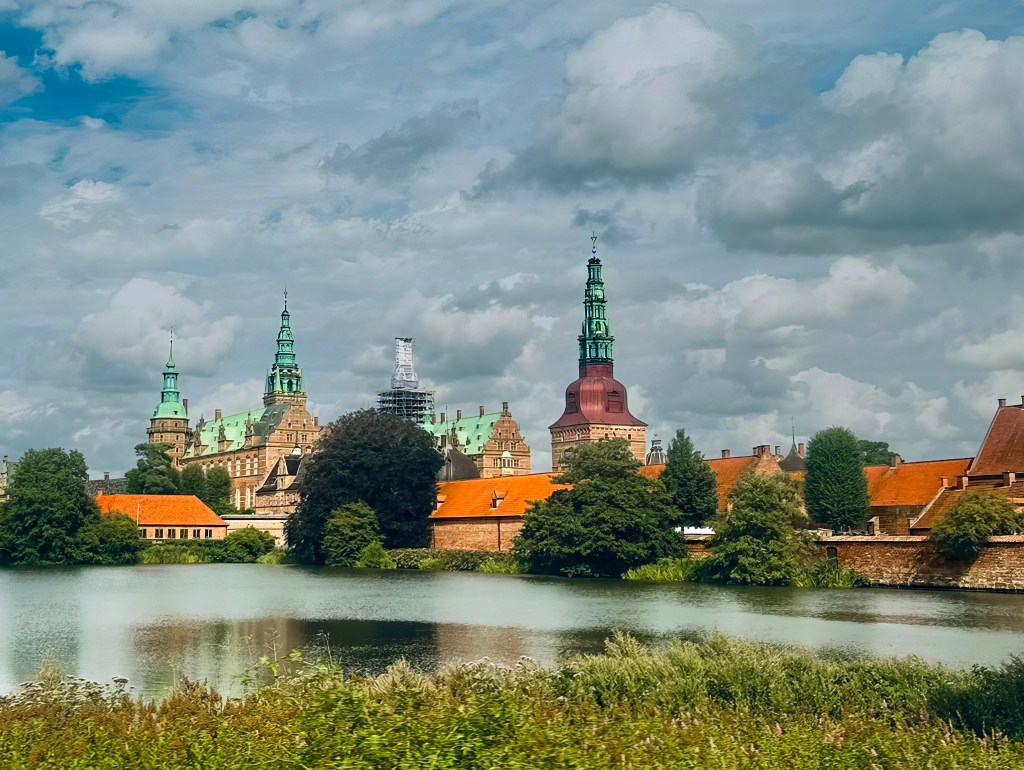
Nestled on three small islets in the shimmering Castle Lake of Hillerød, Frederiksborg Castle is breathtaking. It is one of Denmark’s most cherished treasures. The grand Renaissance architecture and lush gardens offer a stunning backdrop. I visited this place as part of a day tour with Hamet tours. I felt like I could have spent the entire day here. I didn’t get the chance to walk the gardens. If you want a beautiful views of the castle. walking the garden is a must
⭐ Must‑See Highlights at Frederiksborg Castle
1. The Castle Chapel 🎶✨
A masterpiece of 17th‑century craftsmanship, untouched by the 1859 fire. Don’t miss the gold‑and‑ebony altarpiece, the historic Compenius organ, and the walls lined with coats of arms from the Orders of the Elephant and Dannebrog.
2. The Great Hall (Riddersalen) 🏰💫
Once Christian IV’s grand ballroom, now a soaring space of chandeliers, tapestries, and Renaissance splendor. A dramatic reconstruction that still carries the echoes of royal banquets and ceremonies.
3. The Audience Hall 🎖️👑
A Baroque dome hall rebuilt by Christian V, filled with ornate stucco, woodcarvings, portraits, and the famous 1693 lift chair used to elevate the king during audiences.
4. The Celestial Globe 🌌✨
A breathtaking Renaissance scientific marvel. Step inside the globe to experience a 17th‑century vision of the cosmos, complete with zodiac constellations and heliocentric planetary orbits.
5. The King’s Oratory 🚪🌹
Recreated after the fire with intricate ivory inlays and Carl Bloch’s 23 paintings of Christ. A quiet, atmospheric space that feels suspended in time.
6. The Baroque Garden 🌿💠
Symmetry, cascades, parterre beds, and royal monograms trimmed into boxwood. A living tapestry of Danish royal history.
7. The Romantic Garden 🌳💧
A softer, mood-driven landscape with lakes and shrubberies surrounds the charming Bath House Castle. It is a favorite retreat of the Royal Family.
8. The Neptune Fountain 💦🧜♂️
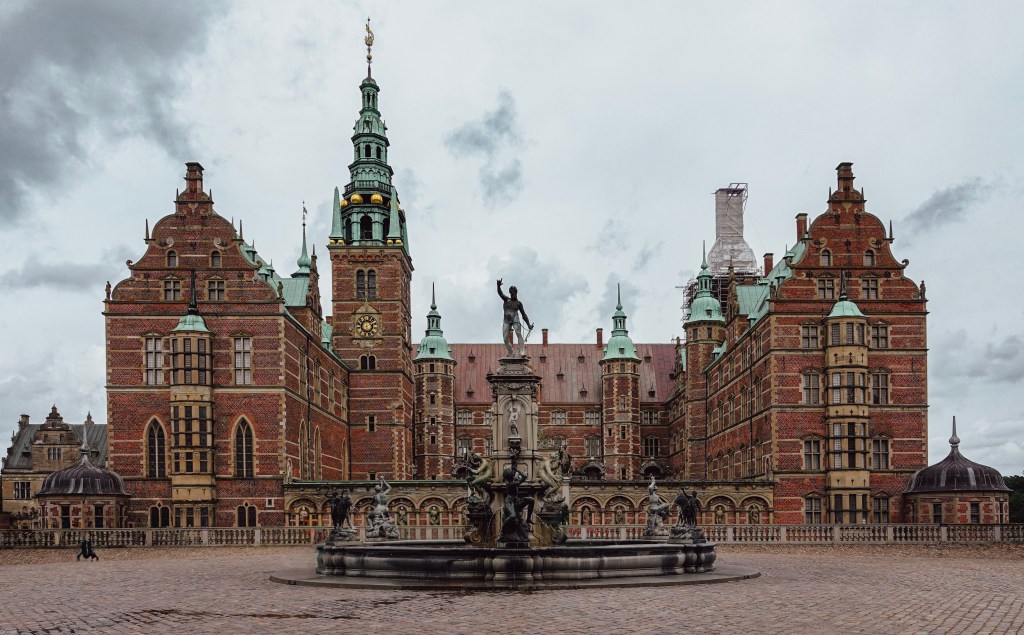
A dramatic Renaissance showpiece symbolizing Denmark’s maritime power. One of the castle’s most iconic photo spots.
9. The Museum of National History 🖼️🇩🇰
500 years of Danish history told through portraits, sculptures, and historical paintings. Look for works by Jens Juel, P. S. Krøyer, and Wilhelm Marstrand.
10. Lake Views & Hidden Piers 🌊📸
Walk the loop around the Castle Lake for unforgettable angles — especially the “Envy Pier,” famed for its postcard‑perfect views.
👑A Royal Vision
Frederiksborg Castle was built in the early 17th century by King Christian IV, who envisioned it as a symbol of his power and prestige. The largest Renaissance complex in Scandinavia, the castle dazzles with ornate details like the Neptune Fountain and the Marble Gallery. For over a century, it served as a royal residence, hosting monarchs and ceremonies that shaped Danish history.
But the castle’s story is not without drama. In 1859, a devastating fire destroyed much of the interior. Miraculously, the Castle Chapel survived, preserving its original 17th-century decoration, the golden altarpiece by Jacob Mores, and the historic Compenius organ. Today, visitors can still hear the organ played during weekly recitals—a rare chance to step back into Christian IV’s world.
From Royal Residence to National Museum
After the fire, brewer J. C. Jacobsen, founder of Carlsberg, financed the castle’s reconstruction and proposed a new purpose: a museum of national history. Since 1878, Frederiksborg has housed the Museum of National History. It showcases 500 years of Danish heritage through portraits, paintings, furniture, and decorative art. Walking through its halls feels like leafing through a giant family album. The faces of kings, queens, scientists, and statesmen gaze back from the walls.
Highlights include portraits of Johan Friedrich Struensee and Queen Caroline Mathilde, as well as works by celebrated artists like P. S. Krøyer and Wilhelm Marstrand. The museum not only preserves the castle’s grandeur but also makes Denmark’s past accessible to all.
🎶 The Castle Chapel
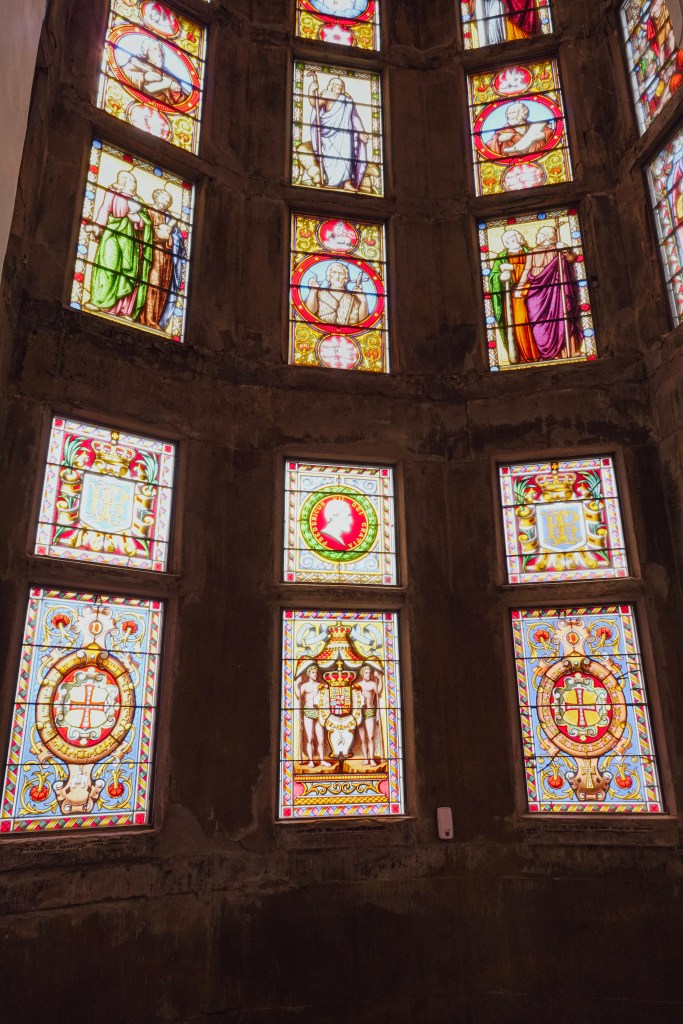
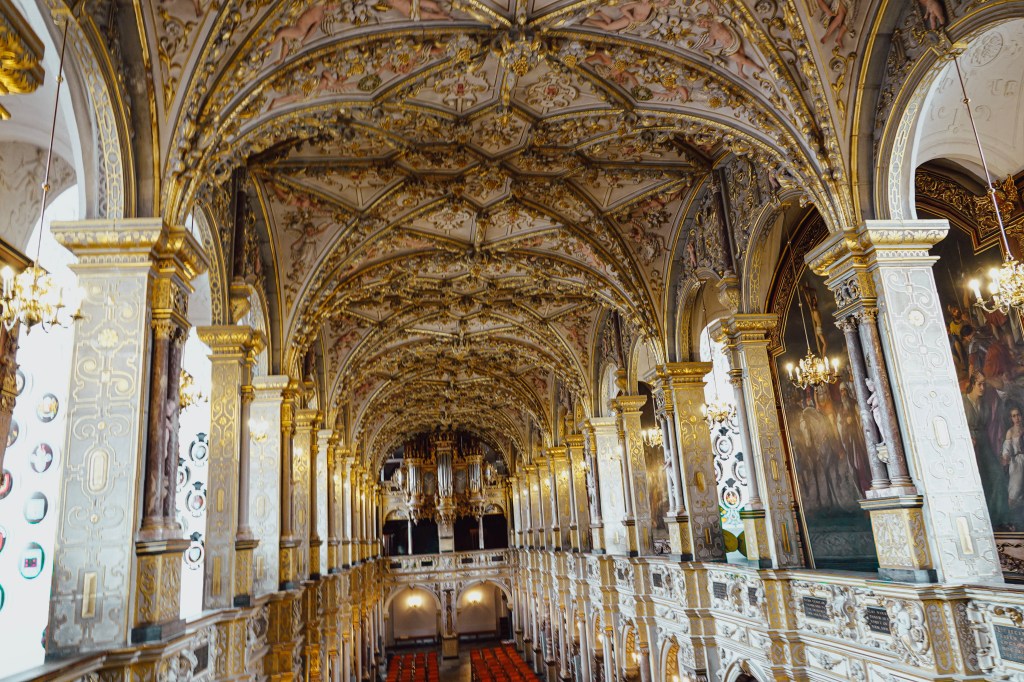
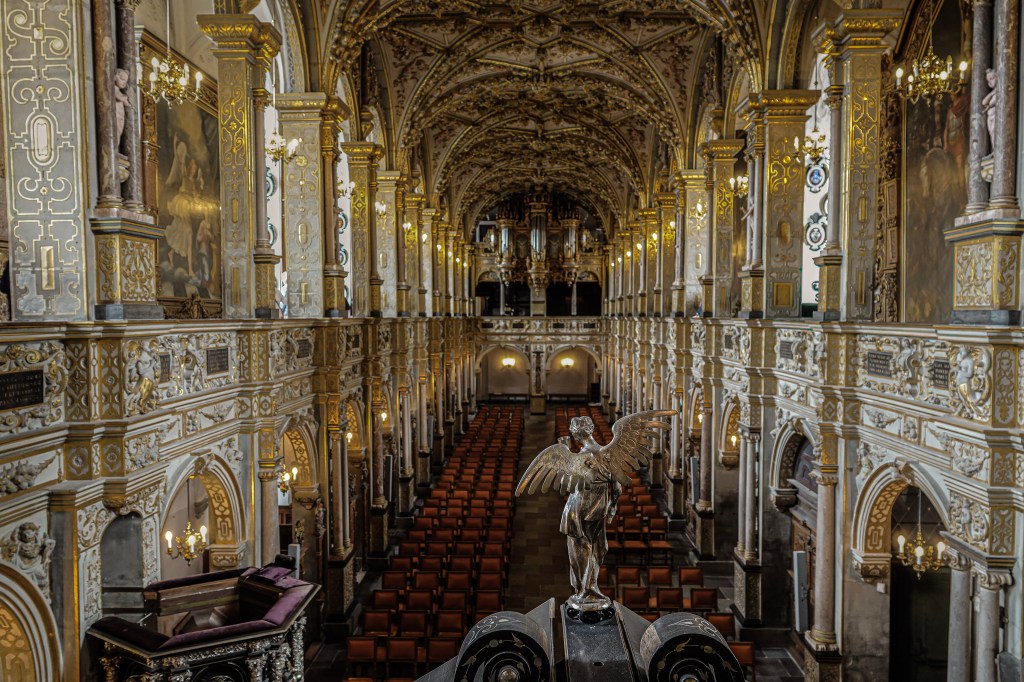
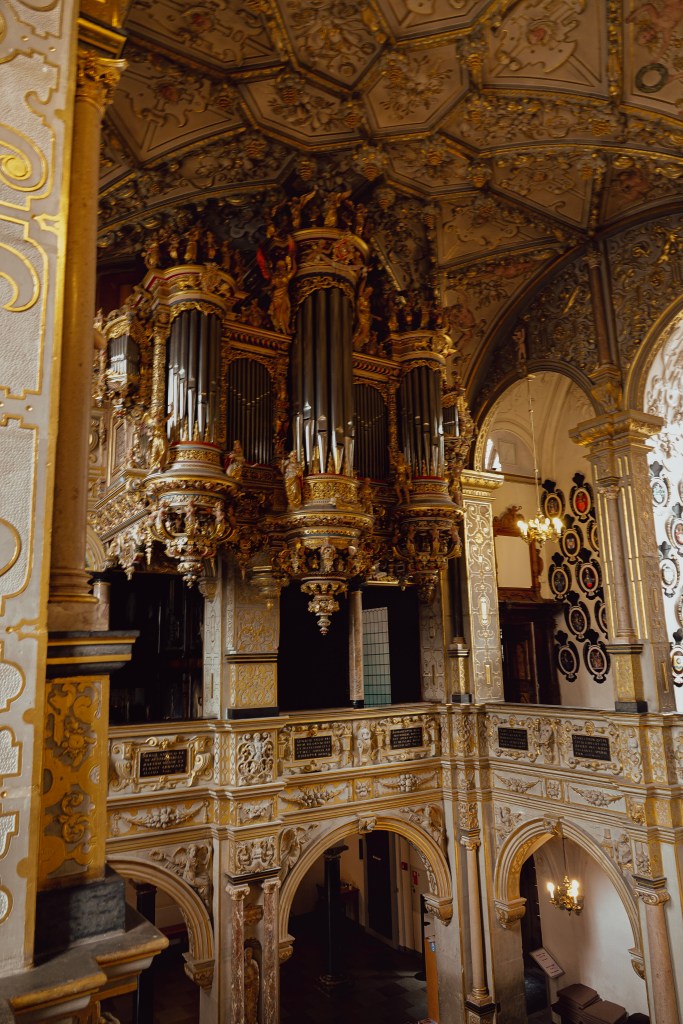
Step inside Frederiksborg Castle’s Chapel and you’ll find one of the most atmospheric spaces in Denmark’s royal heritage. The chapel was remarkably spared from the devastating fire of 1859. It still glows with its original 17th‑century decoration. King Christian IV commissioned this decoration. Visitors are drawn to the dazzling gold, silver, and ebony altarpiece. This was crafted by Hamburg goldsmith Jacob Mores in 1606. Visitors also admire the historic Compenius organ. Built by Esaias Compenius in 1610, it is a German Renaissance organ, installed in 1617. It is the oldest organ in Denmark with 1,001 wooden pipes with a manually driven blower (original and preserved). The organ is decorated in ebony, ivory, and silver.
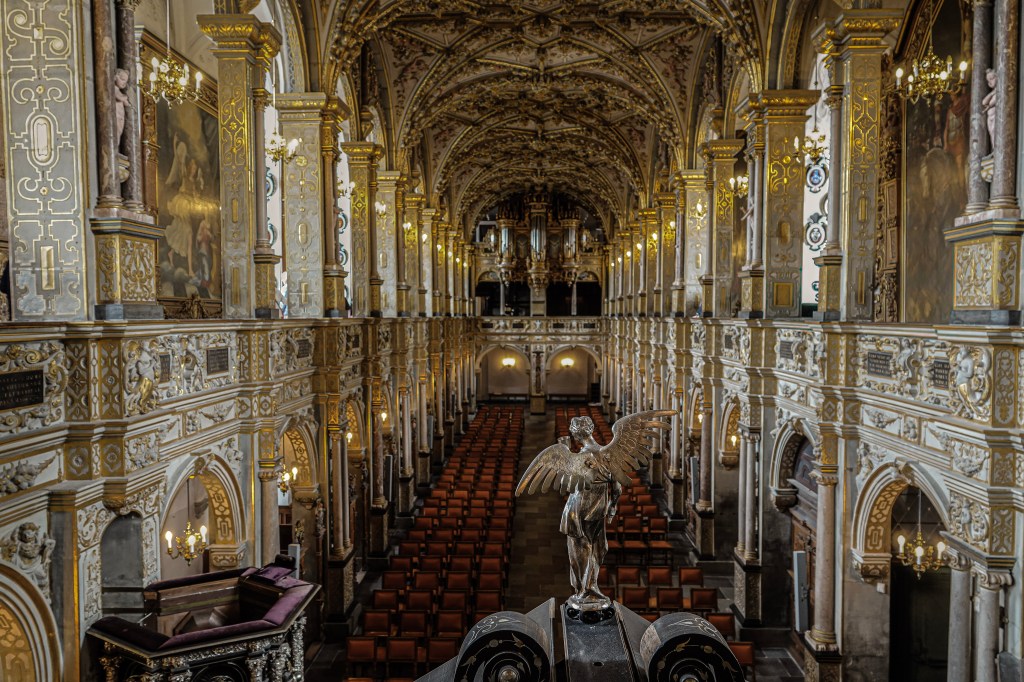
The walls of the chapel are lined with coats of arms from the Orders of the Elephant and Dannebrog. They honor Danish luminaries like Niels Bohr. They also recognize international figures such as Nelson Mandela. Beyond the main hall, the King’s Oratory was recreated after the fire with intricate ivory ornamentation. There, 23 paintings by Carl Bloch depicting Christ are displayed. These elements offer a glimpse into the grandeur of Christian IV’s vision. It’s a space where art, ceremony, and history converge, making the chapel a highlight of any visit.
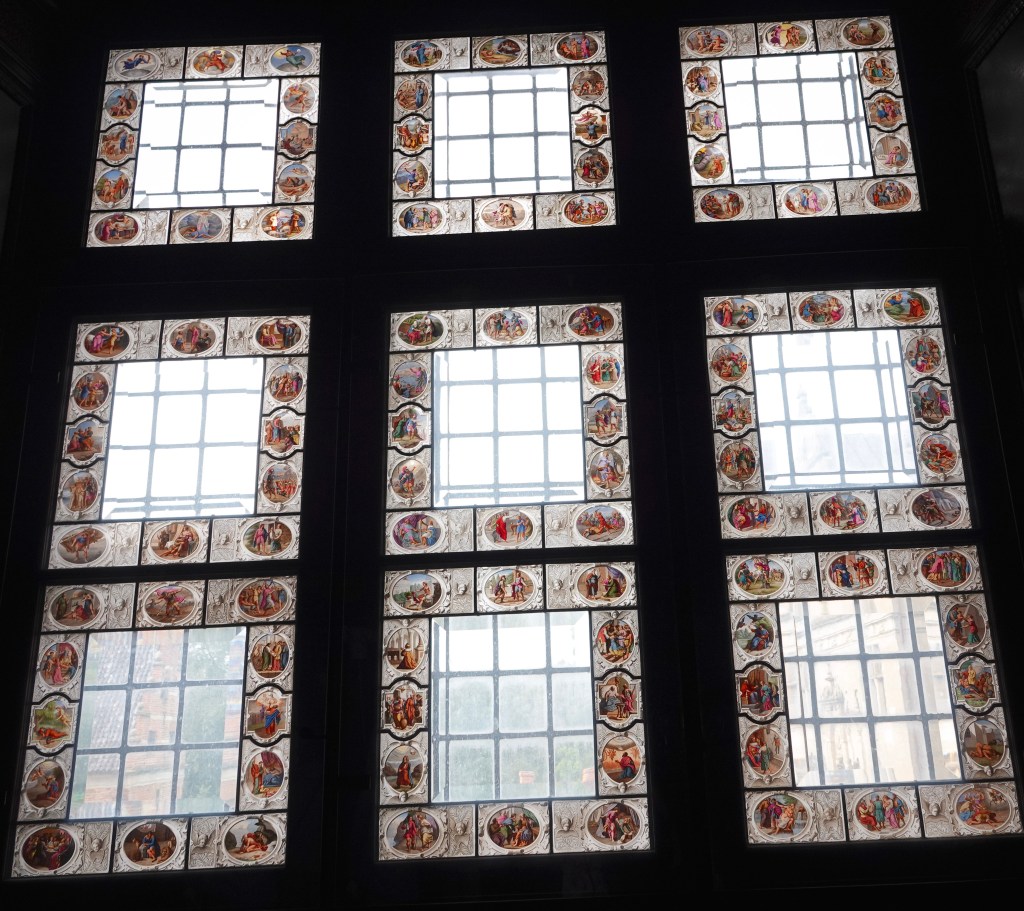
The Great Hall 🏰✨
At the heart of Frederiksborg Castle lies the Great Hall (Riddersalen), once the grand ballroom of King Christian IV. It stretches across the west wing above the chapel. The design was meant to impress with soaring proportions. It features gilded ceilings and ornate stucco. In its heyday, the hall hosted lavish banquets, royal ceremonies, and audiences that showcased Denmark’s Renaissance court in dazzling splendor.
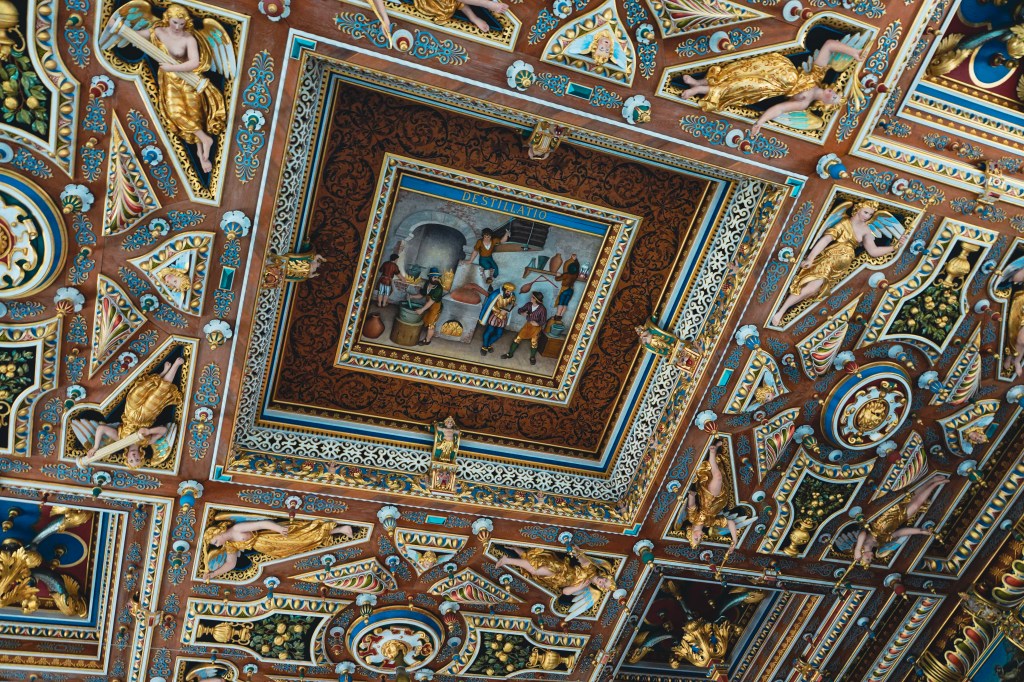
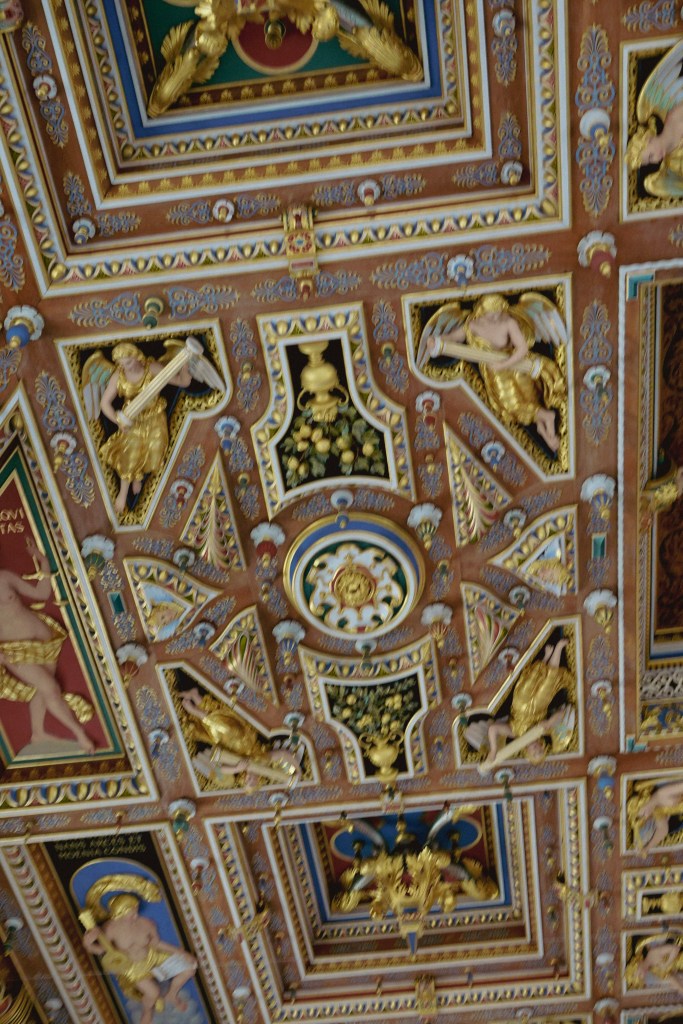
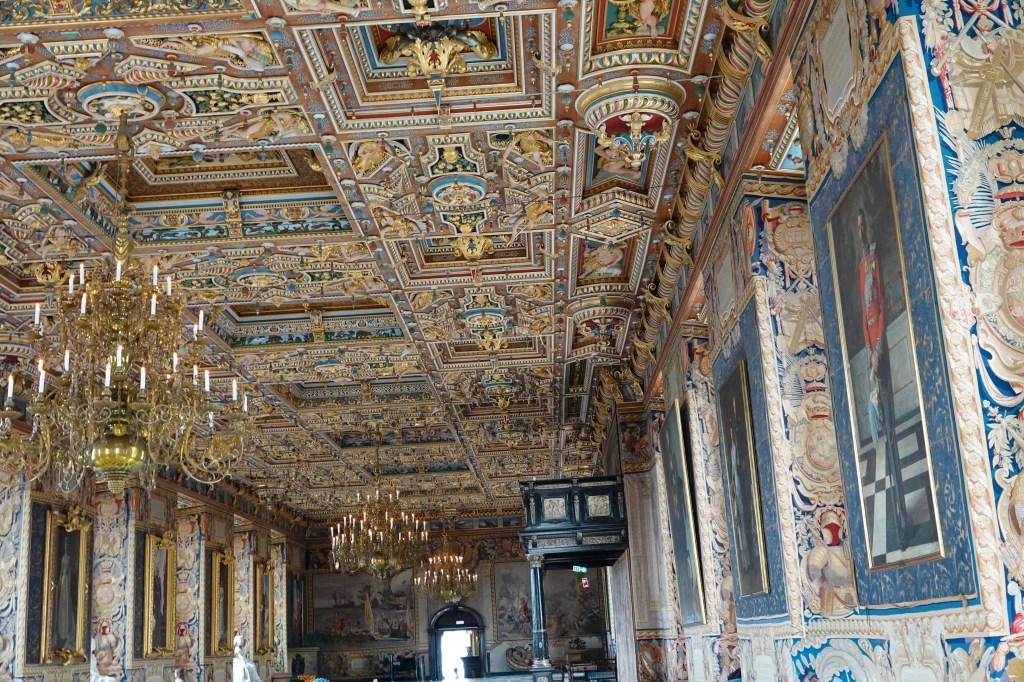
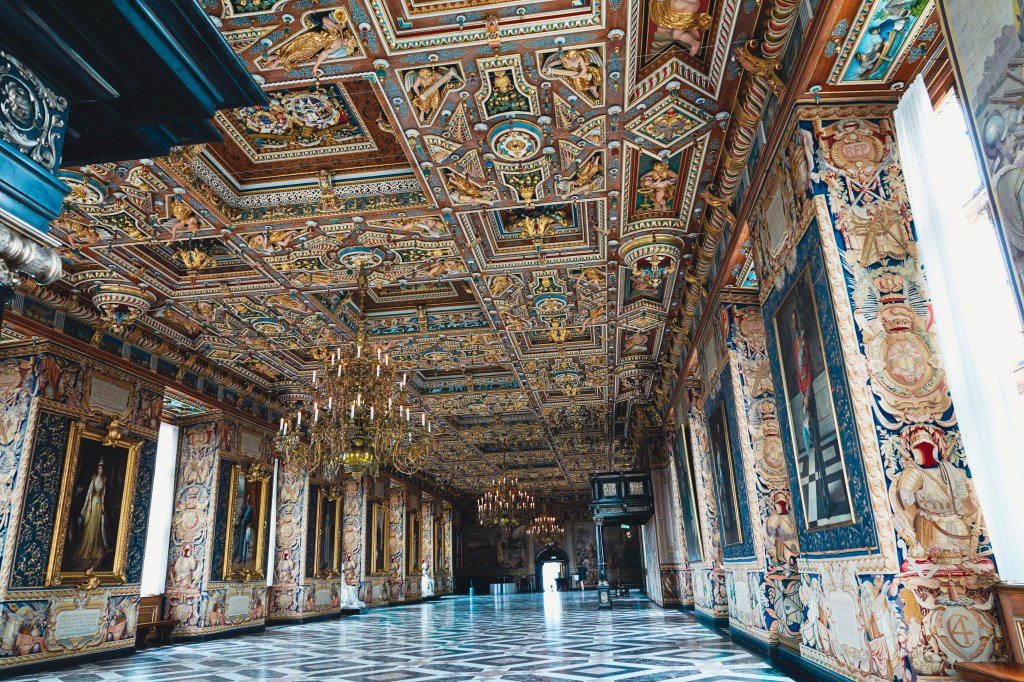
The devastating fire of 1859 reduced much of the interior to ashes. However, the Great Hall was meticulously restored in the late 19th century. Today, visitors are captivated by glittering chandeliers, reconstructed tapestries depicting Christian IV’s reign, and the sheer scale of the space. Standing within its walls, you can almost hear the echoes of music. You can also hear laughter and the clinking of goblets from centuries past. It is a living reminder of the castle’s role as a stage for royal power and pageantry.
The Audience Hall 🎖️👑
The Audience Hall at Frederiksborg is a breathtaking Baroque dome chamber. It was rebuilt by Christian V after the fire of 1665. It still glows with its original 17th‑century splendor. French and Italian artists crafted the lavish stucco. They also created intricate woodcarvings that frame the room. Together, these elements create a setting worthy of royal power. During the era of absolute monarchy, this was where kings received nobles, diplomats, and petitioners—an arena of ceremony and authority.
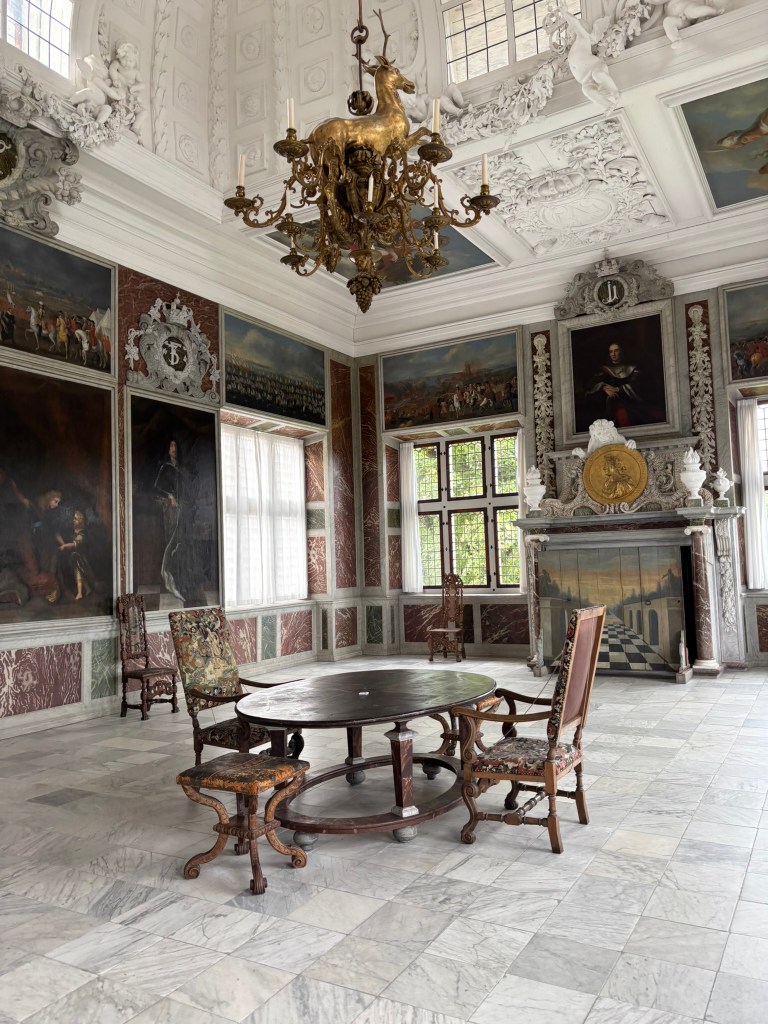
One of its most intriguing features is the 1693 lift chair, a mechanical seat the king could raise to elevate himself above those in attendance, a literal symbol of hierarchy. The walls are lined with portraits, battle scenes, and allegorical motifs celebrating Christian V’s victories and lineage, alongside depictions of the Oldenburg kings from Christian I to Christian V. Standing here, you feel the weight of royal ritual and the theatricality of power.
🌿The Gardens: Symmetry and Romance
The castle’s gardens are as enchanting as its halls. In 1720, architect J. C. Krieger designed the Baroque Garden, a masterpiece of symmetry with straight hedges, cascades, and parterre flower beds. The garden was restored in the 1990s and features royal monograms trimmed into boxwood. These honor monarchs from Frederik IV to Queen Margrethe II.
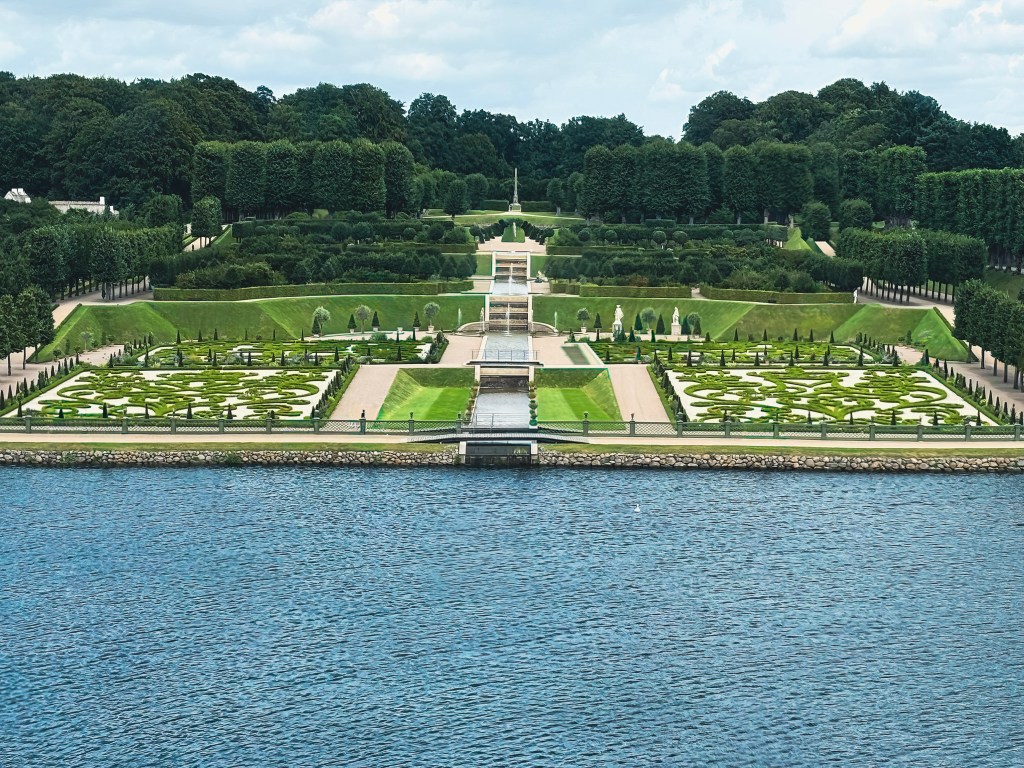
For a softer contrast, the Romantic Garden lies just beside. It features winding paths, lakes, and shrubberies. These are designed to evoke moods and highlight nature’s beauty. Here, the charming Bath House Castle still hosts occasional royal hunt lunches.

Off the Beaten Path
Beyond the formal gardens, a stroll around the Castle Lake offers fresh perspectives. From small piers and hidden paths, visitors can capture panoramic views of the castle rising above the water. It’s perfect for those who love discovering new angles and stories.
Practical Tips for Your Visit
- Getting There: Frederiksborg Castle is only 40 minutes from Copenhagen. Take the S-train (line A) to Hillerød Station, then walk through the old town or hop on bus 301 or 302 to “Frederiksborg Slot.”
- Opening Hours:
- April 1 – October 31: 10 am – 5 pm
- November 1 – March 31: 11 am – 3 pm
- Admission:
- Adults: DKK 75
- Children (6–15): DKK 20 (under 5 free)
- Students/Seniors: DKK 60
- Family ticket (2 adults + 3 children): DKK 150
- Don’t Miss: The Thursday organ recital at 13:30 in the Castle Chapel (free with museum entry).
Hidden Gems & Legends Trail at Frederiksborg Castle
✨ Christian IV’s Folklore King Christian IV was the visionary behind Frederiksborg. He was known for his architectural ambition. Additionally, he had an eccentric personality. Local lore says he loved disguising himself to mingle with ordinary citizens, testing their loyalty and gathering gossip. Imagine wandering the castle halls and picturing the king slipping through secret passages, listening in on conversations.
🕊️ The Chapel’s Coats of Arms The Castle Chapel isn’t just a sacred space—it’s a gallery of honor. Among the coats of arms of knights and dignitaries, you’ll spot names like Nelson Mandela and Niels Bohr. It’s a reminder that this Danish chapel connects global figures across centuries. A quirky detail: visitors often play a game of “spot the monarch” among the heraldic shields. This activity turns history into a scavenger hunt.
🌿 The Baroque Garden’s Hidden Monograms The manicured hedges hide royal monograms. They are like leafy signatures of Frederik IV and Queen Margrethe II. Legend has it that if you trace the monograms in your walk, you’re symbolically walking through Denmark’s royal lineage.
🚪 The King’s Oratory Reborn Destroyed in the 1859 fire, the King’s Oratory was painstakingly recreated. Folklore whispers that Christian IV’s spirit still lingers here, watching over Carl Bloch’s 23 paintings of Christ’s life. Some visitors claim the room feels unusually “alive,” as though the king himself is inspecting the artistry.
🌊 The Lake’s Secret Angles Locals say the best views of Frederiksborg aren’t from the gardens. They say the best views are from the small piers around the lake. One pier is nicknamed “The Envy Spot” because photos taken there are guaranteed to spark jealousy among friends.
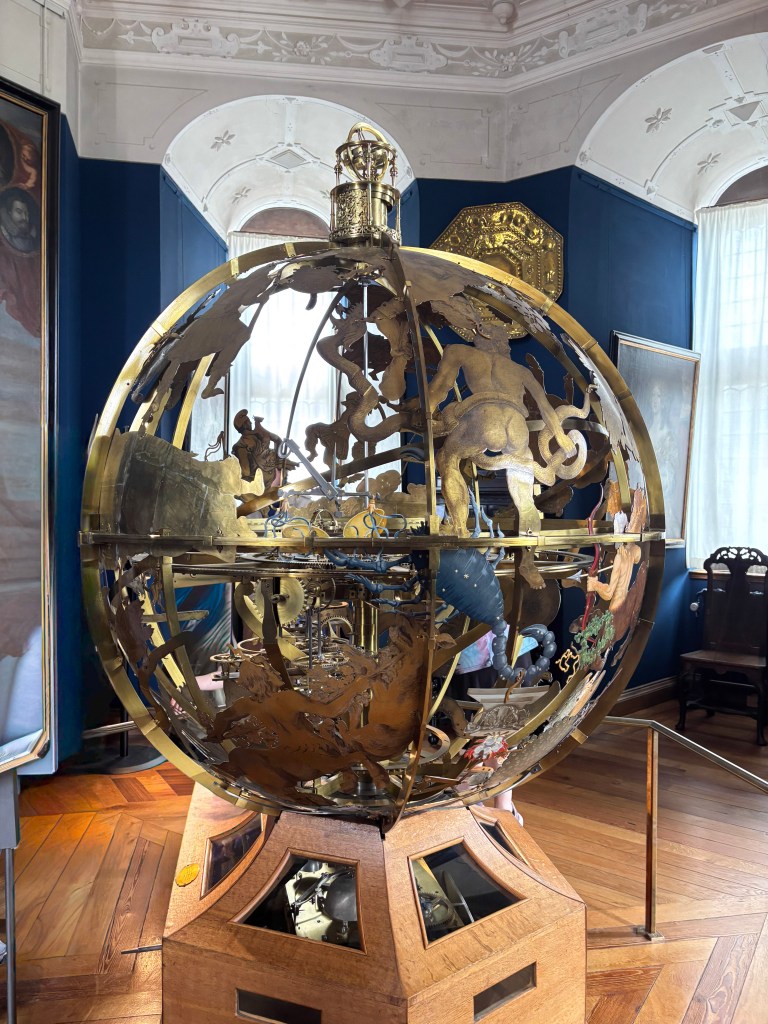
🌌 The Celestial Globe Frederiksborg’s most awe-inspiring treasure is the Gottorp Celestial Globe. It is a monumental 17th-century sphere that has been recently restored. Crafted from brass, steel, silver, and oak, it vividly demonstrates the heliocentric worldview. This was the revolutionary idea that the Sun, not the Earth, is the center of the universe. Inside the globe, planetary deities orbit the Sun. The exterior is decorated with zodiac signs like Gemini, Cancer, and Leo. Visitors can step inside the globe. It is much like entering an early planetarium. They can marvel at how Renaissance science and artistry merged.
Why You Should Go
Frederiksborg Castle is more than a monument—it’s a living tapestry of Danish history, art, and nature. You might marvel at Renaissance craftsmanship. You could wander through manicured gardens. You may simply enjoy the peaceful lake views. The castle invites you to step into centuries of stories.
It’s a perfect half-day trip from Copenhagen, but its beauty and depth will linger long after you leave.
 Peaks to Palaces