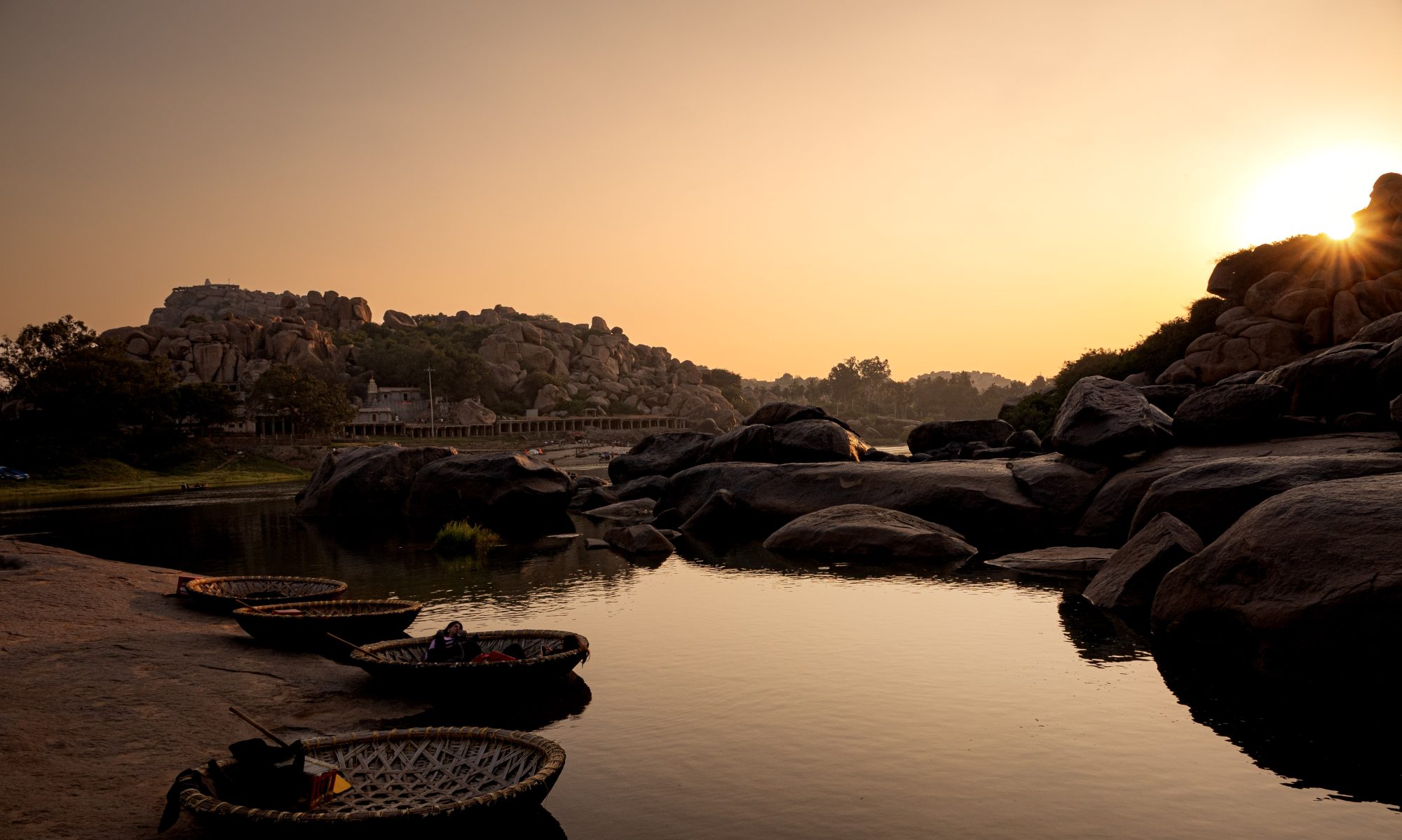
The root of suffering is attachment.
Buddha
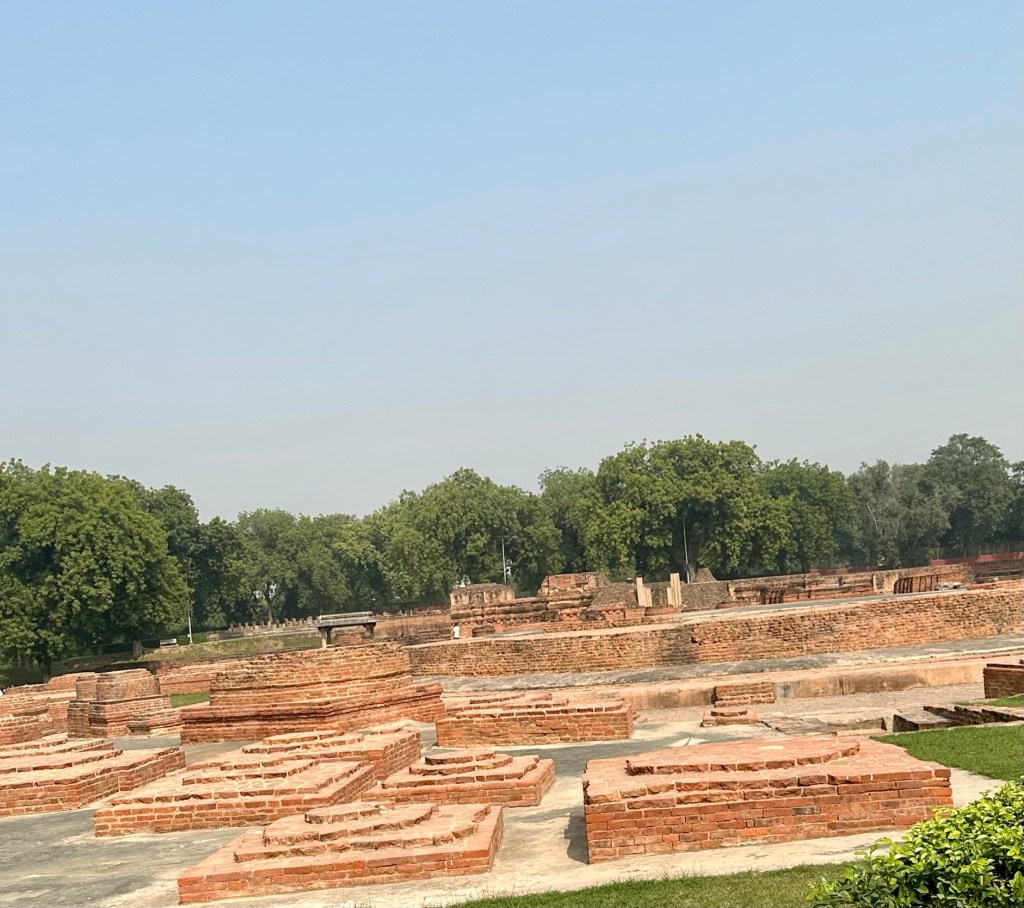
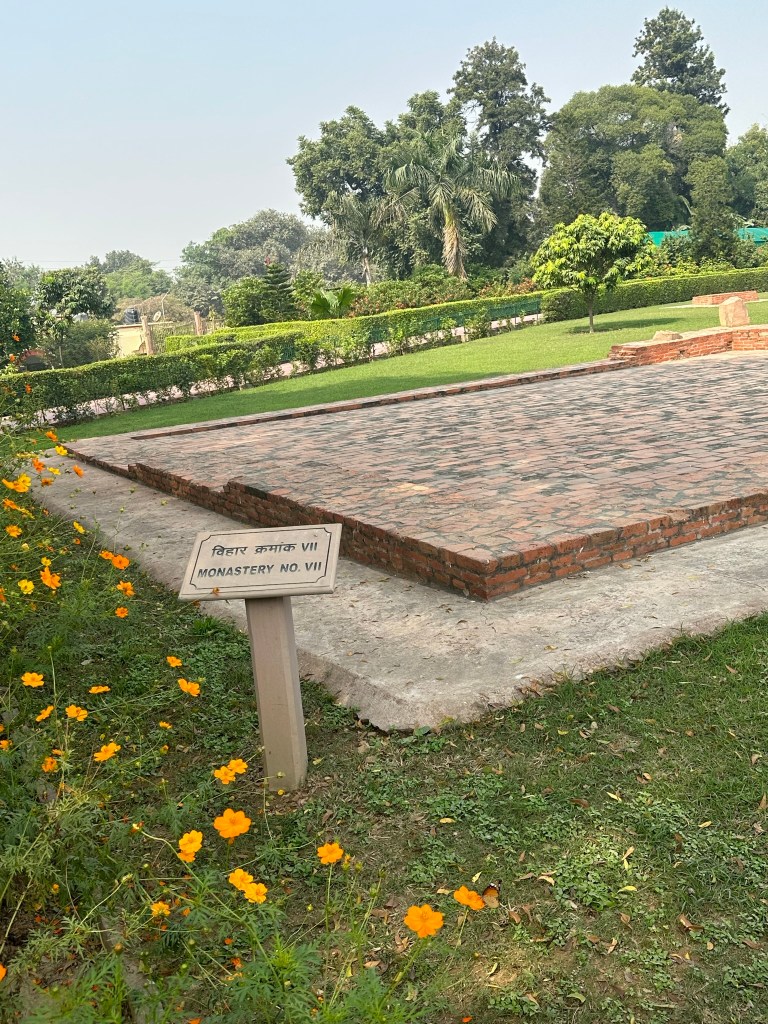
Sarnath, a small town located 10Km outside of Varanasi in India, is considered to be one of the most sacred places for Buddhist pilgrims. After attaining enlightenment in Bodhi Gaya (which is in present day Bihar), Buddha travelled to Varanasi and gave his first sermon to five of his followers, established Sangha (Buddhist monastic community) and set the wheel of Dharma in motion. Sarnath gained more prominence during 3rd century BC when king Ashoka erected several Stupas and monastic complexes and helped to spread Buddhism in India and Southeast Asia.
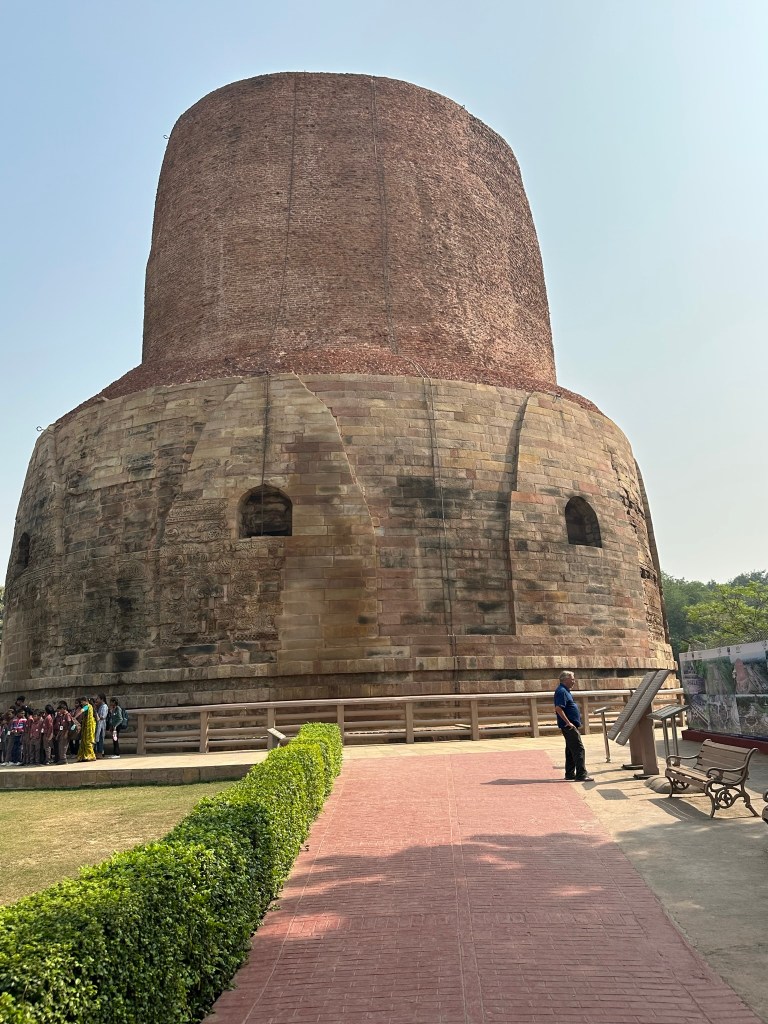
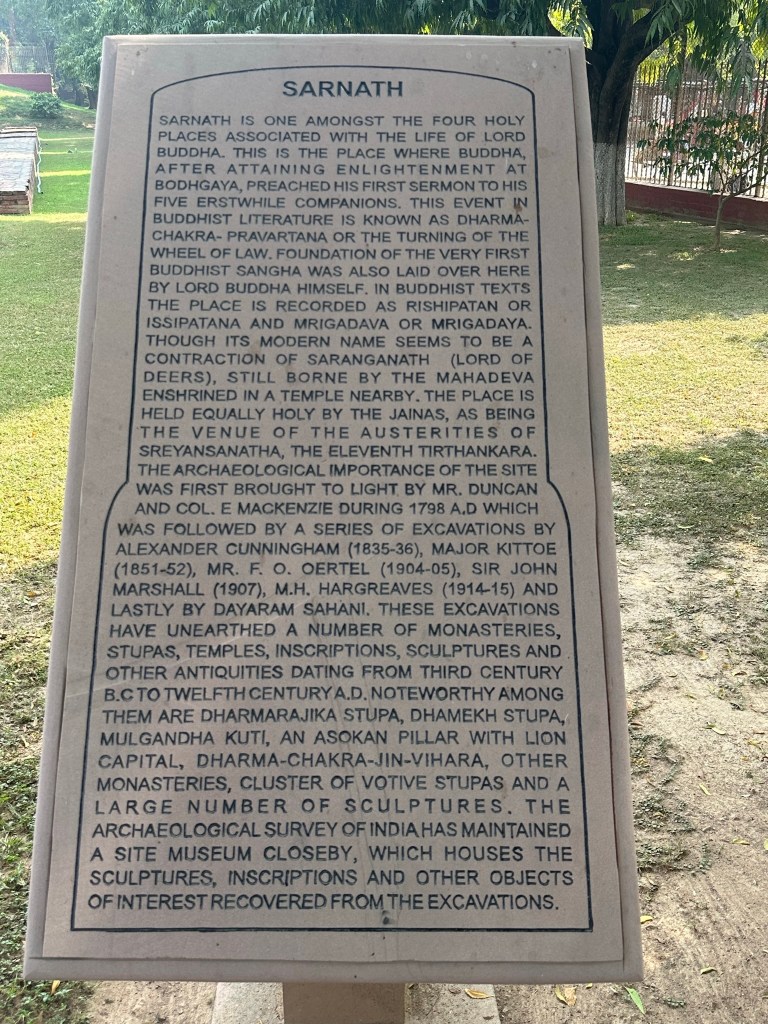
Buddhist stupas were originally built to house the earthly remains of Buddha and his associates and are almost invariably found at sites sacred to Buddhism. According to world history org, ” A Stupa (literally “heap” or “pile”) is a shrine containing the remains of a holy person and/or artifacts (relics) associated with them, originating in India prior to the 5th century BCE as tombs of holy men and evolving afterwards into sacred sites dedicated to the Buddha (l. c. 563 – c. 483 BCE).Later, stupas were also raised to honor Buddhist arhats (saints), bodhisattvas (enlightened ones), other saintly figures, or local deities”.
A stupa is a hemispherical structure, with a spire at the top, situated on a base that varies in shape and size and is usually surrounded by a walkway for visitors. The Dhamekh Stupa in Saranath is believed to have been built during the reign of Emperor Ashoka, stands at 33.35 meters in height and is adorned with intricately carved stone panels depicting scenes from Buddha’s life and teachings. Eight niches are provided in the eight direction which are assumed to contain images of Buddha.

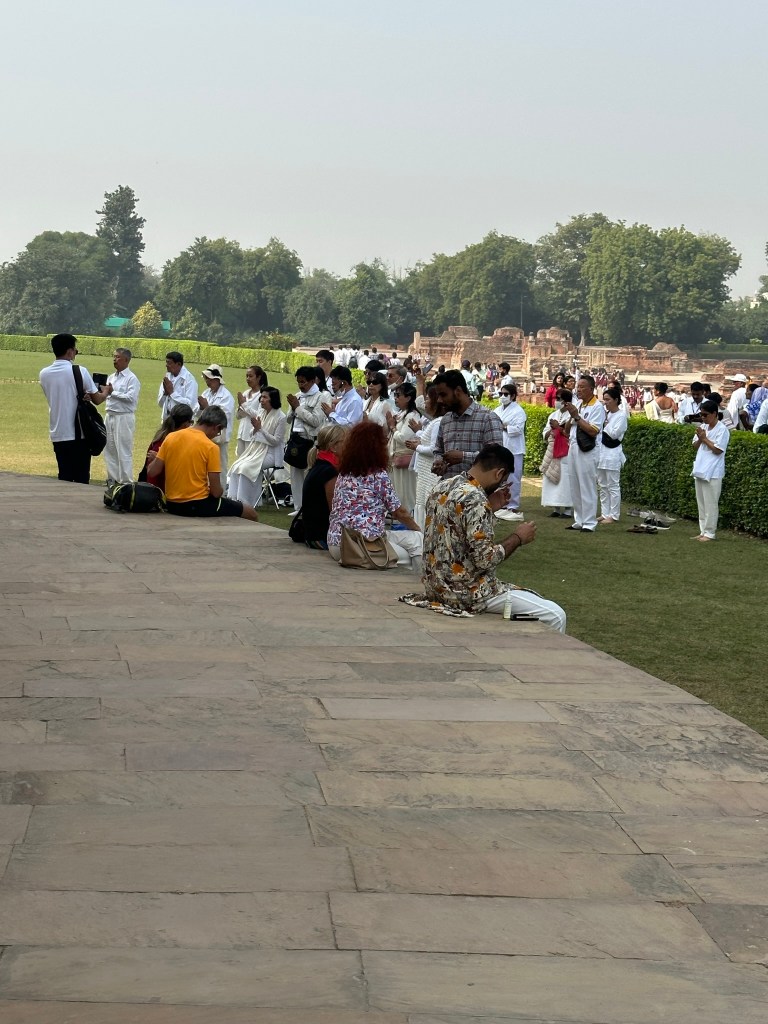
It is very common to see Buddhist pilgrims meditating and praying around this area.
King Ashoka and Lion Capital-the national emblem of India

Ashoka was the third emperor of Maurya dynasty and ruled between 279-232 BC. After witnessing the death and carnage caused by his army in the war of Kalinga, Ashoka decided to adapt the teachings of Buddha and spread the four noble truths of Buddhism far and wide. One of the ways King Ashoka decided to spread the noble truth of Buddhism is through erecting pillars that are 40-50 ft tall and with edicts/proclamations written on them. The pillars cut from two different types of stone—one for the shaft and another for the capital. The shaft was almost always cut from a single piece of stone. The capital or the top part of the pillar varies and usually have symbol depicting Buddhism or its philosophy.
Lotus and lion-Symbolism associated with Ashoka Pillar found at Sarnath.
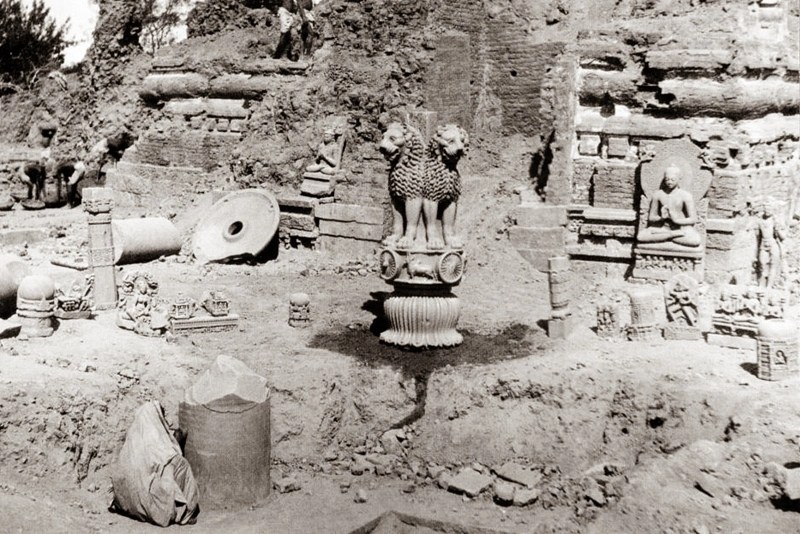
One of the most famous Ashoka Pillar is the one found at Sarnath. You can still see the pillar remains where it was originally located while the Capital of the pillar is in display at the museum next door. The symbols from the Capital that was found in Sarnath was adopted as the national emblem of India in 1950 when India became a republic. It is depicted on the one rupee note and the two rupee Indian coin. The Capital of the Ashoka pillar found in Saranath follows the typical style of the Ashoka pillar with a shaft and capital that is made of 3 parts-an inverted lotus flower, base with 4 animals carved in-between wheels , and 4 lions sitting on the top.
The lotus flower usually depicts Buddhist doctrine and is the most common symbol of Buddhism. Buddhism teaches that human life is like the “lotus flower” and the “muddy water” the harsh realities of everyday life. Lotus flower blooms in muddy water and its petals remain unblemished implying that Buddhist practitioner rises above despite the challenges of daily life and moving towards the light of wisdom. The Sarnath Ashoka Pillar lion capital has four lions on the top of the drum each facing in the four cardinal directions. Their mouths are open, roaring or spreading the dharma, the Four Noble Truths, across the land.
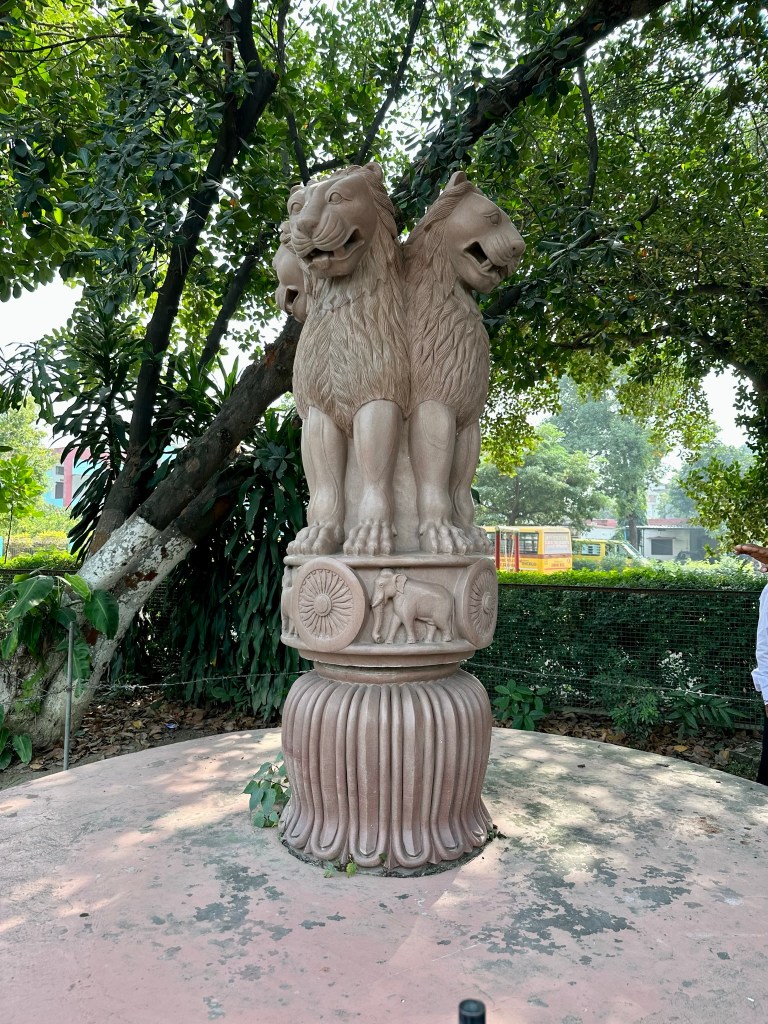
On the drum of the Capital, there are four circular wheels in the middle is a form of Buddhist Dharma Chakra (also known as the Ashok Chakra). The 24 spokes of the Chakra represent the number of hours in a day. The spokes signify moving forward in life and thus one avoids stagnation of the mind. The four animals depicted alternatively between the chakras are regarded as the guardians of four directions – the lion for the north, the elephant for the east, the horse for the south and the bull for the west. In some Buddhist texts, all these animals have been referred to as symbols for Buddha himself and may be deduced as him carrying forward the tenets of Dharma. In yet another interpretation, these four animals represents the different stages of Lord Buddha’s life. (https://www.culturalindia.net/national-symbols/national-emblem.html)
Other noteworthy things to see around Sarnath:
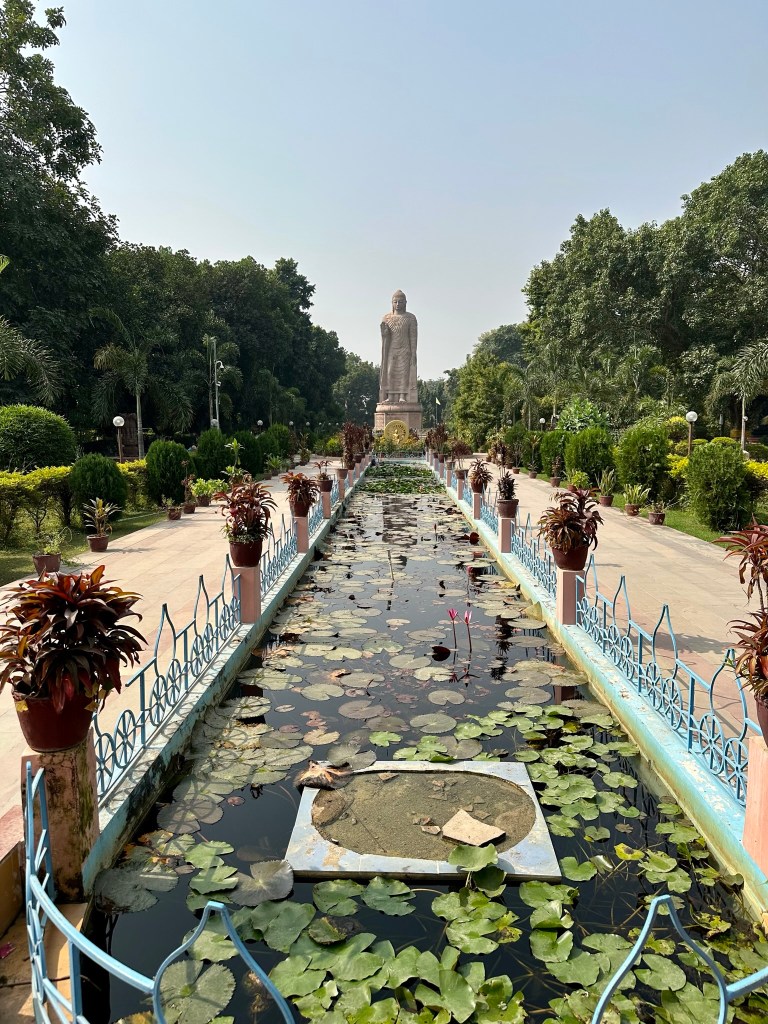
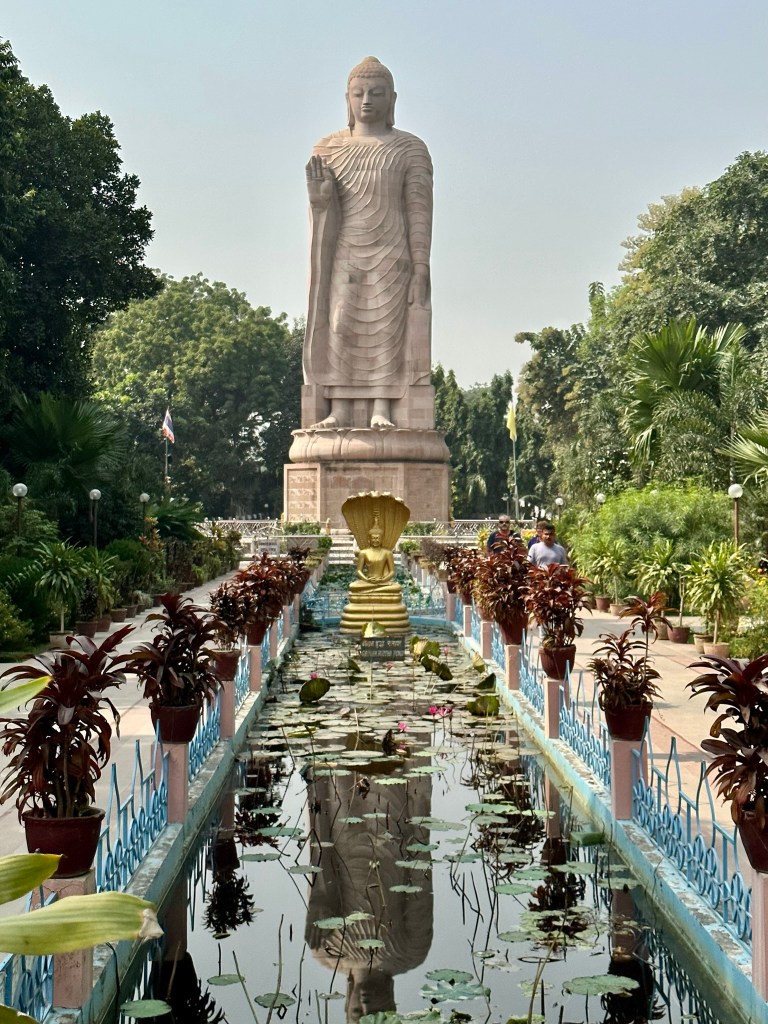
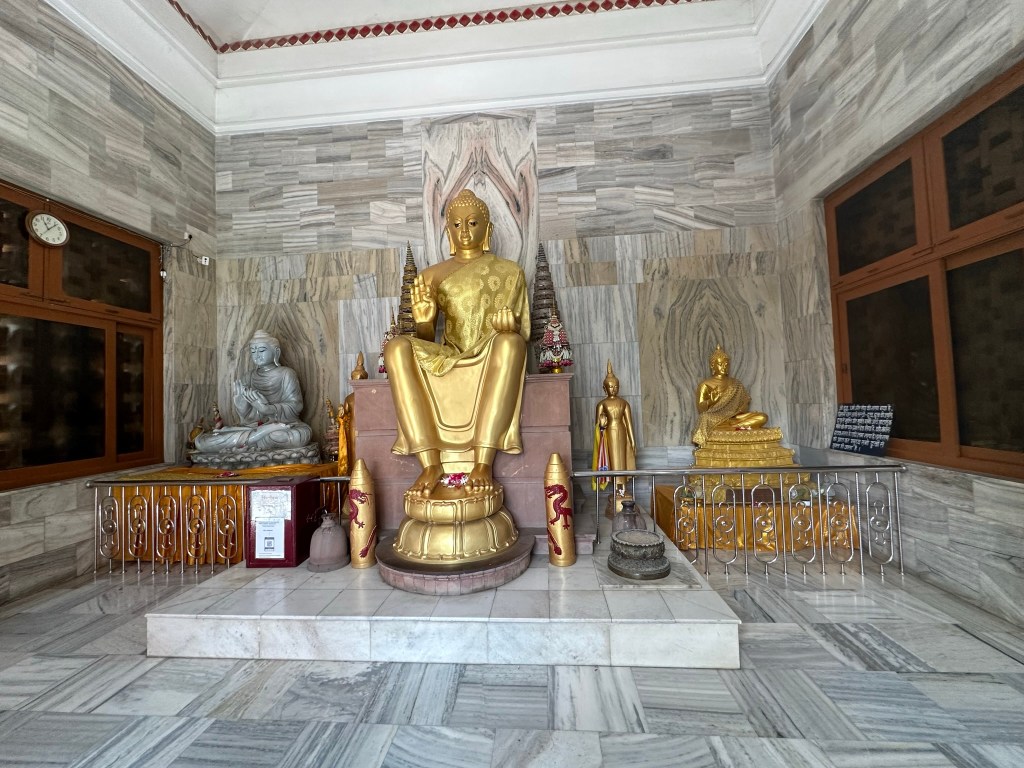
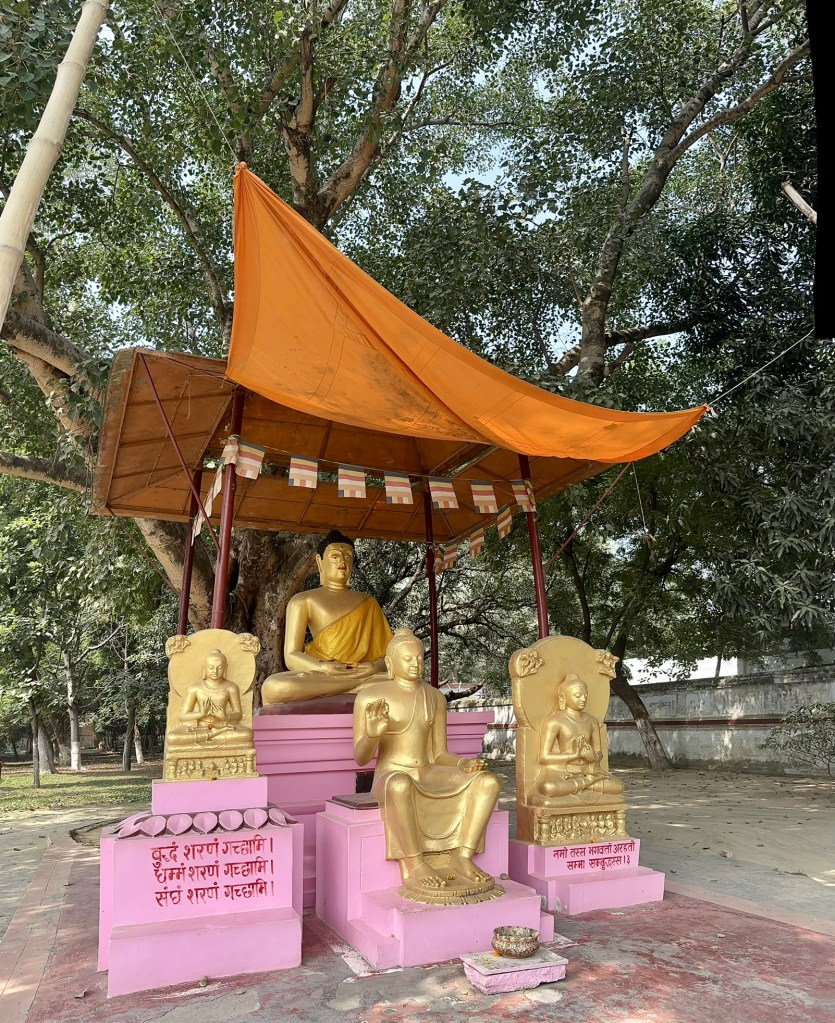
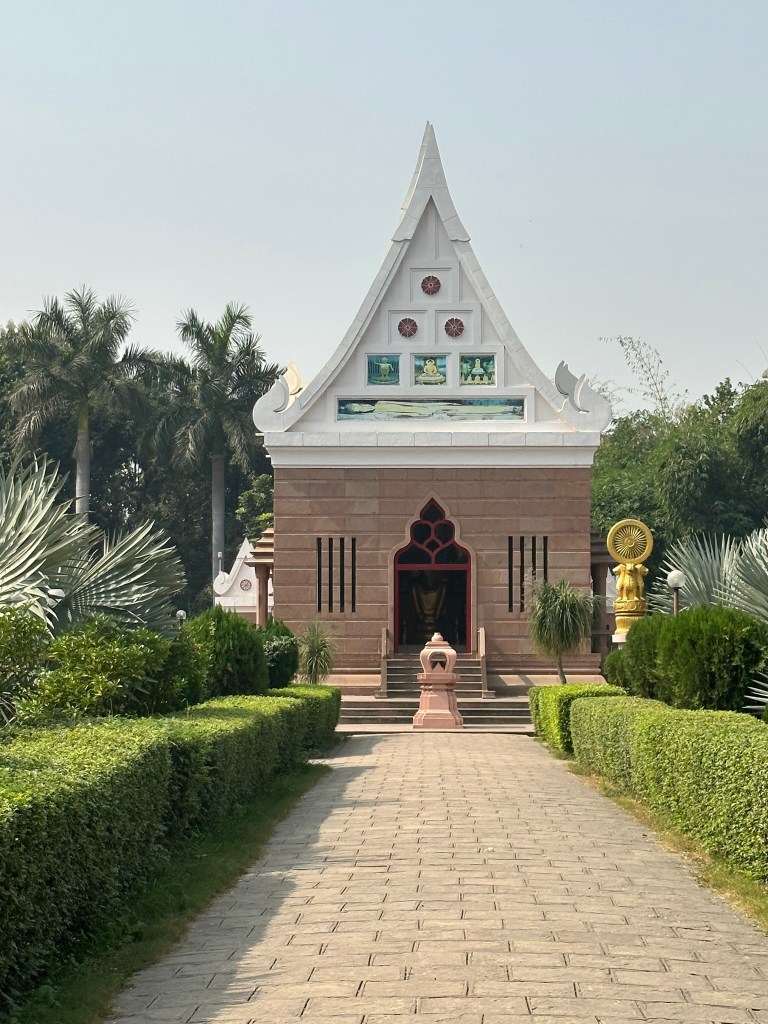
Apart from the archeological site and the museum, there is a beautiful Thai temple with a large standing buddha statue set in a beautiful garden. There are scenes depicting first sermon of Buddha as well as a laughing buddha statue. This place is definitely worth stopping by even for few minutes.


Final thoughts
Saranath is a great place to add to your visit when you are in Varanasi and definitely worth visiting both for historical significance as well as religious significance.
 Peaks to Palaces