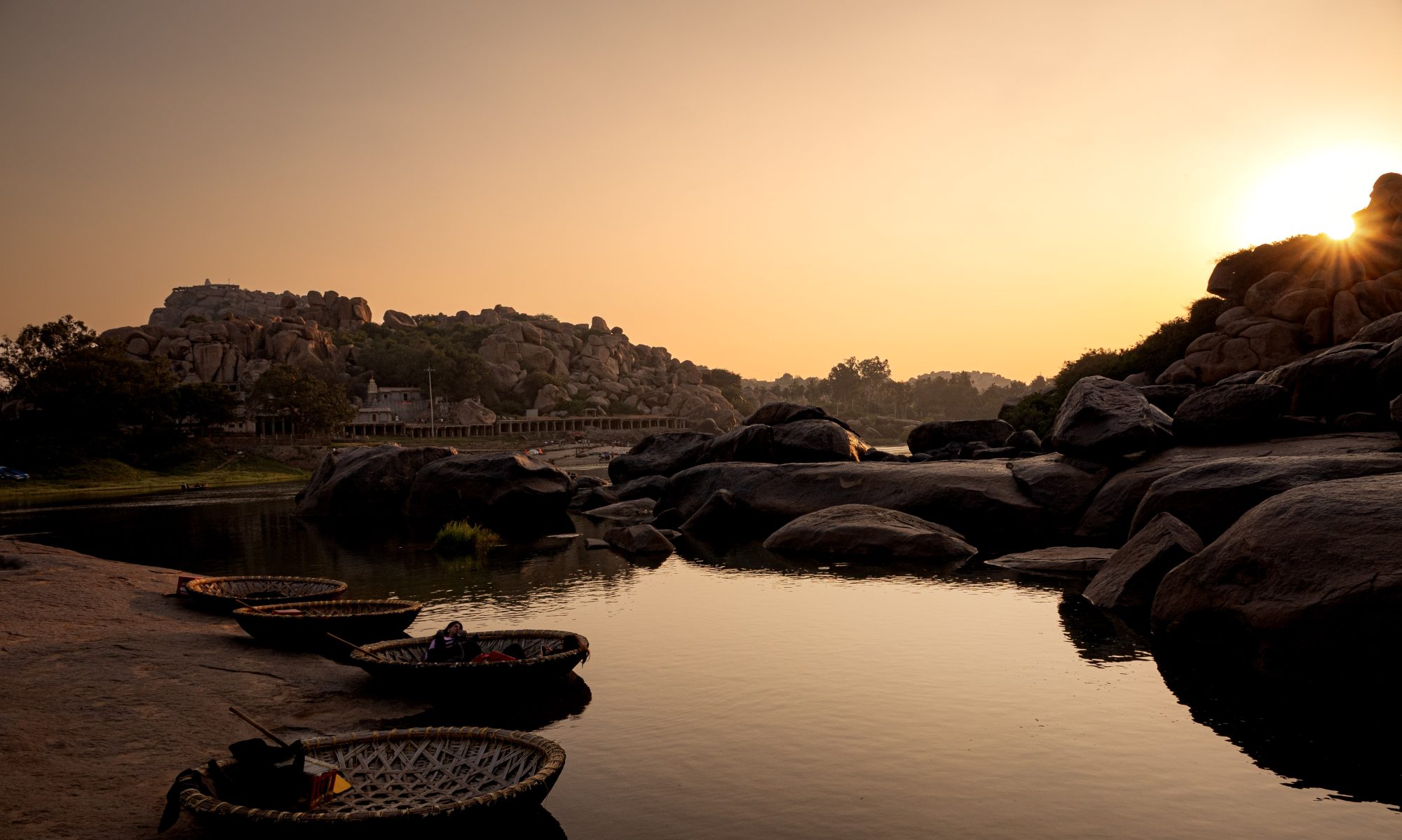
Don’t watch the clock; do what it does. Keep going
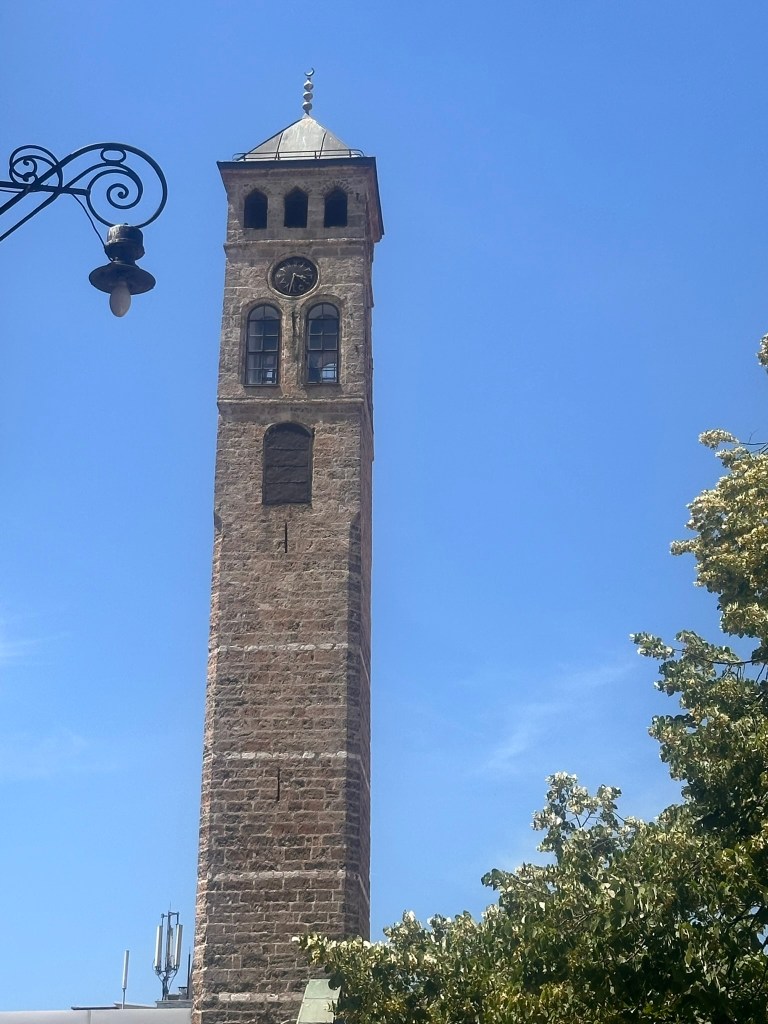
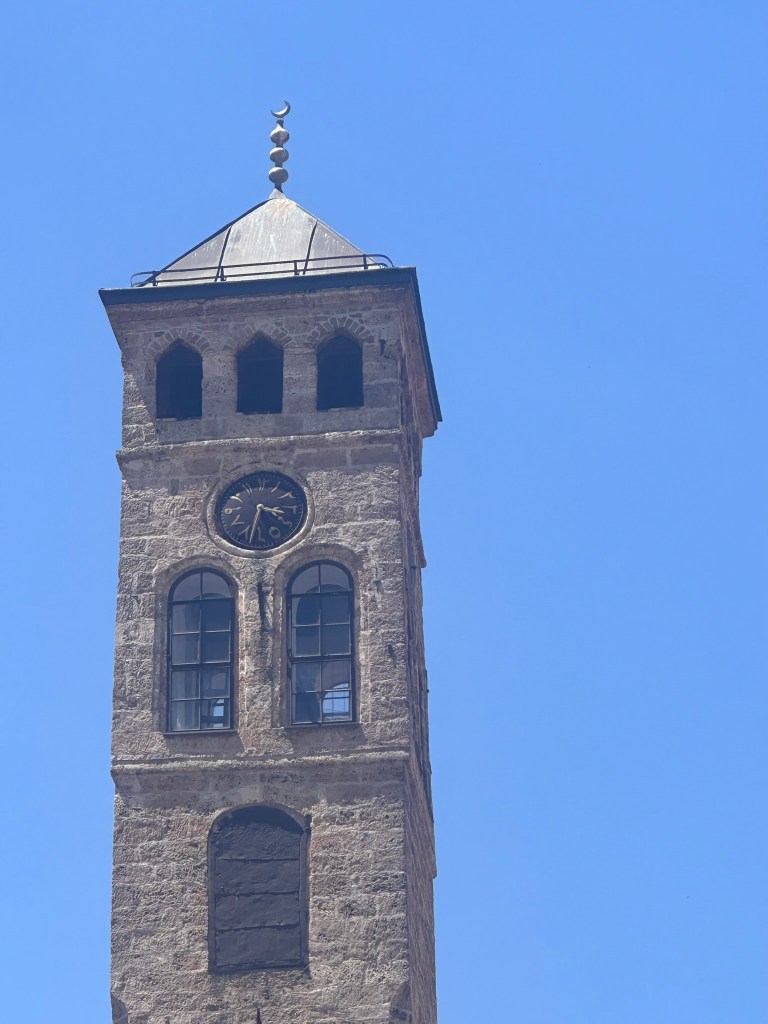
Right next to the Gazi Husref-bey mosque in old town Sarajevo, stands a clock tower known as Sahat-Kula that displays time in a unique way, following lunar “a la turca” time which means that time is set according to that day’s sunset, when its hand must be firmly on 12. Without a manual reset, the clock would stop functioning within a week. The times of prayers are also determined according to the Clock Tower, and during Ramadan the Clock is responsible for determining the time of iftar (breaking fast). The clock tower was built in the 16th century by Gazi Hursref Bey, and in 1876, after the original clockface was broken, the current one was installed and has been working since then.
Muvekit (clock keeper)
Since the sunset changes every day depending on the season, the clock must be regulated often, and this is the job for the muvekit or the clock keeper. Current clock keeper is Mensur Zlatar, has a regular job as a jeweler near grand Gazi Husrev-beg mosque and his second job is to keep the clock tower running. Twice a week since 1967, Zlatar has climbs the 76-step tower of Sahat-Kula, to set the time.
Even during the 1990s war in former Yugoslavia, when Sarajevo was under siege for 1425 days and it was dangerous for people to go out as snipers from surrounding hills would shoot any civilian, Zlatar still climbed the steps of Sahat-Kula to set the time every week. He scaled it back to once a week during the war and since then has resumed his twice-weekly climb (This Man Keeps Time on the World’s Last Lunar Clock)

And that’s the heart of wabi-sabi—not the perfect tick of a quartz watch, but the weathered hands of a man who climbs for time. A clock that needs human touch. A ritual that has lasted because it’s flawed, fragile, and yet enduring.
Where modern life seeks precision, Sahat-Kula answers with presence.
 Peaks to Palaces