Discovering the Magic of Rosenborg Castle in Copenhagen

In the middle of Copenhagen’s King’s Garden, where locals picnic under lime trees and cyclists glide past in quiet loops, Rosenborg Castle rises like a fairytale frozen in brick and copper. Built by King Christian IV in the early 17th century, this petite Renaissance palace feels intimate compared to Denmark’s grander castles — but don’t let its size fool you. Rosenborg is a treasure chest of royal secrets, innovations, and glittering wonders. You can easily spend 1-2 hours in this castle.

Know before you go:

It is recommended that you buy tickets online before your visit, as tickets may sell out on busy days. For security reasons, a limited number of visitors are allowed into the castle at a time. There is a limit to the number of tickets available per day. You can find detailed information here
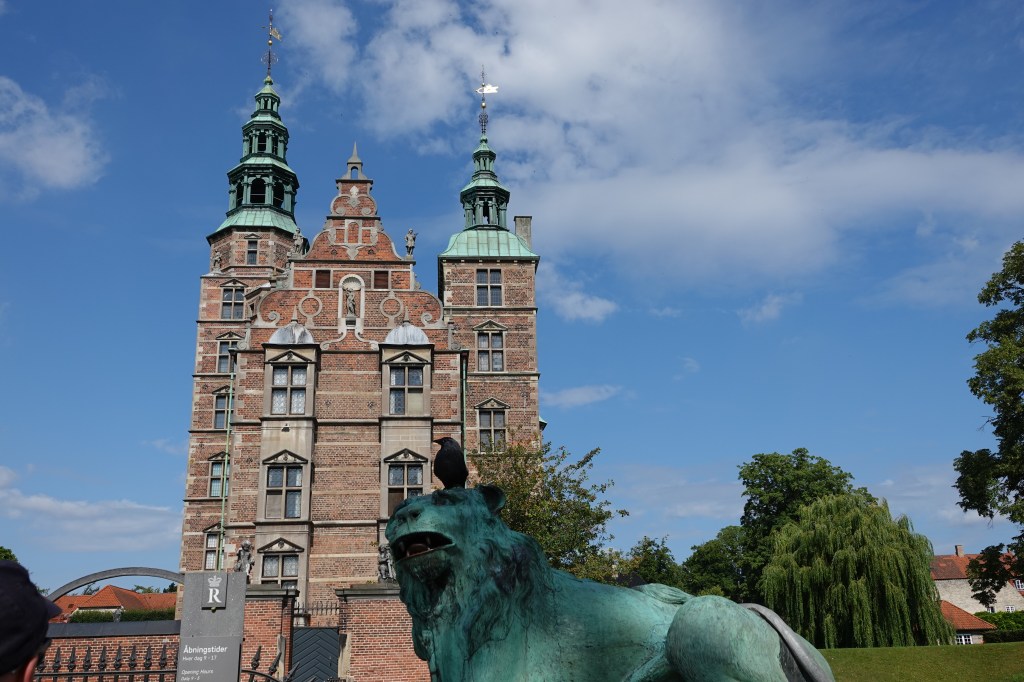
Rosenborg Castle: Must‑See Highlights

1. The Crown Jewels & Royal Regalia 💎👑

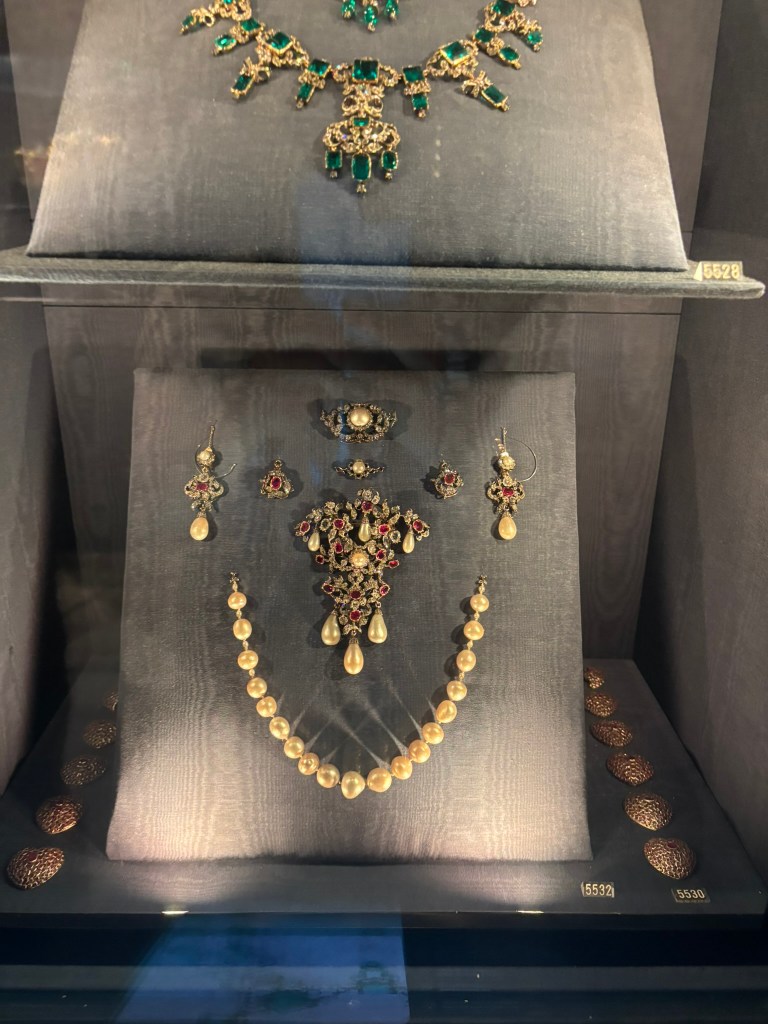
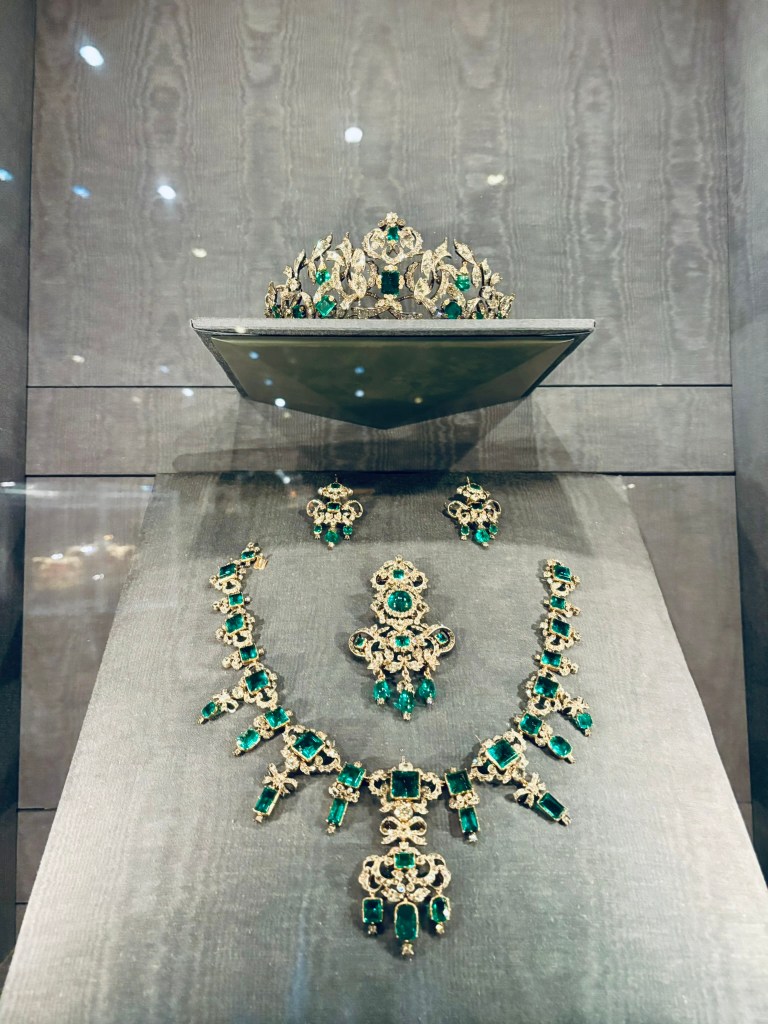
Housed in the fortified basement vaults, Denmark’s Crown Jewels are the only set in the world still used by a reigning monarch. Don’t miss the dazzling emerald set and the coronation crowns.

2. The Knight’s Hall 🦁✨

A dramatic showstopper featuring the silver lions guarding the coronation throne, tapestries depicting royal victories, and the grandeur of absolute monarchy on full display.

3. The “Invisible Music” System 🎻🔊

A 17th‑century acoustic marvel hidden beneath the Winter Room. Musicians played in a cellar chamber while their music drifted into the room above through secret ducts — creating the illusion of music appearing from nowhere.

4. The Porcelain Cabinet 🏺🔵

A mesmerizing chamber lined floor‑to‑ceiling with blue‑and‑white porcelain, arranged with mathematical precision and royal flair.

5. The Mirror Room 🪞✨

A glittering space where reflections multiply endlessly, creating a sense of infinite depth and theatrical elegance.

6. The King’s Writing Room ✒️📜

An intimate chamber that feels frozen in time — dark wood, leather bindings, and the quiet presence of Christian IV’s daily life.

7. The Winter Room ❄️🌿

One of the castle’s most beautifully preserved interiors, filled with rich tapestries, carved panels, and the atmospheric glow of early 17th‑century design.

8. The King’s Garden (Kongens Have) 🌸🌳

Copenhagen’s oldest royal garden, perfect for a post‑castle stroll. In summer, the rose beds and pavilions create a serene backdrop for photos and picnics.

A King’s Private Playground

Rosenborg was never meant to be a formal royal residence. It was Christian IV’s pleasure palace. It served as a retreat where he could experiment and entertain. He indulged his love for art, architecture, and engineering. With his colorful personality, building projects, and many wars, Christian IV left a deep imprint on Danish history. Rosenborg remained a royal residence until 1710.

Walking through its narrow staircases and richly decorated chambers feels like stepping directly into the king’s imagination. The ground and first floors are structured as a chronological journey through royal lineage from Christian IV to Fredrik VII. Under the castle, there is a basement and a treasury. The basement holds royal collection of precious objects, whilethe treasury holds the Danish royal crowns and crown jewels
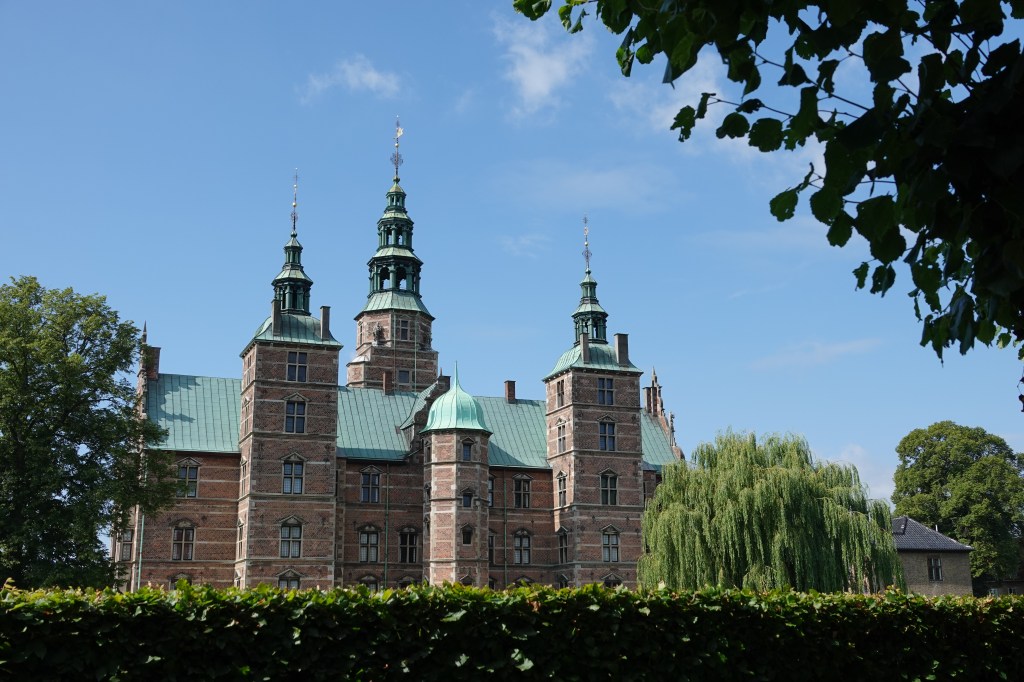
The “Invisible Music” Room: A Royal Acoustic Illusion

One of Rosenborg’s most delightful secrets is found under the beautiful Winter Room. Here, Christian IV set up a 17th-century “invisible music” system — an amazing early sound invention that seems surprisingly modern. In a small cellar below, musicians played music hidden from view. Their tunes traveled up through specially made ducts, filling the room above as if they came from thin air.

This room was under renovation when I visited in August of 2025. The planned renovation includes restoring it to its appearance during Christian IV’s time.

The Crown Jewels: Denmark’s Shimmering Legacy

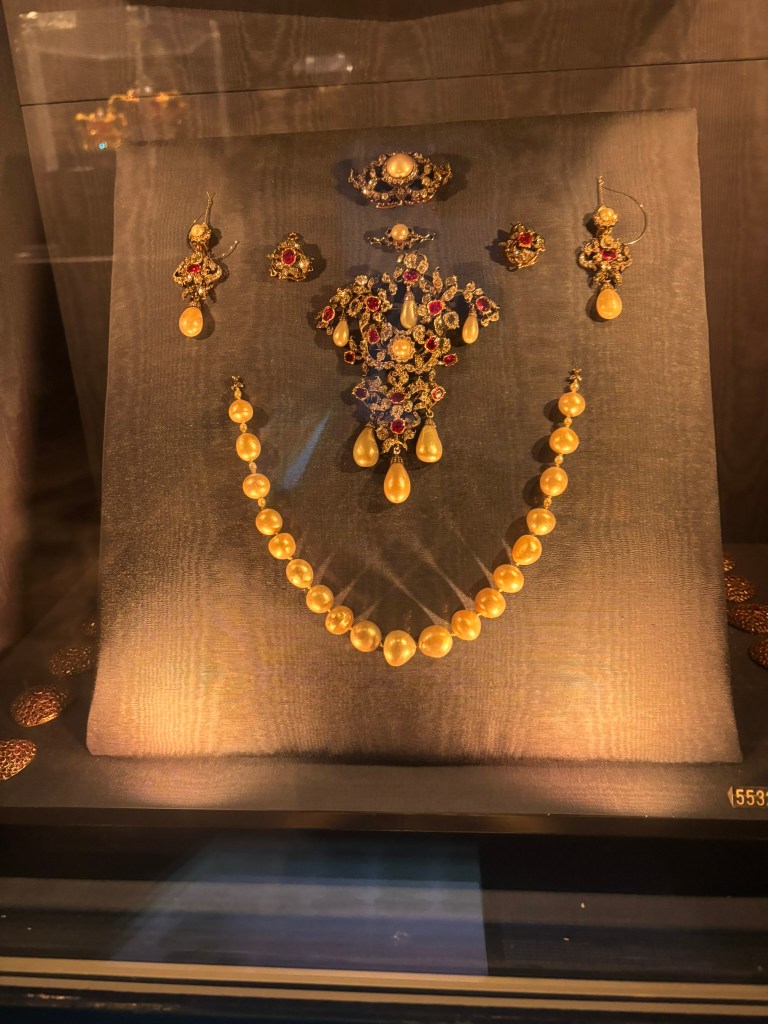
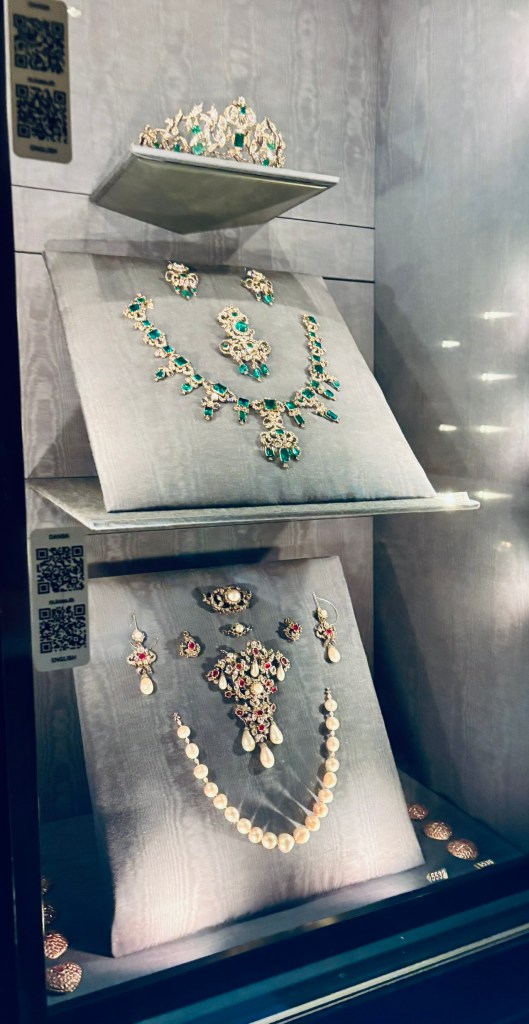
Deep beneath the castle, in a heavily fortified vault, lie the Danish Crown Jewels and Royal Regalia. This set is unique as it is the only one in the world still used by a reigning monarch.

Did you know? Queen Sophie Magdalene’s will of 1746 decreed that her jewelry was not to be given to one person. It was always to be “with the crown”. The crown jewels of Rosenborg consist of four sets of jewelry mounted with pearls and rubies, emeralds, and rose-cut diamonds and brilliant-cut diamonds respectively. The crown jewels may be worn only by the sitting queen and only in Denmark.
A Castle Wrapped in a Garden

Outside, the King’s Garden (Kongens Have) is Copenhagen’s oldest royal garden, a beloved green refuge for locals. In summer, roses bloom in geometric beds, children chase bubbles near the Hercules Pavilion, and the castle’s copper spires glow in the afternoon sun.

It’s the perfect place to linger after your visit — a gentle contrast to the glittering drama inside.

The Knight’s Hall-Living History 🦁✨

At the top of Rosenborg Castle, the Knight’s Hall is a spectacle of royal drama. It is a long, ceremonial chamber where power was meant to be seen. It was also meant to be felt and remembered. This is the castle’s crowning space. It is home to the iconic coronation throne guarded by three silver lions. These lions are symbols of absolute monarchy and royal authority. The hall is lined with richly woven tapestries. These tapestries depict Denmark’s battles against Sweden. Each panel is a vivid reminder of shifting borders and hard‑won victories. Ornate stucco ceilings, gleaming chandeliers, and displays of ceremonial weapons complete the scene. They create an atmosphere that feels both theatrical and intimate.
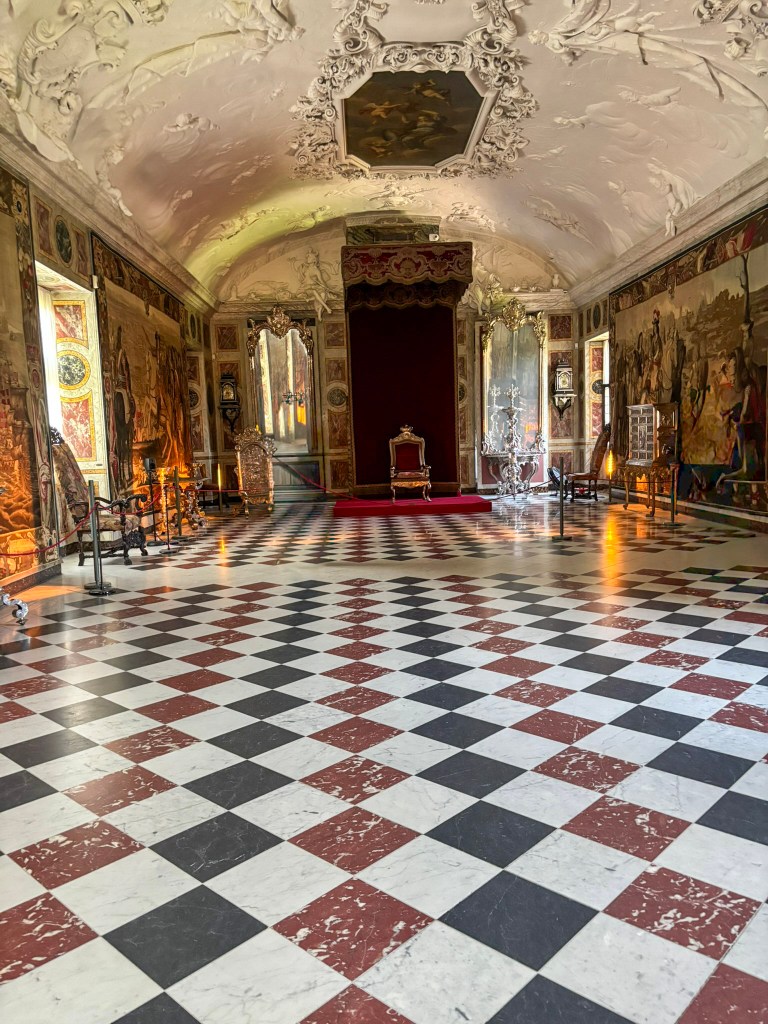
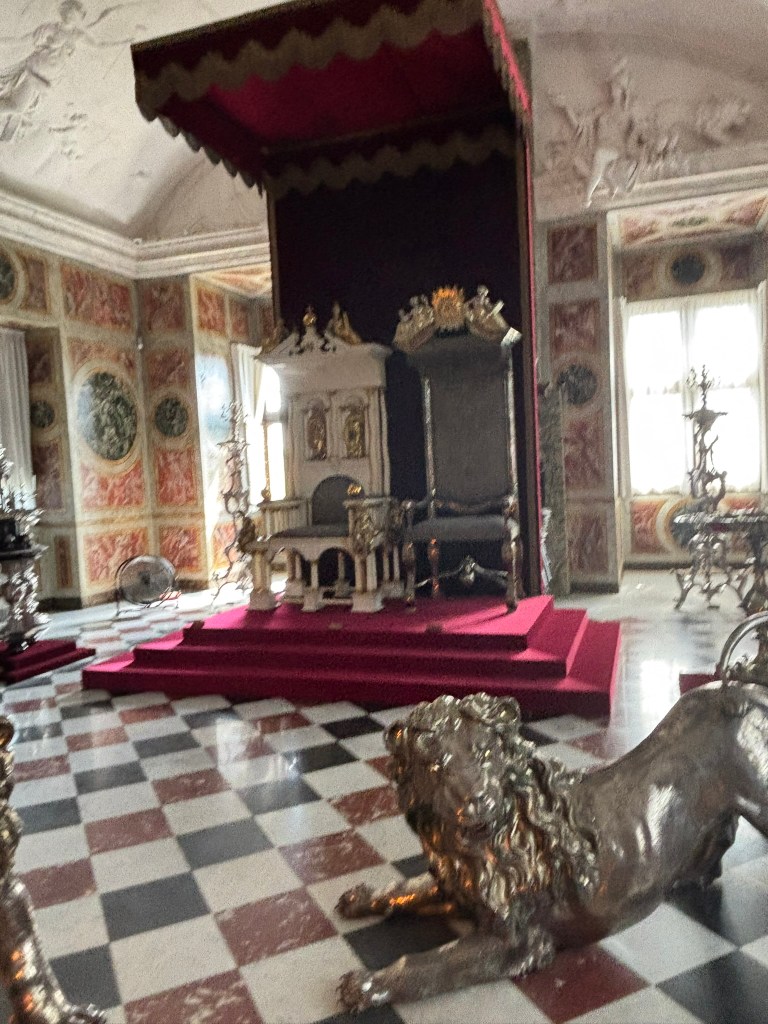
Living history- The objects in the Knights’ Hall are not only for display. On special occasions, the royal family uses them. Since 1671, all royal children have been baptized in a fountain near the throne. The coffin of a deceased monarch is placed on public view in Christianborg Palace Chapel before the funeral. It is guarded by the three silver lions. The coffin is also adorned with the regalia from the treasury.

Why Rosenborg Belongs on Your Copenhagen Itinerary

Rosenborg Castle isn’t just a museum — it’s a time capsule. A place where royal ambition, artistic brilliance, and whimsical innovation coexist under one copper roof. You might be drawn by the Crown Jewels. Perhaps it’s the secret music system or the intimate scale of the rooms that attracts you. Rosenborg offers a rare glimpse into the private world of Denmark’s most imaginative king.
Your Ultimate Guide to Helsingør and Helsingborg

🌊 Discovering Helsingør (Elsinore), Denmark

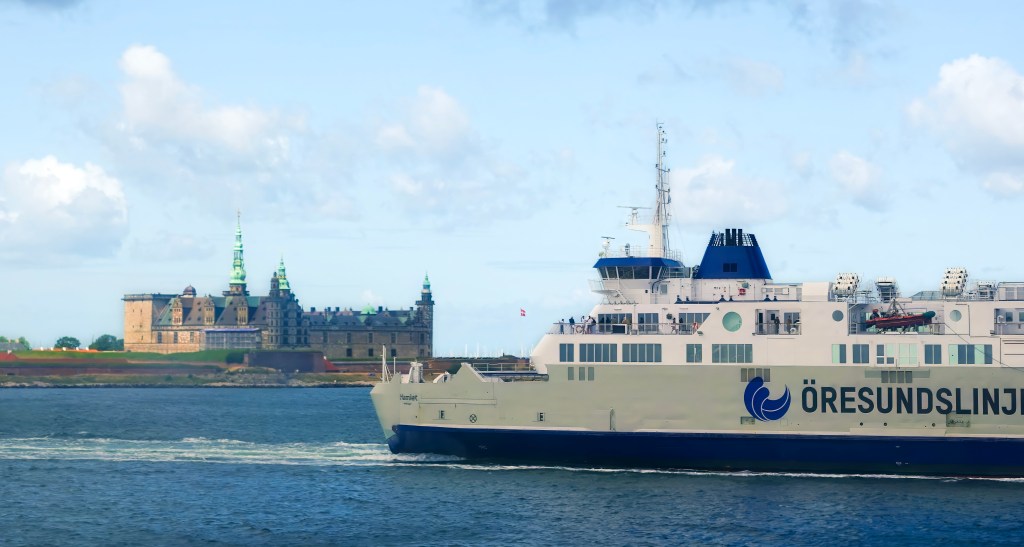
Perched on Denmark’s northeastern shore, Helsingør is best known as the home of Kronborg Castle—immortalized by Shakespeare as Hamlet’s Castle—but the city itself offers far more than its fortress. Its Old Town is one of Europe’s best-preserved historic centers, with cobblestone streets, colorful facades, and centuries-old houses that trace back to the Sound Dues era when Helsingør thrived as a bustling maritime hub

While Kronborg Castle is the star attraction, Helsingør itself is a delightful seaside town worth exploring:

  • M/S Maritime Museum of Denmark: Built in a striking underground dock, this museum showcases Denmark’s maritime history with interactive exhibits and bold architecture.
  • Historic Town Center: Stroll cobblestone streets lined with colorful houses, boutique shops, and cafés. The Church of St. Mary is a highlight with its medieval architecture.
  • Danish Museum of Science & Technology: A fascinating collection of historic vehicles, engines, and scientific instruments.
  • Kulturværftet (Culture Yard): A modern cultural hub hosting concerts, exhibitions, and festivals.
  • Coastal Promenade: Scenic walks along the Øresund with views across to Sweden.

Tip: Helsingør is compact—you can easily combine Kronborg Castle with the Maritime Museum and a town stroll

More details about visiting Kronborg Castle and what to see- Explore Kronborg Castle

Crossing to Helsingborg, Sweden

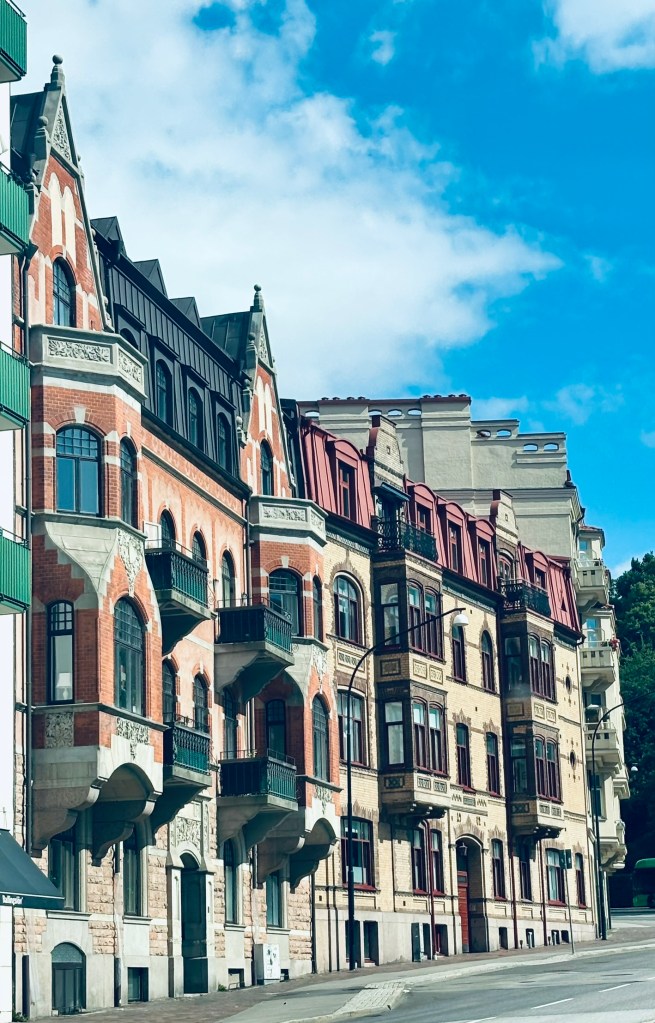
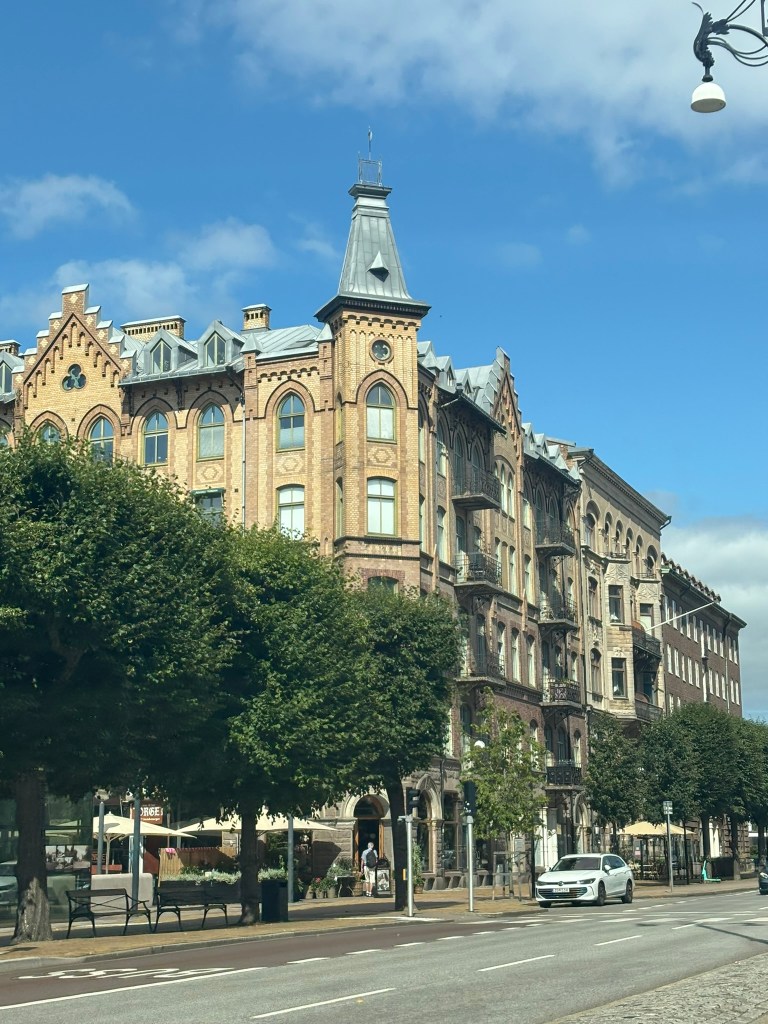
Just across the Øresund Strait from Helsingør, Helsingborg one of Sweden’s oldest cities and a perfect complement to a Kronborg day trip. Its centerpiece is Kärnan, a medieval tower that once formed part of a grand fortress, offering sweeping views across the water to Denmark. The city is also home to Sofiero Palace and Gardens, a former royal residence famous for its rhododendrons and landscaped grounds. Strolling through Helsingborg reveals cobblestone streets, half-timbered houses, and lively shopping districts that blend history with contemporary culture

Top Things to Do in Helsingborg:

  • Sofiero Palace & Gardens: A former royal residence famous for its rhododendron gardens and sweeping coastal views.
  • Kärnan Tower: A medieval fortress tower offering panoramic views of the city and sea.
  • Sankta Maria Kyrka: A Gothic church with ornate medieval decoration.
  • Fredriksdal Open-Air Museum: Explore traditional farmsteads, gardens, and cultural exhibits.
  • Seaside Promenades & Beaches: Perfect for summer walks, swimming, or simply enjoying the coastal charm.
  • Local Food & Shopping: Helsingborg’s city center has cozy cafés, seafood restaurants, and boutique shops.

Tip: A combined Helsingør–Helsingborg itinerary lets you experience two cultures in one day—Danish Renaissance grandeur and Swedish coastal elegance.

🚆 Getting There

  • From Copenhagen to Helsingør: Train from Copenhagen Central Station to Helsingør (~45 minutes).
  • From Helsingør to Helsingborg: Ferry across the Øresund (~20 minutes). Ferries run frequently, making it easy to hop between the two cities.

Did you know? The Øresund and Dano-Swedish War of 1658–1660.

The narrowest point of the Oresund is only 4 KM wide, and is located between Helsingør, Denmark, and Helsingborg, Sweden.

The March Across the Belts (1658)

The army of King Charles X Gustav of Sweden crossed the much wider Little Belt (Lillebælt) and Great Belt (Storebælt) straits to reach the main Danish islands of Funen and Zealand, ultimately threatening the capital, Copenhagen.  Kronborg Castle was besieged and captured by the Swedish army. Although the famous march took place over the ice of the Great and Little Belts, Kronborg was a key target on the broader conflict known as the Dano-Swedish War of 1658–1660.

  • Exceptional Weather: The winter of 1657-1658 was one of the coldest during the “Little Ice Age,” causing the seawater of the Belts to freeze solid, which was a rare occurrence.
  • The Crossing: The Swedish army, comprising around 12,000 troops (primarily cavalry), used the frozen ice to their advantage. Royal engineer Erik Dahlberg scouted the routes and confirmed the ice was thick enough to support the army and artillery.
  • Outcome: The unexpected invasion of Zealand by land completely surprised the Danes, who had expected the Swedes to launch a naval attack in the spring. The Danish government panicked and was forced to sign the disastrous Treaty of Roskilde on February 26, 1658, ceding significant territory (including modern-day southern Sweden) to the Swedish Empire

Ferry Ride across the Øresund

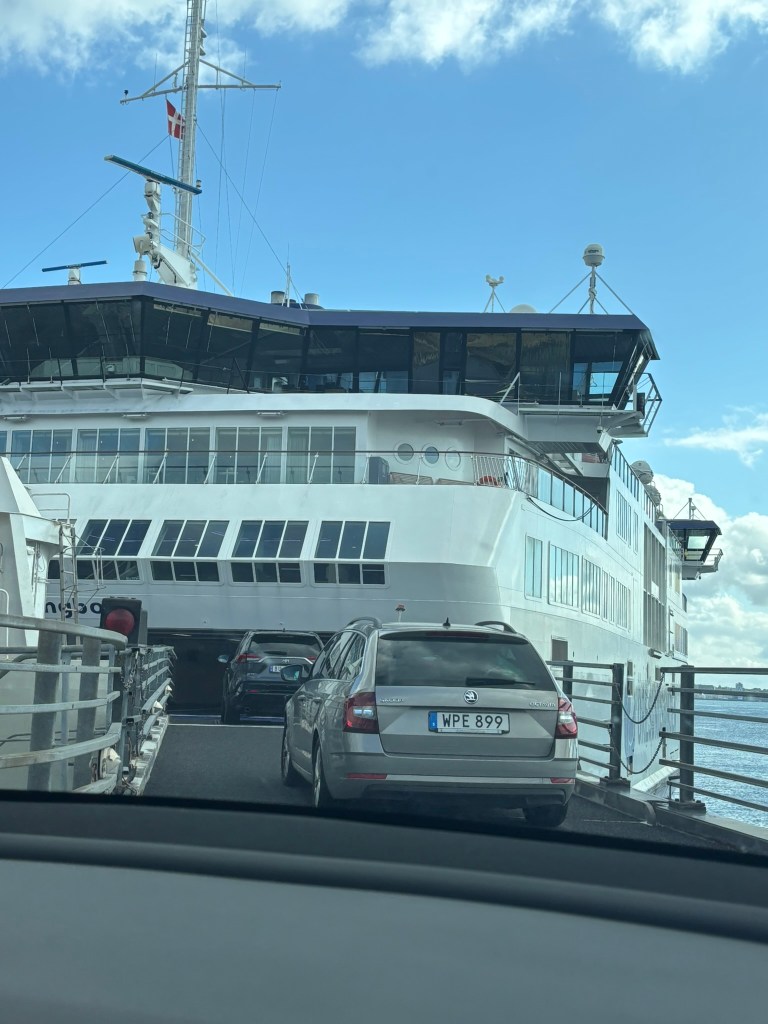
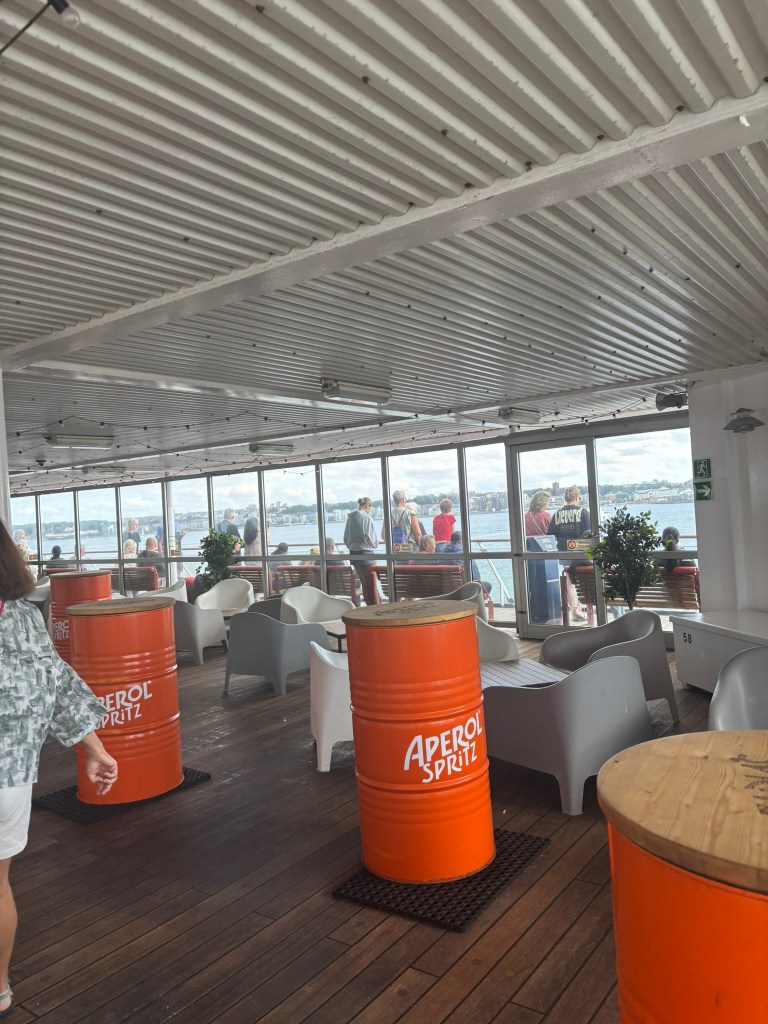
One of the things I really enjoyed while travelling between Helsingør and Helsingborg is the ferry ride across the Øresund. It takes about 20 minutes to cross the sound. The primary operator for this route is Öresundslinjen (formerly ForSea). 

Key Details

  • Duration: The journey typically lasts only 20 minutes due to the short distance across the Øresund Strait.
  • Frequency: Ferries run frequently, with approximately 50-70 daily departures from each harbor, operating almost 24 hours a day.
  • Operators: The main operator is Öresundslinjen (which carries both foot passengers and vehicles). A passenger-only service is also available from Sundbusserne.
  • Cost: Prices vary depending on the time of booking, type of ticket (foot passenger, car, etc.), and time of day. Booking online in advance generally secures the best prices. Foot passenger tickets can start from around $24 USD or 64 SEK, while car prices vary widely.
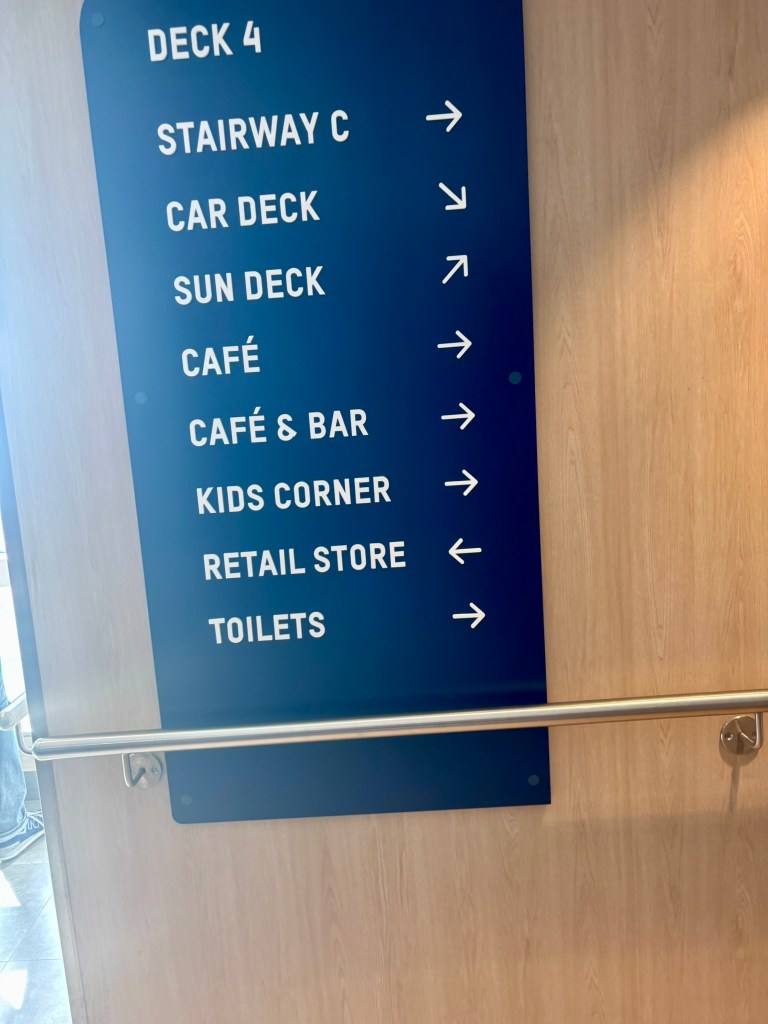
  • Onboard Experience: The ferries are well-equipped with amenities such as restaurants, cafés, and duty-free shops.
  • Location: The ferry terminals in both cities are conveniently located near the respective train stations, making onward travel easy for foot passengers. 

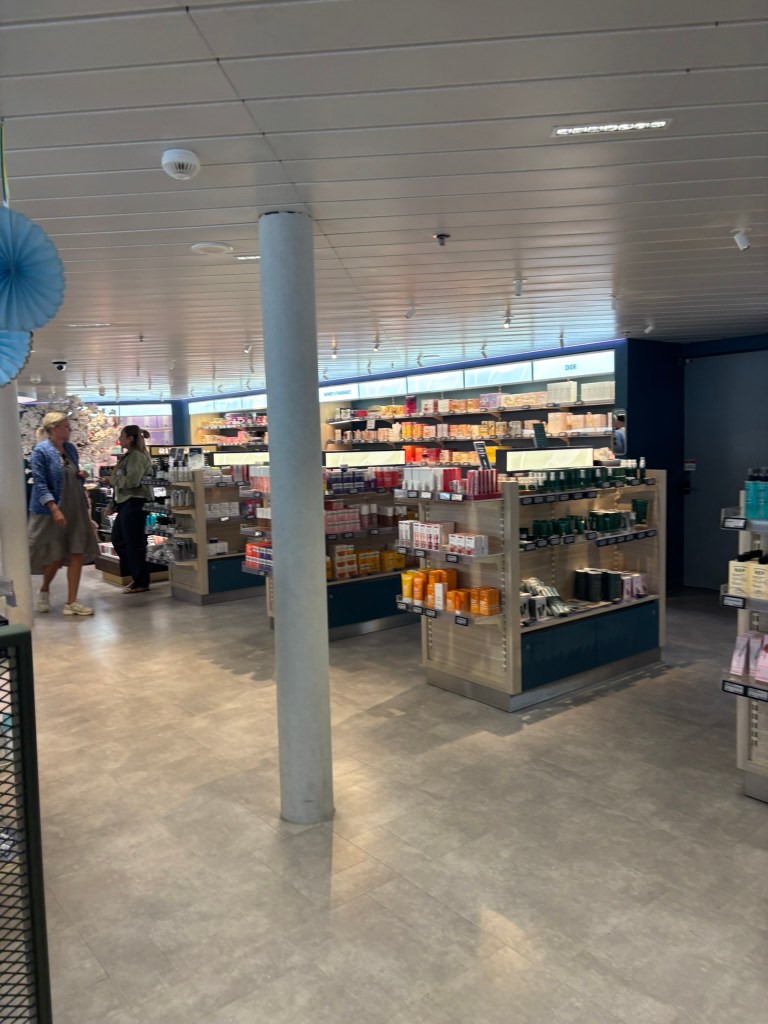
The on-board experience on this Ferry was exceptional. Shopping onboard Öresundslinjen ferries is a highlight of the crossing — passengers can browse duty‑free style shops offering beauty products, clothing, accessories, snacks, and drinks. It’s designed to make the 20‑minute journey feel like a mini retail experience, popular with commuters and “tura” travelers who hop on just for the ride and shopping.

🛍️ Onboard Shopping Experience

Special Offers: Promotions are common, especially around holidays (Christmas, Easter, midsummer), encouraging “shopping trips” across the Sound.

Duty-Free Concept: Although the crossing is short, Öresundslinjen has created a compact duty-free shopping environment. Prices are often lower than on land, making it attractive for frequent travelers.

Product Categories:

Beauty & Skincare – perfumes, cosmetics, and wellness items.

Drinks – wine, spirits, and specialty beverages.

Snacks & Candy – popular for families and commuters.

Clothing & Accessories – seasonal fashion items, scarves, and travel-friendly apparel.

Miscellaneous Gifts – souvenirs, small electronics, and lifestyle products.

Convenience: Shops are located near lounges and dining areas, so passengers can browse casually during the short crossing.

Did you know? You can take your bicycle across the sound using this Ferry and can bike in 2 countries. We saw a few cyclists who got the ferry and continued biking in Sweden. How cool is that!

🌟 Why Add Helsingør & Helsingborg to Your Journey

Together, Helsingør and Helsingborg offer a unique blend of history, culture, and seaside charm. From Hamlet’s stage at Kronborg Castle to Sofiero’s royal gardens, this twin-city adventure is one of the most rewarding day trips from Copenhagen.

🗓️ Sample 1-Day Itinerary: Kronborg, Helsingør & Helsingborg

🌅 Morning – Copenhagen → Helsingør

  • 08:30 AM – Train to Helsingør: Take the train from Copenhagen Central Station (~45 minutes).
  • 09:30 AM – Kronborg Castle: Begin your day at Denmark’s crown jewel. Explore the Renaissance halls, casemates, and Holger the Dane’s statue. Don’t miss the views across the Øresund.
  • 11:30 AM – M/S Maritime Museum of Denmark: Just next door, dive into Denmark’s seafaring history in a stunning underground museum.

🍴 Midday – Lunch & Town Stroll

  • 12:30 PM – Lunch in Helsingør Old Town: Enjoy smørrebrød (open-faced sandwiches) or fresh seafood at a local café.
  • 01:30 PM – Explore Helsingør: Wander cobblestone streets, visit the Church of St. Mary, and soak in the coastal atmosphere.

🌊 Afternoon – Ferry to Helsingborg, Sweden

  • 02:30 PM – Ferry Ride: Hop on the ferry across the Øresund (~20 minutes).
  • 03:00 PM – Sofiero Palace & Gardens: Stroll through royal gardens with sweeping views of the coast.
  • 04:30 PM – Kärnan Tower: Climb the medieval tower for panoramic views of Helsingborg and the strait.
  • 05:30 PM – City Center Walk: Explore Sankta Maria Kyrka, boutique shops, and seaside promenades.

🌆 Evening – Return to Copenhagen

  • 06:30 PM – Dinner in Helsingborg or Helsingør: Choose a cozy restaurant before heading back.
  • 07:30 PM – Ferry back to Helsingør, then train to Copenhagen (~1 hour total).
  • 09:00 PM – Arrive in Copenhagen: End the day with memories of castles, coastal charm, and two countries in one trip.

✨ Travel Tips

  • Bring your passport for the ferry crossing to Sweden.
  • Wear comfortable shoes—expect lots of walking on cobblestones and castle grounds.
  • Summer is ideal for gardens and outdoor promenades, while winter offers cozy cafés and fewer crowds.