Christmas in Costa Rica- a 9-day itinerary to La Fortuna and Manuel Antonio

Costa Rica… a paradise of lush rainforests, golden beaches, and vibrant biodiversity, where nature lovers and thrill-seekers alike find their haven. Here, travelers can immerse themselves in the lively streets of San José, filled with rich history, bustling markets, and welcoming locals. Or, venture beyond the capital into the heart of the country’s breathtaking wilderness—where towering volcanoes, misty cloud forests, and exotic wildlife create a mesmerizing world waiting to be explored.

Costa Rica’s magic is undeniable—from the dazzling Pacific and Caribbean coastlines to the serene beauty of its national parks, home to sloths, toucans, and colorful frogs. Whether riding the waves in Tamarindo, ziplining through Monteverde’s treetops, or savoring the country’s renowned coffee, every moment here is an invitation to adventure and relaxation. Pura vida is more than a saying—it’s a way of life that welcomes visitors with open arms and unforgettable experiences.
  1. Our Itinerary
  2. Some facts about Costa Rica
  3. Where to fly?
  4. Places to go in Costa Rica
  5. Some practical Information
  6. Further reading
  7. Related Posts

Our Itinerary

Downloadable version of our Itinerary for 9 day Christmas trip below

Some facts about Costa Rica

  • Costa Rica is located in Central America, connecting North and South America. It borders Nicaragua to the north and Panama to the south.
  • The country is divided into seven provinces – San José (capital), Alajuela, Cartago, Heredia, Puntarenas, Guanacaste and Limón) and most popular destination include : San Jose, La Fortuna, Monteverde, Tamarindo, Nosara, Samara, Jaco, Manuel Antonio, Uvita, Drake Bay (See the map below)
  • Costa Rica doesn’t have an army as of Dec. 1, 1948 and very stable democratic country.
  • Official language- Spanish
  • Official currency- Colón (plural colones) (¢)

Where to fly?

There are 2 main airports and few small local airports –

SJO Aeropuerto Internacional Juan Santamaría – In San Jose (Capital)Juan Santamaría International Airport (Code: SJO) is the country’s main airport, located in Alajuela.

Daniel Oduber International Airport in Liberia (Code: LIR) good airport for travelling Guanacaste, Monteverde and La Fortuna

Places to go in Costa Rica

Costa Rica has so many places that you will be overwhelmed to choose one or two places to visit. I found Costa Rica might be a place we will have to visit more than once to cover the entire country. If you just want to see our itinerary, check here .

Even though a small country, it takes long time to travel from place to place due to mountainous, curvy, single lane roads. For instance, to travel from La Fortuna to Manuel Antonio, it took us almost 6 hours and it is 136 miles (218 km) apart and we were told that we were lucky that it took us only that much time (Hotel staff estimated anywhere between 6-9 hours). Keeping this in mind, we decided to choose 2 places to visit for our first trip- La Fortuna and Manuel Antonio (2 green flags on the map above)

Most popular locations include:

Central Costa Rica Culture and nature

San Jose – Culture, Museum, Airport, Restaurants

Poas volcano: most visited volcano in the Central Valley. Good stopping point between San Jose and La Fortuna

La Paz Waterfalls : La Paz Waterfall Garden is the another popular stop between San Jose and La Fortuna. This park has 5 waterfalls and an animal sanctuary.

Northern costa Rica Outdoor adventure and Wild animals

La Fortuna / Monteverde – Best place for outdoor adventures

Distance from airport: Both San Jose airport and Liberia airport are about 2-3 hours.

Most people choose either La Fortuna or Monteverde for rainforest experience and some people do both places to experience rainforest and cloud forest (The cities are 80 miles apart). It takes about 5-6 hours to get to Monteverde from La Fortuna as you have either take a ferry to cross Lake Arenal or drive around Lake Arenal. This is the info from costa Rica Travel blog and if you want to include both La Fortuna and Monteverde in your travels, please check out this blog for details of travel between the two cities.

Rio Celeste – Another great place to visit near La Fortuna with a blue waterfall and lots of wild life. My review of this place is here

Central Pacific Costa RicaBeaches and Nature

Quepos/Manuel Antonio – Beaches, Snorkeling, Surfing, Sports Fishing, Wild animals, Mangrove Kayaking.
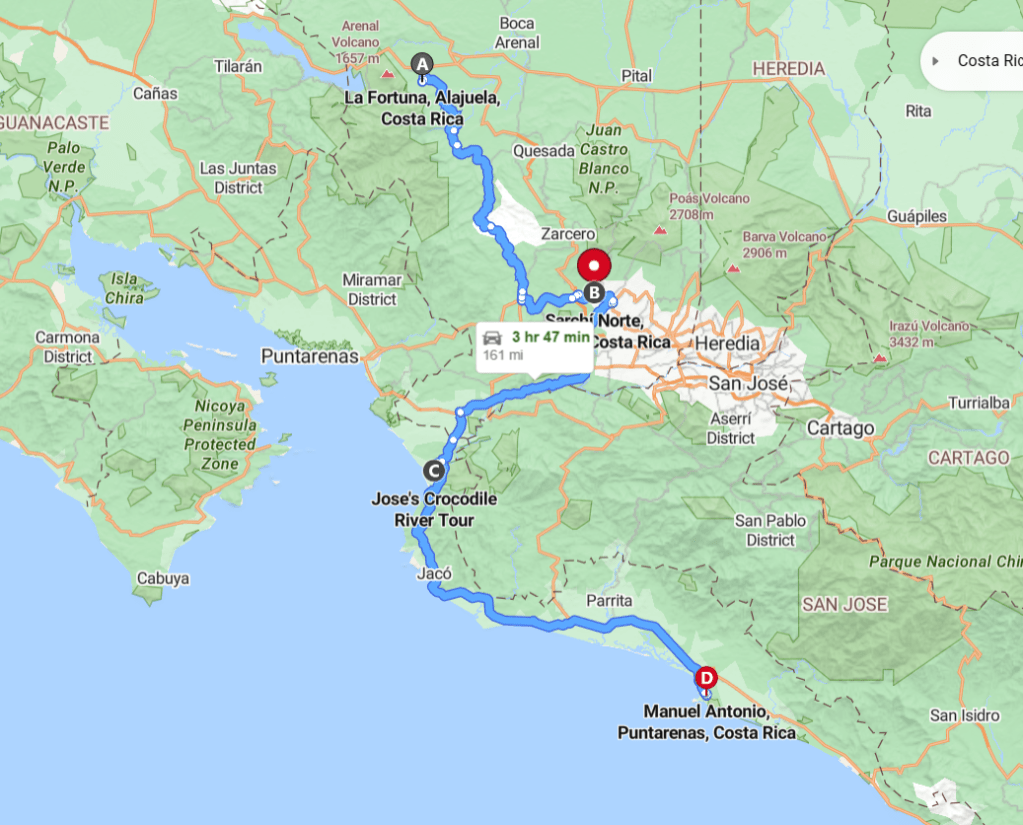
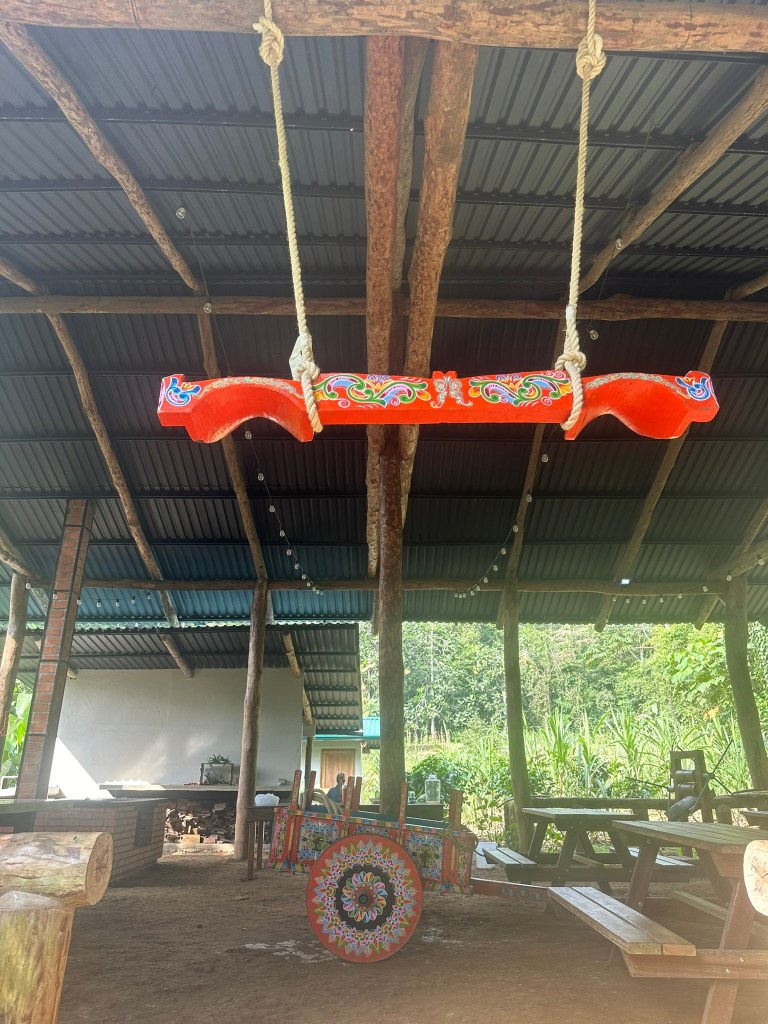
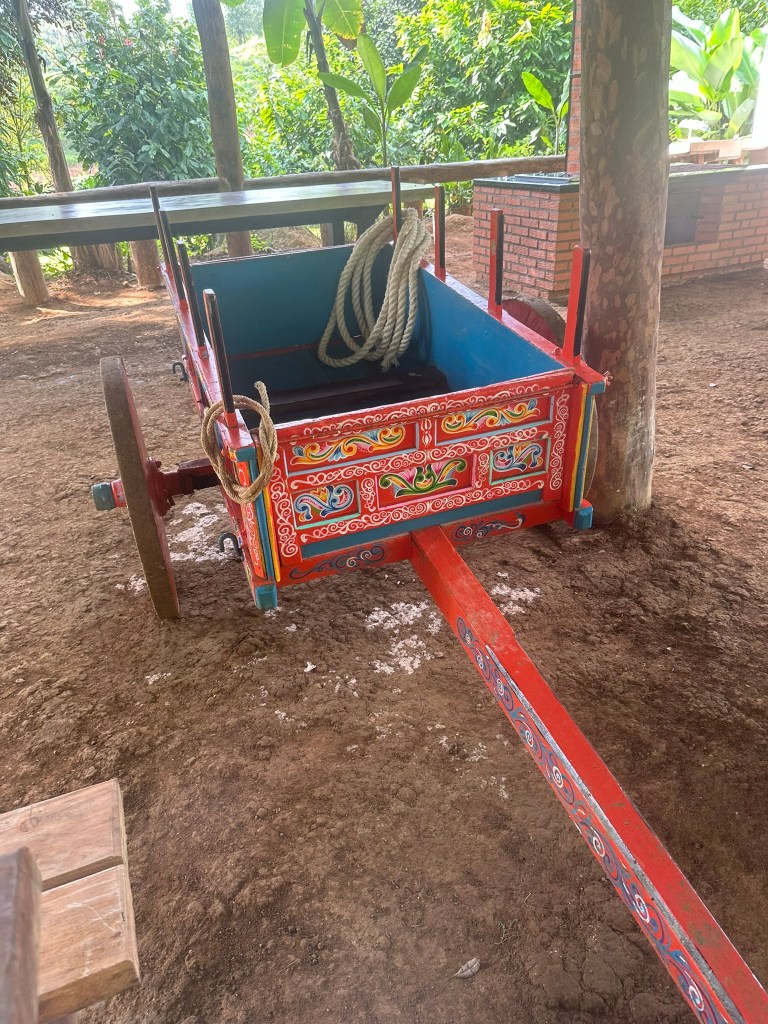
We dedicated day 5 for the long drive from La Fortuna to Manuel Antonio. There is not too much to do between these places other than stopping at Sarchi (https://www.atlasobscura.com/articles/colorful-oxcarts-costa-rica) to visit the last factory that makes Ox Cart. We stopped at the Río Tárcoles Crocodile Bridge which is near Jaco, and you can see lots of crocodiles in the river. There are few shops and restaurants here and it’s a good place to stretch your legs.

Guanacaste - Beaches, Surfing lessons,

Some popular spots in this area include Gulf of Papagayo, Tamarindo, Playa Conchal and Ricon De la Vieja National park- famous for natural hot springs and mud baths.

Nicoya PeninsulaPristine beaches and yoga retreats

Santa Teresa– Beautiful beaches that are great for surfing. This town along with Malpais and Montezuma are in the blue zone where longevity of people is very high.

Playa Samara- Lovely beach town and famous for horse riding. Popular place for expats.

Nosara – Epicenter of Yoga retreats and epitome of Pura Vida lifestyle.

Osa PeninsulaNature lovers and Photographers dream

Remote part of the Costa Rica on the pacific side and hence less touristy but home to Corcovado National Park which has 13 types of ecosystems and has amazing wildlife with over 40 species of frogs, 25 lizard’s species, crocodiles and 400 bird species. This is next my list to visit when we go back to Costa Rica

Drake Bay – Stunning destination for all water related actives including Snorkeling, Kayaking, scuba diving etc. Also great place for bird watching and hiking

Uvita– Famous for “The whale tail beach” as well as tropical rain forest. Good place to see humpback whales and other activities including waterfall visit, horseback riding etc.

Caribbean Coast Less touristy and chill vibe

Not as popular as the pacific coast , Carribean coast has its own vibe and blend of Latin and Carribean cultures. Some of the popular spots include :

Puerto Viejo – known for its stunning beaches, abundant wildlife and delicious food, this town gives the laid back feel that Caribbeans are known for. You can also visit Cahuita National Park to see monkeys, Sloths and birds.

Tortuguero National park– Located on the northeast side of the Caribbean coast, this national park is one of the best places in the world to see Giant Green Sea Turtles lay their eggs and to watch as the baby turtles hatch and make their way to the sea during the turtle season (June to October).

Some practical Information

  • Best season to visit is during dry season from December to April. We went at the end of December and still got rain almost every day for at least couple of hours.
  • Caribbean coast has very different season and less developed. Good time to see turtles hatching is between July to October
  • Nature and wildlife- Hiring guides help to see more animals but I also found that by paying attention to little noises (ruffling of leaves) or just looking up to the treetops helps a lot.
  • Tico time- Pack lot of patience. The Pura Vida life style is followed on the roads too. Driving from one location to another takes longer than you think due to one lane roads and getting behind slow moving trucks.
  • Popular locations such as La Fortuna, Manuel Antonio are very well connected but if you plan to go to remote locations such as Drake Bay, do some research.
  • Colones and dollars are accepted every where but it might be cheaper to use colones
  • Some essential things to pack- Dry bag or waterproof pouch, Light rain jacket, Water sandals or shoes, Bug spray, Binoculars, Sunscreen.
  • Like any other place, there are pick pocketers, and thieves that take your stuff if you leave it alone. Lock your vehicles and hide your valuables.

Further reading


   Pura Vida!!!!
Paradise found- A review of staying in Chachagua rainforest bungalow in Costa Rica

Chachagua Rainforest Hotel and Hot Springs located between the Children’s Eternal Rainforest and the Arenal Volcano National Park and is off the beaten path but still an amazing place to stay. We spent 4 nights during Christmas break and loved the room, the grounds, and over all ambience of the place.

Only con is that it is about 20 min from La Fortuna town and if you don’t have your own car, you are stuck eating in-house restaurant food for the length of your stay. The food is not bad but limited as they try to do as much farm to table type with the fresh fruits and vegetables grown in their farm. Unlike the hotels in the town, you can’t walk or Uber to a local Soda/ restaurant and taking a cab is bit on expensive side( $50-80).

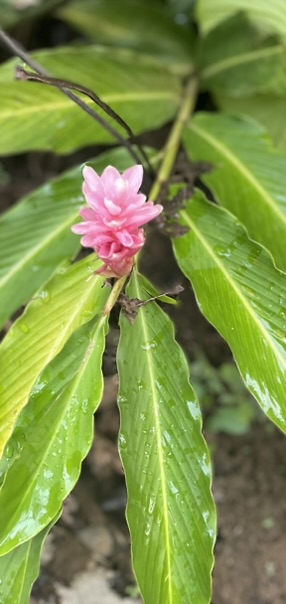
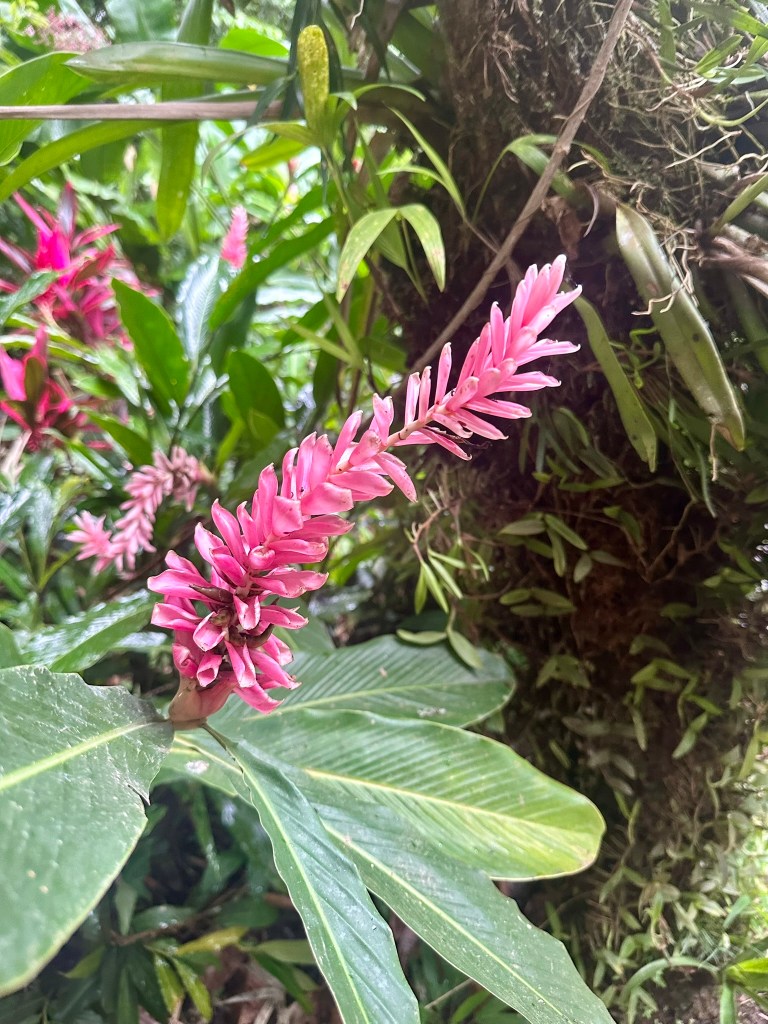
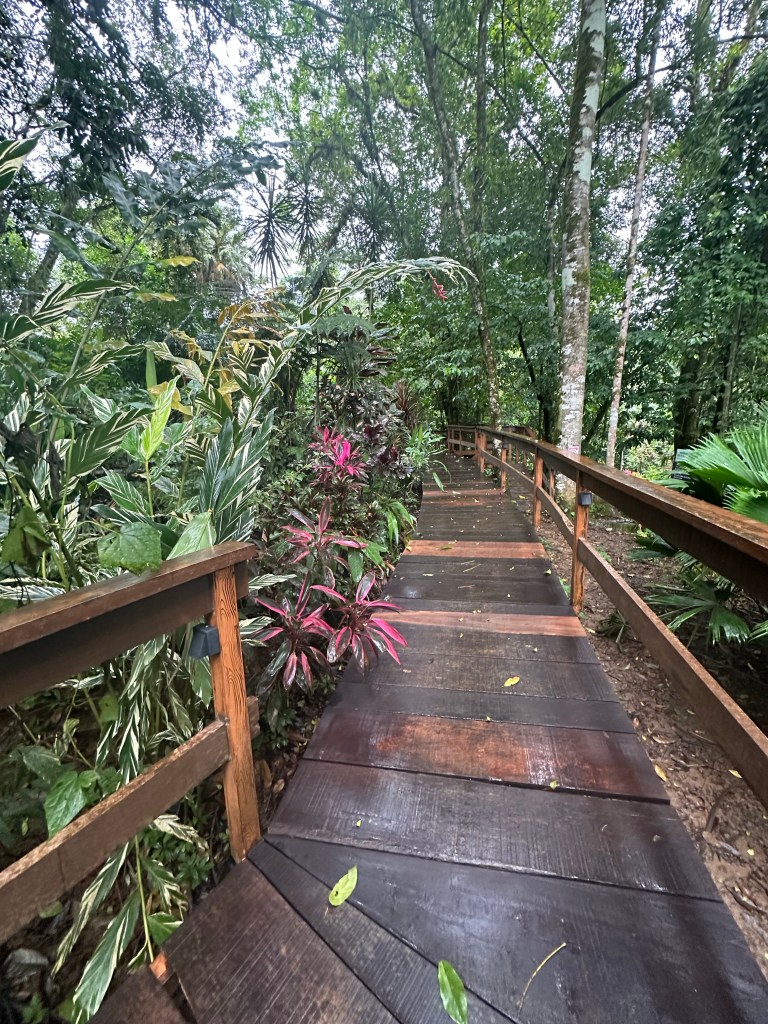
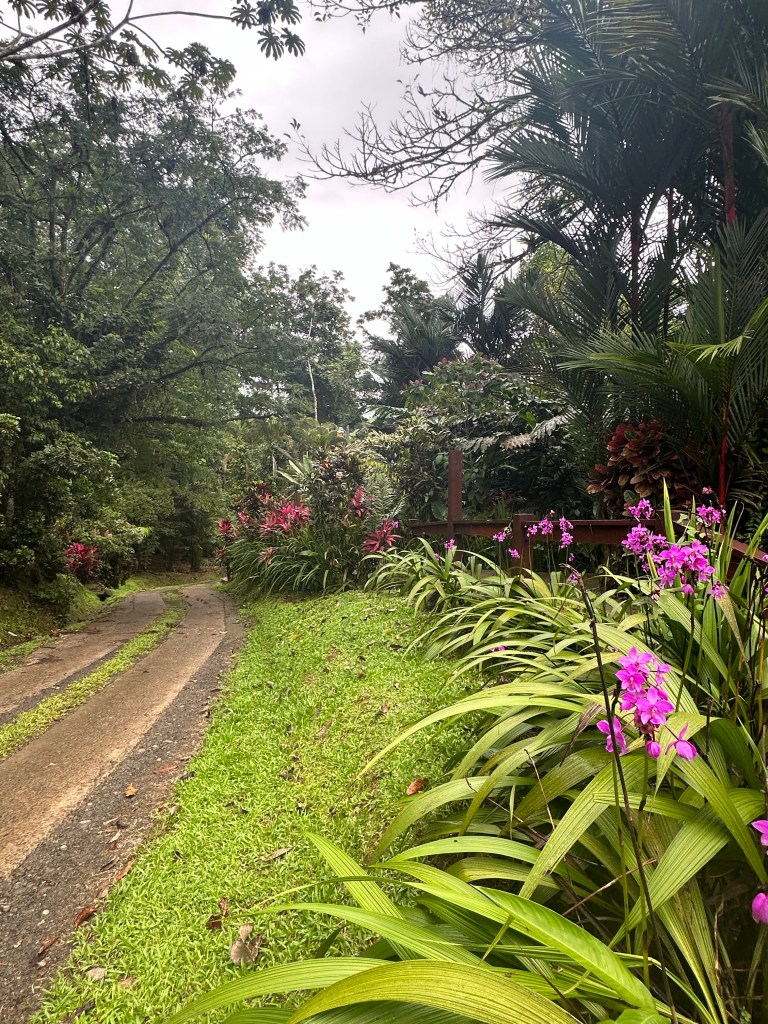
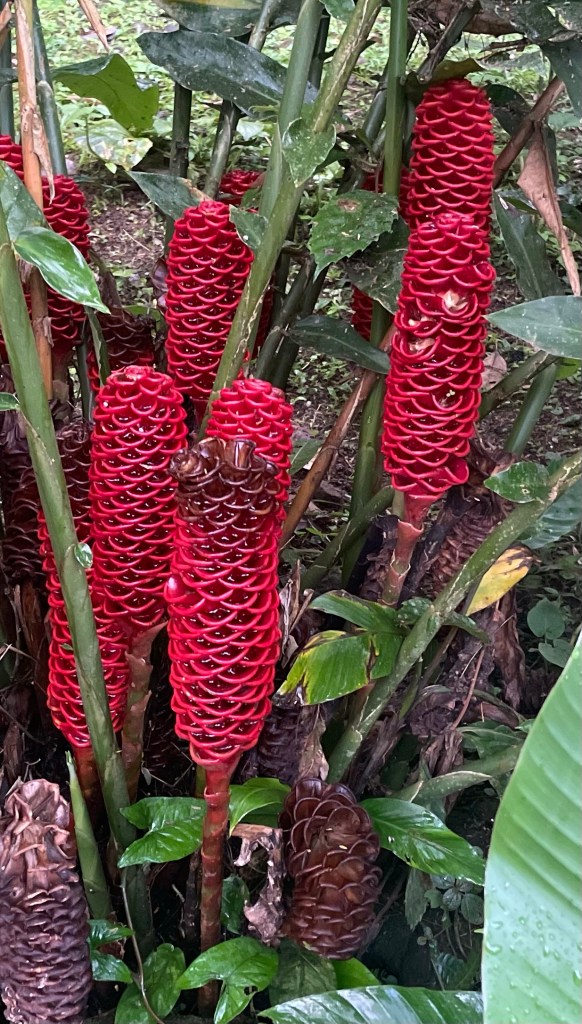
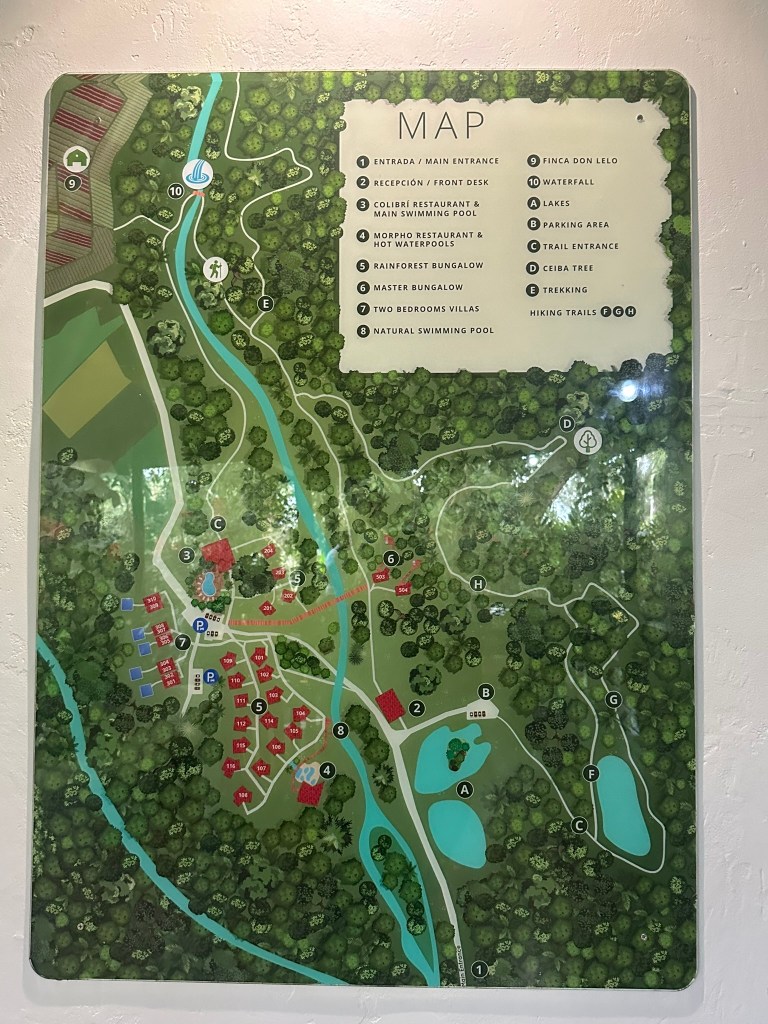
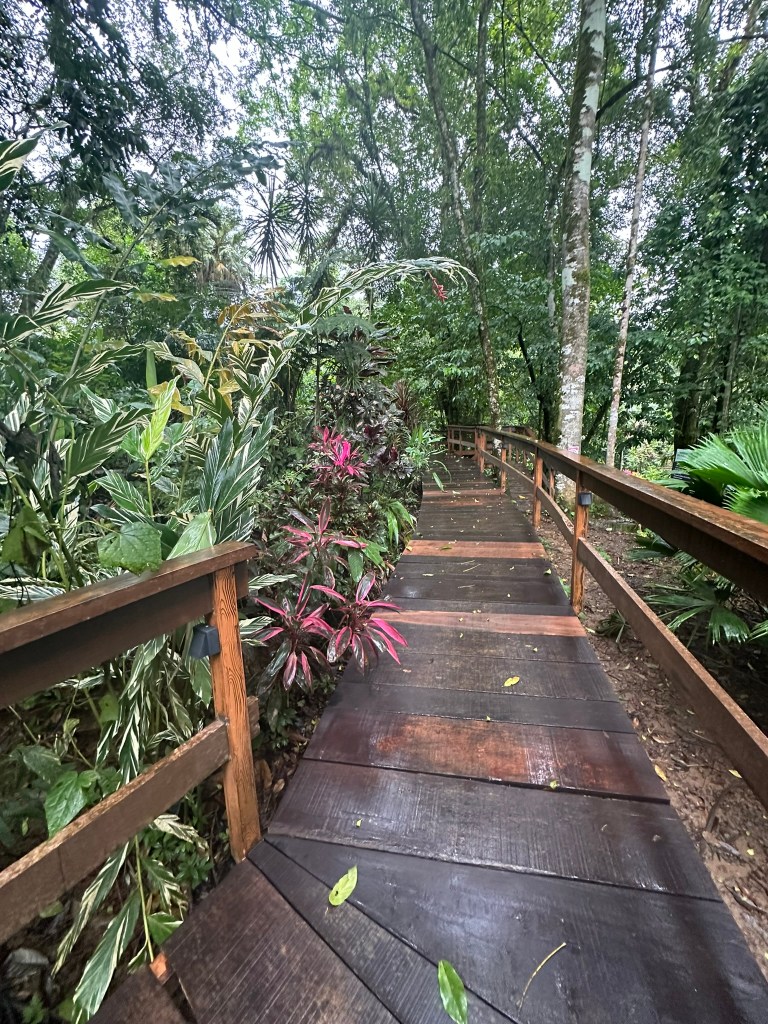
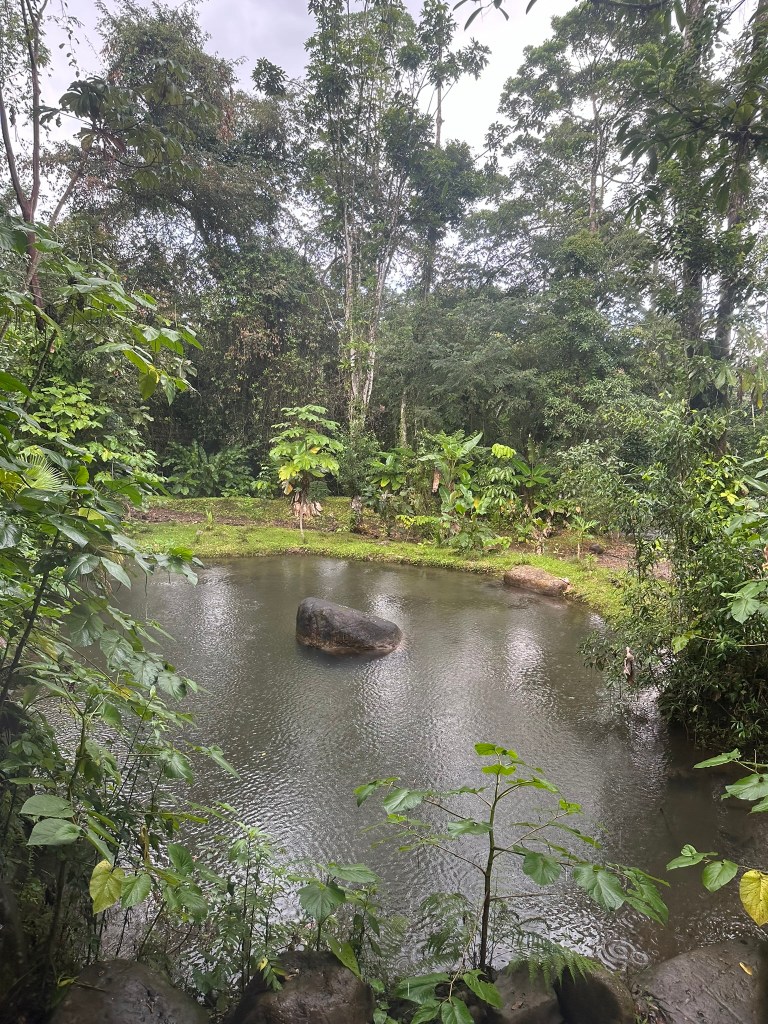
The property has 28 bungalows and feels like a mix of rainforest and tropical garden, and I could not stop taking pictures of beautiful flowers and birds that fed on them. There is a river running through the middle of the property which adds to the serenity of the hotel. The hotel has about 3-4 small thermal pools fed by volcanic hot water an additional plus for the place. The thermal pools are not as hot as the pools near the volcano but warm enough to relax after a long day of hiking.

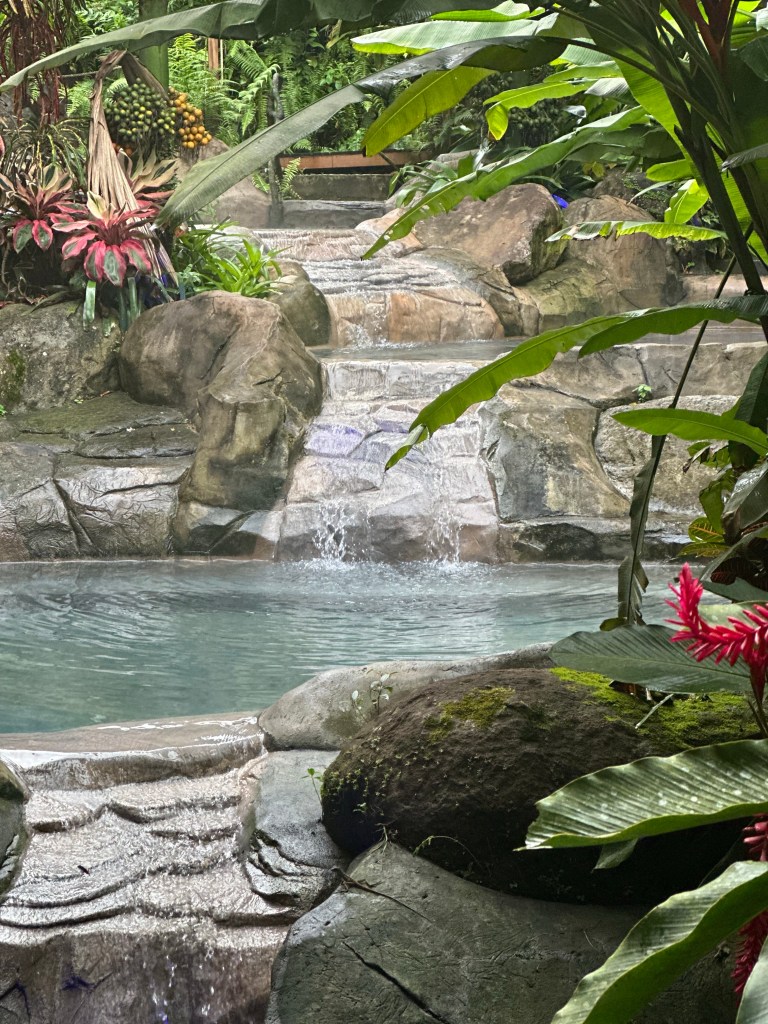
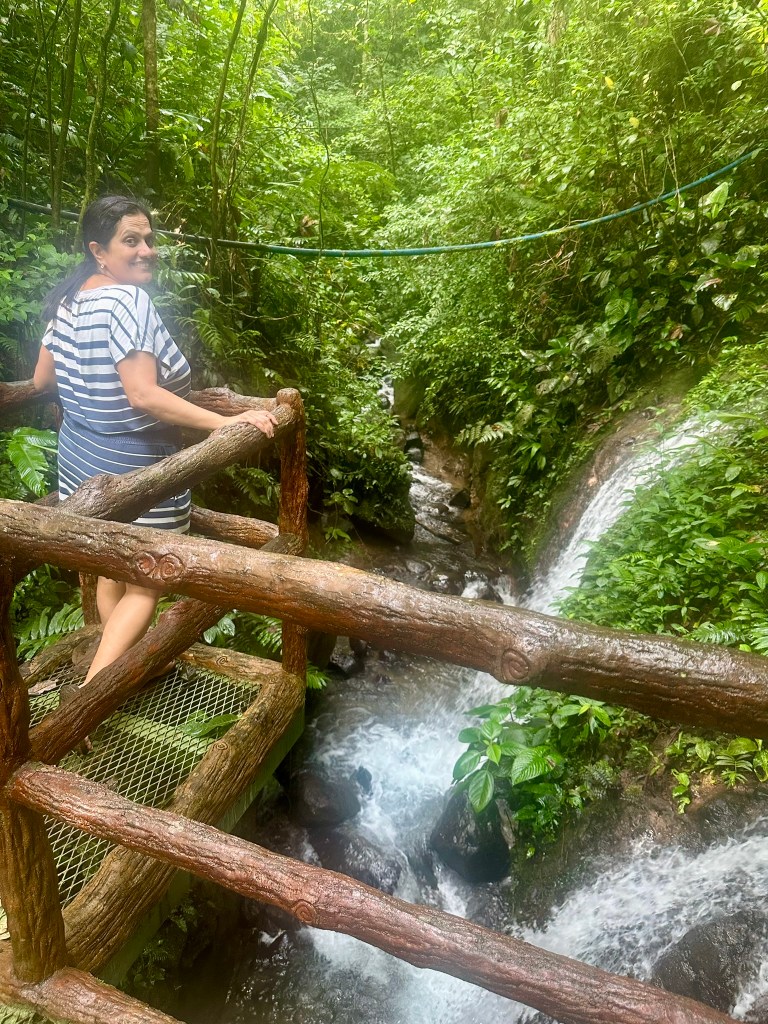
The hotel sits on 94 hectares of rainforest, and it is isolated and unspoiled. This hotel was featured in 1000 places to see before you die by Patricia Shultz, and we felt like it was one the best hotel we stayed. The hotel also has its own waterfall, and I spent every morning just admiring the calmness and setting of this waterfall. There are tons of hiking paths, and you can watch birds, monkeys, and sloths on the property.

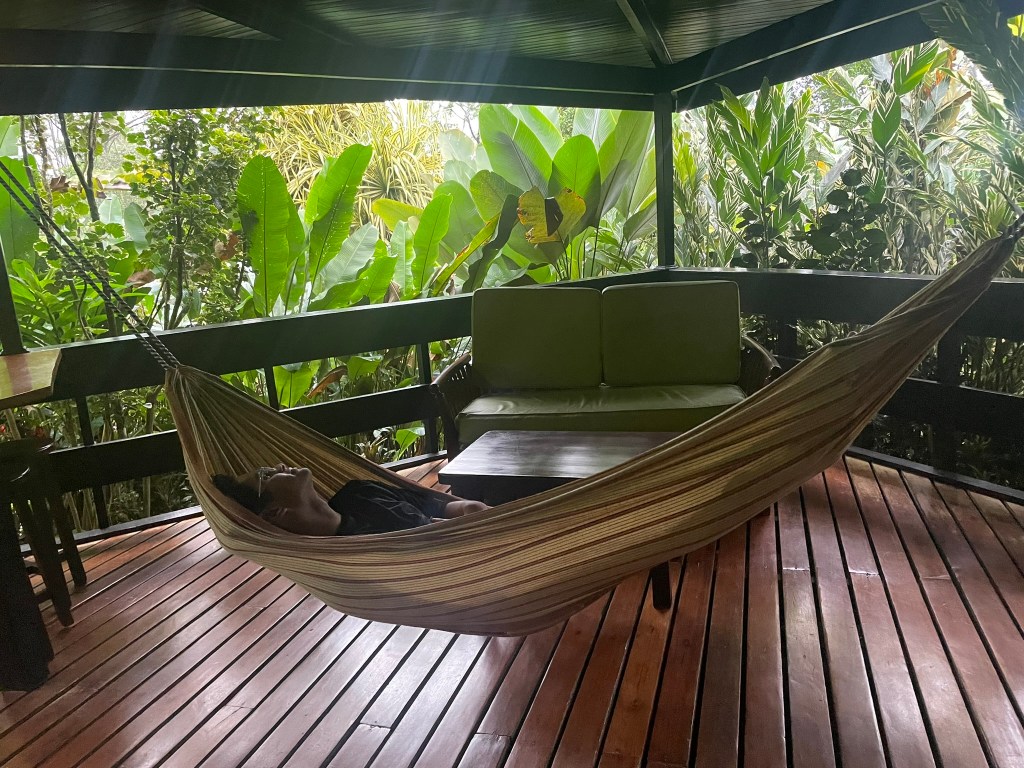
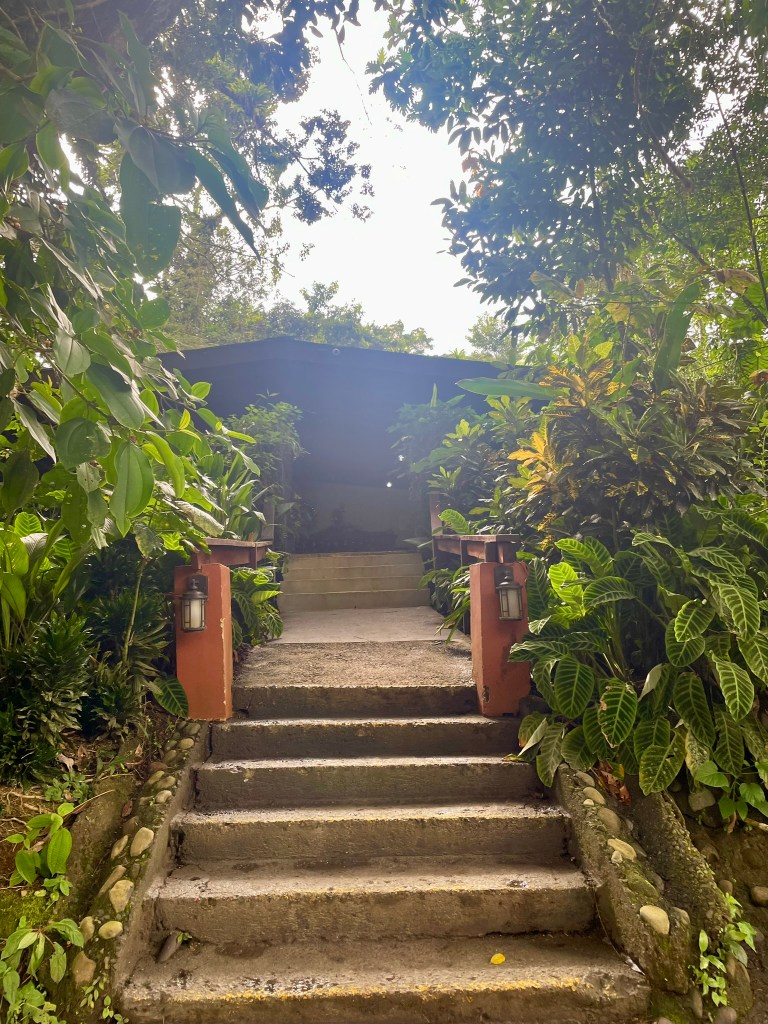
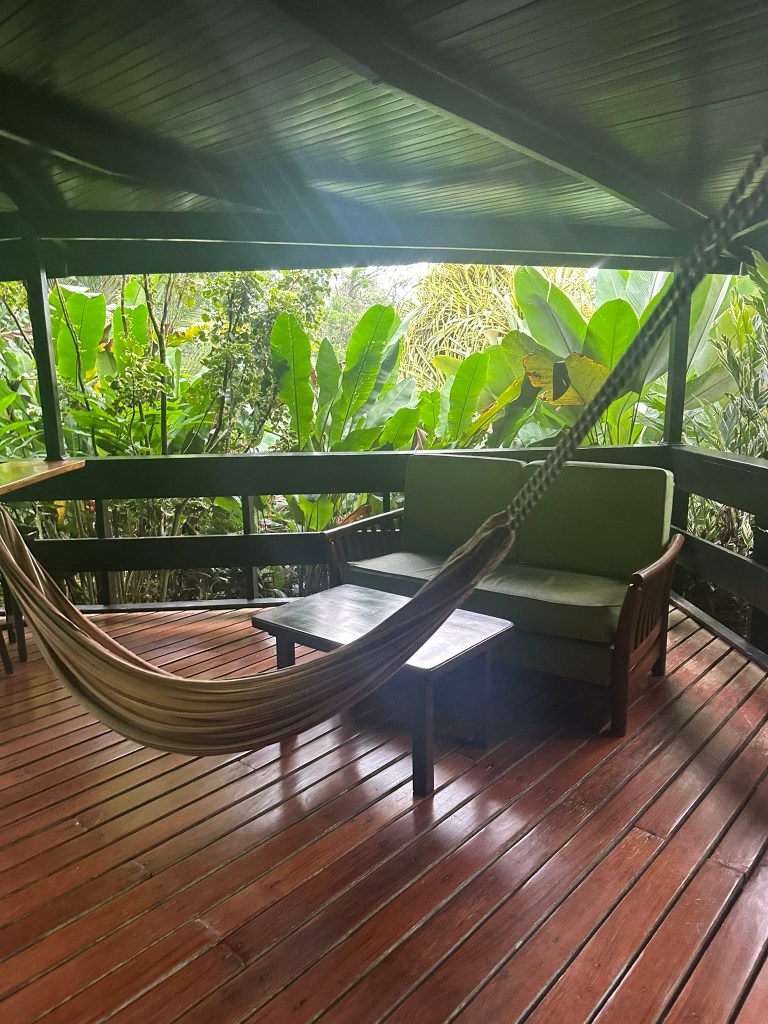
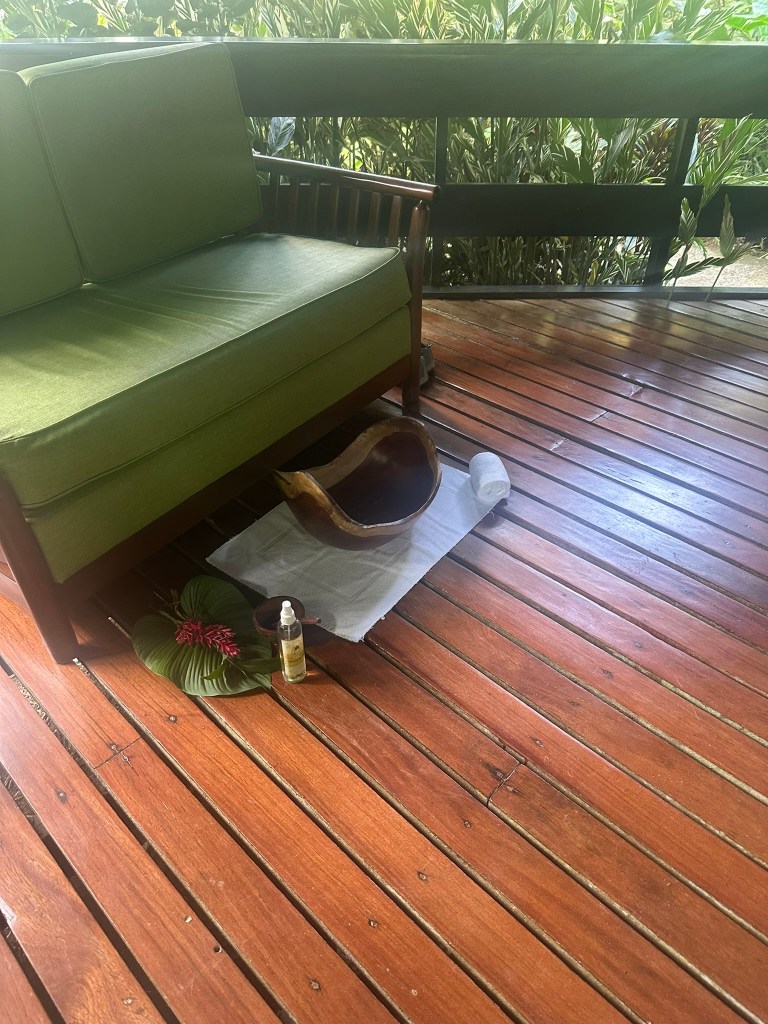
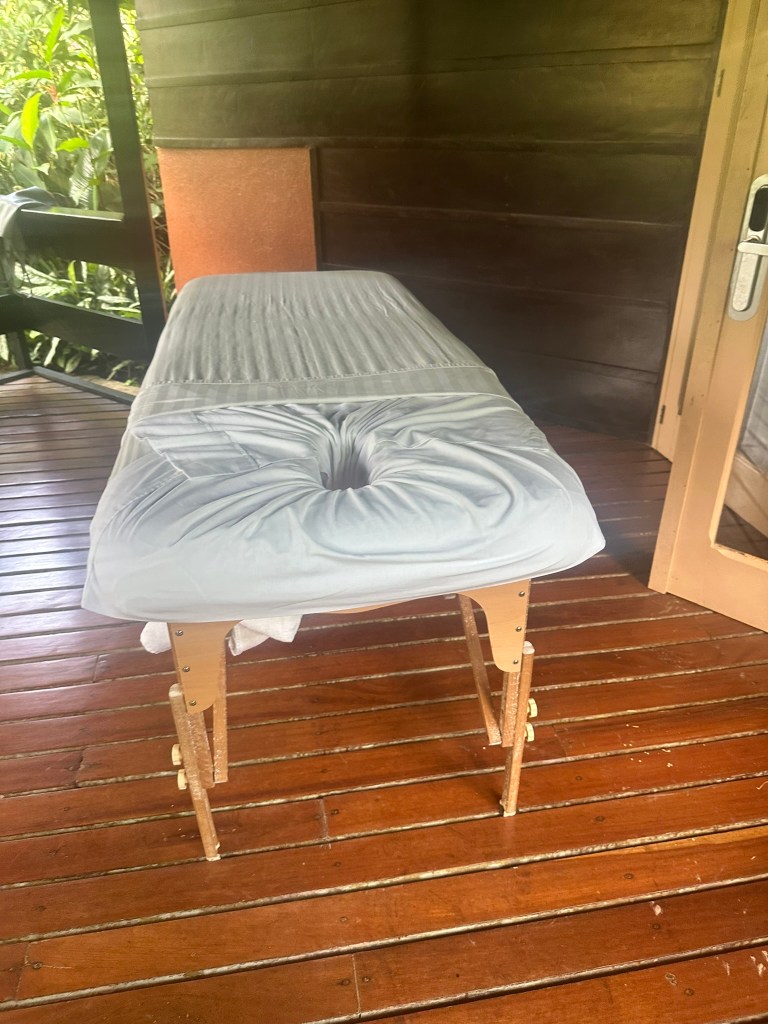
The Bungalows: Most of the rooms are 1-bedroom bungalows with the porch in the front. The individual bungalows are surrounded by trees and bushes and connected by walking paths and are very private. The porch has a hammock, a sofa with coffee table, and built in wooden table and stools. If you decide to get a massage or facial, they bring the massage table to the porch, and you can get a massage in the tranquility of rain forest. We stayed in room 107 and felt like we were cocooned in our own rainforest. Some of the bigger bungalows have plunge pool and jacuzzi tubs.

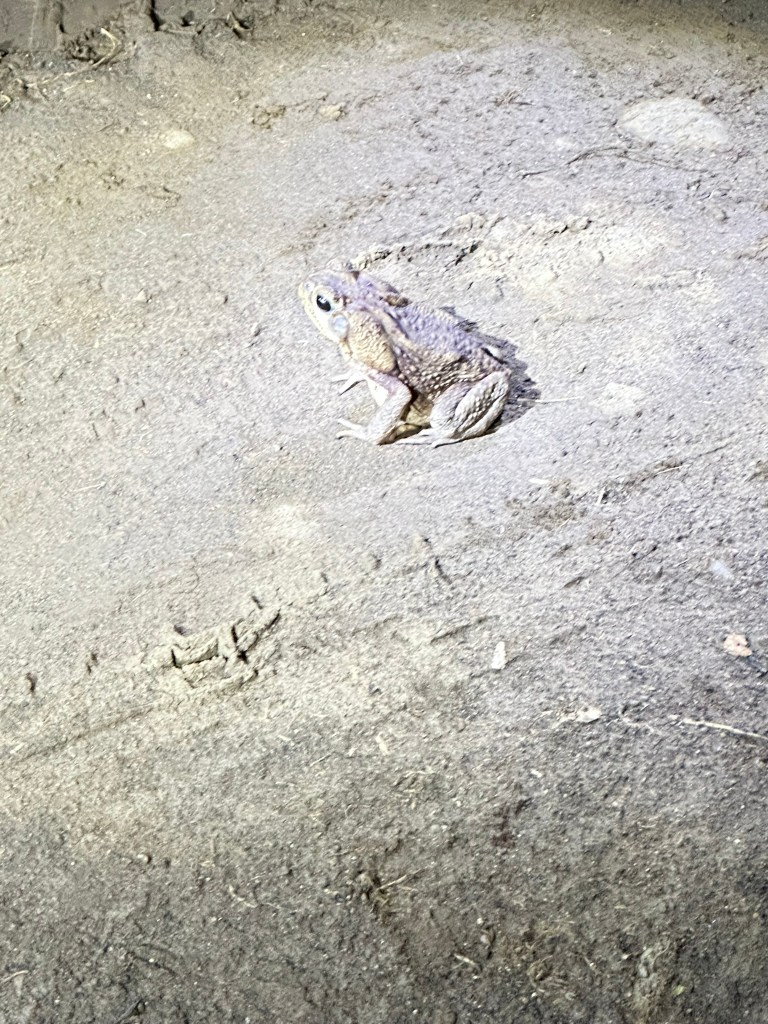
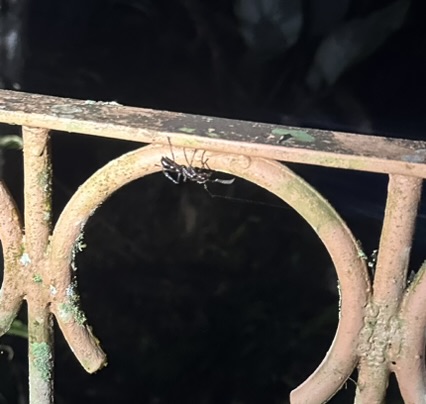
Night walk and Bullet ants– We did nigh walk on the property where we were able to see various kinds of frogs, toads, turtles, sleeping hummingbird, but what we didn’t expect to see was Bullet ants. Bullet ants are named after its powerful and potent sting that feels like being shot, and they are also called “hormiga veinticuatro” or “24 (hour) ant” by the locals, referring to the 24 hours of pain that follow being stung by one of these ants. There were tons of these ants roaming around lake, on fences and our guide warned us not to lean on anything. Thankfully nobody was bit, but presence of these ants added to mystery of the night. Bullet ants are 4 times the size of regular ant and are nocturnal.

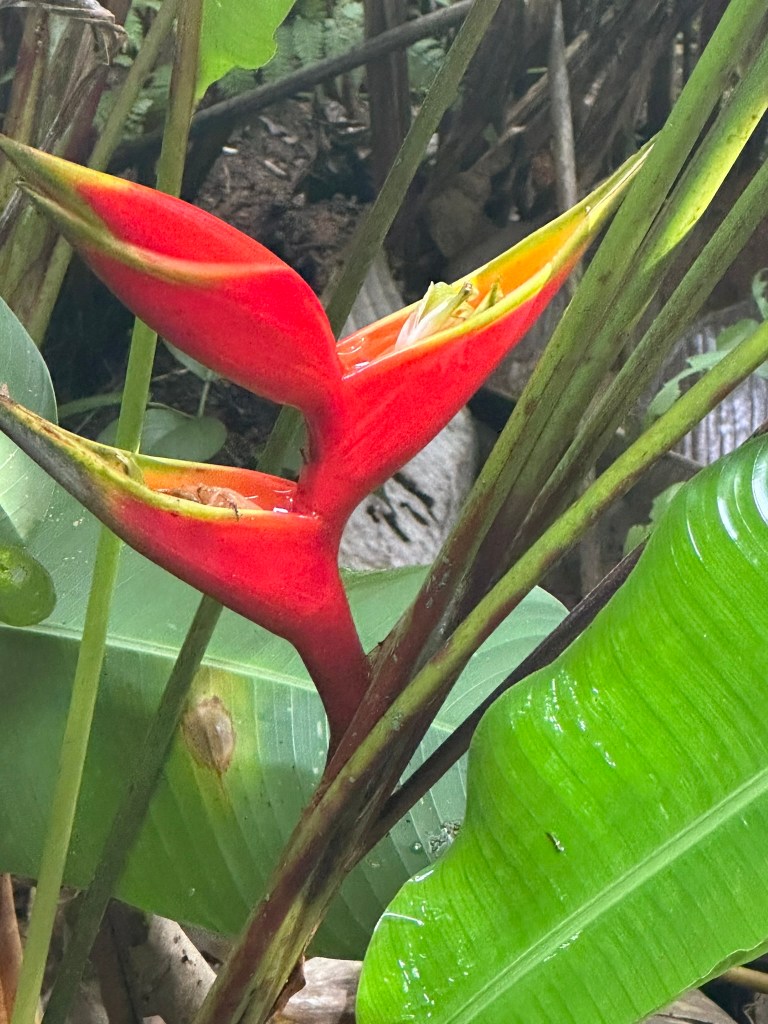
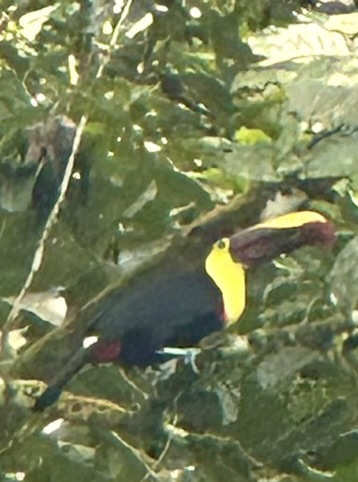
Birds and working farm – One of my favorite memories of this hotel is waking up in the morning and looking out of the window to see a hummingbird feeding on heliconia flower. This happened pretty much every day and the hotels has tons of hummingbirds that feed on the tropical flowers on the property. On my morning hike every day, I would spend some time watching birds including Toucans. The last day, we decided to check out the cocoa and coffee farm where they teach how to make coffee and cocoa. I wish I had ventured out to this place earlier on our stay. Since this is a working farm, there are tons of fruit trees and Toucans and Aracari’s hanging out here feeding on the fruits. It is few steps from the waterfall and definitely worth checking out both for the cooking class as well as for birds.

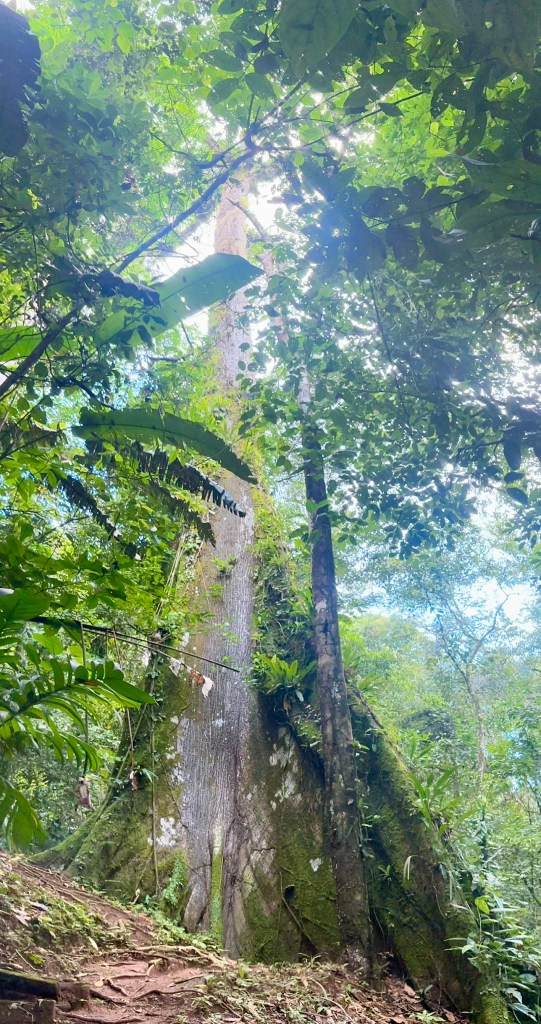
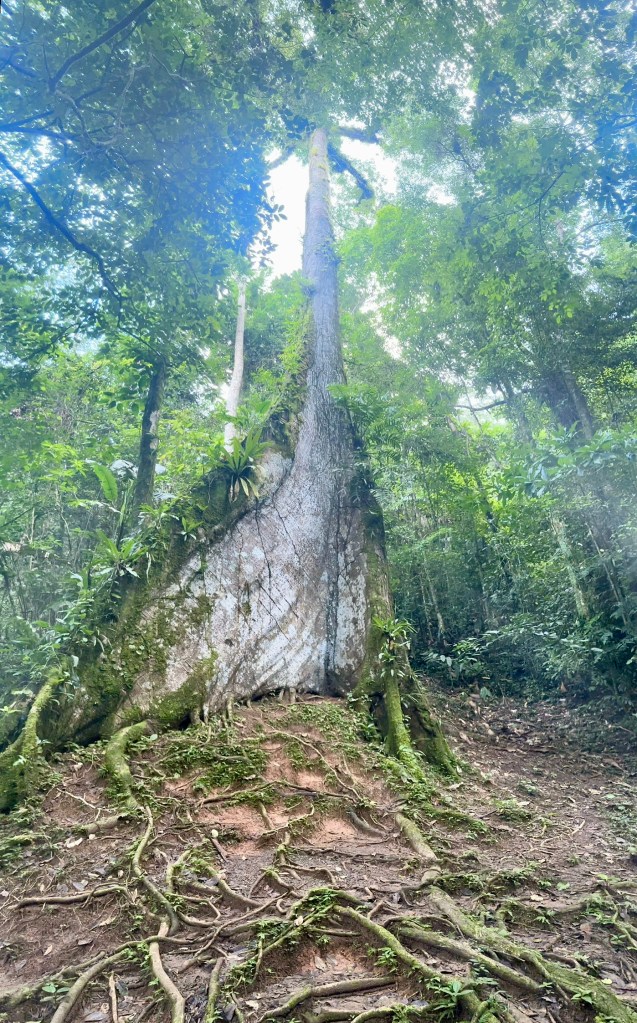
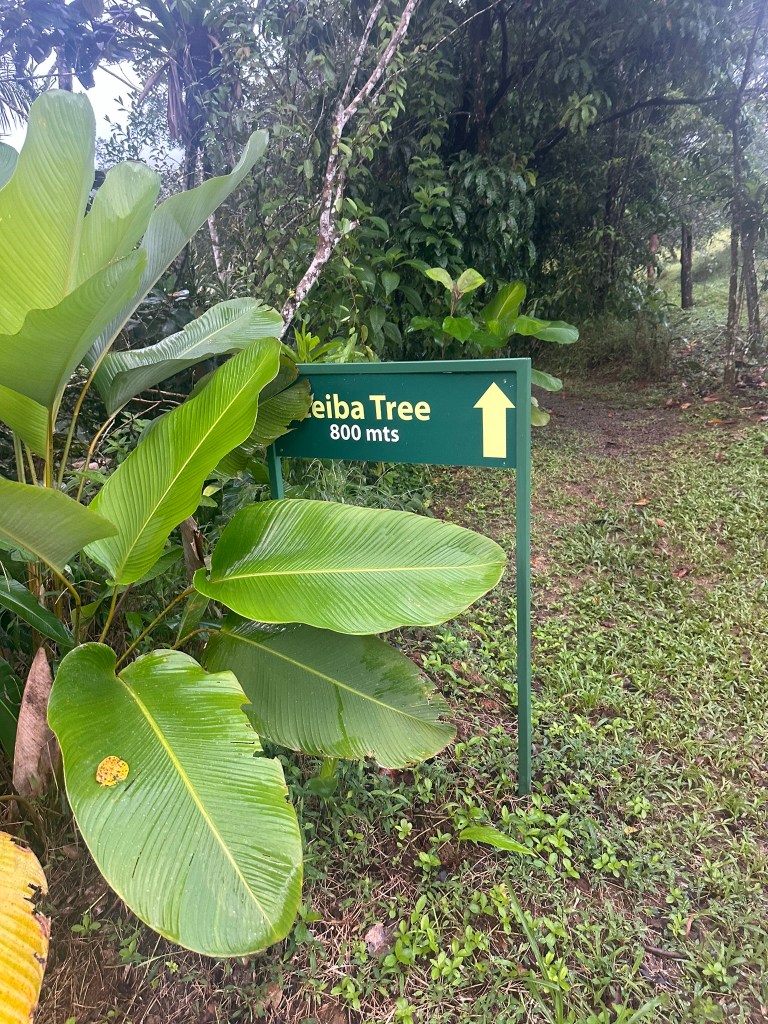
Ceiba Tree– Hiking within the property, there are signs for Ceiba tree which is well worth the visit. It’s a giant tree that stands tall among the rainforest trees and after visiting the tree, I did some research and found out that this tree is the national tree of Guatemala and has significant place in both Mayan and African cultures.

Called as the First Tree or Green Tree in Mayan language (Yax Che), according to Maya mythology, Ceiba tree the symbol of the universe. The tree signified a route of communication between the three levels of earth. Its roots were said to reach down into the underworld, its trunk represented the middle world where the humans live, and its canopy of branches arched high in the sky symbolized the upper world and the thirteen levels in which the Maya heaven was divided (Source: https://www.thoughtco.com/ceiba-pentandra-sacred-tree-maya-171615).

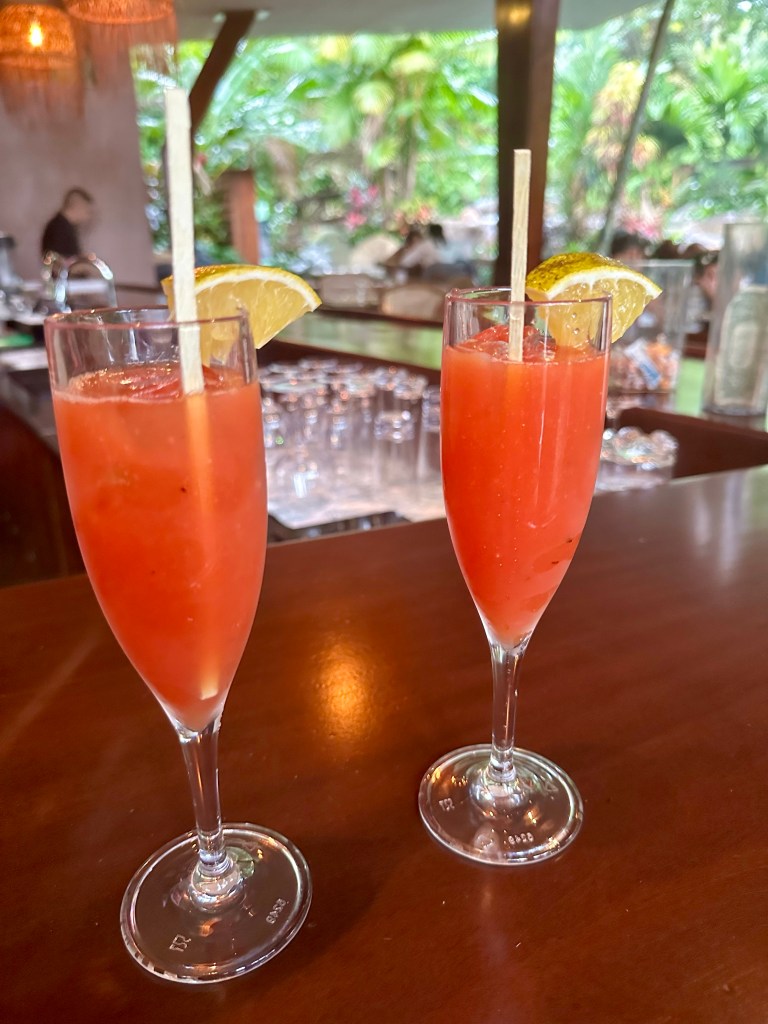
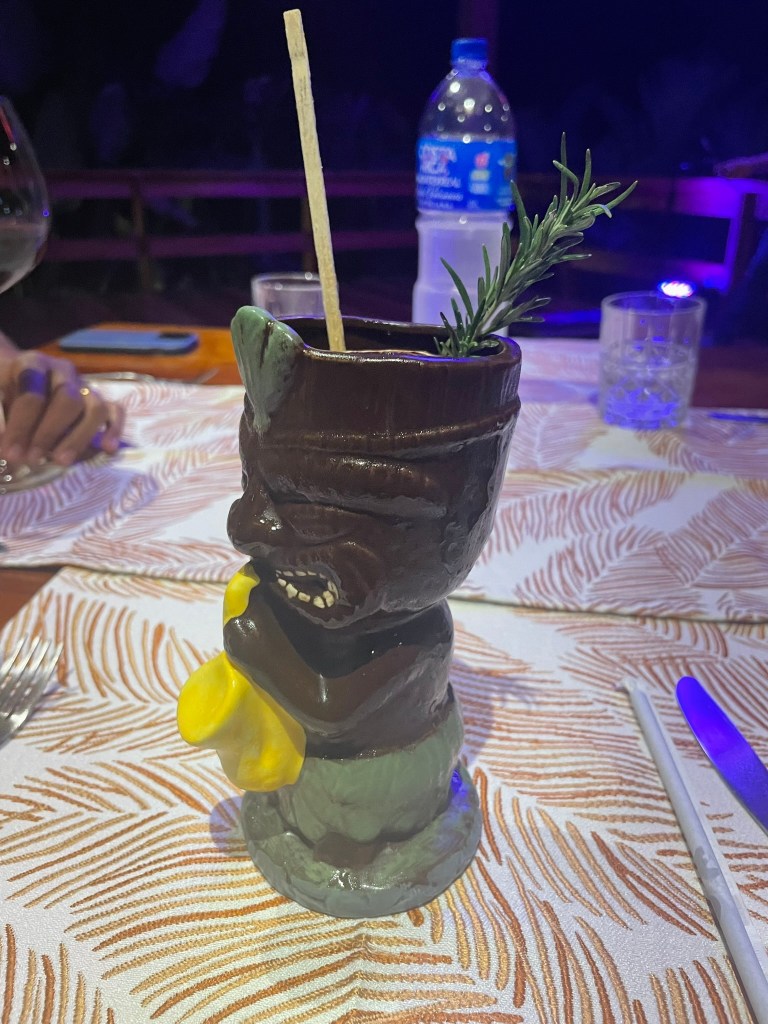
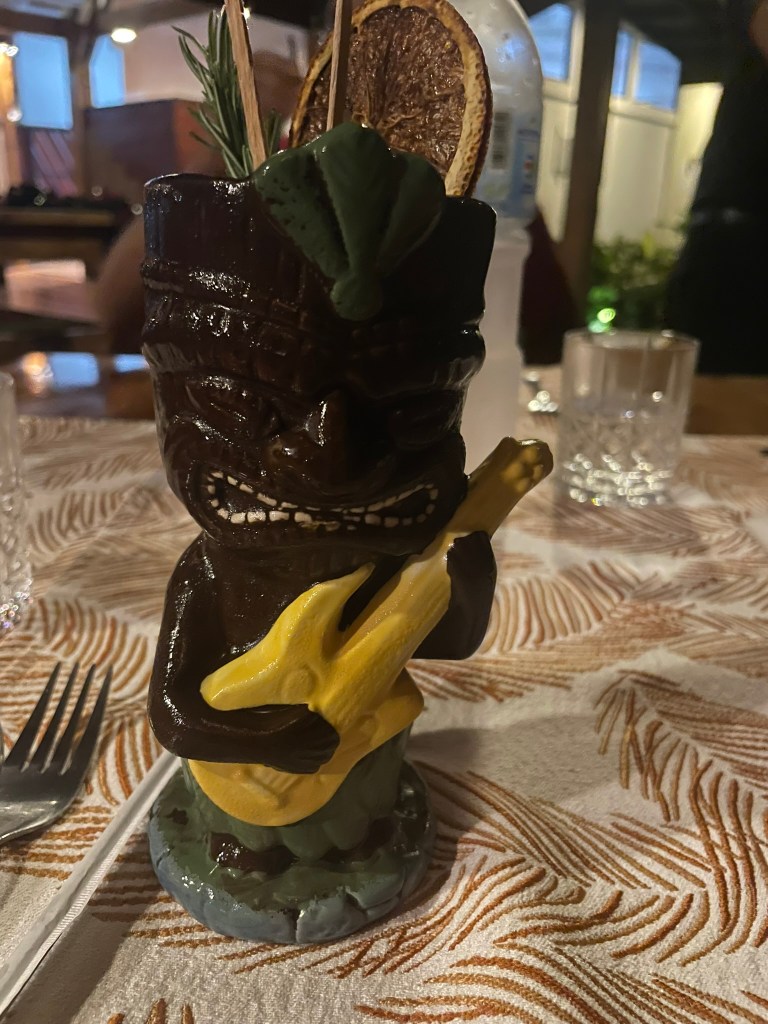
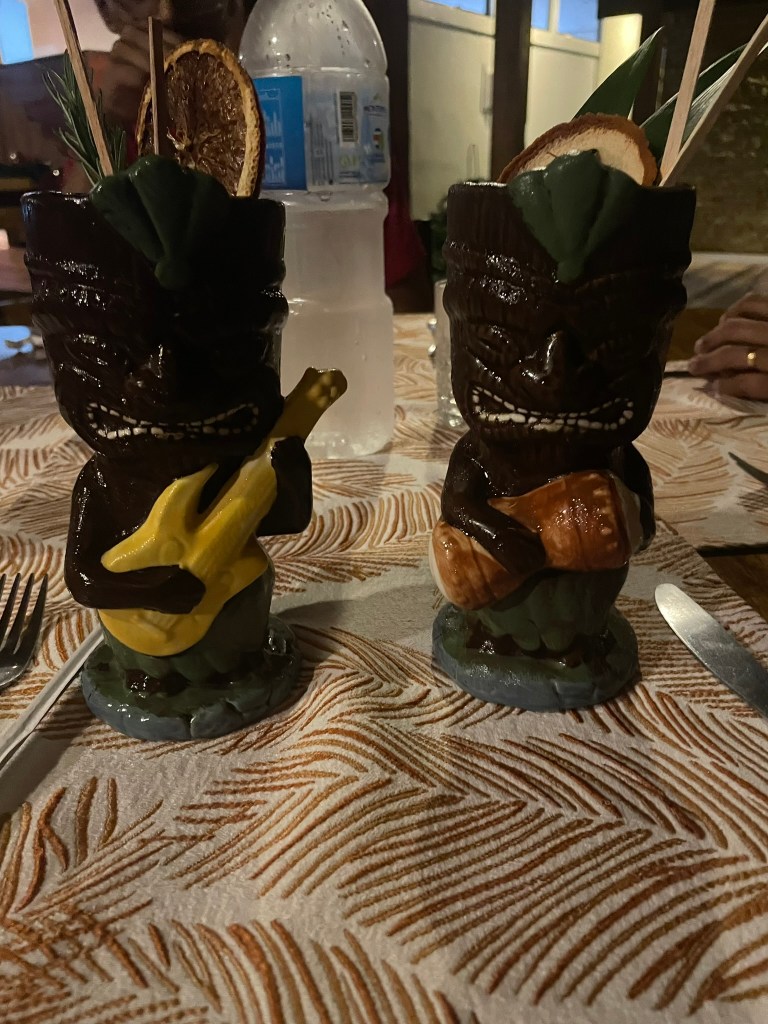
Food and Drinks – Since we didn’t rent a car, we ended up eating at the Colibri restaurant on site which was pretty decent albeit limited selection. There was live music every day and we enjoyed ordering Tikki drinks just to see how many different kinds of cups we get.

Final Thoughts:

All in all, staying at Chachagua Rainforest Hotel and Spa was an amazing experience. I loved the cozy, private bungalows, and numerous hiking trails as well as the river and waterfall. The staff was very pleasant and helpful, and organized all the acuities including ziplining, hike to Rio Celeste, and white-water rafting through the hotel and had a great time.

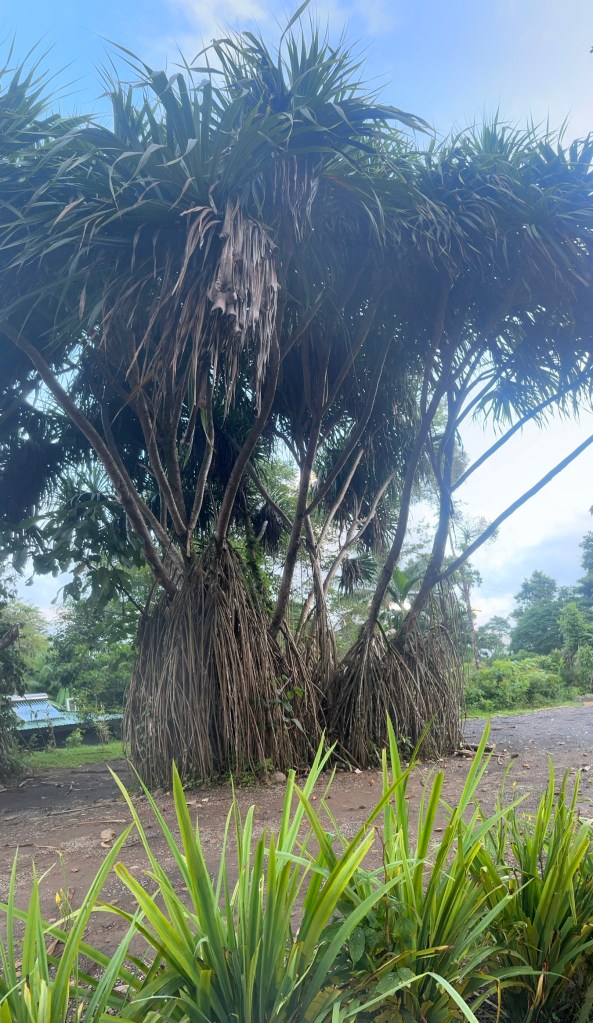
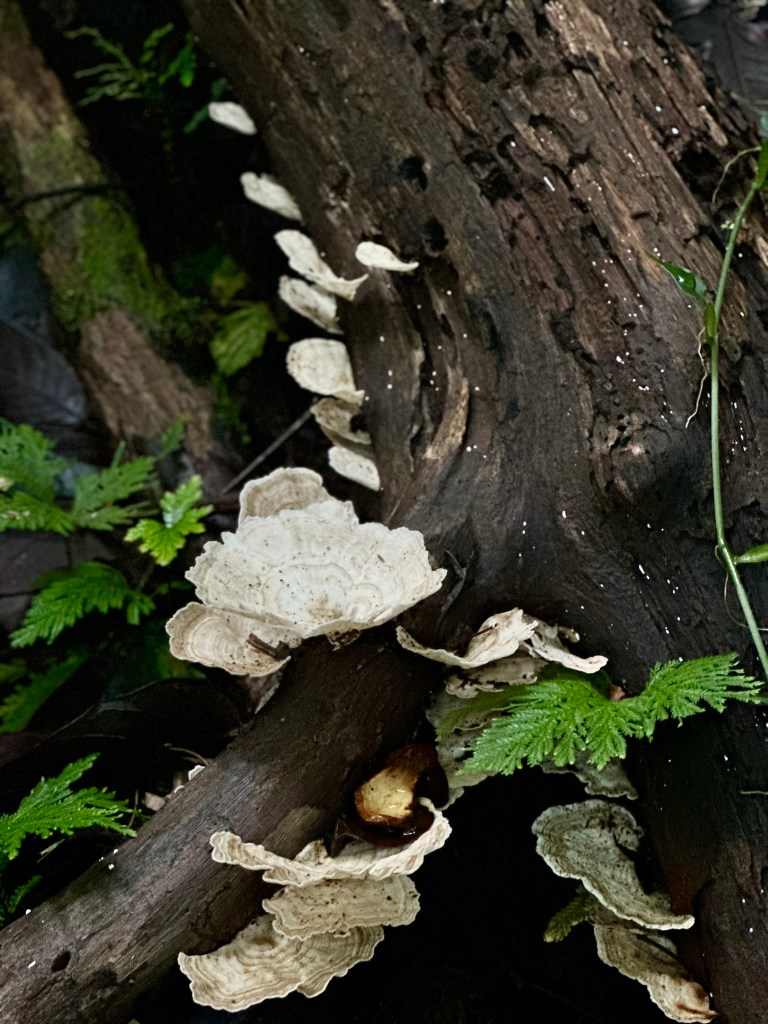
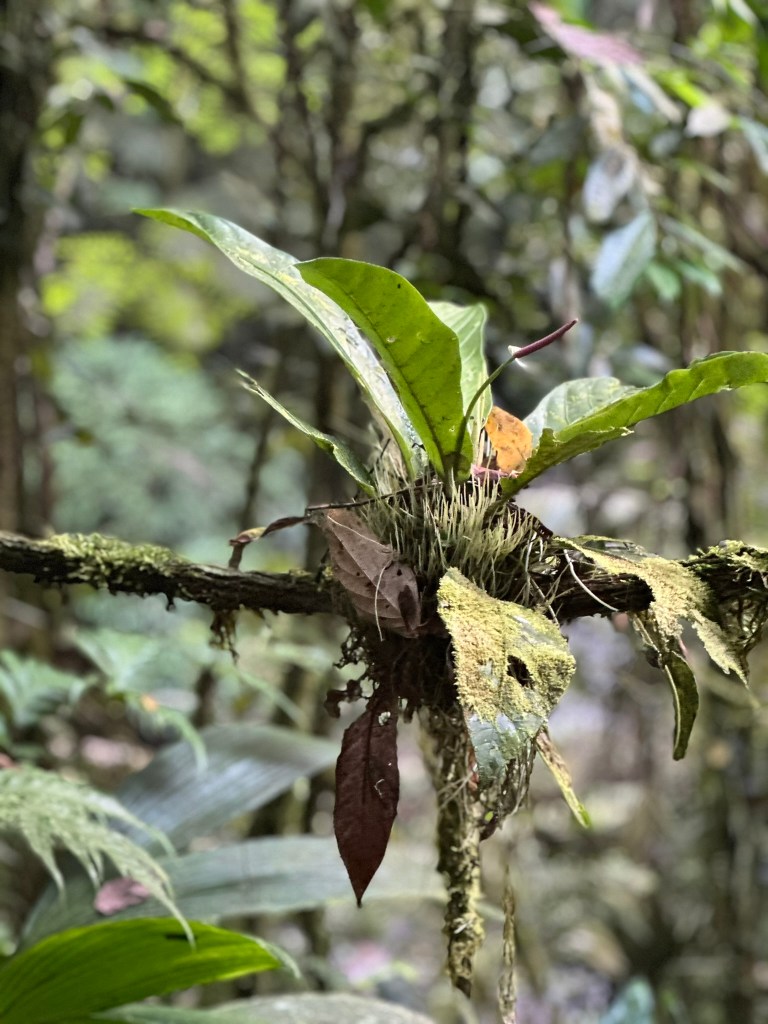
Some more random pictures taken from the hike on the property:

Monkey Business- Types of monkeys in Costa Rica and where to see them

If you love monkeys, Costa Rica is the place to see them. We were fortunate to see 3 out of the 4 kinds of monkeys you could see in CR.

There are 4 different species of monkeys you can see in Costa Rica.

  1. Capuchino monkey
  2. Howler monkeys
  3. Spider monkeys
  4. Squirrel monkeys
  5. Best places to see monkeys in Costa Rica

Capuchino monkey

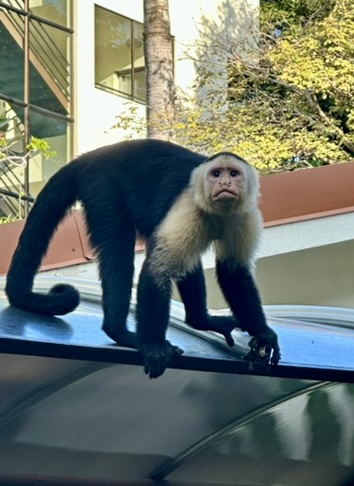
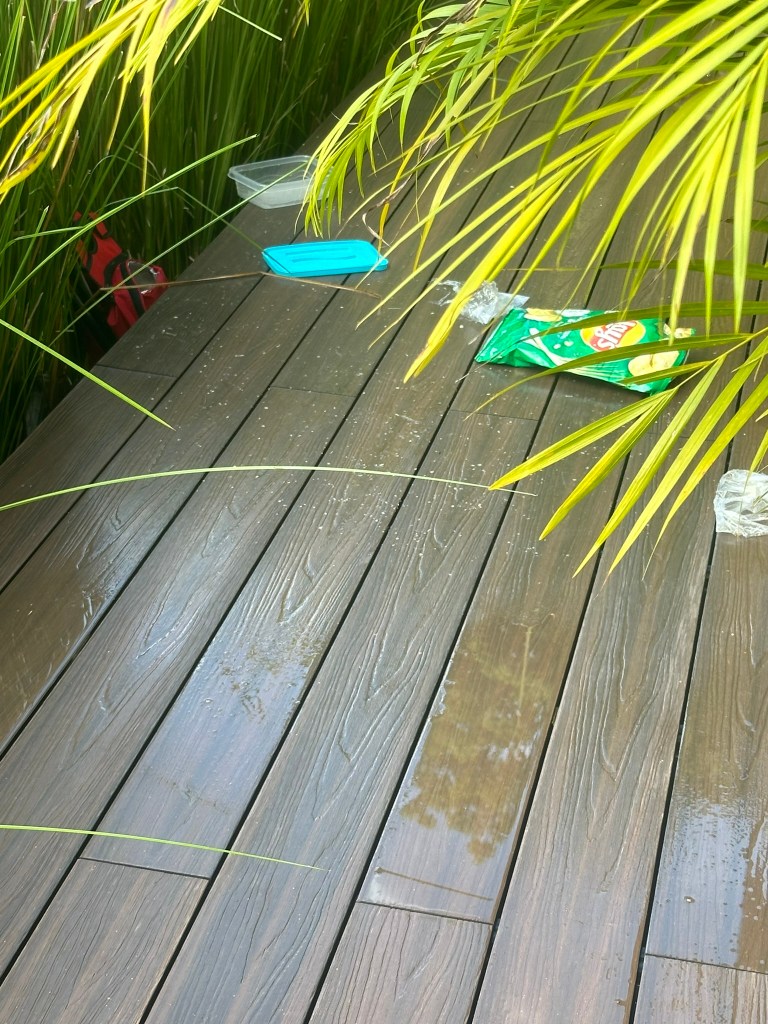
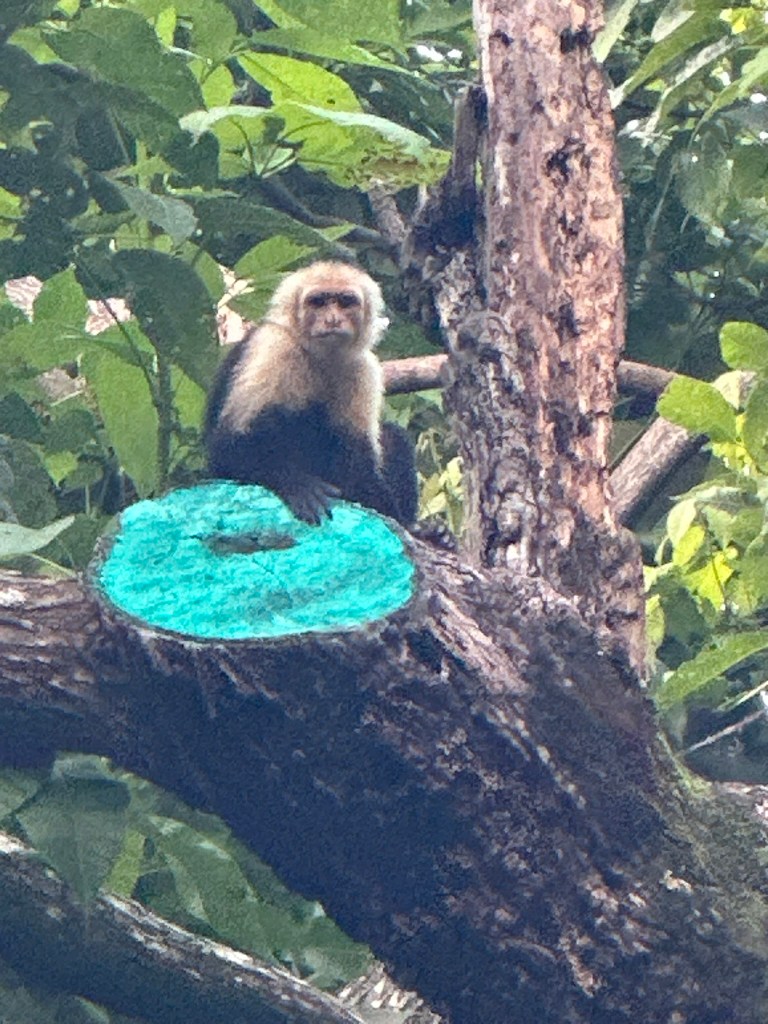
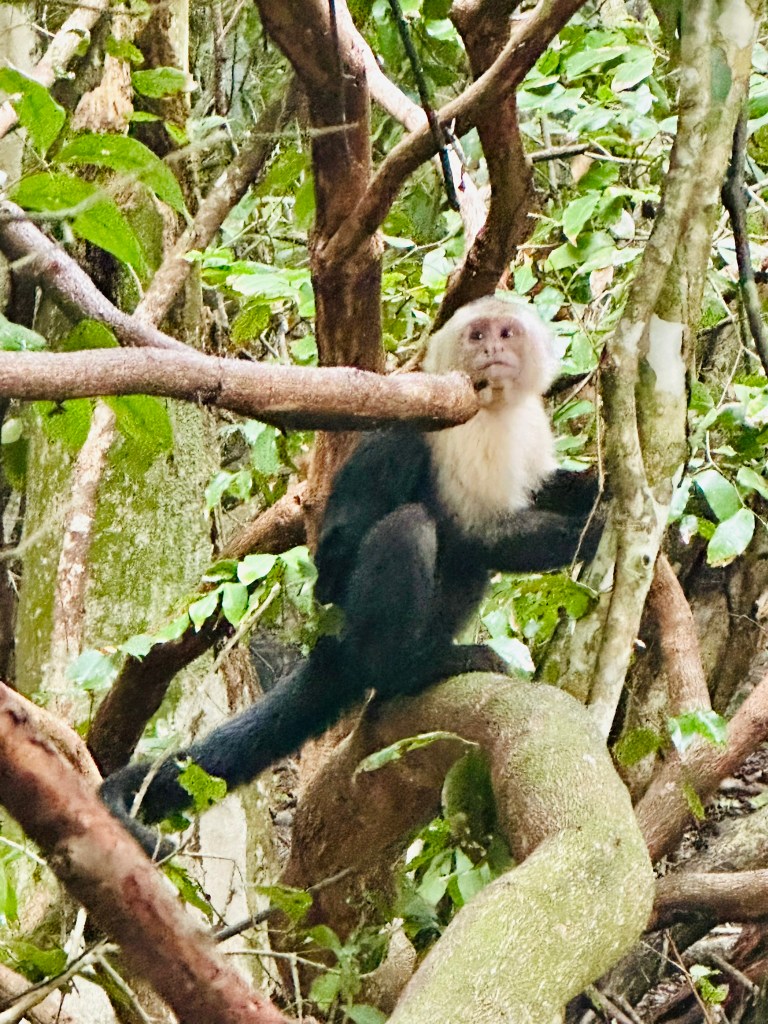
Most common ones we saw are the white-faced cappuccino monkeys and our guide called them mafia monkey as they roam in groups and steal food and other items from people. These monkeys are aggressive and not afraid of people. Parador nature resort had a bunch of them that would hang out by the pool and come near rooms and take anything they can. People staying next to us had left their backpack out in the night, and these monkeys tore it open, and took the chips bag and opened a Tupper ware container and ate whatever was in it.

Howler monkeys

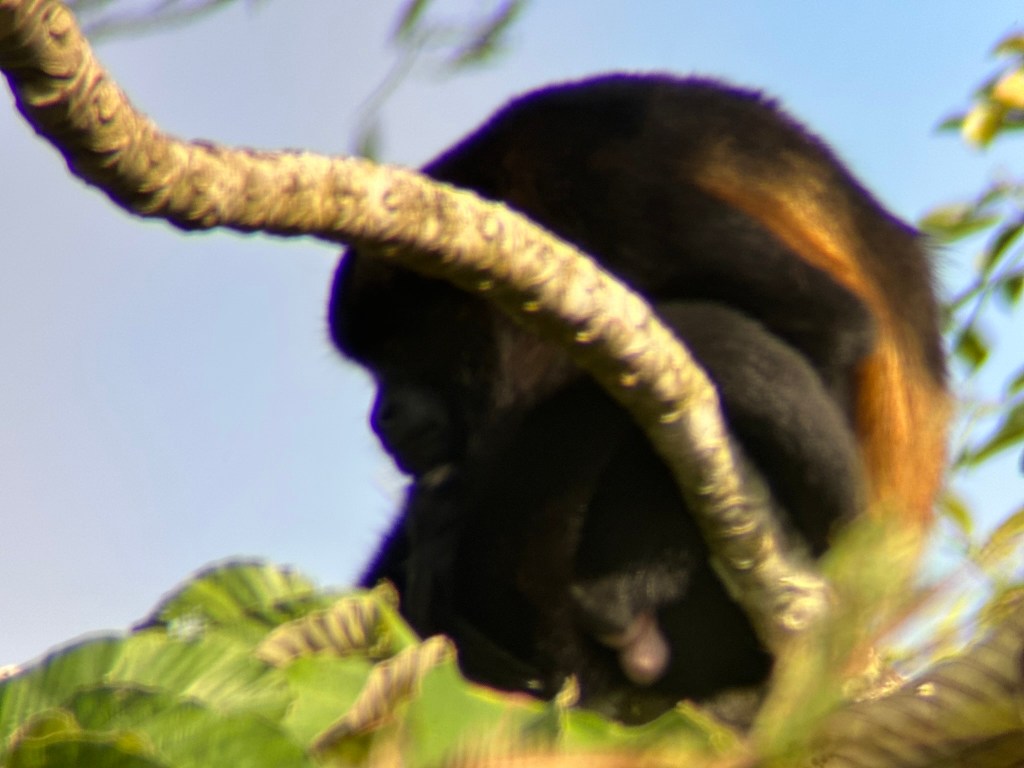
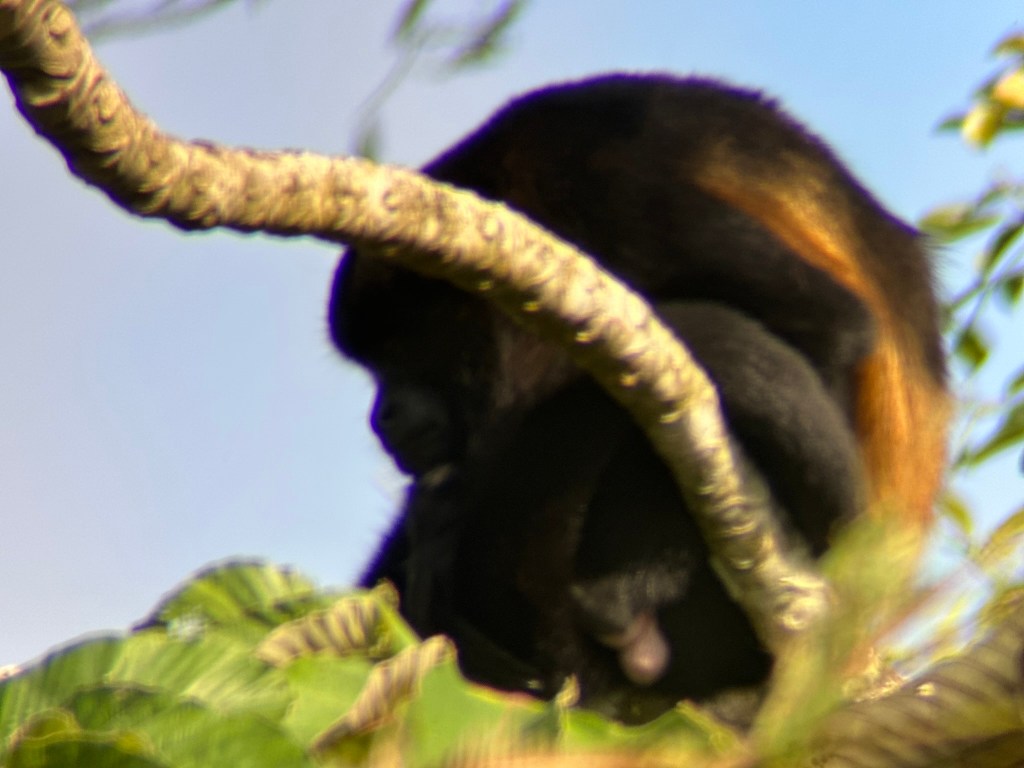
More than seeing these monkeys, you can’t escape their howl which sounds like a roar. We saw few these monkeys in Manuel Antonio but heard them pretty much every morning in the hotel. when we were at Manuel Antonio park it started raining, we heard bunch of angry howler monkeys and were told by the guide that they hate rain which led to teenager asking, ” then why do they live in rainforest where it rains everyday?”

Spider monkeys

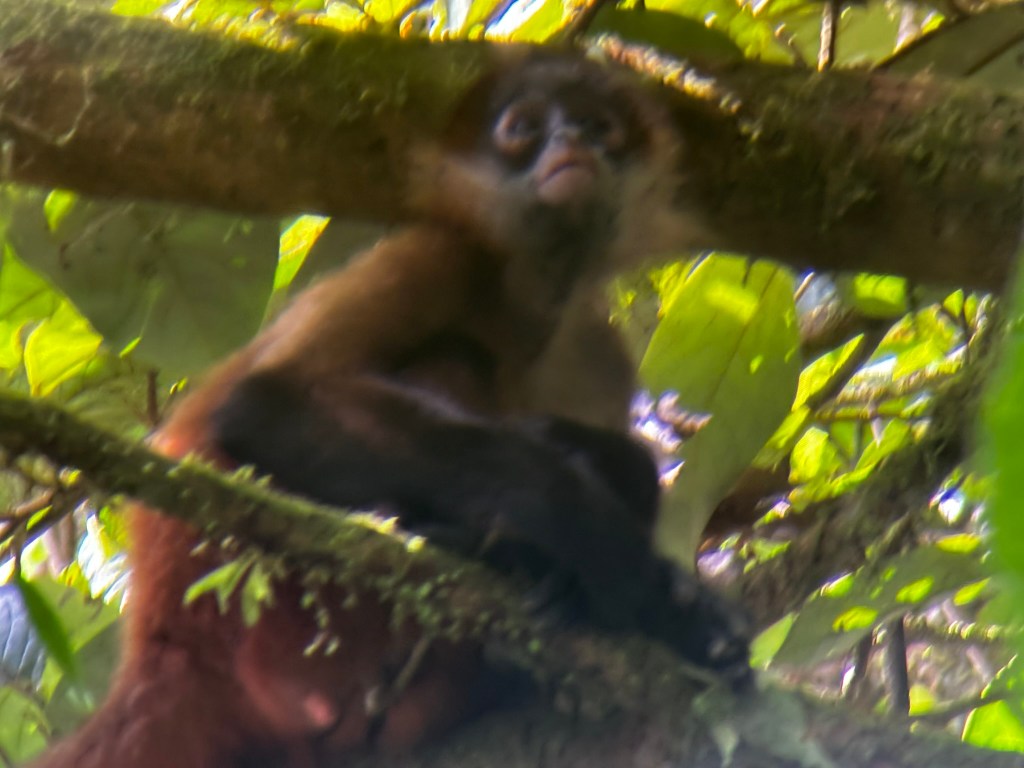
We were lucky to see a family of spider monkeys hanging around in Mistico Hanging bridges and gave us show from jumping from tree to tree and showing off their agility. Our guide was able to hear these monkeys before spotting them as they make lot of noise on the tree branches, and it is good practice to pay attention to sounds as you go through rain forests as it is much better way to spot different animals. After 9 days in Costa Rica, I got better at spotting monkeys by paying attention to twigs breaking, rustling leaves and branches. Spider monkeys are one of the most agile species in Costa Rica and their name comes from the disproportionately long limbs and a long tail. We were able to take some good videos of these monkeys (Watch it full screen or pic-in-pic to see the whole video)

Spider Monkey

Squirrel monkeys

These are only type of monkeys we didn’t see in Costa Rica even though our hotel in Manuel Antonio and the national park had these monkeys but unlike the white-faced monkeys they weren’t roaming around in groups when we were there. These monkeys have very distinct type black facial mask and red-backed fur and pretty small compared to other monkeys found in Costa Rica.

Monkeys and Green rope way – One of things I noticed in the Manuel Antonio area and in the Parador hotel was the green ropes/bridges hanging from tree to tree. These are constructed for sloths and monkeys cross from tree to tree and to buildings without coming down to the road thus avoiding potential threats from cars, dogs, and other predators. Its quite neat to see and I caught a Cappachino money using one in the hotel

Monkey on Sky bridge

Best places to see monkeys in Costa Rica

Manuel Antonio National Park– This is park where you are guaranteed to see both monkeys and sloths. All four species are supposed to live this National park and we were able to see Howler and White-faced monkeys here. The Parador nature hotel in Manuel Antonio has abundance of these monkeys in their grounds and roam around the hotel. One of the guests was even able to see squirrel money in this hotel during our stay when it jumped on the balcony to get food as they were eating their lunch.

Corcovado National Park This is another national park best suited to see all 4 species of monkeys and 2 species of sloth. Hiring a guide would improve the experience.

Arenal volcano and mistico hanging bridges – We were able to see both spider monkeys and howler monkeys here.