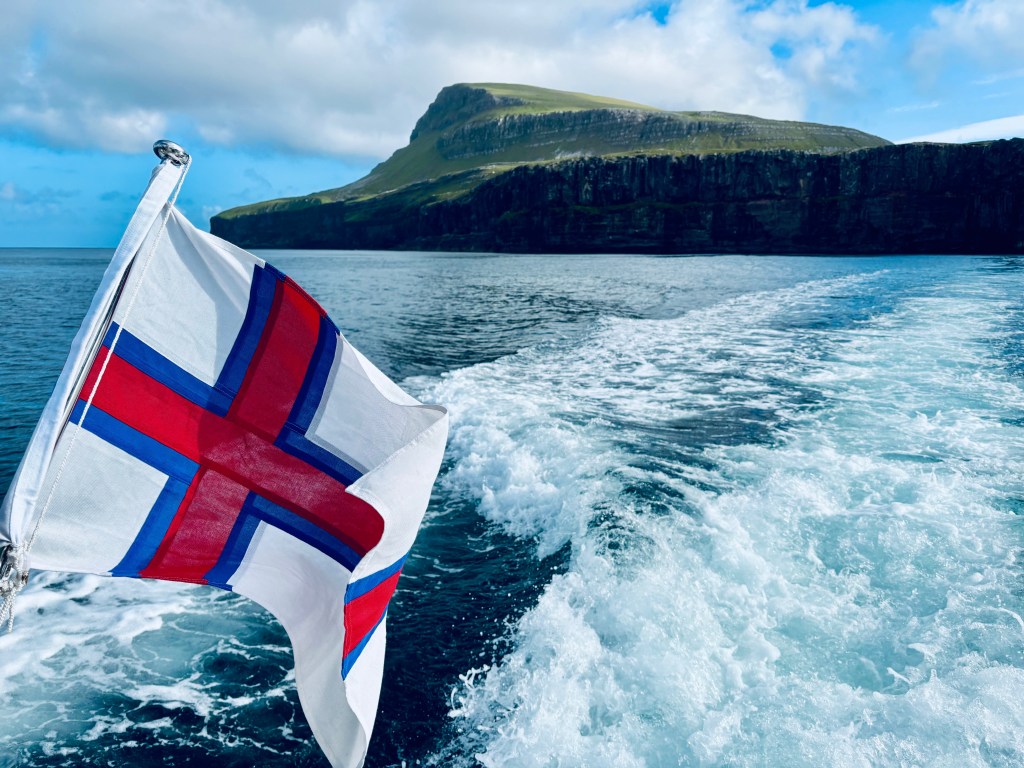
The Faroe Islands are a self-governing archipelago in the North Atlantic, known for their rugged terrain, rich Viking heritage, and vibrant fishing economy. Located between Iceland, Norway, and Scotland, the Faroe Islands consist of 18 volcanic islands. The phrase “Land of Maybe” was popularized during World War II, when British troops stationed there experienced the islands’ ever-shifting weather, which often disrupted schedules and travel plans. The name reflects the frequent fog, rain (it rains 300 days a year), strong winds, and sudden weather changes that characterize this rugged and isolated archipelago.

- How to reach Faroe Islands
- 📍Where to Stay in The Faroe Islands Island
- How many days to spend in the Faroe Islands
- How to explore the Faroe Islands- Guided vs self-driving
- 🗺My Faroe Islands Adventure
- Useful webpages and blogs
- 💡 Final thoughts and Reflections
How to reach Faroe Islands
You can reach the Faroe Islands either by flying into Vágar Airport (FAE) with Atlantic Airways or SAS from major European cities, or by taking the Smyril Line ferry from Denmark or Iceland
✈️ Flying to the Faroe Islands
- Main Airport: Vágar Airport (FAE), located on Vágar Island.
- Airlines:
- Atlantic Airways (the Faroese national airline) operates year-round flights to destinations such as Copenhagen, Edinburgh, Paris, Reykjavík, Oslo, and Barcelona.
- SAS also connects Copenhagen to the Faroes.
- Icelandic Air – Connects from Reykjavik
- Flight Times:
- About 2 hours from Copenhagen.
- Just over 1 hour from Edinburgh or Reykjavík.
- From North America: There are no direct flights. Travelers typically connect via Copenhagen, Reykjavík, or Edinburgh
🚢 Ferry to the Faroe Islands
- Operator: Smyril Line.
- Route: From Hirtshals, Denmark to Tórshavn, Faroe Islands, with stops in Iceland.
- Duration: Around 36 hours from Denmark.
- Advantages: You can bring your own car, making it easier to explore the islands independently
🌍 Travel Tips
Best Entry Point from the US: Fly to Copenhagen or Reykjavík first, then connect to Vágar Airport.
Seasonal Routes: Some destinations are only available in summer, so check schedules in advance. There are seasonal flights from Barcelona, Gran Canaria, and Mallorca, offering an even wider array of travel options
Weather Considerations: The Faroes are known for rapidly changing weather—plan flexible itineraries.
*** Pro-tip: Atlantic Airlines is the Faroese National airline and is better equipped to land during challenging weather conditions. The day I took Atlantic airline flight from Copenhagen to Vágar, Icelandic Air had cancelled the flight for weather-related reasons, and we had no issues landing. If you can, book through Atlantic Airline directly.
📍Where to Stay in The Faroe Islands Island
Accommodation in the Faroe Islands ranges from luxury hotels in Tórshavn to budget hostels, camping sites, guesthouses, and Airbnb-style rentals across the islands, giving travelers options for comfort, affordability, or immersion in nature. I decided to stay in Tórshavn for its central location and guided tour pickups. Next time, when I visit the Faroe Islands, I will probably choose one of the off-the-beaten-path Airbnbs, such as the View Hotel. You can check Booklocal.fo and vert.fo for a curated collection of Airbnb-style houses and flats available across most islands.
🏨 Hotels (4-star & boutique):
- Found mainly in Tórshavn, offering spa treatments, fine dining, and modern amenities.
- Here is a list of hotels in the capital city. I stayed at Hotel Hafnia and had a great stay
- Hilton Garden Inn Faroe Islands – A modern hotel with water views, dining, and a hot tub. Great for travelers who want comfort and international standards.
- Havgrím Seaside Hotel 1948 – A charming historic guesthouse overlooking Nólsoy Fjord, with nautical-inspired décor and serene coastal views.
- Hotel Føroyar – Stylish lodging with a renowned restaurant and bar, plus free breakfast. Known for its hillside location and panoramic views of Tórshavn.
- Hotel Brandan – Upscale and polished, featuring saunas, wine tastings, and a restaurant. Ideal for those seeking a boutique experience.
- Hotel Hafnia – Centrally located in Tórshavn, offering modern rooms and a complimentary breakfast buffet.
- visitHOMES (Leirvík) – Highly rated bed & breakfast with a homely atmosphere, perfect for travelers wanting a local touch.
- Giljanes Hostel & Campsite (Sandavágur) – Budget-friendly option with shared kitchen facilities, popular among backpackers and hikers.
- Hotel Tórshavn – Informal property with harbor views, a restaurant, and free breakfast. Conveniently located in the capital
- Guesthouses & B&Bs:
- Spread across smaller villages, ideal for travelers seeking a homely, local experience.
- Platforms like Booklocal.fo and vert.fo curate unique stays in private homes
- Check out visit Faroe islands webpage for some unique guesthouse and Airbnb options
- Hostels:
- Budget-friendly, often with shared kitchens and communal spaces.
- Popular among backpackers and hikers.
- Couple of options include Guesthouse Marknagil in Tórshavn and Giljanes in Sandavágur.
- Budget-friendly, often with shared kitchens and communal spaces.
- Camping:
- Campsites are available across the islands, offering direct immersion in the Faroese landscapes.
- RV camping is also possible, though facilities are limited.
⚠️ Travel Tips
- Book Early: Accommodation is limited and demand is rising, especially in summer.
- Expect Small Scale: The Faroes have only a handful of hotels; many stays are intimate and family-run.
- Match Your Style:
- Luxury → Tórshavn hotels.
- Budget → Hostels or camping.
- Authentic → Guesthouses or village B&Bs.
How many days to spend in the Faroe Islands
Most travelers spend 5–7 days in the Faroe Islands to see the highlights, but you can enjoy a shorter 3-day trip or extend to 9–10 days for a deeper, slower exploration.
Suggested Durations
- 3 Days:
- Ideal for a quick getaway.
- Focus on Tórshavn, Vágar (including the famous Múlafossur waterfall), and one or two nearby villages.
- Great if you’re combining the Faroes with Iceland or Denmark.
- 5–7 Days (Most Popular):
- Balanced pace to explore multiple islands.
- Highlights include Streymoy, Eysturoy, Vágar, and Norðoyggjar.
- Enough time for iconic hikes (like Sørvágsvatn lake and Slættaratindur peak) and cultural experiences in Tórshavn.
- 9–10 Days:
- Perfect for slow travelers or photographers.
- Allows visits to more remote islands like Suðuroy and Sandoy.
- Flexibility to account for unpredictable weather, which often reshuffles plans. My day 1 trip to Mykines Island was cancelled due to weather, and I couldn’t reschedule as I was staying for only 3 days and had other tours scheduled for thenext 2 days.
🌍 Travel Tips
- Weather Flexibility: The Faroes are famous for sudden fog, rain, and wind. A longer stay gives you buffer days to catch views when skies clear.
- Driving: Renting a car is the best way to explore multiple islands efficiently.
- Season: Summer (June–August) offers long daylight hours and more ferry schedules, while winter is quieter but harsher.
- Budget: Accommodation is limited, so book early—especially for stays longer than 5 days.
🧭 Recommendation
If it’s your first trip, aim for 5–7 days. This gives you enough time to see the iconic landscapes, enjoy local culture, and still leave room for weather delays. If you’re a hiker or photographer, stretch to 9–10 days for maximum flexibility and depth.
How to explore the Faroe Islands- Guided vs self-driving
The Faroe Islands can be explored either through guided tours (ideal for local insights, cultural immersion, and hassle-free logistics) or self-driving tours (perfect for flexibility, independence, and discovering hidden corners at your own pace). I did mostly day guided tours but when I go back again, I will probably do a mix of self-guided drives and guided tours.
🚐 Self-Driving Tours
- Freedom & Flexibility: Drive at your own pace, stop for photos, and adjust plans depending on weather.
- Infrastructure: Islands are connected by bridges, tunnels, and ferries, making driving straightforward.
- Popular Packages:
- 5-day scenic self-drive tours starting at Vágar Airport.
- 7–10 day itineraries covering top attractions, villages, and hikes.
- Best For: Independent travelers, photographers, and those who enjoy spontaneous exploration.
🧭 Guided Tours
- Local Expertise: Guides share history, folklore, and insider knowledge about landscapes and culture.
- Convenience: All logistics (transport, ferries, meals, permits) are handled for you.
- Specialized Options:
- Guide to Faroe Islands – comprehensive operator offering cultural, hiking, and nature tours. I used this webpage for planning my visit. Guide to Faroe Islands works with various tour operators to schedule the tours.
- GoLocal – authentic village experiences and community-based tours.
- Experience Faroe Islands – curated excursions with a focus on local traditions.
- Outdoor Faroe Islands – adventure-focused tours like hiking and kayaking.
- Tórshavn Sea Adventures – boat tours exploring fjords and wildlife.
- Heimdal Tours Sp/f – small-group guided trips.
- Seatravel.fo – ferry and boat-based exploration. When my Mykines Island tour was cancelled on day 1, I used this tour group to do Drangarnir Boat Tour that included visiting Mulafossa.
****My favorite guided tour group
JH Tours, which is run by Johan and his family. I highly recommend JH tours for any guided tours of the Faroe Islands. You can reach him at Faroestours@gmail.com or (+298)28 28 00. They can plan 6-7-day tours that include all the highlights of the Faroes. I did the Lake above the ocean tour with them on day 2, and it was the highlight of my trip. Johan and his mom drove the car and entertained us with various local stories. We stopped at the black-sand beach in the village of Bour for a picnic lunch after visiting Mulafossa.
⚖️ Which to Choose?
- Guided Tours: Best if you want cultural depth, stress-free planning, or are short on time.
- Self-Drive: Best if you value independence, want to explore remote areas, and enjoy road trips.
- Hybrid Approach: Many travelers combine both—self-driving for flexibility and guided tours for specialized experiences (like birdwatching on Mykines or sea adventures).
🗺My Faroe Islands Adventure
Duration: 5 Days (including arrival & departure)
Base: Hotel Hafnia, Tórshavn
🌸 Day 1 – Arrival & First Impressions
- Landed at Vágar Airport after connecting flight in Copenhagen (Flew from Atlanta)
- Pre-booked taxi to Hotel Hafnia in Tórshavn
- Afternoon: leisurely walk through the capital’s charming streets and harbor
🐦 Day 2 – Sea Adventures
- Planned trip to Mykines Island (puffins) canceled due to weather
- Pivoted to:
- Dragnoair boat tour with Sea Travel
- Boat trip to Nólsoy Island from Tórshavn harbor with Sea Adventures of Torshavn
Both tours are excellent and take you to some of the most beautiful places, such as the Dragnoair boat tour, which takes you to Múlafossur, Akranes, Drangarnir sea stacks, and Tindhólmur. On both trips, I was able to see Puffins flying around, floating/swimming, and fishing in the ocean. The boat trip to Nolsoy was exceptional, with great views and lots of sea birds
🌊 Day 3 – The Lake Above the Ocean
- Guided hike to Sørvágsvatn (Lake above the ocean) with JH Tours
- Iconic stop at Múlafossur waterfall
- Lunch in the picturesque Bøur village
This was the bucket-list hike for me, and the tour was so much more than just the hike. After the hike, we went to Bøur, Múlafossur Waterfall, and Gásadalur. To read my blog on hiking the lake above ocean, click here
🏞 Day 4 – Highlights of the Faroes
- Full-day “Highlights” tour with stops at:
- 🌅 Gjógv village view – dramatic gorge and colorful houses (see photos here)
- 🌊 Saksun lagoon – a secluded valley with a tidal lagoon (see photos here)
- 🏰 Kirkjubøur historic village – medieval ruins and the oldest farmhouse (see photos here)
- 💦 Fossá waterfall – tallest waterfall in the Faroes
Details of this day can be found here. Visiting the villages of Gjógv and Saksun was definitely a highlight of the day, along with finally getting to photograph Puffins and hear content in the village of Gjógv.
✈️ Day 5 – Departure
- Morning transfer back to Vágar Airport
- Farewell to the islands — carrying memories of puffins, waterfalls, and windswept landscapes
Useful webpages and blogs
These are some of the sites and blogs I used when I started planning my trip
🏛 Official & Practical Sites
- Visit Faroe Islands – The official tourism board with guides on transport, accommodation, events, and culture.
- Guide to Faroe Islands – Local booking platform for tours, car rentals, and curated itineraries.
- Atlantic Airways – National airline with direct flights from Copenhagen, Edinburgh, Paris, and Reykjavík.
- Smyril Line – Ferry service connecting Denmark, Iceland, and the Faroes.
- Northtrotter Travel Guide – Best apps and websites for planning, including hiking maps and weather forecasts.
✍️ Inspiring Travel Blogs
- Top 13 Blogs About the Faroe Islands – Curated list of the best lifestyle, nature, and travel blogs.
- Salty Sarah – My Week in the Faroes – Personal reflections, logistics, and highlights from a week-long trip.
- Full Suitcase – Itinerary Suggestions – Detailed 3–9 day self-drive itineraries with maps and practical tips.
- The Common Wanderer – Road Trip Guide – DIY road trip itinerary with cultural stops and safety tips.
💡 Final thoughts and Reflections
- The Faroes demand flexibility — weather reshapes plans, but surprises often lead to unexpected gems.
- Combining guided tours with independent boat trips gave the perfect balance of structure and spontaneity.
Based on my experience, I would suggest spending at least 5-7 full days to be able to see everything this beautiful island has to offer. Here is are list of must-visit places and hikes
🏘 Must-Visit Villages
- Gjógv (Eysturoy): Famous for its natural gorge and colorful houses.
- Saksun (Streymoy): Lagoon surrounded by mountains, one of the most photogenic spots.
- Kirkjubøur (Streymoy): Historic village with medieval ruins and the world’s oldest inhabited wooden house.
- Gásadalur (Vágar): Home to the iconic Múlafossur waterfall.
- Viðareiði (Viðoy): Northernmost village, known for dramatic mountain and sea views.
- Bøur (Vágar): Charming turf-roof houses with views of Tindhólmur islet.
- Funningur & Elduvík (Eysturoy): Small, authentic villages with fjord views
🥾 Must-Do Hikes
- Sørvágsvatn (Leitisvatn): The “floating lake” above the ocean, moderate 2-hour hike.
- Slættaratindur: Highest peak in the Faroes (880 m), panoramic views across the islands.
- Kallur Lighthouse (Kalsoy): Iconic cliffside hike with dramatic views.
- Villingardalsfjall Summit (Viðoy): Panoramic northern island views.
- Drangarnir Sea Stacks (Vágar): Challenging hike to dramatic sea arches.
- Mykines: Puffin paradise with cliffside trails (weather-dependent)
🌍 Must-Visit Places
- Múlafossur Waterfall (Vágar): Cascades directly into the ocean.
- Fossá Waterfall (Streymoy): Tallest waterfall in the Faroes.
- Tinganes (Tórshavn): Historic district with turf-roofed government buildings.
- Nordic House (Tórshavn): Cultural center showcasing Faroese art and music.
- Kalsoy’s Kópakonan Statue: Seal Woman monument tied to Faroese legend.
- Sandoy & Suðuroy Islands: Quieter, off-the-beaten-path destinations
 Peaks to Palaces