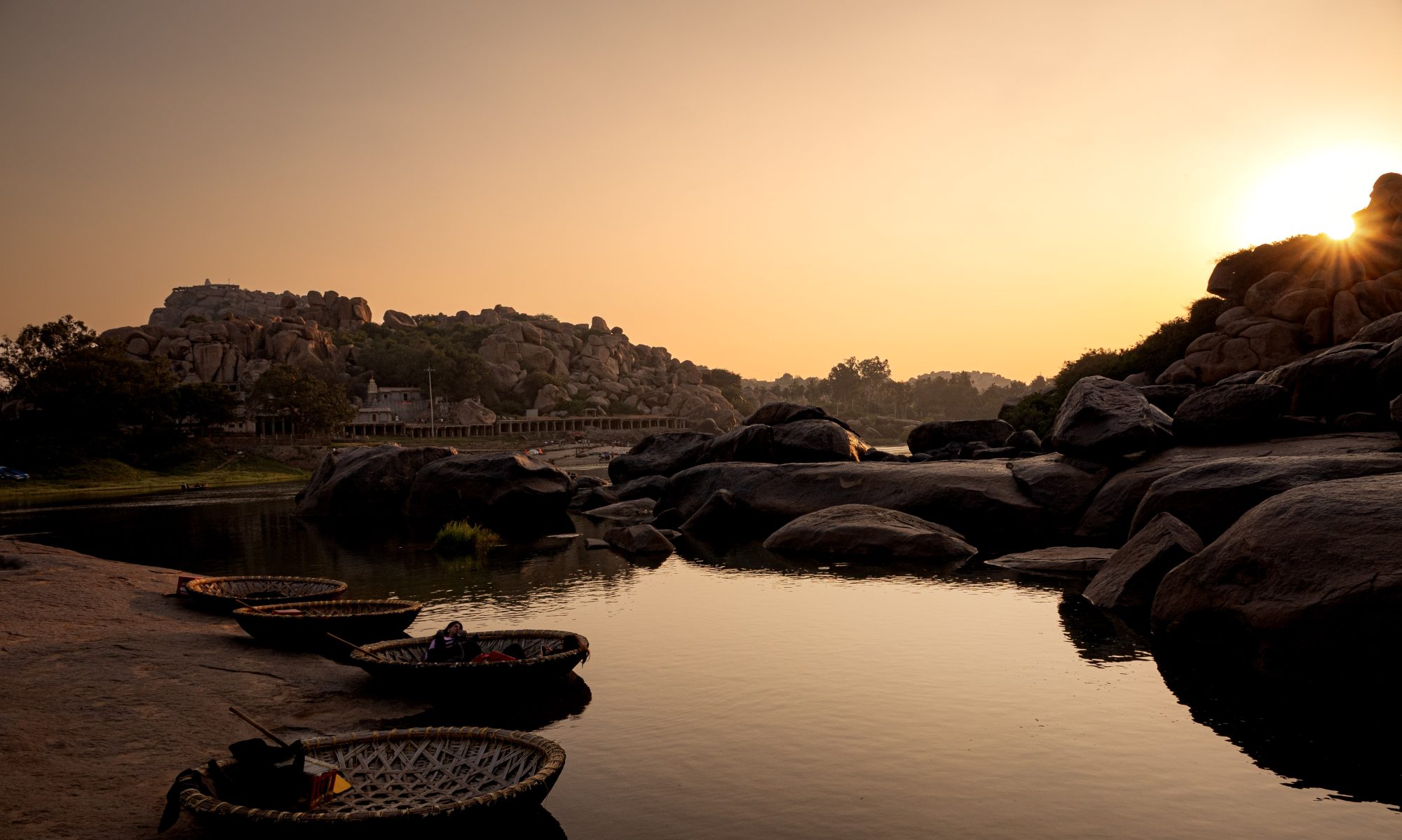
I grew up in North Karnataka, and man, going back to Badami after nearly 40 years was such a trip down memory lane! Driving through those quiet villages with their familiar names and vibrant green fields felt both like home and a dreamy fairy tale. The last time I checked out those temples, I was only 10 or 12 and didn’t really get how stunning they were. But now, after traveling to over 30 countries and living in a country that’s just 250 years old, I totally see the incredible history and timeless beauty of these spots in a whole new light!
Northern Karnataka really knows how to keep you on your toes. One minute you’re cruising through sleepy little villages, and the next, BAM—you’re in front of temples that seem frozen in time. Aihole, Badami, and Pattadakal aren’t just old ruins—they’re like chapters in the story of Indian temple architecture, showcasing how the Early Chalukyas experimented with ideas, refined them, and mastered their craft between the 6th and 8th centuries CE.
This journey is a pilgrimage for anyone who loves history, architecture, or the thrill of watching ideas evolve in stone.
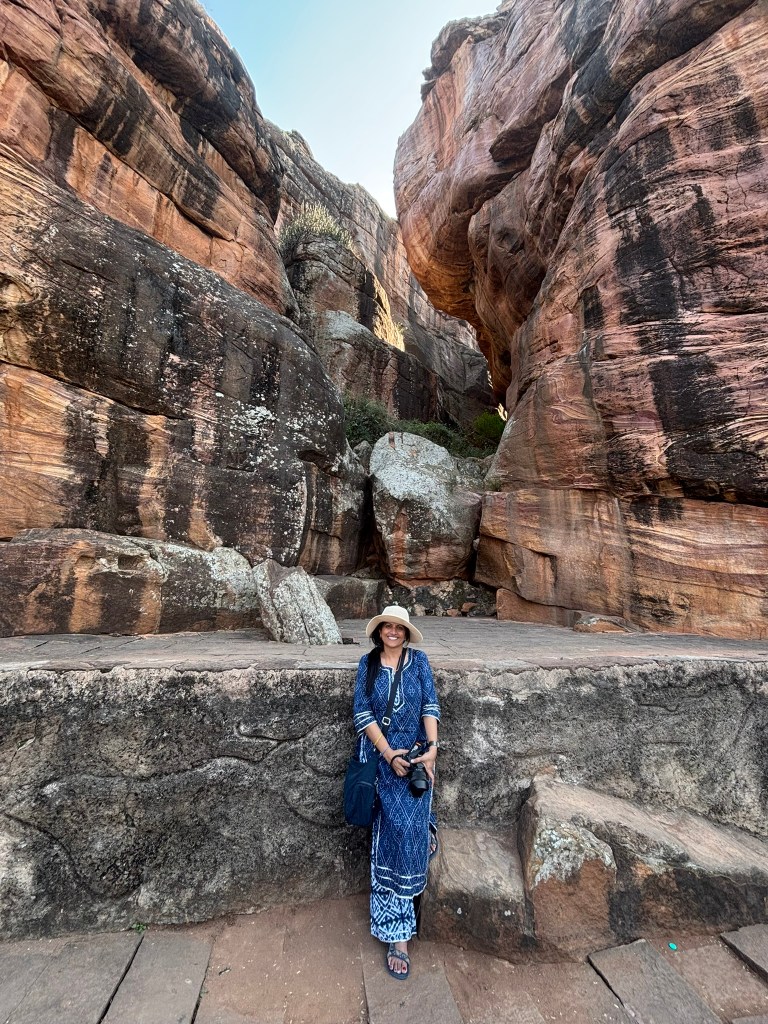
Aihole: The Architectural Laboratory
Aihole is where the Chalukyas began dreaming in stone. With more than 120 temples, it feels like a vast workshop where artisans tested forms, proportions, and techniques that would later define South Indian temple architecture.
More about Aihole from the blog
Lad Khan Temple
One of India’s oldest structural temples, the Lad Khan Temple (5th century CE) still carries the memory of wooden prototypes. Its flat, sloping roof and sabha‑mandapa layout make it feel more like an early assembly hall than a shrine—because that’s exactly what it once was.
Architectural Insight Early Chalukyan builders used post‑and‑lintel construction, fitting massive sandstone blocks without mortar. Precision joints—like mortise‑and‑tenon—held everything together.
Ravana Phadi Cave Temple
A short walk away, the Ravana Phadi Cave (6th century CE) showcases the Chalukyas’ growing mastery of rock‑cut architecture. Inside, a magnificent 10‑armed Nataraja commands the space, surrounded by dynamic carvings of Durga and other deities.
Meguti Jain Temple
Perched on a hillock, the Meguti Jain Temple (634 CE) is the only dated monument in Aihole. Its inscription—the famous Aihole Prashasti—records the achievements of Pulakeshin II and offers rare historical clarity.
Badami: Refinement in Red Sandstone
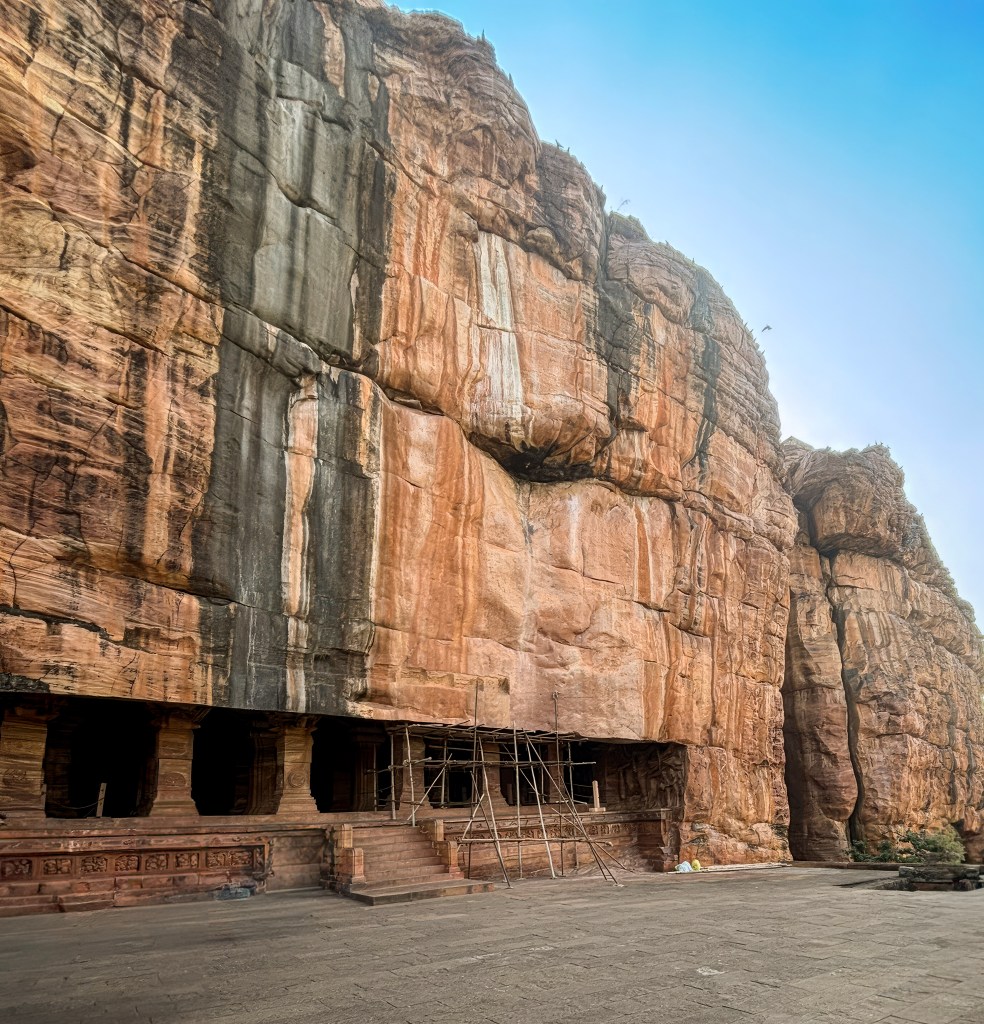
If Aihole is the sketchbook, Badami is the gallery. Once the Chalukyan capital, Badami’s dramatic cliffs cradle some of India’s most exquisite cave temples.
Cave 1: Shiva’s Dance
Dedicated to Shiva, Cave 1 features an 18‑armed Nataraja frozen mid‑movement. The sculptural energy is electric.
Cave 2: Vishnu’s Cosmic Form
Here, Vishnu appears as Trivikrama, his leg stretching across the universe. The refinement in carving marks a clear evolution from Aihole.
Cave 3: The Masterpiece
Dated to 578/579 CE, Cave 3 is the largest and most ornate. Its narrative friezes, pillars, and proportions reflect a confident artistic maturity.
Cave 4: Jain Serenity
The final cave honors Jain Tirthankaras, a testament to the region’s religious inclusivity.
Rock‑Cut Technique Badami’s caves were carved using a subtractive method—artisans removed stone to reveal halls, pillars, and sanctums within the cliff face.
Pattadakal: The Grand Synthesis
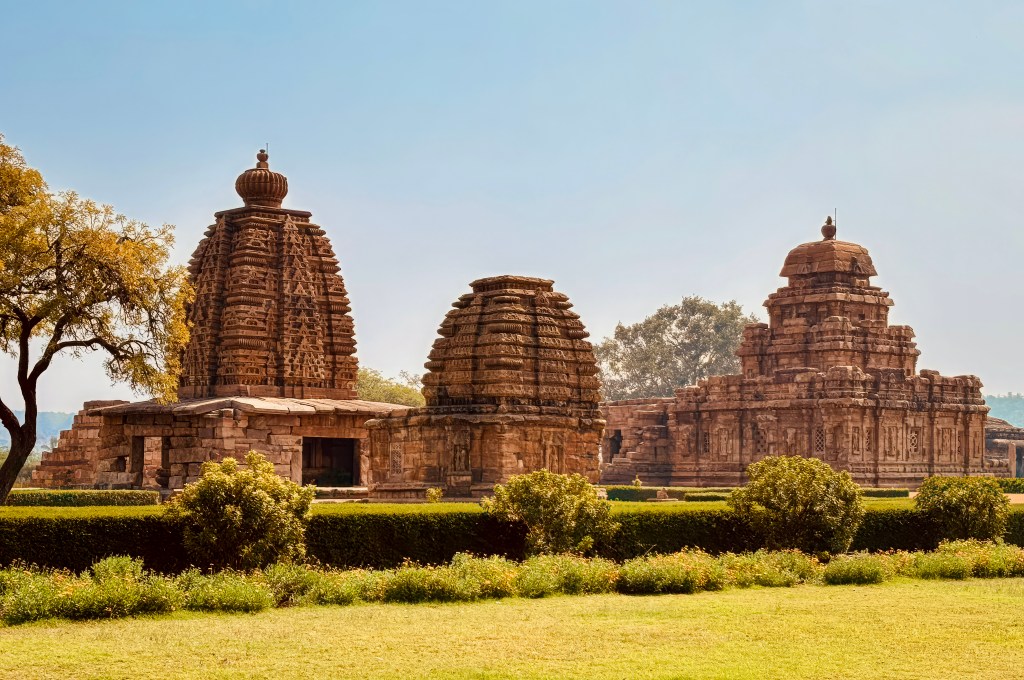
A UNESCO World Heritage Site, Pattadakal is where the Chalukyas’ architectural experiments reached their zenith. This was the royal coronation site, and the temples reflect a confident blend of Nagara (North Indian) and Dravidian (South Indian) styles—what we now call the Vesara style.
Virupaksha Temple
Built around 740 CE by Queen Lokamahadevi, the Virupaksha Temple is a Dravidian masterpiece. Its layered vimana, sculpted friezes, and harmonious proportions later inspired the Kailasa Temple at Ellora.
Mallikarjuna Temple
A near twin to Virupaksha, this temple was built by another queen, Trailokyamahadevi. Subtle differences in detailing make it a fascinating companion piece.
Papanatha Temple
A true Vesara gem, Papanatha blends Nagara and Dravidian elements. Its Ramayana panels are some of the most expressive in the region.
How the Chalukyas Built Their Legacy
Materials & Methods
- Locally sourced sandstone
- Post‑and‑lintel construction
- Precision joints instead of mortar
From Wood to Stone
Early temples mimic wooden structures(eg. Ladkhan temple), marking a pivotal architectural transition.
Layouts & Plans
- Sandhara (with circumambulatory path)
- Nirandhara (without)
- Square, rectangular, and apsidal plans
Fusion of Styles
- Nagara: Curvilinear shikhara
- Dravidian: Pyramidal vimana
- Vesara: Their harmonious blend
Travel Tips for Visiting the Chalukyan Sites
- Best season: October–February – December’s a solid month, but just a heads up, a lot of schools have their trips planned then. The temples get packed with schoolkids, but they don’t stick around for too long. Just hang tight until one group heads out, and snap your pics before the next bunch rolls in!
- Carry water—these sites involve walking and open sun
- Hire a local guide at Pattadakal for deeper context
- Combine all three sites in a 2‑day itinerary or along with Hampi as a 4–6-day itinerary
Suggested Reads
- “The Chalukyas of Badami” – K.A. Nilakanta Sastri
- “Indian Temple Architecture” – Adam Hardy
Nearby Attractions
- Mahakuta Group of Temples
- Banashankari Temple
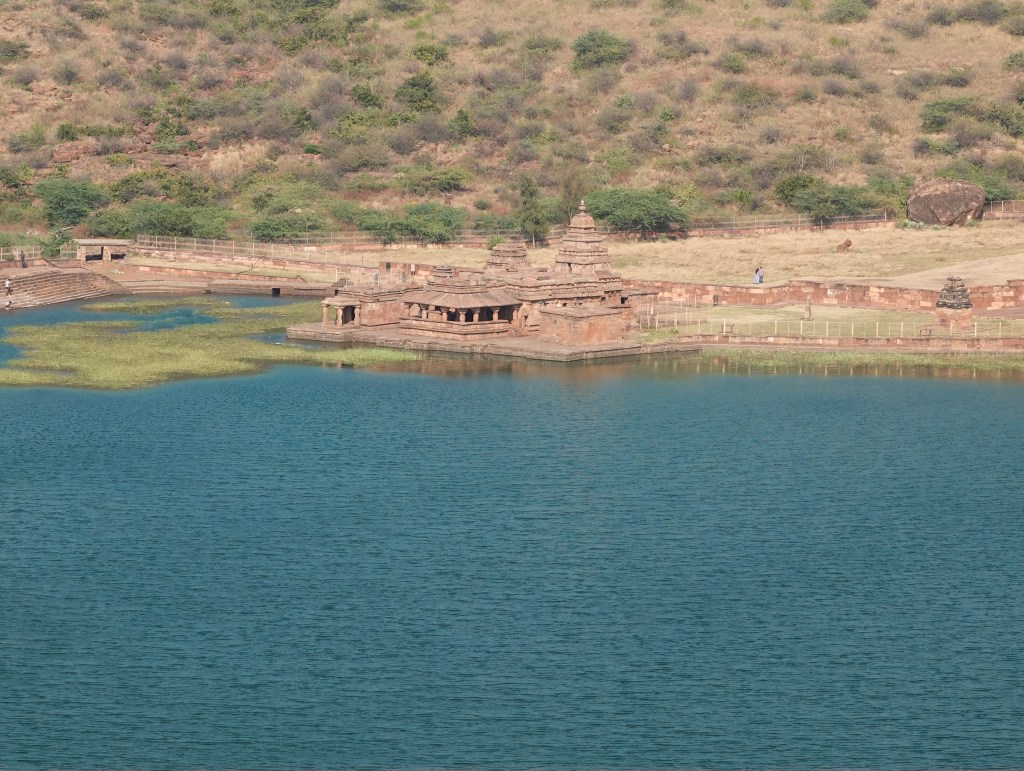
- Bhutanatha Temples by the lake in Badami
Final Thoughts
Traveling through Aihole, Badami, and Pattadakal feels like watching an idea take shape—from early sketches to a fully realized masterpiece. The Chalukyas weren’t just building temples; they were building a legacy of experimentation, innovation, and artistic courage.
If you’re drawn to places where history feels textured and alive, this ancient triad of temple towns will stay with you long after you’ve left their sandstone silhouettes behind.
 Peaks to Palaces