Waved Albatross of Española: A Once‑in‑a‑Lifetime Wildlife Encounter

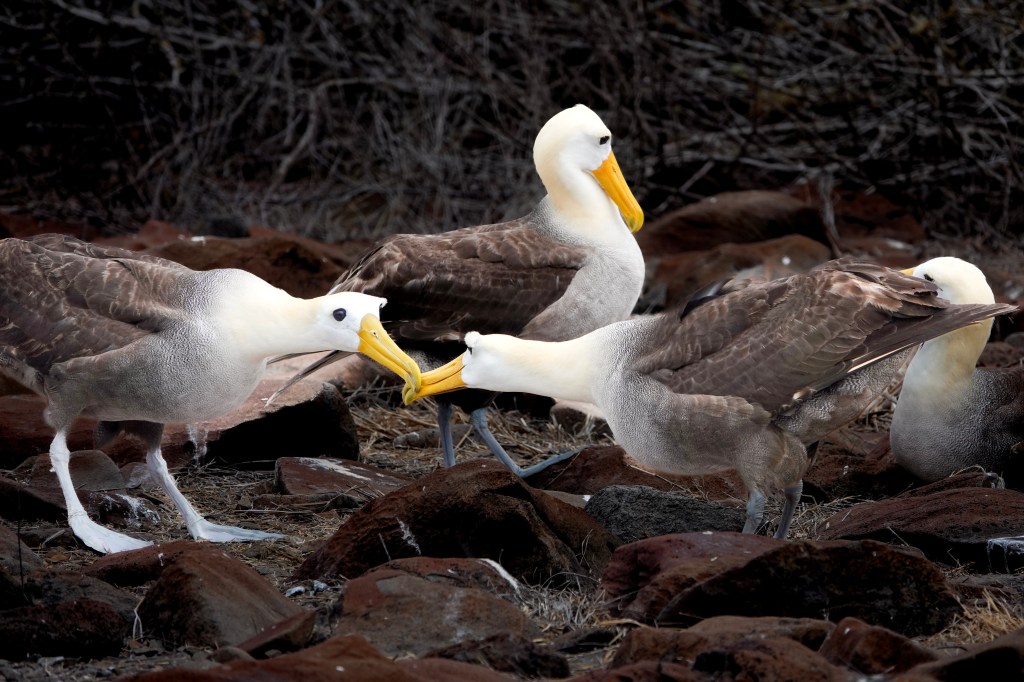
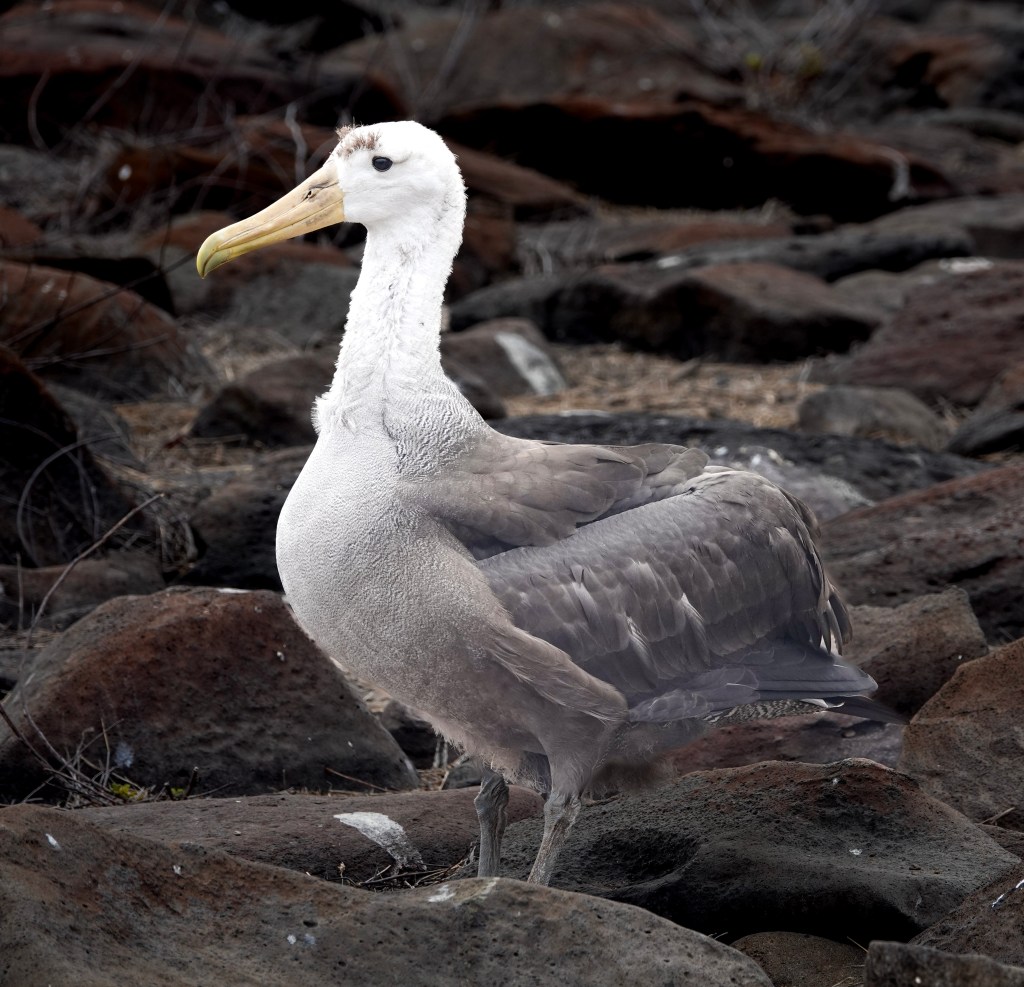
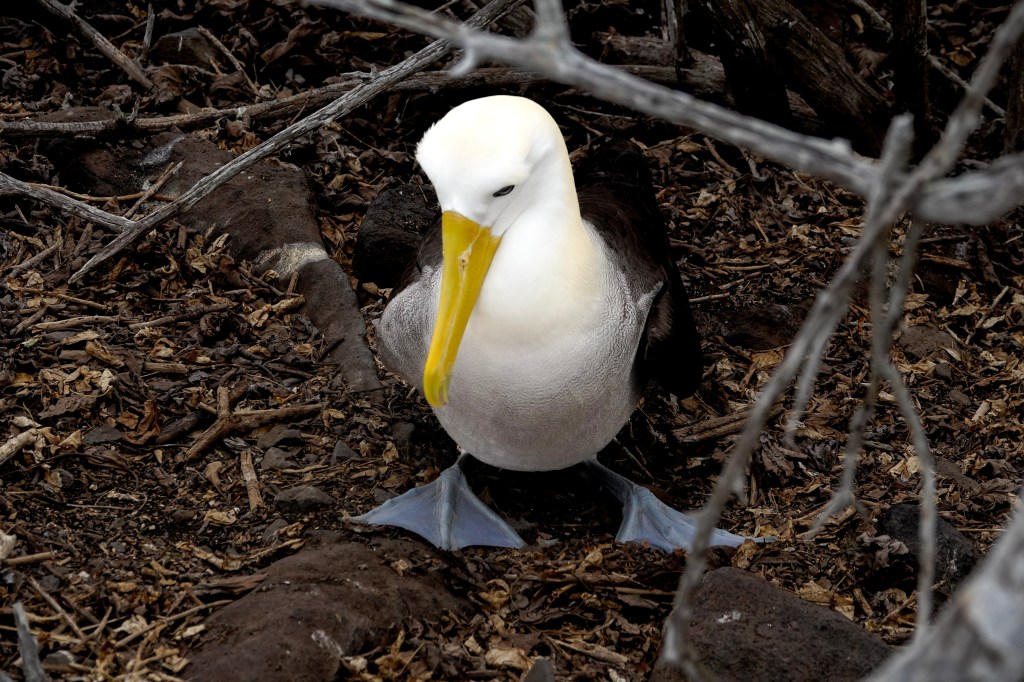
Visit the Galápagos island of Española between December to April, and you may witness one of the most extraordinary courtship rituals in the natural world. Each spring, nearly the entire global population of waved albatrosses—tens of thousands of birds—returns to this remote island to reunite with lifelong partners, raise a single chick, and perform a mating dance so intricate and theatrical that it feels choreographed by nature itself. With wingspans stretching up to eight feet, these are the largest birds in the Galápagos, yet their grace in the air contrasts beautifully with their endearing awkwardness on land. For travelers, seeing them here—on the only major breeding ground they have left—is nothing short of magical.
A Date With the Albatross: When to Plan Your Trip

The waved albatrosses follow a strict seasonal rhythm, and timing your visit is essential.

  • Late March – April (Arrival): The birds return to their only major breeding site on Española Island. Males typically arrive first to claim nesting spots, followed shortly by females.
  • April – June (Courtship & Egg Laying): This is the peak time to witness their famous courtship dance, which involves bill-clapping, bowing, and honking. Most eggs are laid during this window.
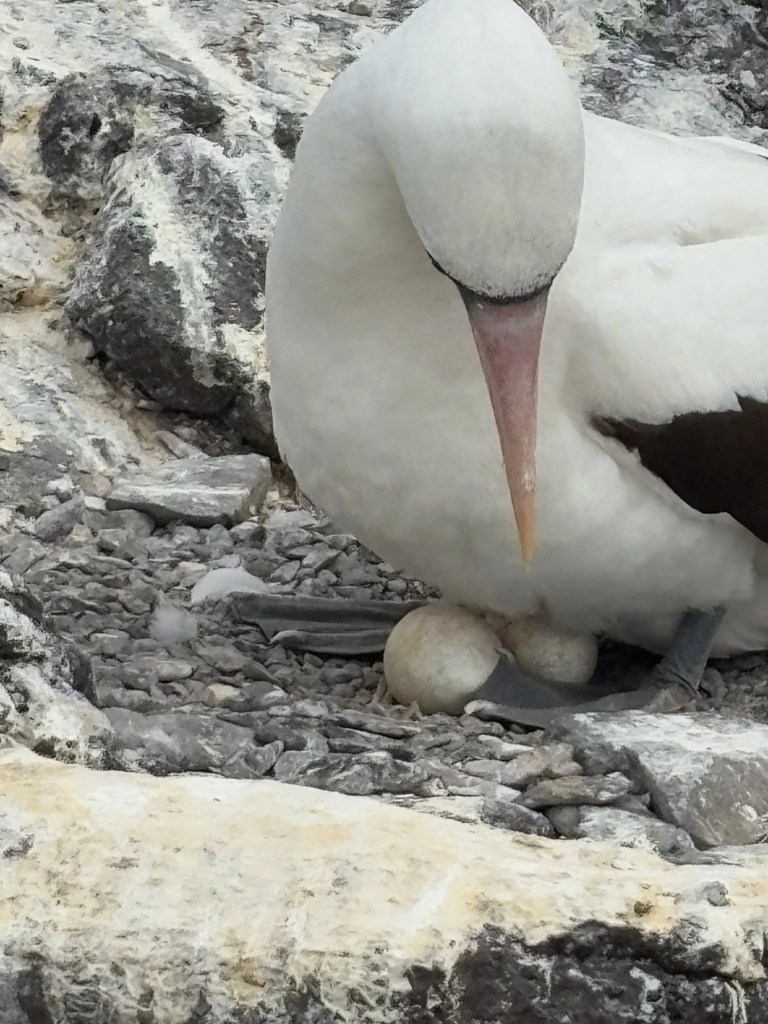
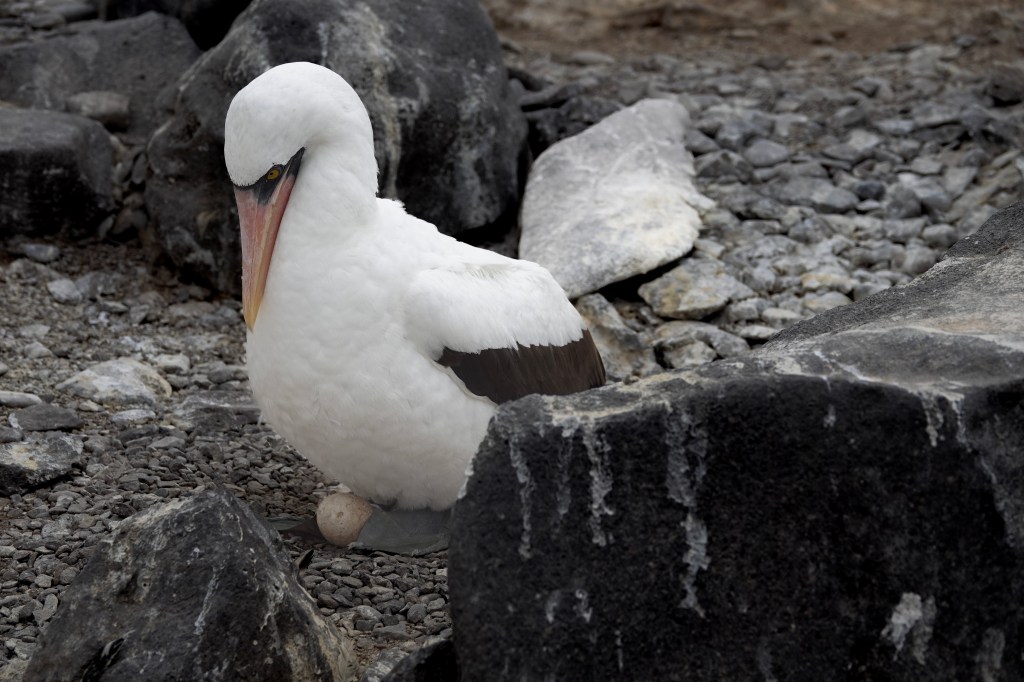
  • June – August (Incubation): Parents take turns incubating a single large egg for about two months. You can see many birds sitting on nests during this time.
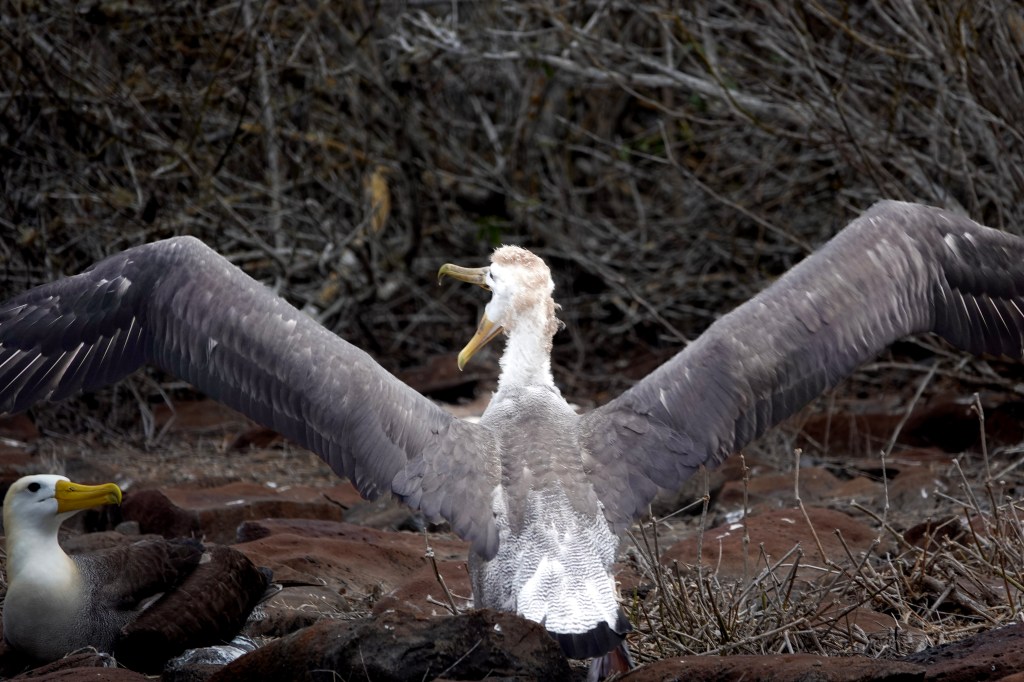
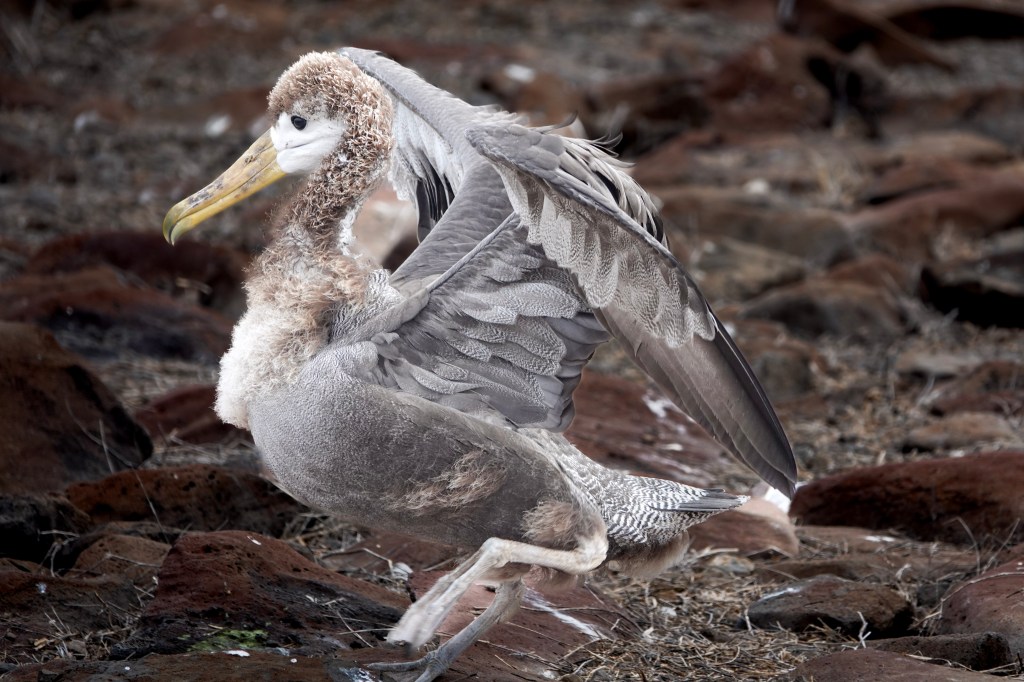
  • August – November (Chick Rearing): Chicks hatch and are fed a nutrient-rich oily substance by their parents. By late in this period, large, fluffy, brown chicks are visible across the colony.
  • December – early January (Fledging & Departure): Young birds take their first flights, often wobbling to the cliffs for take-off. By mid-January, the colony is usually deserted as they head to the coasts of Ecuador and Peru

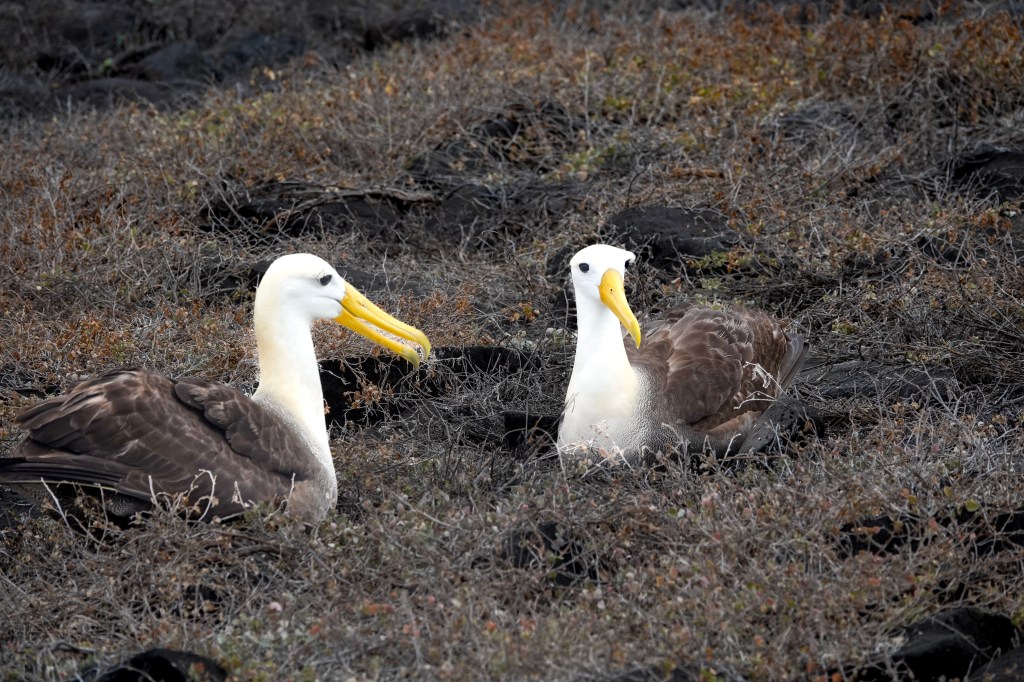
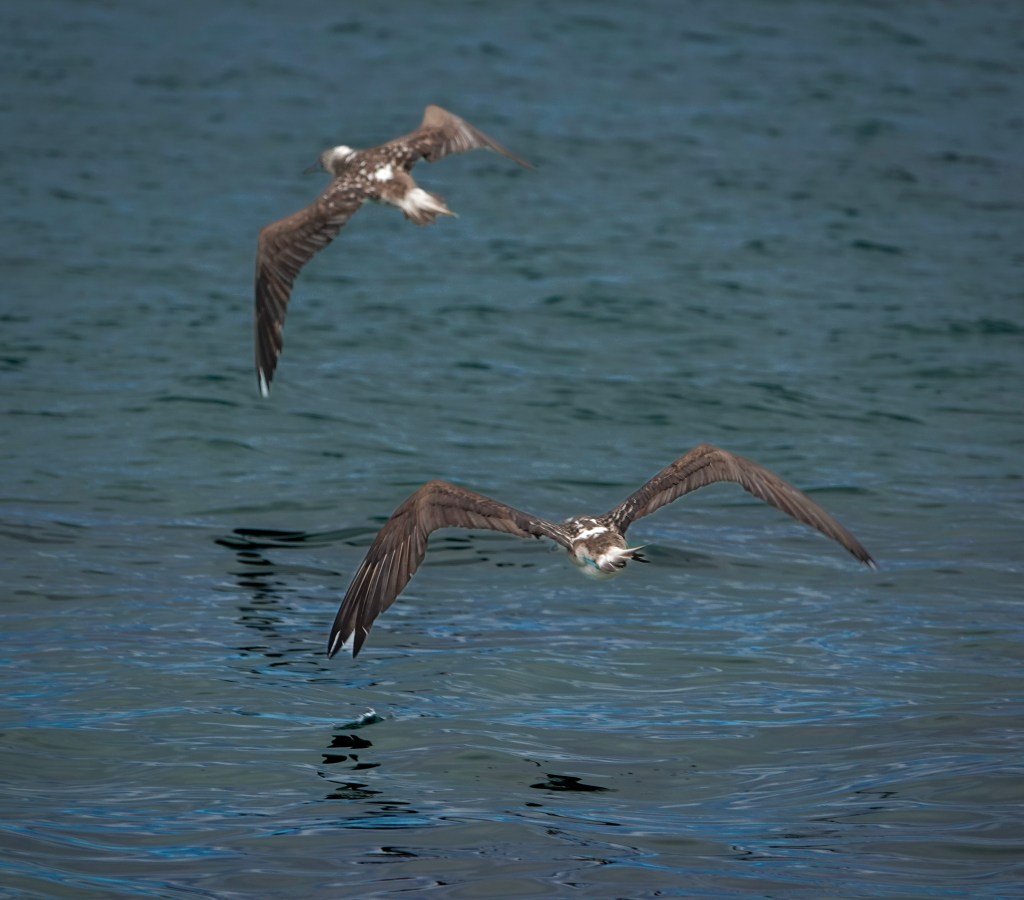
We were at the Waved Albatross nests on Española Island (specifically at Punta Suarez) at the end of December. We not only saw the young chicks learning to fly, but also saw the courtship dance (Vidoe below)

Choosing the Right Cruise: Why an Eastern Itinerary Matters

Because waved albatrosses breed only on Española Island, your cruise route determines whether you’ll see them at all.

The landing at Punta Suárez is rugged and dramatic, with blowholes, cliffs, and colonies of seabirds swirling overhead. But nothing prepares you for the moment you see your first albatross waddling across the lava rock, its oversized bill and blue‑tinted feet giving it a charmingly awkward elegance.

Meet the Waved Albatross: The Ocean’s Master Glider

The waved albatross (Phoebastria irrorata) is a study in contrasts—both powerful and delicate, comical and majestic.

  • Wingspan: Up to 2.5 meters (8 feet), the largest in the Galápagos
  • Appearance: White head with a creamy yellow crown and neck, chestnut‑brown body, white underwings, and a long, dull‑yellow bill
  • Namesake: The subtle wave‑like pattern on the adults’ wings
  • Lifestyle: Exceptional gliders, spending years at sea without touching land
  • Diet: Fish, squid, and invertebrates—often scavenged near fishing boats or stolen from boobies

Despite their size, they move with surprising grace in the air, riding ocean winds for hours without flapping. On land, however, they transform into endearing, slightly clumsy characters—true to the Spanish root of “bobo,” meaning “foolish,” a name shared with their booby neighbors.
The Courtship Dance: One of Nature’s Most Theatrical Rituals

If there is one wildlife behavior that defines the waved albatross, it is their courtship dance—a ritual so intricate and expressive that it feels choreographed.

Pairs face each other, leaving just enough space to stretch their long necks. Then the performance begins:

  • Bill circling
  • Bill clacking
  • Hollow wooden tapping sounds
  • Exaggerated head sways
  • Honking
  • Bowing
  • A waddle that borders on comedic
  • And the occasional cow‑like “moo”

For new pairs or those that failed to breed the previous year, the dance can last hours—sometimes days. It is a test of compatibility, trust, and lifelong partnership.

Because waved albatrosses are monogamous, this ritual is not just courtship—it is a reaffirmation of a bond that may last decades.

Life on Española: Nesting, Parenting, and the Long Journey Ahead

Once bonded, the pair lays a single egg directly on bare ground. They take turns incubating it for nearly two months. After hatching:

  • Chicks join “nursery groups” while parents forage
  • Adults return to feed them a nutrient‑rich oily liquid
  • Young albatrosses fledge at around 5.5 months
  • They then spend up to six years at sea before returning to Española to find a mate

With only one chick per year and threats from fishing, pollution, and habitat changes, the species remains vulnerable—making every successful breeding season a triumph.
Why Española Is the Only Place to See Them

Nearly the entire global population—estimated at 50,000–70,000 individuals—returns to Española each year. A tiny secondary colony exists on Isla de la Plata off mainland Ecuador, but with fewer than 20 breeding pairs, Española remains the heart of the species.

This exclusivity makes your visit feel even more special. You’re not just seeing a bird—you’re witnessing a species in its ancestral home, performing rituals unchanged for millennia.

Final Thoughts: A Wildlife Encounter Worth Crossing Oceans For

Standing on the cliffs of Española, watching thousands of waved albatrosses reunite, dance, nest, and soar, you feel the pulse of the Galápagos in its purest form. It’s a reminder of how fragile and extraordinary these islands are—and why they continue to inspire travelers, naturalists, and storytellers alike.

If your Galápagos journey is about connection, wonder, and witnessing nature at its most theatrical, then timing your trip to meet the waved albatross is an experience you’ll never forget.
Punta Pitt Wildlife Guide: Home of the Red‑, Blue‑, and Nazca Boobies

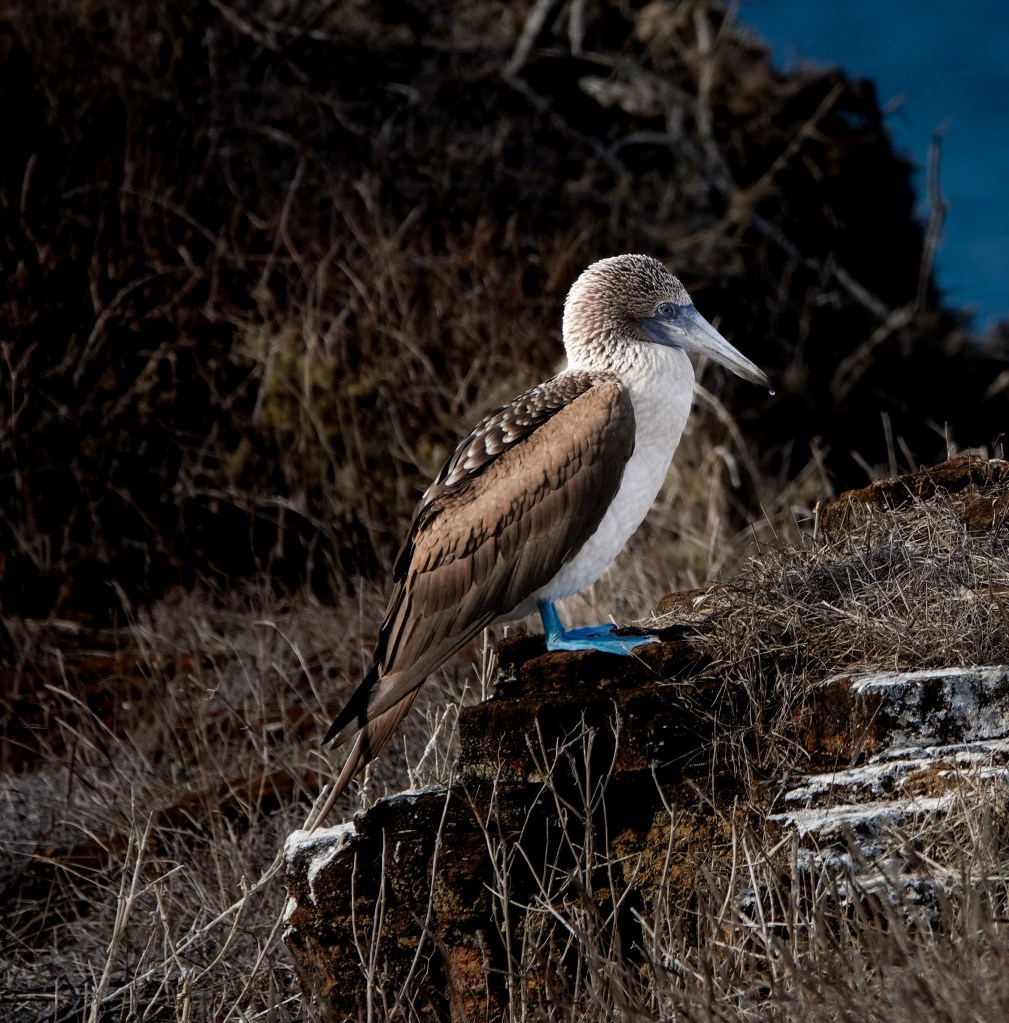
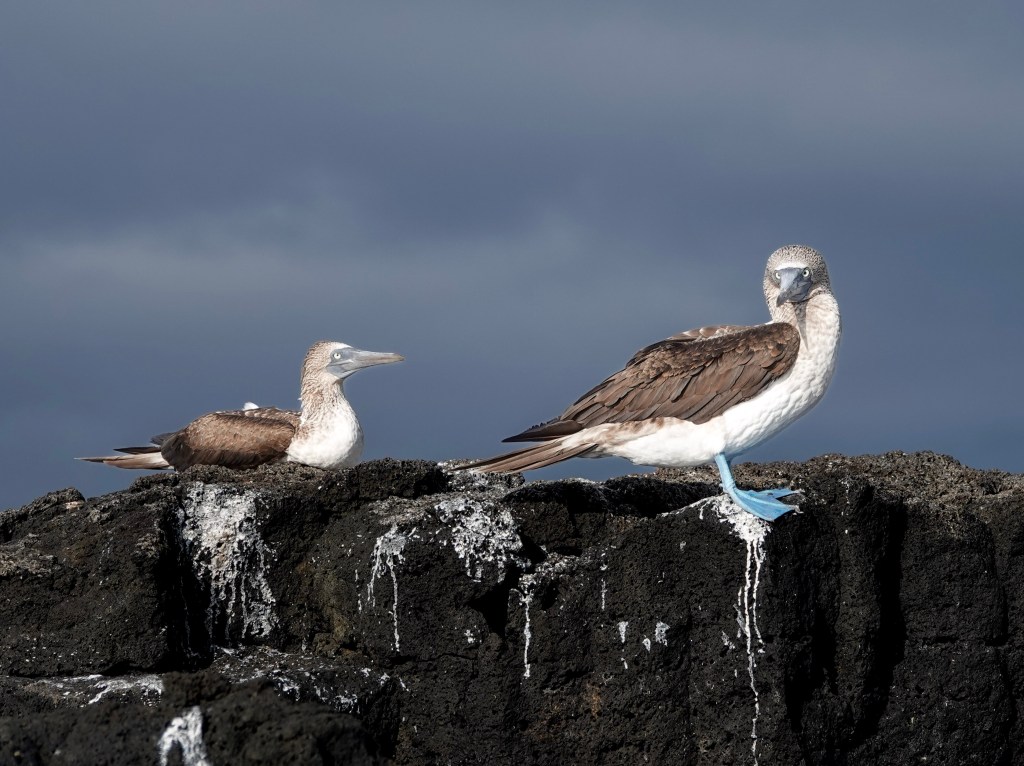
Boobies—named after the Spanish word bobo—meaning “clumsy”—boobies earned their name from their slightly awkward, waddling gait on land. The Galapagos Islands are home to three different species of boobies, which include the blue-footed, red-footed, and Nazca boobies. Each species possesses its own remarkable traits and behaviors, making them a highlight for wildlife enthusiasts. Their unique coloring not only helps in distinguishing between the species but also plays a role in courtship displays, where vivid colors attract mates and signify health. Observing these dazzling birds in their natural habitat provides a rare glimpse into their daily lives, from their fascinating mating rituals to their playful interactions with one another. It is well worth the journey to the Enchanted Isles of the Galapagos to witness these fascinating and captivating species found throughout the archipelago, which bring vibrancy and life to the rugged landscapes, enhancing the overall allure of this UNESCO World Heritage site.

Punta Pitt, located on San Cristóbal Island, is an iconic destination in the Galápagos, known for being the only place where you can observe all three species of boobies: the blue-footed booby, the red-footed booby, and the Nazca booby. This site, with its unique biodiversity and stunning landscapes, attracts nature and wildlife enthusiasts, making it a must-see stop for anyone visiting the archipelago.

The Three Boobies of Punta Pitt

Because of its unique geographical location and abundant food supply, these species coexist without competition, each utilizing a different nesting niche

  • Blue-footed Boobies: Typically nest further inland on the ground, away from the cliffs.
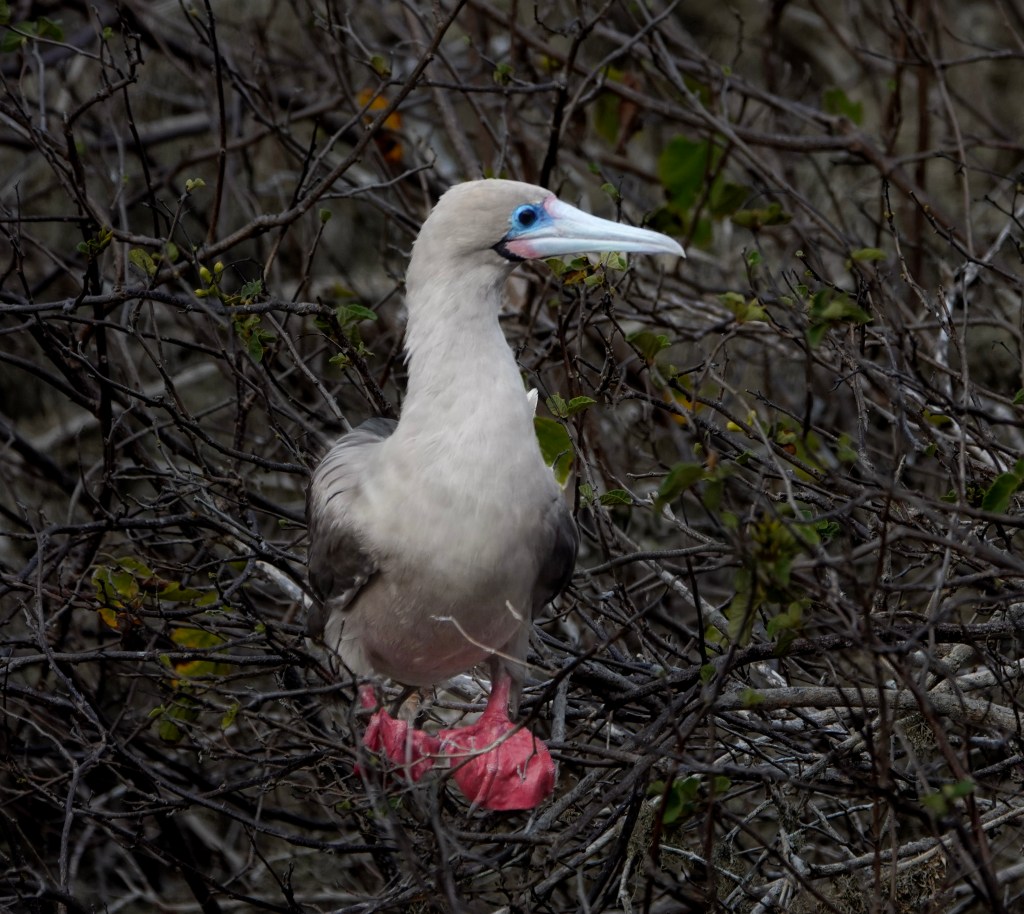
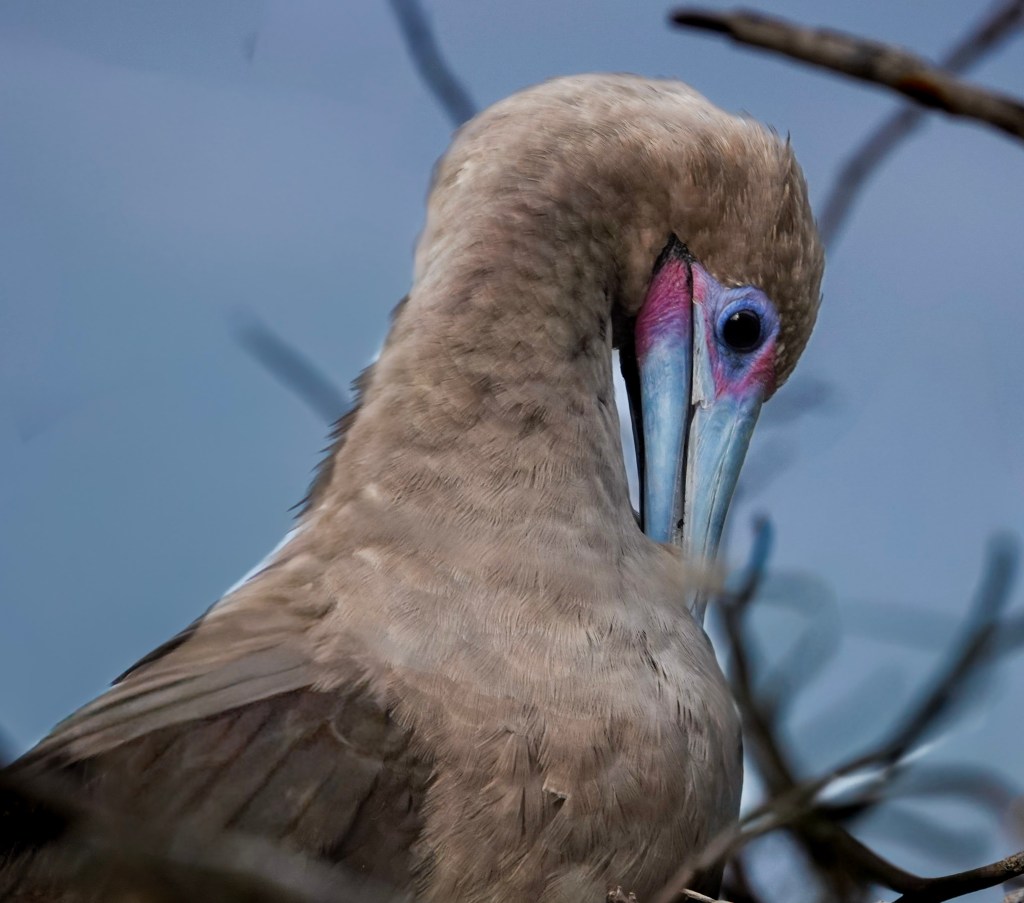
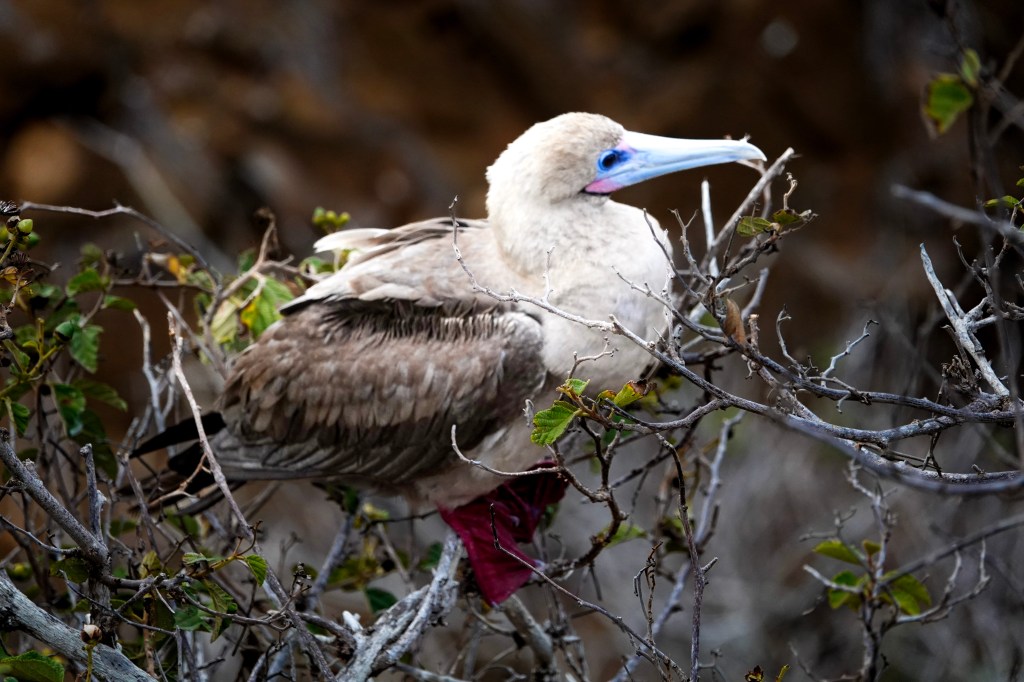
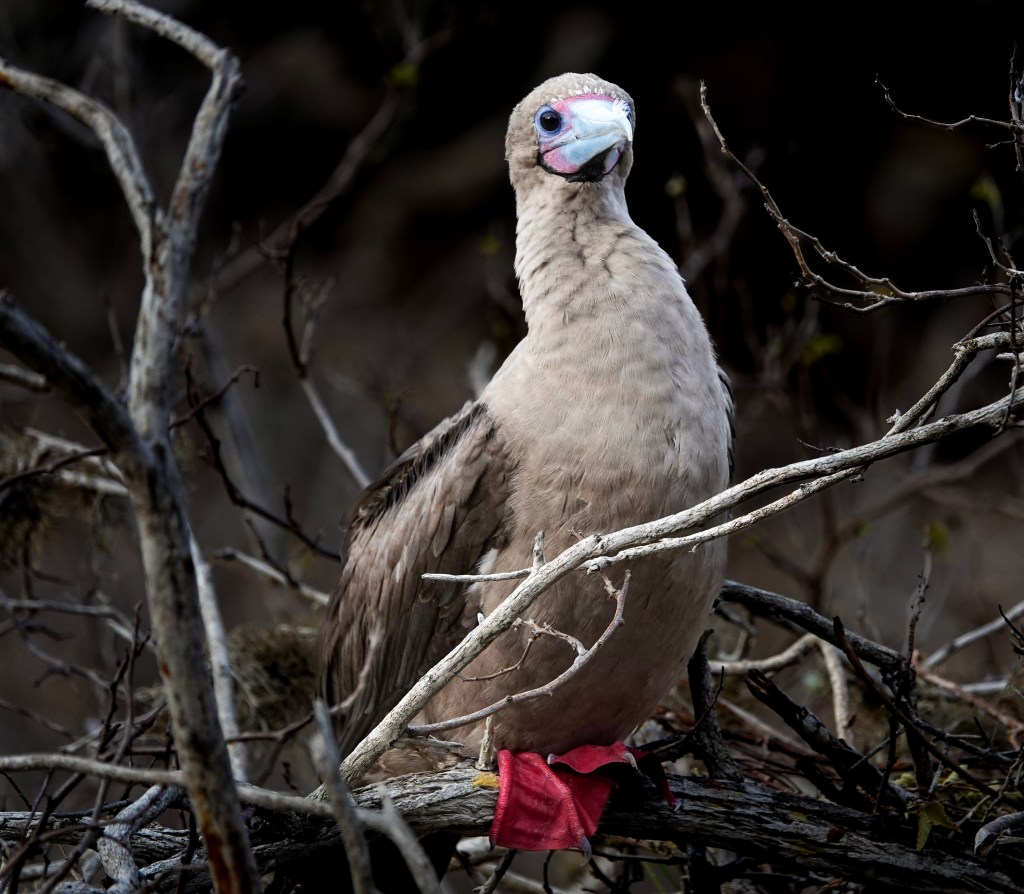
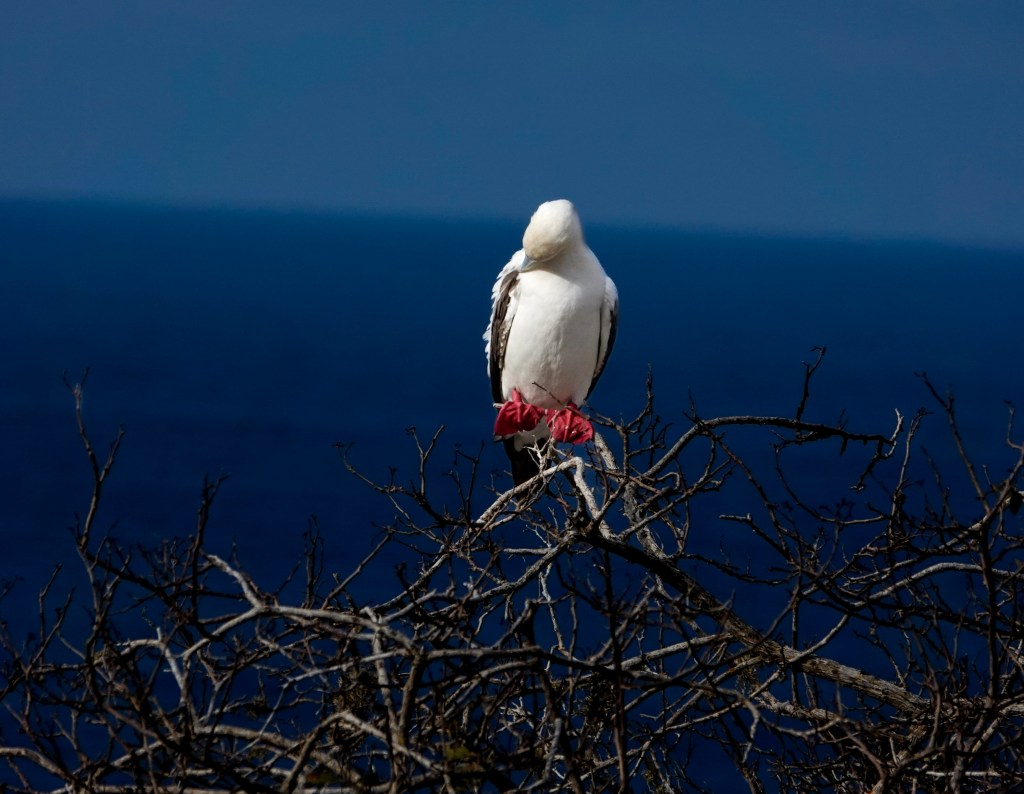
  • Red-footed Boobies: The rarest of the three in the archipelago, they are uniquely distinguished by their ability to nest in trees and shrubs, such as Palo Santo.
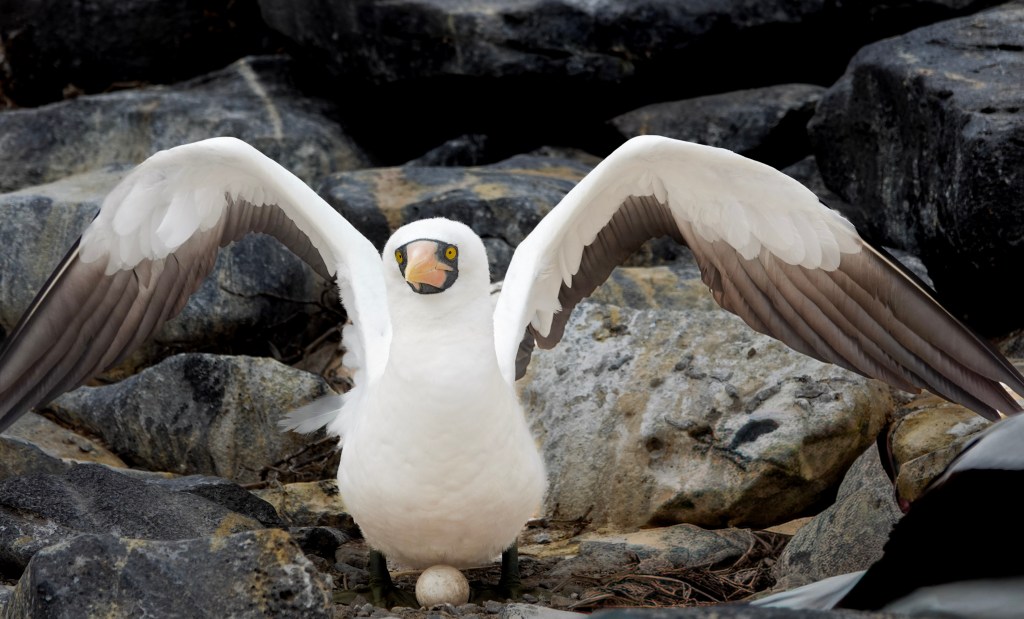
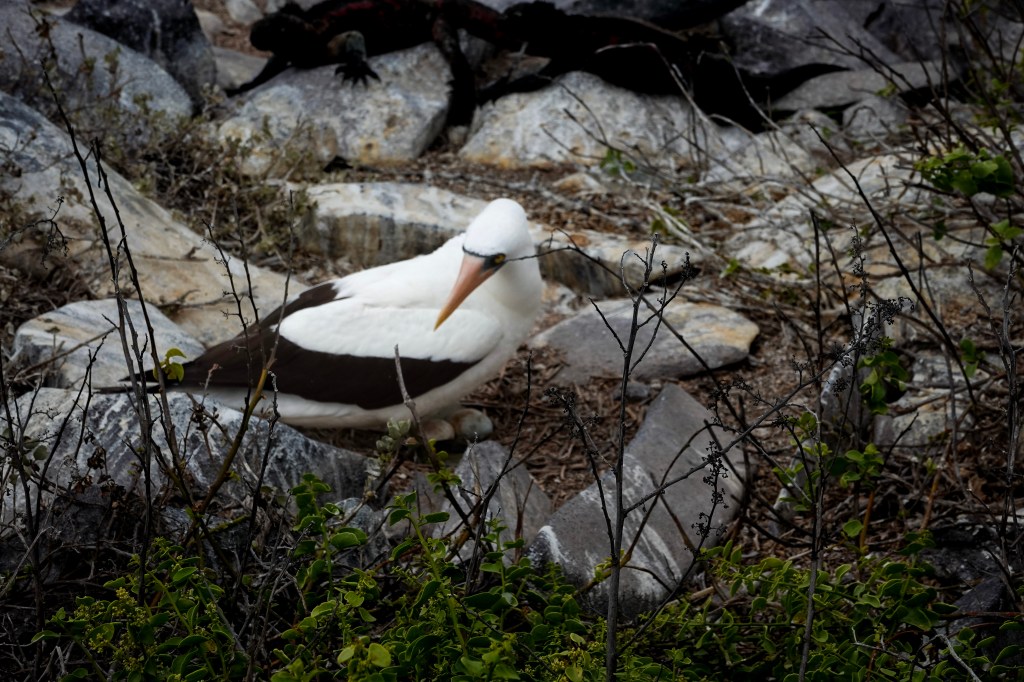
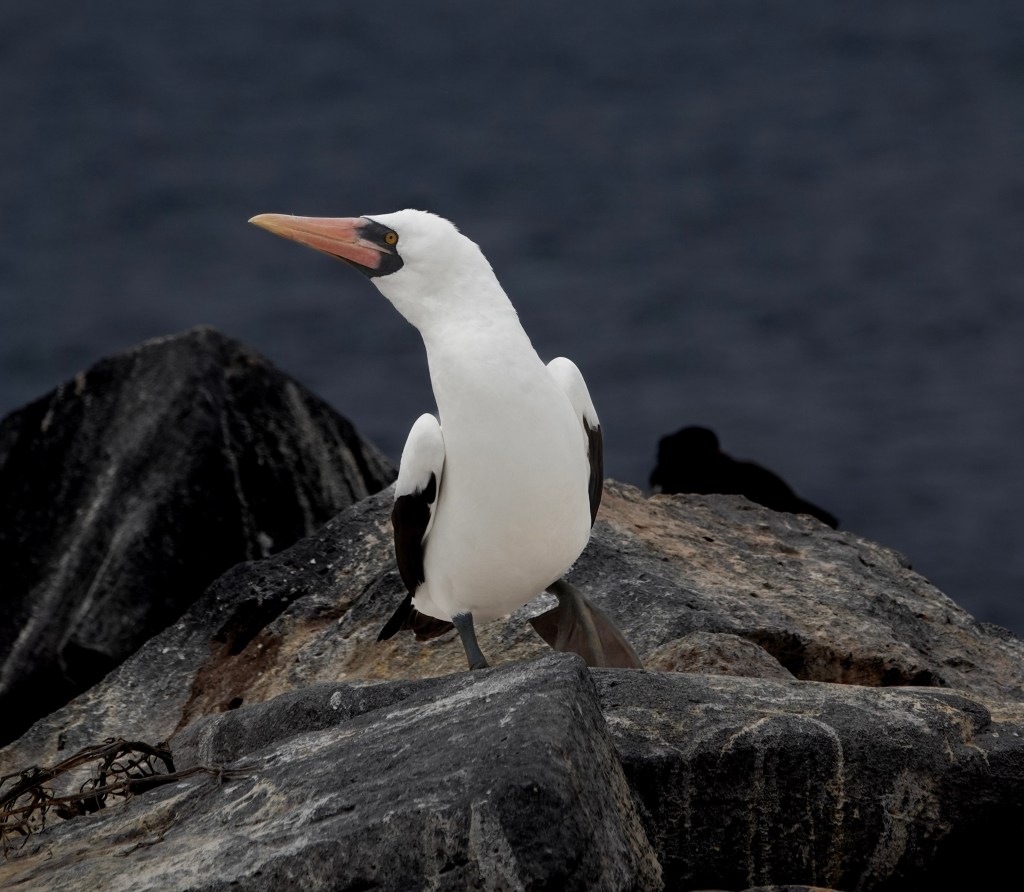
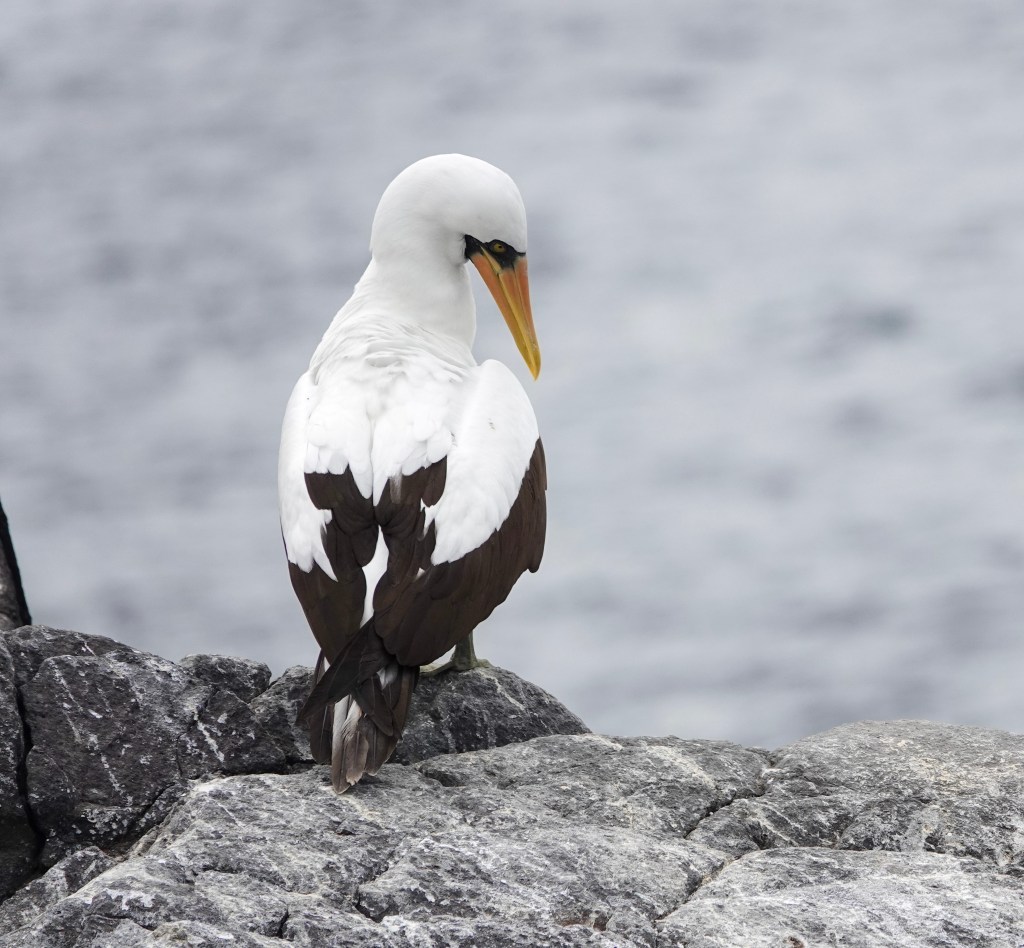
  • Nazca Boobies: Also known as Masked Boobies, they prefer nesting directly along the cliff edges

Visiting Punta Pitt

How to Get There: You can visit via a Galápagos cruise or a day tour departing from Puerto Baquerizo Moreno on San Cristóbal. The boat ride takes approximately 1.5 to 2 hours each way. The cruise we were on had a planned stop at Punta Pitt in the late afternoon, when the birds were returning home after a day at sea. We got to see all 3 bobbies here, but the red-footed booby was definitely the highlight.

  • The Experience: Most tours involve a wet landing on an “olivine” beach (greenish-tinted sand) inhabited by a bachelor colony of sea lions. From there, you’ll hike a steep, rocky trail (approx. 1.5–2 hours) to reach the clifftop nesting sites.
  • Best Time to Visit: While wildlife is present year-round, June to November is generally the best period to see booby mating displays and peak nesting activity. 

Red Footed Bobby (Sula sula)

The red-footed booby is the tiniest of the boobies found on Galapagos, and it quickly proves that the nickname only tells half the story. The smallest of the Galápagos boobies is also the most agile: capable of soaring more than 90 miles over open ocean, diving up to 130 feet for fish, and using its vivid red webbed feet to propel itself underwater with surprising speed. Unlike most web-footed birds, red-footed boobies perch in trees and shrubs, giving them a unique silhouette against the island vegetation. Travelers can spot them at Punta Pitt on San Cristóbal and in large colonies on Genovesa Island, two of the best wildlife-viewing sites in the archipelago.

Blue footed Booby (Sula nebouxii)

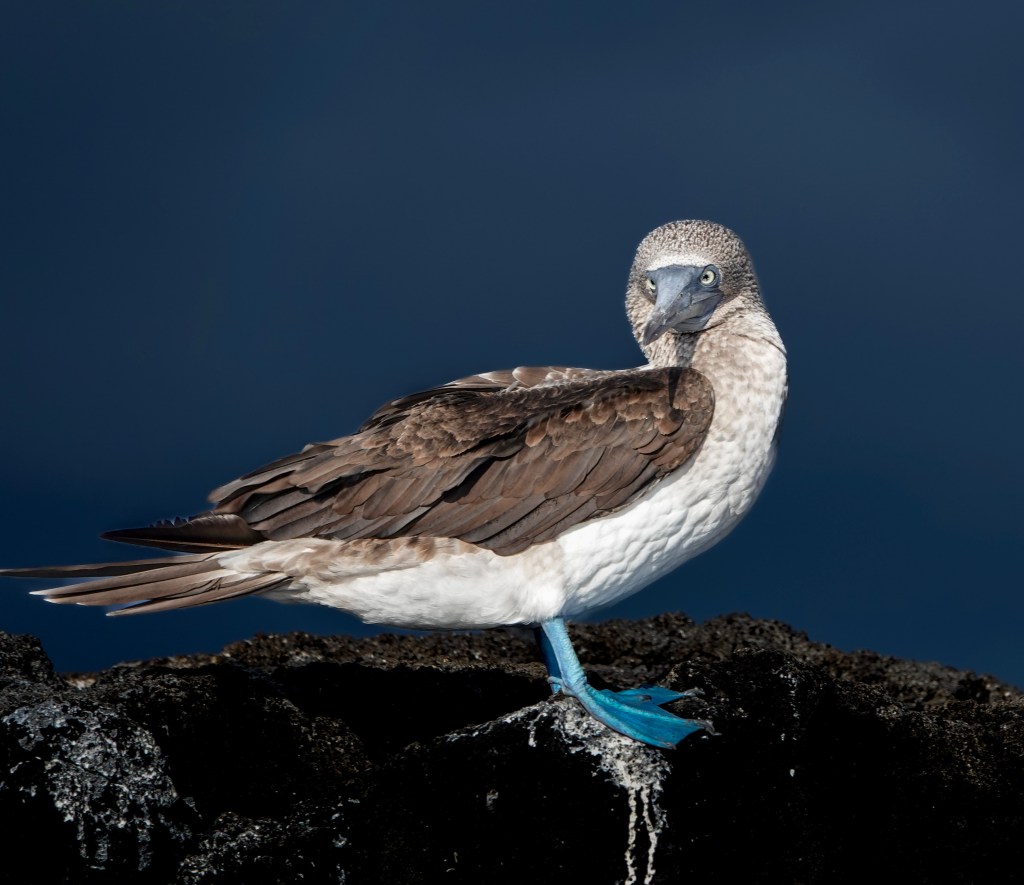
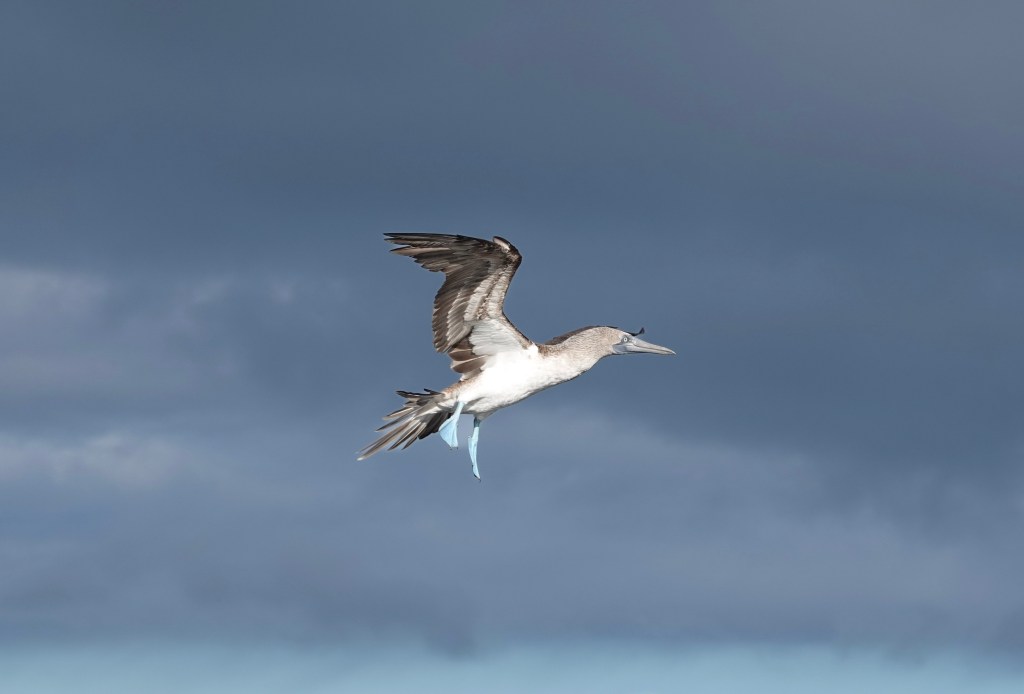
The most iconic of the trio, the blue-footed booby also carries the “bobo” name thanks to its comical walk—but its brilliant turquoise feet are anything but silly. Their color comes from a carotenoid-rich diet, and during courtship, those feet become the star of an elaborate mating dance. Males lift each foot in an exaggerated strut, showing off their brightest blues; females respond by mirroring the steps, followed by bill clacking and whistles if they approve. Beyond their charm, blue-footed boobies are extraordinary hunters, spotting fish from high above and plunging into the water at speeds approaching 60 mph. Because they have no natural predators in the Galápagos, they’re wonderfully unbothered by humans and can be seen on nearly every major island—a delight for photographers and wildlife lovers alike.

Nazca Booby (Sula granti)

The largest of the Galápagos boobies, the Nazca booby also inherited the “bobo” nickname for its land-bound awkwardness, though its sleek white plumage, orange bill, and black-tipped wings give it a striking, almost regal presence. This species is best known for a dramatic behavior called obligate siblicide: parents lay two eggs, but only the stronger chick survives, ensuring that enough resources are available for one healthy fledgling. Despite this harsh strategy, Nazca boobies are captivating to watch as they glide effortlessly over the ocean and nest in dense colonies along the cliffs. They are most commonly seen on Punt Pitt, Genovesa Island, and Española Island, where visitors can observe their nesting sites up close along marked trails.

Final thoughts

In a place as wild and wondrous as the Galápagos, the boobies embody everything that makes these islands unforgettable—quirky charm, fearless curiosity, and evolutionary brilliance on full display. Whether it’s the red-footed booby perched improbably in a shrub, the blue-footed booby performing its turquoise‑footed dance, or the regal Nazca booby guarding its cliffside nest, each species offers a glimpse into the archipelago’s untamed spirit. Spotting even one is a delight but encountering all three feels like a true Galápagos rite of passage. For travelers who come seeking wildlife encounters found nowhere else on Earth, the boobies are a joyful reminder of why these Enchanted Isles continue to inspire wonder long after the journey ends.

📮 Post Office Bay, Floreana: The Galápagos’ Stampless Secret

The Galápagos Islands are often celebrated for their sea lions basking on beaches and penguins darting through turquoise waters. Yet tucked away on Floreana Island is a tradition. This tradition speaks not of wildlife, but of human longing. It is the world’s most unconventional postal service.

A Barrel of Letters and Longing

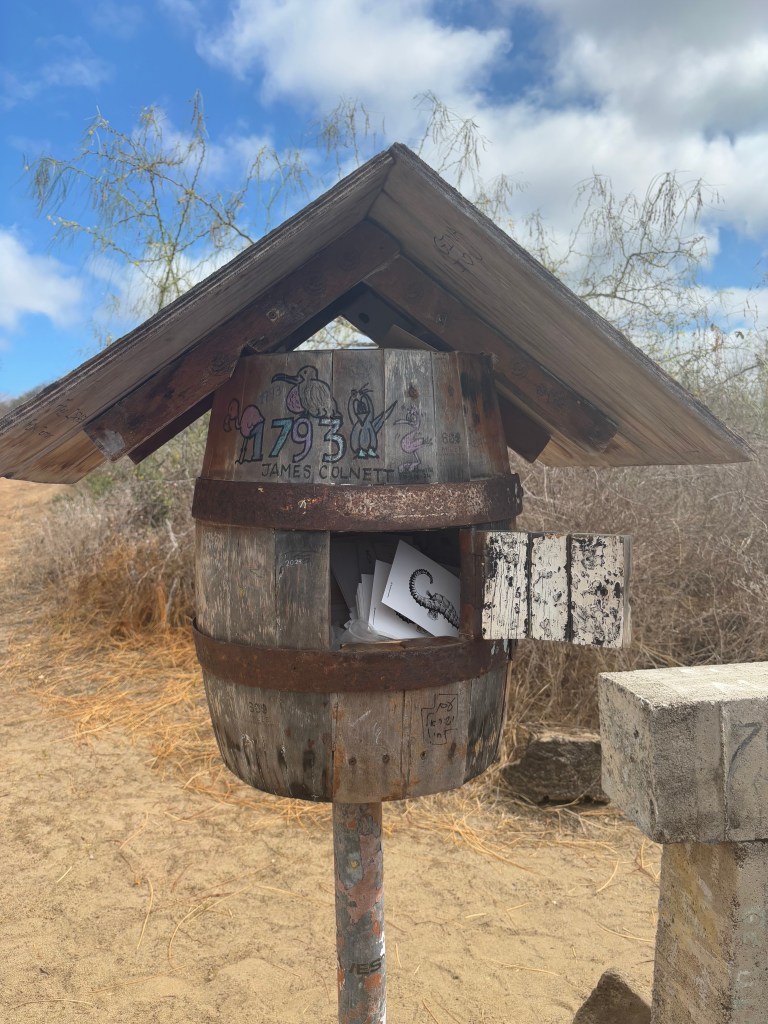
Back in 1793, British whalers, weary from years at sea, devised a system to reach loved ones across oceans. They left a wooden whiskey barrel on Floreana Island, a pit stop already prized for its fresh water and giant tortoises. Sailors could drop off letters and, in turn, pick up mail addressed to destinations near their own ports of call.

It was a slow system—sometimes letters arrived years after being written—but it worked. Captain David Porter recorded the practice in 1813, describing “Hathaway’s Postoffice” nailed to a pot. Later explorers noted fishermen bottling notes and carrying them back to America, often after feasting on Floreana’s tortoises. By the time Charles Darwin arrived in 1835, the tortoises had been hunted to extinction, but the barrel remained.

The Honor System Lives On

Two centuries later, the tradition still thrives. Today, Post Office Bay is a simple wooden barrel covered in postcards, notes, and keepsakes from travelers. Driftwood painted with names and dates surrounds the site, a collage of human connection across time.

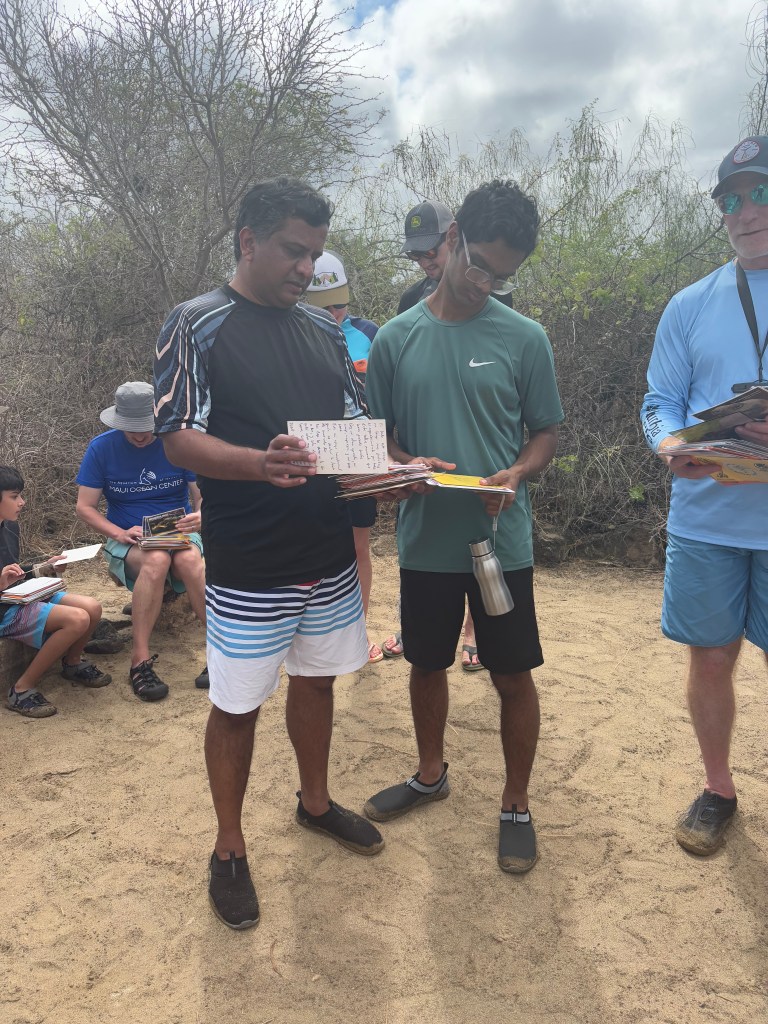
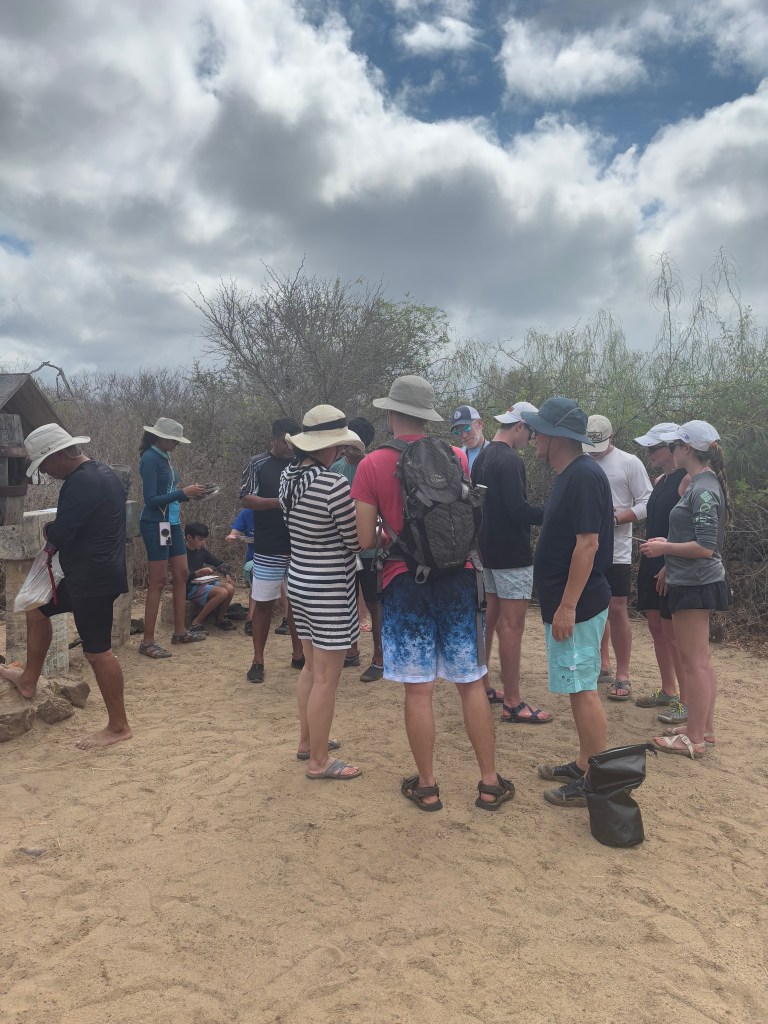
Visitors are encouraged to leave their own postcards—no stamps required, just a clearly written address and a little faith. The true magic lies in rummaging through the barrel. If you find a letter destined for somewhere near your home, you’re entrusted to deliver it, preferably by hand. Tour guides insist that dropping it in a mailbox is “cheating.”

Stories abound of travelers embracing this responsibility. In 2011, a couple spent three years hand-delivering 22 letters to recipients in 17 countries. Each delivery became a moment of serendipity, a reminder that travel is as much about people as places.

Visiting Post Office Bay Today

Post Office Bay sits on the northern coast of Floreana Island, accessible only via Galapagos cruise itineraries. The barrel is still there, weathered but resilient, surrounded by graffiti, stickers, and driftwood tributes. We visited this post office as part of our Galapagos cruise. We left a few postcards for our friends. We also took some postcards that had addresses in Georgia and delivered them.

Why Floreana?

Floreana was always a logical choice. It offered one of the few fresh water sources in the archipelago, along with abundant tortoises (until their tragic extinction). For whalers, it was a natural pit stop, a place to replenish supplies and leave behind letters filled with hope.

A Tradition of Trust

Post Office Bay is more than a quirky tourist stop—it’s a living testament to human connection. Imagine the lonely sailor, penning words to family he might not see for years. Imagine the joy of a recipient, surprised by a letter hand-delivered across continents.

In a world of instant communication, Post Office Bay reminds us of the romance of patience. It also reminds us of trust and strangers helping strangers. It is history you can touch, a tradition you can join, and a story still unfolding in the islands.