The Galápagos Islands are often celebrated for their sea lions basking on beaches and penguins darting through turquoise waters. Yet tucked away on Floreana Island is a tradition. This tradition speaks not of wildlife, but of human longing. It is the world’s most unconventional postal service.
A Barrel of Letters and Longing
Back in 1793, British whalers, weary from years at sea, devised a system to reach loved ones across oceans. They left a wooden whiskey barrel on Floreana Island, a pit stop already prized for its fresh water and giant tortoises. Sailors could drop off letters and, in turn, pick up mail addressed to destinations near their own ports of call.
It was a slow system—sometimes letters arrived years after being written—but it worked. Captain David Porter recorded the practice in 1813, describing “Hathaway’s Postoffice” nailed to a pot. Later explorers noted fishermen bottling notes and carrying them back to America, often after feasting on Floreana’s tortoises. By the time Charles Darwin arrived in 1835, the tortoises had been hunted to extinction, but the barrel remained.
The Honor System Lives On
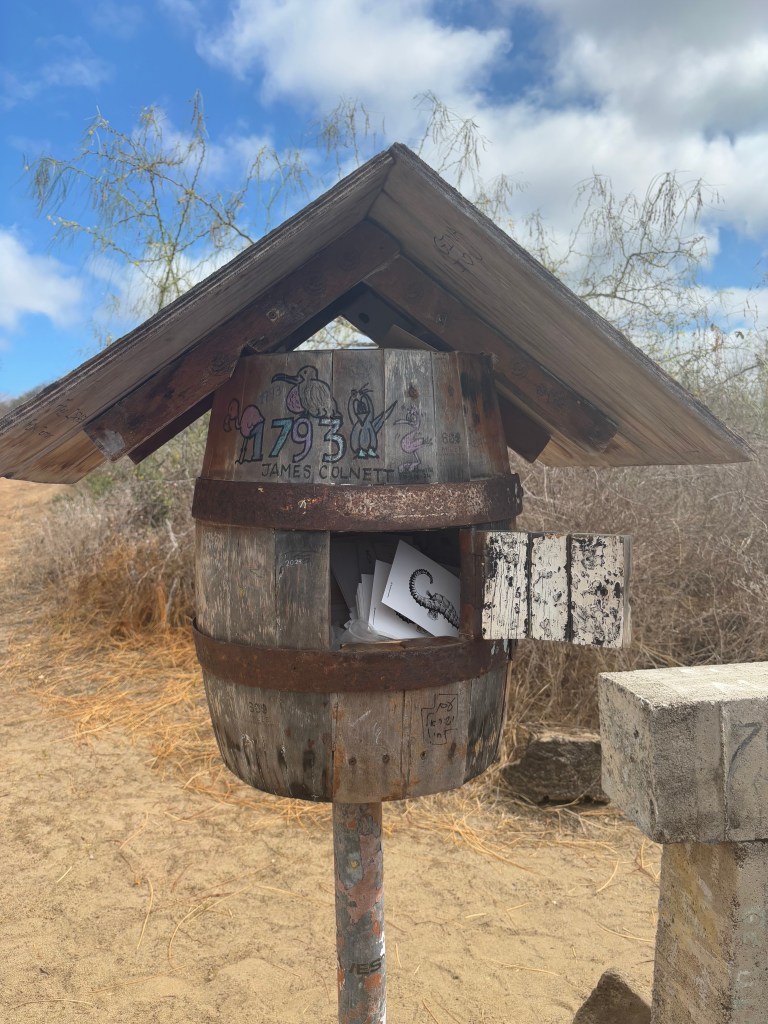
Two centuries later, the tradition still thrives. Today, Post Office Bay is a simple wooden barrel covered in postcards, notes, and keepsakes from travelers. Driftwood painted with names and dates surrounds the site, a collage of human connection across time.
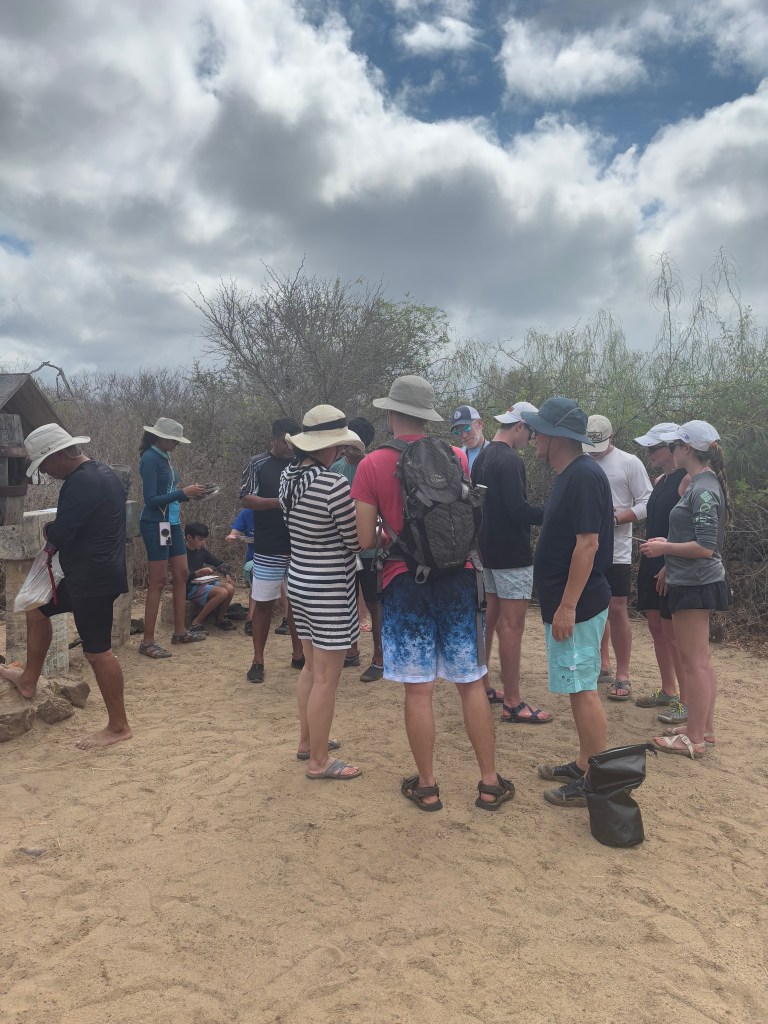
Visitors are encouraged to leave their own postcards—no stamps required, just a clearly written address and a little faith. The true magic lies in rummaging through the barrel. If you find a letter destined for somewhere near your home, you’re entrusted to deliver it, preferably by hand. Tour guides insist that dropping it in a mailbox is “cheating.”
Stories abound of travelers embracing this responsibility. In 2011, a couple spent three years hand-delivering 22 letters to recipients in 17 countries. Each delivery became a moment of serendipity, a reminder that travel is as much about people as places.
Visiting Post Office Bay Today
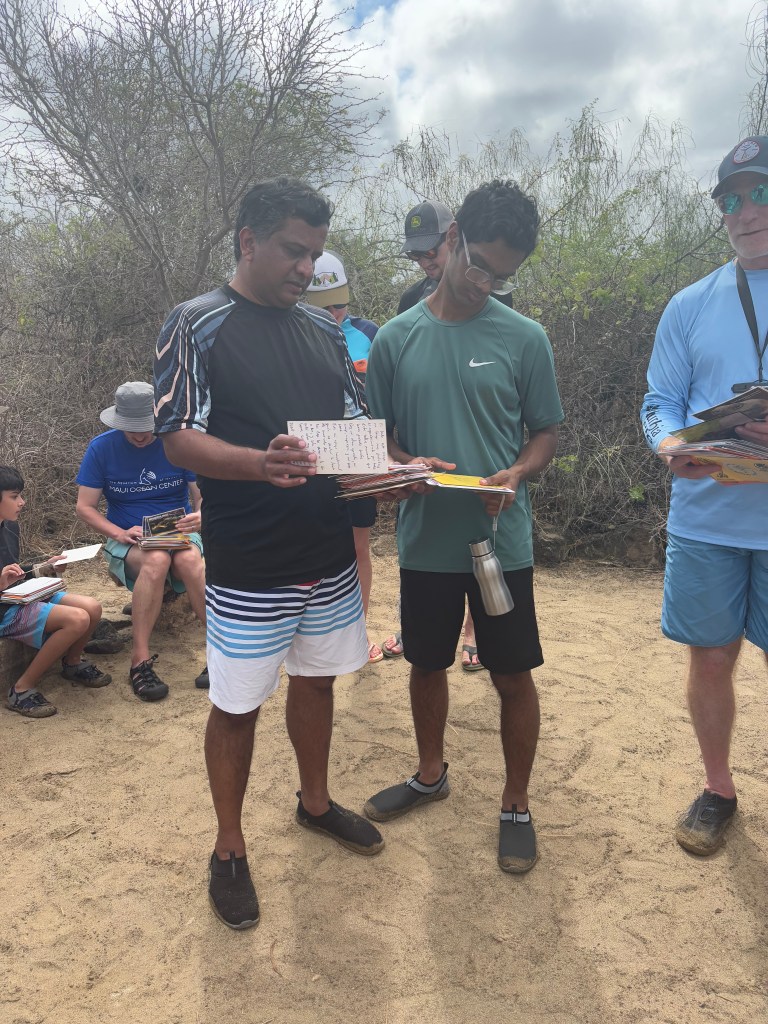
Post Office Bay sits on the northern coast of Floreana Island, accessible only via Galapagos cruise itineraries. The barrel is still there, weathered but resilient, surrounded by graffiti, stickers, and driftwood tributes. We visited this post office as part of our Galapagos cruise. We left a few postcards for our friends. We also took some postcards that had addresses in Georgia and delivered them.
Why Floreana?
Floreana was always a logical choice. It offered one of the few fresh water sources in the archipelago, along with abundant tortoises (until their tragic extinction). For whalers, it was a natural pit stop, a place to replenish supplies and leave behind letters filled with hope.
A Tradition of Trust
Post Office Bay is more than a quirky tourist stop—it’s a living testament to human connection. Imagine the lonely sailor, penning words to family he might not see for years. Imagine the joy of a recipient, surprised by a letter hand-delivered across continents.
In a world of instant communication, Post Office Bay reminds us of the romance of patience. It also reminds us of trust and strangers helping strangers. It is history you can touch, a tradition you can join, and a story still unfolding in the islands.
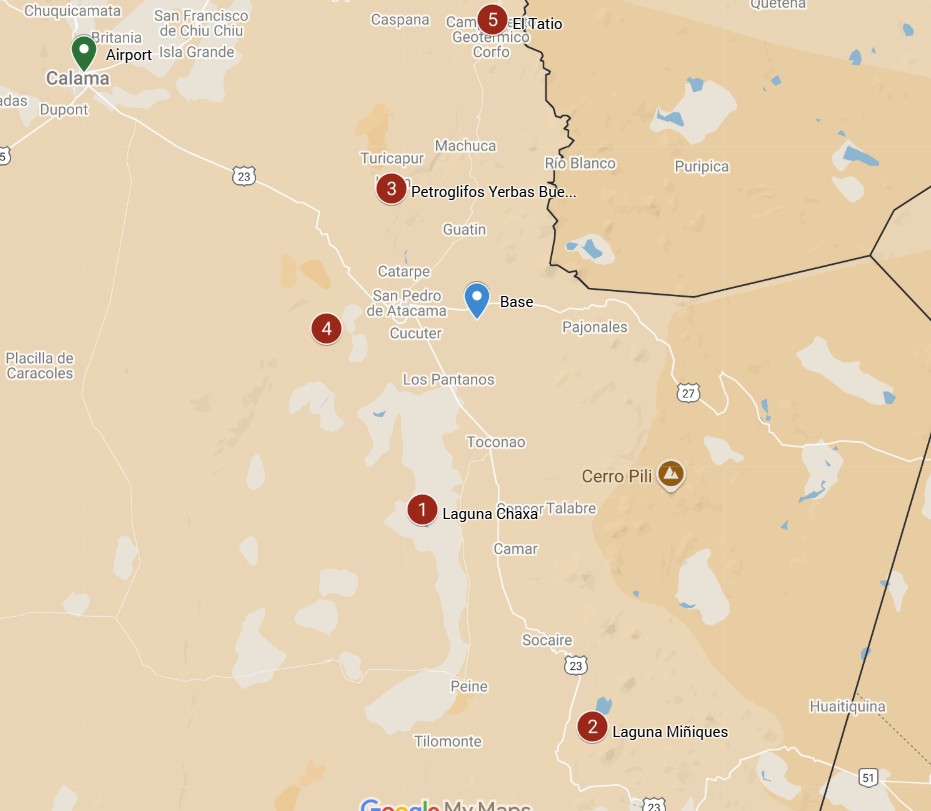
If you’re traveling in Chile, be sure to explore the breathtaking Atacama Desert! You’ll be amazed by the incredible diversity of landscapes, from sparkling lakes and expansive salt flats to stunning canyons, bubbling geysers, graceful flamingos, and adorable alpacas. With so many captivating places to discover, every moment will be an exciting adventure! We explored this amazing place by using San Pedro Atacama as our base, a charming adobe town with dirt roads and a stunning landscape.
Quick Summary:
What we did: Spent 2 days in San Pedro Atacamam and did self-guided tours( Ideal would be 3-4 days to cover everything)
Where we stayed :Hotel Kimal Domingo Atienza 452, San Pedro de Atacama, Antofagasta,
Where we ate: Many restaurants close to the hotel on the main street
Things I wish I had known before traveling to San Pedro Atacama
This unique region, known for its stunning landscapes and rich cultural heritage, offers visitors a wide range of activities, including hiking, stargazing, and exploring ancient petroglyphs. However, the various attractions in the Atacama Desert are spread out and managed by either local tribes or the Chilean government. Some attractions allow cash payments at the entrance, while others require online reservations, which can be confusing for first-time visitors. We found it difficult to navigate all the various requirements and get the best out of our visit to Atacama; therefore, taking a guided tour can provide valuable insights and help maximize your experience is advised. Knowledgeable guides can share fascinating stories about the local flora, fauna, and historical significance of the area, making your visit truly unforgettable. Check out denomades.com for customized tours tailored to your length of stay, ensuring that you can fully immerse yourself in the beauty and wonders of Atacama.
Tickets to various attractions and where to buy them
The full moon affects the tours. No tours are offered in and around the full moon
Rainbow valley
$5000
Check with a tour operator. Not much info available
None
Check with a tour operator. Not much info avialable
Petroglyphs of Yerbas Buenas
$5,000
$5,000
Cash at the entrance
None
Check with a tour operator. Not much info available
How to get to San Pedro Atacama
The most common way to get to San Pedro de Atacama is from Santiago to the city of Calama, and then head towards San Pedro. El Loa (CJC airport), located in Calama, about 100 kilometers northwest. It receives regular flights from Santiago and some services from other cities in Chile.
How long does the drive from Calama to San Pedro de Atacama take? The driving distance between Calama and San Pedro de Atacama is 100.5 km via Route 23. It takes about 60-90 minutes to drive this distance.
For more information on how to reach San Pedro Atacama and bus options, check this webpage.
Things to do in San Pedro Atacama
Experience the unique landscape of Valle de la Luna (Moon valley)
Valle de la Luna
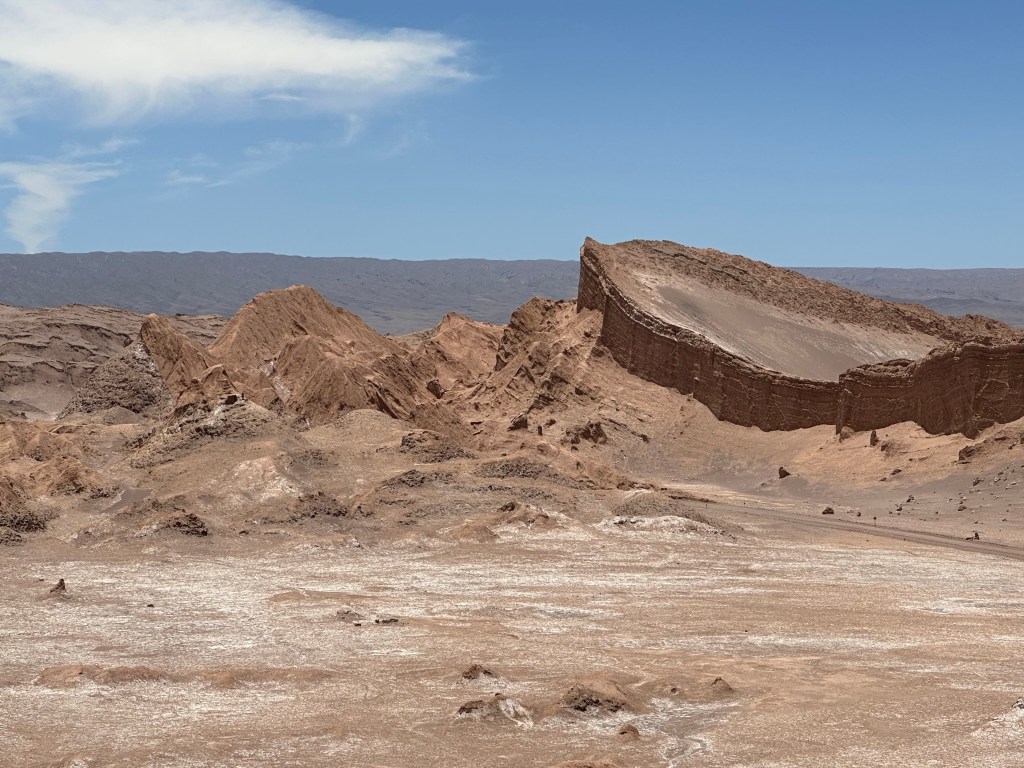
The Valle de la Luna is named after its lunar-like landforms eroded by eons of flood and wind, creating a breathtaking landscape that captivates all who visit. This natural wonder is located approximately 15km west of San Pedro de Atacama, nestled at the northern end of the Cordillera de la Sal. It is a stunning mountain range noted for its unique geological formations. The valley is not only a feast for the eyes but also forms part of the Reserva Nacional Los Flamencos, a protected area that is home to a diverse array of flora and fauna. Visitors to Valle de la Luna can marvel at the dramatic contrasts of colors and textures, especially during sunset when the landscape transforms into a surreal palette of oranges and purples, offering a truly unforgettable experience.
You can pre-book your tickets hereor take an organized tour from one of the tour operators in San Pedro Atacama. Sunset is the time when most like to see Moon Valley and hence the busiest. Take lots of water, a hat, and sunscreen while visiting Moon Valley, as it is very dry and hot.
Float on Water in Cejar and Piedra Lagoons
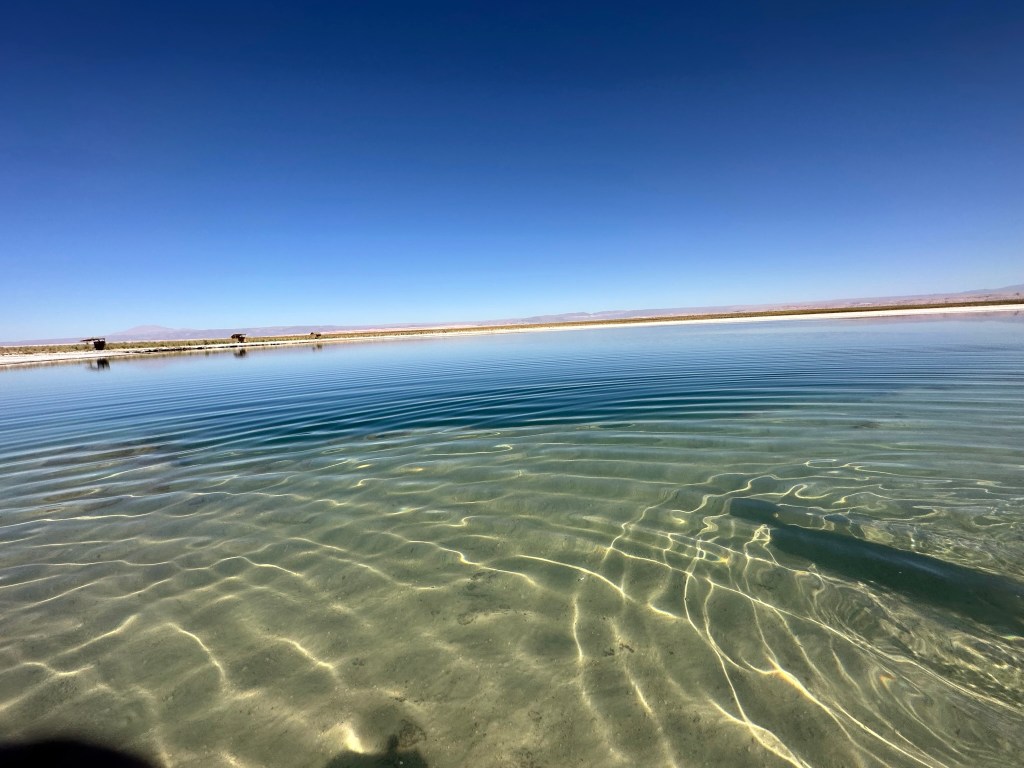
Located 18 km east of San Pedro de Atacama, these lagoons are authentic hidden gems in the heart of the vast and breathtaking desert. With saline content similar to that of the Dead Sea, visitors can swim or float effortlessly in the warm, inviting waters. The facility is very well maintained, featuring clean showers and restrooms. This is one of our favorite places we visited in the Atacama Desert, a perfect retreat to experience the natural beauty and tranquility of the region.
Renowned for their striking beauty and unique ecosystem, both lagoons are under the careful management of the Atacameña Indigenous Community of Solor, who have inhabited this area for generations. Visitors can immerse themselves in the stunning landscapes and diverse wildlife that thrive in this arid environment. However, there are specific times when the lagoons are open to the public or tour operators, ensuring that the natural habitat is preserved and respected. For those eager to explore this enchanting destination, check here for the timing and tickets, and prepare for an unforgettable experience in one of nature’s truly remarkable settings.
Stargaze in one of the most beautiful night skies
San Pedro de Atacama is a great place for stargazing! The Atacama Desert has some of the clearest skies due to its high altitude, low humidity, and little light pollution. You can join tours that provide telescopes to see stars, planets, and galaxies. Some tours also include astrophotography and talks about space. The area has top observatories like Paranal and La Silla, which help with global astronomy projects. Unfortunately, we couldn’t take any tours because we visited during the full moon, which isn’t good for stargazing, and no tours were available. Check here for available tours.
Go bird watching at Los Flamencos National Reserve-Laguna Chaxa
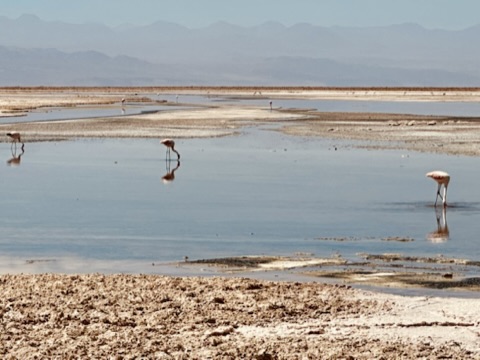
The Chaxa Lagoon is located at a central point of the Atacama Desert, an expansive and strikingly beautiful region known for its arid landscapes and unique ecosystems. It is situated just 7 km away from the charming village of Toconao and a little less than 50 km from San Pedro de Atacama, making it an accessible destination for both tourists and locals alike. This captivating area belongs to the Protection System of wild areas of CONAF. It is a vital part of the Flamingos National Reserve, which aims to safeguard the rich biodiversity found in the region. The lagoon attracts a variety of avian species, but it is probably one of the best places in Chile to see flamingos in their natural habitat. Visitors will find a couple of well-marked trails that meander through the reserve, allowing them to walk and observe the flamingos closely while enjoying the serene beauty of the landscape. Most people suggest going at sunrise to witness the stunning spectacle of the birds as they take flight under the rising sun, but it’s important to note that the park is not open until 8 AM, so plan accordingly.
Viist Altiplanic lagoons- Miscanti and Miñique
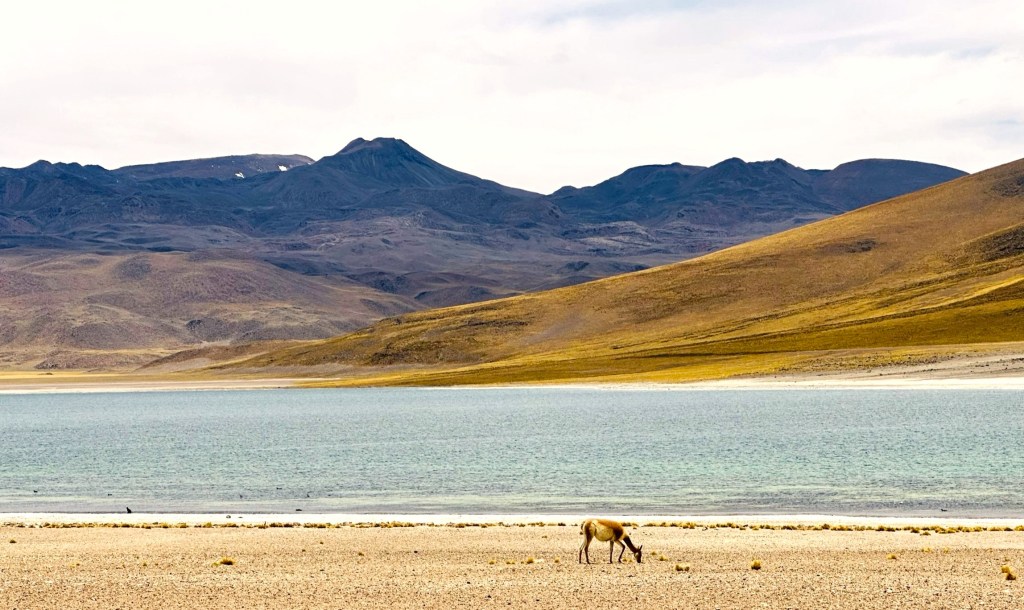
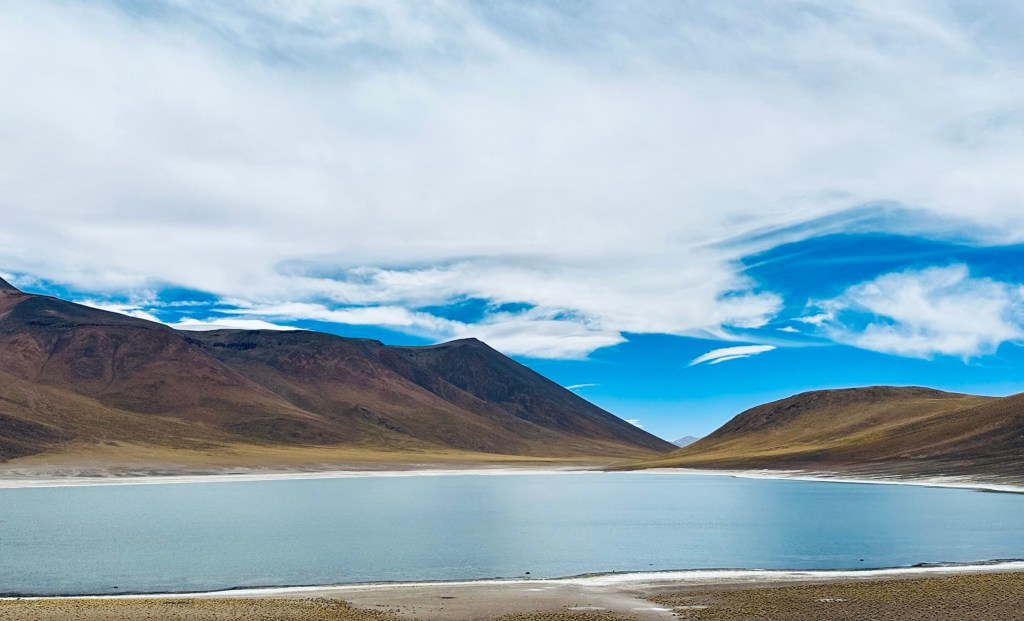
Located east-southeast of the Salar de Atacama, the Miscanti and Miñiques lakes lie at the base of the Cerro Miscanti volcano. These lakes are part of the Los Flamencos National Reserve and are rich in wildlife and geological features. Situated 90 kilometers from San Pedro and over 4,000 meters above sea level, they draw water from the ground, attracting various animals, including many flamingoes, which contrast beautifully with the snowy mountains reflected in the water. These two blue lakes, surrounded by the driest desert on earth, are 10 meters deep and remain untouched in a stunning natural setting.
Visit the highest geysers of the world– Tatio Geysers
The Geysers of San Pedro de Atacama, located in the Andes mountains at 4,200 meters and 89 kilometers from San Pedro, offer stunning views and impressive steam columns rising up to 8 meters, particularly around sunrise. Visitors are advised to wear warm clothing and bring swimwear, as thermal pools are available nearby. The best viewing time is between 6:00 and 7:00 AM, with steam temperatures reaching 85°C. The area features a variety of wildlife and plants, making it a remarkable attraction in the Atacama Desert.
We skipped the Tatio geysers because no one wanted to wake up at 4 AM to see them, and the kids said they had already seen Old Faithful in Yellowstone and geysers in Iceland. The best way to see the geysers would be to take a tour; that way, you can leave the early morning driving to locals. Entrance to El Tatio Geysers costs CLP$ 15,000 per person and is paid in cash at the entrance.
Final Thoughts
All in all, Atacama is a great place to visit, offering breathtaking landscapes and unique natural wonders. However, be prepared to drive 1-2 hours to explore the various attractions scattered throughout the region, as they are often quite remote. It’s important to plan your itinerary carefully, as some sites may require more time than others to fully appreciate their beauty. With very limited information available on various attractions, opting for a guided tour might be a better way to ensure you make the most of your visit and get maximum bang for your buck. A knowledgeable guide can provide insights into the area’s rich history and geology, making for a more enriching experience. Plus, they can help navigate the sometimes challenging terrain, allowing you to focus on enjoying the stunning scenery.
What we did : Spent 3 days driving around Torre Del Paine doing short hikes, and stopping at various viewpoints
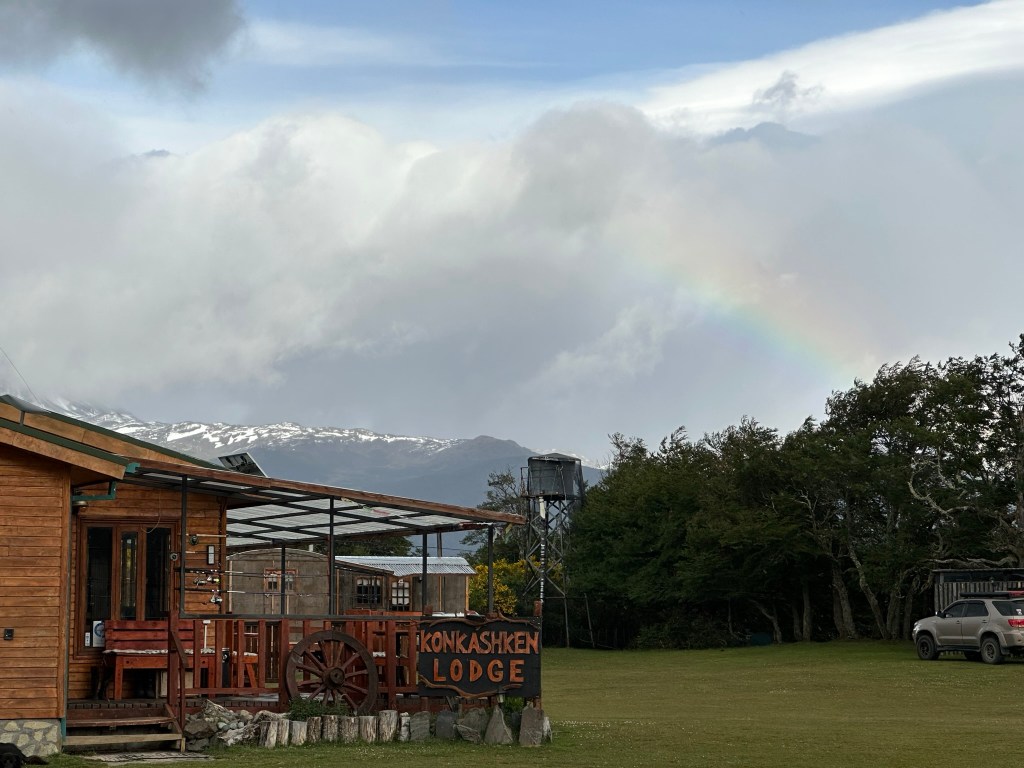
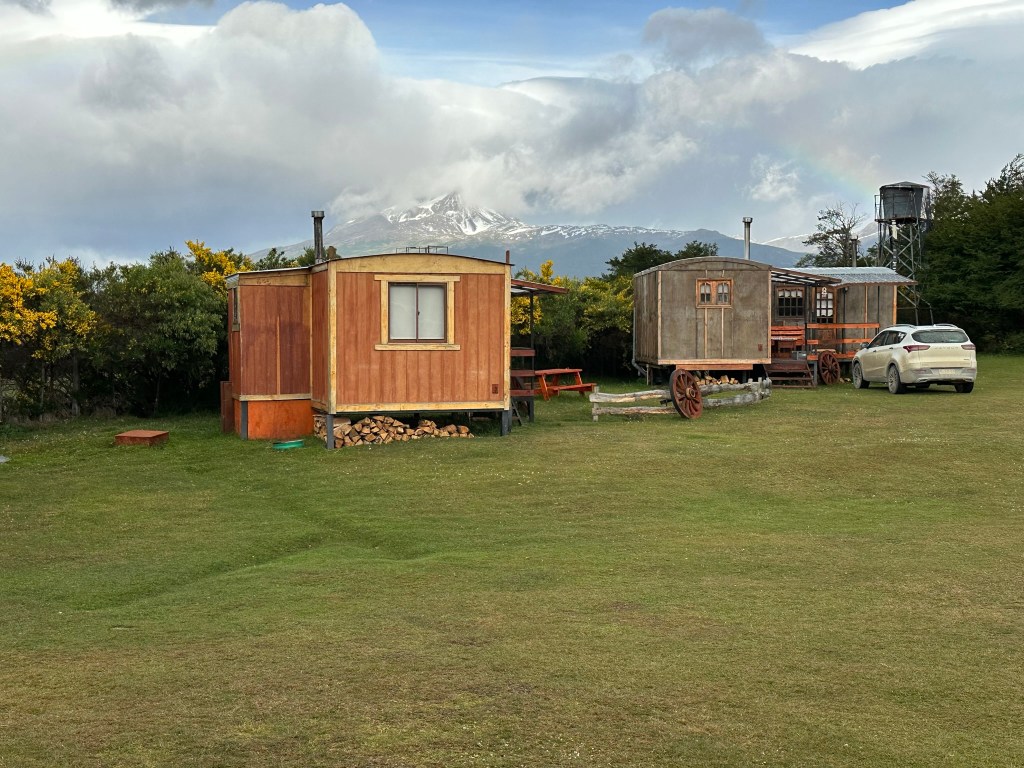
Where we stayed : Just outside the park in cabins called Konkashaken Lodge.
Where we ate: There are not many restaurants in the remote area of the park. We cooked our food in the cabin for breakfast and dinner. We had purchased bread, peanut butter, wine, pasta, pasta sauce, and snacks from a supermarket in Puerta Natales before making our way to Torre del Paine. We ate lunch at Lake Pehoe restaurant one day and at the REFUGIO TORRE CENTRAL on day 2.
What to take: Even though we were in Torre Del Paine in December, which is summer in the Southern Hemisphere, we needed our Winter jackets, gloves, hats, layers, etc. Pack for all weather conditions the weather changes quickly
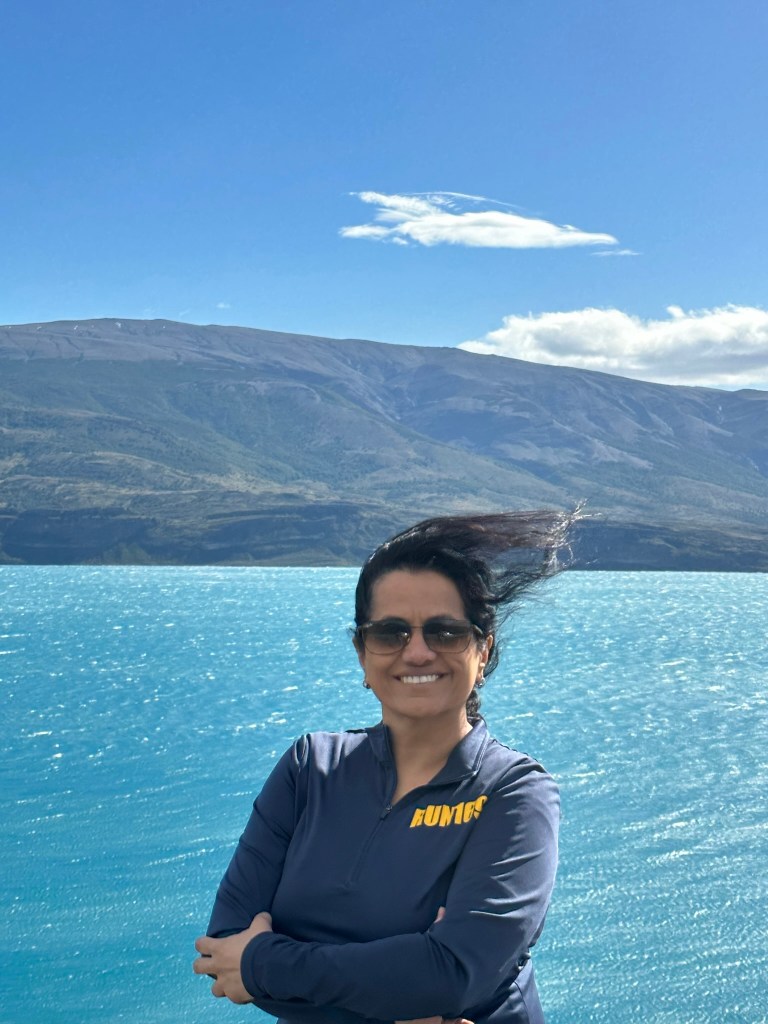
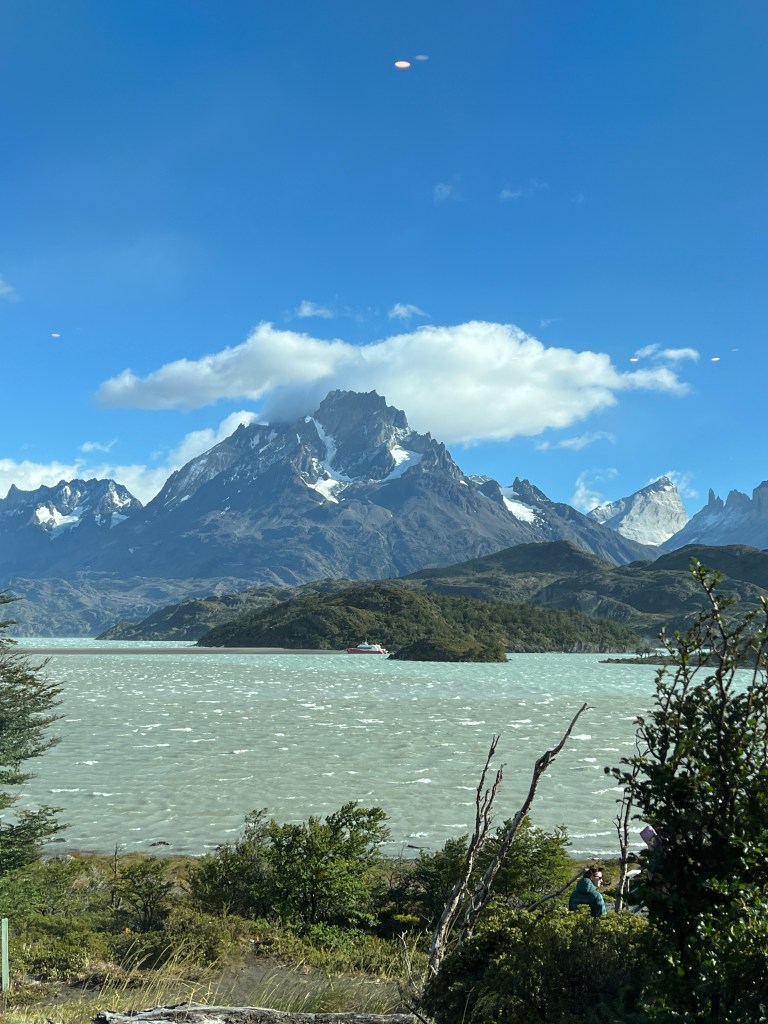
Special Notes : Torre del Paine is truly remote and lacks many facilities. We rented a car from Puerto Natales and bought groceries and supplies before heading out to the park. There are no gas stations in the park, and we purchased enough gas to make it back to Puerto Natales from our hotel owner. Other thing that really surprised us is the wind and no matter what you have heard about Torre Del Paine, we were not prepared for the hurricane force winds. Bellow picture was taken last day, and I call it ” Torre Del Paine Hair, Don’t care”
Patagonia and Torre Del Paine
Welcome to one of the most beautiful places on Earth. Patagonia is a large region shared by Argentina and Chile in the south. Though it crosses two countries, it feels like its own unique place. You can spend a few days visiting Torres del Paine National Park as part of a longer journey through South America. Or, you could explore Patagonia for two weeks, taking in the highlights of both the Chilean and Argentinian parts. If you want to see quieter, less-known areas like Aysén, you could spend weeks traveling in Patagonia.
Torres del Paine National Park, the jewel of Chilean Patagonia, features stunning landscapes with sharp peaks, bright blue lakes, glaciers, and lots of wildlife, all set against wide-open grasslands. Although it can get busy, I believe Torres del Paine is the top attraction in Patagonia. It showcases the area’s wild beauty with its rolling, windy grasslands mixed with mountains, lakes, and glaciers.
The three tall granite towers, known as the torres of the Paine Massif, are the park’s main highlight. You can see them from almost anywhere in the park. They are surrounded by the twisted black formations of the cuernos (horns) and the rugged summit of Paine Grande Mountain.
If you don’t see the Torres right away because of fog or rain, don’t worry. Patagonia can have four seasons in one day. The best time to visit is summer (December-February), the windiest period. Though the wind can make taking pictures or hiking difficult, bad weather usually passes quickly. The Torres is impressive any time of year. In winter (June-August), they look magically covered in snow. At other times, they stand tall as dark gray rock pillars.
Most people visit Torre Del Paine for its amazing hiking trials. We visited Torres del Paine National Park during Christmas of 2022 for 3 days. You can still enjoy this national park’s amazing views even if you’re not a hiker. We rented a car and drove around the park, which allowed us to explore at our own pace. We stayed just outside the park and visited various viewpoints on day one and day two, and we were planning to take a Gray Glacier boat trip on day three.
Even though we are not serious hikers, we enjoyed walking on flat paths with stunning views and minimal effort. Each lookout gave us a new perspective of the beautiful park, from mountains to clear lakes, making our trip worthwhile. I recommend against visiting for just one day, as the weather in Torre Del Paine is unpredictable. When we visited, the first two days were cloudy and rainy, but we still saw amazing scenery. Heavy winds started on the afternoon of day two, keeping us inside our cabins. On day three, we woke up to sunshine and clear skies, but the wind continued, preventing us from going on the Gray Glacier boat trip. We chose to revisit some viewpoints since the wind had cleared the skies, and day three ended up being the sunniest day of our visit.
How to reach Torre Del Paine
Torres del Paine National Park has two main airports: Puerto Natales (PNT) and Punta Arenas (PUQ). There are no direct international flights, so travelers must connect through Santiago. Both airports are about 3½ hours from Santiago by air, with LATAM operating the flights. Most travelers prefer Punta Arenas for its more frequent flights, as Puerto Natales has usually only one flight a day during high season, which leads to higher prices. From Punta Arenas, it takes about three hours by bus to reach Puerto Natales, followed by more travel time to the national park.
Travel from the Airport to the Park:
From Punta Arenas, you can take a bus or drive to Puerto Natales (about 3 hours), and then continue to the park (another 2 hours).
From Puerto Natales, buses and private transfers are available to the park entrance.
Inside the Park: Once at the park, you can explore by bus, rental car, or even boat. The park has multiple entry points, so plan your route based on your itinerary.
We flew to Port Natales and rented a car to drive to Torre del Paine. More detailed information can be found here .
Where to stay at Torre Del Paine
There are several budget-friendly options in and around the park, but it’s best to book months in advance due to limited availability. For accommodation details, check here. When we looked 8-10 months ahead, we struggled to find affordable options, but we eventually found a great place just outside the park at Konkashken Lodge. This lodge is unique and is located by the Serrano River. This is very simple accommodation with no restaurant on site and we cooked most of our meals in the room that had an attached kitchen.
Since we weren’t planning long hikes, we used the 3 days in Torre Del Paine by driving around the park and stopping at various Miradors or viewpoints. Following are some of our favorite viewpoints that require zero or minimal hiking to enjoy.
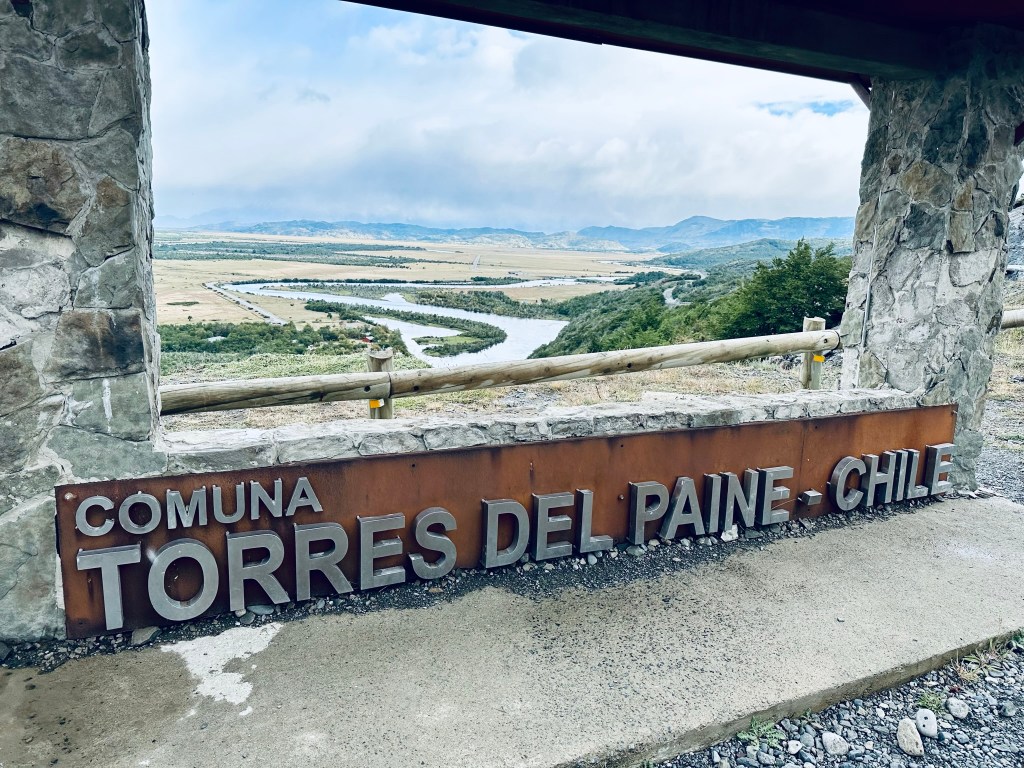
Rio Serrano and Torre Del National Park sign viewpoint
Our first view of the amazing park was on our way to the Konkashken lodge. We stopped on route 292 to enjoy the stunning view of Rio Serrano and the village below. The river curved through the landscape, and we spotted the first of many rainbows we would see over the next three days. This is a great spot for sunrise photos, too.
Views from Konkashaken lodge and Rio Serrano
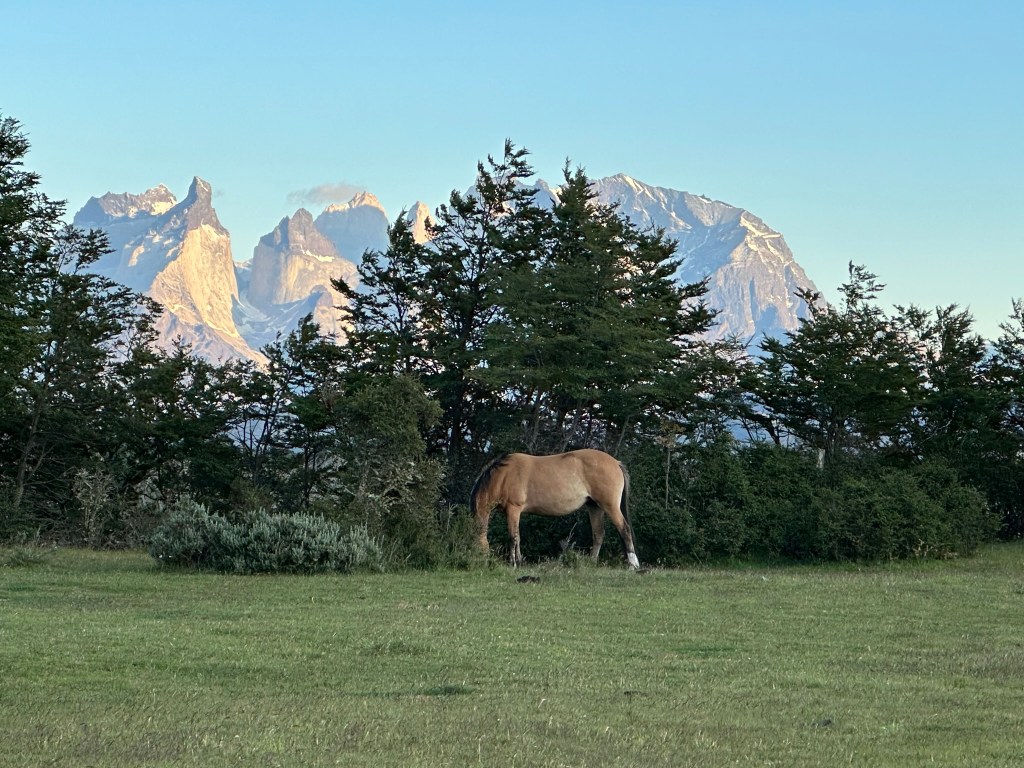
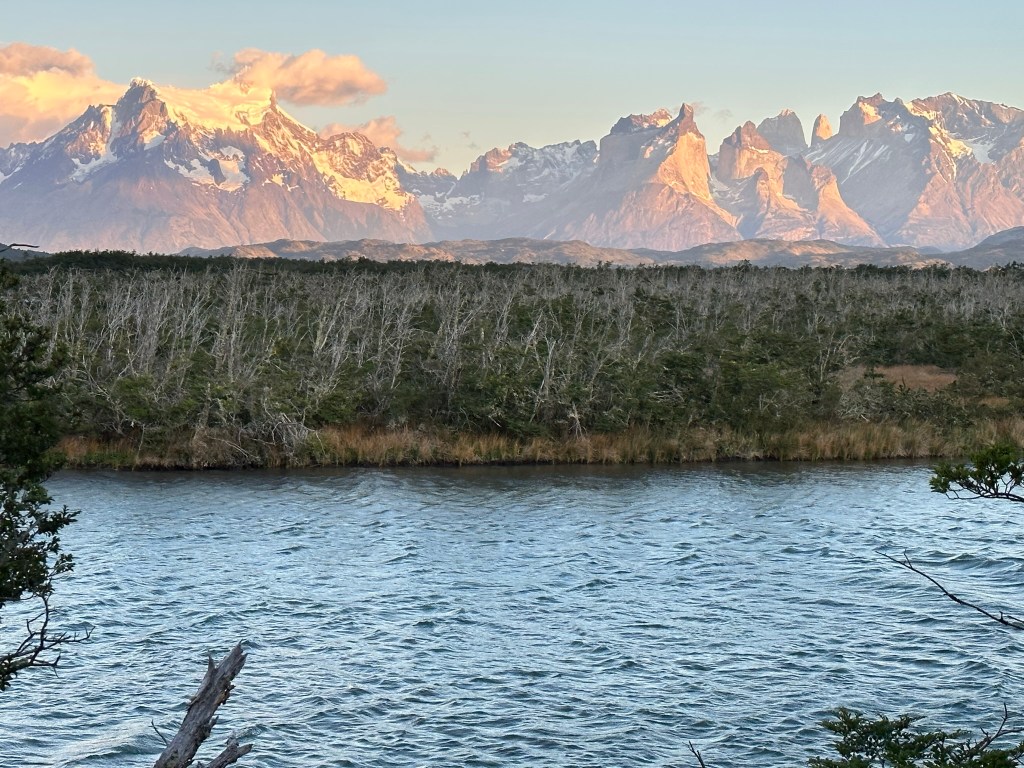
Wild horse at Konkashken LodgeRio Serrano and snowy mountains of Torres del Paine from Konkashken LodgeHuge dog at the lodge
The Konkeshken lodge is by the Rio Serrano and surrounded by horse farms, where locals often go horseback riding or hunting with their dogs. On day 3, we had a sunny morning, and I walked to the river to enjoy the stunning view of the snowy Torre del Paine mountains and horses grazing nearby. The lodge owner has large dogs, and on that day, I saw the biggest dog I’ve ever encountered, which I initially thought was a wolf. It turned out to be the owner’s dog’s sibling just visiting from the neighboring farm.
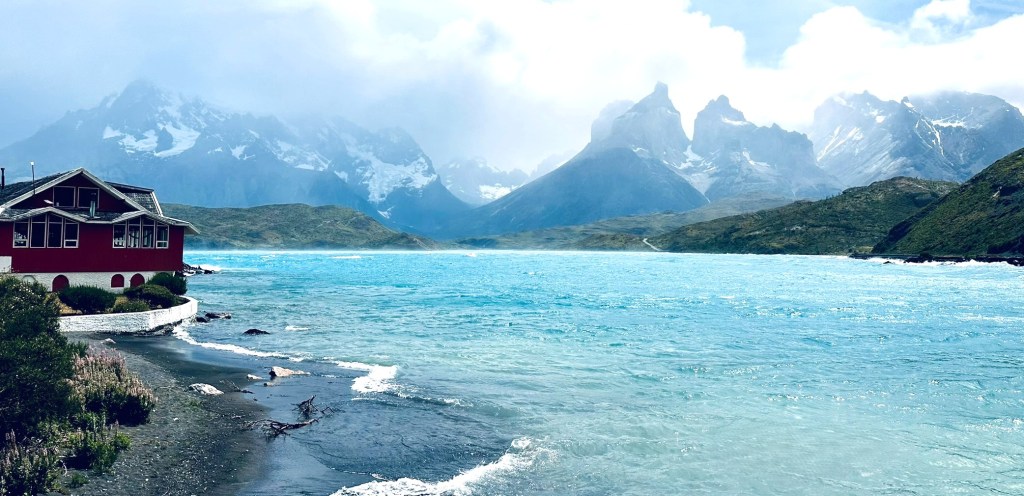
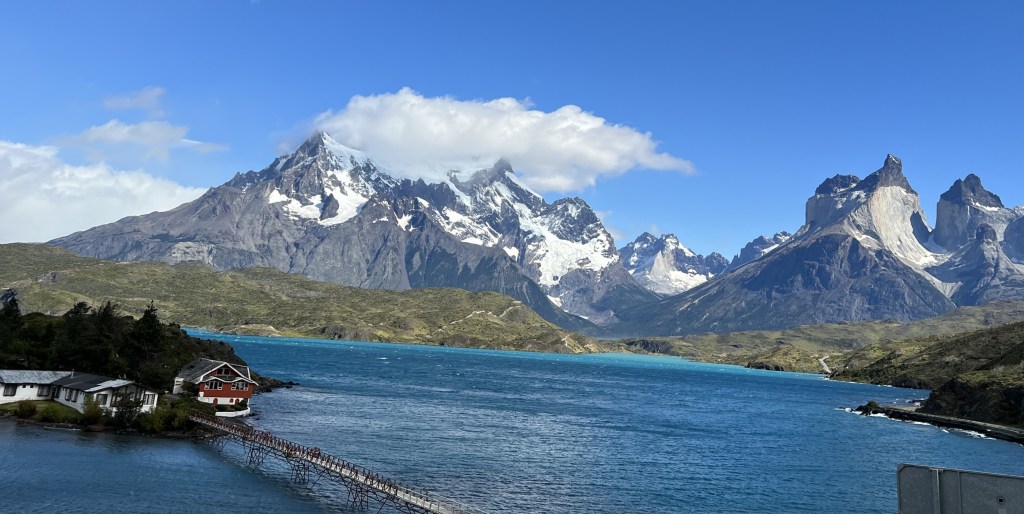
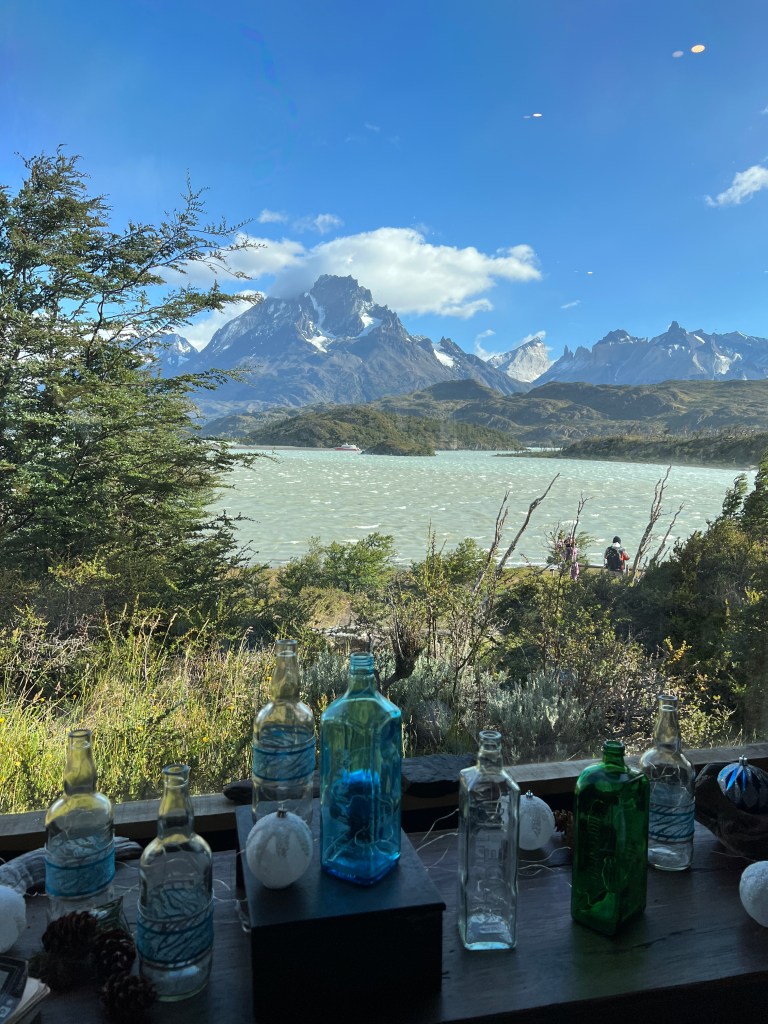
Lago Pehoe view from Hosteria Pehoe
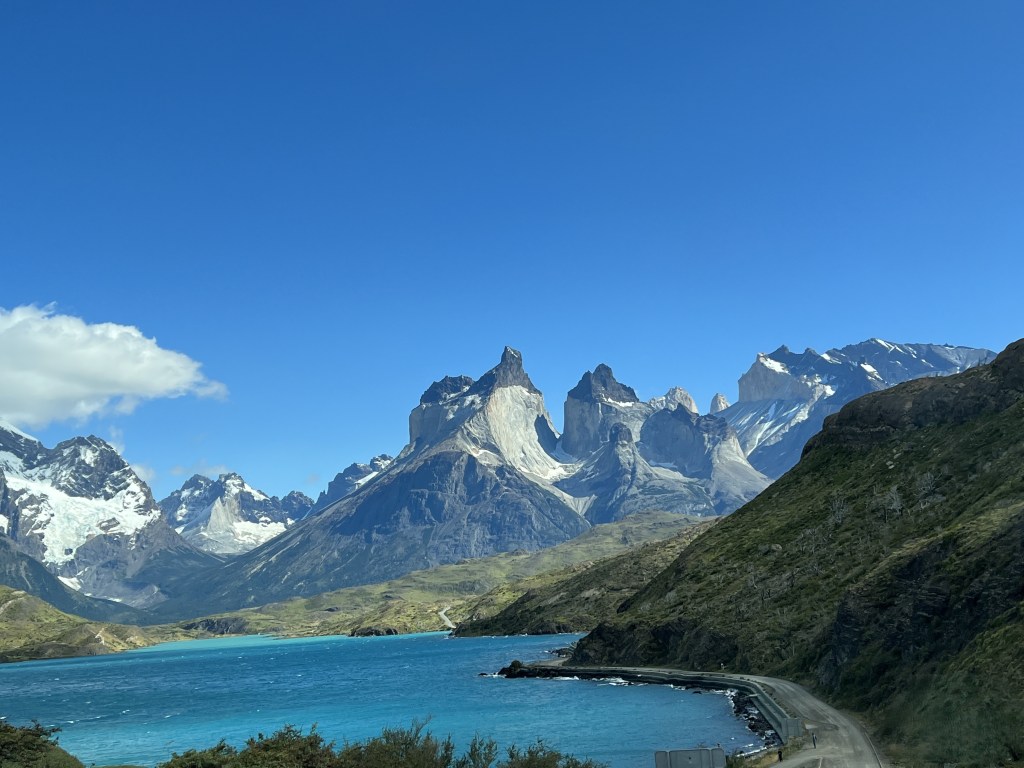
Lago Pehoe sits at the center of Torres del Paine National Park and is considered to be one of the 10 most beautiful lakes in the world. You have wonderful views of the Paine Grande Mountain and the Cuernos (horns) del Paine from the lake. Pehoe is a Tehuelche word meaning ‘hidden’ and is pronounced “pay-oh-way.” We stopped at the parking lot for Hosteria Pehoe, which is located on an island and can be accessed by a bridge. The parking lot is right off ruta Y-150 and near Mirador Cóndor. We had an amazing lunch at the restaurant in Hosteria Pehoe with views of Lake Pehoe and Los Cuernos. We stopped here multiple times during our 3-day visit for the beautiful views and food. You can hike part or all of the Mirador condor trail, which is a 2.4-km round-trip route and offers the most magnificent views of Lake Pehoé, the Southern Patagonian Ice Field and the Sierra Baguales.
Hosteria Pehoe, Lago Pehoe and Cuernos del PaineLago Pehoe and Cuernos del Paine
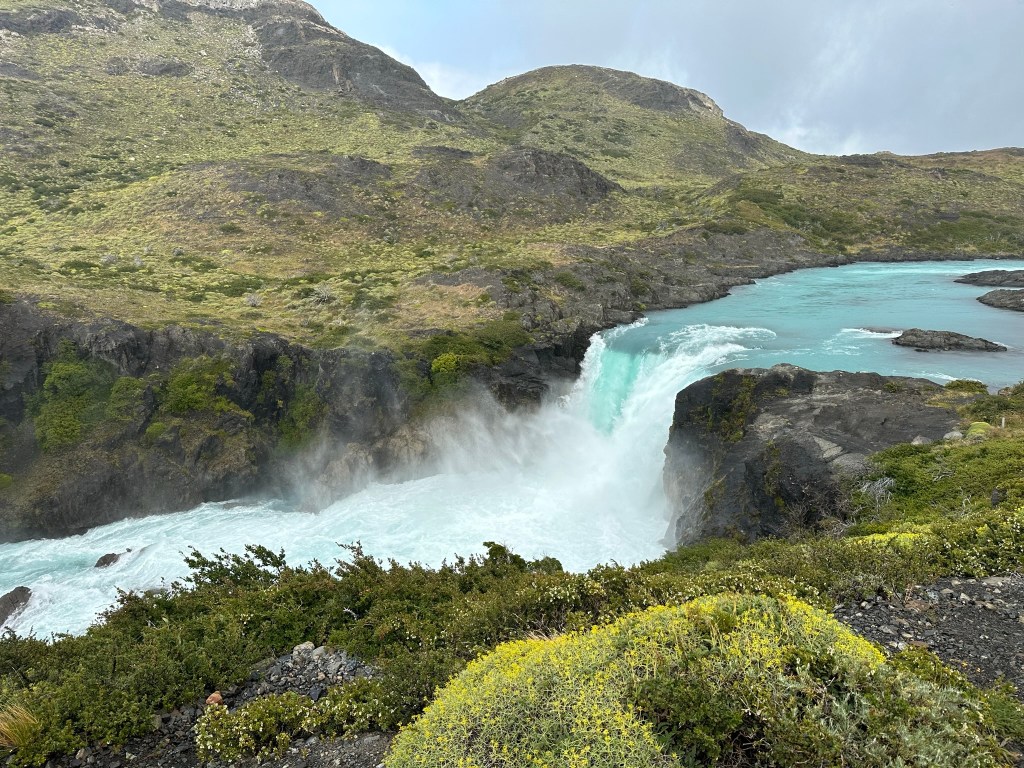
Salto Grande view point
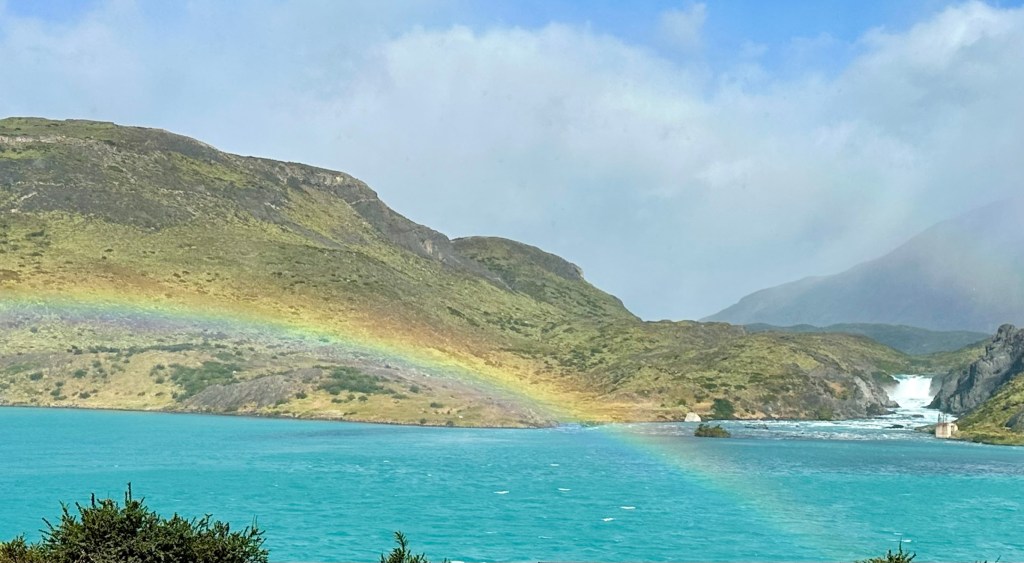
As you drive along Ruta Y-150 toward Lake Nordenskjöld, you can see Salto Grande waterfall. There’s a place to stop and admire Lago Pehoe with Salto Grande behind it. We paused to take a quick photo of a lovely rainbow that appeared with Salto Grande in the background, but it vanished within minutes.
Lago Pehoe, Salto Grande
The lookout for Salto Grande waterfall is along Ruta Y-150, with a marked parking lot nearby. Just two kilometers from the main road, it offers a view of the impressive water flow from Lake Nordenskjöld. The area shows signs of the 2011 fire, with burned trees and eroded soil, but the view is still beautiful.
Salto Grande from view point
Mirador Nordenskjold
Continuing down Ruta 150, next stop was mirador Nordenskjold. There is marked parking lot and couple of minutes of walk leads to spectular view of Lake Nordenskjold
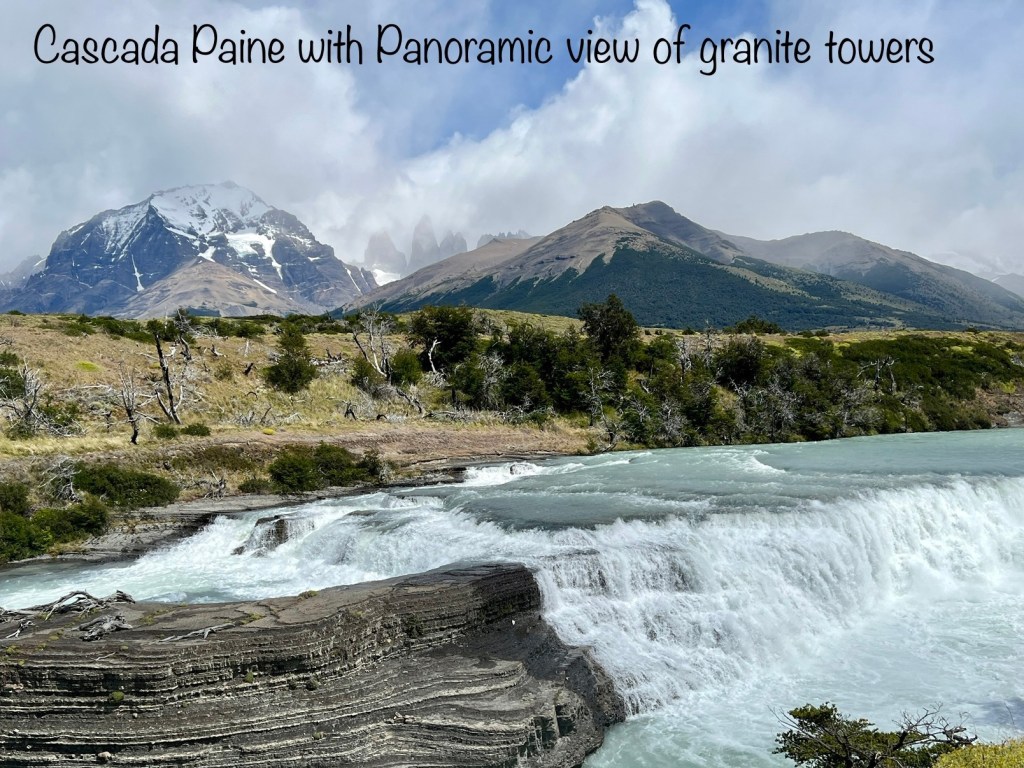
Cascade Del Paine
As we proceeded down Ruta 150, we reached a fork that divides the road into Ruta 150 and Ruta 156. We took Ruta 156 to Lago Azul, and our first stop was Cascade Del Paine. This is my absolutely favorite spot in the entire national park. The Cascada del Río Paine is a stunning waterfall in Torres del Paine National Park, Chile. It offers breathtaking views of the Paine River and the iconic Torres del Paine peaks in the background. This natural wonder is a popular spot for photography and a must-visit for nature enthusiasts exploring Patagon
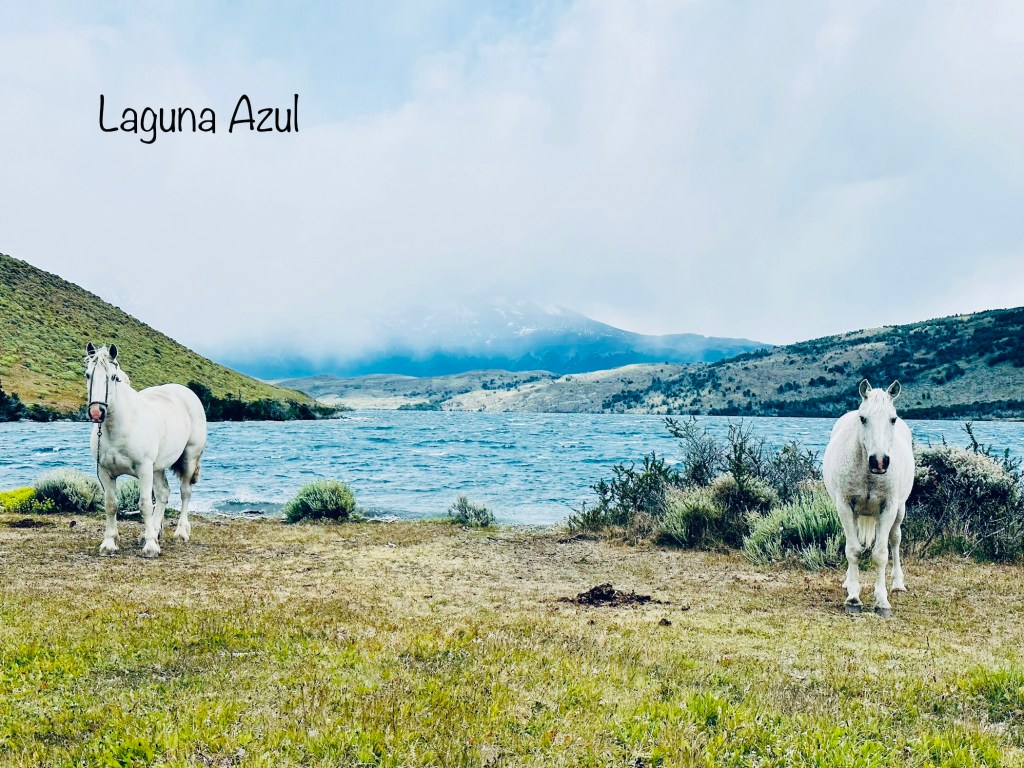
Laguna Azul
Laguna Azul, or “Blue Lagoon,” is a beautiful lake in Torres del Paine National Park, Chile. It is known for its bright blue waters that mirror the surrounding scenery, including the famous Torres del Paine peaks. This area is great for wildlife lovers, as you can spot guanacos, birds, and other local animals in the wild.
Laguna Amarga
Laguna Amarga, located in Torres del Paine National Park, Chile, is a fascinating lagoon known for its high salt content, which gives its waters a bitter taste—hence the name “Amarga,” meaning “bitter” in Spanish. The lagoon’s evaporation process leaves a soft white layer of salt on its shores, strikingly contrasting with the vibrant blue waters. This lagoon is also a prime spot for observing flamingos during summer, adding to its charm. Its strategic viewpoint offers breathtaking views of the iconic Torres del Paine peaks, making it a favorite among photographers
Lago Grey and Grey Glacier
Lago Grey is a magnificent lake fed by ancient glaciers, where the imposing Grey Glacier flows in, creating a breathtaking scene filled with icebergs and striking blue ice. This area is renowned for its enchanting and colossal icebergs that calve dramatically from the base of the Grey Glacier, crafting a visually stunning landscape. The vibrant hues of blue and white against the rocky terrain provide a striking contrast, making it a photographer’s paradise. There are various exhilarating ways to explore this pristine lake and the majestic glacier surrounding it, and we eagerly chose to embark on an adventure by boat. However, to our dismay, the winds were brutally strong that day, leading to the unfortunate cancellation of our highly anticipated boat trip, and we just had to see the glacier and lake from the Hotel Grey.
Various ways to explore Grey glacier
Boat Trips: Boat tours navigate the lake, allowing visitors to get close to the glacier and icebergs. For timing and tickets, check here. The boat trips start from Hotel Lago grey .
Hiking: The W Trek and Full Circuit hikes offer awe-inspiring views of the lake and glacier.
Kayaking: Paddle amongst the lake’s sculpted icebergs.
Ice Hiking: Don crampons and ice axes to explore the glacier.
Mirador Lago Del Torro
The Toro Lake is the biggest lake in the region and most of it is located outside the borders of Torres del Paine national park. We stopped here just off the Ruta Y-290 on our way to Puerta Natales, after our cancelled Grey glacier boat trip. The vibrant blue waters of Toro Lake contrasted beautifully with the rugged mountains in the background, creating a breathtaking view that felt almost surreal.
Milodon Caves
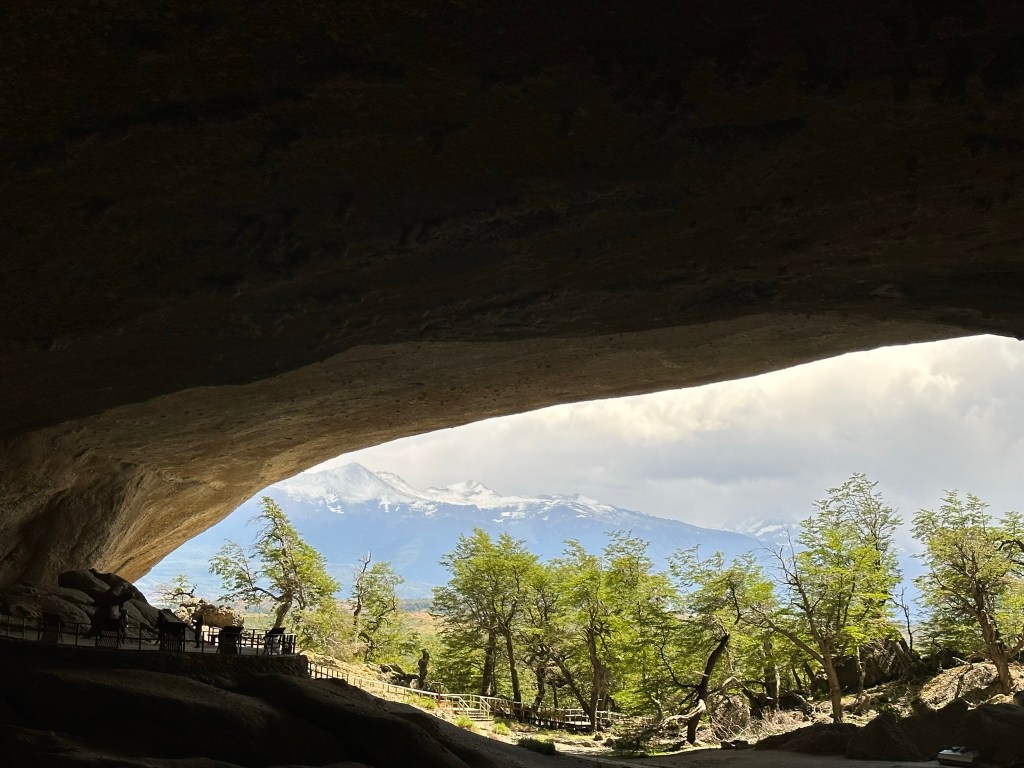
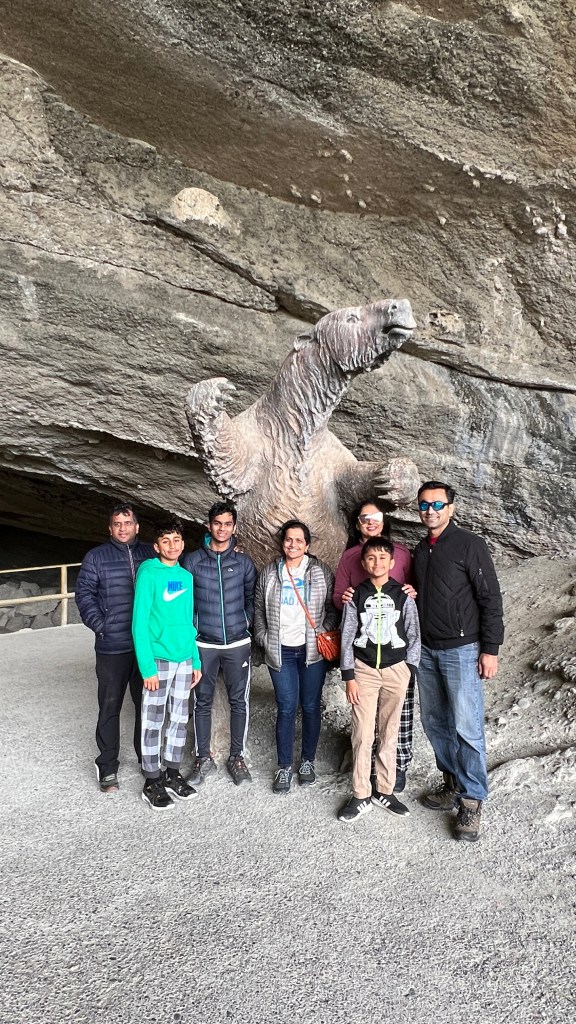
Usually when you depart from Puerto Natales, on the way to Torres del Paine National Park, you begin your adventure by visiting the Milodon Cave Natural Monument, which is located 26 km from Puerto Natales. This remarkable site is comprised of three distinct caverns nestled within a stunning landscape, featuring a fascinating rocky conglomerate known as “Silla del Diablo.” As you explore the cave, you can marvel at its impressive features and learn about the prehistoric creatures that once roamed the area, including the legendary Milodon, an enormous herbivorous mammal. After delving into the rich history and natural beauty of this unique monument, you can then continue your journey to the majestic Torres del Paine National Park, where breathtaking scenery and diverse wildlife await your discovery.
Final thoughts
Torre Del Paine is an incredible place to visit, and nothing truly prepares you for the breathtaking beauty of this stunning location. It is one of the most unique places I have ever explored, offering a diverse landscape that ranges from soaring peaks to shimmering lakes, making it a paradise for nature lovers. Patagonia’s weather is notoriously unpredictable, with the potential for all four seasons in a single day, which adds an element of excitement and challenge to your visit. While two days are sufficient if you are not hiking and just looking to take in the sights, extending your stay to three days provides you with the best chance to fully embrace the magnificence of this region. This extra time can be invaluable, especially in case of unforeseen circumstances, such as the windstorm we experienced during our trip, which temporarily altered our plans but also gave us a deeper appreciation for the raw power of nature that this area represents.
We spent a day in Santiago, Chile as part of our 10-day Chilean Itinerary. We did this trip on Christmas eve and started the day with Plaza de Armas and ended the day with having dinner at a Peruvian place not far from Cerro Santa Lucía. Since it was Christmas eve, restaurants and cafes were closing by 3.30-4 but we still were able to do lots of things in 1 day to get a feel for the city.
Quick Summary
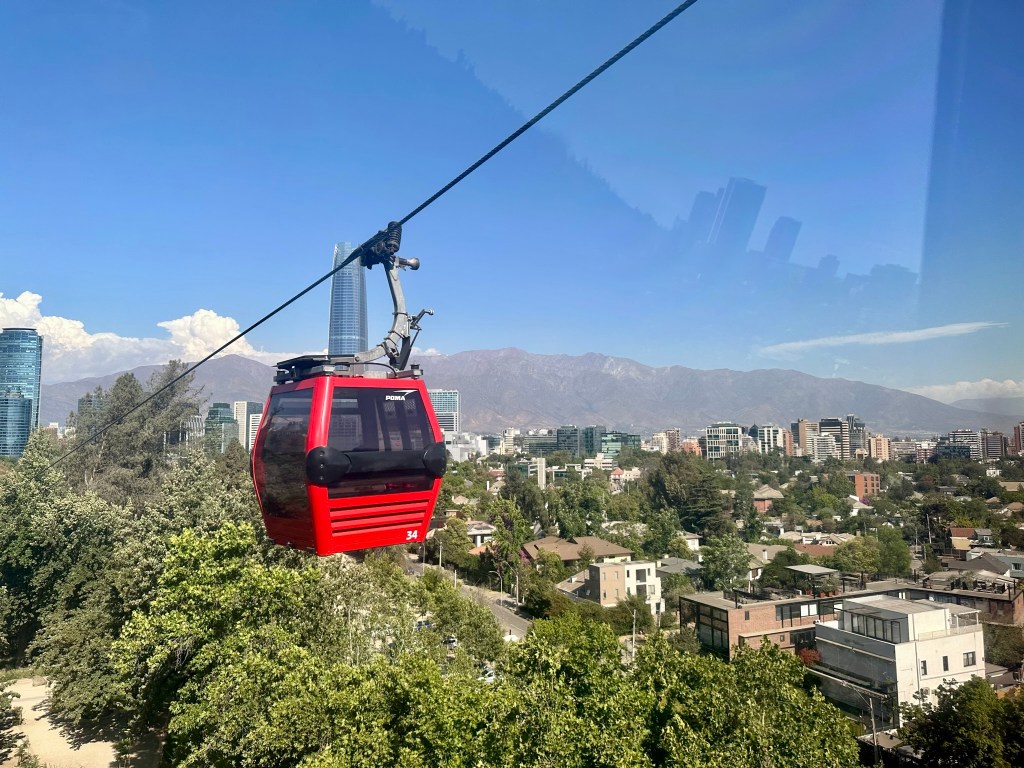
What we did: Started the day at Plaza de Armas by visiting the Metropolitan Cathedral and the surrounding area. Took a hop-on hop-off bus to get the lay of the city that included tickets Cable car ride to Cerro San Cristobal (booked through turistik ). Ended the day at Cerro Santa Lucia and had dinner at Barrio Lastarria neighborhood
Dinnner- Barrio Lastarria neighborhood cafes. This area was walking distance from the hotel and has tons of restaurants and cafes
Morning
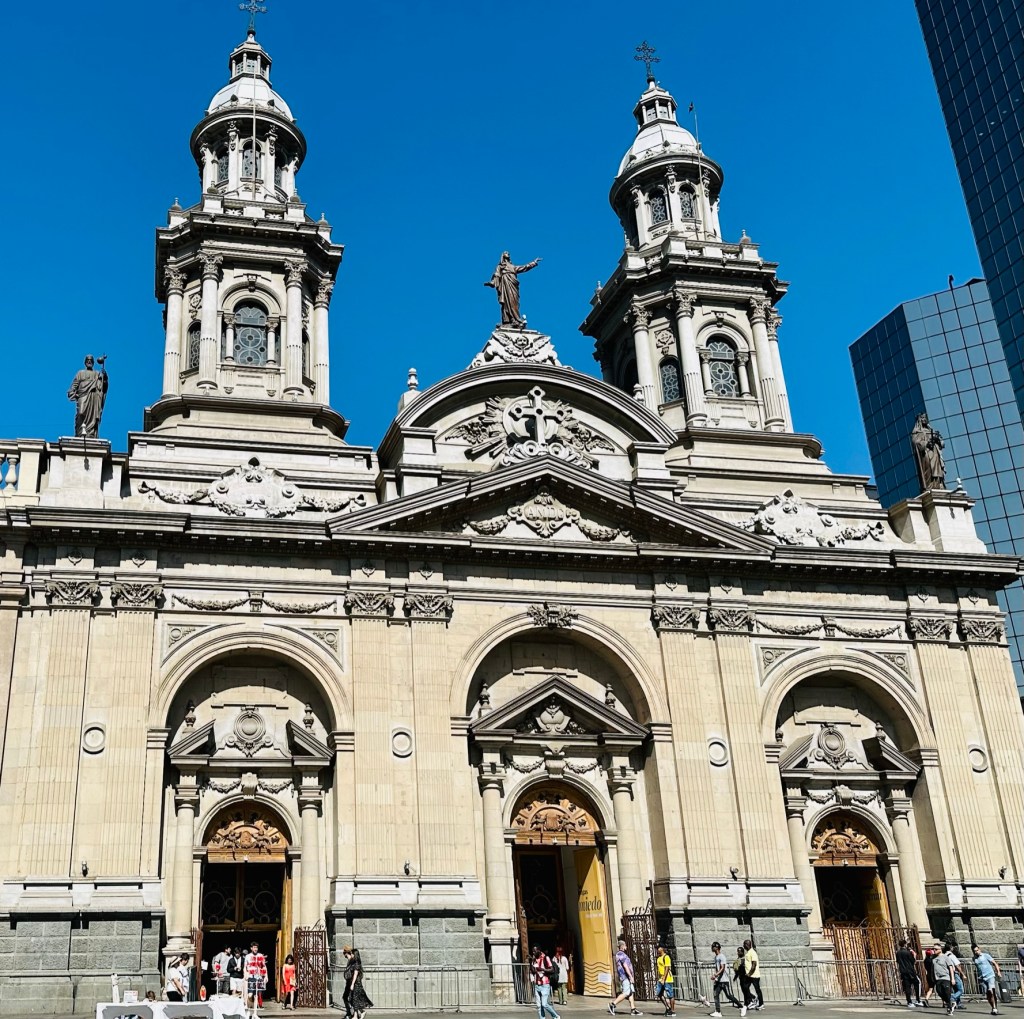
Plaza de Armas: Visit the historic center of Santiago. The Plaza de Armas is the main square, surrounded by important buildings like the Metropolitan Cathedral and the Central Post Office, and the National Museum of Fine Arts It’s a great place to soak in the city’s history and culture.
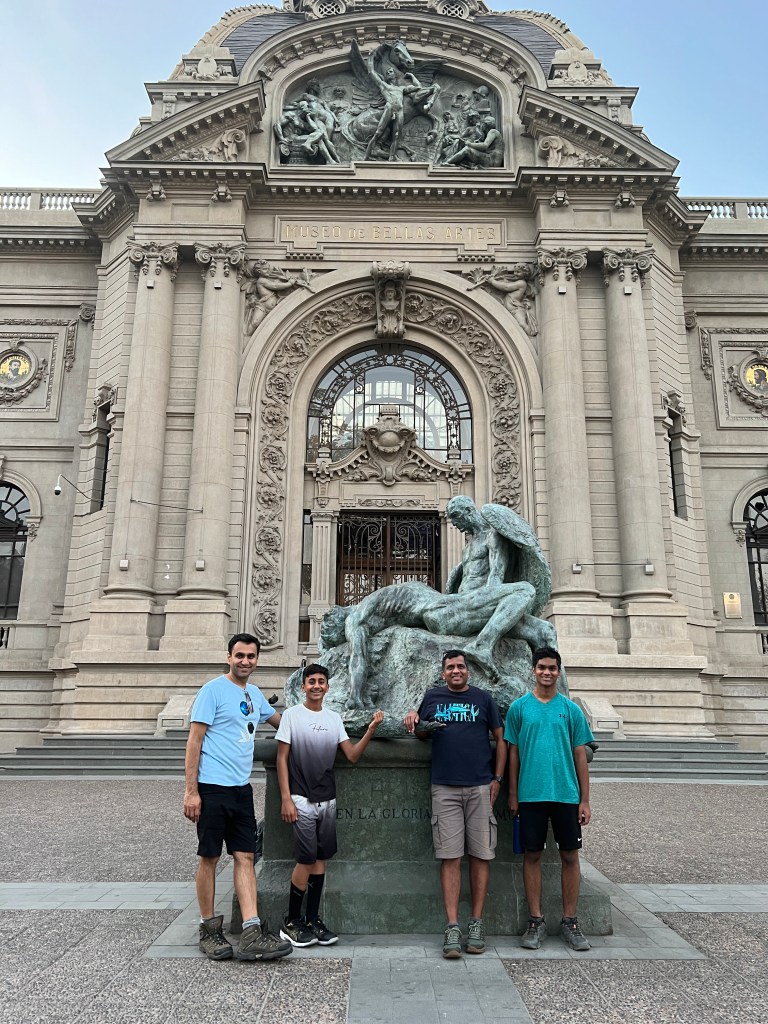
National Museum of Fine Arts – This museum is free to enter, but we chose not to explore it. However, check out sculpture called Icaro y Dédalo located outside of the building. The inscription “United in Glory and Death” refers to the myth of Daedalus, who made wings to escape imprisonment. Icarus flew too high and too close to sun, causing his wings to melt, and he fell into the sea. The statue of the mourning father is a copy; the original by Rebeca Matte, Chile’s first female sculptor, is in Rio de Janeiro, Brazil.
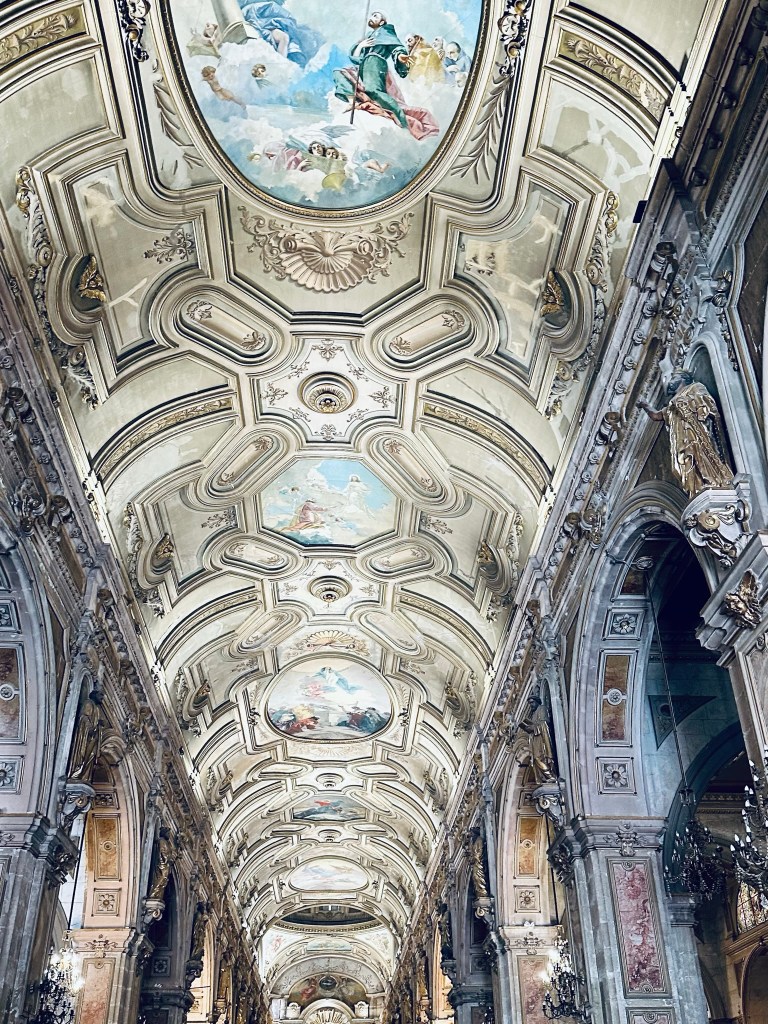
Metropolitan Cathedral – Located in the northwest corner of Plaza de Armas, Santiago’s Metropolitan Cathedral is free to enter. Built in neoclassical style between 1748 and 1800, it features baroque elements like gilded columns and beautiful frescoes. Italian architect Joaquín Toesca designed the building. The stunning interior includes statues, an ornate altar with marble and lapis lazuli, and intricate stained glass. The ceiling was painted by Ignazio Cremonesi in 1906.
La Chascona: After visiting the plaza, if you have time, visit one of poet Pablo Neruda’s unique homes, known for its eclectic architecture and stunning views of the surrounding landscape. La Chascona offers a fascinating insight into the life and mind of one of Chile’s most beloved literary figures, showcasing his extensive art collection and personal artifacts that reflect his poetry and passion for life.
Afternoon
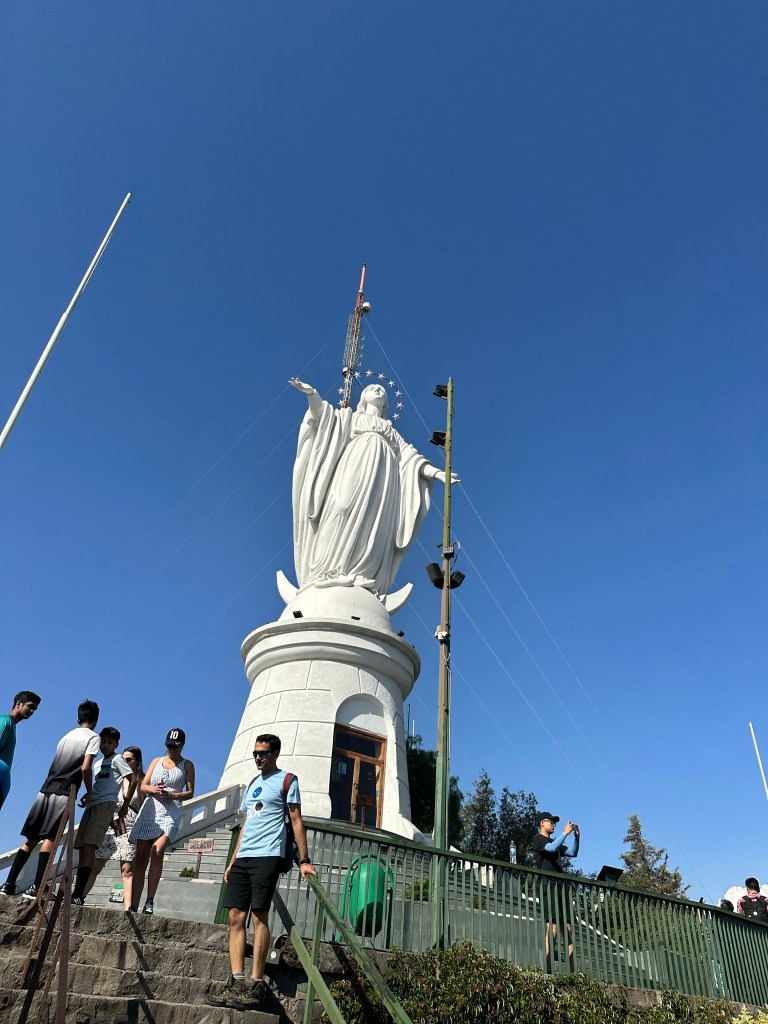
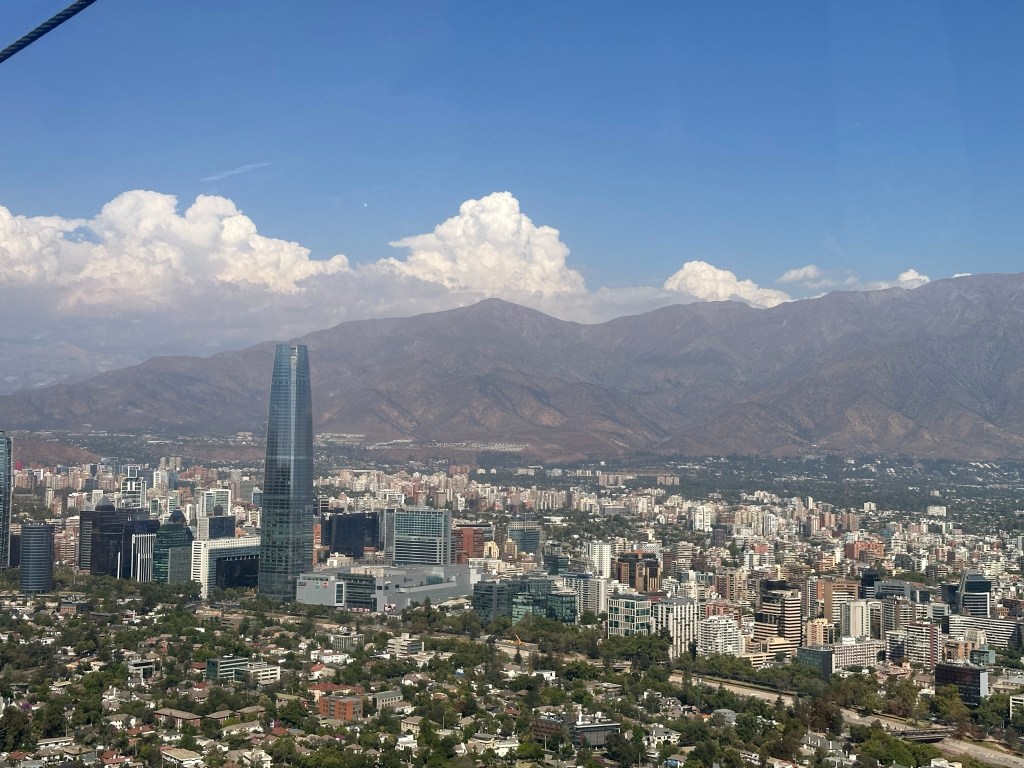
Cerro San Cristóbal: visit this iconic hill that rises majestically above the city. You can hike along the various trails, bike through scenic paths, or take the funicular to the top for stunning panoramic views of Santiago and the Andes. The fresh air and beautiful surroundings make it a perfect spot for outdoor enthusiasts. Don’t miss the statue of the Virgin Mary at the summit, which offers a perfect photo opportunity, and consider exploring the surrounding park for a complete experience.
Lunch at Mercado Central: This bustling market is famous for its seafood. Enjoy a delicious lunch of fresh fish or seafood stew at one of the many eateries inside.
Evening
Cerro Santa Lucía: For a beautiful sunset, visit this small hill in the city center. The top offers stunning views of the skyline and the Andes Mountains. As you climb, enjoy the charming paths, gardens, and fountains that provide a peaceful stroll. Cerro Santa Lucía has a rich history as a former military post turned public park, attracting both locals and tourists. Don’t forget your camera to capture the sunset and the diverse plants and animals in this urban oasis.
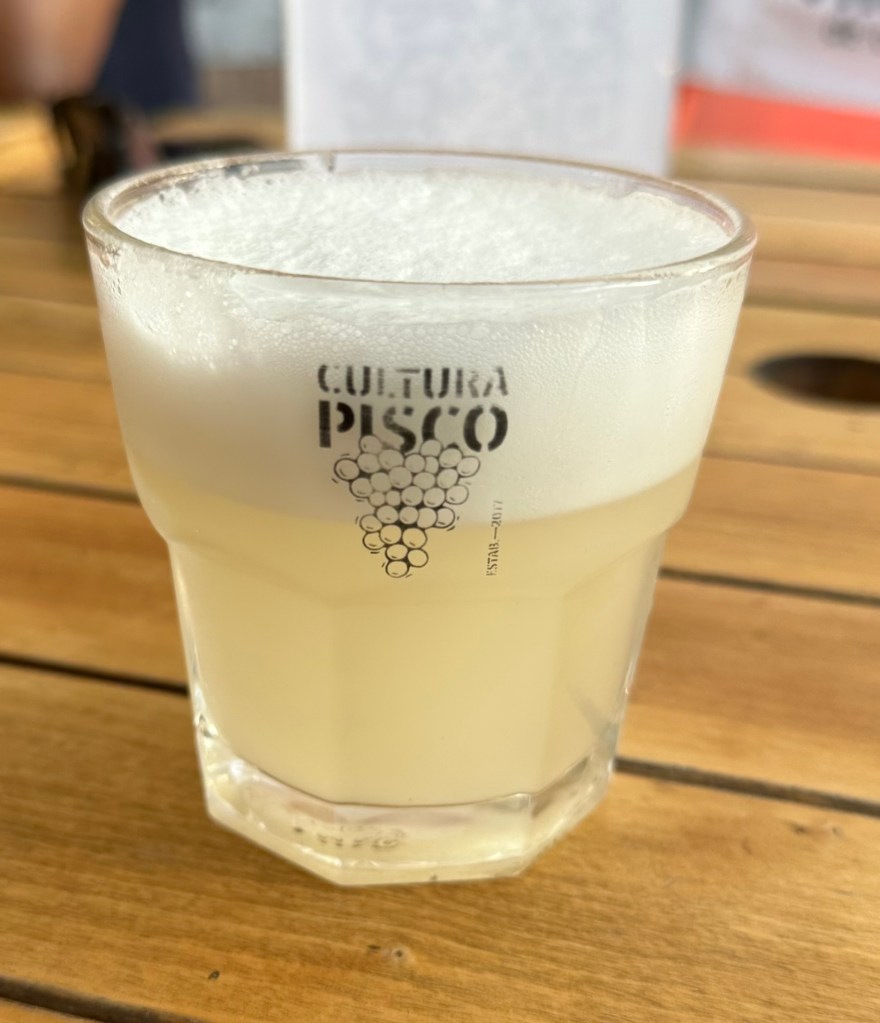
Barrio Lastarria – Is a vibrant neighborhood within walking distance from Cerro Santa Lucia and the perfect way to end the day by having dinner and drinks at one of the many cafes, and restaurants. We had one of the best pisco sours in a small cafe on the villavicencio street
One of the best Pisco Sours I had at the restaurant in Lastarria
Final thoughts
There are many things to do in Santiago, and you can spend a few days exploring the city and its vibrant culture. You can visit historical landmarks like the Plaza de Armas, immerse yourself in the local cuisine at bustling markets, and enjoy the stunning views from San Cristóbal Hill. Additionally, you can explore various museums, attend lively cultural festivals, and experience the warmth and friendliness of the local people, making your stay truly memorable.
Visit the Galápagos island of Española between December to April, and you may witness one of the most extraordinary courtship rituals in the natural world. Each spring, nearly the entire global population of waved albatrosses—tens of thousands of birds—returns to this remote island to reunite with lifelong partners, raise a single chick, and perform a…
Boobies—named after the Spanish word bobo—meaning “clumsy”—boobies earned their name from their slightly awkward, waddling gait on land. The Galapagos Islands are home to three different species of boobies, which include the blue-footed, red-footed, and Nazca boobies. Each species possesses its own remarkable traits and behaviors, making them a highlight for wildlife enthusiasts. Their unique coloring not only helps…
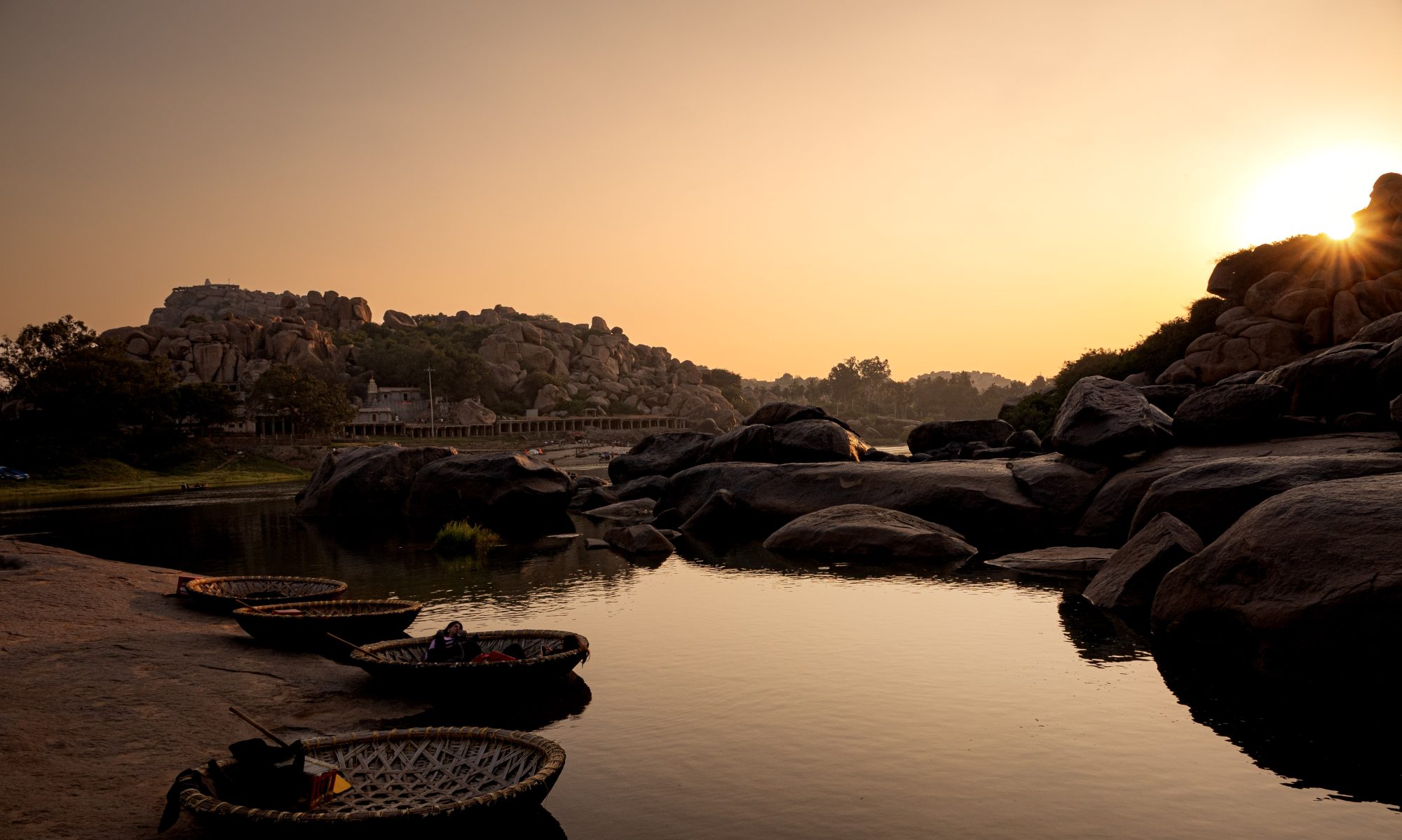
Arriving at Evolve Back, Hampi feels like stepping into a living chapter of the Vijayanagara Empire. We traveled overnight on the Hampi Express from Bengaluru. We reached Hospet at 7 AM. A warm smile and a private car from the resort awaited me at the station. As we drove through banana plantations and paddy fields,…
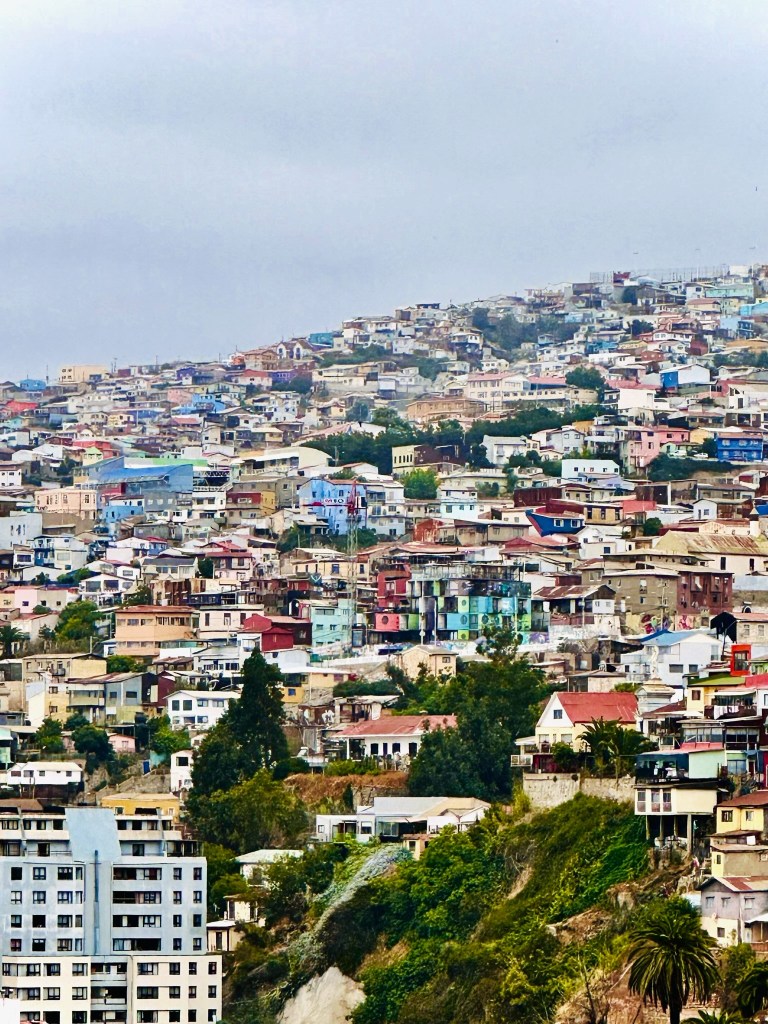
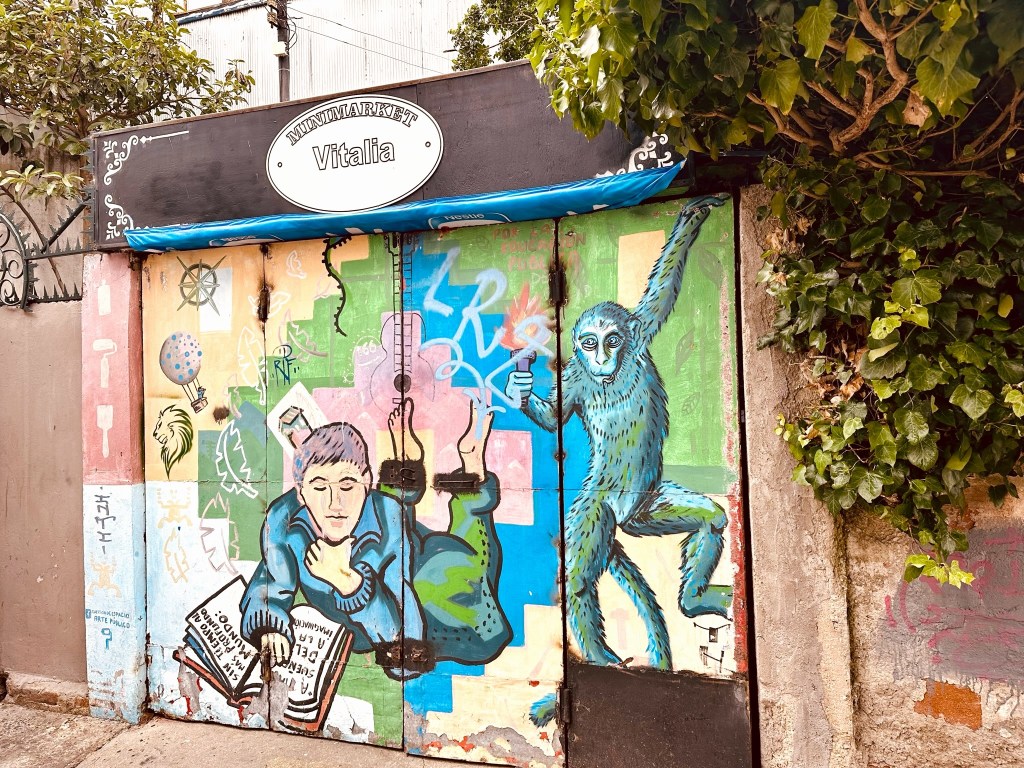
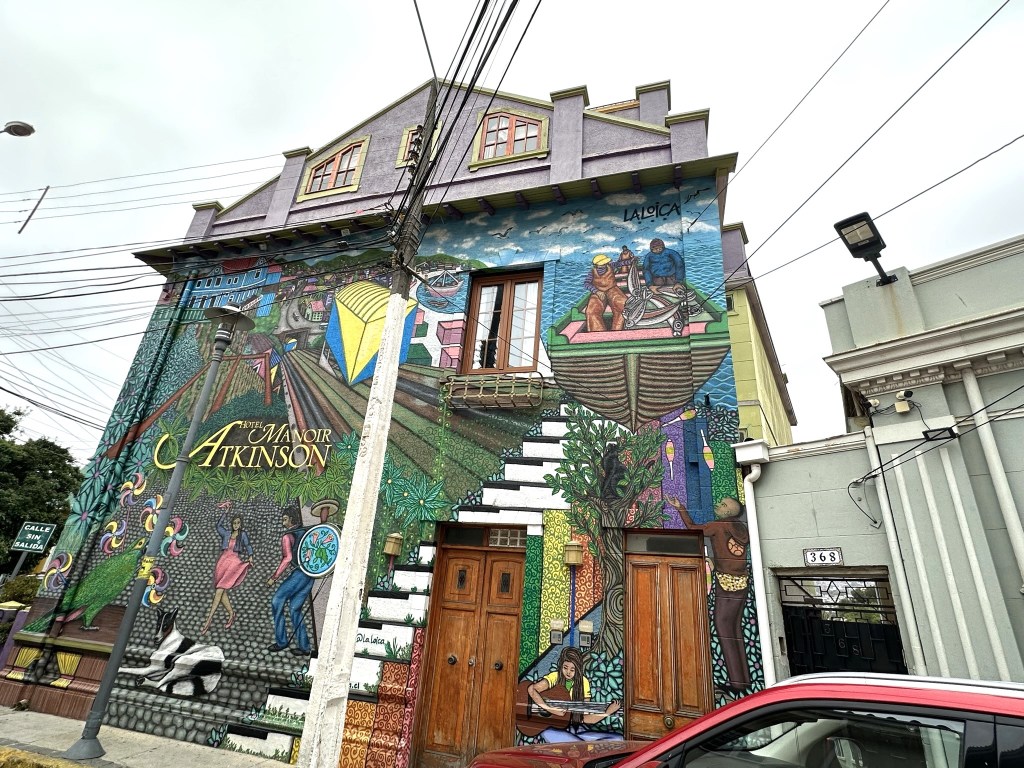
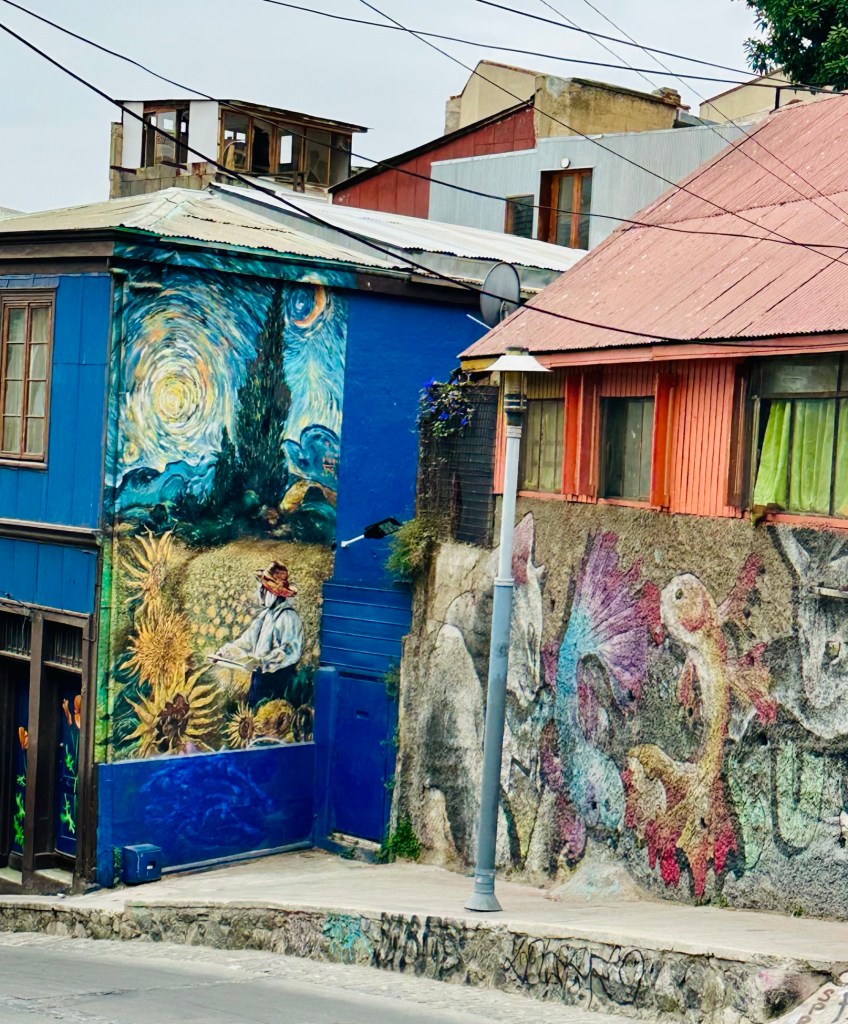
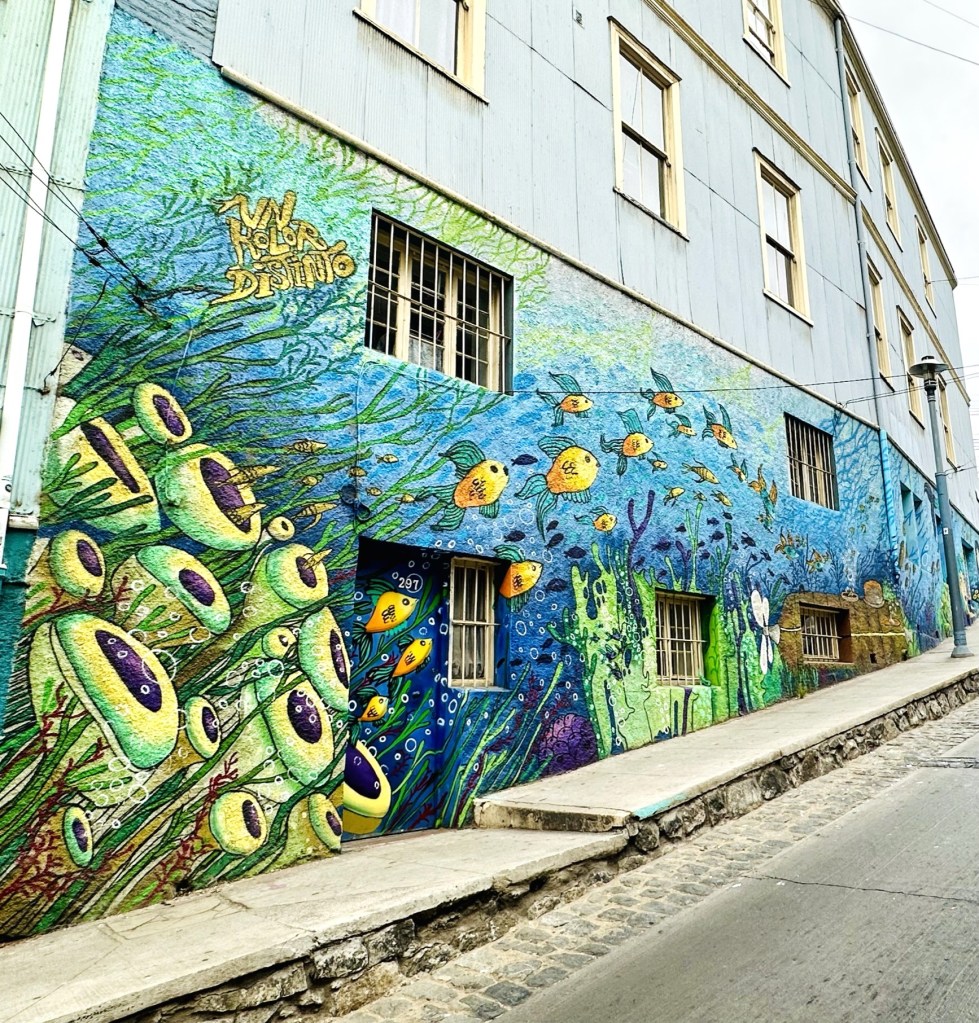
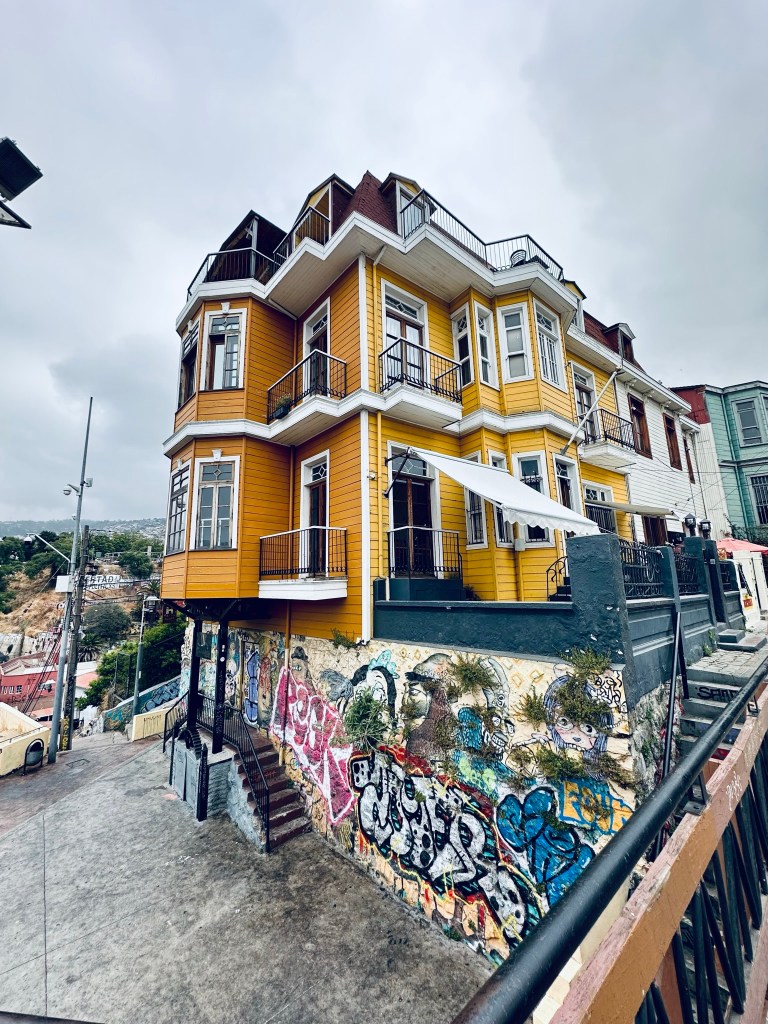
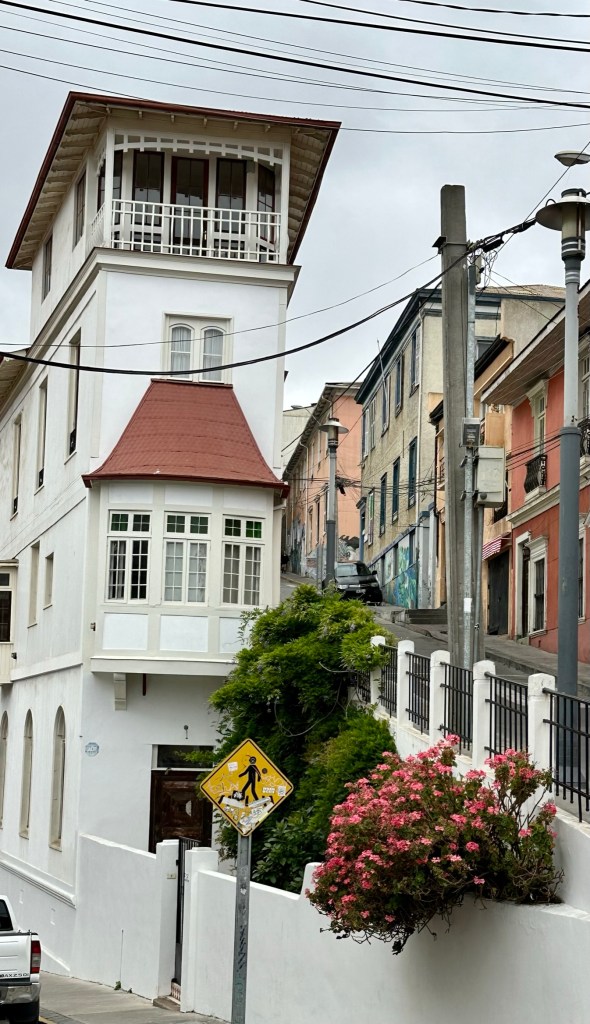
Immortalized by Pablo Neruda, a famous Chilean poet, Valparaíso is a port city renowned for its laid-back bohemian vibe and colorful street art. Nestled between steep hills and the Pacific Ocean, Valparaíso is characterized by its colorful houses, creating a picturesque landscape that captures the hearts of locals and visitors alike. The labyrinthine streets are adorned with striking murals and graffiti, reflecting the city’s rich culture and artistic spirit; each artwork tells a story of the community and its history. This lively city not only serves as a hub for artists and musicians but also offers charming cafés and bustling markets, making it an ideal destination for anyone seeking to immerse themselves in the unique, creative atmosphere that pervades Valparaíso.
What we did- Visited and walked the streets of Valparaíso on Christmas Day (Dec 25th, 2022) as a self-guided day trip from Santiago, Chile. Famous for its colorful hillside neighborhoods, winding stairways, and abundance of street art, the port city of Valparaíso is a UNESCO World Heritage Site. Both Valparaiso and Vin Del Mar can be visited on a day trip from Santiago
Where we ate—Since it was Christmas day, few places were open, so we went to a local place with no name but decent vegetarian food. On a regular day, there are many places in the Allegre and Conception areas.
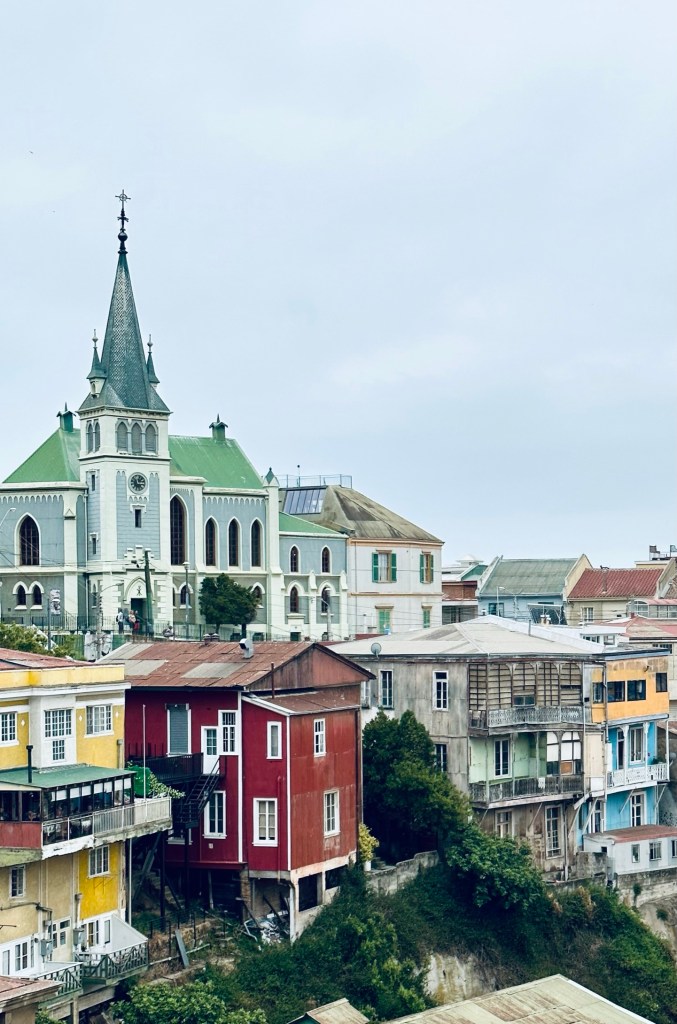
Valparaiso Skyline with Lutheran Church
Ode to Valparaiso
Pablo Neruda, a legendary poet and politician in Chile, had a home in Valpo where he found inspiration away from Santiago. His house, La Sebastiana, is now a museum and can be visited and offers great city views. Neruda’s poem “Oda a Valparaíso” perfectly captures the essence of the vibrant port city. Below is a snippet of the peom in English. For the full peom in Spanish and English check out the page.
Valparaíso, what an absurdity you are, how crazy: a crazy port. What a head of disheveled hills, that you never finish combing. Never did you have time to dress yourself, and always you were surprised by life.
How to get to Valparaiso
We were supposed to visit Valparaíso (or it is commonly known as Valpo) on a guided tour from Santiago, but after waiting 1.5 hours at supposed pick-up spot, we realized the guided tour operator wasn’t going to show up (booked through Viator). Our day was salvaged by the front desk operator at the hotel, who helped us figure out the bus route to Valpo and arranged an Uber to the bus station.
Valparaíso is 72 miles (116 km) from Santiago, and can be travelled by bus or car or guided tour from Santiago.
Bus– There are two main bus companies: Turbus and Pullman. Both buses depart from Terminal de Buses Pajaritos in the center of Santiago and take about 1.40-2.00 hours. We opted to go with Turbus on the way to Valpo and took Pullman on the way back. There is no real difference, and we chose whichever was leaving earliest.
Guided Tours – There are several guided tours available on Viator and GetYourGuide that have day trips from Santiago that include Valpo, Viña del Mar, and Casablanca Valley (wine tasting), such as this one.
Valpo guided tour- if you want an in depth tour of the murals and real behind the scenes story, check out this company and their classic Valpo Street Art Tours is supposed to be really good.
Things to do in Valpo
Walk the streets of Valpo and appreciate the colorful murals and art
Since our plans had changed from guided tour to self-guided tour, we decided just to walk the streets and check out some of the art work. My sister-in-law had done reaseach and knew some of the places to go. The majority of the street art is concentrated in the more tourist-centric district of Cerros Concepcion and Alegre, a short walk from the historic seaport neighborhood. You can take the cobbled tone stairs and steets go up and down the area which are lined by resturants, cafes, and murals.
Plaza Sotomoyer
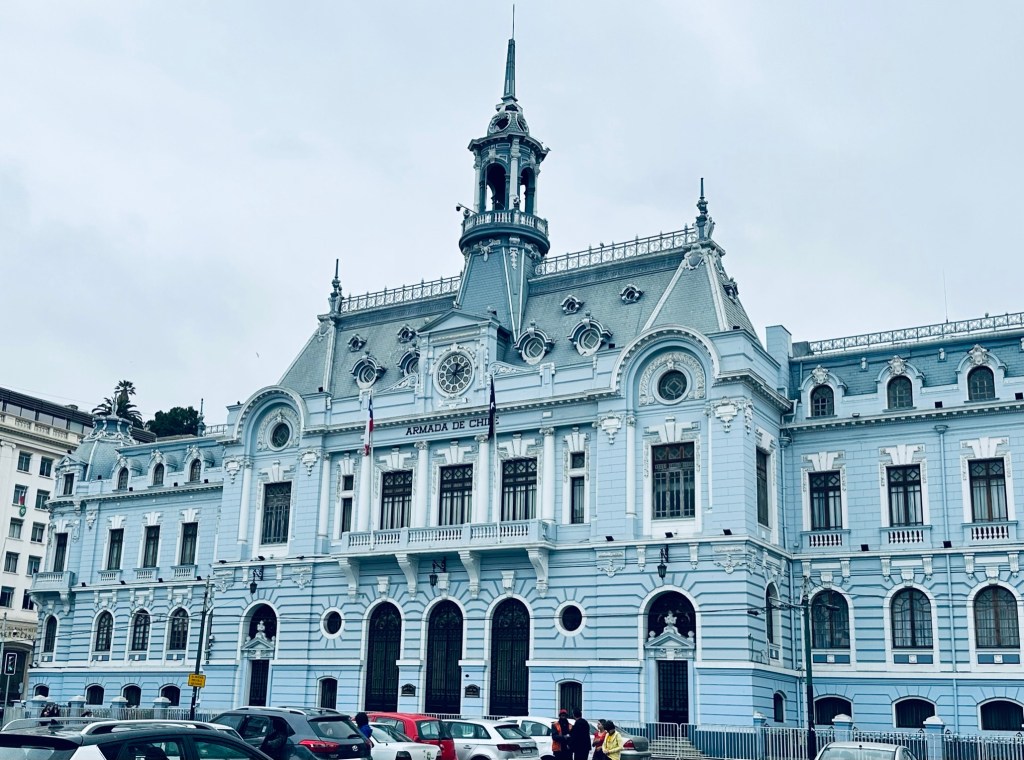
After getting off the bus, we took a cab to Sotomoyer square to start our tour. This building is in Plaza Sotomoyer and it is one of my favorite buildings in Valpo.
Plaza Sotomoyer, the largest public center in the city and the heart of Barrio Puerto, features significant buildings such as the Monument to the Heroes of Iquique, housing Arturo Prat’s remains, and the Edificio Armada de Chile, formerly the Intendencia. It is also an archaeological site, containing the remains of the first official dock constructed with parts from the captured frigate Esmeralda. Initially named Plaza de la Aduana, then Plaza del Palacio, it was eventually named after 19th-century minister Rafael Sotomayor. On January 23, 1979, it was declared a Typical Chilean Zone, with the Edificio Armada de Chile recognized as a Historical Monument.
Fischer Stair and Gálvez Alley, Valparaiso
Fischer Stair and Gálvez Alley offer a vibrant experience for visitors in the city. Start your ascent from Urriola Street by taking Fischer Stair, also known as Colorful Stairs. As you climb, the bright colors create a visual delight. The lively atmosphere prepares you for the artistic views at the top. To the right on Gálvez Alley, another colorful staircase features lyrics from “Latinoamérica” by Calle 13. In Gálvez Alley, you can enjoy a burst of color and creativity with many murals and drawings perfect for photos. Here, you’ll discover one of the most magical corners of Valparaíso.
La mami de Valparaíso- The little Grandma
The mural of “la mami de Valparaíso,” which features a little grandma watching over the city, is located on Almirante Mont Street on Alegre hill. This significant artwork was created by the French collective Ella & Pitr.
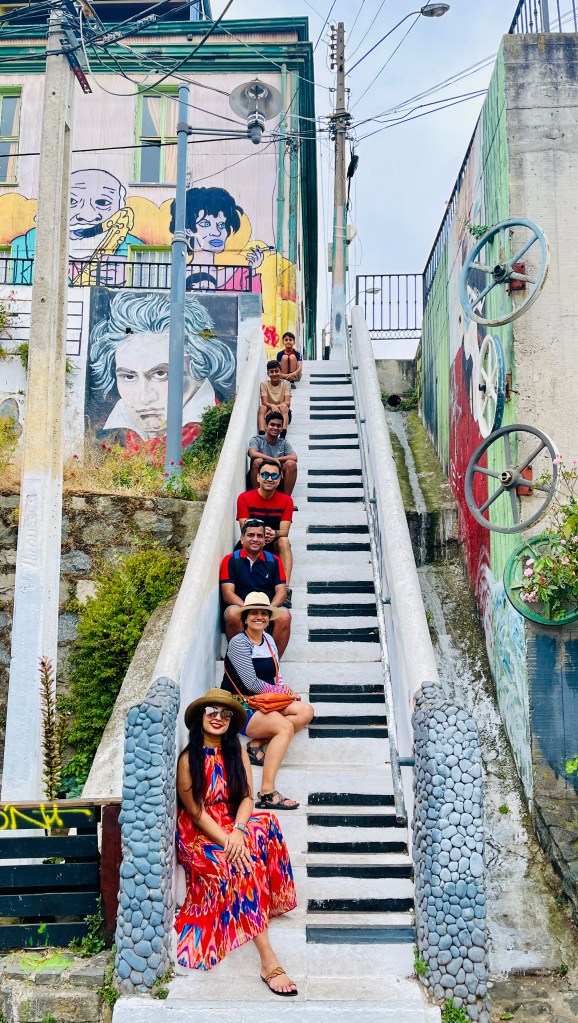
Piano Stairway
One of the most photographed street art piecce is the paino stairway is in Beethoven passage on Concepcion Hill, next to Alegre Hill. It is a beuatiful stairway that is surrounded by several other murals that are worth seeing.
Other noteworthy streets to visit
Templeman Street: Located on Cerro Alegre, this street is a top place to see street art.
Cerro Abajo: This hill is home to colorful art works below the park, down from the retaining wall.
Calle Ecuador: This street is home to a row of houses, each with art in very different styles.
Some of my favorite buildings and art works
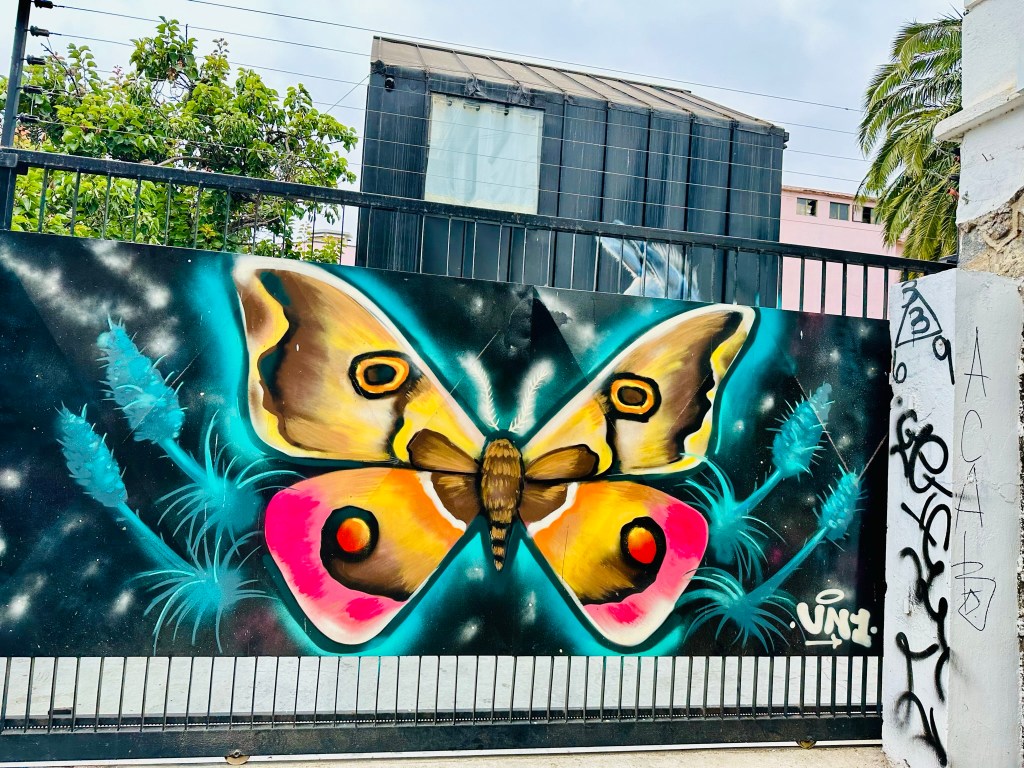
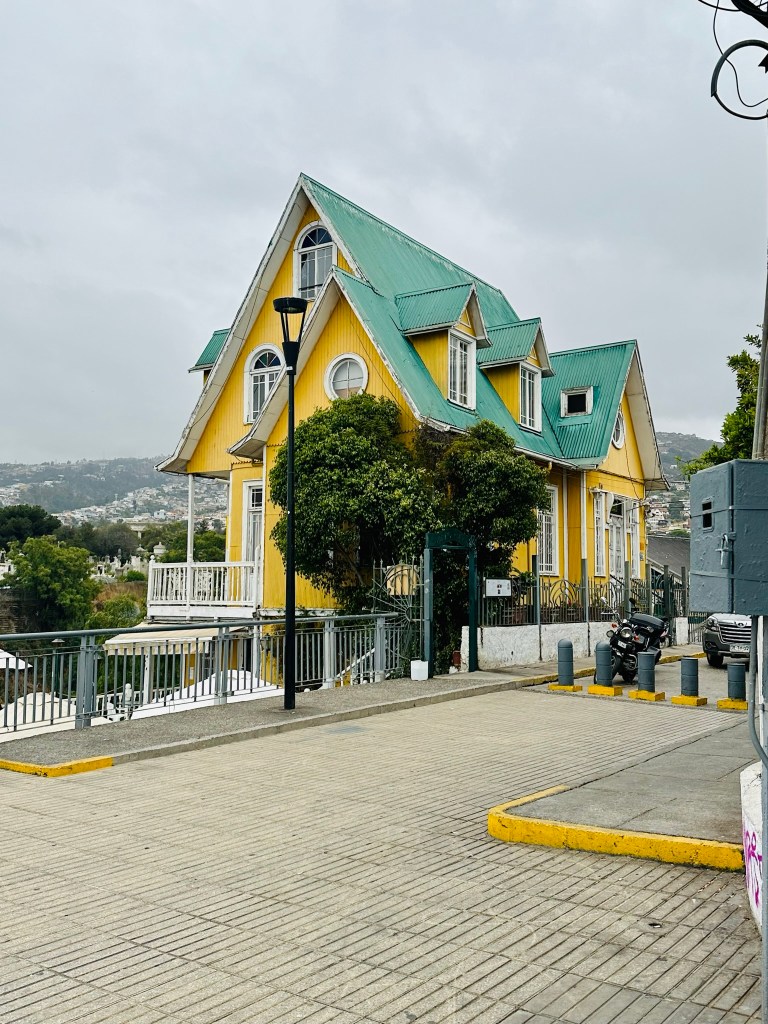
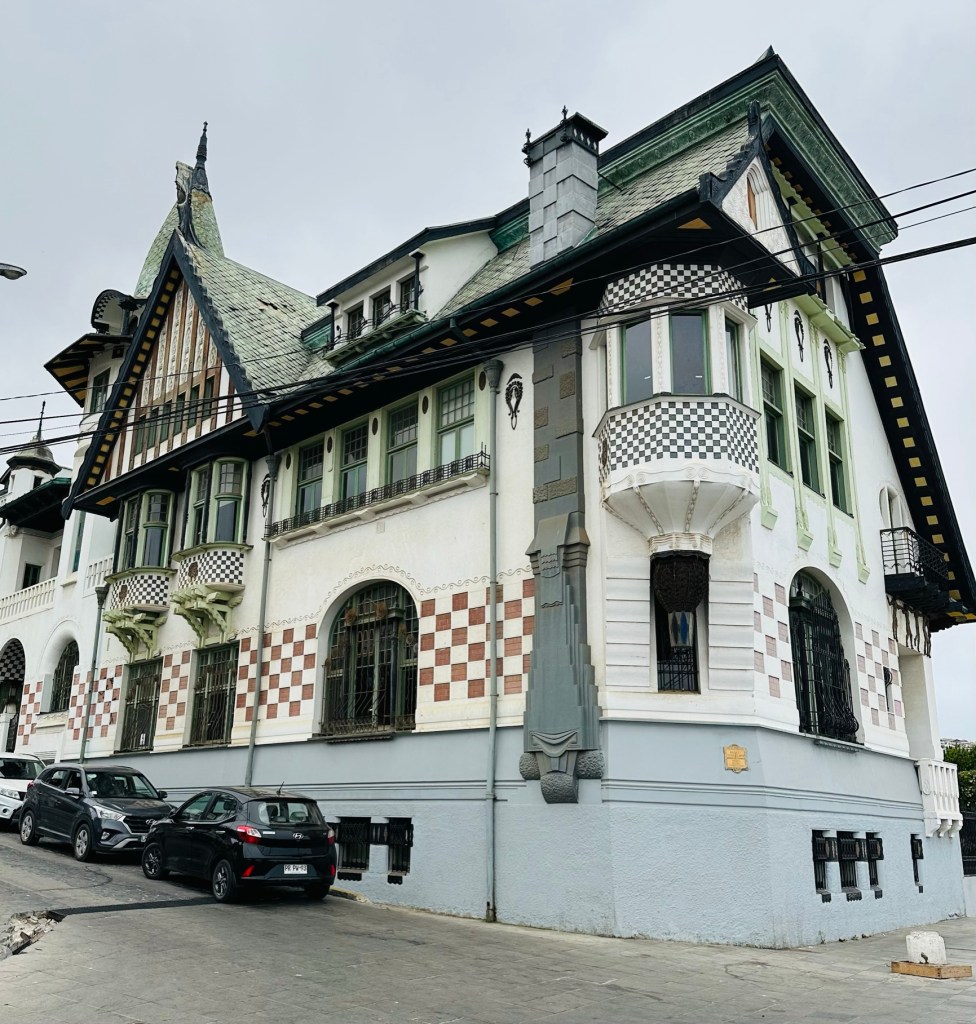
Random Mural on Cerro ConcepcionHotel Brighton Hotel AtkinsonValparaíso, Cerro alegrecasa Proa Álvaro Besa (Cerro Alegre)Baburizza Palace
La Sebastiana
We didn’t get the opportunity to see La Sabastiana, the ship-shaped home of Poet Pablo Neruda. Currently the house is a measum and you can check open times and tickets here
Accooding to legend, this was the request Poet had for a house in Valpo and he found it in La Sebastiana.
“I feel the fatigue of Santiago. I want to find a small house in Valparaíso where I can live and write in peace. It has to have certain conditions. It can’t be too high up or too low down. It should be solitary, but not too much. Neighbors, hopefully invisible. They shouldn’t be seen or heard. Original, but not uncomfortable. Very winged, but firm. Neither too big nor too small. Far from everything but close to transportation. Independent, but with shops nearby. It also has to be very cheap. Do you think I can find a house like that in Valparaíso?”
Viña del Mar
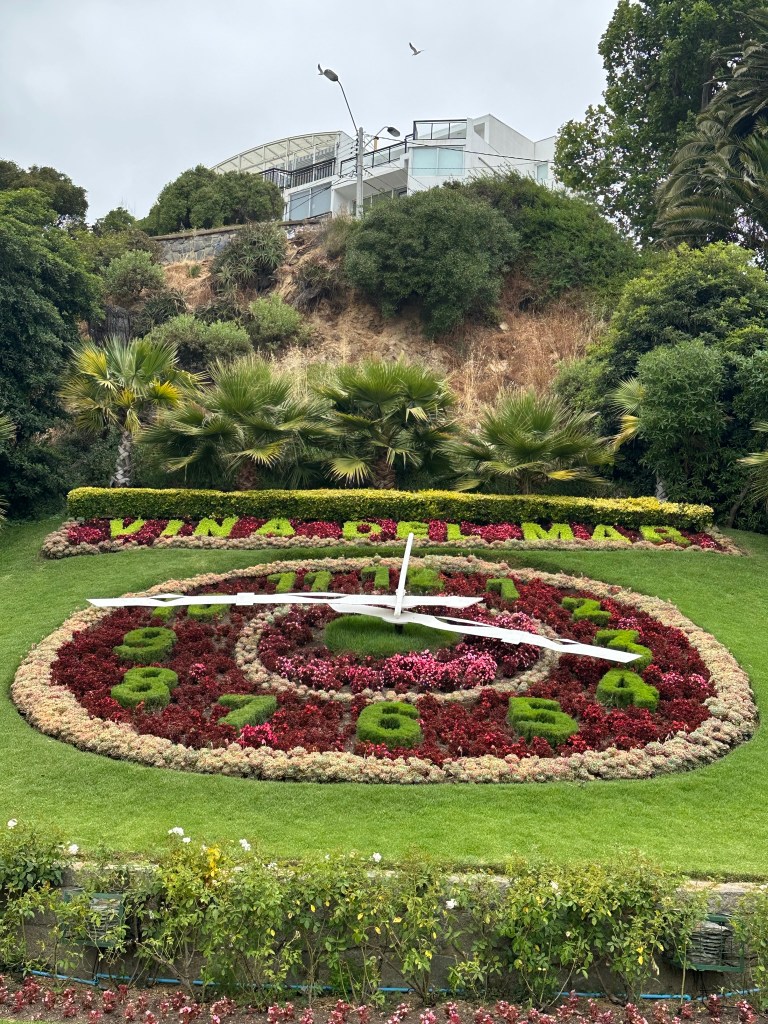
Vina Delmar is known as the garden city of Chile and is a vacation town. On Christmas Day, when we visited, there were plenty of Chileans relaxing with friends and family on the beach. One of the main highlights of Vina del Mar is the flower clock, and you climb the stairs behind the clock to get the view of the city.
Final thoughts
Valpo is an interesting place to visit. I am not a big fan of the place maybe because we visited on Christmas day when not too many things were open, but the whole city felt dirty and smelled of pee. The art is interesting, and if we had gotten our guided tour, we probably would have enjoyed it more. I felt that it is a good city to visit as a day trip if you have some extra time on your hands, but it is not a must-visit place










 Peaks to Palaces