Stories from Istanbul-Rustem Pasha Mosque: the other blue mosque

  1. Rustem Pasha mosque- a hidden gem
  2. Where is Rustem Pasha mosque located
  3. RÜSTEM PASHA MOSQUE OPENING HOURS (2024)
  4. Entrance fee
  5. Final thoughts

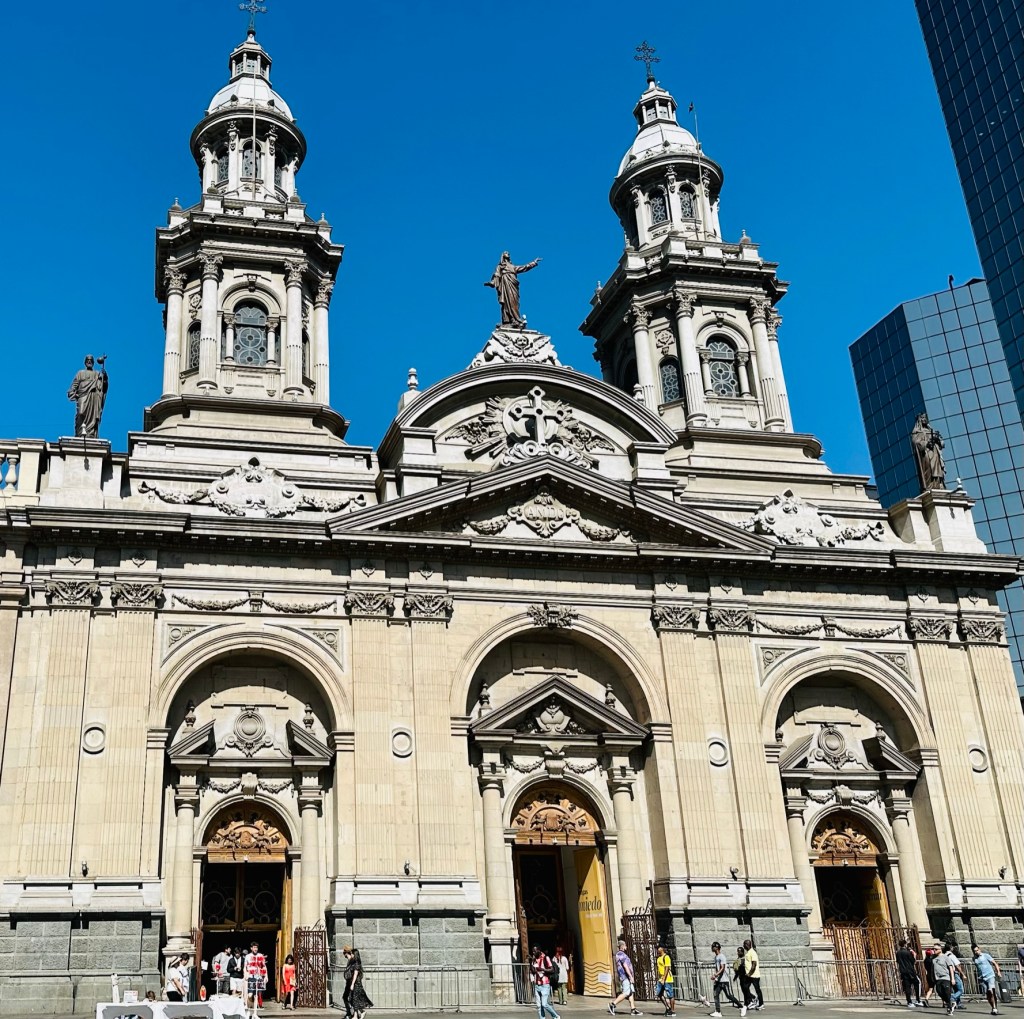
There are over 3000 mosques in Istanbul, the most famous being the Blue Mosque or the Sultanahmet Mosque. The blue mosque gets its name from the interior of the mosque that is lined with more than 20,000 blue colored, handmade ceramic tiles from İznik, which are richly decorated with flowers, trees, and abstract patterns. Above the tiles the walls are painted with various motifs, also in a blue color. However, three are 2 other mosques in Istanbul that also have the blue interior and covered in Iznik tiles Sokullu Mehmed Pasha Mosque, and Rustem Pasha mosque.

Rustem Pasha mosque- a hidden gem

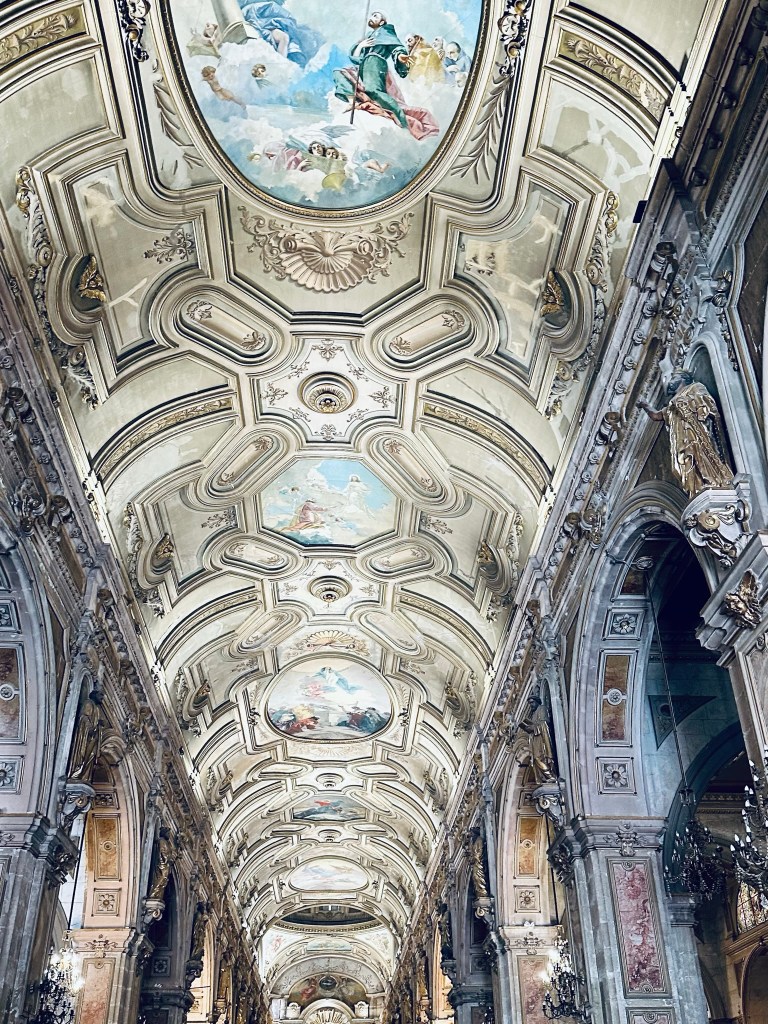
Rüstem Pasha Mosque, a hidden gem and magnificent work of Mimar Sinan, nestled in the bustling market of Istanbul near Golden horn is a miniature version of the iconic Blue Mosque without the crowds. In fact, when we visited on a Thursday afternoon in June of 2024, there were only 3 other people in the mosque. We had visited blue mosque earlier that afternoon and it was buzzing with 100s of people.

The mosque was designed and built in 1561 by the renowned Ottoman imperial architect Mimar Sinan for Grand Vizier and son-in-Law of Suleiman the magnificent- Rüstem Pasha. The mosque is built in a rectangular shape with semi domes around the main dome that are seated over four elephant feet and columns. Both inside and outside are made of white marble and interior of the mosque is one of the most embellished mosques with 7227 pieces of hand-made Iznik tiles containing 36 tulip motifs and 5 different colors. 850 of these tiles have calligraphy written on them.

Where is Rustem Pasha mosque located

Address:  Rüstem Paşa, Hasırcılar Cd. No:62, 34116 Fatih/İstanbul, Türkiye

Rustem Pasha mosque can be challenging to locate but it is close to Spice Bazar and Yeni Camii mosque and located in the Hasırcılar Çarşısı (Strawmat Weavers Market) in the Tahtakale neighborhood of the Fatih district . From Yeni Cami, head toward the Spice Market, turning right up a small road at a large coffee shop. Further down this small street there are set of access stairs on Hasırcılar Caddesi and another on the small street that runs right (north) off Hasırcılar Caddesi towards the Golden Horn. At the top of the stairs, there’s a terrace and the mosque’s colonnaded porch

RÜSTEM PASHA MOSQUE OPENING HOURS (2024)

Rüstem Pasha Mosque is open daily from 10 am to 6 pm, with closures during prayer times and religious holidays such as Ramadan.

Entrance fee

There is no fee to enter but it is an active mosque and please be mindful of prayer hours

Final thoughts

Rustem Pasha mosque is a magnificent masterpiece of Mimar Sinan and definitely worth a visit and you can appreciate the intricate design of the Iznik tiles without the crowds of the blue mosque

Tales from Balkans-A country divided against itself- Memories of a war

The Bosnian War (1992–95) had a significant impact on the cultural landscape of Bosnia and Herzegovina. As a former Yugoslav republic with a multiethnic population comprising Bosniaks (Bosnian Muslims), Serbs, and Croats, the war sparked bitter fighting among these groups and involvement from the Yugoslav army. The resulting death toll of over 100,000 people, mostly Bosniaks, left emotional scars and deep ethnic and political divides across the region. Despite the suffering, we found Bosnians to be generous and kind people. The war has certainly influenced their perspective on life, as our guide mentioned that many Bosnians prefer to work until they have enough money to live a comfortable life rather than being rich.

During our time in Bosnia, the impact of the war was evident everywhere. The destruction caused by the conflict was unmistakable, particularly with iconic structures like the 427-year-old Mostar stone bridge, which was destroyed during the war and subsequently rebuilt. Additionally, the Sarajevo city hall, once the national library, fell victim to fire in 1992, resulting in the destruction of two million books, articles, and magazines that had reflected the multicultural life of the region under the Ottoman and Austro-Hungarian empires.

Sarajevo roses- Everything but a flower

During the siege of Sarajevo from 1992 to 1995, the city endured relentless bombardment by enemy forces. On average, over 300 shells rained down on the city each day, reaching a devastating peak of 3,777 shells on July 22nd, 1993. When mortar rounds struck concrete surfaces, they left behind distinctive fragmentation patterns resembling flowers, which were later filled with red resin, earning them the name “Sarajevo Roses.” These marks serve as silent memorials people who lost their lives at each location during the siege. Scattered across Sarajevo, these blood-like stains stand as a poignant reminder of the war and the city’s resilience. For more information about the Siege of Sarajevo, you can visit Memories of a War.

Approximately 200 Sarajevo Roses were originally present throughout the city, but due to lack of upkeep and the rebuilding of the city, only about 28 remain. Despite the difficulty of being so close to reminders of death every day, it is important to remember what happened in Sarajevo. You can find one of these roses in front of the Sacred Heart Cathedral, another one close to City Hall, and one near the entrance of the Tunnel of Hope.

Mortar holes in Mostar

The battles scars in Mostar are much more visible compared to Sarajevo. Decades after the ending of the war, there are still many empty and abandoned buildings. Ther are many building in the old town Mostar close to the bridge that was riddled with holes from the mortar attached, and visible bomb damage. Near the stone bridge, there is a rock wit inscription that stats Don’t forget 93 referring to the war on the Onescukova street that served as the war frontline.

Stories told by our guides

Most of the guides that we hired were old enough to remember the war and lived through it. One of our guides, Stefan, who spent three days with us in Croatia, told us that he was only two years old when the war happened, but he lost his father during the conflict. Growing up without a fatherly figure to guide him, Stefan got into a lot of trouble with his friends from school. He mentioned that not having a father wasn’t that unusual and he wasn’t treated as anything special, as most of his classmates also had lost their patents in the war.

In Mostar, we stayed in a house owned by friends of friends who fled to Atlanta, US during the war, and the house was completely demolished. The family rebuilt the house, and we were fortunate to stay with them and hear first-hand about their war experiences and how it had completely changed their lives. The host had worked as a hotel manager in Mostar before the war, and the hotel was completely destroyed. He took us to a local restaurant right across from the damaged hotel, which is finally being rebuilt.

“Christmas Eve/Sarajevo 12/24”

Photo: Cellist Vedran Smailovic in the bombed National Library in Sarajevo
Credit: Michael Evstafiev/AFP/Getty Images

Vedran Smailovic brought hope to Sarajevo during very difficult time in Bosnian war. In 1992, a group of people waiting to buy bread in a market were hit by mortar shells, resulting in 22 deaths. Vedran Smailovic, a well-known cellist in the city, was deeply affected by this event. The following day, he went to the spot, which was covered in flowers as a tribute, and started playing his cello. He hadn’t planned it, but he did it instinctively, and as people gathered around him, there was a sense of healing. He played there for 22 days, in honor of the 22 who had been killed, performing the same piece, Albinoni’s Adagio in G minor. Despite the presence of snipers on the hills, the cellist continued to play, risking his life. For another two years, he played at various locations in the city, amidst the ruins, dressed in a white shirt and black tailcoat, as if he were on stage in an orchestra. He soon became a symbol of courage for Sarajevo and the world. This story has been immortalized by Trans-Siberian Orchestra’s “Christmas Eve / Sarajevo” – iconic instrumental piece tells the story of Vedran Smailović during Bosnian war. I have this heard this song so many times during Christmas and didn’t realize it based on Vedran until I was visited Sarajevo. If you want to, you can watch the Trans-Siberian song /video here

All these stories are poignant reminders of horrors of war and effect on the cultural fabric of the country and its people. They also show the resiliency of the people and perseverance of hope despite unimaginable horrors.

Tales from Balkans- Sahat-Kula: world’s only public lunar clock

Don’t watch the clock; do what it does. Keep going

Right next to the Gazi Husref-bey mosque in old town Sarajevo, stands a clock tower known as Sahat-Kula that displays time in a unique way, following lunar “a la turca” time which means that time is set according to that day’s sunset, when its hand must be firmly on 12. Without a manual reset, the clock would stop functioning within a week.  The times of prayers are also determined according to the Clock Tower, and during Ramadan the Clock is responsible for determining the time of iftar (breaking fast). The clock tower was built in the 16th century by Gazi Hursref Bey, and in 1876, after the original clockface was broken, the current one was installed and has been working since then.

Muvekit (clock keeper) 

Since the sunset changes every day depending on the season, the clock must be regulated often, and this is the job for the muvekit or the clock keeper. Current clock keeper is Mensur Zlatar, has a regular job as a jeweler near grand Gazi Husrev-beg mosque and his second job is to keep the clock tower running. Twice a week since 1967, Zlatar has climbs the 76-step tower of Sahat-Kula, to set the time.

Even during the 1990s war in former Yugoslavia, when Sarajevo was under siege for 1425 days and it was dangerous for people to go out as snipers from surrounding hills would shoot any civilian, Zlatar still climbed the steps of Sahat-Kula to set the time every week. He scaled it back to once a week during the war and since then has resumed his twice-weekly climb (This Man Keeps Time on the World’s Last Lunar Clock)

And that’s the heart of wabi-sabi—not the perfect tick of a quartz watch, but the weathered hands of a man who climbs for time. A clock that needs human touch. A ritual that has lasted because it’s flawed, fragile, and yet enduring.

Where modern life seeks precision, Sahat-Kula answers with presence.

Mountains of the Imagination-Best sunrise spots, hikes, and 42 mile scenic loop in Grand Teton National Park

We went to Grand Teton as part of our weeklong trip to Yellowstone and Grand Tetons. Check out the weeklong itinerary for Yellowstone and Grand Teton here. Grand Teton National Park should absolutely be on everyone’s list and there is so much to do and spending couple of days in the park is totally worth it. We loved the beautiful scenery with snow covered mountains, alpine lakes, and plenty of wild animals including moose (only sighting of moose in my life). Here are some of the things we did in 2.5 days when we visited.

  1. View from Jackson Lake Lodge
  2. Signal Mountain viewpoint
  3. Sunrise at Oxbow bend
  4. Jenny Lake Boat ride and hike to Inspiration point
  5. Snake river rafting
  6. 42 mile scenic loop
  7. Delta Lake Hike
  8. Final thoughts

View from Jackson Lake Lodge

We stayed at Jackson Lake Lodge and the views from lobby and restaurant were absolutely amazing. The 60-foot floor to ceiling windows in the lobby gives visitors one of the most awe-inspiring views of the famed mountains. We also dined at the Blue Heron restaurant at Jackson Lake Lodge which has an outside patio seating with absolutely best views and delicious huckleberry cocktails. Even if you are not staying in the hotel, I highly recommend visit to the lobby and eating at one of its 3 restaurants. Unlike other national parks, the restaurants at Grand Teton are more upscale and had better variety of food. Mural room restaurant is the upscale version of the 3 and needs reservations while the Pioneer grill is more casual. We liked Blue Heron the best and had dinner couple of nights here.

Signal Mountain viewpoint

The Signal Mountain Summit Road climbs 800 ft/242 m to panoramic views of the Teton Range, Jackson Hole, and Jackson Lake. There are two overlooks that provide valley views-East View Overlook, with views of the Jackson Hole Valley below and Jackson Point Overlook where you will see gorgeous views of the Teton Range, including Mt. Moran.

Singal Mountain summit road starts about mile from the Signal Mountain Lodge and has clear signs at the entrance. It is 5-mile narrow winding road that is frequented by bears and mule deer.

Pro tip: Don’t forget to take bug spray. In July, there were tons of mosquitoes and other bugs at the summit.

Sunrise at Oxbow bend

There are few spots in Grand Teton that are photographer’s dream for sunrise photos- Oxbow Bend, Schwabacher’s Landing, Mormon row, Snake River overlook, Signal Mountain, willow flats, Jack Tail ponds overlook, Jackson lake dam etc. but we saw the best sunrise at the oxbow bend.

We set out to go to Schwabacher’s Landing for sunrise photos but as we were passing Oxbow bend, we realized that sun was coming up and decided to take phots from Oxbow bend instead which was just off the road and only couple of miles from Jackson Lake lodge. It was one of those sunrises that moves you and fills you with awe.

Jenny Lake Boat ride and hike to Inspiration point

After the spectacular sunrise at Oxbow bend, we decided to hike the Jenny Lake trail. The parking lot at Jenny Lake gets filled very fast and we decided to be at the lake around 7 for the first boat ride. Chek out the timing and opening hours of jenny lake boat ride here. There are several hikes that you can do around Jenny Lake and most popular and family friendly one is taking the boat across Jenny Lake and hiking to Hidden falls and Inspiration point.

Jenny Lake boat dock: Hidden Falls is a 1/2-mile hike from the boat dock on the west side, and Inspiration Point is 1 mile away.

The trail is rocky but well-maintained and closer to falls, the trail climbs gradually. The path goes next to a babbling brook and there are wooden bridges along the way. From Hidden falls to Inspiration point is another mile hike and the path is very rocky and narrow (see the photo below). At times, you might have to stop to let the people from the opposite direction pass. Inspiration point provides beautiful panoramic views of the jenny lake and surrounding mountains

Snake river rafting

Another fun activities especially if you have little kids is the snake river rafting. Float a beautiful and scenic 10-mile stretch of the river inside Grand Teton National Park with experienced river guides share in-depth knowledge about local flora and fauna and the area’s rich history. We went this trip with Grand Teton Lodge company and they pick up and drop off at Jackson lake lodge. The whole trip took about 5 hours from start to finish.

42 mile scenic loop

The 42-Mile Scenic Loop Drive in Grand Teton National Park is a fantastic way to experience the park’s beauty. We stopped at some of the 24 spots during different activities such as Sunrise at Oxo bend, Sunset at Signal Mountain, Rafting on Snake River.

What to See: There are 24 stops along the route, including iconic spots like Moulton Barns on Mormon Row, Snake River Overlook, Jenny Lake Loop Drive, Signal Mountain, and Schwabacher’s Landing

Scenic Loop Drive: The drive consists of two roads: HWY 191/89/26 (Outer Road) and Teton Park Road (Inner Road). You can start from three entry points:

Moose Junction: Drive north on HWY 191/89/26 from Jackson.

Moran Junction: Accessible from Dubois in the east via Togwotee Pass.

Jackson Lake Junction: If coming from Yellowstone to the north

Best Time to Do the Drive: The scenic loop is beautiful year-round, but summer and fall offer stunning views.

Duration: Depends on the number of stops but plan at least 3-6 hours.

The List of 24 includes:

  • Moulton Barns on Mormon Row
  • Blacktail Ponds Overlook
  • Dornans Village
  • Glacier View Overlook
  • Schwabacher’s Landing
  • Teton Point Overlook
  • Snake River Overlook
  • Cunningham Cabin
  • Elk Ranch Flats Overlook
  • Oxbow Bend Overlook
  • Jackson Lake Dam
  • Catholic Bay
  • Chapel of the Sacred Heart
  • Signal Mountain Lodge
  • Signal Mountain Summit Drive
  • Potholes Turnout
  • Mount Moran Turnout
  • Mountain View Turnout
  • Cathedral Group Turnout
  • Jenny Lake Scenic Drive and Overlook
  • Cascade Canyon Turnout
  • Teton Point Turnout
  • Windy Point Turnout
  • Chapel of Transfiguration & Menor Ferry Historic District

Delta Lake Hike

Delta lake trail was once a hidden gem but lot more people know about it now and it is less hidden . Delta lake trail is not supported by Grand Teton National park and you will not find it in the suggested hikes (Check out various hikes in Grand Teton here) . Not supported by National Park means the trail is not kept up or maintained by the National Park Service. There are no official trail markers or signs on this trial once you leave the official trail going towards Amphitheater and Suprise Lakes. But no worries… there are plenty of people hiking this trial even at 7AM when we started and unofficial markers such as Cairns keep you on the right path.

All trails describe this hike as “Discover this 7.4-mile out-and-back trail near Moose, Wyoming. Generally considered a challenging route. This is a very popular area for hiking, so you’ll likely encounter other people while exploring. The best times to visit this trail are May through October. You’ll need to leave pups at home — dogs aren’t allowed on this trail”. This was a tough hike for me but the view at the end is amazing and totally worth it. There are several well written blog posts such as this one as well as this one will help you to navigate this tough hike and since it is unmarked trail, you need to where you are going.


Final thoughts

Grand Teton National Park is often overlooked compared to its more famous neighbor Yellowstone, but we enjoyed Tetons more than we thought we would. The food inside the park was better than Yellowstone and scenery is absolutely beautiful. This park is more compact compared to Yellowstone and less busy but offers quite a lot to do and spending at least couple of days in this park is totally worth it.

Tales from Balkan: Inat Kuća, or “House of Spite”- Symbol of Bosnian stubbornness

Right opposite to the City hall in Sarajevo, across the bridge there is a unique Bosnian restaurant named Inat Kuća, or “House of Spite”. More than being just an oddly named restaurant, this place was once a house that belonged to a Bosnian man named Benderija. I decided to check out this place out of pure curiosity and sat outside the patio and drank Rakija and people watched.

Inside the house of Spite restaurant

The restaurant menu also talks about the history of the place and why it is called house of spite. As the story goes, the house was originally located across the river where the current city hall resides. In the late 19th century, Austria-Hungary was transforming Sarajevo into a model colony. As part of this makeover, they began constructing a magnificent city hall. However, an elderly Bosnian man Benderija stood in their way. Despite generous offers, he refused to let them demolish his house. After lengthy negotiations  between the old man and the city (with even the Austro-Hungarian Minister of Finances getting involved) until finally, in 1895, he agreed to sell his property for the extravagant price of a sackful of gold ducats, but with one condition: the authorities would have to move his Ottoman-era house, brick by brick, and rebuild it on the other side of the river.

According to our guide, the old man spent every day of the move sitting in the middle of a nearby bridge, smoking cigarettes and watching the workers transport each brick across the river. When the house was finally rebuilt, it was aptly named Inat Kuća, or the House of Spite. 

The food and drink were really good and views are definitely worth it to visit this place.

Tales from Balkans- Buna Canals where river Neretva kisses River Buna

Location: The canals are situated just south of Mostar, near the M-17 highway. They mark the confluence of the Neretva River with its left tributary, the Buna. We stopped here on our way to Počitelj from Mostar. It is about 12Km from Mostar

What is it: It is natural wonder where narrow channel of the Neretva River merges with the Buna River (Same River that originates from cave at Blagaj) over travertine barriers. Unlike typical confluence of rivers, at this place, the rivers flow next to each other, and merge through a series of waterfalls.

It is best to visit this place in the summer when river water is low, and the canals can be seen in their full glory. During winter months, snow melt creates a high water in the river, and you won’t be able to see the canals and waterfalls in their full glory. The Neretva River is slightly more than three meters wide in that part, and the rivers join in a length of about 300 meters and continue towards Adriatic Sea.

Even though it is more popular now, when we visited Buna canals in mid-June, 2024, we were the only tourists other than a lone bicycle rider that had stopped to take photos. The bridge to the Buna canals runs close to old Ćiro railway, now converted into bike path.

Kayaking and Canoeing- Another claim to glory for Buna canals is that in the eighties, these canals were used for World and European Kayaking championships as these canals provide natural water pathways that are difficult and demanding than anything man could create.

If you are in Mostar or travelling towards Split from Mostar, Buna Canals is definitely a great stop to appreciate the beauty of Bosnia and Herzegovina.

Some like it hot! My favorite Yellowstone’s hot springs, Geysers, Mud pots, travertine terraces, Fumaroles*, lakes and waterfalls

** The title of the blog is from a book written by Susan Neider. This book a visual portrait of some of best thermal features of Yellowstone

  1. Thermal Features
    1. Saphire pool
    2. Beryl Spring
    3. Grand Prismatic Spring
    4. Terrace Spring
    5. Dragon’s Mouth Spring
    6. Artists paint pots
  2. Yellowstone lake
  3. Waterfalls of Yellowstone

Thermal Features

According to National Park Service’s there are 5 types of hydrothermal features in Yellowstone and it is pretty easy to see each one if you spend a day or two in Yellowstone. According to NPS, the five hydrothermal features are differentiated as:

  1. Hot springs: Pools of hydrothermally heated water.
  2. Geysers: Hot springs with constrictions in their plumbing, which causes them to periodically erupt to release the pressure that builds up.
  3. Mudpots: Hot springs that are acidic enough to dissolve the surrounding rock, and typically also lack water in their systems.
  4. Travertine terraces: Hot springs that rise up through limestone, dissolve the calcium carbonate, and deposit the calcite that makes the travertine terraces.
  5. Fumaroles: These hot features, also known as steam vents, lack water in their system, and instead constantly release hot steam.

Saphire pool

Often ignored by most Yellowstone visitors, Biscuit basin and its Saphire pool is worth a visit and one of my top recommendations for must visit places in Yellowstone. The thermal pools in Biscuit basin have the prettiest jewel colors and have pretty names like Black opal pool, Saphire pool etc. The Avoca Spring and shell geyser are worth seeing too.

Beryl Spring

The first thermal feature that we stopped on our way to Midway Geyser basin is the Beryl Spring and it is conveniently located on the side of the road, and you can see the steam coming from it well in advance. This spring is named after Beryl gemstone as the water is blue-green color and is one of hottest thermal features in the park with temperatures reaching up to 196F/91C. The steam you see before reaching the spring comes from the vent sitting behind the spring and it sounds a like roaring jet engine.

Grand Prismatic Spring

This is the most iconic Yellowstone hot springs with its red, orange, green and blue color and is the largest hot spring in the park. There are 2 ways to view this beautiful spot and we did both to appreciate a closer as well as from the overlook around noon where the colors are brighter without too much steam obstructing the view.

At midway geyser basin, you can take the boardwalk to get an up-close look at the Grand Prismatic spring. The colors of the spring are attributed to microbial mats around the edges of the mineral-rich water. The mats produce colors ranging from green to red.

However, if you want to see the Grand Prismatic Spring from the vantage point of its overlook, you will need to access that trail from a parking lot located a mile further down the road on the Grand Loop drive at Trailhead to Grand Prismatic Overlook and Fairy Falls. It is about a mile walk and colors brightest around noon time.

Terrace Spring

This was one of my favorite geothermal ponds that is right next to the grand loop road and has 2 bubbling hot pools and yellow flowers that line pond’s edge. The overall effect of pond with flowers and thermal pools is very unique and eye catching

Dragon’s Mouth Spring

Dragon’s mouth spring is part of the mud volcano area and one of my favorite unique thermal springs in Yellowstone. It is a cavern which looks like a dragon’s mouth and smoke bellows out frequently. The gray colored waters in the cave create a hissing sound that seem to originate from the deep inside the tunnel. Definitely worth stopping for a visit and walking around the boardwalk
 

Mud Volcano

Artists paint pots

Artists pain pots is one of the easiest and most unique thermal features in Yellowstone with a collection of colorful hot springs and mud pots. The area is called paint pots as the mud pots resemble paint pots due to their palette of earthy colors.

Mudpots are thermal features with limited water supply and the microorganisms growing in the mud pots generate gases which escape through the wet clay mud creating giant bubbles and unusual midair shapes. I was able to capture a giant bubble as it burst from the gasses. The area definitely smells like rotten eggs but the mud pots are fascinating to watch

Yellowstone lake

Covering about 132 square miles with 141 miles of shoreline, it is hard to miss Yellowstone Lake. Lake Lodge in the Yellowstone is located on the shoreline, and it has a large porch with rocking chairs offering the view of Yellowstone Lake. Although it is not a thermal feature, this was one of my favorite spots in Yellowstone. We had dinner at the restaurant on day 2 of our trip and spent some time on the front porch watching elks and having a drink. The main lodge is constructed of logs and is the focal point of this classic and comfortable building and looked like great place to stay.

Waterfalls of Yellowstone

Other than Grand Canyon of Yellowstone which has 2 falls-upper and lower, there are several other waterfalls throughout the park . We pulled over couple of times after seeing the waterfalls on the side of the Grand loop road. 2 of my favorites include Gibbon falls and Tower falls

Gibbon Falls-This is 80ft waterfall right off the grand loop road at the Madison and Norris Junctions with easy access to the parking lot. There is an upper deck where you see most people taking photos, but lower deck has better views and fewer people.

Tower falls-Located in the northeastern part of Yellowstone about 2.2 mile south of Tower-Rosevelt and Canyon village, this fall plunges a stunning 132 feet. The unusual rock columns north of the fall were created by lava flow and forms quite contrasting landscape to the falls

A weeklong itinerary to Yellowstone and Grand Teton national parks

There is nothing so American as our national parks…..The fundamental idea behind the park is that the country belongs to the people, that it is in process of making for the enrichment of lives of all of us.

President Franklin D. Roosevelt

Yellowstone is the first national park in US and is 2.2 million acres spread across 3 states of Idaho, Wyoming, and Montana and has lakes, canyons, rivers, mountains. Apart from being the first national park in US, Yellow stone:

  • Contains half the world’s active geysers and active hydrothermal features
  • Yellowstone is one of largest high-elevation lakes in North America
  • Yellowstone Caldera is the largest super volcano on the continent .

Grand Teton National Park often shadowed by Yellowstone, is only 10 miles (16 km) south of Yellowstone National Park and is connected by John D. Rockefeller Jr. Memorial Parkway. Much quieter than Yellowstone, we found Grand Tetons to be peaceful and hiker’s paradise with lots of easy, difficult, and moderate hikes with breath-taking views.

Table of content

  1. Practical tips
  2. Our Itinerary
    1. Day 1, Arrival Jackson Hole, July 3rd, 2022
    2. Day 2, Yellowstone full day- Midway Geyser basin and Upper geyser basin
    3. Day 3, Exploring Grand Canyon of the Yellowstone and Mammoth hot springs.
    4. Day 4, Check out of the hotel, Norris basin, Artists paint pots, Midway geyser basin and Grand Tetons- Stay at Jackson Lake Lodge
    5. Day 5, Sunrise at Oxbow Bend, Jenny Lake boat ride, Hike to Inspiration Point and Snake River float
    6.  Day 6, Delta Lake Hike and Mormon row with stop at Schwabacher landing
    7. Day 7, Fly back to ATL- Early morning flight from Jackson Hole to Atlanta
  3. Where to stay
  4. Final thoughts

Practical tips

  • Get America the beautiful pass. Check if you are eligible for senior and or veteran discount.
  • Download Guide-along app and get Yellowstone and Grand Teton bundle (App is free but you have to pay for the specific park). We used this app for our trip to Banff and it is like having a live guide in your car and will explain lots of things you would otherwise miss
  • The wifi or cell service is very spotty and unreliable. Download area map in google maps before hand
  • Staying inside the park saves you lots of travel time but can be expensive. We stayed at Canyon Lodge in Yellow stone (Chose it because of its central location) and Jackson Lake Lodge in Tetons.
  • Best time to visit is July-August but also busiest. Should months such as June and September are less crowded but check the weather and make sure everything is still open.
  • The absolute minimum amount of time to see both Yellowstone and Grand Teton is 3 days: 2 in Yellowstone and Grand Teton can be seen in one day. We did 2.5 days in Yellowstone and 2.5 days in Tetons and found it to be perfect amount of time to cover all the highlights.

Our Itinerary

We had booked our trip for the busiest weekend of the year -around the July 4th holiday. As the fate would have it, in 2022, Yellowstone got historical rain and floods that closed park for almost 3 weeks. We weren’t sure that the park will be open by July 4th but it finally opened the last week of June. Because of the floods, even though we were there during the busiest time of the year, we were lucky to have most of the park not so crowded as most people had cancelled their reservations.

Day 1, Arrival Jackson Hole, July 3rd, 2022

 Drive to Yellowstone – Stay at the Canyon Lodge (Rental car from Jackson hole airport) Driving time -3-5 hours

Jackson Hole airport is the only airport that is within a national park and you get breathtaking views of Tetons as you land in the airport.

Day 2, Yellowstone full day- Midway Geyser basin and Upper geyser basin

 Morning (Start time 8AM)- Drive to Midway Geyser -30-45 min

*Must do-Grand Prismatic Spring-Parking lot is small and gets busy. Early start helps with parking situation.

 Drive to Upper geyser basin- Must do-old faithful and Morning glory pool

  • We stopped by Beryl geyser (side of the road) driving from Canyon lodge to midway geyser basin.
  • On our return trip, we stopped at the terrace springs. Both these are on the side of the road and turned out to be some of my favorite spots. More about this here

We took afternoon break and had lunch and nap before venturing out towards Yellowstone Lake for dinner and animal viewing. We saw elks, bears, and lots of bison.

Day 3, Exploring Grand Canyon of the Yellowstone and Mammoth hot springs.

Another early start but the parking lot at the Artist point for Grand Canyon of the Yellowstone was empty when we arrived around 7.30 AM. This spot gets very busy as it is iconic point where lots of people gather to take photos and hence, we started from Artist point and drove back towards the north rim drive and finished off north rim drive (one way road) which conveniently ends at Canyon lodge where we were staying. There is a trail that starts at Canyon Lodge and connects to North rim drive.

These are some of the interesting points of North and South Rims of Grand Canyon and it takes about 3-5 hours if you don’t do any hikes and just drive from point to point off the grand loop road. It is an easy-to-follow road with South rim drive and north rim drive that take you all the interesting points.

North Rim:

  1. Brink of the Lower Falls: Get up close to the Lower Falls
  2. Lookout Point: Another spot to admire the Lower Falls from a different angle.
  3. Red Rock Point: Enjoy panoramic views of the canyon and river.
  4. Grand View: As the name suggests, this viewpoint offers grand vistas of the canyon.
  5. Inspiration Point: Capture stunning photos of the canyon’s rugged beauty.nery.
  6. Brink of the Upper Falls: Witness the Upper Falls, a 109-foot waterfall, from this viewpoint.

South Rim:

  1. Canyon Overlook (Upper Falls View): Marvel at the Upper Falls from the south rim.
  2. Sunset Point: A great spot to enjoy the changing colors during sunset.
  3. Artist Point: Perhaps the most famous viewpoint, offering iconic views of the Lower Falls.
  4. Point Sublime: A less crowded spot with equally impressive vistas.

Like day 2, we were done by 12 PM and decided to go for lunch and break at the canyon lodge before venturing out to Mammoth Hot springs and Lamar valley for the late afternoon/early evening.

Day 3 Afternoon- Mammoth hot springs and Lamar valley

We started driving towards Mammoth spring around 3 and stopped to watch a bear eating berries not too far away from Canyon lodge. After spending couple of hours at the Mammoth hot springs, we decided to drive through Lamar valley and stopped over at Tower falls.

Day 4, Check out of the hotel, Norris basin, Artists paint pots, Midway geyser basin and Grand Tetons- Stay at Jackson Lake Lodge

Later start compared to day 2 and 3. We started at Artist Paint pots and stopped at Noris Basin and Biscuit basin before heading out to Midway geyser basin to see Grand Prismatic spring from the observation point on Mystic falls trial. This is a half mile hike that is better done around noon time as the colors of Grand Prismatic spring will be much vibrant without the fog.

Pro tip- Biscuit basin is often overlooked and less visited but it has some of the best thermal pools with various colors.

Day 4 Afternoon – We drove to Grand Tetons and checked into Jackson Lake Lodge which has the best views of the Tetons and close to everything. Evening we drove to Signal Mountain to take in the views.

Pro-tip- Take bug and mosquito spray.

Day 5, Sunrise at Oxbow Bend, Jenny Lake boat ride, Hike to Inspiration Point and Snake River float

Sunrise in Grand Tetons is a specular event and there are several spots to see it. Most famous spot includes Schwabacher’s Landing and Oxbow bend. At Schabacker’s Landing, reflection of the Teton Mountains in the still, flat water of the Snake River is majestic, and we were planning to watch sunrise from here. But as we drove towards the place, we crossed Oxbow bend (It’s about 2 miles from Jackson Lake lodge) and decided to watch the sunrise from here instead. No words can describe what we saw, and we watched one of the most spectacular sunrises.

Jenny Lake Boat ride and hike to Inspiration point– good family hike with a boat ride, waterfall, and some spectacular views. Our one and only Moose spotting was on this trail. Takes about 2-4 hours and very popular hike and parking lot gets full by 8AM. The boat ride is first come first serve and during peak summer runs every 10-15 minutes starting at 7AM. Check out timings and other details at Jenny Lake Shuttle boat service webpage . If you want to extend your hike, you can hike around the lake and then go on the trail to Inspiration point and Hidden falls.

Scenic Raft ride on Snake river : We booked this trip through Jackson Lake lodge It is a 10 mile float on the snake river with some animal and bird spotting but overall we found it bit boring but it is a good family activity.

 Day 6, Delta Lake Hike and Mormon row with stop at Schwabacher landing

An early start to ensure parking at the trail head for the delta lake hike at the Lupine Meadow trailhead. Delta Lake is one of the hidden gems of the Grand Tetons, but it is not on the official trail and hence unmarked and unmaintained. This hike is strenuous hike with 8.75 miles of out and back trial which will take about 3-5 hours but really worth it.

Day 6 : Evening- We decided to drive the 42-mile scenic loop and stop at the Schwabacher landing and Mormon row which is another iconic spot for photos

Day 7, Fly back to ATL– Early morning flight from Jackson Hole to Atlanta

Where to stay

There are several options both in Jackson Hole as well as other areas near to each of the entrances. This blog has the best information for best places stay in and around Yellowstone. We decided to stay in Canyon Lodge and Jackson Lake Lodge as both were inside the National Parks and we were fortunate to find spaces in both hotels even though we booked only 3-4 months before our trip. We booked through the official national park lodging site and found that staying inside the park gave us the flexibility and early start times before the park got crowded.
Final thoughts

Yellowstone:

Yellowstone is absolutely must visit for everyone and has something for everyone.

  • We found that 2 and 1/2 days was perfect amount of time to spend without feeling hurried
  • You can easily spend a week or two in Yellowstone
  • If you have only limited amount of time, I recommend spending at least a day and see Upper Geyser basin (Old Faithful), Midway Geyser basin (Grand Prismatic), Grand Canyon, and Artist Paint pots to see the variety of thermal features Yellowstone has to offer.

Grand Tetons:

Often overlooked compared its most famous neighbor Yellowstone, this park was my favorite and is hiker’s paradise. After the crowds of Yellowstone, we liked the slower pace of Grand Tetons and beautiful views. If possible, at least spend couple of days in this park.

Christmas in Costa Rica- a 9-day itinerary to La Fortuna and Manuel Antonio

Costa Rica… a paradise of lush rainforests, golden beaches, and vibrant biodiversity, where nature lovers and thrill-seekers alike find their haven. Here, travelers can immerse themselves in the lively streets of San José, filled with rich history, bustling markets, and welcoming locals. Or, venture beyond the capital into the heart of the country’s breathtaking wilderness—where towering volcanoes, misty cloud forests, and exotic wildlife create a mesmerizing world waiting to be explored.

Costa Rica’s magic is undeniable—from the dazzling Pacific and Caribbean coastlines to the serene beauty of its national parks, home to sloths, toucans, and colorful frogs. Whether riding the waves in Tamarindo, ziplining through Monteverde’s treetops, or savoring the country’s renowned coffee, every moment here is an invitation to adventure and relaxation. Pura vida is more than a saying—it’s a way of life that welcomes visitors with open arms and unforgettable experiences.

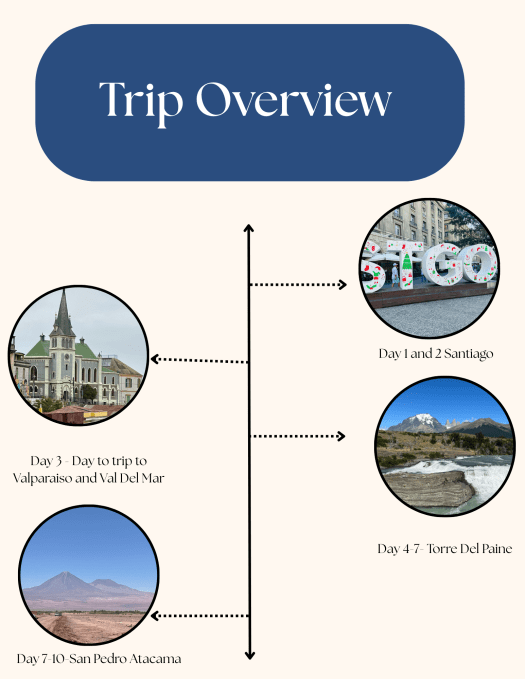
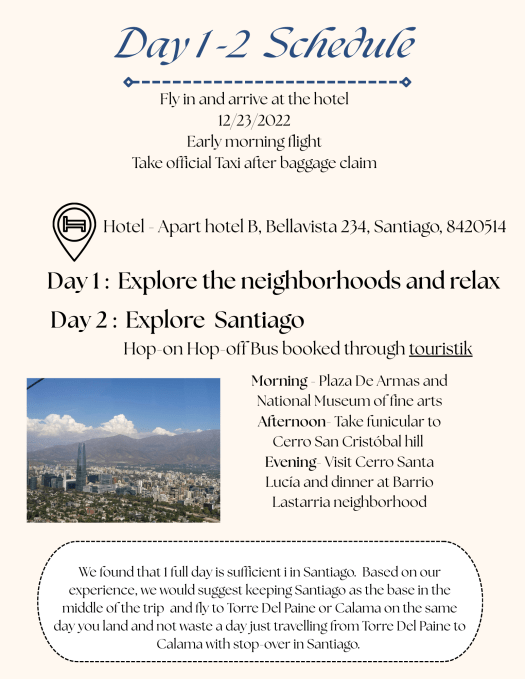
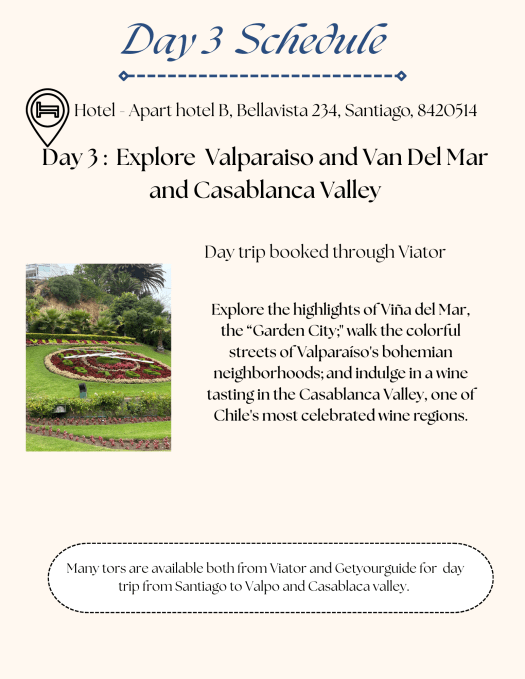
  1. Our Itinerary
  2. Some facts about Costa Rica
  3. Where to fly?
  4. Places to go in Costa Rica
  5. Some practical Information
  6. Further reading
  7. Related Posts

Our Itinerary

Downloadable version of our Itinerary for 9 day Christmas trip below

Some facts about Costa Rica

  • Costa Rica is located in Central America, connecting North and South America. It borders Nicaragua to the north and Panama to the south.
  • The country is divided into seven provinces – San José (capital), Alajuela, Cartago, Heredia, Puntarenas, Guanacaste and Limón) and most popular destination include : San Jose, La Fortuna, Monteverde, Tamarindo, Nosara, Samara, Jaco, Manuel Antonio, Uvita, Drake Bay (See the map below)
  • Costa Rica doesn’t have an army as of Dec. 1, 1948 and very stable democratic country.
  • Official language- Spanish
  • Official currency- Colón (plural colones) (¢)

Where to fly?

There are 2 main airports and few small local airports –

SJO Aeropuerto Internacional Juan Santamaría – In San Jose (Capital)Juan Santamaría International Airport (Code: SJO) is the country’s main airport, located in Alajuela.

Daniel Oduber International Airport in Liberia (Code: LIR) good airport for travelling Guanacaste, Monteverde and La Fortuna

Places to go in Costa Rica

Costa Rica has so many places that you will be overwhelmed to choose one or two places to visit. I found Costa Rica might be a place we will have to visit more than once to cover the entire country. If you just want to see our itinerary, check here .

Even though a small country, it takes long time to travel from place to place due to mountainous, curvy, single lane roads. For instance, to travel from La Fortuna to Manuel Antonio, it took us almost 6 hours and it is 136 miles (218 km) apart and we were told that we were lucky that it took us only that much time (Hotel staff estimated anywhere between 6-9 hours). Keeping this in mind, we decided to choose 2 places to visit for our first trip- La Fortuna and Manuel Antonio (2 green flags on the map above)

Most popular locations include:

Central Costa Rica Culture and nature

San Jose – Culture, Museum, Airport, Restaurants

Poas volcano: most visited volcano in the Central Valley. Good stopping point between San Jose and La Fortuna

La Paz Waterfalls : La Paz Waterfall Garden is the another popular stop between San Jose and La Fortuna. This park has 5 waterfalls and an animal sanctuary.

Northern costa Rica Outdoor adventure and Wild animals

La Fortuna / Monteverde – Best place for outdoor adventures

Distance from airport: Both San Jose airport and Liberia airport are about 2-3 hours.

Most people choose either La Fortuna or Monteverde for rainforest experience and some people do both places to experience rainforest and cloud forest (The cities are 80 miles apart). It takes about 5-6 hours to get to Monteverde from La Fortuna as you have either take a ferry to cross Lake Arenal or drive around Lake Arenal. This is the info from costa Rica Travel blog and if you want to include both La Fortuna and Monteverde in your travels, please check out this blog for details of travel between the two cities.

Rio Celeste – Another great place to visit near La Fortuna with a blue waterfall and lots of wild life. My review of this place is here

Central Pacific Costa RicaBeaches and Nature

Quepos/Manuel Antonio – Beaches, Snorkeling, Surfing, Sports Fishing, Wild animals, Mangrove Kayaking.

We dedicated day 5 for the long drive from La Fortuna to Manuel Antonio. There is not too much to do between these places other than stopping at Sarchi (https://www.atlasobscura.com/articles/colorful-oxcarts-costa-rica) to visit the last factory that makes Ox Cart. We stopped at the Río Tárcoles Crocodile Bridge which is near Jaco, and you can see lots of crocodiles in the river. There are few shops and restaurants here and it’s a good place to stretch your legs.

Guanacaste - Beaches, Surfing lessons,

Some popular spots in this area include Gulf of Papagayo, Tamarindo, Playa Conchal and Ricon De la Vieja National park- famous for natural hot springs and mud baths.

Nicoya PeninsulaPristine beaches and yoga retreats

Santa Teresa– Beautiful beaches that are great for surfing. This town along with Malpais and Montezuma are in the blue zone where longevity of people is very high.

Playa Samara- Lovely beach town and famous for horse riding. Popular place for expats.

Nosara – Epicenter of Yoga retreats and epitome of Pura Vida lifestyle.

Osa PeninsulaNature lovers and Photographers dream

Remote part of the Costa Rica on the pacific side and hence less touristy but home to Corcovado National Park which has 13 types of ecosystems and has amazing wildlife with over 40 species of frogs, 25 lizard’s species, crocodiles and 400 bird species. This is next my list to visit when we go back to Costa Rica

Drake Bay – Stunning destination for all water related actives including Snorkeling, Kayaking, scuba diving etc. Also great place for bird watching and hiking

Uvita– Famous for “The whale tail beach” as well as tropical rain forest. Good place to see humpback whales and other activities including waterfall visit, horseback riding etc.

Caribbean Coast Less touristy and chill vibe

Not as popular as the pacific coast , Carribean coast has its own vibe and blend of Latin and Carribean cultures. Some of the popular spots include :

Puerto Viejo – known for its stunning beaches, abundant wildlife and delicious food, this town gives the laid back feel that Caribbeans are known for. You can also visit Cahuita National Park to see monkeys, Sloths and birds.

Tortuguero National park– Located on the northeast side of the Caribbean coast, this national park is one of the best places in the world to see Giant Green Sea Turtles lay their eggs and to watch as the baby turtles hatch and make their way to the sea during the turtle season (June to October).

Some practical Information

  • Best season to visit is during dry season from December to April. We went at the end of December and still got rain almost every day for at least couple of hours.
  • Caribbean coast has very different season and less developed. Good time to see turtles hatching is between July to October
  • Nature and wildlife- Hiring guides help to see more animals but I also found that by paying attention to little noises (ruffling of leaves) or just looking up to the treetops helps a lot.
  • Tico time- Pack lot of patience. The Pura Vida life style is followed on the roads too. Driving from one location to another takes longer than you think due to one lane roads and getting behind slow moving trucks.
  • Popular locations such as La Fortuna, Manuel Antonio are very well connected but if you plan to go to remote locations such as Drake Bay, do some research.
  • Colones and dollars are accepted every where but it might be cheaper to use colones
  • Some essential things to pack- Dry bag or waterproof pouch, Light rain jacket, Water sandals or shoes, Bug spray, Binoculars, Sunscreen.
  • Like any other place, there are pick pocketers, and thieves that take your stuff if you leave it alone. Lock your vehicles and hide your valuables.

Further reading


   Pura Vida!!!!