Stories from Istanbul-Hagia Sophia, a living testament of ebb and flow of religions and ideologies

Istanbul is one of my favorite cities for a stopover and it is easy to do 1-2 day stop over through Turkish airlines Istanbul stopover program. We have utilized this program by Turkish airlines twice, once in April 2023 on our way to Egypt and again in June 2024, on our way to Bosnia. You can check this blog post for more details on how to do a layover in Istanbul. On both visits, we stopped at Hagia Sophia, a place that fascinated me since I read about it in Wonders of the World. In 2023, we were able to go to the ground floor of Hagia Sophia while 2024, ground floor was only for praying Turkish nationals/Muslims while 2nd floor is open to all.

  1. A brief history lesson of Hagia Sophia
  2. Mosaics of Hagia Sophia
    1. Apse mosaic: Virgin and Child 
    2. Mosaic Of Emperor Leo VI
    3. Mosaic of Emperors Justinian and Constantine
    4. Deesis Mosaic of Christ
    5. Emperor Constantine IX and Empress Zoe Mosaic
    6. Emperor John Komnenos II and Irene Mosaic
  3. Other significant things to see at Hagia Sophia
  4. Calligraphy Roundells
  5. Sultan’s chamber
  6. Omphalion

A brief history lesson of Hagia Sophia

Consecrated to Holy Wisdom of God (Sophia) by Emperor Justinian in 537, Hagia Sophia was largest church in the world at that time. The emperor’s dream was to build a church that surpassed Temple of Jerusalem in splendor. Before being rebuilt in 537, Hagia Sophia has been rebuilt several times due to fire damage. The original church at this site was built by Constantine I in 325, on the foundation of a pagan temple and it was damaged in fires in 404, and again in 415. After being rebuilt by Justinian in 537, Hagia Sophia stood as a monument for Byzantine era engineering and ingenuity and has stood the test of time even though there have been some damages due to earthquake. The building now standing is the 6th century edifice with some modifications added due to the political and religious transformation that Istanbul/Constantinople underwent.

After the Turkish conquest of Constantinople in 1453, Mehmed II had it repurposed as a mosque, with the addition of a wooden minaret (tower used for the summons to prayer), a great chandelier, a mihrab (niche indicating the direction of Mecca), and a minbar (pulpit). Hagia Sophia served as mosque until 1934, when it was converted to a museum by the first president of Turkey, Mustafa Kemal Atatürk. However, in 2020, it was reclaimed back as a mosque and now serves as functional mosque again.

Mosaics of Hagia Sophia

Hagia Sophia, with its awe-inspiring architectural design, has captured the imagination of visitors for centuries. Beyond its magnificent exterior, the interior of this iconic structure is adorned with a breathtaking array of artistic masterpieces. The intricate gold-plated, silver-plated, glass, terracotta, and colored stone mosaics add a layer of exquisite detail, each telling a unique story. Notably, the original ceiling mosaics dating back to the 6th century are adorned with intricate floral and geometric motifs, offering a glimpse into the rich historical tapestry of this remarkable edifice.

Iconoclasm and Mosaics of Hagia Sophia: Iconoclasm, a period marked by the destruction of religious images and artifacts, had a significant impact on the mosaics of Hagia Sophia. During the period of Leo III and following byzantine kings from 746 to 827, all the pictorial depictions of Christ and the saints were removed and replaced with simple motifs. The best example of the iconoclast movement can be found in another church in Istanbul Hagia Irene -within the walls of Topkapi palace. The apse of Hagia Irene is decorated with a simple cross which iconoclast found acceptable.

The transition from plant-based and geometric mosaics to figured mosaics reflects the changing religious and cultural landscape during tumultuous time. Despite the challenges posed by the Iconoclast period, the tradition of mosaic art continued to evolve, yielding a rich tapestry of artistic expression that spans several centuries. The mosaics from the 9th to 13th centuries, alongside those from the 6th century, provide a captivating glimpse into the history and artistic prowess of Hagia Sophia, showcasing the enduring legacy of mosaic craftsmanship in this iconic structure. The Virgin and Child mosaic that can be seen in the apse of Hagia Sophia was made after the Iconophiles came back to power in 847.

Apse mosaic: Virgin and Child 

With its stunning golden background and intricate details, the mosaic of the Virgin and Child holds a significant place in the rich tapestry of Byzantine art within the walls of the Hagia Sophia. Situated in a quarter-dome on the eastern side, occupying the space that once was the church’s apse, this mosaic stands as a testament to the artistic and spiritual significance attributed to it. It is widely believed that the mosaic visible today is a reconstruction of an earlier work, believed to have been dismantled by iconoclasts. The origins of this masterpiece can be traced back to the ninth century, during the reign of the emperors Michael III and Basil I, showcasing the enduring legacy of Byzantine art and culture. Furthermore, the mosaic underwent extensive restoration during the 14th century, following the substantial damage inflicted by earthquakes, marking a testament to the resilience and commitment to preserving this invaluable cultural heritage. Initially, the Virgin Mary was flanked by depictions of the archangels Gabriel and Michael within majestic arches, yet today only Gabriel remains, adding an air of mystery and intrigue to this cherished artwork.

Soon after Constantinople was sacked by Sultan Mehmed II’s Ottoman forces in 1453, the Hagia Sophia was turned into a mosque, symbolizing the shift in power and religious influences in the region. The conversion of the Hagia Sophia into a mosque led to significant structural and decorative changes, including the plastering over of Christian mosaics and frescoes during the reign of Sultan Suleiman I in the next century. The transformation of the Hagia Sophia continued over the centuries, with notable renovations such as the installation of an ornate mihrab, or niche pointing towards Mecca, as part of a major renovation of the mosque by the Swiss-Italian architect brothers Gaspare and Giuseppe Fossati in 1847-49. This architectural addition now stands below the depiction of the Virgin and Child, creating a juxtaposition of Islamic and Christian elements within the revered space. Despite the alterations to the original artwork, the enduring historical and cultural significance of the Hagia Sophia remained evident. The preservation and restoration efforts of American archaeologist Thomas Whittemore from 1935 to 1939 brought to light the hidden beauty of the mosaics, contributing to a renewed appreciation of the site’s artistic and historical value. Whittemore’s access to the Hagia Sophia was facilitated by his friendship with the first president of the Turkish Republic, Mustafa Atatürk, who played a pivotal role in the secularization of the country and the transformation of the Hagia Sophia into a museum, thereby shaping its identity as a symbol of cultural pluralism and historical continuity.

Both in April 2023, and June of 2024, we couldn’t see the Virgin Mary and the archangel Gabriel mosaic as it is located in the direction Muslims face while praying, or Qiblah and is covered with curtains during prayer time. We were able to get a peak of it from the upper gallery when we were there in June of 2024. The intricate detail of the mosaic, depicting biblical scenes and figures, is truly remarkable. In the mosaic, Mary is enthroned, and she puts her right hand on shoulder of the Child Christ who is seated in her lap. Her left hand holds a handkerchief, which is on Christ’s knee. There is a decorated inscription which is mostly erased around them, which says: “The images which impostors cast down here pious emperors have again set up’’.

Mosaic Of Emperor Leo VI

The mosaic of Emperor Leo VI, also known as Leo the Wise, is a breathtaking masterpiece located above the imperial gate in Hagia Sophia, serving as a vivid testament to the rich history and cultural significance of the Byzantine Empire. We saw this remarkable artwork during our visit in April 2023, when non-praying tourists were allowed access to the main floor of the mosque, allowing us to marvel at the intricate details and symbolism within the mosaic.

Emperor Leo VI’s reign over the Byzantine Empire, spanning from 886 to 912, was marked by both political prowess and personal controversy. His marriages sparked scandal and condemnation within Byzantium, as they deviated from established tradition, leading to dispute and disapproval from certain church leaders. The mosaic encapsulates these tumultuous aspects of Leo’s life, offering a visual narrative of the challenges he encountered in gaining recognition for his multiple marriages from the church.

Within the stunning mosaic, you can see the portrayal of Emperor Leo VI engaged in prayer to Jesus, a poignant representation of the emperor’s reverence and his quest for divine guidance amidst the complexities of his reign. The script held by Jesus in the mosaic reads “Peace be upon you. I am the light of the world,” serves as a powerful testament to the spiritual themes woven into the artwork, echoing the enduring significance of faith and divine illumination in the life and reign of Emperor Leo VI.

Mosaic of Emperors Justinian and Constantine

The mosaic located over the South door in the vestibule holds significant historical and artistic value, dating back to the 10th century. It is believed to have been created to commemorate the Russians’ retreat from Constantinople in 971 or the defeat of the Bulgars by Basil in 1018. The rich imagery of the mosaic features iconic figures such as Justinian, Christ, Mary, and Constantine, providing a vivid portrayal of historical and religious significance.

Mary is depicted seated, holding Child Christ and a handkerchief, draped in a maphorion with a hood, while “The Mother of God’’ monograms surround them, adding a layer of sacred symbolism to the mosaic. Interestingly, Child Christ is shown making a blessing gesture with a larger hand, symbolizing divine authority and grace. The portrayal of the two most famous Byzantine emperors, Justinian and Constantine, adds an intriguing political and cultural dimension to the artwork.

Emperor Justinian is depicted on the left side presenting his architectural masterpiece, the Hagia Sophia, to the Virgin and Child, while Emperor Constantine appears on the right, presenting his own masterpiece, Constantinople, to the holy family. The attention to detail in the depiction of the emperors’ attire is remarkable, from their gold embellished crowns with pearls and emeralds to their imperial clothes and leather shoes—all lavishly adorned.

Justinian’s portrayal exhibits signs of age, with wrinkles on his face, and is accompanied by the inscription: ‘’Justinian, Emperor of Illustrious Memory’’. In contrast, Constantine appears youthful and emotive, with an inscription around him declaring: ‘’Constantine, the great Emperor amongst the saints’’. This detailed portrayal of the emperors not only adds historical context but also captures the essence of their individual reigns and contributions to Byzantine history and culture.

Deesis Mosaic of Christ

The Deesis Mosaic of Christ is situated in the south gallery on the upper floor of Hagia Sophia. Dating back to the 13th century, this mosaic is considered one of the finest examples of Byzantine art, portraying the Judgment Day, a popular theme in Byzantine religious art. It exemplifies the flourishing of the arts and a growing interest in naturalism in the latter centuries of the Byzantine Empire. Emperor Michael VIII Palaiologos, credited with reclaiming the Byzantine capital, is likely responsible for the installation of this monumental new mosaic, possibly as part of a larger restoration project in Hagia Sophia. The Deesis, a traditional representation of the Virgin Mary and St. John the Baptist imploring Christ for the salvation of mankind, holds significant importance in Byzantine art as a pioneer of the Renaissance period, characterized by its soft tones, intense humanity, and emotional realism in the figures’ faces. At the center of the Deesis Mosaic is Christ Pantocrator, flanked by the Virgin Mary on the left and John the Baptist on the right, beseeching Jesus for mercy for the people on the Day of Judgment. The vivid colors and the emotive expressions on the characters’ faces contribute to the mosaic’s success, leading the Deesis in Hagia Sophia to be considered the revival of Byzantine mosaic art. This monumental mosaic portrays Christ, the Virgin Mary, and John the Baptist in a scale that reflects their significance in Byzantine culture, with Christ at the center bearing the Greek abbreviation “IC XC”, the Virgin Mary to his right labeled “MP ΘY”, and John on his left as “Saint John the Forerunner,” each symbolizing the Son of God, the Mother of God, and the prophet who prepared the way for Christ’s ministry.

Emperor Constantine IX and Empress Zoe Mosaic

Emperor Constantine IX and Empress Zoe Mosaic is one of the most striking mosaics in the south gallery. This remarkable artwork depicts the intertwining stories of Byzantine emperor Constantine IX Monomachos and Empress Zoe. Zoe, being the only heir after her father’s death, had a significant role in determining the emperor by virtue of her marriage. Her marital history, which includes the mysterious deaths of her first two husbands and her subsequent marriage to Constantine Monomachus, sparked public controversy, as he brought his mistress Maria Skleraina to the palace. The mosaic is believed to have been created in honor of Zoe’s first or second marriage, with the man’s face being later altered. Although not immediately evident in photographs, close inspection of the mosaic reveals the damage around the man’s face and the narrowing of the longer family name “Monomachos” to fit the frame. Inscriptions on the mosaic emphasize Zoe’s piety and the family’s contributions to the church. Discovered in 1934 by the Byzantine Institute, The Zoe Mosaic offers valuable insight into the life of Empress Zoe. The mosaic’s portrayal of Zoe, regardless of her actual age, conveys a sense of piety and generosity, as depicted by her holding an inscribed scroll signifying contributions to the church. The inscription around her reads: ‘’Zoe, the most pious Augusta’’. The Emperor’s face in the mosaic is that of her third husband, Constantine XI, depicted wearing a crown with hanging pearls and holding a purse, known as a pokombion. The mosaic also features a larger figure of Christ, dressed in a chiton, signifying benediction with his right hand while holding an ornamented Holy Book with his left hand.

Emperor John Komnenos II and Irene Mosaic

Situated at the southern endpoint of the historical site, the magnificent mosaic panel dates back to the 13th century, serving as a timeless testament to the art and heritage of the era. This remarkable piece is reminiscent of the Zoe Panel in its portrayal of the “imperial offering to Mary and Christ”, capturing the attention of visitors with its intricate details and symbolism. The Virgin Mary, a central figure in the composition, is depicted in a manner that emphasizes her humility, portrayed smaller than the Emperor and Empress. Her tender expression and the endearing depiction of Christ the Child seated on her lap, making a benediction with his right hand and holding a roll in his left, evoke a sense of reverence and devotion. The artistic rendition showcases Mary accompanied by the monograms of “Mother of God” (MP OV) in a humanistic style, while Christ is adorned with a cruciform nimbus, adding to the spiritual significance of the scene.

The Empress Eirene, a figure of regal grace and benevolence, is portrayed with distinctive physiognomy, characterized by her blonde hair and attire befitting her lofty status. Holding a scroll of parchment, symbolizing a noble donation to the Great Church, she exudes an aura of generosity and piety. The intricate details of her royal red garment, adorned with jewelry and gold, along with her majestic imperial crown and pear-shaped earrings, reflect the opulence of the imperial court. The accompanying inscription “Eirene, the most pious Augusta” further emphasizes her devout nature and esteemed position. Similarly, John II Komnenos, the illustrious son of Alexios Komnenos, is depicted with utmost reverence and grandeur as he presents a money purse to Mary and Christ. His royal attire, adorned with jewels, and the distinguished cap-shaped crown known as “camelaucum” signify his noble lineage and authority. The accompanying inscription eloquently describes him as “John in Christ the God, faithful king born in the purple, Autocrat of Romans, the Komnenos”, highlighting his significant role in the imperial heritage. To the right of Empress Eirene and Emperor Komnenos, a panel is allocated to their son, Alexios, representing a poignant portrayal of the young prince. The mosaic captures Alexios at approximately 17 years of age, immortalizing his presence in a moment of youth and regal poise. However, the somber undertones of the depiction become evident, as the selected tesserae in the mosaic reflect a melancholic tone, foreshadowing the untimely demise of the young prince. The panel, believed to be from a later period than that of his parents, showcases distinct artistic styles, further enriching the historical narrative and artistic evolution of the era.

Other significant things to see at Hagia Sophia

Calligraphy Roundells

After the Ottomans conquered Constantinople and transformed Hagia Sophia into an Imperial Mosque, the decorations inside Hagia Sophia changed to calligraphic representations of god’s name, rather than literal depictions of the human figure.  In the Islamic tradition, only Allah has the power to create life, and so they did not create artistic depictions of the human form.  In the Images below, calligraphy can be seen used as grand decorations in the interior of Hagia Sophia. The calligraphic panels in Hagia Sophia are the works of master calligraphers, such as Kazasker Mustafa İzzet Efendi. His work in the dome inscriptions is not just calligraphy; it’s poetry in motion, a fluid dance of script that speaks volumes about the artistic and spiritual ethos of the Ottoman era.

Sultan’s chamber

Situated to the left of the mihrab, Sultan’s lodge is where the Sultan would perform his prayers. Nobody is sure who built it or when it was built, but historians speculate that its construction may have been commissioned by a prominent ruler of the time. The architectural details of the lodge, including the intricate carvings and ornate decorations, suggest a significant level of craftsmanship and attention to detail.

Omphalion

In 1935, Mustafa Kemal Atatürk turned Hagia Sophia into a museum and had the carpets removed to reveal the marble floors, allowing visitors to see the Omphalion, the spot where Byzantine emperors were coronated. Most of the floor is again covered by carpet but you can see part of the marble floor near the mihrab

Tales from Balkan- Blagaj Tekke-A peaceful oasis

  1. Where is Blagaj
  2. Blagaj Tekke the dervish retreat
  3. Best place to take photos of the Tekke
  4. Entrance fee

Where is Blagaj

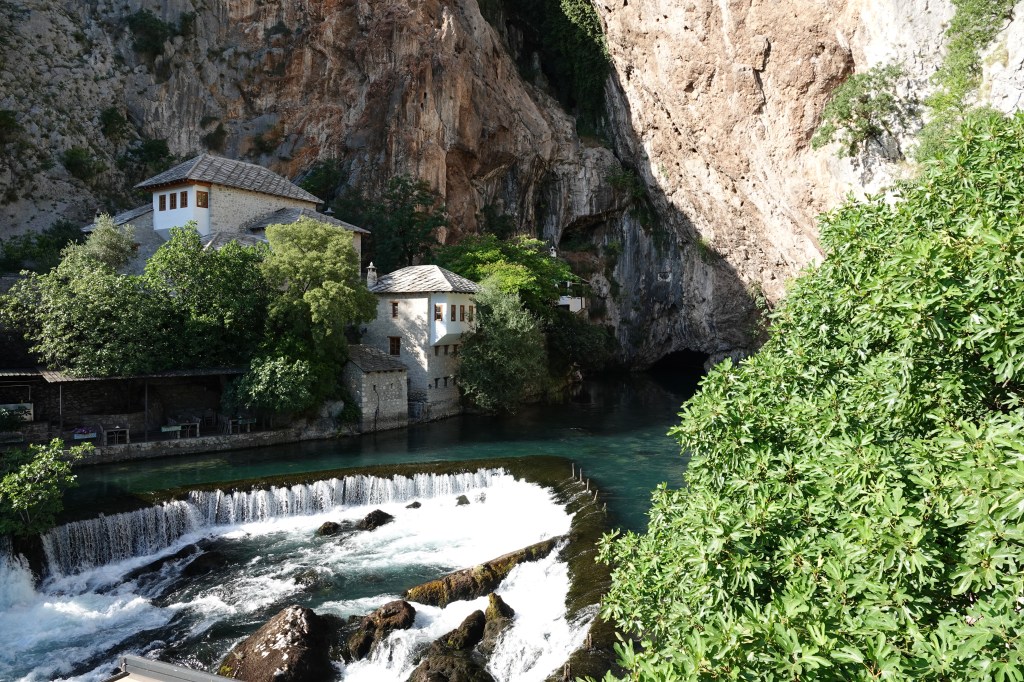
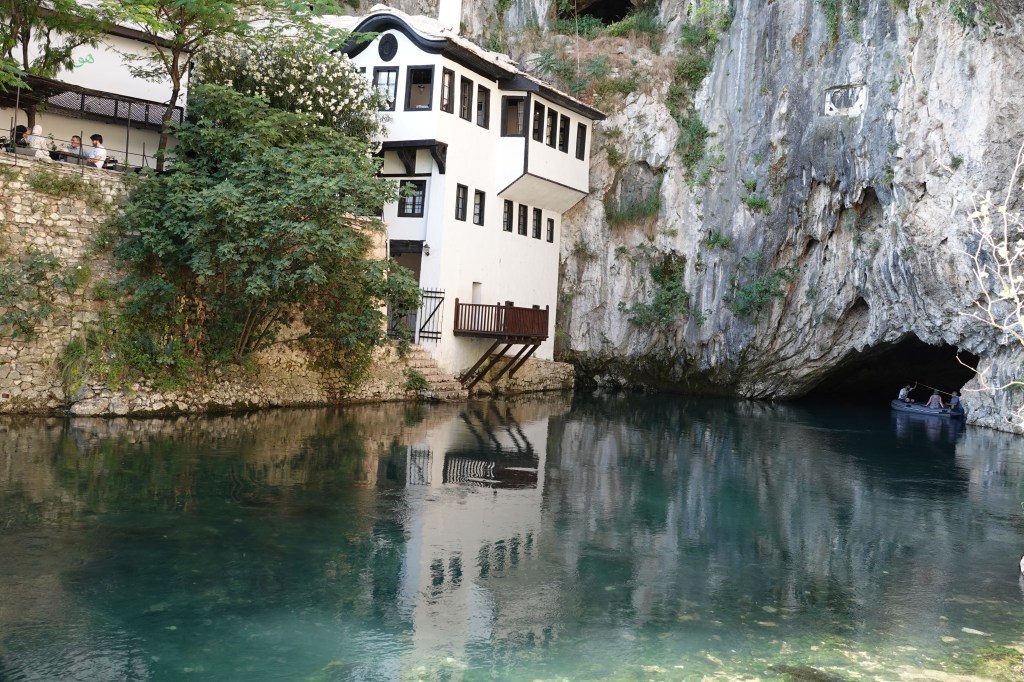
The village of Blagaj na buni is located about 10 km (6 miles) from Mostar that could be reached by bus or car. The main attraction of the village is the Tekke or Tekkja – a place of spiritual retreat and reflection for Dervish monks. The unique feature of this Tekke is that it is built on a solid rocky soil at the right side of the source of the Buna River. A very high cliff stretches above the Tekija (240 meters high). On top of the cliff, you can see the remains of Stjepan Vukcic-Kosaca’s fort-town from the Middle Ages. The Buna River that flows adjacent to the monastery emerges from under the massive Karst stone formation after traveling over 19 kms underground.

Blagaj Tekke the dervish retreat

The primary purpose of the structure was to serve as a dervish Zikr praise-chanting (praising God and His names) venue and a retreat, and it is still active religious complex with Zikir praise chanting happening 3 times a week. The tekke was built around 1520 and it features elements of both Ottoman architecture and Mediterranean style. The dervishes follow a mystical strand of Islam in which the peaceful contemplation of nature plays a part, hence the Tekke’s idyllic positioning next to the river.

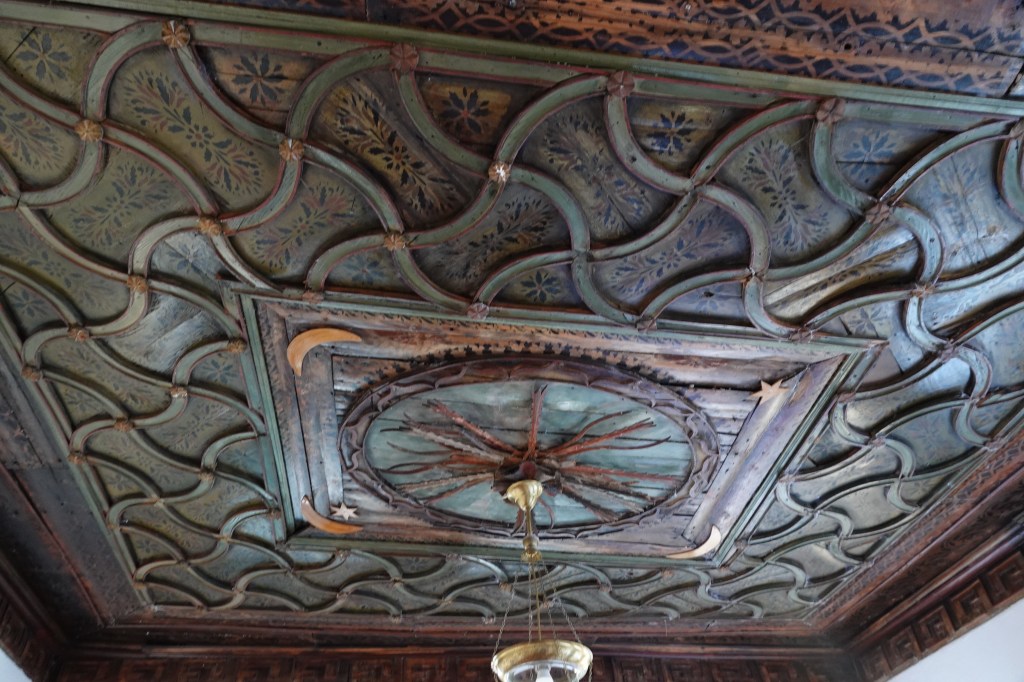
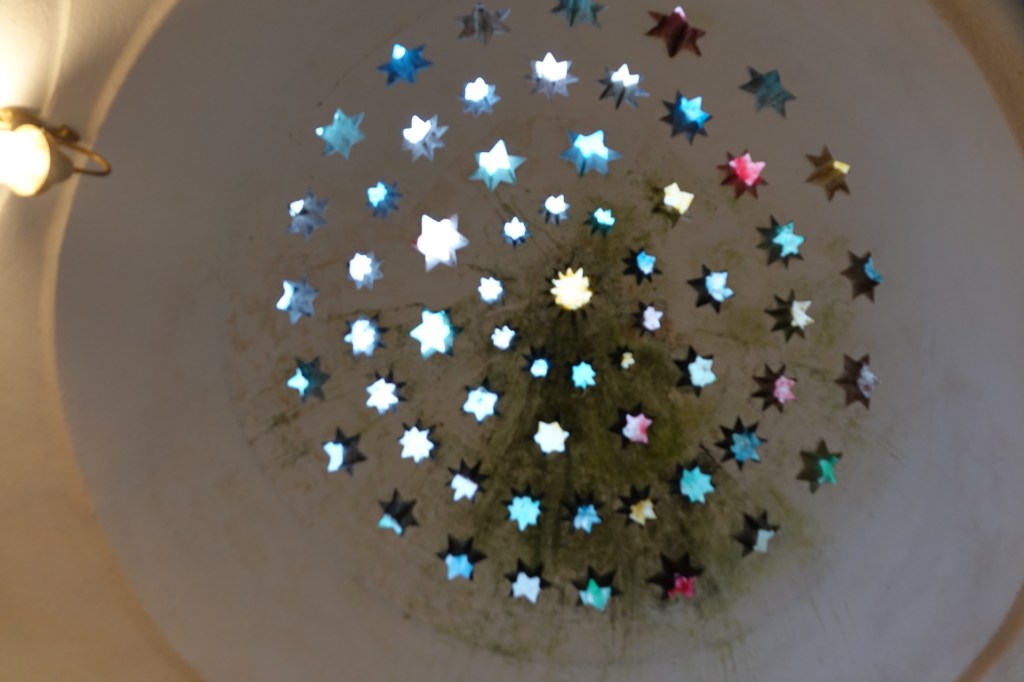
You can go inside the building by paying 10 marks and there are several different rooms including a kitchen, guest house, hammam, a room for praying, tombs, and a courtyard. There are some interesting features including the perforated dome in the hammam and beautiful wooden ceiling of  semahana, or the room used to perform zikr (religious chanting).

Best place to take photos of the Tekke

To get the iconic reflection of the Tekke in the water, you need to get the other side of the river. Cross-over the first bridge and walk behind the restaurants until you see a set of stairs that lead to the viewpoint.

Entrance fee

There is an entrance fee to go inside the Tekke- It is 10 marks/ 4-5 euros. Women are expected to cover their head and arms as well as wear long skirts. These are provided free of cost at the entrance.

Other things to do around Blagaj

There are several restaurants around Blagaj and you can get traditional food and drinks and enjoy the peaceful surroundings.

Stories from Istanbul-Rustem Pasha Mosque: the other blue mosque

  1. Rustem Pasha mosque- a hidden gem
  2. Where is Rustem Pasha mosque located
  3. RÜSTEM PASHA MOSQUE OPENING HOURS (2024)
  4. Entrance fee
  5. Final thoughts

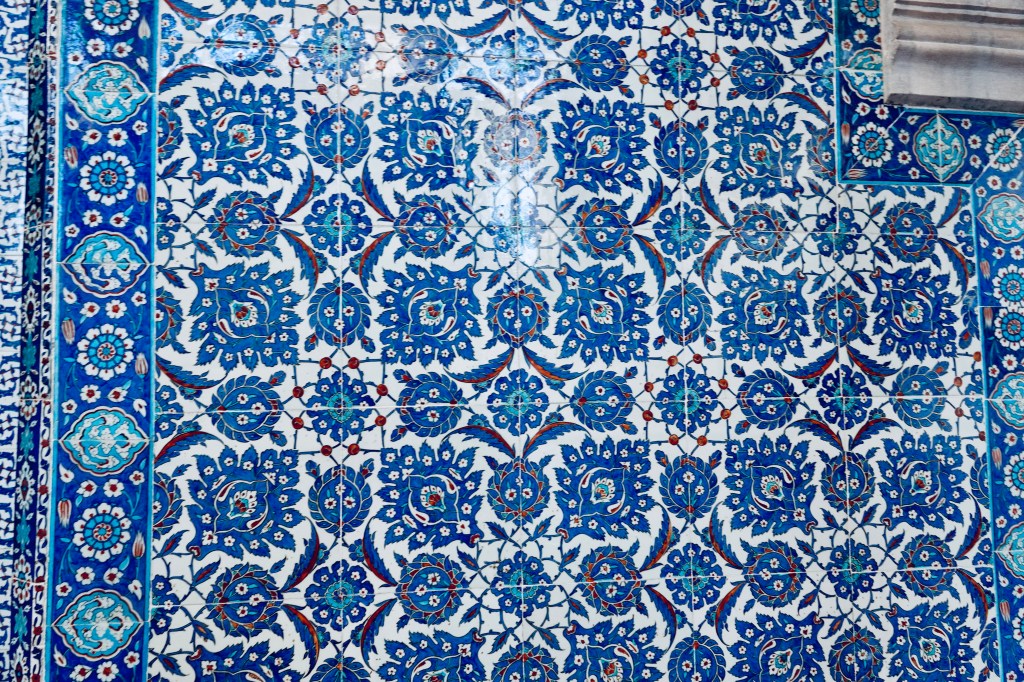
There are over 3000 mosques in Istanbul, the most famous being the Blue Mosque or the Sultanahmet Mosque. The blue mosque gets its name from the interior of the mosque that is lined with more than 20,000 blue colored, handmade ceramic tiles from İznik, which are richly decorated with flowers, trees, and abstract patterns. Above the tiles the walls are painted with various motifs, also in a blue color. However, three are 2 other mosques in Istanbul that also have the blue interior and covered in Iznik tiles Sokullu Mehmed Pasha Mosque, and Rustem Pasha mosque.

Rustem Pasha mosque- a hidden gem

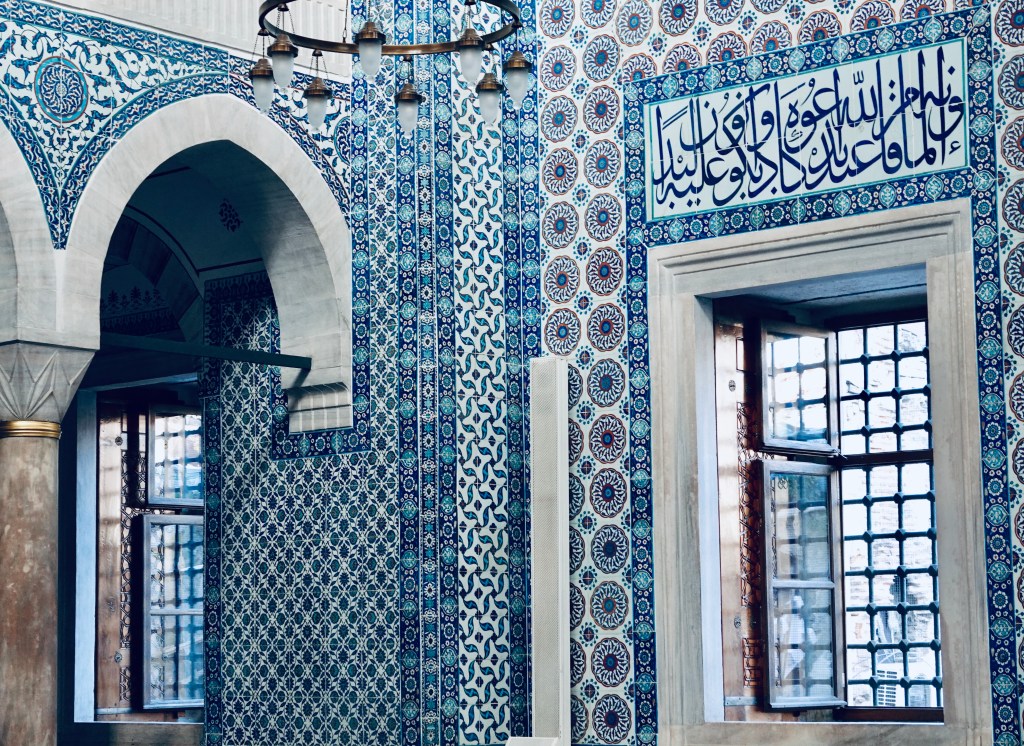
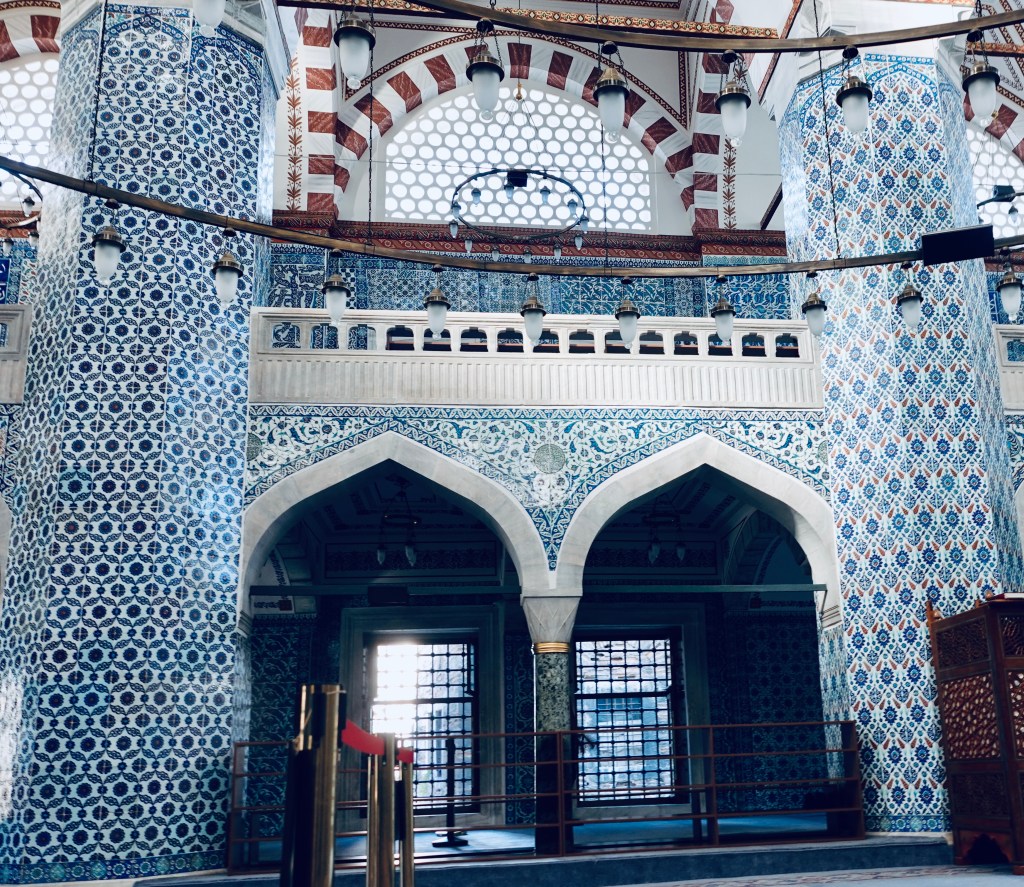
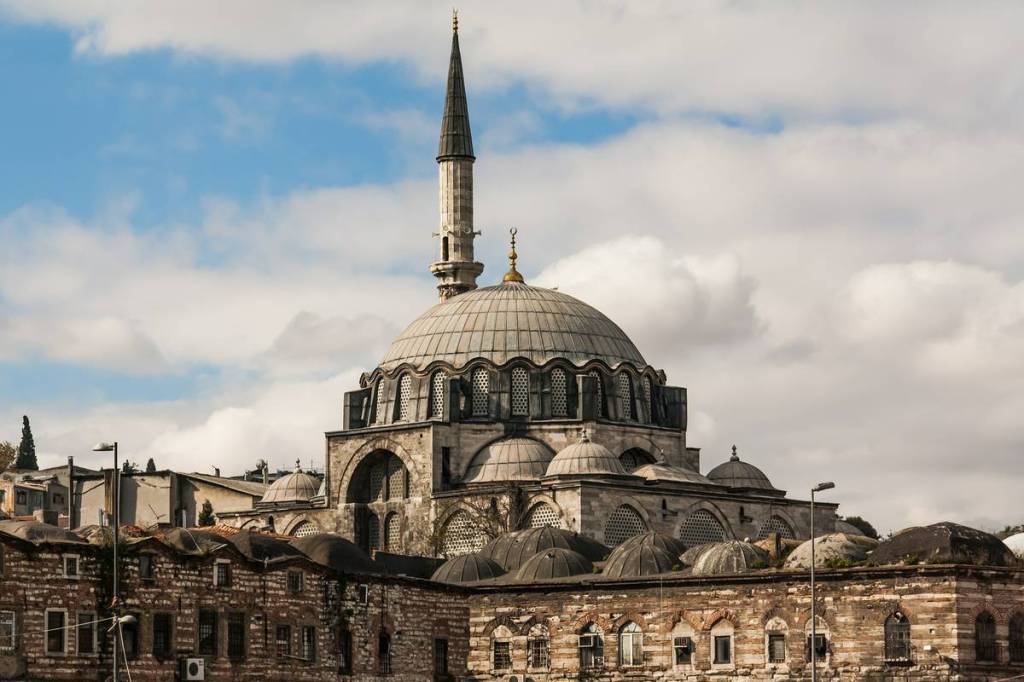
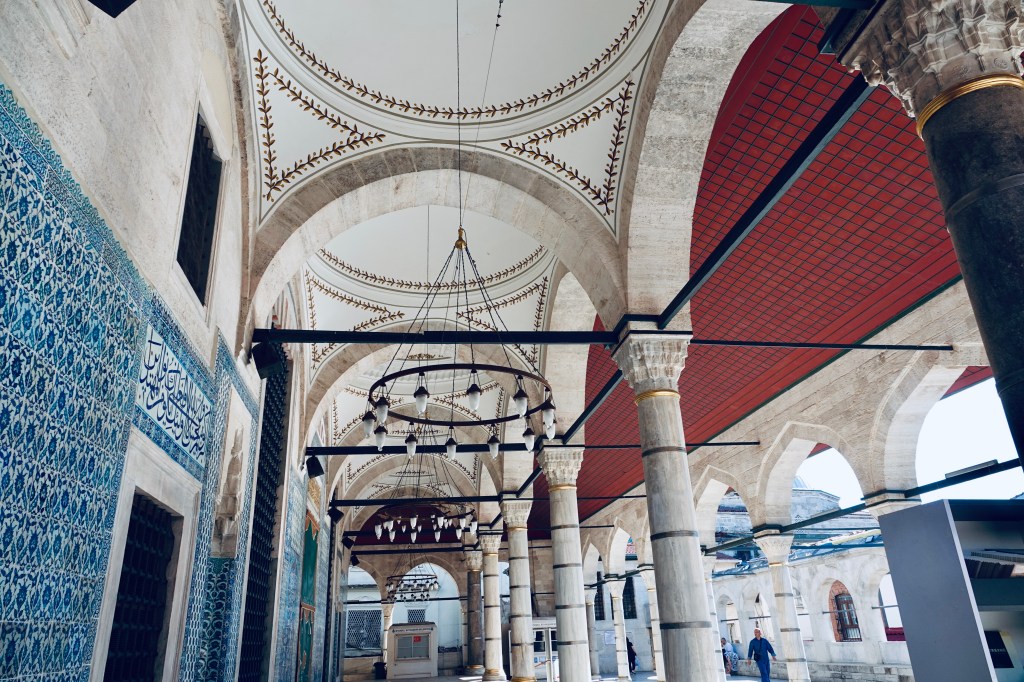
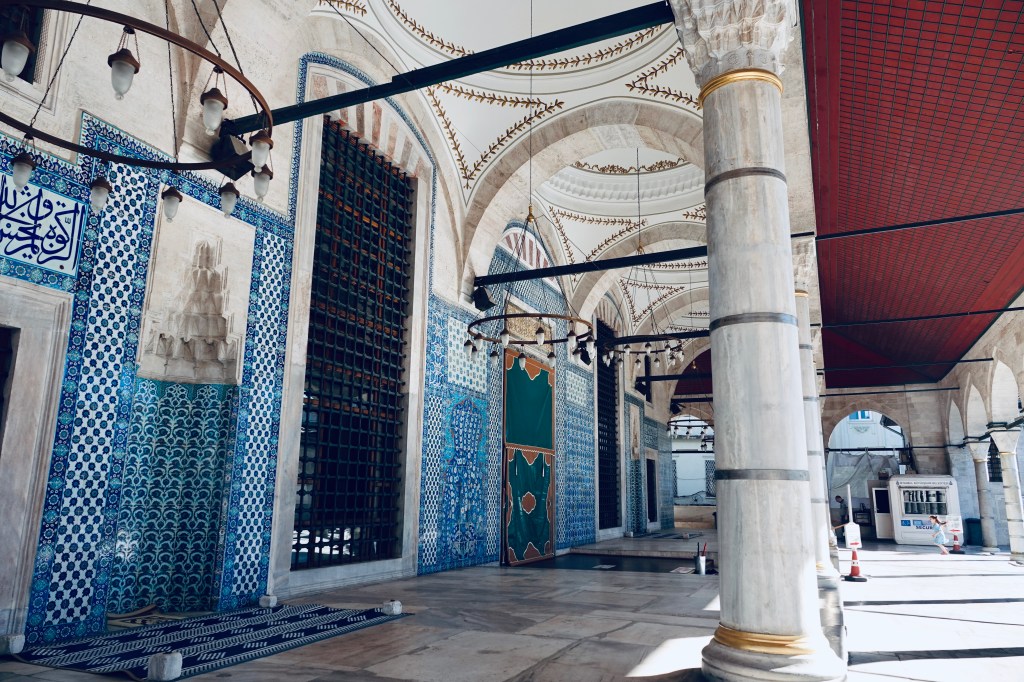
Rüstem Pasha Mosque, a hidden gem and magnificent work of Mimar Sinan, nestled in the bustling market of Istanbul near Golden horn is a miniature version of the iconic Blue Mosque without the crowds. In fact, when we visited on a Thursday afternoon in June of 2024, there were only 3 other people in the mosque. We had visited blue mosque earlier that afternoon and it was buzzing with 100s of people.

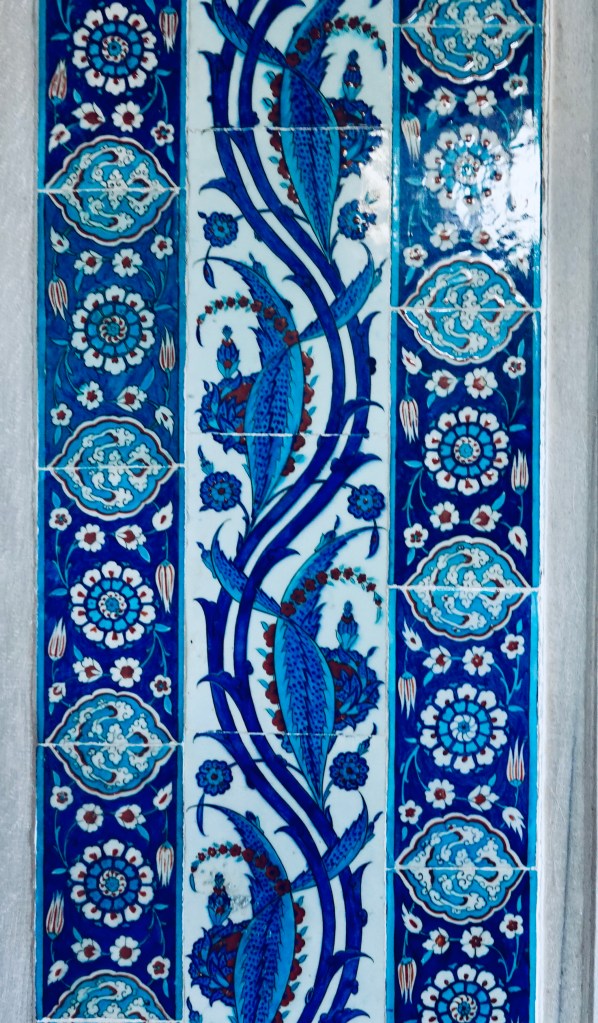
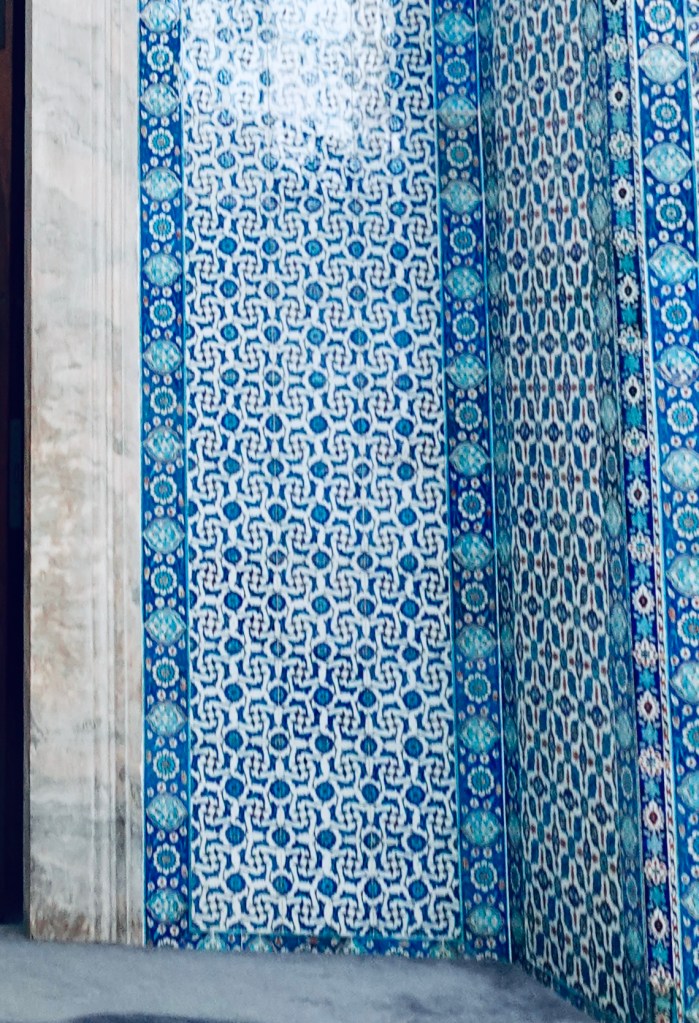
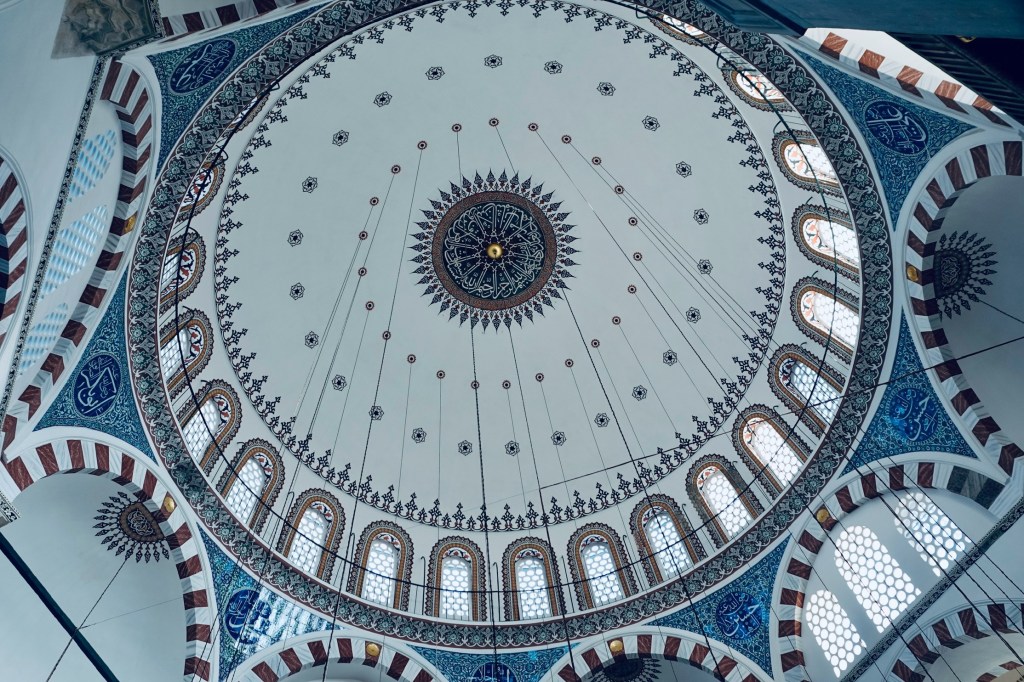
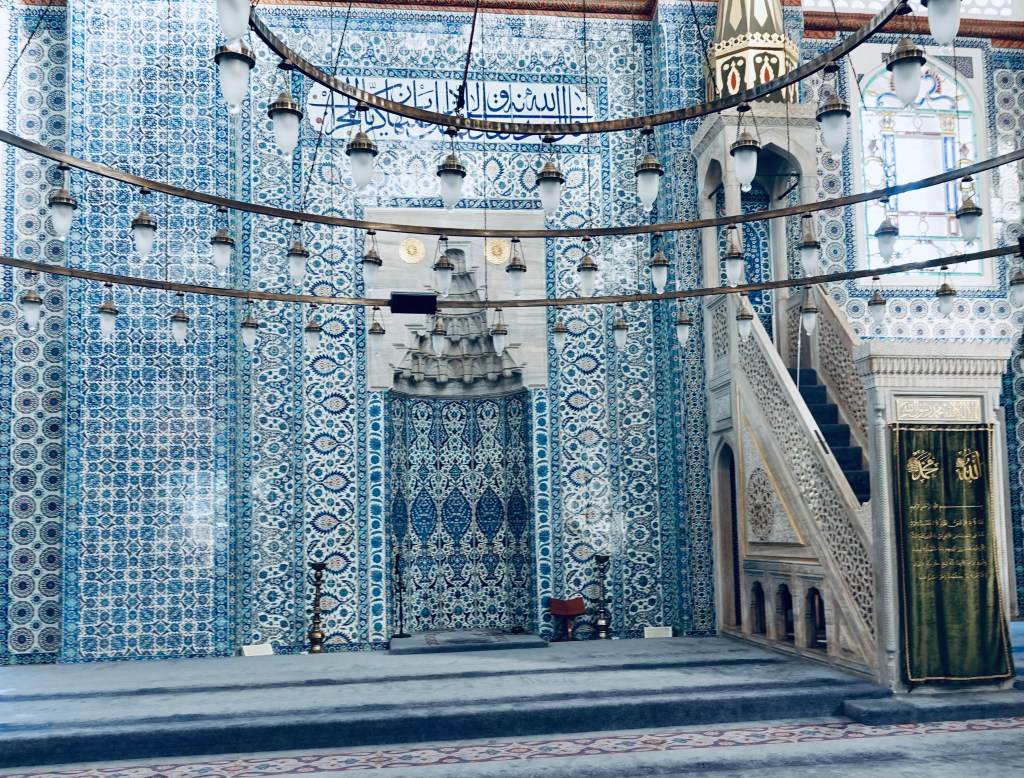
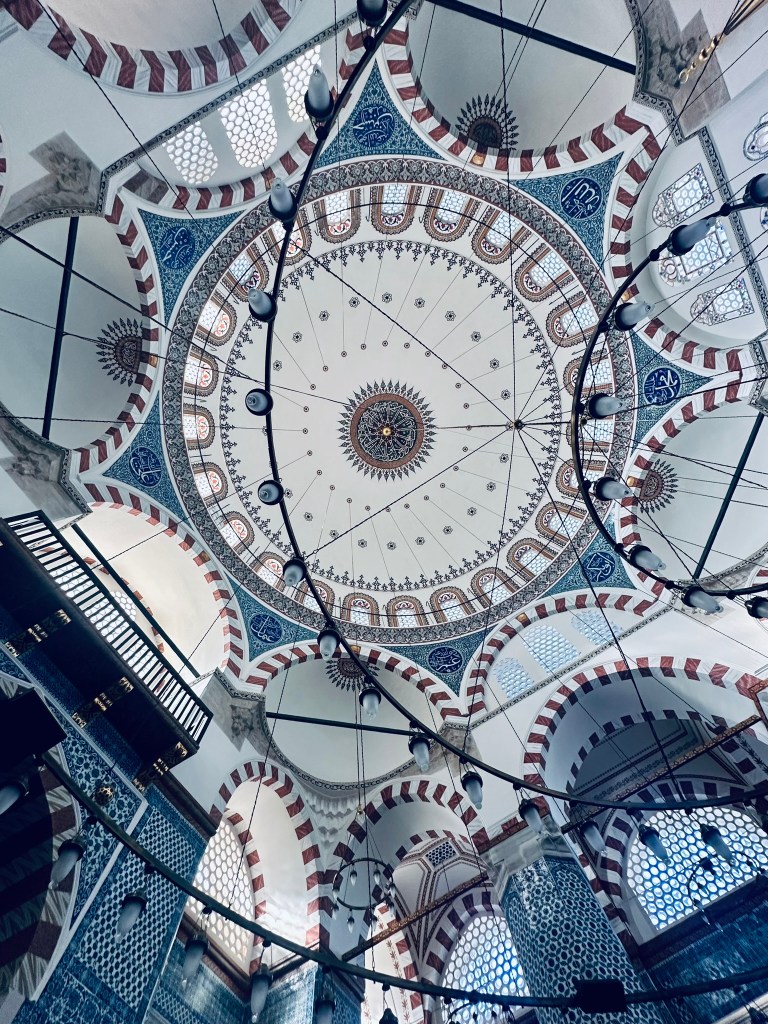
The mosque was designed and built in 1561 by the renowned Ottoman imperial architect Mimar Sinan for Grand Vizier and son-in-Law of Suleiman the magnificent- Rüstem Pasha. The mosque is built in a rectangular shape with semi domes around the main dome that are seated over four elephant feet and columns. Both inside and outside are made of white marble and interior of the mosque is one of the most embellished mosques with 7227 pieces of hand-made Iznik tiles containing 36 tulip motifs and 5 different colors. 850 of these tiles have calligraphy written on them.

Where is Rustem Pasha mosque located

Address:  Rüstem Paşa, Hasırcılar Cd. No:62, 34116 Fatih/İstanbul, Türkiye

Rustem Pasha mosque can be challenging to locate but it is close to Spice Bazar and Yeni Camii mosque and located in the Hasırcılar Çarşısı (Strawmat Weavers Market) in the Tahtakale neighborhood of the Fatih district . From Yeni Cami, head toward the Spice Market, turning right up a small road at a large coffee shop. Further down this small street there are set of access stairs on Hasırcılar Caddesi and another on the small street that runs right (north) off Hasırcılar Caddesi towards the Golden Horn. At the top of the stairs, there’s a terrace and the mosque’s colonnaded porch

RÜSTEM PASHA MOSQUE OPENING HOURS (2024)

Rüstem Pasha Mosque is open daily from 10 am to 6 pm, with closures during prayer times and religious holidays such as Ramadan.

Entrance fee

There is no fee to enter but it is an active mosque and please be mindful of prayer hours

Final thoughts

Rustem Pasha mosque is a magnificent masterpiece of Mimar Sinan and definitely worth a visit and you can appreciate the intricate design of the Iznik tiles without the crowds of the blue mosque

Tales from Balkan: Inat Kuća, or “House of Spite”- Symbol of Bosnian stubbornness

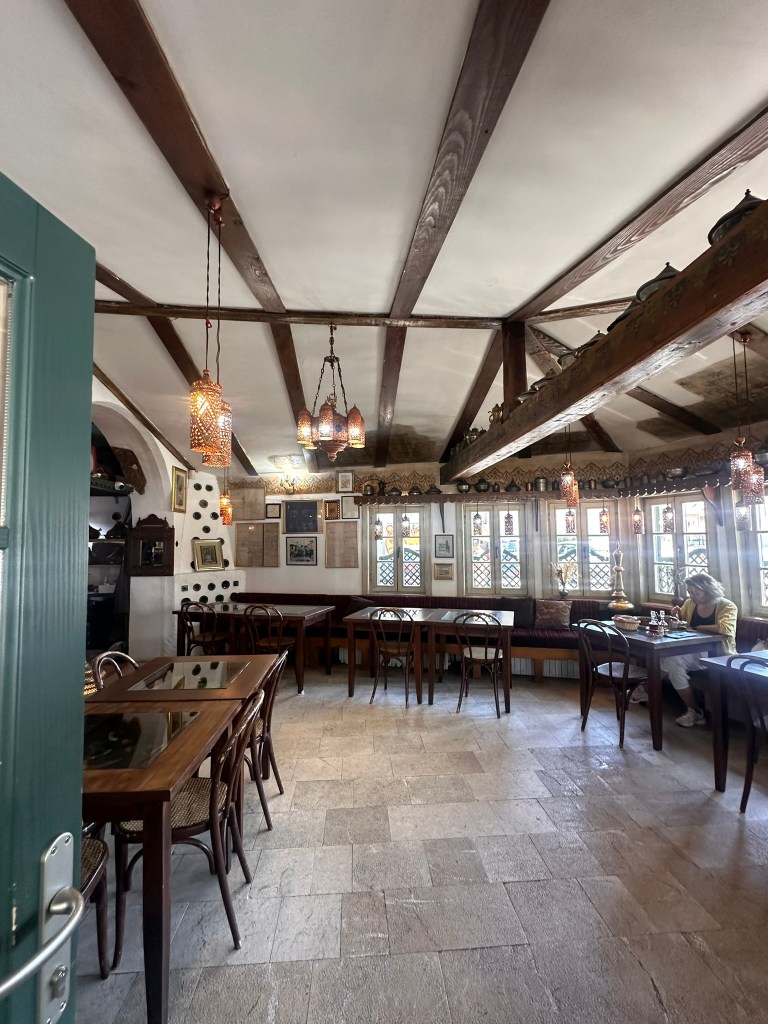
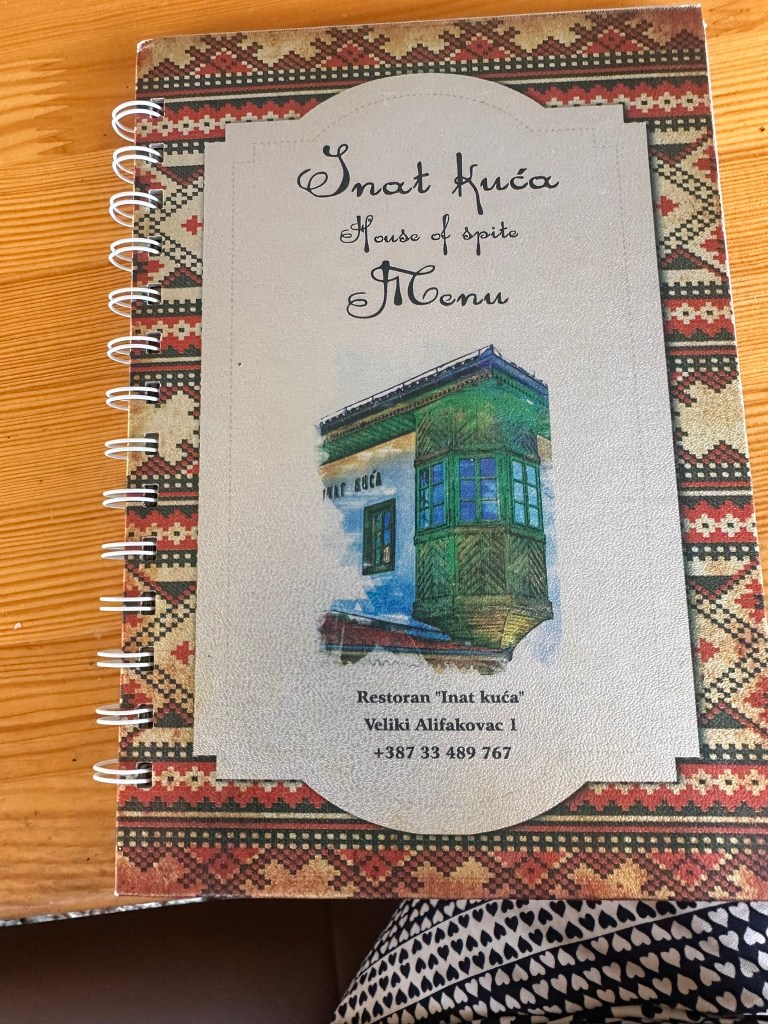
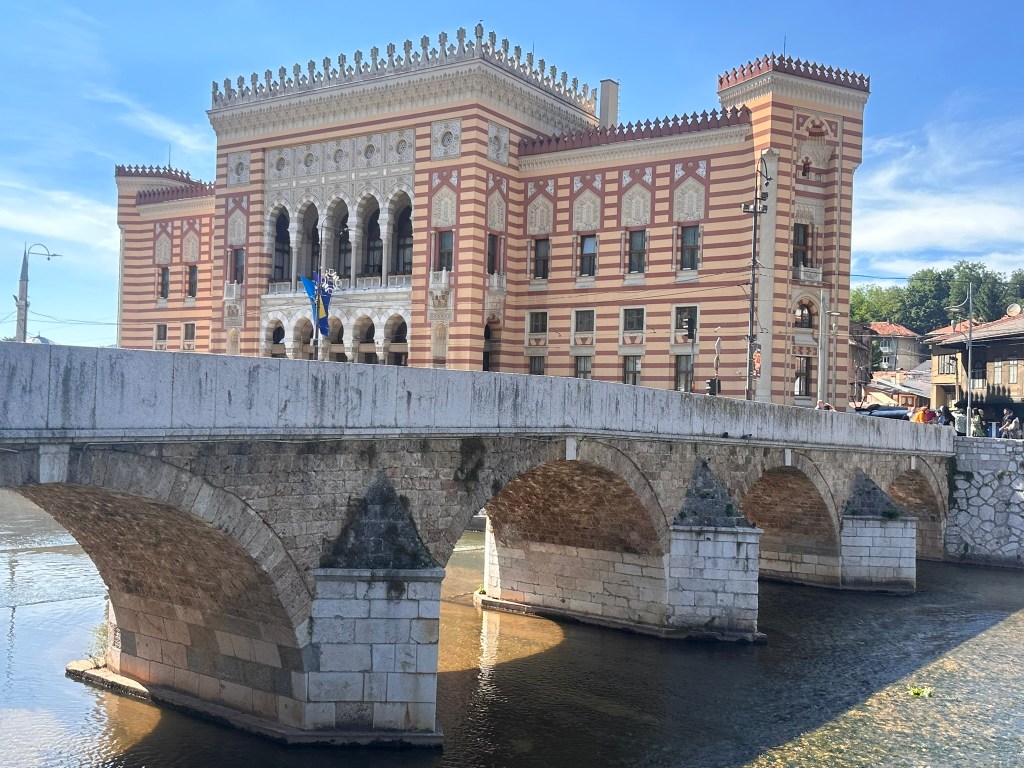
Right opposite to the City hall in Sarajevo, across the bridge there is a unique Bosnian restaurant named Inat Kuća, or “House of Spite”. More than being just an oddly named restaurant, this place was once a house that belonged to a Bosnian man named Benderija. I decided to check out this place out of pure curiosity and sat outside the patio and drank Rakija and people watched.

Inside the house of Spite restaurant

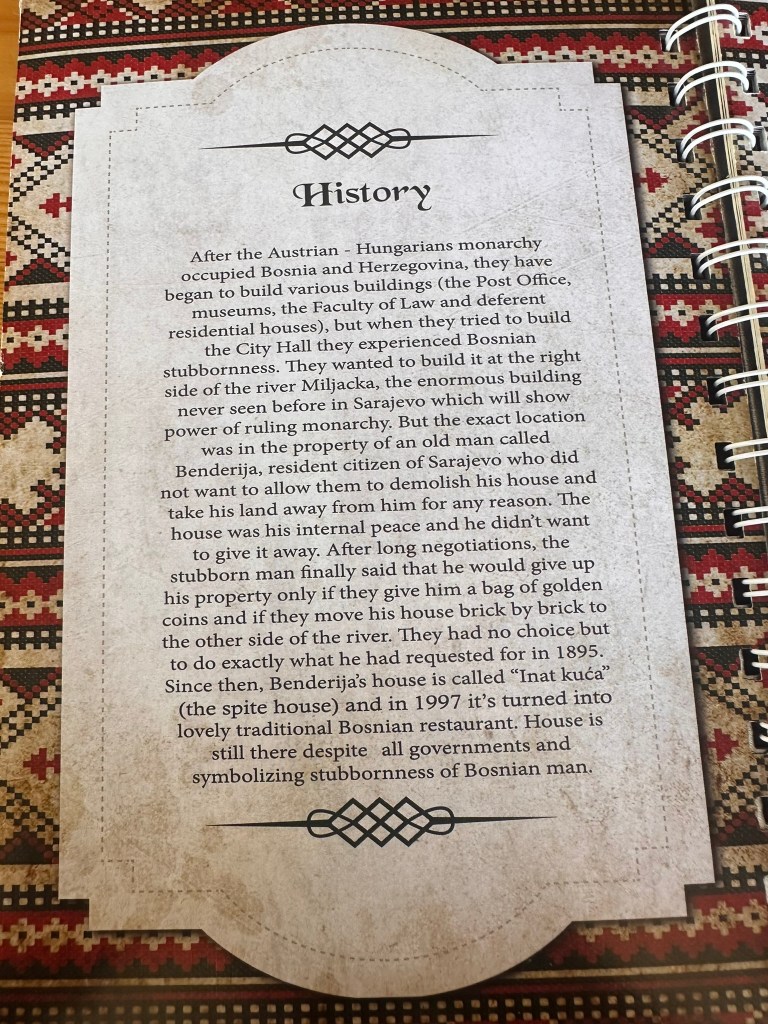
The restaurant menu also talks about the history of the place and why it is called house of spite. As the story goes, the house was originally located across the river where the current city hall resides. In the late 19th century, Austria-Hungary was transforming Sarajevo into a model colony. As part of this makeover, they began constructing a magnificent city hall. However, an elderly Bosnian man Benderija stood in their way. Despite generous offers, he refused to let them demolish his house. After lengthy negotiations  between the old man and the city (with even the Austro-Hungarian Minister of Finances getting involved) until finally, in 1895, he agreed to sell his property for the extravagant price of a sackful of gold ducats, but with one condition: the authorities would have to move his Ottoman-era house, brick by brick, and rebuild it on the other side of the river.

According to our guide, the old man spent every day of the move sitting in the middle of a nearby bridge, smoking cigarettes and watching the workers transport each brick across the river. When the house was finally rebuilt, it was aptly named Inat Kuća, or the House of Spite. 

The food and drink were really good and views are definitely worth it to visit this place.

Christmas in Costa Rica- a 9-day itinerary to La Fortuna and Manuel Antonio

Costa Rica… a paradise of lush rainforests, golden beaches, and vibrant biodiversity, where nature lovers and thrill-seekers alike find their haven. Here, travelers can immerse themselves in the lively streets of San José, filled with rich history, bustling markets, and welcoming locals. Or, venture beyond the capital into the heart of the country’s breathtaking wilderness—where towering volcanoes, misty cloud forests, and exotic wildlife create a mesmerizing world waiting to be explored.

Costa Rica’s magic is undeniable—from the dazzling Pacific and Caribbean coastlines to the serene beauty of its national parks, home to sloths, toucans, and colorful frogs. Whether riding the waves in Tamarindo, ziplining through Monteverde’s treetops, or savoring the country’s renowned coffee, every moment here is an invitation to adventure and relaxation. Pura vida is more than a saying—it’s a way of life that welcomes visitors with open arms and unforgettable experiences.

  1. Our Itinerary
  2. Some facts about Costa Rica
  3. Where to fly?
  4. Places to go in Costa Rica
  5. Some practical Information
  6. Further reading
  7. Related Posts

Our Itinerary

Downloadable version of our Itinerary for 9 day Christmas trip below

Some facts about Costa Rica

  • Costa Rica is located in Central America, connecting North and South America. It borders Nicaragua to the north and Panama to the south.
  • The country is divided into seven provinces – San José (capital), Alajuela, Cartago, Heredia, Puntarenas, Guanacaste and Limón) and most popular destination include : San Jose, La Fortuna, Monteverde, Tamarindo, Nosara, Samara, Jaco, Manuel Antonio, Uvita, Drake Bay (See the map below)
  • Costa Rica doesn’t have an army as of Dec. 1, 1948 and very stable democratic country.
  • Official language- Spanish
  • Official currency- Colón (plural colones) (¢)

Where to fly?

There are 2 main airports and few small local airports –

SJO Aeropuerto Internacional Juan Santamaría – In San Jose (Capital)Juan Santamaría International Airport (Code: SJO) is the country’s main airport, located in Alajuela.

Daniel Oduber International Airport in Liberia (Code: LIR) good airport for travelling Guanacaste, Monteverde and La Fortuna

Places to go in Costa Rica

Costa Rica has so many places that you will be overwhelmed to choose one or two places to visit. I found Costa Rica might be a place we will have to visit more than once to cover the entire country. If you just want to see our itinerary, check here .

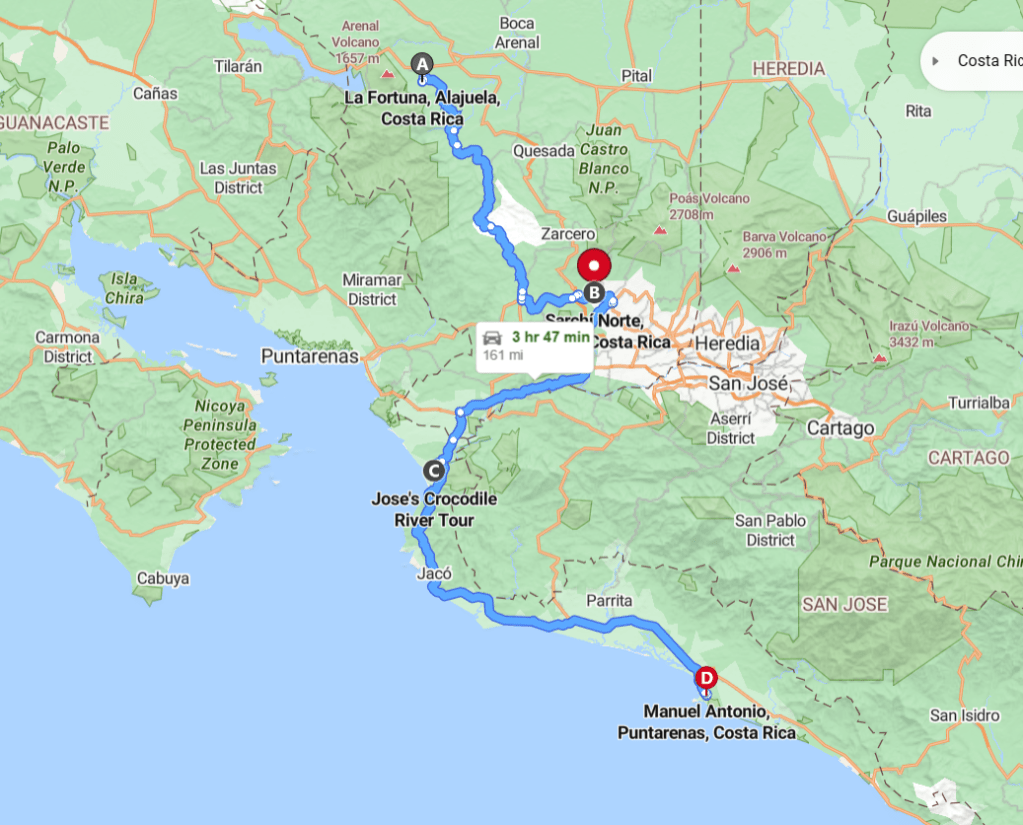
Even though a small country, it takes long time to travel from place to place due to mountainous, curvy, single lane roads. For instance, to travel from La Fortuna to Manuel Antonio, it took us almost 6 hours and it is 136 miles (218 km) apart and we were told that we were lucky that it took us only that much time (Hotel staff estimated anywhere between 6-9 hours). Keeping this in mind, we decided to choose 2 places to visit for our first trip- La Fortuna and Manuel Antonio (2 green flags on the map above)

Most popular locations include:

Central Costa Rica Culture and nature

San Jose – Culture, Museum, Airport, Restaurants

Poas volcano: most visited volcano in the Central Valley. Good stopping point between San Jose and La Fortuna

La Paz Waterfalls : La Paz Waterfall Garden is the another popular stop between San Jose and La Fortuna. This park has 5 waterfalls and an animal sanctuary.

Northern costa Rica Outdoor adventure and Wild animals

La Fortuna / Monteverde – Best place for outdoor adventures

Distance from airport: Both San Jose airport and Liberia airport are about 2-3 hours.

Most people choose either La Fortuna or Monteverde for rainforest experience and some people do both places to experience rainforest and cloud forest (The cities are 80 miles apart). It takes about 5-6 hours to get to Monteverde from La Fortuna as you have either take a ferry to cross Lake Arenal or drive around Lake Arenal. This is the info from costa Rica Travel blog and if you want to include both La Fortuna and Monteverde in your travels, please check out this blog for details of travel between the two cities.

Rio Celeste – Another great place to visit near La Fortuna with a blue waterfall and lots of wild life. My review of this place is here

Central Pacific Costa RicaBeaches and Nature

Quepos/Manuel Antonio – Beaches, Snorkeling, Surfing, Sports Fishing, Wild animals, Mangrove Kayaking.

We dedicated day 5 for the long drive from La Fortuna to Manuel Antonio. There is not too much to do between these places other than stopping at Sarchi (https://www.atlasobscura.com/articles/colorful-oxcarts-costa-rica) to visit the last factory that makes Ox Cart. We stopped at the Río Tárcoles Crocodile Bridge which is near Jaco, and you can see lots of crocodiles in the river. There are few shops and restaurants here and it’s a good place to stretch your legs.

Guanacaste - Beaches, Surfing lessons,

Some popular spots in this area include Gulf of Papagayo, Tamarindo, Playa Conchal and Ricon De la Vieja National park- famous for natural hot springs and mud baths.

Nicoya PeninsulaPristine beaches and yoga retreats

Santa Teresa– Beautiful beaches that are great for surfing. This town along with Malpais and Montezuma are in the blue zone where longevity of people is very high.

Playa Samara- Lovely beach town and famous for horse riding. Popular place for expats.

Nosara – Epicenter of Yoga retreats and epitome of Pura Vida lifestyle.

Osa PeninsulaNature lovers and Photographers dream

Remote part of the Costa Rica on the pacific side and hence less touristy but home to Corcovado National Park which has 13 types of ecosystems and has amazing wildlife with over 40 species of frogs, 25 lizard’s species, crocodiles and 400 bird species. This is next my list to visit when we go back to Costa Rica

Drake Bay – Stunning destination for all water related actives including Snorkeling, Kayaking, scuba diving etc. Also great place for bird watching and hiking

Uvita– Famous for “The whale tail beach” as well as tropical rain forest. Good place to see humpback whales and other activities including waterfall visit, horseback riding etc.

Caribbean Coast Less touristy and chill vibe

Not as popular as the pacific coast , Carribean coast has its own vibe and blend of Latin and Carribean cultures. Some of the popular spots include :

Puerto Viejo – known for its stunning beaches, abundant wildlife and delicious food, this town gives the laid back feel that Caribbeans are known for. You can also visit Cahuita National Park to see monkeys, Sloths and birds.

Tortuguero National park– Located on the northeast side of the Caribbean coast, this national park is one of the best places in the world to see Giant Green Sea Turtles lay their eggs and to watch as the baby turtles hatch and make their way to the sea during the turtle season (June to October).

Some practical Information

  • Best season to visit is during dry season from December to April. We went at the end of December and still got rain almost every day for at least couple of hours.
  • Caribbean coast has very different season and less developed. Good time to see turtles hatching is between July to October
  • Nature and wildlife- Hiring guides help to see more animals but I also found that by paying attention to little noises (ruffling of leaves) or just looking up to the treetops helps a lot.
  • Tico time- Pack lot of patience. The Pura Vida life style is followed on the roads too. Driving from one location to another takes longer than you think due to one lane roads and getting behind slow moving trucks.
  • Popular locations such as La Fortuna, Manuel Antonio are very well connected but if you plan to go to remote locations such as Drake Bay, do some research.
  • Colones and dollars are accepted every where but it might be cheaper to use colones
  • Some essential things to pack- Dry bag or waterproof pouch, Light rain jacket, Water sandals or shoes, Bug spray, Binoculars, Sunscreen.
  • Like any other place, there are pick pocketers, and thieves that take your stuff if you leave it alone. Lock your vehicles and hide your valuables.

Further reading


   Pura Vida!!!!

Paradise found- A review of staying in Chachagua rainforest bungalow in Costa Rica

Chachagua Rainforest Hotel and Hot Springs located between the Children’s Eternal Rainforest and the Arenal Volcano National Park and is off the beaten path but still an amazing place to stay. We spent 4 nights during Christmas break and loved the room, the grounds, and over all ambience of the place.

Only con is that it is about 20 min from La Fortuna town and if you don’t have your own car, you are stuck eating in-house restaurant food for the length of your stay. The food is not bad but limited as they try to do as much farm to table type with the fresh fruits and vegetables grown in their farm. Unlike the hotels in the town, you can’t walk or Uber to a local Soda/ restaurant and taking a cab is bit on expensive side( $50-80).

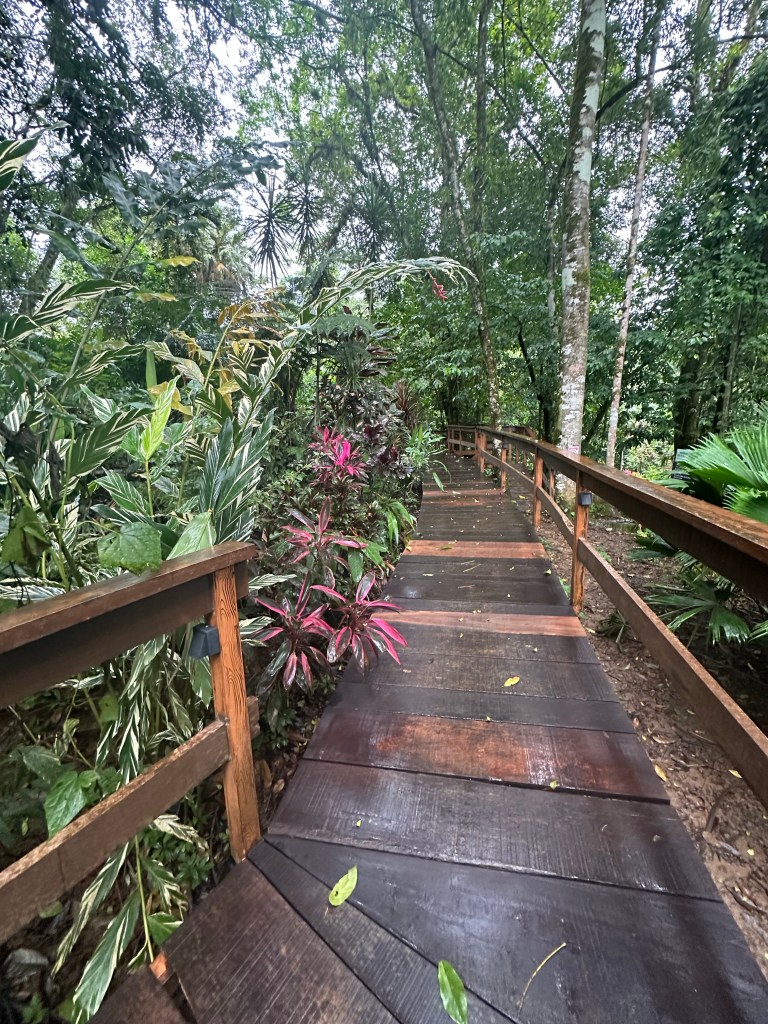
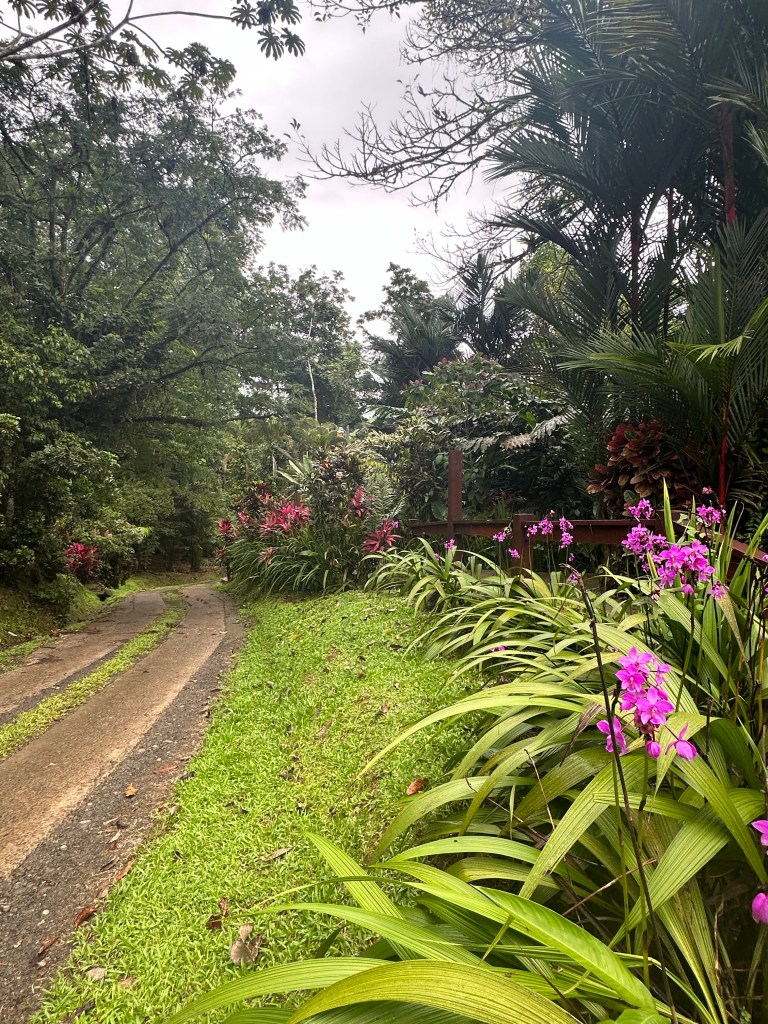
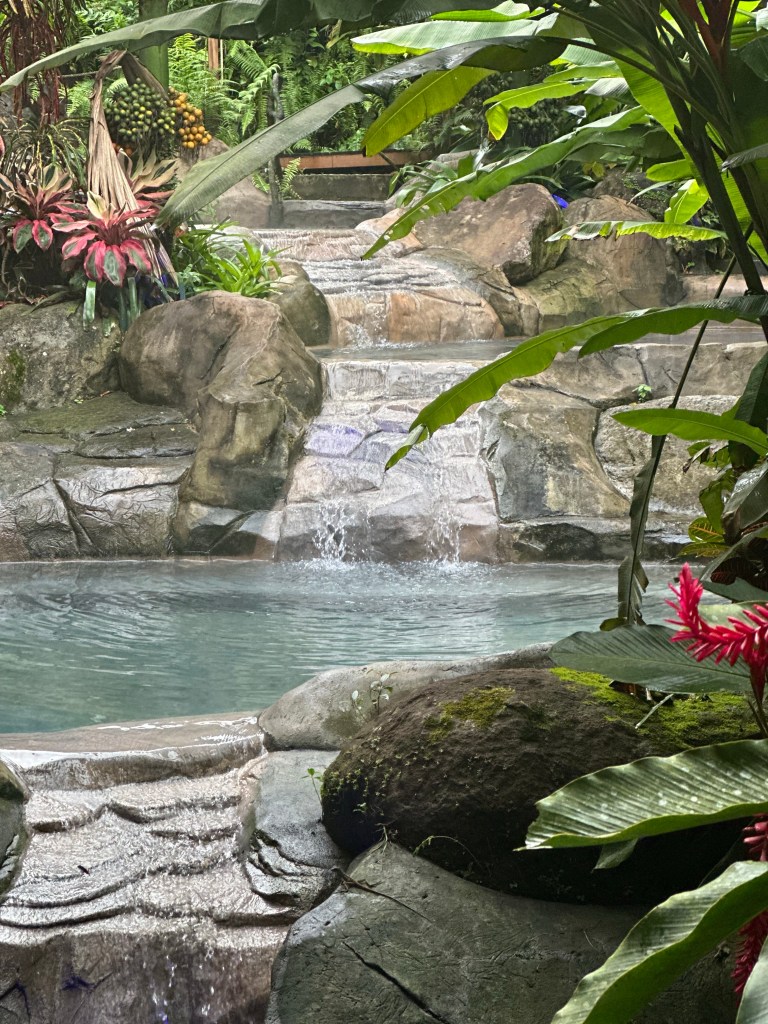
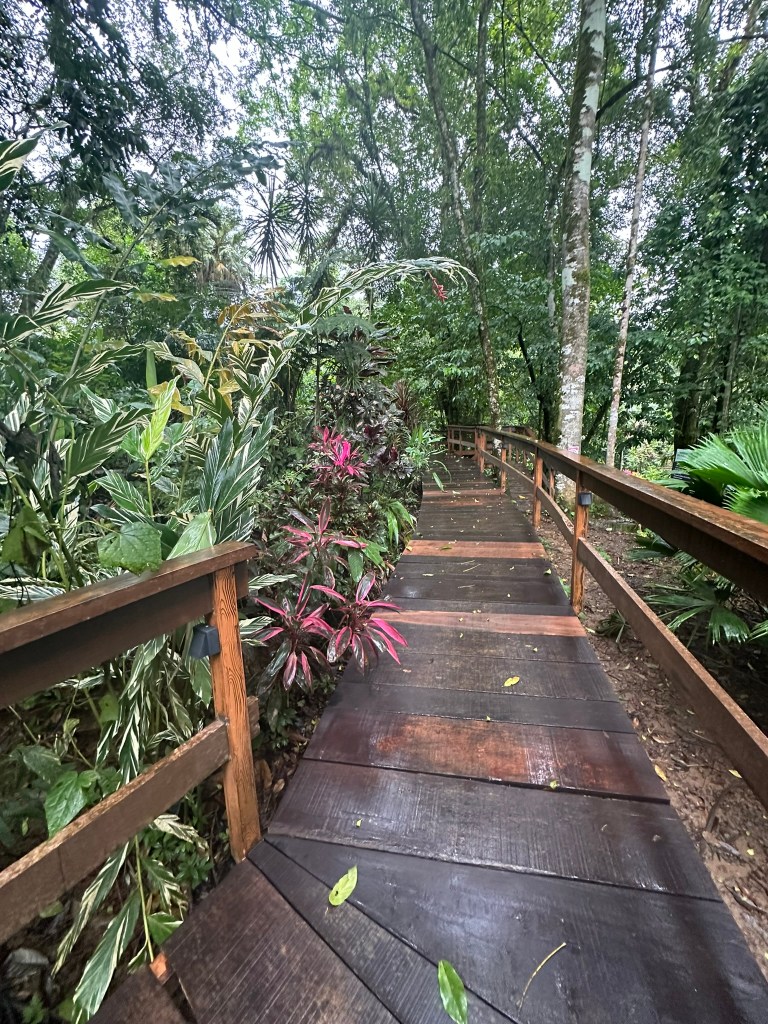
The property has 28 bungalows and feels like a mix of rainforest and tropical garden, and I could not stop taking pictures of beautiful flowers and birds that fed on them. There is a river running through the middle of the property which adds to the serenity of the hotel. The hotel has about 3-4 small thermal pools fed by volcanic hot water an additional plus for the place. The thermal pools are not as hot as the pools near the volcano but warm enough to relax after a long day of hiking.

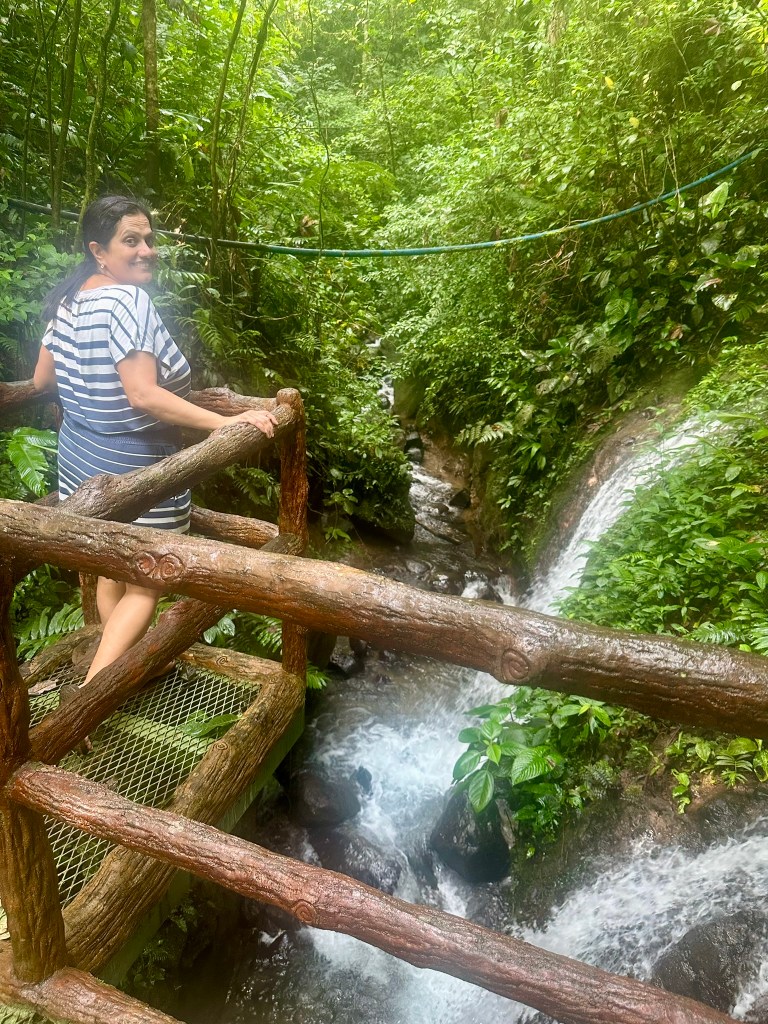
The hotel sits on 94 hectares of rainforest, and it is isolated and unspoiled. This hotel was featured in 1000 places to see before you die by Patricia Shultz, and we felt like it was one the best hotel we stayed. The hotel also has its own waterfall, and I spent every morning just admiring the calmness and setting of this waterfall. There are tons of hiking paths, and you can watch birds, monkeys, and sloths on the property.

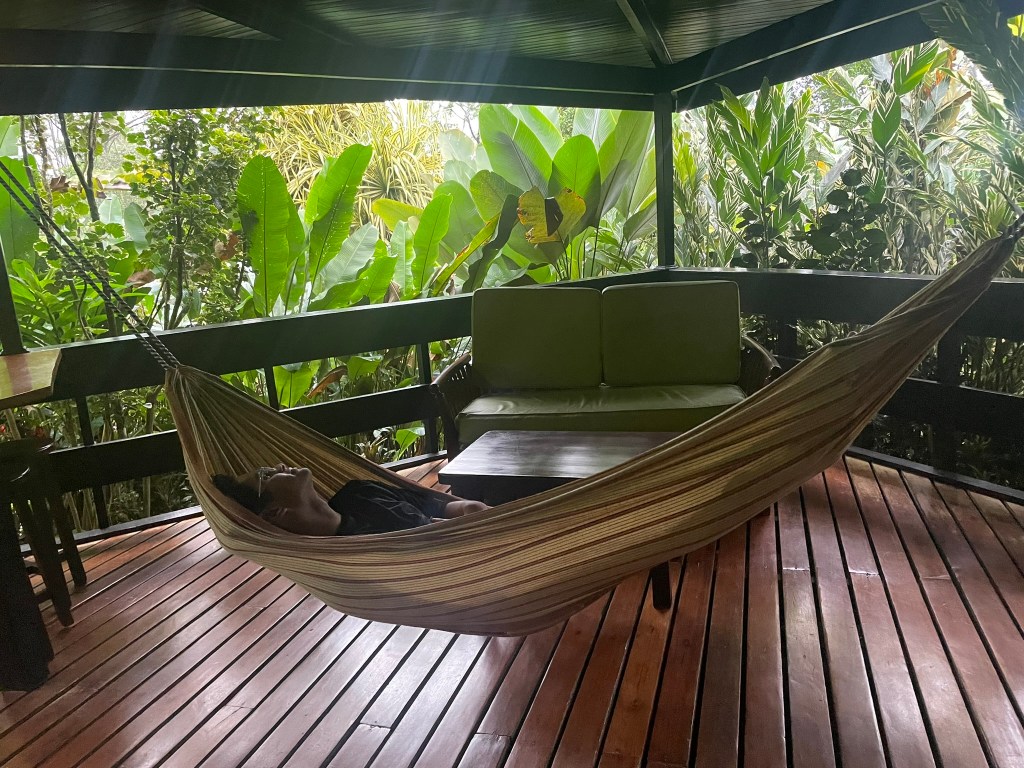
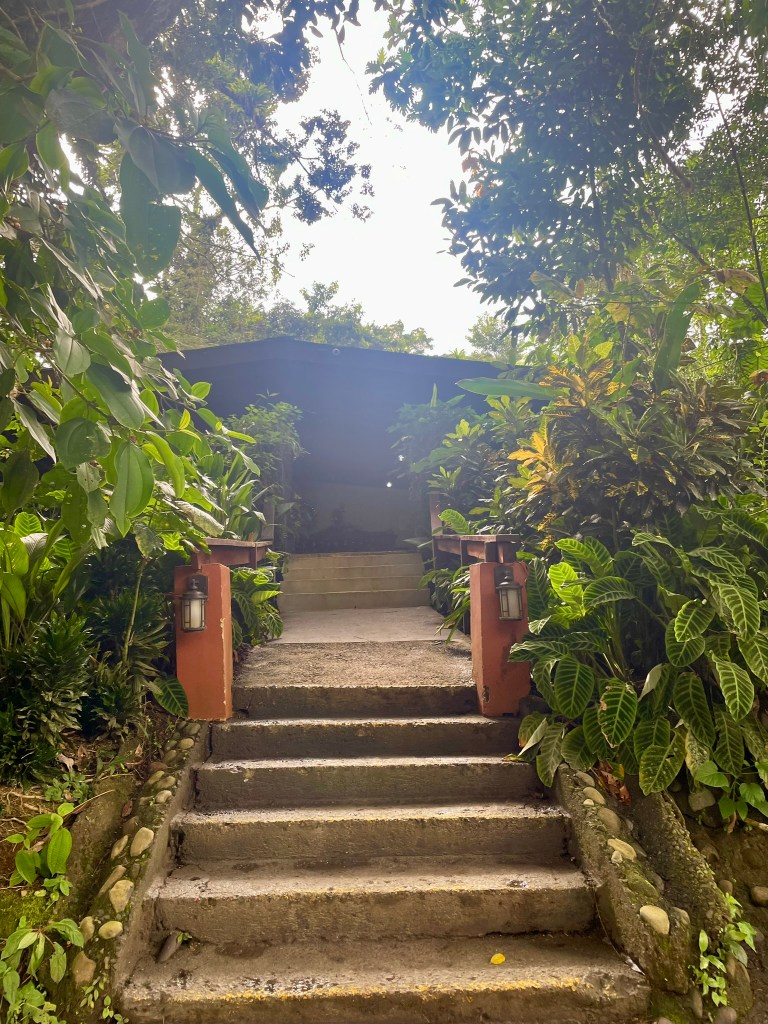
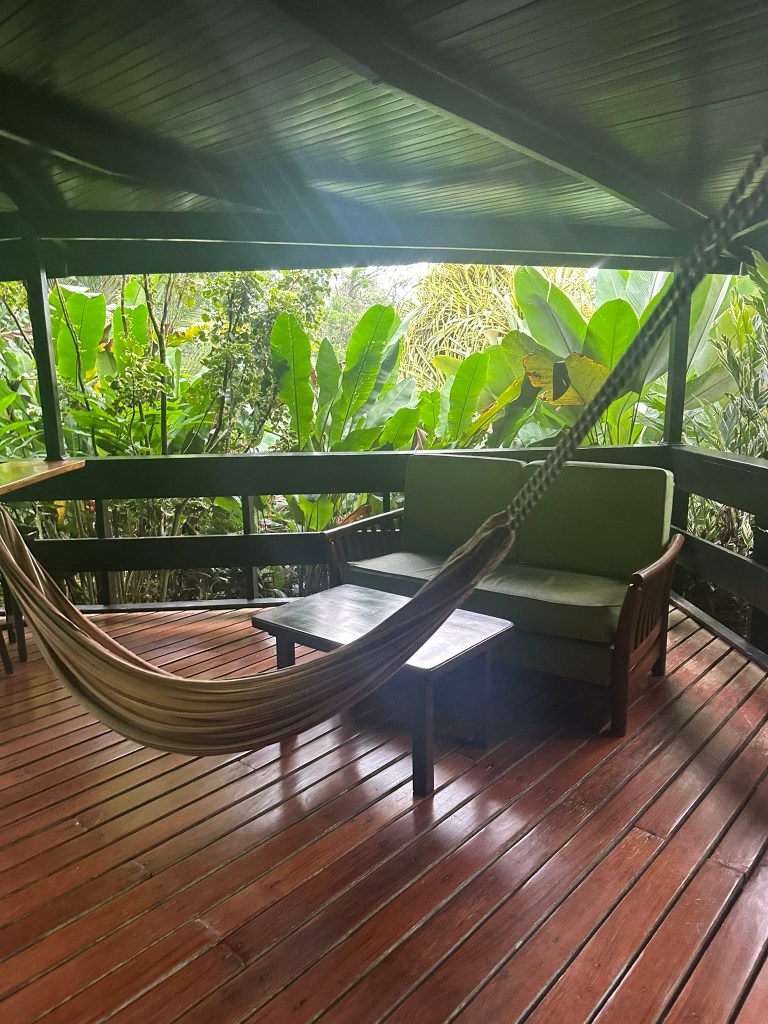
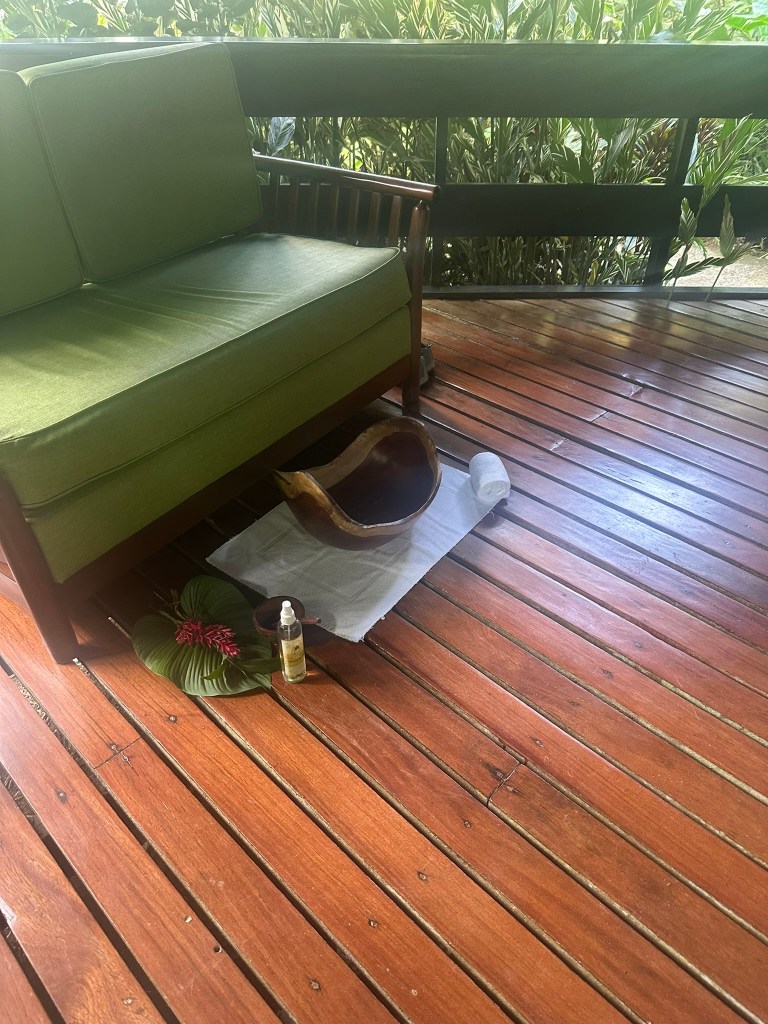
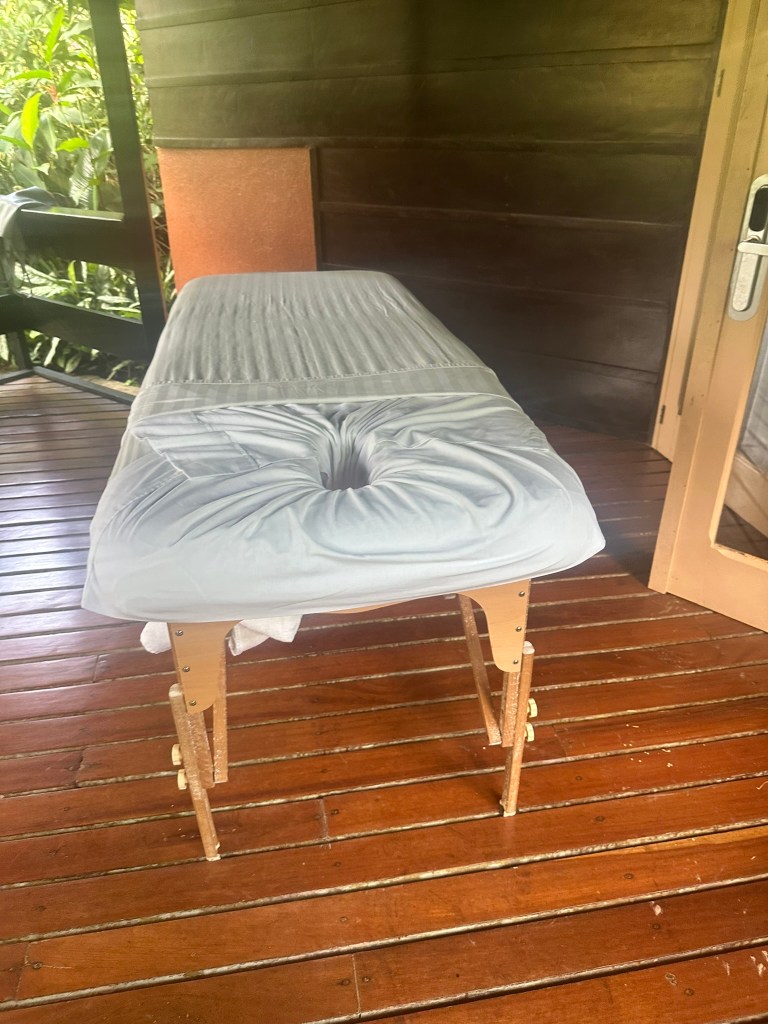
The Bungalows: Most of the rooms are 1-bedroom bungalows with the porch in the front. The individual bungalows are surrounded by trees and bushes and connected by walking paths and are very private. The porch has a hammock, a sofa with coffee table, and built in wooden table and stools. If you decide to get a massage or facial, they bring the massage table to the porch, and you can get a massage in the tranquility of rain forest. We stayed in room 107 and felt like we were cocooned in our own rainforest. Some of the bigger bungalows have plunge pool and jacuzzi tubs.

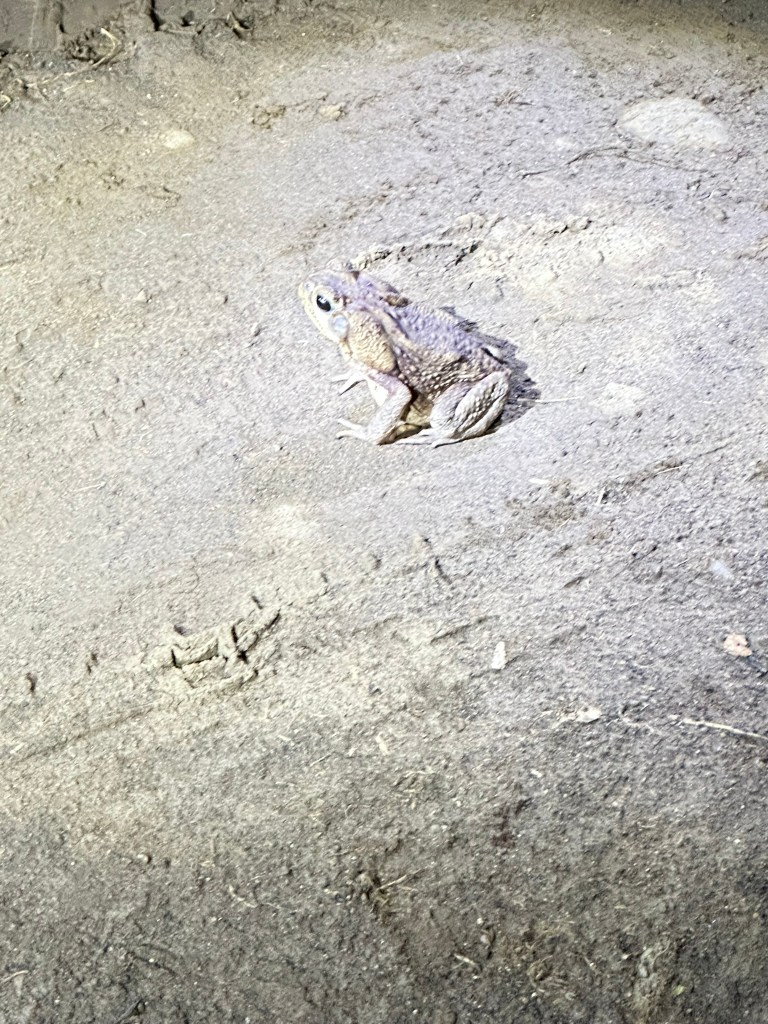
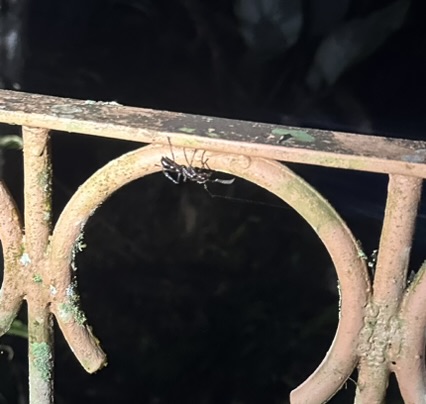
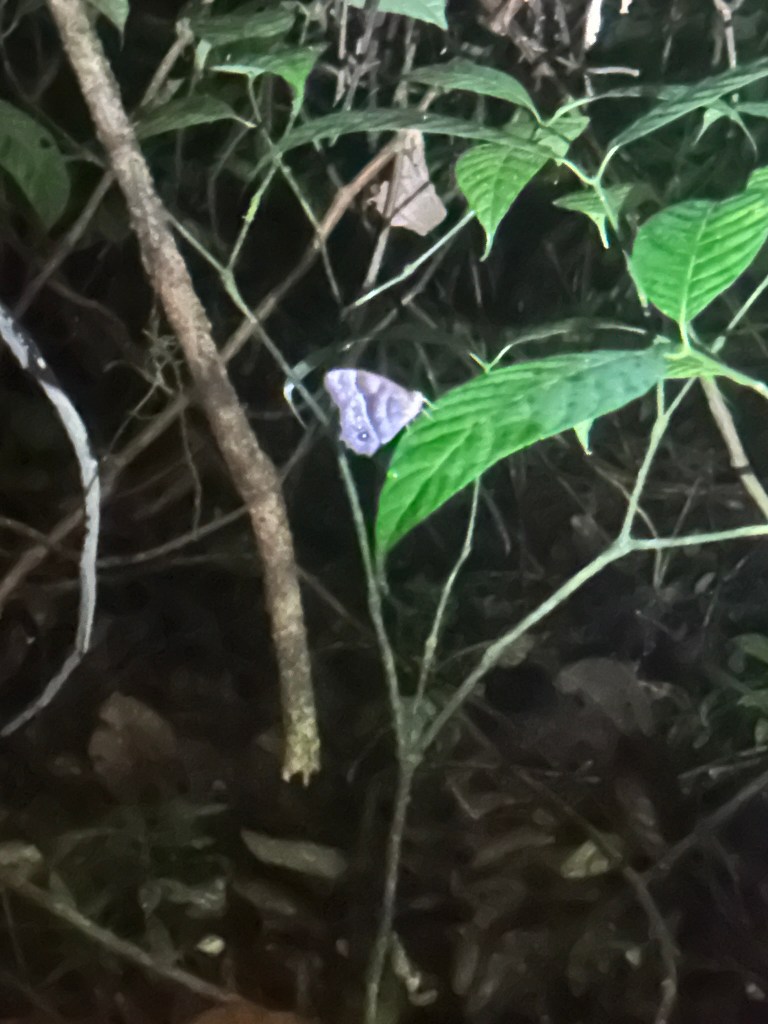
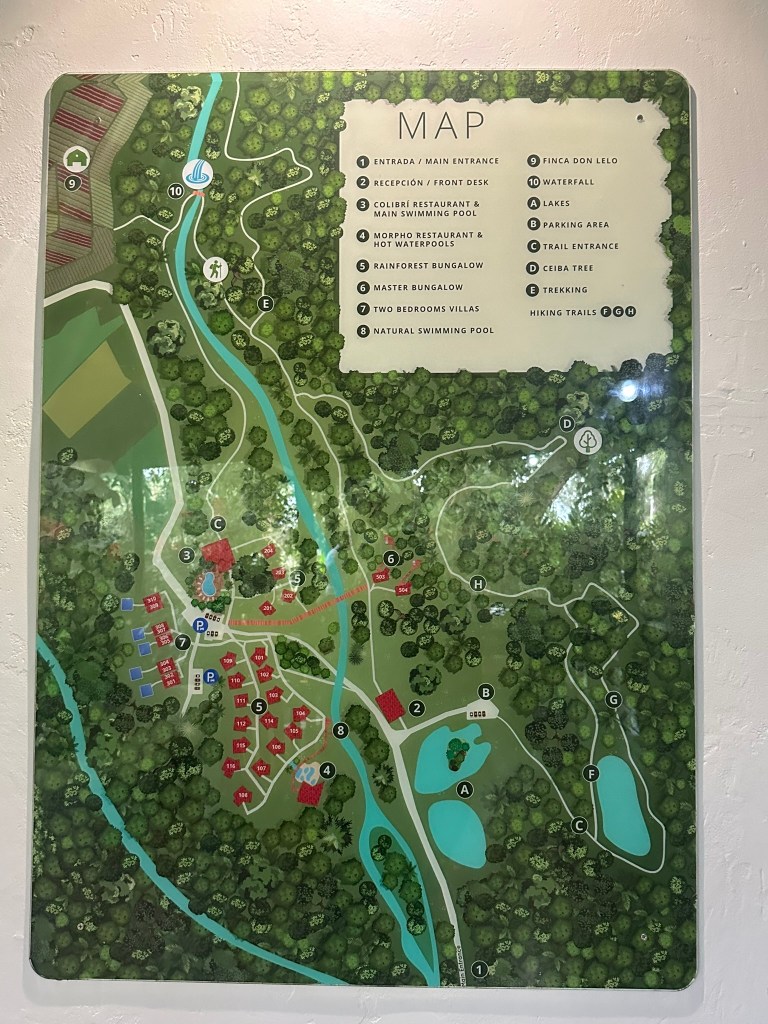
Night walk and Bullet ants– We did nigh walk on the property where we were able to see various kinds of frogs, toads, turtles, sleeping hummingbird, but what we didn’t expect to see was Bullet ants. Bullet ants are named after its powerful and potent sting that feels like being shot, and they are also called “hormiga veinticuatro” or “24 (hour) ant” by the locals, referring to the 24 hours of pain that follow being stung by one of these ants. There were tons of these ants roaming around lake, on fences and our guide warned us not to lean on anything. Thankfully nobody was bit, but presence of these ants added to mystery of the night. Bullet ants are 4 times the size of regular ant and are nocturnal.

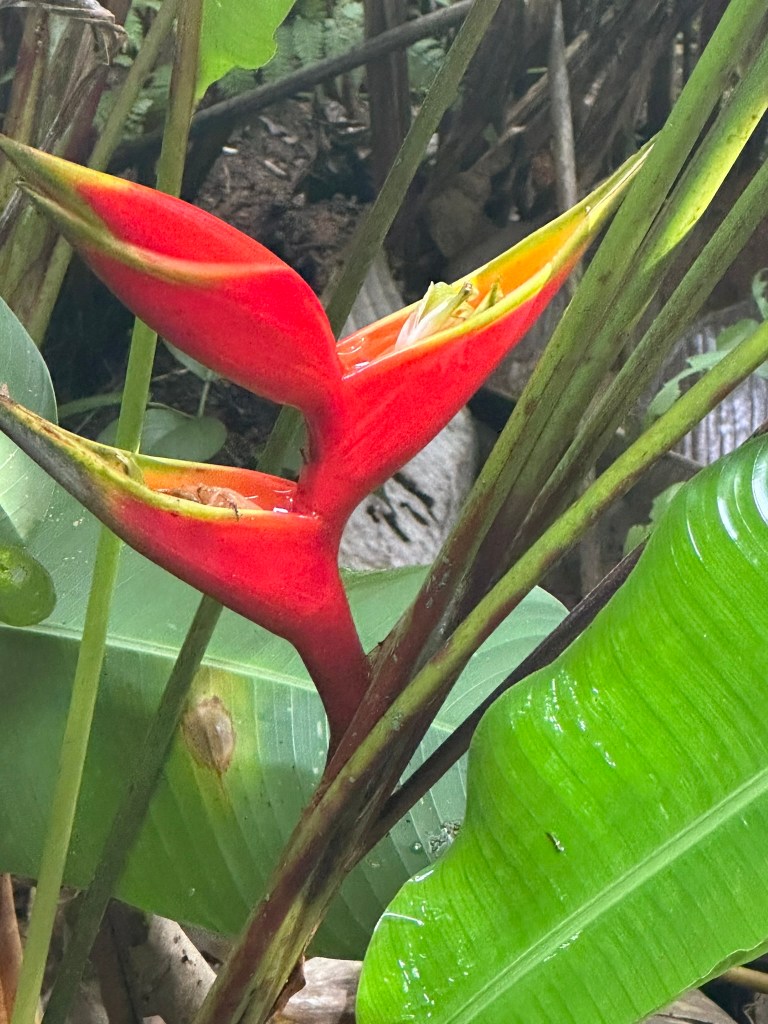
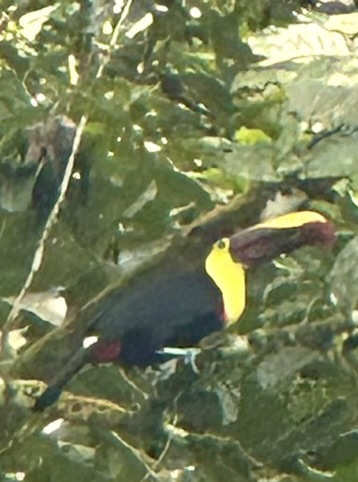
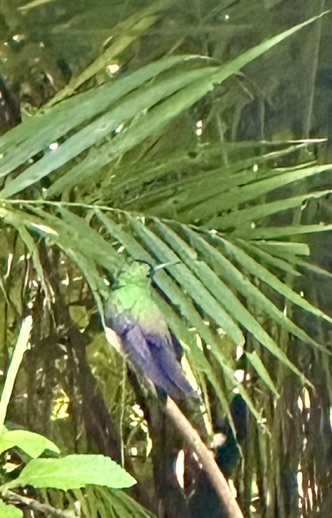
Birds and working farm – One of my favorite memories of this hotel is waking up in the morning and looking out of the window to see a hummingbird feeding on heliconia flower. This happened pretty much every day and the hotels has tons of hummingbirds that feed on the tropical flowers on the property. On my morning hike every day, I would spend some time watching birds including Toucans. The last day, we decided to check out the cocoa and coffee farm where they teach how to make coffee and cocoa. I wish I had ventured out to this place earlier on our stay. Since this is a working farm, there are tons of fruit trees and Toucans and Aracari’s hanging out here feeding on the fruits. It is few steps from the waterfall and definitely worth checking out both for the cooking class as well as for birds.

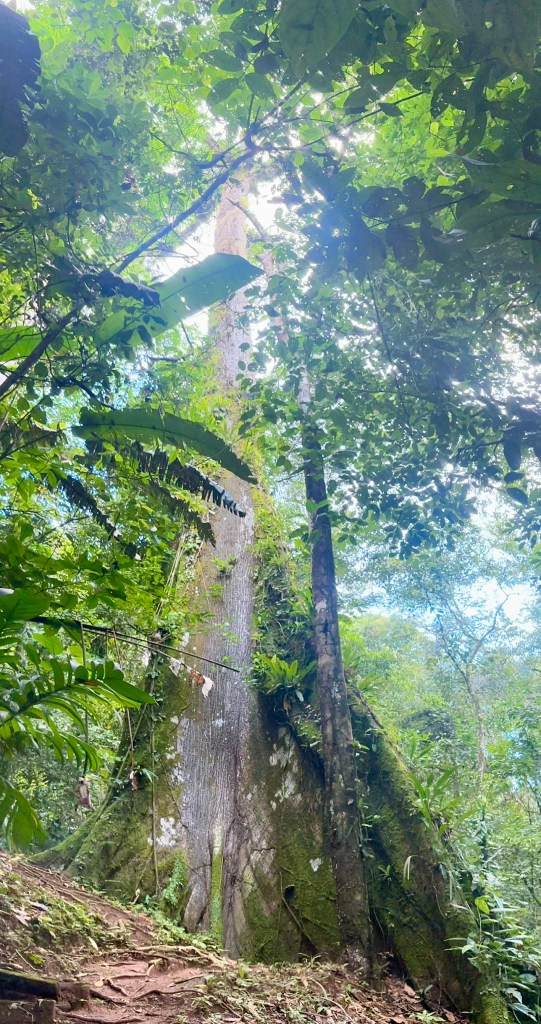
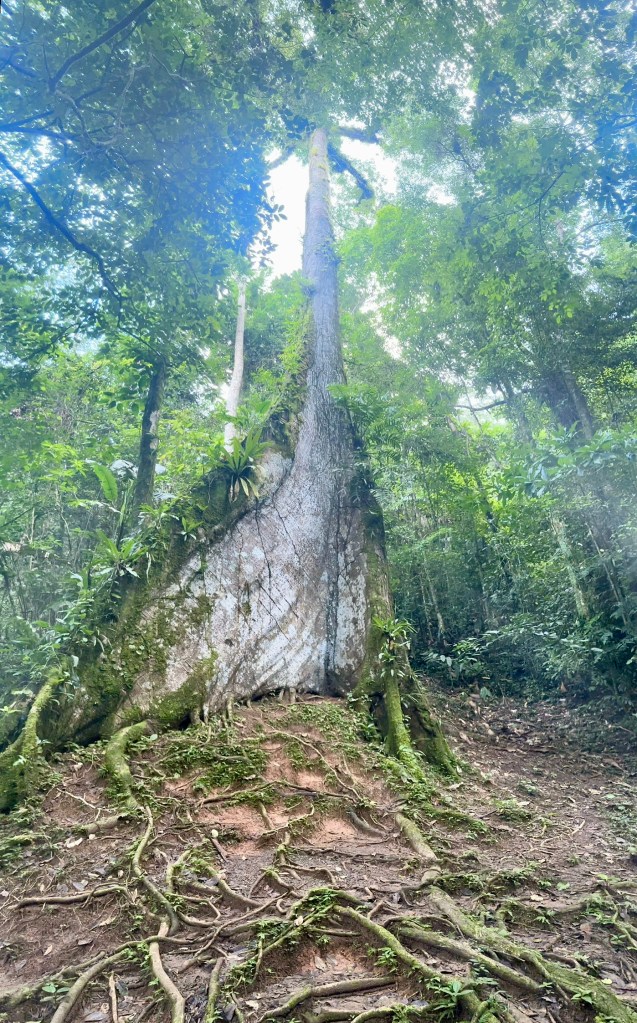
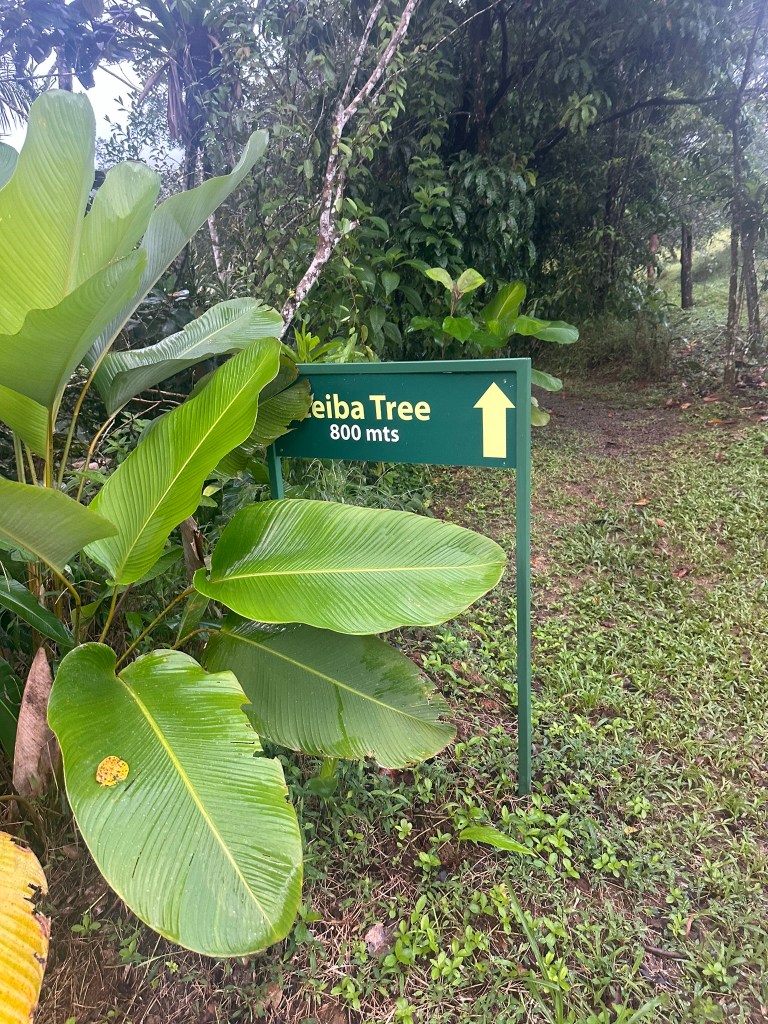
Ceiba Tree– Hiking within the property, there are signs for Ceiba tree which is well worth the visit. It’s a giant tree that stands tall among the rainforest trees and after visiting the tree, I did some research and found out that this tree is the national tree of Guatemala and has significant place in both Mayan and African cultures.

Called as the First Tree or Green Tree in Mayan language (Yax Che), according to Maya mythology, Ceiba tree the symbol of the universe. The tree signified a route of communication between the three levels of earth. Its roots were said to reach down into the underworld, its trunk represented the middle world where the humans live, and its canopy of branches arched high in the sky symbolized the upper world and the thirteen levels in which the Maya heaven was divided (Source: https://www.thoughtco.com/ceiba-pentandra-sacred-tree-maya-171615).

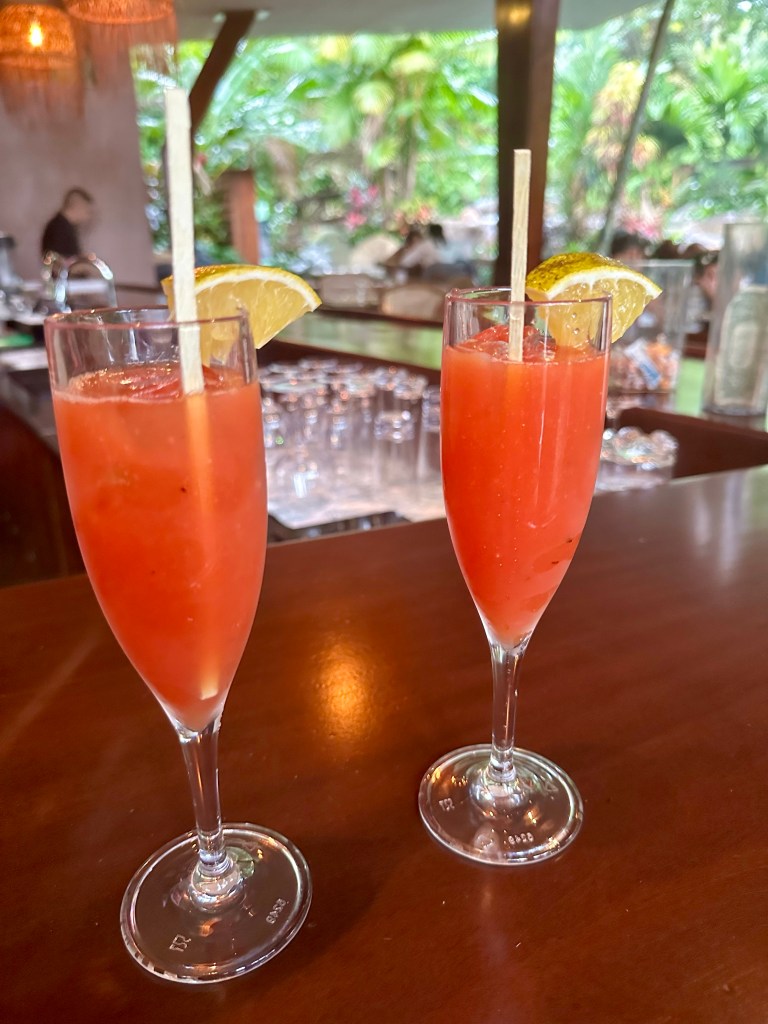
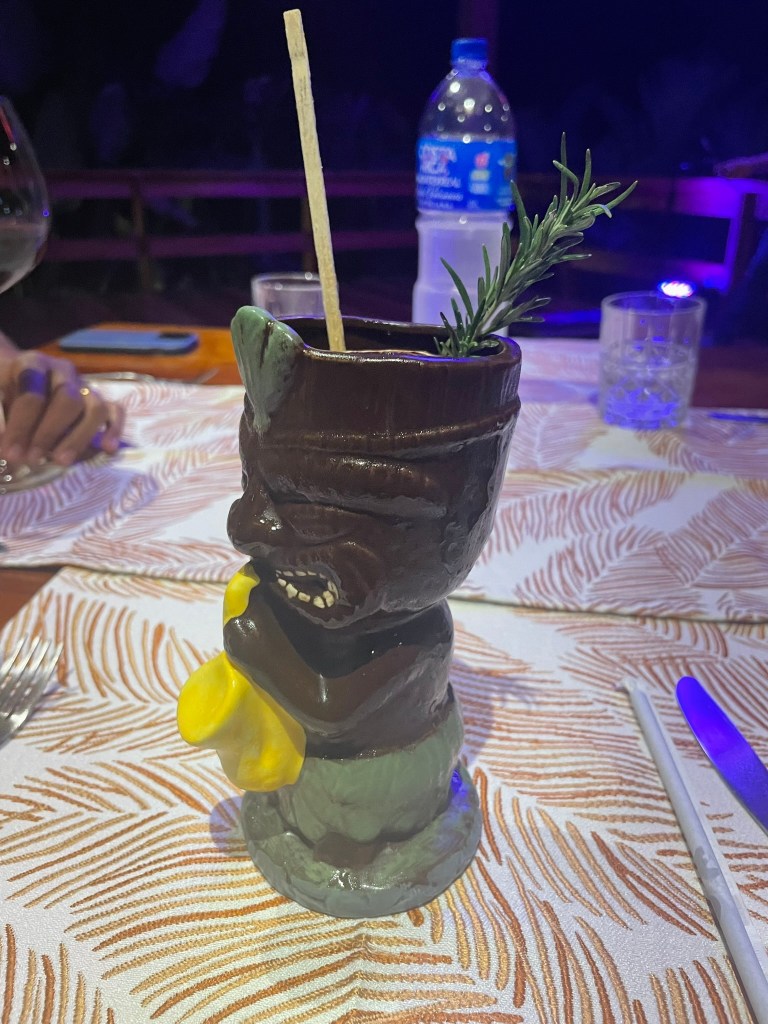
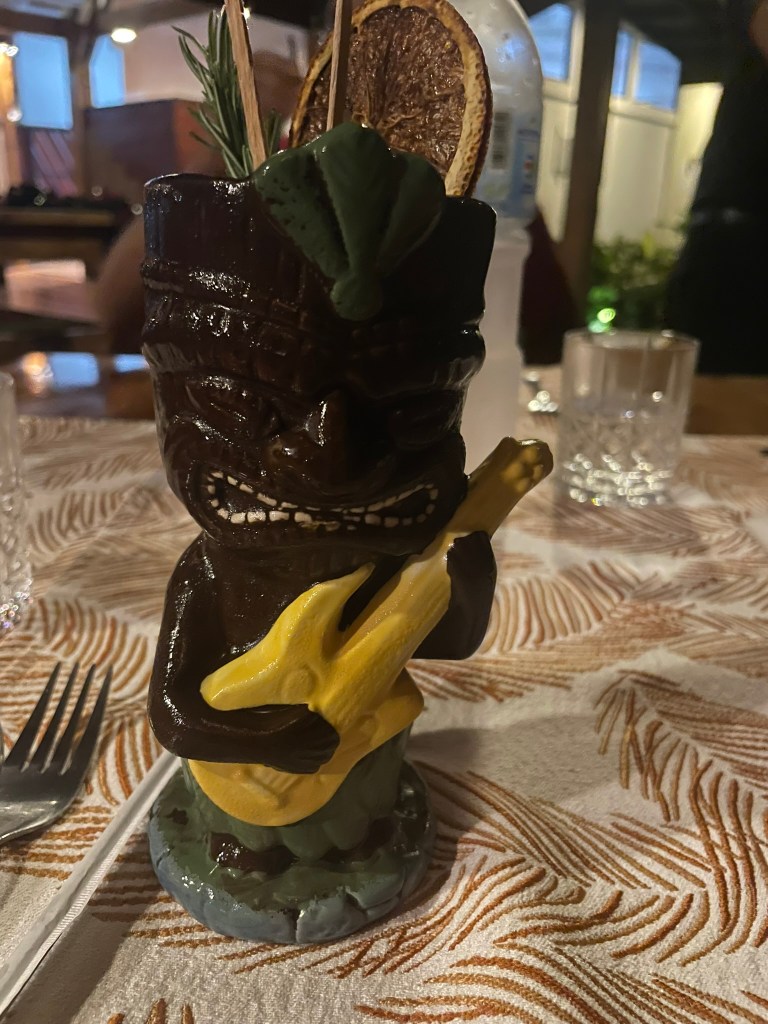
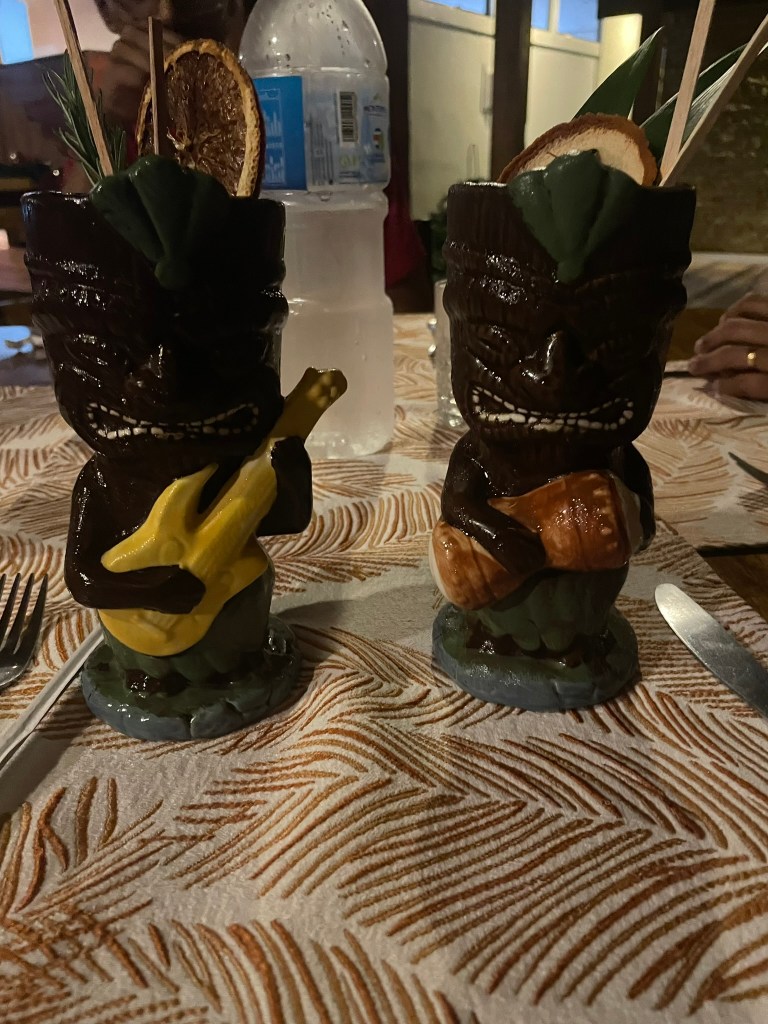
Food and Drinks – Since we didn’t rent a car, we ended up eating at the Colibri restaurant on site which was pretty decent albeit limited selection. There was live music every day and we enjoyed ordering Tikki drinks just to see how many different kinds of cups we get.

Final Thoughts:

All in all, staying at Chachagua Rainforest Hotel and Spa was an amazing experience. I loved the cozy, private bungalows, and numerous hiking trails as well as the river and waterfall. The staff was very pleasant and helpful, and organized all the acuities including ziplining, hike to Rio Celeste, and white-water rafting through the hotel and had a great time.

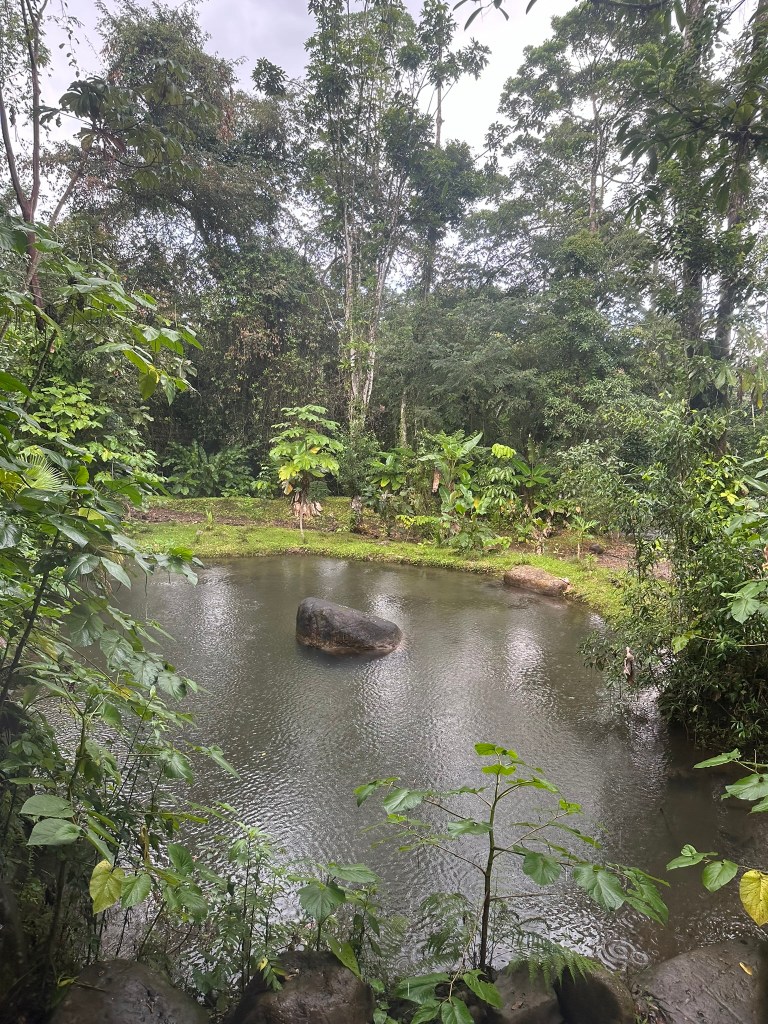
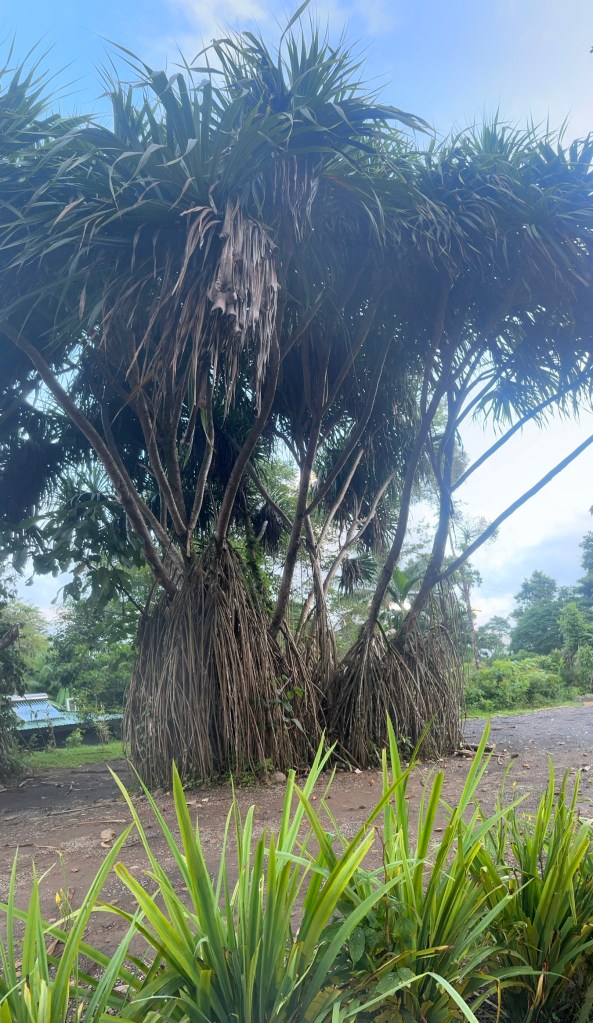
Some more random pictures taken from the hike on the property:

Colorful Costa Rica-Camouflage to rainbow hues of Costa Rican animals, plants, and culture

Pura Vida – The pure life

We spent 9 days in Costa Rica dividing our time between La Fortuna rainforest/volcano area and Manuel Antonio-pacific beach town. We got to see tons of animals during our stay and on our guided hikes to National parks and night walks. I was amazed by the variety of birds, lizards, flowers, and monkeys you can see as well as the way Costa Ricans have preserved the nature and its diversity. Costa Rica is one country where I found my iPhone camera isn’t enough to capture all the colors and vibrancy of nature.

These are some of the things that fascinated me during our stay:

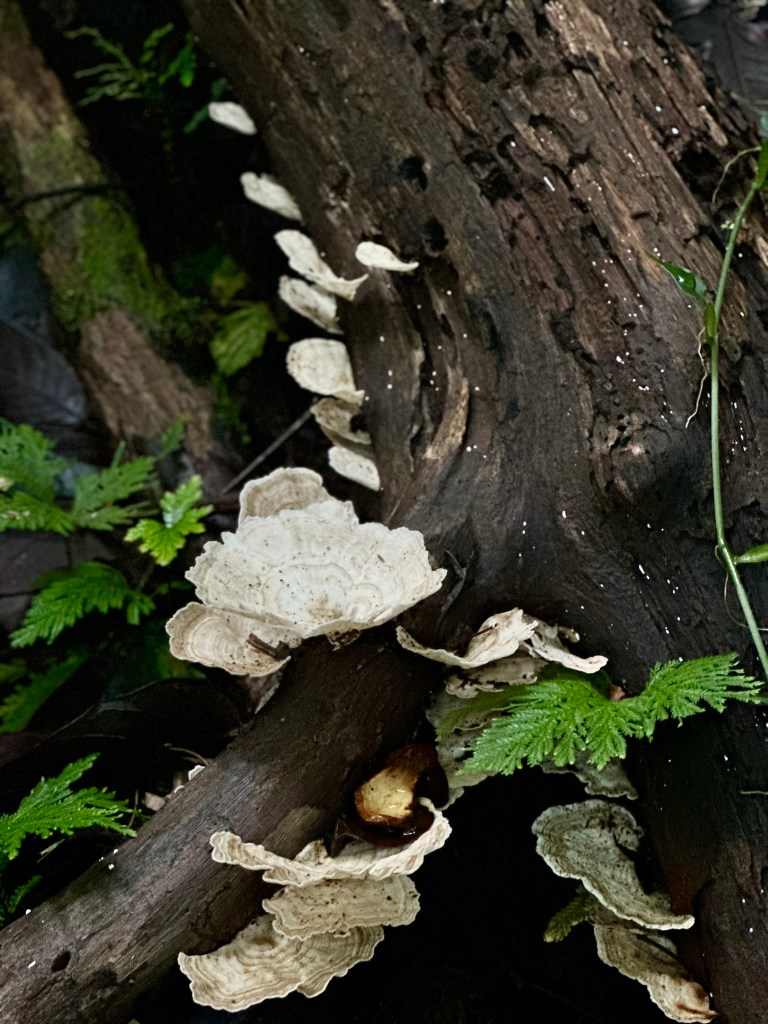
  1. Leaf Cutter Ants- Nature’s farmers that grow Fungai
  2. Sloth and its symbiotic relationship with algae and moth
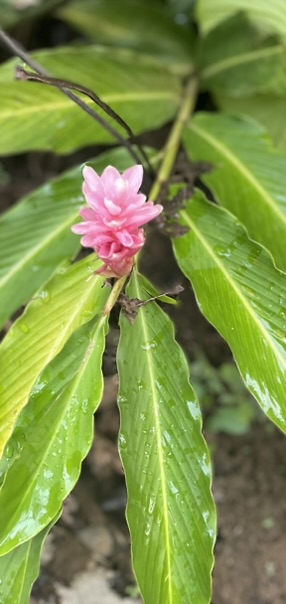
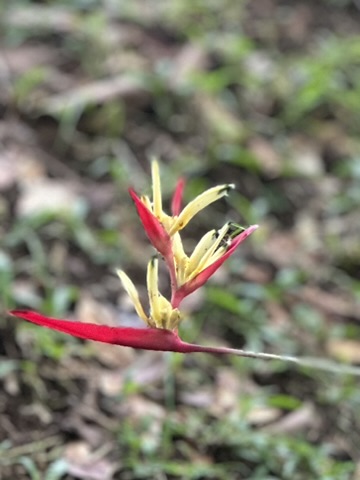
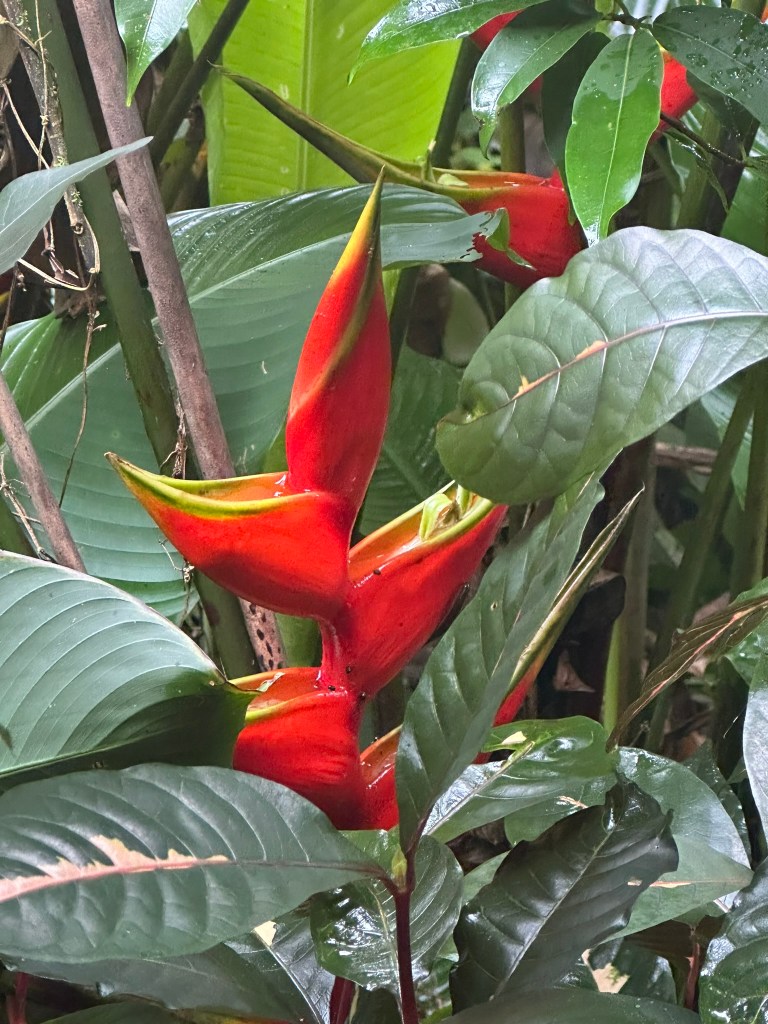
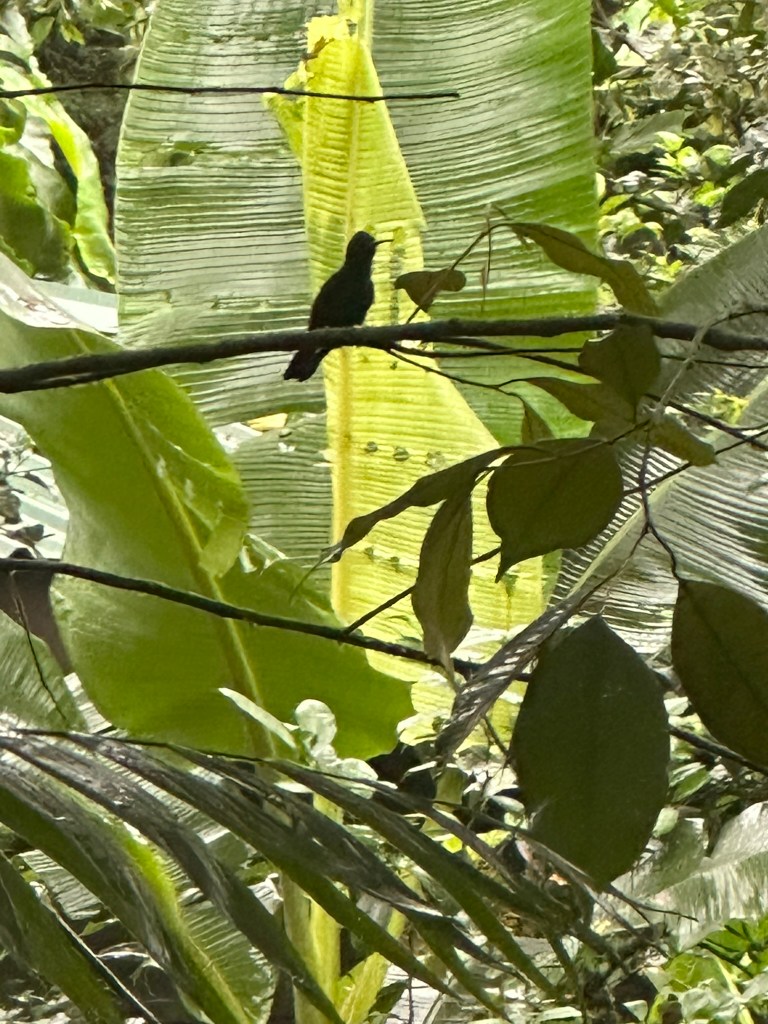
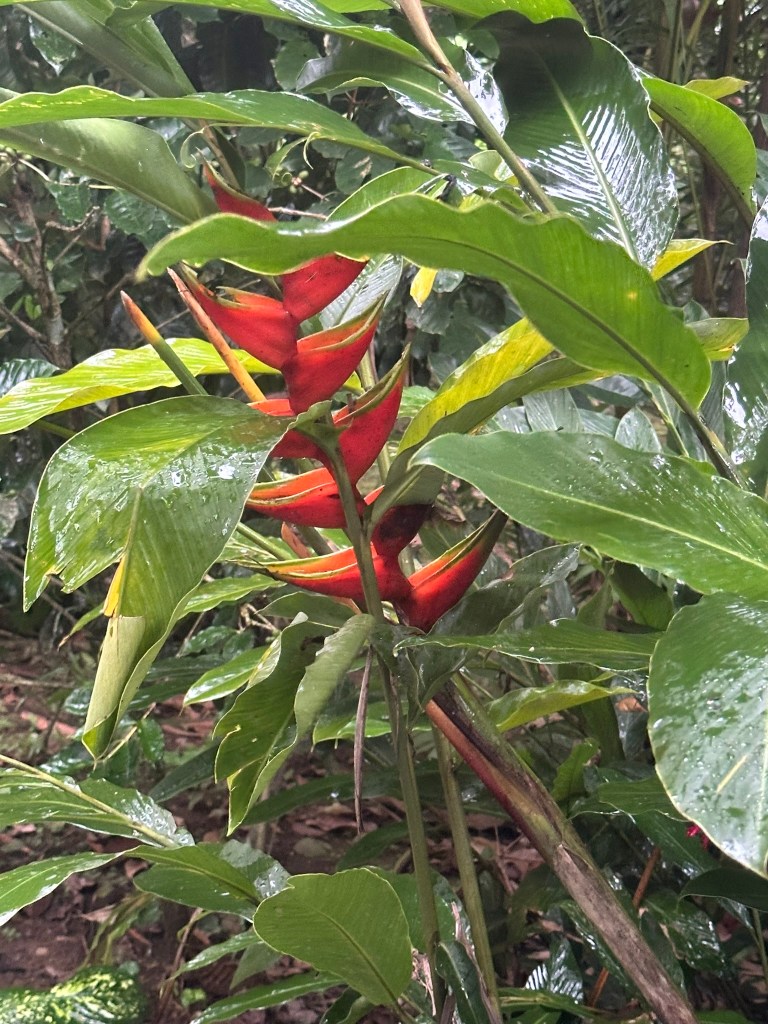
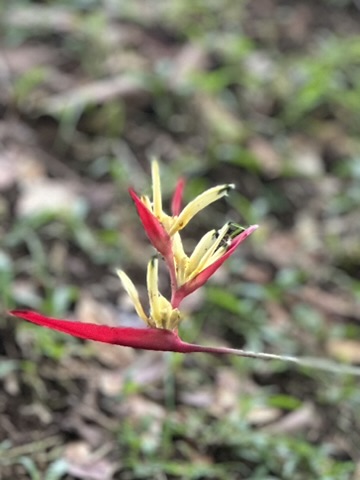
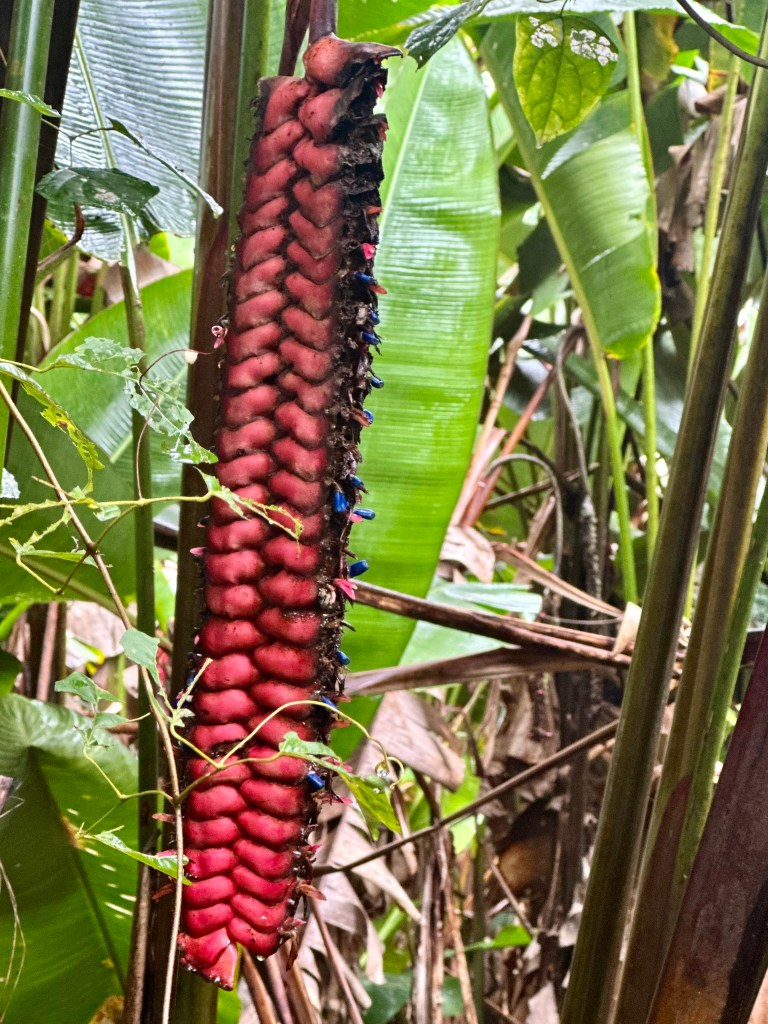
  3. Hermit hummingbird and false bird of paradise/ Heliconia flower
  4. Red eyed tree frog
  5. Halloween Crabs
  6. White tailed deer- National Symbol of Costa Rica wildlife
  7. Snakes and vipers
  8. Birds of Costa Rica
  9. Flowers of Costa Rica
  10. Colorful carts of Costa Rica
  11. Costa Rican Rainforest mask or Boruca Masks

Leaf Cutter Ants- Nature’s farmers that grow Fungai

First time I saw these little ants carrying the leaves was on a zip lining trip in La Fortuna and someone pointed them out to me. I was amazed by these ants carrying as much 50 times their weight in leaves as if to prepare an amazing salad. I read about them after coming back to hotel and spent next couples of hikes actively looking for them. Next to the human society, leaf cutter ants have most complex society with caste system and are the best farmers after us.

Leafcutter ants don’t eat the leaves they carry but use leaves as their fertilizer to grow their fungal gardens. These ants act as true gardeners by providing the fungus with freshly cut leaves, protecting them from pests and molds, and clearing them of decayed material and garbage. In return, the fungus acts as a food source for the ants’ larvae. Ants are very sensitive to the needs of these fungi and change up the leaf if the Fungai don’t like it as a food source. This symbiotic relationship also benefits from a bacterium that grows on the ant’s bodies and secretes antimicrobials, which the ants use to protect their fungi. You can read more about these amazing insects here .

Leaf Cutter ants

Sloth and its symbiotic relationship with algae and moth

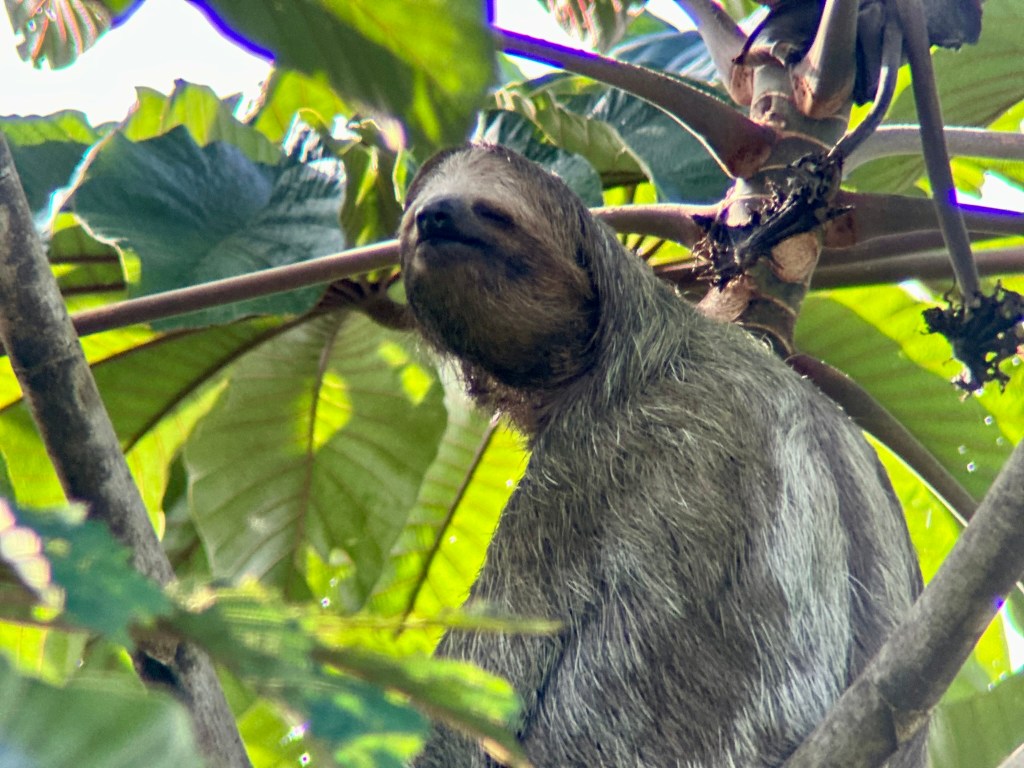
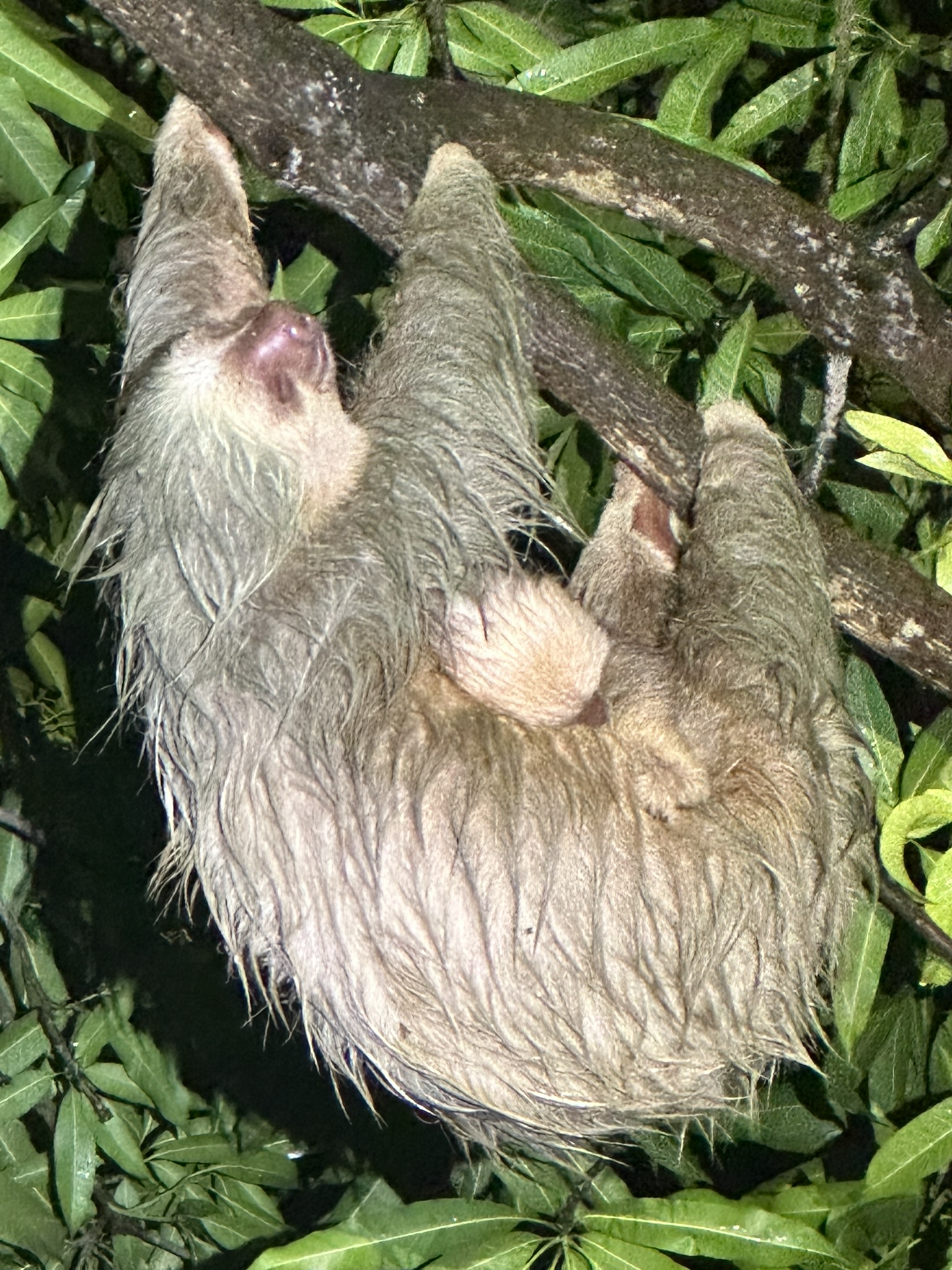
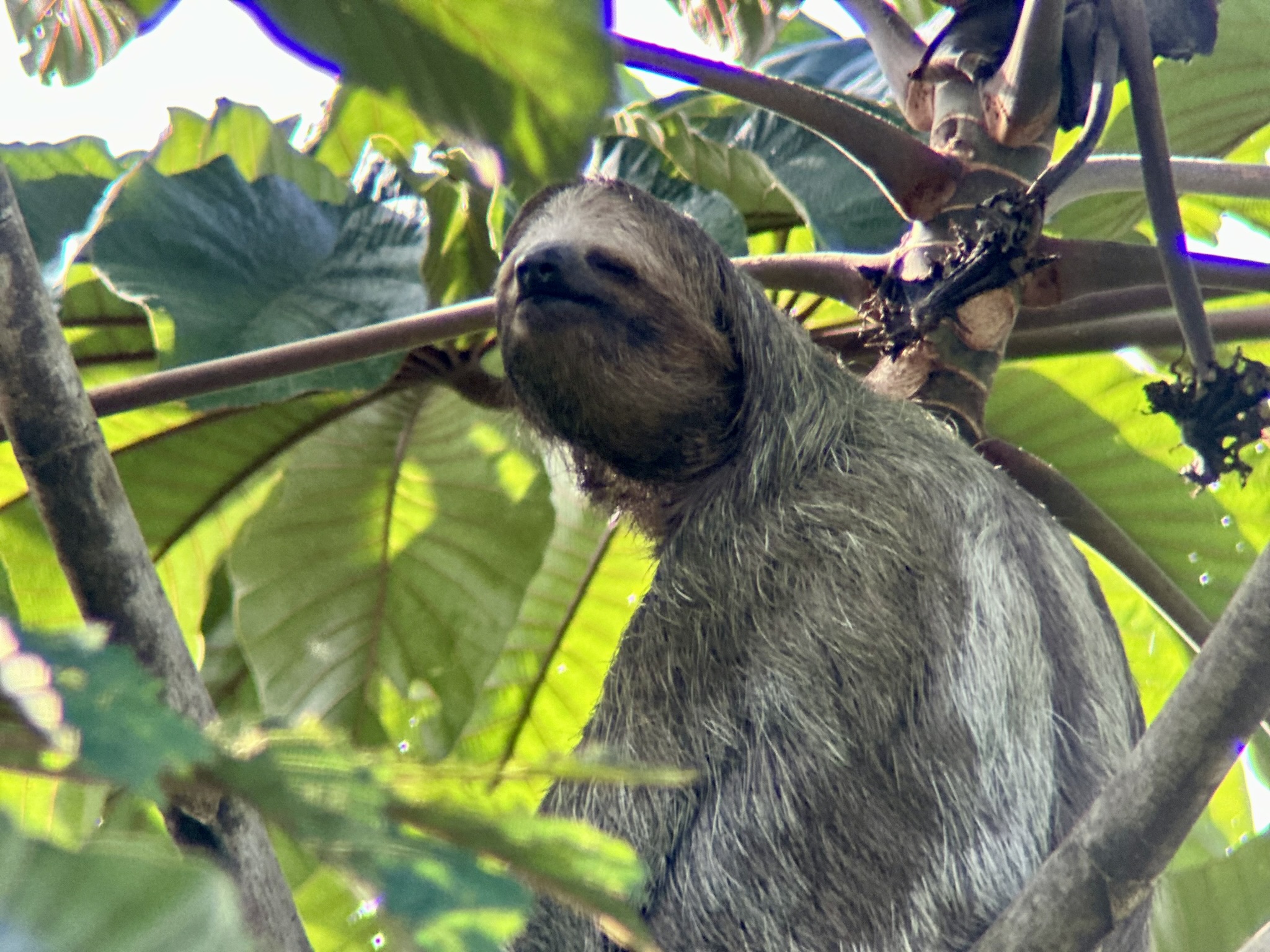
Most people who go to Costa Rica want to see sloths which are the national animal and symbol of Costa Rica. We were able to see Sloths in a few places both in La Fortuna and in the Parador resort at Manuel Antonio which had a resident sloth named Valentina that hung out by the pool on the mango tree with her baby.

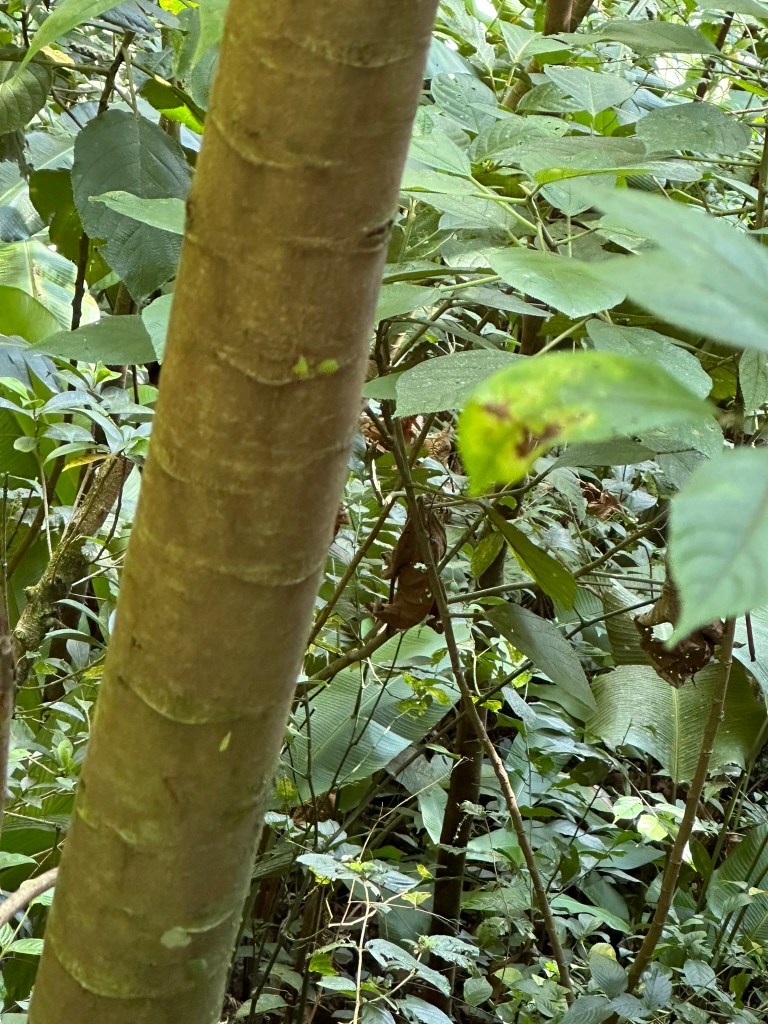
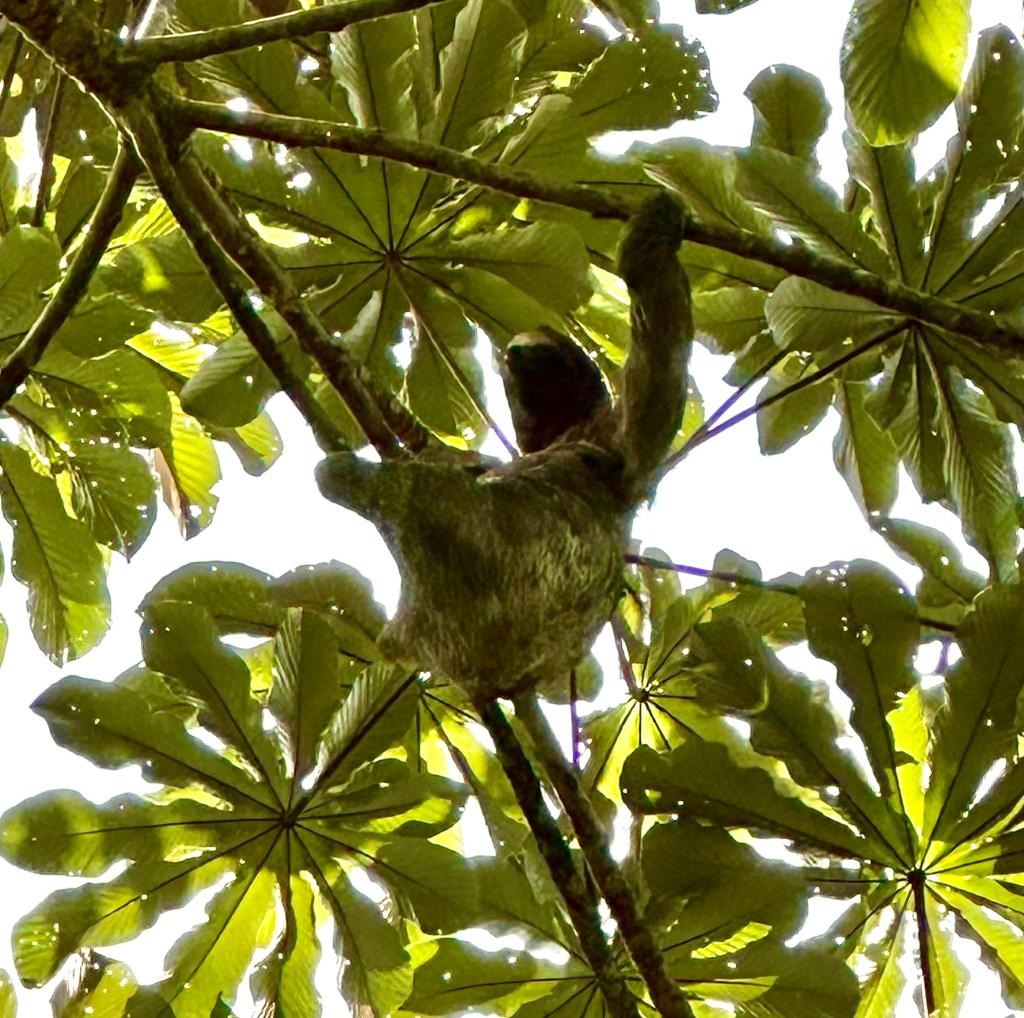
Although pretty common in Costa Rica, Sloths are not easy to spot. We were able to see 3-toed sloths in La Fortuna area during daytime while we saw nocturnal 2 t0ed sloths in Manuel Antonio Park. We weren’t able to spot first few until the guides pointed out but after a week, we got pretty good at spotting them especially on certain tress where they inhabit. As a slow-moving animal, sloths have developed a good camouflage technique that makes them hard to find. Sloths have a specialized fur coat that is covered in tiny grooves, providing the perfect environment for green algae to grow. This green alga acts as a natural camouflage, allowing the sloth to blend seamlessly with the surrounding green leaves of rain forest. This camouflage not only helps sloths hide but also provides a source of nutrients as these sloths often lick their fur, eating the algae, which provides them with essential vitamins and minerals.

Hermit hummingbird and false bird of paradise/ Heliconia flower

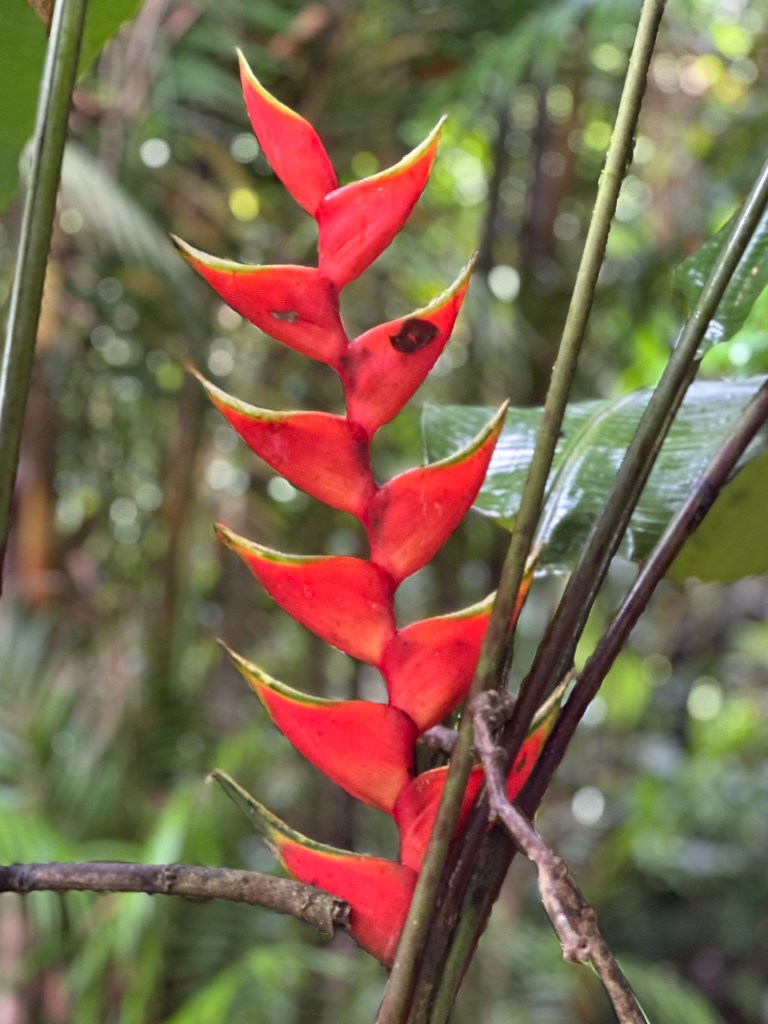
One of my favorite memories from Costa Rica was waking up on day 1 in the rain forest bungalow and looking out of the window to see a hummingbird feeding on a flower. The Chachagua Rainforest hotel where we stayed had beautiful gardens and tons of hummingbirds but every morning, the one hummingbird came back to feed on the same flower. Until we went on hike to Rio Celeste and Naturalist guide explained relationship between the hummingbird and this particular flower, I finally understood the reason. 

The false bird of paradise is called Heliconia and Green hermit hummingbirds have a symbiotic relationship, and this relationship is a great example of the fine tuning of coevolution between plants and its pollinators. The green hermit hummingbirds have curved bill that mimics the shape of the flower of Heliconia. Only after being pollinated by these long-billed birds, the Heliconia plant begins to reproduce. The plant accepts pollen only from birds with bills that match the shape of its flowers. It seems like the long-billed birds and long-flowered plants evolved to fit each other. Isn’t nature full of surprises? You want to read more about this symbiotic relationship, you can check out this article.

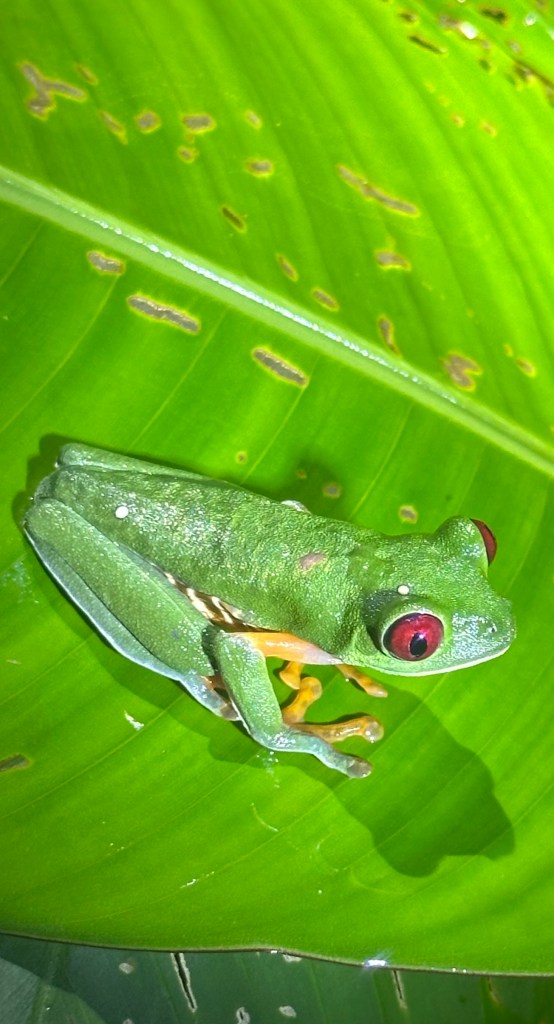
Red eyed tree frog

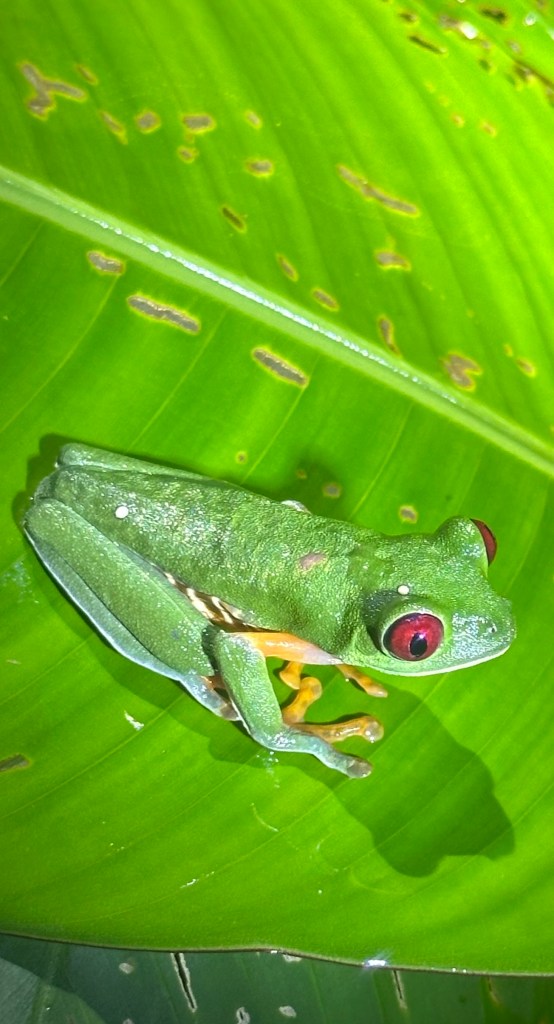
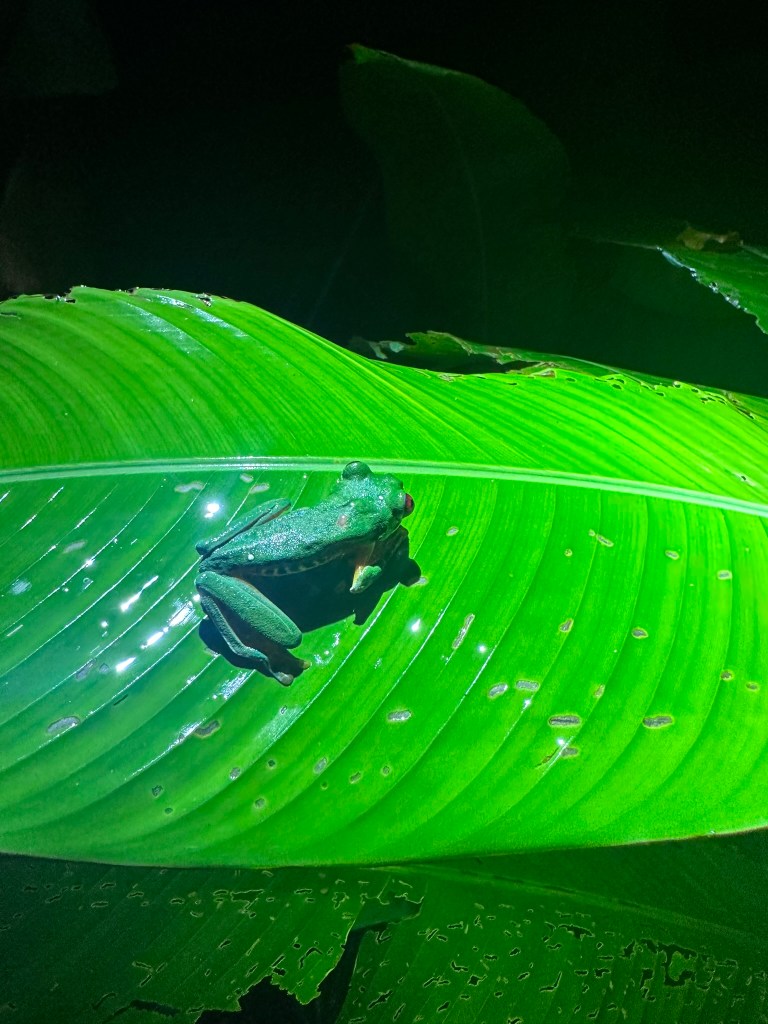
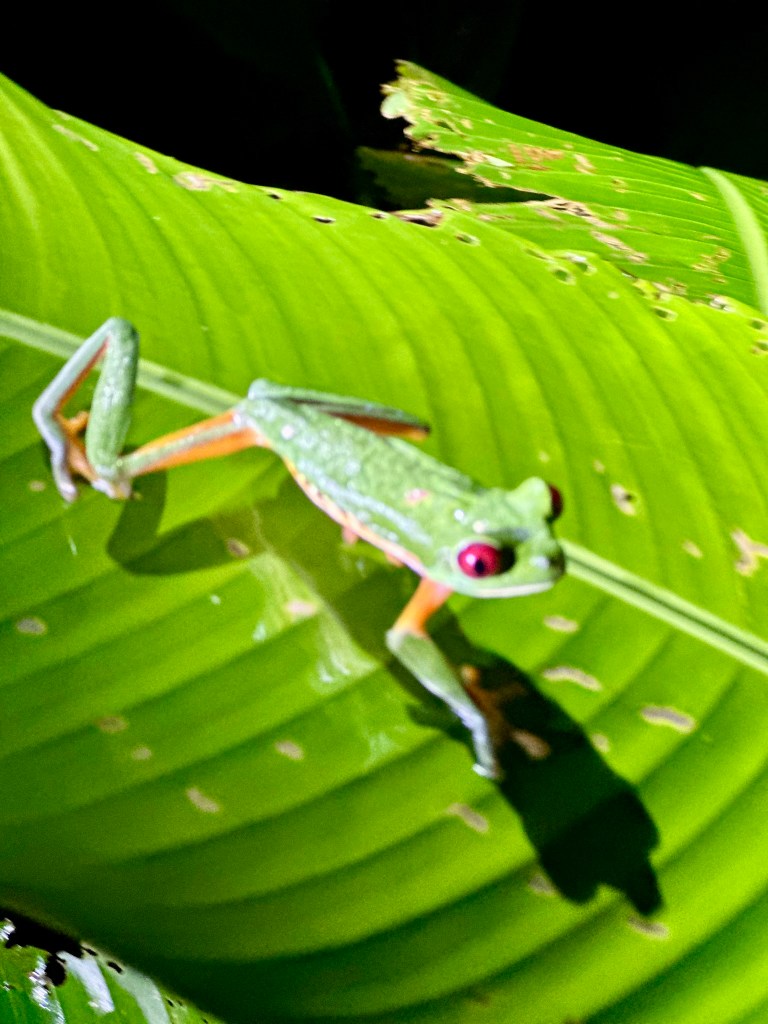
Red eye tree frog is the most iconic symbol of Costa Rica and you will see on any books or items related to Costa Rica. I thought it would be easy to see these frogs as everyone posts beautiful pictures of them but our first night walk in La Fortuna, we didn’t see any red eyed tree frogs. I was determined to see them before we left Costa Rica and we did another night walk at the Parador nature resort. As soon as we reached the pond area, the guide said you are in luck as he can hear the mating call of the frog but after 30 minutes searching, we didn’t find any even though we knew they were close by but well hidden in the trees.

As much as you can easily recognize these frogs with their large red eyes and bright green skin, they are hard to spot. The bright green color of the skin easily blends with the surrounding and when frightened they close their eyes and perfectly blend on the green rain forest leaves and surface. The large red eyes of these frogs also help them to see in low light conditions. Additionally, the red eyes can help to startle predators and give these frogs a chance to escape. Our guide was finally able to spot one on our way back from the night walk and I was able to finally capture the picture of this iconic frog.

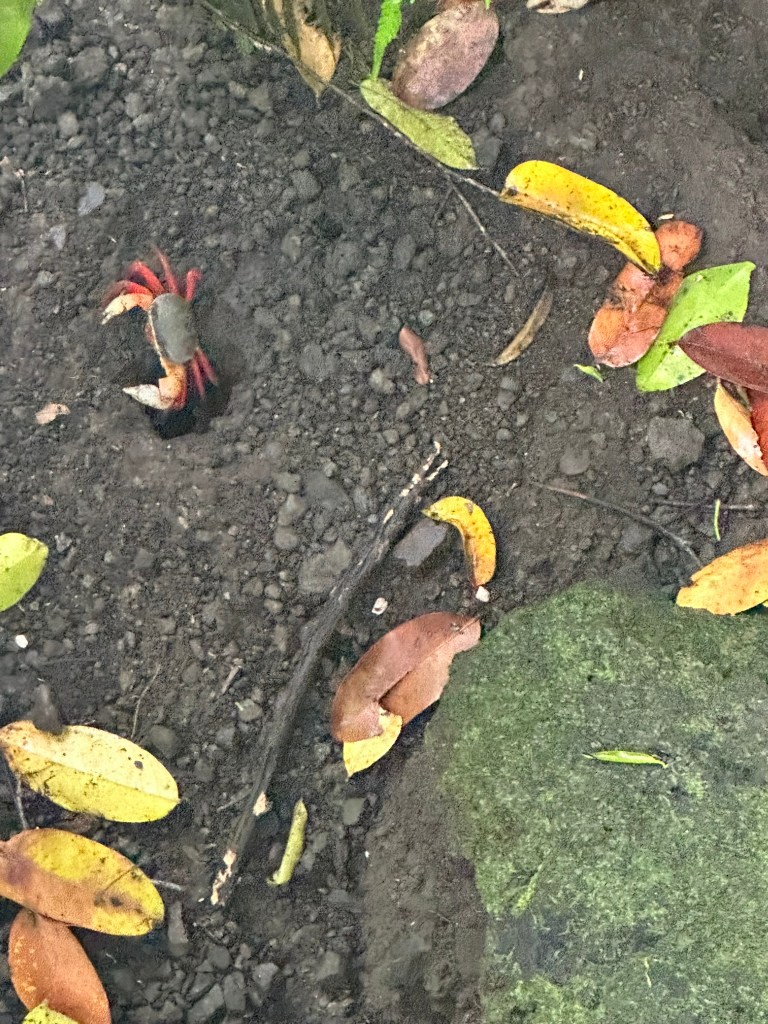
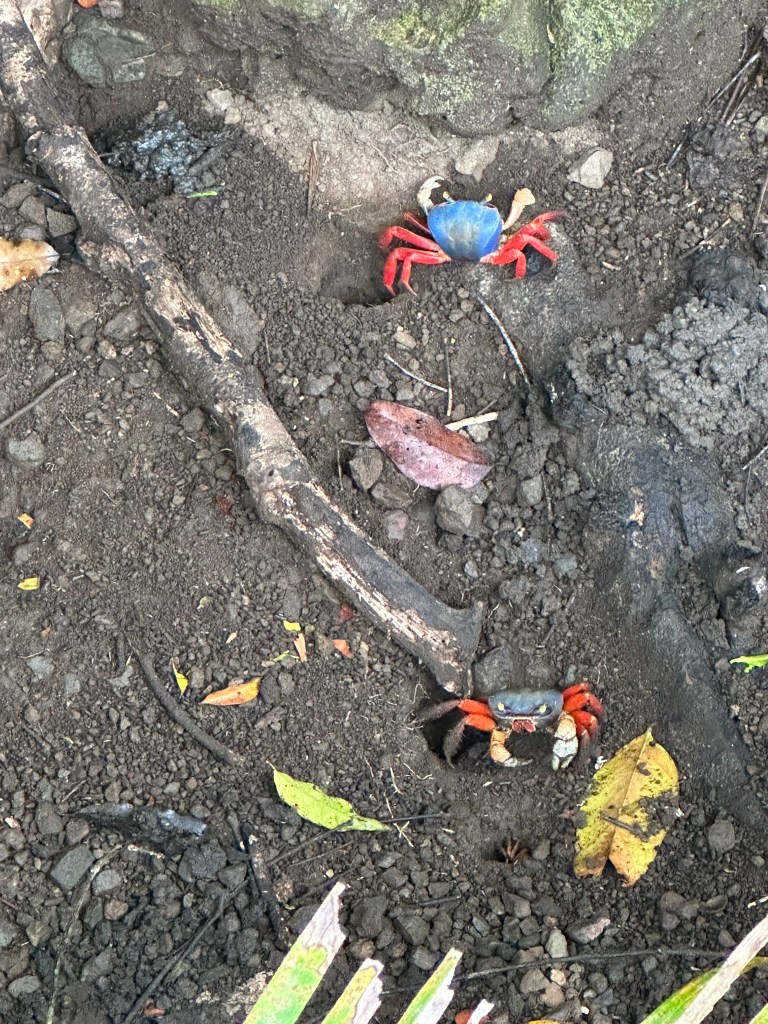
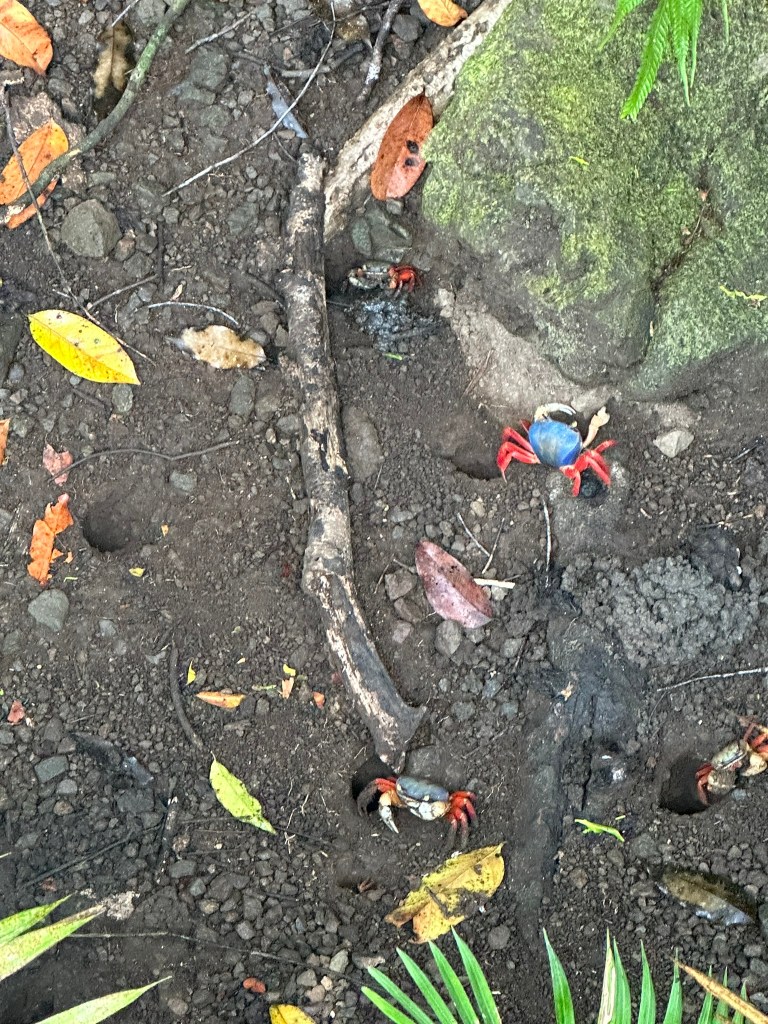
Halloween Crabs

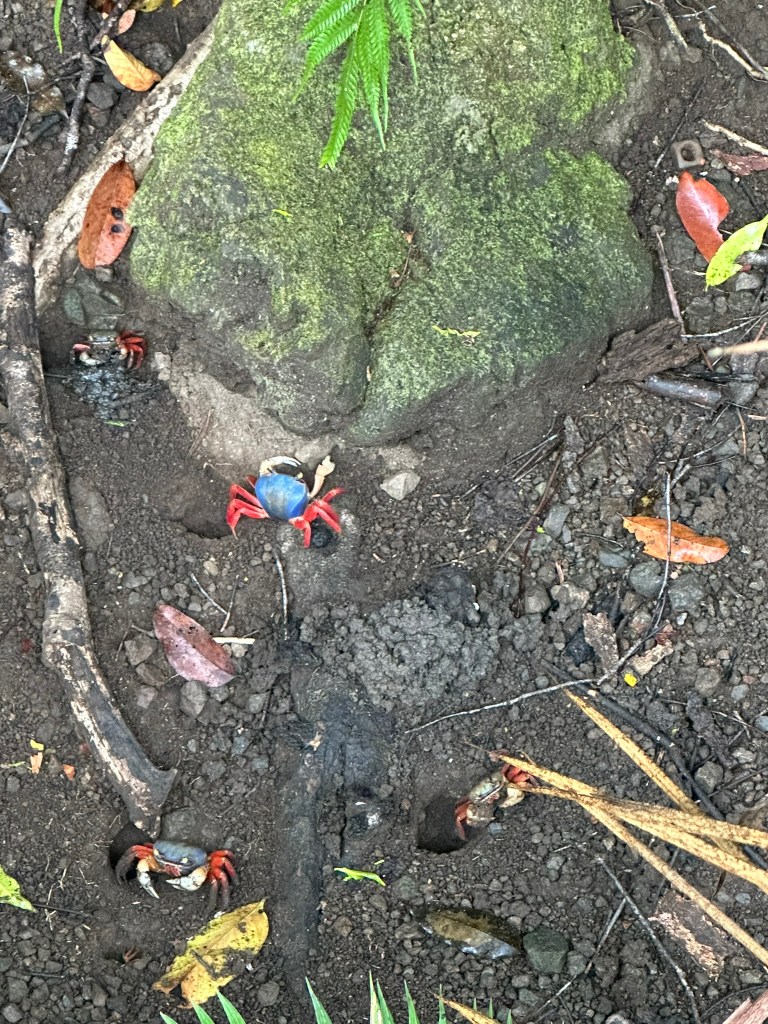
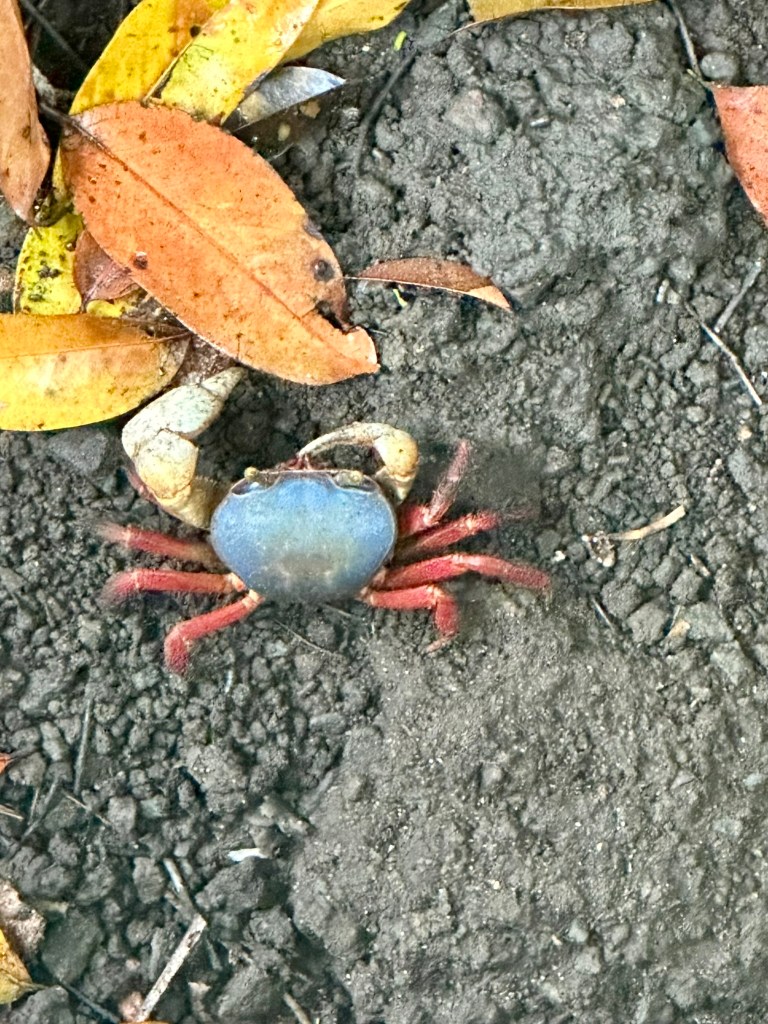
These crabs go by various names including red land crab, white spot crab, moon crab etc and usually have some combination of red, orange, purple, black, and or blue. When every animal in rainforest is trying to blend with its environment and hide from predators, these crabs seem have taken opposite approach and gone as colorful as possible. As you walk through Manuel Antionio National Park or kayak in Mangroves, you will see hundreds of these crabs. When I asked guide why they are so brightly colored, I was told that the crabs have poor vision and bright colors is how they see each other. According to this article, these crabs are also ecosystem engineers and create habitats with deep dug borrows. “These burrows then serve as homes for a host of other creatures after the crab has moved on or become something’s dinner. They also participate in the nutrient cycle. They eat seeds, seedlings, and leaf matter, which they carry down to their burrows returning nutrients to the soil. Their diet affects their environment in another way. The seeds and seedlings that they decide to eat or not eat ultimately help to shape the plant populations in the areas where they live” (from https://guanacastewildlifemonitoring.com/)
White tailed deer- National Symbol of Costa Rica wildlife

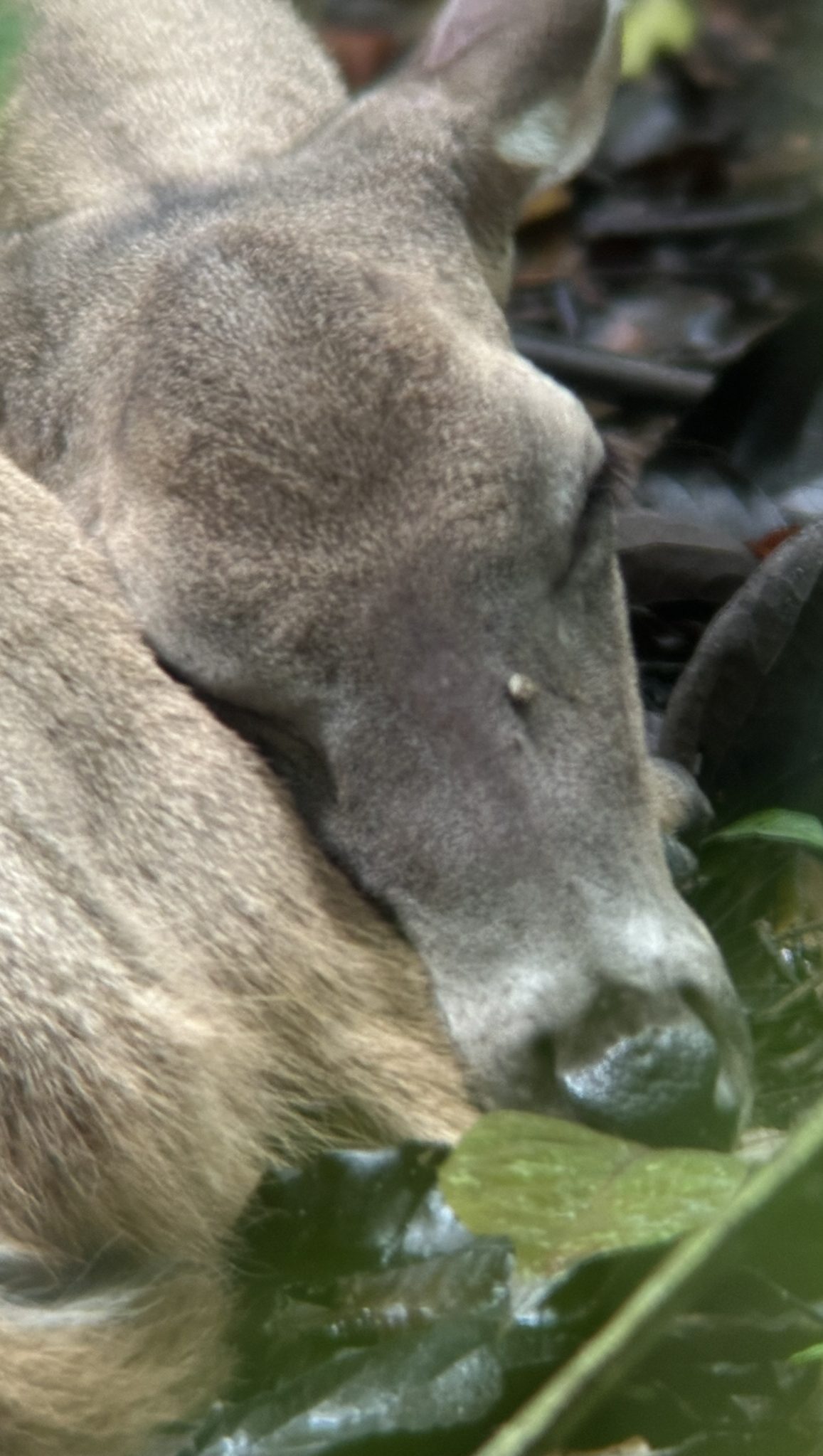
One of the first animal we saw in Manuel Antonio National Park was a white-tailed deer and its baby and our guide spent 10 minutes talking about the animal. Living in Northeast and South of US, where these deer are everywhere and not so special and they usually they run into roads causing accidents. But sometimes, when you travel, you realize that your ordinary is someone’s extraordinary. In Costa Rica, these deer sightings are rare and it’s an accomplishment to see these animals. They are a protected species facing extinction and penalty for killing these animals is huge and our guide joking said that ” he would rather be caught selling drugs and other petty crimes than to kill this deer”. White tailed dee is declared national symbol, by President José María Figueres Olsen, on May 2nd, 1995.

Snakes and vipers

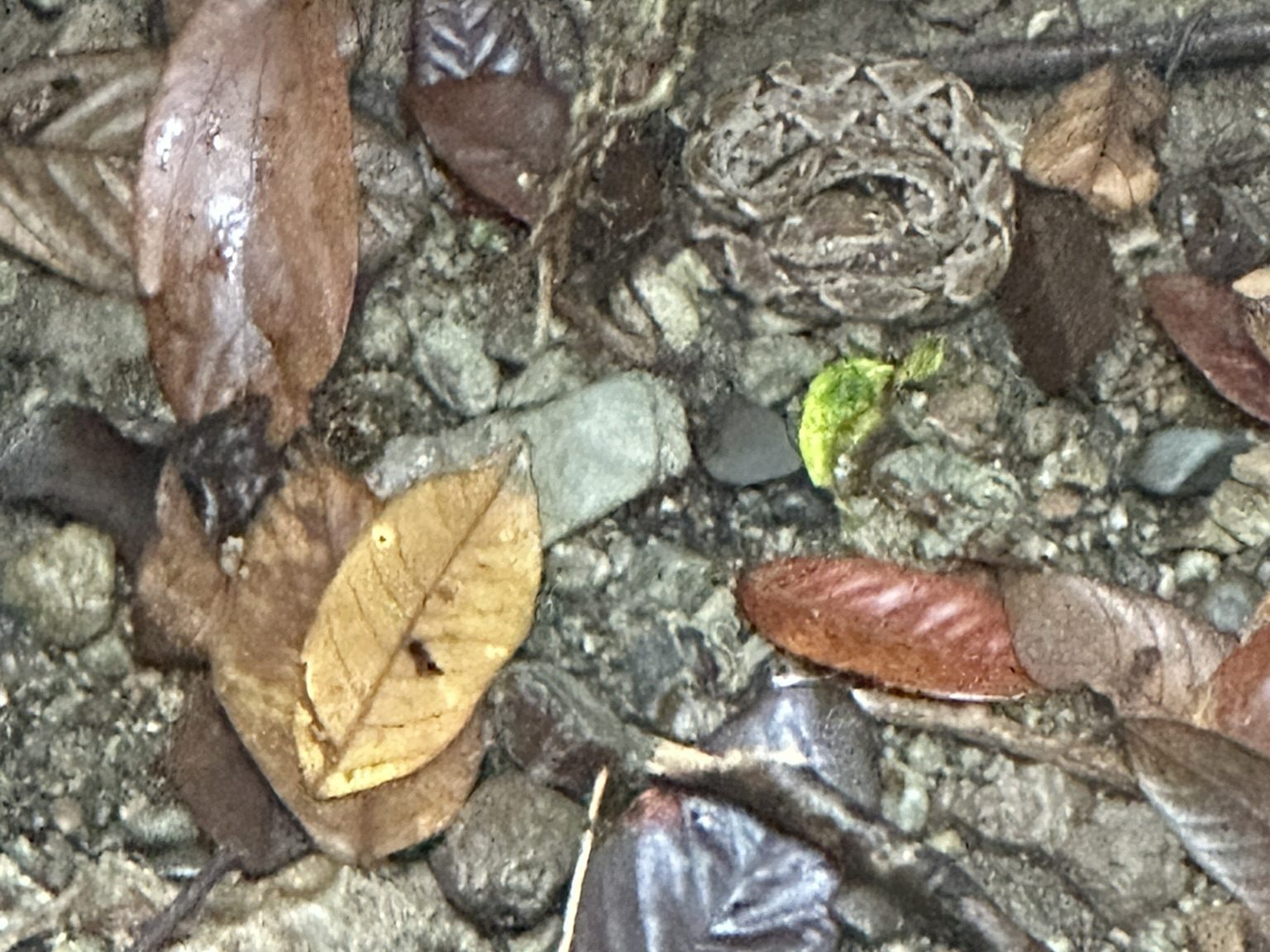
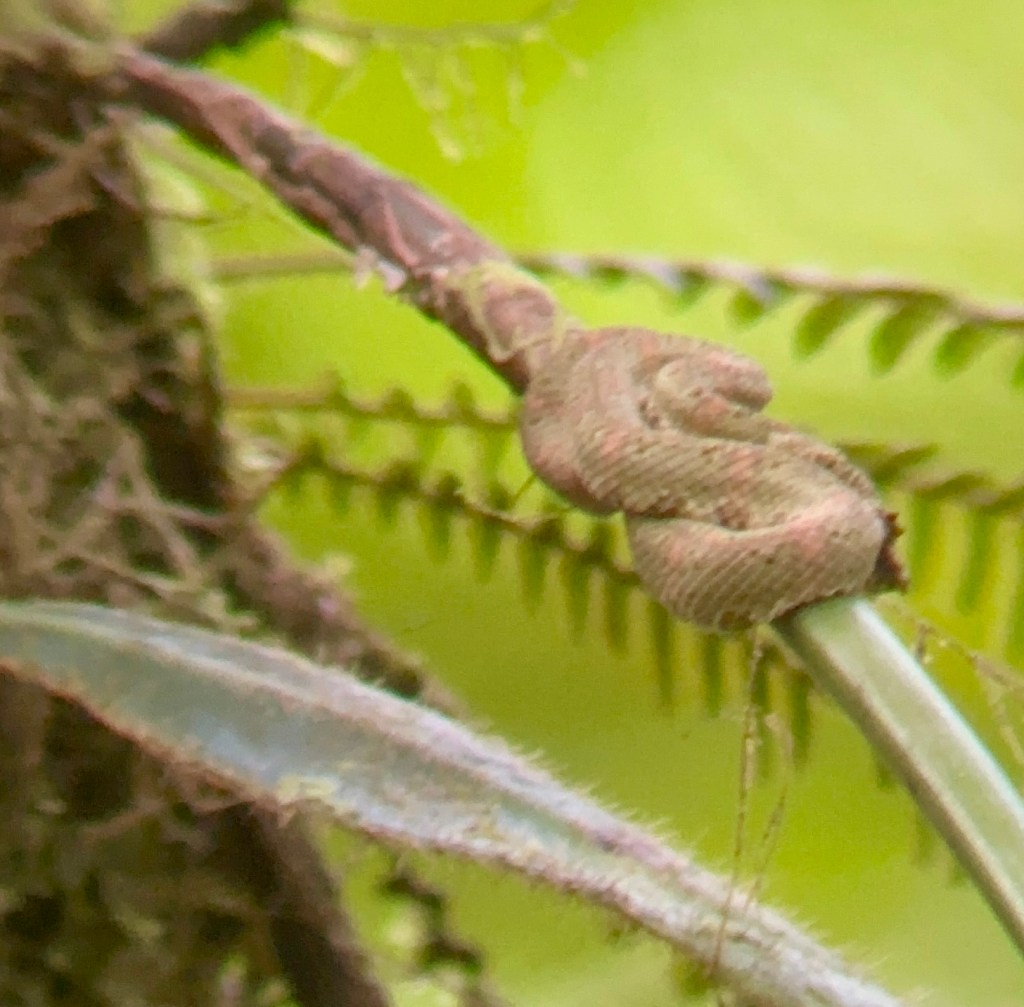
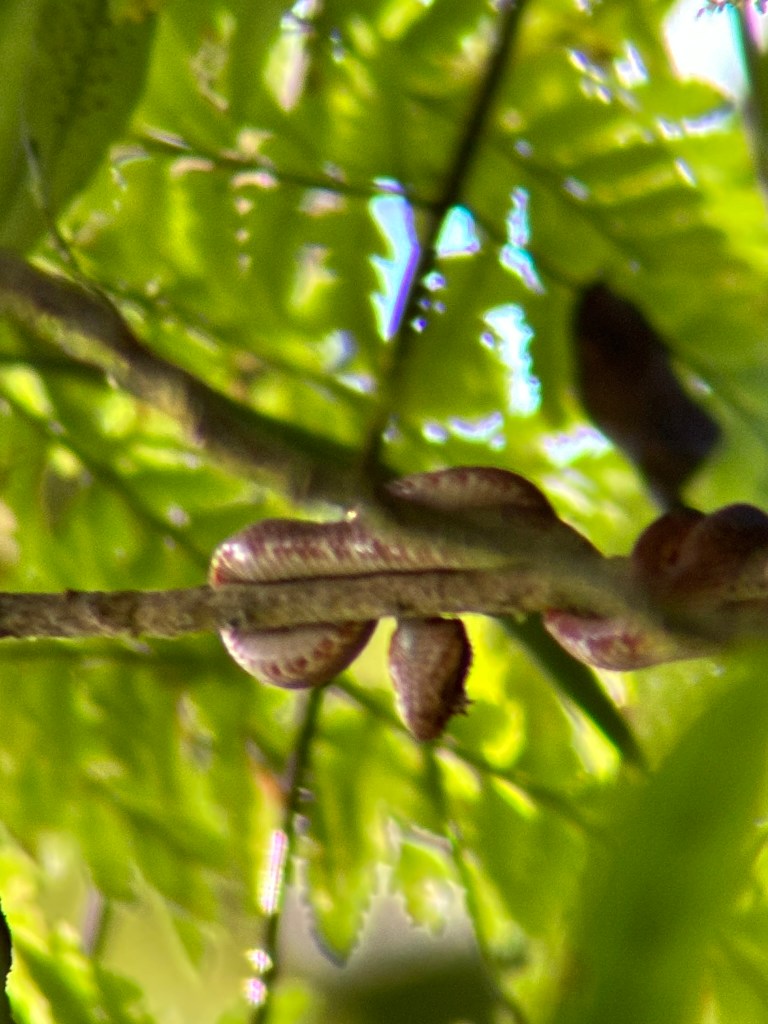
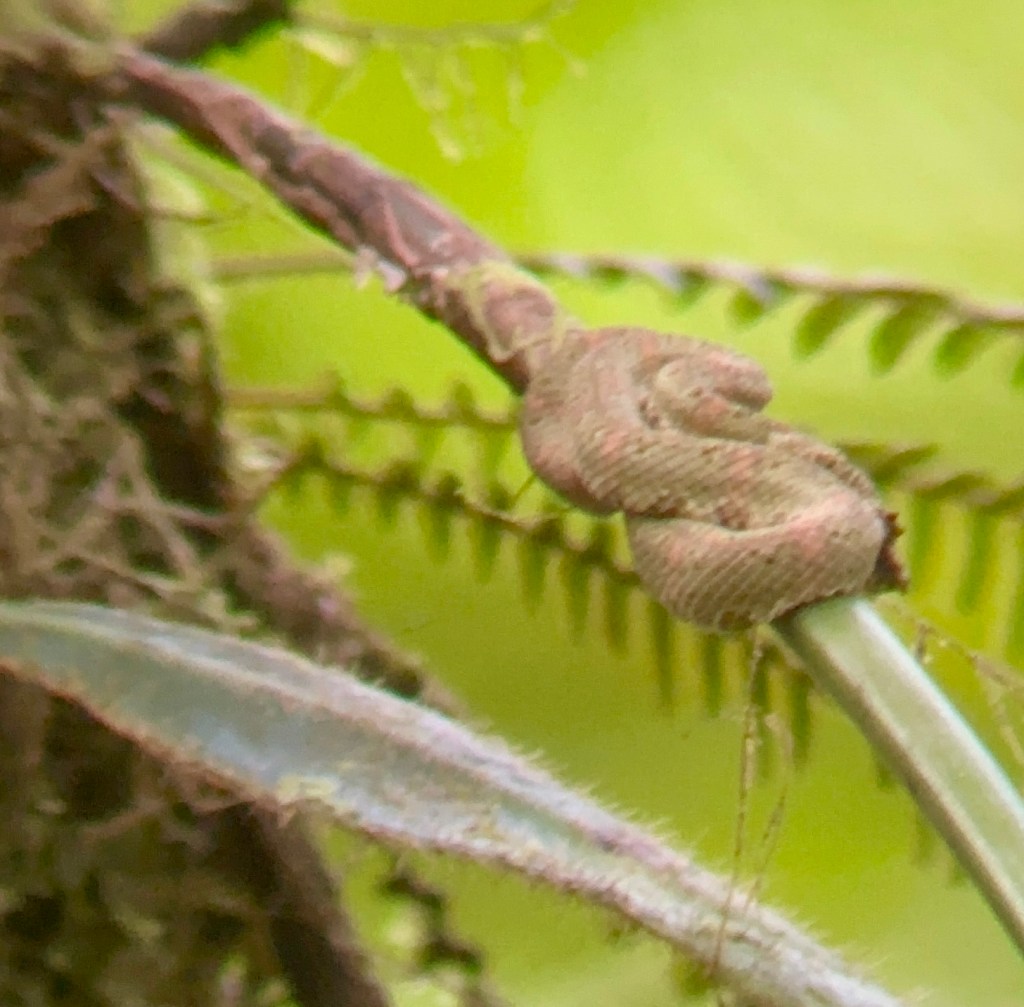
We were able to see couple of different kinds of venomous snakes in Costa Rica. We saw the eyelash viper both in Mistico hanging bridges as well as in Rio Celste hike. One of the most prominent features of the eyelash viper is its scales, which are responsible for its rough and bumpy appearance, providing a unique texture to its skin. The color of the snake usually shades of green or yellow and it seamlessly blends into its surrounding. Both times, the guides were able to spot them, but we struggled spot them even after we knew they were there. The name of these snakes comes from extensions of scales above the eyes resemble eyelashes.

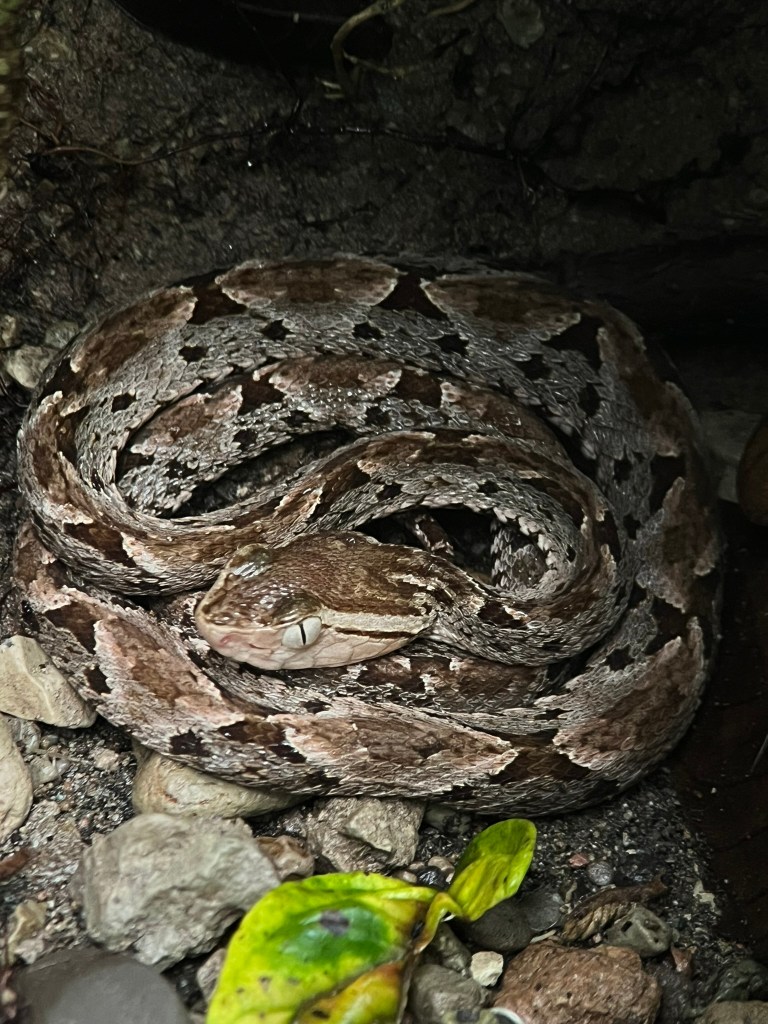
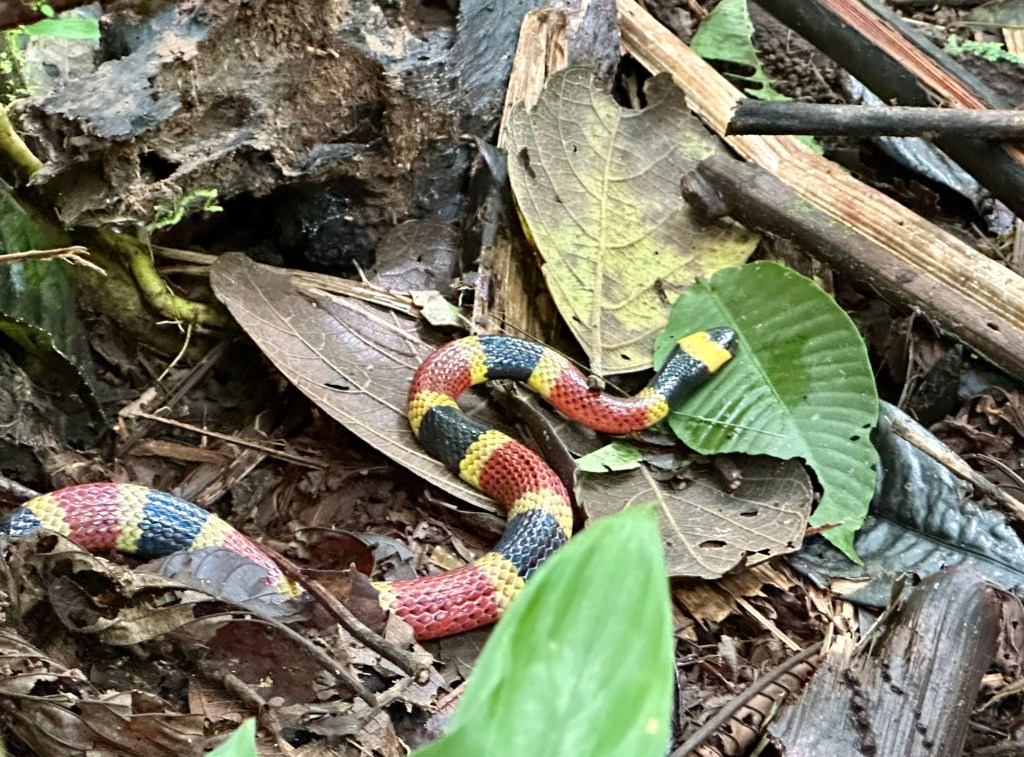
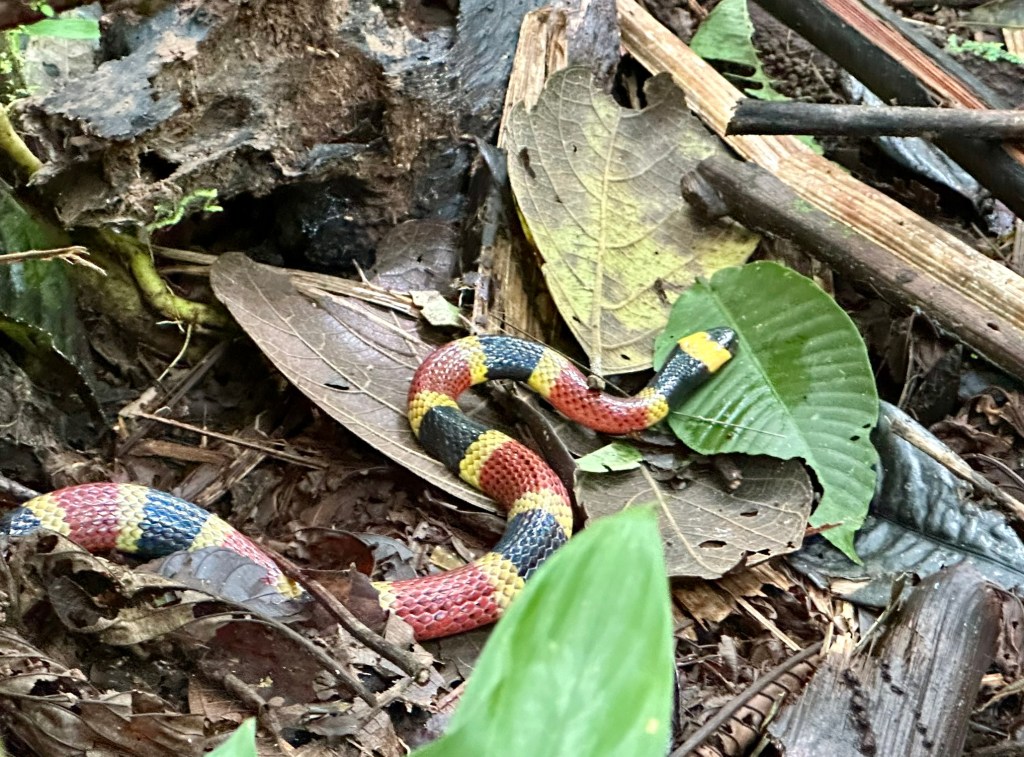
Fer-de-lance – Another venomous snake we saw in Manuel Antonio ( scientifically known as Bothrops asper). Fer-de-lance means “spearhead” in French, this venomous pit viper is known for its triangular-shaped head and deadly venom and are masters of camouflage. Again, even after the guide pointed out, it took us a little while see this snake. On the flip side, the coral snake we saw on our hike to Rio Celeste is as bright as possible.

Birds of Costa Rica

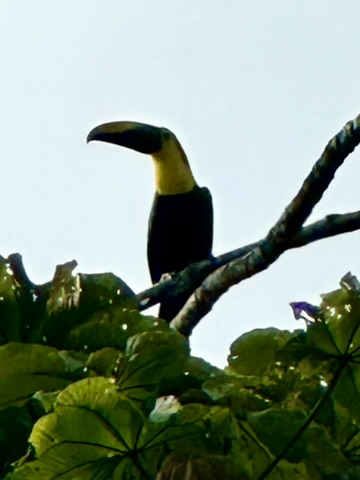
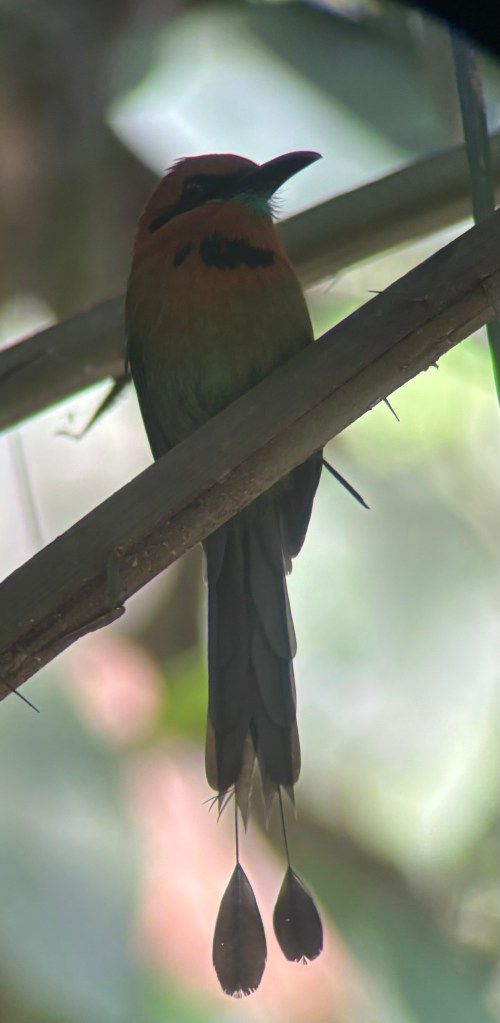
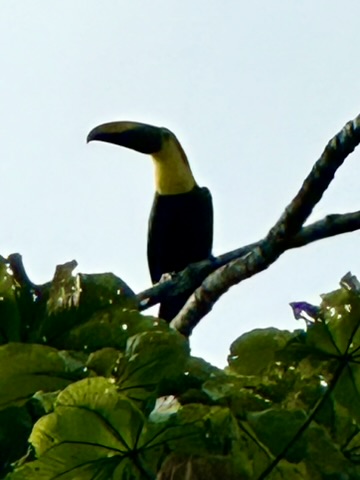
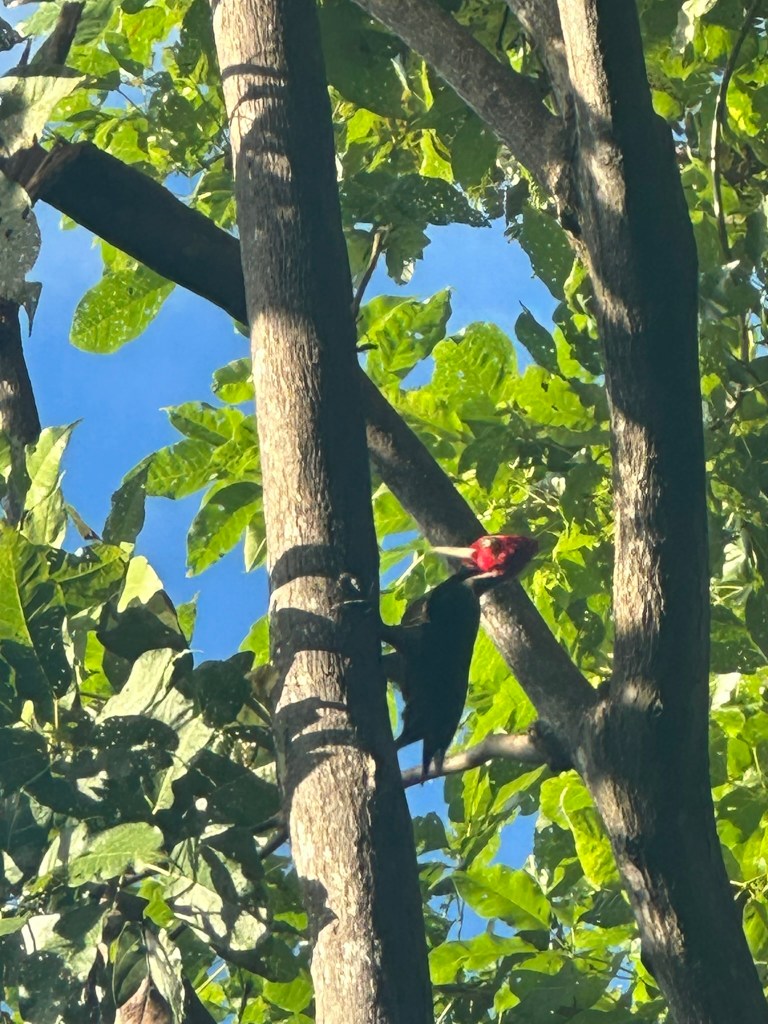
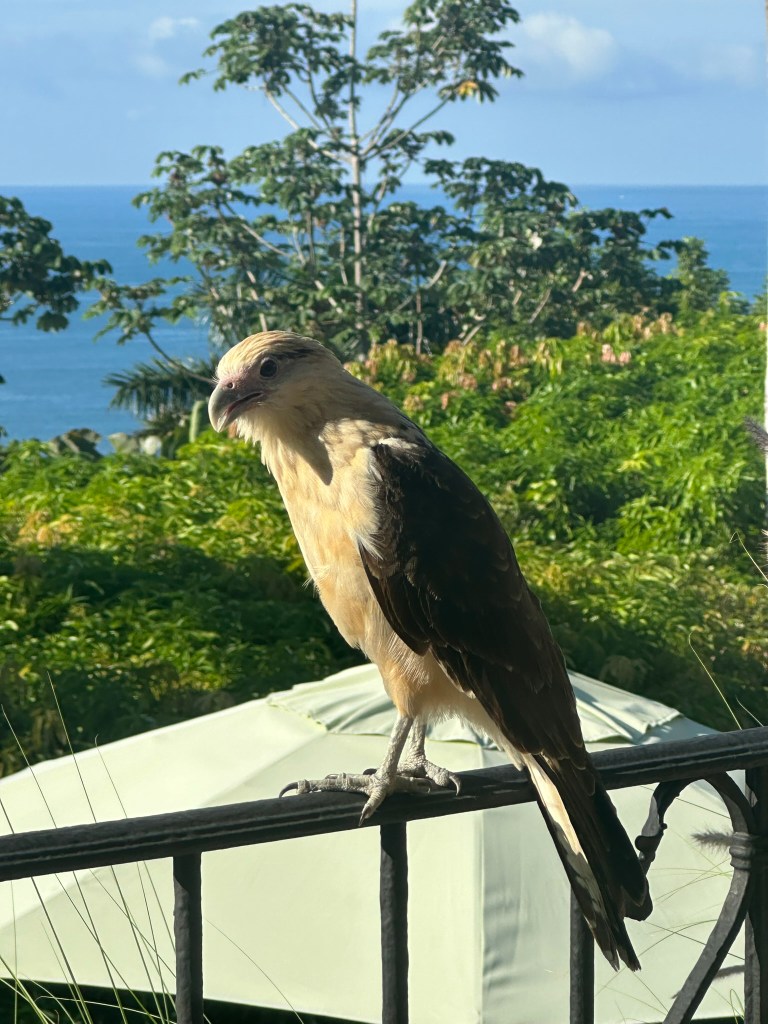
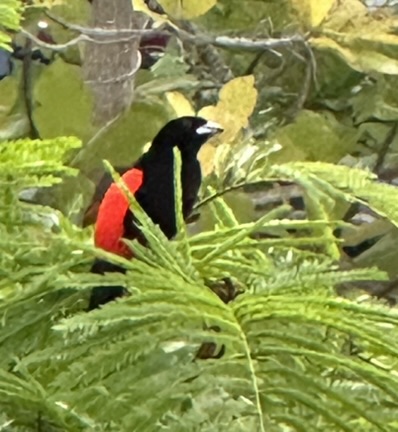
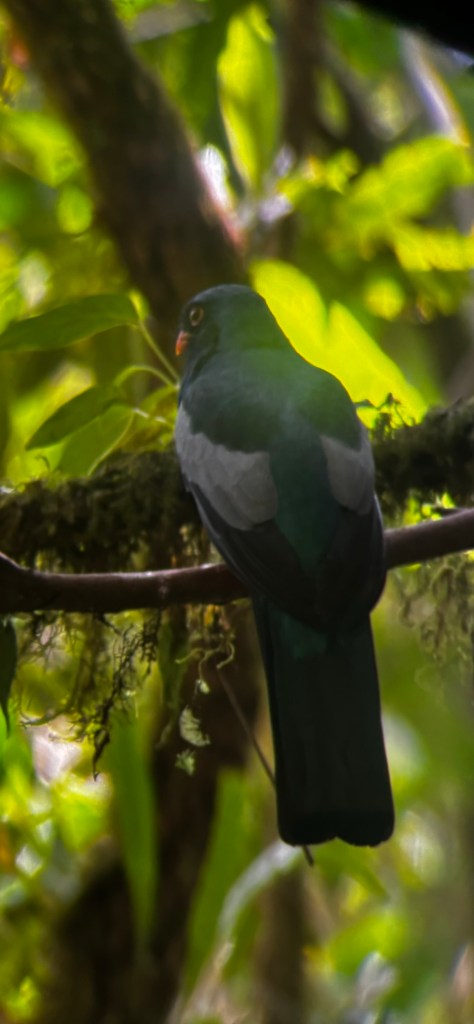
We were able to see several types of birds both in La Fortuna and in Manuel Antonio. Humming birds and Toucans were abundant in Chachagua Nature resort that we stayed in La Fortuna. We saw couple of Scarlet Macaws in Manuel Antonio but weren’t able to capture their photo. One of the crown jewels of Costa Rican bird is the Quetzal, we didn’t get to see it, but we will see them in our next trip to Costa Rica.

Flowers of Costa Rica

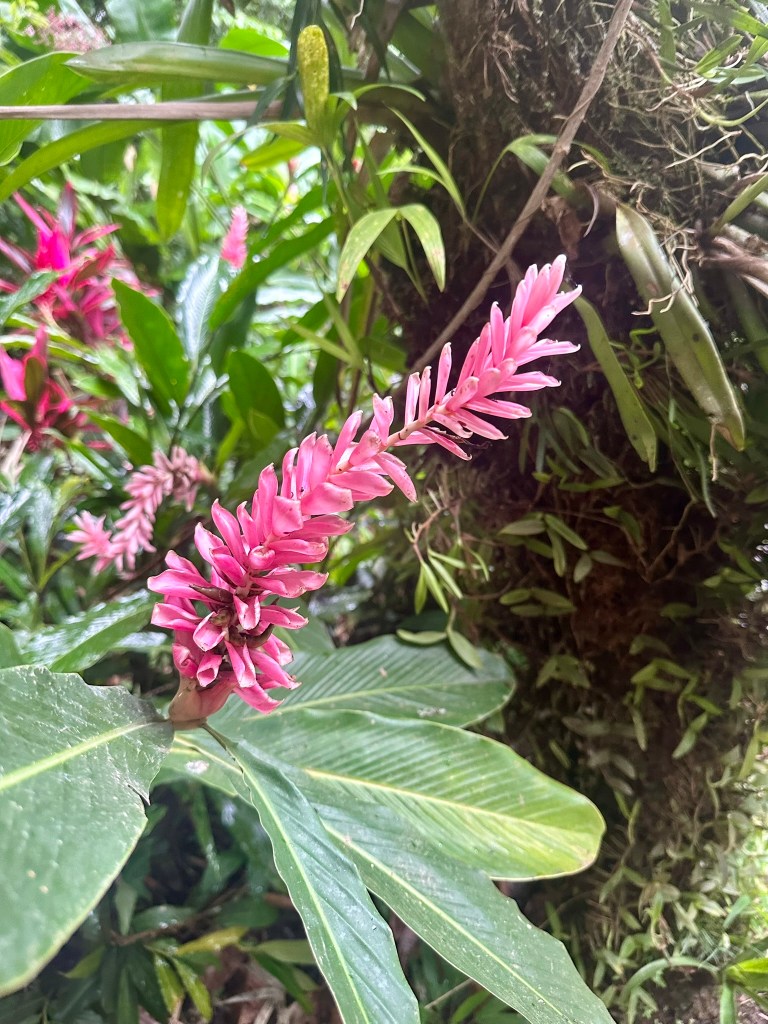
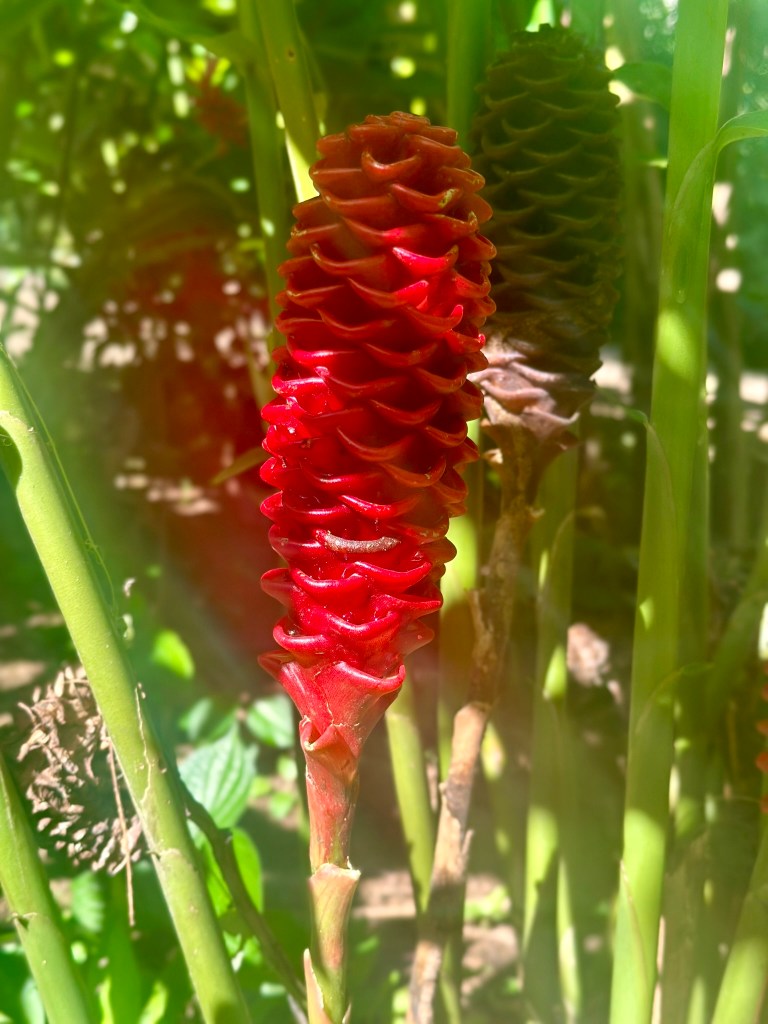
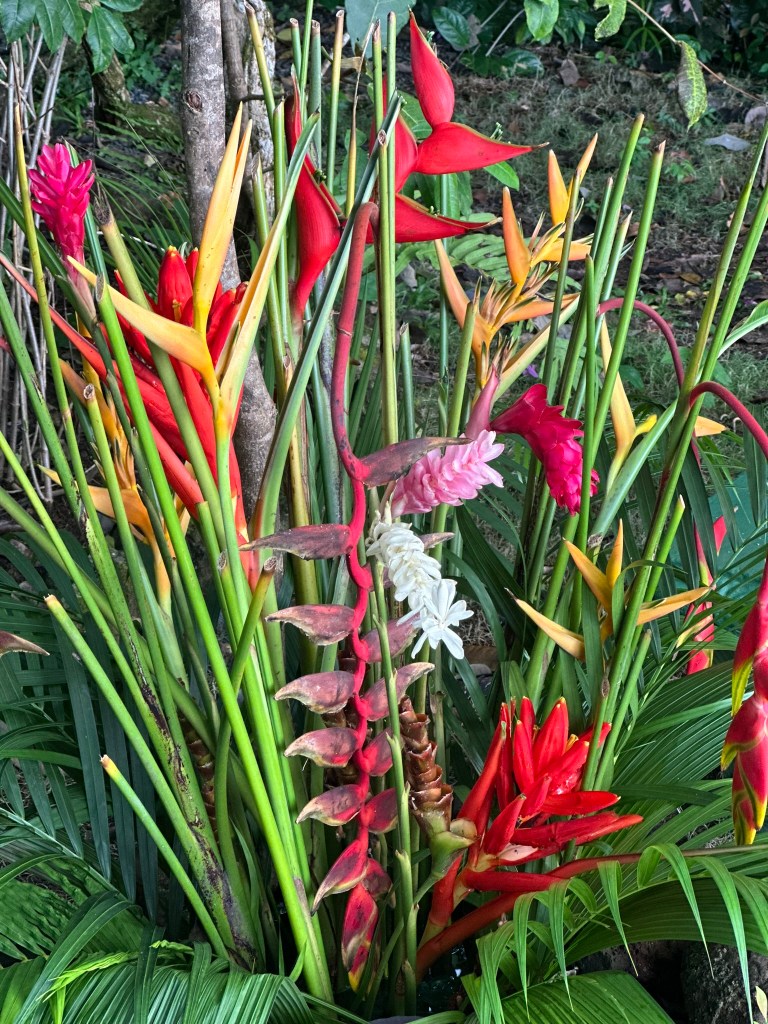
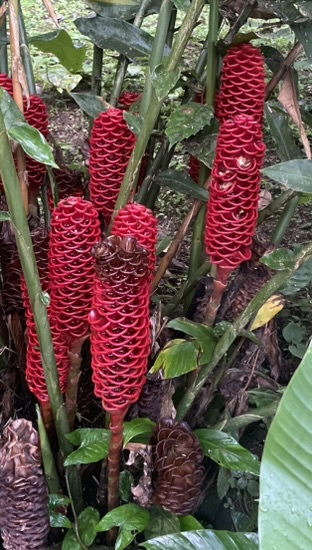
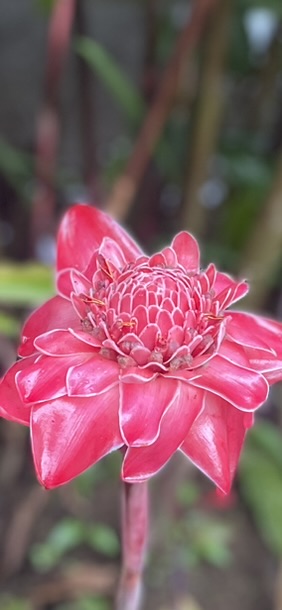
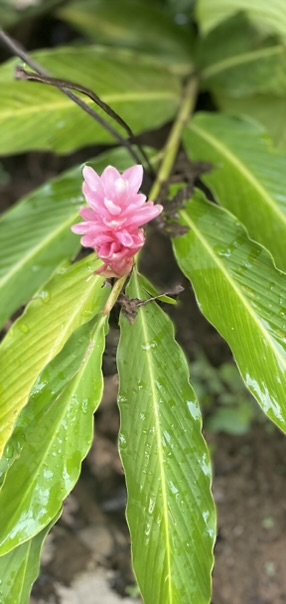
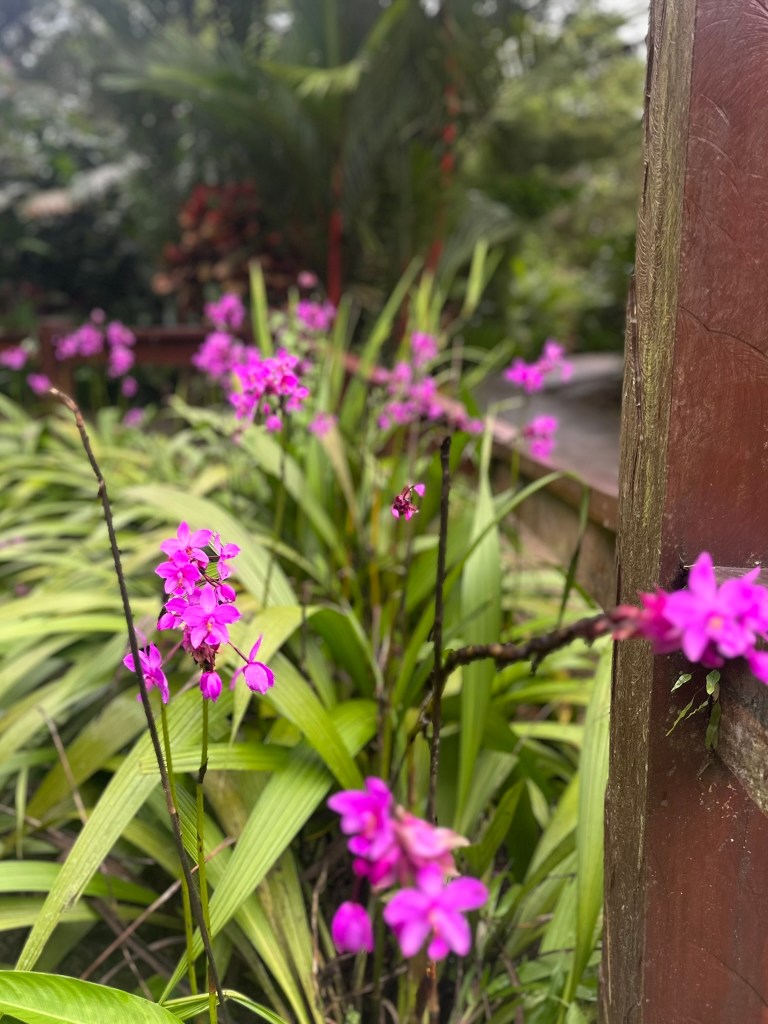
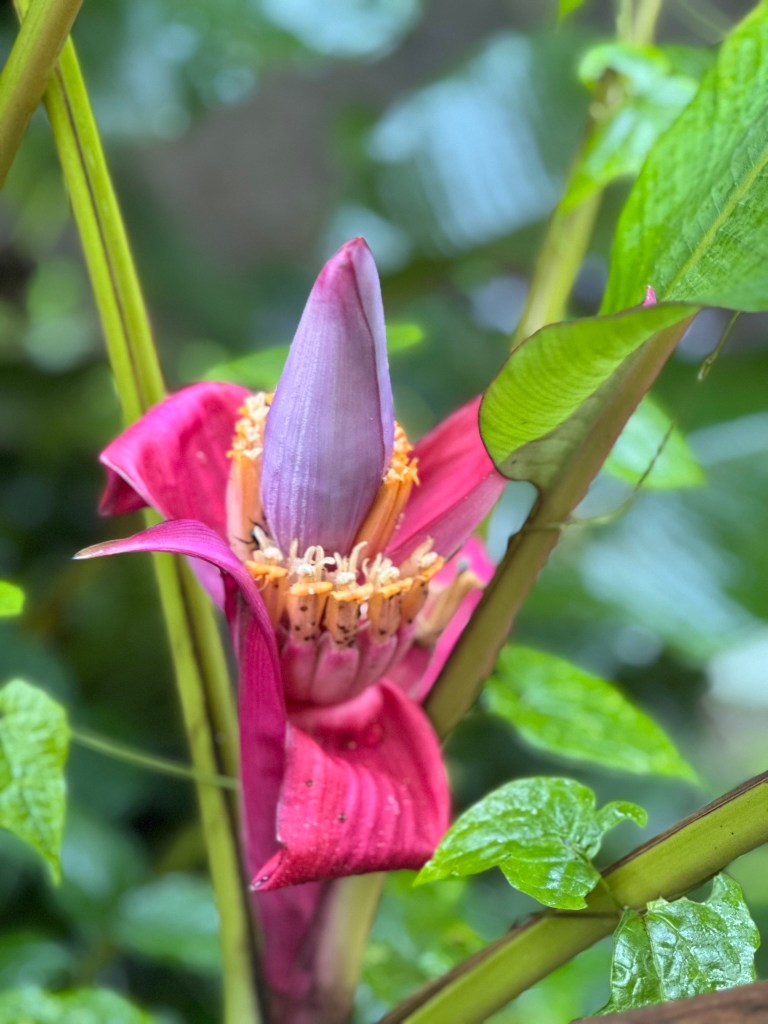
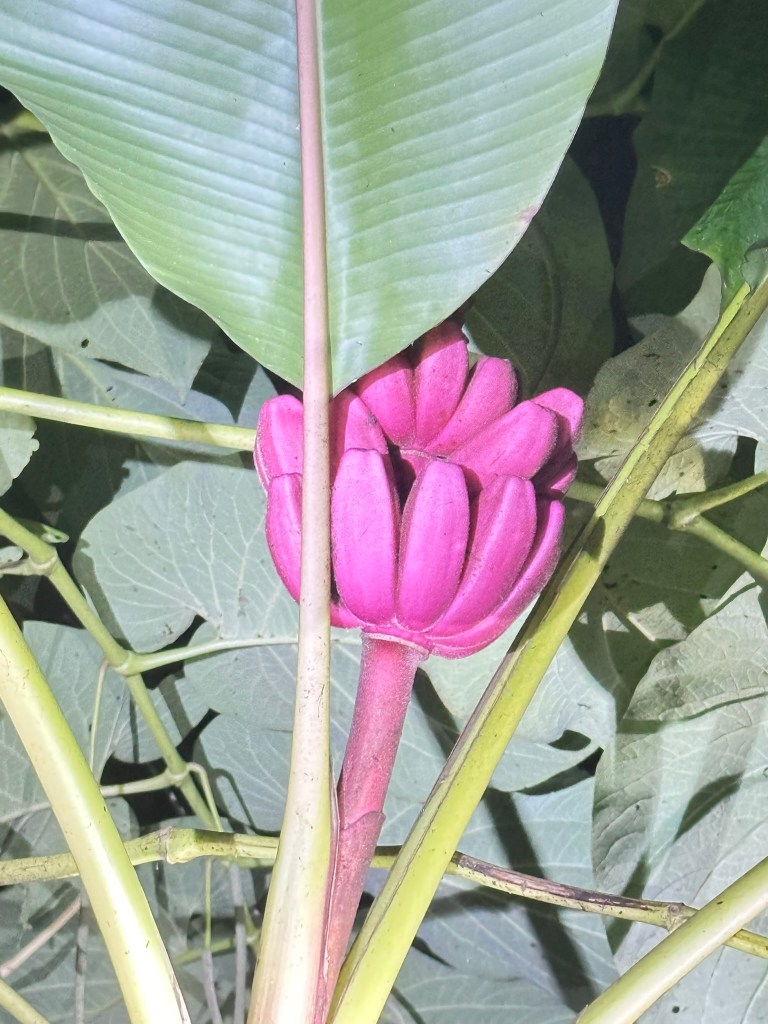
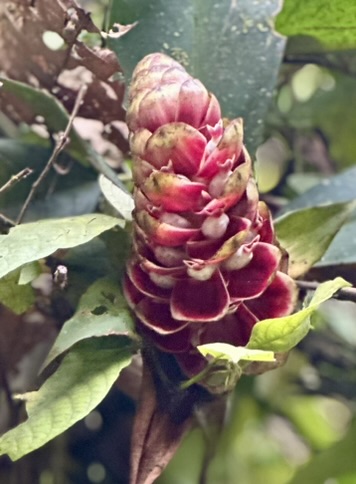
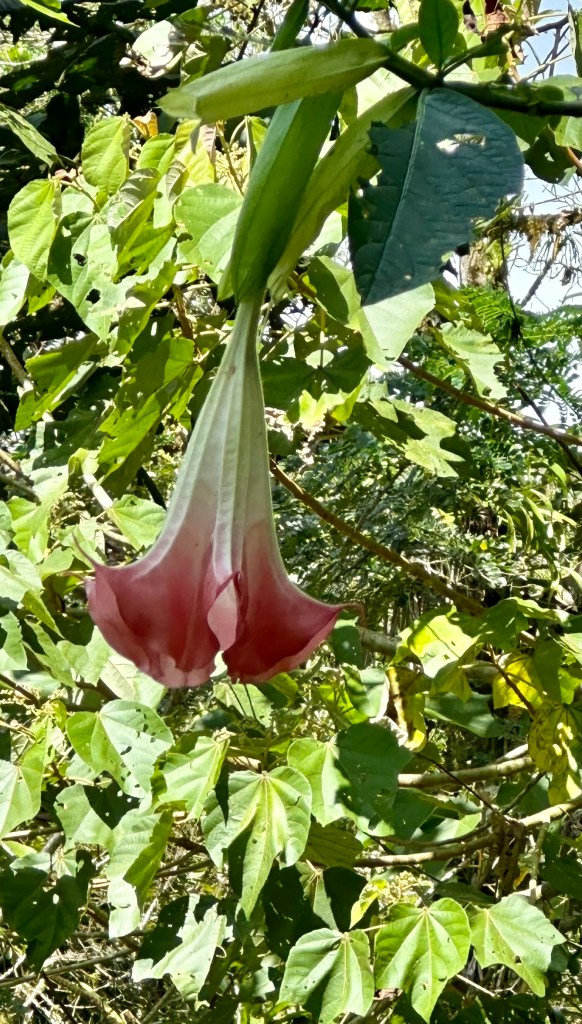
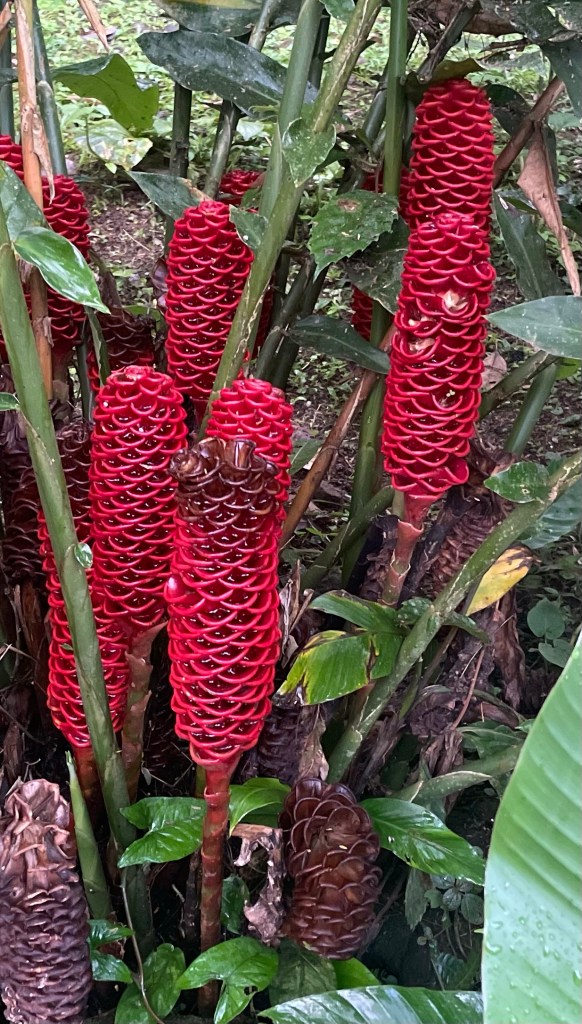
Just like the birds, Costa Rica has abundant flowers of various colors and sizes including a variety of Orchids, Birds of Paradise, False Bird Paradise (Heliconia), and ornamental bananas. One of the most beautiful and best smelling flower/ plant I saw is the shampoo ginger which smells like ginger and is used for making shampoos as well as Ilan-Ilan that smelled like Channel No. 5 perfume.

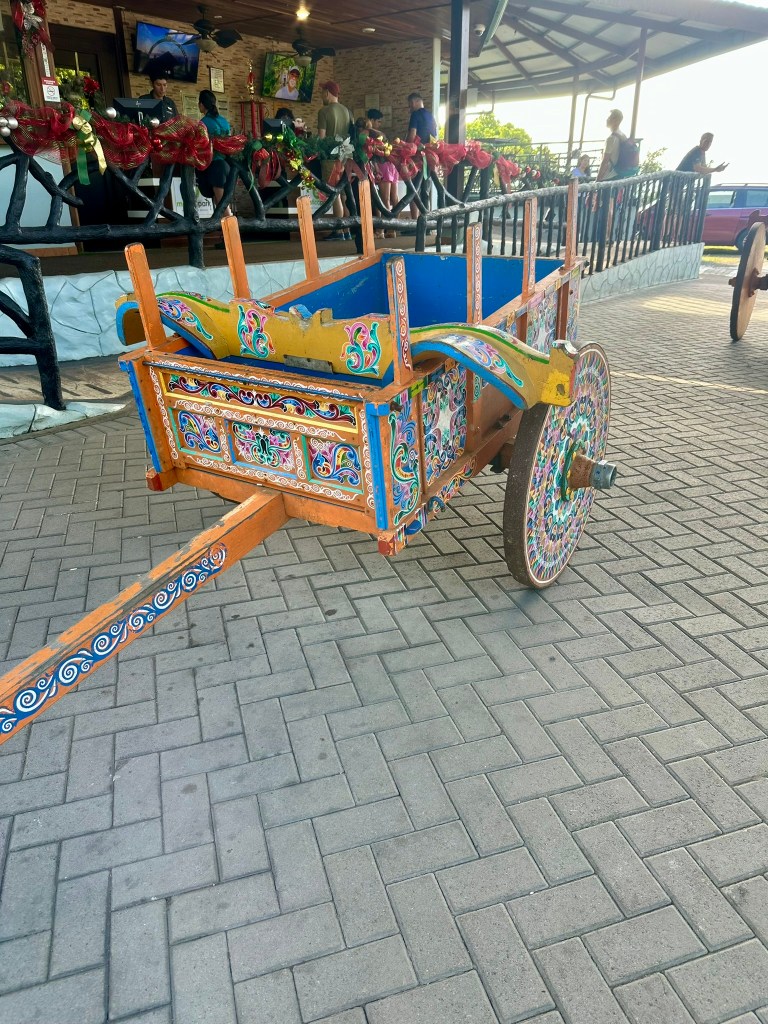
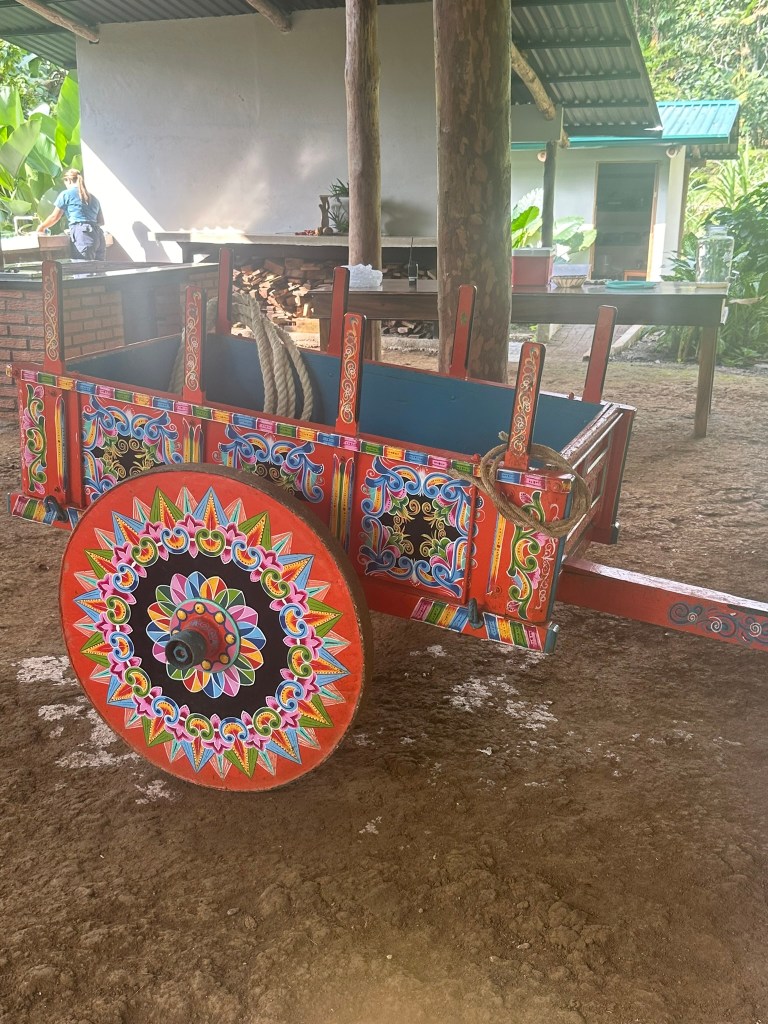
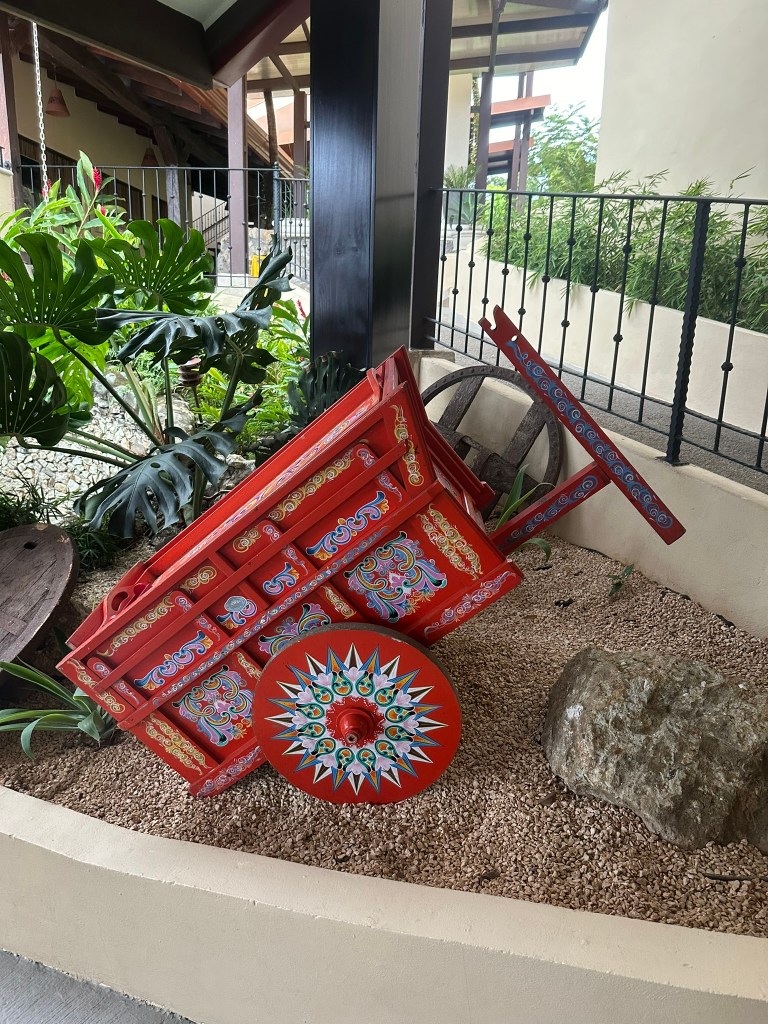
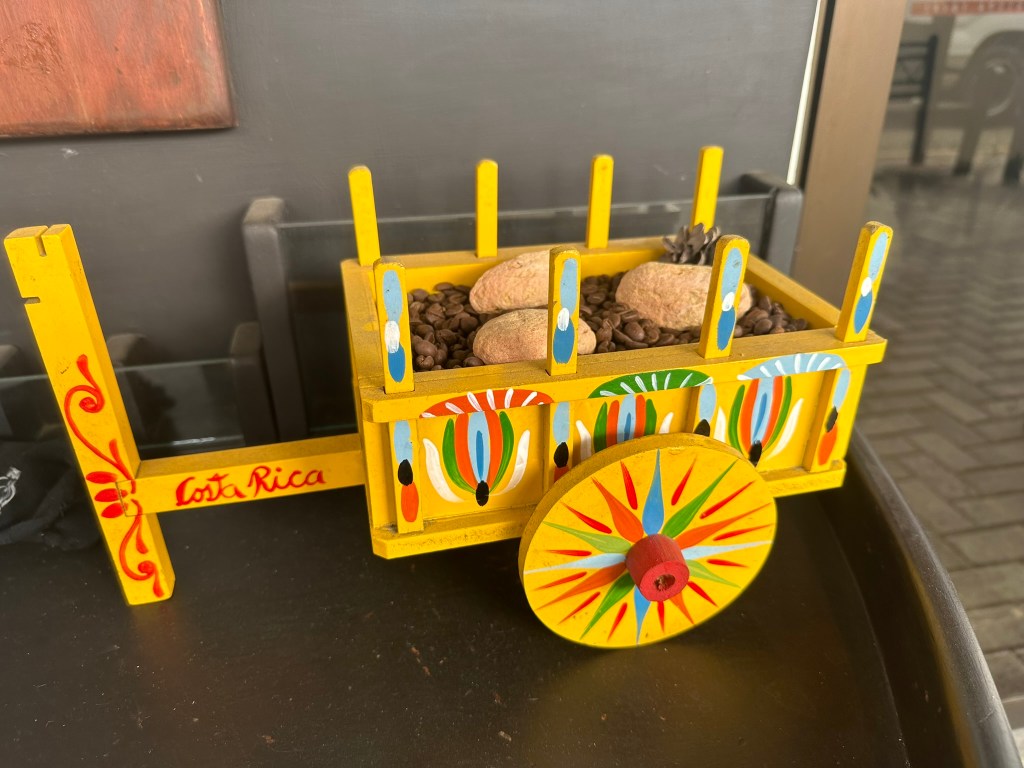
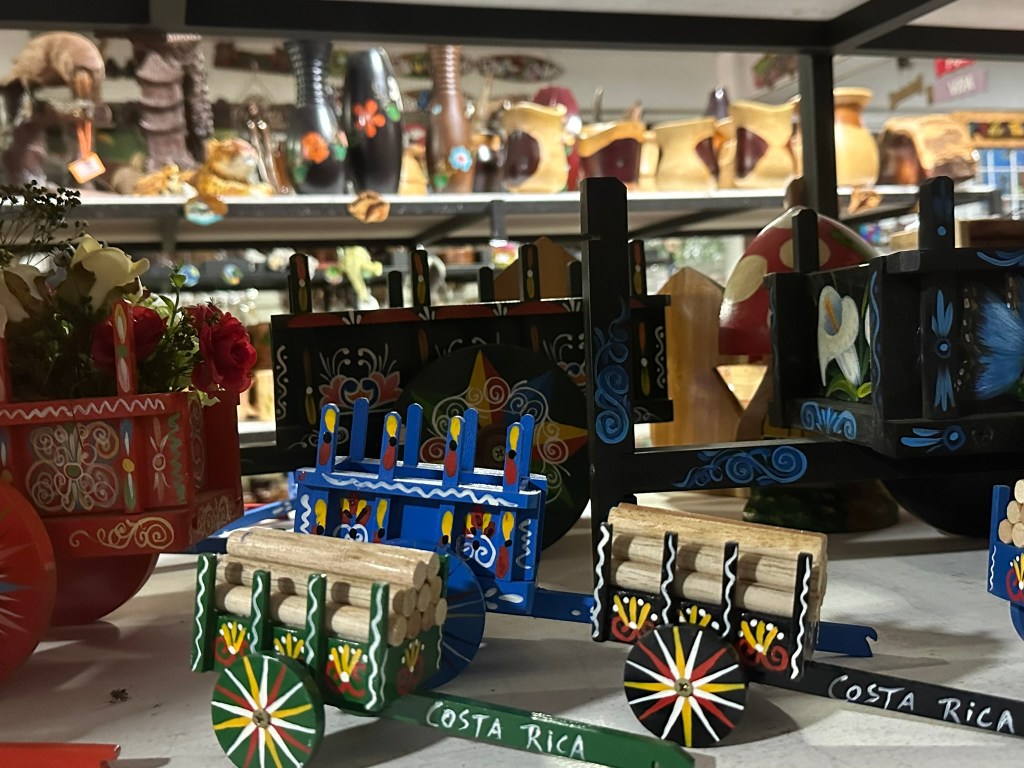
Colorful carts of Costa Rica

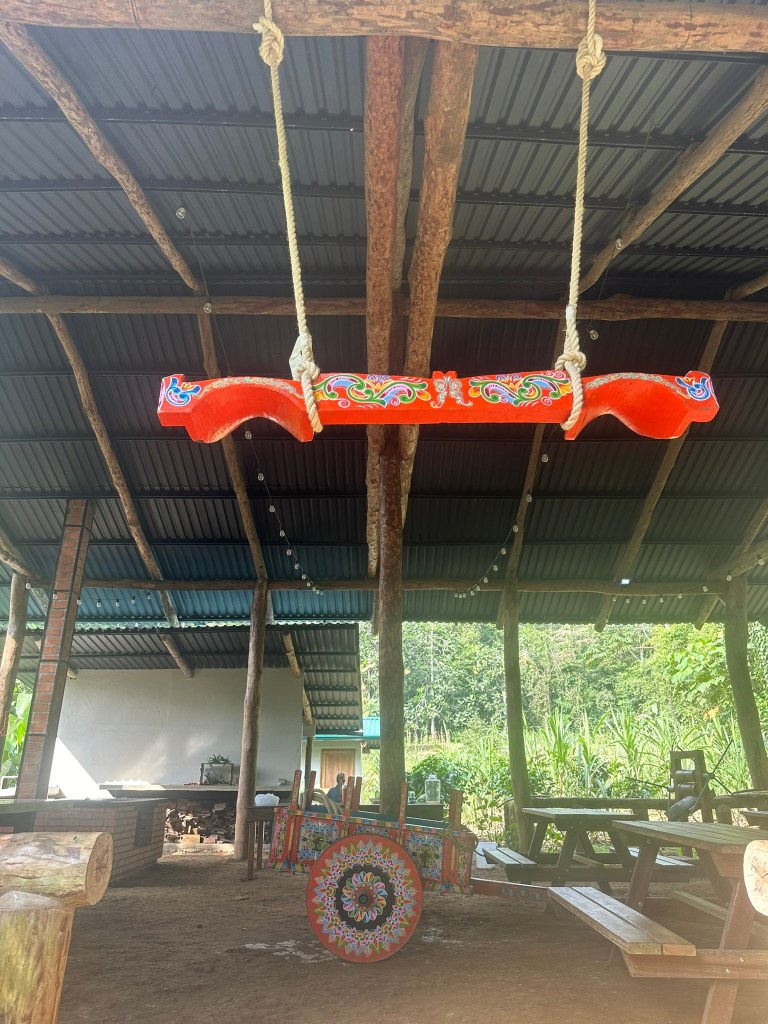
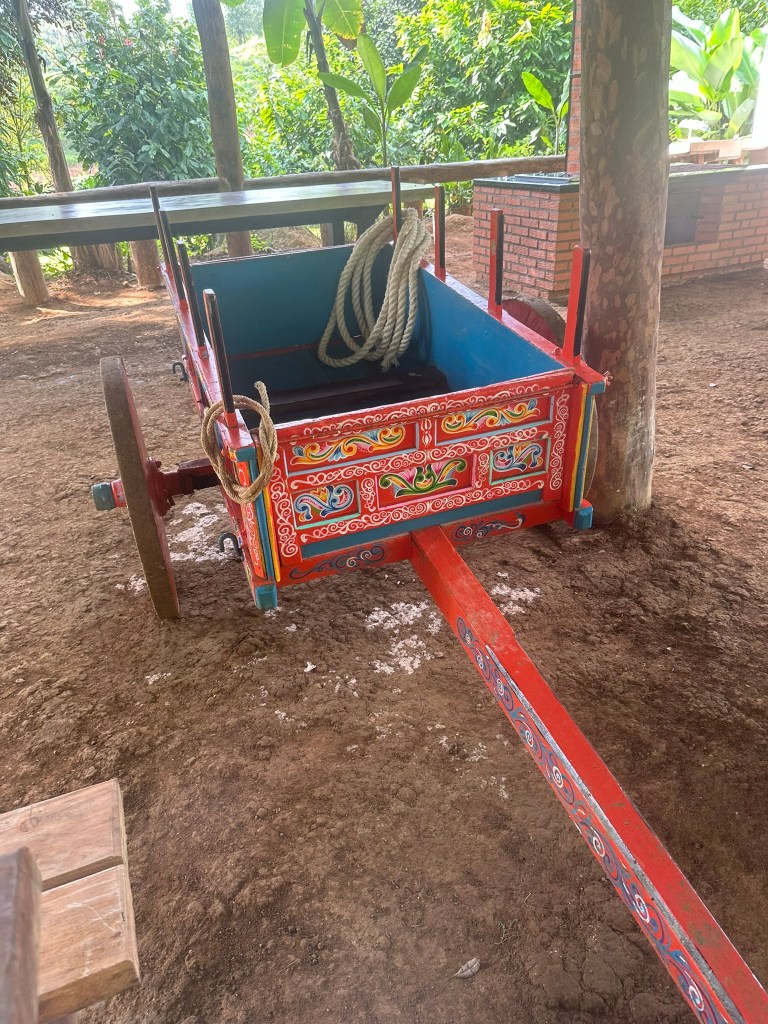
When you travel in Costa Rica, you will see these bright colored carts displayed in parks, hotels, and miniature versions in gift and souvenir shops. These bright colored and intricate patterned carts are unique to Costa Rica and were essential to Costa Rica’s growth, enabling the transport of coffee from the mountains to the coasts for export. Costa Ricans improved the cart design using a solid construction based on Aztec wheels that helped them to get through unique landscape of Costa Rica. In 2005, UNESCO inscribed Costa Rican oxcarts onto its list of intangible cultural heritage, and these carts the country’s official symbol of labor.

Even though Ox Carts are no longer used in Costa Rica for transportation, instead of fading away, ox cart become a symbol of Costa Rica and a testament to the old way of doing things. The painted carts were symbol of economic status in their time and craftsman that made the carts started painting bright colors and intricate designs that included flowers, stars, faces, landscapes. Each town/area developed its own unique designs. Also, carts were added with bells and whistles, so each cart played a signature song whenever it moved. Today, Sarchí a small town near San Jose (a good stop on the way from La Fortuna to Manuel Antonio), is only place left that produces these colorful, hand-painted works of art. Eloy Alfaro, who founded the factory in 1923 in Sarchí and is operational till today and you can visit and see the factory in operation. (https://www.atlasobscura.com/articles/colorful-oxcarts-costa-rica)

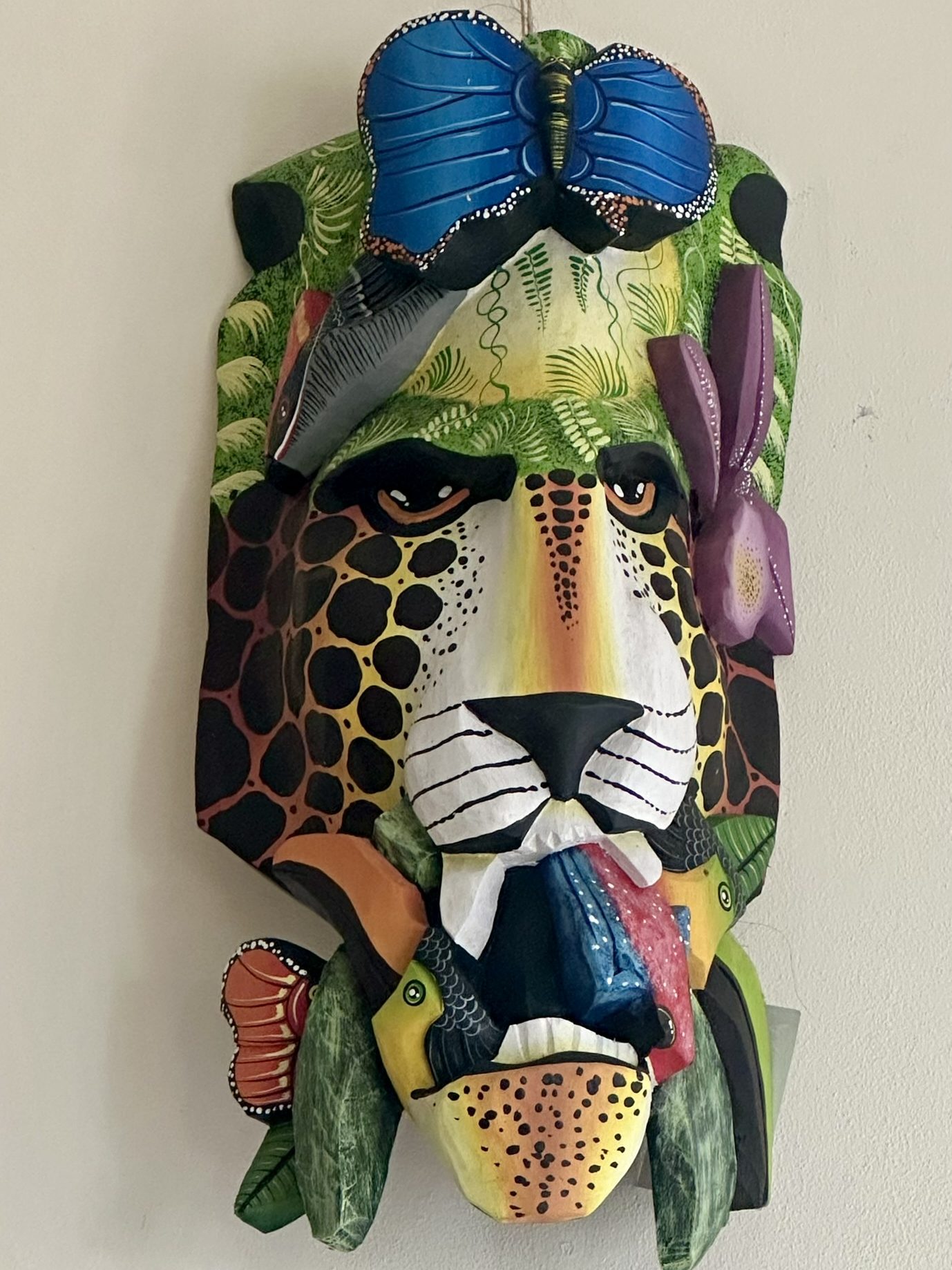
Costa Rican Rainforest mask or Boruca Masks

One of my regrets after visiting Costa Rica is not buying one of these colorful masks made by Boruca community. The origin of these masks’ dates back to 500 years during the Spanish conquest of Costa Rica. These masks were created by Borucan indigenous people with the intent to scare the unwelcome Spinrads. These diablito masks or little devil masks were created as homage to the animal spirts that guided the tribe to successfully fight Spinrads. Usually carved in a single piece of Cedar or balsa wood, these intricate masks are carved and painted to represent the spirits, fierce animals, devils, and also images of the local flora and fauna. The carvers use a technique called relief carving that creates three dimensional images with unbelievable depth. There are 3 different kinds of mask – the ‘diablito’ or ‘devil’ mask are the traditional masks used for ceremonial purpose, ‘ecologica’, featuring animals and plants of the rainforest such as Toucan or sloth and are considered more modern and ‘combinados’, are the combination of both the ‘diablitos’ and the ‘ecologica’, as they represent the blending of the traditional and contemporary styles. (Check out here for more information). These masks can be bought in gift shops and other artisanal stores (not sure how authentic), but the authentic ones can be bought directly by Boruca Community or from this place in San Jose. The tradition and history behind these masks are amazing.


Monkey Business- Types of monkeys in Costa Rica and where to see them

If you love monkeys, Costa Rica is the place to see them. We were fortunate to see 3 out of the 4 kinds of monkeys you could see in CR.

There are 4 different species of monkeys you can see in Costa Rica.

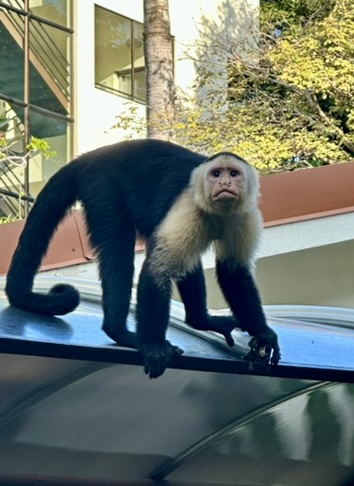
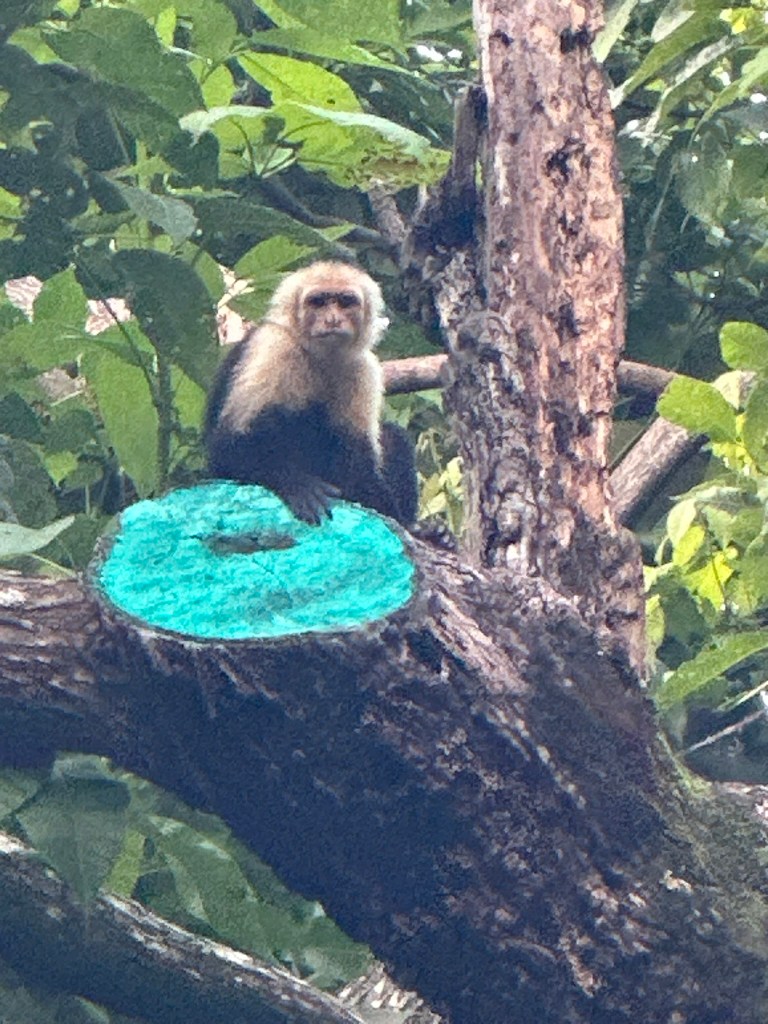
  1. Capuchino monkey
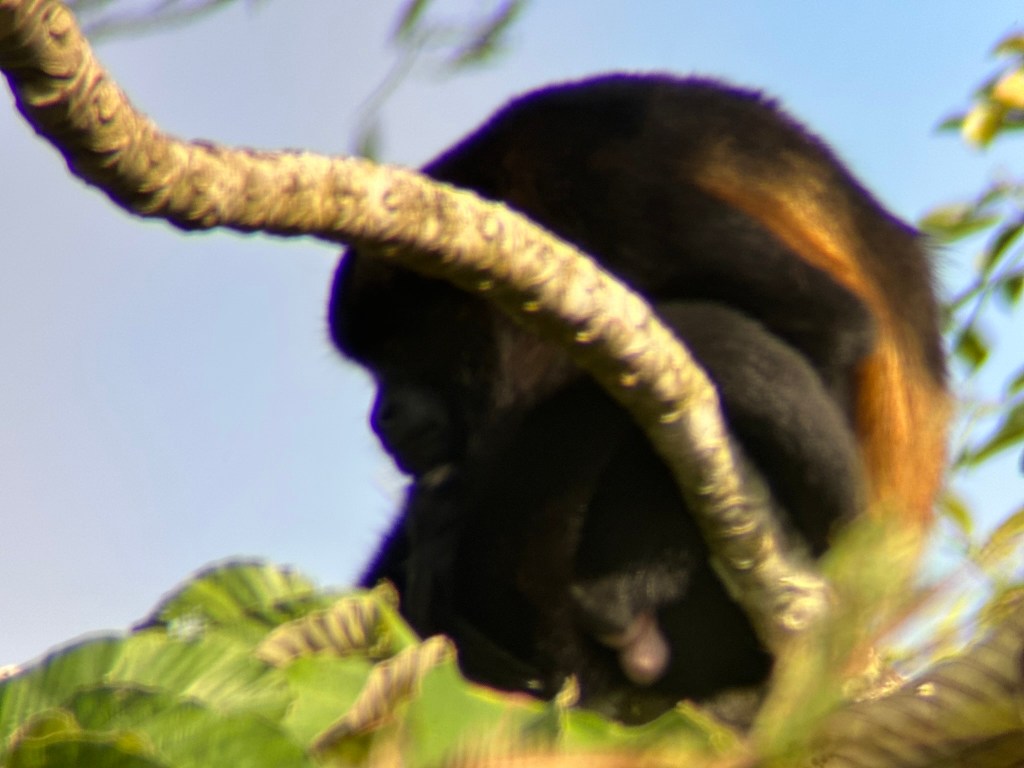
  2. Howler monkeys
  3. Spider monkeys
  4. Squirrel monkeys
  5. Best places to see monkeys in Costa Rica

Capuchino monkey

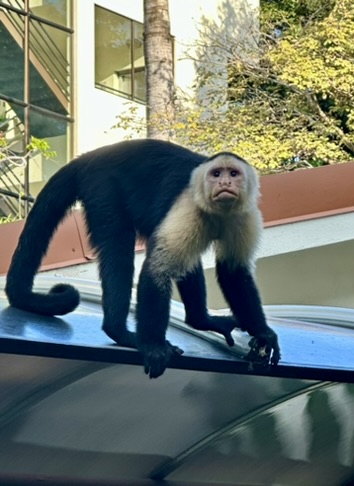
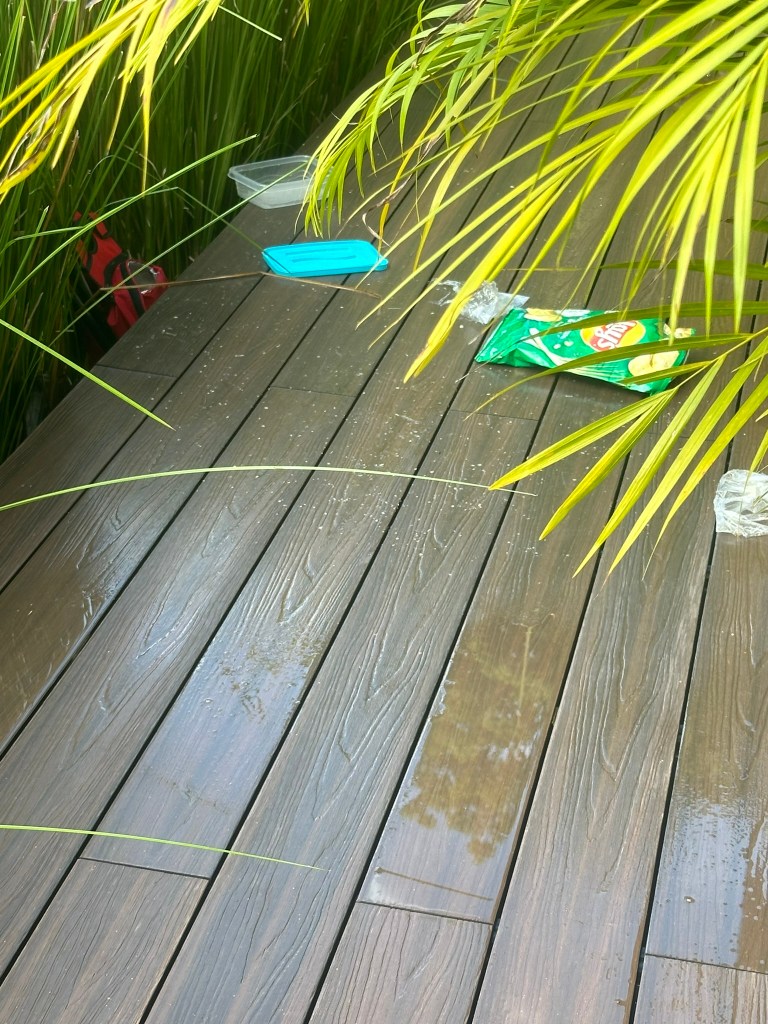
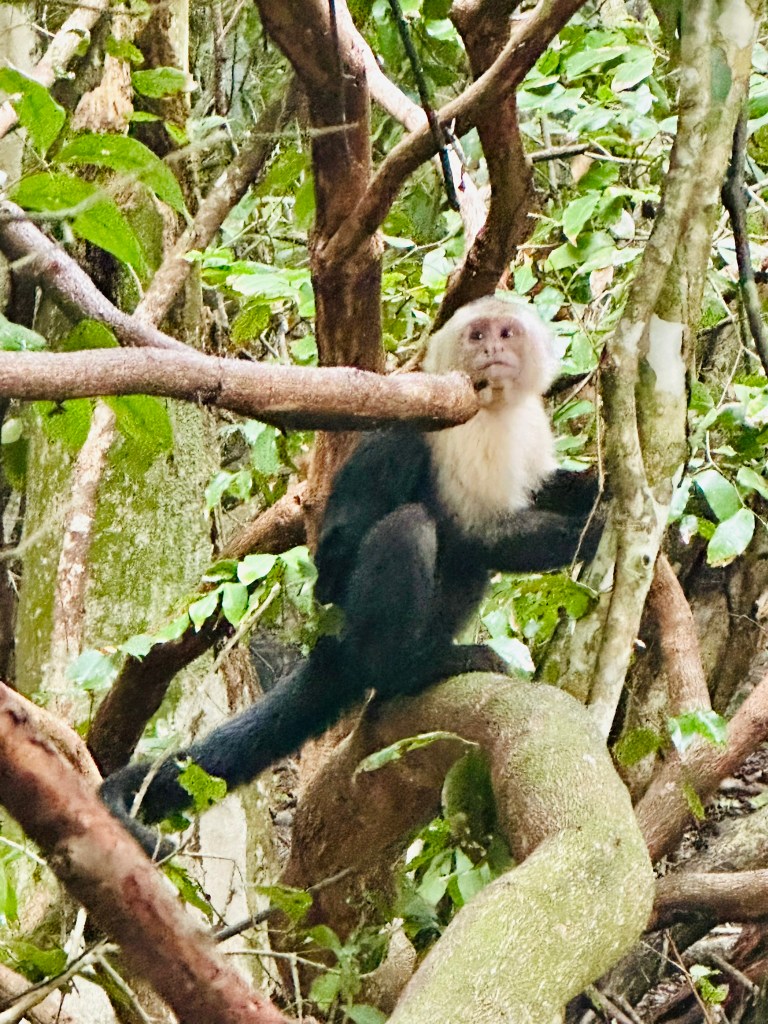
Most common ones we saw are the white-faced cappuccino monkeys and our guide called them mafia monkey as they roam in groups and steal food and other items from people. These monkeys are aggressive and not afraid of people. Parador nature resort had a bunch of them that would hang out by the pool and come near rooms and take anything they can. People staying next to us had left their backpack out in the night, and these monkeys tore it open, and took the chips bag and opened a Tupper ware container and ate whatever was in it.

Howler monkeys

More than seeing these monkeys, you can’t escape their howl which sounds like a roar. We saw few these monkeys in Manuel Antonio but heard them pretty much every morning in the hotel. when we were at Manuel Antonio park it started raining, we heard bunch of angry howler monkeys and were told by the guide that they hate rain which led to teenager asking, ” then why do they live in rainforest where it rains everyday?”

Spider monkeys

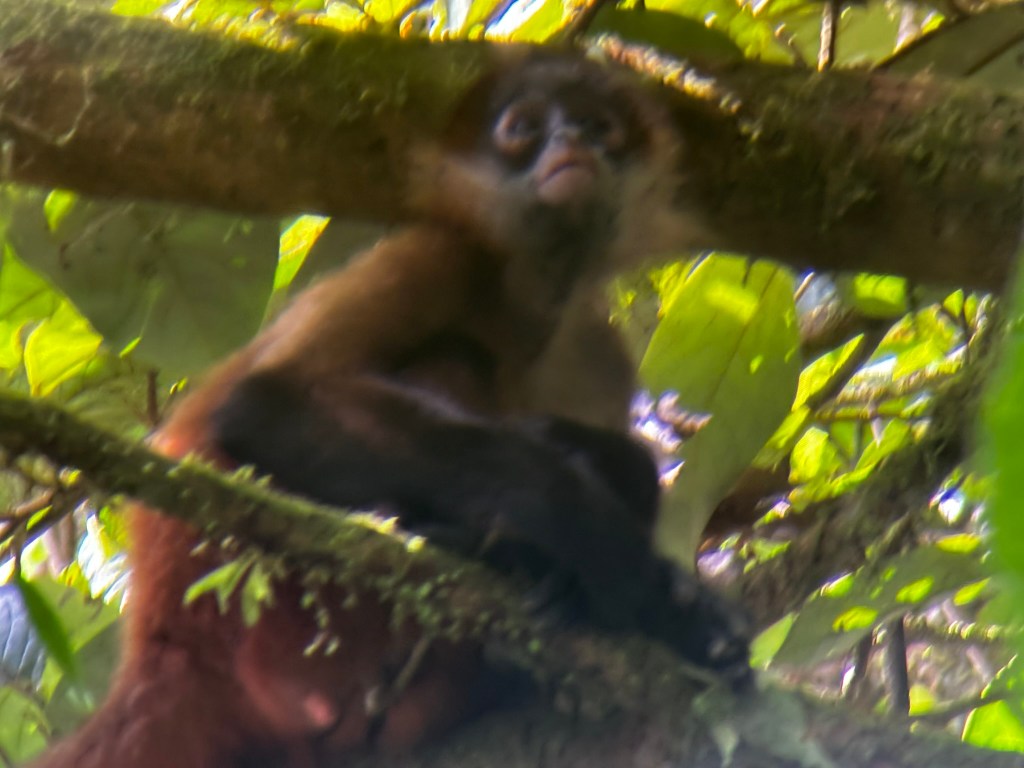
We were lucky to see a family of spider monkeys hanging around in Mistico Hanging bridges and gave us show from jumping from tree to tree and showing off their agility. Our guide was able to hear these monkeys before spotting them as they make lot of noise on the tree branches, and it is good practice to pay attention to sounds as you go through rain forests as it is much better way to spot different animals. After 9 days in Costa Rica, I got better at spotting monkeys by paying attention to twigs breaking, rustling leaves and branches. Spider monkeys are one of the most agile species in Costa Rica and their name comes from the disproportionately long limbs and a long tail. We were able to take some good videos of these monkeys (Watch it full screen or pic-in-pic to see the whole video)

Spider Monkey

Squirrel monkeys

These are only type of monkeys we didn’t see in Costa Rica even though our hotel in Manuel Antonio and the national park had these monkeys but unlike the white-faced monkeys they weren’t roaming around in groups when we were there. These monkeys have very distinct type black facial mask and red-backed fur and pretty small compared to other monkeys found in Costa Rica.

Monkeys and Green rope way – One of things I noticed in the Manuel Antonio area and in the Parador hotel was the green ropes/bridges hanging from tree to tree. These are constructed for sloths and monkeys cross from tree to tree and to buildings without coming down to the road thus avoiding potential threats from cars, dogs, and other predators. Its quite neat to see and I caught a Cappachino money using one in the hotel

Monkey on Sky bridge

Best places to see monkeys in Costa Rica

Manuel Antonio National Park– This is park where you are guaranteed to see both monkeys and sloths. All four species are supposed to live this National park and we were able to see Howler and White-faced monkeys here. The Parador nature hotel in Manuel Antonio has abundance of these monkeys in their grounds and roam around the hotel. One of the guests was even able to see squirrel money in this hotel during our stay when it jumped on the balcony to get food as they were eating their lunch.

Corcovado National Park This is another national park best suited to see all 4 species of monkeys and 2 species of sloth. Hiring a guide would improve the experience.

Arenal volcano and mistico hanging bridges – We were able to see both spider monkeys and howler monkeys here.

Why so blue? Nature’s chemistry lab -Rio Celeste the blue river and waterfall of Costa Rica
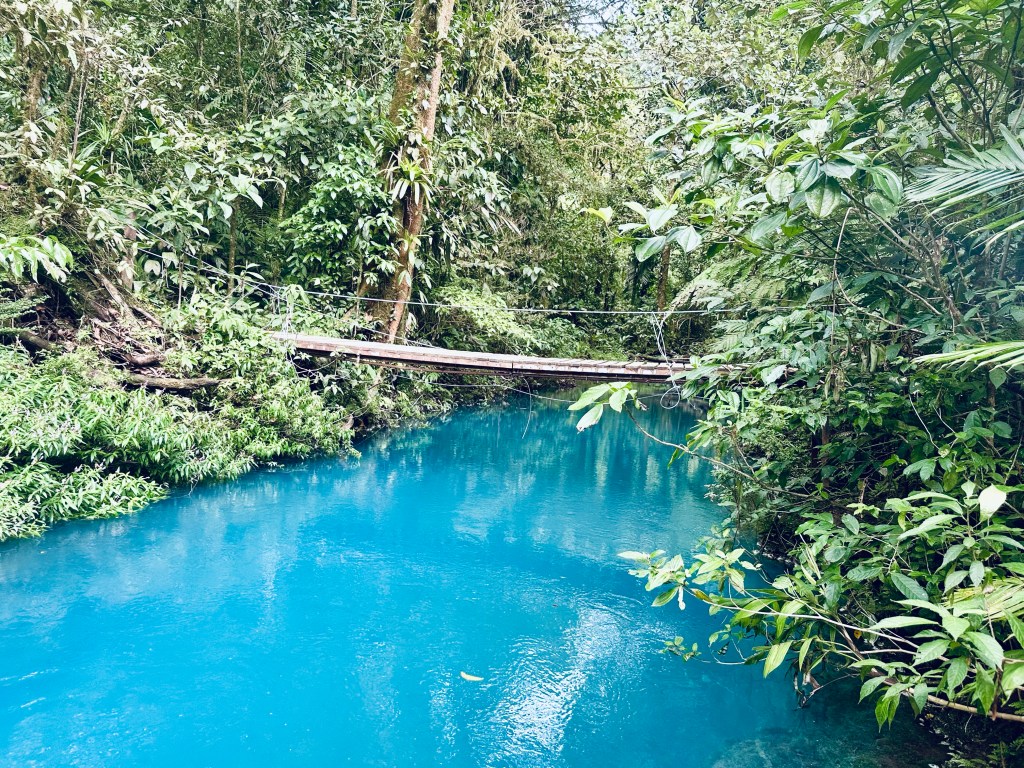
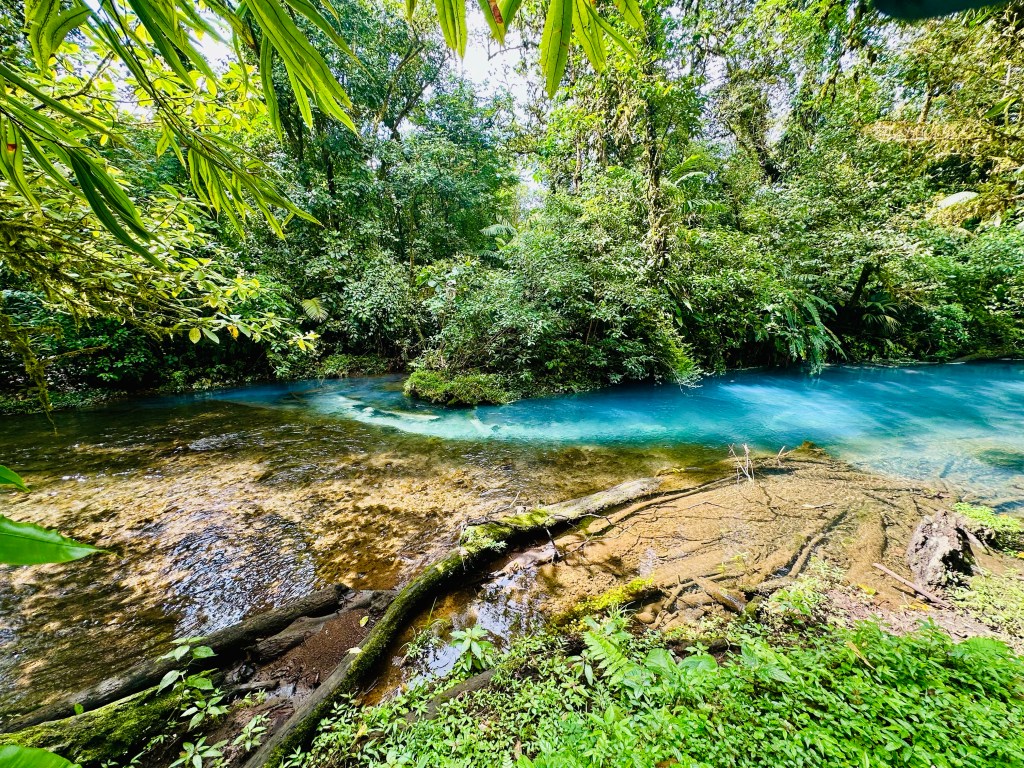
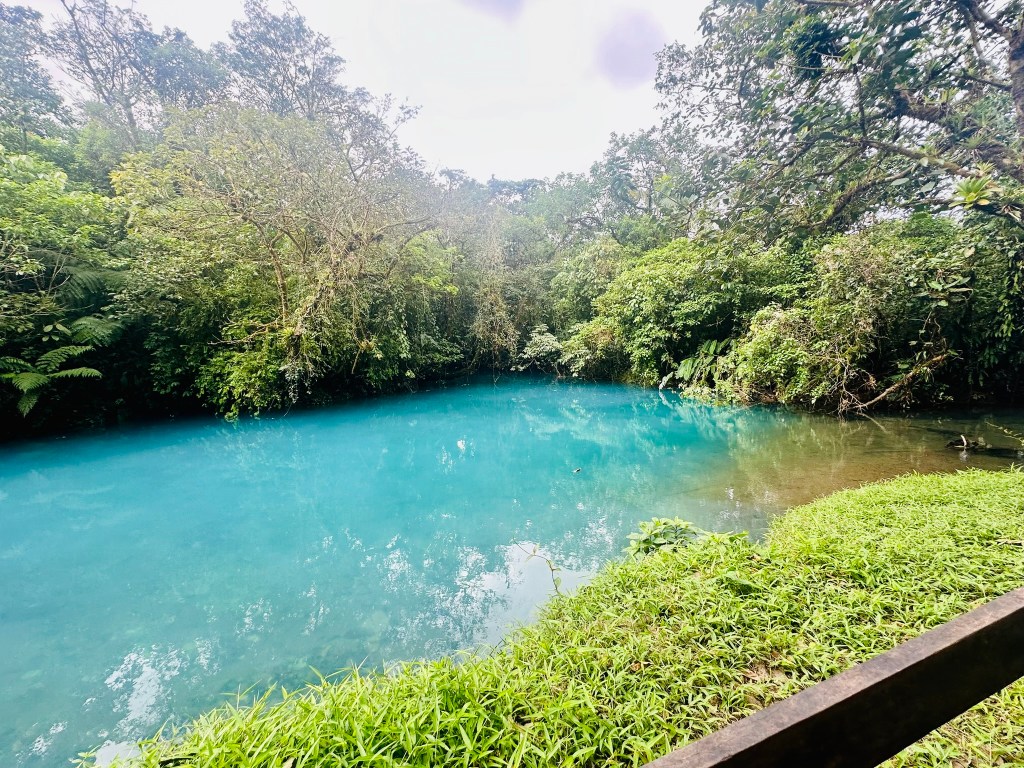
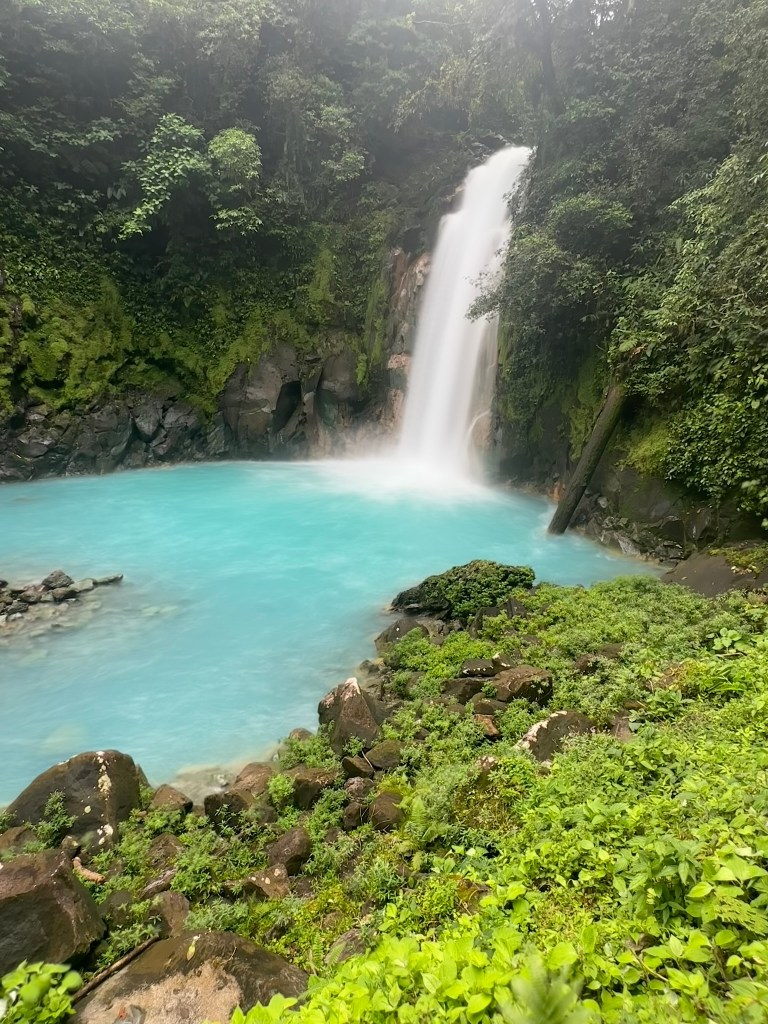
Río Celeste (Sky-Blue River) in Tenorio National Park (Costa Rica), a river that forms from the mixing of two colorless or normal streams—Río Buenavista (Buenavista River) and Quebrada Agria (Sour Creek). The combined river has striking blue color that seems almost unnatural while the tributary rivers have no color at all. There are several theories as to why this river turns blue after the confluence including the legend that god dipped his pain brush here after painting sky blue. Unlike glacier fed lakes like Lake Moraine in Banff that have bright blue color due to fine particles of rock flour suspended in water, resulting from glacial erosion, Rio Celeste is not a glacial fed river.


El Teñidero-Dye point -Nature’s chemistry lab
The nerd in me was very happy when I found out why the 2 colorless rivers merge to form such brightly colored river. It’s pure chemistry! The last stop on the hike in Tenorio national park is called “El Teñidero” (dye point). The sky-blue color appears immediately after the dye point and the river maintains its bright blue coloration over a distance more than 14 km including at the waterfall Río Celeste.

The scientific explanation for this color change is that both rivers contain aluminosilicate particles, but the size and concentration of these particles are too small to scatter light to get the blue color on their own. Here is where science does its magic. Quebrada Agria or Sour creek as it is aptly called is fairly acidic (pH of 3.1), and Río Buenavista was rather neutral with a pH of 6.8-7. When the acidic and neutral waters of the two rivers meet, their aluminosilicate particles clump together, resulting in enough particle concentration and size to scatter light and the vivid blue color appears!

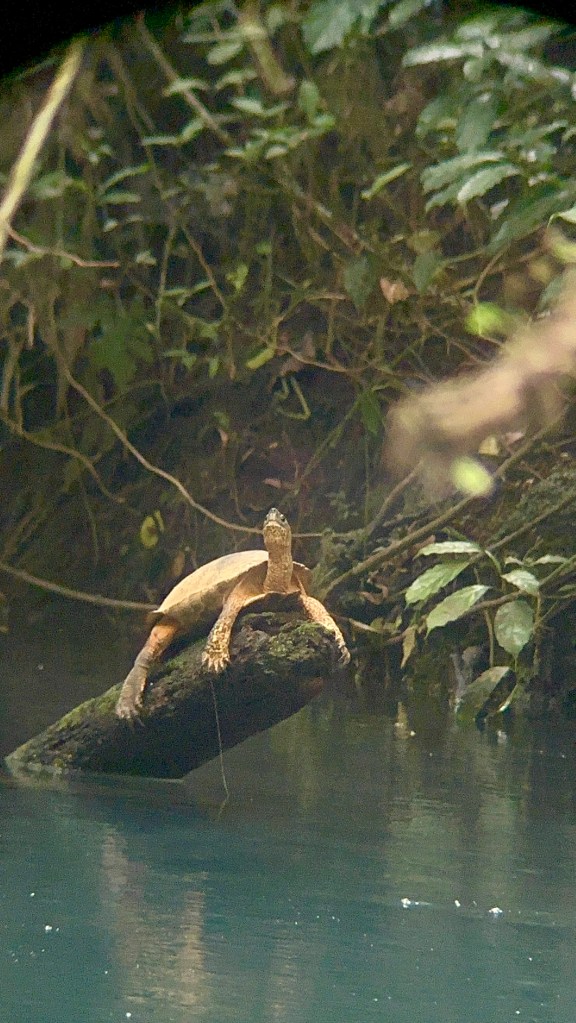
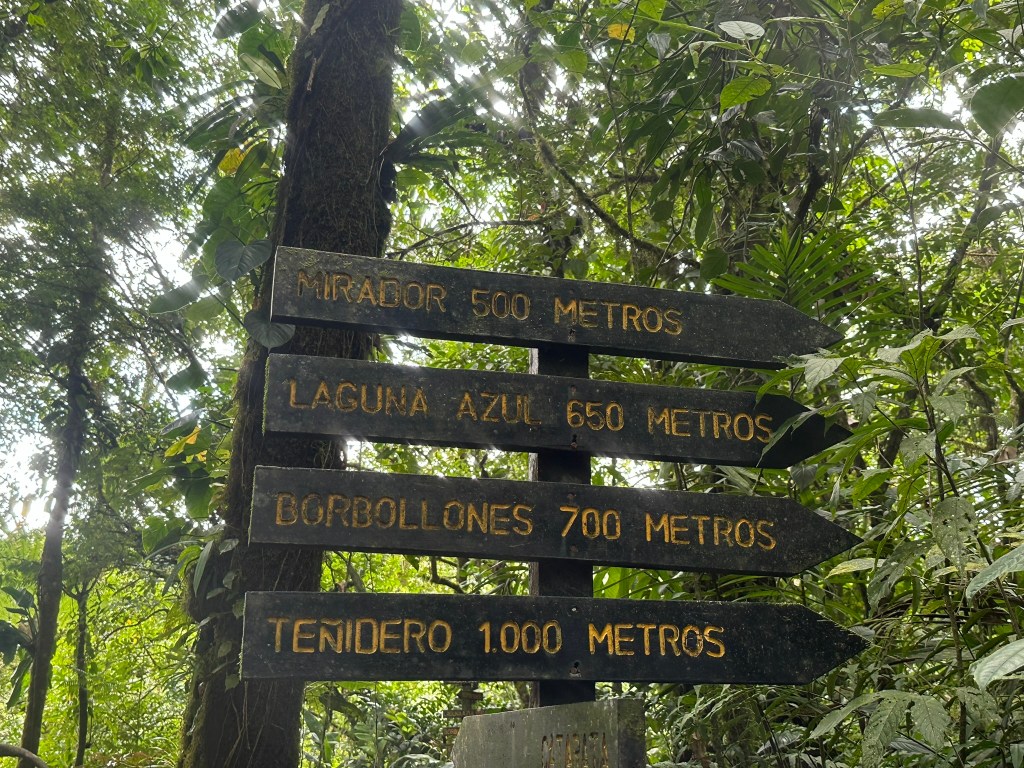
Other noteworthy points to stop on this hike are the laguna Azul and the borbollones as well as the view point to see the volcano. Laguna Azul is very peaceful, and we saw a turtle hanging out on a log here.

Borbollones or the boiling point reminds you that you are in an active volcano area and you smell the sulphur gases before you see the bubbling river.

Borbollones in Rio Celeste

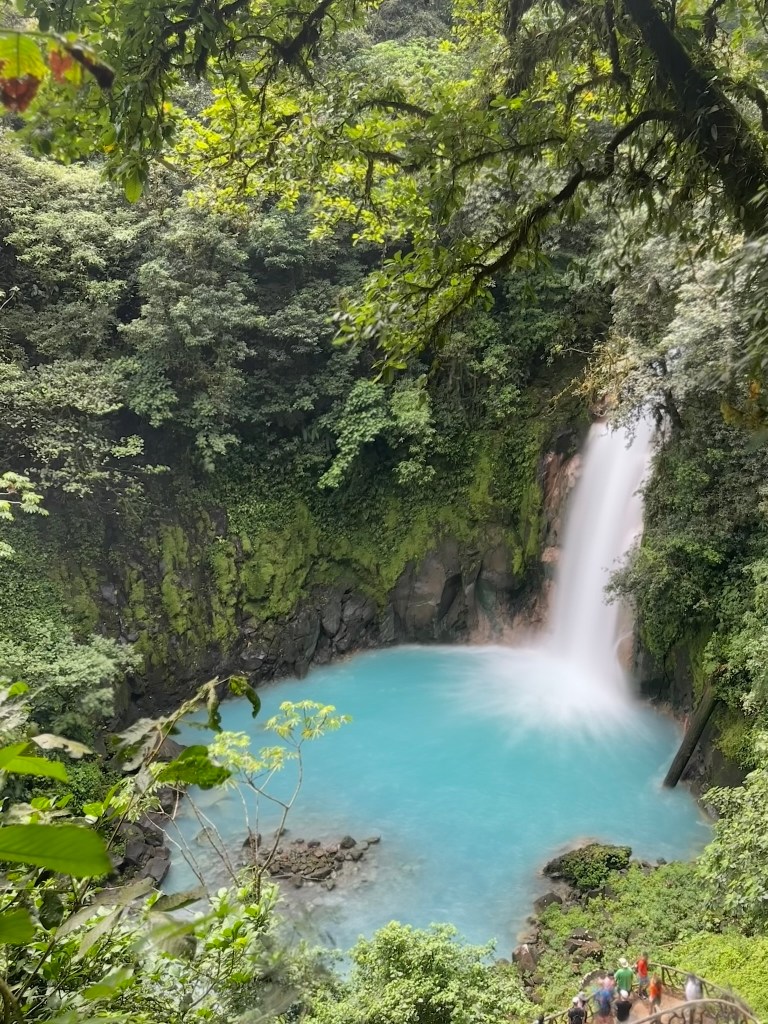
Rio Celeste waterfall

The main attraction in this park is the Rio celeste waterfall and most people tend to turn back after seeing the waterfall but the hike from the waterfall to the end point is only 1 km and it is worth the hike.

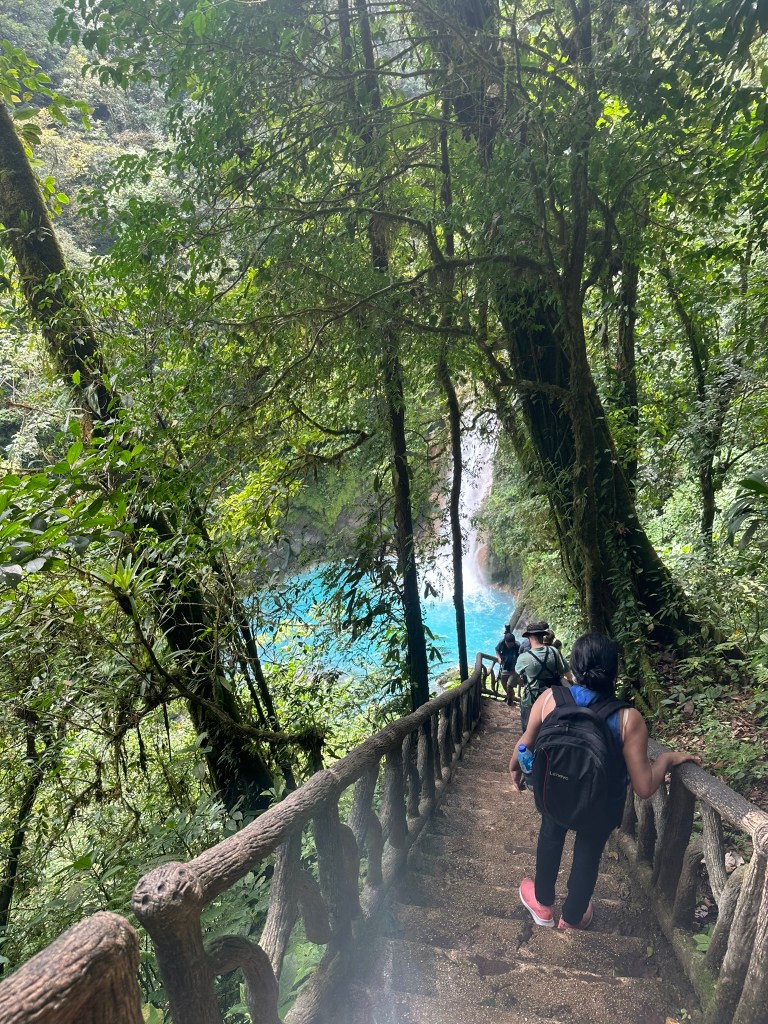
The waterfall has an amazing blue color and you need to get down few steps before you can reach the viewpoint. We spent lot of time here appreciating the beautiful color as well as the setting in the middle of lush green rainforest. The contrast of colors is absolutely gorgeous.

Practical Information on how to get to Rio Celeste:

Rio Celeste opens at 8:30 am, but you can arrive at 8 am to get tickets. The park allows 1200 visitors per day and pre-purchasing the tickets is not possible. The latest admission to the park is 2 pm, and everyone has to exit by 4 pm. Here is a good blog on information about visiting the Rio Celeste.

Word of Caution : Water won’t have the bright blue turquoise color it is famous for after heavy rain. Check the weather and rainfall in the area before going. Some rain is normal for this area, and it pretty much rained every day when we visited.

We did a guided tour through Canoa Aventura in La Fortuna which included lunch at restaurant Tenory. This was a great restaurant with lots of vegetarian options and it is about 5 min from the entrance of the Tenorio Volcano national park. We saw bunch of animals including some venomous snakes and monekyes.

Sleeping under the Northern lights- A weeklong trip to Finland, the land of reindeers, sauna, and Santa Claus

It is good to feel small beneath the sparkling northern lights, small beside the mighty river. Nature is so close to us up here. My troubles and difficulties just shrivel up. I like being insignificant.

Asa Larsson

Finnish Lapland is a magical place that should be put on everyone’s bucket list. If you want to see unspoiled nature and artic wilderness, this is the place to appreciate it. Best time to see northern lights from October through April and I was told by people that work at the resort that March is the best time see northern lights. We did the entire trip without renting a car and managed to travel within Finland through public transportation. As usual with my blogs, if you just want to see the itinerary, please check here.

Our finnish adventure started with a wish from the kid for his 13th birthday that he wanted to see northern lights. I started planning to trip and wanted to go during December but quickly realized that there are 2 main reasons not to go in december- it is the high season and everything costs more, and days are really short especially around Dec 21st. We decided to change the trip to February break which turned out to be better time to visit especially if you want to see Northern lights

  1. Where to go in Finland:
  2. Top winter activities to do in Finland and where to do them
  3. What to wear
  4. Day 1 and 2 : Rovaniemi
  5. Day 3, 4, and 5 : Saariselkä and staying in glass igloos at Kakslauttanen Arctic Resort 
  6. How to get to Saariselkä or Lake Inari
  7. Snow activities at Kakslauttanen Arctic resort
  8. Day 6 and 7- Helsinki
  9. Final thoughts
  10. Further reading

Where to go in Finland:

There are several towns and cities you can visit based on what you want to do:

  • Helsinki– Capital city and good base for rest of the trip. If you have time, you can also visit Tallinn, capital of Estonia as day trip or 2 day trip.
  • Rovaniemi- Capital of Lapland and city in arctic circle. You can do all the winter activities in this city including northern light hunting, dog sledding, snowshoeing etc
  • Ivalo/ Lake Inari/ Saariselka : Ivalo is a small town and airport near Lake Inari (Inarijärvi) in Finish Lapland, an is about 1450 miles south of the North Pole. Saariselkä is few miles from Ivalo, year-round resort town.
  • Pyhä/Pyhätunturi – Pyhä is a true Lappish ski resort surrounded by Pyhä-Luosto National Park
  • Levi– Levi is a micro-city built around a ski resort in western Lapland. During the winter months, from mid-November to mid-May, Levi is Finland’s most popular ski resort, with a total of 44 slopes serviced by 28 lifts, 180 kilometres north of the Arctic Circle
  • Kemi– part of southern Lapland known as “Sea Lapland”. Kemi is located on the Gulf of Bothnia and is known for its beautiful natural surroundings and outdoor activities as well as the icebreaker boat tours.
  • Salla– is a small town located in the eastern part of Lapland and is known for its ski resorts and other outdoor recreation opportunities.
  • Oulu– As the biggest commercial and cultural hub in the region, Oulu is often called the Capital of Northern Scandinavia. It’s a vibrant city that holds over 700 events annually, including one-of-a-kind experiences such as the World Air Guitar Championships, Polar Bear Pitching, The Irish Festival of Oulu and Qstock music festival.
Top winter activities to do in Finland and where to do them

  • Northern light hunting: Finnish lapland is supposed to have northern lights 200 days of the year and you have pretty good chance of seeing them anywhere from Rovaniemi to Lake Inari and beyond. We saw them in Rovaniemi.
  • Huski Safari : Can be done in Rovaniemi, Ivalo/ Lake Inari/ Saariselka
  • Reindeer Safari : Rovaniemi, Saariselka
  • Snowmobiling : Rovaniemi, Saariselka
  • Ice fishing : Rovaniemi, Lake Inari
  • Sauna : Can be done pretty much anywhere in Finland
  • Santa Claus : Rovaniemi
  • Skiing and snowboarding : Pyha, Levi
  • Ice plunge /ride on an icebreaker boat : Kemi, Salla, Levi
  • Coffee/City vibes – Helsinki

What to wear

If you go during the peak winter months, you definitely need proper layers to do any outdoor activities. Most activities done through the tour operators and they provide snow shoes, snow suit, and gloves that will keep you warm and toasty. Check with the operators see what they provide so that you don’t buy ton of stuff you will only use during the visit. We bought thermal layers like this and this that kept us warm when we were walking around on our own. Good winter hat/beanie, gloves and a warm jacket like this were perfect to keep us warm.

Day 1 and 2 : Rovaniemi

After a long flight from US, we reached Rovaniemi around 4 PM and made it to our hotel –Santa’s hotel Santa Claus. We chose this hotel as it was in the middle of city center and close to restaurants and activities and also included breakfast in the price. We had booked a junior suite with Sauna in the room and we used this sauna every night. It was a good way to start our finnish experience.

Other good hotels : There are several options at various price point depending on your budget. We liked the Santa’s hotel which was middle of the range and restaurant on-site along with access to coffee houses and other restaurants.

Artic Tree house hotel : This is a high end hotel that provides great views and close to santa village. If you are looking for unique hotels, this is a good one to stay and hotel offers several activities that you can book through the concierge.

Hostel Café Koti : Budget friendly hotel in the city center with several options

Apukka Resort : If you want to stay in glass igloos, you can check out this hotel.

Since the hotel was near the city center, once we checked in, we decided to explore the area including the Lumberjack’s candle bridge and downtown including Lordi’s square, and restaurants. These are some of the restaurants and cafes we tried during our 2 day stay in the city center and food was really good in all the places we ate.

Pancho Villa Rovaniemi- Good Mexican food and don’t need reservation

Rang Mahal Indian Restaurant- Pretty decent Indian food.

Massimo- Great pizza place and my first experience drinking the  long drink (in Finnish lonkero) – a very popular mixed drink made from gin and a mixer, traditionally grapefruit soda.

Cafe & Bar 21 – Great coffee

Korundi Kitchen & Café : Another great coffee place

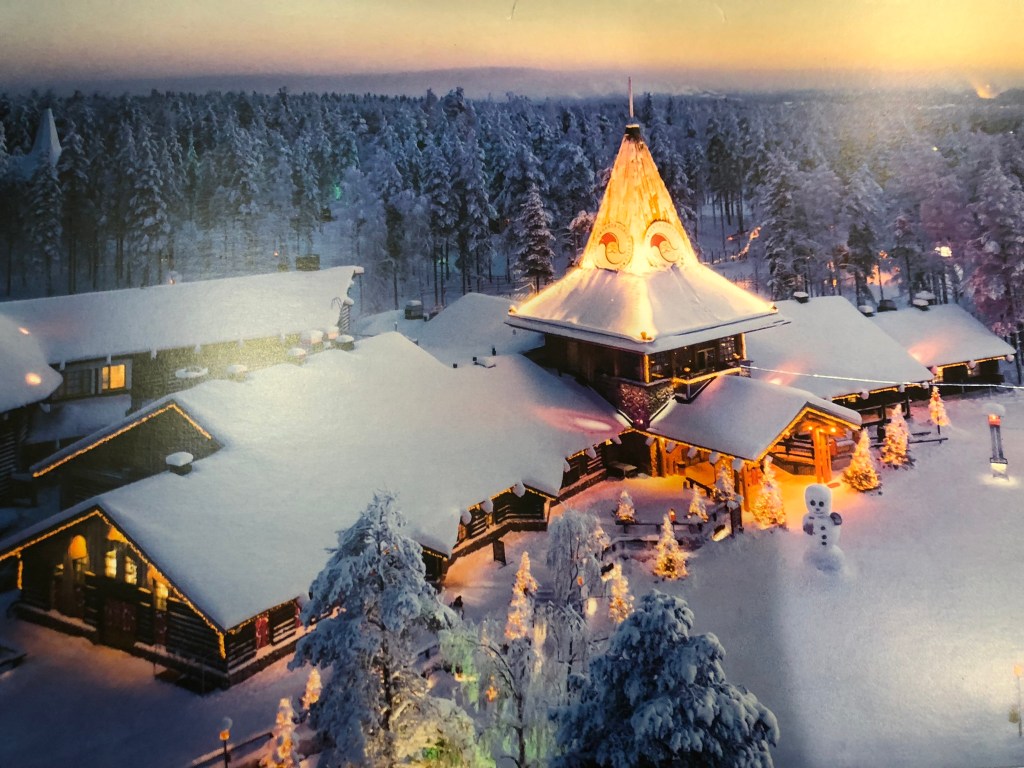
Day 2 : We started the day with a breakfast at the hotel and decided to take a cab to Santa’s village. This place is close to airport and costs about 20-30 euros for the cab from city center. Cabs in Finland are expensive and public transport seems to best way to reach various places. You can also take public transportation and route 8 goes from city center to Santa village. It will take about 3-4 hours to do the whole thing and you can get lunch before heading back to city center. February was not very busy season to see Santa and there were no long lines for any activity.

Photo Courtesy : Photo of a photo at Santa’s village

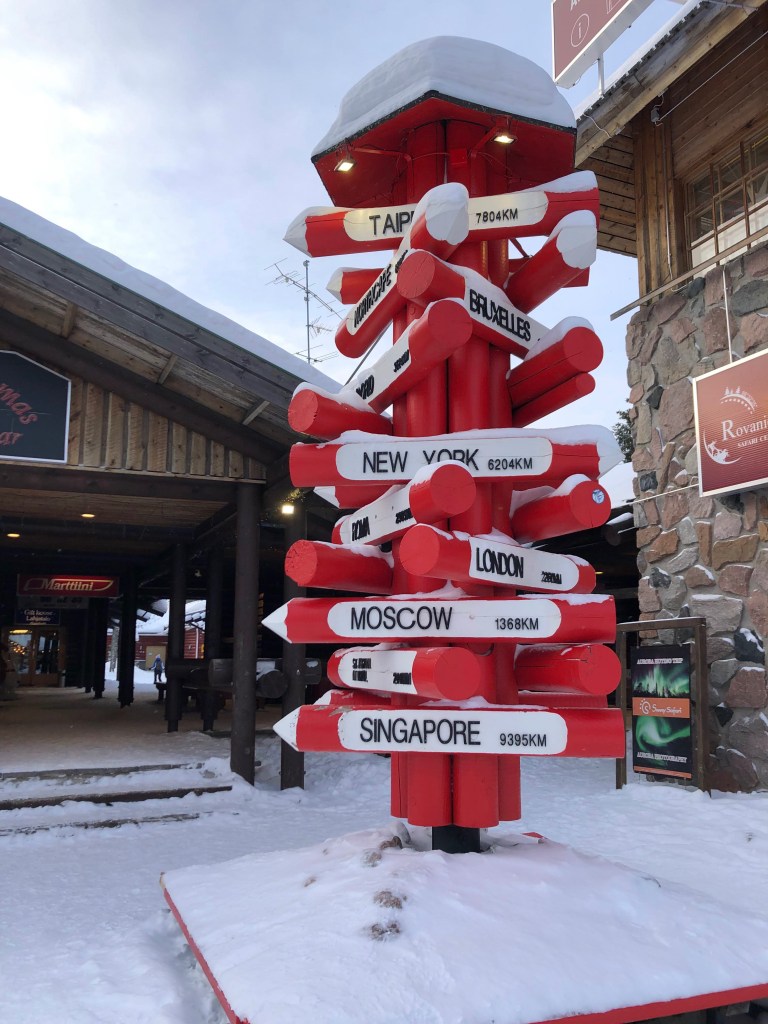
Must do things at Santa village:

  • Visit Santa Claus– One of the best Santa’s I have ever visited. He was very personable and chatted with us for a while. Extra fee for taking photos with Santa and you can get either digital or physical copy of the photo
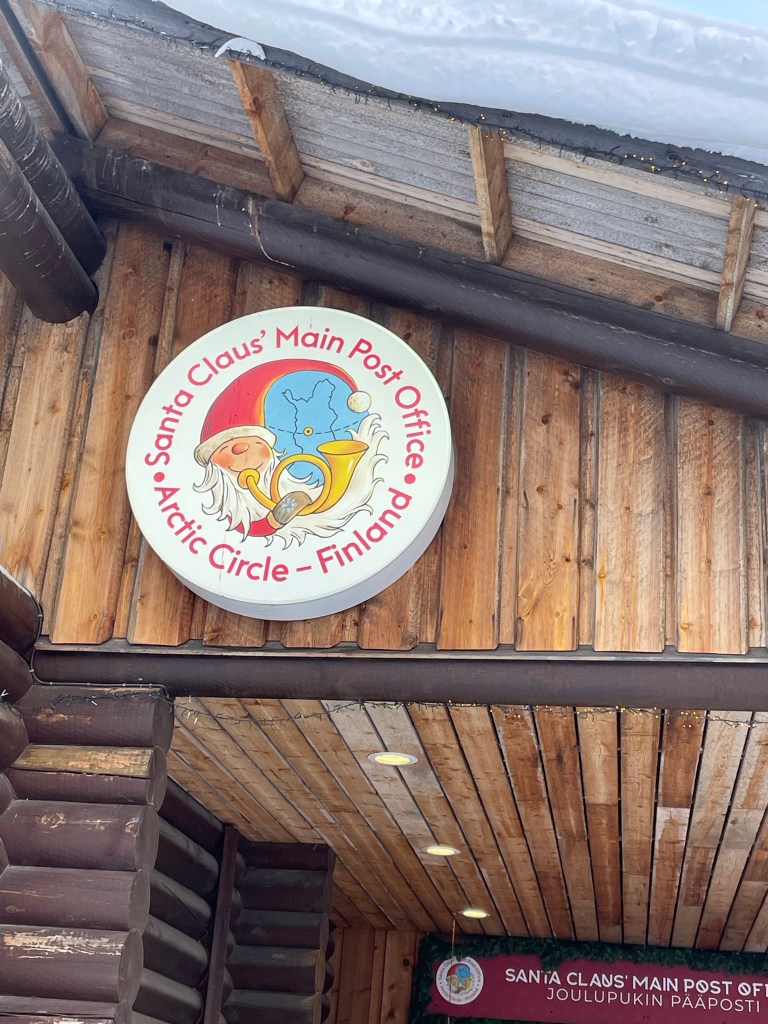
  • Santa’s post office-can mail post card to anyone at any time of the year. You can put into either send now or send next christmas mailbox
  • Christmas House Safaris and Reindeer Farm– Walk around and enjoy the winter wonderland and can go on reindeer safari
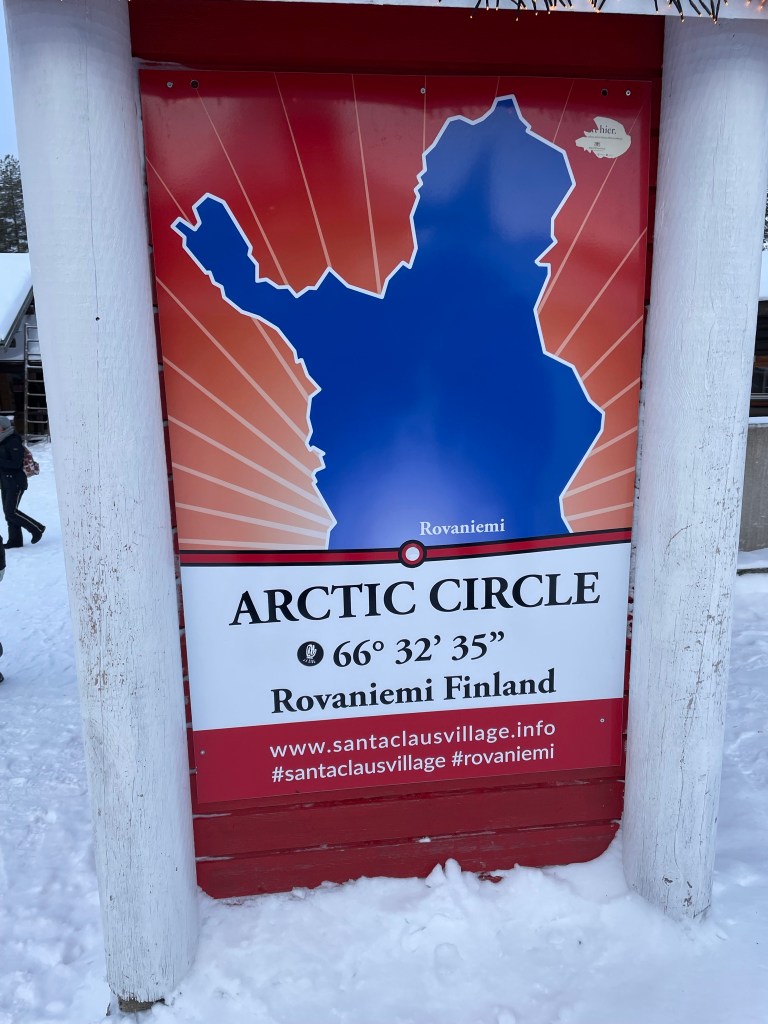
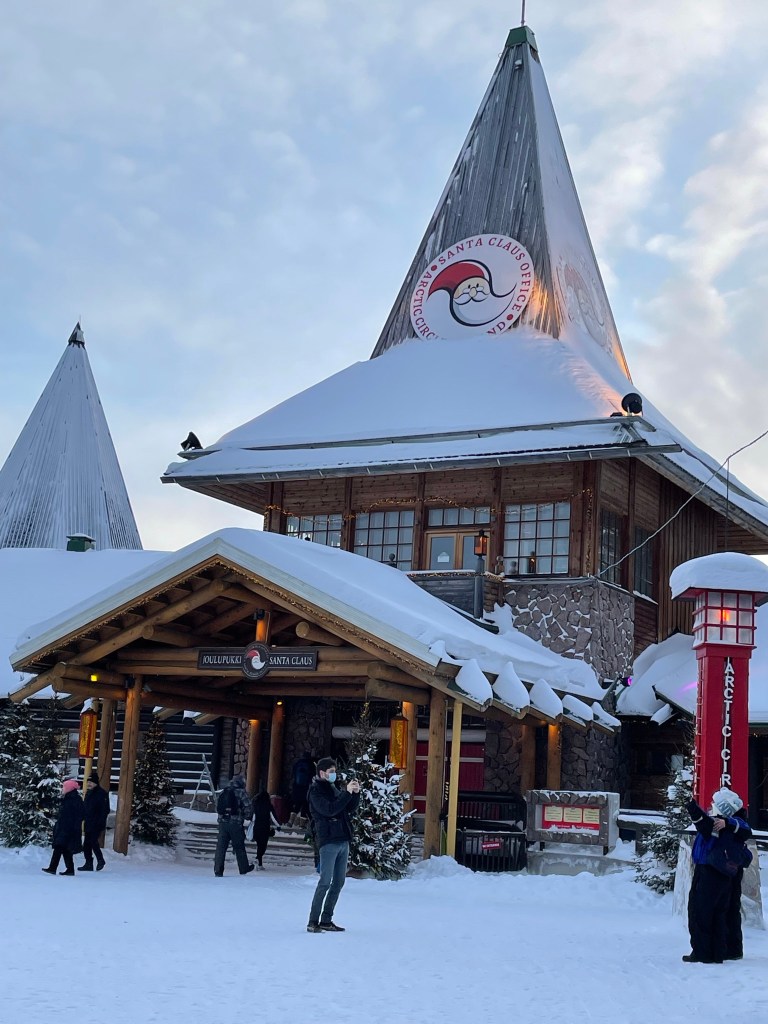
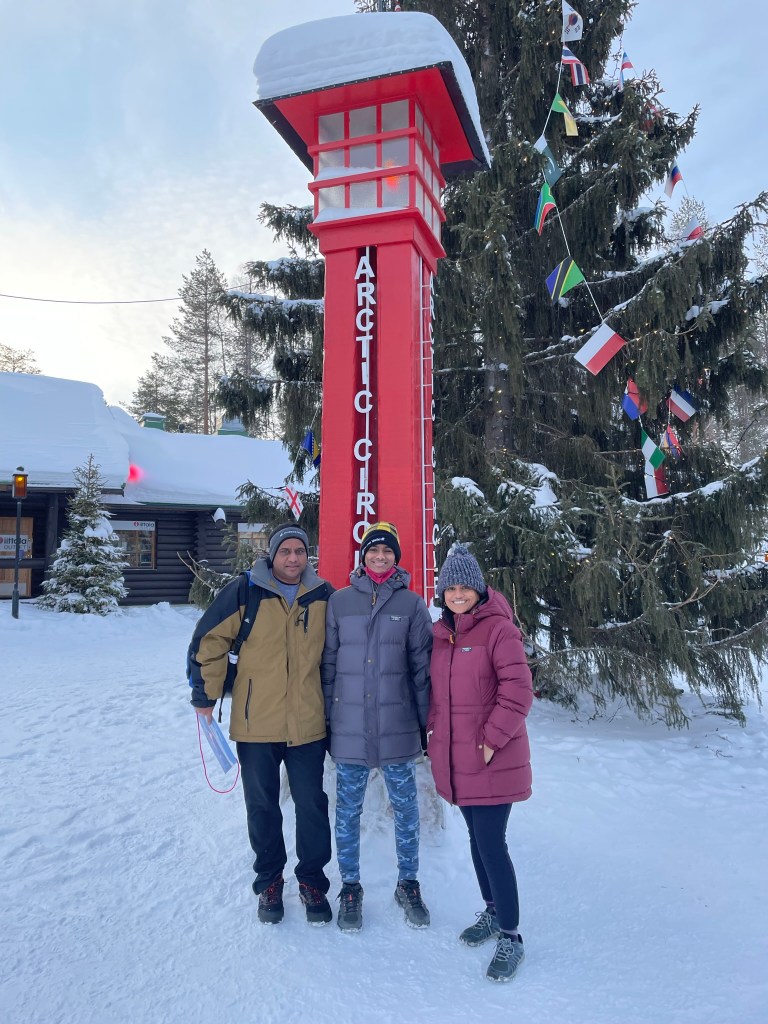
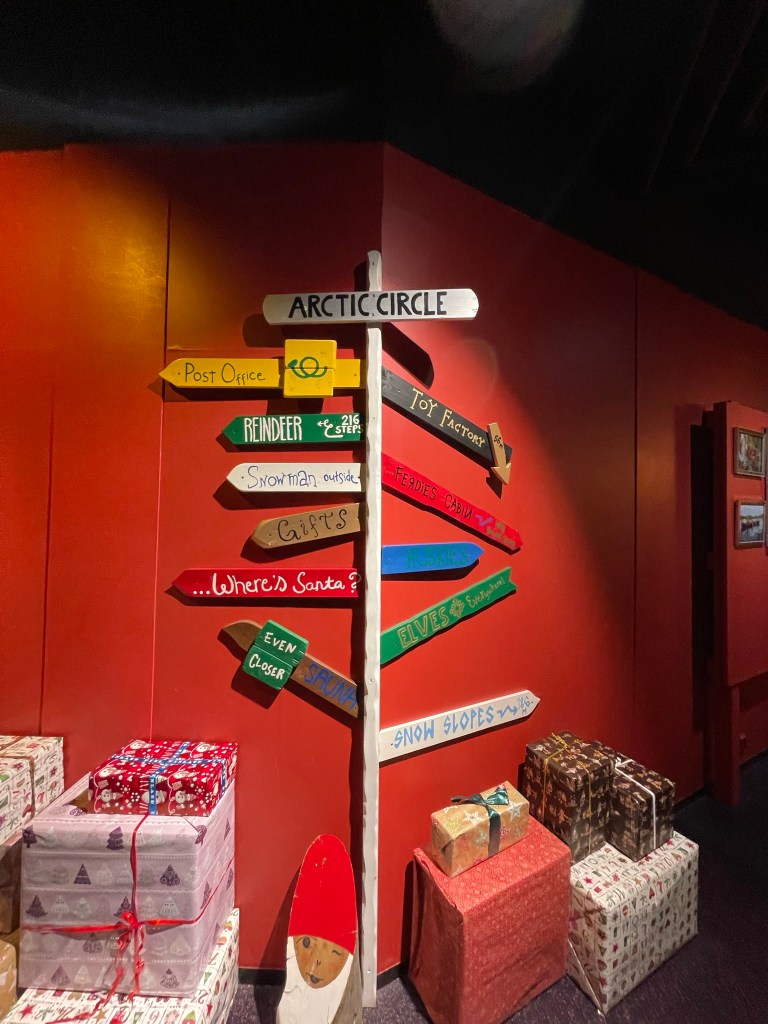
  • Arctic circle– take photos while crossing artic circle
  • Visit Roosevelt’s house– is the first building in the Rovaniemi Arctic Circle area. It was erected in the summer of 1950 in honor of Eleanor Roosevelt’s visit.

Day 1 afternoon and evening : We spent the afternoon at Arktikum a science centre and museum that lets you experience northern nature, culture, and history up close and learn all about northern lights.

Northern lights hunting by minivan: This was the event all of us looking forward to and I had booked the trip through Nordic adventure . Around dinner time, it started raining/snowing and when the diver came to pick us up from the hotel, he said our chances of seeing northern lights is very minimal. The tour operator said we can move the tour to next day but since we were going to Saariselka next day we decided to take a chance and see what we get.

Pro-tip- Find out from your tour operator if they rent snow shoes and suit. None of us on the northern light tour had proper cloths and shoes and we froze our butt off. Some times, the hotels also rent out snow boots and they make a huge difference when you are standing for couple of hours on a frozen lake waiting for Northern lights to show

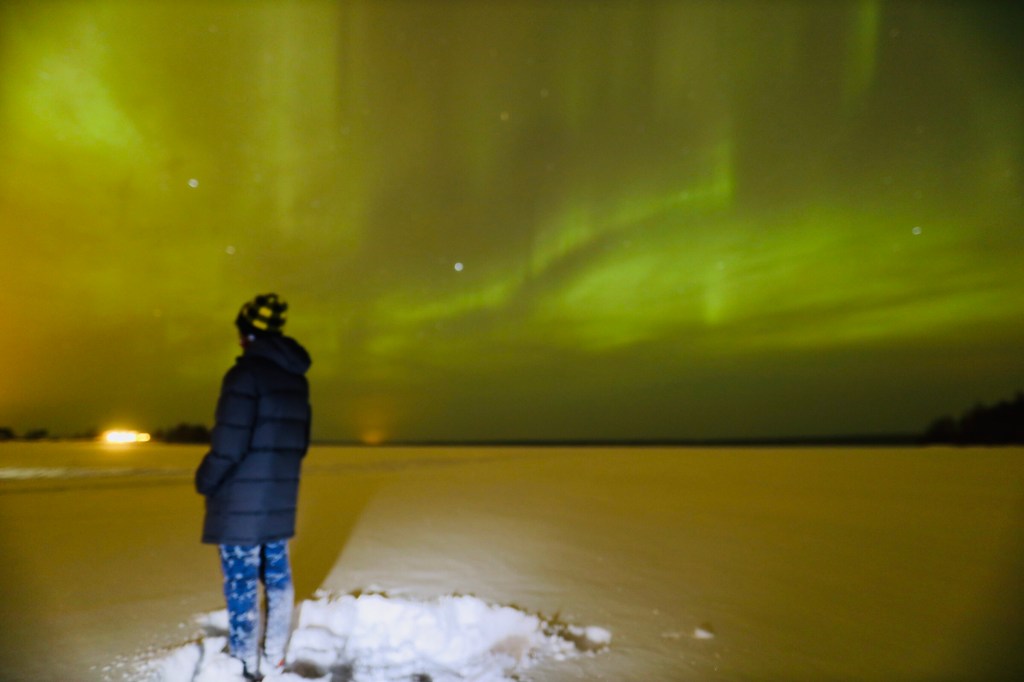
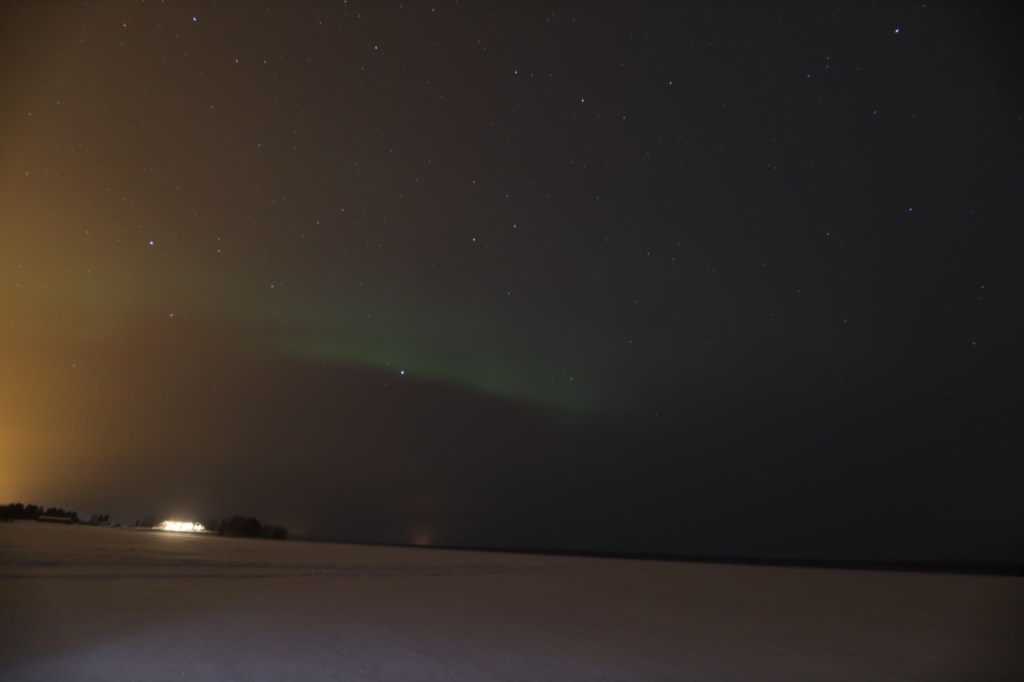
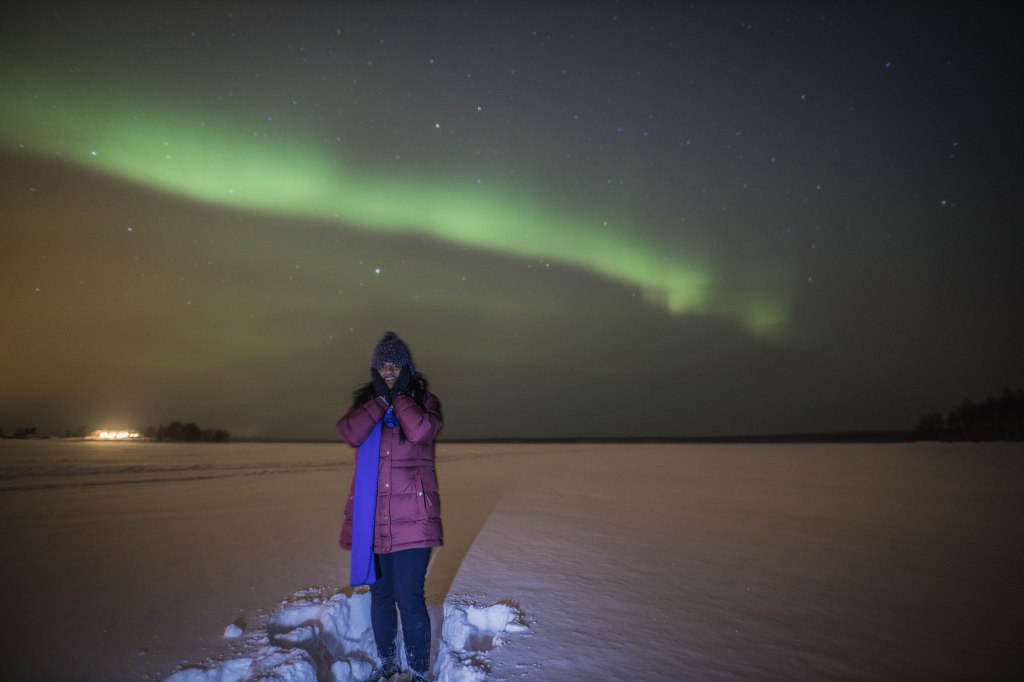
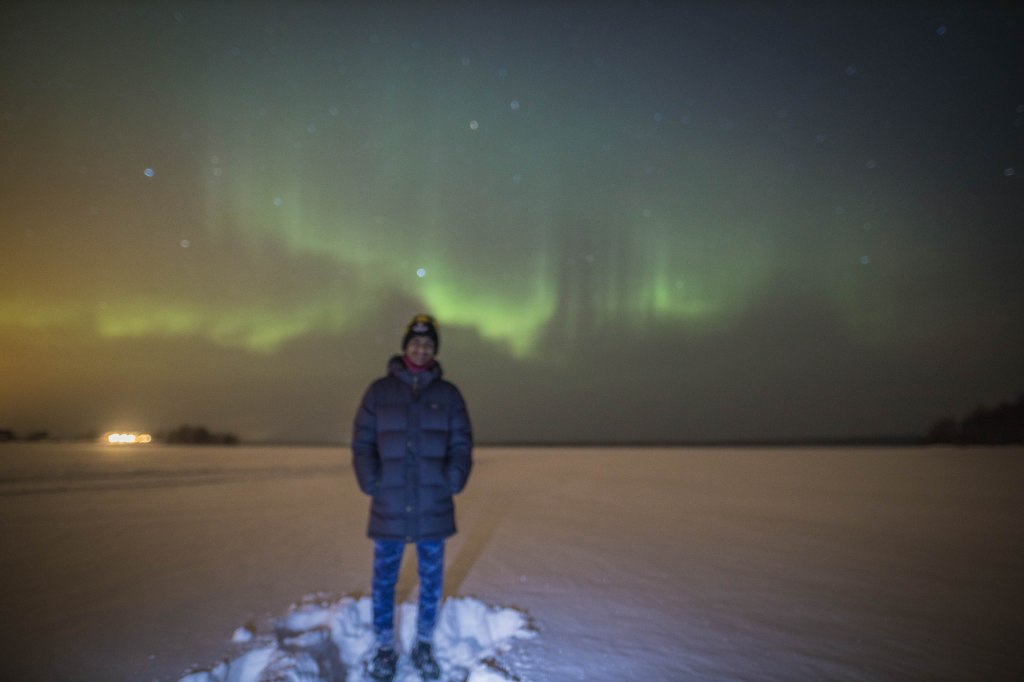
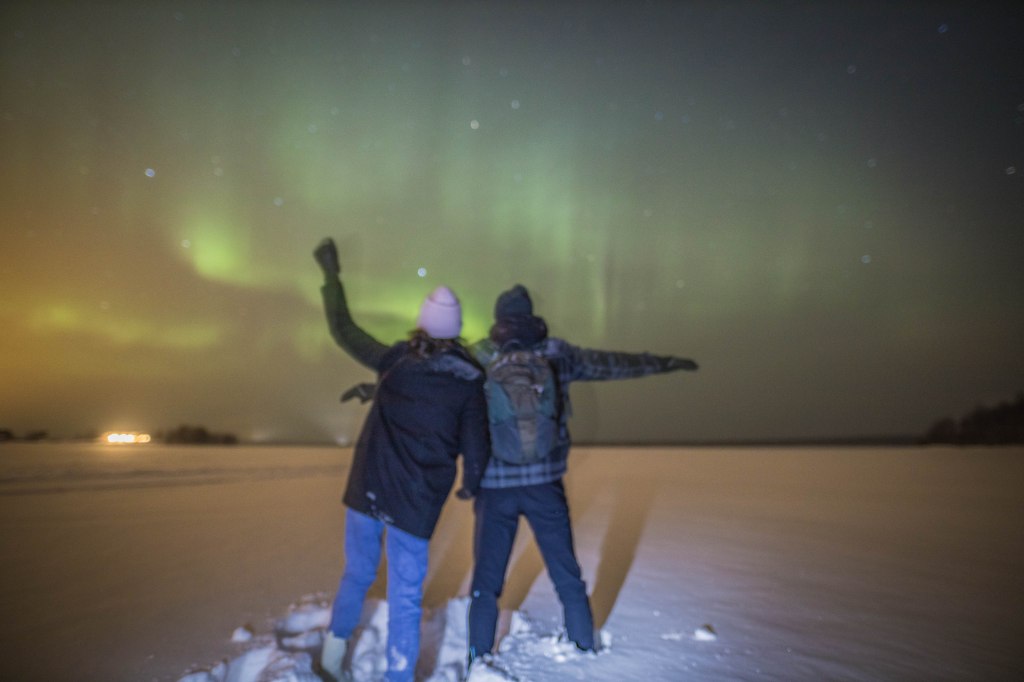
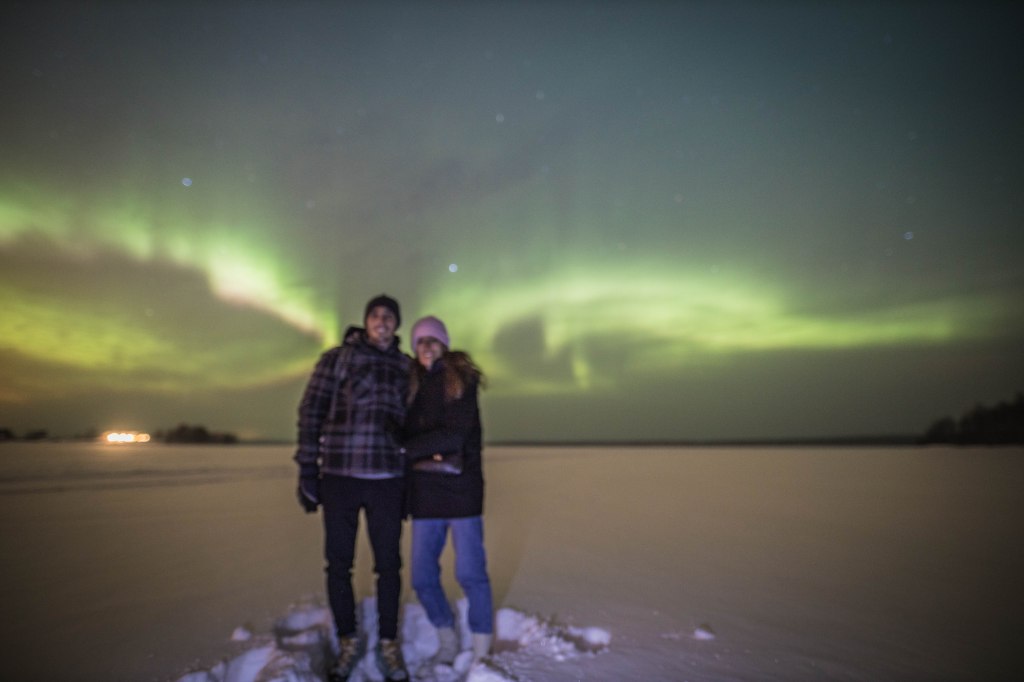
After driving for about 20-25 min from the city, we stopped at a lake. Rain/Snow had slowed down and waiting about 30 min, stars started appearing giving us the hope that we might see Northern light. The guide, Gale started fire and heated up some mulled wine and sausages to keep us warm, but our toes were getting frozen. There were 7 of us on this tour and we took turns going back to the van to keep ourselves warm. Around 10 PM, after standing around for an hour, a white cloudy thing appeared on the horizon and Gale said that we are in luck. Slowly the white cloudy thing started turning green and for next hour and half, we saw one of the most incredible displays of northern lights. We were spellbound and speechless at the magnificent lights. None of us had figured out how to take pictures using our iphones but the tour included photos that the guide took using professional setup. This worked out perfectly as we could enjoy the lights without having to take photos. If you want to take photos of northern lights, please check this blog. If you want to check your chances of seeing northern lights, the aurora pro app works really well. There are few other apps you can use and more details on these apps can be found here.

Rovenomi is great place to not only see northern lights but to do other activities such as snow mobile rides, husky and reindeer safari, and other winter activities. There is also a snow/ice hotel you can visit and have dinner. We decided to do most of these activities at our next stop in Saariselka and stay only 2 days in Rovaniemi which was perfect way to start our finnish adventure. If you want to book any other activities, there are several options on getyourguide or viator. Nordic adventures also offer a lot of these activities and we had really had a great time on aurora hunting with them.

Day 3, 4, and 5 : Saariselkä and staying in glass igloos at Kakslauttanen Arctic Resort 

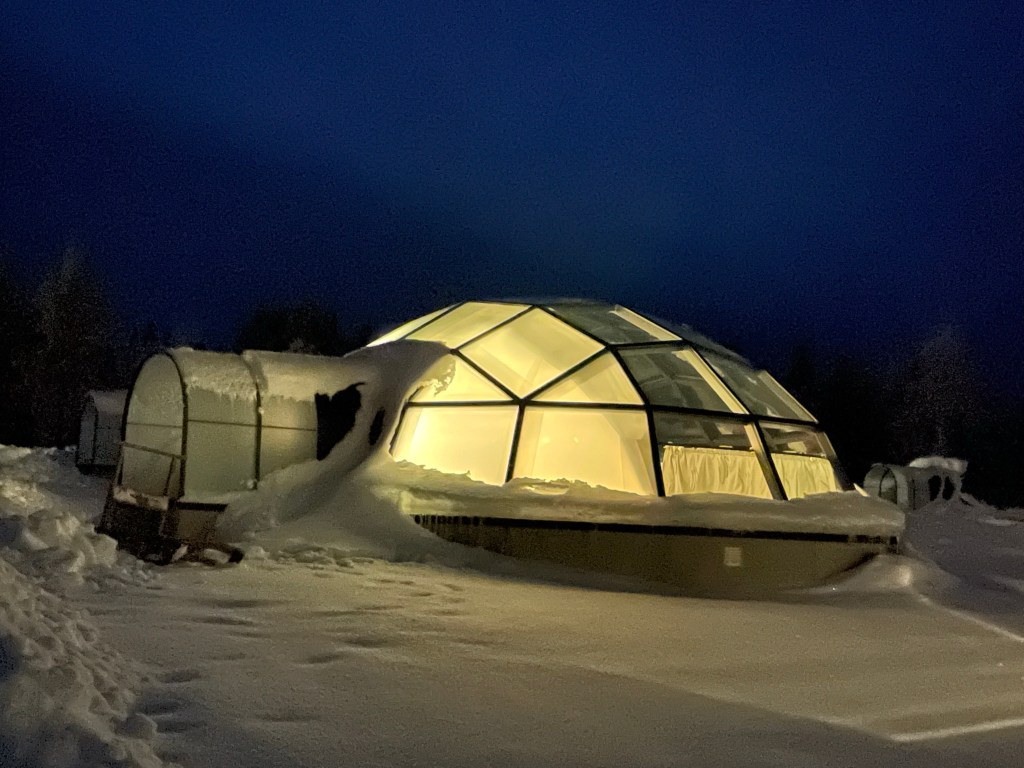
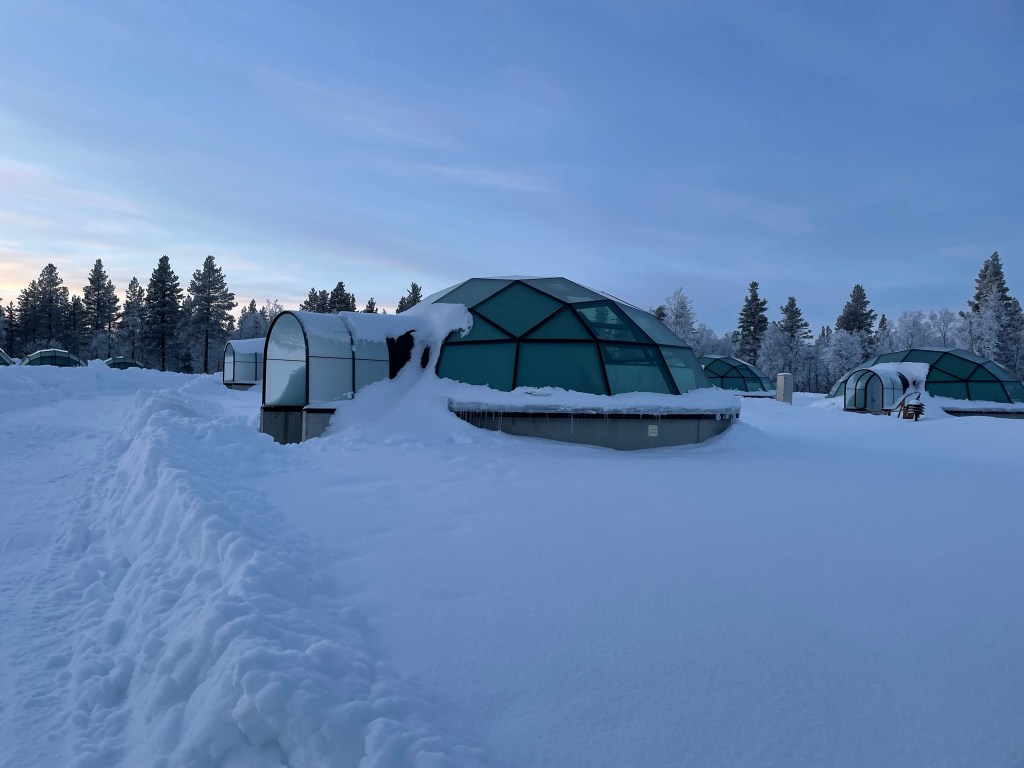
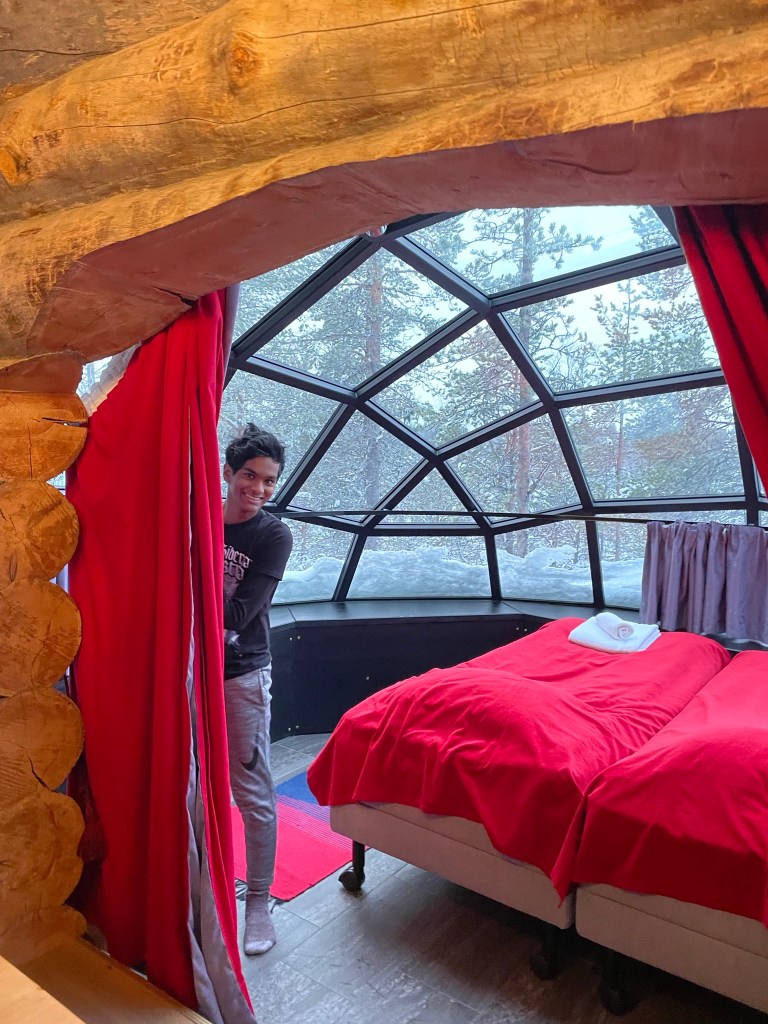
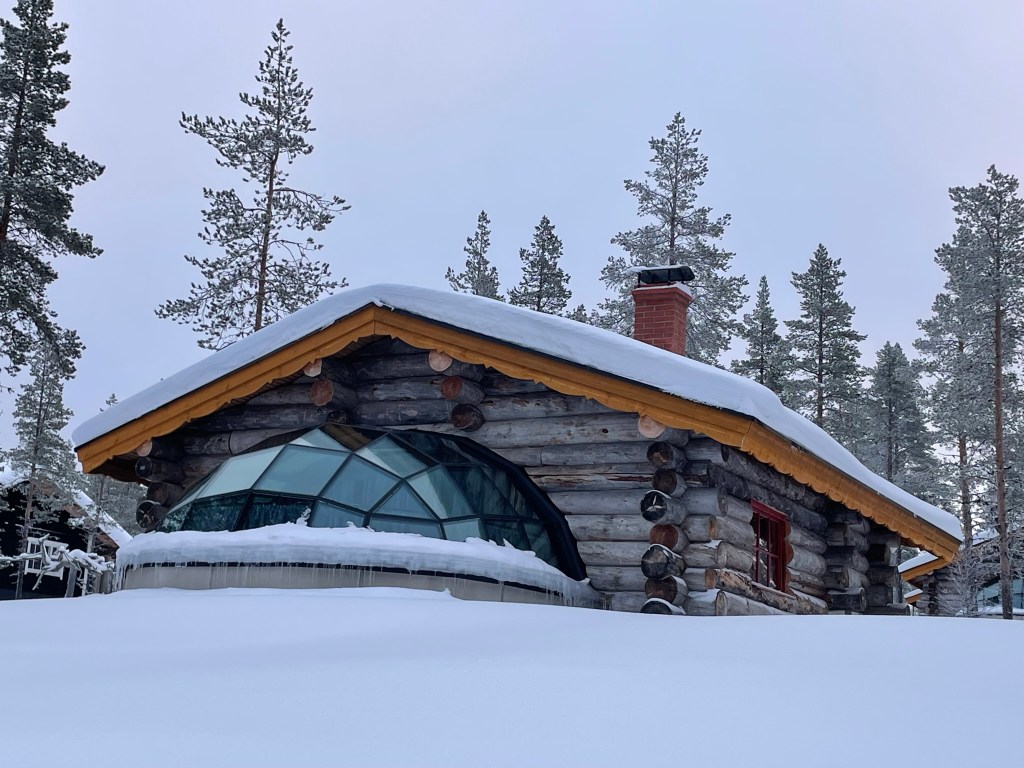
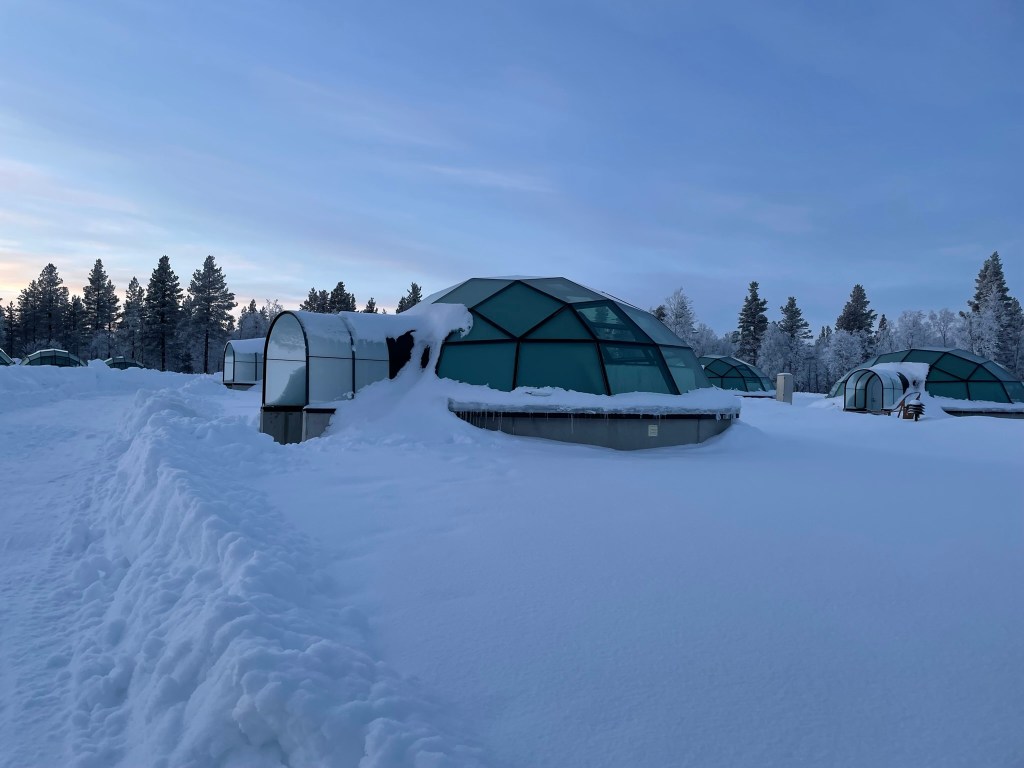
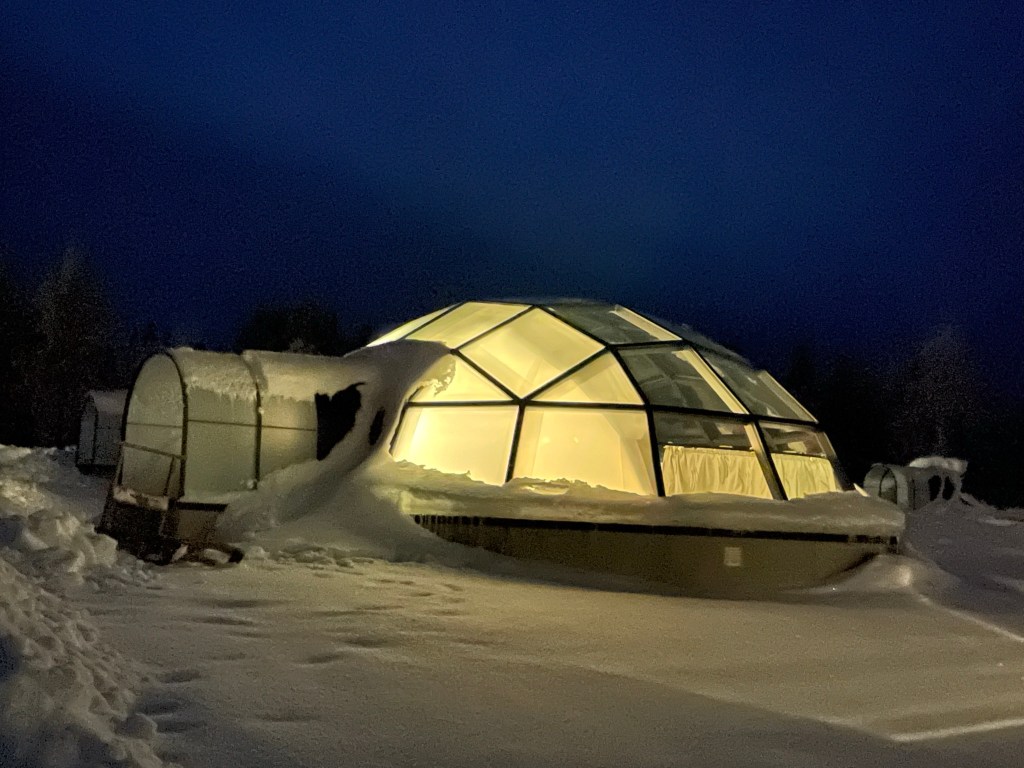
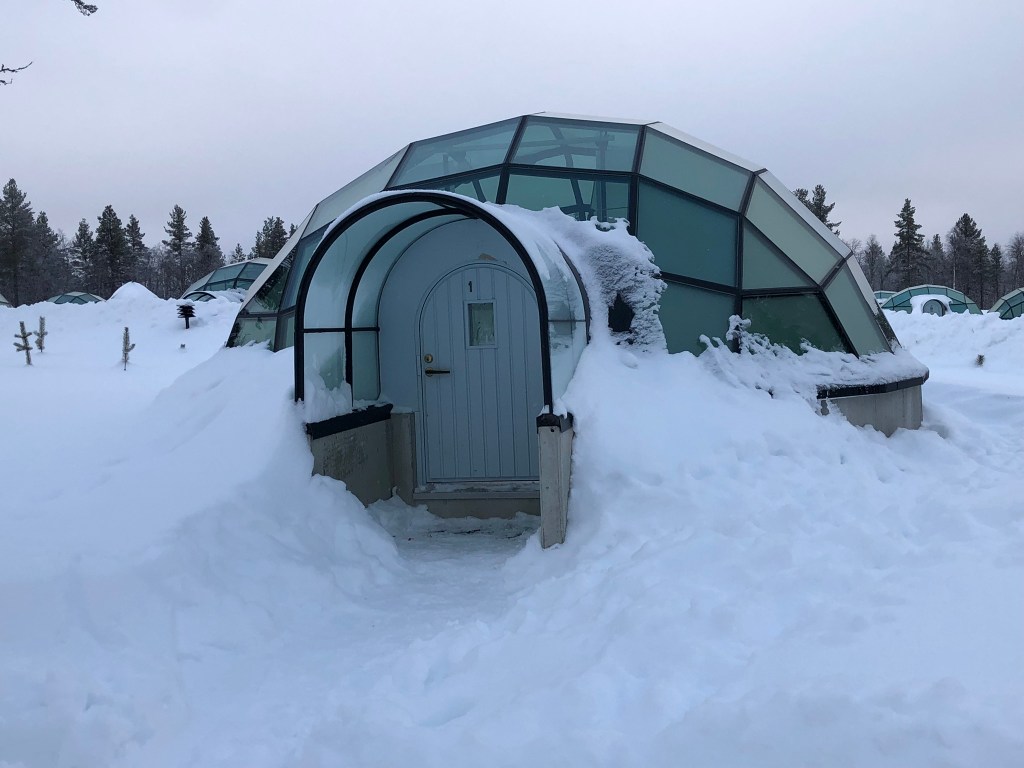
One of the things we were looking forward to when we planned our trip is our stay in a glass igloo. There are several hotels that have glass igloos, and we chose Kakslauttanen Arctic Resort which pioneered the glass igloo concept. Kakslauttanen is a good option, albeit an expensive one, but the reason we chose them was that they offer several activities including reindeer safari, and husky safari. If you plan to stay here in December, you can also meet Santa and do other activities related to Christmas. Since we stayed in February, we didn’t get to see Santa. There are several options for rooms at this resort and for details on the resort, check out this blog which helped me to plan our stay. We decided to stay in 2 different rooms to get the full experience. First 2 days of the stay we stayed in Kilo glass igloo and for 1 night we stayed in the glass igloo.

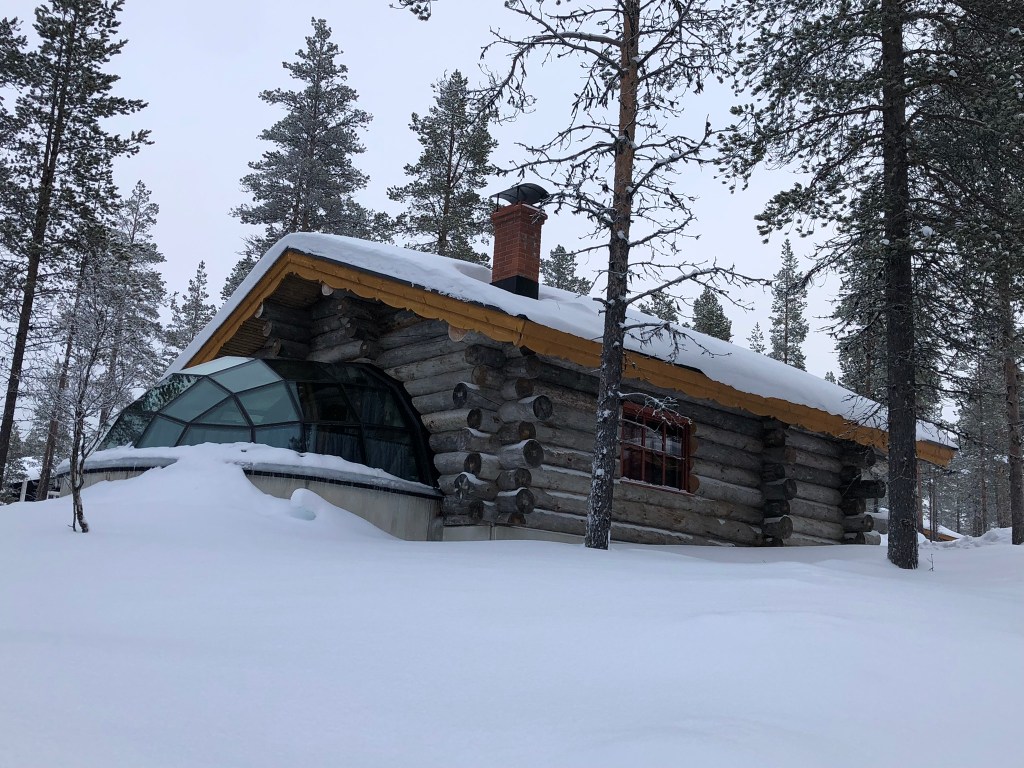
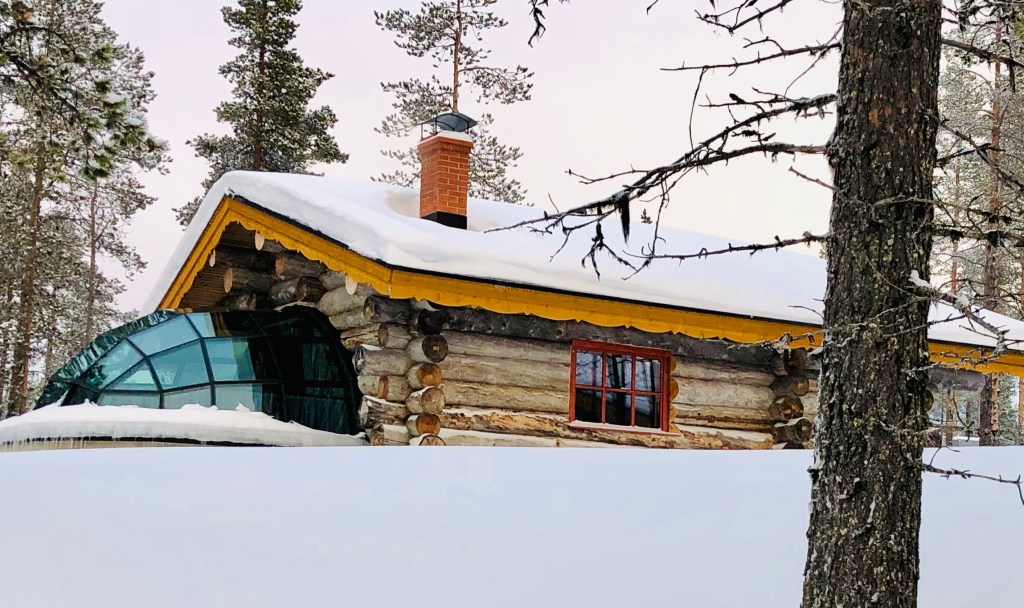
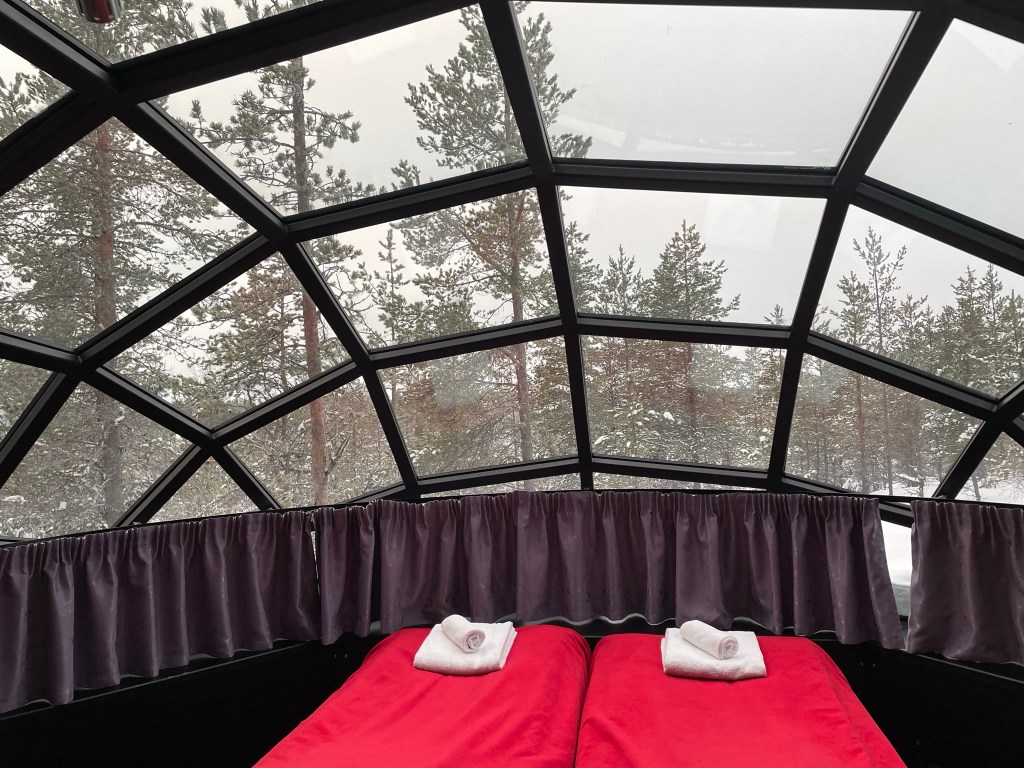
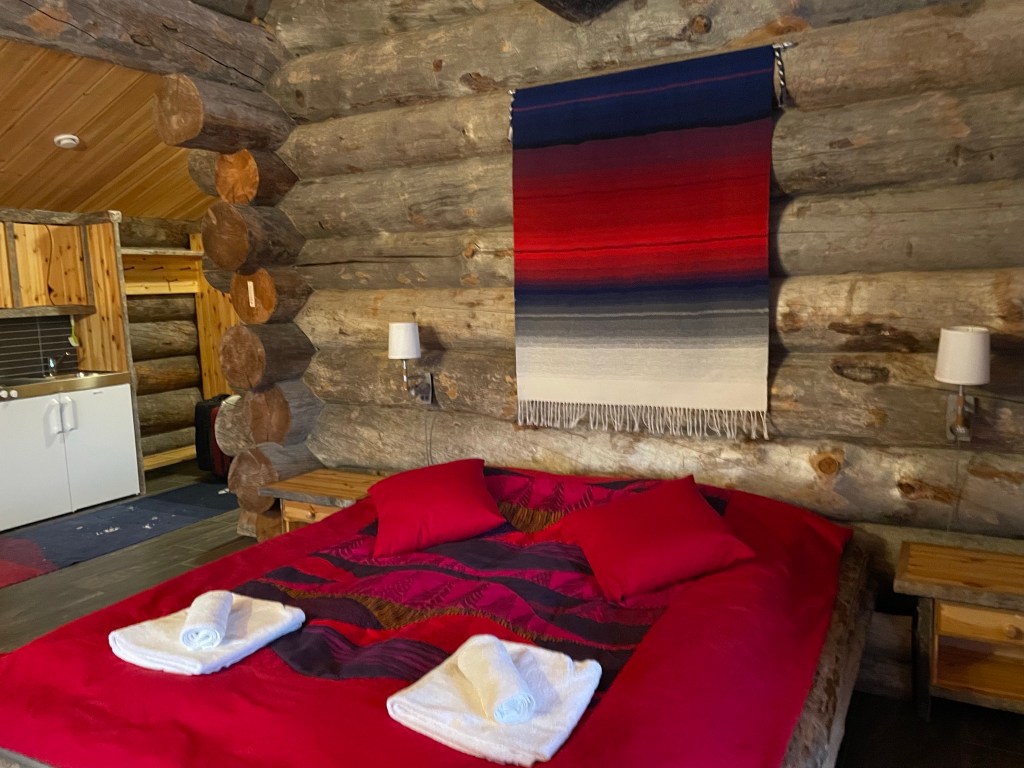
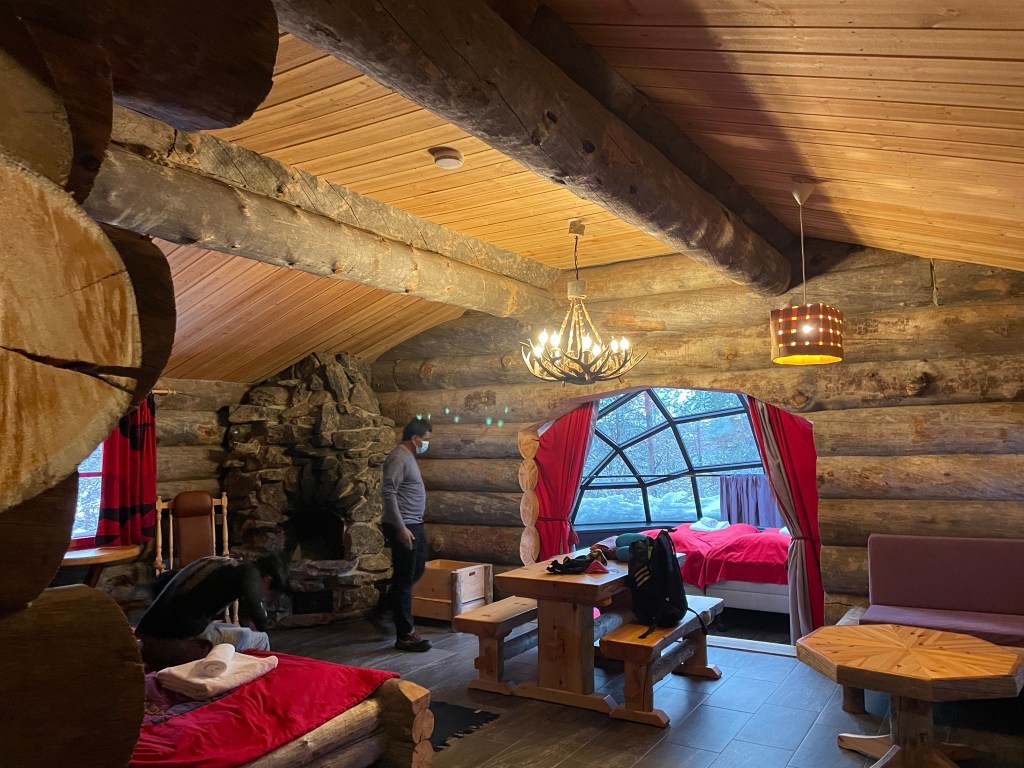
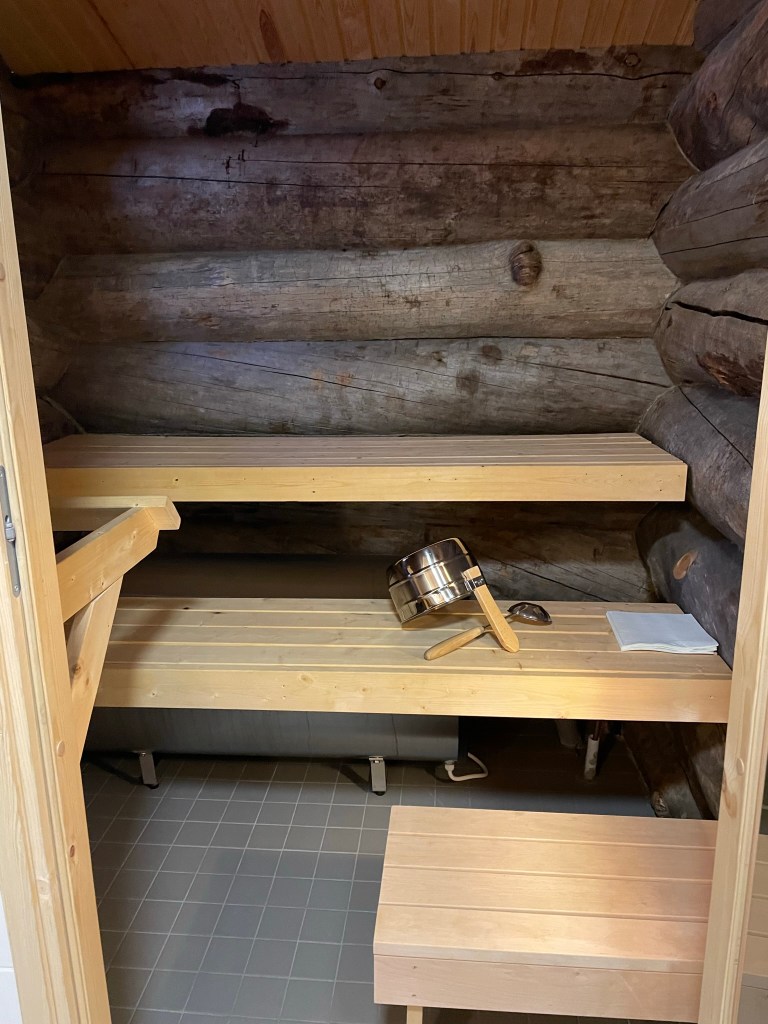
Kelo glass igloo:We found these igloos to be the best of both world with comfort of the log cabin with glass igloo master bedroom. This version of the room sleeps up to 6 people and for 3 of us this was really good accommodation and came with kitchenette, fireplace, and of course ensuite sauna.

Glass igloo : Depending on whether you book small or large igloo, it can fit 2 or 3 to 4 people. We chose the one that fits 4 people and it had a small bathroom and toilet in the room. The smaller version may not have a bathroom and common shared bathroom in the main building can be used.

There are several other options at the resort including log cabins to luxury gold-digger cabin and you can chose the one based on your requirement and budget. All in all, it was great experience to stay in the resort and other great thing is that rooms come equipped with Northern light alarm in case northern lights appear in the night.

How to get to Saariselkä or Lake Inari

There are several ways to get to Lake Inari or Saariselka hotels. Easiest way is to fly to Ivalo airport and take a cab or ask the hotel to pick you up from the airport. Since there were no direct flights from Rovaniemi to Ivalo airport, we took bus. On our return trip, we directly flew from Ivalo to Helsinki airport. The bus journey takes about 3 hours and more details can be found here and you can directly buy the tickets from the bus operator on-line or you can buy the tickets from the driver on the bus. For timetables and tciket purchase, check out the website of Matkahuolto, a Finnish company that organizes bus trips nationwide. We got dropped off at the east village entrance of the Kakslauttanen resort, but we were supposed to be at West village. Thankfully there were couple of people at the reception and were able to arrange a van to transport us to the resort. The bus driver was also very helpful and called hotels to get transportation to few people on the bus that got dropped off the entrance.

Pro-tip – The bus drops you off at the entrance of your hotel and it stops at various hotels in Saariselkä area. Some hotels are long-way from the entrance (1-2 km) and it would good to have hotel send a van/ transportation to pick you up from the entrance so that you don’t have to drag your luggage through snow

Snow activities at Kakslauttanen Arctic resort

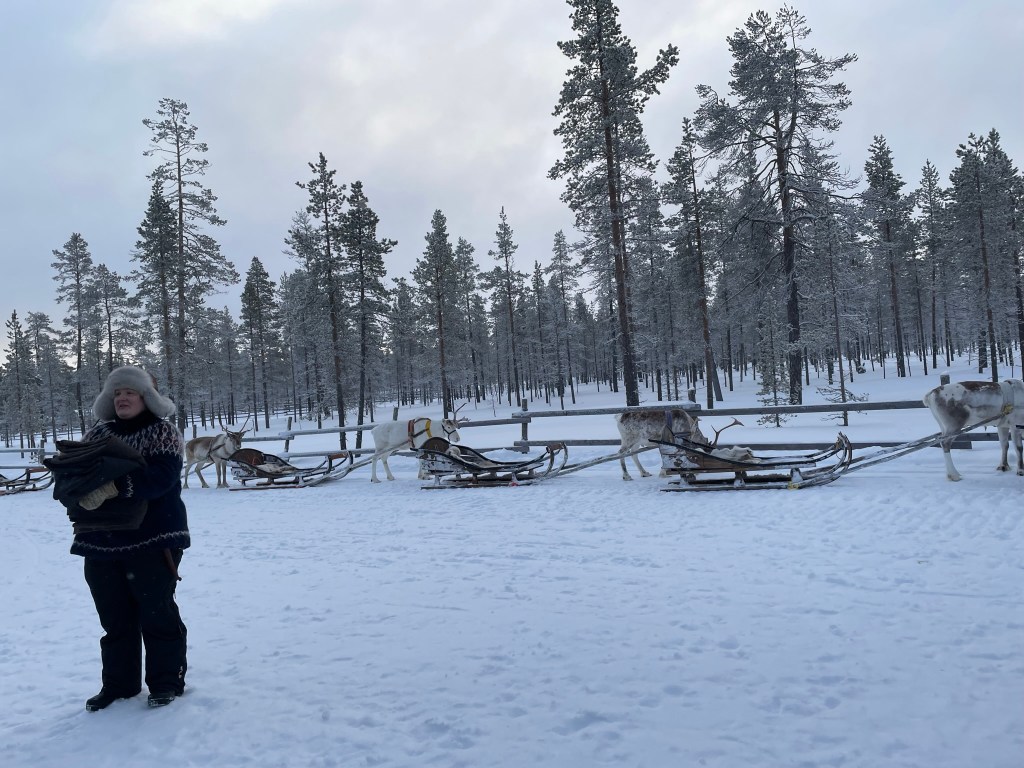
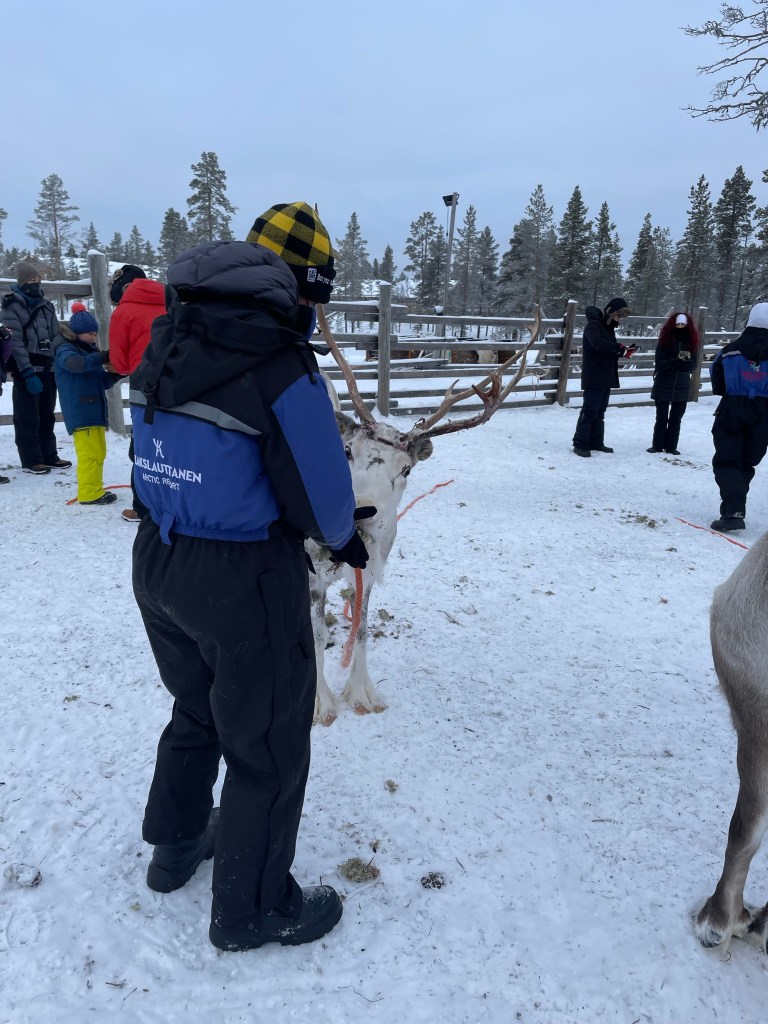
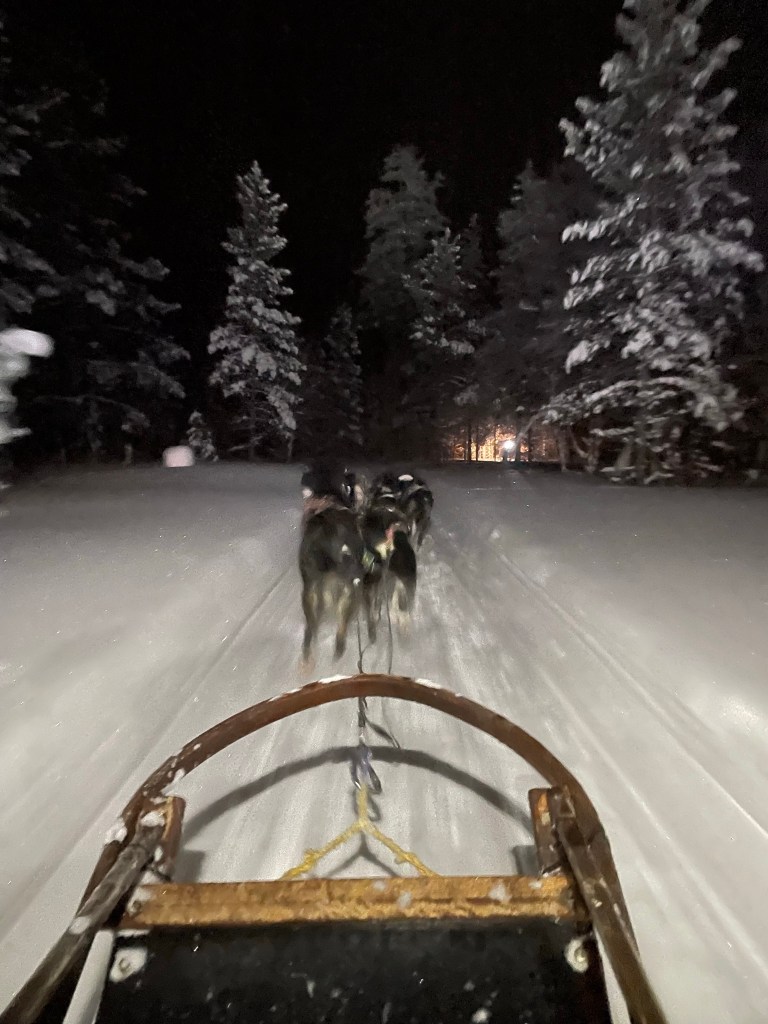
Lapland is great place to do snow activities and we booked all our activities through Kakslauttanen resort and combined most activities with Northern light hunting. Even if we didn’t see Northern lights, we still enjoyed the husky safari, snowmobile ride and reindeer safari. Check here for the list of all the activities organized by resort. We did Aurora hunting with snowmobiles, Husky Safari (favorite of the teenager as he got to drive his own husky sled), Reindeer safari, and a whole day trip to Lake Inari with ice fishing and visit to Sami museum.

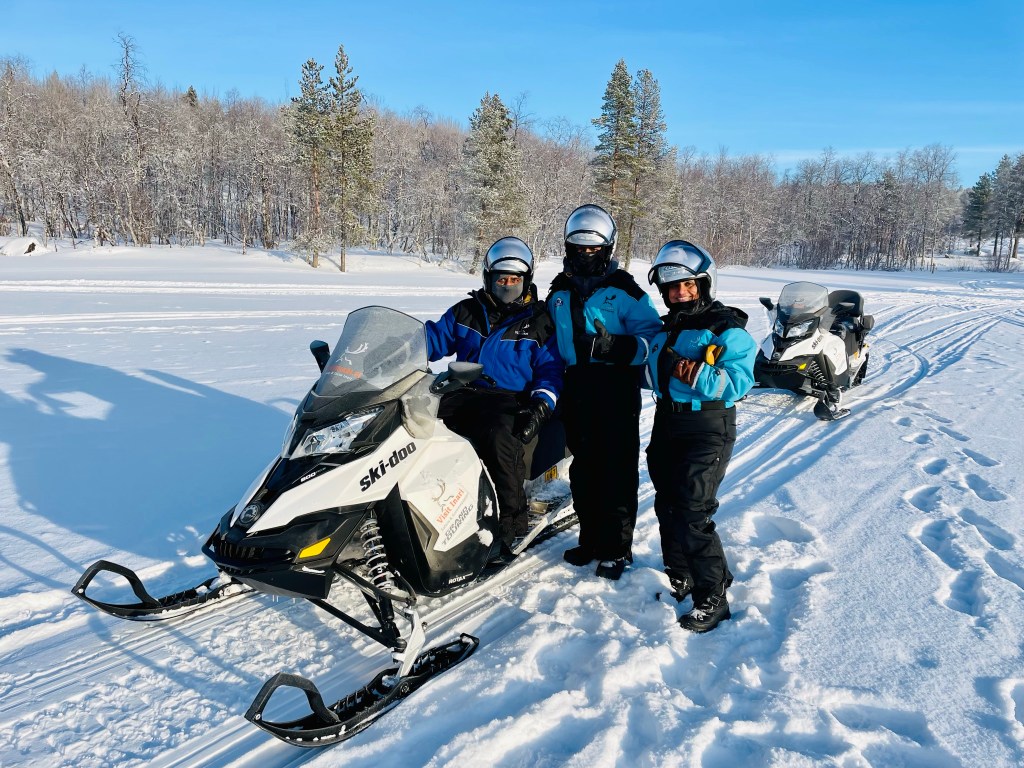
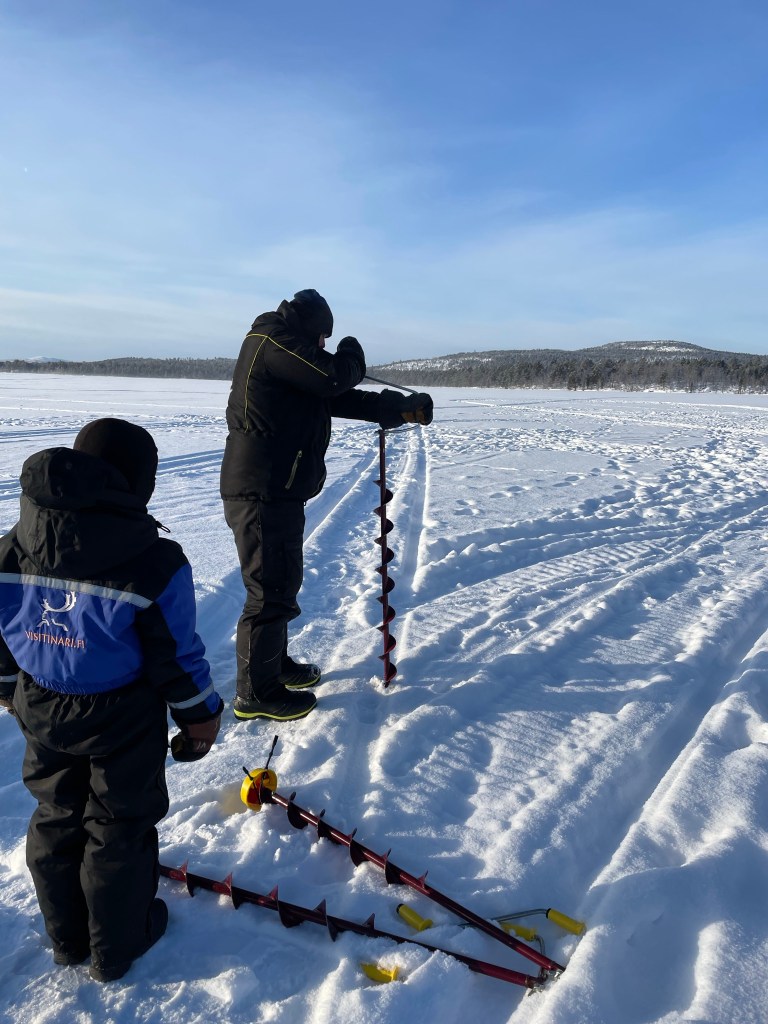
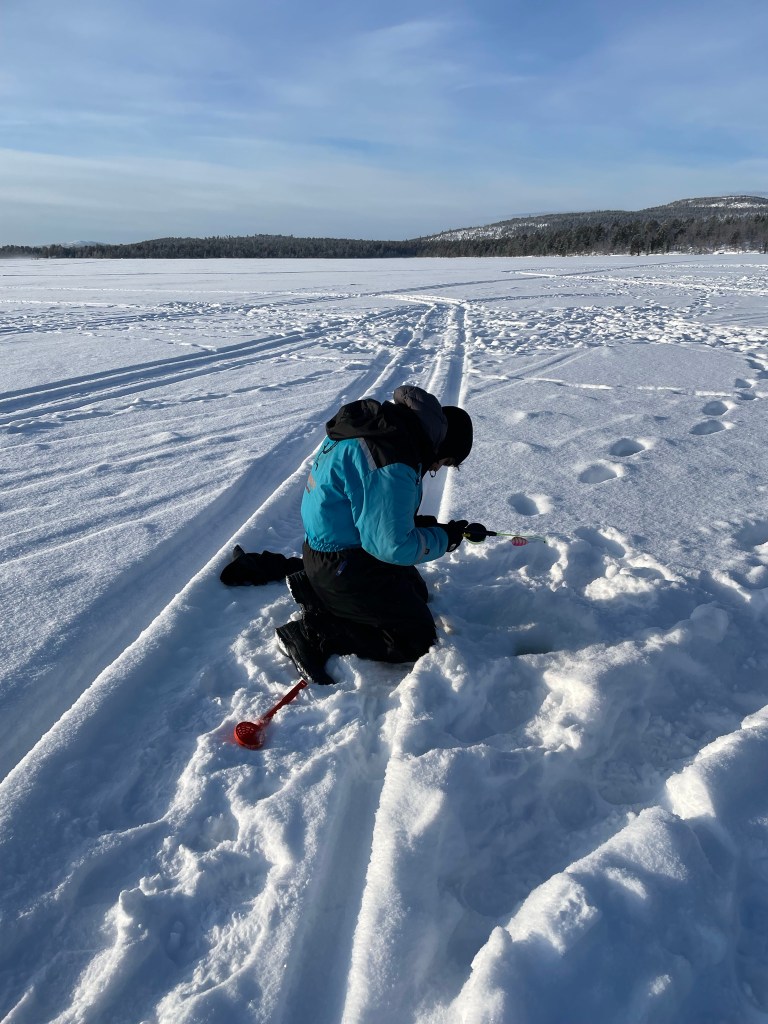
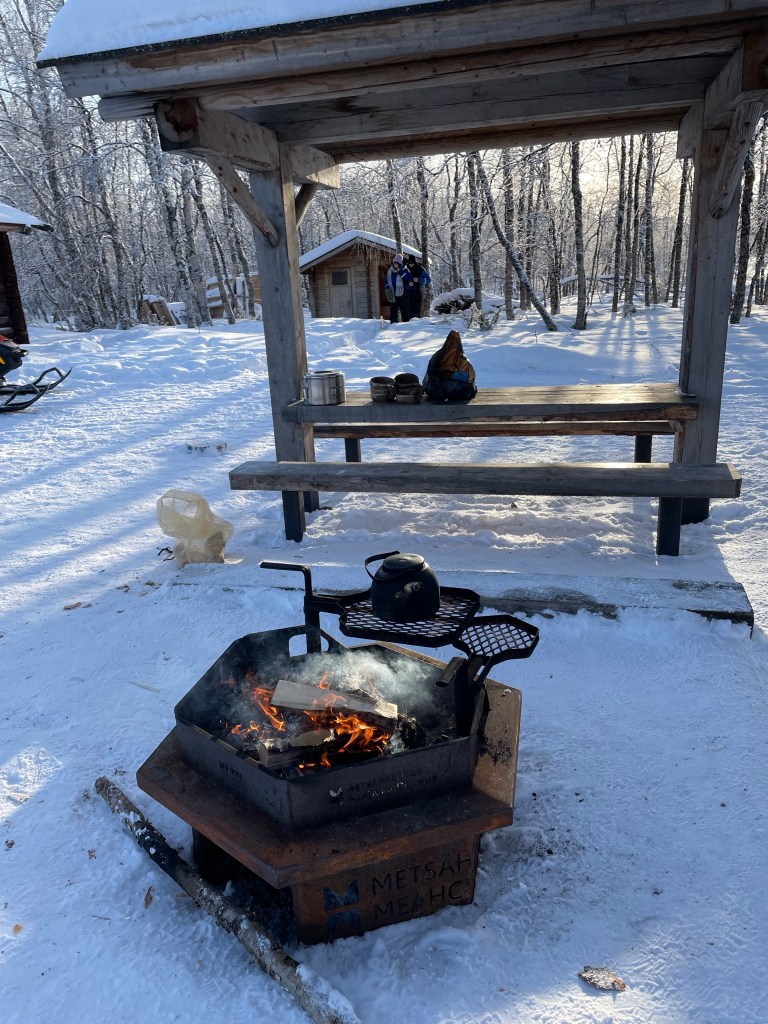
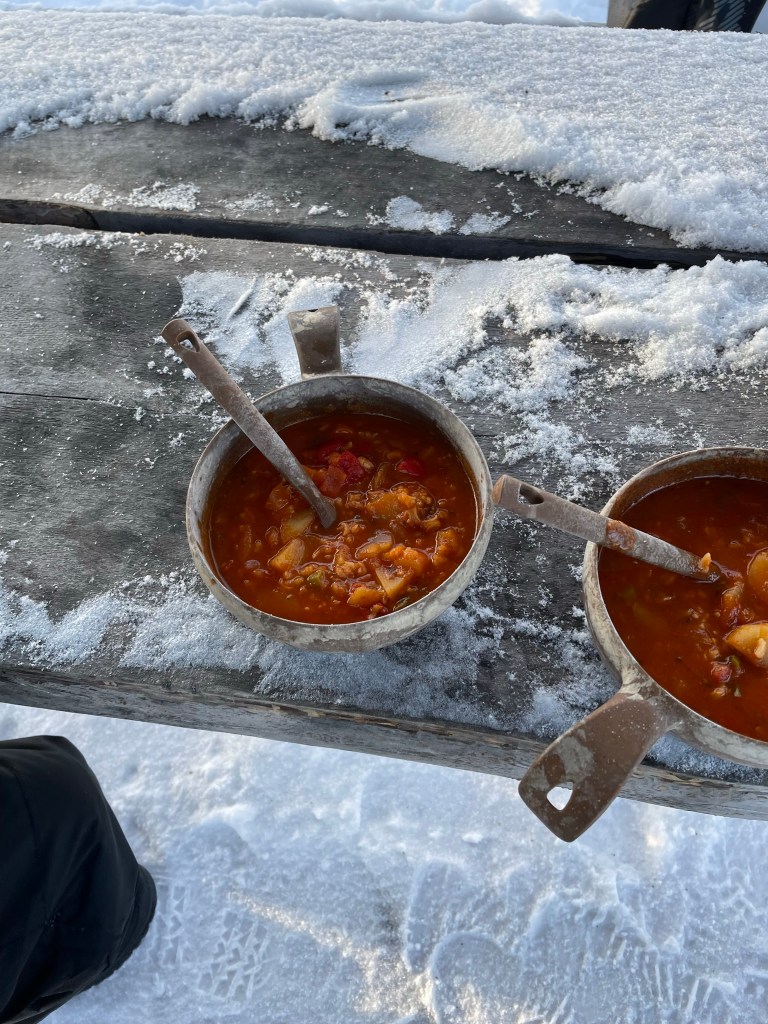
Lake Inari visit: This was our favorite activity at the resort. We were picked up from the resort at 8AM and were driven to Lake Inari. The drive itself is beautiful and very serene. After we changed into out winter suites, we drove our own snow mobiles to Lake inari. It an exhilarating ride with typical Lapland views with wild reindeers, and snow-covered trees. Once we reached lake Inari, our guide demonstrated making hole in the ice to catch the fish and we all dug our own holes and sat for few hours without any luck. In the meantime, our guide prepared lunch on an open fire and heated up tea to warm us up.

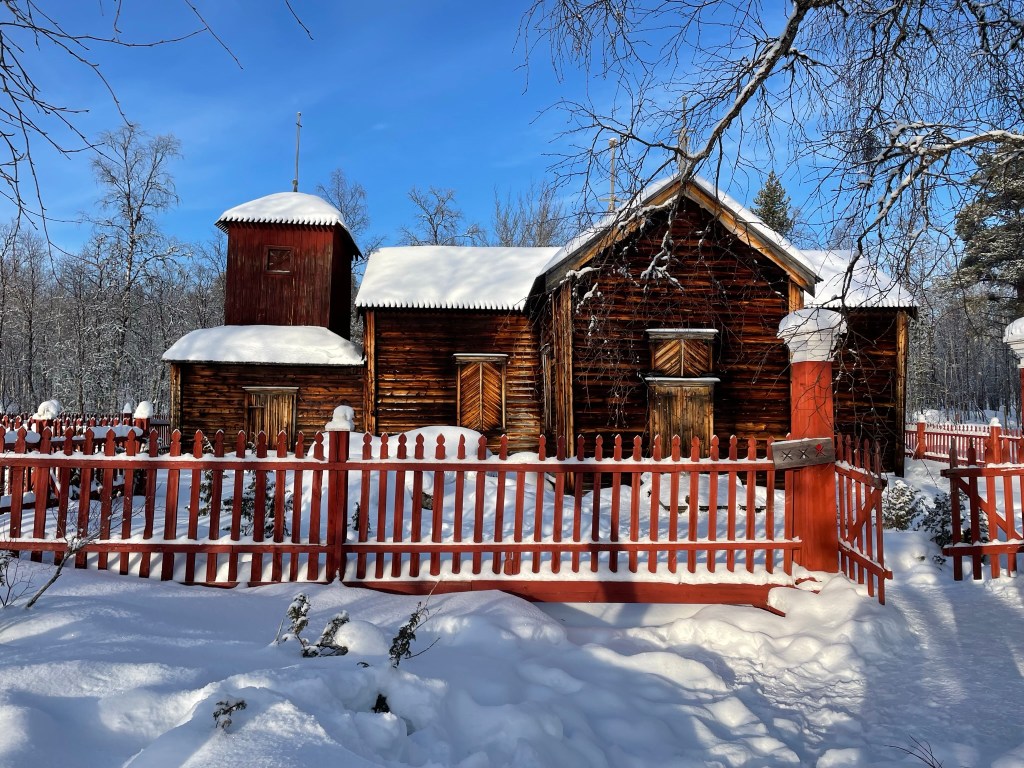
Wilderness church of Lake Pielpajärvi -Built in 1760, after the Christianization of the Sami people, this church was built on the site of an old Sami winter village. It is one of the oldest buildings in northern Lapland. It was in use until the end of the 19th century and nowadays puts on special services during Easter and Midsummer. The church is also a popular site for weddings. In the summertime, Pielpajärvi is only accessible by foot along a 5 km hiking path or by boat from Pielpavuono pier in Lake Inarijärvi. The easiest way to reach the church is to hike from Inari village. The starting point of the trail is the Sarviniementie parking area, which is about 3km northeast of the Siida museum. From the parking area it’s about a 5 km hike through the woods to the church (route is marked with occasional signposts and more frequent red stakes). An alternative is to the Inari Lake cruise where the catamaran can leave you at Pielpavuono which is about two kilometers from the church and you can walk along the path from there (the route is also marked with red stakes). In the wintertime it can be reached by skiing and snowmobile, and we chose snowmobile as our option. The church is always open and can be visited free of cost.

Siida’s open air museum– If you are in Lake Inari, you should definitely take time to visit to Siida’s open air museum to  understand the cultural and architectural heritage , as well as livelihoods of the Sámi in Finland. This museum tells story of Inari and Sami in the last 10,000 years and gives information about Sami way of life including, evolution of transportation method from reindeer to snow scooters and more. We also got to see other Sami traditions including their food habits, hunting practices, and ingenuity of Sami people living in harmony with nature. Check here for the open times and other information.

Day 6 and 7- Helsinki

We started the tour of Helsinki with a walking tour and it was a good way to get the lay of the land and see some key sights. We booked one through getyourguide and similar ones can be found in viator too. We met our guide at Senate square and covered the following places in about 3 hours on foot. It was really informative and we enjoyed visiting the city with the local person who had lived in the city for more than 20 years.

Senate Square– Senate Square is the main square of Helsinki and is surrounded by buildings on the four sides of the square representing the four powers of the state as conceived during 17th century : senate, church, university and commerce. The Square itself is empty except for a statue of Tsar Alexander II in the middle. The main structure that dominates the square is the Helsinki Cathedral.

Helsinki Cathedral– Designed by Carl Ludvig Engel, this cathedral is the landmark and symbol of Helsinki. Also known as St. Nicholas Church and Great Cathedral, it was completed in 1852 and have sculptures of 12 apostles on the roof that guard the city. The church is build in the shape of the greek cross and has six corinthian pillars in the front. The outside wall is decorated with scenes from life of christ and above the main there is an hebrew inscription of Jahave (God). For more information on the architecture and opening hours, check here

Uspenskin Cathedral– Built in 1868, this church is considered as the largest cathedral in Western Europe. This Cathedral represents Russian impact on Finland. The cathedral was designed by the Russian church architect Aleksei M. Gornostaje and it is built to represent Slavonic architecture with golden cupolas and redbrick facade. It’s a prominent sight as you walk around the city center, as it sits on a hilltop overlooking the ocean and its 13 towers with their gilded spires are eye-catching. 12 of the towers stand for the 12 apostles and one for Jesus and interior is very splendidly furnished with columns made of solid granite support the main dome, which is designed like a starry sky. Numerous colorful mosaics decorate the interior walls along with icons, religious paintings and gilded sacraments.

Kauppatori or the market square – Close to Helsinki city hall and President’s palace, is the outdoor market on the waterfront, with lots of food vendors (mostly selling various seafood–and sides like veggies and potatoes), lots of fresh produce (everything looked delicious), and some souvenir stalls. It is great place to spend some time enjoying finnish food.

Old Market Hall– Open since 1889, this old food hall or market hall is close to market square and sells all sorts of cheese, fish, vegetables, fruits, cakes and pastry. There are some cafes and restaurants too and it is also great place to try some authentic finish dishes.

Havis Amanda – A fountain and statue designed by sculptor Ville Vallgren is located in the market square and symbolise the rebirth of Helsinki and is beloved pieces of art in Helsinki. Havis Amanda is a mermaid who stands on seaweed as she rises from the water with four fish spouting water at her feet. She is surrounded by four sea lions and is depicted leaning backwards as if to say goodbye to her element. Vallgren’s intention was to symbolize the rebirth of Helsinki. Vallgren himself called the work simply Merenneito, or The Mermaid in English, but it quickly started to earn nicknames. The Finland-Swedish newspapers dubbed it Havis Amanda and the Finnish Haaviston Manta or simply Manta. Every year on Vappu, Manta serves as a center for the celebrations. Students of the local universities put a cap on the statue in an elaborate ceremony. For many it is a “must see” event (Source: https://www.gpsmycity.com/attractions/havis-amanda-33017.html)

Other places to visit in Helsinki

Ekbrg 1852café Ekberg is the oldest bakery, patisserie and café in Finland, founded in 1852.

Sea Fortress Suomenlinnahttps://www.suomenlinna.fi/en/ Suomenlinna is an 18th-century sea fortress and nature area with centuries-old artillery and defensive walls, spread across 6 linked islands. There are walking trails that take you to popular sights like the King’s Gate drawbridge and Suomenlinna Museum. There is also a brewery and several waterside restaurants.

Private guided tours of the fortress, in several languages, can be booked in advance (guidebooking@suomenlinnatours.com). Public guided tours in English are announced in the events calendar on the Suomenlinna webpages. The fortress is easily accessed all year by public transport (HSL) ferry from the Market Square (daily) or the HSL maintenance ferry from Katajanokka (on weekdays). The travelling time is approx. 15minutes (Source: my Helsinki)

Sibelius Monument– This a memorial seaside park constructed honor Finnish Composer Sibelius. The main attraction is the abstract monument called Passio Musicae, was created by pioneering artist Eila Hiltunen and is actually a kinetic, musical sculpture—a bundle of 600 steel tubes that capture the wind like a pipe organ.

Day Trip to Tallinn, Estonia from Helsinki– Another popular option from Helsinki is to take a ferry ride to Tallinn, Estonia as day trip or two-day trip. We didn’t do this but there are several tours available that you can take such as this and this

Final thoughts

Finland is a great place to visit and experience true arctic wilderness and magic of Christmas during winter. To this day, my family considers this as the best trip we have taken together.

Further reading