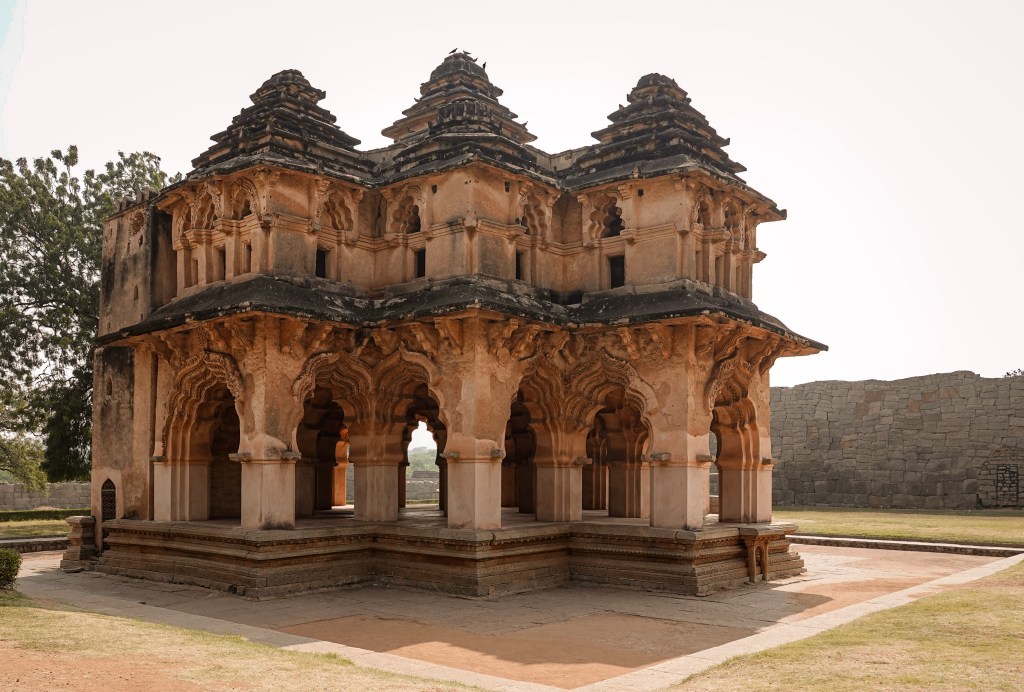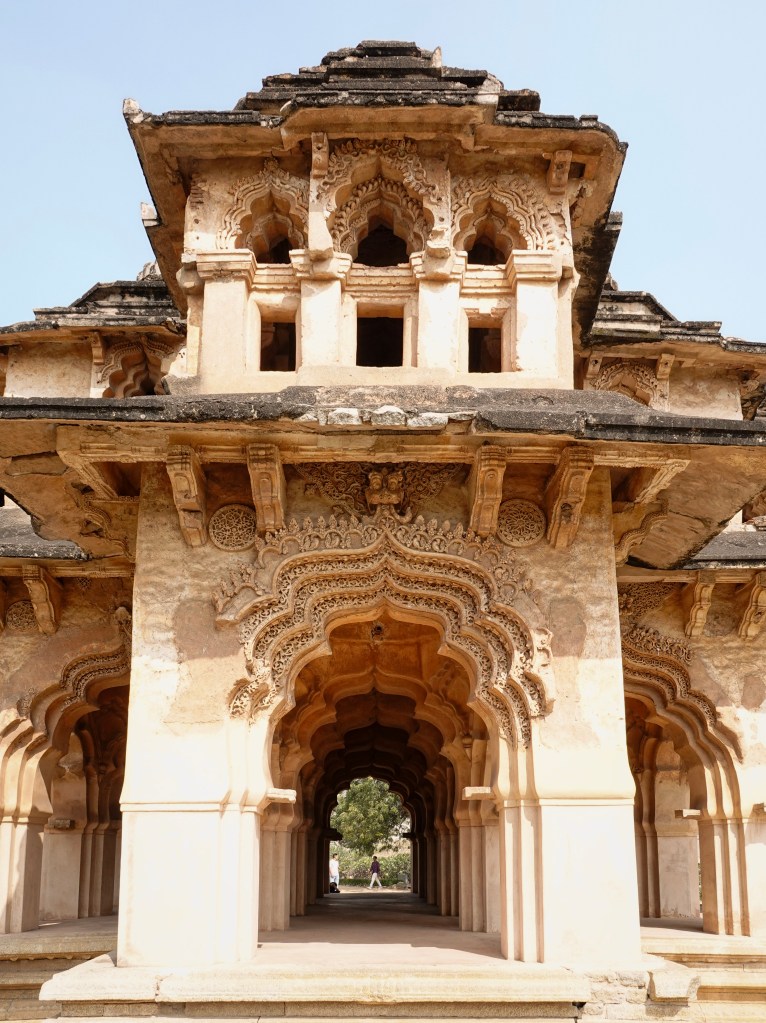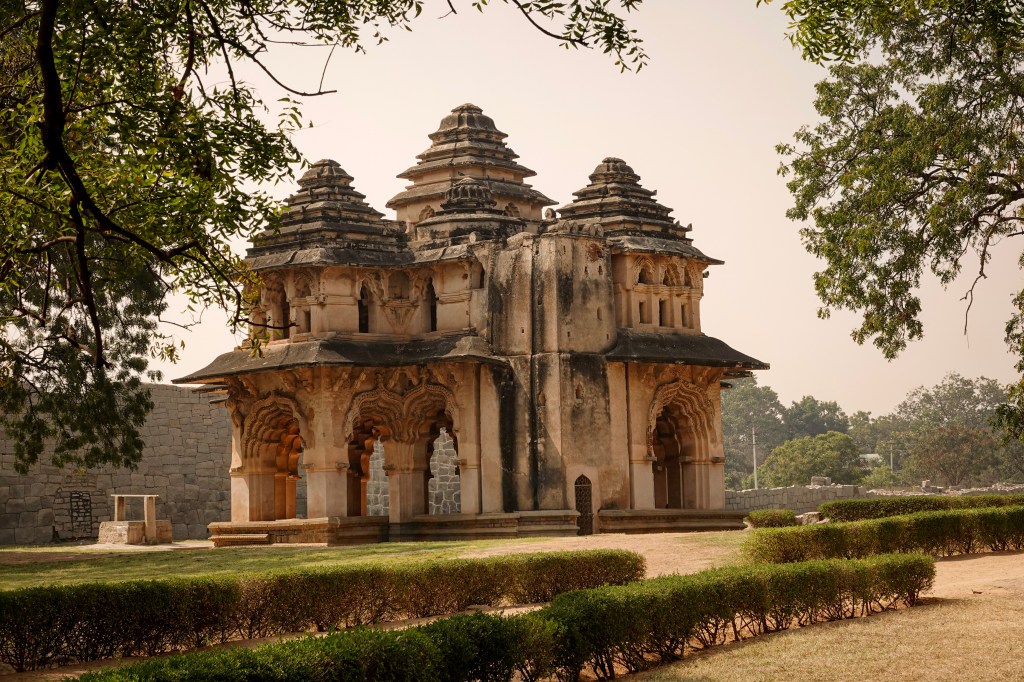
In the middle of Copenhagen’s King’s Garden, where locals picnic under lime trees and cyclists glide past in quiet loops, Rosenborg Castle rises like a fairytale frozen in brick and copper. Built by King Christian IV in the early 17th century, this petite Renaissance palace feels intimate compared to Denmark’s grander castles — but don’t let its size fool you. Rosenborg is a treasure chest of royal secrets, innovations, and glittering wonders. You can easily spend 1-2 hours in this castle.
Know before you go:
It is recommended that you buy tickets online before your visit, as tickets may sell out on busy days. For security reasons, a limited number of visitors are allowed into the castle at a time. There is a limit to the number of tickets available per day. You can find detailed information here
⭐ Rosenborg Castle: Must‑See Highlights
1. The Crown Jewels & Royal Regalia 💎👑
Housed in the fortified basement vaults, Denmark’s Crown Jewels are the only set in the world still used by a reigning monarch. Don’t miss the dazzling emerald set and the coronation crowns.
2. The Knight’s Hall 🦁✨
A dramatic showstopper featuring the silver lions guarding the coronation throne, tapestries depicting royal victories, and the grandeur of absolute monarchy on full display.
3. The “Invisible Music” System 🎻🔊
A 17th‑century acoustic marvel hidden beneath the Winter Room. Musicians played in a cellar chamber while their music drifted into the room above through secret ducts — creating the illusion of music appearing from nowhere.
4. The Porcelain Cabinet 🏺🔵
A mesmerizing chamber lined floor‑to‑ceiling with blue‑and‑white porcelain, arranged with mathematical precision and royal flair.
5. The Mirror Room 🪞✨
A glittering space where reflections multiply endlessly, creating a sense of infinite depth and theatrical elegance.
6. The King’s Writing Room ✒️📜
An intimate chamber that feels frozen in time — dark wood, leather bindings, and the quiet presence of Christian IV’s daily life.
7. The Winter Room ❄️🌿
One of the castle’s most beautifully preserved interiors, filled with rich tapestries, carved panels, and the atmospheric glow of early 17th‑century design.
8. The King’s Garden (Kongens Have) 🌸🌳
Copenhagen’s oldest royal garden, perfect for a post‑castle stroll. In summer, the rose beds and pavilions create a serene backdrop for photos and picnics.
A King’s Private Playground
Rosenborg was never meant to be a formal royal residence. It was Christian IV’s pleasure palace. It served as a retreat where he could experiment and entertain. He indulged his love for art, architecture, and engineering. With his colorful personality, building projects, and many wars, Christian IV left a deep imprint on Danish history. Rosenborg remained a royal residence until 1710.
Walking through its narrow staircases and richly decorated chambers feels like stepping directly into the king’s imagination. The ground and first floors are structured as a chronological journey through royal lineage from Christian IV to Fredrik VII. Under the castle, there is a basement and a treasury. The basement holds royal collection of precious objects, whilethe treasury holds the Danish royal crowns and crown jewels
The “Invisible Music” Room: A Royal Acoustic Illusion
One of Rosenborg’s most delightful secrets is found under the beautiful Winter Room. Here, Christian IV set up a 17th-century “invisible music” system — an amazing early sound invention that seems surprisingly modern. In a small cellar below, musicians played music hidden from view. Their tunes traveled up through specially made ducts, filling the room above as if they came from thin air.
This room was under renovation when I visited in August of 2025. The planned renovation includes restoring it to its appearance during Christian IV’s time.
The Crown Jewels: Denmark’s Shimmering Legacy
Deep beneath the castle, in a heavily fortified vault, lie the Danish Crown Jewels and Royal Regalia. This set is unique as it is the only one in the world still used by a reigning monarch.
Did you know? Queen Sophie Magdalene’s will of 1746 decreed that her jewelry was not to be given to one person. It was always to be “with the crown”. The crown jewels of Rosenborg consist of four sets of jewelry mounted with pearls and rubies, emeralds, and rose-cut diamonds and brilliant-cut diamonds respectively. The crown jewels may be worn only by the sitting queen and only in Denmark.
A Castle Wrapped in a Garden
Outside, the King’s Garden (Kongens Have) is Copenhagen’s oldest royal garden, a beloved green refuge for locals. In summer, roses bloom in geometric beds, children chase bubbles near the Hercules Pavilion, and the castle’s copper spires glow in the afternoon sun.
It’s the perfect place to linger after your visit — a gentle contrast to the glittering drama inside.
The Knight’s Hall-Living History 🦁✨
At the top of Rosenborg Castle, the Knight’s Hall is a spectacle of royal drama. It is a long, ceremonial chamber where power was meant to be seen. It was also meant to be felt and remembered. This is the castle’s crowning space. It is home to the iconic coronation throne guarded by three silver lions. These lions are symbols of absolute monarchy and royal authority. The hall is lined with richly woven tapestries. These tapestries depict Denmark’s battles against Sweden. Each panel is a vivid reminder of shifting borders and hard‑won victories. Ornate stucco ceilings, gleaming chandeliers, and displays of ceremonial weapons complete the scene. They create an atmosphere that feels both theatrical and intimate.
Living history- The objects in the Knights’ Hall are not only for display. On special occasions, the royal family uses them. Since 1671, all royal children have been baptized in a fountain near the throne. The coffin of a deceased monarch is placed on public view in Christianborg Palace Chapel before the funeral. It is guarded by the three silver lions. The coffin is also adorned with the regalia from the treasury.
Why Rosenborg Belongs on Your Copenhagen Itinerary
Rosenborg Castle isn’t just a museum — it’s a time capsule. A place where royal ambition, artistic brilliance, and whimsical innovation coexist under one copper roof. You might be drawn by the Crown Jewels. Perhaps it’s the secret music system or the intimate scale of the rooms that attracts you. Rosenborg offers a rare glimpse into the private world of Denmark’s most imaginative king.
Nestled on three small islets in the shimmering Castle Lake of Hillerød, Frederiksborg Castle is breathtaking. It is one of Denmark’s most cherished treasures. The grand Renaissance architecture and lush gardens offer a stunning backdrop. I visited this place as part of a day tour with Hamet tours. I felt like I could have spent the entire day here. I didn’t get the chance to walk the gardens. If you want a beautiful views of the castle. walking the garden is a must
⭐ Must‑See Highlights at Frederiksborg Castle
1. The Castle Chapel 🎶✨
A masterpiece of 17th‑century craftsmanship, untouched by the 1859 fire. Don’t miss the gold‑and‑ebony altarpiece, the historic Compenius organ, and the walls lined with coats of arms from the Orders of the Elephant and Dannebrog.
2. The Great Hall (Riddersalen) 🏰💫
Once Christian IV’s grand ballroom, now a soaring space of chandeliers, tapestries, and Renaissance splendor. A dramatic reconstruction that still carries the echoes of royal banquets and ceremonies.
3. The Audience Hall 🎖️👑
A Baroque dome hall rebuilt by Christian V, filled with ornate stucco, woodcarvings, portraits, and the famous 1693 lift chair used to elevate the king during audiences.
4. The Celestial Globe 🌌✨
A breathtaking Renaissance scientific marvel. Step inside the globe to experience a 17th‑century vision of the cosmos, complete with zodiac constellations and heliocentric planetary orbits.
5. The King’s Oratory 🚪🌹
Recreated after the fire with intricate ivory inlays and Carl Bloch’s 23 paintings of Christ. A quiet, atmospheric space that feels suspended in time.
6. The Baroque Garden 🌿💠
Symmetry, cascades, parterre beds, and royal monograms trimmed into boxwood. A living tapestry of Danish royal history.
7. The Romantic Garden 🌳💧
A softer, mood-driven landscape with lakes and shrubberies surrounds the charming Bath House Castle. It is a favorite retreat of the Royal Family.
8. The Neptune Fountain 💦🧜♂️
A dramatic Renaissance showpiece symbolizing Denmark’s maritime power. One of the castle’s most iconic photo spots.
9. The Museum of National History 🖼️🇩🇰
500 years of Danish history told through portraits, sculptures, and historical paintings. Look for works by Jens Juel, P. S. Krøyer, and Wilhelm Marstrand.
10. Lake Views & Hidden Piers 🌊📸
Walk the loop around the Castle Lake for unforgettable angles — especially the “Envy Pier,” famed for its postcard‑perfect views.
👑A Royal Vision
Frederiksborg Castle was built in the early 17th century by King Christian IV, who envisioned it as a symbol of his power and prestige. The largest Renaissance complex in Scandinavia, the castle dazzles with ornate details like the Neptune Fountain and the Marble Gallery. For over a century, it served as a royal residence, hosting monarchs and ceremonies that shaped Danish history.
But the castle’s story is not without drama. In 1859, a devastating fire destroyed much of the interior. Miraculously, the Castle Chapel survived, preserving its original 17th-century decoration, the golden altarpiece by Jacob Mores, and the historic Compenius organ. Today, visitors can still hear the organ played during weekly recitals—a rare chance to step back into Christian IV’s world.
From Royal Residence to National Museum
After the fire, brewer J. C. Jacobsen, founder of Carlsberg, financed the castle’s reconstruction and proposed a new purpose: a museum of national history. Since 1878, Frederiksborg has housed the Museum of National History. It showcases 500 years of Danish heritage through portraits, paintings, furniture, and decorative art. Walking through its halls feels like leafing through a giant family album. The faces of kings, queens, scientists, and statesmen gaze back from the walls.
Highlights include portraits of Johan Friedrich Struensee and Queen Caroline Mathilde, as well as works by celebrated artists like P. S. Krøyer and Wilhelm Marstrand. The museum not only preserves the castle’s grandeur but also makes Denmark’s past accessible to all.
🎶 The Castle Chapel
Step inside Frederiksborg Castle’s Chapel and you’ll find one of the most atmospheric spaces in Denmark’s royal heritage. The chapel was remarkably spared from the devastating fire of 1859. It still glows with its original 17th‑century decoration. King Christian IV commissioned this decoration. Visitors are drawn to the dazzling gold, silver, and ebony altarpiece. This was crafted by Hamburg goldsmith Jacob Mores in 1606. Visitors also admire the historic Compenius organ. Built by Esaias Compenius in 1610, it is a German Renaissance organ, installed in 1617. It is the oldest organ in Denmark with 1,001 wooden pipes with a manually driven blower (original and preserved). The organ is decorated in ebony, ivory, and silver.
The walls of the chapel are lined with coats of arms from the Orders of the Elephant and Dannebrog. They honor Danish luminaries like Niels Bohr. They also recognize international figures such as Nelson Mandela. Beyond the main hall, the King’s Oratory was recreated after the fire with intricate ivory ornamentation. There, 23 paintings by Carl Bloch depicting Christ are displayed. These elements offer a glimpse into the grandeur of Christian IV’s vision. It’s a space where art, ceremony, and history converge, making the chapel a highlight of any visit.
The Great Hall 🏰✨
At the heart of Frederiksborg Castle lies the Great Hall (Riddersalen), once the grand ballroom of King Christian IV. It stretches across the west wing above the chapel. The design was meant to impress with soaring proportions. It features gilded ceilings and ornate stucco. In its heyday, the hall hosted lavish banquets, royal ceremonies, and audiences that showcased Denmark’s Renaissance court in dazzling splendor.
The devastating fire of 1859 reduced much of the interior to ashes. However, the Great Hall was meticulously restored in the late 19th century. Today, visitors are captivated by glittering chandeliers, reconstructed tapestries depicting Christian IV’s reign, and the sheer scale of the space. Standing within its walls, you can almost hear the echoes of music. You can also hear laughter and the clinking of goblets from centuries past. It is a living reminder of the castle’s role as a stage for royal power and pageantry.
The Audience Hall 🎖️👑
The Audience Hall at Frederiksborg is a breathtaking Baroque dome chamber. It was rebuilt by Christian V after the fire of 1665. It still glows with its original 17th‑century splendor. French and Italian artists crafted the lavish stucco. They also created intricate woodcarvings that frame the room. Together, these elements create a setting worthy of royal power. During the era of absolute monarchy, this was where kings received nobles, diplomats, and petitioners—an arena of ceremony and authority.
One of its most intriguing features is the 1693 lift chair, a mechanical seat the king could raise to elevate himself above those in attendance, a literal symbol of hierarchy. The walls are lined with portraits, battle scenes, and allegorical motifs celebrating Christian V’s victories and lineage, alongside depictions of the Oldenburg kings from Christian I to Christian V. Standing here, you feel the weight of royal ritual and the theatricality of power.
🌿The Gardens: Symmetry and Romance
The castle’s gardens are as enchanting as its halls. In 1720, architect J. C. Krieger designed the Baroque Garden, a masterpiece of symmetry with straight hedges, cascades, and parterre flower beds. The garden was restored in the 1990s and features royal monograms trimmed into boxwood. These honor monarchs from Frederik IV to Queen Margrethe II.
For a softer contrast, the Romantic Garden lies just beside. It features winding paths, lakes, and shrubberies. These are designed to evoke moods and highlight nature’s beauty. Here, the charming Bath House Castle still hosts occasional royal hunt lunches.
Off the Beaten Path
Beyond the formal gardens, a stroll around the Castle Lake offers fresh perspectives. From small piers and hidden paths, visitors can capture panoramic views of the castle rising above the water. It’s perfect for those who love discovering new angles and stories.
Practical Tips for Your Visit
Getting There: Frederiksborg Castle is only 40 minutes from Copenhagen. Take the S-train (line A) to Hillerød Station, then walk through the old town or hop on bus 301 or 302 to “Frederiksborg Slot.”
Opening Hours:
April 1 – October 31: 10 am – 5 pm
November 1 – March 31: 11 am – 3 pm
Admission:
Adults: DKK 75
Children (6–15): DKK 20 (under 5 free)
Students/Seniors: DKK 60
Family ticket (2 adults + 3 children): DKK 150
Don’t Miss: The Thursday organ recital at 13:30 in the Castle Chapel (free with museum entry).
Hidden Gems & Legends Trail at Frederiksborg Castle
✨ Christian IV’s Folklore King Christian IV was the visionary behind Frederiksborg. He was known for his architectural ambition. Additionally, he had an eccentric personality. Local lore says he loved disguising himself to mingle with ordinary citizens, testing their loyalty and gathering gossip. Imagine wandering the castle halls and picturing the king slipping through secret passages, listening in on conversations.
🕊️ The Chapel’s Coats of Arms The Castle Chapel isn’t just a sacred space—it’s a gallery of honor. Among the coats of arms of knights and dignitaries, you’ll spot names like Nelson Mandela and Niels Bohr. It’s a reminder that this Danish chapel connects global figures across centuries. A quirky detail: visitors often play a game of “spot the monarch” among the heraldic shields. This activity turns history into a scavenger hunt.
🌿 The Baroque Garden’s Hidden Monograms The manicured hedges hide royal monograms. They are like leafy signatures of Frederik IV and Queen Margrethe II. Legend has it that if you trace the monograms in your walk, you’re symbolically walking through Denmark’s royal lineage.
🚪 The King’s Oratory Reborn Destroyed in the 1859 fire, the King’s Oratory was painstakingly recreated. Folklore whispers that Christian IV’s spirit still lingers here, watching over Carl Bloch’s 23 paintings of Christ’s life. Some visitors claim the room feels unusually “alive,” as though the king himself is inspecting the artistry.
🌊 The Lake’s Secret Angles Locals say the best views of Frederiksborg aren’t from the gardens. They say the best views are from the small piers around the lake. One pier is nicknamed “The Envy Spot” because photos taken there are guaranteed to spark jealousy among friends.
🌌 The Celestial Globe Frederiksborg’s most awe-inspiring treasure is the Gottorp Celestial Globe. It is a monumental 17th-century sphere that has been recently restored. Crafted from brass, steel, silver, and oak, it vividly demonstrates the heliocentric worldview. This was the revolutionary idea that the Sun, not the Earth, is the center of the universe. Inside the globe, planetary deities orbit the Sun. The exterior is decorated with zodiac signs like Gemini, Cancer, and Leo. Visitors can step inside the globe. It is much like entering an early planetarium. They can marvel at how Renaissance science and artistry merged.
Why You Should Go
Frederiksborg Castle is more than a monument—it’s a living tapestry of Danish history, art, and nature. You might marvel at Renaissance craftsmanship. You could wander through manicured gardens. You may simply enjoy the peaceful lake views. The castle invites you to step into centuries of stories.
It’s a perfect half-day trip from Copenhagen, but its beauty and depth will linger long after you leave.
Perched on Denmark’s northeastern shore, Helsingør is best known as the home of Kronborg Castle—immortalized by Shakespeare as Hamlet’s Castle—but the city itself offers far more than its fortress. Its Old Town is one of Europe’s best-preserved historic centers, with cobblestone streets, colorful facades, and centuries-old houses that trace back to the Sound Dues era when Helsingør thrived as a bustling maritime hub
While Kronborg Castle is the star attraction, Helsingør itself is a delightful seaside town worth exploring:
M/S Maritime Museum of Denmark: Built in a striking underground dock, this museum showcases Denmark’s maritime history with interactive exhibits and bold architecture.
Historic Town Center: Stroll cobblestone streets lined with colorful houses, boutique shops, and cafés. The Church of St. Mary is a highlight with its medieval architecture.
Danish Museum of Science & Technology: A fascinating collection of historic vehicles, engines, and scientific instruments.
Kulturværftet (Culture Yard): A modern cultural hub hosting concerts, exhibitions, and festivals.
Coastal Promenade: Scenic walks along the Øresund with views across to Sweden.
✨ Tip: Helsingør is compact—you can easily combine Kronborg Castle with the Maritime Museum and a town stroll
Just across the Øresund Strait from Helsingør, Helsingborg one of Sweden’s oldest cities and a perfect complement to a Kronborg day trip. Its centerpiece is Kärnan, a medieval tower that once formed part of a grand fortress, offering sweeping views across the water to Denmark. The city is also home to Sofiero Palace and Gardens, a former royal residence famous for its rhododendrons and landscaped grounds. Strolling through Helsingborg reveals cobblestone streets, half-timbered houses, and lively shopping districts that blend history with contemporary culture
Top Things to Do in Helsingborg:
Sofiero Palace & Gardens: A former royal residence famous for its rhododendron gardens and sweeping coastal views.
Kärnan Tower: A medieval fortress tower offering panoramic views of the city and sea.
Sankta Maria Kyrka: A Gothic church with ornate medieval decoration.
Fredriksdal Open-Air Museum: Explore traditional farmsteads, gardens, and cultural exhibits.
Seaside Promenades & Beaches: Perfect for summer walks, swimming, or simply enjoying the coastal charm.
Local Food & Shopping: Helsingborg’s city center has cozy cafés, seafood restaurants, and boutique shops.
✨ Tip: A combined Helsingør–Helsingborg itinerary lets you experience two cultures in one day—Danish Renaissance grandeur and Swedish coastal elegance.
🚆 Getting There
From Copenhagen to Helsingør: Train from Copenhagen Central Station to Helsingør (~45 minutes).
From Helsingør to Helsingborg: Ferry across the Øresund (~20 minutes). Ferries run frequently, making it easy to hop between the two cities.
Did you know? The Øresund and Dano-Swedish War of 1658–1660.
The narrowest point of the Oresund is only 4 KM wide, and is located between Helsingør, Denmark, and Helsingborg, Sweden.
The March Across the Belts (1658)
The army of King Charles X Gustav of Sweden crossed the much wider Little Belt (Lillebælt) and Great Belt (Storebælt) straits to reach the main Danish islands of Funen and Zealand, ultimately threatening the capital, Copenhagen. Kronborg Castlewas besieged and captured by the Swedish army. Although the famous march took place over the ice of the Great and Little Belts, Kronborg was a key target on the broader conflict known as the Dano-Swedish War of 1658–1660.
Exceptional Weather: The winter of 1657-1658 was one of the coldest during the “Little Ice Age,” causing the seawater of the Belts to freeze solid, which was a rare occurrence.
The Crossing: The Swedish army, comprising around 12,000 troops (primarily cavalry), used the frozen ice to their advantage. Royal engineer Erik Dahlberg scouted the routes and confirmed the ice was thick enough to support the army and artillery.
Outcome: The unexpected invasion of Zealand by land completely surprised the Danes, who had expected the Swedes to launch a naval attack in the spring. The Danish government panicked and was forced to sign the disastrous Treaty of Roskilde on February 26, 1658, ceding significant territory (including modern-day southern Sweden) to the Swedish Empire
Ferry Ride across the Øresund
One of the things I really enjoyed while travelling between Helsingør and Helsingborg is the ferry ride across the Øresund. It takes about 20 minutes to cross the sound. The primary operator for this route is Öresundslinjen (formerly ForSea).
Key Details
Duration: The journey typically lasts only 20 minutes due to the short distance across the Øresund Strait.
Frequency: Ferries run frequently, with approximately 50-70 daily departures from each harbor, operating almost 24 hours a day.
Operators: The main operator is Öresundslinjen (which carries both foot passengers and vehicles). A passenger-only service is also available from Sundbusserne.
Cost: Prices vary depending on the time of booking, type of ticket (foot passenger, car, etc.), and time of day. Booking online in advance generally secures the best prices. Foot passenger tickets can start from around $24 USD or 64 SEK, while car prices vary widely.
Onboard Experience: The ferries are well-equipped with amenities such as restaurants, cafés, and duty-free shops.
Location: The ferry terminals in both cities are conveniently located near the respective train stations, making onward travel easy for foot passengers.
The on-board experience on this Ferry was exceptional. Shopping onboard Öresundslinjen ferries is a highlight of the crossing — passengers can browse duty‑free style shops offering beauty products, clothing, accessories, snacks, and drinks. It’s designed to make the 20‑minute journey feel like a mini retail experience, popular with commuters and “tura” travelers who hop on just for the ride and shopping.
🛍️ Onboard Shopping Experience
Special Offers: Promotions are common, especially around holidays (Christmas, Easter, midsummer), encouraging “shopping trips” across the Sound.
Duty-Free Concept: Although the crossing is short, Öresundslinjen has created a compact duty-free shopping environment. Prices are often lower than on land, making it attractive for frequent travelers.
Product Categories:
Beauty & Skincare – perfumes, cosmetics, and wellness items.
Drinks – wine, spirits, and specialty beverages.
Snacks & Candy – popular for families and commuters.
Miscellaneous Gifts – souvenirs, small electronics, and lifestyle products.
Convenience: Shops are located near lounges and dining areas, so passengers can browse casually during the short crossing.
Did you know? You can take your bicycle across the sound using this Ferry and can bike in 2 countries. We saw a few cyclists who got the ferry and continued biking in Sweden. How cool is that!
🌟 Why Add Helsingør & Helsingborg to Your Journey
Together, Helsingør and Helsingborg offer a unique blend of history, culture, and seaside charm. From Hamlet’s stage at Kronborg Castle to Sofiero’s royal gardens, this twin-city adventure is one of the most rewarding day trips from Copenhagen.
08:30 AM – Train to Helsingør: Take the train from Copenhagen Central Station (~45 minutes).
09:30 AM – Kronborg Castle: Begin your day at Denmark’s crown jewel. Explore the Renaissance halls, casemates, and Holger the Dane’s statue. Don’t miss the views across the Øresund.
11:30 AM – M/S Maritime Museum of Denmark: Just next door, dive into Denmark’s seafaring history in a stunning underground museum.
🍴 Midday – Lunch & Town Stroll
12:30 PM – Lunch in Helsingør Old Town: Enjoy smørrebrød (open-faced sandwiches) or fresh seafood at a local café.
01:30 PM – Explore Helsingør: Wander cobblestone streets, visit the Church of St. Mary, and soak in the coastal atmosphere.
🌊 Afternoon – Ferry to Helsingborg, Sweden
02:30 PM – Ferry Ride: Hop on the ferry across the Øresund (~20 minutes).
03:00 PM – Sofiero Palace & Gardens: Stroll through royal gardens with sweeping views of the coast.
04:30 PM – Kärnan Tower: Climb the medieval tower for panoramic views of Helsingborg and the strait.
05:30 PM – City Center Walk: Explore Sankta Maria Kyrka, boutique shops, and seaside promenades.
🌆 Evening – Return to Copenhagen
06:30 PM – Dinner in Helsingborg or Helsingør: Choose a cozy restaurant before heading back.
07:30 PM – Ferry back to Helsingør, then train to Copenhagen (~1 hour total).
09:00 PM – Arrive in Copenhagen: End the day with memories of castles, coastal charm, and two countries in one trip.
✨ Travel Tips
Bring your passport for the ferry crossing to Sweden.
Wear comfortable shoes—expect lots of walking on cobblestones and castle grounds.
Summer is ideal for gardens and outdoor promenades, while winter offers cozy cafés and fewer crowds.
For anyone captivated by the age of the Vikings or the sheer ingenuity of ancient seafaring, the Viking Ship Museum in Roskilde, Denmark is a destination that feels like stepping into another world. Nestled along the Roskilde Fjord, this museum is more than a collection of artifacts—it’s a living, breathing tribute to the maritime spirit of the 11th century.
⚓ Things to Do at the Viking Ship Museum
The Viking Ship Museum isn’t just about looking—it’s about living history. Visitors can dive into a range of experiences that bring the Viking Age to life:
Seasonal Highlights: Summer brings outdoor workshops, sailing demonstrations, and lively festivals that transform the museum grounds into a Viking village.
Explore Interactive Exhibits: Step into the world of Viking navigation, craftsmanship, and daily life through hands-on displays.
Watch Shipbuilding in Action: At the boatyard, skilled craftspeople reconstruct vessels using age-old techniques. The sound of axes and hammers against timber echoes across the fjord, just as it did centuries ago.
Sail Like a Viking: Join the “Learn to Sail a Viking Ship” course, where you’ll hoist sails, row in rhythm, and navigate the fjord without modern tools. It’s teamwork, history, and adventure rolled into one.
Family Fun: The Children’s Museum area offers interactive activities designed for younger explorers, making history accessible and exciting for all ages.
Taste Local Flavors: Relax at the onsite café and restaurant, where Danish specialties are served with sweeping views of the fjord.
🚢 The Five Giants of Skuldelev
The museum’s crown jewels are the five Skuldelev ships, discovered in 1962 beneath the icy waters of the fjord. These vessels weren’t buried in honor—they were deliberately sunk around 1070 AD to form blockades in Roskilde Fjord, protecting the capital from seaborne attacks during the troubled end of the Viking era. Today, they stand as silent guardians of Viking ingenuity.
Origins: Built between 1024 and 1040, the ships’ age was determined by studying tree rings. They were crafted in Ireland, Norway, and Denmark, reflecting the vast reach of the Viking empire.
Types of Ships:
One massive warship capable of carrying 60 warriors on raids across England, Paris, Normandy, and beyond.
Two sturdy cargo ships that sustained Viking trade networks.
One versatile fishing/long-cargo vessel used in everyday life.
One additional warship, smaller but equally swift.
Rediscovery: Local fishermen had long known of the wrecks beneath the fjord. In 1962, archaeologists raised the five surviving ships from the seabed. Sadly, one more vessel was lost—during World War II, fishermen caught fragments in their nets and used the wood for fuel.
Living History
Today, three of the ships are displayed in the museum hall, where interactive exhibits reveal their construction secrets. The other two often take to the water, proving that Viking craftsmanship still holds seaworthy power. Visitors can also watch shipbuilders at the museum’s boatyard, where traditional techniques echo across the fjord.
🪵 More Than Just Old Wood
The museum isn’t just about gazing at relics—it’s about experiencing Viking life firsthand. Exhibits showcase tools, navigation methods, and daily routines, while the boatyard buzzes with activity. This place attracts some of the best master craftsmen from around the world, and you can watch them rebuild ships using traditional techniques, their rhythmic hammering echoing across the fjord. Some of the boats built by these craftsmen can be seen in museums around the world.
Visitors can watch the process up close, and for those who fall in love with the artistry, even purchase a handmade wooden boat—a piece of Viking heritage to take home.
Making Iron screws in the old-fashioned wayRope makingSeasoning the wood
🌊 A Unique Adventure: Learn to Sail a Viking Ship
Perhaps the most unforgettable experience is the “Learn to Sail a Viking Ship” course. This isn’t a modern sailing lesson—it’s a plunge into history. Participants work together to hoist the heavy square sail, navigate the fjord, and feel the raw challenge of controlling a vessel without modern technology.
It’s equal parts exhilarating and humbling, offering a taste of the teamwork and skill that defined Viking voyages. Whether you’re a seasoned sailor or a curious beginner, this adventure is a rare chance to live history.
👨👩👧 Family-Friendly & Traveler Tips
Children’s Museum Area: Interactive exhibits designed for younger explorers.
Onsite Café & Restaurant: Serving local Danish fare with fjord views.
Seasonal Activities: Summer often brings outdoor workshops, sailing demonstrations, and festivals.
Practical Info: The museum is a short walk from Roskilde Cathedral, making it easy to pair both sites in a day’s itinerary.
🌟 Why Roskilde’s Viking Ship Museum Belongs on Your Journey
The Viking Ship Museum isn’t just about ships—it’s about stories of resilience, exploration, and craftsmanship. Standing before the Skuldelev vessels, you don’t just see wood and iron—you glimpse the spirit of a people who dared to cross oceans in pursuit of trade, conquest, and discovery.
Whether you’re tracing history, seeking adventure, or simply dreaming of the open sea, Roskilde offers an unforgettable voyage back in time.
👉 Ready to plan your own adventure? Visit the official Viking Ship Museum Roskilde website for visitor information, tickets, and course bookings.
Step into Roskilde, Denmark, and you’re walking straight into the pages of history. Long before Bluetooth connected our phones, King Harald “Bluetooth” connected his kingdom to Christianity. Around the year 980, he built a wooden church in Roskilde. This church set the stage for centuries of royal tradition. By 1080, that humble wooden chapel had been replaced by a grand travertine structure. Eventually, the soaring brick cathedral that dominates Roskilde today rose from the same sacred ground.
This isn’t just another church. It’s the beating heart of Denmark’s royal past. It is a UNESCO World Heritage Site. It is also the final resting place of kings and queens who shaped the nation. As you wander through its towering Gothic arches and past centuries-old tombs, you’re not just sightseeing. You’re tracing the footsteps of Vikings, monarchs, and visionaries who left their mark on Europe.
📍 Location: Roskilde, just 30 minutes by train from Copenhagen.
🕰️ Opening Hours: Typically open daily, but check ahead for seasonal changes. You can check the opening hours here.
🎟️ Tickets: Small entrance fee, with discounts for students and families.
🌸 Best Time to Visit: Spring and summer for lively festivals, autumn for fewer crowds.
🎶 Nearby Attractions: Pair your visit with the Viking Ship Museum or, if you’re lucky, the world-famous Roskilde Festival.
The layout of the cathedral
A Walk Through Time
The story begins with Harald Bluetooth, the Viking king who unified Denmark and Norway and introduced Christianity to his people. His wooden church in Roskilde was modest, but symbolic—it marked the dawn of a new era.
By 1030, Estrid, sister of King Canute the Great, replaced Harald’s wooden chapel with a travertine stone church. Just fifty years later, Bishop Svend Normand oversaw the construction of an even larger travertine church in 1080. These stone structures paved the way for the magnificent brick cathedral that began rising in the 1170s under Bishop Absalon.
Each phase of construction reflects Denmark’s transformation—from Viking paganism to Christianity, and from wood to stone to brick.
Architectural Marvel
Roskilde Cathedral isn’t just old; it’s groundbreaking. Built in the 12th century, it was the first major brick church in Scandinavia, setting the standard for northern European architecture. Its soaring Gothic arches, Romanesque foundations, and later Renaissance and Baroque additions make it a living museum of styles.
Recognized as a UNESCO World Heritage Site, the cathedral embodies more than 850 years of European architectural evolution. Walking through its chapels feels like time travel, each corner whispering stories from a different century.
🚪 The King’s Door: A Modern Symbol in an Ancient Cathedral
Not all of Roskilde Cathedral’s treasures are centuries old. In 2010, Danish artist Peter Brandes designed and installed The King’s Door, a striking bronze portal that replaced an older entrance. Its design tells the biblical story of the Journey to Emmaus: after Jesus’ death, two disciples meet a stranger and share a meal with him. When he breaks the bread, they suddenly recognize the resurrected Christ.
The symbolism is powerful—recognition, revelation, and transformation—echoing the cathedral’s role as a place where history and faith meet. According to tradition, only the Danish royal family may enter through this door, while others may leave through it. It’s a subtle but fascinating reminder of the cathedral’s continuing role in Denmark’s monarchy and spiritual life.
🎶 The Raphaëlis Organ: A Soundtrack to Centuries
As you wander through Roskilde Cathedral, don’t miss the majestic Raphaëlis organ. It is perched high above the nave. The organ sits like a musical time capsule. Known for its vintage tone and considered one of the world’s finest, this baroque masterpiece has echoed through the cathedral for centuries. Originally rebuilt in 1554 by Dutch organ builder Herman Raphaëlis, it underwent a dramatic transformation in 1654 to reflect the ornate Baroque style of the time. Today, the organ blends elements from the Middle Ages, Renaissance, and Baroque, making it a living archive of European music history.
Once reserved for Latin chants sung by priests, the organ’s role expanded after the Reformation in 1536, when congregational singing in Danish became central to worship. The cathedral now hosts regular services and concerts, and even runs a choir school for children alongside several adult choirs—ensuring that music remains at the heart of this sacred space.
👑 The Royal Box: A Glimpse into Regal Worship
Tucked into the grandeur of Roskilde Cathedral is a quiet relic of royal tradition—the Royal Box, donated by King Christian IV. This elegant feature once offered private viewing rooms for the monarch and queen, allowing them to attend services with dignity and discretion. One room was reserved for the king, the other for the queen, reflecting the ceremonial formality of royal worship in earlier centuries. Though no longer in use, the Royal Box remains a fascinating architectural detail. Today, royal visitors are seated in the chancel, closer to the altar, blending tradition with modern protocol while preserving the cathedral’s deep connection to Denmark’s monarchy.
✨ The Sacred Stage: Where Monarchs Met the Divine
At the heart of Roskilde Cathedral stands the main altar, a place of profound spiritual and royal significance. Initially reserved for Catholic mass, it was later transformed by the Reformation. Over centuries, the altar has witnessed Danish monarchs kneeling in prayer. They have been crowned in ceremony and honored in death.
The altarpiece, crafted in Antwerp around 1560, is a jewel of Renaissance artistry. Carved from oak, it unfolds like a visual sermon, depicting the birth, death, and resurrection of Jesus in intricate detail. The reverse of its side panels reveals scenes of Christ’s good works, offering a dual narrative of devotion and compassion. 2 things to notice on this altar piece.
Scenes of Christ’s Life The central panels vividly depict the birth, death, and resurrection of Jesus, offering a complete narrative of salvation in one sweeping work of art.
Reversible Side Panels Turned outward, the side panels reveal Christ’s good works—moments of compassion and teaching that balance the drama of the central story with everyday acts of faith.
👑 The Royal Tomb Trail: Walking Through Denmark’s Regal Past
🚪 Starting Point: The Choir – Margrete I
Start your trail in the choir, the holiest part of the cathedral. Here lies Queen Margrete I, the founder of the Kalmar Union, whose sarcophagus rests directly behind the altar. Her unusual placement reflects her extraordinary power and the reverence she commanded. Pause here to learn about her secret reburial in 1413.
👑 The Absolute Monarch: Christian V in the Canon’s Chancel
Christian V’s burial site is located right behind Margrete I tomb. It is in the Canon’s Chancel and places him at the heart of the cathedral’s clerical space. This symbolizes the close ties between royal power and religious authority. His reign marked the consolidation of the absolute monarchy. This was codified in Denmark’s laws. His tomb reflects this era of centralised royal control.
✨ Three Things to Notice at Christian V’s Tomb
Dynastic Grouping Christian V rests near Frederik IV and their queens, Charlotte Amalie and Louise. This grouping emphasizes dynastic continuity, showing how Roskilde became a family mausoleum for successive monarchs.
Baroque Influence The tomb’s design reflects the Baroque style of the late 17th century. It is characterized by grandeur and ornamentation. These elements mirror the cultural tastes of his reign.
Placement in the Canon’s Chancel Unlike Margrete I behind the altar or Christian IV in his starry chapel, Christian V’s tomb is placed within the clergy’s space. It is integrated there. This placement highlights the intertwining of royal authority and ecclesiastical tradition. It serves as a reminder of how monarchs shaped worship. Monarchs also influenced politics.
🌌 The Builder King’s Chapel – Christian IV
Step into the Chapel of Christian IV, Denmark’s longest‑reigning monarch. Known as the “Builder King,” he left behind castles, towers, and fortifications across the country. His tomb is set beneath a vaulted ceiling painted deep blue with golden stars, creating a celestial canopy. Notice the ornate sarcophagus and knightly statues that frame his resting place, symbols of both his ambition and his martial strength.
***Inside King Christian IV’s chapel, there is a striking painting that commemorates his bravery at the Battle of Colberger Heide (1644).
The artwork depicts Christian IV wounded in the eye by shrapnel during the naval battle against Sweden. Despite his injury, he famously refused to leave the deck of his flagship Trefoldigheden, continuing to command his men. This moment became a national symbol of courage, later immortalized in Wilhelm Marstrand’s 19th‑century painting, which hangs in the chapel as part of the king’s memorial.
🌹 South Chapel – Frederik II & Sophie of Mecklenburg
Cross to the South Chapel, where Frederik II and his queen, Sophie, rest side by side. Frederik II was a patron of science and supported Tycho Brahe, the famed astronomer.
Their tombs are adorned with Renaissance flourishes—roses, stars, and celestial symbols—hinting at the intellectual flowering of their era. Sophie’s tomb is especially elegant, reflecting her influence as a learned and politically savvy queen.
🏰 Chapel of the Three Kings – A Regal Triad
As you step into the Chapel of the Three Kings, you are immediately struck by the grandeur of two monumental tombs that dominate the space. These are the sepulchral monuments of Christian III and his son Frederik II, standing side by side in solemn symmetry.
Christian III’s Monument Crafted in Antwerp by the innovative sculptor and architect Cornelis Floris (ca. 1514–1575), Christian III’s tomb reflects Renaissance artistry with its balance of grandeur and restraint. It embodies the king’s legacy as the Reformation monarch, who introduced Lutheranism to Denmark.
Frederik II’s Monument While his father’s tomb was being built, Frederik II commissioned his own—deliberately modeled on Christian III’s design. Yet, in true Renaissance fashion, he made his monument slightly larger. It was more detailed. This was a subtle assertion of his own reign’s prestige. His monument carries richer ornamentation, echoing his patronage of science and culture, including his support of astronomer Tycho Brahe.
Beneath these monuments lie the crypts where both kings and their queens rest. Their presence marks a turning point: from Christian III onwards, all Danish monarchs have been buried in Roskilde Cathedral, cementing its role as Denmark’s royal mausoleum.
📏 The King’s Pillar – Measuring Majesty
Before leaving the Chapel of the Three Kings, pause beside the large granite column known as the King’s Pillar. Unlike the solemn tombs nearby, this pillar offers a playful yet poignant tradition: measuring the heights of visiting royals.
Etched in red inscriptions, the column records centuries of royal stature—literally. Among the most notable:
Tsar Peter the Great of Russia: Towering at 208.4 cm, he holds the record as the tallest royal measured here.
King Chulalongkorn of Siam: The shortest on record, his height adds a delicate contrast to the pillar’s legacy.
This tradition turns the chapel into a living ledger of monarchy—where stone remembers not just reigns and rituals, but the very presence of kings and emperors. It’s a charming reminder that even in death, royals leave behind more than monuments—they leave behind measurements.
🕊️ Christian IX’s Chapel – The Grandparents of Europe
At the far end of Roskilde Cathedral lies the Christian IX Chapel, also known as the Glücksburger Chapel. Built between 1919 and 1924 in the Byzantine Revival style, this extension feels markedly different from the medieval and Renaissance chapels you’ve already explored. Its domed arches and mosaic-like ornamentation create a serene, almost modern atmosphere.
✨ The Double Sarcophagus
The northern arm of the chapel is dominated by a large white marble double sarcophagus, where King Christian IX (d. 1906) and Queen Louise of Hesse-Kassel (d. 1898) rest together. Their tomb is a symbol of enduring partnership, reflecting their role as the dynastic heart of modern Europe.
🎭 Sculptures of Emotion
Surrounding the sarcophagus are three Carrara marble statues by Edvard Eriksen, the sculptor behind Copenhagen’s iconic Little Mermaid. Each figure embodies a timeless human response to loss:
Grief – bowed in sorrow
Memory – contemplative, holding the past
Love – eternal devotion
Together, they transform the chapel into a space of reflection, where art and mourning intertwine.
The Little Mermaid’s sisters is another name for the female figures on Christian IX and Queen Louise’s sarcophagus. They were made by the sculptor Edvard Eriksen (1876-1959) whose wife posed for them and his most well known work: The Little Mermaid. They symbolise Remembrance, Grief and Love.
👑 Other Royal Burials
The chapel also houses:
King Frederik VIII and Queen Louise of Sweden-Norway
King Christian X and Queen Alexandrine
This makes the chapel a dynastic hub, connecting three generations of Danish monarchs.
🌍 The Grandparents of Europe
Christian IX and Queen Louise earned the nickname “Grandparents of Europe” because their children married into nearly every major royal family of the continent. Their descendants include monarchs of Britain, Russia, Greece, and beyond—making this chapel not just a Danish resting place, but a cornerstone of European royal history.
💎 St. Brigitte’s Chapel – A Monument to Modern Monarchy
Your trail through Denmark’s regal past ends not in stone, but in glass, bronze, and light. In St. Brigitte’s Chapel, the newest addition to Roskilde Cathedral’s royal mausoleum, stands the sarcophagus of Queen Margrethe II and Prince Henrik—a monument that reimagines royal memory for the 21st century.
🛠️ Designed by Bjørn Nørgaard
The monument was designed to be covered until after the Queen’s passing. The covering is a bench, also designed by Nørgaard, in three colors representing the Queen and her two sisters
🗝️ Hidden Gems Trail 🐾
Roskilde Cathedral isn’t just about towering Gothic arches and royal tombs—it’s also full of delightful surprises tucked into corners and galleries. For curious visitors, here’s a trail of hidden gems to seek out:
⏰ The Medieval Clock (c.1500): Watch as Kirsten Kimer strikes the quarter-hour bell, then stay for the drama of St George slaying the dragon on the hour, complete with a death wail before Per Døver strikes the big bell.
🚪 The King’s Door (2010): Designed by Peter Brandes, this bronze portal depicts the “Journey to Emmaus.” Tradition allows only the royal family to enter through it, while others may exit.
👑 The Royal Box: Donated by King Christian IV, it once held separate rooms for the king and queen during services. Though no longer in use, it’s a fascinating glimpse into royal ceremony.
🐾 The Dog’s Footprint: In the Middle Ages, a curious dog stepped into soft clay before a brick was fired. Its paw print remains immortalized in a windowsill in the gallery—a playful reminder that history isn’t only made by kings.
😇👿 Moses with Halo vs Horns: In the pew area, look closely at carvings of Moses. Some show him with a halo, others with horns—a quirky result of a medieval translation mix-up where “radiant” was misread as “horned.”
Rektorkilden – The Headmaster’s Spring
Just beyond the cathedral’s formal chapels lies a quiet, moss-lined spring with a story as dramatic as any royal tomb. Rektorkilden, or The Headmaster’s Spring, flows through the garden of the former residence of Roskilde Grammar School’s headmaster. Its current form dates to around 1880, though the buildings nearby trace back to 1821 and earlier.
Follow this trail, and you’ll uncover the cathedral’s personality beyond its grandeur—a mix of legend, artistry, and even a touch of canine mischief.
Paw print on the windowMosses with hornHeadmaster’s spring
🌍 Final Reflection
Roskilde Cathedral is more than a burial church—it is Denmark’s memory palace, where stone, glass, and legend converge. Each chapel tells a story of power, faith, and artistry, while hidden corners whisper tales of everyday life and folklore.
To walk the Royal Tomb Trail is to trace the arc of monarchy, from Viking kings to modern queens. To wander the Hidden Gems Trail is to glimpse the humanity behind the grandeur—dogs, mistranslations, and mythical monsters. Together, they remind us that history is not only about rulers and monuments, but also about the quirks, myths, and imperfections that make a culture alive.
Visiting Roskilde is not just sightseeing—it’s time travel, a journey through centuries where every stone and story invites reflection on how the past continues to shape the present.
On a rainy afternoon in February 2024, while clicking around the map of Athens, Georgia—home of the University of Georgia—I stumbled upon a peculiar pin: “The Tree That Owns Itself.” In a world full of GPS dots that lead to museums or taco joints, this was something else: a legend, maybe even a love letter to impermanence. I decided to go and check it out.
The story, as it goes, began in the 1800s when Colonel William H. Jackson reportedly deeded the tree its own autonomy, along with the eight feet of ground surrounding it. There’s no surviving legal document. Just a legend, first published in 1890, and a collective decision by the people of Athens to believe in the beauty of that story. That choice—to nurture folklore rather than pick it apart—already spoke to the heart of Wabi-Sabi: the art of finding depth in the unfinished, the transient, and the perfectly imperfect.
The original tree eventually fell during a storm in 1942. But from its acorns, a new sapling was planted in its place. Today, it stands quietly at the corner of Dearing and Finley Streets, surrounded by a granite and chain enclosure, lovingly cared for by the community.
When I visited, the air was misty and soft, like the story itself. There was no grand spectacle—just a tree, an ordinary tree with a story. I stood there longer than expected. Maybe it was the quiet. Maybe it was the reminder that something doesn’t have to be flawless to be cherished.
Travel isn’t always about big monuments or bucket lists. Sometimes, it’s about allowing yourself to be moved by something small, strange, and sublime. That’s Wabi-Sabi: the cracked edges, the rain-soaked sidewalk, the way people choose to hold on to stories that have no legal weight but carry immense emotional heft.
So if you ever find yourself in Athens, don’t just go see the tree. Feel the tree. Linger. Let yourself believe in something quietly wonderful.
Before we went to Split, I thought Diocletian’s palace was a walled city with Palace at the center but in reality, the old town of split and the palace are intertwined with each other and it is the living, breathing, vibrant heart of Split. In fact, 3000 people live in the hodgepodge of palace and old city of Split and the winding narrow streets are filled with restaurants, gift shops, homes, cloth lines, flowerpots, ATMs etc. People live, work, and eat in the UNESCO site and is the only inhabited roman ruin. It is fascinating to walk through these streets to realize that you are walking on the same path that Diocletian walked centuries ago but now regular people live here. It is very easy to get lost and I enjoyed getting lost on purpose in the winding streets and popping out of the old town at various locations and discovering fascinating views this palace has to offer (I did this at 7AM and not very many people around and highly recommend doing this).
Top 12 things to see at the old town/Diocletian Palace
There is no entrance fee to see most of the attractions of the Diocletian Palace. It is open to the public 24 hours a day, and if you want to photograph without thousands of people, go either early morning between 6:30 and 8:00 AM or late in the evening (I went at 7 AM and had the place to myself). Most of the main attractions can be done as a self-guided tour and are free, except the cathedral, bell tower, and Jupiter Temple, which have an entrance fee and have set open times.
PeristyleVestibuleBell Tower St. DomniusSphinxTemple of Jupiter Let me pass street Statue of Gregory of NinGolden GateSilver GateIron GateMosaicsCellars of the palace
Peristyle -Central Courtyard of the Palace
Vestibule -The entrance to Diocletian’s private quarters, acting as an anteroom for visitors.
Cathedral and Bell Tower of St. Domnius-Situated in the Peristyle, stands the magnificent Cathedral of St. Domnius, and the bell tower that serves as the symbol of city of Split.
Egyptian Sphinxes-Out of twelve sphinxes Diocletian brought from Egypt, only one is intact and can be seen at the peristyle and the headless one that can be seen Infront of Jupiter temple
Temple of Jupiter– One of the original temples built between 295-305 AD and very close to the peristyle
‘Let me pass’ street-The narrowest street in Split, right next to the temple of Jupiter.
Statue of Grgur Ninski (Bishop Gregory of Nin) – created by renowned Croatian sculptor Ivan Meštrović in 1929 and located near the golden gate
The 4 gates of the palace– Gold, Silver, Iron, and Bronze
Mosaic – A geometric floor mosaic, made by the mosaic workshop from Salona in late 4th and early 5th century
Palace Cellars -‘basements’ or the ‘substructions’, are the underground complex of halls and corridors located underneath the southern section of the Diocletian’s Palace
If you want to orient yourself with the main attractions, here is map that shows main attractions (highlighted in yellow) and bronze gate is located near Reva promenade, and you can use the bell tower as the guide.
A brief history of the palace and the Roman ruler who built it
Diocletian, who was born in Dalmatia in 244 AD, worked his way up in the Roman military and became emperor in 284 AD. His time as ruler included important changes in the Roman Empire as he addressed issues like political chaos, economic problems, and outside threats.
One of his key ideas was the Tetrarchy, which was a system where multiple emperors shared power. Instead of ruling by himself, Diocletian wanted four leaders to help share the load and create stability during tough times. He also reorganized the empire into smaller provinces to make administration easier and improve governance.
Diocletian is best known for the Diocletianic Persecution, a time when Christians faced severe oppression. He viewed Christianity as a threat to traditional Roman values and took major steps to eliminate it, leading to the destruction of churches and the taking of Christian writings. Despite these efforts, the persecution wasn’t completely effective, as Emperor Constantine later introduced religious tolerance for Christians in 324 AD, changing the religious landscape of the empire.
Besides his administrative reforms, Diocletian believed in divine kingship, seeing himself as a living god. This idea is reflected in his building projects. He ordered the construction of a grand palace in Split, which became his retirement home. Known as Diocletian’s Palace, this impressive structure combines Roman, Greek, and Egyptian architectural styles. Built between AD 295 and 305, it used high-quality white limestone from Brač Island and covers about 30,000 square meters (322,917 square feet). The palace was designed to show wealth and power, featuring four main gates, including the prominent “Porta Aurea” and “Porta Ferrea,” representing imperial authority. The complex was divided into different sections, with the south side designated for the emperor’s private living areas and the north side for military personnel and the general public. This thoughtful design highlighted the blend of residential and military functions in the imperial space.
Highlights of the Palace in detail
Peristyle–The Palace’s Central Square
Peristyle at 7AM
Flanked by two rows of Corinthian columns, the Peristyle is the central plaza of Emperor Diocletian’s palace complex, located at the southern entrance. Built in the fourth century, during a time when clothing changed from togas to tunics, it functioned like a Roman town hall, lacking formal speeches. In Split, it also served as the main access to the emperor’s private rooms, marking an important area. Historians call it the ‘buffer zone,’ which represents the space between the busy northern part of the palace—similar to an old industrial park or staff dormitory—and the luxurious southern section where the emperor lived. To the east, there is a mausoleum now used as the Cathedral of Split, and to the west, three smaller Roman temples remain, with only the Temple of Jupiter still standing.
The Peristyle was lively with visitors when we saw it in the afternoon after our tour (I had taken photos at 7 AM, enjoying the lack of crowds). Every day at noon in summer, Croatian students dressed as Roman centurions perform a reenactment of the Roman changing of the guard. Diocletian and his wife Priska, dressed in beautiful gowns and accompanied by their visible Praetorian Guard, stand in the center to greet everyone. Diocletian then gives a welcoming speech in both Latin and English, inviting, “Please come and explore my palace!” At night, the Peristyle becomes a bright and lively place, drawing a mix of locals and tourists who come to enjoy live music or street performances.
Vestibule– antechamber to emperor Diocletian’s private quarters
Ah, the vestibule! It’s not just any waiting room; it was the special area for Emperor Diocletian. Imagine a round room—an architectural wonder with great sound quality, where even the grumpy senators’ voices could be heard clearly. Diocletian’s bedroom was right above this dome, letting him listen in on anyone who approached. He had good reason to be cautious—many Roman emperors didn’t last long. Interestingly, Diocletian was the only one who died of natural causes. Go figure!
For anyone wanting to meet this important emperor, they had to walk through the Golden Gates of the palace, down what is now known as Diocletian’s Street (not as catchy as “Fifth Avenue,” right?), and through the protyron to enter the impressive vestibule. And you thought your daily commute was tough!
From the outside, the vestibule looks like a simple rectangle, but inside, it’s rounded—fancy! It originally had a beautiful dome and a mosaic ceiling that would impress anyone. The walls were made of marble and featured four empty niches where statues once stood. Today, people come to look at the ‘eye’ where the dome used to be, taking photos as if they’re trying out for a travel magazine. And that oculus? It was meant to let the gods peek down at Diocletian’s royal life. It’s said he might have been inspired by the Pantheon in Rome—because who wouldn’t want some divine attention at their parties?
In the summer, the vestibule attracts local klape because of its excellent sound. These a cappella groups perform traditional Dalmatian folk songs, and we got to see and hear them during our walking tour in June 2024.
The a cappella group
The Cathedral of Saint Domnius: From Mausoleum to Christian Landmark
Entrance fee and opening hours
Entrance fee: There are 4 types of tickets for the Cathedral, depending on how many locations of the Cathedral complex you want to visit. Be aware that you need to be dressed properly to enter the cathedral
Purple ticket (11 euro) includes all 5 sites: The Cathedral, Crypt, Baptistery (Temple of Jupiter), Treasury, Bell tower
Blue ticket (7 euro) includes 3 sites: The Cathedral, Crypt, Baptistery
Green ticket (10 euro) includes 3 sites: The Cathedral, Bell tower, Treasury
Red ticket (8 euro) includes 4 sites: The Cathedral, Crypt, Baptistery, Treasury
Split Cathedral opening hours
Summer opening hours (June 1 – October 30): 08:00 – 20:00 / Sunday: 12:00 – 18:00 Winter opening hours (November 1 – June 1): 09:00 – 17:00 / Sunday: 12:00 – 18:00 The ticket office is open until 30 minutes before closing. The Cathedral is closed on religious and public holidays.
One of the most noteworthy aspects of Diocletian’s Palace is its transformation into early Christian architecture. The Cathedral of Saint Domnius, originally constructed as Diocletian’s mausoleum, serves as a prime example of how the palace’s structures evolved over time. The edifice is characterized by its octagonal shape and circular interior, built using substantial limestone blocks, and features a decorative frieze that depicts scenes from the life of the esteemed emperor.
Following Diocletian’s death in 311 AD, the mausoleum remained unutilized until the 7th century, when it was repurposed by Christians into a church dedicated to Saint Domnius, the patron saint of Split. Notably, it was originally built in 305 AD, with Diocletian interred there after his demise. Moreover, the mausoleum’s strategic location facing the Temple of Jupiter, which was Diocletian’s favored deity, enhances its historical significance. Ironically, the Christians altered the site by dismantling the emperor’s sarcophagus and converting his final resting place into a cathedral honoring one of the victims whom Diocletian had executed in the city’s amphitheater.
Additionally, the cathedral underwent renovations that included the incorporation of a choir and a bell tower, as well as various Christian symbols and artworks. Despite these modifications, the building has largely retained its original Roman architectural elements, resulting in a distinctive amalgamation of pagan and Christian styles. This represents a remarkable cultural synthesis.
Bell Tower–The symbol and the centerpiece of Split
Entrance Fee- It can be visited either by purchasing the individual ticket or as part of the all-in-one cathedral complex ticket (See above)
The Bell Tower of St. Domnius in Split, a notable example of Romanesque architecture, was constructed over a period spanning from the 13th to the 16th centuries. Visitors with acrophobia may wish to engage in deep breathing exercises prior to their ascent, as there are 200 steep steps designed to test one’s composure. Approximately halfway up, individuals will encounter a metal step that exhibits a precarious stability, reminiscent of elements from a circus act, challenging conventional notions of safety.
Standing at an impressive height of over 60 meters, the Bell Tower of St. Domnius transcends the status of a typical bell tower; it can be likened to a distinguished model amongst Dalmatian bell towers—both striking and somewhat dramatic. It is believed that construction commenced in the 13th century, yet it appears that work extended over three centuries, suggesting a series of extended intervals. Each level within the tower presents a distinct aesthetic; the lower floors reflect a robust Romanesque design, while the upper levels exhibit characteristics of Gothic and artistic influences.
However, the tower’s exterior underwent an unfortunate transformation at the beginning of the 20th century. This period saw the removal of intricate stone reliefs and sculptures, resulting in a more austere appearance. Additionally, the elegant Renaissance top floor was replaced with a Neo-Gothic style—a decision that seemingly aimed for cohesion but may have appeared excessive. On a positive note, following extensive renovations that included the installation of a new staircase, the bell tower has regained its former glory. Visitors are now encouraged to ascend to the summit and enjoy breathtaking views of the Old Town, all while experiencing a mixture of vertigo and wonder. The experience of climbing the tower proves to be both engaging and memorable.
View from Bell Tower
Egyptian Sphinxes- The oldest denizens of Split
When we think of sphinxes, we often picture ancient Egypt and its great pharaohs. Interestingly, one of these symbols of Egypt has stood for centuries in the heart of Split, at the Peristyle and under the Cathedral of St. Domnius.
This stone masterpiece, made from African black granite, has been in one of Split’s most beautiful squares, a place locals consider the center of the world. It dates back to the time of Pharaoh Thutmose III, making it over 3,000 years old, and is one of the oldest objects in Split. This androsphinx has the body of a lion and a human head, with arms instead of claws, which is unusual for such royal creatures. It also holds a sacrificial bowl, representing a king paying tribute to the gods, a detail not often seen in other sphinxes.
The sphinx arrived thanks to Emperor Diocletian, who was very interested in Egyptian culture. He built his palace in sunny Split and wanted to be buried there, leading to the construction of a mausoleum in his honor.
Diocletian believed in the Egyptian tradition of sphinxes guarding sacred places, so he had twelve brought from Egypt to decorate his palace. He passed away in Split and was buried as he wanted, in the center of the mausoleum, inside a sarcophagus that was later destroyed. This structure has served many purposes over the years but has been the Cathedral of St. Domnius since the mid-7th century, where the remains of Split’s patron saint are kept.
In addition to the sphinx at the Peristyle, there is a headless “companion” in front of the Temple of Jupiter (baptistery) that is also popular. Fragments of other sphinxes, including a red granite head that used to be in Diocletian’s Palace, are displayed in museums and cellars in Split.
Only Intact Sphinx at the PeristyleHeadless Sphinx at the Jupiter temple
Temple of Jupiter/The Baptistry of St John
One of the main attractions in Diocletian’s Palace is the Temple of Jupiter, which now serves as the baptistery of the cathedral. This well-preserved building was originally a Roman temple dedicated to Jupiter, the king of the gods. It highlights the impressive architecture and spiritual importance of Roman religious practices. The temple features its original barrel-vaulted ceiling, showcasing the Romans’ engineering skills, along with a decorative frieze that has intricate carvings of various mythological scenes.
Among the many columns that once supported a grand entrance, only one remains today, standing as a quiet reminder of the passage of time and changes in this sacred space. A notable feature is the black-granite sphinx at the entrance, which was already old when the Romans brought it from Egypt in the 3rd century, representing the cultural exchange of that era. However, its presence became controversial during the early Christian period, as early Christians damaged it, viewing it as a symbol of paganism. This reflects the conflict between the new Christian beliefs and the old traditions. The history, art, and architecture of the Temple of Jupiter make it an interesting spot for visitors at Diocletian’s Palace, helping them understand the region’s rich and complex history.
Temple of JupiterFront door
Let me pass street
Right next to temple of Jupiter is the let me pass street..supposedly the narrowest street in split.
Let me pass street-Right next to temple of JupiterLet me pass street
Let Me Pass Street, or Pusti me proć, is a very narrow street in Split, Croatia, known for being one of the world’s narrowest, measuring just over a meter in some sections. The origins of the street are uncertain, with legends suggesting it was created for transporting goods or providing shade to residents during the summer.
Statue of Grgur Ninski (Bishop Gregory of Nin)and his big toe
Gregory of Nin was a Croatian bishop known for opposing the Catholic Church’s insistence on Latin in services, advocating instead for the use of the national language to enhance understanding of God’s message. He has become a symbol of Croatian culture and independence, with notable statues, including a prominent one in Split. This statue in Split is 28 feet (8.5 meters) tall, designed in 1929 by one of Croatia’s most important artists, Ivan Meštrović. This statue, originally located in Diocletian’s Palace, was relocated in 1941 and now stands outside the Golden Gate. Its unique feature is a gold-colored big toe, which is resulted from people rubbing for good luck regarding births, weddings, and wealth. Each day, many visit to rub the toe before entering the city.
Gates of the Diocletian Palace
The palace has four entrances: three from the land and one from the sea. The main entrance on the north side is called Porta Aurea or the Golden Gate . The east and west entrances are named Porta Argentea or the Silver Gate and Porta Ferrea or the Iron Gate. The sea entrance is Porta Aenea or the Brass Gate .
Gold GateSilver gate Iron Gate
Decumanus Street serves as a vital connector between the east and west entrances of the ancient site, playing a significant role in the flow of both people and goods. It is interesting to note that this street is divided into two distinct sections: the northern side is primarily designated for servants and the storage of military supplies, reflecting the practical needs of the royal household and its operations. Meanwhile, the southern side is reserved for the royal family, symbolizing the grandeur and exclusivity expected of their living quarters.
On the other hand, Cardo Street begins at the impressive Golden Gate, a landmark that marks the entrance to a realm of historical significance. As it stretches towards the magnificent Peristyle, visitors encounter an open area characterized by elegant arches that form a grand entrance to the emperor’s living quarters. The Peristyle itself functions not only as a passageway but also as a magnificent social space where significant events may have taken place.
Flanking the Peristyle are notable architectural remnants, including the emperor’s substantial octagonal tomb, which has since been transformed into the Cathedral. This stunning structure captures the artistic flair of the era, standing out on the left side of the Peristyle. On the right, the iconic Temple of Jupiter further emphasizes the religious significance of the site. However, it is worth mentioning that the Temple of Cybele and the Temple of Venus, which once graced this area, are no longer present, leaving behind only echoes of their historical existence.
To gain entry into the emperor’s luxurious apartment, visitors must traverse through the Peristyle and continue into the Vestibule, a transition space that marks the encounter between public grandeur and private opulence. This journey through these corridors not only highlights the architectural brilliance of the time but also offers a glimpse into the life and surroundings of one of history’s most powerful figures.
Mosaic and other ruins
A geometric floor mosaic, made by the mosaic workshop from Salona in the late 4th and early 5th century, was discovered in 1905 during the demolition of the building located east of the Vestibule and south of the temenos wall. This exquisite mosaic adorned not only the courtyard but also the porch of a Roman building that stood majestically on the north, west, and south sides. The intricate designs and vibrant colors of the mosaic reflected the artistic skills of its makers, showcasing an elaborate pattern that likely served both aesthetic and cultural purposes. The craftsmanship displayed in this mosaic offers a fascinating glimpse into the architectural and artistic practices of the time, revealing the importance of such decorative elements in enhancing the beauty and grandeur of Roman architecture, as well as its role in turning ordinary spaces into visually stunning environments that delighted those who inhabited or visited the building.
Cellars of the Palace
The Cellars of Diocletian’s Palace, found beneath the southern section of the palace, were once the emperor’s private residence. Their design reflects the chambers above, helping researchers understand the architecture. Built on a cliff, the cellars likely aimed to support the southern part of the palace. After the fall of the Roman Empire, they were briefly used before becoming waste pits. Partially filled over time, the cellars were rediscovered in the 19th century and have been excavated since. Today, they are managed by the City Museum and are open to visitors. The cellars have gained popularity recently as key scenes from “Game of Thrones” were filmed here, featuring Meereen, Queen Daenerys Stormborn, and her dragons. The central hall is the only area that can be visited for free. To explore the rest of the substructures, tickets can be purchased at the box office in the west wing and are valid for the entire space. Hours of operation vary by season – the schedule is available on the Split City Museum website.
People Square and Surrounding area
When I was roaming around old town at 7AM, I didn’t know where I was and what I was looking at but liked the old buildings in the random place and took photos of them. Later I did the research to realize that I was in people square. People square is a lively place with magnificent Renaissance and Baroque architecture with charming cafes. Known as Narodni trg in Croatian, it is just a short walk from Diocletian’s Palace . Some of the key buildings things to see in people square include Renaissance clock tower which is one of the oldest buildings in the square and impressive one is perhaps the 15th century Town Hall
People Square
Renaissance clock tower
A Romanesque tower with a Renaissance town clock, dating back to the 15th or 16th century, stands proudly as one of Split’s most cherished symbols. This architectural marvel features a small, but exceptionally beautiful bell tower perched atop, which adds an enchanting silhouette to the city’s skyline. The city clock, remarkable in its design, is uniquely separated into Roman numerals across 24 segments, making it distinctive due to its 24 instead of the typical 12 digits. For centuries, it has been faithfully ticking away the moments on Pjaca, serving as a timeless reminder of the city’s rich history and cultural heritage. Locals and visitors alike gather around this historic site, marveling at its intricate details and the stories it has witnessed, making it not just a functional timepiece, but also a beloved landmark that connects the past with the present in stunning fashion.
Croatian National Theater building
Walking around old town split in the early morning and being lost of on purpose led to me discover several beautiful buildings including the bright yellow building- Croatian National theater building built in 1893
Croatian National Theater
House of Nakic
House Nakić in Split- Built between 1901-1906 as the private house of the furniture dealer Vicko Nakić, this is monumental three-story building with an irregular trapezoidal floor plan with a small inner courtyard and possibly the oldest art Nouveau building in Split. I loved the beautiful design and constrating color of green and yellow
Old town hall
The Gothic-style Old Town Hall is situated in Narodni Square, adjacent to the walls of Diocletian’s Palace. It stands as the sole remaining structure of a complex that was obliterated in 1825, which formerly encompassed the Rector’s Palace, the theater, and the city jail. The building underwent renovation in the neo-Gothic style in 1890. From 1910 until 2005, it served as the ethnographic museum; however, presently, the palace is utilized for temporary exhibitions showcasing works by local artists, as well as for various events. This three-story edifice, during its tenure as the town hall, had its upper levels allocated for administrative functions.
Prokurative Or Republic Square
Prokurative, officially known as Republic Square, is inspired by Italian architecture and resembles St. Mark’s Square in Venice. Located on the Riva, it is named after the arches of the neo-Renaissance buildings that surround it on three sides. The square is open on the south side, offering a lovely view of the harbour and waterfront. The construction of Prokurativa began in the mid-19th century under the mayor Antonio Bajamonti, showcasing Split’s support for Italian tradition. This is reflected in the colonnade and the designs above the windows. The square is a popular spot for cultural events, especially music festivals, and local bars and restaurants attract many residents. During summer, it buzzes with activity thanks to numerous cafés offering various types of food.
Final Thoughts
Split is beautiful city with so much to offer both in terms of great views of Adriatic sea, culture and history. We enjoyed our 3 day stay in Split and surrounding area. Staying close to old town definitely has advantage as you can explore the old town and palace without crowds even during peak summer.
Don’t watch the clock; do what it does. Keep going
Right next to the Gazi Husref-bey mosque in old town Sarajevo, stands a clock tower known as Sahat-Kula that displays time in a unique way, following lunar “a la turca” time which means that time is set according to that day’s sunset, when its hand must be firmly on 12. Without a manual reset, the clock would stop functioning within a week. The times of prayers are also determined according to the Clock Tower, and during Ramadan the Clock is responsible for determining the time of iftar (breaking fast). The clock tower was built in the 16th century by Gazi Hursref Bey, and in 1876, after the original clockface was broken, the current one was installed and has been working since then.
Muvekit (clock keeper)
Since the sunset changes every day depending on the season, the clock must be regulated often, and this is the job for the muvekit or the clock keeper. Current clock keeper is Mensur Zlatar, has a regular job as a jeweler near grand Gazi Husrev-beg mosque and his second job is to keep the clock tower running. Twice a week since 1967, Zlatar has climbs the 76-step tower of Sahat-Kula, to set the time.
Even during the 1990s war in former Yugoslavia, when Sarajevo was under siege for 1425 days and it was dangerous for people to go out as snipers from surrounding hills would shoot any civilian, Zlatar still climbed the steps of Sahat-Kula to set the time every week. He scaled it back to once a week during the war and since then has resumed his twice-weekly climb (This Man Keeps Time on the World’s Last Lunar Clock)
And that’s the heart of wabi-sabi—not the perfect tick of a quartz watch, but the weathered hands of a man who climbs for time. A clock that needs human touch. A ritual that has lasted because it’s flawed, fragile, and yet enduring.
Where modern life seeks precision, Sahat-Kula answers with presence.