
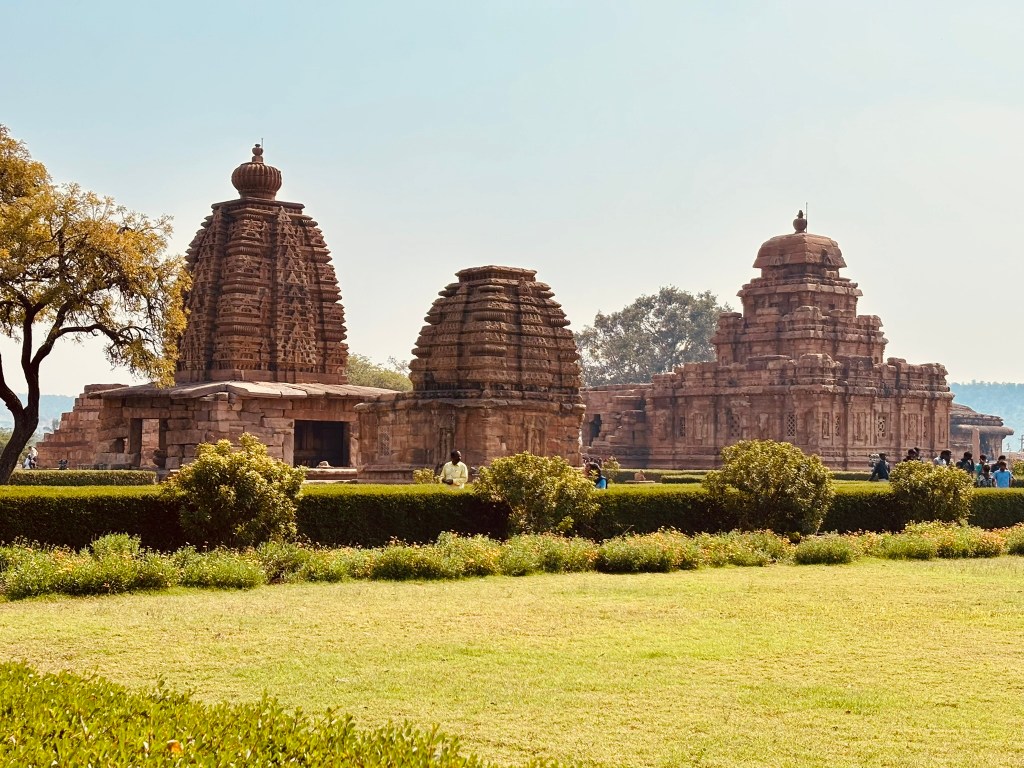
The second stop in our trip to Badami, Pattadakal, and Aihole was Pattadakal. Aihole is the “cradle” of Chalukyan architecture, showcasing early experimentation with various styles (rock-cut & structural). Pattadakal signifies the mature culmination. This UNESCO site features the convergence of North Indian (Nagara) and South Indian (Dravidian) styles. Pattadakal has large, free-standing temples, like the Virupaksha Temple and are more sophisticated than the earlier designs in Aihole.
Visit Pattadakal to step back into the golden age of the Chalukya dynasty. This stunning UNESCO World Heritage site is located by the Malaprabha River in Karnataka. The literal meaning of the city’s name in the local language is “City of Coronations.” The city and its temples date back to the 8th century. Back in the day, the site was sacred. It was where kings were crowned. Their queens commissioned temples in gratitude for their husbands’ glorious return from battle. Pattadakal offers a deep insight into India’s artistic and spiritual heritage.
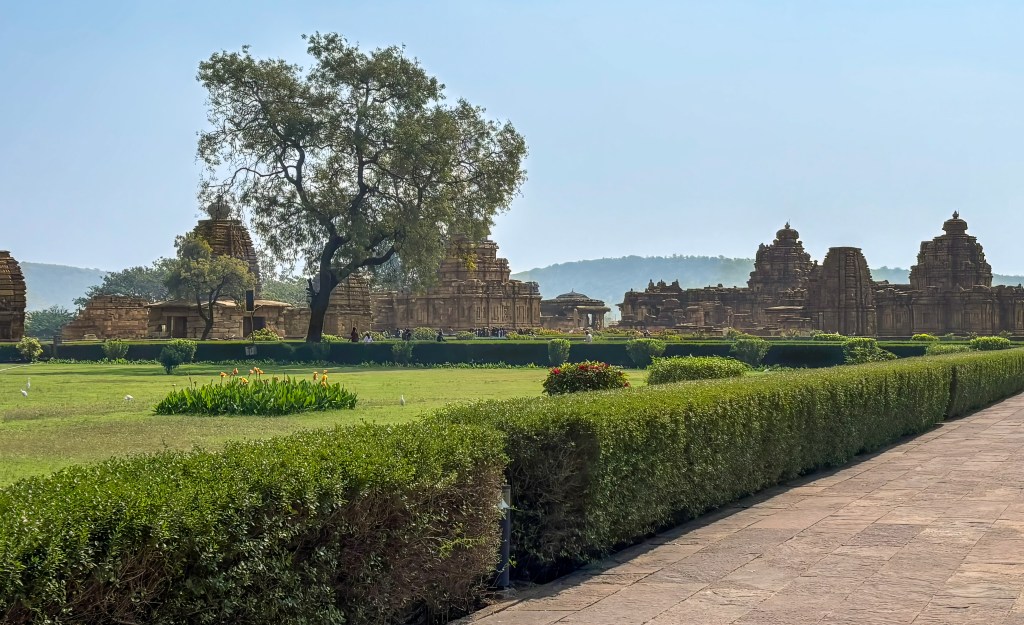
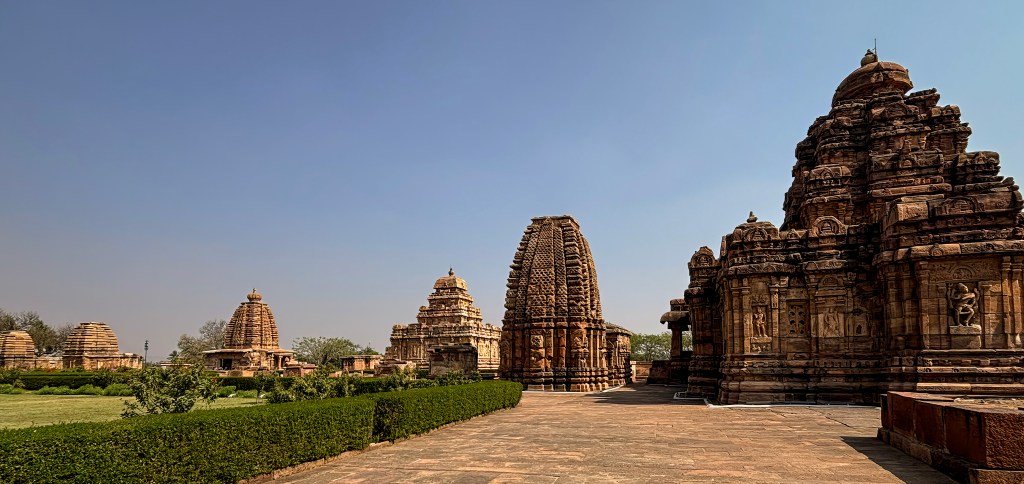
The Chalukyan rulers were significant patrons of art, fostering a transition from rock-cut to structural temples. At Pattadakal, a royal coronation site, they blended North Indian (Rekha/Nagara) and South Indian (Dravida/Vimana) architectural styles. This work is notable for its unique blend.
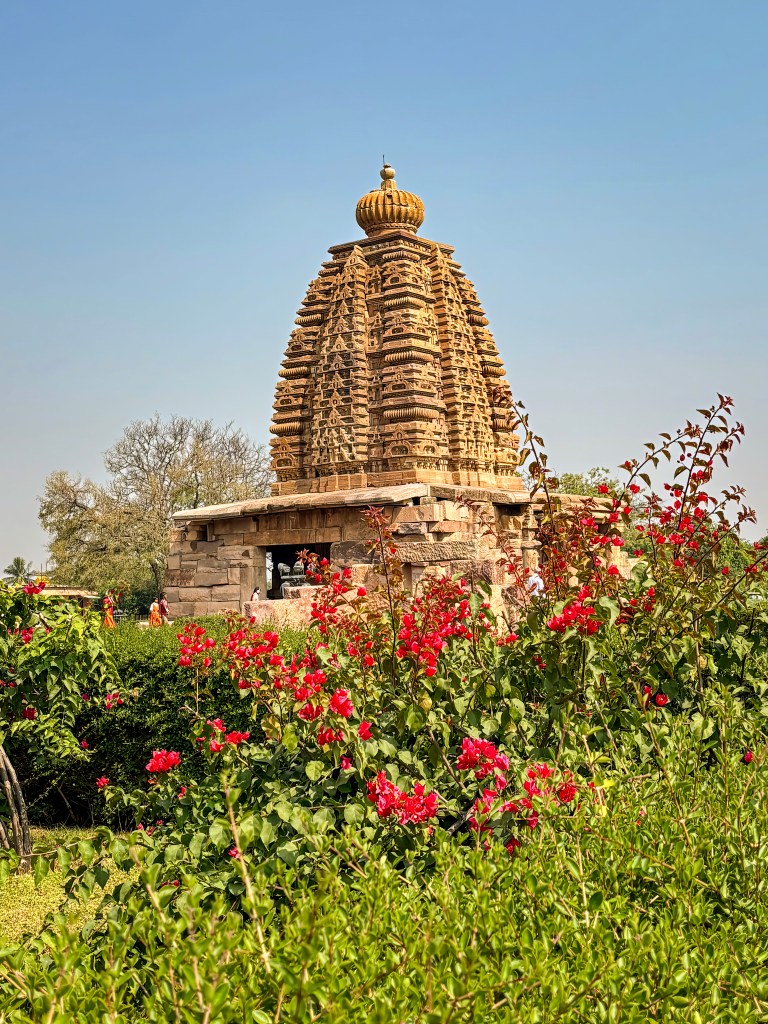
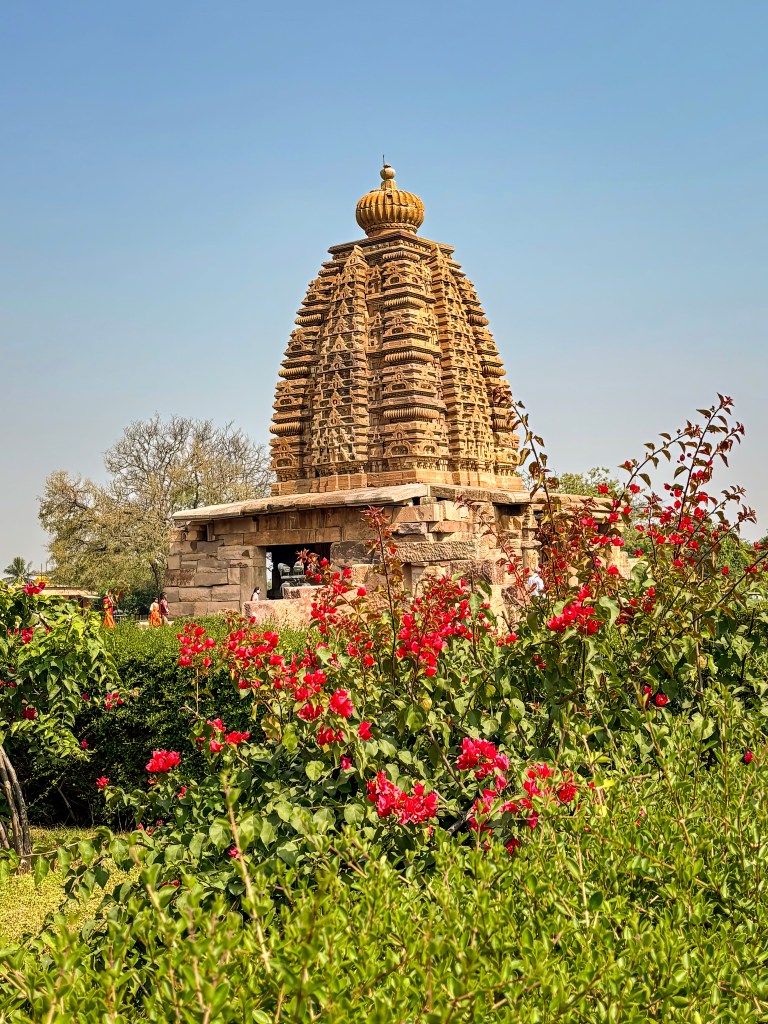
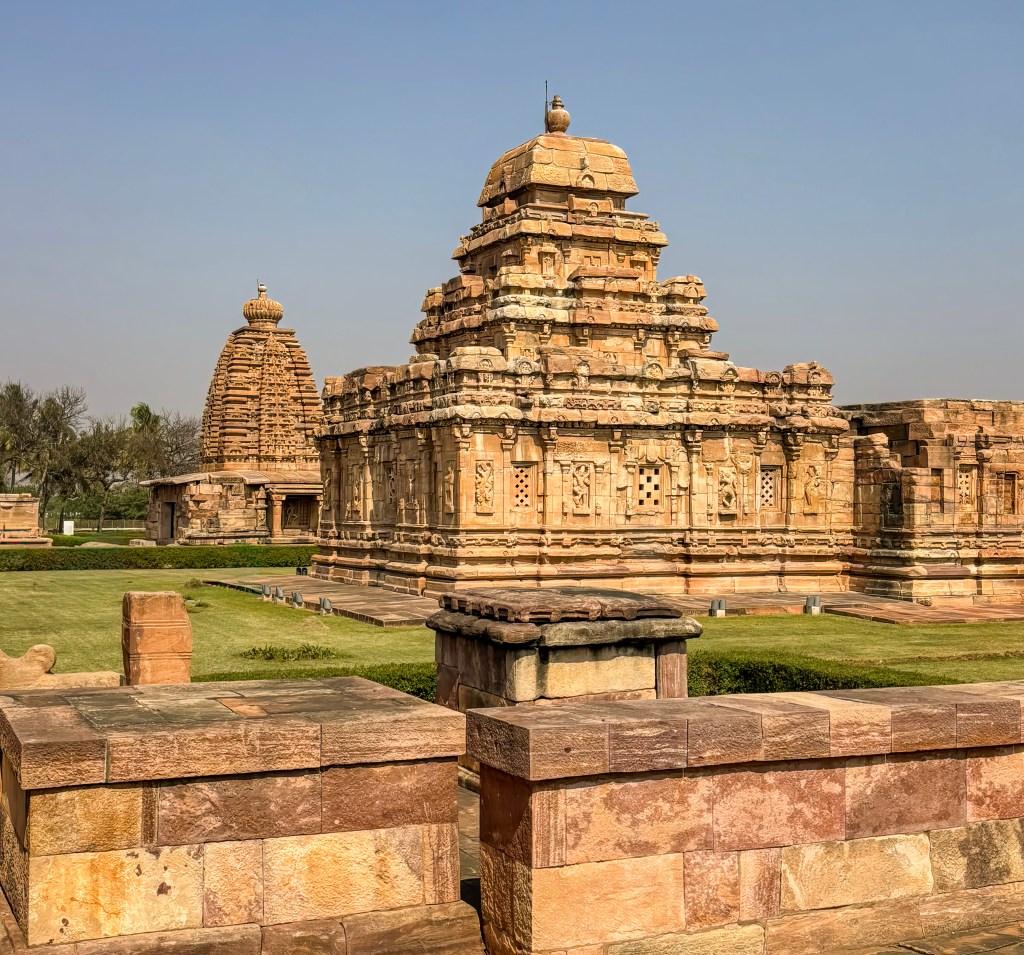
The Rekha Prasad (Nagara) style features tall, curvilinear towers (shikharas). These towers rise from a raised platform (mostly seen in North India). In Pattadakal Galagantha, Kashi Vishveswara, and Jumbulinga temples are examples of the Nagara style. The Dravidian style is most commonly seen in South India. It uses stepped, pyramidal towers (vimanas). These are enclosed by walls with grand gateways (gopurams). The Mallikarjuna, Virupaksha, and Sangameshewara temples are good examples of the Dravidian style.
Key Temples and Architecture at Pattadakal
- Oldest Temple: The Sangamesvara temple was built by Vijayaditya. It is the oldest and exhibits a square, Pallava-like Dravidian style. This style has no sukanasika (vestibule projection).
- Virupaksha Temple: Built by Queen Lokamahadevi, it is the earliest fully developed temple complex at Pattadakal.
- It features a large, square plan from base to the top (sikhara) and massive gateways (gopuras).
- Its architecture, which includes the sukanasika, influenced the grand Kailasa temple at Ellora.
- Mallikarjuna Temple: Built by Queen Trilokyamahadevi immediately after and close to the Virupaksha. It is a smaller, four-story Dravidian temple. The temple has a unique circular top (griva and sikhara).
- Other Temples: the Kadasiddhesvara, Jambulingeswara, and Galaganatha temples are in the Nagara style.
Sculptural Art– The sculptures in these temples are known for their grace and detail. Ceiling panels in the temples depict navagrahas and dikpalas, while wall niches showcase deities like Nataraja, Lingodbhava, and Harihara. Narrative reliefs illustrate episodes from the Ramayana, Mahabharata, Bhagavata, and Panchatantra, fitting perfectly within these religious structures.
Shri Virupaksha Temple
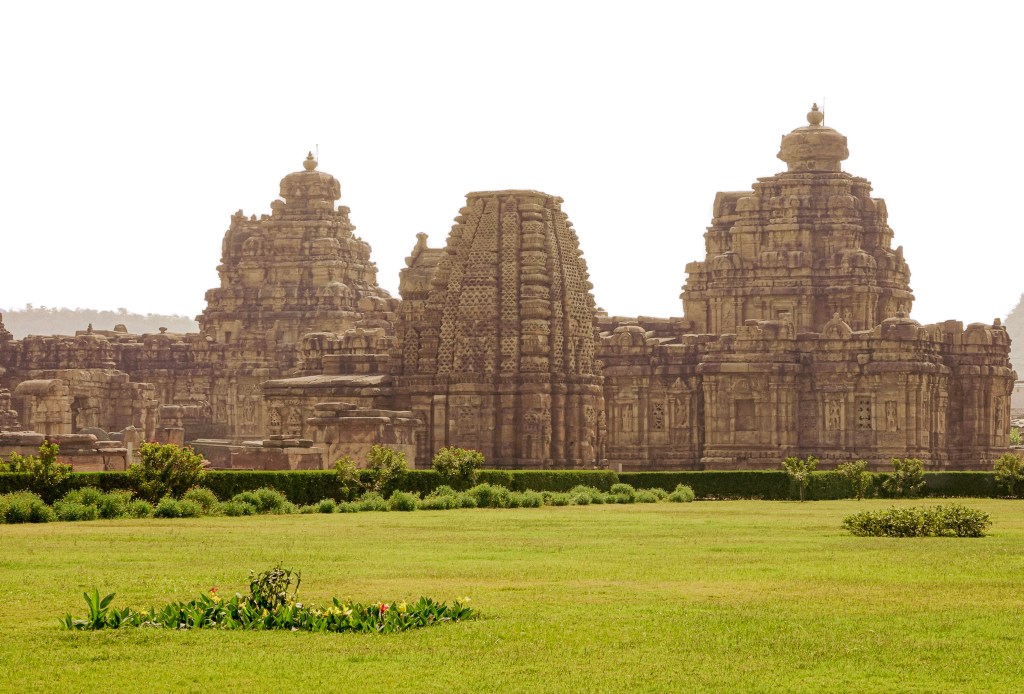
Queen Lokamahadevi built the largest and most elaborate temple in the complex around 740 CE. She did so to commemorate her husband, King Vikramaditya II’s victory over the Pallavas. This active house of worship features intricate carvings of Hindu deities. It also showcases scenes from the Ramayana and Mahabharata on its pillars. A massive Nandi statue is in the front pavilion.
Mallikarjuna Temple
It is located next to the Virupaksha Temple. Queen Trailokyamahadevi (the king’s second queen) built it around the same time. It is a smaller but similarly designed masterpiece. It is known for its exquisite sculptures. These include panels depicting the Rasa Lila of Krishna. They also depict various fables from the Panchatantra.
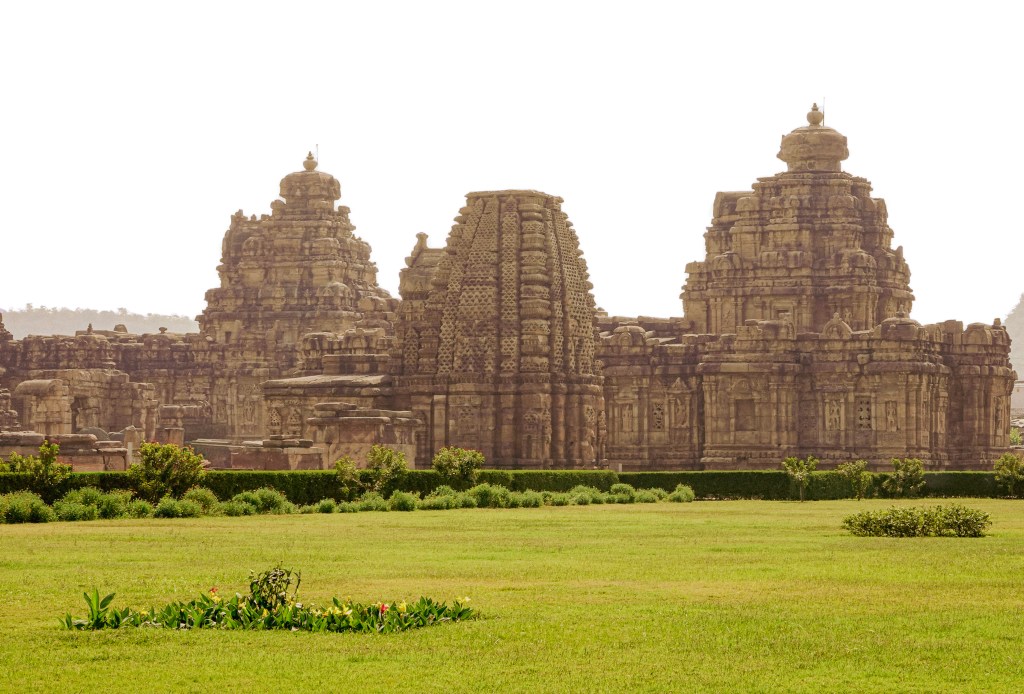
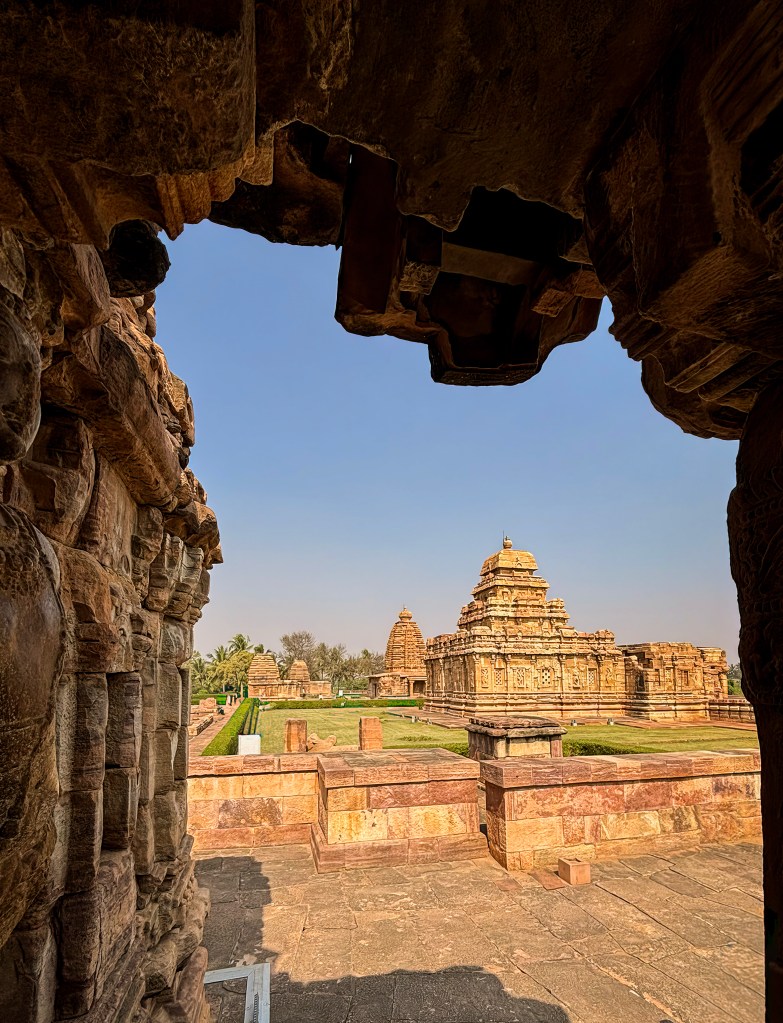
The Virupaksha and Mallikarjuna temples at Pattadakal are twin monuments. They epitomize the peak of Early Chalukyan architecture. These structures showcase a harmonious blend of North Indian (Nagara) and South Indian (Dravidian) styles. You can read more about these two temples here
Sangameshwara Temple
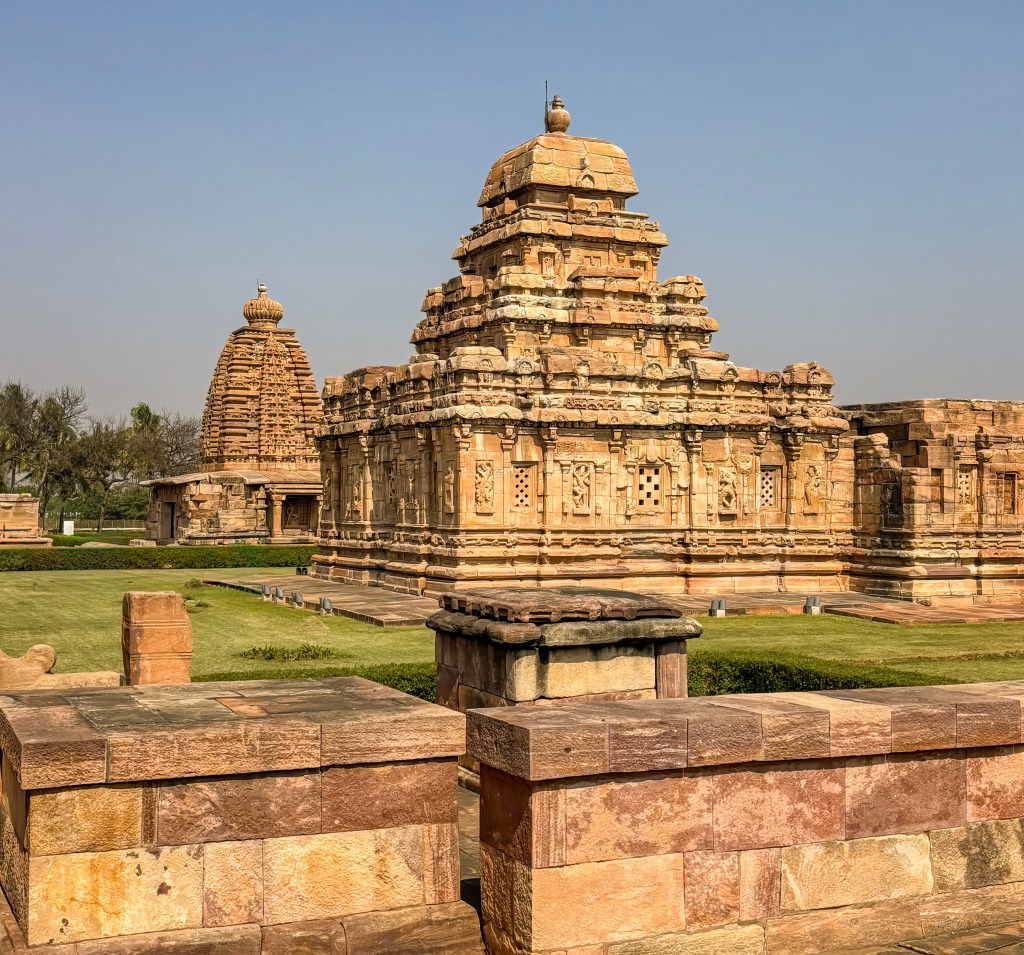
The oldest temple in the complex was built by King Vijayaditya between 697 and 733 CE. It is a grand example of early Chalukya Dravidian architecture, though its construction was never fully completed
Shri Galaganaatha Temple
This temple is dedicated to Lord Shiva. It is notable for its well-preserved Rekha Nagara-style tower. It also features a striking sculpture of an eight-armed Shiva killing the demon Andhaka.
Shri Kadasiddeshwara Temple
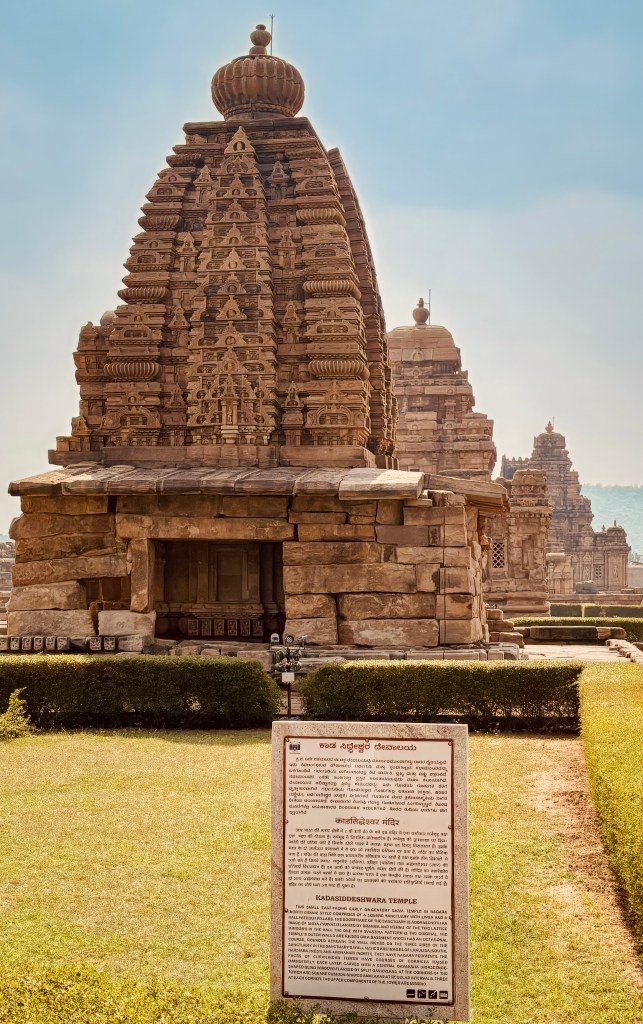
The
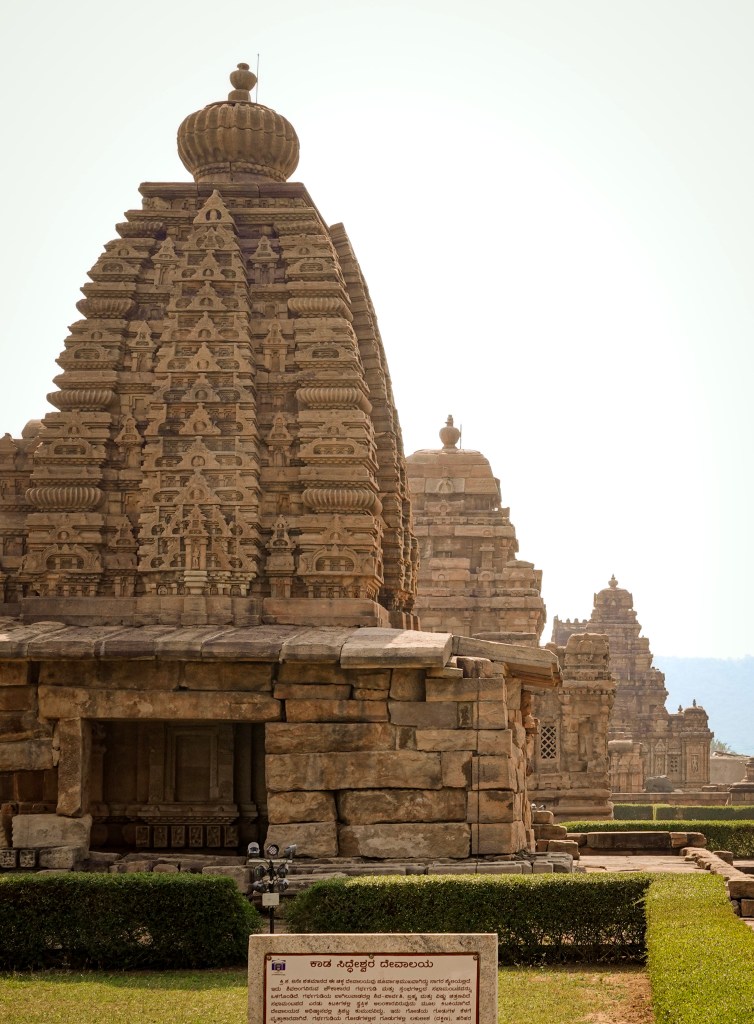
Kadasiddheshwara Temple in the Pattadakal complex is a small, mid-to-late 7th- or early 8th-century Shiva temple. It is significant because it demonstrates the emerging Nagara (North Indian) architectural style. This example is at a site dominated by Dravidian temples.
Shri Papanaatha Temple
This large, ornate temple is situated outside the main cluster near the river. It is an excellent example of a fusion of both Nagara and Dravidian architectural styles. Its walls are adorned with detailed narrative friezes from the Ramayana.
Jain Narayana Temple
This 9th-century temple is located about a kilometer west of the main complex. It was built by the Rashtrakutas and features the Dravidian style. The temple offers a glimpse into the region’s religious diversity.
We didn’t get to see Papanaatha or the Jain temple due to time constraints. If you have time, they are definitely worth visiting.
Final thoughts
Pattadakal is more than just an archaeological site. It is a “living textbook” of Indian art and architecture. The Pattadakal group of monuments are culmination of centuries of Chalukyan experimentation. The northern Nagara and southern Dravidian styles finally achieved a perfect, harmonious fusion.
- A Royal Legacy: Standing among these monuments, you are witnessing a 1,300-year-old celebration of victory and devotion. The rivalry of two sister-queens gave us the Virupaksha and Mallikarjuna masterpieces. This rivalry ensures that the legacy of King Vikramaditya II’s triumphs remains etched in stone forever.
- The Soul of the Malaprabha: The location itself—where the Malaprabha River turns north—adds a layer of spiritual gravity. You may be a history buff or a casual traveler. Either way, the “Stone of Coronation” offers a rare connection to the transition in Indian temple design. It evolved from raw experiment to polished perfection.

