For anyone captivated by the age of the Vikings or the sheer ingenuity of ancient seafaring, the Viking Ship Museum in Roskilde, Denmark is a destination that feels like stepping into another world. Nestled along the Roskilde Fjord, this museum is more than a collection of artifacts—it’s a living, breathing tribute to the maritime spirit of the 11th century.
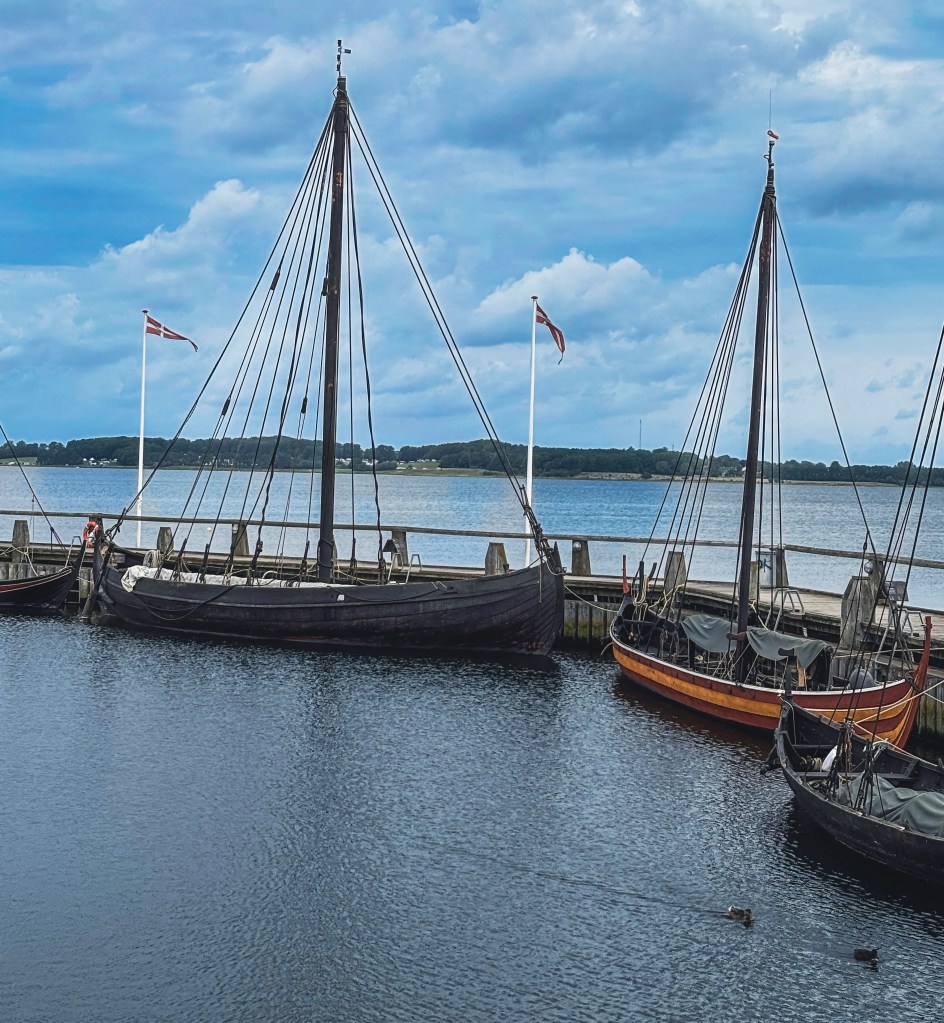
⚓ Things to Do at the Viking Ship Museum
The Viking Ship Museum isn’t just about looking—it’s about living history. Visitors can dive into a range of experiences that bring the Viking Age to life:
Seasonal Highlights: Summer brings outdoor workshops, sailing demonstrations, and lively festivals that transform the museum grounds into a Viking village.
Explore Interactive Exhibits: Step into the world of Viking navigation, craftsmanship, and daily life through hands-on displays.
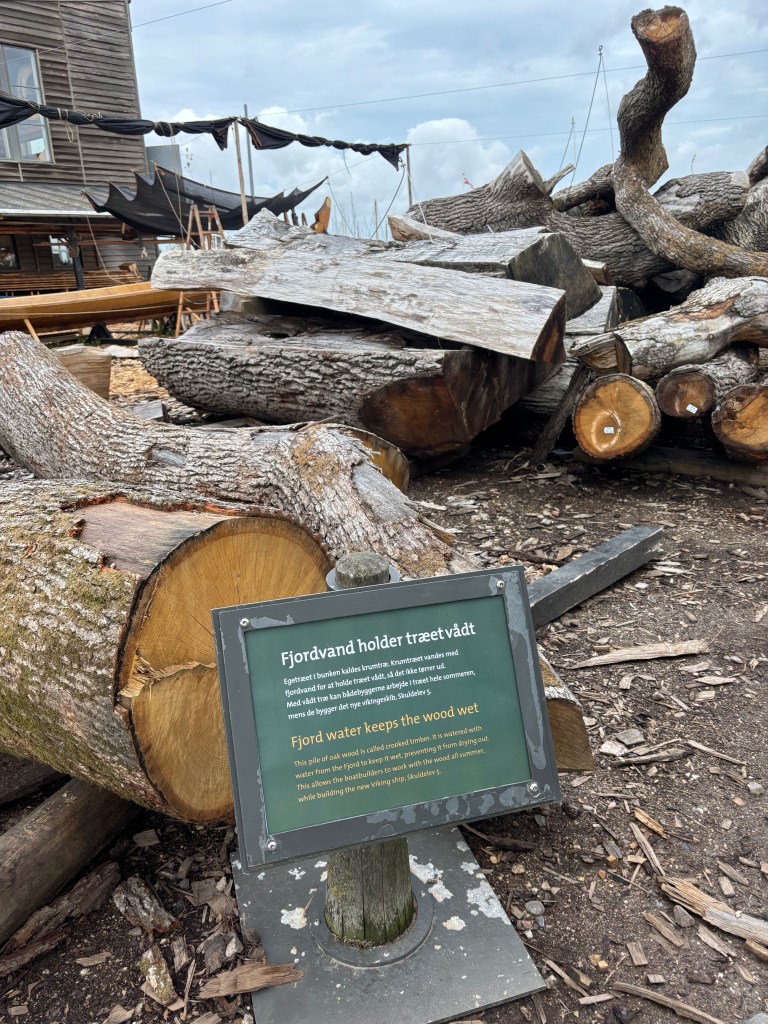
Watch Shipbuilding in Action: At the boatyard, skilled craftspeople reconstruct vessels using age-old techniques. The sound of axes and hammers against timber echoes across the fjord, just as it did centuries ago.
Sail Like a Viking: Join the “Learn to Sail a Viking Ship” course, where you’ll hoist sails, row in rhythm, and navigate the fjord without modern tools. It’s teamwork, history, and adventure rolled into one.
Family Fun: The Children’s Museum area offers interactive activities designed for younger explorers, making history accessible and exciting for all ages.
Taste Local Flavors: Relax at the onsite café and restaurant, where Danish specialties are served with sweeping views of the fjord.
🚢 The Five Giants of Skuldelev
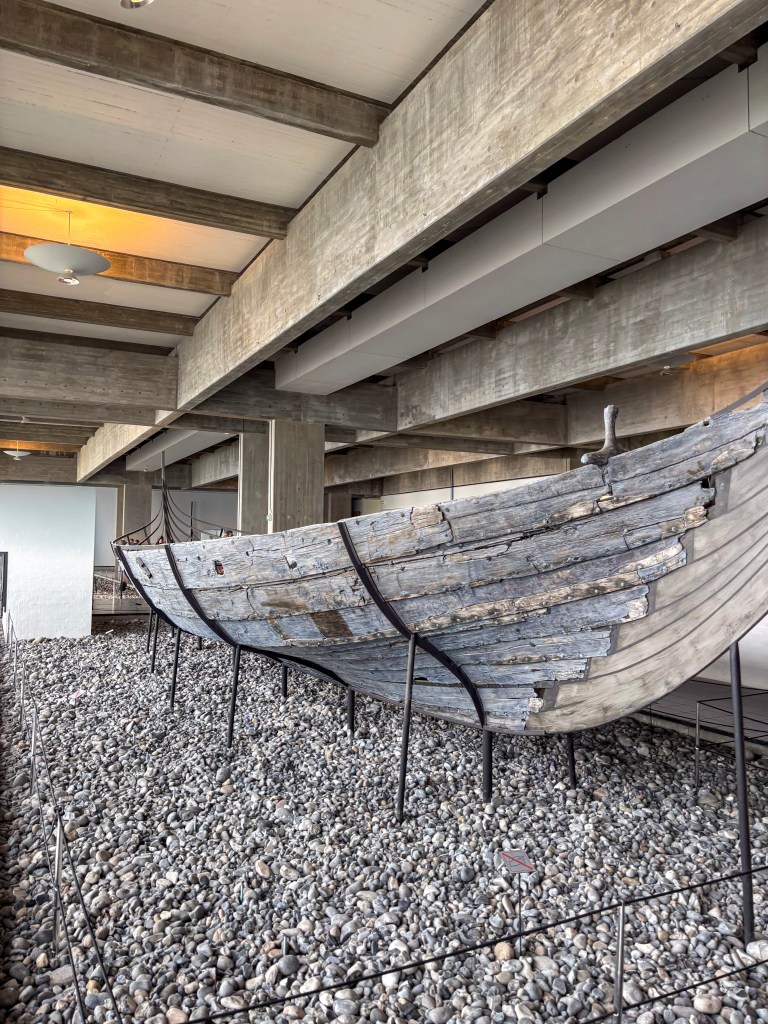
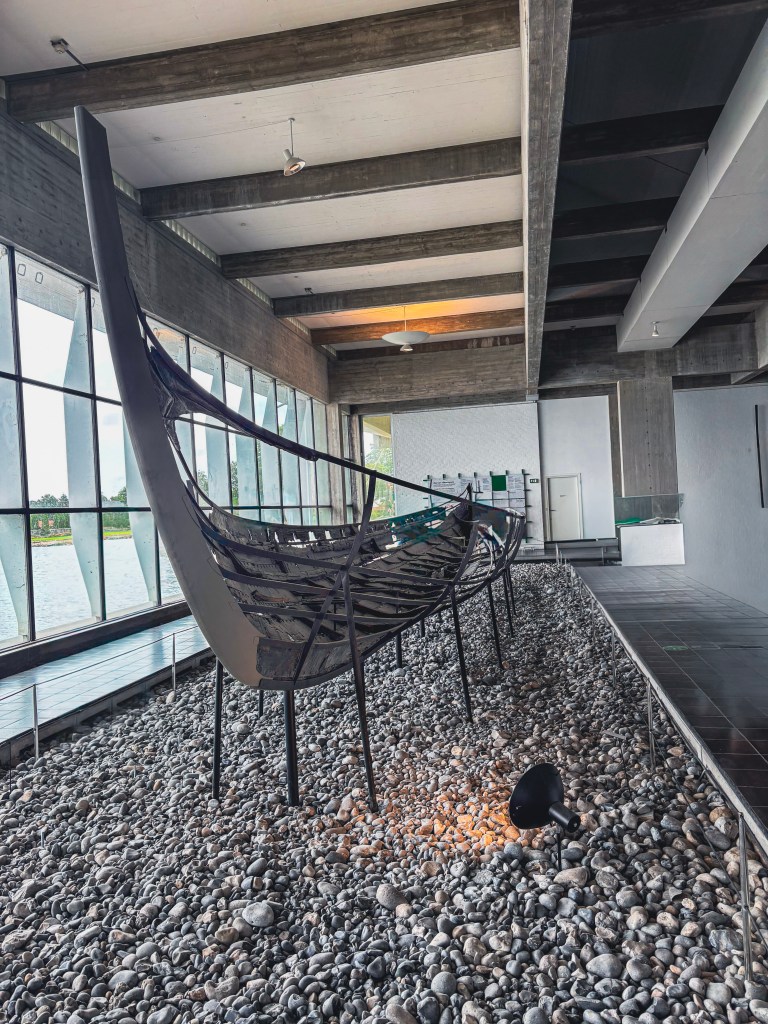
The museum’s crown jewels are the five Skuldelev ships, discovered in 1962 beneath the icy waters of the fjord. These vessels weren’t buried in honor—they were deliberately sunk around 1070 AD to form blockades in Roskilde Fjord, protecting the capital from seaborne attacks during the troubled end of the Viking era. Today, they stand as silent guardians of Viking ingenuity.
- Origins: Built between 1024 and 1040, the ships’ age was determined by studying tree rings. They were crafted in Ireland, Norway, and Denmark, reflecting the vast reach of the Viking empire.
- Types of Ships:
- One massive warship capable of carrying 60 warriors on raids across England, Paris, Normandy, and beyond.
- Two sturdy cargo ships that sustained Viking trade networks.
- One versatile fishing/long-cargo vessel used in everyday life.
- One additional warship, smaller but equally swift.
- Rediscovery: Local fishermen had long known of the wrecks beneath the fjord. In 1962, archaeologists raised the five surviving ships from the seabed. Sadly, one more vessel was lost—during World War II, fishermen caught fragments in their nets and used the wood for fuel.
Living History
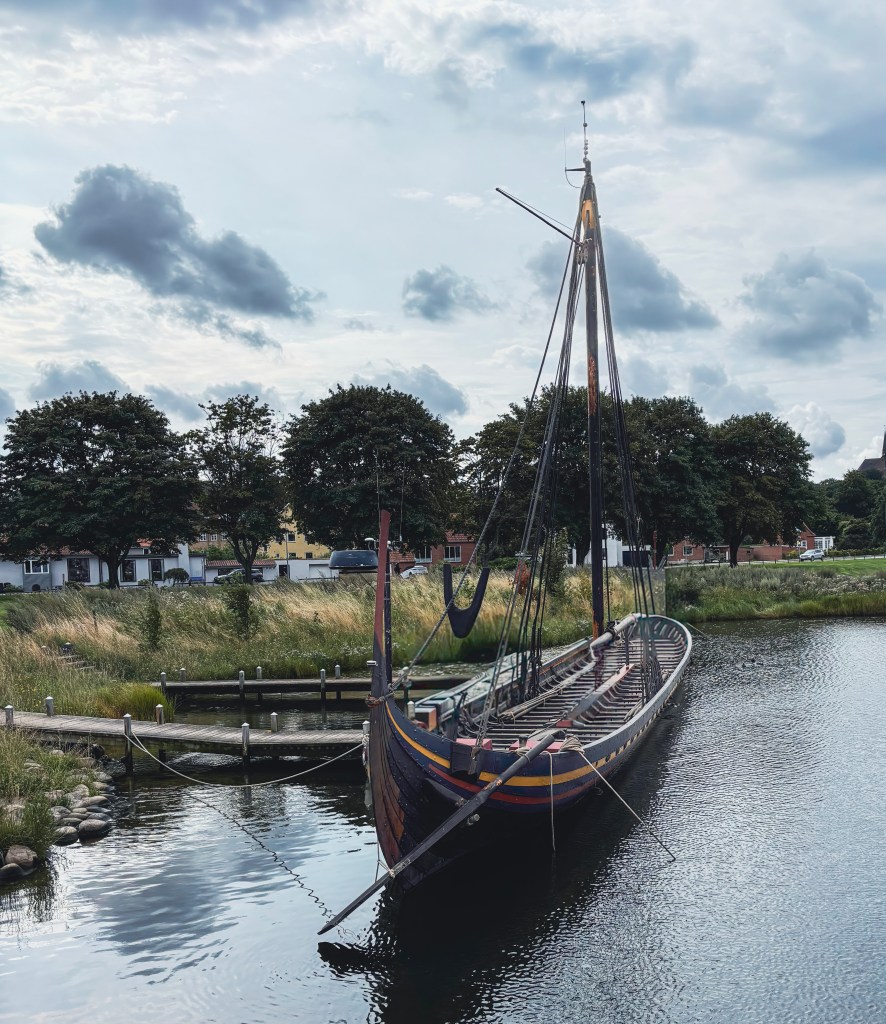
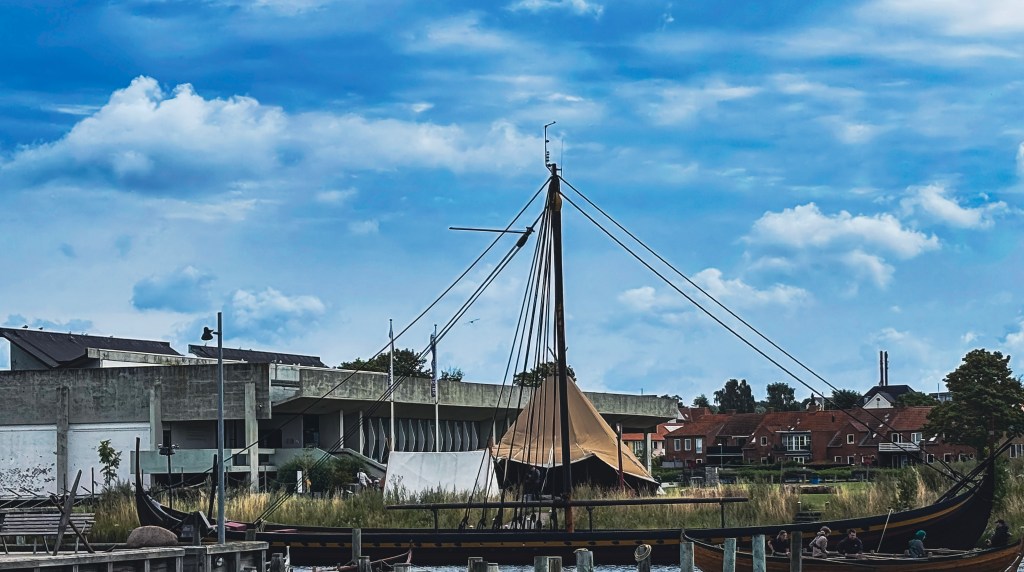
Today, three of the ships are displayed in the museum hall, where interactive exhibits reveal their construction secrets. The other two often take to the water, proving that Viking craftsmanship still holds seaworthy power. Visitors can also watch shipbuilders at the museum’s boatyard, where traditional techniques echo across the fjord.
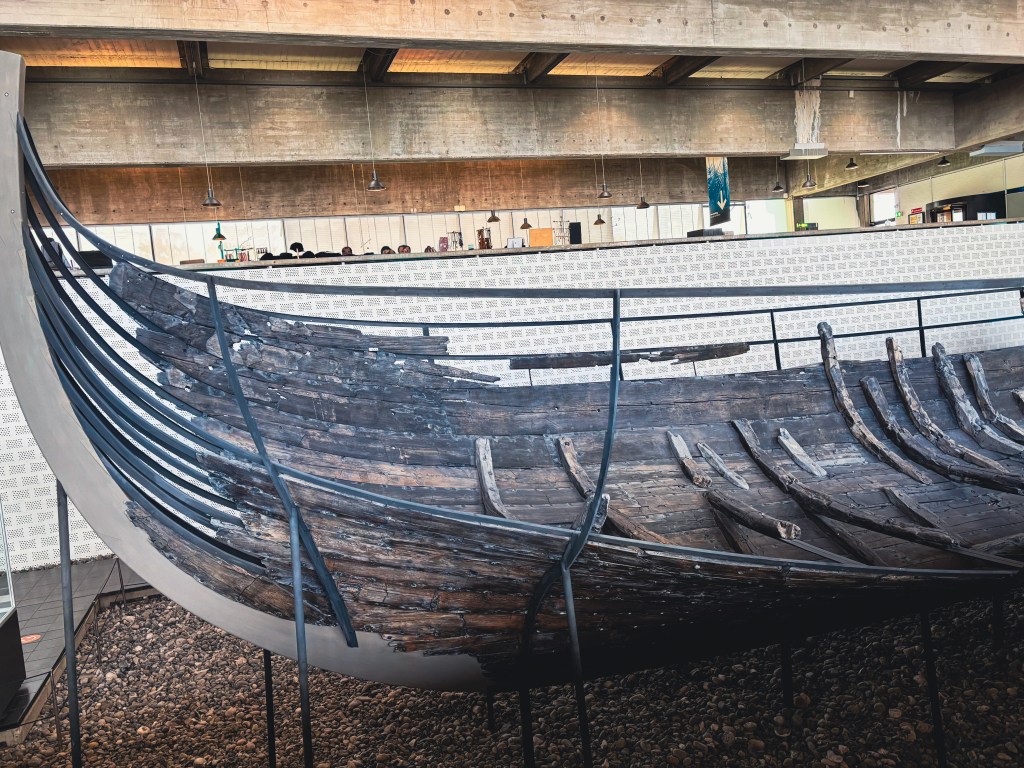

🪵 More Than Just Old Wood
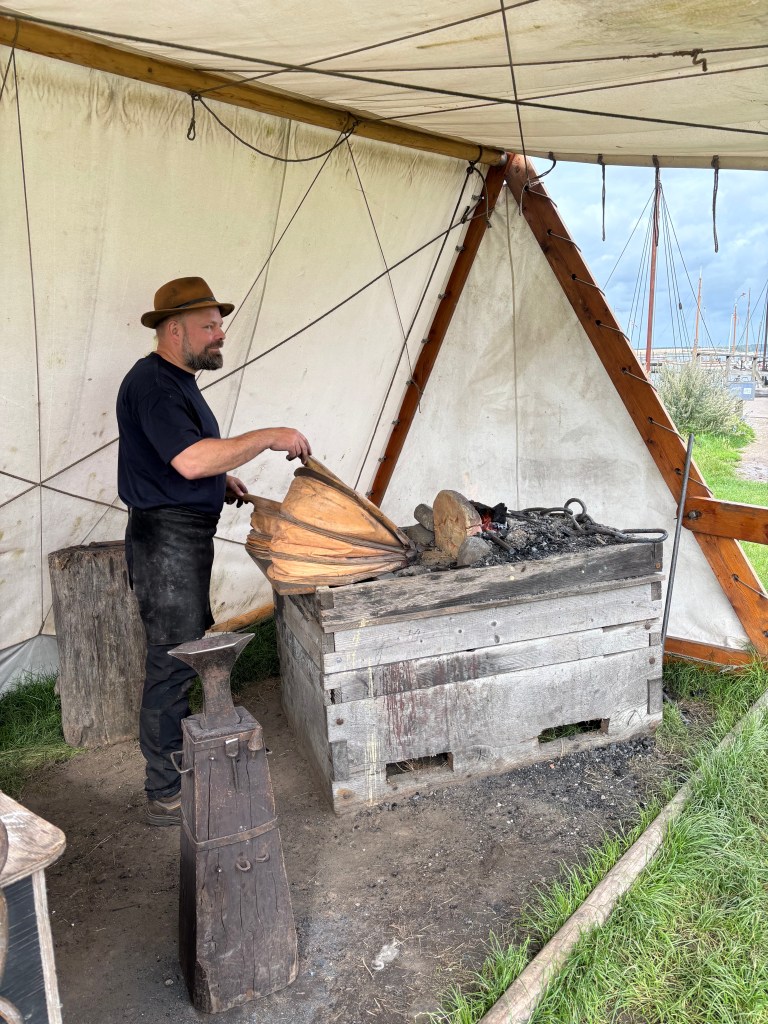
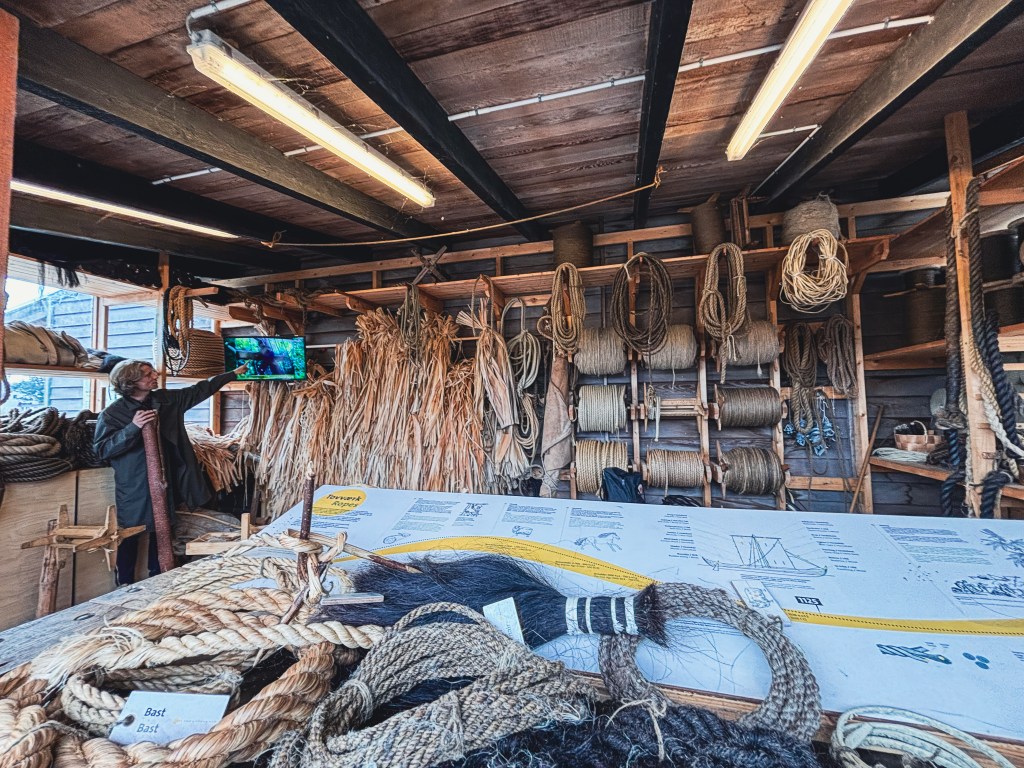
The museum isn’t just about gazing at relics—it’s about experiencing Viking life firsthand. Exhibits showcase tools, navigation methods, and daily routines, while the boatyard buzzes with activity. This place attracts some of the best master craftsmen from around the world, and you can watch them rebuild ships using traditional techniques, their rhythmic hammering echoing across the fjord. Some of the boats built by these craftsmen can be seen in museums around the world.
Visitors can watch the process up close, and for those who fall in love with the artistry, even purchase a handmade wooden boat—a piece of Viking heritage to take home.

🌊 A Unique Adventure: Learn to Sail a Viking Ship
Perhaps the most unforgettable experience is the “Learn to Sail a Viking Ship” course. This isn’t a modern sailing lesson—it’s a plunge into history. Participants work together to hoist the heavy square sail, navigate the fjord, and feel the raw challenge of controlling a vessel without modern technology.
It’s equal parts exhilarating and humbling, offering a taste of the teamwork and skill that defined Viking voyages. Whether you’re a seasoned sailor or a curious beginner, this adventure is a rare chance to live history.
👨👩👧 Family-Friendly & Traveler Tips
- Children’s Museum Area: Interactive exhibits designed for younger explorers.
- Onsite Café & Restaurant: Serving local Danish fare with fjord views.
- Seasonal Activities: Summer often brings outdoor workshops, sailing demonstrations, and festivals.
- Practical Info: The museum is a short walk from Roskilde Cathedral, making it easy to pair both sites in a day’s itinerary.
🌟 Why Roskilde’s Viking Ship Museum Belongs on Your Journey
The Viking Ship Museum isn’t just about ships—it’s about stories of resilience, exploration, and craftsmanship. Standing before the Skuldelev vessels, you don’t just see wood and iron—you glimpse the spirit of a people who dared to cross oceans in pursuit of trade, conquest, and discovery.
Whether you’re tracing history, seeking adventure, or simply dreaming of the open sea, Roskilde offers an unforgettable voyage back in time.
👉 Ready to plan your own adventure? Visit the official Viking Ship Museum Roskilde website for visitor information, tickets, and course bookings.
 Peaks to Palaces
One Reply to “”