
Boobies—named after the Spanish word bobo—meaning “clumsy”—boobies earned their name from their slightly awkward, waddling gait on land. The Galapagos Islands are home to three different species of boobies, which include the blue-footed, red-footed, and Nazca boobies. Each species possesses its own remarkable traits and behaviors, making them a highlight for wildlife enthusiasts. Their unique coloring not only helps in distinguishing between the species but also plays a role in courtship displays, where vivid colors attract mates and signify health. Observing these dazzling birds in their natural habitat provides a rare glimpse into their daily lives, from their fascinating mating rituals to their playful interactions with one another. It is well worth the journey to the Enchanted Isles of the Galapagos to witness these fascinating and captivating species found throughout the archipelago, which bring vibrancy and life to the rugged landscapes, enhancing the overall allure of this UNESCO World Heritage site.
Punta Pitt, located on San Cristóbal Island, is an iconic destination in the Galápagos, known for being the only place where you can observe all three species of boobies: the blue-footed booby, the red-footed booby, and the Nazca booby. This site, with its unique biodiversity and stunning landscapes, attracts nature and wildlife enthusiasts, making it a must-see stop for anyone visiting the archipelago.
The Three Boobies of Punta Pitt
Because of its unique geographical location and abundant food supply, these species coexist without competition, each utilizing a different nesting niche
- Blue-footed Boobies: Typically nest further inland on the ground, away from the cliffs.
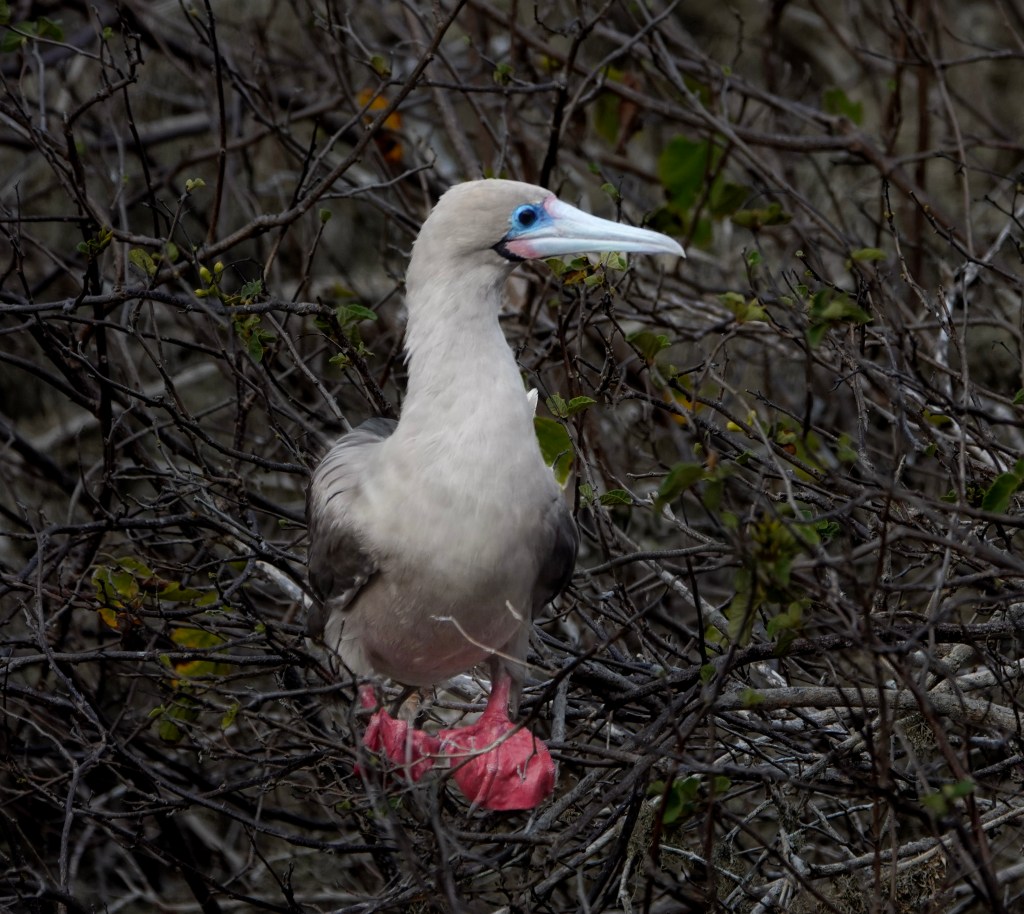
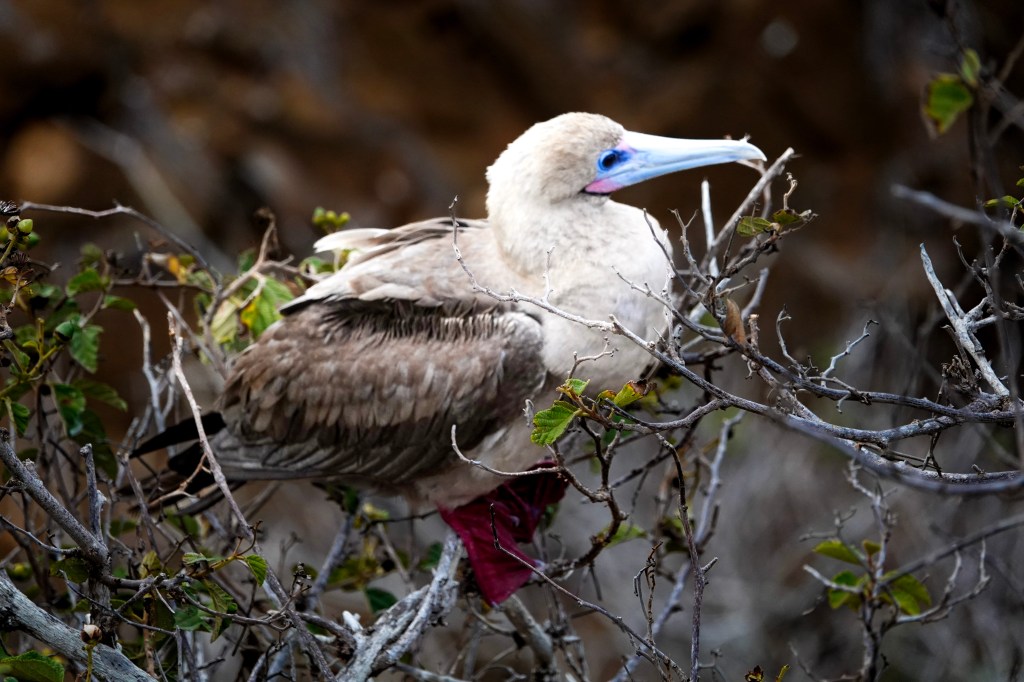
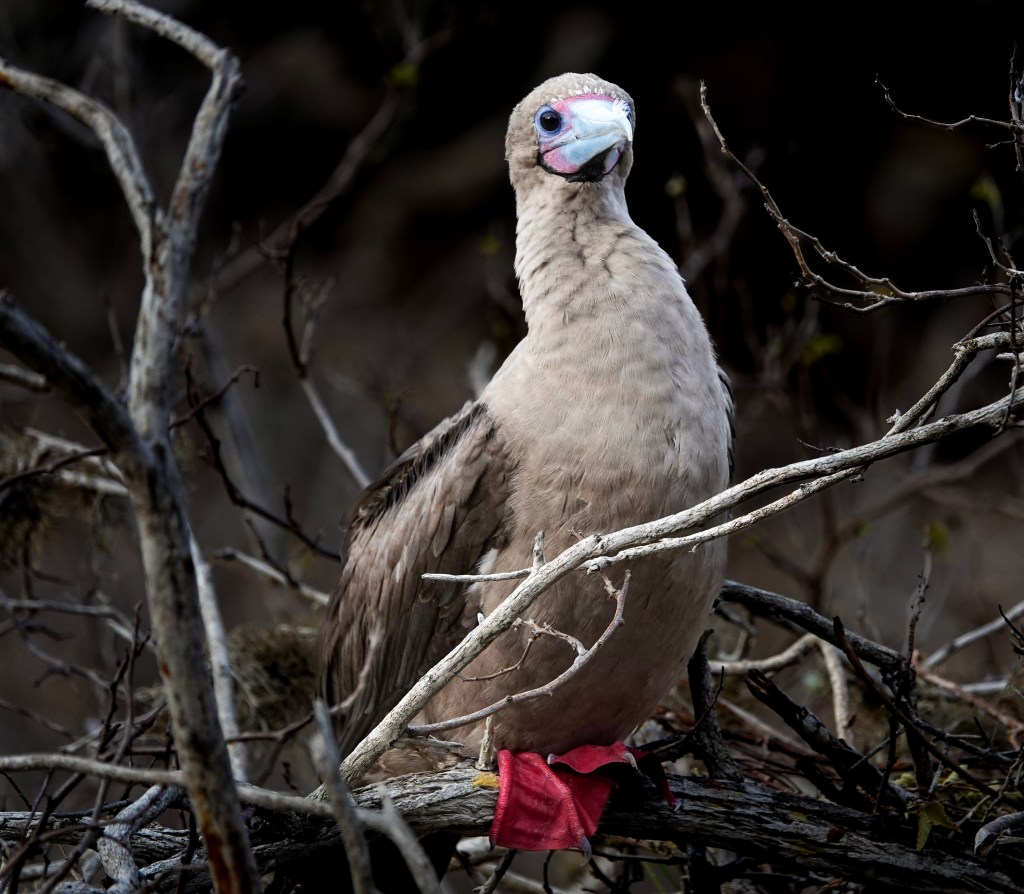
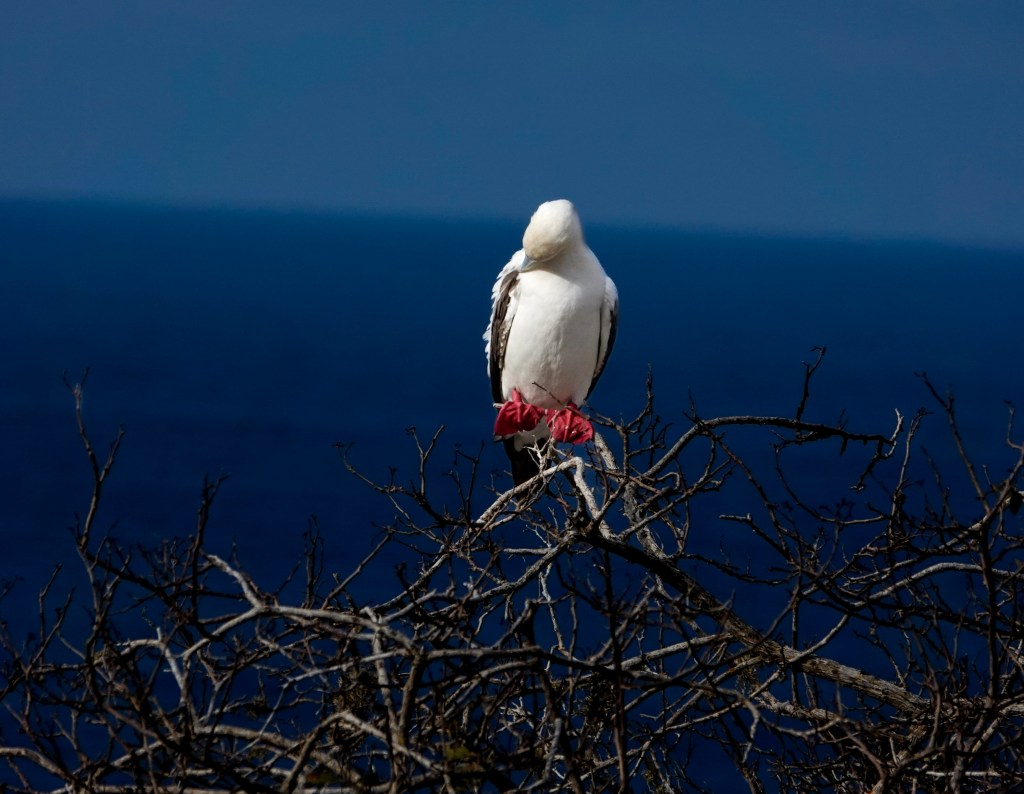
- Red-footed Boobies: The rarest of the three in the archipelago, they are uniquely distinguished by their ability to nest in trees and shrubs, such as Palo Santo.
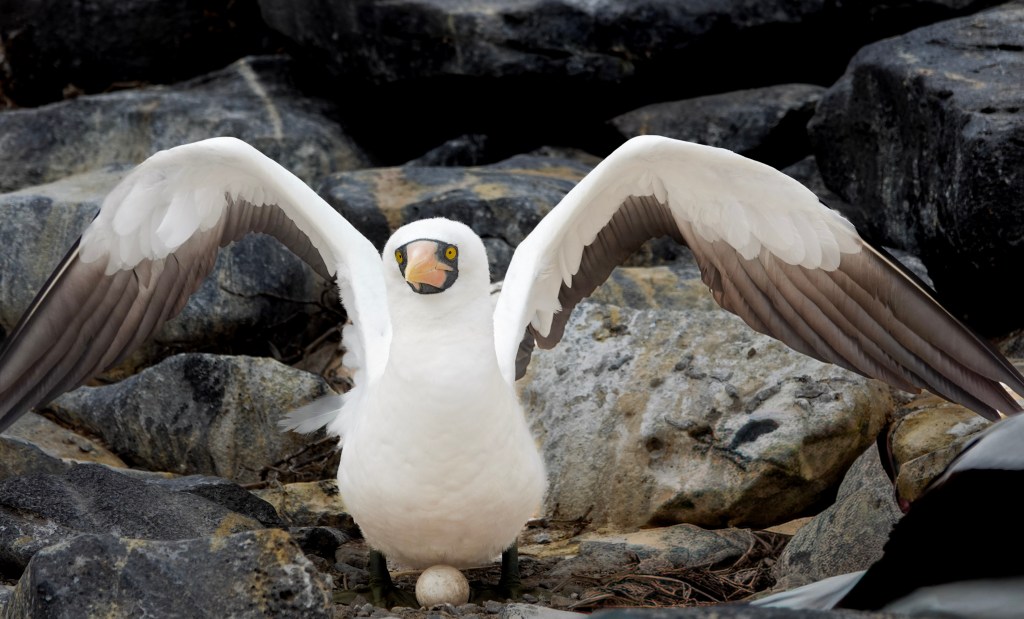
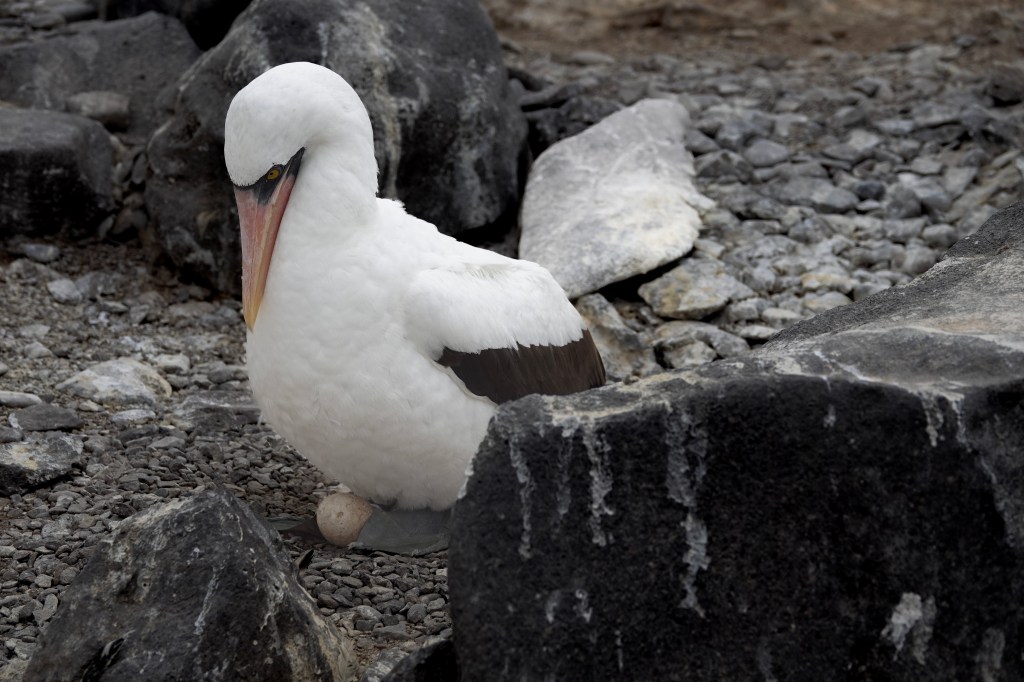
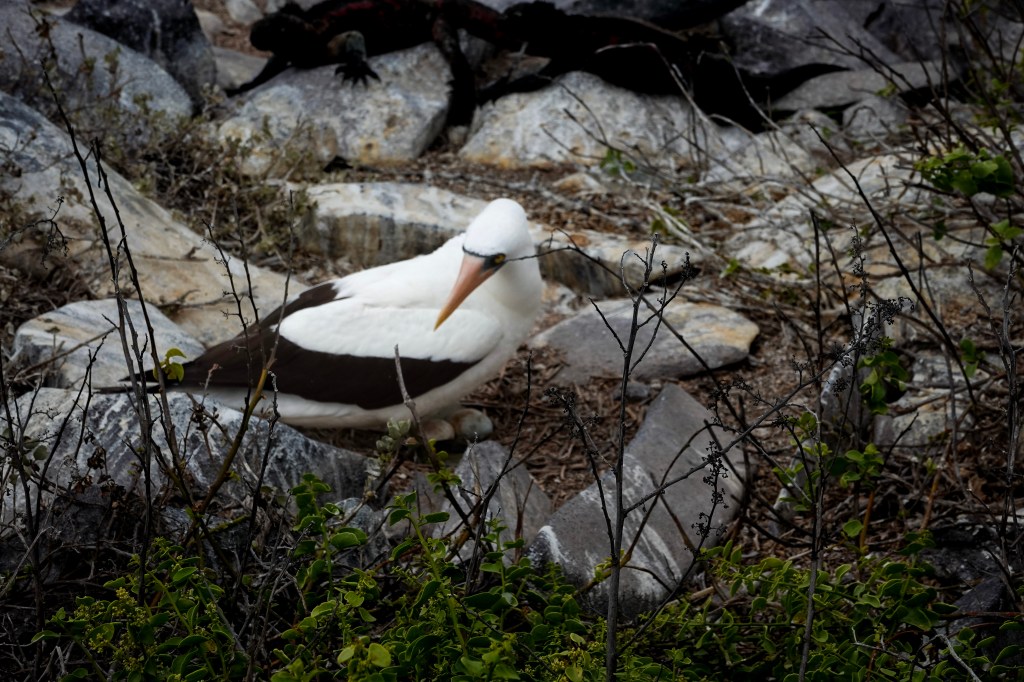
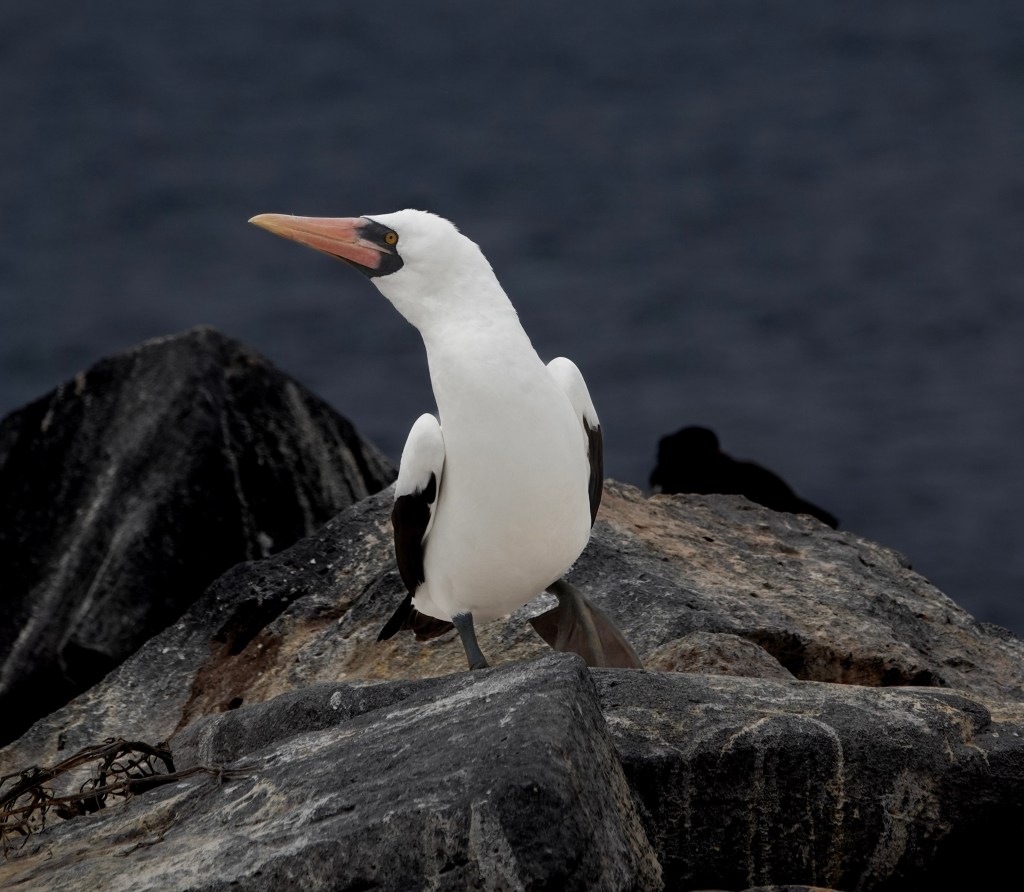
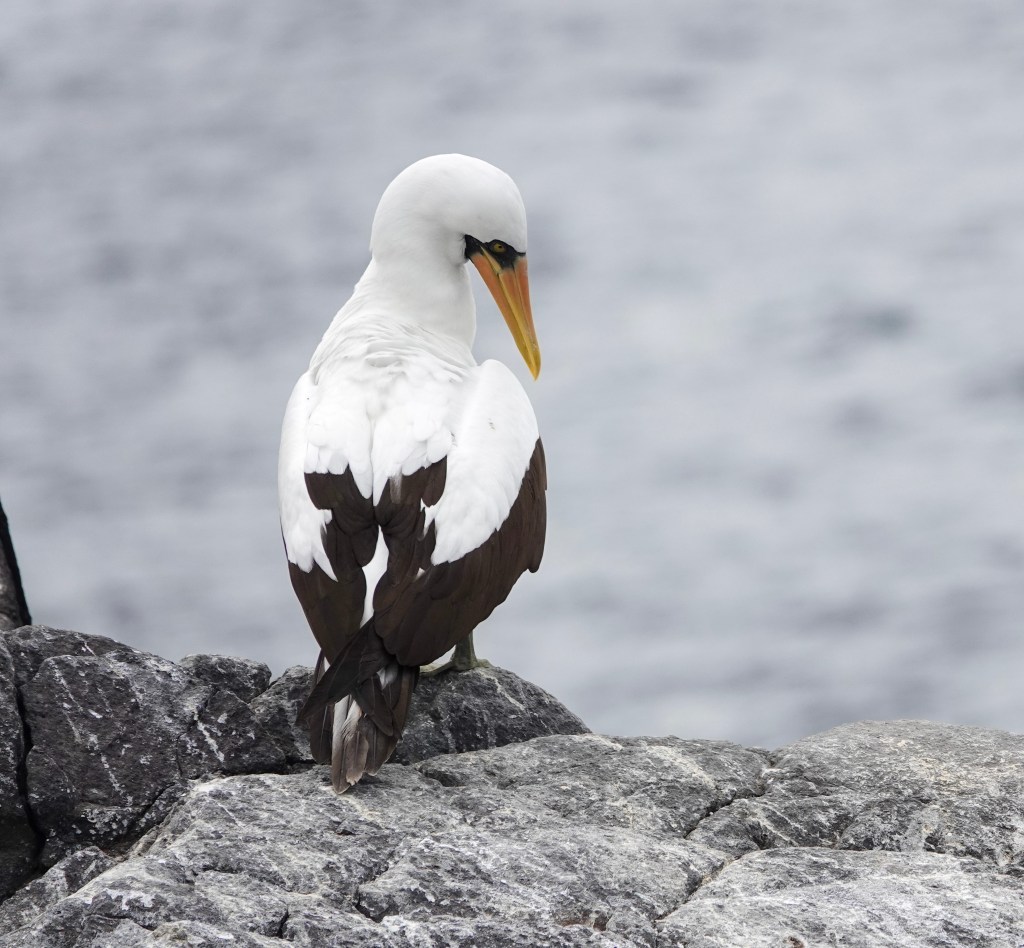
- Nazca Boobies: Also known as Masked Boobies, they prefer nesting directly along the cliff edges
Visiting Punta Pitt
How to Get There: You can visit via a Galápagos cruise or a day tour departing from Puerto Baquerizo Moreno on San Cristóbal. The boat ride takes approximately 1.5 to 2 hours each way. The cruise we were on had a planned stop at Punta Pitt in the late afternoon, when the birds were returning home after a day at sea. We got to see all 3 bobbies here, but the red-footed booby was definitely the highlight.
- The Experience: Most tours involve a wet landing on an “olivine” beach (greenish-tinted sand) inhabited by a bachelor colony of sea lions. From there, you’ll hike a steep, rocky trail (approx. 1.5–2 hours) to reach the clifftop nesting sites.
- Best Time to Visit: While wildlife is present year-round, June to November is generally the best period to see booby mating displays and peak nesting activity.
Red Footed Bobby (Sula sula)
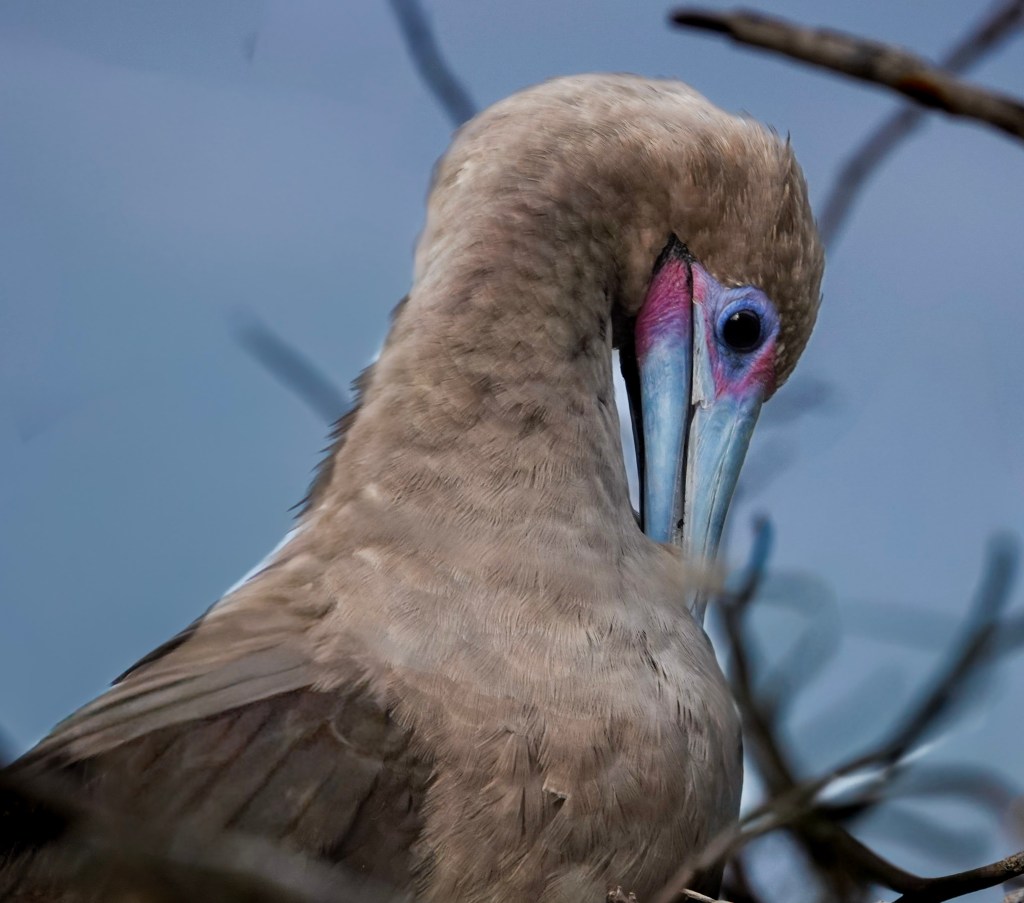
The red-footed booby is the tiniest of the boobies found on Galapagos, and it quickly proves that the nickname only tells half the story. The smallest of the Galápagos boobies is also the most agile: capable of soaring more than 90 miles over open ocean, diving up to 130 feet for fish, and using its vivid red webbed feet to propel itself underwater with surprising speed. Unlike most web-footed birds, red-footed boobies perch in trees and shrubs, giving them a unique silhouette against the island vegetation. Travelers can spot them at Punta Pitt on San Cristóbal and in large colonies on Genovesa Island, two of the best wildlife-viewing sites in the archipelago.
Blue footed Booby (Sula nebouxii)
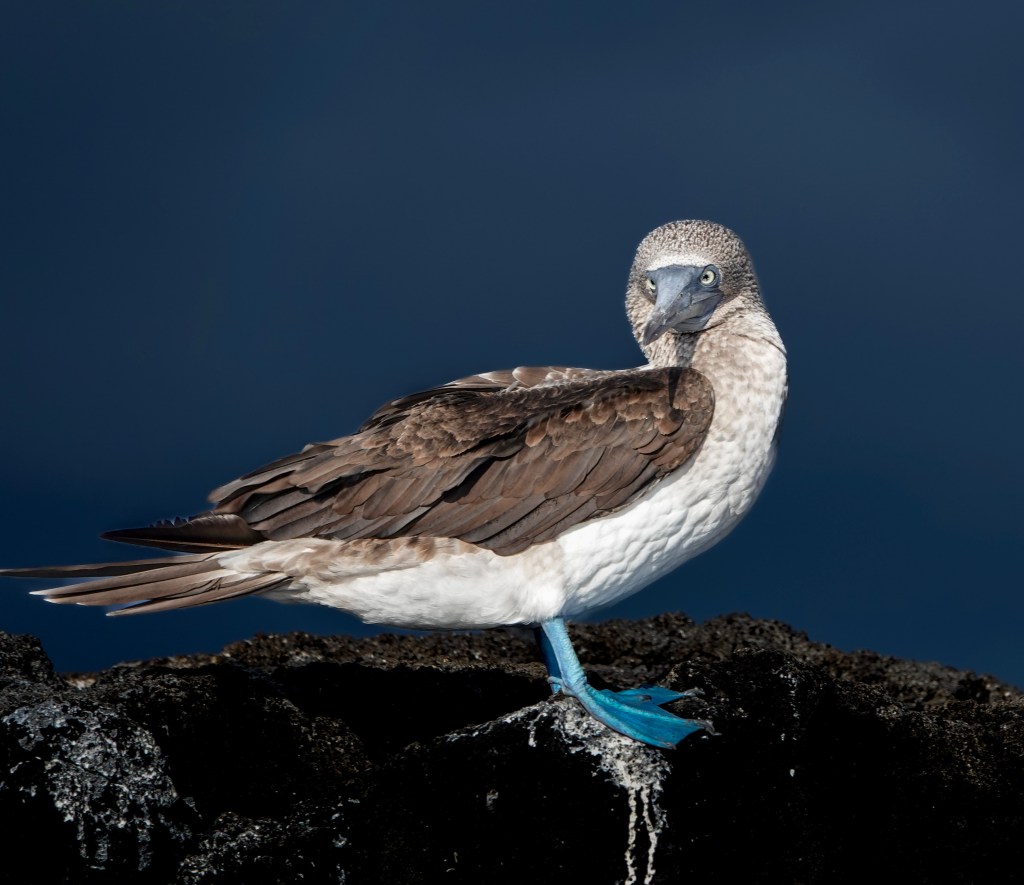
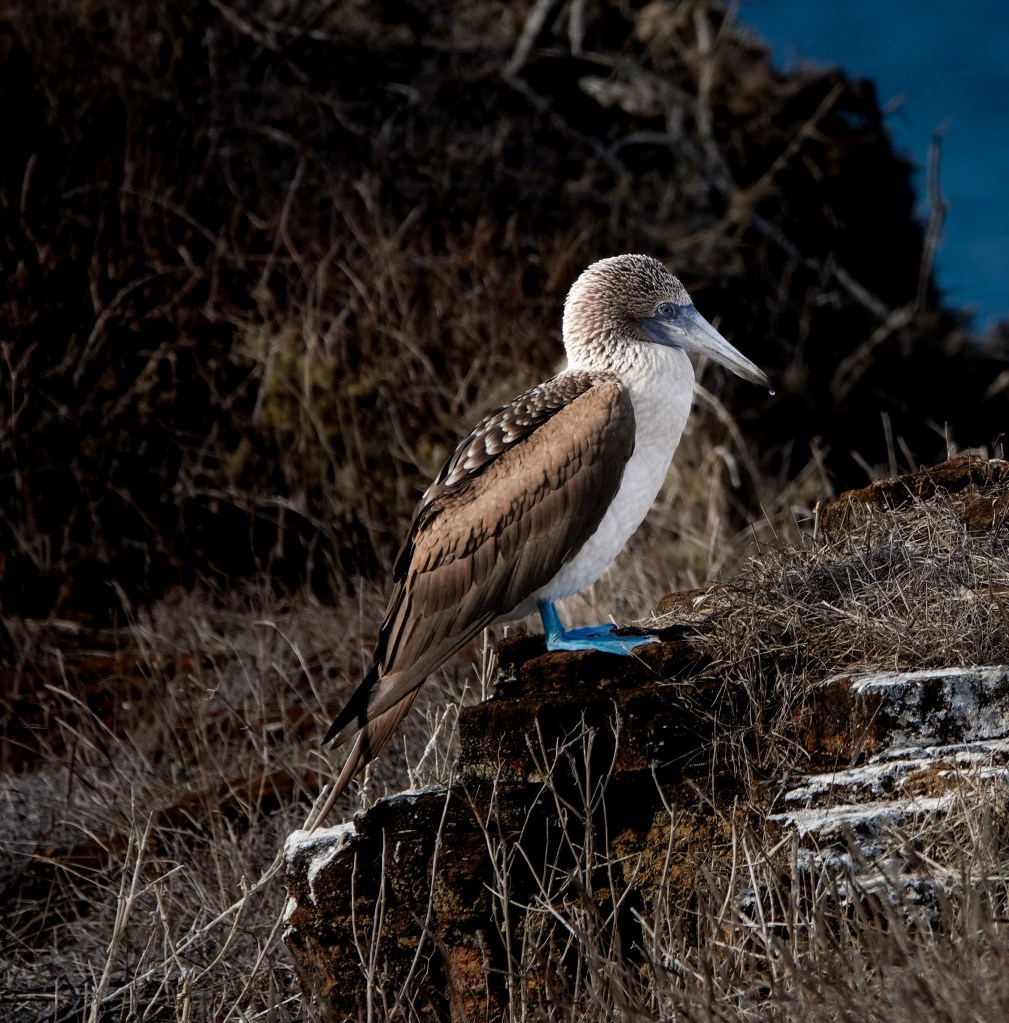
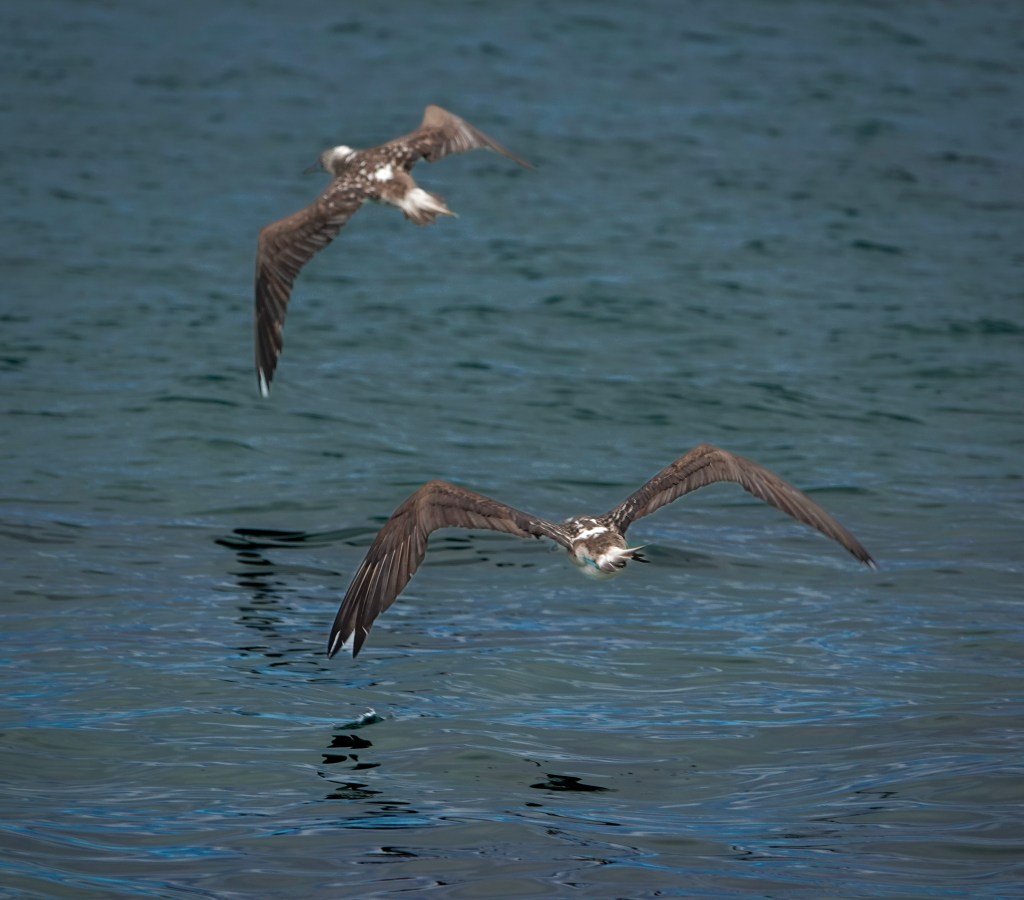
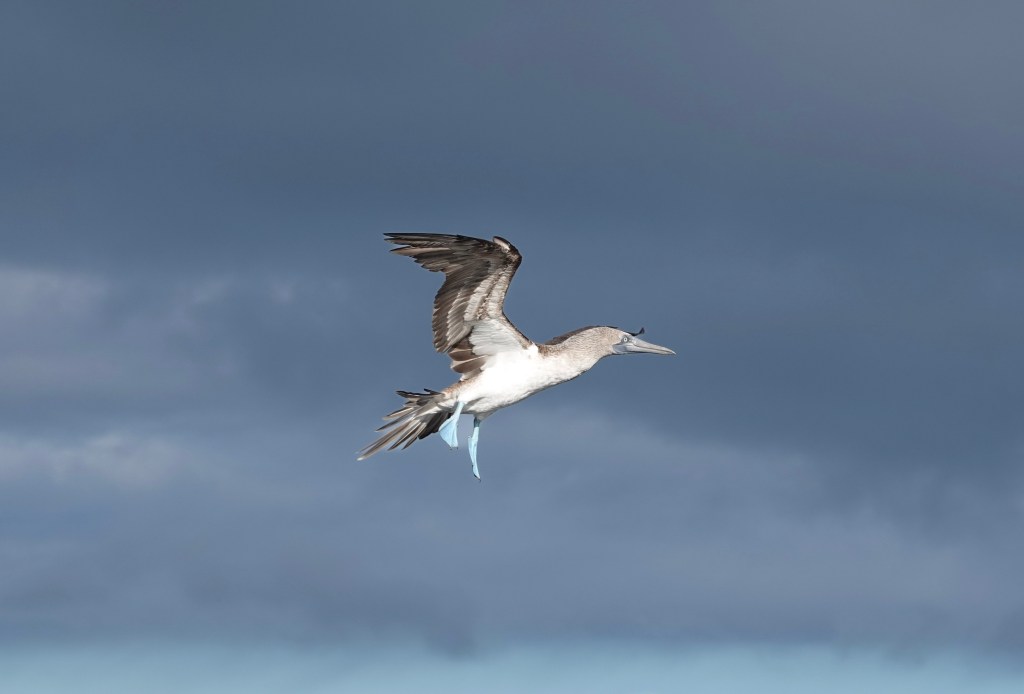
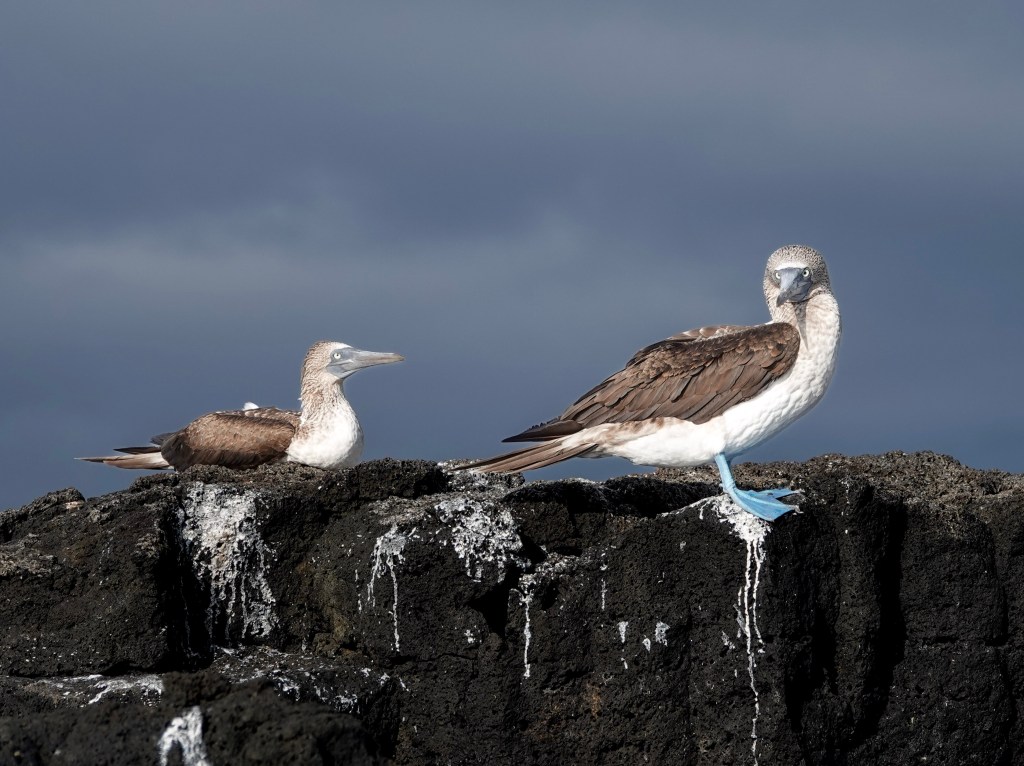
The most iconic of the trio, the blue-footed booby also carries the “bobo” name thanks to its comical walk—but its brilliant turquoise feet are anything but silly. Their color comes from a carotenoid-rich diet, and during courtship, those feet become the star of an elaborate mating dance. Males lift each foot in an exaggerated strut, showing off their brightest blues; females respond by mirroring the steps, followed by bill clacking and whistles if they approve. Beyond their charm, blue-footed boobies are extraordinary hunters, spotting fish from high above and plunging into the water at speeds approaching 60 mph. Because they have no natural predators in the Galápagos, they’re wonderfully unbothered by humans and can be seen on nearly every major island—a delight for photographers and wildlife lovers alike.
Nazca Booby (Sula granti)
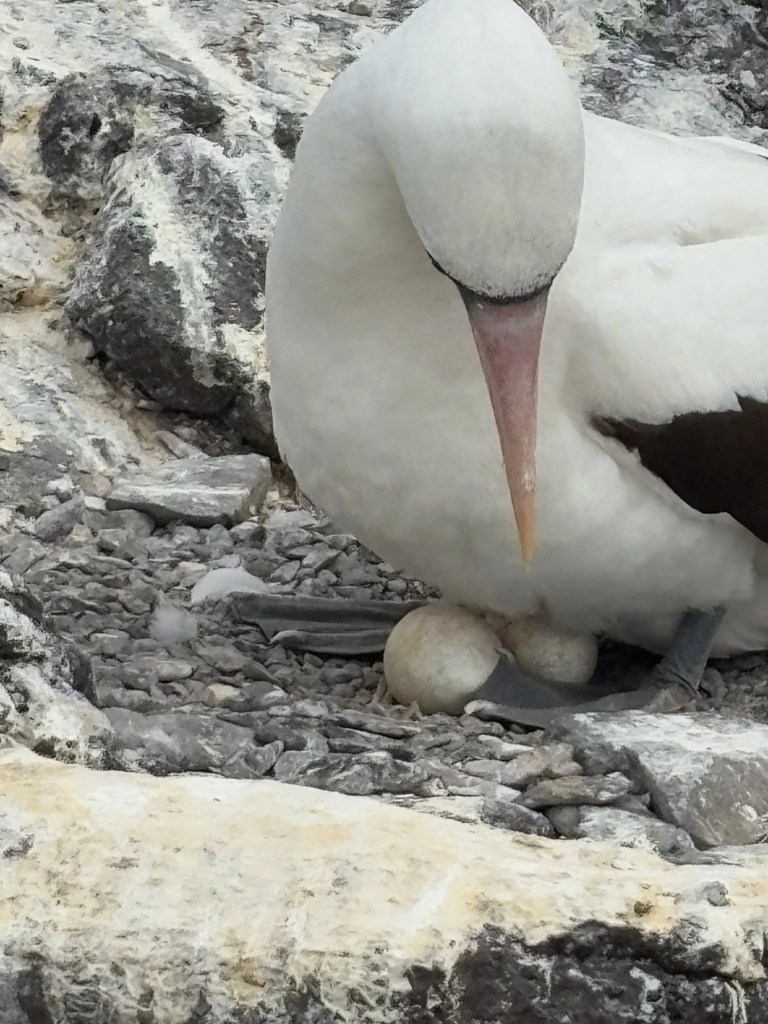
The largest of the Galápagos boobies, the Nazca booby also inherited the “bobo” nickname for its land-bound awkwardness, though its sleek white plumage, orange bill, and black-tipped wings give it a striking, almost regal presence. This species is best known for a dramatic behavior called obligate siblicide: parents lay two eggs, but only the stronger chick survives, ensuring that enough resources are available for one healthy fledgling. Despite this harsh strategy, Nazca boobies are captivating to watch as they glide effortlessly over the ocean and nest in dense colonies along the cliffs. They are most commonly seen on Punt Pitt, Genovesa Island, and Española Island, where visitors can observe their nesting sites up close along marked trails.
Final thoughts
In a place as wild and wondrous as the Galápagos, the boobies embody everything that makes these islands unforgettable—quirky charm, fearless curiosity, and evolutionary brilliance on full display. Whether it’s the red-footed booby perched improbably in a shrub, the blue-footed booby performing its turquoise‑footed dance, or the regal Nazca booby guarding its cliffside nest, each species offers a glimpse into the archipelago’s untamed spirit. Spotting even one is a delight but encountering all three feels like a true Galápagos rite of passage. For travelers who come seeking wildlife encounters found nowhere else on Earth, the boobies are a joyful reminder of why these Enchanted Isles continue to inspire wonder long after the journey ends.
 Peaks to Palaces