My recent adventure through this Nordic paradise was nothing short of magical. Here are the highlights from my journey through some of the most captivating corners of the Faroes. I took 7-hour Highlights of the Faroe Islands tour and visited some of the most spectacular places in the Faroese. The journey to some of the remote villages themselves is an adventure, including driving through the world’s first underwater roundabout.
The day started with a pick up from my hotel in Torshavn at 8.30. We were only 3 people on this tour which made it very intimate and personal. We had an amazing guide, Barbara. She was a Faroese native and entertained us throughout the day with fun and interesting stories about her country.
Opened in December 2020, the Eysturoyartunnilin is an 11.2 km (6.9 mile) long undersea tunnel that dives 189 meters (620 feet) beneath the North Atlantic. It links the capital Tรณrshavn with the towns of Runavรญk and Strendur, dramatically reducing travel time from over an hour to just 15 minutes2.
At the heart of this tunnel lies the worldโs first underwater roundabout. It is a glowing circular junction. This junction connects three branches of the tunnel. The centerpiece is a giant natural rock pillar. It was left intact during construction. Faroese artist Trรณndur Patursson transformed it into a stunning art installation. His 80-meter steel sculpture features life-sized figures holding hands around the pillar, symbolizing unity and the Faroese spirit of cooperation. Watch the video below with sound on. Our fabulous guide Barbara was singing a traditional Faroese song that is linked to this artwork
Song linked to underwater roundabout
Gjรณgv: Gorgeously Remote
First stop on our highlight tour is the village of Gjรณgv, named after its dramatic sea-filled gorge, is a village that feels like the edge of the world. The gorge itself is a natural harbor, and the views from the cliffs above are breathtaking. I sat on the famous bench overlooking the Atlantic, watching puffins and taking tons of photos. My day 1 trip to Mykines Island was canceled because of the weather. I had been dying to photograph puffins, and finally, I had my chance in Gjรณgv. Below is the picture of me taking photos of Puffins and behind me the Kalsoy island, where James Bond meets his inevitable demise in No Time To Die
The entire town is beautiful and there are lots of hiking trails if you want to enjoy nature and the surrounding area. If you want to stay in the village, there is one hotel Gjaargardur Guesthouse,that also has an on-site cafe and restaurant.
Tjรธrnuvรญk: Black Sands and Viking Echoes
Tjรธrnuvรญk is the northernmost village on Streymoy and boasts a stunning black-sand beach framed by steep mountains. From here, you have a view of the iconic sea stacks. They are called Risin og Kellingin, also known as โThe Giant and the Witch” which rise impressively from the ocean. According to Faroese folklore, a giant and his witch wife were sent from Iceland to steal the Faroe Islands. As they tried to drag the islands back home, they were caught by the rising sun and turned to stoneโforever frozen in their attempt.
Viking burial site
Near the Tjรธrnuvรญk beach, you can also see a Viking burial site. This burial site was uncovered in 1950s and gives you glimpse into the lives and culture of early Norse settlers.
The village also has a surf shop and a cute little cafe that serves waffles and coffee run by a local man (Cash only service)
Saksun: Serenity in a Natural Amphitheater
Next stop: Saksun. This tiny village is tucked into a valley surrounded by towering mountains and overlooks a tidal lagoon that was once a fjord. With only 11 people and an old church perched above the lagoon, it is postcard-perfect village, and the hike down to the black-sand beach is surreal, especially when the tide is out.
A highlight for hiking enthusiasts is the hiking trail from Saksun to Tjornuvik. This hiking path winds through mountain trails marked by cairns and offers fantastic views of the surrounding mountains and fjords.
The Village Church of Saksun possesses a distinctive historical significance. Initially situated in Tjรธrnuvรญk, the church was carefully dismantled and relocated via a mountain hiking trail to its present site in Saksun. It was subsequently re-consecrated on the third Sunday after Trinity in 1858. The original trail over the mountains remains accessible today and is widely regarded as one of the most picturesque routes in the Faroe Islands. Notably, the church now features exterior stone walls, reflecting a transition from earlier wooden construction methods. Elements such as the interior walls, support beams, and altar continue to evoke the church’s origins in Tjรธrnuvรญk.
The church is not open to public anymore due to an incident that happened few years ago and you can only see it from outside
Dรบvugarรฐar: A Living Testament to Faroese Farming Traditions
Saksun is also home to Dรบvugarรฐar farm, which dates back to the 16thโ18th century and stands as a remarkable testament to traditional Faroese farming life. Throughout the centuries, this historic site has preserved the essence of rural life in the Faroe Islands, highlighting authentic agricultural practices and enduring craftsmanship. The farmโs architecture and layout embody the methods and customs that influenced generations of Faroese farmers, offering visitors a unique window into the daily rhythms and cultural heritage of the region.
The Farmhouse: From Communal Home to Museum
Once home to dozens of people living under a single roof, the farmhouse now functions as an open-air museum. Visitors can explore a variety of carefully preserved and restored historical rooms. Each space features period textiles, authentic furniture, and traditional tools, allowing guests to immerse themselves in the daily life and craftsmanship that defined the farm through the centuries. The museum setting provides a tangible connection to Faroese domestic life as it once was.
Exploring the Landscape and Amenities
Visitors are invited to walk along history trails leading to a nearby waterfall, which offers breathtaking views and opportunities to capture iconic photos of the grass-roofed buildings against the stunning valley landscape (This spot is insta famous but was roped off when I was visiting and I was unable to take the iconic photo). Additional amenities at Dรบvugarรฐar include a cafรฉ serving light meals and hot beverages, as well as a small souvenir shop featuring locally handmade items.
Practical Information
The farm is accessible via a picturesque single-lane road, with parking available on-site. The main entrance charges an adult fee of 150 DKK, while access to the paths leading to the waterfall and nearby beaches remains free for all guests. This was one of the most picturesque places in the Faroe Islands and a popular spot for Instagram photos. The museum is definitely worth going through.
Fossรก Waterfall: The Tallest Cascade in the Faroes
No trip is complete without witnessing the majestic Fossรก Waterfall, the tallest in the islands. Cascading in two tiers down a cliffside, itโs a powerful sightโespecially after rain. The waterfall is located right next to the road and doesn’t require much hiking to view it. The best photograph I took of these falls was actually from the other side of the lake where you can see the entire waterfall or with a drone where you can capture the different tiers of the waterfall.
Funningur: Tranquility in the Heart of Faroe Mountains
On the way back from Gjรณgv , we stopped at a carstop and crossed to the other side to get the panoramic view of the village of Funningur and its surroundings. The winding road slides its way down the mountainside from the highest mountain of Faroe Islands known as Slรฆttaratinduor, rising 880m (2887 feet) above sea level. You can use this road to reach the village. You can also hike from the car stop to Hvรญthamar, which is a very popular and easy hike.
Hvรญthamar Hike: Quick Overview
The Hvรญthamar hike (Gongturur route) is a short, scenic trail above Funningur in Eysturoy, covering 2 km with an elevation gain of 124 meters. Trail completion typically takes about an hour, reaching up to 428 meters before looping back to Gjรกarskarรฐ pass.Getting There
Start at Gjรกarskarรฐ mountain pass between Funningur and Gjรณgv. Limited parking is near the cattle grid; green posts and a stile mark the trailhead. From Tรณrshavn, drive about 40โ45 minutes and choose between the toll Eysturoyartunnilin or Streymin Bridge.
Highlights
Hvรญthamar Ridge Viewpoint: A metal railing marks a vista over Funningsfjรธrรฐur fjord, Funningur, and nearby peaks, just 10 minutes from the trailhead.
Skeggjanรธv Viewpoint: After another 10โ20 minutes uphill, enjoy extended views to Kalsoy Island.
Buttercup Road-High Mountain road
The “Buttercup Road” refers to a signposted network of scenic routes in the Faroe Islands, not a single specific road. These roads are marked with a yellow buttercup flower and are known for offering breathtaking views as they wind through mountains and to remote coastal villages. Some examples include the mountain road (Oyggjarvegur) above Tรณrshavn and routes to scenic villages like Saksun and Tjรธrnuvรญk.
We took the mountain road (Oyggjarvegur) after visiting Saksun on our way to Kirkjubรธur. We joined this mountain at the gas station near Lake Leynavatn and drive 18 km (11 mi) of paved surface, connecting Tรณrshavn. We stopped at couple spots but the memorable spot for me was valley of Mjรธrkadalur. You can also see the huge windmill park on this road.
Prison-Panorama View over Kaldbaksbotnur, Coolest Prison in the World
The prison lies in an area called Mjรธrkadalur, which means the โValley of Fogโ since clouds tend to form near the surrounding mountain peaks above the fjord of Kaldbaksfjรธrโur.
There are about 13 prisoners in this prison, and each gets their own individual cell with a working television. They also have a mini-golf course out back to while away the hours. It is most beautiful prison I have seen and asked our guide how do get a room in that prison:-) which had better views than a 5-star hotel.
Kirkjubรธur: Echoes of the Past in the Faroese Landscape
This was the last stop on our Faroe Islands highlight tour, but closest to the capital Torshavn. It is the Faroe Islandsโ most historically rich village. It is a must-visit for any traveler seeking a deeper connection to the islandsโ past. Kirkjubรธur is perched on the edge of the sea with sweeping views of Hestur and Koltur. It is home to three remarkable landmarks.
The ruins of Magnus Cathedral
Also known as Theย Mรบruninย (Wall), the ruins of unfinished Magnus Cathedral can be seen right behind the St. Olav’s church. Built around the 1300s, it was reputed to have been one of the finest churches in Scandinavia.
Saint Olavโs Church
Another landmark is Saint Olavโs Church, the oldest still-used church in the Faroese, dating back to the 12th century. You can see an impressive altarpiece painting by the famous Faroese artist Samuel Joensen Mikines inside the church.
Kirkjubรธargarรฐur
Also known as King’s farm, Kirkjubรธargarรฐur, is a turf-roofed farmhouse thatโs been continuously inhabited for nearly a thousand years. The current owners are the 13th generation of the Patursson family. It is one of the oldest inhabited wooden houses in Europe. You can walk through the house and appreciate the history and legends surrounding this charming house.
Walking through this village feels like stepping into a living museum. History, nature, and tradition blend seamlessly into the landscape.
Final Thoughts
The Faroe Islands are a place of contrastsโwild yet peaceful, remote yet welcoming. Whether youโre chasing waterfalls, exploring Viking history, or simply soaking in the silence, this archipelago offers a kind of magic that lingers long after you leave.
If youโre craving a destination thatโs off the beaten path and rich in soul-stirring landscapes, the Faroes are calling. And trust me, youโll want to answer.
Mรบlafossur Waterfall is a dreamy waterfall tucked away on the rugged western edge of Vรกgar Island in the Faroe Islands. The waterfall plunges dramatically into the Atlantic Ocean, surrounded by cliffs and a tiny, charming village of Gรกsadalur. I got to see the waterfall twice. First, I saw it from the ocean when I was on the Classic Drangarnir Sea Arch Boat Tour. Then, I saw it again from the land after visiting the Lake above the ocean. I also visited the village of Bรธur. It is one of my favorite villages in the entire Faroe Islands. Both the sea views and the land views offer different perspectives of both the waterfall and the villages.
Mรบlafossur: The Promontory Waterfall
With a drop of 60 meters (200 feet), Mรบlafossur is the Faroe Islandsโ most iconic natural wonder. Its name translates to โPromontory Waterfall.โ The name is fitting as it cascades off a cliffside directly into the tempestuous sea below.
Gรกsadalur: The Goose Valley
Gรกsadalur was once accessible only by hiking over the steep mountain passes. Now, the village welcomes visitors through the Gรกsadalstunnilin tunnel(Built in 2006). This makes the journey far easierโ but no less magical. With about 20 residents and 25 houses, this remote village offers a rare glimpse into traditional Faroese life. You can actually stay in this village. There are 2 options. One is Mรบlafossur Cottages, located next to the stream. The other one is Hjalgrรญmsstova, part of the modern sheep farm Gรกsadalsgarรฐu.
The name Gรกsadalur means โGoose Valley,โ and the charm here is undeniable. A cozy cafรฉ and guesthouse serve locally sourced lunches, cakes, and coffee. These treats are perfect for warming up after a brisk walk to the waterfall.
Mountains That Guard the Valley
Gรกsadalur is cradled between two majestic peaks:
Eysturtindur (โThe Peak to the Eastโ) rises to 715 meters (2346 feet)
รrnafjall, the highest mountain on Vรกgar, reaches 722 meters (2368 feet)
These mountains not only add drama to the landscape but also serve as silent sentinels, watching over the village and its waterfall.
When to Visit
Gรกsadalur and Mรบlafossur can be visited year-round. Summer offers longer daylight hours and milder weather, while winter cloaks the village in mist and mystery. No matter the season, the waterfallโs roar and the villageโs quiet beauty promise a moment of awe.
Whether you’re chasing waterfalls or seeking solitude, Mรบlafossur and Gรกsadalur deliver both. You can combine a visit to the village and the waterfall with a visit to the village of Bรธur
Bรธur: The Coastal Hamlet with Legendary Views
Bรธur is just a short drive from Vรกgar Airport. It lies along the same stretch of coast as Gรกsadalur. Bรธur is a tiny village steeped in history and natural beauty. Around 70 residents live in Bรธur. It is famous for its picturesque turf-roofed houses. These houses are clustered near a small beach and a charming 19th-century church.
From Bรธur, visitors enjoy breathtaking views of the jagged islets Tindhรณlmur and Drangarnir, iconic sea stacks that have inspired countless photographs and paintings. The villageโs peaceful atmosphere and scenic surroundings make it a favorite stop on Faroe Islands sightseeing tours. Village of Bรธur, has couple of restaurants and cafes that you could and enjoy a meal. We stopped here and had a picnic lunch on the black sand beach after out visit to the Mulafossur and took some great photos of Drangarnir from the beach.
Public Transport & Driving
From Vรกgar Airport: Both Bรธur and Gรกsadalur are easily accessible by car, making them ideal stops for travelers. The drive to Bรธur takes about 15 minutes, allowing you to enjoy stunning views along the way. Continuing on to Gรกsadalur adds another 5 minutes. This brings the total travel time to 20 minutes through the scenic Gรกsadalstunnilin tunnel. The tunnel offers a unique experience as you pass beneath the mountains.
Road Conditions: Roads are well-maintained but narrow and winding. Drive cautiously, especially in foggy or wet conditions.
Parking: Designated parking areas are available near both villages. From the Gรกsadalur parking lot, itโs a short walk to the Mรบlafossur viewpoint.
By Bus:
Bus 300 from Vรกgar Airport to Sรธrvรกgur
Bus 350 from Sรธrvรกgur to Bรธur (runs 3x/day on weekdays)
How to Visit: By Boat
Boat Tours: Several local operators offer boat tours from Sรธrvรกgur or Vรกgar harbor. These tours cruise along the coast and give stunning views of Mรบlafossur, Drangarnir, and Tindhรณlmur from the sea.
Highlights:
See Mรบlafossur waterfall from below as it crashes into the ocean.
Sail past dramatic cliffs and sea stacks.
Spot puffins and seabirds nesting on nearby islets.
Season: Most boat tours run from May to September, weather permitting.
The Postmanโs Trail: A Historic Hike Between Bรธur and Gรกsadalur
Before the tunnel was built in 2004, Gรกsadalur was completely isolated, accessible only by boat on calm days or by foot over the mountains. The most famous route was the Postmanโs Trail, a rugged path that connected Bรธur to Gรกsadalur.
Distance: ~5 miles round-trip
Duration: 3.5 to 4.5 hours
Difficulty: Moderate to challenging (steep climbs, uneven terrain)
Trailhead: Just past Bรธur, near the tunnel entrance (look for cairns and a narrow dirt path)
Summits Nearby: Mt. Rรณgvukollur (464 m) and Knavin (485 m) offer optional detours with panoramic views
The postman hiked this trail three times a week, delivering mail to Gรกsadalurโs residents. Along the way, he would pass dramatic cliffs and windswept ridges. He would eventually descend into the valley where Mรบlafossur Waterfall roars into the sea. It was a view he knew well.
Today, hikers can retrace his steps and experience the Faroe Islands as they were before modern roads. Itโs a journey through history, solitude, and raw nature.
Where to Stay: Gรกsadalur & Bรธur
Whether youโre seeking solitude by the sea or a warm cottage nestled beneath misty mountains, both villages offer unforgettable accommodations.
๐ฟ Gรกsadalur Stays
Lundi Cottage โ Turf Cottage by Mรบlafossur Waterfall A guest favorite on Airbnb, this charming turf-roofed cottage sits right beside the famous waterfall. Expect sheep, birds, and highland cows as neighbors, plus views that feel like a painting.
Mรบlafossur Cottages These well-crafted holiday homes offer spacious interiors, warm ambiance, and unbeatable proximity to the waterfall. Ideal for relaxing after a day of hiking or sightseeing.
Gรกsadalur Apartments @ World Famous Waterfall Air-conditioned apartments with balconies and full amenities, located steps from the waterfall. A perfect blend of comfort and location.
Nearby Options in Sรธrvรกgur & Sandavรกgur If Gรกsadalur is fully booked, nearby towns offer excellent alternatives:
Guesthouse Hugo โ Cozy, social atmosphere with sea views
Cottages by the Sea โ Waterfront serenity with mountain views
Giljanes Camping & Hostel โ Budget-friendly with shared kitchen and lounge
๐ก Bรธur Stays
The View to Drangarnir, Tindhรณlmur & Mykines These are a cluster of four traditional Faroese turf-roofed houses. They are built to blend into the landscape. These homes offer panoramic views of the famous sea stacks and are among the highest-rated stays in the Faroe Islands.
Airbnb Options in Bรธur Bรธur features several unique rentals with rustic charm and modern amenities. Many offer full kitchens, cozy living spaces, and direct views of the ocean and nearby islets.
Nearby Sรธrvรกgur Accommodations Just a short drive away, Sรธrvรกgur offers:
Lรธรฐupackhouse โ Historical Warehouse โ A renovated 100-year-old harbor house
Perlan Apartments โ Sea-view apartments with full kitchens
Pouls Airport Guesthouse โ Convenient for travelers, with car rental options included
Skarรฐsรกfossur: The Hidden Waterfall of Vรกgar
While Mรบlafossur steals the spotlight, Skarรฐsรกfossur is just a short distance away. It is a lesser-known but equally breathtaking waterfall. It tumbles from the cliffs onto a small black stone beach. This secluded cascade is positioned between Bรธur and Gรกsadalur. It offers a more intimate and wild experience for those willing to seek it out.
Location & Landscape
Coordinates: Roughly 2 km west of Bรธur, near the tunnel entrance to Gรกsadalur
Setting: Rugged cliffs, black stone beach, and panoramic views of Tindhรณlmur, Drangarnir, and the skerry Akranessker
Wildlife: Puffins and seals are often spotted in the area
The waterfall is best viewed after rainfall, when its flow is strongest and most dramatic.
Best Way to Visit: By Boat
Because the land surrounding Skarรฐsรกfossur is private property, the best and most respectful way to see it is from the sea:
Boat Tours: Depart from Sรธrvรกgsfjรธrรฐur and cruise past Skarรฐsรกfossur, Drangarnir, and Tindhรณlmur
Experience: Boats can get close enough to hear the crashing water and feel the spray
Recommended Tour: Drangarnir Boat Tour includes Skarรฐsรกfossur as a highlight
Land Access: A Rugged Adventure
While not officially marked, adventurous hikers sometimes approach the area from land:
Trailhead: Just before the tunnel to Gรกsadalur, near Bรธur
Route: Hike down toward the ocean, aiming for the skerry Akranessker
Terrain: No visible path; grassy fields used for sheep herding, rocky coastline, and steep descents
Caution: Slippery rocks and private landโrespect boundaries and avoid trespassing
Bluegate โ Drangarnir & Mรบlafossur Boat Tour
Highlights: Aย 60โ75ย minuteย tourย originatesย fromย Sรธrvรกgurย marina. On this boat tour you will visitย Bรธurย village,ย Mรบlafossurย waterfall,ย Tindhรณlmurย islet,ย andย theย Drangarnirย seaย stacks. Weatherย permitting,ย guestsย mayย sailย throughย Drangarnir’sย seaย arch.ย Smallย boatย sizeย (12ย passengers)ย ensuresย aย personalย experience.ย In the summer months, you may be able to see some puffins.
Exploring Mรบlafossur and the village of Gรกsadalur is like stepping into a living postcardโwhere natureโs drama meets quiet village charm. From the iconic waterfall plunging into the Atlantic to the serene beauty of Bรธur and the tucked-away Skarรฐsรกfossur, this corner of the Faroe Islands offers a rare blend of accessibility and mystery.
Whether you’re chasing waterfalls, hiking cliffside trails, or simply soaking in the silence, this guide is your invitation to slow down and let the landscape speak. The Faroe Islands arenโt just a destinationโtheyโre a mood, a rhythm, a reminder that the most unforgettable places are often the ones that feel untouched.
So pack your layers, charge your camera, and bring your sense of wonder. Gรกsadalur and its neighbors are waiting.
The desktop background that set me on an adventure to the Faroe Islands…. You might have seen this lake as a desktop background. Once I saw it, I knew I had to visit. The entire trip was planned with a hike to the Lake above the ocean as the primary focus.
Lake Sรธrvรกgsvatn, the largest lake in the Faroe Islands, covers an impressive 3.4 square kilometers and appears to hover enchantingly over the North Atlantic Ocean from the dramatic heights of Trรฆlanรญpa Cliff. This optical illusion is caused by the elevation of the lake compared to the sea. At its end the stunning 30-meter-high Bรธsdalafossur waterfall that cascades gracefully down into the ocean. This picturesque viewpoint not only showcases the waterfall, but it also offers an awe-inspiring view of the sea stack Geituskoradrangur.
* The lake is known by two names, Sรธrvรกgsvatn and Leitisvatn, due to local preferences. Sรธrvรกgsvatn is preferred by the people of Sรธrvรกgur, while Leitisvatn is favored by those in Miรฐvรกgur and Sandavรกgur.
Hiking guidelines and starting point
You need to pay to do this hike as the lake and the cliffs sit on private property. There is a dirt parking lot at the beginning and a reception hut. You can buy tickets as well as get snacks and souvenirs from this small shop. More information can be found at the landowners’ web page.
The gate is open 24/7. If you want to do an early morning sunrise or sunset hike, you can still do the hike and pay later. (Honor system). It’s an easy hike with minimal elevation gain. However, wear proper shoes as the muddy path can get slippery when it’s raining.
How to get to Sรธrvรกgsvatn/ Leitisvatn lake
Public Bus Travel from Tรณrshavn
The main bus terminal in Tรณrshavn is known as Farstรธรฐin. It serves public blue buses. These buses run between Tรณrshavn and villages on Vรกgar Island (where the lake is located).
You can take a bus from Tรณrshavn to nearby villages such as Miรฐvรกgur or Sandavรกgur. These villages serve as common starting points for hikes to the lake.
The ride from Tรณrshavn to these villages generally takes around 40 minutes to an hour. This includes travel through the underwater tunnel that connects Streymoy (Tรณrshavn’s island) and Vรกgar Island.
Self Drive/ Car
You can drive to the dirt parking lot, pay the fee at the entrance, and hike on your own. It is a straightforward route that can be easily done on your own.
Private guided tour
You can hire a private guide for this tour. I took a guided hike with JH Tours, which is run by Johan and his family. I highly recommend JH tours for all tours around the Faroe Islands. You can reach him at Faroestours@gmail.com or (+298)28 28 00. They can plan 6-7-day tours that include all the highlights of the Faroes. You can book a local lunch cooked by Johan’s mother, Jona. This way, you can have an authentic Faroese culinary experience at their house.
This tour also includes visiting Mรบlafossur Waterfall and the village of Gรกsadalur. We also stopped at the village of Bรธur and had a packed picnic lunch on the black sand beach with the views of Tindhรณlmur and the stacks Drangarnir.
Key Highlights on the hike
From the reception, the hike is pretty simple and straightforward. You can stop at various view points. Some of the most impressive view points include:
Trรฆlanรญpa (Viewpoint 1 and 3)
Trรฆlanรญpa is a magnificent perpendicular rock wall. It juts an impressive 142 meters upwards out of the vast expanse of the sea. This creates a breathtaking sight for all who visit. The name Trรฆlanรญpa translates to Slave Cliff, a chilling reminder of its dark history. It derives its name from the Viking Age, a time when the harsh realities of survival dictated brutal outcomes. During this period, old and sick slaves who were no longer deemed useful to their masters were callously pushed off the mountain, offering a stark reflection of the values and harshness of that era.
If the cliffs look familiar, it has been used in the Peter Pan and Wendy movie. You can check out more locations in the Faroe Islands that have been shown in the film here.
Lake above the ocean (viewpoint 2)
Continuing on the path, you will take a set stairs to get to the view point of Lake above the ocean. There is a small sign that shows where the best point to stand for the best photos. It was a rainy and cloudy day, but still I managed to get a few decent shots.
Bรธsdalafossur Waterfall (Viewpoint 4)
Continue down from the viewpoint of the lake above the ocean. You will have to do some rock scrambling to reach the Bรธsdalafossur Waterfall viewpoint. Be careful, as the stones can be slippery especially after rain.
Bรธsdalafossur Waterfall falls dramatically from Lake Leitisvatn into the North Atlantic Ocean. It flows from an impressive height of 30 metres (98 feet) above sea level. This creates a stunning visual spectacle that captivates nature lovers and adventurers alike.
From viewpoint 4, you can also see Geituskorardrangur is a free-standing rock wall. This rock formation towers 116 metres (380 feet) above sea level.
Other interesting things on the hike
The whole hike is next to the Lake. You will see waterfalls on the way, especially after the rain. These spring waters are safe to drink but make sure you will bottles from the flowing part and not the stagnant water. Our tour group empties our water bottles and fills them with refreshing spring water.
Final thoughts
Hike to Lake above the ocean is a very easy hike with tremendous rewards. This hike can be easily combined with nearby attractions. These include visiting the village of Bรธur, Mรบlafossur Waterfall, and Gรกsadalur. You can also combine this trip with the boat tour of Drangarnir & Mรบlafossur. Alternatively, consider the Drangarnir Hiking Tour, especially if you have a car, which gives you more flexibility to explore. Also, stop by the statue of Nix at the other end of the lake, close to the airport.
The Galรกpagos Islands are often celebrated for their sea lions basking on beaches and penguins darting through turquoise waters. Yet tucked away on Floreana Island is a tradition. This tradition speaks not of wildlife, but of human longing. It is the worldโs most unconventional postal service. A Barrel of Letters and Longing Back in 1793,โฆ
In the middle of Copenhagenโs Kingโs Garden, where locals picnic under lime trees and cyclists glide past in quiet loops, Rosenborg Castle rises like a fairytale frozen in brick and copper. Built by King Christian IV in the early 17th century, this petite Renaissance palace feels intimate compared to Denmarkโs grander castles โ but donโtโฆ
Nestled on three small islets in the shimmering Castle Lake of Hillerรธd, Frederiksborg Castle is breathtaking. It is one of Denmark’s most cherished treasures. The grand Renaissance architecture and lush gardens offer a stunning backdrop. I visited this place as part of a day tour with Hamet tours. I felt like I could have spentโฆ
๐ Discovering Helsingรธr (Elsinore), Denmark Perched on Denmarkโs northeastern shore, Helsingรธr is best known as the home of Kronborg Castleโimmortalized by Shakespeare as Hamletโs Castleโbut the city itself offers far more than its fortress. Its Old Town is one of Europeโs best-preserved historic centers, with cobblestone streets, colorful facades, and centuries-old houses that trace backโฆ
Perched dramatically on the coast of Helsingรธr, Denmark, Kronborg Castle is more than just a fortressโitโs a stage for history, legend, and literature. Known worldwide as the setting of Shakespeareโs Hamlet, this Renaissance masterpiece has guarded the narrow strait of รresund since 1585, watching over the entrance to the Baltic Sea with commanding views acrossโฆ
Roskilde, once the capital of Denmark, is a city steeped in history and alive with culture. Nestled along the scenic Roskilde Fjord, itโs famous for its Viking past, royal cathedral, and world-renowned music festival. Whether youโre here for a day trip or a longer stay, Roskilde blends ancient stories with modern experiences in a wayโฆ
If youโre traveling in Chile, be sure to explore the breathtaking Atacama Desert! You’ll be amazed by the incredible diversity of landscapes, from sparkling lakes and expansive salt flats to stunning canyons, bubbling geysers, graceful flamingos, and adorable alpacas. With so many captivating places to discover, every moment will be an exciting adventure! We explored this amazing place by using San Pedro Atacama as our base, a charming adobe town with dirt roads and a stunning landscape.
Quick Summary:
What we did: Spent 2 days in San Pedro Atacamam and did self-guided tours( Ideal would be 3-4 days to cover everything)
Where we stayed :Hotel Kimal Domingo Atienza 452, San Pedro de Atacama, Antofagasta,
Where we ate: Many restaurants close to the hotel on the main street
Things I wish I had known before traveling to San Pedro Atacama
This unique region, known for its stunning landscapes and rich cultural heritage, offers visitors a wide range of activities, including hiking, stargazing, and exploring ancient petroglyphs. However, the various attractions in the Atacama Desert are spread out and managed by either local tribes or the Chilean government. Some attractions allow cash payments at the entrance, while others require online reservations, which can be confusing for first-time visitors. We found it difficult to navigate all the various requirements and get the best out of our visit to Atacama; therefore, taking a guided tour can provide valuable insights and help maximize your experience is advised. Knowledgeable guides can share fascinating stories about the local flora, fauna, and historical significance of the area, making your visit truly unforgettable. Check out denomades.com for customized tours tailored to your length of stay, ensuring that you can fully immerse yourself in the beauty and wonders of Atacama.
Tickets to various attractions and where to buy them
The full moon affects the tours. No tours are offered in and around the full moon
Rainbow valley
$5000
Check with a tour operator. Not much info available
None
Check with a tour operator. Not much info avialable
Petroglyphs of Yerbas Buenas
$5,000
$5,000
Cash at the entrance
None
Check with a tour operator. Not much info available
How to get to San Pedro Atacama
The most common way to get to San Pedro de Atacama is from Santiago to the city of Calama, and then head towards San Pedro. El Loa (CJC airport), located in Calama, about 100 kilometers northwest. It receives regular flights from Santiago and some services from other cities in Chile.
How long does the drive from Calama to San Pedro de Atacama take? The driving distance between Calama and San Pedro de Atacama is 100.5 km via Route 23. It takes about 60-90 minutes to drive this distance.
For more information on how to reach San Pedro Atacama and bus options, check this webpage.
Things to do in San Pedro Atacama
Experience the unique landscape of Valle de la Luna (Moon valley)
Valle de la Luna
The Valle de la Luna is named after its lunar-like landforms eroded by eons of flood and wind, creating a breathtaking landscape that captivates all who visit. This natural wonder is located approximately 15km west of San Pedro de Atacama, nestled at the northern end of the Cordillera de la Sal. It is a stunning mountain range noted for its unique geological formations. The valley is not only a feast for the eyes but also forms part of the Reserva Nacional Los Flamencos, a protected area that is home to a diverse array of flora and fauna. Visitors to Valle de la Luna can marvel at the dramatic contrasts of colors and textures, especially during sunset when the landscape transforms into a surreal palette of oranges and purples, offering a truly unforgettable experience.
You can pre-book your tickets hereor take an organized tour from one of the tour operators in San Pedro Atacama. Sunset is the time when most like to see Moon Valley and hence the busiest. Take lots of water, a hat, and sunscreen while visiting Moon Valley, as it is very dry and hot.
Float on Water in Cejar and Piedra Lagoons
Located 18 km east of San Pedro de Atacama, these lagoons are authentic hidden gems in the heart of the vast and breathtaking desert. With saline content similar to that of the Dead Sea, visitors can swim or float effortlessly in the warm, inviting waters. The facility is very well maintained, featuring clean showers and restrooms. This is one of our favorite places we visited in the Atacama Desert, a perfect retreat to experience the natural beauty and tranquility of the region.
Renowned for their striking beauty and unique ecosystem, both lagoons are under the careful management of the Atacameรฑa Indigenous Community of Solor, who have inhabited this area for generations. Visitors can immerse themselves in the stunning landscapes and diverse wildlife that thrive in this arid environment. However, there are specific times when the lagoons are open to the public or tour operators, ensuring that the natural habitat is preserved and respected. For those eager to explore this enchanting destination, check here for the timing and tickets, and prepare for an unforgettable experience in one of natureโs truly remarkable settings.
Stargaze in one of the most beautiful night skies
San Pedro de Atacama is a great place for stargazing! The Atacama Desert has some of the clearest skies due to its high altitude, low humidity, and little light pollution. You can join tours that provide telescopes to see stars, planets, and galaxies. Some tours also include astrophotography and talks about space. The area has top observatories like Paranal and La Silla, which help with global astronomy projects. Unfortunately, we couldn’t take any tours because we visited during the full moon, which isn’t good for stargazing, and no tours were available. Check here for available tours.
Go bird watching at Los Flamencos National Reserve-Laguna Chaxa
The Chaxa Lagoon is located at a central point of the Atacama Desert, an expansive and strikingly beautiful region known for its arid landscapes and unique ecosystems. It is situated just 7 km away from the charming village of Toconao and a little less than 50 km from San Pedro de Atacama, making it an accessible destination for both tourists and locals alike. This captivating area belongs to the Protection System of wild areas of CONAF. It is a vital part of the Flamingos National Reserve, which aims to safeguard the rich biodiversity found in the region. The lagoon attracts a variety of avian species, but it is probably one of the best places in Chile to see flamingos in their natural habitat. Visitors will find a couple of well-marked trails that meander through the reserve, allowing them to walk and observe the flamingos closely while enjoying the serene beauty of the landscape. Most people suggest going at sunrise to witness the stunning spectacle of the birds as they take flight under the rising sun, but itโs important to note that the park is not open until 8 AM, so plan accordingly.
Viist Altiplanic lagoons- Miscanti and Miรฑique
Located east-southeast of the Salar de Atacama, the Miscanti and Miรฑiques lakes lie at the base of the Cerro Miscanti volcano. These lakes are part of the Los Flamencos National Reserve and are rich in wildlife and geological features. Situated 90 kilometers from San Pedro and over 4,000 meters above sea level, they draw water from the ground, attracting various animals, including many flamingoes, which contrast beautifully with the snowy mountains reflected in the water. These two blue lakes, surrounded by the driest desert on earth, are 10 meters deep and remain untouched in a stunning natural setting.
Visit the highest geysers of the world– Tatio Geysers
The Geysers of San Pedro de Atacama, located in the Andes mountains at 4,200 meters and 89 kilometers from San Pedro, offer stunning views and impressive steam columns rising up to 8 meters, particularly around sunrise. Visitors are advised to wear warm clothing and bring swimwear, as thermal pools are available nearby. The best viewing time is between 6:00 and 7:00 AM, with steam temperatures reaching 85ยฐC. The area features a variety of wildlife and plants, making it a remarkable attraction in the Atacama Desert.
We skipped the Tatio geysers because no one wanted to wake up at 4 AM to see them, and the kids said they had already seen Old Faithful in Yellowstone and geysers in Iceland. The best way to see the geysers would be to take a tour; that way, you can leave the early morning driving to locals. Entrance to El Tatio Geysers costs CLP$ 15,000 per person and is paid in cash at the entrance.
Final Thoughts
All in all, Atacama is a great place to visit, offering breathtaking landscapes and unique natural wonders. However, be prepared to drive 1-2 hours to explore the various attractions scattered throughout the region, as they are often quite remote. It’s important to plan your itinerary carefully, as some sites may require more time than others to fully appreciate their beauty. With very limited information available on various attractions, opting for a guided tour might be a better way to ensure you make the most of your visit and get maximum bang for your buck. A knowledgeable guide can provide insights into the area’s rich history and geology, making for a more enriching experience. Plus, they can help navigate the sometimes challenging terrain, allowing you to focus on enjoying the stunning scenery.
What we did : Spent 3 days driving around Torre Del Paine doing short hikes, and stopping at various viewpoints
Where we stayed : Just outside the park in cabins called Konkashaken Lodge.
Where we ate: There are not many restaurants in the remote area of the park. We cooked our food in the cabin for breakfast and dinner. We had purchased bread, peanut butter, wine, pasta, pasta sauce, and snacks from a supermarket in Puerta Natales before making our way to Torre del Paine. We ate lunch at Lake Pehoe restaurant one day and at the REFUGIO TORRE CENTRAL on day 2.
What to take: Even though we were in Torre Del Paine in December, which is summer in the Southern Hemisphere, we needed our Winter jackets, gloves, hats, layers, etc. Pack for all weather conditions the weather changes quickly
Special Notes : Torre del Paine is truly remote and lacks many facilities. We rented a car from Puerto Natales and bought groceries and supplies before heading out to the park. There are no gas stations in the park, and we purchased enough gas to make it back to Puerto Natales from our hotel owner. Other thing that really surprised us is the wind and no matter what you have heard about Torre Del Paine, we were not prepared for the hurricane force winds. Bellow picture was taken last day, and I call it ” Torre Del Paine Hair, Don’t care”
Patagonia and Torre Del Paine
Welcome to one of the most beautiful places on Earth. Patagonia is a large region shared by Argentina and Chile in the south. Though it crosses two countries, it feels like its own unique place. You can spend a few days visiting Torres del Paine National Park as part of a longer journey through South America. Or, you could explore Patagonia for two weeks, taking in the highlights of both the Chilean and Argentinian parts. If you want to see quieter, less-known areas like Aysรฉn, you could spend weeks traveling in Patagonia.
Torres del Paine National Park, the jewel of Chilean Patagonia, features stunning landscapes with sharp peaks, bright blue lakes, glaciers, and lots of wildlife, all set against wide-open grasslands. Although it can get busy, I believe Torres del Paine is the top attraction in Patagonia. It showcases the area’s wild beauty with its rolling, windy grasslands mixed with mountains, lakes, and glaciers.
The three tall granite towers, known as the torres of the Paine Massif, are the park’s main highlight. You can see them from almost anywhere in the park. They are surrounded by the twisted black formations of the cuernos (horns) and the rugged summit of Paine Grande Mountain.
If you don’t see the Torres right away because of fog or rain, donโt worry. Patagonia can have four seasons in one day. The best time to visit is summer (December-February), the windiest period. Though the wind can make taking pictures or hiking difficult, bad weather usually passes quickly. The Torres is impressive any time of year. In winter (June-August), they look magically covered in snow. At other times, they stand tall as dark gray rock pillars.
Most people visit Torre Del Paine for its amazing hiking trials. We visited Torres del Paine National Park during Christmas of 2022 for 3 days. You can still enjoy this national park’s amazing views even if you’re not a hiker. We rented a car and drove around the park, which allowed us to explore at our own pace. We stayed just outside the park and visited various viewpoints on day one and day two, and we were planning to take a Gray Glacier boat trip on day three.
Even though we are not serious hikers, we enjoyed walking on flat paths with stunning views and minimal effort. Each lookout gave us a new perspective of the beautiful park, from mountains to clear lakes, making our trip worthwhile. I recommend against visiting for just one day, as the weather in Torre Del Paine is unpredictable. When we visited, the first two days were cloudy and rainy, but we still saw amazing scenery. Heavy winds started on the afternoon of day two, keeping us inside our cabins. On day three, we woke up to sunshine and clear skies, but the wind continued, preventing us from going on the Gray Glacier boat trip. We chose to revisit some viewpoints since the wind had cleared the skies, and day three ended up being the sunniest day of our visit.
How to reach Torre Del Paine
Torres del Paine National Park has two main airports: Puerto Natales (PNT) and Punta Arenas (PUQ). There are no direct international flights, so travelers must connect through Santiago. Both airports are about 3ยฝ hours from Santiago by air, with LATAM operating the flights. Most travelers prefer Punta Arenas for its more frequent flights, as Puerto Natales has usually only one flight a day during high season, which leads to higher prices. From Punta Arenas, it takes about three hours by bus to reach Puerto Natales, followed by more travel time to the national park.
Travel from the Airport to the Park:
From Punta Arenas, you can take a bus or drive to Puerto Natales (about 3 hours), and then continue to the park (another 2 hours).
From Puerto Natales, buses and private transfers are available to the park entrance.
Inside the Park: Once at the park, you can explore by bus, rental car, or even boat. The park has multiple entry points, so plan your route based on your itinerary.
We flew to Port Natales and rented a car to drive to Torre del Paine. More detailed information can be found here .
Where to stay at Torre Del Paine
There are several budget-friendly options in and around the park, but it’s best to book months in advance due to limited availability. For accommodation details, check here. When we looked 8-10 months ahead, we struggled to find affordable options, but we eventually found a great place just outside the park at Konkashken Lodge. This lodge is unique and is located by the Serrano River. This is very simple accommodation with no restaurant on site and we cooked most of our meals in the room that had an attached kitchen.
Since we weren’t planning long hikes, we used the 3 days in Torre Del Paine by driving around the park and stopping at various Miradors or viewpoints. Following are some of our favorite viewpoints that require zero or minimal hiking to enjoy.
Rio Serrano and Torre Del National Park sign viewpoint
Our first view of the amazing park was on our way to the Konkashken lodge. We stopped on route 292 to enjoy the stunning view of Rio Serrano and the village below. The river curved through the landscape, and we spotted the first of many rainbows we would see over the next three days. This is a great spot for sunrise photos, too.
Views from Konkashaken lodge and Rio Serrano
Wild horse at Konkashken LodgeRio Serrano and snowy mountains of Torres del Paine from Konkashken LodgeHuge dog at the lodge
The Konkeshken lodge is by the Rio Serrano and surrounded by horse farms, where locals often go horseback riding or hunting with their dogs. On day 3, we had a sunny morning, and I walked to the river to enjoy the stunning view of the snowy Torre del Paine mountains and horses grazing nearby. The lodge owner has large dogs, and on that day, I saw the biggest dog I’ve ever encountered, which I initially thought was a wolf. It turned out to be the owner’s dog’s sibling just visiting from the neighboring farm.
Lago Pehoe view from Hosteria Pehoe
Lago Pehoe sits at the center of Torres del Paine National Park and is considered to be one of the 10 most beautiful lakes in the world. You have wonderful views of the Paine Grande Mountain and the Cuernos (horns) del Paine from the lake. Pehoe is a Tehuelche word meaning ‘hidden’ and is pronounced “pay-oh-way.” We stopped at the parking lot for Hosteria Pehoe, which is located on an island and can be accessed by a bridge. The parking lot is right off ruta Y-150 and near Mirador Cรณndor. We had an amazing lunch at the restaurant in Hosteria Pehoe with views of Lake Pehoe and Los Cuernos. We stopped here multiple times during our 3-day visit for the beautiful views and food. You can hike part or all of the Mirador condor trail, which is a 2.4-km round-trip route and offers the most magnificent views of Lake Pehoรฉ, the Southern Patagonian Ice Field and the Sierra Baguales.
Hosteria Pehoe, Lago Pehoe and Cuernos del PaineLago Pehoe and Cuernos del Paine
Salto Grande view point
As you drive along Ruta Y-150 toward Lake Nordenskjรถld, you can see Salto Grande waterfall. Thereโs a place to stop and admire Lago Pehoe with Salto Grande behind it. We paused to take a quick photo of a lovely rainbow that appeared with Salto Grande in the background, but it vanished within minutes.
Lago Pehoe, Salto Grande
The lookout for Salto Grande waterfall is along Ruta Y-150, with a marked parking lot nearby. Just two kilometers from the main road, it offers a view of the impressive water flow from Lake Nordenskjรถld. The area shows signs of the 2011 fire, with burned trees and eroded soil, but the view is still beautiful.
Salto Grande from view point
Mirador Nordenskjold
Continuing down Ruta 150, next stop was mirador Nordenskjold. There is marked parking lot and couple of minutes of walk leads to spectular view of Lake Nordenskjold
Cascade Del Paine
As we proceeded down Ruta 150, we reached a fork that divides the road into Ruta 150 and Ruta 156. We took Ruta 156 to Lago Azul, and our first stop was Cascade Del Paine. This is my absolutely favorite spot in the entire national park. The Cascada del Rรญo Paine is a stunning waterfall in Torres del Paine National Park, Chile. It offers breathtaking views of the Paine River and the iconic Torres del Paine peaks in the background. This natural wonder is a popular spot for photography and a must-visit for nature enthusiasts exploring Patagon
Laguna Azul
Laguna Azul, or “Blue Lagoon,” is a beautiful lake in Torres del Paine National Park, Chile. It is known for its bright blue waters that mirror the surrounding scenery, including the famous Torres del Paine peaks. This area is great for wildlife lovers, as you can spot guanacos, birds, and other local animals in the wild.
Laguna Amarga
Laguna Amarga, located in Torres del Paine National Park, Chile, is a fascinating lagoon known for its high salt content, which gives its waters a bitter tasteโhence the name “Amarga,” meaning “bitter” in Spanish. The lagoon’s evaporation process leaves a soft white layer of salt on its shores, strikingly contrasting with the vibrant blue waters. This lagoon is also a prime spot for observing flamingos during summer, adding to its charm. Its strategic viewpoint offers breathtaking views of the iconic Torres del Paine peaks, making it a favorite among photographers
Lago Grey and Grey Glacier
Lago Grey is a magnificent lake fed by ancient glaciers, where the imposing Grey Glacier flows in, creating a breathtaking scene filled with icebergs and striking blue ice. This area is renowned for its enchanting and colossal icebergs that calve dramatically from the base of the Grey Glacier, crafting a visually stunning landscape. The vibrant hues of blue and white against the rocky terrain provide a striking contrast, making it a photographer’s paradise. There are various exhilarating ways to explore this pristine lake and the majestic glacier surrounding it, and we eagerly chose to embark on an adventure by boat. However, to our dismay, the winds were brutally strong that day, leading to the unfortunate cancellation of our highly anticipated boat trip, and we just had to see the glacier and lake from the Hotel Grey.
Various ways to explore Grey glacier
Boat Trips: Boat tours navigate the lake, allowing visitors to get close to the glacier and icebergs. For timing and tickets, check here. The boat trips start from Hotel Lago grey .
Hiking: The W Trek and Full Circuit hikes offer awe-inspiring views of the lake and glacier.
Kayaking: Paddle amongst the lake’s sculpted icebergs.
Ice Hiking: Don crampons and ice axes to explore the glacier.
Mirador Lago Del Torro
The Toro Lake is the biggest lake in the region and most of it is located outside the borders of Torres del Paine national park. We stopped here just off the Ruta Y-290 on our way to Puerta Natales, after our cancelled Grey glacier boat trip. The vibrant blue waters of Toro Lake contrasted beautifully with the rugged mountains in the background, creating a breathtaking view that felt almost surreal.
Milodon Caves
Usually when you depart from Puerto Natales, on the way to Torres del Paine National Park, you begin your adventure by visiting the Milodon Cave Natural Monument, which is located 26 km from Puerto Natales. This remarkable site is comprised of three distinct caverns nestled within a stunning landscape, featuring a fascinating rocky conglomerate known as โSilla del Diablo.โ As you explore the cave, you can marvel at its impressive features and learn about the prehistoric creatures that once roamed the area, including the legendary Milodon, an enormous herbivorous mammal. After delving into the rich history and natural beauty of this unique monument, you can then continue your journey to the majestic Torres del Paine National Park, where breathtaking scenery and diverse wildlife await your discovery.
Final thoughts
Torre Del Paine is an incredible place to visit, and nothing truly prepares you for the breathtaking beauty of this stunning location. It is one of the most unique places I have ever explored, offering a diverse landscape that ranges from soaring peaks to shimmering lakes, making it a paradise for nature lovers. Patagonia’s weather is notoriously unpredictable, with the potential for all four seasons in a single day, which adds an element of excitement and challenge to your visit. While two days are sufficient if you are not hiking and just looking to take in the sights, extending your stay to three days provides you with the best chance to fully embrace the magnificence of this region. This extra time can be invaluable, especially in case of unforeseen circumstances, such as the windstorm we experienced during our trip, which temporarily altered our plans but also gave us a deeper appreciation for the raw power of nature that this area represents.
We spent a day in Santiago, Chile as part of our 10-day Chilean Itinerary. We did this trip on Christmas eve and started the day with Plaza de Armas and ended the day with having dinner at a Peruvian place not far from Cerro Santa Lucรญa. Since it was Christmas eve, restaurants and cafes were closing by 3.30-4 but we still were able to do lots of things in 1 day to get a feel for the city.
Quick Summary
What we did: Started the day at Plaza de Armas by visiting the Metropolitan Cathedral and the surrounding area. Took a hop-on hop-off bus to get the lay of the city that included tickets Cable car ride to Cerro San Cristobal (booked through turistik ). Ended the day at Cerro Santa Lucia and had dinner at Barrio Lastarria neighborhood
Dinnner- Barrio Lastarria neighborhood cafes. This area was walking distance from the hotel and has tons of restaurants and cafes
Morning
Plaza de Armas: Visit the historic center of Santiago. The Plaza de Armas is the main square, surrounded by important buildings like the Metropolitan Cathedral and the Central Post Office, and the National Museum of Fine Arts It’s a great place to soak in the city’s history and culture.
National Museum of Fine Arts – This museum is free to enter, but we chose not to explore it. However, check out sculpture called Icaro y Dรฉdalo located outside of the building. The inscription “United in Glory and Death” refers to the myth of Daedalus, who made wings to escape imprisonment. Icarus flew too high and too close to sun, causing his wings to melt, and he fell into the sea. The statue of the mourning father is a copy; the original by Rebeca Matte, Chile’s first female sculptor, is in Rio de Janeiro, Brazil.
Metropolitan Cathedral – Located in the northwest corner of Plaza de Armas, Santiagoโs Metropolitan Cathedral is free to enter. Built in neoclassical style between 1748 and 1800, it features baroque elements like gilded columns and beautiful frescoes. Italian architect Joaquรญn Toesca designed the building. The stunning interior includes statues, an ornate altar with marble and lapis lazuli, and intricate stained glass. The ceiling was painted by Ignazio Cremonesi in 1906.
La Chascona: After visiting the plaza, if you have time, visit one of poet Pablo Neruda’s unique homes, known for its eclectic architecture and stunning views of the surrounding landscape. La Chascona offers a fascinating insight into the life and mind of one of Chile’s most beloved literary figures, showcasing his extensive art collection and personal artifacts that reflect his poetry and passion for life.
Afternoon
Cerro San Cristรณbal: visit this iconic hill that rises majestically above the city. You can hike along the various trails, bike through scenic paths, or take the funicular to the top for stunning panoramic views of Santiago and the Andes. The fresh air and beautiful surroundings make it a perfect spot for outdoor enthusiasts. Don’t miss the statue of the Virgin Mary at the summit, which offers a perfect photo opportunity, and consider exploring the surrounding park for a complete experience.
Lunch at Mercado Central: This bustling market is famous for its seafood. Enjoy a delicious lunch of fresh fish or seafood stew at one of the many eateries inside.
Evening
Cerro Santa Lucรญa: For a beautiful sunset, visit this small hill in the city center. The top offers stunning views of the skyline and the Andes Mountains. As you climb, enjoy the charming paths, gardens, and fountains that provide a peaceful stroll. Cerro Santa Lucรญa has a rich history as a former military post turned public park, attracting both locals and tourists. Donโt forget your camera to capture the sunset and the diverse plants and animals in this urban oasis.
Barrio Lastarria – Is a vibrant neighborhood within walking distance from Cerro Santa Lucia and the perfect way to end the day by having dinner and drinks at one of the many cafes, and restaurants. We had one of the best pisco sours in a small cafe on the villavicencio street
One of the best Pisco Sours I had at the restaurant in Lastarria
Final thoughts
There are many things to do in Santiago, and you can spend a few days exploring the city and its vibrant culture. You can visit historical landmarks like the Plaza de Armas, immerse yourself in the local cuisine at bustling markets, and enjoy the stunning views from San Cristรณbal Hill. Additionally, you can explore various museums, attend lively cultural festivals, and experience the warmth and friendliness of the local people, making your stay truly memorable.
For anyone captivated by the age of the Vikings or the sheer ingenuity of ancient seafaring, the Viking Ship Museum in Roskilde, Denmark is a destination that feels like stepping into another world. Nestled along the Roskilde Fjord, this museum is more than a collection of artifactsโitโs a living, breathing tribute to the maritime spiritโฆ
Step into Roskilde, Denmark, and youโre walking straight into the pages of history. Long before Bluetooth connected our phones, King Harald โBluetoothโ connected his kingdom to Christianity. Around the year 980, he built a wooden church in Roskilde. This church set the stage for centuries of royal tradition. By 1080, that humble wooden chapel hadโฆ
The Faroe Islands are a self-governing archipelago in the North Atlantic, known for their rugged terrain, rich Viking heritage, and vibrant fishing economy. Located between Iceland, Norway, and Scotland, the Faroe Islands consist of 18 volcanic islands. The phrase “Land of Maybe” was popularized during World War II, when British troops stationed there experienced theโฆ
Immortalized by Pablo Neruda, a famous Chilean poet, Valparaรญso is a port city renowned for its laid-back bohemian vibe and colorful street art. Nestled between steep hills and the Pacific Ocean, Valparaรญso is characterized by its colorful houses, creating a picturesque landscape that captures the hearts of locals and visitors alike. The labyrinthine streets are adorned with striking murals and graffiti, reflecting the city’s rich culture and artistic spirit; each artwork tells a story of the community and its history. This lively city not only serves as a hub for artists and musicians but also offers charming cafรฉs and bustling markets, making it an ideal destination for anyone seeking to immerse themselves in the unique, creative atmosphere that pervades Valparaรญso.
What we did- Visited and walked the streets of Valparaรญso on Christmas Day (Dec 25th, 2022) as a self-guided day trip from Santiago, Chile. Famous for its colorful hillside neighborhoods, winding stairways, and abundance of street art, the port city of Valparaรญso is a UNESCO World Heritage Site. Both Valparaiso and Vin Del Mar can be visited on a day trip from Santiago
Where we ateโSince it was Christmas day, few places were open, so we went to a local place with no name but decent vegetarian food. On a regular day, there are many places in the Allegre and Conception areas.
Valparaiso Skyline with Lutheran Church
Ode to Valparaiso
Pablo Neruda, a legendary poet and politician in Chile, had a home in Valpo where he found inspiration away from Santiago. His house, La Sebastiana, is now a museum and can be visited and offers great city views. Neruda’s poem โOda a Valparaรญsoโ perfectly captures the essence of the vibrant port city. Below is a snippet of the peom in English. For the full peom in Spanish and English check out the page.
Valparaรญso, what an absurdity you are, how crazy: a crazy port. What a head of disheveled hills, that you never finish combing. Never did you have time to dress yourself, and always you were surprised by life.
How to get to Valparaiso
We were supposed to visit Valparaรญso (or it is commonly known as Valpo) on a guided tour from Santiago, but after waiting 1.5 hours at supposed pick-up spot, we realized the guided tour operator wasn’t going to show up (booked through Viator). Our day was salvaged by the front desk operator at the hotel, who helped us figure out the bus route to Valpo and arranged an Uber to the bus station.
Valparaรญso is 72 miles (116 km) from Santiago, and can be travelled by bus or car or guided tour from Santiago.
Bus– There are two main bus companies: Turbus and Pullman. Both buses depart from Terminal de Buses Pajaritos in the center of Santiago and take about 1.40-2.00 hours. We opted to go with Turbus on the way to Valpo and took Pullman on the way back. There is no real difference, and we chose whichever was leaving earliest.
Guided Tours – There are several guided tours available on Viator and GetYourGuide that have day trips from Santiago that include Valpo, Viรฑa del Mar, and Casablanca Valley (wine tasting), such as this one.
Valpo guided tour- if you want an in depth tour of the murals and real behind the scenes story, check out this company and their classic Valpo Street Art Tours is supposed to be really good.
Things to do in Valpo
Walk the streets of Valpo and appreciate the colorful murals and art
Since our plans had changed from guided tour to self-guided tour, we decided just to walk the streets and check out some of the art work. My sister-in-law had done reaseach and knew some of the places to go. The majority of the street art is concentrated in the more tourist-centric district of Cerros Concepcion and Alegre, a short walk from the historic seaport neighborhood. You can take the cobbled tone stairs and steets go up and down the area which are lined by resturants, cafes, and murals.
Plaza Sotomoyer
After getting off the bus, we took a cab to Sotomoyer square to start our tour. This building is in Plaza Sotomoyer and it is one of my favorite buildings in Valpo.
Plaza Sotomoyer, the largest public center in the city and the heart of Barrio Puerto, features significant buildings such as the Monument to the Heroes of Iquique, housing Arturo Prat’s remains, and the Edificio Armada de Chile, formerly the Intendencia. It is also an archaeological site, containing the remains of the first official dock constructed with parts from the captured frigate Esmeralda. Initially named Plaza de la Aduana, then Plaza del Palacio, it was eventually named after 19th-century minister Rafael Sotomayor. On January 23, 1979, it was declared a Typical Chilean Zone, with the Edificio Armada de Chile recognized as a Historical Monument.
Fischer Stair and Gรกlvez Alley, Valparaiso
Fischer Stair and Gรกlvez Alley offer a vibrant experience for visitors in the city. Start your ascent from Urriola Street by taking Fischer Stair, also known as Colorful Stairs. As you climb, the bright colors create a visual delight. The lively atmosphere prepares you for the artistic views at the top. To the right on Gรกlvez Alley, another colorful staircase features lyrics from โLatinoamรฉricaโ by Calle 13. In Gรกlvez Alley, you can enjoy a burst of color and creativity with many murals and drawings perfect for photos. Here, youโll discover one of the most magical corners of Valparaรญso.
La mami de Valparaรญso- The little Grandma
The mural of โla mami de Valparaรญso,โ which features a little grandma watching over the city, is located on Almirante Mont Street on Alegre hill. This significant artwork was created by the French collective Ella & Pitr.
Piano Stairway
One of the most photographed street art piecce is the paino stairway is in Beethoven passage on Concepcion Hill, next to Alegre Hill. It is a beuatiful stairway that is surrounded by several other murals that are worth seeing.
Other noteworthy streets to visit
Templeman Street: Located on Cerro Alegre, this street is a top place to see street art.
Cerro Abajo: This hill is home to colorful art works below the park, down from the retaining wall.
Calle Ecuador: This street is home to a row of houses, each with art in very different styles.
Some of my favorite buildings and art works
Random Mural on Cerro ConcepcionHotel Brighton Hotel AtkinsonValparaรญso, Cerro alegrecasa Proa รlvaro Besa (Cerro Alegre)Baburizza Palace
La Sebastiana
We didn’t get the opportunity to see La Sabastiana, the ship-shaped home of Poet Pablo Neruda. Currently the house is a measum and you can check open times and tickets here
Accooding to legend, this was the request Poet had for a house in Valpo and he found it in La Sebastiana.
โI feel the fatigue of Santiago. I want to find a small house in Valparaรญso where I can live and write in peace. It has to have certain conditions. It canโt be too high up or too low down. It should be solitary, but not too much. Neighbors, hopefully invisible. They shouldnโt be seen or heard. Original, but not uncomfortable. Very winged, but firm. Neither too big nor too small. Far from everything but close to transportation. Independent, but with shops nearby. It also has to be very cheap. Do you think I can find a house like that in Valparaรญso?โ
Viรฑa del Mar
Vina Delmar is known as the garden city of Chile and is a vacation town. On Christmas Day, when we visited, there were plenty of Chileans relaxing with friends and family on the beach. One of the main highlights of Vina del Mar is the flower clock, and you climb the stairs behind the clock to get the view of the city.
Final thoughts
Valpo is an interesting place to visit. I am not a big fan of the place maybe because we visited on Christmas day when not too many things were open, but the whole city felt dirty and smelled of pee. The art is interesting, and if we had gotten our guided tour, we probably would have enjoyed it more. I felt that it is a good city to visit as a day trip if you have some extra time on your hands, but it is not a must-visit place
What we did- Program C or route C (5 miles or 8 Km) which is the most comprehensive route covering most the park, lower and upper lakes. Took us about 5 hours to finish
Where we stayed – Split. Did this as a day trip starting at 6 AM from Split and reaching the park around 9.30 AM. Went back to Split the same day which made for a long day.
Where we ate– Park food is expensive and not great. Decided to wait till we got out of the park to eat at restaurant Degenija which has amazing food. If you want to stay close to the park, the hotel might be a great option.
Plitvice lakes has been on my bucket list for few years and when we started planning our Balkan trip, this national park was the main focal point around which entire itinerary was built. Plitvice lakes is Croatiaโs oldest and largest national park is renowned for its pristine natural beauty. We visited Plitvice as a day trip from Split but if I had to redo, I would stay close to Plitvice lakes overnight and do it as 2-day trip to be able to do lower lakes one day and upper lake next day and take my time photographing this amazing place.
Plitvice Lakes National Park features 16 emerald, teal, and blue colored lakes that are connected by over 90 cascades and waterfalls, divided into the Upper Lakes and the Lower Lakes. The Upper Lakes consist of twelve lakes formed on dolomite rock, while the four Lower Lakes are situated in limestone, carved into a canyon with dramatic cliffs.
It is very easy to walk around the park with its wooden footbridges and pathways snaking over the lakes and around their shores providing trails for visitors to explore and take in the breathtaking views. You can also take electric boats across the lower lake and a โpanoramic trainโ- a long bus to cover parts of the park. This is not a difficult hike, and we did the program C in about 5 hours with lots of stopping take photos.
Plitvice Lakes National Park is located in central Croatia, near the border with Bosnia and Herzegovina. It’s about 2 hours south of Zagreb and 1.5 hours north of Zadar.
How to Visit:
By Car: You can drive to the park from Zagreb, Zadar, or Split via the E65, E71, and D1 highways. The park has two main entrances: Entrance 1 (North) near the Lower Lakes and Entrance 2 (South) near the Upper Lakes.
Distance from Zadar Airport: 120 km. Travel time: About 1.5 hours
Distance from Zagreb Airport: 140 km. Travel time: About 2 hours
Distance from Split Airport: 230 km. Travel time: 3 to 3.5 hours
Parking facilities: There are 3 visitor parking areas. Parking area P1 is located near Entrance 1 while P2 and P3 are located near Entrance 2.
By Bus: There are intercity buses from Zagreb, Zadar, and Split that drop you off near the entrances. Booking tickets online in advance can help you skip the queue.
Travel Time:
Zagreb to Plitvice Lakes: Between 1 hr 50 minutes to 2 hrs 40 minutes.
Zadar to Plitvice Lakes: Between 1 hr 45 minutes to 2 hrs 40 minutes.
Split to Plitvice Lakes: Between 3 hrs 30 minutes to 5 hrs 50 minutes.
The journey times from these cities depend upon travel routes and any stops along the way.
Tickets and Timing
You can buy tickets from here and it is good to book tickets ahead of time especially during peak season.
The national park is open 365 days a year, though the hours the park is open to the public varies depending on the season. During winter, most hospitality facilities are closed to visitors, and accommodation is available only in Hotel Jezero. Check national park website for current information. During summer, the park is open from 7AM while winter hours vary.
Choosing the right path
The national park has several routes you can take depending on how much time you want to spend and what you want to see. These routes are called programs and national park webpage has maps of each of these programs. There are 8 routes and each cover different part of the park. The most comprehensive routes are Program C and H which as exactly same routes but C start at entrance 1 and H start at entrance 2. We did Program C which is about 5 miles and includes boat ride across the Kozjak and return to the starting point in electric panoramic vehicle.
Below is the details on each of the program and these are taken from the national park webpage.
A Program
Duration โ 2 to 3 hours
Trail length- 3.5 KM or 2 miles
Starts at the entrance 1 and it is circular route with opportunity to admire ” Great Waterfall” or Veliki Slap- the largest waterfall in the park as well in Croatia. The path leads on upstream through lower lakes canyon to Kozjak Bridge. You can turn around this point to come back to the entrance
The great waterfall
B Program
Duration โ 3 to 4 hours
Trail Length- 4 Km or 2.5 miles
Start at entrance 1 and includes walking the lower lakes and a boat ride across the lake Kozjak followed by ride in Panoramic bus and walk along the top of the canyon to the entrance 1. You will see everything you see in Program A including Great waterfall or Veliki Slap. Walking along the top of the canyon gives you the most iconic view of the Plitivice lake with the wooden walkway and waterfall
Photo taken from the top of the canyon
C Program
Duration โ 4 to 5 hours
Trail Length- 8KM or 5 Miles
This is route we took by starting at entrance 1 and this route includes lower and upper lakes, boat ride across Lake Kozjak as well as ride on the panoramic vehicle. We found this to be most comprehensive route that covers most of the park.
E Program
Duration โ 2 to 3 hours
Trail Length- 5.1 KM or 3.1 Miles
Starts at entrance 2 and covers upper lakes and includes boat ride across Kozjak lake as well as train ride/Panoramic bus ride back to entrance 2. You will not see the Great waterfall or Veliki Slap on this route but will see Great and Small Prstavci falls as well other smaller falls
F Program
Duration โ 3 to 4 hours
Trail length- 4.5 KM or 2.85 Miles
Starting point at the entrance 2 with a boat ride across Lake Kozjac and walk through lower falls to Great water fall or Veliki Slap. Walk back on the canyon top with the views of the iconic photo spots to Panoramic vehicle/bus station to take the bus back to entrance 2
H Program
Duration โ 4 to 6 hours
Trail length – 8.9 Km or 5.5 miles
Another comprehensive route that covers most of waterfalls and lakes. This route is opposite of route c with starting point at entrance 2 and walk along upper lakes followed by boat ride on Lake Kozjak , and walk through the lower lakes to Great waterfall or Veliki Slap. Finish by walking on the canyon ridge back to Panoramic vehicle stop to ride back to entrance 2.
K1 Program
Duration โ 6 to 8 hours
Trail Length- 16.5 KM or 10.25 Miles
The programme starts at the northern entrance (Entrance 1) and provides a walking tour of a large part of the lake zone in the Plitvice Lakes National Park. Walkers will see the Big Waterfall, pass through the Lower Lakes canyon and along the west coast of Kozjak lake, continue by the Prลกtavci waterfalls, the biggest and most beautiful waterfalls of the Upper Lakes, and visit the recently opened Tomiฤevo Pogledalo viewpoint. On the way back, walkers can enjoy the magnificent Upper Lakes and walk along the east coast of Kozjak lake, which is reached by a short electric boat ride. The programme continues with a walk above the east side of the Lower Lakes canyon, all the way back to the starting point at Entrance 1.
K2 Program
Duration โ 6 to 8 hours
Trail length-17.5 KM or 11 miles
The programme starts at the south entrance (Entrance 2) and provides a walking tour of a large part of the lake zone in the Plitvice Lakes National Park. Walkers will see the Big Waterfall, pass through the Lower Lakes canyon and along the west coast of Kozjak lake, continue by the Prลกtavci waterfalls, the biggest and most beautiful waterfalls of the Upper Lakes, and visit the recently opened Tomiฤevo Pogledalo viewpoint. On the way back, walkers can enjoy the magnificent Upper Lakes and walk along the east coast of Kozjak lake, which is reached by a short electric boat ride. The programme continues with a walk above the east side of the Lower Lakes canyon, all the way back to the starting point at Entrance 2.
Where to stay
There are several lodges close to the national park that are run by the park system and have special deals on tickets as well as accommodations. Check here for more details. This is very convenient way to stay close to the park. There are several other hotels near the national park including this one. We had late lunch at this restaurant attached to this hotel and food was amazing and our guide said that the hotel was equally good.
Final thoughts
Plitvice lake is one of most beautiful national parks I have ever visited, and it is well maintained with crystal clear water and unbelievable beauty. It is hard to capture the beauty of this place in photos but totally worth visiting if you are in Croatia. If I had to redo this trip, I would definitely plan on staying a night close the park and be first one in the park when it opens at 7AM and take time walking through the park as well photograph without crowds.
Before we went to Split, I thought Diocletian’s palace was a walled city with Palace at the center but in reality, the old town of split and the palace are intertwined with each other and it is the living, breathing, vibrant heart of Split. In fact, 3000 people live in the hodgepodge of palace and old city of Split and the winding narrow streets are filled with restaurants, gift shops, homes, cloth lines, flowerpots, ATMs etc. People live, work, and eat in the UNESCO site and is the only inhabited roman ruin. It is fascinating to walk through these streets to realize that you are walking on the same path that Diocletian walked centuries ago but now regular people live here. It is very easy to get lost and I enjoyed getting lost on purpose in the winding streets and popping out of the old town at various locations and discovering fascinating views this palace has to offer (I did this at 7AM and not very many people around and highly recommend doing this).
Top 12 things to see at the old town/Diocletian Palace
There is no entrance fee to see most of the attractions of the Diocletian Palace. It is open to the public 24 hours a day, and if you want to photograph without thousands of people, go either early morning between 6:30 and 8:00 AM or late in the evening (I went at 7 AM and had the place to myself). Most of the main attractions can be done as a self-guided tour and are free, except the cathedral, bell tower, and Jupiter Temple, which have an entrance fee and have set open times.
PeristyleVestibuleBell Tower St. DomniusSphinxTemple of Jupiter Let me pass street Statue of Gregory of NinGolden GateSilver GateIron GateMosaicsCellars of the palace
Peristyle -Central Courtyard of the Palace
Vestibule -The entrance to Diocletianโs private quarters, acting as an anteroom for visitors.
Cathedral and Bell Tower of St. Domnius-Situated in the Peristyle, stands the magnificent Cathedral of St. Domnius, and the bell tower that serves as the symbol of city of Split.
Egyptian Sphinxes-Out of twelve sphinxes Diocletian brought from Egypt, only one is intact and can be seen at the peristyle and the headless one that can be seen Infront of Jupiter temple
Temple of Jupiter– One of the original temples built between 295-305 AD and very close to the peristyle
โLet me passโ street-The narrowest street in Split, right next to the temple of Jupiter.
Statue of Grgur Ninski (Bishop Gregory of Nin) – created by renowned Croatian sculptor Ivan Meลกtroviฤ in 1929 and located near the golden gate
The 4 gates of the palace– Gold, Silver, Iron, and Bronze
Mosaic – A geometric floor mosaic, made by the mosaic workshop from Salona in late 4th and early 5th century
Palace Cellars -โbasementsโ or the โsubstructionsโ, are the underground complex of halls and corridors located underneath the southern section of the Diocletianโs Palace
If you want to orient yourself with the main attractions, here is map that shows main attractions (highlighted in yellow) and bronze gate is located near Reva promenade, and you can use the bell tower as the guide.
A brief history of the palace and the Roman ruler who built it
Diocletian, who was born in Dalmatia in 244 AD, worked his way up in the Roman military and became emperor in 284 AD. His time as ruler included important changes in the Roman Empire as he addressed issues like political chaos, economic problems, and outside threats.
One of his key ideas was the Tetrarchy, which was a system where multiple emperors shared power. Instead of ruling by himself, Diocletian wanted four leaders to help share the load and create stability during tough times. He also reorganized the empire into smaller provinces to make administration easier and improve governance.
Diocletian is best known for the Diocletianic Persecution, a time when Christians faced severe oppression. He viewed Christianity as a threat to traditional Roman values and took major steps to eliminate it, leading to the destruction of churches and the taking of Christian writings. Despite these efforts, the persecution wasnโt completely effective, as Emperor Constantine later introduced religious tolerance for Christians in 324 AD, changing the religious landscape of the empire.
Besides his administrative reforms, Diocletian believed in divine kingship, seeing himself as a living god. This idea is reflected in his building projects. He ordered the construction of a grand palace in Split, which became his retirement home. Known as Diocletian’s Palace, this impressive structure combines Roman, Greek, and Egyptian architectural styles. Built between AD 295 and 305, it used high-quality white limestone from Braฤ Island and covers about 30,000 square meters (322,917 square feet). The palace was designed to show wealth and power, featuring four main gates, including the prominent “Porta Aurea” and “Porta Ferrea,” representing imperial authority. The complex was divided into different sections, with the south side designated for the emperor’s private living areas and the north side for military personnel and the general public. This thoughtful design highlighted the blend of residential and military functions in the imperial space.
Highlights of the Palace in detail
Peristyle–The Palaceโs Central Square
Peristyle at 7AM
Flanked by two rows of Corinthian columns, the Peristyle is the central plaza of Emperor Diocletian’s palace complex, located at the southern entrance. Built in the fourth century, during a time when clothing changed from togas to tunics, it functioned like a Roman town hall, lacking formal speeches. In Split, it also served as the main access to the emperorโs private rooms, marking an important area. Historians call it the ‘buffer zone,’ which represents the space between the busy northern part of the palaceโsimilar to an old industrial park or staff dormitoryโand the luxurious southern section where the emperor lived. To the east, there is a mausoleum now used as the Cathedral of Split, and to the west, three smaller Roman temples remain, with only the Temple of Jupiter still standing.
The Peristyle was lively with visitors when we saw it in the afternoon after our tour (I had taken photos at 7 AM, enjoying the lack of crowds). Every day at noon in summer, Croatian students dressed as Roman centurions perform a reenactment of the Roman changing of the guard. Diocletian and his wife Priska, dressed in beautiful gowns and accompanied by their visible Praetorian Guard, stand in the center to greet everyone. Diocletian then gives a welcoming speech in both Latin and English, inviting, โPlease come and explore my palace!โ At night, the Peristyle becomes a bright and lively place, drawing a mix of locals and tourists who come to enjoy live music or street performances.
Vestibule– antechamber to emperor Diocletian’s private quarters
Ah, the vestibule! It’s not just any waiting room; it was the special area for Emperor Diocletian. Imagine a round roomโan architectural wonder with great sound quality, where even the grumpy senators’ voices could be heard clearly. Diocletianโs bedroom was right above this dome, letting him listen in on anyone who approached. He had good reason to be cautiousโmany Roman emperors didn’t last long. Interestingly, Diocletian was the only one who died of natural causes. Go figure!
For anyone wanting to meet this important emperor, they had to walk through the Golden Gates of the palace, down what is now known as Diocletianโs Street (not as catchy as โFifth Avenue,โ right?), and through the protyron to enter the impressive vestibule. And you thought your daily commute was tough!
From the outside, the vestibule looks like a simple rectangle, but inside, itโs roundedโfancy! It originally had a beautiful dome and a mosaic ceiling that would impress anyone. The walls were made of marble and featured four empty niches where statues once stood. Today, people come to look at the โeyeโ where the dome used to be, taking photos as if they’re trying out for a travel magazine. And that oculus? It was meant to let the gods peek down at Diocletianโs royal life. Itโs said he might have been inspired by the Pantheon in Romeโbecause who wouldnโt want some divine attention at their parties?
In the summer, the vestibule attracts local klape because of its excellent sound. These a cappella groups perform traditional Dalmatian folk songs, and we got to see and hear them during our walking tour in June 2024.
The a cappella group
The Cathedral of Saint Domnius: From Mausoleum to Christian Landmark
Entrance fee and opening hours
Entrance fee: There are 4 types of tickets for the Cathedral, depending on how many locations of the Cathedral complex you want to visit. Be aware that you need to be dressed properly to enter the cathedral
Purple ticket (11 euro) includes all 5 sites: The Cathedral, Crypt, Baptistery (Temple of Jupiter), Treasury, Bell tower
Blue ticket (7 euro) includes 3 sites: The Cathedral, Crypt, Baptistery
Green ticket (10 euro) includes 3 sites: The Cathedral, Bell tower, Treasury
Red ticket (8 euro) includes 4 sites: The Cathedral, Crypt, Baptistery, Treasury
Split Cathedral opening hours
Summer opening hours (June 1 – October 30): 08:00 – 20:00 / Sunday: 12:00 – 18:00 Winter opening hours (November 1 – June 1): 09:00 – 17:00 / Sunday: 12:00 – 18:00 The ticket office is open until 30 minutes before closing. The Cathedral is closed on religious and public holidays.
One of the most noteworthy aspects of Diocletianโs Palace is its transformation into early Christian architecture. The Cathedral of Saint Domnius, originally constructed as Diocletian’s mausoleum, serves as a prime example of how the palaceโs structures evolved over time. The edifice is characterized by its octagonal shape and circular interior, built using substantial limestone blocks, and features a decorative frieze that depicts scenes from the life of the esteemed emperor.
Following Diocletian’s death in 311 AD, the mausoleum remained unutilized until the 7th century, when it was repurposed by Christians into a church dedicated to Saint Domnius, the patron saint of Split. Notably, it was originally built in 305 AD, with Diocletian interred there after his demise. Moreover, the mausoleumโs strategic location facing the Temple of Jupiter, which was Diocletian’s favored deity, enhances its historical significance. Ironically, the Christians altered the site by dismantling the emperor’s sarcophagus and converting his final resting place into a cathedral honoring one of the victims whom Diocletian had executed in the city’s amphitheater.
Additionally, the cathedral underwent renovations that included the incorporation of a choir and a bell tower, as well as various Christian symbols and artworks. Despite these modifications, the building has largely retained its original Roman architectural elements, resulting in a distinctive amalgamation of pagan and Christian styles. This represents a remarkable cultural synthesis.
Bell Tower–The symbol and the centerpiece of Split
Entrance Fee- It can be visited either by purchasing the individual ticket or as part of the all-in-one cathedral complex ticket (See above)
The Bell Tower of St. Domnius in Split, a notable example of Romanesque architecture, was constructed over a period spanning from the 13th to the 16th centuries. Visitors with acrophobia may wish to engage in deep breathing exercises prior to their ascent, as there are 200 steep steps designed to test oneโs composure. Approximately halfway up, individuals will encounter a metal step that exhibits a precarious stability, reminiscent of elements from a circus act, challenging conventional notions of safety.
Standing at an impressive height of over 60 meters, the Bell Tower of St. Domnius transcends the status of a typical bell tower; it can be likened to a distinguished model amongst Dalmatian bell towersโboth striking and somewhat dramatic. It is believed that construction commenced in the 13th century, yet it appears that work extended over three centuries, suggesting a series of extended intervals. Each level within the tower presents a distinct aesthetic; the lower floors reflect a robust Romanesque design, while the upper levels exhibit characteristics of Gothic and artistic influences.
However, the tower’s exterior underwent an unfortunate transformation at the beginning of the 20th century. This period saw the removal of intricate stone reliefs and sculptures, resulting in a more austere appearance. Additionally, the elegant Renaissance top floor was replaced with a Neo-Gothic styleโa decision that seemingly aimed for cohesion but may have appeared excessive. On a positive note, following extensive renovations that included the installation of a new staircase, the bell tower has regained its former glory. Visitors are now encouraged to ascend to the summit and enjoy breathtaking views of the Old Town, all while experiencing a mixture of vertigo and wonder. The experience of climbing the tower proves to be both engaging and memorable.
View from Bell Tower
Egyptian Sphinxes- The oldest denizens of Split
When we think of sphinxes, we often picture ancient Egypt and its great pharaohs. Interestingly, one of these symbols of Egypt has stood for centuries in the heart of Split, at the Peristyle and under the Cathedral of St. Domnius.
This stone masterpiece, made from African black granite, has been in one of Split’s most beautiful squares, a place locals consider the center of the world. It dates back to the time of Pharaoh Thutmose III, making it over 3,000 years old, and is one of the oldest objects in Split. This androsphinx has the body of a lion and a human head, with arms instead of claws, which is unusual for such royal creatures. It also holds a sacrificial bowl, representing a king paying tribute to the gods, a detail not often seen in other sphinxes.
The sphinx arrived thanks to Emperor Diocletian, who was very interested in Egyptian culture. He built his palace in sunny Split and wanted to be buried there, leading to the construction of a mausoleum in his honor.
Diocletian believed in the Egyptian tradition of sphinxes guarding sacred places, so he had twelve brought from Egypt to decorate his palace. He passed away in Split and was buried as he wanted, in the center of the mausoleum, inside a sarcophagus that was later destroyed. This structure has served many purposes over the years but has been the Cathedral of St. Domnius since the mid-7th century, where the remains of Split’s patron saint are kept.
In addition to the sphinx at the Peristyle, there is a headless โcompanionโ in front of the Temple of Jupiter (baptistery) that is also popular. Fragments of other sphinxes, including a red granite head that used to be in Diocletianโs Palace, are displayed in museums and cellars in Split.
Only Intact Sphinx at the PeristyleHeadless Sphinx at the Jupiter temple
Temple of Jupiter/The Baptistry of St John
One of the main attractions in Diocletian’s Palace is the Temple of Jupiter, which now serves as the baptistery of the cathedral. This well-preserved building was originally a Roman temple dedicated to Jupiter, the king of the gods. It highlights the impressive architecture and spiritual importance of Roman religious practices. The temple features its original barrel-vaulted ceiling, showcasing the Romans’ engineering skills, along with a decorative frieze that has intricate carvings of various mythological scenes.
Among the many columns that once supported a grand entrance, only one remains today, standing as a quiet reminder of the passage of time and changes in this sacred space. A notable feature is the black-granite sphinx at the entrance, which was already old when the Romans brought it from Egypt in the 3rd century, representing the cultural exchange of that era. However, its presence became controversial during the early Christian period, as early Christians damaged it, viewing it as a symbol of paganism. This reflects the conflict between the new Christian beliefs and the old traditions. The history, art, and architecture of the Temple of Jupiter make it an interesting spot for visitors at Diocletian’s Palace, helping them understand the region’s rich and complex history.
Temple of JupiterFront door
Let me pass street
Right next to temple of Jupiter is the let me pass street..supposedly the narrowest street in split.
Let me pass street-Right next to temple of JupiterLet me pass street
Let Me Pass Street, or Pusti me proฤ, is a very narrow street in Split, Croatia, known for being one of the world’s narrowest, measuring just over a meter in some sections. The origins of the street are uncertain, with legends suggesting it was created for transporting goods or providing shade to residents during the summer.
Statue of Grgur Ninski (Bishop Gregory of Nin)and his big toe
Gregory of Nin was a Croatian bishop known for opposing the Catholic Church’s insistence on Latin in services, advocating instead for the use of the national language to enhance understanding of God’s message. He has become a symbol of Croatian culture and independence, with notable statues, including a prominent one in Split. This statue in Split is 28 feet (8.5 meters) tall, designed in 1929 by one of Croatiaโs most important artists, Ivan Meลกtroviฤ. This statue, originally located in Diocletianโs Palace, was relocated in 1941 and now stands outside the Golden Gate. Its unique feature is a gold-colored big toe, which is resulted from people rubbing for good luck regarding births, weddings, and wealth. Each day, many visit to rub the toe before entering the city.
Gates of the Diocletian Palace
The palace has four entrances: three from the land and one from the sea. The main entrance on the north side is called Porta Aurea or the Golden Gate . The east and west entrances are named Porta Argentea or the Silver Gate and Porta Ferrea or the Iron Gate. The sea entrance is Porta Aenea or the Brass Gate .
Gold GateSilver gate Iron Gate
Decumanus Street serves as a vital connector between the east and west entrances of the ancient site, playing a significant role in the flow of both people and goods. It is interesting to note that this street is divided into two distinct sections: the northern side is primarily designated for servants and the storage of military supplies, reflecting the practical needs of the royal household and its operations. Meanwhile, the southern side is reserved for the royal family, symbolizing the grandeur and exclusivity expected of their living quarters.
On the other hand, Cardo Street begins at the impressive Golden Gate, a landmark that marks the entrance to a realm of historical significance. As it stretches towards the magnificent Peristyle, visitors encounter an open area characterized by elegant arches that form a grand entrance to the emperor’s living quarters. The Peristyle itself functions not only as a passageway but also as a magnificent social space where significant events may have taken place.
Flanking the Peristyle are notable architectural remnants, including the emperor’s substantial octagonal tomb, which has since been transformed into the Cathedral. This stunning structure captures the artistic flair of the era, standing out on the left side of the Peristyle. On the right, the iconic Temple of Jupiter further emphasizes the religious significance of the site. However, it is worth mentioning that the Temple of Cybele and the Temple of Venus, which once graced this area, are no longer present, leaving behind only echoes of their historical existence.
To gain entry into the emperor’s luxurious apartment, visitors must traverse through the Peristyle and continue into the Vestibule, a transition space that marks the encounter between public grandeur and private opulence. This journey through these corridors not only highlights the architectural brilliance of the time but also offers a glimpse into the life and surroundings of one of history’s most powerful figures.
Mosaic and other ruins
A geometric floor mosaic, made by the mosaic workshop from Salona in the late 4th and early 5th century, was discovered in 1905 during the demolition of the building located east of the Vestibule and south of the temenos wall. This exquisite mosaic adorned not only the courtyard but also the porch of a Roman building that stood majestically on the north, west, and south sides. The intricate designs and vibrant colors of the mosaic reflected the artistic skills of its makers, showcasing an elaborate pattern that likely served both aesthetic and cultural purposes. The craftsmanship displayed in this mosaic offers a fascinating glimpse into the architectural and artistic practices of the time, revealing the importance of such decorative elements in enhancing the beauty and grandeur of Roman architecture, as well as its role in turning ordinary spaces into visually stunning environments that delighted those who inhabited or visited the building.
Cellars of the Palace
The Cellars of Diocletianโs Palace, found beneath the southern section of the palace, were once the emperor’s private residence. Their design reflects the chambers above, helping researchers understand the architecture. Built on a cliff, the cellars likely aimed to support the southern part of the palace. After the fall of the Roman Empire, they were briefly used before becoming waste pits. Partially filled over time, the cellars were rediscovered in the 19th century and have been excavated since. Today, they are managed by the City Museum and are open to visitors. The cellars have gained popularity recently as key scenes from “Game of Thrones” were filmed here, featuring Meereen, Queen Daenerys Stormborn, and her dragons. The central hall is the only area that can be visited for free. To explore the rest of the substructures, tickets can be purchased at the box office in the west wing and are valid for the entire space. Hours of operation vary by season – the schedule is available on the Split City Museum website.
People Square and Surrounding area
When I was roaming around old town at 7AM, I didn’t know where I was and what I was looking at but liked the old buildings in the random place and took photos of them. Later I did the research to realize that I was in people square. People square is a lively place with magnificent Renaissance and Baroque architecture with charming cafes. Known as Narodni trg in Croatian, it is just a short walk from Diocletianโs Palace . Some of the key buildings things to see in people square include Renaissance clock tower which is one of the oldest buildings in the square and impressive one is perhaps the 15th century Town Hall
People Square
Renaissance clock tower
A Romanesque tower with a Renaissance town clock, dating back to the 15th or 16th century, stands proudly as one of Split’s most cherished symbols. This architectural marvel features a small, but exceptionally beautiful bell tower perched atop, which adds an enchanting silhouette to the city’s skyline. The city clock, remarkable in its design, is uniquely separated into Roman numerals across 24 segments, making it distinctive due to its 24 instead of the typical 12 digits. For centuries, it has been faithfully ticking away the moments on Pjaca, serving as a timeless reminder of the city’s rich history and cultural heritage. Locals and visitors alike gather around this historic site, marveling at its intricate details and the stories it has witnessed, making it not just a functional timepiece, but also a beloved landmark that connects the past with the present in stunning fashion.
Croatian National Theater building
Walking around old town split in the early morning and being lost of on purpose led to me discover several beautiful buildings including the bright yellow building- Croatian National theater building built in 1893
Croatian National Theater
House of Nakic
House Nakiฤ in Split- Built between 1901-1906 as the private house of the furniture dealer Vicko Nakiฤ, this is monumental three-story building with an irregular trapezoidal floor plan with a small inner courtyard and possibly the oldest art Nouveau building in Split. I loved the beautiful design and constrating color of green and yellow
Old town hall
The Gothic-style Old Town Hall is situated in Narodni Square, adjacent to the walls of Diocletian’s Palace. It stands as the sole remaining structure of a complex that was obliterated in 1825, which formerly encompassed the Rector’s Palace, the theater, and the city jail. The building underwent renovation in the neo-Gothic style in 1890. From 1910 until 2005, it served as the ethnographic museum; however, presently, the palace is utilized for temporary exhibitions showcasing works by local artists, as well as for various events. This three-story edifice, during its tenure as the town hall, had its upper levels allocated for administrative functions.
Prokurative Or Republic Square
Prokurative, officially known as Republic Square, is inspired by Italian architecture and resembles St. Markโs Square in Venice. Located on the Riva, it is named after the arches of the neo-Renaissance buildings that surround it on three sides. The square is open on the south side, offering a lovely view of the harbour and waterfront. The construction of Prokurativa began in the mid-19th century under the mayor Antonio Bajamonti, showcasing Split’s support for Italian tradition. This is reflected in the colonnade and the designs above the windows. The square is a popular spot for cultural events, especially music festivals, and local bars and restaurants attract many residents. During summer, it buzzes with activity thanks to numerous cafรฉs offering various types of food.
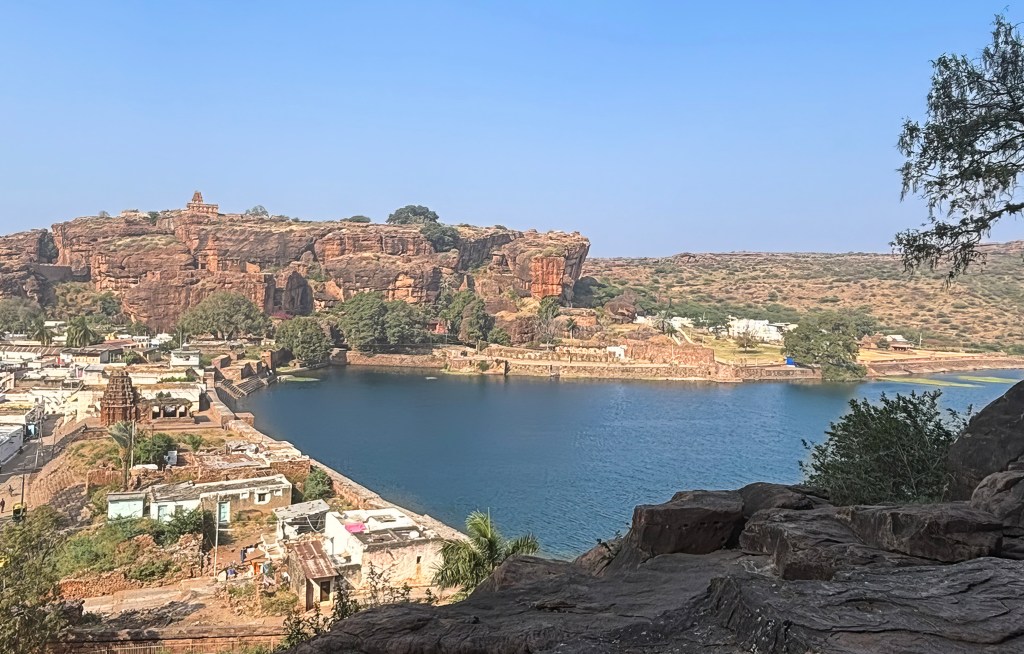
Final Thoughts
Split is beautiful city with so much to offer both in terms of great views of Adriatic sea, culture and history. We enjoyed our 3 day stay in Split and surrounding area. Staying close to old town definitely has advantage as you can explore the old town and palace without crowds even during peak summer.