Chasing Thunder: A Day at Montmorency Falls, Quebec City

Just fifteen minutes from the cobblestone streets of Old Quebec, there’s a waterfall that makes Niagara look short. Literally — Montmorency Falls stands at 83 meters, nearly 30 meters taller than its world-famous cousin. And yet somehow it stays off most travelers’ radar until they’re already booking their Quebec City trip and stumble across a photo that makes them do a double take.

I did exactly that. And I’m so glad I made the trip.
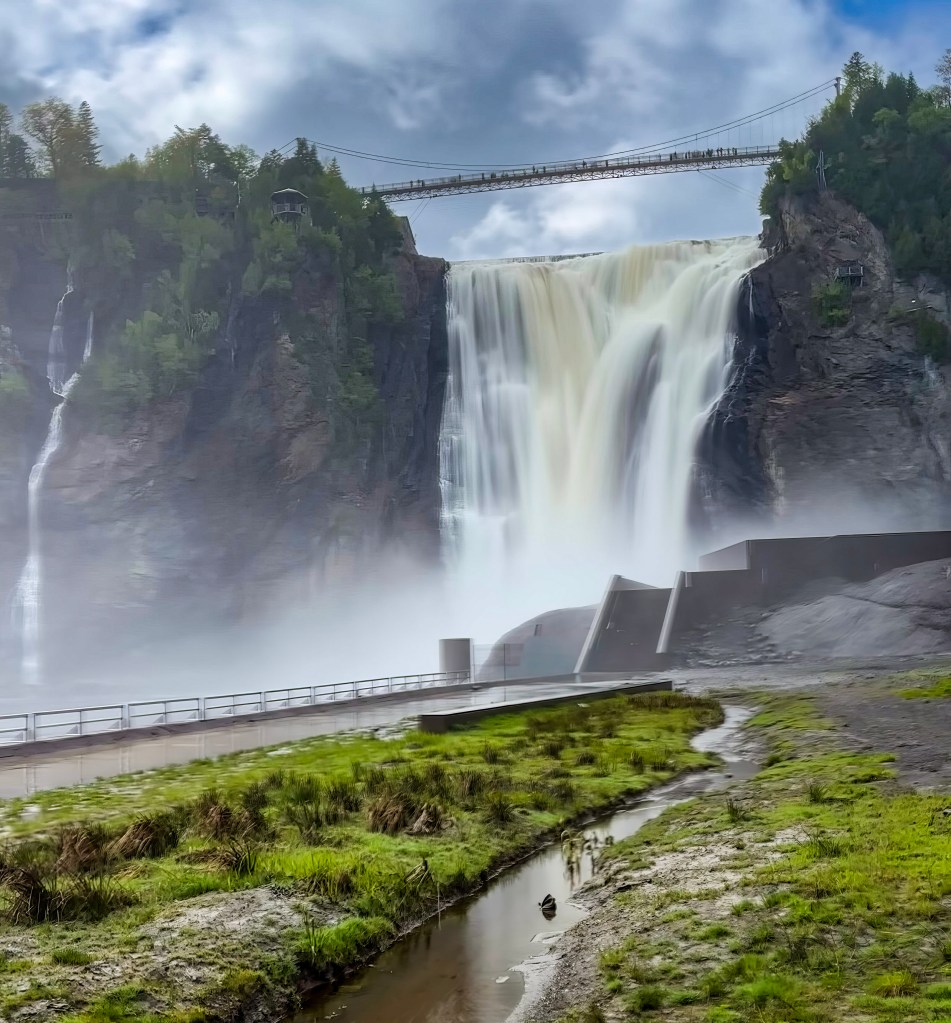
First Impressions: A Wall of White Water

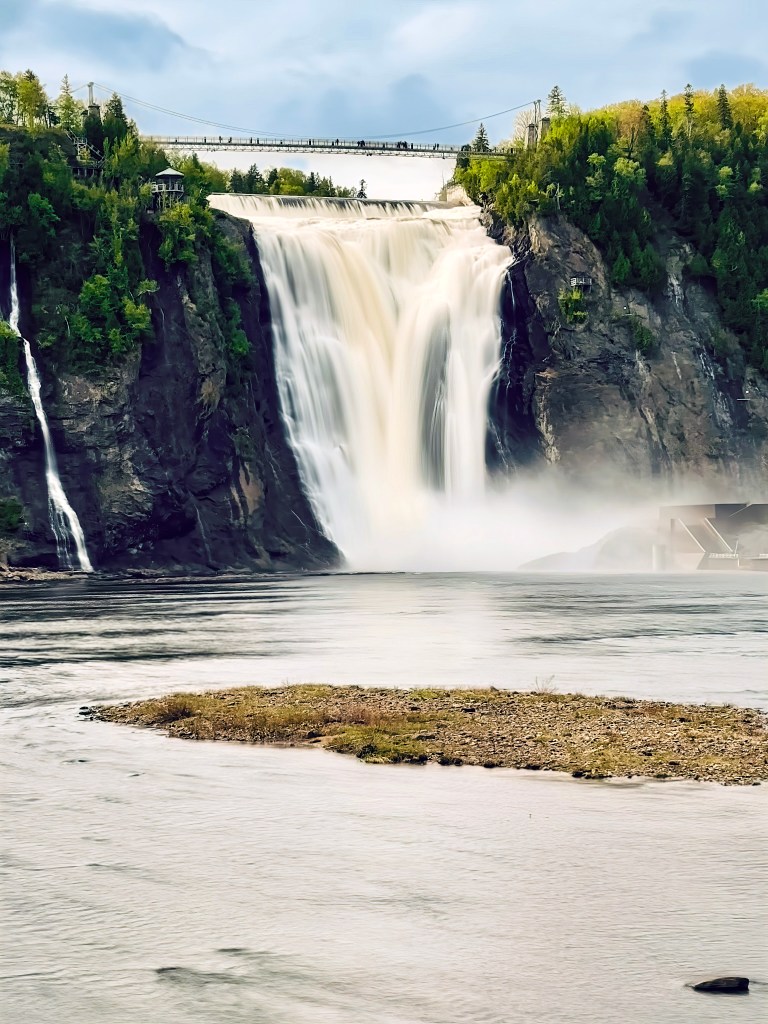
Nothing quite prepares you for your first look at Montmorency Falls from the base. The Montmorency River pours over a dark, moss-streaked cliff face in a single dramatic curtain, throwing up so much mist that it drifts across the whole basin like fog rolling in off the sea. On the day I visited, the water ran heavy and churned almost golden-white at the base — spring runoff, I was told, makes the falls even more thunderous than usual.

Smaller ribbons of water trickle down the cliffs on either side of the main falls, almost like the mountain itself is sweating from the effort of holding back the main event. It’s easy to just stand at the shoreline for twenty minutes, watching the spray catch the light, before you even think about moving closer.
Crossing the Suspension Bridge

The real showstopper, though, is walking across the pedestrian suspension bridge that spans the top of the falls. It’s suspended right at the point where the river tips over the edge, so you’re essentially standing above the drop with the entire cliff and basin sprawled out beneath you. The bridge sways gently underfoot — enough to remind you exactly how high up you are — and the roar of the water below drowns out most conversation.
Pro tip: don’t rush this part. Pause halfway across and look straight down. Watching the river accelerate right before it disappears over the edge is one of those moments that photos never quite capture, though you’ll try anyway.

The View From Above

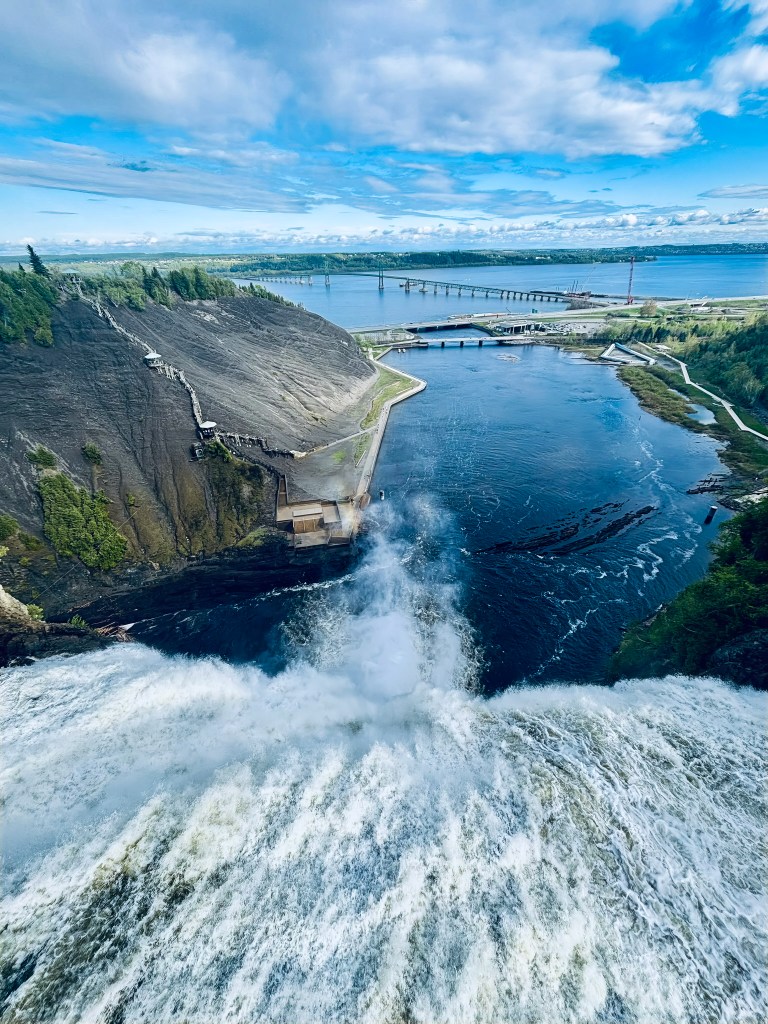
From the top of the cliff, the perspective flips entirely. Instead of looking up at a wall of falling water, you’re looking down over it — past the frothing crest of the falls, through the rising mist, to where the river fans out into a wide, calm basin dotted with little gravel islands. On a clear day you can trace the whole scene out toward the St. Lawrence River, where the Île d’Orléans bridge stretches across the water in the distance and the far shoreline rolls off into green hills.

It’s a genuinely dizzying vantage point — parts of the old hydroelectric infrastructure are visible clinging to the base of the cliff, dwarfed by the sheer scale of the falls above them, which gives you a real sense of just how much water is moving through this narrow gorge every second.

Getting Around the Park

Parc de la Chute-Montmorency is set up to let you experience the falls from every conceivable angle:

  • The cable car glides up the cliffside for those who’d rather skip the stairs (or save their legs for later).
  • The Panoramic Staircase — all 487 steps of it — zigzags down alongside the falls for anyone who wants the full up-close, misty-face experience. It’s a workout, but the switchback views make it worth every step.
  • Ziplining is available for the more adventurous, sailing right over the base of the falls.
  • Via Ferrata routes let climbers scale the cliffside rock face for an even more adrenaline-heavy perspective.

Even if you skip all the extras, simply walking the network of trails and viewpoints around the top and base of the falls will easily fill a couple of hours.

Practical Tips

  • Timing: Go earlier in the day if you can — the light hits the falls beautifully in the morning, and crowds build up by early afternoon, especially in summer.
  • What to wear: Bring a light rain jacket or expect to get misted, particularly near the base and on the suspension bridge when the wind shifts.
  • Season matters: Spring brings the most dramatic water volume from snowmelt; winter transforms the falls into a surreal ice formation nicknamed “the sugar loaf,” when frozen spray builds into a cone at the base. Both are worth planning a trip around.
  • How to get there: It’s a quick 15–20 minute drive or a short bus ride from downtown Quebec City, making it an easy half-day trip that pairs well with a morning or afternoon in Old Quebec.

Extend the Day: Île d’Orléans

If you’re already standing at the top of the falls, you’ve probably noticed the long bridge stretching out toward an island in the distance — that’s Île d’Orléans, and it’s an easy, worthwhile add-on to a Montmorency Falls day trip. The bridge crossing is just a few minutes past the park, so there’s very little extra driving involved for a lot of extra charm.

The island itself feels like a completely different pace of Quebec. Rather than cliffs and waterfalls, you get rolling farmland, roadside fruit stands, and a scattering of small villages that have kept much of their 17th- and 18th-century character. It’s often called the “Garden of Quebec,” and for good reason — the island is dense with orchards, vineyards, and berry farms.

A few things worth doing once you’re there:

  • Drive the loop road that circles the island — it’s about 67 km and takes you through all six of the island’s villages, each with its own stone church and waterfront views back toward Quebec City and the falls.
  • Stop for local food and drink. The island is known for its cider houses, small wineries, and maple products, and roadside stands sell strawberries and other produce in-season. It’s a great place to pick up a picnic.
  • Wander Sainte-Famille or Saint-Jean, two of the prettiest villages, with old stone houses and quiet harbor views.
  • Catch the view back toward the falls. From certain points along the island’s western shore, you get a completely different perspective on Montmorency Falls and the St. Lawrence — worth the stop just for the photo.

Because the island is small and the loop road is relaxed, you can easily fold a few hours here into the same day as your falls visit — starting with the roar and mist of Montmorency in the morning, then unwinding with orchard views and cider tastings on Île d’Orléans in the afternoon.

Why It’s Worth the Trip

Montmorency Falls has this rare quality of feeling both wild and completely accessible — a genuinely massive natural spectacle you can reach without a long hike or a wilderness trek. Whether you’re peering over the suspension bridge, catching your breath partway up the staircase, or just standing at the water’s edge letting the mist settle on your face, it’s the kind of place that turns a quick stop into an unplanned hour of just watching the water fall.

If Quebec City is on your itinerary, don’t let this one slip past as a footnote. Pair it with an afternoon on Île d’Orléans, and you’ve got one of the best half-day-turned-full-day excursions the region has to offer.
A Royal Retreat at Evolve Back, Hampi: Where Luxury Meets the Soul of Vijayanagara

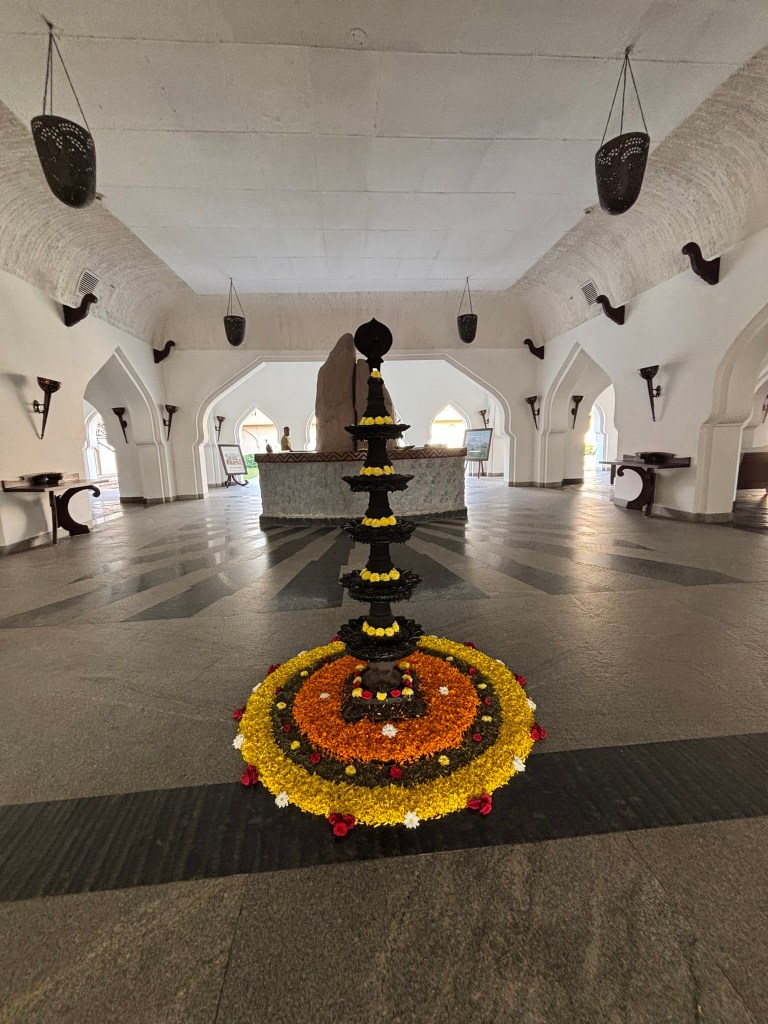
Arriving at Evolve Back, Hampi feels like stepping into a living chapter of the Vijayanagara Empire. We traveled overnight on the Hampi Express from Bengaluru. We reached Hospet at 7 AM. A warm smile and a private car from the resort awaited me at the station. As we drove through banana plantations and paddy fields, I caught the first glimpses of Hampi’s boulder‑strewn hills. The landscape slowly shifted from the ordinary to the mythical. By the time we reached the resort’s grand entrance, I felt as though I had crossed into another era.

A Welcome Steeped in Tradition

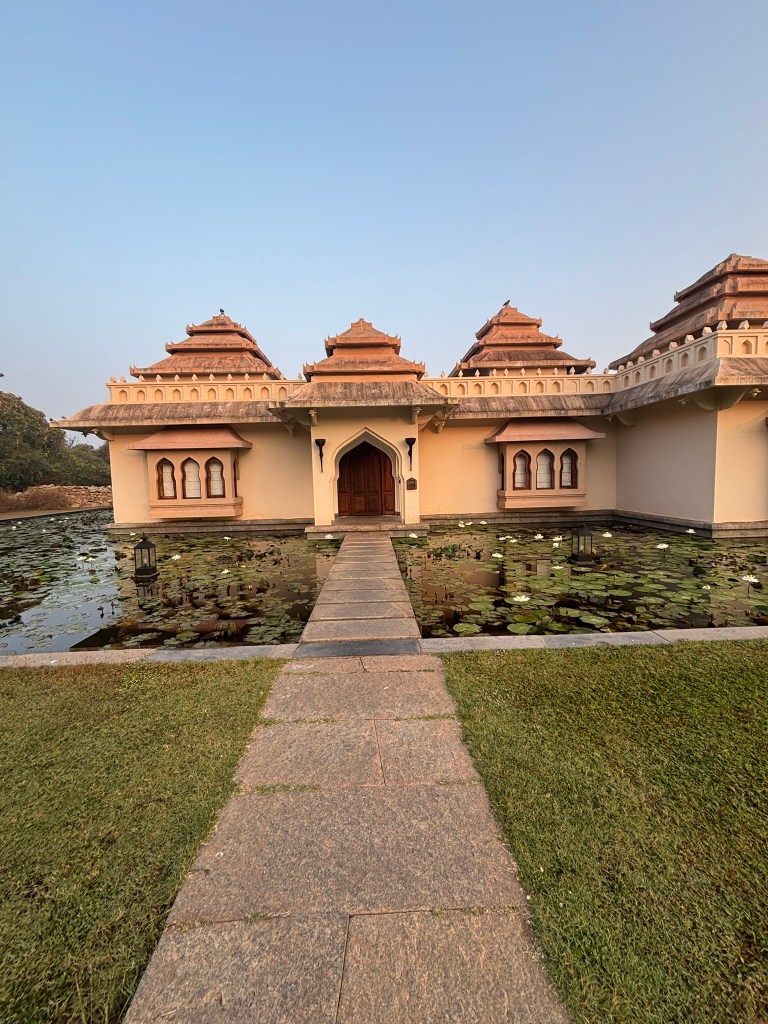
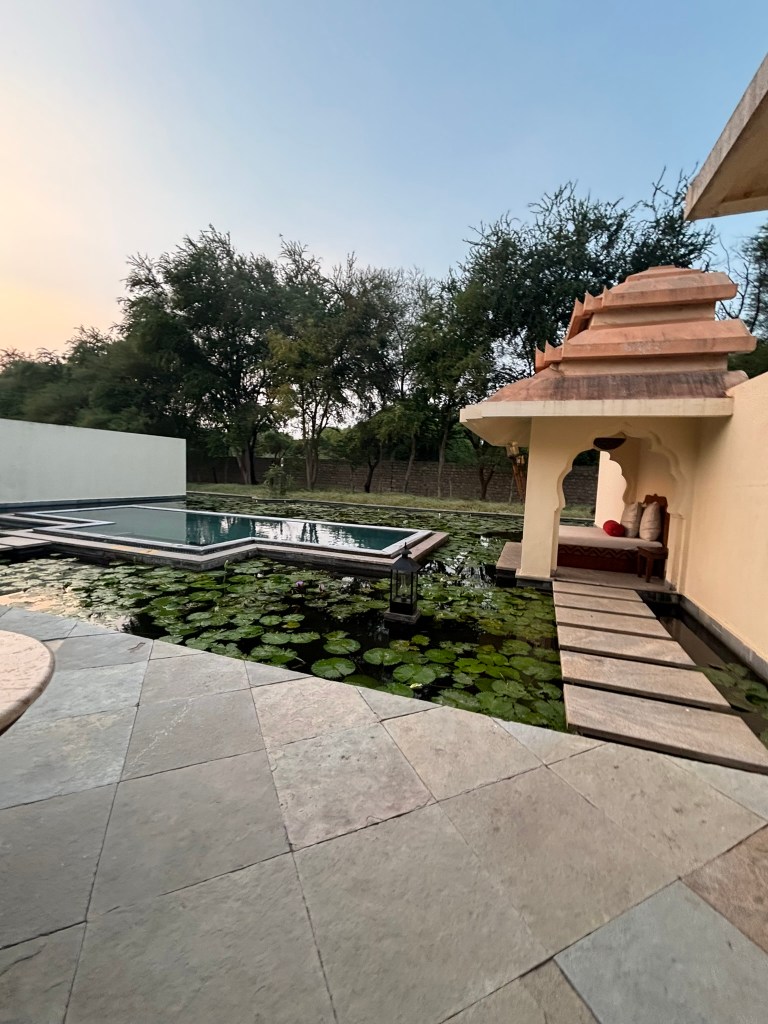
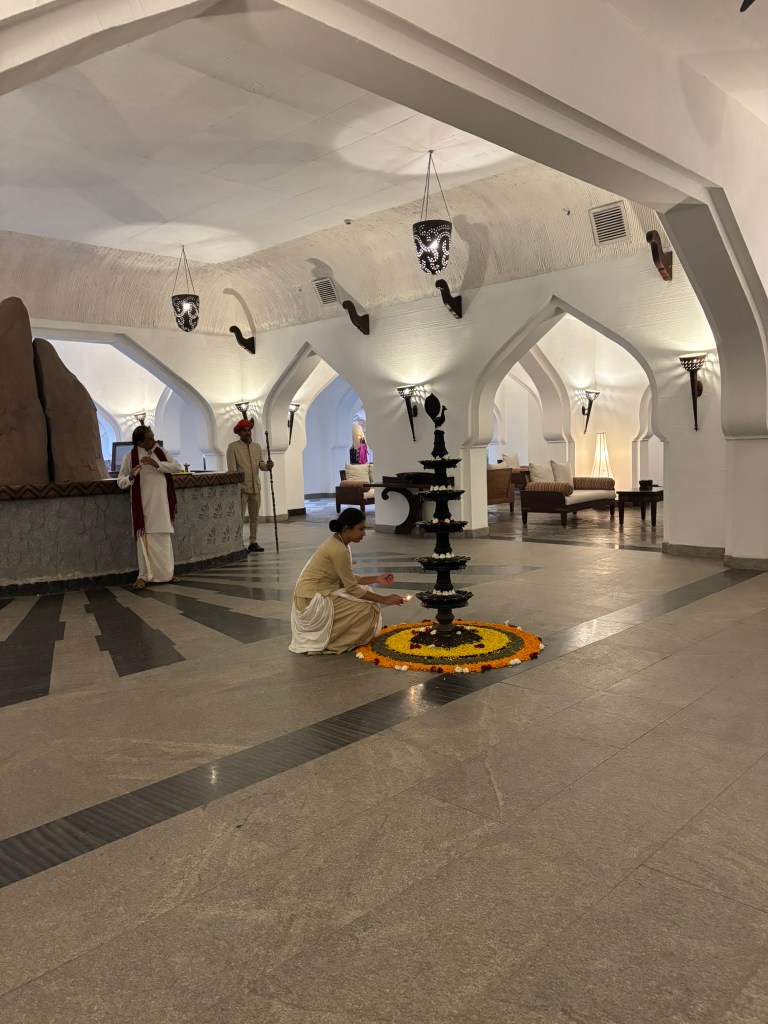
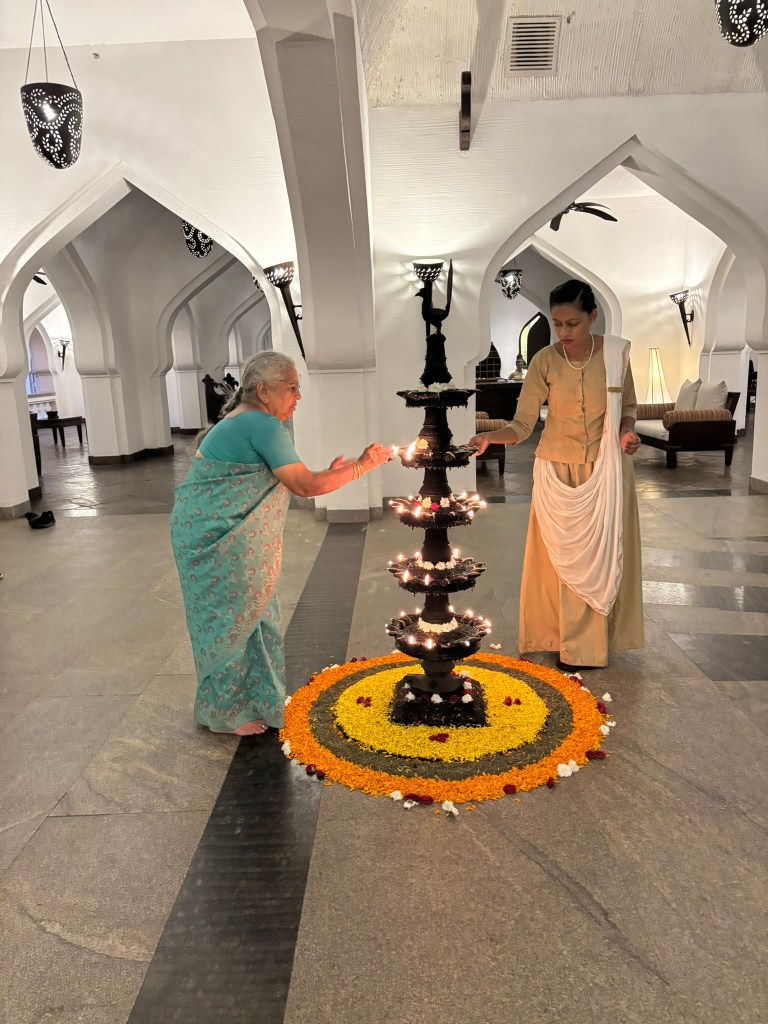
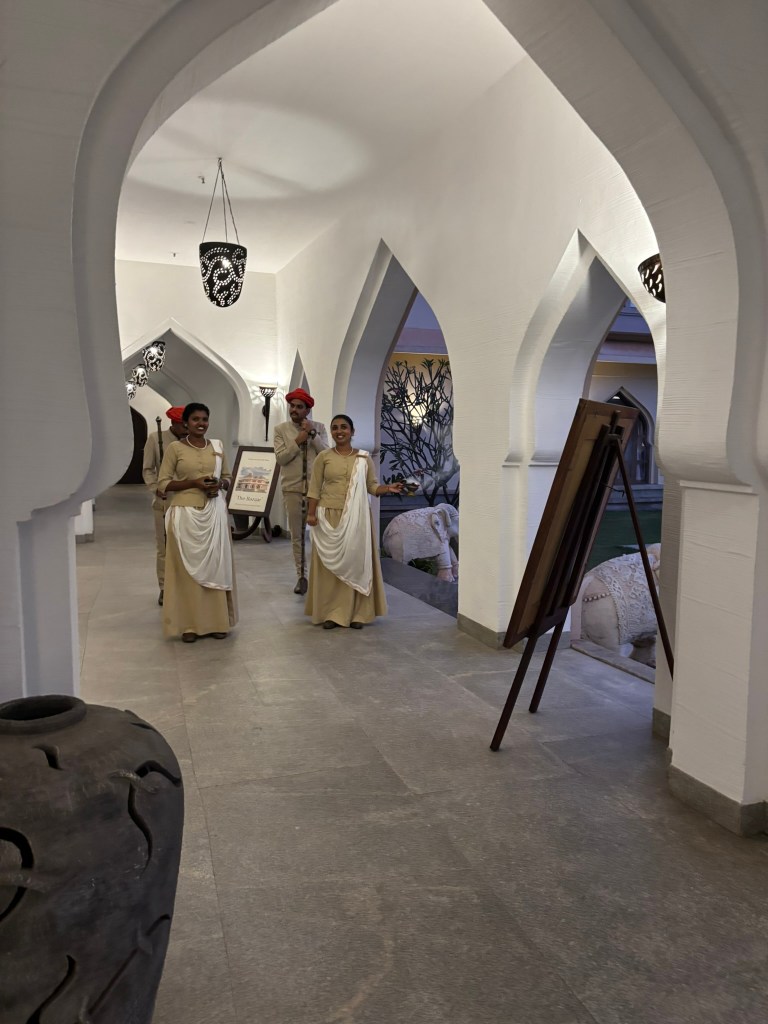
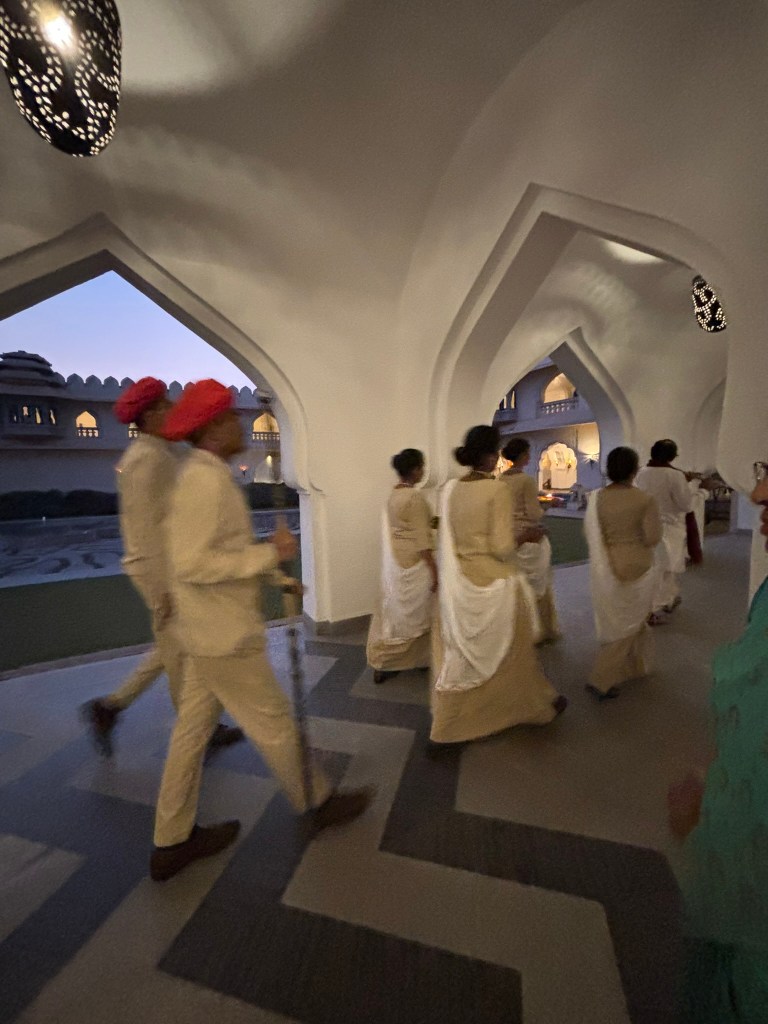
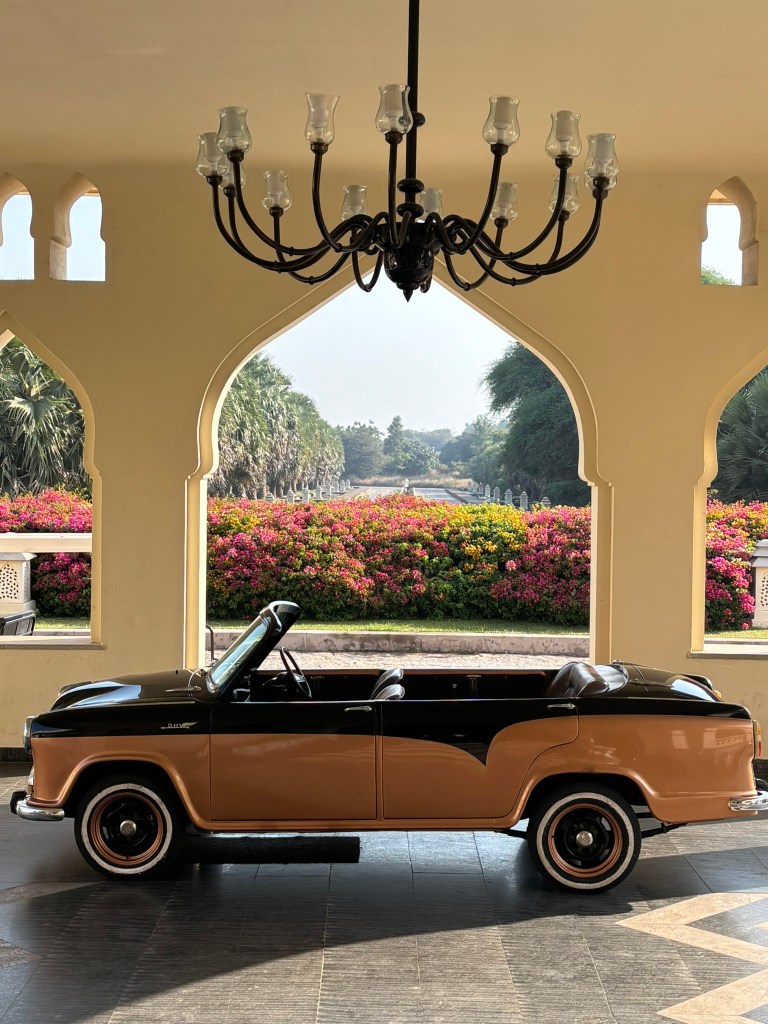
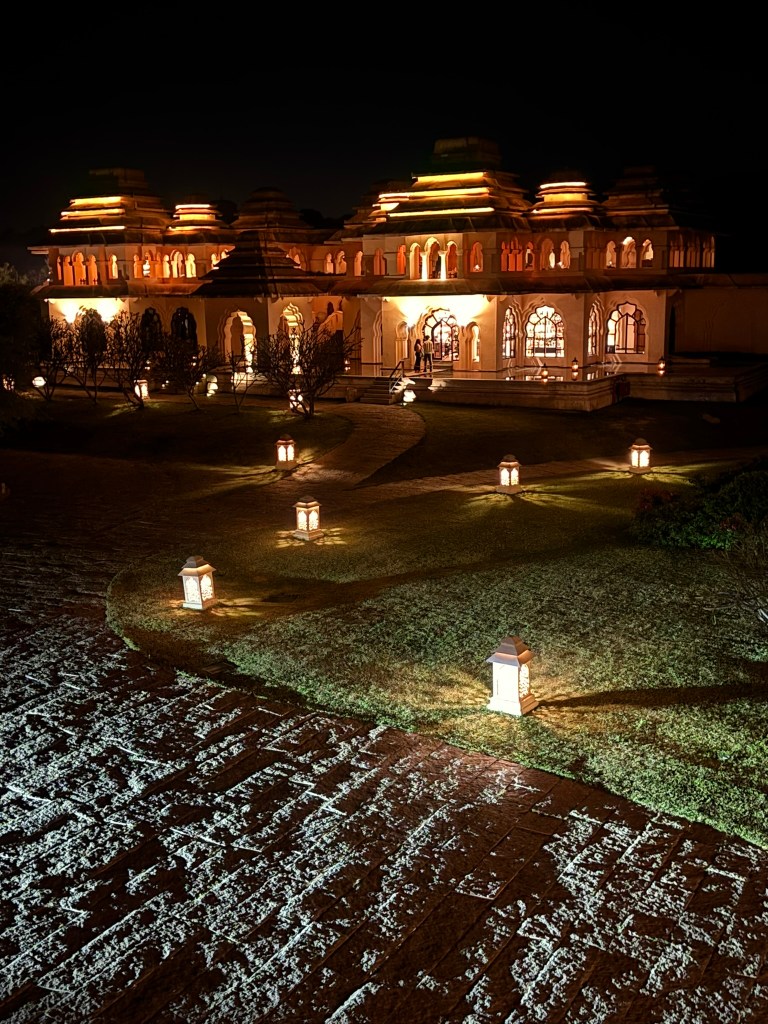
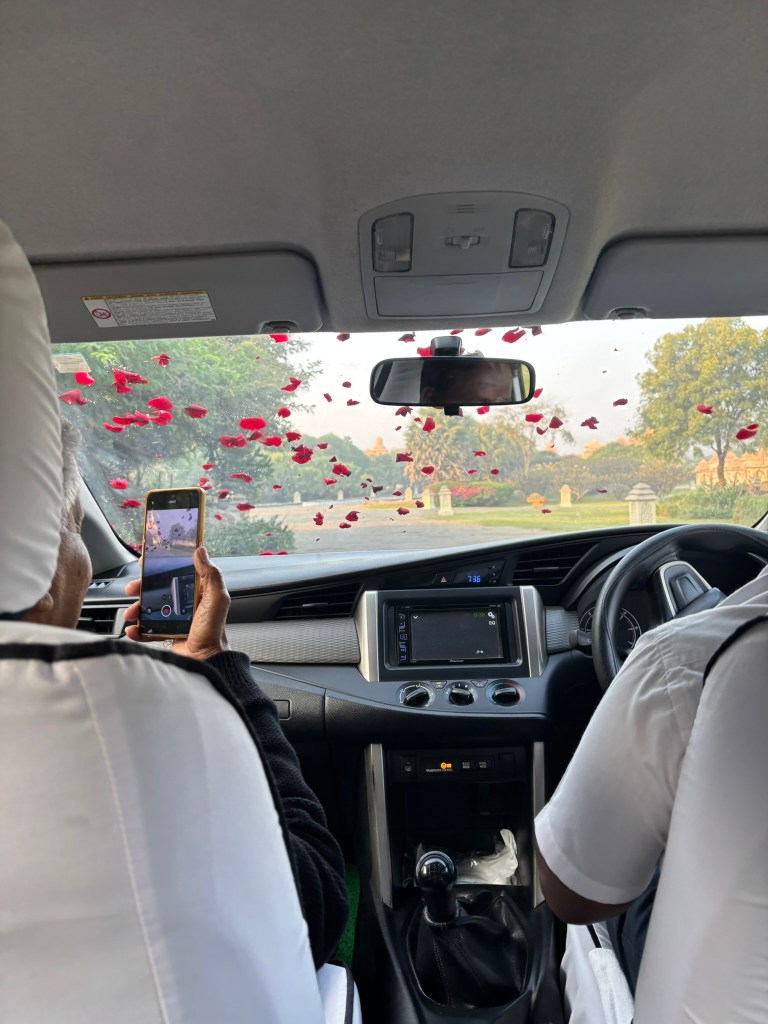
The moment our car stepped into the palatial entrance, we were greeted with a shower of rose petals. A traditional welcome ceremony was held in the hotel’s courtyard, complete with aarti, sandalwood tilak, and warm smiles. The architecture around me echoed the grandeur of the Vijayanagara palaces. There were lotus‑filled water bodies and courtyards that glowed in the morning sun. It felt less like checking into a hotel and more like being welcomed into a royal residence.

Where Heritage Meets Luxury: The Accommodations

Evolve Back offers a range of suites, each inspired by a different facet of Vijayanagara architecture and royal life.

  • Jal Mahal is the resort’s most indulgent offering—a water‑surrounded sanctuary inspired by the Zenana Enclosure’s Water Palace. Ideal for families or couples celebrating something special, it blends pavilions, arches, and serene courtyards. Together, they create a private world of luxury.
  • Zenana Suites, located in the main palace building, draw inspiration from the Queen’s Quarters. Understated, elegant, and intimate, they are perfect for couples seeking romance in a period setting.
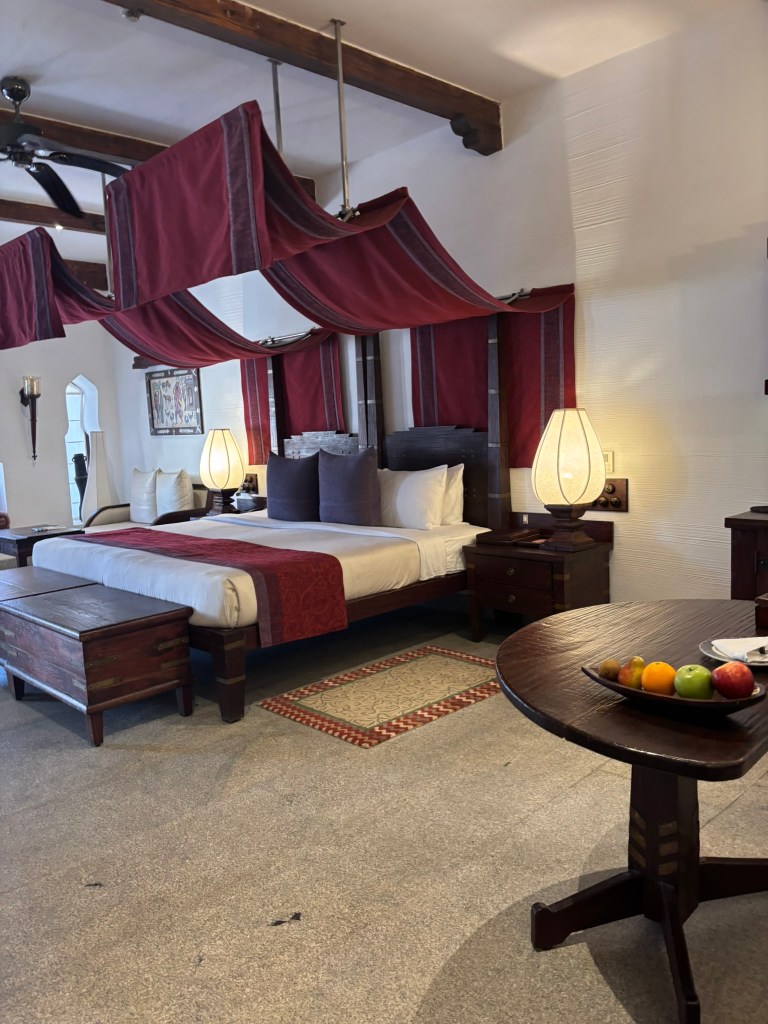
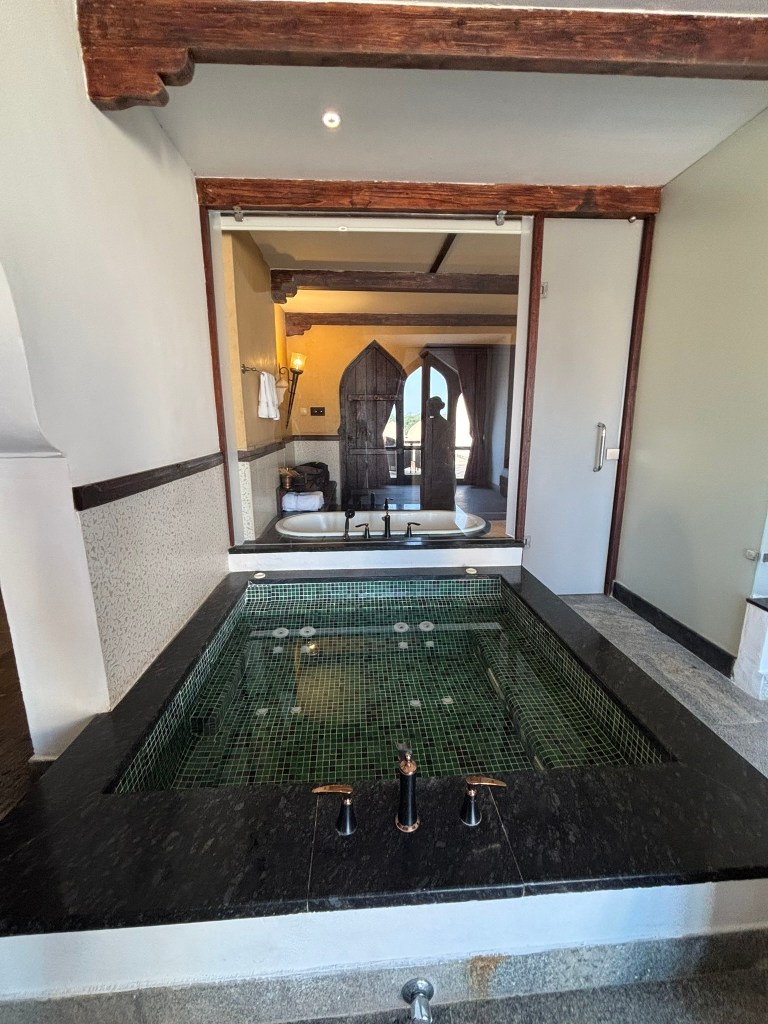
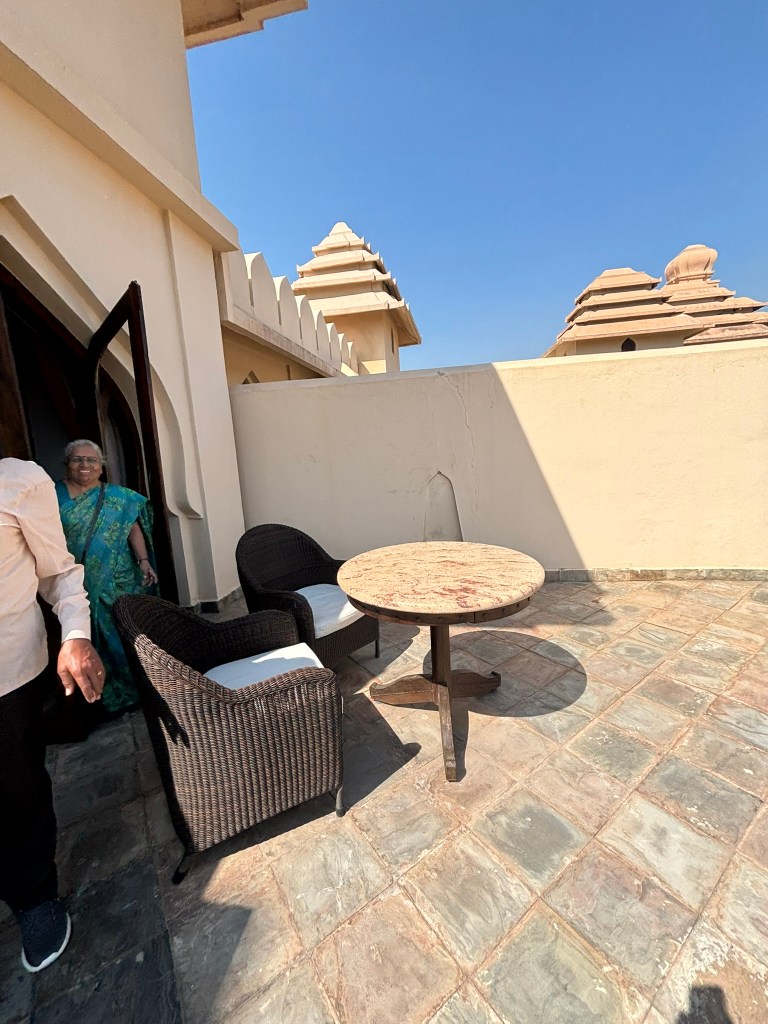
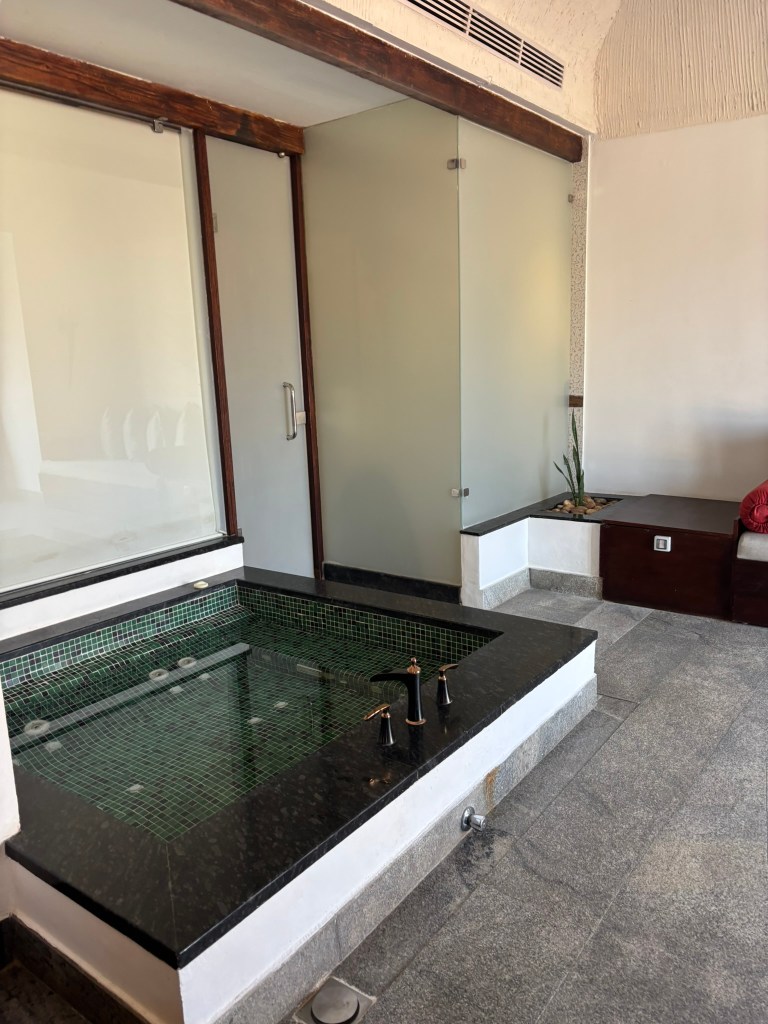
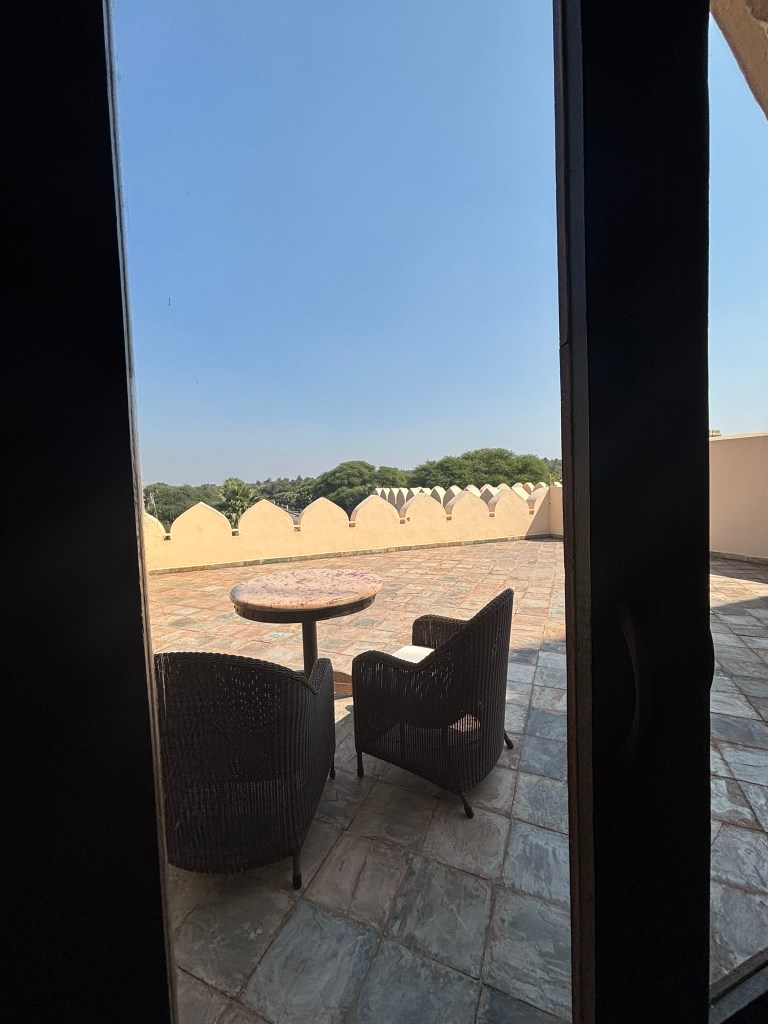
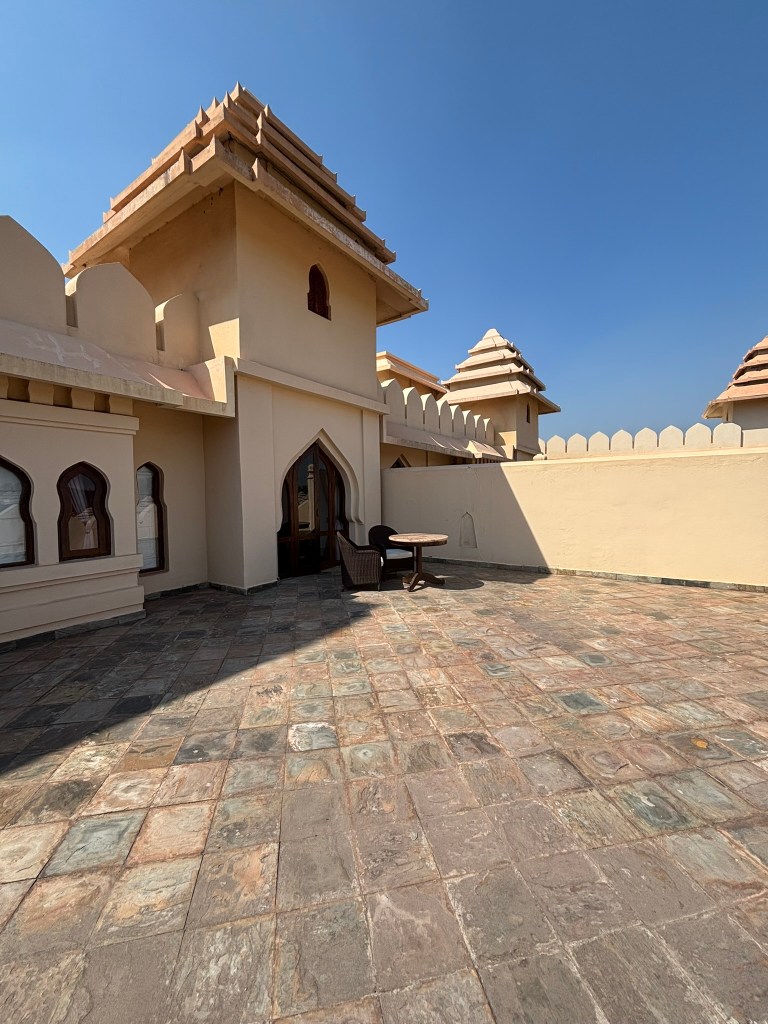
  • Nilaya Terrace Suites, where we stayed, offers a beautiful blend of historical elegance and modern comfort. These suites have a private terrace overlooking the boulder hills. They feel like a quiet, elevated retreat. This setting is perfect for travelers who appreciate space, privacy, and a touch of old‑world grandeur.
  • Nivasa Suites are refined palace‑style rooms. They are inspired by Vijayanagara’s architectural heritage. They offer a peaceful, luxurious cocoon for those who prefer a more intimate setting.

Each category reflects a different mood. However, all share the same thoughtful craftsmanship. They also share the warm hospitality that defines the Evolve Back experience.

Inside the Nilaya Suite: A Sanctuary of Comfort and Craft

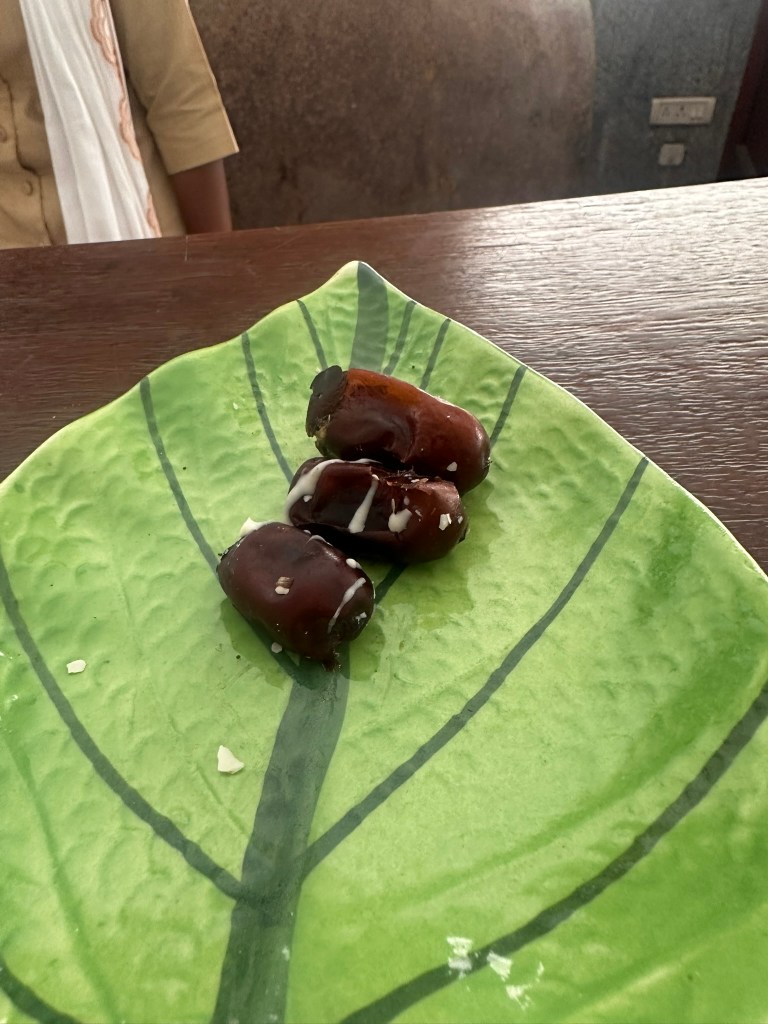
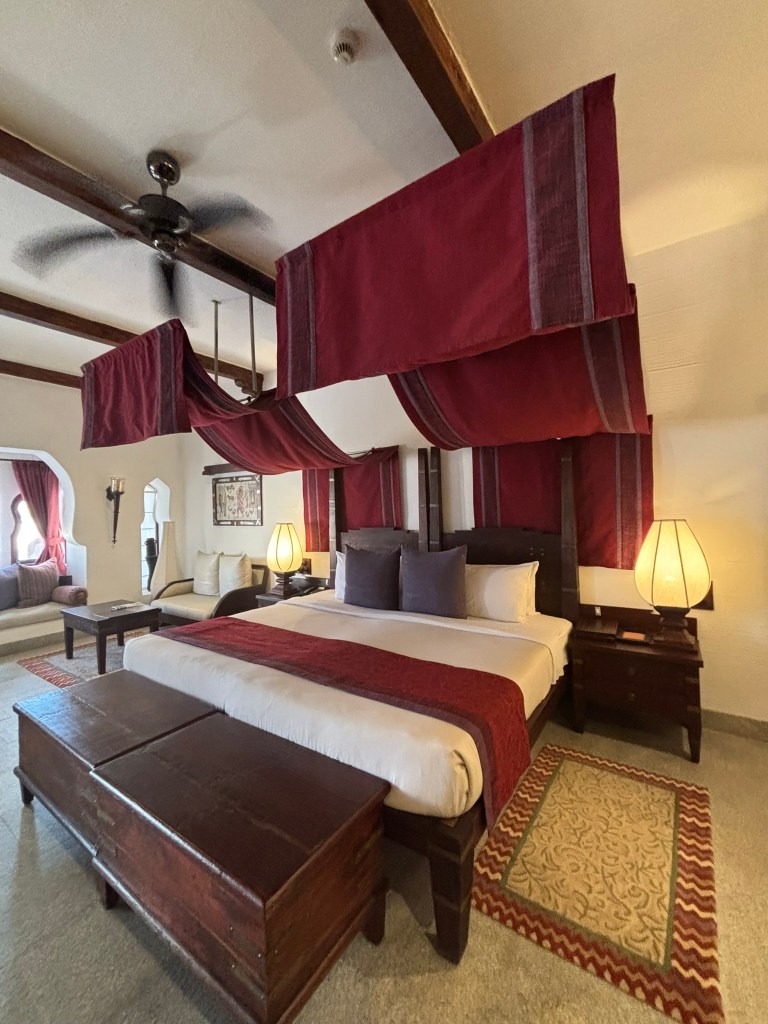
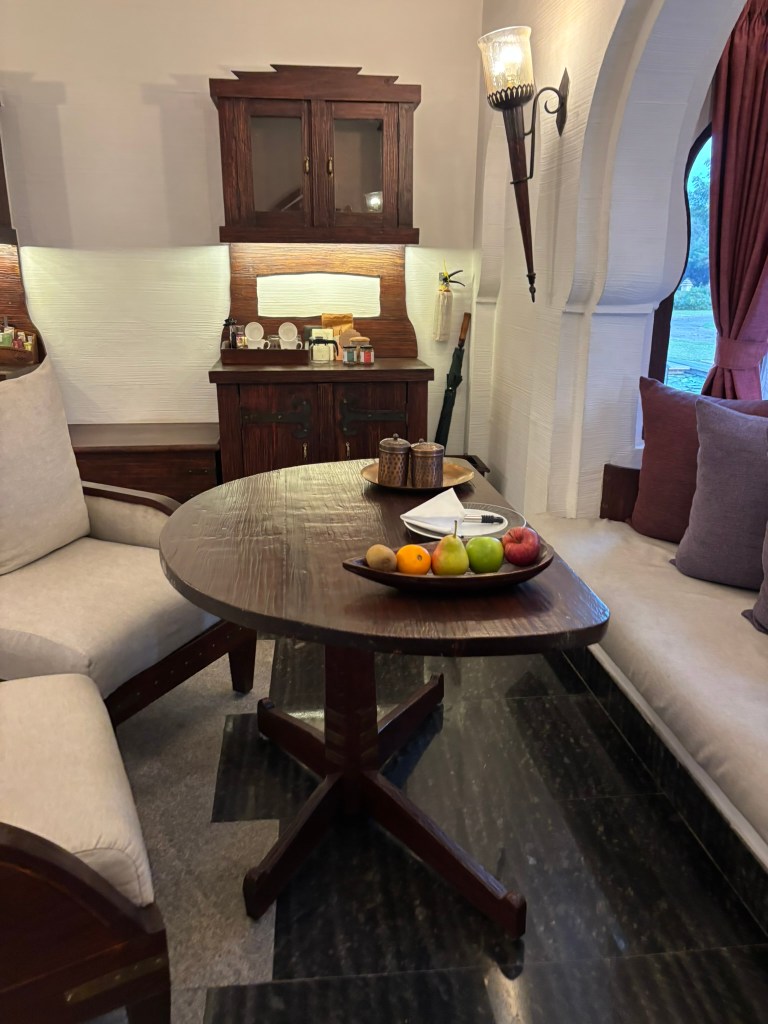
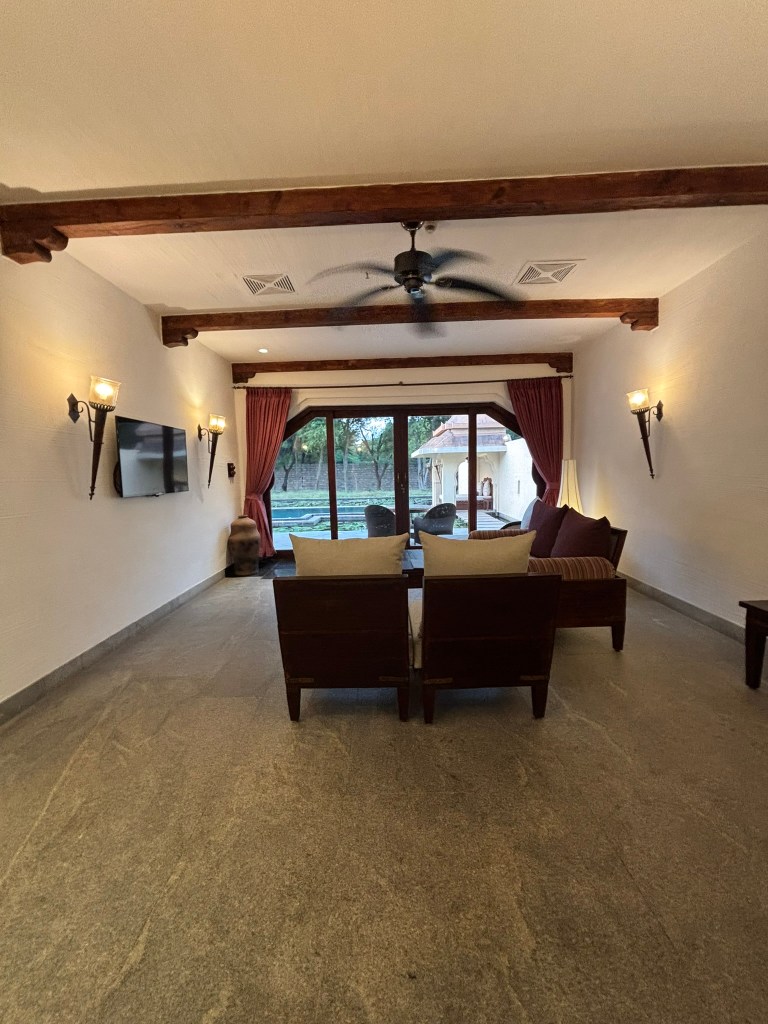
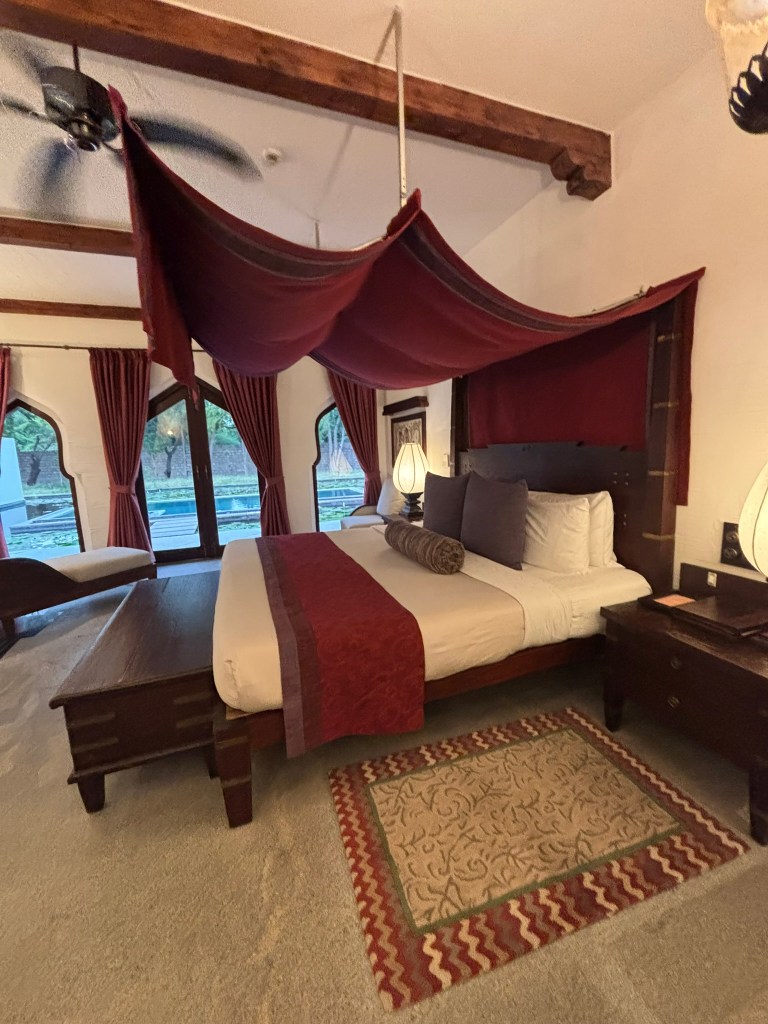
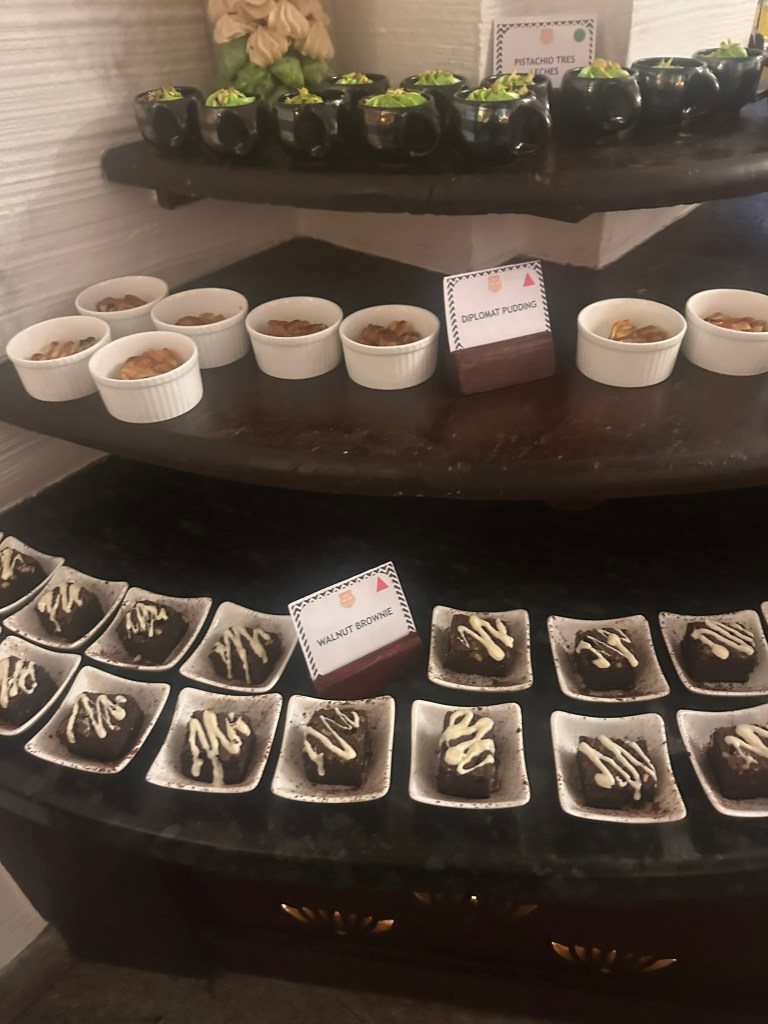
Our Nilaya suite was a serene blend of stone, wood, and soft textiles. It served as an elegant tribute to the gracious living of a bygone era. Polished floors, carved furniture, brass lamps, and warm lighting created an atmosphere that was both regal and comforting. A plate of traditional sweets awaited us on arrival, a thoughtful gesture that made the space feel instantly welcoming. A well‑stocked coffee and tea station with artisanal blends and handcrafted cups made even a simple morning brew feel indulgent.

Housekeeping visited daily, leaving the room spotless and subtly refreshed. Fresh flowers added small touches of care. Neatly folded towels enhanced the feeling of being personally tended to. Occasionally, an incense cone was also added. In the evenings, soft lighting gently transformed the room into a peaceful sanctuary. The gentle turndown service made it perfect after long days exploring Hampi’s ruins.

Hawa Mahal: Breeze, Light, and Romance

Another category worth mentioning is the Hawa Mahal, a suite designed to capture the softest breeze and the gentlest light. It is inspired by airy palace pavilions. It features jharokha‑style windows and latticed screens. There is also a spacious lounge area that opens to views of the boulder hills. With its four‑poster bed, artisanal amenities, and thoughtful touches, Hawa Mahal is ideal for couples seeking a romantic, intimate retreat. We got to tour one of the suites when it was empty.

Breakfast Like a Maharaja

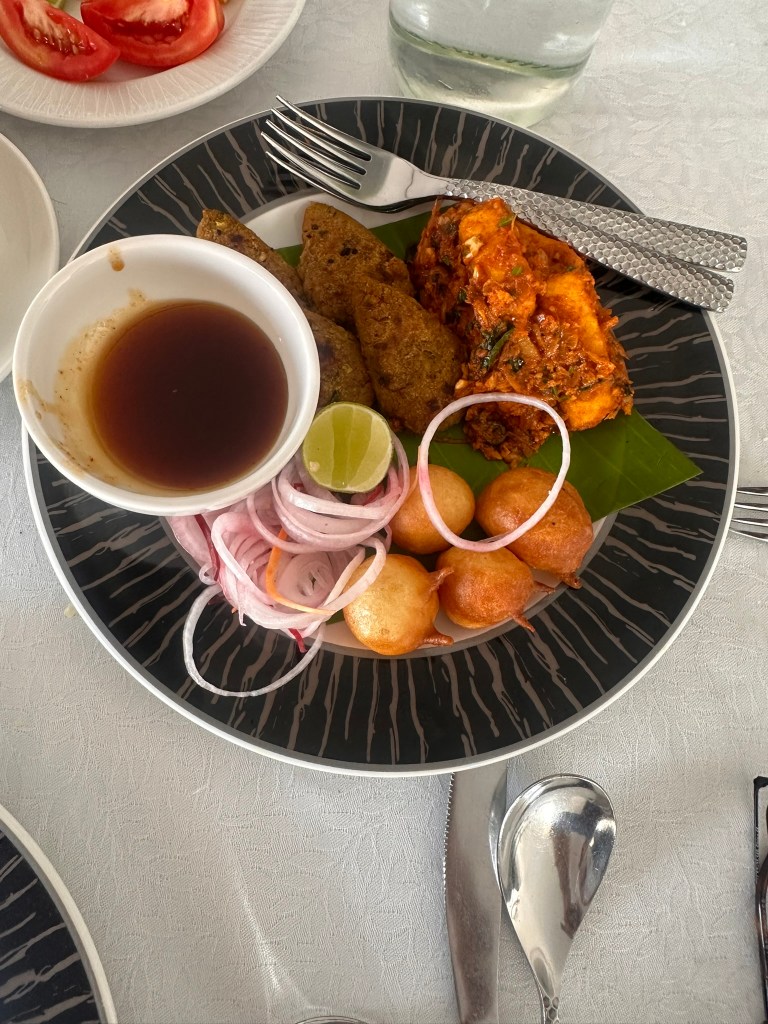
Breakfast at Evolve Back is a celebration of Karnataka’s culinary heritage. The buffet spread features everything from crisp dosas and soft idlis to banana‑flower vadas, freshly churned butter, and local jaggery. Tropical fruits, homemade preserves, and freshly baked breads add to the feast. The highlight, however, is the filter coffee—rich, aromatic, and served with the kind of pride that only comes from tradition.

Morning Nature Walk: A Quiet Dialogue with the Land

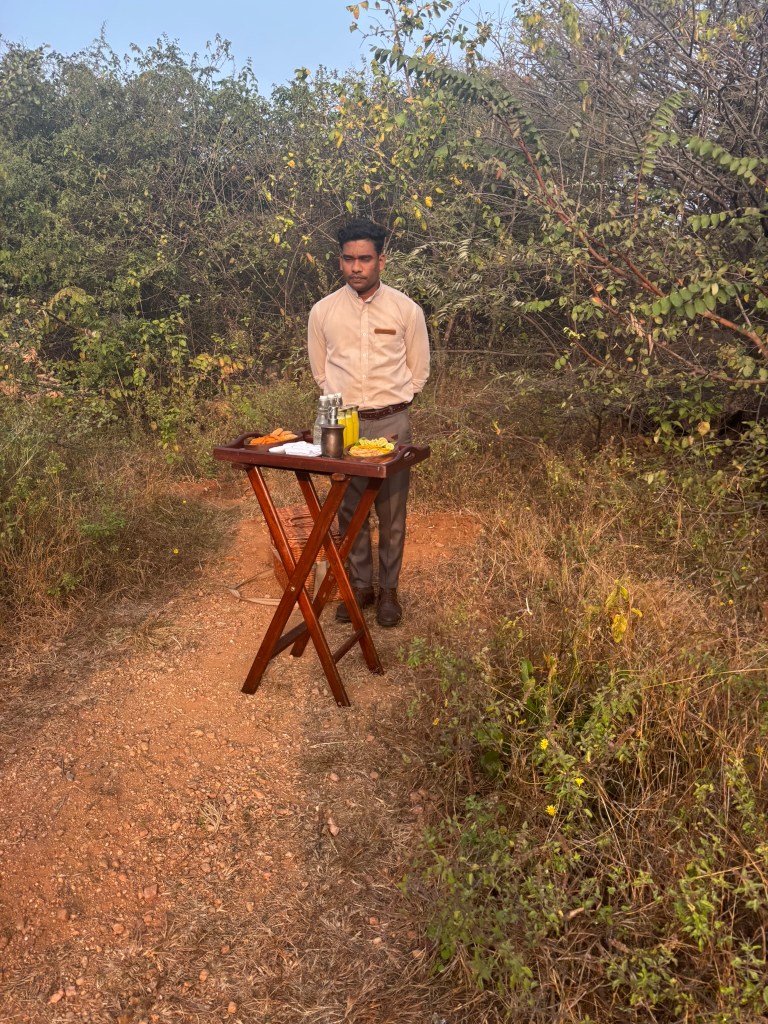
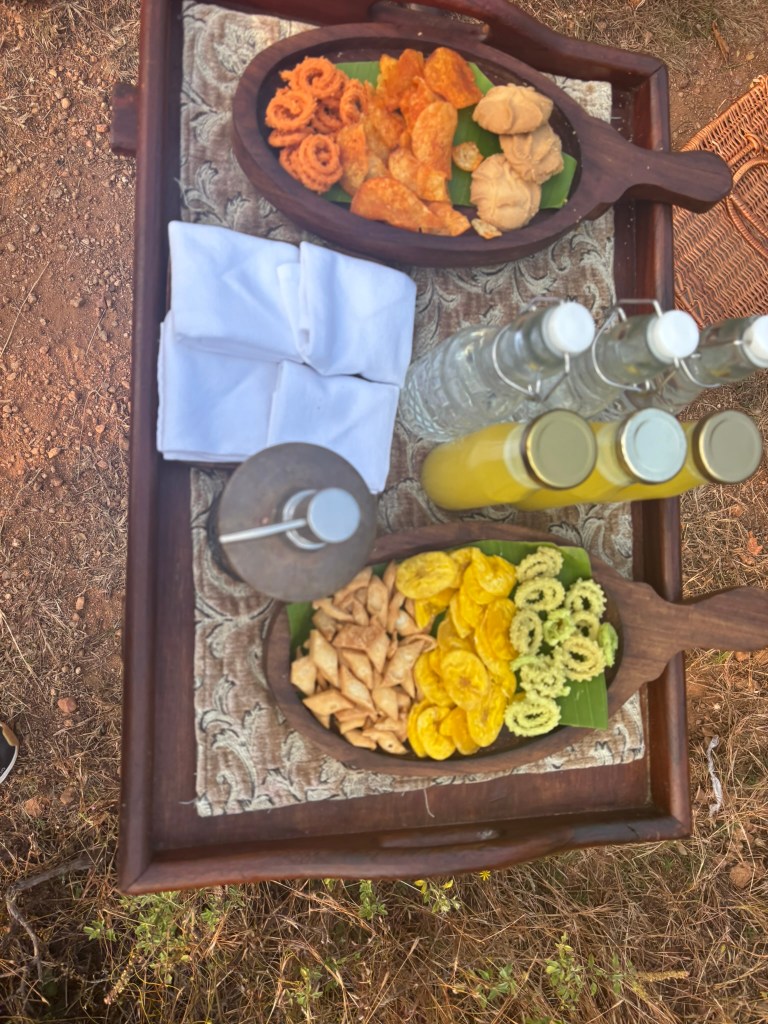
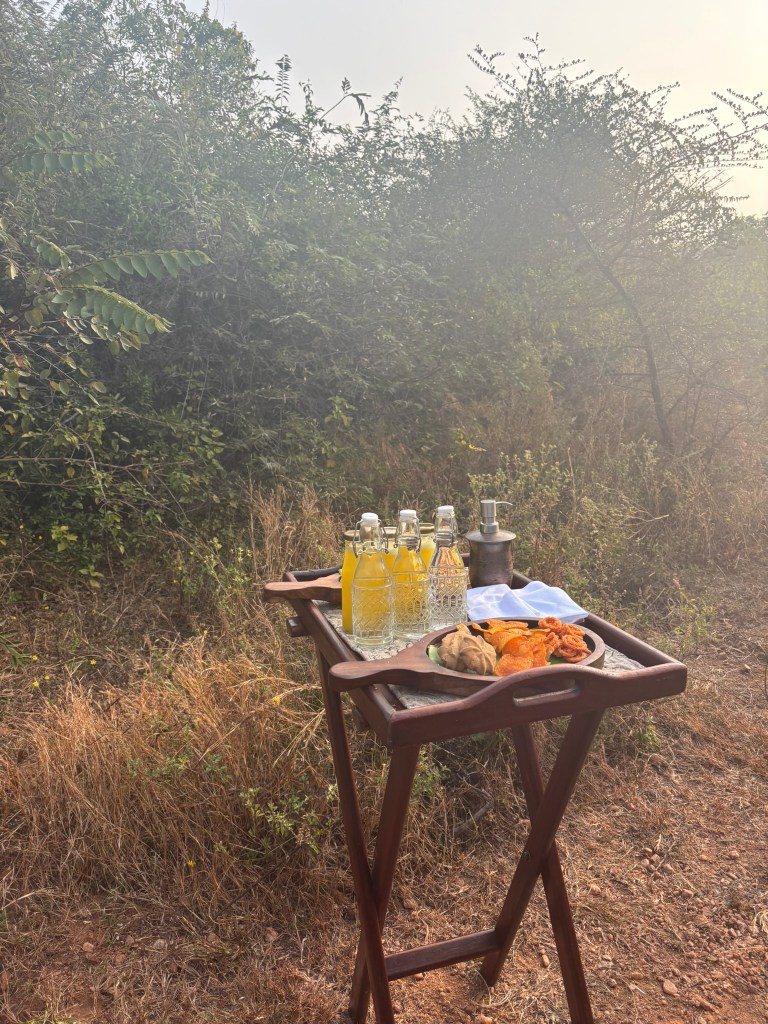
One of the most grounding experiences at the resort is the morning nature walk. Led by a naturalist, the walk takes you through quiet trails lined with neem, tamarind, and wild grasses. As the first light spills over the granite hills, you pause to observe birdlife. You notice tiny wildflowers. You also appreciate the ancient terrain shaped over four billion years. It feels less like an activity and more like a gentle conversation with the land—a mindful beginning to the day. At the end of the nature walk, a surprise awaits in the form of fresh juices and snacks surrounded by birds.

Evenings of Ritual, Music, and Storytelling

Evenings at Evolve Back are nothing short of magical.

The Evening Aarti

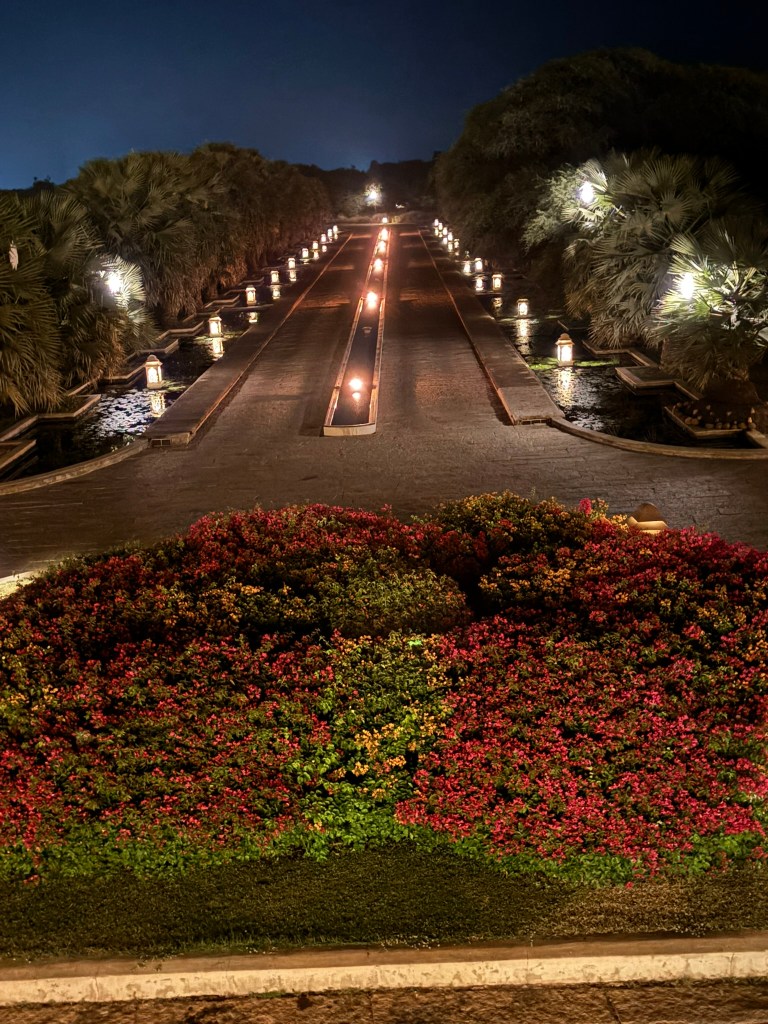
At dusk, guests gather near the central water pavilion for a serene aarti ceremony. The sound of conch shells, temple bells, and chanting creates a cocoon of calm. The flickering lamps reflect in the water like liquid gold.

Music Under the Stars

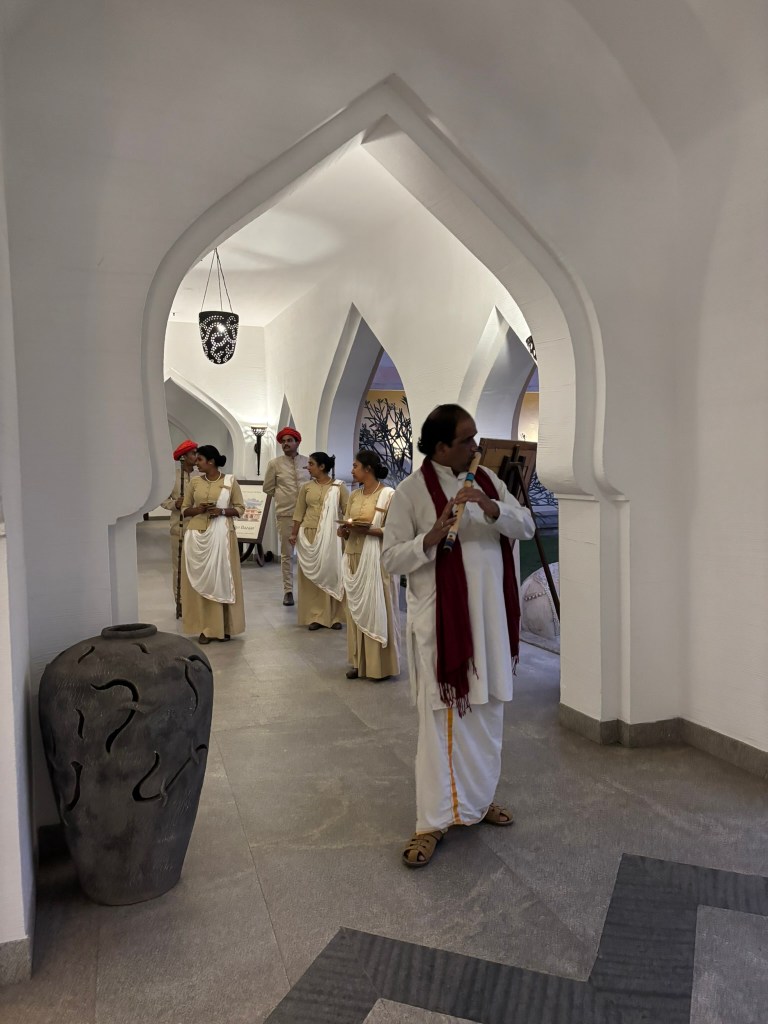
Soon after, the courtyard fills with the soft strains of live classical music—sitar, flute, veena, or folk percussion. The melodies drift through the arches, mingling with the scent of jasmine and incense.

Story Time

A local historian or storyteller narrates tales of the Vijayanagara Empire—its rise, its glory, its legends. Listening to these stories in a setting inspired by the empire itself is a memorable experience. The memories linger long after the night ends.

Dinner: A Feast of Flavors

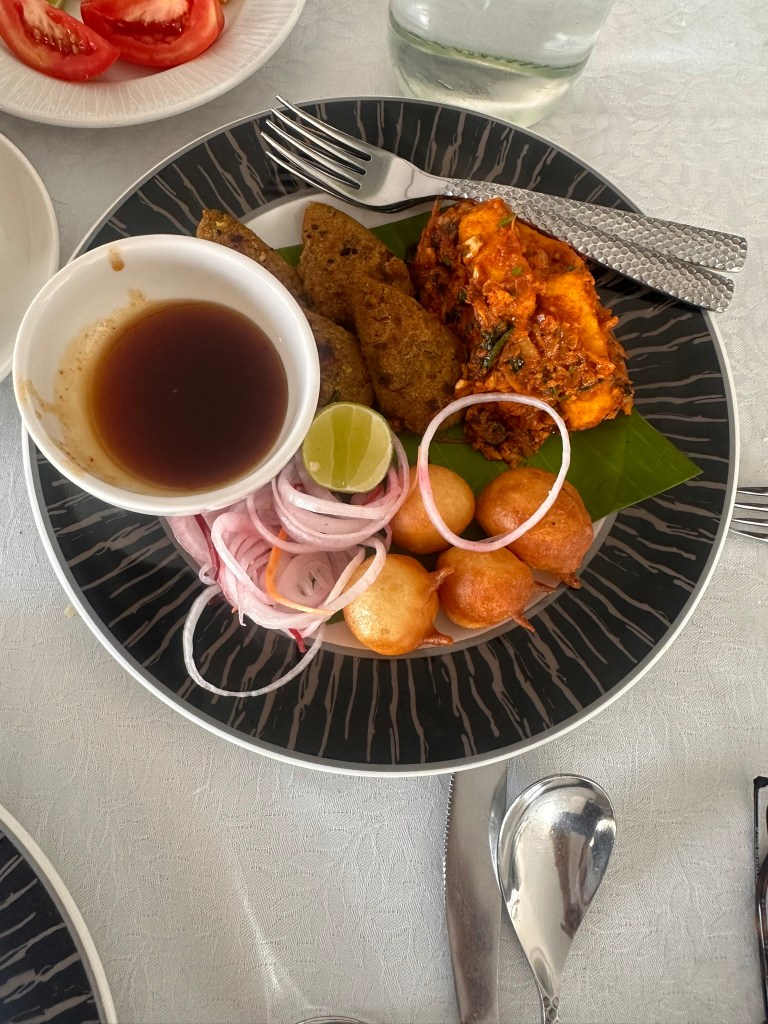
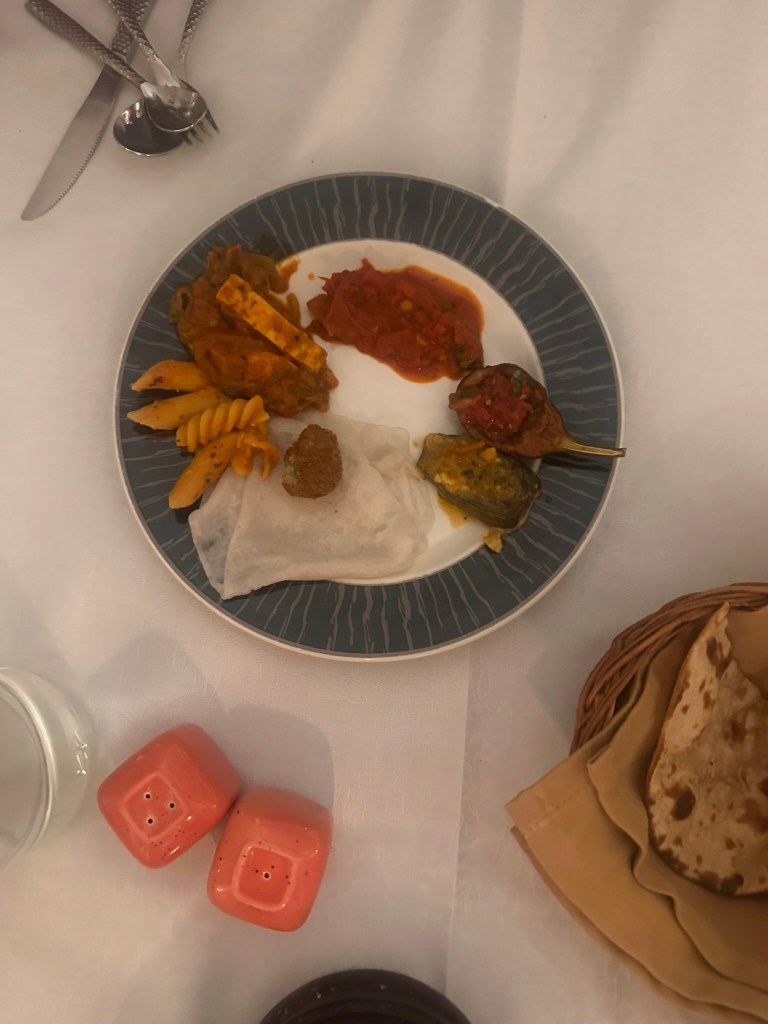
Dinner is a slow, indulgent affair. Whether you choose the fine‑dining restaurant or the open‑air setting, the experience is exquisite. Traditional thalis and regional curries are served. Millet‑based dishes and freshly baked breads are available. Desserts infused with coconut, jaggery, and cardamom make every meal a tribute to Karnataka’s culinary heritage.

Signature Excursions: Exploring Hampi with Experts

Evolve Back curates a series of guided trails that bring Hampi’s history, mythology, and geology to life:

  • Virupaksha Trail — Ugra Narasimha, Hemakuta Hill, Krishna Temple, Sasivekalu and Kadalekalu Ganesha, Virupaksha Temple
  • Vittala Trail — Stone Chariot, musical pillars, riverside mandapas
  • Raya Trail — Royal Enclosure, Queen’s Bath, Lotus Mahal, Hazara Rama Temple
  • Tungabhadra Trek & Coracle Ride — sunset coracle ride past Kotilinga Temple and riverside ruins
  • Anegundi & Anjanadri Hill — sunrise hike to Hanuman’s birthplace, craft clusters, banana‑silk weaving

Each trail is led by knowledgeable naturalists and historians who weave together geology, architecture, mythology, and local stories. We completed each of these excursions over 3 days. We had an amazing guide. He made visiting the historic places incredible with his knowledge.

I have written about our experience on each of these trails here

Other amenities

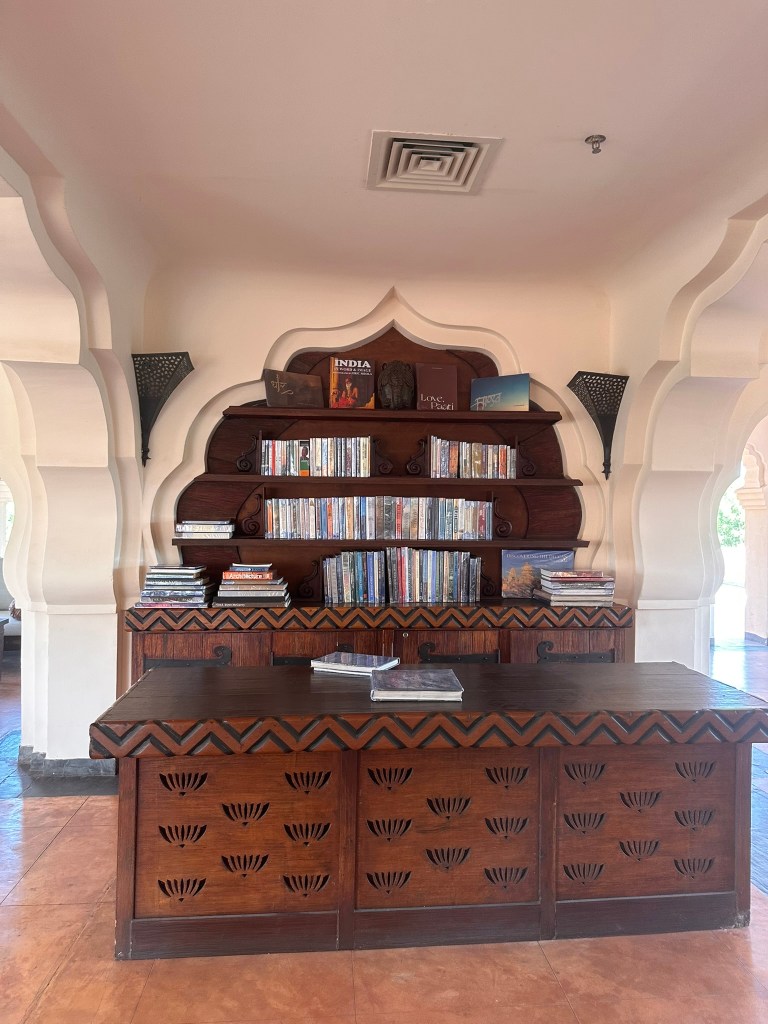
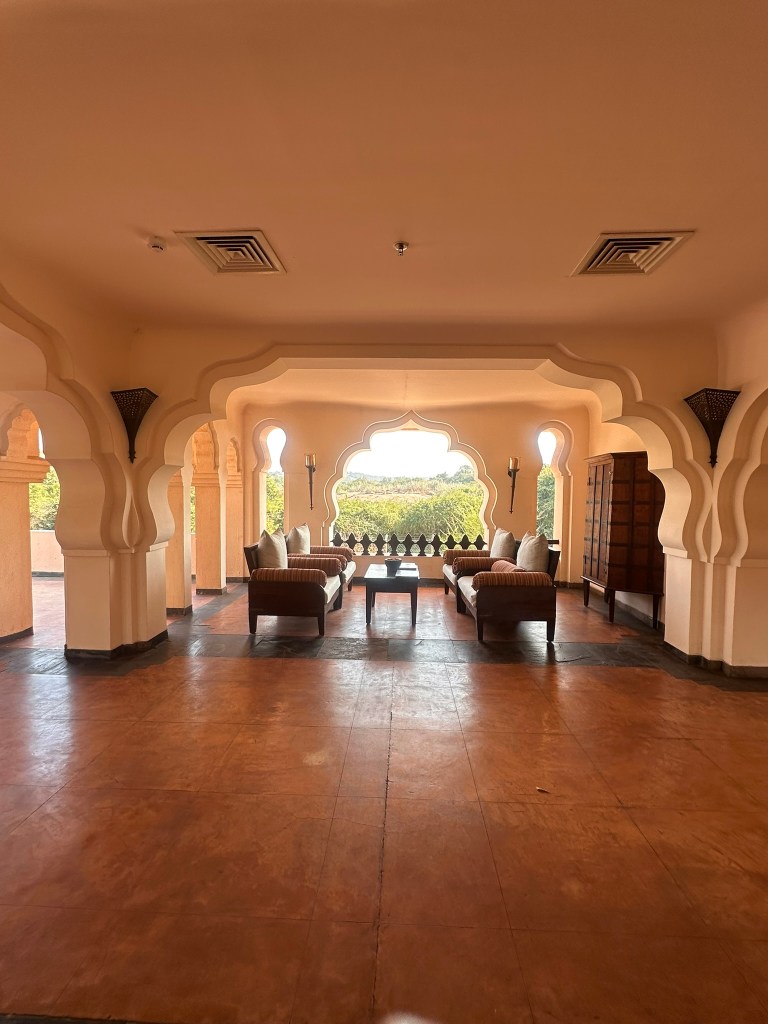
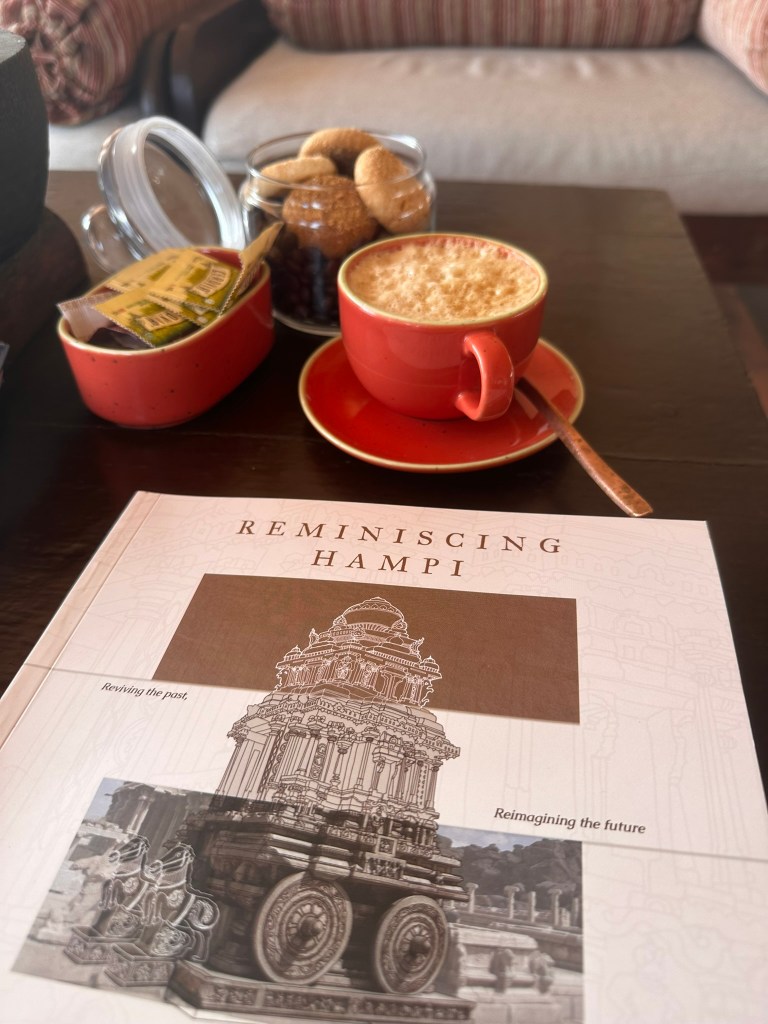
The Evolve Back Hotel has a bookstore, library, and spa. We didn’t have enough time to check out the spa. My favorite place was the library. I would spend my afternoons here after the morning excursions. On the first day I was here, a staff member approached me. They asked if I would like to have coffee or tea. Then, they brought cookies to enjoy with my drink. This is a complimentary service and became my favorite ritual during the stay. The kind of corner invites you to linger. Between the earthy stone architecture and light breeze coming through the open windows, I would get lost in the books. Whether I’m flipping through travel journals or simply soaking in the serene ambiance, this cozy nook has become my go‑to escape, a perfect blend of comfort, culture, and calm amid the grandeur of Hampi’s ancient landscape.

A Stay That Lives in Memory

Evolve Back, Hampi is more than a luxury resort—it is an experience that mirrors the soul of the land. From rose‑petal welcomes to temple‑style aartis, from gourmet meals to immersive trails, every moment is crafted with care. It is a place where history is not merely remembered—it is lived.

Roskilde: Denmark’s Historical Gem and Fun Day Trip

Roskilde, once the capital of Denmark, is a city steeped in history and alive with culture. Nestled along the scenic Roskilde Fjord, it’s famous for its Viking past, royal cathedral, and world-renowned music festival. Whether you’re here for a day trip or a longer stay, Roskilde blends ancient stories with modern experiences in a way few cities can.

.

  1. 🏰 Why Roskilde Became Denmark’s Capital
  2. 🚆 How to Reach Roskilde from Copenhagen
  3. 🛶 A Day in Roskilde: Vikings, Cathedrals & Fjord Adventures
    1. 🌅 Morning: Royal Beginnings
    2. 🚢 Midday: Viking Adventures
    3. 🎶 Afternoon: Culture & Creativity
    4. 🌆 Evening: Food & Local Life
  4. 🌟 Why Roskilde Belongs on Your Journey

🏰 Why Roskilde Became Denmark’s Capital

Roskilde rose to prominence in the Viking Age and Middle Ages, becoming Denmark’s capital due to its strategic location, royal influence, and religious importance.

Key Reasons for its Capital Status:

  • Founded by Harald Bluetooth (c. 960 AD): King Harald I Gormsson moved his residence from Jelling to Roskilde, seeking a central base to manage his newly unified kingdom, which included Denmark and parts of Norway.
  • Strategic Location & Trade: Positioned at the head of Roskilde Fjord, the city became a hub for Viking land and sea trade routes. Its natural harbor was defensible, reinforced by sinking ships to block enemy fleets.
  • Center of Christianity: After Harald’s conversion, he built the first wooden church here. By 1020, King Canute elevated Roskilde to a bishopric, making it Denmark’s most important ecclesiastical center until the Reformation.
  • Royal & Political Hub: From the 11th century until 1443, Roskilde was the seat of Danish kings. The construction of Roskilde Cathedral in the 12th–13th centuries cemented its role as the royal burial site—a tradition that continues today.

Roskilde’s capital era ended in 1443 when King Christopher III moved the royal residence to Copenhagen, which has remained Denmark’s capital ever since.

🚆 How to Reach Roskilde from Copenhagen

Roskilde is just 30 km west of Copenhagen, making it one of Denmark’s easiest day trips.

  • By Train (Fastest & Most Convenient): Direct trains run from Copenhagen Central Station (København H) to Roskilde Station every 10–20 minutes. The journey takes 25–30 minutes, and tickets cost around 40–65 DKK.
  • By Bus (Budget-Friendly): Regional buses connect Copenhagen and Roskilde, with travel times of about 1 hour. Cheaper than the train, but slower.
  • By Car: Driving via the E47 and Route 21 takes about 30–35 minutes. Parking is available near Roskilde Cathedral and the Viking Ship Museum.
  • By Taxi: A taxi ride takes ~30 minutes but costs 600–800 DKK, making it the priciest option.

✨ Travel Tip: The train is the best choice for most visitors—it’s fast, affordable, and drops you right in the city center, within walking distance of Roskilde’s main attractions.

🛶 A Day in Roskilde: Vikings, Cathedrals & Fjord Adventures

Just 30 minutes from Copenhagen, Roskilde is a city where Viking heritage meets modern culture. Once Denmark’s capital, it’s now a vibrant destination with UNESCO World Heritage Sites, hands-on museums, and a lively food scene. I spent half a day on a group tour with Hamlet Tours, but you can spend an entire day in Roskilde. Here’s how to spend an unforgettable day in Roskilde.

You can read more about my experience here

🌅 Morning: Royal Beginnings

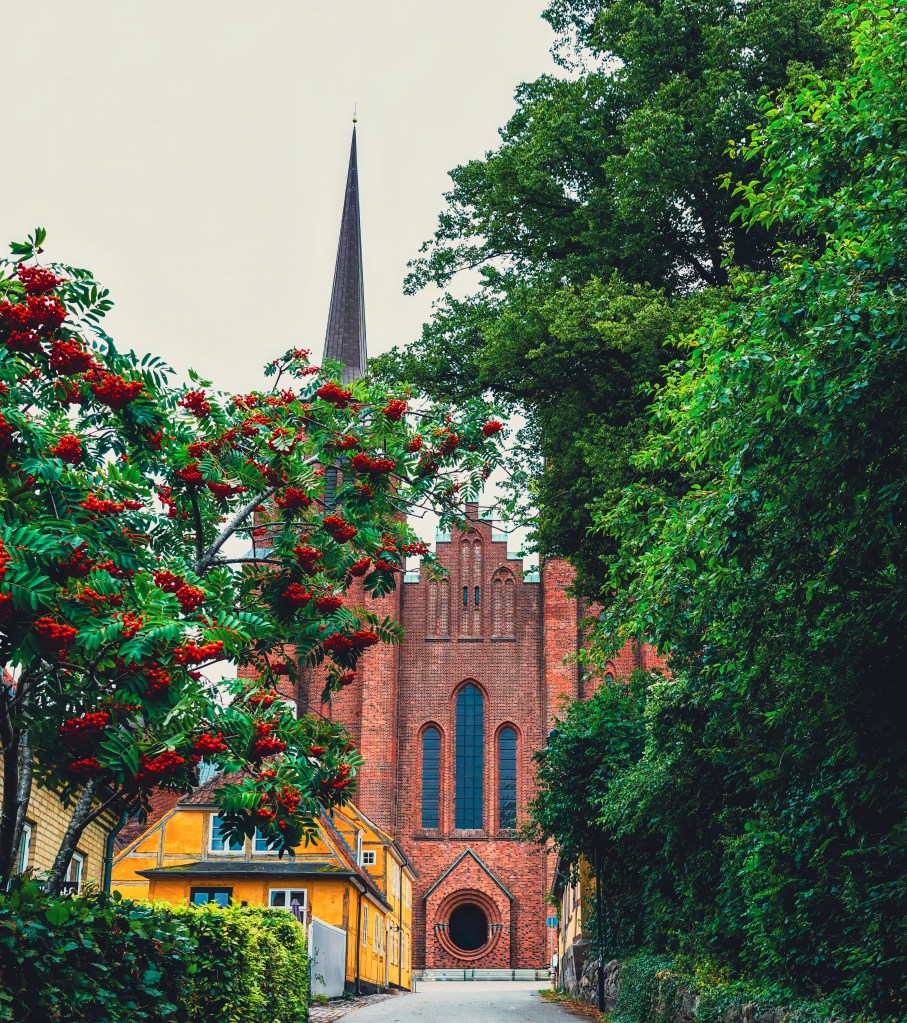
  • Start at Roskilde Cathedral (UNESCO World Heritage Site): Marvel at the Gothic spires and explore the royal tombs of Danish kings and queens. The cathedral’s history stretches back over 1,000 years, making it one of Europe’s most important burial sites.
  • Stroll the Old Town: Wander cobblestone streets lined with colorful houses, boutique shops, and cozy cafés. Grab a Danish pastry and coffee before heading toward the fjord.

🚢 Midday: Viking Adventures

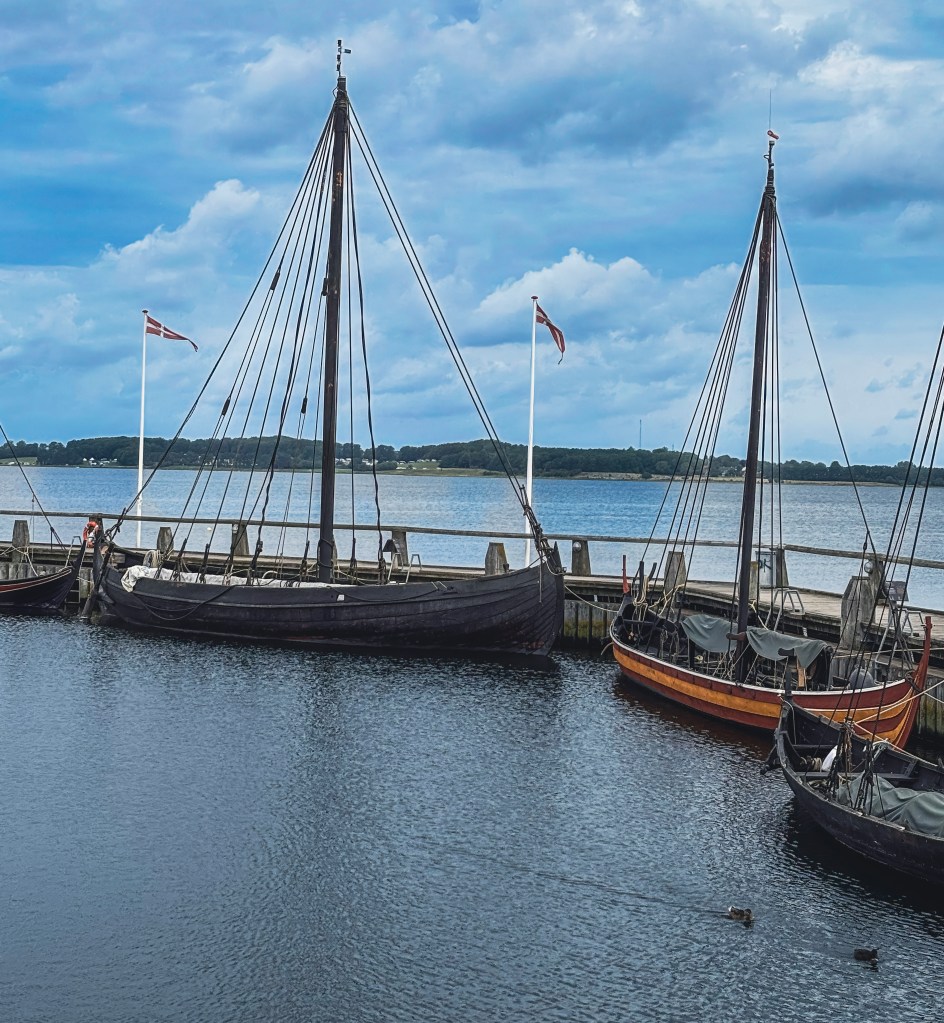
  • Viking Ship Museum: Step into the world of the Vikings at Roskilde’s crown jewel. See the five Skuldelev ships, deliberately sunk 900 years ago to block enemy fleets. Interactive exhibits reveal shipbuilding secrets, while the boatyard buzzes with craftspeople reconstructing vessels using traditional techniques.
  • Learn to Sail a Viking Ship (seasonal): Hoist the heavy square sail, row in rhythm, and navigate the fjord without modern tools. It’s teamwork, history, and adventure rolled into one.
  • Lunch by the Fjord: The museum’s café serves local Danish fare with sweeping views of the water—perfect for refueling before more exploration.

🎶 Afternoon: Culture & Creativity

  • Ragnarock Museum: A striking modern museum dedicated to pop, rock, and youth culture. Its bold architecture and interactive exhibits make it a must for music fans.
  • Roskilde Museum: Learn about the city’s transformation from Viking stronghold to modern hub.
  • Outdoor Adventures: Rent a kayak or bike to explore Roskilde Fjord and nearby trails. Byparken offers a peaceful spot for a stroll or picnic.

🌆 Evening: Food & Local Life

  • Dinner in the City Center: Choose from restaurants serving traditional smørrebrød or modern Nordic cuisine. Many spots highlight local ingredients and cozy Danish hospitality.
  • Sunset at the Fjord: End your day with a walk along the waterfront, watching the sky reflect over the calm waters once sailed by Viking fleets.

🌟 Why Roskilde Belongs on Your Journey

Roskilde isn’t just about history—it’s about living it. From standing before Viking ships to hearing music echo across festival grounds, the city offers a rare blend of heritage, adventure, and culture. Whether you’re tracing royal tombs, sailing a Viking vessel, or enjoying Danish cuisine, Roskilde promises an unforgettable journey.

👉 Ready to plan? Check the official Visit Roskilde site for updated events, tickets, and travel tips.