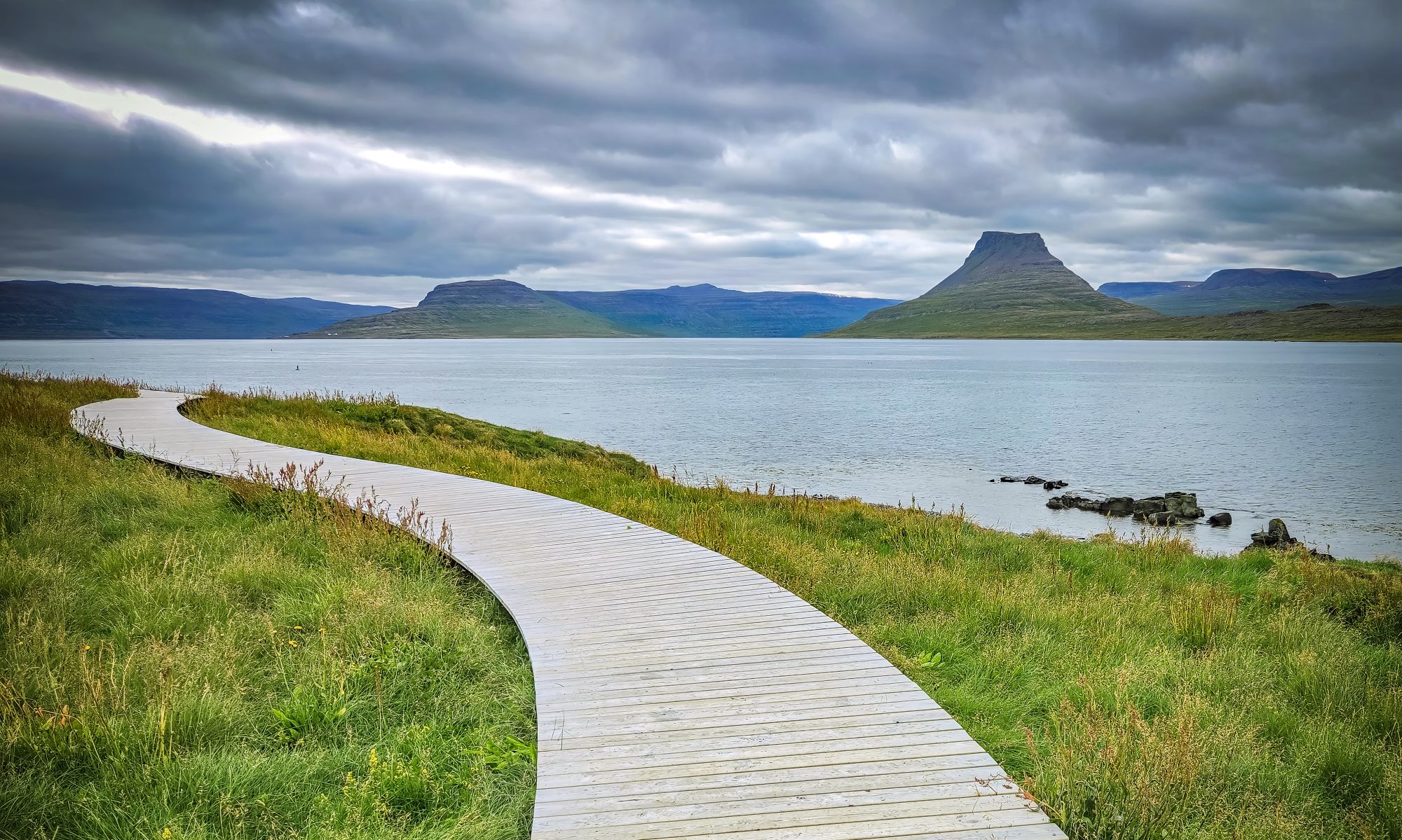
There are cities you visit for a weekend, and then there are cities that make you feel as though you have stepped through a doorway into another century. Quebec City belongs firmly in the second category. With its cobblestone lanes, fortified walls, church spires, French street signs, and the grand silhouette of Fairmont Le Château Frontenac rising above the St. Lawrence River, Quebec City feels less like a typical North American getaway and more like a European storybook brought to life.
For travelers who love history, architecture, culture, and a touch of old-world elegance, Quebec City is one of the most rewarding destinations on the continent. It is romantic without trying too hard, historic without feeling frozen in time, and proudly French in a way that makes it unlike anywhere else in North America.
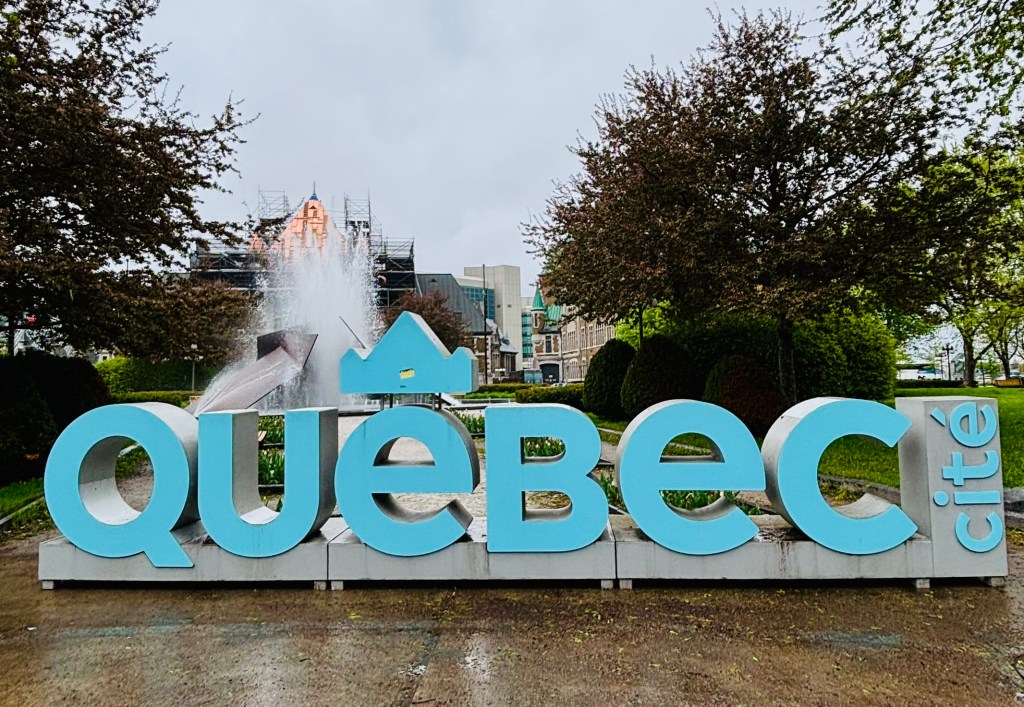
A City That Feels Like Europe Without Leaving North America
The first thing we noticed about Quebec City is its atmosphere. Inside the walls of Old Quebec, narrow streets curve past stone houses, flower-filled windows, small cafes, boutiques, and centuries-old churches. Musicians play in public squares, horse-drawn carriages pass under old gates, and the smell of fresh pastries drifts from bakeries.
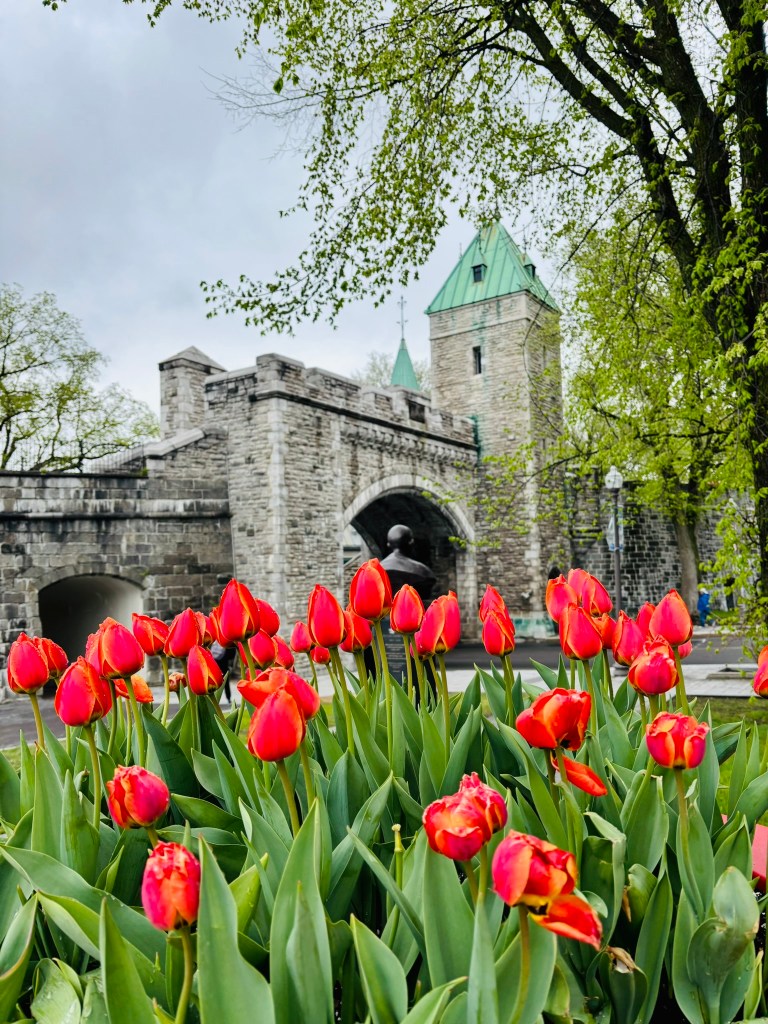
Old Quebec is the only remaining fortified city north of Mexico, and its historic district is a UNESCO World Heritage Site. Walking through it feels wonderfully cinematic. The city has the charm of France, the drama of a cliffside fortress, and the warmth of a deeply lived-in Canadian capital.
Unlike destinations that rely on one or two major landmarks, Quebec City rewards wandering. Every street seems to lead to a terrace, a hidden courtyard, a river view, or a cafe that invites you to slow down. We walked about 30,000 steps every day and felt like we had just scratched the surface what this city has to offer.
A Brief History of Quebec City
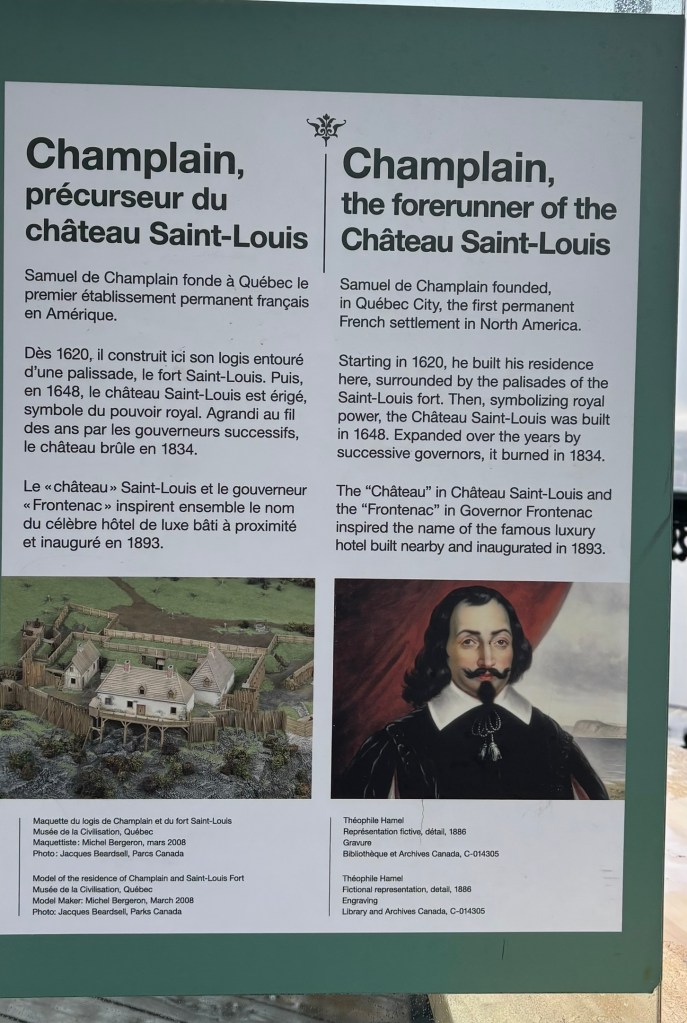
Quebec City was founded in 1608 by French explorer Samuel de Champlain, making it one of the oldest European settlements in North America. Its location above the narrowing of the St. Lawrence River gave it enormous strategic value. In fact, the name “Quebec” comes from an Algonquin word often understood to mean “where the river narrows.”
For more than a century, Quebec served as the heart of New France, the French colonial empire in North America. From here, French influence spread across vast territories through fur trading networks, Catholic missions, military alliances, and river routes that reached deep into the continent.
The city’s dramatic history reached a turning point in 1759, during the Battle of the Plains of Abraham, when British forces defeated the French just outside the city walls. This battle helped shift control of Canada from France to Britain, but it did not erase the French identity of Quebec. Instead, it set the stage for one of the most fascinating cultural stories in North America: how a French-speaking society preserved its language, religion, laws, and traditions under British rule.
How Quebec Stayed French in North America
One of the most remarkable things about Quebec City is that it remained deeply French despite being surrounded by an overwhelmingly English-speaking continent. That survival was not accidental. It was shaped by history, geography, law, religion, and cultural determination.
After Britain gained control of New France, the British authorities eventually recognized that governing Quebec successfully meant allowing its French-speaking Catholic population to preserve key parts of its identity. The Quebec Act of 1774 was especially important because it allowed French civil law to continue in private matters and protected the free practice of Catholicism. This helped French language and culture remain rooted in daily life.
Geography also mattered. Quebec’s communities were concentrated along the St. Lawrence River, where families, parishes, and local institutions helped preserve traditions across generations. The Catholic Church played a major role for centuries, operating schools, hospitals, and community life in French. Over time, French became not only a language of heritage, but a defining symbol of identity.
In the 20th century, especially during and after the Quiet Revolution of the 1960s, Quebec modernized rapidly while also strengthening its commitment to protecting French language and culture. Today, French remains the official language of Quebec, and Quebec City is one of the best places to experience that living heritage. This is not a themed version of France. It is a distinct North American French culture with its own accent, cuisine, traditions, humor, and pride.
That is what makes Quebec City so special: it is not a replica of Europe. It is something rarer – a French-speaking city that evolved on its own terms in the heart of North America.
Fairmont Le Château Frontenac
No building defines Quebec City quite like Fairmont Le Château Frontenac. Perched high above the St. Lawrence River, this grand hotel looks like a castle from a dream. Its copper roofs, turrets, stone facade, and commanding position make it one of the most photographed hotels in the world.
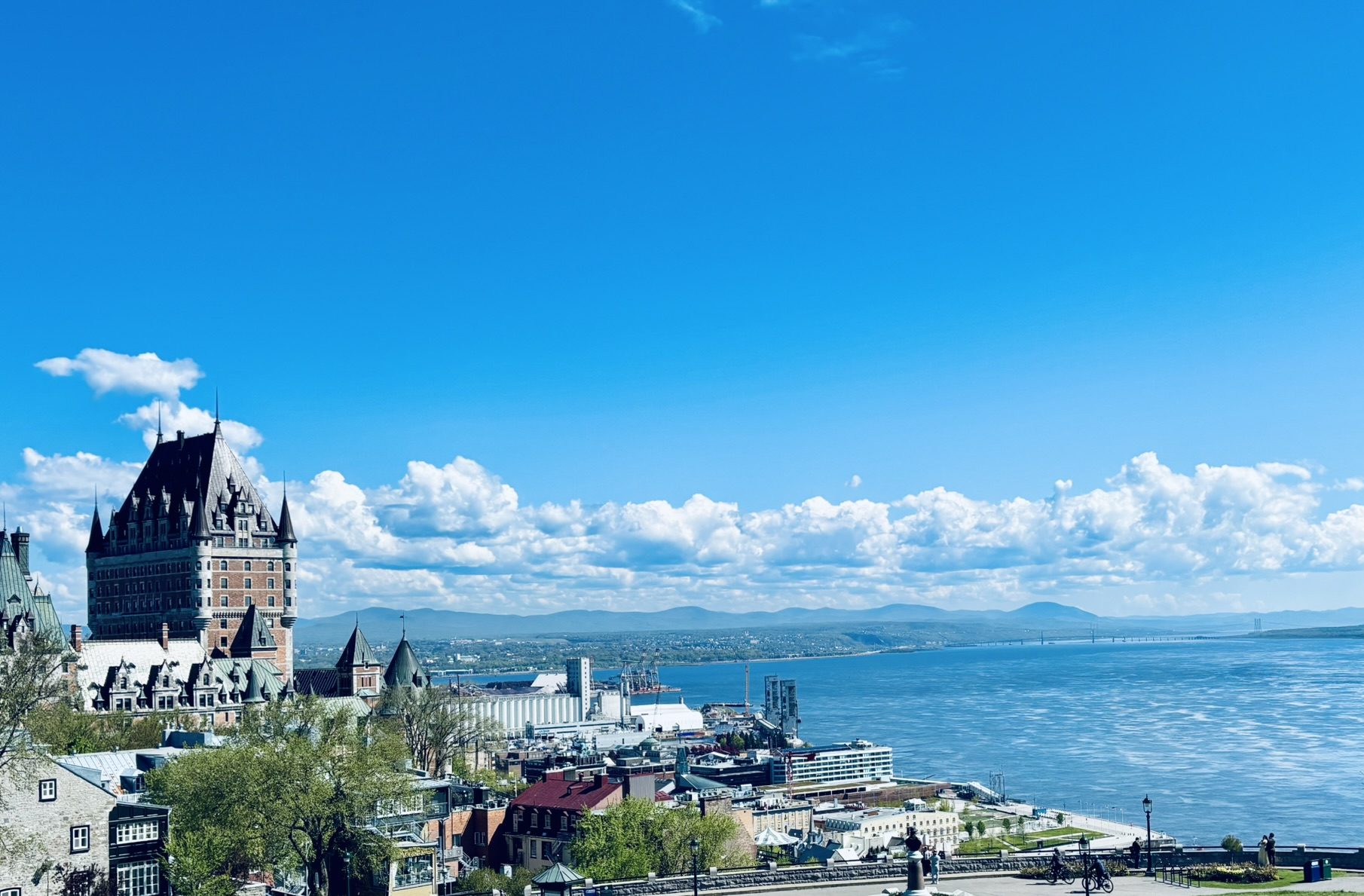
Opened in 1893 by the Canadian Pacific Railway, Château Frontenac was part of a series of grand railway hotels designed to encourage luxury travel across Canada. More than a place to sleep, it became a symbol of Quebec City itself. Over the years, it has hosted royalty, political leaders, celebrities, and travelers drawn to its historic glamour.
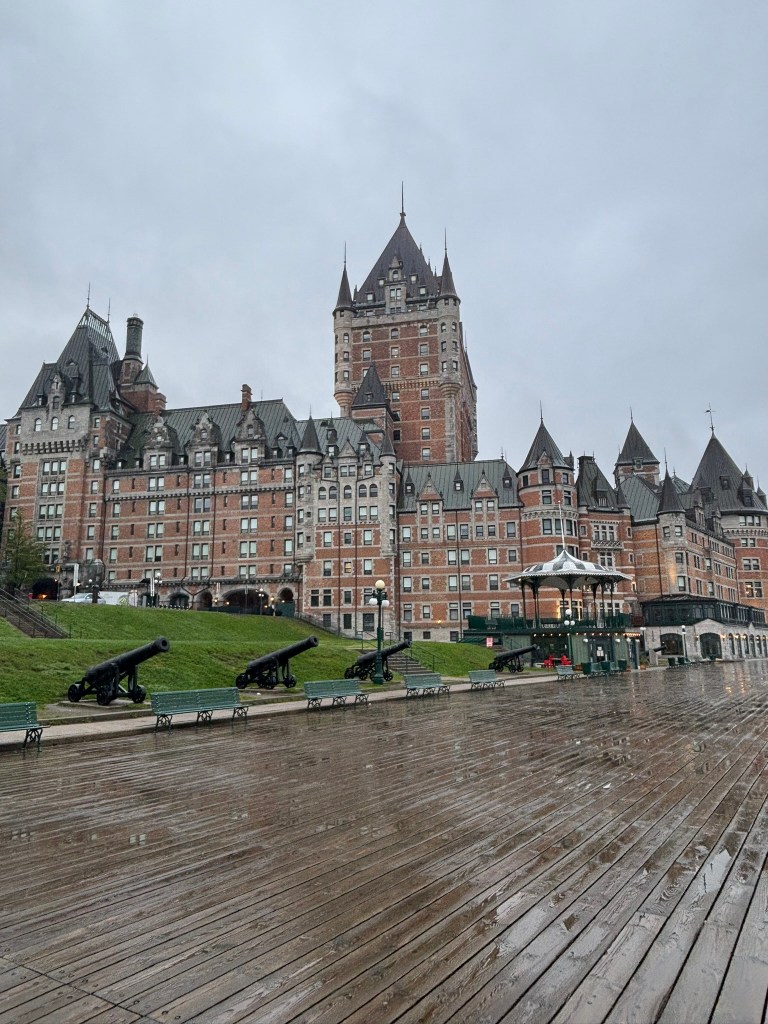
Staying here is an experience in itself. The hotel places you directly in the heart of Old Quebec, steps from the Dufferin Terrace, the city walls, historic churches, restaurants, museums, and river viewpoints. Wake up early and you can walk the terrace before the crowds arrive. Return at night and the illuminated hotel feels almost theatrical against the dark sky.
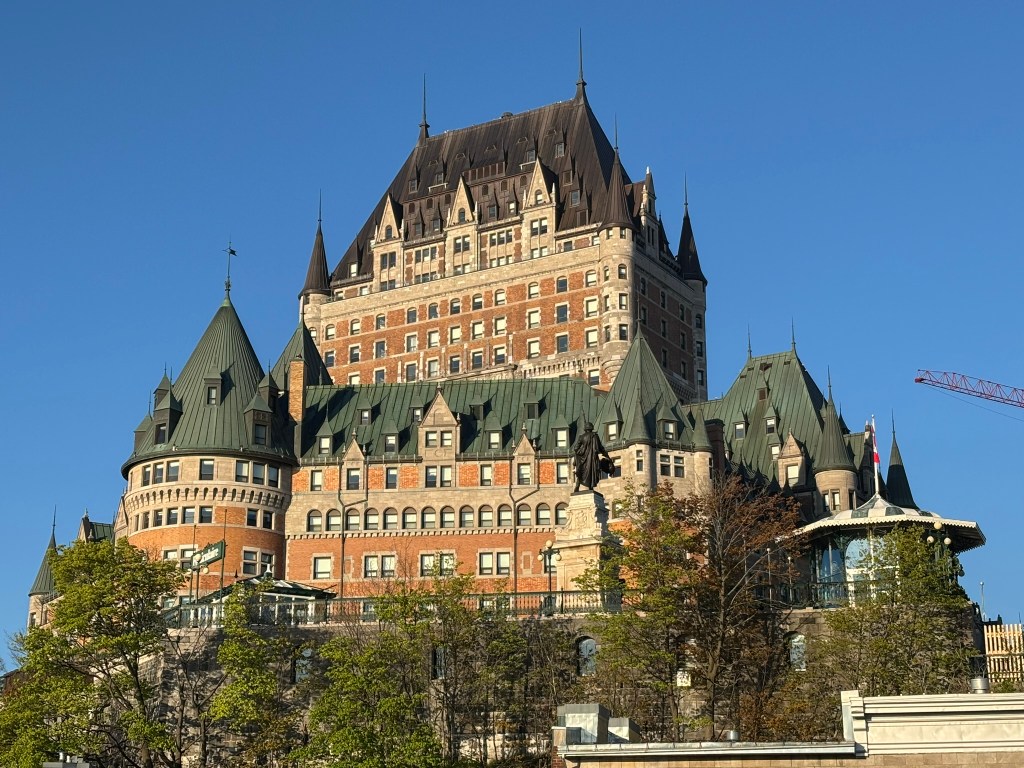
Even if you do not stay overnight, it is worth visiting the lobby, enjoying a drink, booking afternoon tea, or taking a guided tour to learn about the hotel’s history.
What to See in Old Quebec
Old Quebec is divided into the Upper Town and Lower Town, both worth exploring slowly.
In the Upper Town, you will find the Château Frontenac, Dufferin Terrace, the city walls, the Citadelle, Notre-Dame de Québec Basilica-Cathedral, and sweeping views over the St. Lawrence River. This is the grand, fortified side of the city, full of military history and dramatic viewpoints.
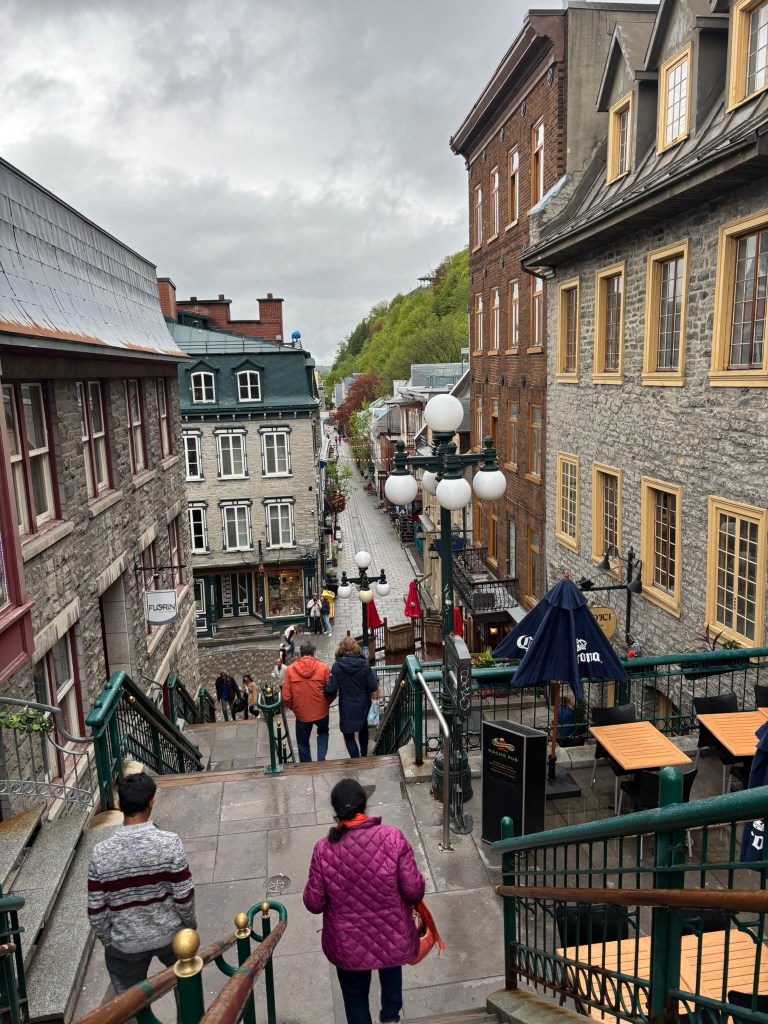
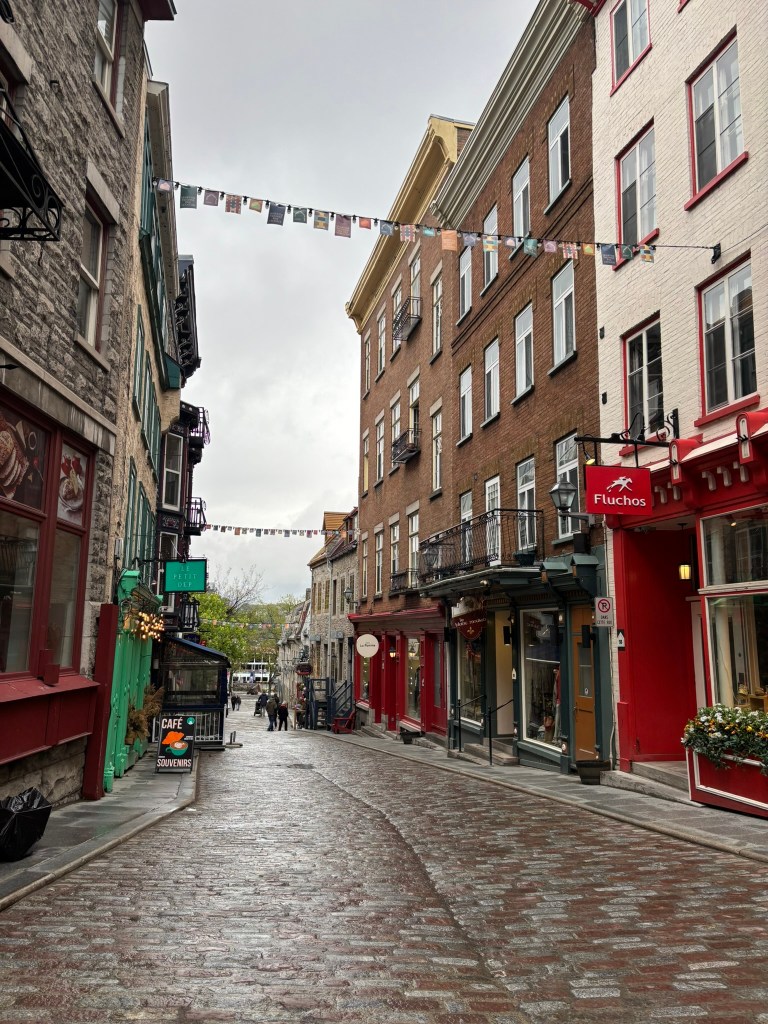
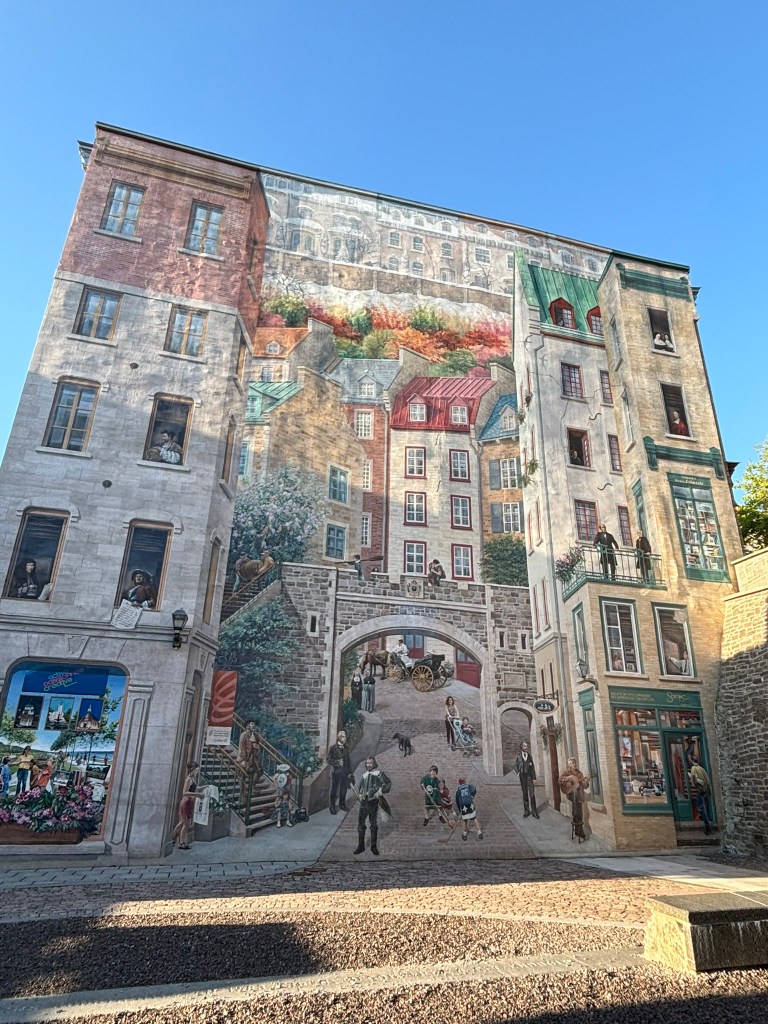
Lower Town feels more intimate and atmospheric. The streets around Place Royale and Rue du Petit-Champlain are among the most beautiful in Canada, with stone buildings, boutiques, cafes, murals, and seasonal decorations. This area is especially magical in winter, but it is charming year-round.
A few highlights include:
| Place | Why Visit |
|---|---|
| Dufferin Terrace | Panoramic river views and the best stroll beside Château Frontenac |
| Rue du Petit-Champlain | One of the prettiest shopping streets in North America |
| Place Royale | Historic square tied to the earliest French settlement |
| Notre-Dame de Québec | One of the oldest Catholic cathedral sites in North America |
| The Citadelle | Star-shaped fortress with military history and city views |
| Old City Walls | A rare chance to walk through a fortified North American city |
A City Made for Slow Travel
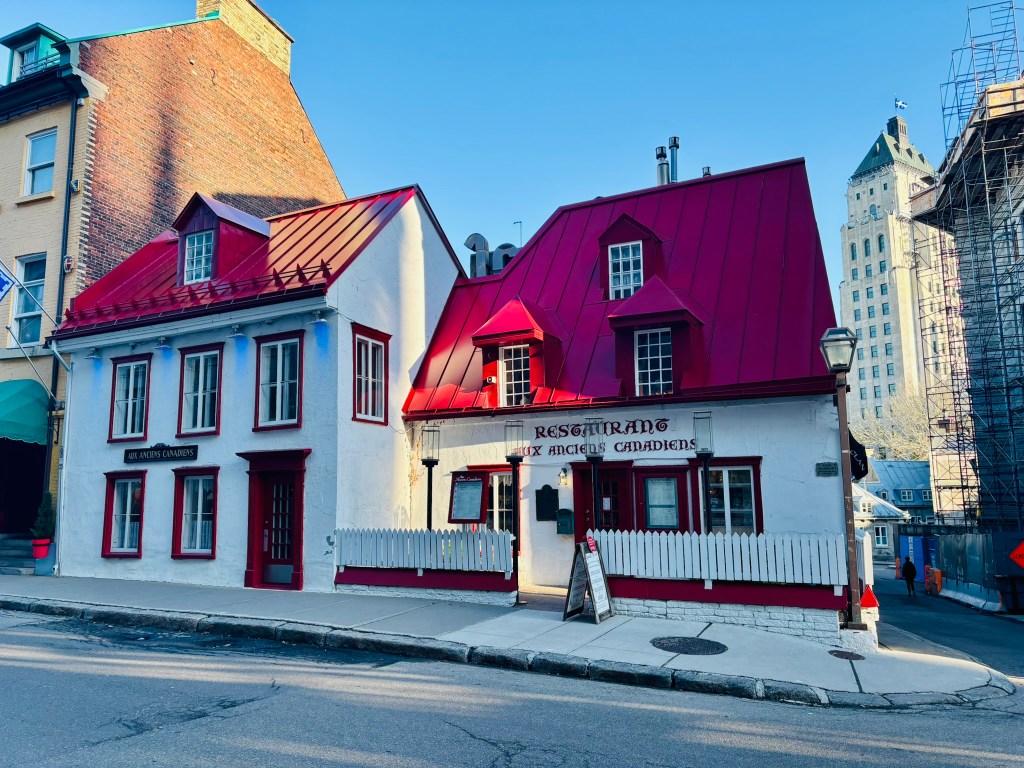
Quebec City is not a place to rush. Its beauty is in the details: blue shutters against stone walls, French conversations floating from cafe terraces, street performers in public squares, old cannons facing the river, and warm lights glowing through restaurant windows.
Food is a major part of the experience. Try poutine, tourtière, maple desserts, local cheeses, French pastries, and Quebecois comfort food. The city also has an excellent fine dining scene, along with cozy bistros that feel perfect after a day of exploring.
Seasonally, Quebec City offers completely different moods. In summer, terraces and festivals fill the streets. In autumn, the surrounding landscapes turn gold and red. In winter, snow transforms Old Quebec into one of the most magical cold-weather destinations in North America, especially during the famous Quebec Winter Carnival.
Easy Day Trips from Quebec City
If you have extra time, the region around Quebec City is just as rewarding.
Montmorency Falls is only a short drive from the city and stands even taller than Niagara Falls. Île d’Orléans offers countryside charm, wineries, farms, bakeries, and river views. Sainte-Anne-de-Beaupré Basilica is one of Canada’s most important pilgrimage sites and features impressive architecture and religious art.
These nearby escapes make Quebec City ideal for a long weekend or a slower four- to five-day itinerary. We spent 2 days in Quebec City and felt like 3 days would have been ideal, especially to enjoy at a slower pace.
Why Quebec City Belongs on Your Travel List
Quebec City is one of the rare destinations that feels both accessible and transporting. It gives visitors the romance of Europe, the depth of North American history, and a living French culture that has endured for centuries.
Come for the cobblestones and castle-like skyline. Stay for the food, the language, the river views, the music, the old walls, and the feeling that you have stepped into a place where history is still present in everyday life.

