
One of the greatest advantages of traveling for business is the opportunity to dine with local co-workers. They act as your ultimate culinary guides, leading you past the tourist traps straight to the city’s best traditional restaurants for an authentic taste of local culture. Furthermore, dining with locals provides an invaluable safety net. Having native speakers clearly explain your ovo-lacto-vegetarian preferences to the restaurant staff gives you complete peace of mind, so you can relax and fully enjoy your meal without worrying about hidden meat broth or unexpected lard.
This local guidance is especially liberating in Mexico City. On the surface, the capital’s food scene presents a notoriously meat-heavy facade, dominating the streets with the aroma of sizzling pork pastor and rendering lard into a daily staple. Yet, beneath the carnivore-centric surface lies a profound culinary secret: traditional high-end Mexican cuisine is rooted in an incredibly rich, pre-Hispanic biodiversity of corn, ancient grains, wild greens, chilies, and dairy.
With local colleagues guiding the kitchen, navigating this meat-based city becomes an effortless, rewarding journey. Here is how to experience three of Mexico City’s most prestigious culinary institutions as a sophisticated ovo-lacto vegetarian.
1. Restaurante El Cardenal: The High-Mass of Mexican Breakfast
Located in the heart of downtown (with its classic flagship on Calle de la Palma 23), Restaurante El Cardenal is an absolute institution [Food 9]. Established in 1969 by Oliva Garizurieta de Briz and her husband Jesús Briz, this multi-story dining temple treats traditional Mexican cuisine with religious reverence.
The restaurant operates its own dedicated dairy farms outside the city to process fresh milk, cream, and artisan cheeses daily, ensuring a farm-to-table lineage that is rare for a metropolitan hub.
       ┌────────────────────────────────────────────────────────┐
       │             THE EL CARDENAL MORNING RITUAL             │
       ├────────────────────────────────────────────────────────┤
       │ 1. Sit down and open the historic menu manifesto.      │
       │ 2. Order the artisan "Chocolate Doña Oliva".           │
       │ 3. Select a warm, fresh Concha from the pastry tray.   │
       │ 4. Slather a thick layer of raw "Nata" inside the bun. │
       │ 5. Dunk the cream-filled pastry straight into hot cocoa│
       └────────────────────────────────────────────────────────┘
- The Vibe: Formal, bustling, and deeply traditional. You will dine alongside multi-generational Mexican families, politicians, and local business leaders.
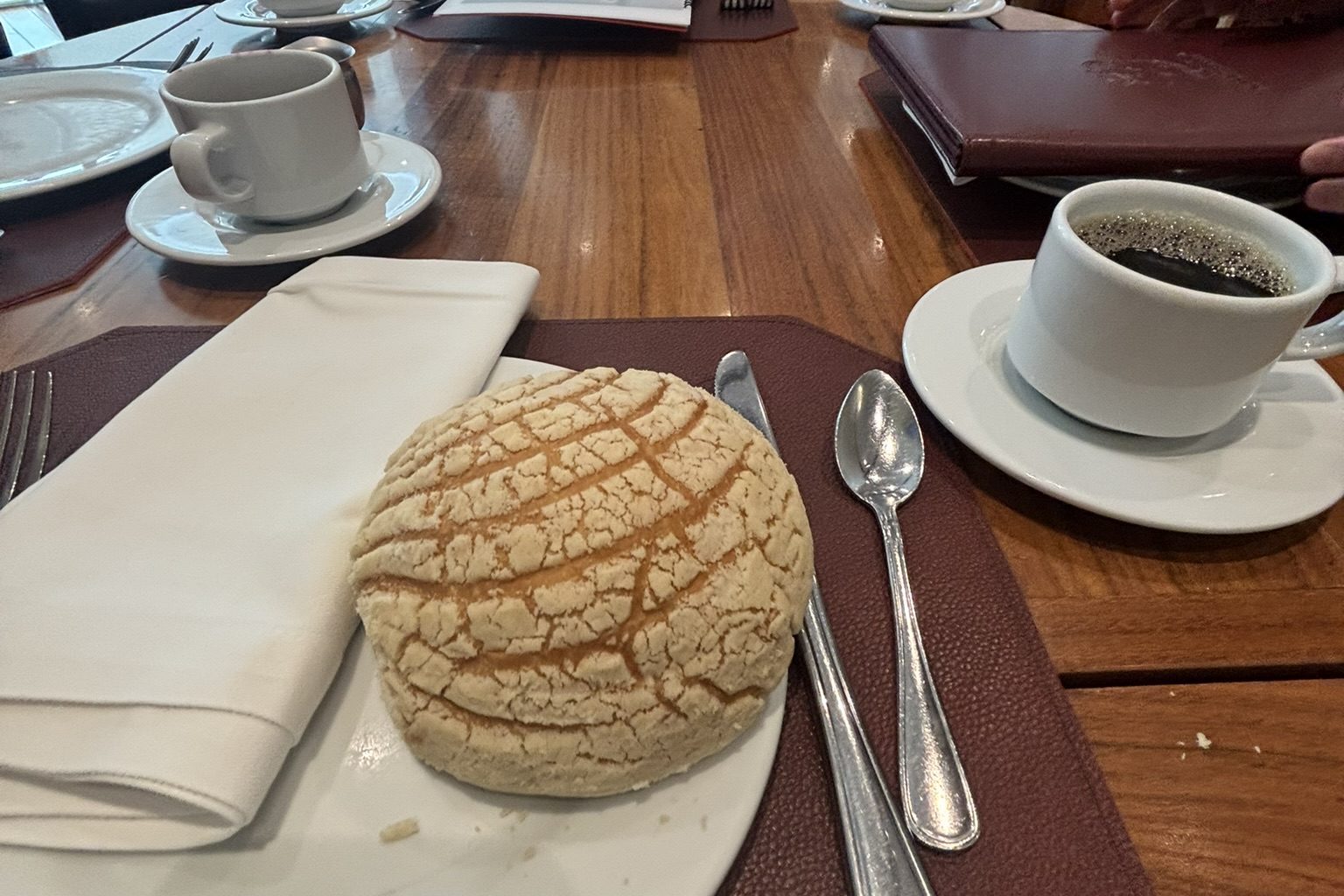
The magic here begins the exact second your feet hit the floor. Almost as soon as you sit down, a waiter balancing a massive wicker basket sweeps by your table to offer an array of fresh, warm bakes. For a first-time traveler, this moment can be beautifully overwhelming. After consulting my local co-workers on what to choose, I was handed my very first Concha—and an immediate obsession was born. The roll was unbelievably soft, pillowy, and carried a delicate sweetness from its crackled cookie crust that harmonized perfectly with a cup of hot black coffee.
- The Appetizer Starter: Kick off your breakfast with a plate of crisp Molotes. These deep-fried, pocket-shaped corn masa dumplings arrive under a fresh garden layer of shredded lettuce and cotija cheese. Use the three accompanying dishes to dress each bite with cool cream, smoky red salsa, or bright green tomatillo salsa. Vegetarian Check: Have your co-workers double-check with the waiter that these are fried in clean vegetable oil rather than pork lard (manteca).
- The Masterpiece Main: For your primary dish, request the historic Omelette de Huauzontles. This dish is a masterclass in culinary balance: a silky, folded egg jacket generously stuffed with huauzontle—an ancient, pre-Hispanic Aztec chenopod herb carrying a robust, slightly bitter herbal punch. El Cardenal perfectly balances this natural bitterness by blanketing the omelet under a rich layer of melted artisan cheese and pooling it in a vibrant, tangy green tomatillo sauce. Crucially, the plate is accompanied by an uchepo—a highly distinct, sweet, fresh-corn tamal native to the state of Michoacán.
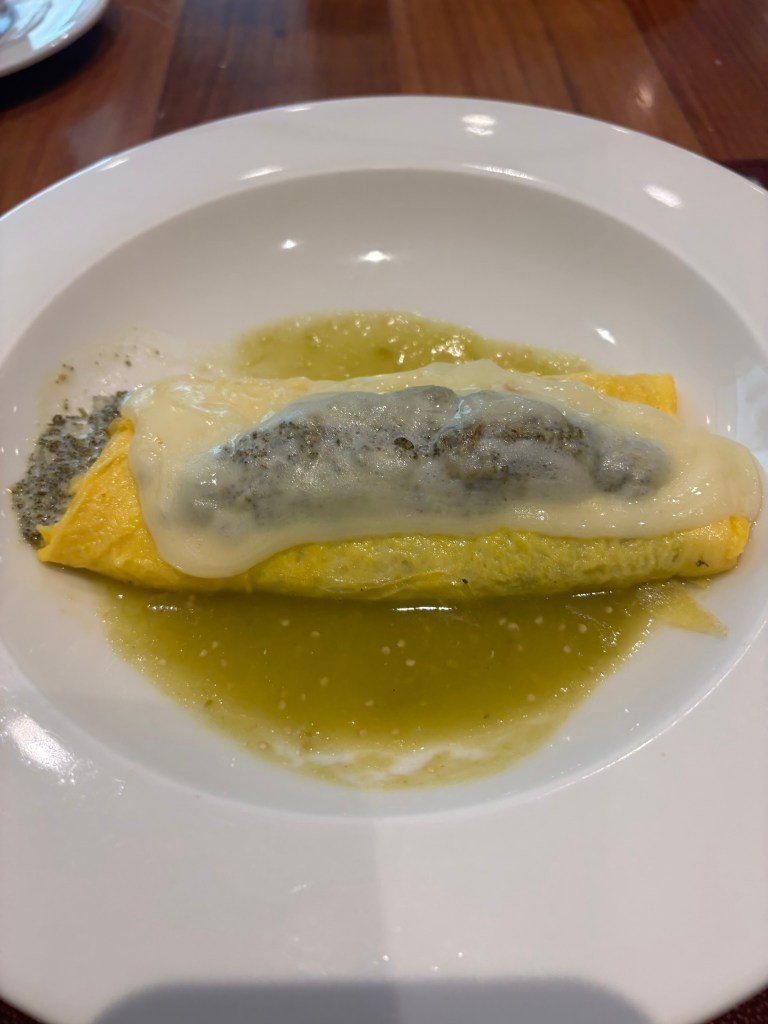
The Historical Significance of Your Plate
Choosing the huauzontle is a triumphant nod to indigenous survival. Along with corn and amaranth, huauzontle was one of the primary staple crops of the Aztec Empire, often used as sacred tribute. Because it was heavily integrated into indigenous religious ceremonies, the Spanish conquistadors strictly banned its cultivation under penalty of severe physical punishment. Despite centuries of systemic suppression, indigenous farmers secretly preserved the seeds in remote mountain valleys, allowing this highly nutritious wild green to survive all the way to your modern breakfast table.
2. San Ángel Inn: Aristocratic Elegance & Mid-Century Bohemianism
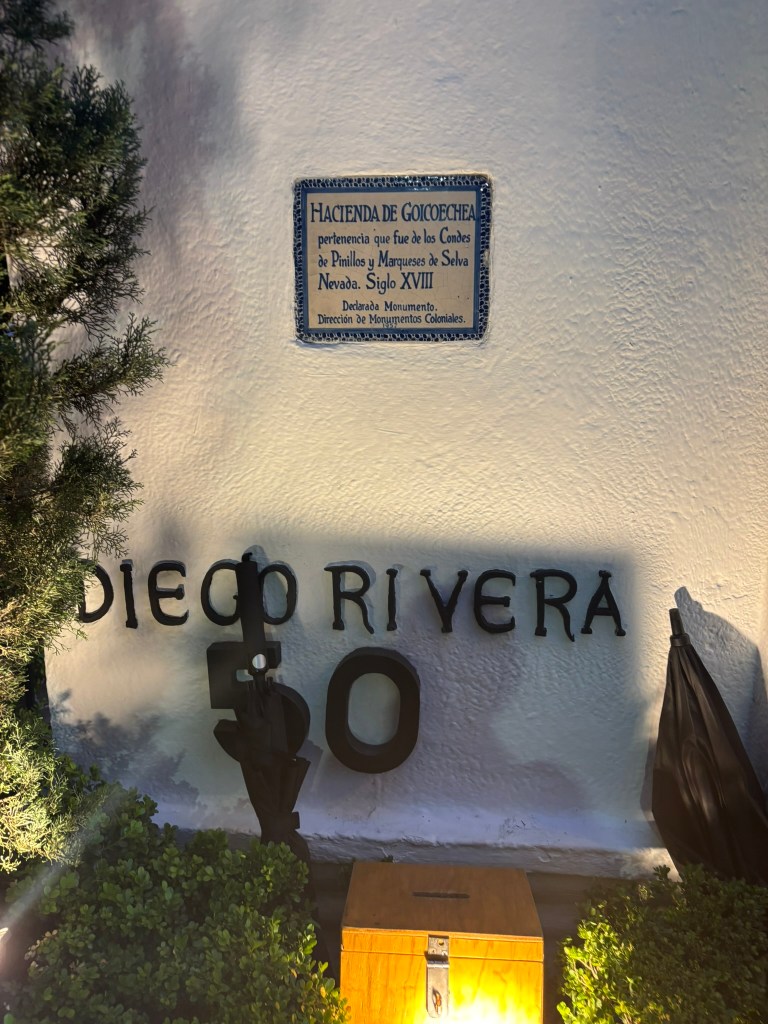
To escape the concrete roar of the center, head southwest into the winding, cobblestone lanes of the exclusive San Ángel neighborhood. Here, inside a beautifully manicured 18th-century estate at Diego Rivera 50, you will find the breathtaking San Ángel Inn.
The property originally functioned as the Hacienda de Goicoechea, a massive colonial pulque plantation and monastery complex. In 1937, it was officially declared a National Monument to preserve its flawless Mexican-Baroque architecture.
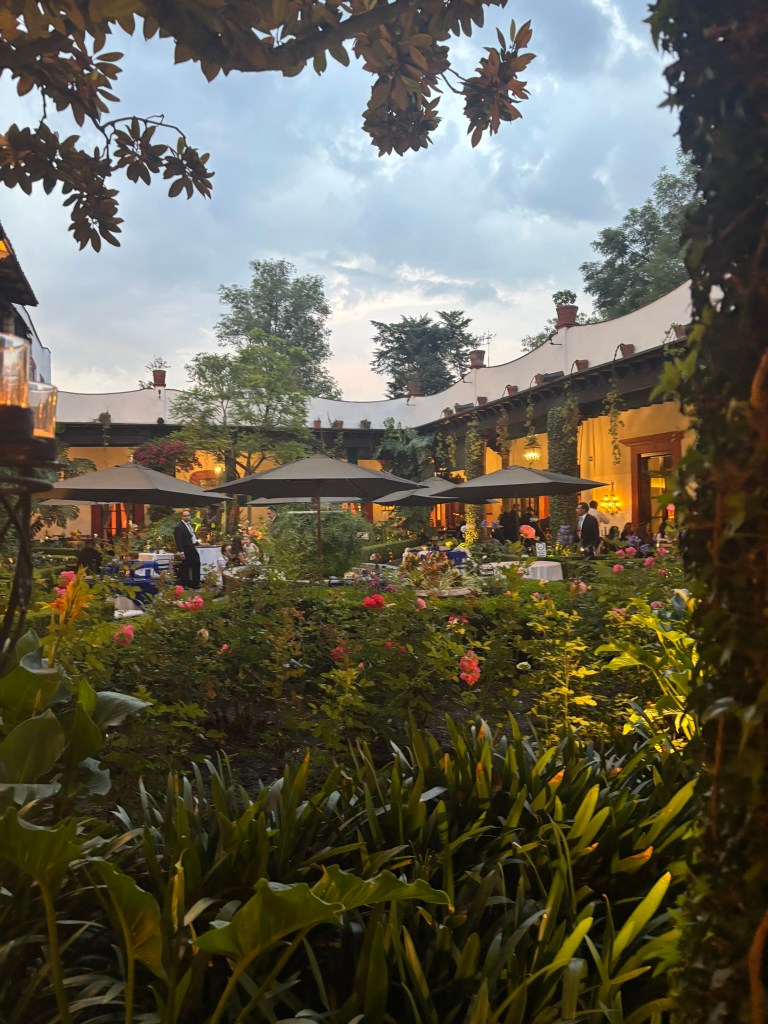
In the mid-20th century, it became a legendary meeting hub for the city’s bohemian art elite. Directly across the street sits the striking, functionalist block houses of the Museo Casa Estudio Diego Rivera y Frida Kahlo. Diego and Frida, along with visiting international stars like Marilyn Monroe, would regularly cross the cobblestones to lounge, drink, and argue by the colonial fountains.
- The Vibe: Old-world opulence, immaculate white-glove service, and lush, tranquil garden courtyards.
What I ate and drank at this restaurant
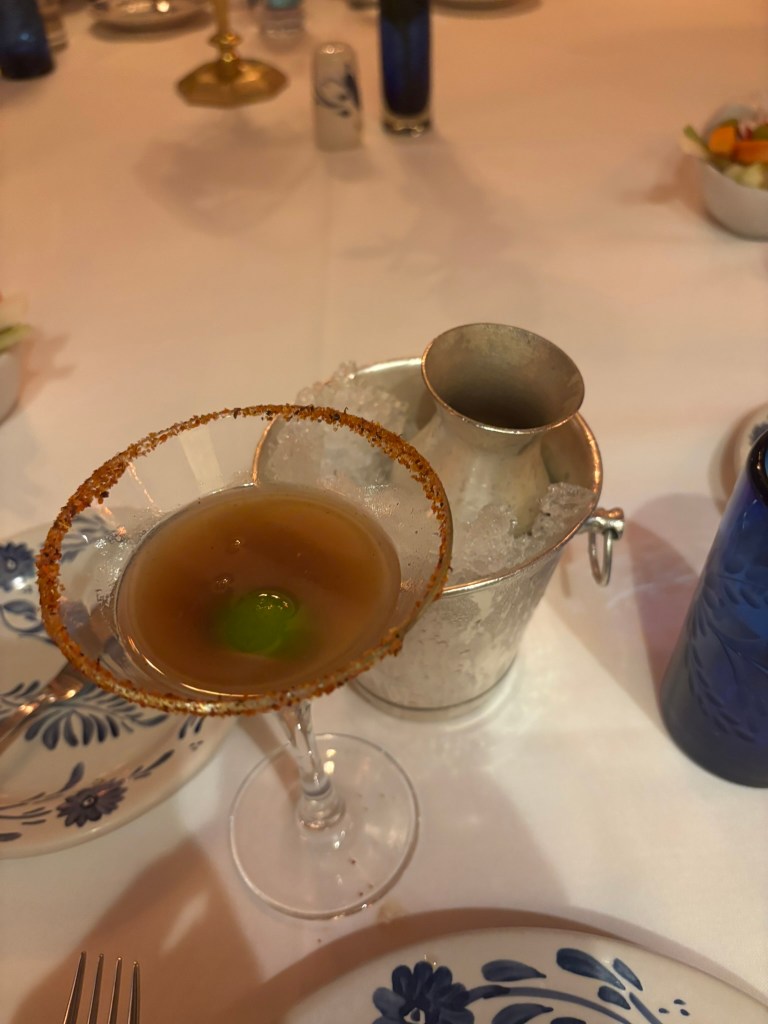
Started the evening sitting by the courtyard fountains with a Tamarind Margarita. The sharp, puckering acidity and earthy sourness of the native tamarind serve as the ultimate palate cleanser against rich food.
- For dinner, follow up with their delicate, earthy Mushroom Tacos and Tortilla soup, seamlessly paired with a premium Tequila, served alongside a traditional tomato-based sangrita digestif.
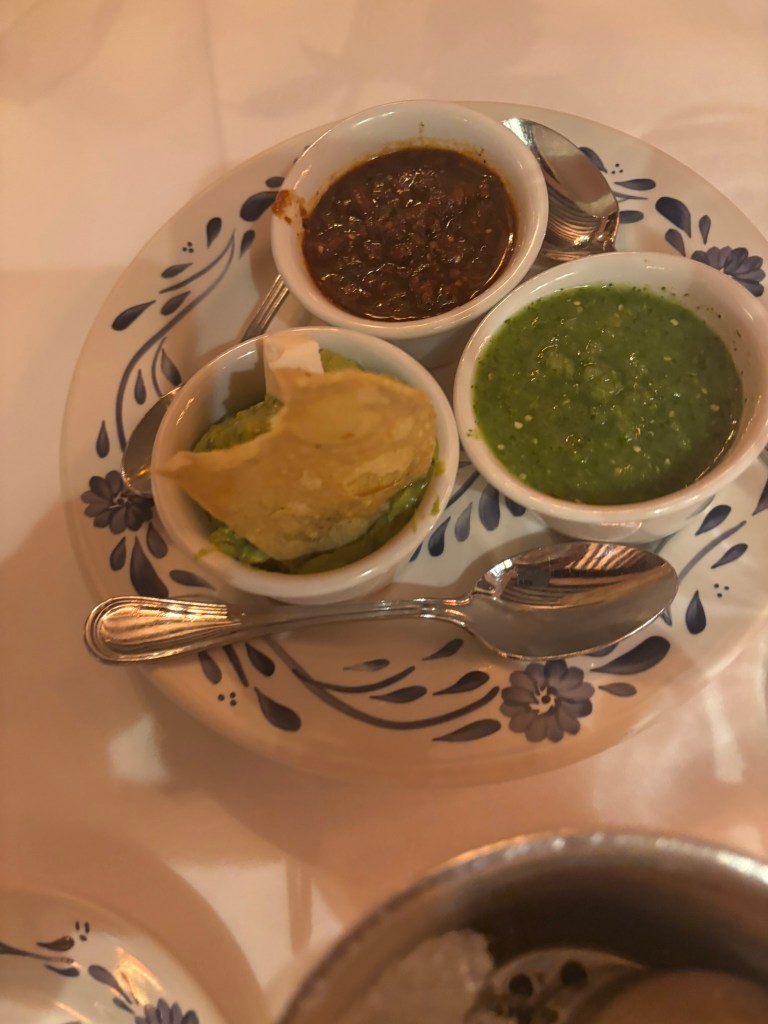
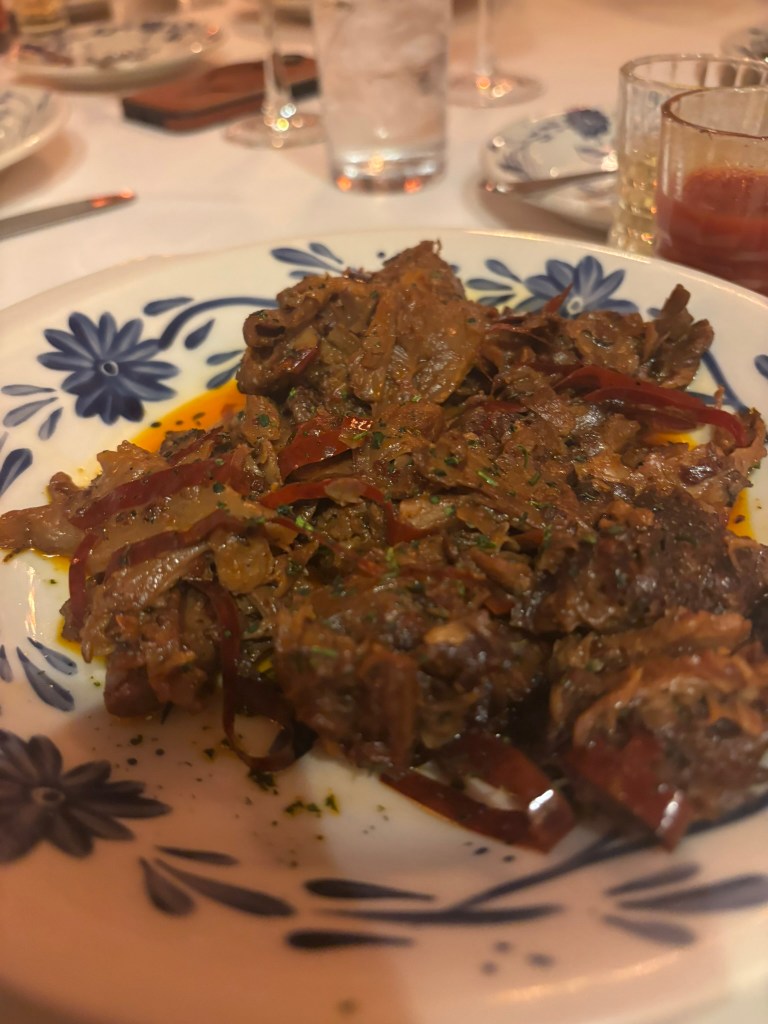
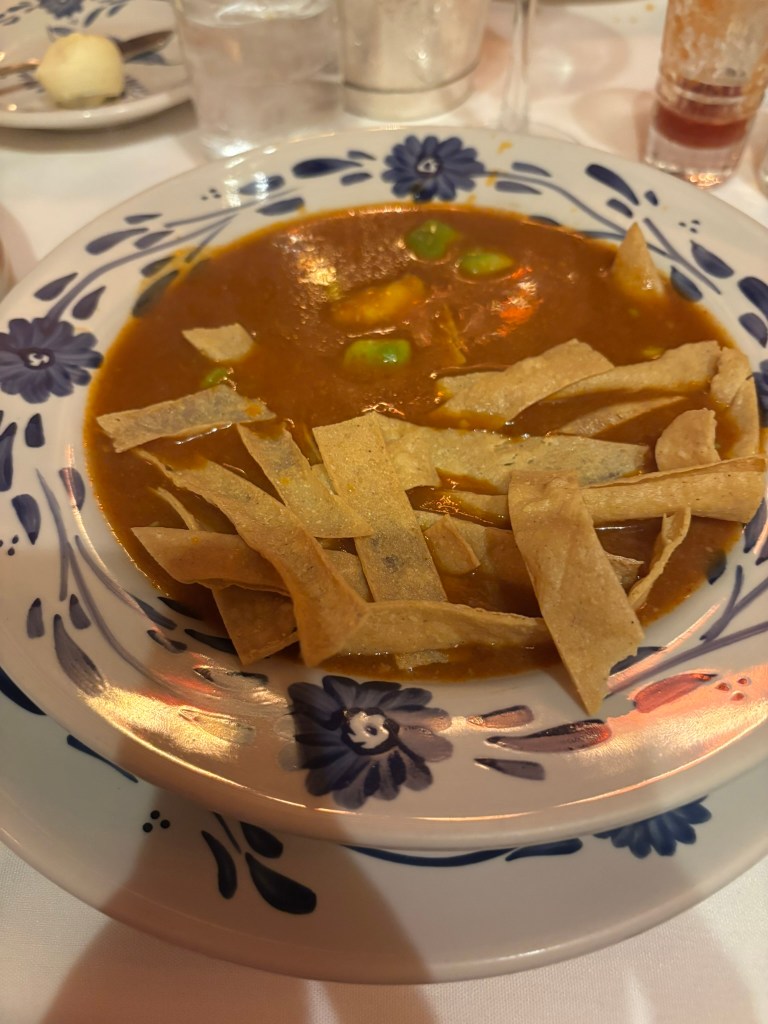
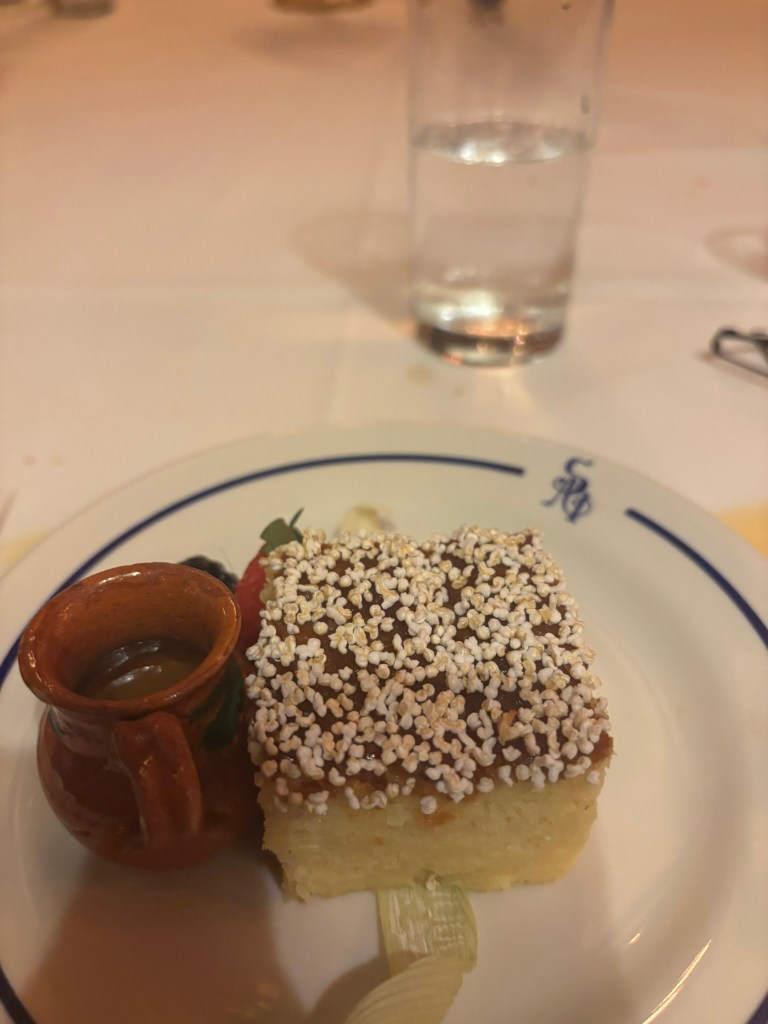
- The Grand Finale: End your meal with their absolute showstopper dessert: the Panqué de Elote (Mexican Sweet Corn Cake). Rather than utilizing dry cornmeal, San Ángel Inn prepares this cake by scraping raw, tender kernels straight off the cob to create a dense, intensely moist, pudding-like crumb. The cake arrives wrapped in a rustic corn husk, heavily encrusted with popped amaranth seeds (alegría) for a nutty crunch, and is served alongside a miniature clay jarrito filled with hot cajeta caramel to drizzle tableside.
3. Cantina La Ribera: Fire, Smoke, & Modern Cantina Artistry
For a complete shift in energy, head into the vibrant, urban pulse of Colonia Doctores at Avenida Cuauhtémoc 140 to experience Cantina La Ribera. While it carries the title of a Cantina Restaurante, this is far from a dark, dusty drinking saloon—it is a massive, multi-story celebration of northern Mexican culinary arts, celebrated for its tableside interactive carts (carritos).
While known heavily for its charcoal meat-grilling, this is where having your local co-workers pays off the most: the kitchen gladly adapts its high-end service to craft a bespoke, vegetarian-friendly feast.
- The Vibe: High-energy, loud, and celebratory, featuring live mariachi music, oversized embroidered sombreros for the table, and rolling drink carts weaving between tables.
What I ate at this restaurant
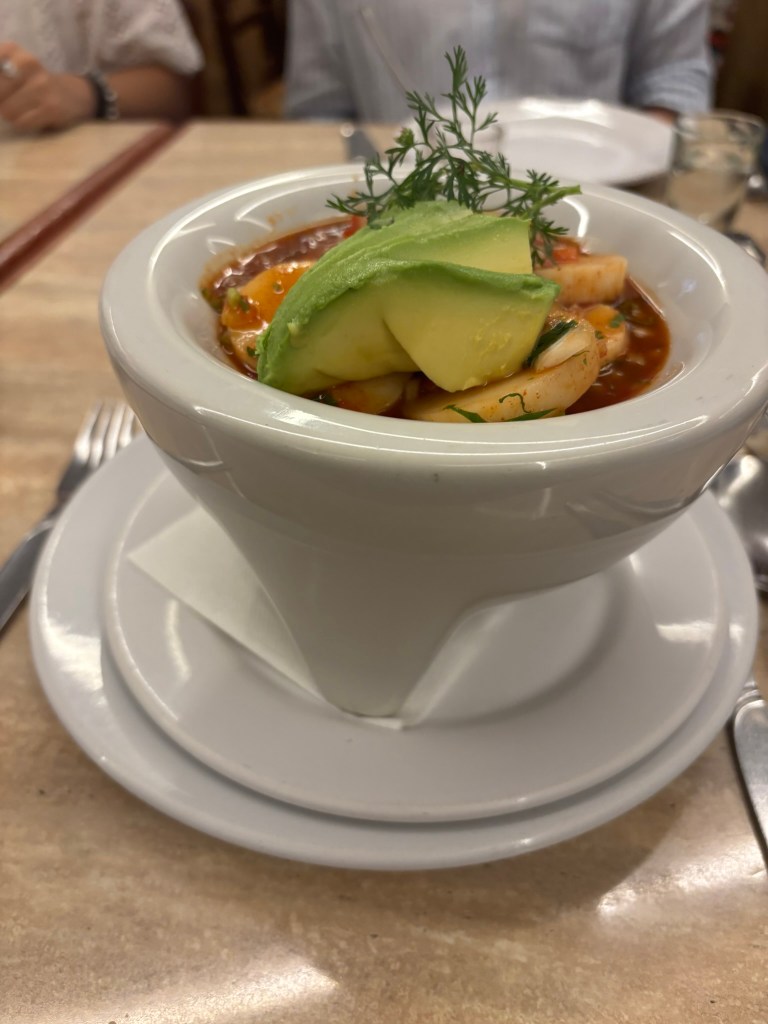
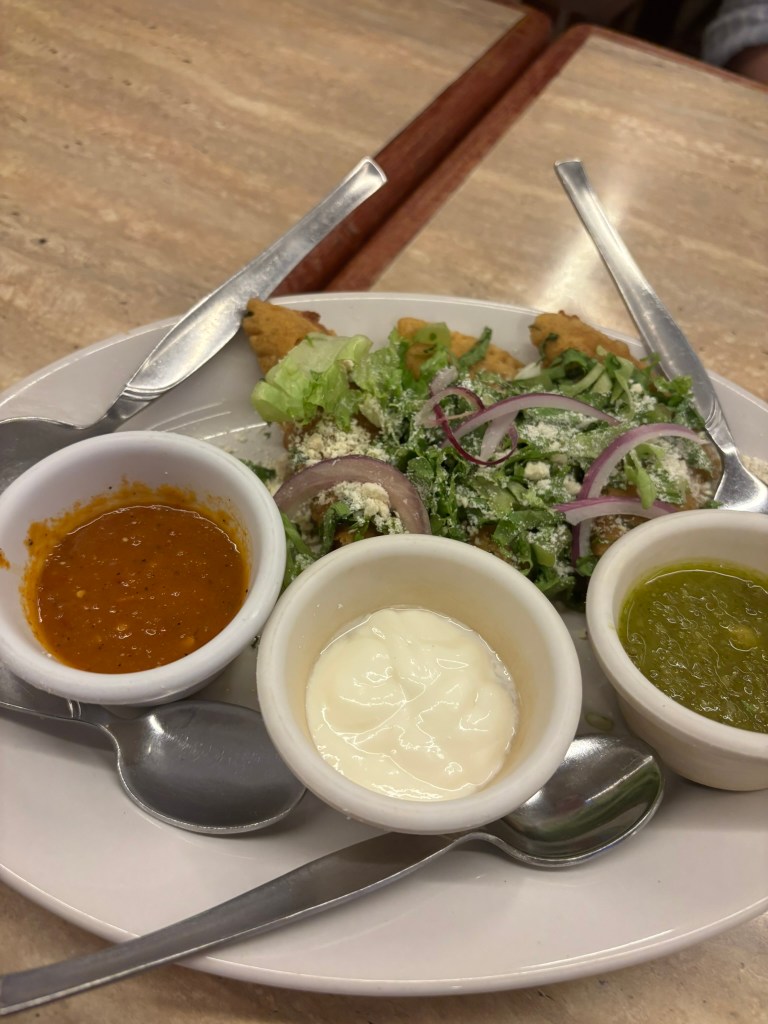
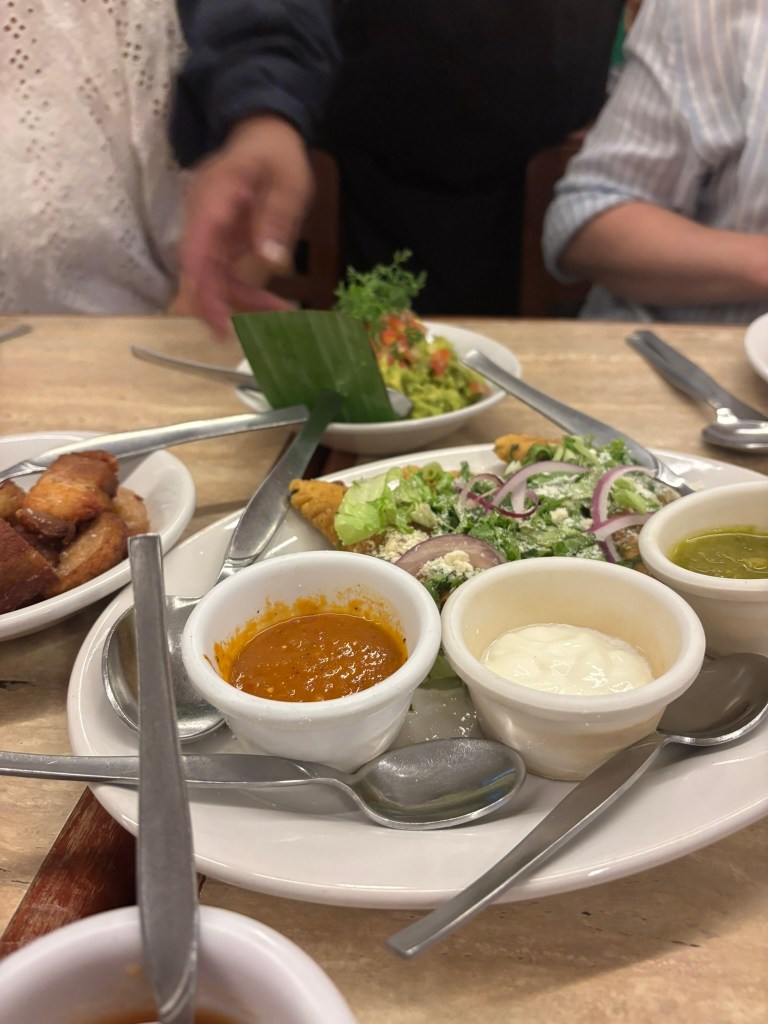
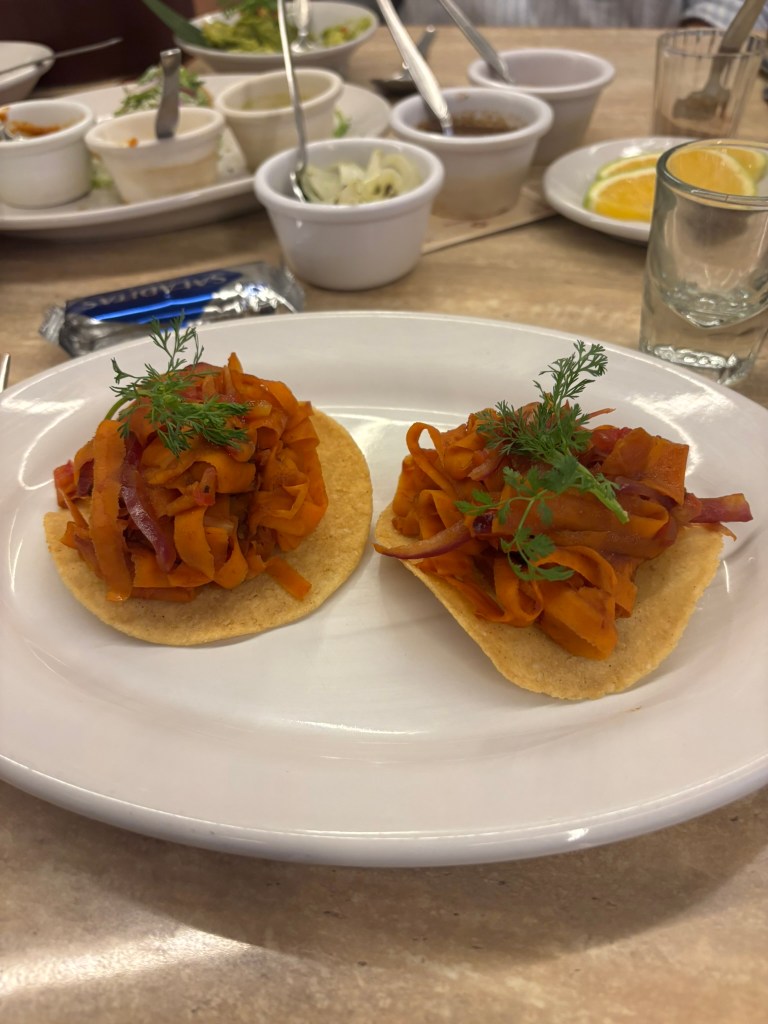
We started with a very tasty vegetarian Ceviche made with tofu, as well as vegetarian empanadas. I followed that with a spicy carrot tostada that wasn’t on the menu but created specially for me
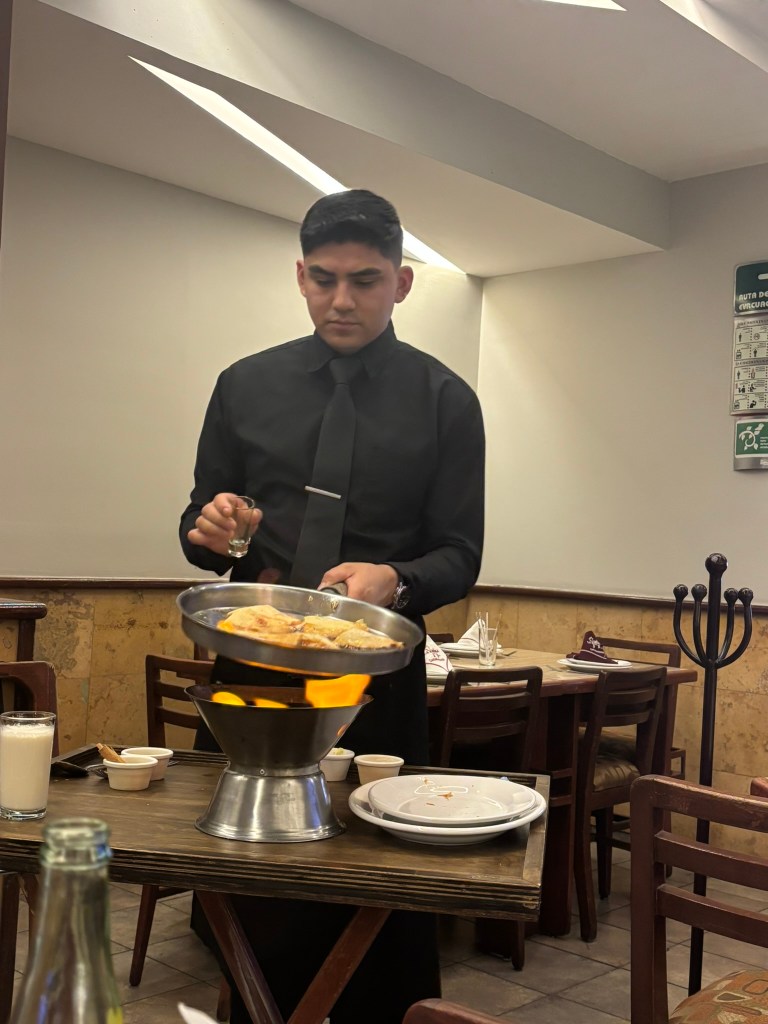
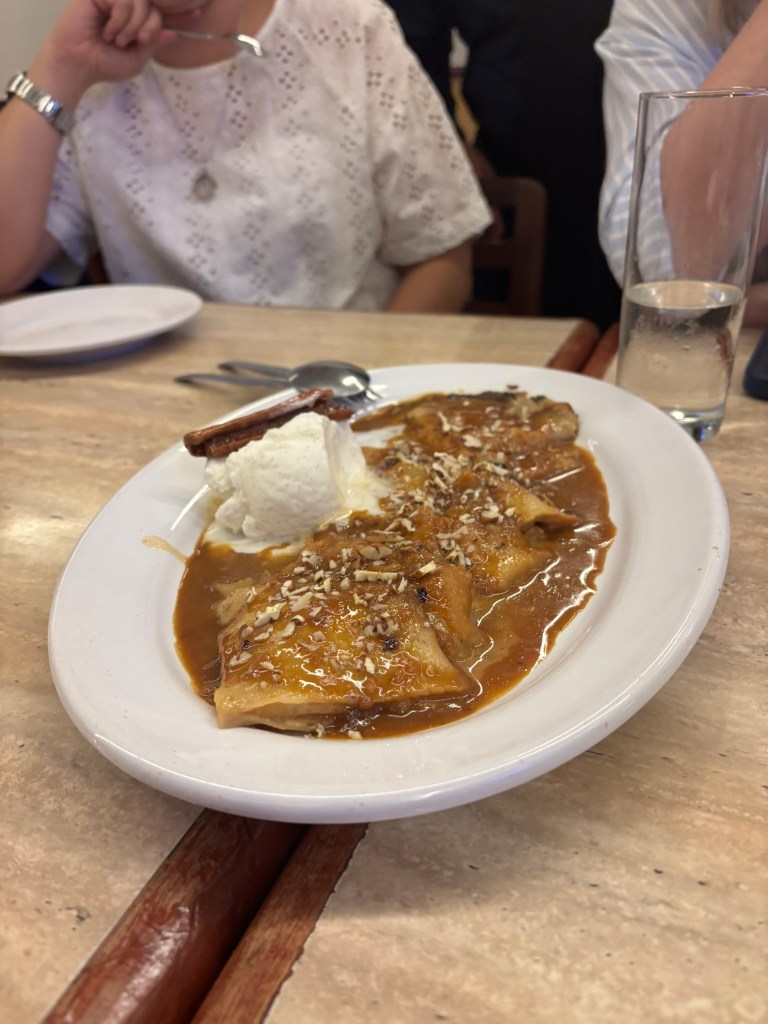
The Grand Finale: Close out the entire evening with an elegant performance as servers prepare Crepes Suzette tableside on rolling, fire-lit carts, splashing spirits over an open flame to perfectly caramelize the sweet orange-butter sauce.
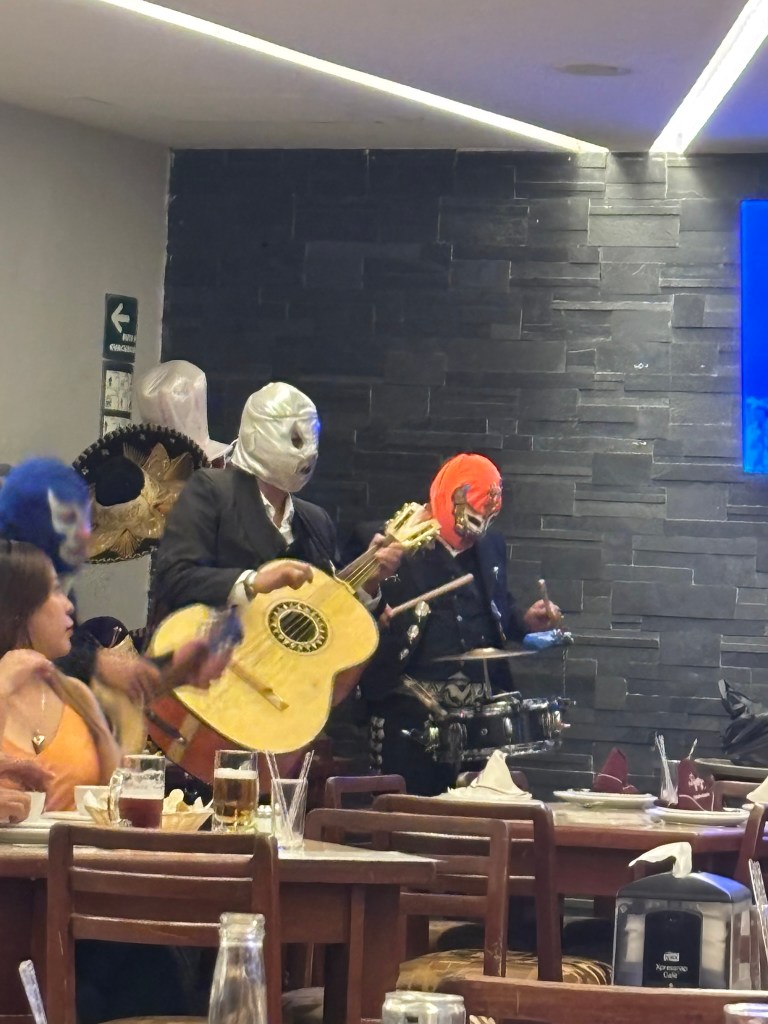
The Ultimate Entertainment: While you eat, the restaurant erupts with a performance entirely unique to Mexico City: a Lucha Libre Mariachi band. Musicians dressed in immaculate traditional black charro suits storm the floor, wearing iconic wrestling masks—paying homage to legends like El Santo and Blue Demon—and deliver high-octane acoustic sets that turn the dining room into a festive, unforgettable party.
Cultivating Connections: The Final Takeaway of the Vegetarian Business Traveler
Ultimately, navigating a world-class culinary capital like Mexico City proves that business travel is about much more than boardroom meetings and spreadsheets—it is about the deep cultural connections forged across the dinner table.
While the city’s complex, meat-dominant landscape can initially feel intimidating to an ovo-lacto vegetarian, stepping into its historic dining rooms alongside local colleagues completely unlocks the destination. Having trusted coworkers to navigate the nuances of the menu not only ensures total comfort and peace of mind, but it also opens the door to regional secrets—like discovering a life-changing obsession with your very first warm concha bread straight out of a waiter’s basket.
By leaning on local expertise, respecting ancient ingredients, and embracing the celebratory spirit of the table, you don’t just eat like a local—you get to experience the very soul of Mexico.

