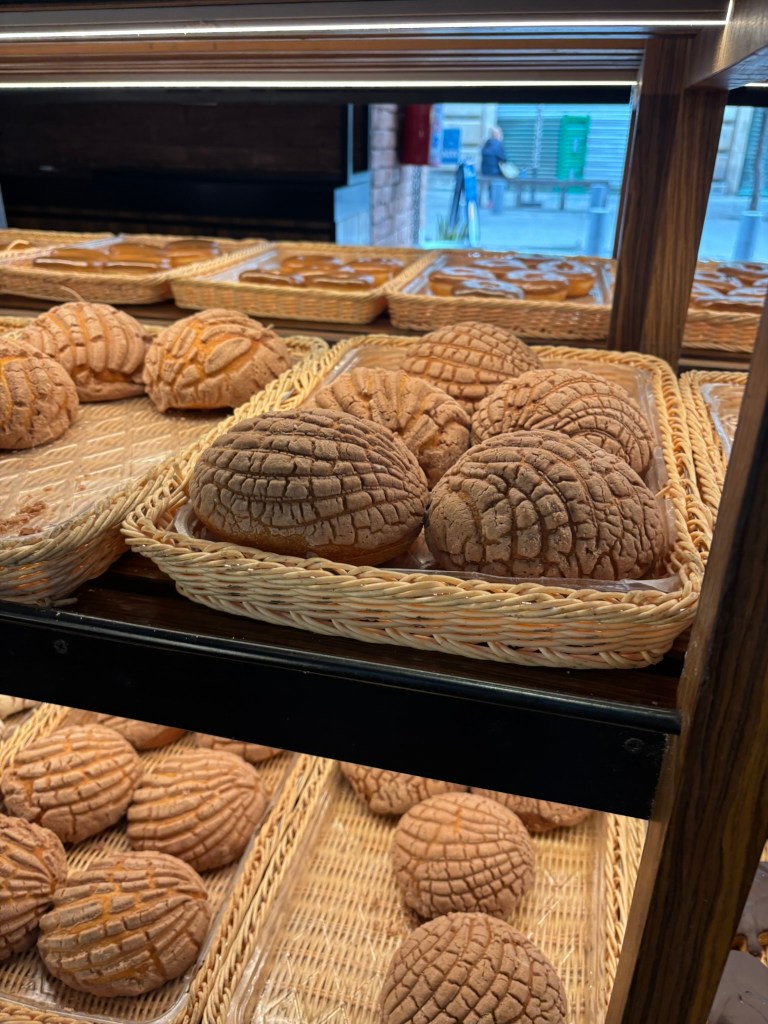
In Mexico City, the sweet smell of yeast, caramelized sugar, and warm butter is an inescapable part of the morning commute. The Centro Histórico surrounding the Zócalo (the central plaza) serves as the beating heart of this vibrant flour-and-sugar universe.
To fully understand Mexico’s unique panadería (bakery) culture, you must look beyond the shelves. The classic pan dulce we love today is a product of culinary hybridization—born from 16th-century Spanish wheat farming, indigenous adaptations with local ingredients like lard and piloncillo sugar, and 19th-century French lamination techniques popularized during the French intervention.
When touring the historic center, follow this guide to the ultimate historic bakeries, what you need to order at each, and the deep, hidden histories carved into their foundations.
- 1. Pastelería Ideal: The Cathedral of Dough Built on Sacrificial Stone
- 2. La Vasconia: The Oldest Standing Bakery in the City
- 3. Pastelería El Molino: The Birthplace of a Global Empire
- 4. Pastelería Madrid: The Chilango Local Favorite
- Walking route map
1. Pastelería Ideal: The Cathedral of Dough Built on Sacrificial Stone
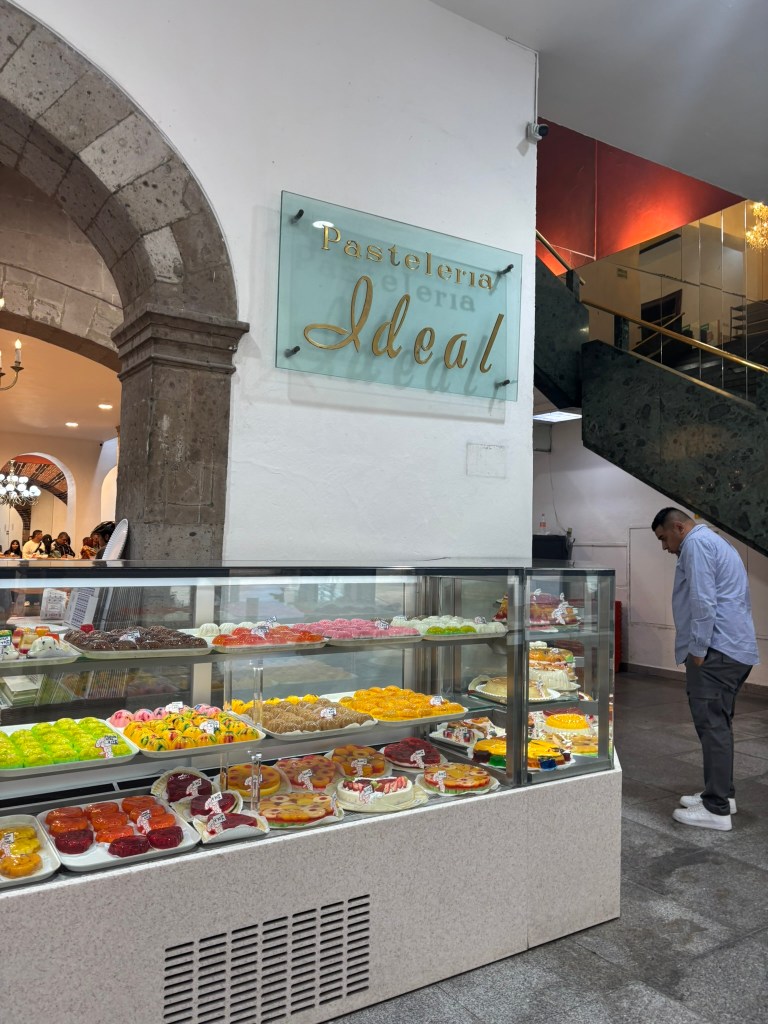
No culinary tour of the Zócalo is complete without stepping into the pure, high-volume pandemonium of Pastelería Ideal (Address: 16 de Septiembre 18). Established in 1927 during the turbulent years of the Cristero War, Ideal has transformed from a humble neighborhood bread shop into a massive, multi-generational cultural pillar.
   ┌────────────────────────────────────────────────────────┐
   │                THE PASTELERÍA IDEAL RITUAL             │
   ├────────────────────────────────────────────────────────┤
   │ 1. Grab a massive, circular metal tray from the stack. │
   │ 2. Take a pair of long mechanical tongs.               │
   │ 3. Weave through the crowds to pile your tray high.   │
   │ 4. Take your haul to the wrap counter.                 │
   │ 5. Watch clerks tie it up in iconic blue-white boxes. │
   └────────────────────────────────────────────────────────┘
The Sacrificial History Beneath the Flour
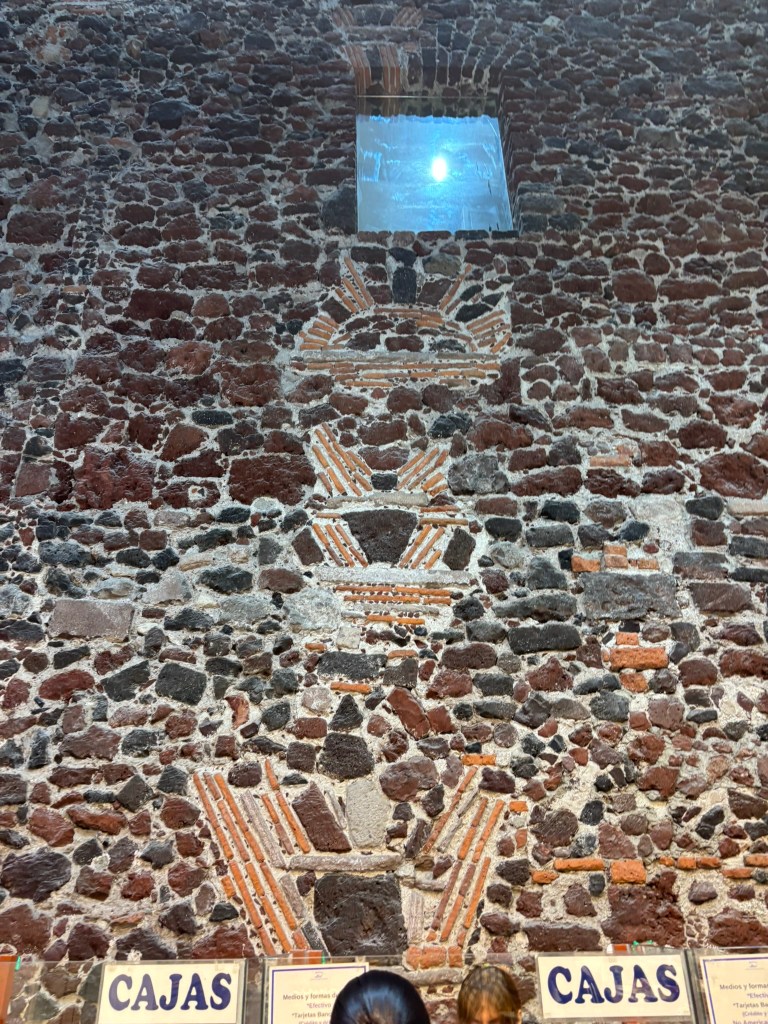
The address itself holds profound historical weight. Pastelería Ideal was built directly within the footprint of the Convento de San Francisco de Asís (Conquest-era Franciscan Monastery).
Following the Spanish Conquest of Tenochtitlan in 1521, Hernán Cortés granted land to the Franciscan order to build their headquarters. Built directly over the ruins of the Aztec Emperor Moctezuma’s wild-animal zoo (Vivario), the Convento de San Francisco grew into the largest monolithic religious complex in the Americas. It housed extensive cloisters, gardens, chapels, and the first primary school for indigenous youth.
The complex was systematically dismantled and largely demolished during the Reform War (Guerra de Reforma) under President Benito Juárez. The Liberal government’s 1856 Ley Lerdo confiscated all church-owned property. To break the economic power of the clergy and integrate the city, streets like 16 de Septiembre were cut directly through the monastery’s sacred cloisters, structures were torn down, and plots were sold off to secular business entities. The massive sugar factory, Pastelería Ideal, operates directly atop these centuries-old ruins.
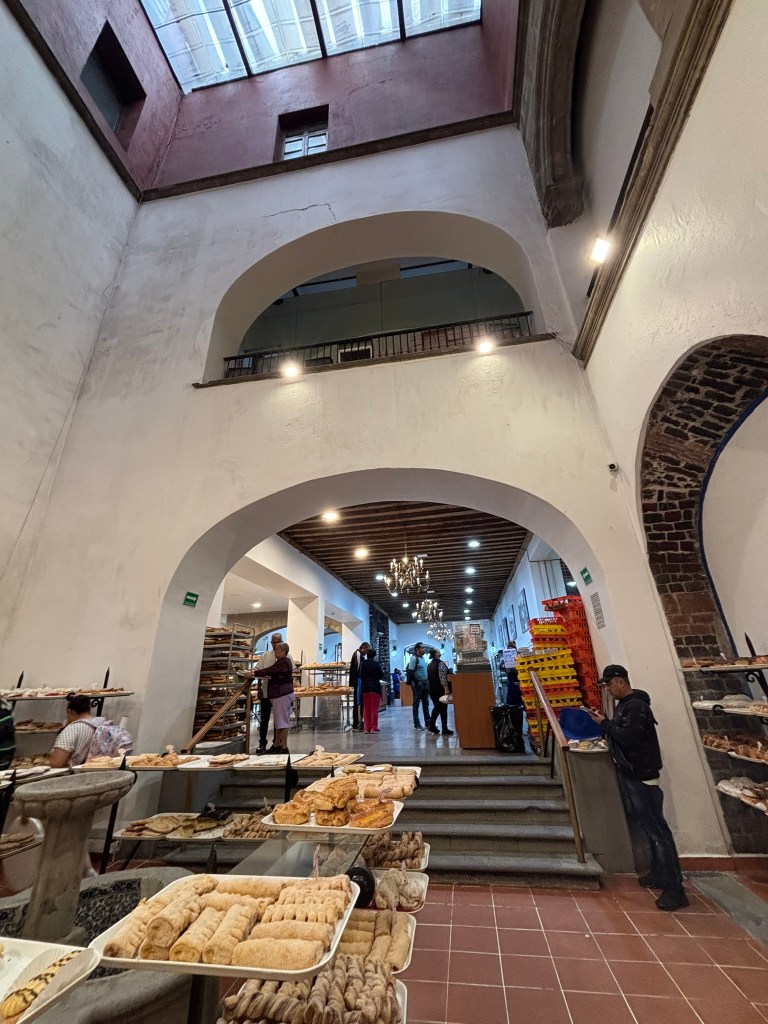
- What to try: Get the classic Concha (a pillowy brioche bun topped with an iconic, crackled vanilla or chocolate cookie shell) and their delicate Pastas Secas (traditional dry butter cookies).
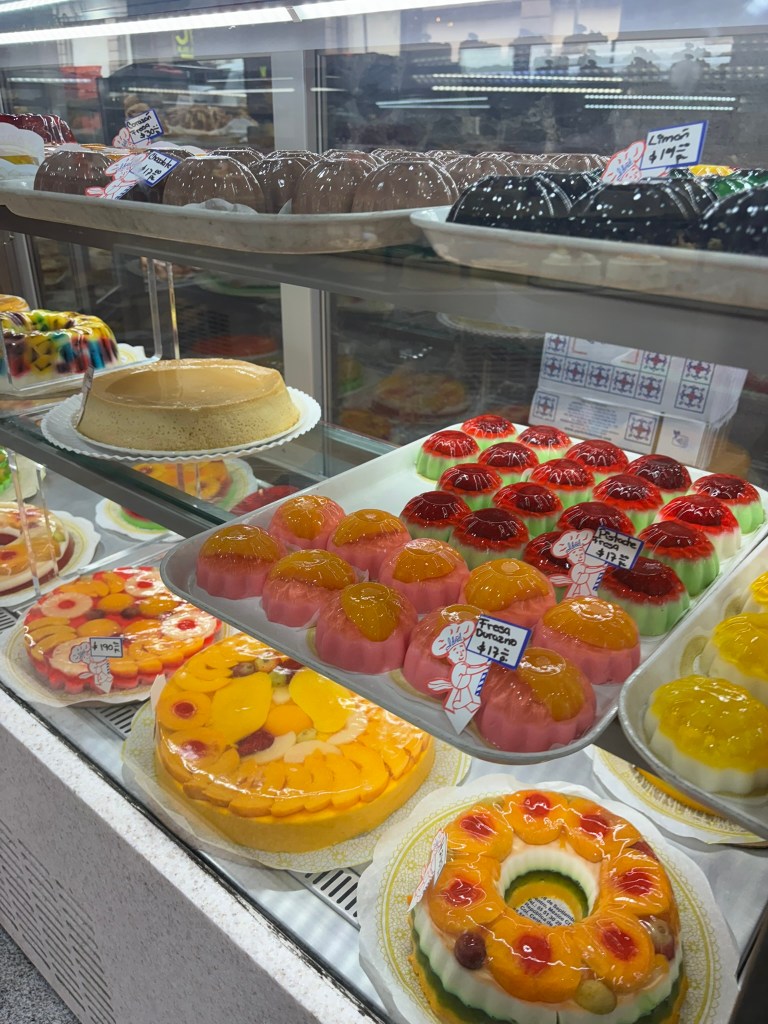
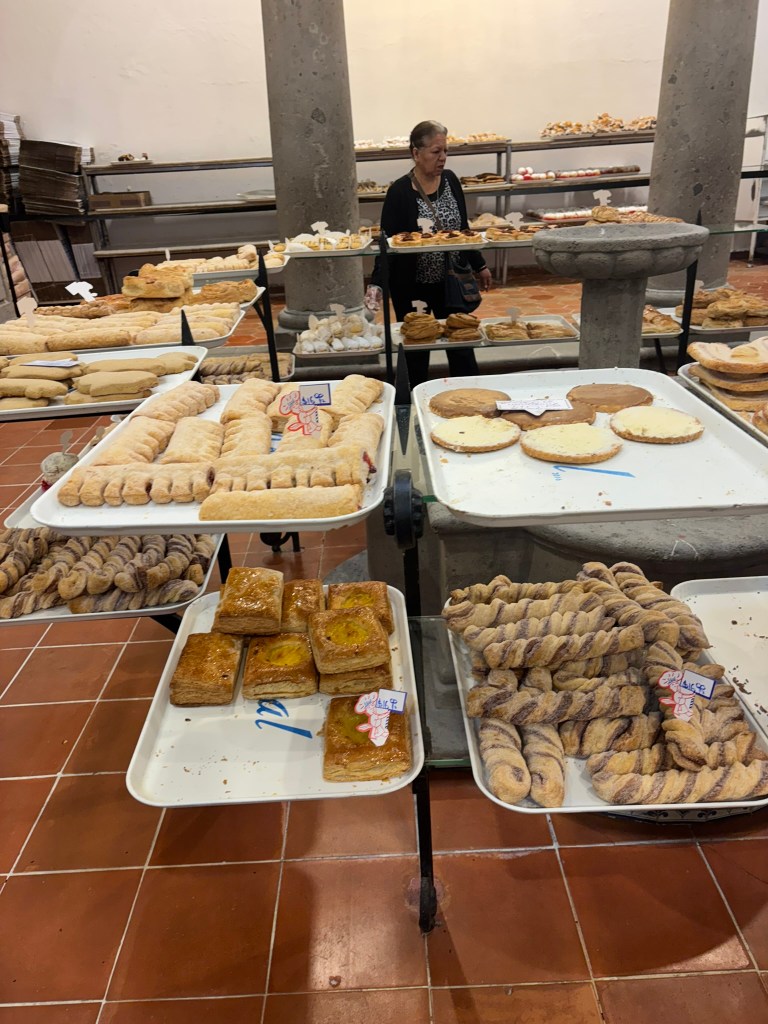
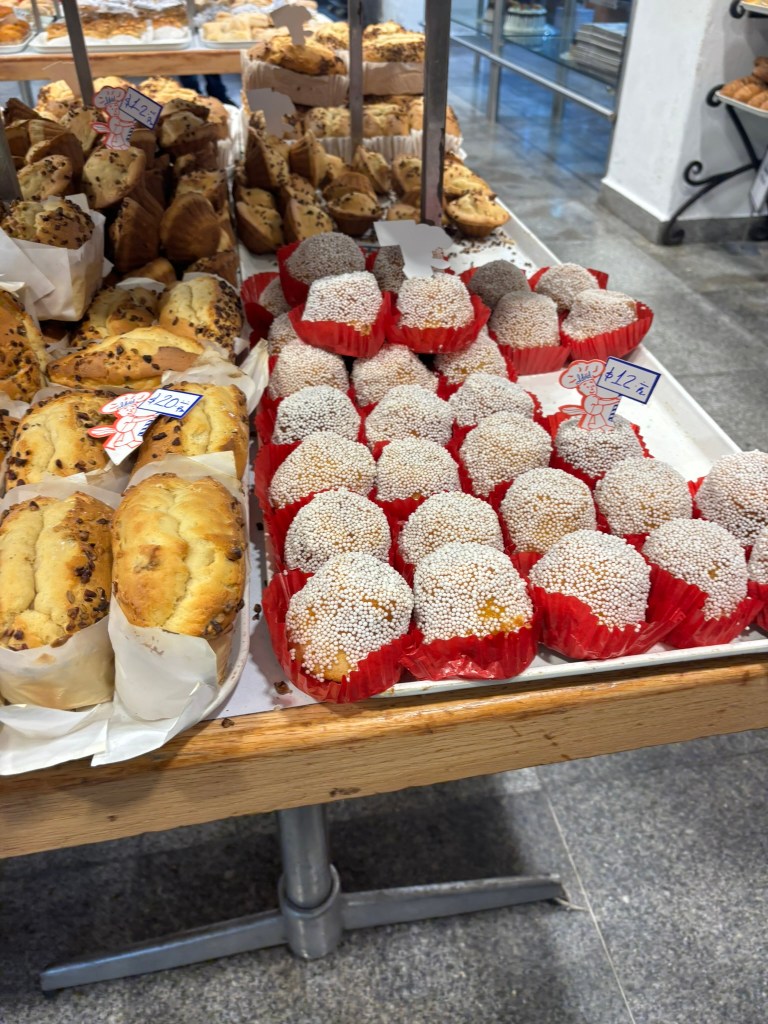
2. La Vasconia: The Oldest Standing Bakery in the City
Operating continuously since 1870 at the corner of Calle Tacuba and Calle de la Palma, La Vasconia is officially Mexico City’s oldest standing bakery.
Founded by a Basque immigrant during the peak of the Porfiriato—the era where President Porfirio Díaz attempted to fully Europeanize the architecture and food of the capital—La Vasconia is a living museum. The interior, with its heavy wooden trim, high ceilings, and time-worn glass displays, feels entirely unchanged by time.
- What to try: The bakery is famous for its crisp Orejas (the Mexican take on French Palmiers; flaky puff pastry layered with caramelized sugar) and their freshly baked savory lunch tortas made on-site.
3. Pastelería El Molino: The Birthplace of a Global Empire
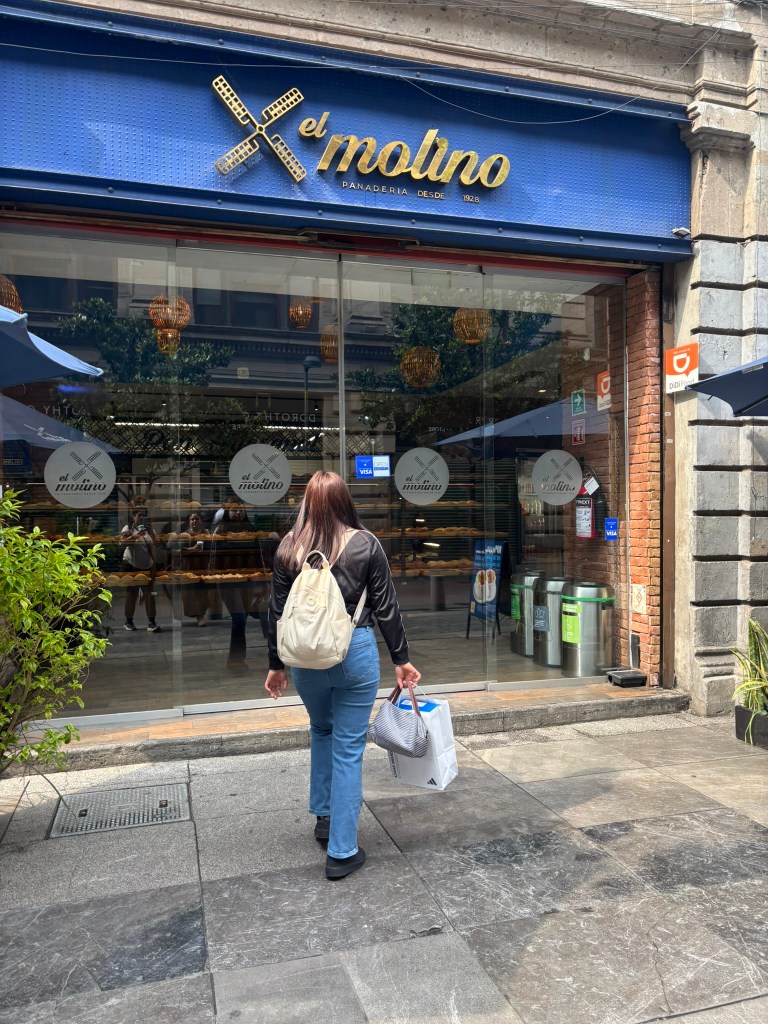
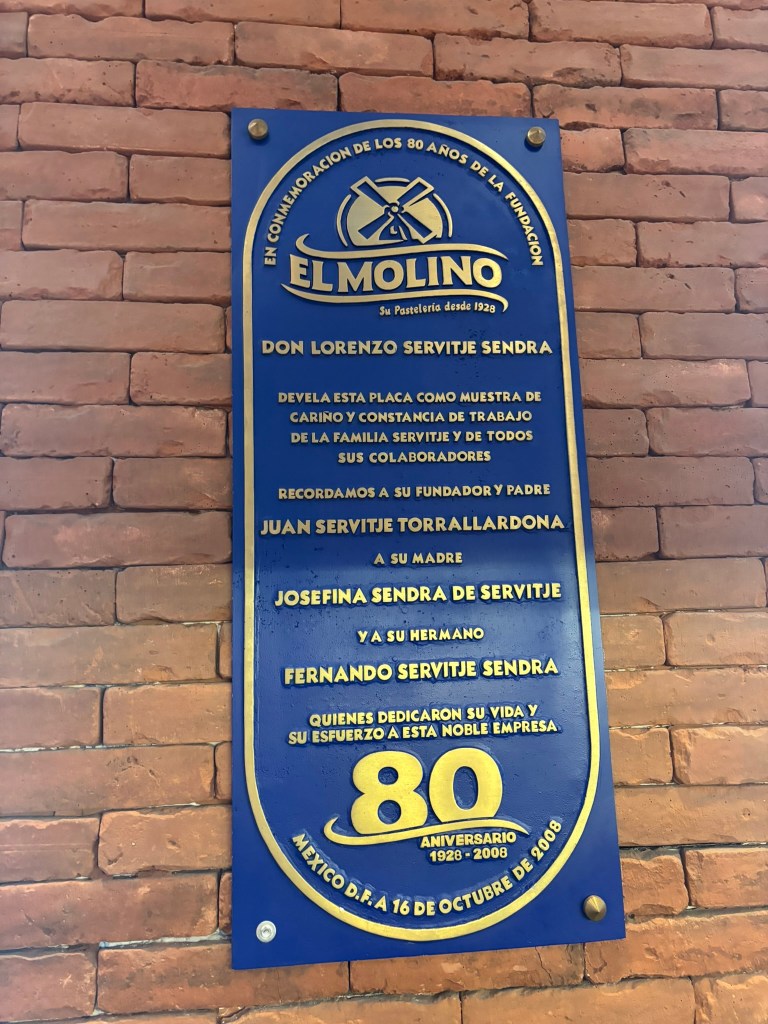
Located at Av. 16 de Septiembre 59, Pastelería El Molino has been serving passersby under its striking blue-and-gold windmill logo since 1928. While it operates today as a modern, budget-friendly neighborhood pastry shop, a commemorative plaque on the interior brick wall uncovers its massive industrial legacy.
El Molino is the exact birthplace of Grupo Bimbo (Bimbo bakeries), the largest commercial baking company on Earth. Founded by Catalan immigrant Juan Servitje Torrallardona, the shop passed to his son, Don Lorenzo Servitje Sendra, in 1937. Lorenzo honed his commercial knowledge running this exact storefront. In 1945, using the capital, supply chains, and industry practices developed right here, he co-founded Panificación Bimbo—launching an empire that now spans over 35 countries.
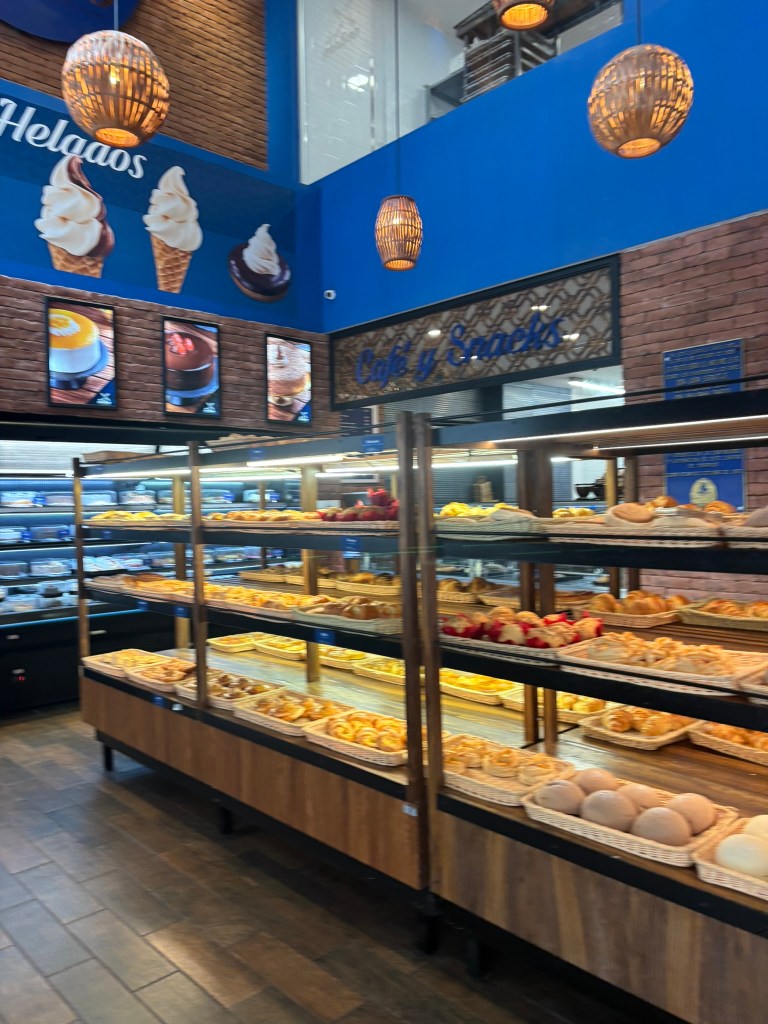
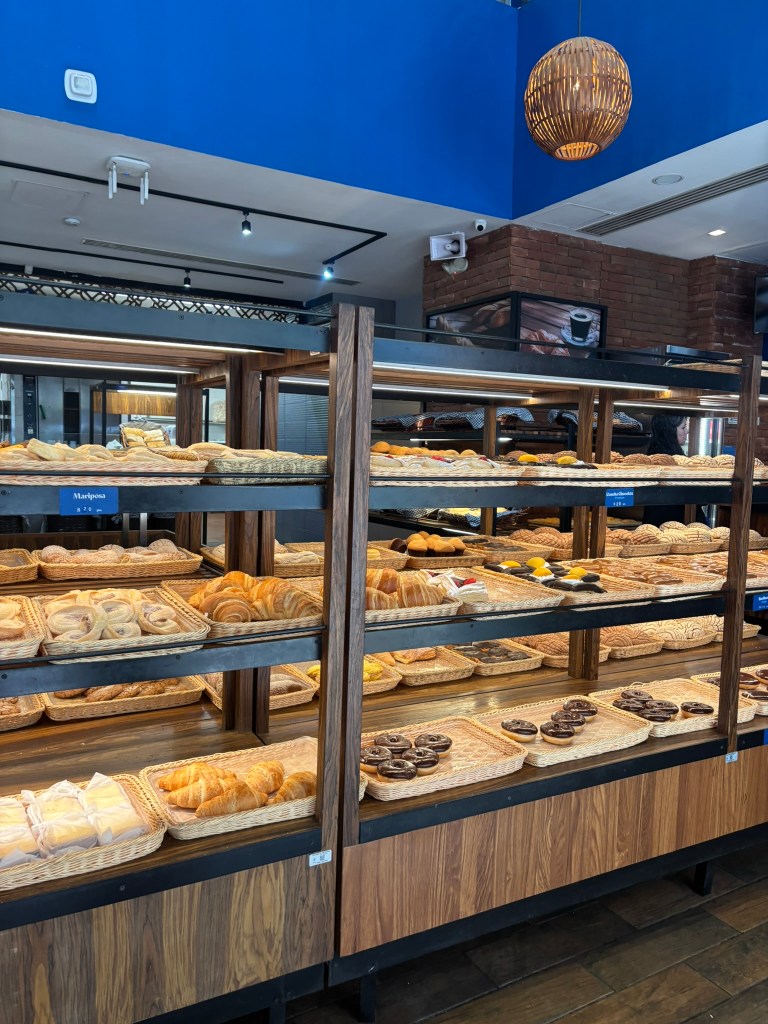
- What to try: Do not miss their fresh Bolillos (traditional savory sandwich rolls descended from the French baguette, featuring a crisp outer crust and a pillowy soft interior) or their traditional Mariposa (butterfly puff pastry) dusted heavily in white sugar.
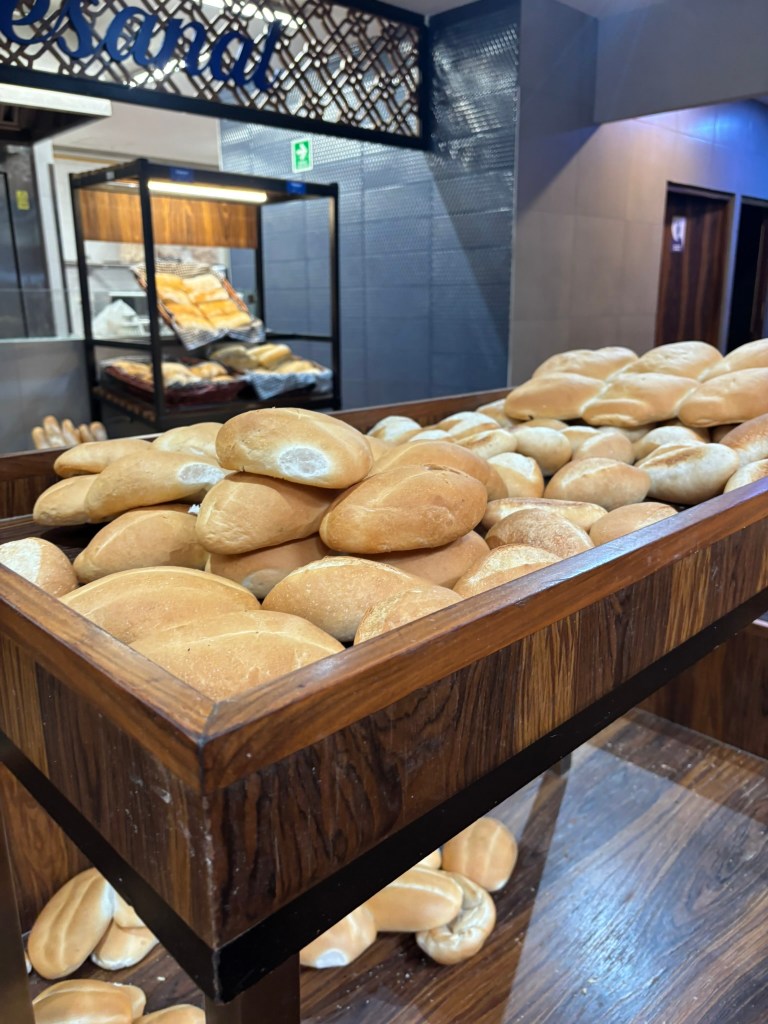
4. Pastelería Madrid: The Chilango Local Favorite
Tucked slightly away from the primary tourist paths at C. 5 de Febrero 25, Pastelería Madrid is where local Chilangos go to buy their daily bread. It is noisy, budget-friendly, and deeply integrated into the local neighborhood routine.
- What to try: This is the absolute best spot to sample Panqué de Elote (a dense, intensely moist, and naturally sweet Mexican corn cake) along with their exceptional cheese-filled pastries.
Walking route map
Here is a 1.6-kilometer (1-mile) custom walking loop through the Centro Histórico, designed to hit all four historic bakeries in a seamless, logical path starting and ending near the Zócalo.
The entire walk takes about 20 to 25 minutes of pure walking time, keeping you on historic, highly pedestrianized streets.
       [ START: Zócalo Plaza ]
                 │
                 ▼ (Walk 1.5 blocks West on Av. 16 de Septiembre)
     1. PASTELERÍA IDEAL  ───►  2. PASTELERÍA EL MOLINO
                 │                        ▲
                 ▼ (South on Filomeno Mata)│ (West on 16 de Septiembre)
     [ Cross Av. Madero & 5 de Mayo ]     │
                 │                        │
                 ▼ (North on Tacuba)      │ (South on 5 de Febrero)
     3. LA VASCONIA       ───►  4. PASTELERÍA MADRID
Detailed Navigation Steps
Stop 1: Pastelería Ideal
- Route: From the main Zócalo plaza, walk west down the pedestrian-friendly Avenida 16 de Septiembre. Walk past the front of the Gran Hotel de México. After 1.5 blocks, Pastelería Ideal will be on your right side.
- Vibe Check: Grab your massive metal tray immediately upon walking in.
Stop 2: Pastelería El Molino
- Route: Exit Ideal, turn right, and continue walking west down Avenida 16 de Septiembre for just half a block. Cross Calle de Bolívar, and Pastelería El Molino will be right there under its blue-and-gold windmill sign.
- Vibe Check: Stop inside to read the historic Bimbo foundation plaque on the brick wall.
Stop 3: La Vasconia
- Route: From El Molino, turn right and walk to the next corner (Filomeno Mata). Turn right (heading north). You will cross the busy pedestrian hubs of Avenida Madero and Avenida 5 de Mayo. Continue north until you hit Calle de Tacuba. Turn right on Tacuba and walk 2 blocks east. La Vasconia is on the corner of Tacuba and Palma.
- Vibe Check: Notice the 19th-century wooden framing. This is the oldest bakery in town.
Stop 4: Pastelería Madrid
- Route: From La Vasconia, head south down Calle de la Palma. Walk 3 blocks south, crossing straight back over Madero and 5 de Mayo. When you hit Avenida República de Uruguay, turn right, walk one block, then turn right again onto Calle 5 de Febrero. Pastelería Madrid is just up the street.
- Vibe Check: This is a local favorite; expect low prices and crowd energy.
Heading Back to the Zócalo
From Pastelería Madrid, walk half a block north to Avenida 16 de Septiembre, turn right, and walk 1.5 blocks straight east to find yourself right back in the center of the Zócalo.

