The House of Blue Tiles: Inside Mexico City’s Famous Talavera Palace

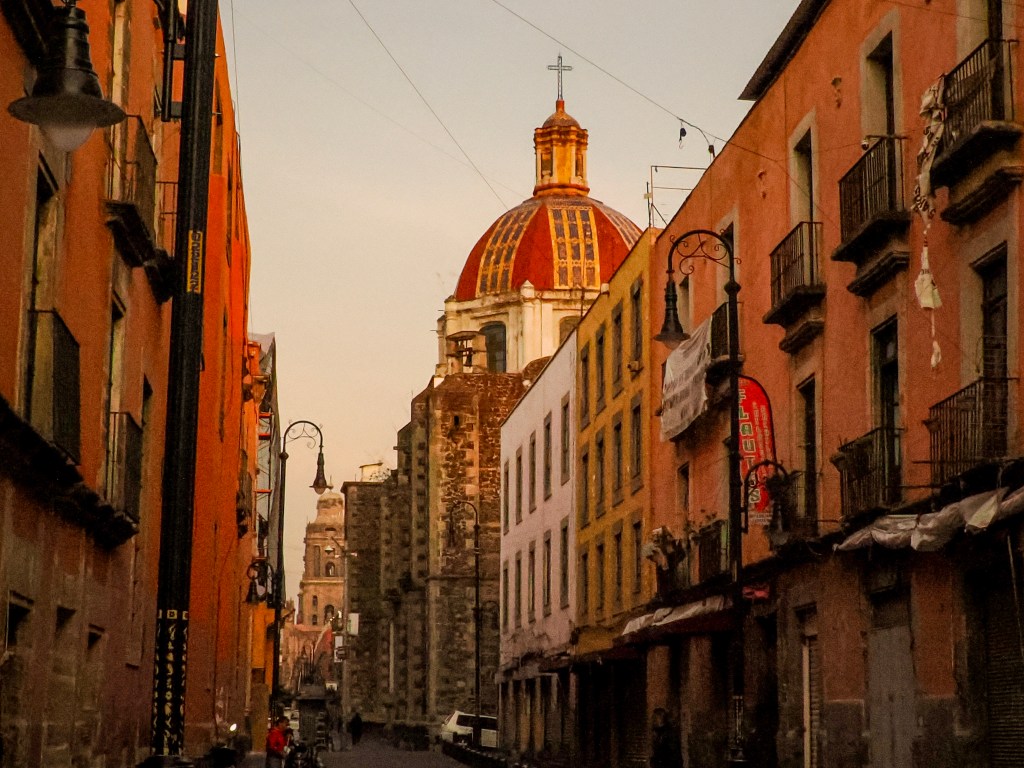
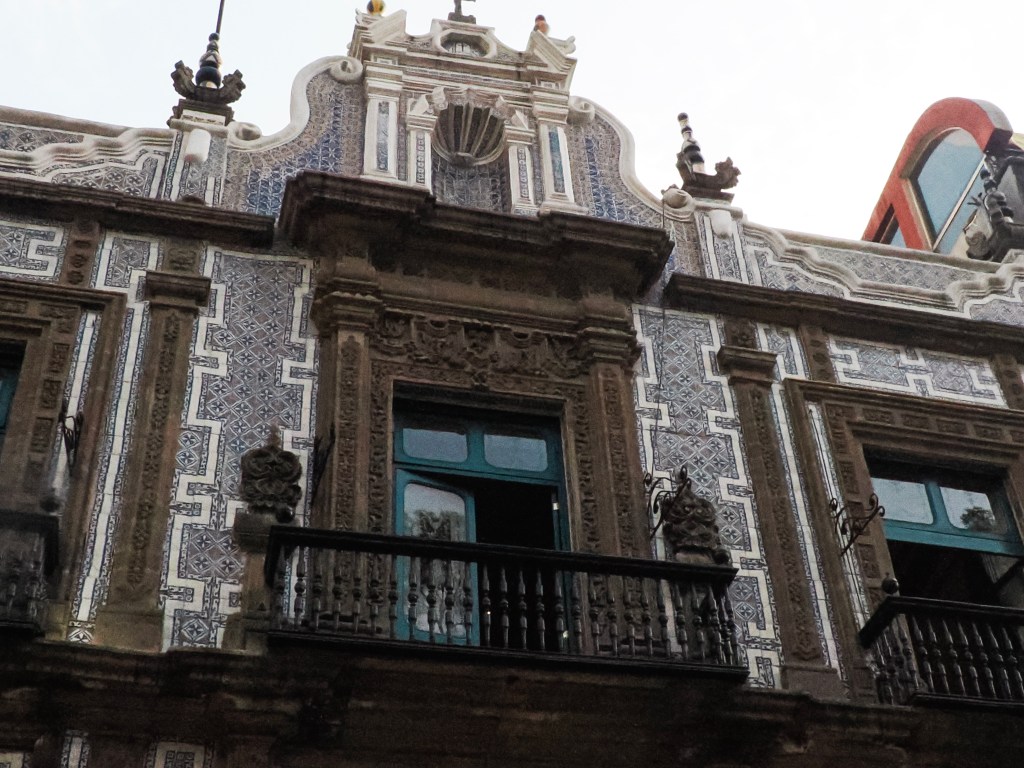
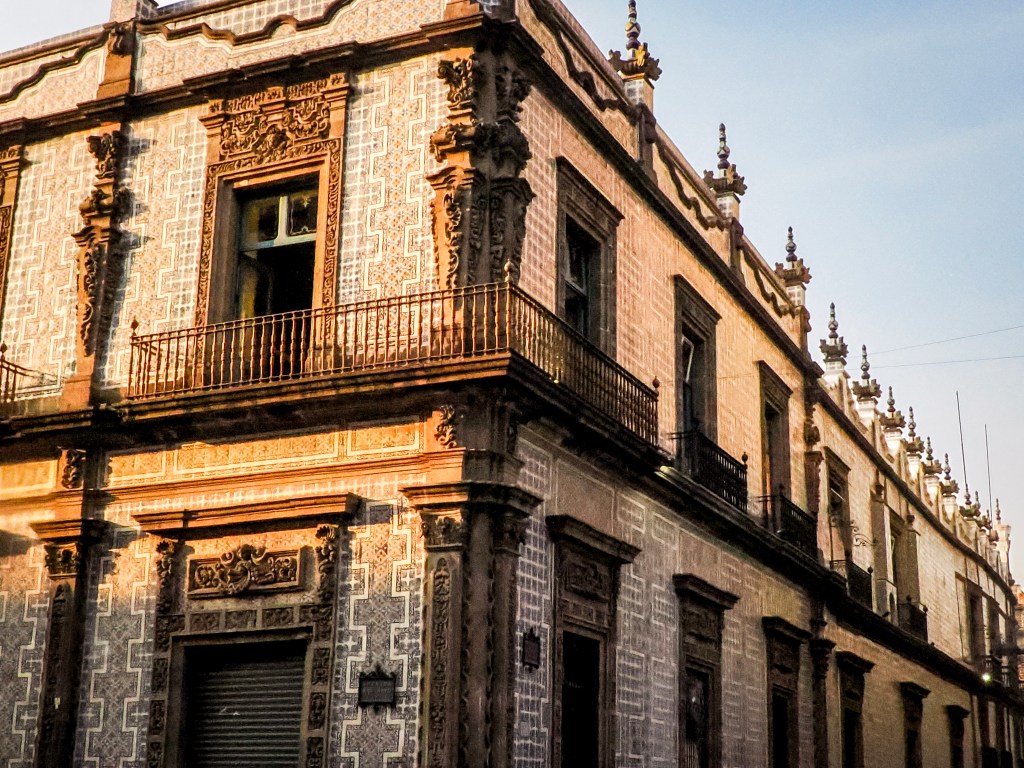
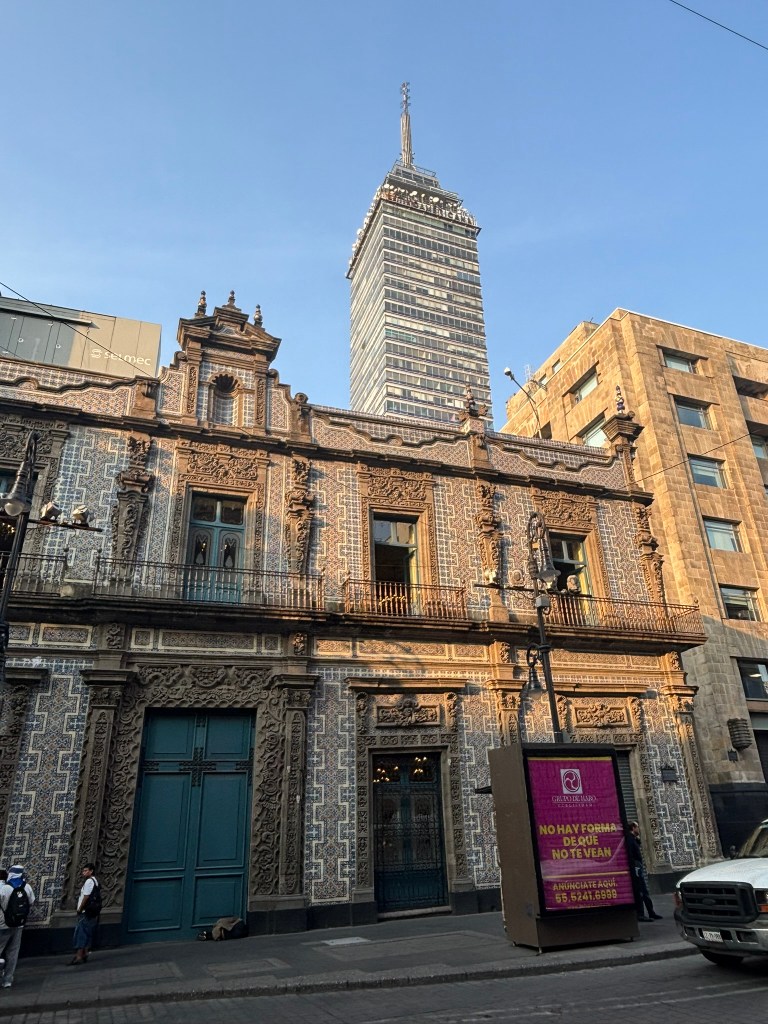
Tucked away along the bustling, stone-paved corridor of Avenida Francisco I. Madero in Mexico City’s Centro Histรณrico sits one of the world’s most spectacular historic buildings: La Casa de los Azulejos (The House of Blue Tiles).

While millions of travelers walk past its shimmering, iridescent facade every year, few realize that stepping through its doors is like entering a living time capsule of Mexican history, world-class art, and culinary tradition. Here is everything you need to know to photograph, explore, and experience this architectural wonder.

  1. From Aristocratic Palace to Tile-Clad Legend
  2. ๐Ÿ—ผ The French Influence and Porfirian Elegance
  3. ๐Ÿฆš The Elegant Courtyard and the Lost Peacock Mural
  4. ๐ŸŽจ The Hidden Staircase Mural: Josรฉ Clemente Orozco
  5. ๐Ÿณ Dining in History: The Sanborns Restaurant
  6. ๐Ÿ“ Visitor Information

From Aristocratic Palace to Tile-Clad Legend

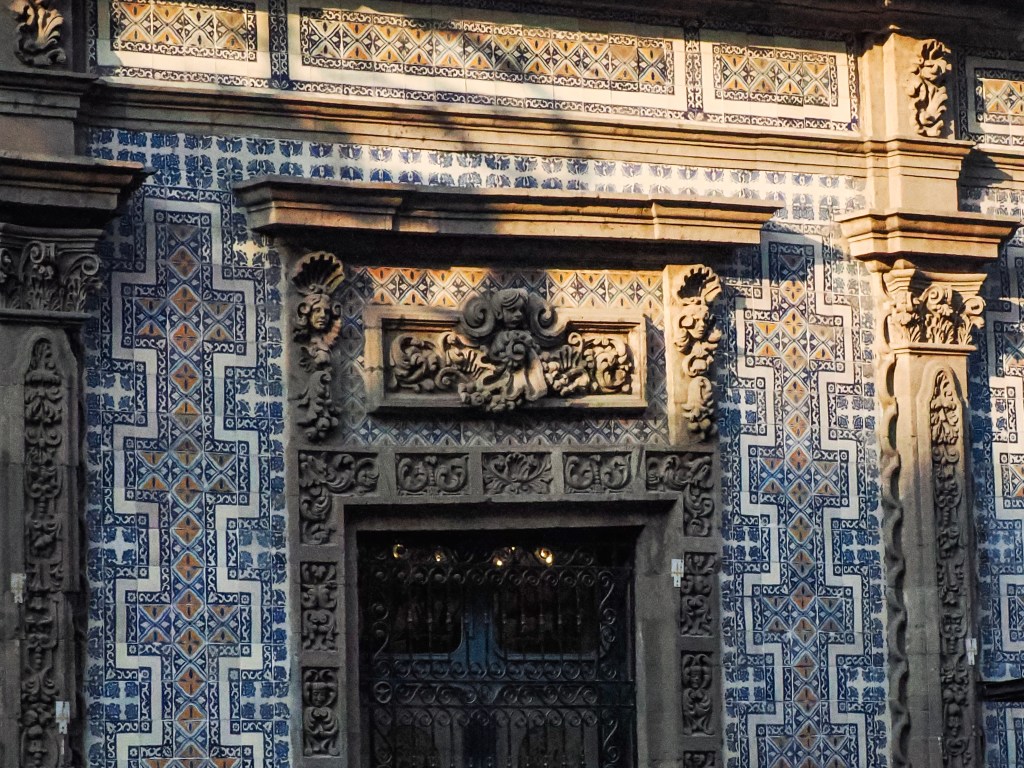
The buildingโ€™s origins date back to the late 16th century when it served as a grand residence for the Counts of the Valley of Orizaba. However, it wasn’t until 1737 that the mansion received its iconic, head-turning transformation.

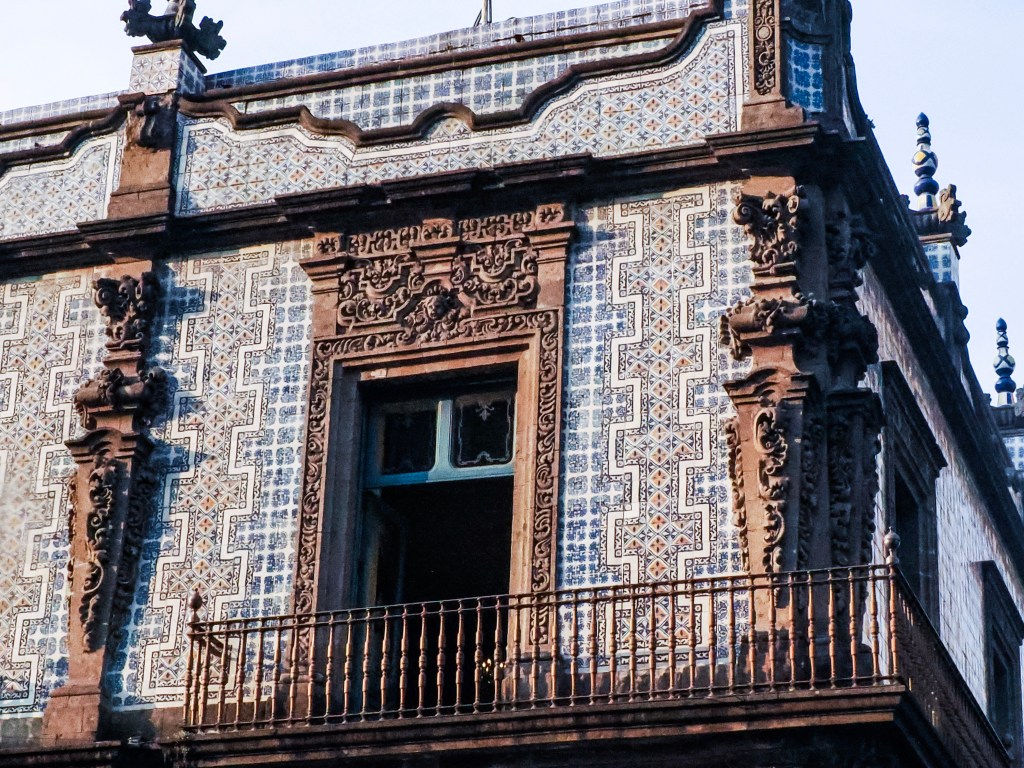
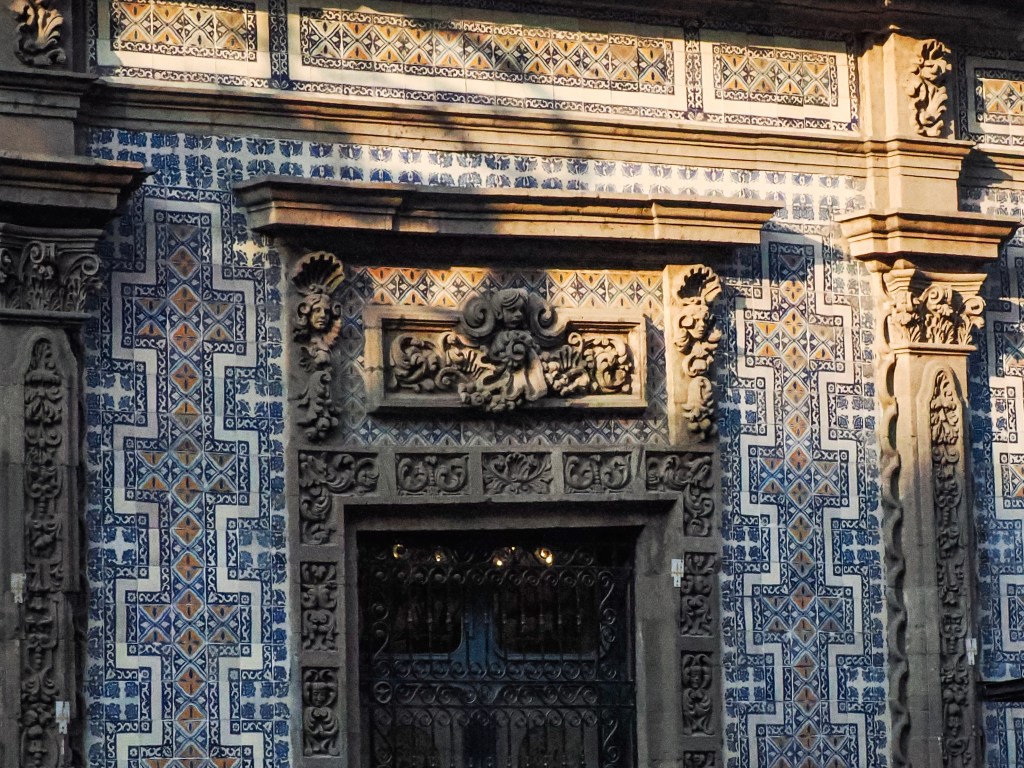
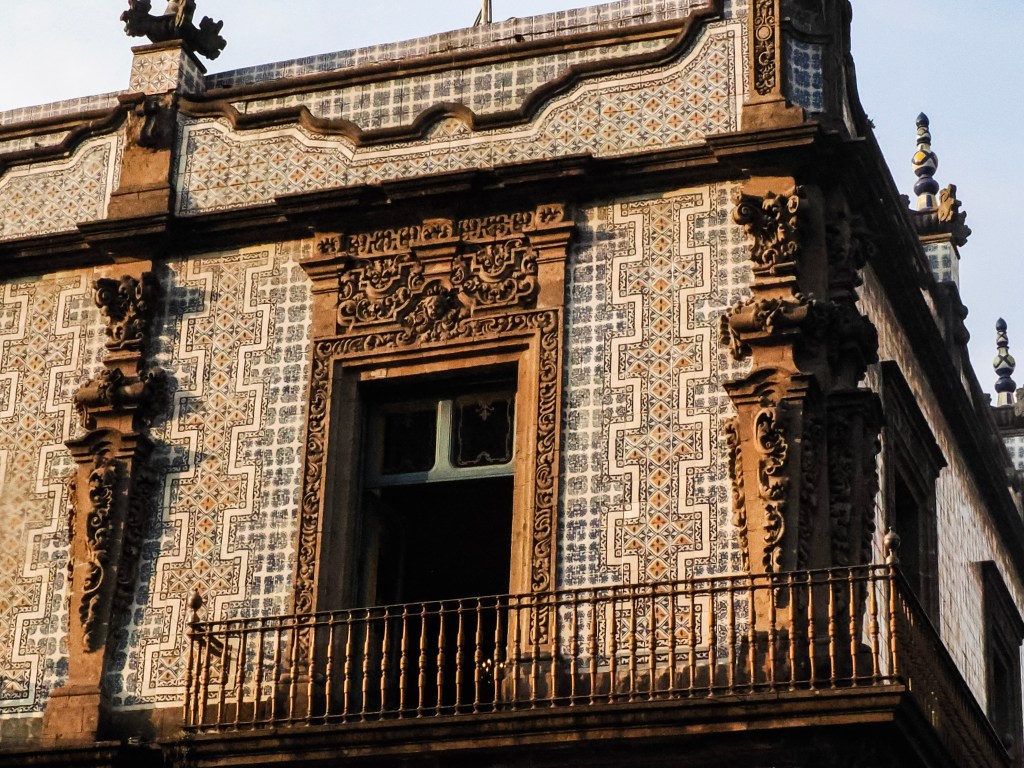
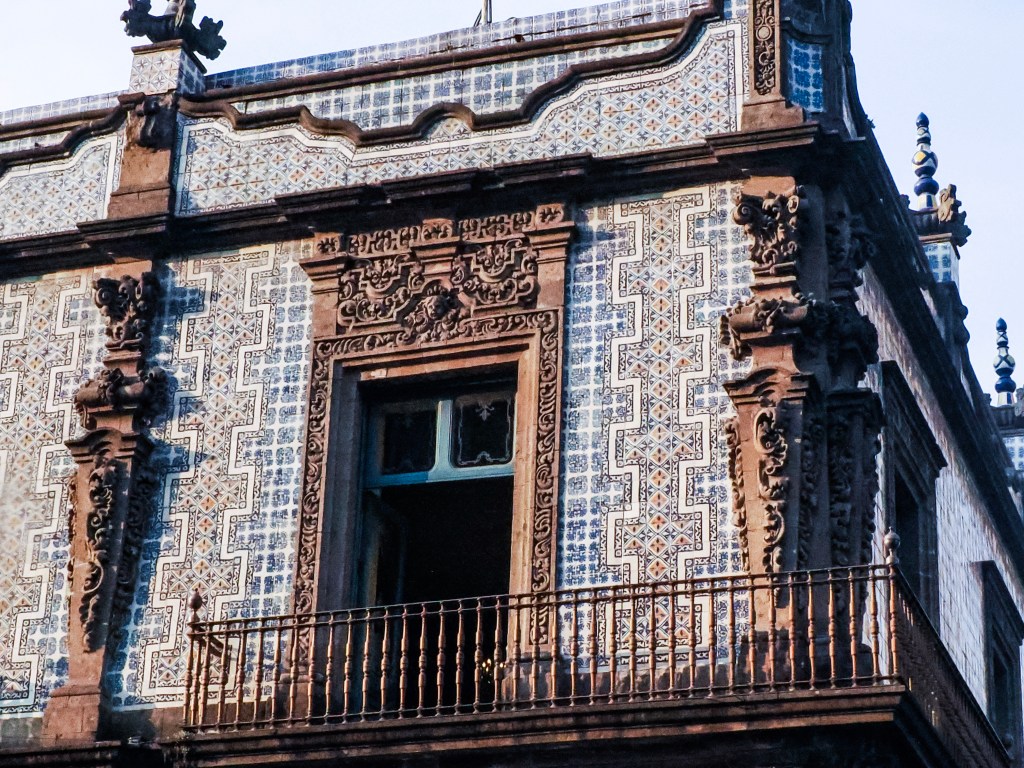
According to local folklore, the son of the count was quite a reckless youth. Frustrated by his sonโ€™s lack of ambition, the count famously declared, “My son, you will never build a house of tiles,”โ€”a colonial-era idiom meaning he would never amount to anything. Taking the insult as a challenge, the young heir turned his life around, inherited the property, and covered the entire outer facade in thousands of hand-painted, blue-and-white glazed Talavera tiles imported from Puebla.

The resulting design is an exquisite example of New Spanish Baroque architecture, where the cool, geometric repetition of the glazed tiles contrasts beautifully with the heavily carved, dark volcanic stone frame around the windows and balconies
๐Ÿ—ผ The French Influence and Porfirian Elegance

In the late 19th and early 20th centuries, Mexico underwent a profound cultural shift during the regime of President Porfirio Dรญaz. Dรญaz was famously obsessed with French architecture, fashion, and cuisine, sparking a nationwide movement to “Europeanize” the capital.

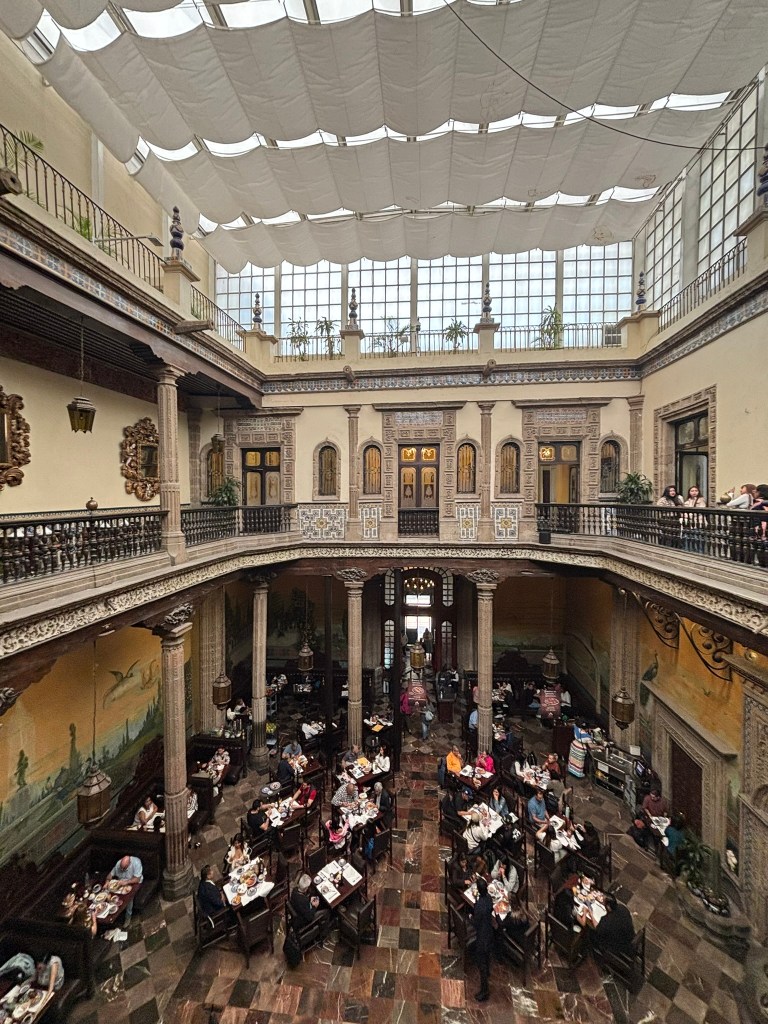
The House of Blue Tiles quickly became a central hub for this Francophile transformation. The building was leased to the elite Jockey Club, an ultra-exclusive playground for Mexico City’s wealthy, French-educated aristocracy. During this era, the central open-air patio was enclosed with a magnificent Art Nouveau stained-glass and iron canopy overhead, mirroring the grand shopping arcades of Paris.

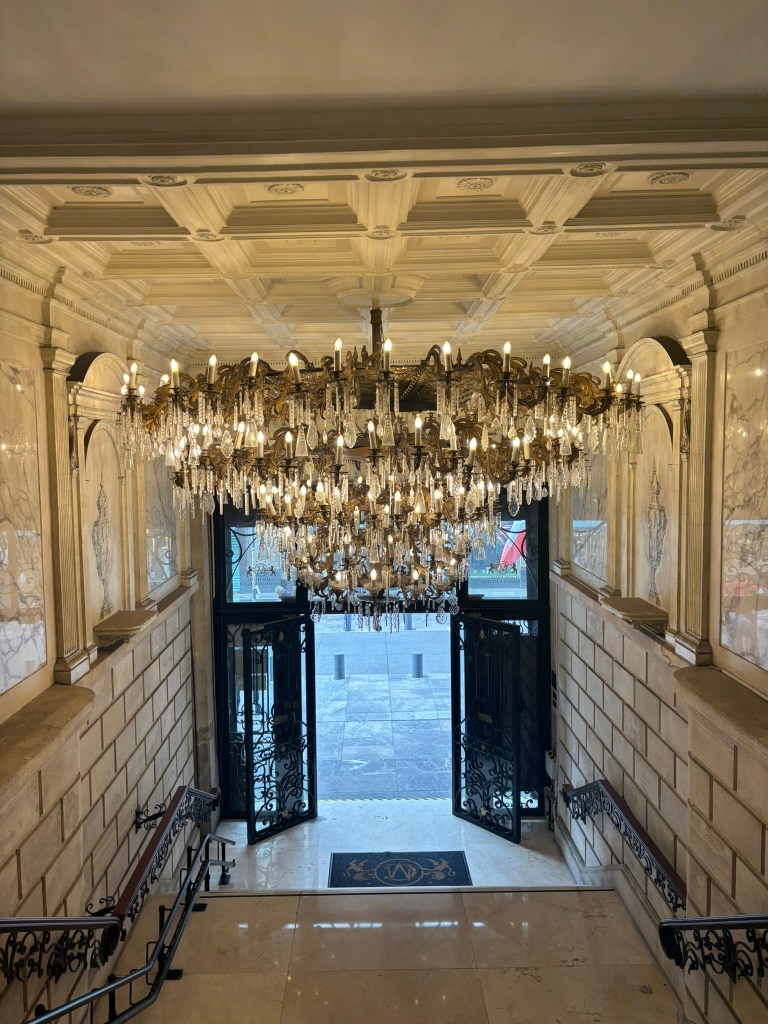
Walking into the space today, that unmistakable Belle ร‰poque flair remains intact. Crystal chandeliers hang from the high ceilings, classical French-style columns support the upper loggias, and an air of old-world European elegance seamlessly blends with the buildingโ€™s original Mexican structure.


๐Ÿฆš The Elegant Courtyard and the Lost Peacock Mural

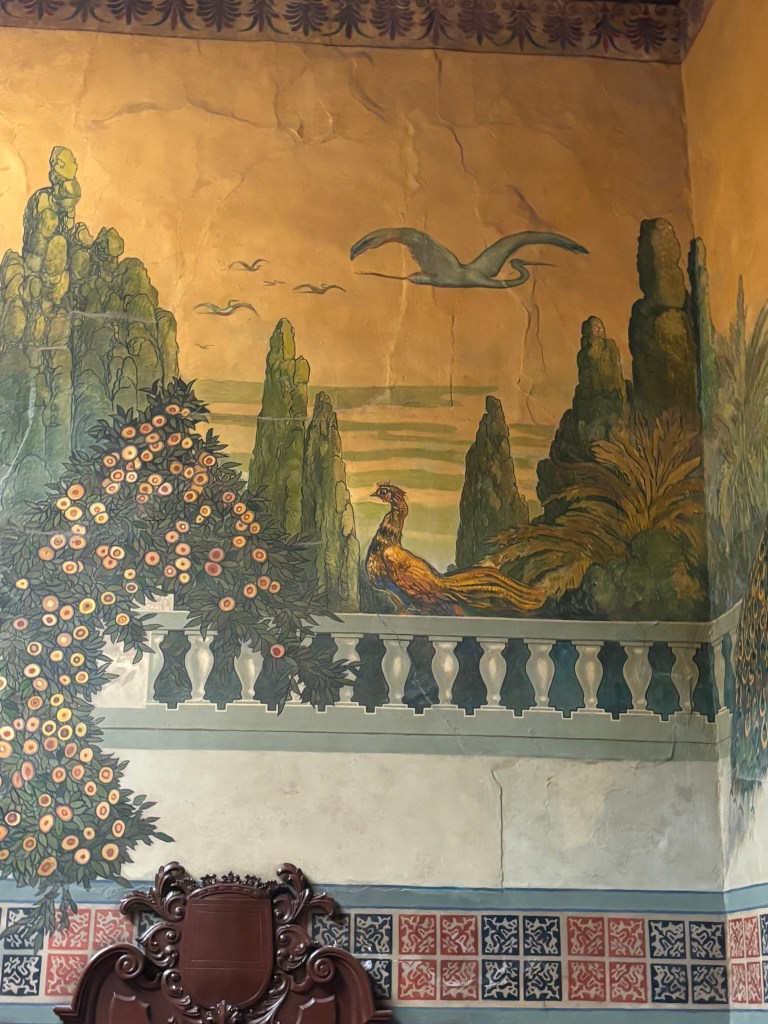
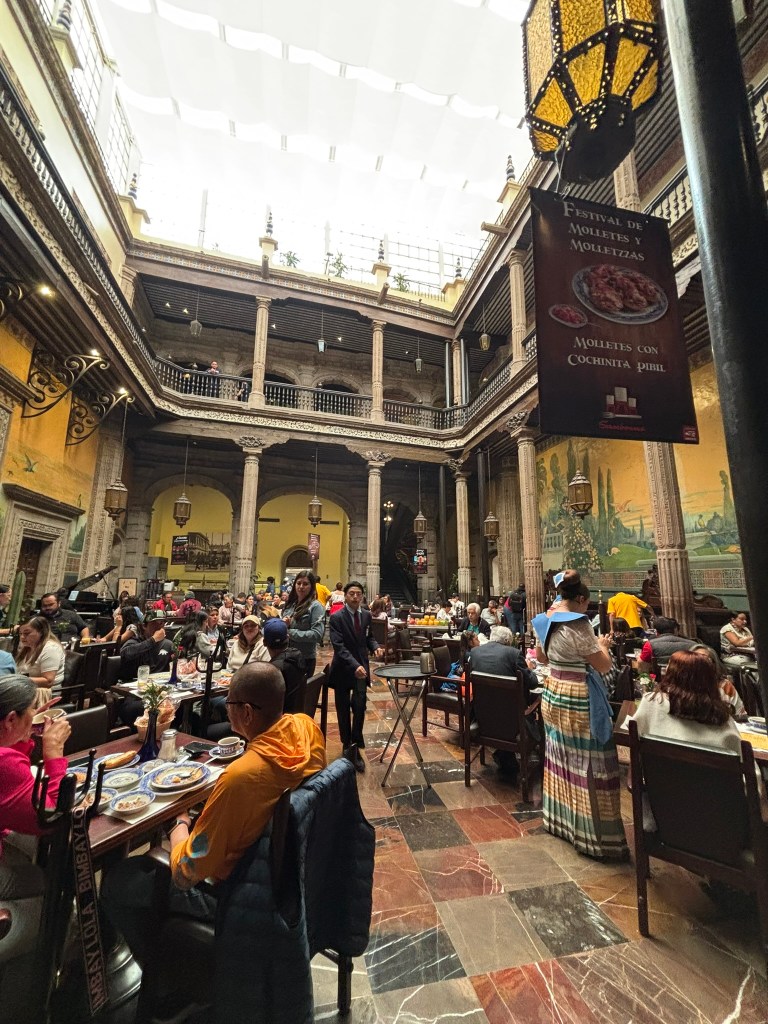
Before you even reach the upper stairs, your eyes will be drawn to the perimeter walls surrounding the central dining patio. Covering these high panels is a beautiful, expansive mural featuring lush, stylized foliage and towering peacocks.

Often overshadowed by the heavier political art of the post-revolutionary era, this decorative mural is a rare, preserved example of early 20th-century European romanticism in Mexico City. The soft pastel tones and whimsical layout mimic classical French and art nouveau wall tapestries. It was specifically commissioned during the building’s transition into a luxury social club to add a sense of serene, palatial garden opulence to the enclosed indoor dining space.
๐ŸŽจ The Hidden Staircase Mural: Josรฉ Clemente Orozco

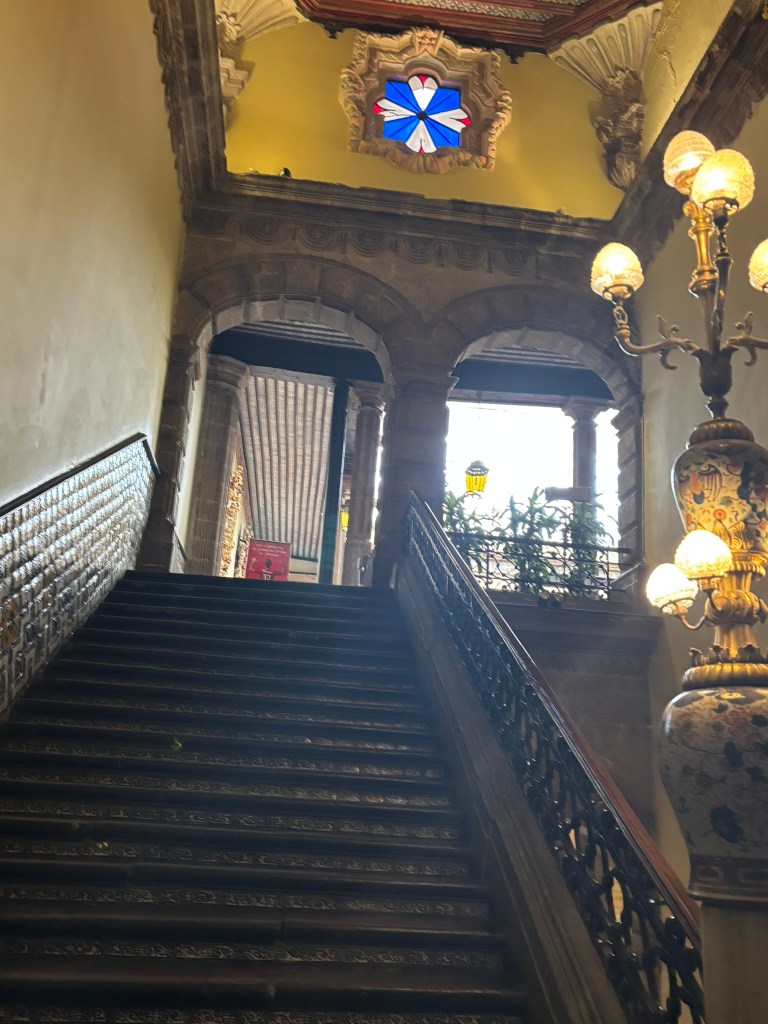
While the courtyard celebrates decorative elegance, the interior staircase holds a monumental piece of Mexico’s post-revolutionary identity.

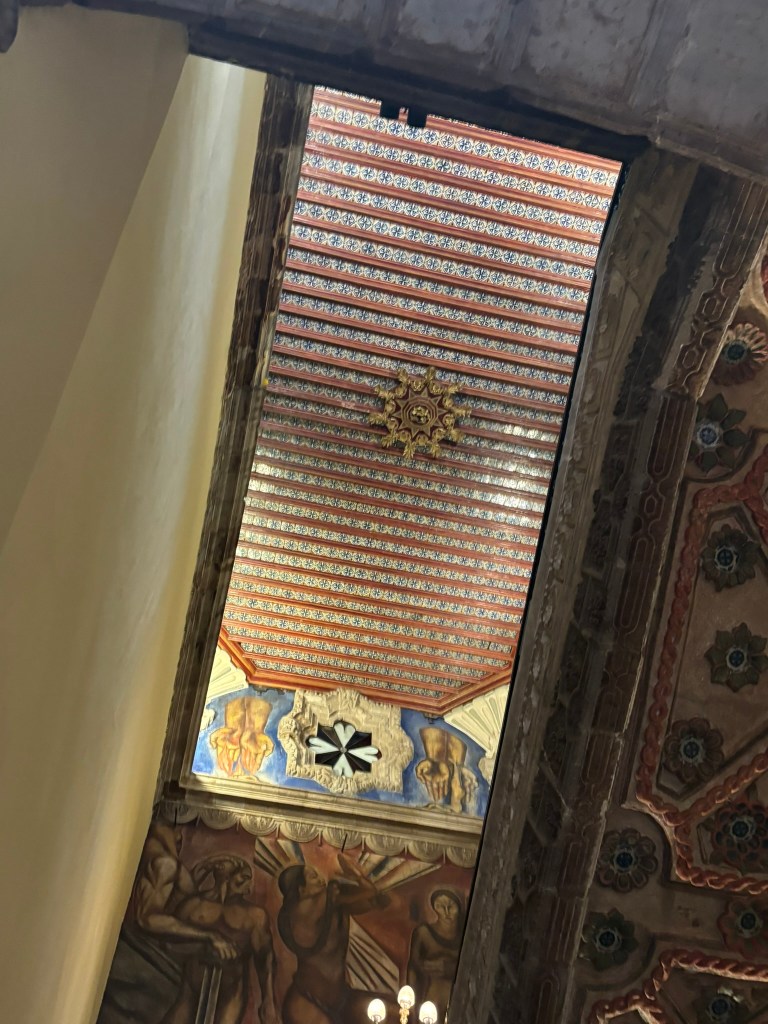
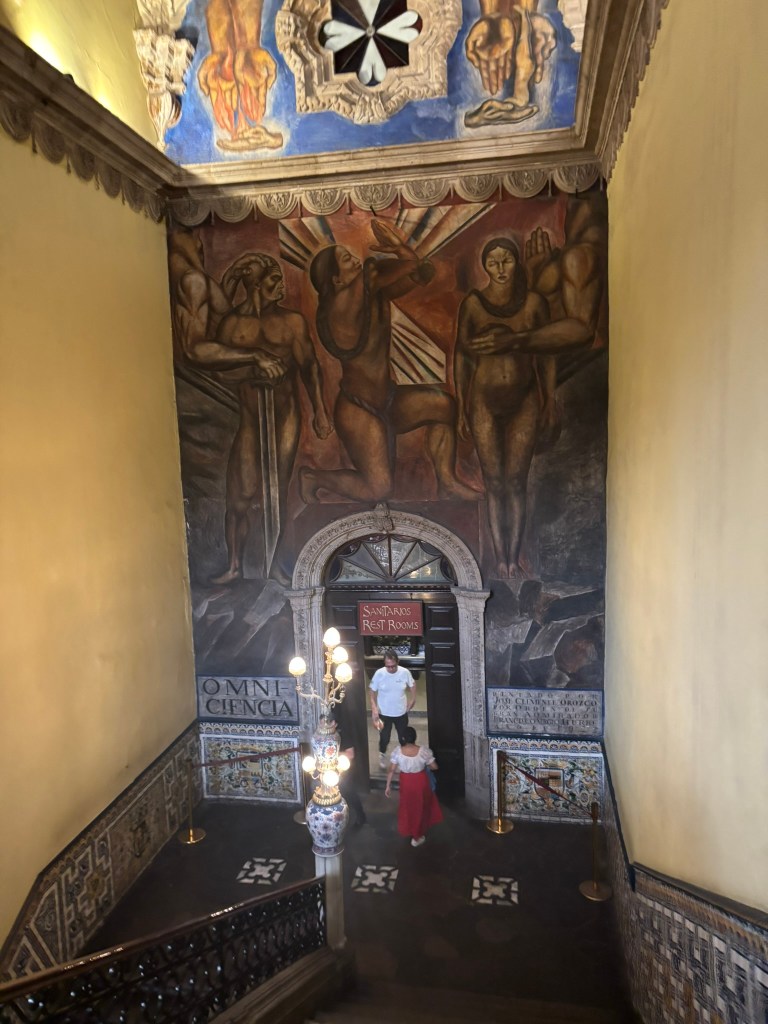
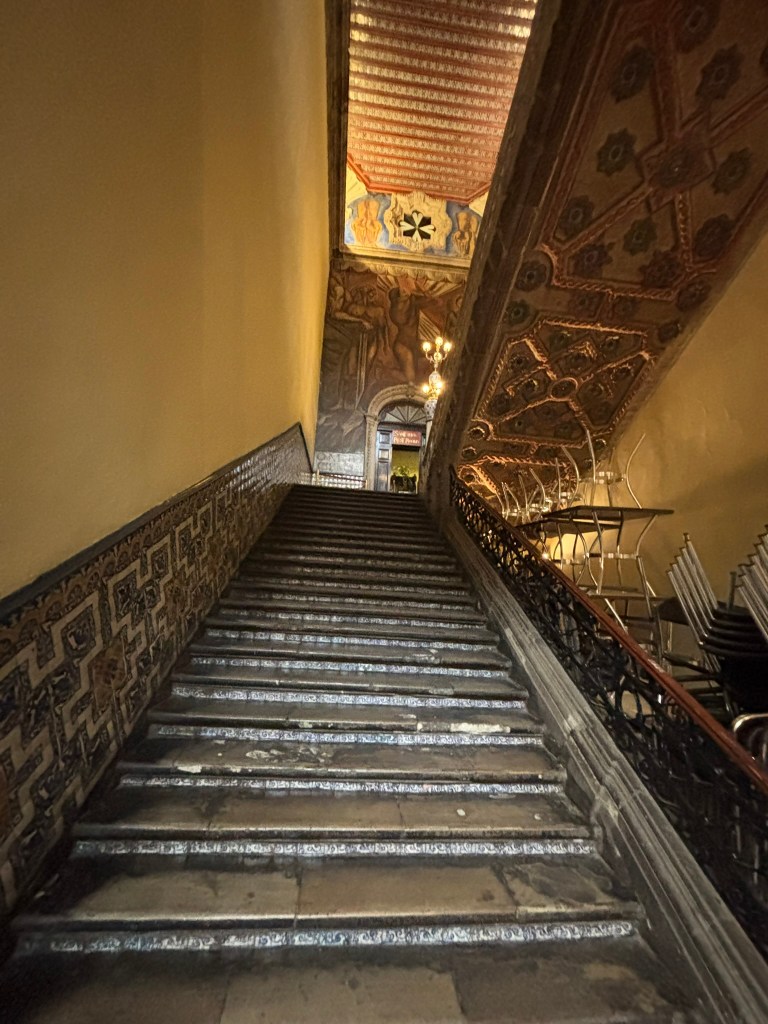
In 1925, the owner of the property commissioned legendary Mexican muralist Josรฉ Clemente Orozco to paint the towering walls of the main stairwell. The result is “Omnisciencia” (Omniscience), a powerful, dramatic artwork rendered in Orozco’s characteristically bold, expressionistic style. The mural depicts allegorical figures exploring themes of human knowledge, spiritual awakening, and the feminine creative force.
๐Ÿ“ธ Pro Photo Tip for the Mural:

  • Walk up to the mid-landing of the staircase to capture a straight-on shot .
  • Look up to frame the contrast between Orozco’s heavy, emotional modern strokes and the surrounding, delicate 18th-century stone archways.

๐Ÿณ Dining in History: The Sanborns Restaurant

Today, the building is famously occupied by Sanborns, a classic Mexican department store and diner chain that has preserved the property since 1919.

The main dining room sits directly under the spectacular, glass-roofed Moorish patio, surrounded by the stone fountain and the peacock murals. Sitting here for a meal is an absolute must-do itinerary item for any visitor to the historic center. It is a bustling, uniquely Mexican experience where waitresses dressed in traditional folk attire serve comforting local dishes to a mix of reading locals, business executives, and international travelers.

๐Ÿ“ Visitor Information

  • Address: Av. Francisco I. Madero 4, Centro Histรณrico, Mexico City .
  • Best Time to Photograph the Facade: Visit at 7:00 AM during our recommended [Sunrise Walking Itinerary]. The soft morning light avoids casting harsh, distracting shadows from the overhead wires, and the lack of crowds lets you stand back across the street to capture the full length of the tiled exterior
  • Admission: Completely free to walk inside, view the murals, and browse the architecture.
Mexico City Photography Guide: Sunrise Walking Route & historic cafes

There is a fleeting, magical window of time when the chaotic, pulsing heart of Mexico City completely stands still. At 6:00 AM, before the street vendors set up their stalls and millions of commuters flood the metro, the historic center belongs entirely to the early risers, the dreamers, and the photographers.

If you are willing to beat the sun, you will be rewarded with an unforgettable spectacle: the first golden light clipping the towers of a massive Baroque cathedral, long dramatic shadows stretching down empty colonial alleys, and the crisp morning air carrying the irresistible scent of freshly baked cinnamon and sugar.

This isn’t just a sightseeing routeโ€”it is a carefully timed, multi-sensory sprint through the very best architectural icons, legendary 100-year-old bakeries, and secret rooftop views in the Centro Histรณrico. From catching the perfect sunrise on Moneda Street to navigating the towering pastry pyramids of Pastelerรญa Ideal, this step-by-step itinerary maps out exactly how to beat the crowds, capture postcard-perfect shots, and reward your early morning hustle with the ultimate rooftop breakfast overlooking the grand Zรณcalo.

Grab your camera, lace up your walking shoes, and letโ€™s dive into the ultimate morning loop in Mexico City.

๐Ÿ‘‰ Open the Master Photography Loop on Google Maps

[1] Zรณcalo โ”€โ”€ [2] Moneda St. โ”€โ”€ [3] Cathedral โ”€โ”€ [4] Cafรฉ El Popular
โ”‚
[7] Pastelerรญa Ideal โ”€โ”€ [6] House of Tiles โ”€โ”€ [5] Madero Pedestrian St.
โ”‚
[8] Palacio Postal โ”€โ”€ [9] Finca Don Porfirio โ”€โ”€ [10] Bellas Artes
โ”‚
[13] Museo Bimbo โ”€โ”€ [12] Cafรฉ de Tacuba โ”€โ”€ [11] Alameda Central & El Moro
โ”‚
[14] ROOFTOP BREAKFAST FINISH (Balcรณn del Zรณcalo)

๐ŸŒ… Phase 1: Chasing the Golden Hour (6:00 AM โ€“ 7:30 AM)

Zรณcalo (Plaza de la Constituciรณn) โ€” 6:00 AM

  • The Shot: Capture the massive, empty central plaza in the blue hour. Look for the military guards raising the monumental Mexican flag.
  • Directions: Walk to the far right (northeast) corner of the plaza, behind the Cathedral.

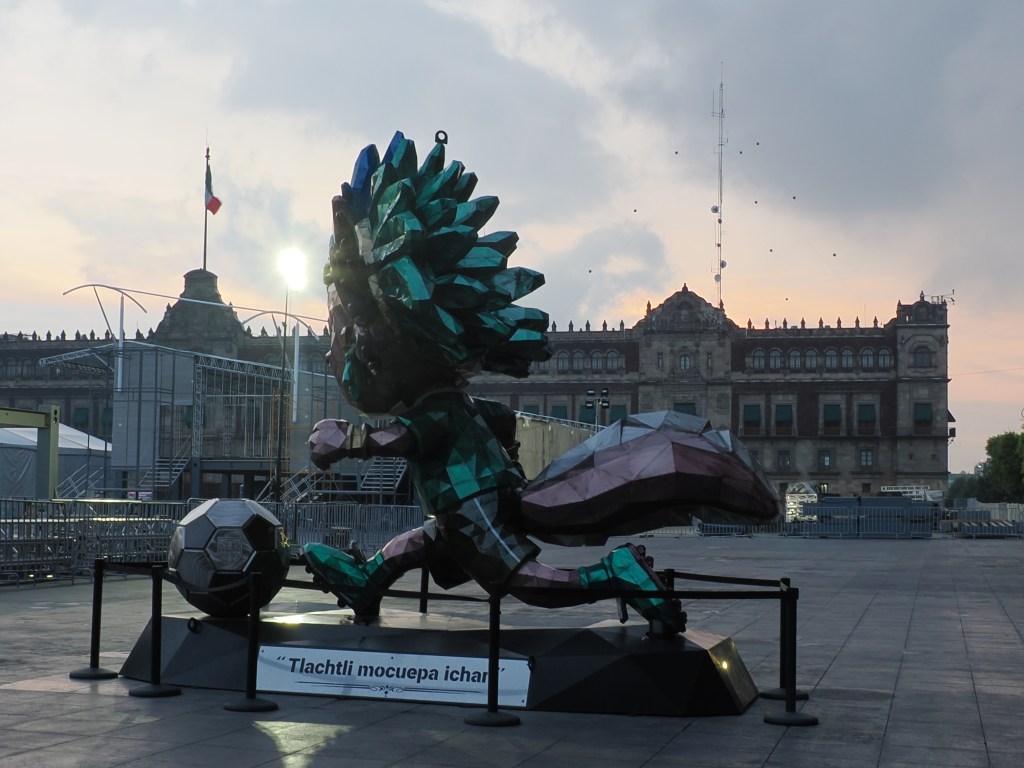
Since I visited in May of 2026, Zocalo was being prepared for the FIFA fan fest, and the entire Zocalo was under construction. I couldn’t get empty Zocalo as I had anticipated

2. Moneda Street โ€” 6:20 AM

  • The Shot: Look directly east down this narrow, historic colonial street. Photograph the sun the exact moment it crests the horizon, casting dramatic, elongated shadows.
  • Directions: Turn around and walk right up to the massive stone facade of the Cathedral.

3. Mexico City Metropolitan Cathedral โ€” 6:40 AM

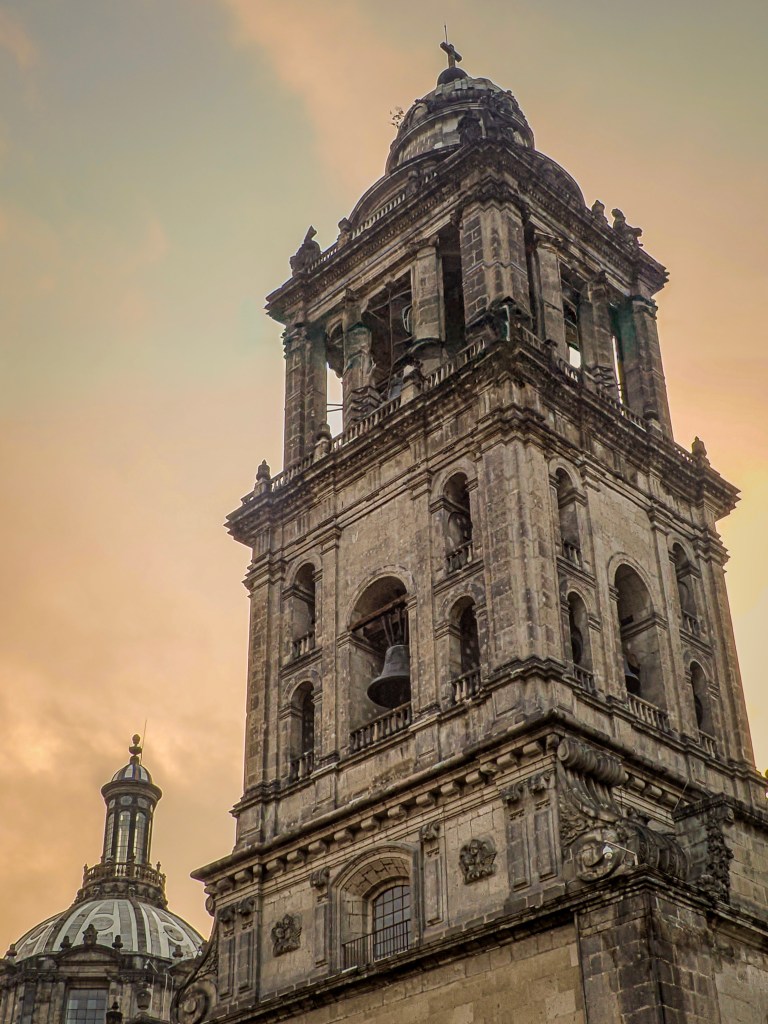
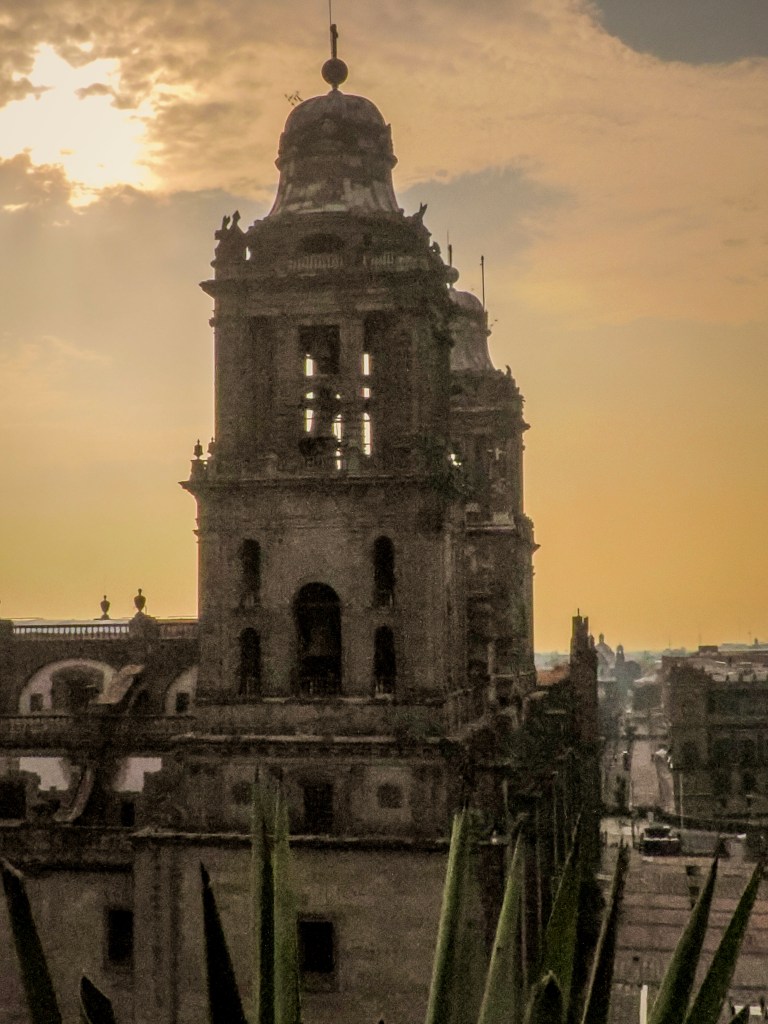
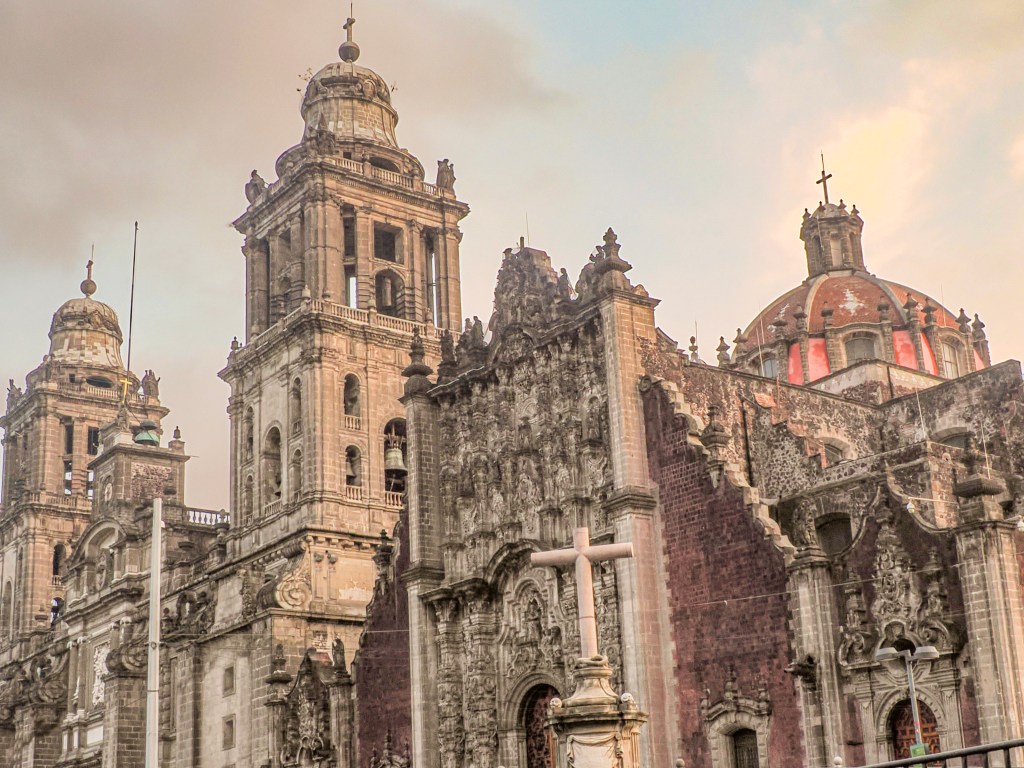
  • The Shot: Frame the towering Baroque bell towers from a low angle as they catch the very first direct, golden rays of sunlight.
  • Directions: Walk straight into the wide, stone-paved pedestrian avenue cutting west.

4. Cafรฉ El Popular โ€” 7:00 AM

  • The Treat & The Shot: Step briefly into this beloved, retro 24/7 diner. Photograph the bustling morning energy and grab a quick espresso and a hot concha straight from the baker’s heavy metal tray.
  • Directions: Walk one block north back onto Madero Street.

๐Ÿฅ Phase 2: Tiles, Towers, and Pastry Pyramids (7:30 AM โ€“ 9:00 AM)

5. Madero Pedestrian Street โ€” 7:15 AM

  • The Shot: Walk west down this famous thoroughfare. Because it is early, you can shoot down the center of the avenue completely devoid of crowds, using the architecture as leading lines.
  • Directions: Walk two blocks west until you see the shimmering blue facade on your left.

For the life of me I couldn’t find this street. I walked down Cinco de Mayo Street until I reached the house of blue tiles and then realized the Madero Street runs parallel to Cinco de Mayo Street. I didn’t get any sunrise photos as it was already 7.30 by the time I made it here.

6. House of Blue Tiles (Casa de los Azulejos) โ€” 7:30 AM

  • The Shot: Photograph the striking 18th-century palace facade, completely covered in hand-painted blue-and-white Puebla tiles. Early morning light avoids harsh glare on the glazed ceramic.
  • Directions: Walk one block south onto Av. 16 de Septiembre.

Go inside and check out the beautiful architecture and murals. This is good place to eat breakfast or grab traditional lunch.

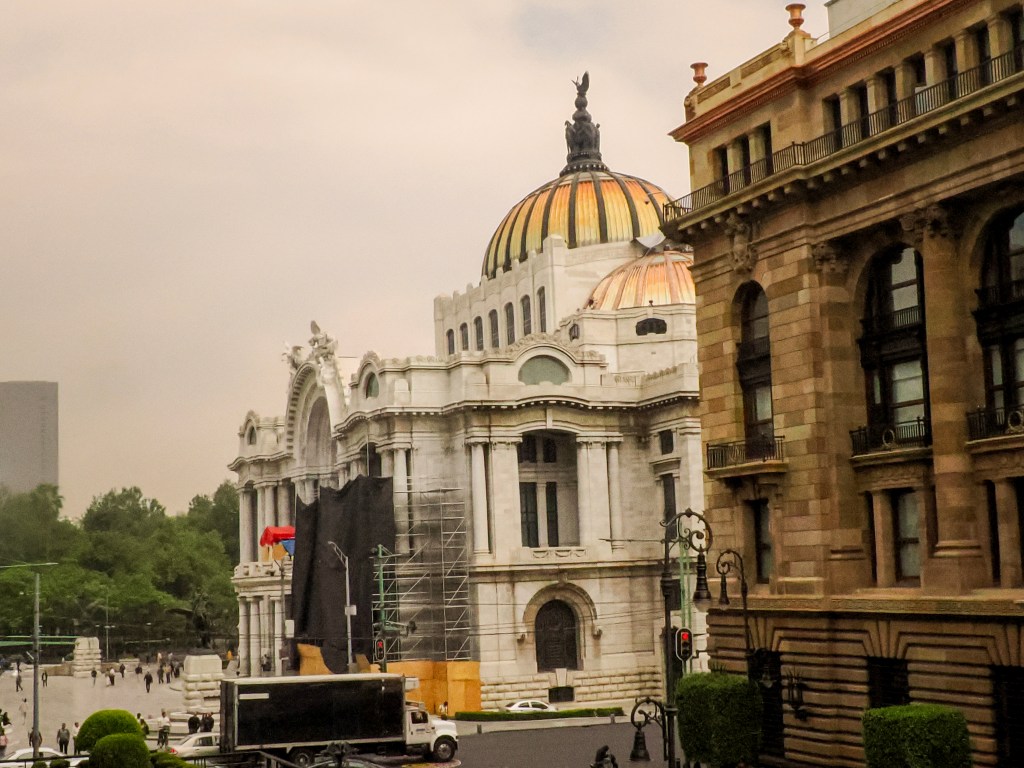
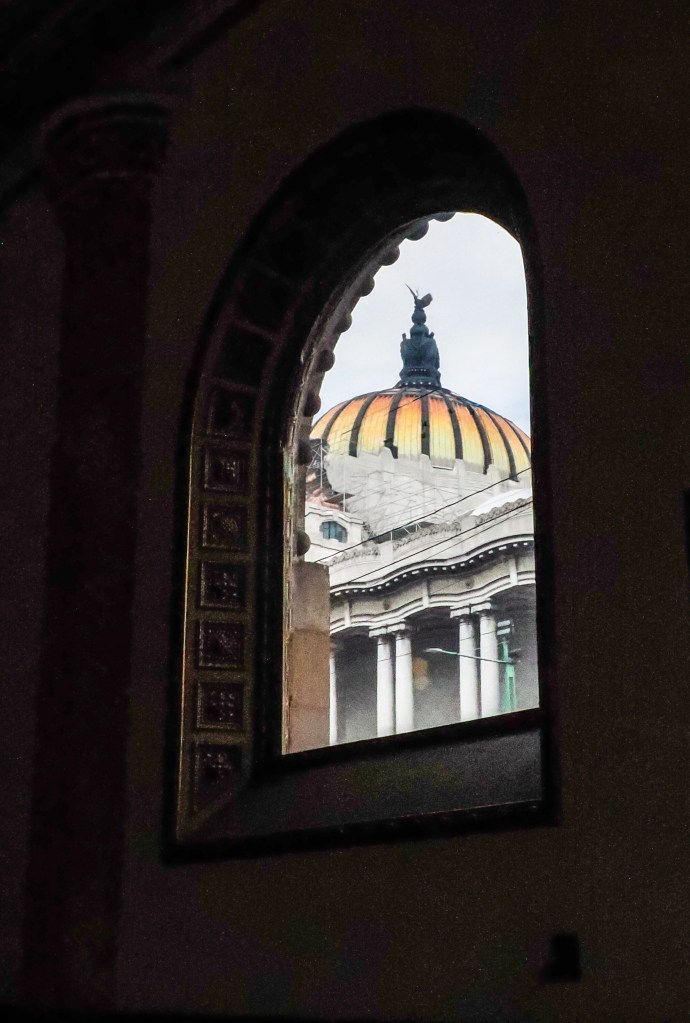
You get great view of Palacio de Bellas Artes from the balcony on Cinco De Mayo Street.

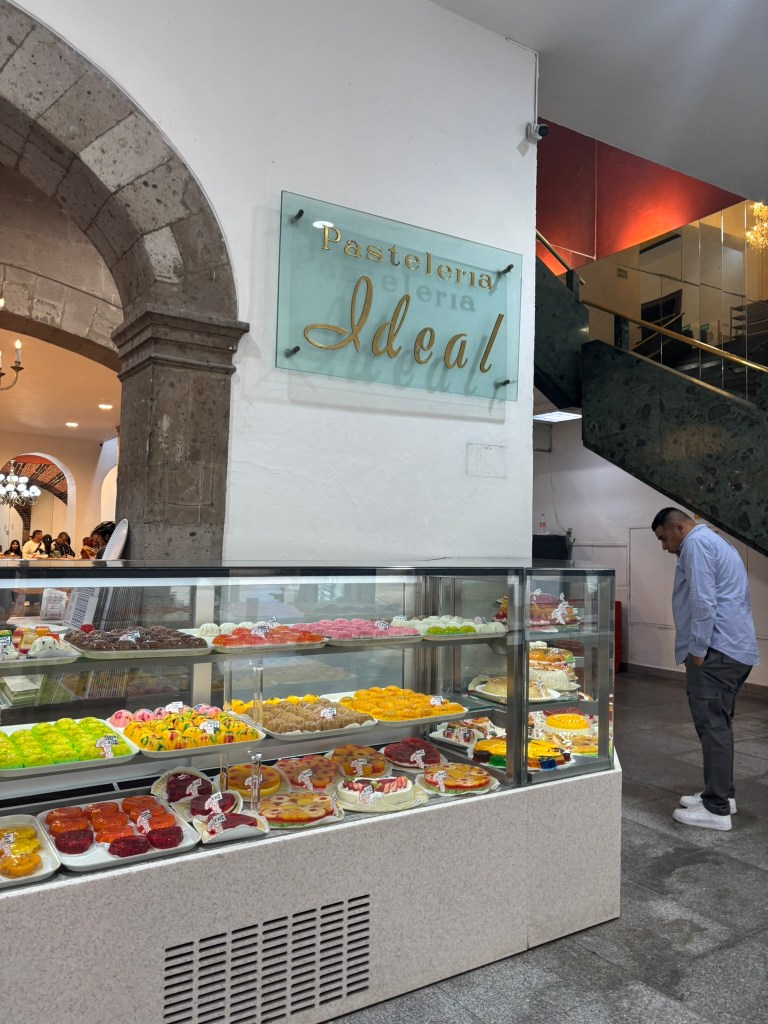
7. Pastelerรญa Ideal โ€” 7:45 AM

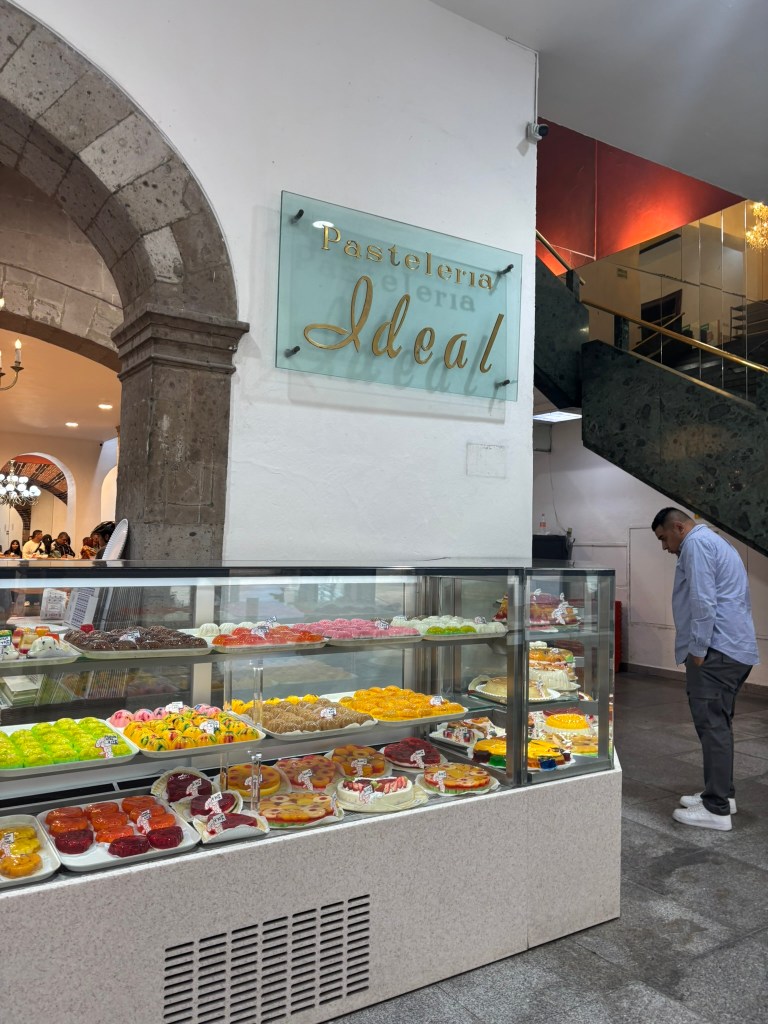
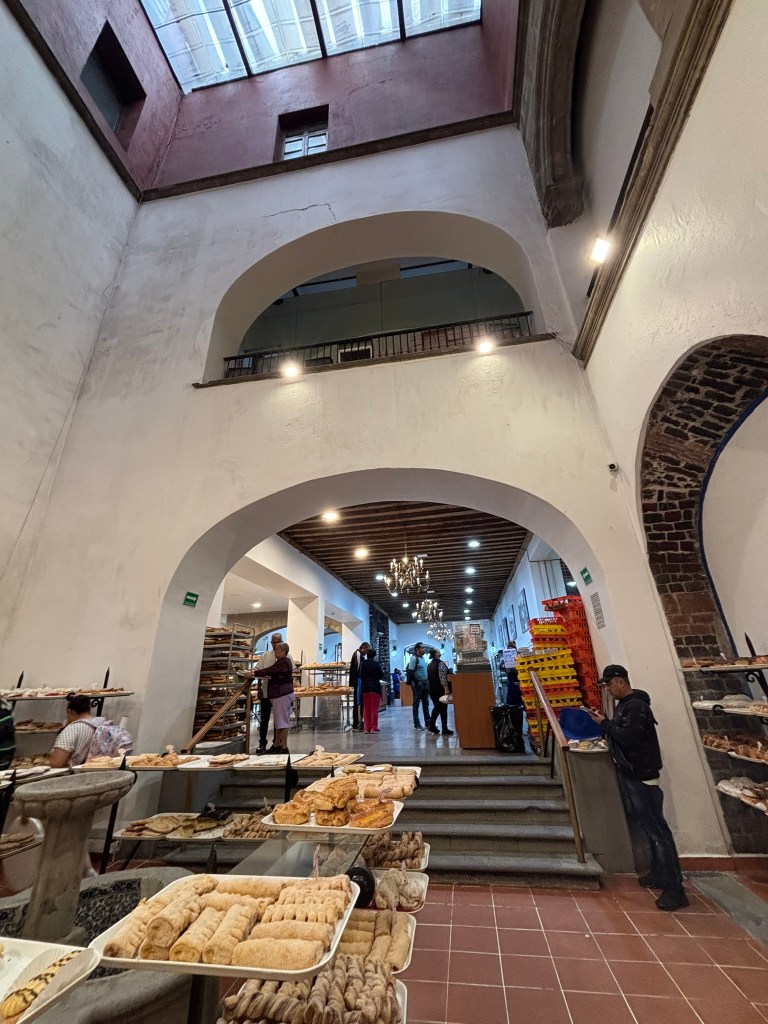
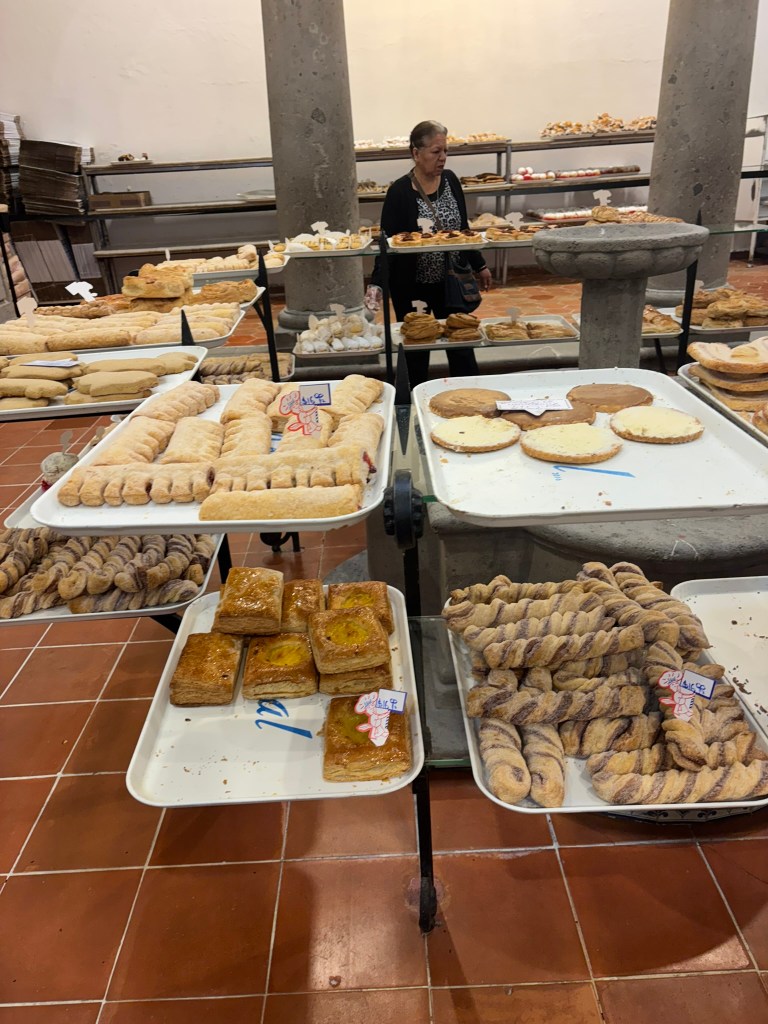
  • The Treat & The Shot: This cavernous pastry kingdom opens at 6:30 AM. Grab a giant metal tray and tongs, and photograph the towering pyramids of freshly baked orejas and bรญsquets. Check out the surreal wedding cake museum upstairs!
  • Directions: Walk back north to Tacuba Street, heading toward the main cross-street (Eje Central).

To reach about my experience on visiting this bakery, click here

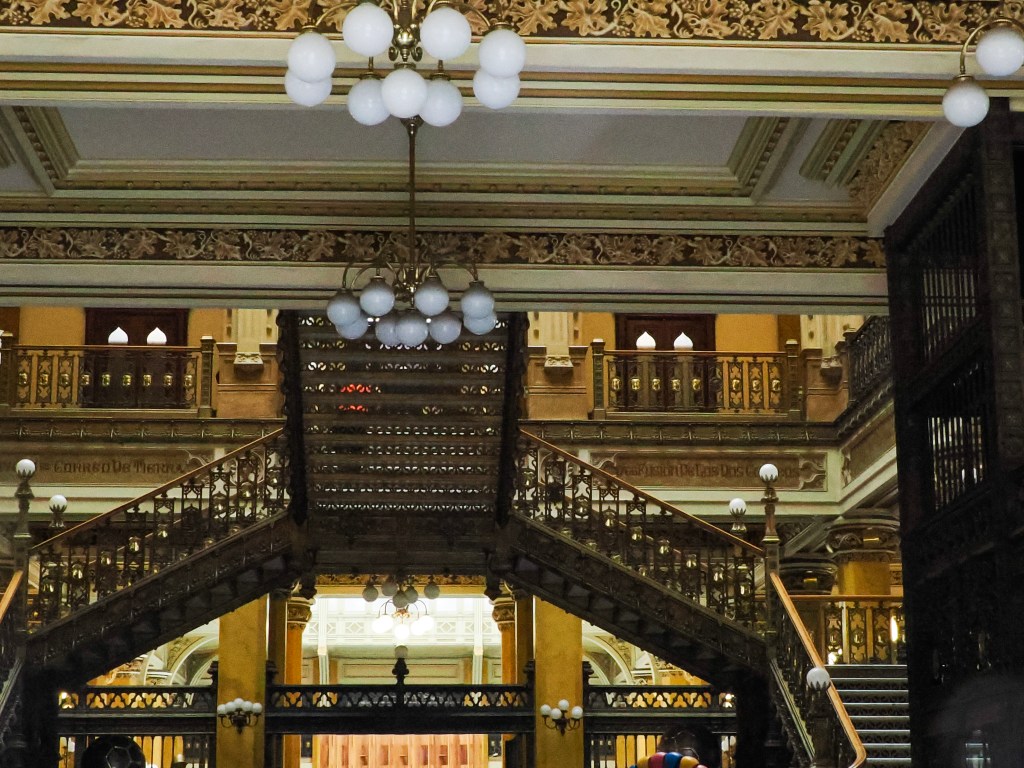
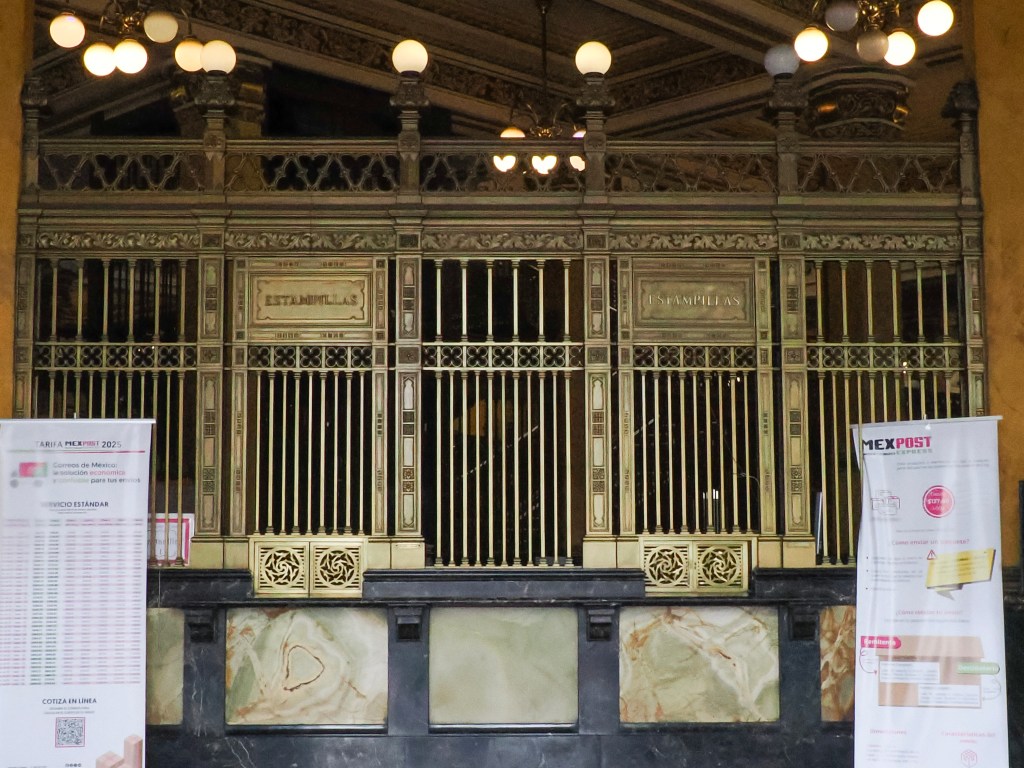
8. Palacio Postal (The Golden Post Office) โ€” 8:15 AM

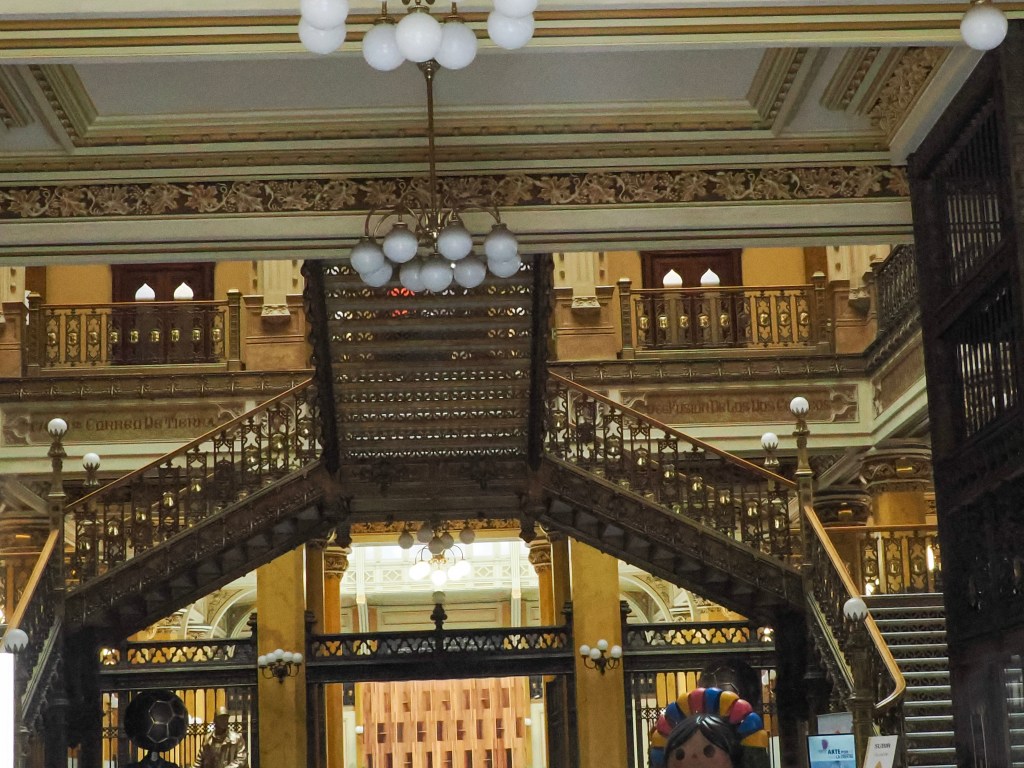
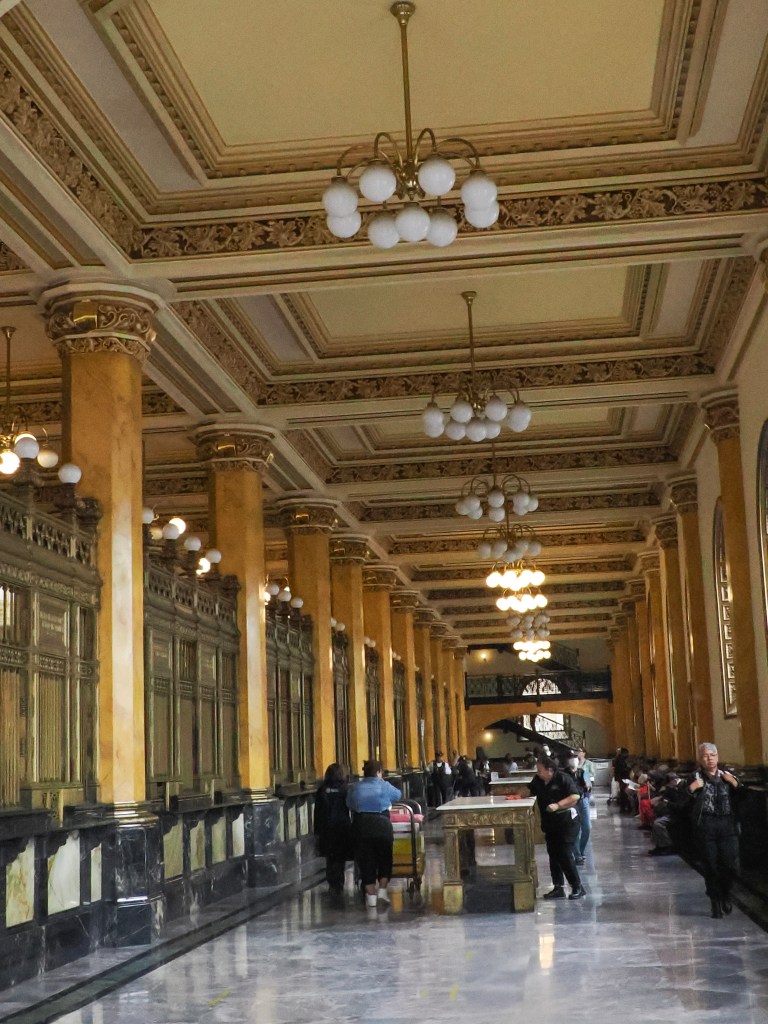
  • The Shot: Enter right when the doors open. Photograph the breathtaking Italianate-Gothic interior, featuring sweeping golden-brass staircases and an intricate iron-and-glass dome ceiling.
  • Directions: Step outside and cross the marble plaza immediately next door.

One of my favorite photos from the post office is actually the dome of Palacio de Bellas Artes taken through the window.

๐ŸŒณ Phase 3: Palaces & Parks (9:00 AM โ€“ 10:30 AM)

. Finca Don Porfirio (Sears Building Balcony) โ€” 8:45 AM

  • The Treat & The Shot: Go into the Sears department store directly across from Bellas Artes. Take the elevator to the 8th floor cafรฉ. Order a traditional Cafรฉ de Olla (spiced coffee) and shoot the absolute best elevated, postcard view of the palace domes.
  • Directions: Take the elevator back down and cross the street to the marble plaza.

10. Palacio de Bellas Artes โ€” 9:15 AM

  • The Shot: Photograph the iconic Art Nouveau and Art Deco white-marble cultural palace cleanly from ground level before daytime vendors pitch their tents.
  • Directions: Walk past the west side of the palace straight into the lush tree line.

Unfortunately, they were doing some construction work on the front of the building, and I decided not to take any photos. This will on my to-do list for next visit

11. Alameda Central & Churrerรญa El Moro โ€” 9:45 AM

  • The Treat & The Shot: Stroll through the oldest public park in the Americas, shooting the marble fountains backlit by the rising sun. Stop at the park’s edge for a bag of legendary, crispy churros dusted in cinnamon sugar from El Moro (operating since 1935).
  • Directions: Walk east back toward the Zรณcalo along Calle de Tacuba.

12. Cafรฉ de Tacuba โ€” 10:15 AM

  • The Shot: Peer into this century-old institution (opened 1912). Document the brilliant classic Puebla tiles, massive oil paintings, and historic dining rooms that make it look like a living museum.
  • Directions: Keep walking east for two blocks.

13. El Globo (Museo Bimbo) โ€” 10:35 AM

  • The Treat & The Shot: Stop at this unique bakery location owned by Grupo Bimbo. Grab their signature Garibaldi pastry (an apricot-glazed pound cake completely coated in white sprinkles) and photograph the vintage baking exhibits detailing Mexican culinary history.
  • Directions: Walk two final blocks east to arrive back at the main square.


๐Ÿณ Phase 4: The Grand Finale Rooftop Breakfast (11:00 AM)

14. Balcรณn del Zรณcalo โ€” 11:00 AM Finish Line

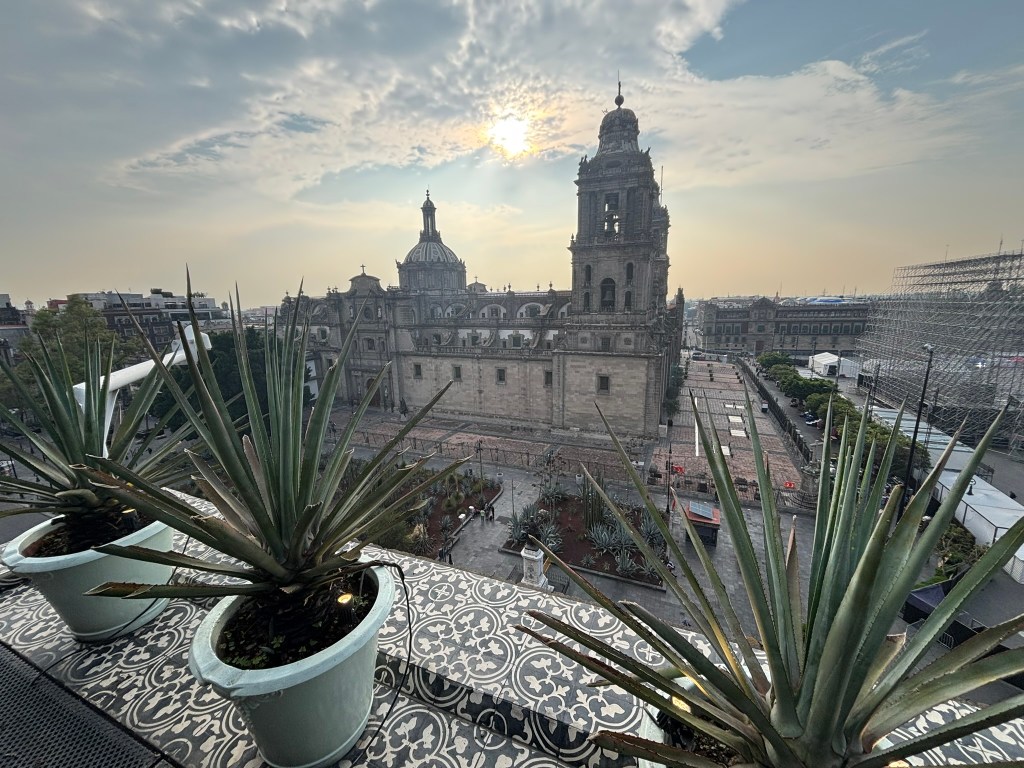
Reward yourself by taking the elevator up to the 6th floor of the Zรณcalo Central Hotel.

The Reward: Sit right at the terrace edge to enjoy gourmet, modern chilaquiles and artisan sweet breads while reviewing your photos. Use your telephoto lens to capture stunning, compressed close-ups of the Cathedral towers and the sprawling plaza below you. (Advanced reservations are highly recommended to secure a table right against the glass balcony).

Alternative View: If you prefer an expansive, open-air breakfast buffet, the Terraza Gran Hotel Ciudad de Mรฉxico sits just across the square, offering a sweeping view of the National Palace.

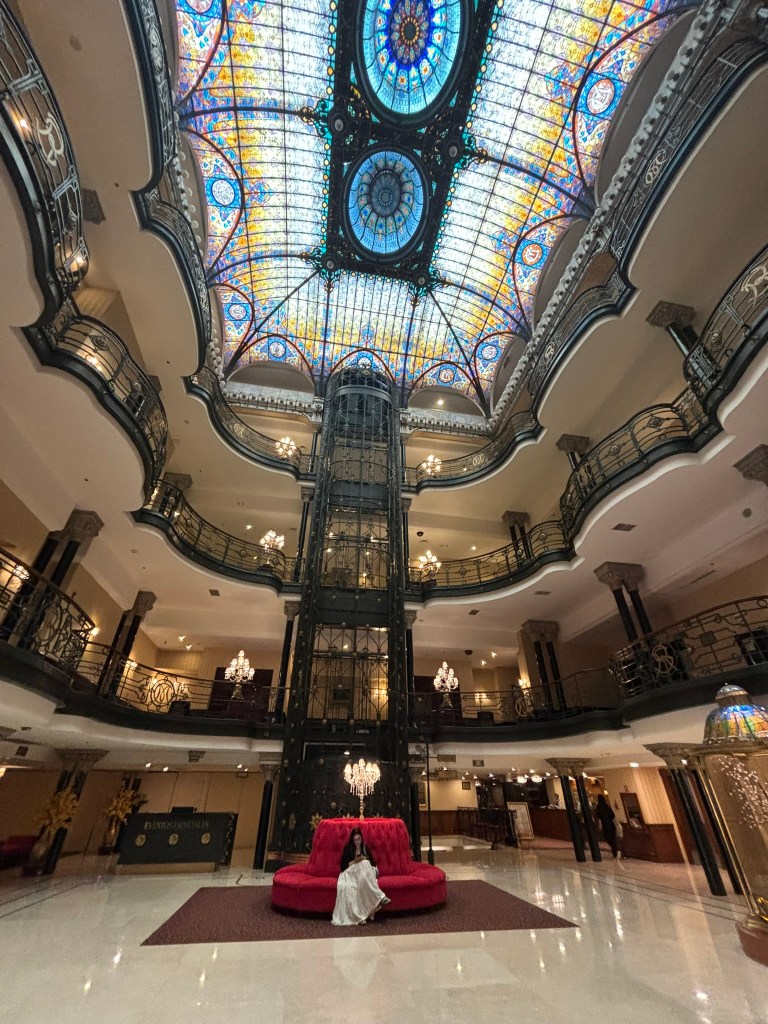
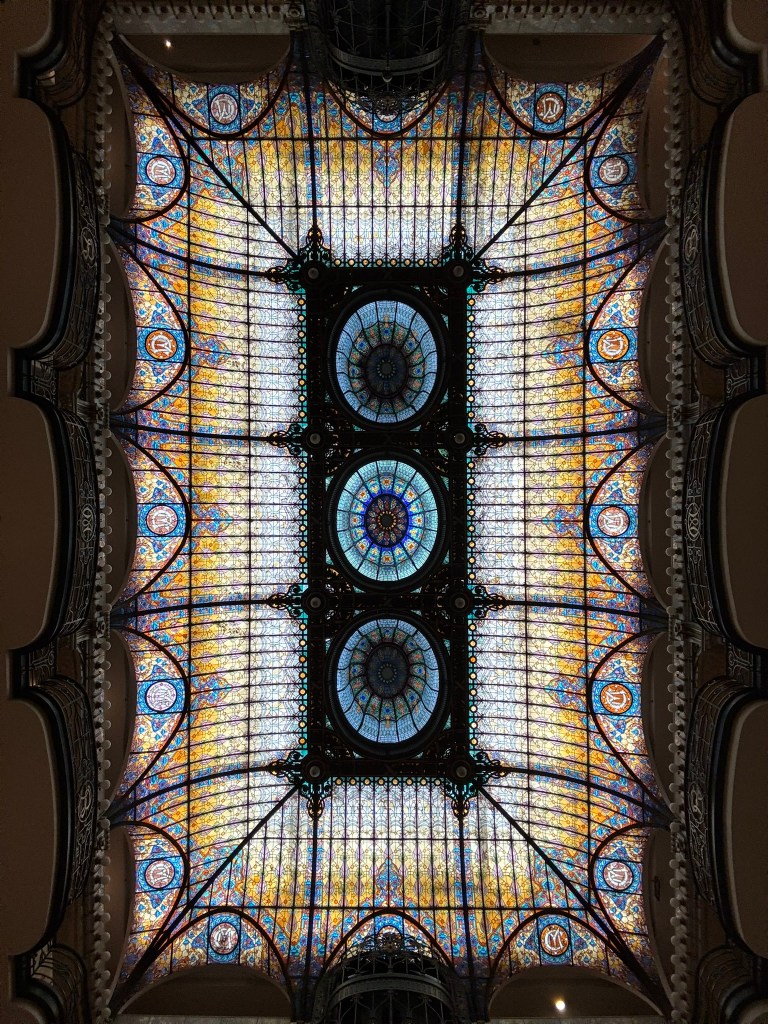
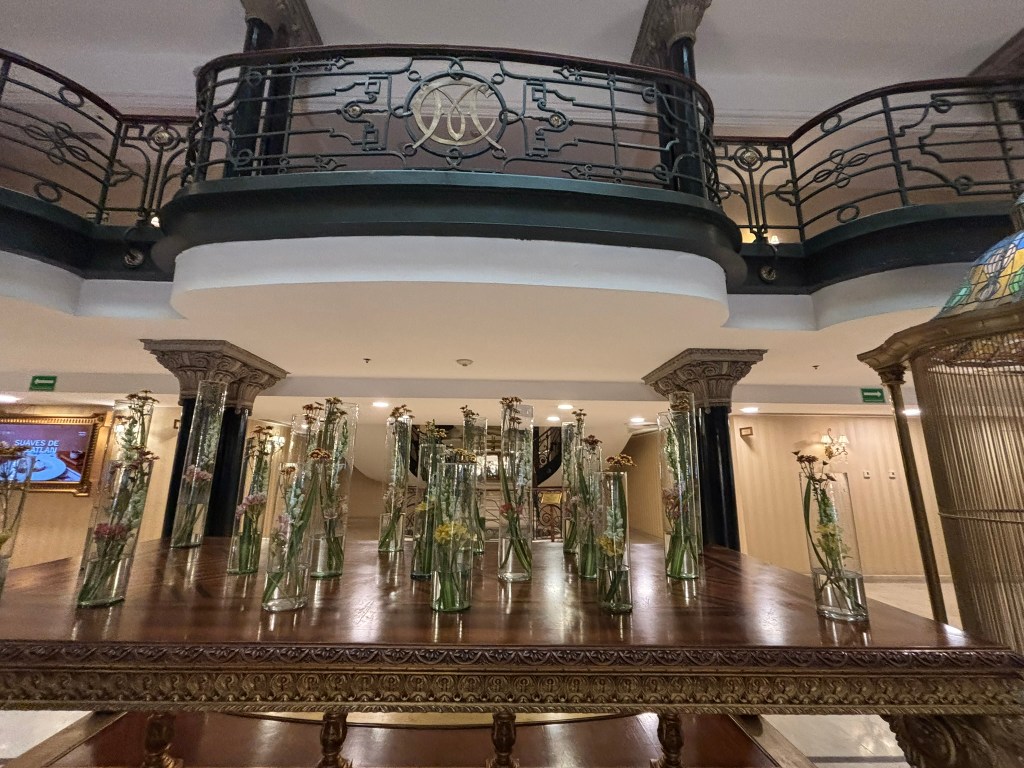
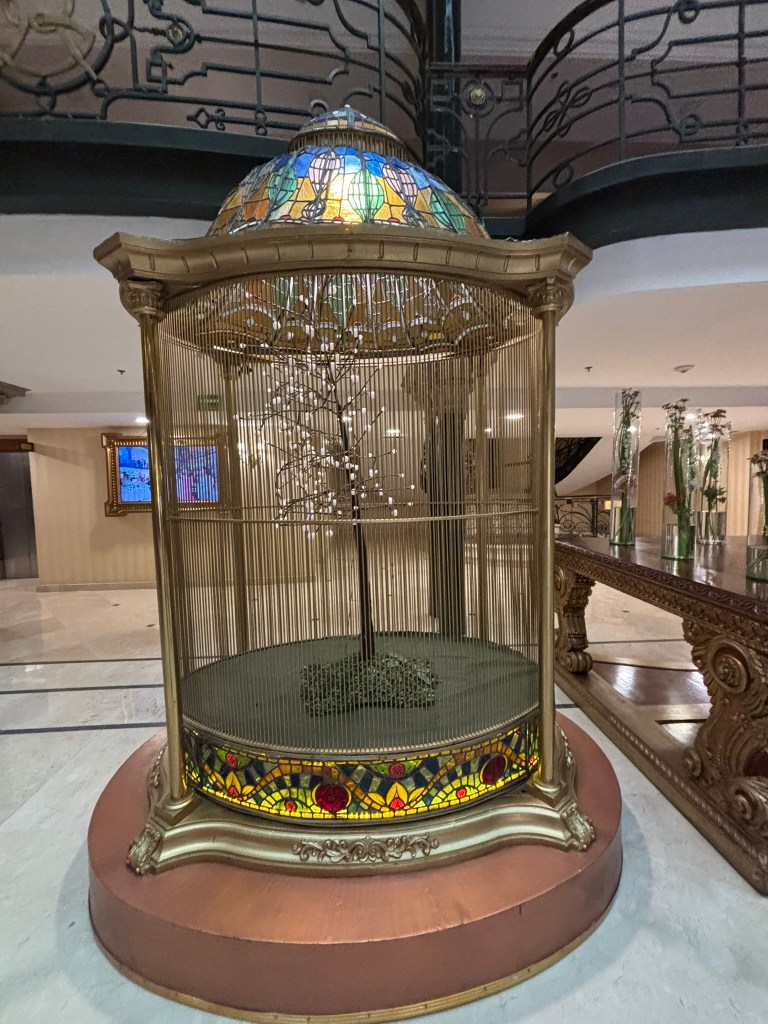
I had visited Hotel Gran on my Phase 1 but this is great option for breakfast or lunch. The lobby of the Gran Hotel Ciudad de Mรฉxico is an Art Nouveau masterpiece originally built in 1899 as the premier department store El Centro Mercantil. It is widely celebrated as one of the most architecturally stunning hotel lobbies in the world.

Key Features to Photograph

Wrought-Iron Balustrades: Elegant, curving Art Nouveau balconies wrap seamlessly around the first three floors of the central atrium

The Tiffany Stained-Glass Ceiling: Designed by French artisan Jacques Gruber and imported in 1908, it features over 20,000 pieces of vibrant, colored glass arranged in dramatic arches and domes. It is one of the largest stained-glass installations in the world.

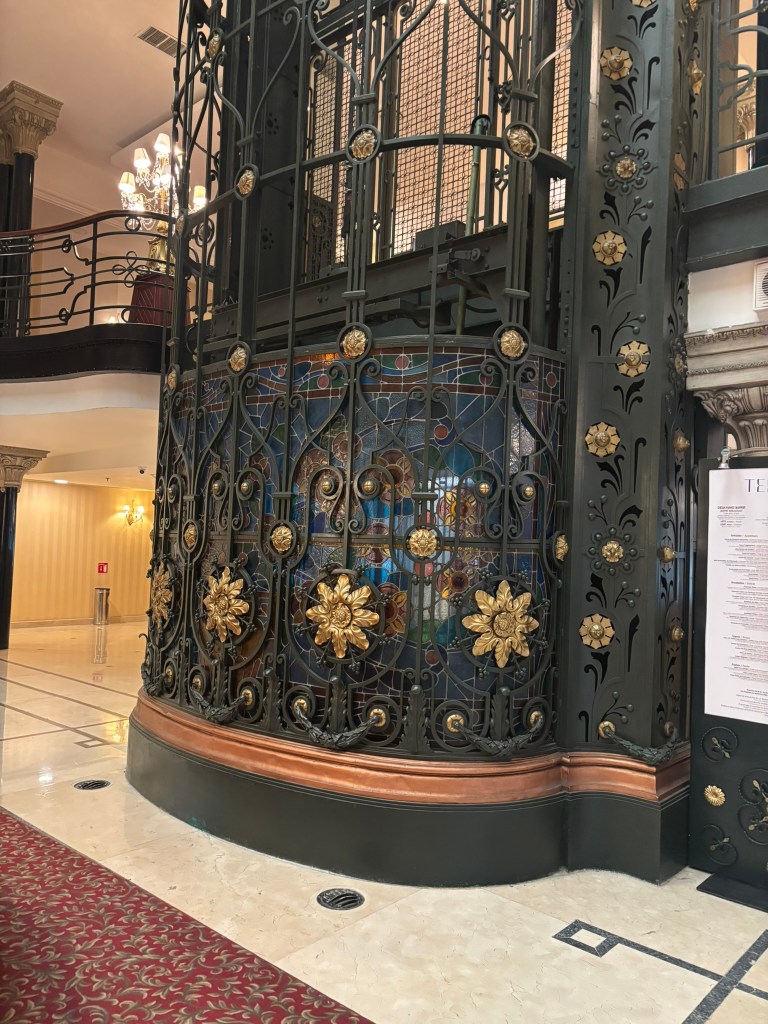
Gilded Open Elevators: The historic, openwork steel elevator shafts are meticulously decorated with intricate golden metal flowers. These function as original 19th-century Otis lifts.

Podcast Episode: Mexico City Through Food And Art

Pip: Peaks to Palaces has been to Mexico City, and apparently the city does not let you leave without feeding you something ancient, showing you something sinking, and handing you an obsession you didn't ask for.

Mara: Sandy covers a lot of ground here โ€” the culinary landscape for a vegetarian navigating a meat-heavy capital, the layered history inside the Metropolitan Cathedral, and the enduring artistic collision between Frida Kahlo and Diego Rivera.

Pip: Three themes, one city, and somehow all of them connect back to things built on top of other things.

Mara: That's actually a fair summary of Mexico City's entire identity. Let's start with the food.

Eating Well in a Meat-Heavy Capital

Pip: The premise here is genuinely interesting โ€” Mexico City has a reputation as a carnivore's paradise, but there's a case to be made that its deepest culinary traditions are anything but.

Mara: The post makes exactly that case. The setup for local colleagues as guides is key โ€” the writing puts it this way: "Having native speakers clearly explain your ovo-lacto-vegetarian preferences to the restaurant staff gives you complete peace of mind, so you can relax and fully enjoy your meal without worrying about hidden meat broth or unexpected lard."

Pip: So the real travel hack isn't a restaurant app โ€” it's knowing someone who can say "no lard" with authority.

Mara: And that local access unlocks places like Restaurante El Cardenal, where the vegetarian path runs through a huauzontle omelet โ€” an ancient Aztec herb the Spanish actually banned under penalty of physical punishment, secretly preserved by indigenous farmers for centuries.

Pip: That's a remarkable thing to order for breakfast without knowing the backstory.

Mara: The bakery post, "Crumb Trails Through Time," adds another layer โ€” the historic panaderรญas of the Zรณcalo aren't just charming stops, they're built on colonial-era ruins, and one of them, Pastelerรญa El Molino, turns out to be the exact birthplace of Grupo Bimbo, now the largest commercial baking company on Earth.

Pip: From a neighborhood pastry counter to thirty-five countries. The conchas were apparently load-bearing.

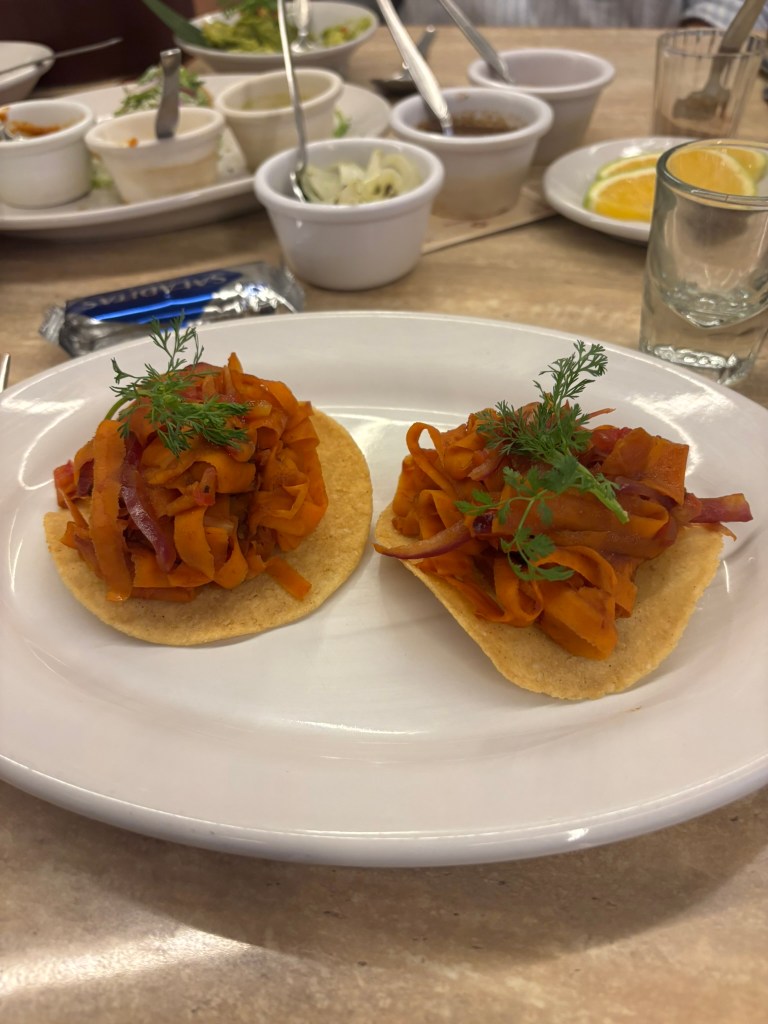
Mara: And Cantina La Ribera rounds out the restaurant coverage โ€” high-energy, live Lucha Libre mariachi, and a kitchen that built a bespoke vegetarian menu on the spot, including a spicy carrot tostada that wasn't on the menu at all.

Pip: From ancient grains to tableside Crepes Suzette on a fire cart โ€” that's a full arc. Speaking of things built on top of other things, the cathedral is next.

The Cathedral That Refused to Sink

Pip: The Metropolitan Cathedral is framed not just as a landmark but as a physical record of conquest โ€” stone pulled from Aztec temples, repurposed to build the church that replaced them.

Mara: The post puts it plainly: "If you look closely at some of the older exterior walls today, you are looking at the very stones that once formed the temples of Aztec gods."

Pip: Architecture as a receipts archive.

Mara: And the building kept accumulating history. Construction ran from 1573 to 1813 โ€” nearly two hundred fifty years โ€” which is why the structure moves through Gothic foundations, Baroque facades, and a Neoclassical dome in a single visit.

Mara: What's striking is that the cathedral is still actively fighting gravity. Built on the soft clay lakebed of ancient Lake Texcoco, different sections sank at different rates, and a massive 1990s engineering rescue involved threading high-tensile steel cables through the stone columns to pull the leaning walls back inward.

Pip: A five-hundred-year-old building in a structural corset. The interior adds the Altar of the Kings in Churrigueresque gold leaf, fourteen guild-sponsored side chapels, and a brass pendulum on the nave floor that tracks the building's ongoing tilt in real time.

Mara: The pendulum is a genuinely strange and wonderful detail โ€” a live instrument measuring centuries of slow collapse, right there on the floor where visitors walk. From stones pulled from Aztec temples to steel cables holding the arches together, the cathedral earns the post's description of it as a monument that mirrors the city's own endurance.

Pip: That endurance theme carries directly into Coyoacรกn.

Frida's Universe, Diego's Shadow

Pip: The Frida and Diego coverage asks a pointed question โ€” how does a woman history treated as a footnote end up completely eclipsing the man who was supposed to be the giant?

Mara: The Casa Azul guide is the anchor here, and the post on how Frida's art eclipsed Diego's empire maps the full arc. The Blue House is where it becomes visceral โ€” as the writing describes it, the mirror above Frida's daybed is "the exact glass her mother installed, which allowed Frida to paint her soul through self-portraiture while completely immobilized."

Pip: She turned confinement into the most portable artistic identity of the twentieth century.

Mara: The wardrobe exhibition โ€” sealed by Diego's instruction until 2004 โ€” makes that concrete: hand-painted plaster corsets, steel spinal braces, and a prosthetic leg encased in a red leather boot embroidered with Chinese silk and tiny bells. The post calls it "the ultimate testament to a woman who refused to hide her scars."

Pip: The broader piece on tracing their footsteps through the city adds the San รngel twin houses โ€” two separate concrete towers connected by a single rooftop bridge, designed so either of them could lock the door when things got unbearable.

Mara: The architecture is almost too literal as a metaphor, but it holds. And the post's conclusion lands cleanly: Diego painted the history of Mexico on grand public walls; Frida painted the history of the human soul on small, intimate panels. The city still reflects both, but one of them draws the longer lines.


Pip: Mexico City as a destination where the food has a pre-Hispanic backstory, the cathedral is held together by engineering ingenuity, and the most famous house is a cobalt-blue fortress that outlasted an empire.

Mara: There's more from Peaks to Palaces ahead โ€” same instinct for the history underneath the surface, wherever the next destination lands.

My culinary adventures through Mexico City- Navigating Mexico Cityโ€™s Culinary Icons as an Ovo-Lacto Vegetarian

One of the greatest advantages of traveling for business is the opportunity to dine with local co-workers. They act as your ultimate culinary guides, leading you past the tourist traps straight to the city’s best traditional restaurants for an authentic taste of local culture. Furthermore, dining with locals provides an invaluable safety net. Having native speakers clearly explain your ovo-lacto-vegetarianย preferences to the restaurant staff gives you complete peace of mind, so you can relax and fully enjoy your meal without worrying about hidden meat broth or unexpected lard.

This local guidance is especially liberating in Mexico City. On the surface, the capitalโ€™s food scene presents a notoriously meat-heavy facade, dominating the streets with the aroma of sizzling pork pastor and rendering lard into a daily staple. Yet, beneath the carnivore-centric surface lies a profound culinary secret: traditional high-end Mexican cuisine is rooted in an incredibly rich, pre-Hispanic biodiversity of corn, ancient grains, wild greens, chilies, and dairy.

With local colleagues guiding the kitchen, navigating this meat-based city becomes an effortless, rewarding journey. Here is how to experience three of Mexico Cityโ€™s most prestigious culinary institutions as a sophisticated ovo-lacto vegetarian.

1. Restaurante El Cardenal: The High-Mass of Mexican Breakfast

Located in the heart of downtown (with its classic flagship on Calle de la Palma 23), Restaurante El Cardenal is an absolute institution [Food 9]. Established in 1969 by Oliva Garizurieta de Briz and her husband Jesรบs Briz, this multi-story dining temple treats traditional Mexican cuisine with religious reverence.

The restaurant operates its own dedicated dairy farms outside the city to process fresh milk, cream, and artisan cheeses daily, ensuring a farm-to-table lineage that is rare for a metropolitan hub.

       โ”Œโ”€โ”€โ”€โ”€โ”€โ”€โ”€โ”€โ”€โ”€โ”€โ”€โ”€โ”€โ”€โ”€โ”€โ”€โ”€โ”€โ”€โ”€โ”€โ”€โ”€โ”€โ”€โ”€โ”€โ”€โ”€โ”€โ”€โ”€โ”€โ”€โ”€โ”€โ”€โ”€โ”€โ”€โ”€โ”€โ”€โ”€โ”€โ”€โ”€โ”€โ”€โ”€โ”€โ”€โ”€โ”€โ”
       โ”‚             THE EL CARDENAL MORNING RITUAL             โ”‚
       โ”œโ”€โ”€โ”€โ”€โ”€โ”€โ”€โ”€โ”€โ”€โ”€โ”€โ”€โ”€โ”€โ”€โ”€โ”€โ”€โ”€โ”€โ”€โ”€โ”€โ”€โ”€โ”€โ”€โ”€โ”€โ”€โ”€โ”€โ”€โ”€โ”€โ”€โ”€โ”€โ”€โ”€โ”€โ”€โ”€โ”€โ”€โ”€โ”€โ”€โ”€โ”€โ”€โ”€โ”€โ”€โ”€โ”ค
       โ”‚ 1. Sit down and open the historic menu manifesto.      โ”‚
       โ”‚ 2. Order the artisan "Chocolate Doรฑa Oliva".           โ”‚
       โ”‚ 3. Select a warm, fresh Concha from the pastry tray.   โ”‚
       โ”‚ 4. Slather a thick layer of raw "Nata" inside the bun. โ”‚
       โ”‚ 5. Dunk the cream-filled pastry straight into hot cocoaโ”‚
       โ””โ”€โ”€โ”€โ”€โ”€โ”€โ”€โ”€โ”€โ”€โ”€โ”€โ”€โ”€โ”€โ”€โ”€โ”€โ”€โ”€โ”€โ”€โ”€โ”€โ”€โ”€โ”€โ”€โ”€โ”€โ”€โ”€โ”€โ”€โ”€โ”€โ”€โ”€โ”€โ”€โ”€โ”€โ”€โ”€โ”€โ”€โ”€โ”€โ”€โ”€โ”€โ”€โ”€โ”€โ”€โ”€โ”˜

  • The Vibe: Formal, bustling, and deeply traditional. You will dine alongside multi-generational Mexican families, politicians, and local business leaders.

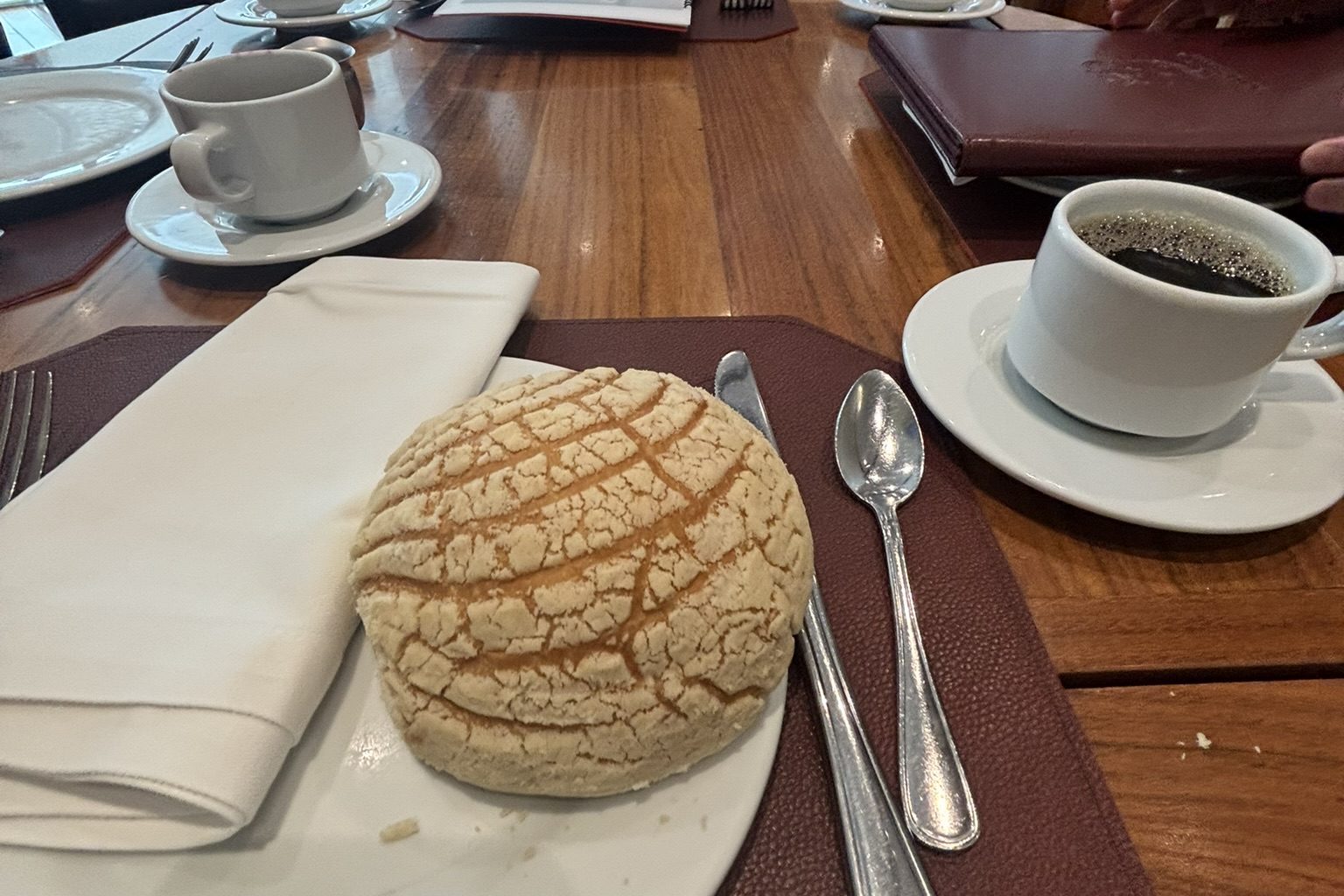
The magic here begins the exact second your feet hit the floor. Almost as soon as you sit down, a waiter balancing a massive wicker basket sweeps by your table to offer an array of fresh, warm bakes. For a first-time traveler, this moment can be beautifully overwhelming. After consulting my local co-workers on what to choose, I was handed my very first Conchaโ€”and an immediate obsession was born. The roll was unbelievably soft, pillowy, and carried a delicate sweetness from its crackled cookie crust that harmonized perfectly with a cup of hot black coffee.

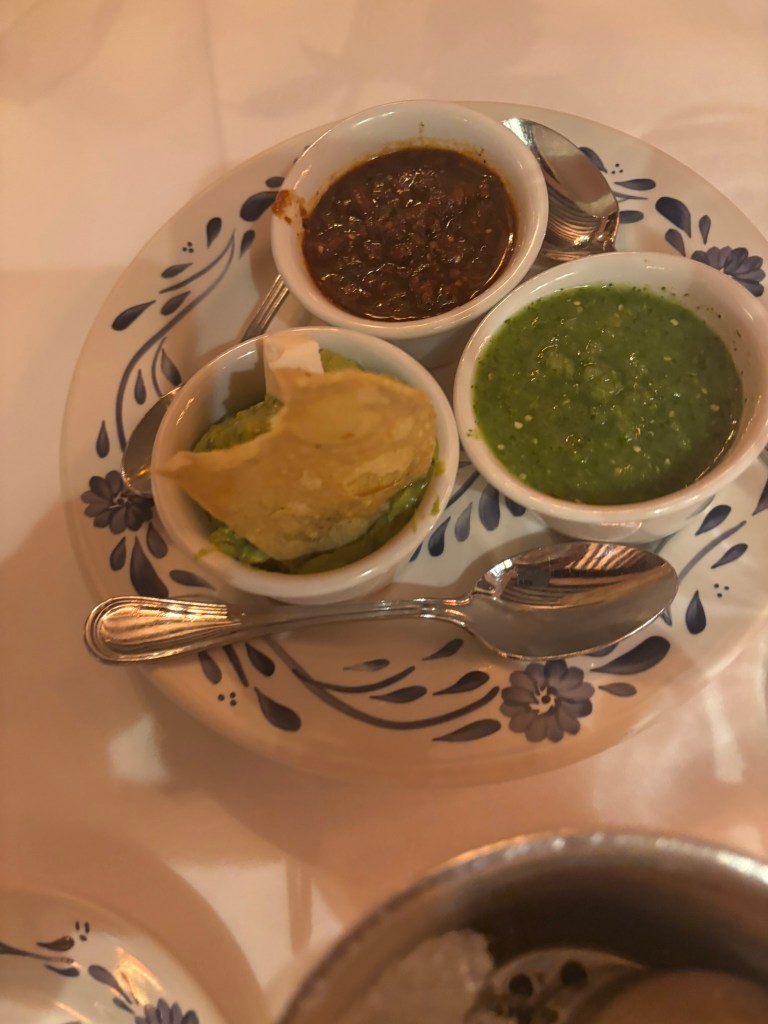
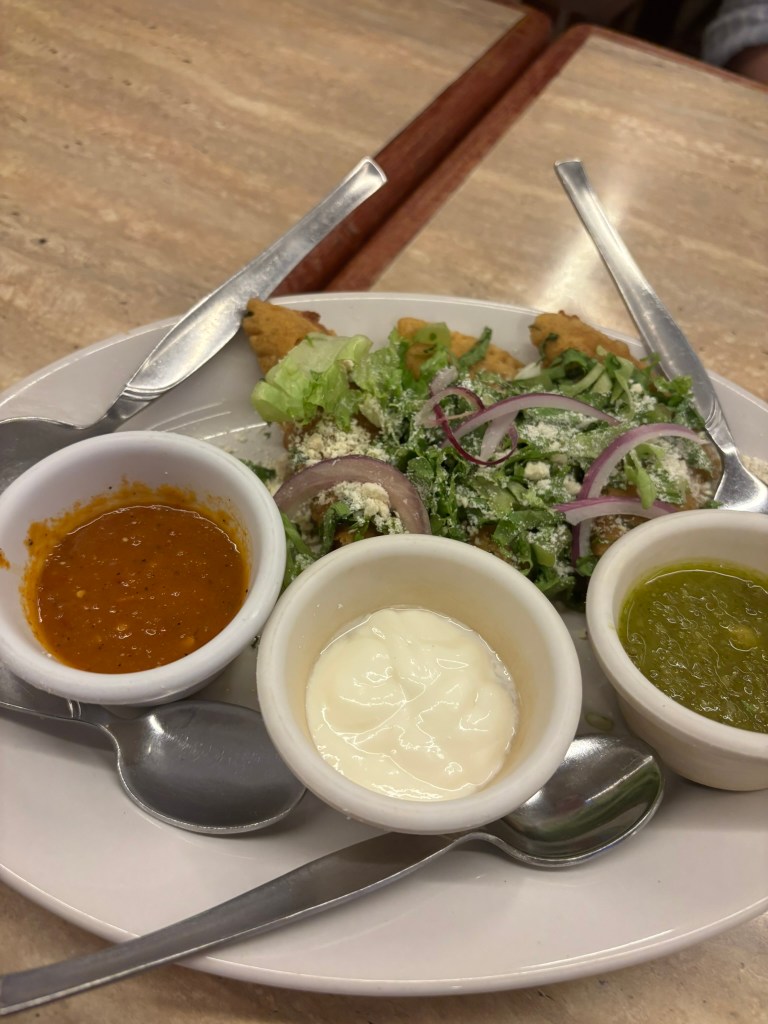
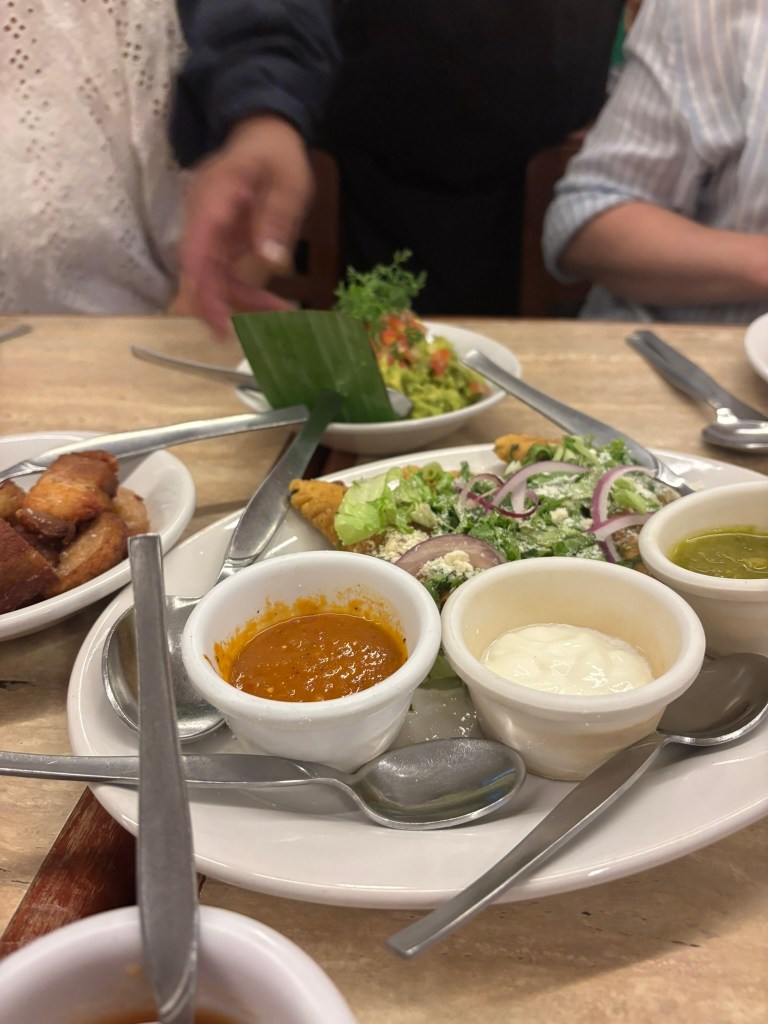
  • The Appetizer Starter: Kick off your breakfast with a plate of crisp Molotes. These deep-fried, pocket-shaped corn masa dumplings arrive under a fresh garden layer of shredded lettuce and cotija cheese. Use the three accompanying dishes to dress each bite with cool cream, smoky red salsa, or bright green tomatillo salsa. Vegetarian Check: Have your co-workers double-check with the waiter that these are fried in clean vegetable oil rather than pork lard (manteca).
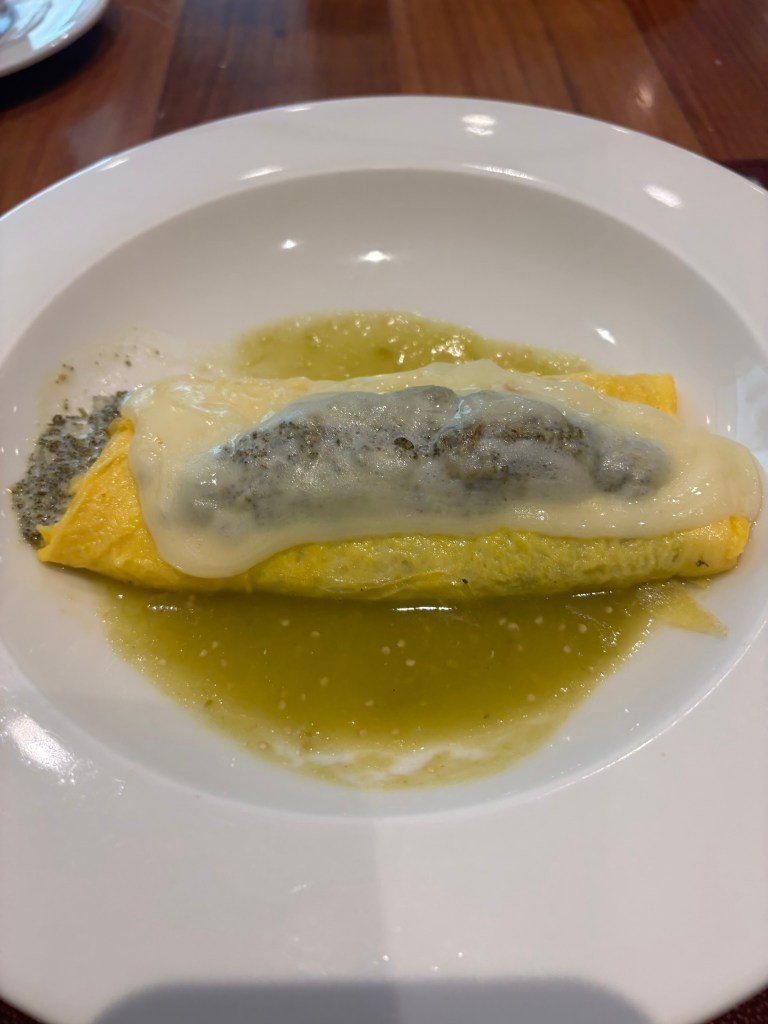
  • The Masterpiece Main: For your primary dish, request the historic Omelette de Huauzontles. This dish is a masterclass in culinary balance: a silky, folded egg jacket generously stuffed with huauzontleโ€”an ancient, pre-Hispanic Aztec chenopod herb carrying a robust, slightly bitter herbal punch. El Cardenal perfectly balances this natural bitterness by blanketing the omelet under a rich layer of melted artisan cheese and pooling it in a vibrant, tangy green tomatillo sauce. Crucially, the plate is accompanied by an uchepoโ€”a highly distinct, sweet, fresh-corn tamal native to the state of Michoacรกn.

    The Historical Significance of Your Plate

    Choosing the huauzontle is a triumphant nod to indigenous survival. Along with corn and amaranth, huauzontle was one of the primary staple crops of the Aztec Empire, often used as sacred tribute. Because it was heavily integrated into indigenous religious ceremonies, the Spanish conquistadors strictly banned its cultivation under penalty of severe physical punishment. Despite centuries of systemic suppression, indigenous farmers secretly preserved the seeds in remote mountain valleys, allowing this highly nutritious wild green to survive all the way to your modern breakfast table.

    2. San รngel Inn: Aristocratic Elegance & Mid-Century Bohemianism

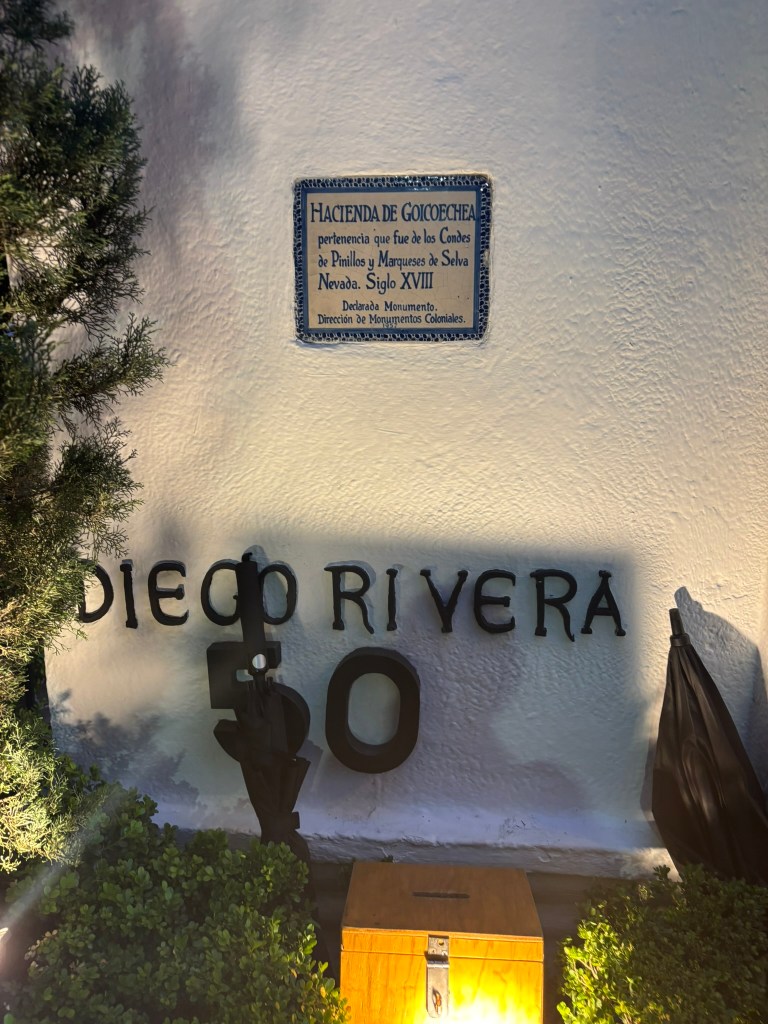
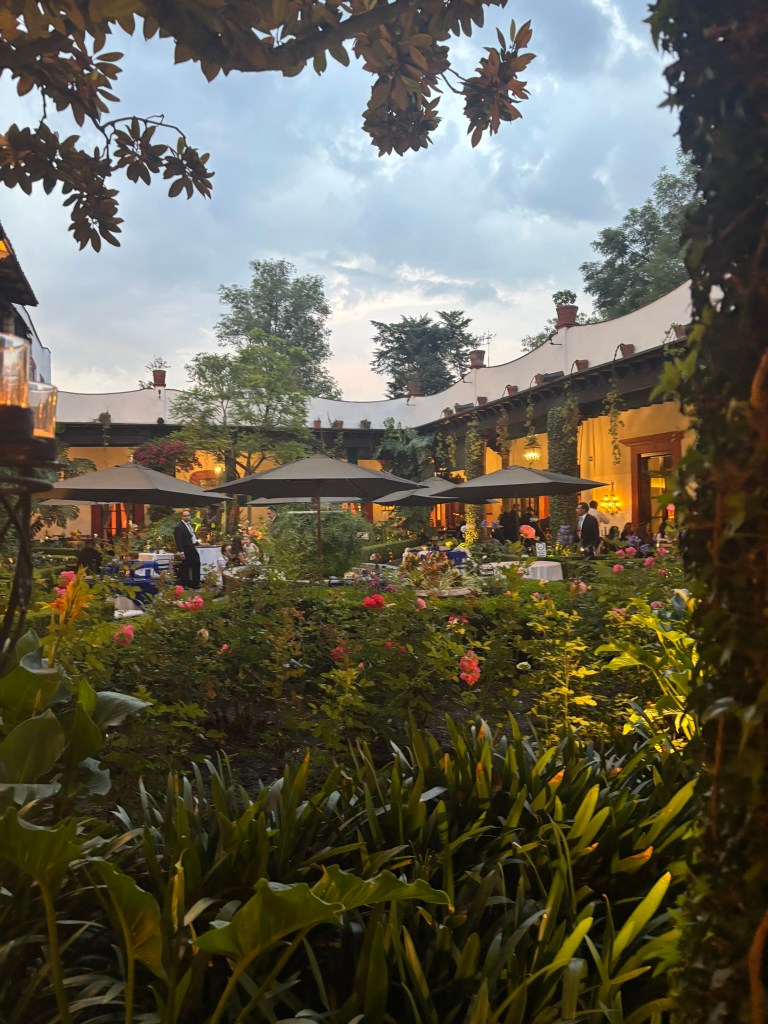
    To escape the concrete roar of the center, head southwest into the winding, cobblestone lanes of the exclusive San รngel neighborhood. Here, inside a beautifully manicured 18th-century estate at Diego Rivera 50, you will find the breathtaking San รngel Inn.

    The property originally functioned as the Hacienda de Goicoechea, a massive colonial pulque plantation and monastery complex. In 1937, it was officially declared a National Monument to preserve its flawless Mexican-Baroque architecture.
    In the mid-20th century, it became a legendary meeting hub for the city’s bohemian art elite. Directly across the street sits the striking, functionalist block houses of the Museo Casa Estudio Diego Rivera y Frida Kahlo. Diego and Frida, along with visiting international stars like Marilyn Monroe, would regularly cross the cobblestones to lounge, drink, and argue by the colonial fountains.

    • The Vibe: Old-world opulence, immaculate white-glove service, and lush, tranquil garden courtyards.

    What I ate and drank at this restaurant

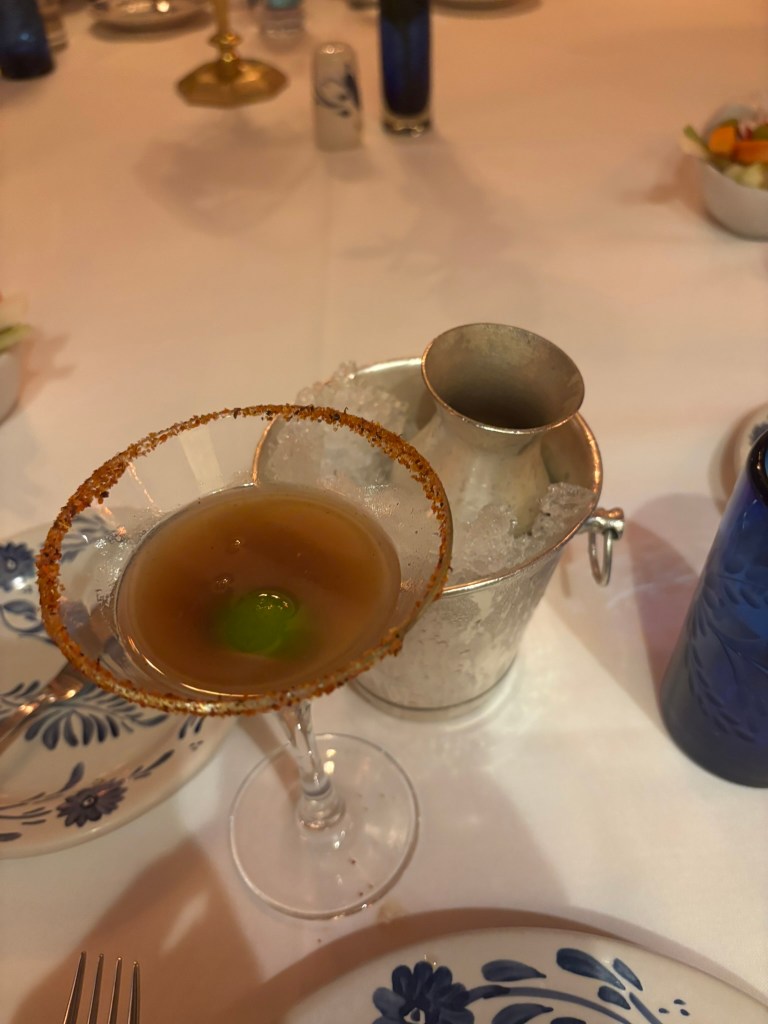
    Started the evening sitting by the courtyard fountains with a Tamarind Margarita. The sharp, puckering acidity and earthy sourness of the native tamarind serve as the ultimate palate cleanser against rich food.

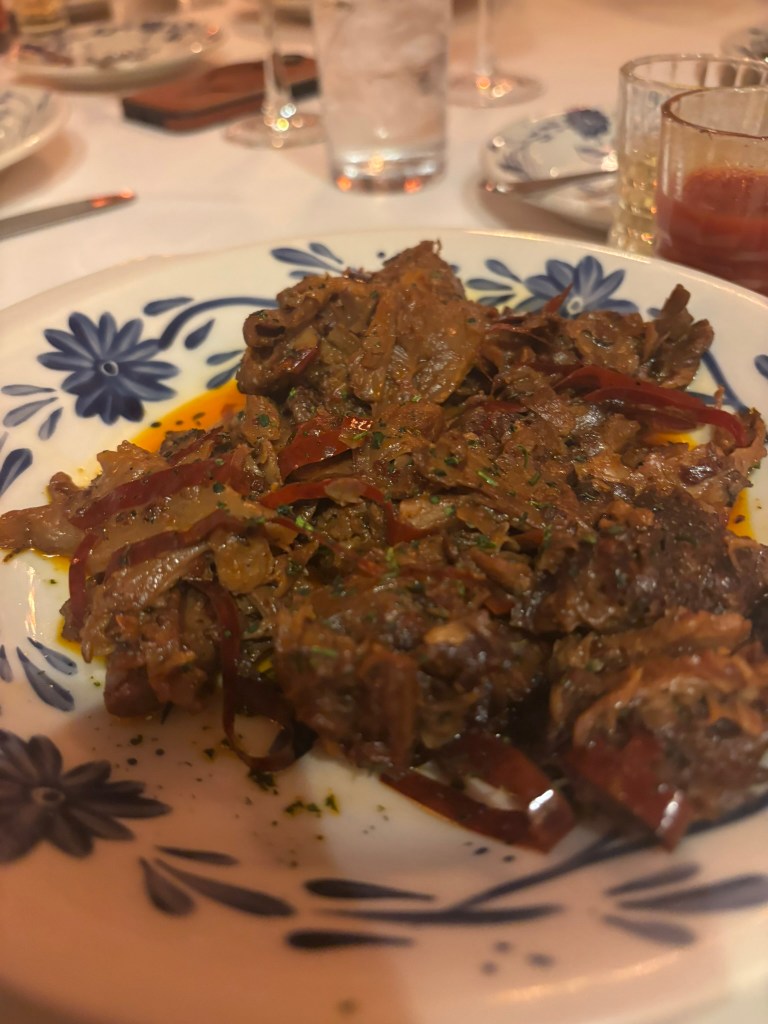
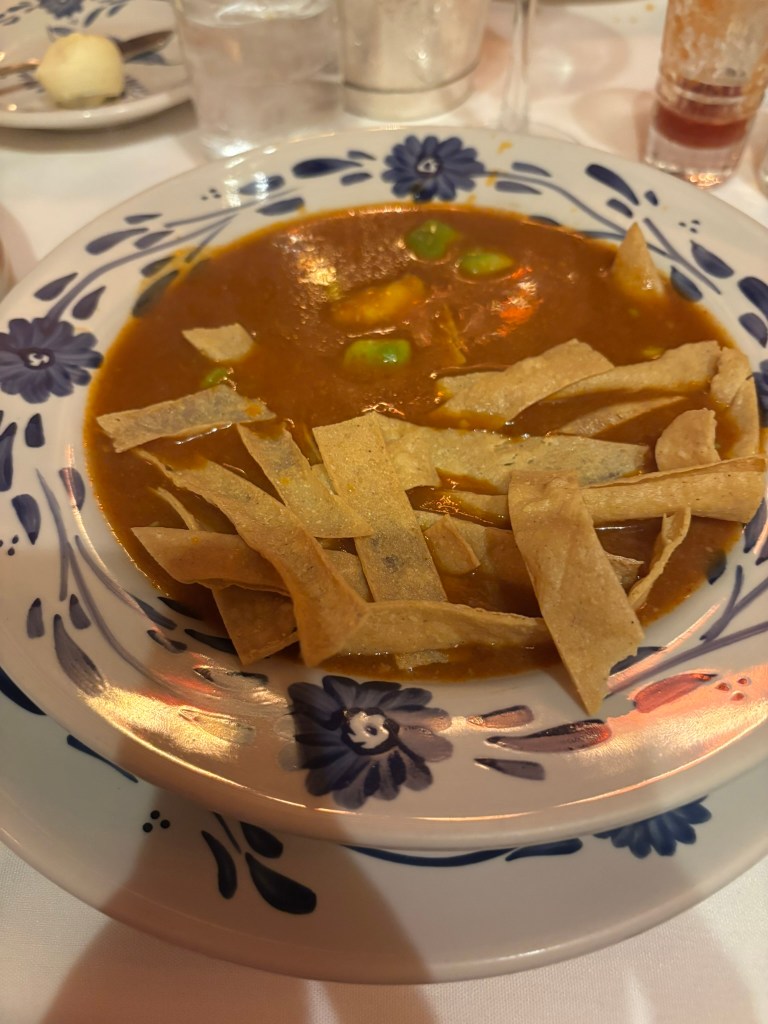
    • For dinner, follow up with their delicate, earthy Mushroom Tacos and Tortilla soup, seamlessly paired with a premium Tequila, served alongside a traditional tomato-based sangrita digestif.
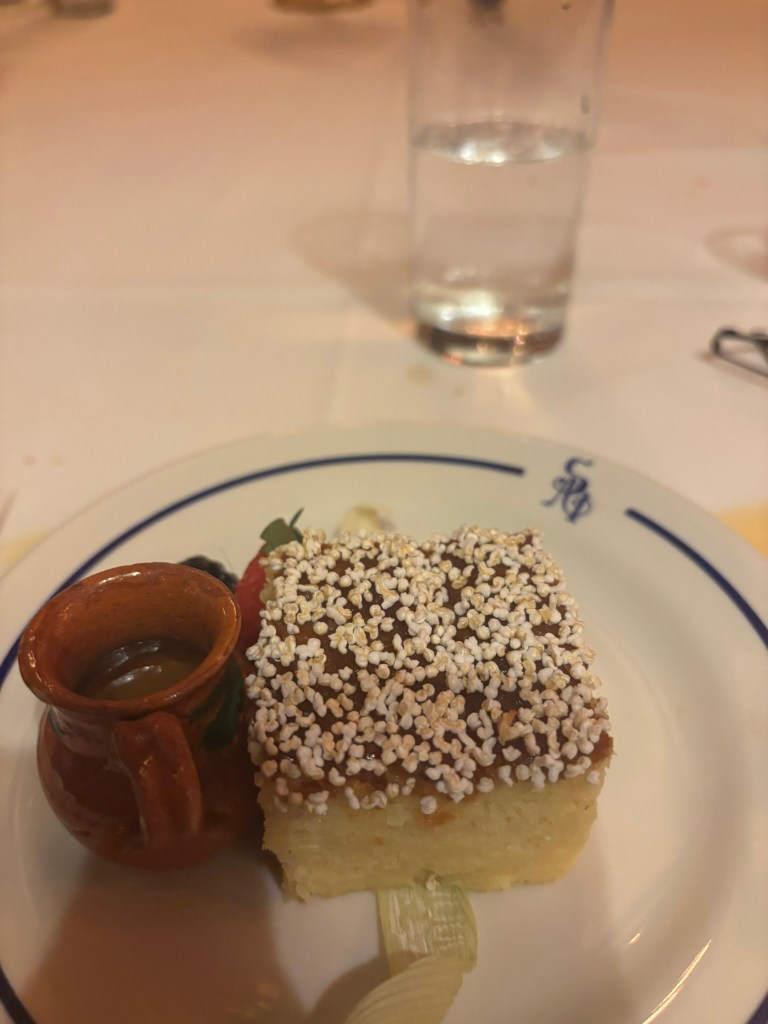
    • The Grand Finale: End your meal with their absolute showstopper dessert: the Panquรฉ de Elote (Mexican Sweet Corn Cake). Rather than utilizing dry cornmeal, San รngel Inn prepares this cake by scraping raw, tender kernels straight off the cob to create a dense, intensely moist, pudding-like crumb. The cake arrives wrapped in a rustic corn husk, heavily encrusted with popped amaranth seeds (alegrรญa) for a nutty crunch, and is served alongside a miniature clay jarrito filled with hot cajeta caramel to drizzle tableside.

    3. Cantina La Ribera: Fire, Smoke, & Modern Cantina Artistry

    For a complete shift in energy, head into the vibrant, urban pulse of Colonia Doctores at Avenida Cuauhtรฉmoc 140 to experience Cantina La Ribera. While it carries the title of a Cantina Restaurante, this is far from a dark, dusty drinking saloonโ€”it is a massive, multi-story celebration of northern Mexican culinary arts, celebrated for its tableside interactive carts (carritos).

    While known heavily for its charcoal meat-grilling, this is where having your local co-workers pays off the most: the kitchen gladly adapts its high-end service to craft a bespoke, vegetarian-friendly feast.

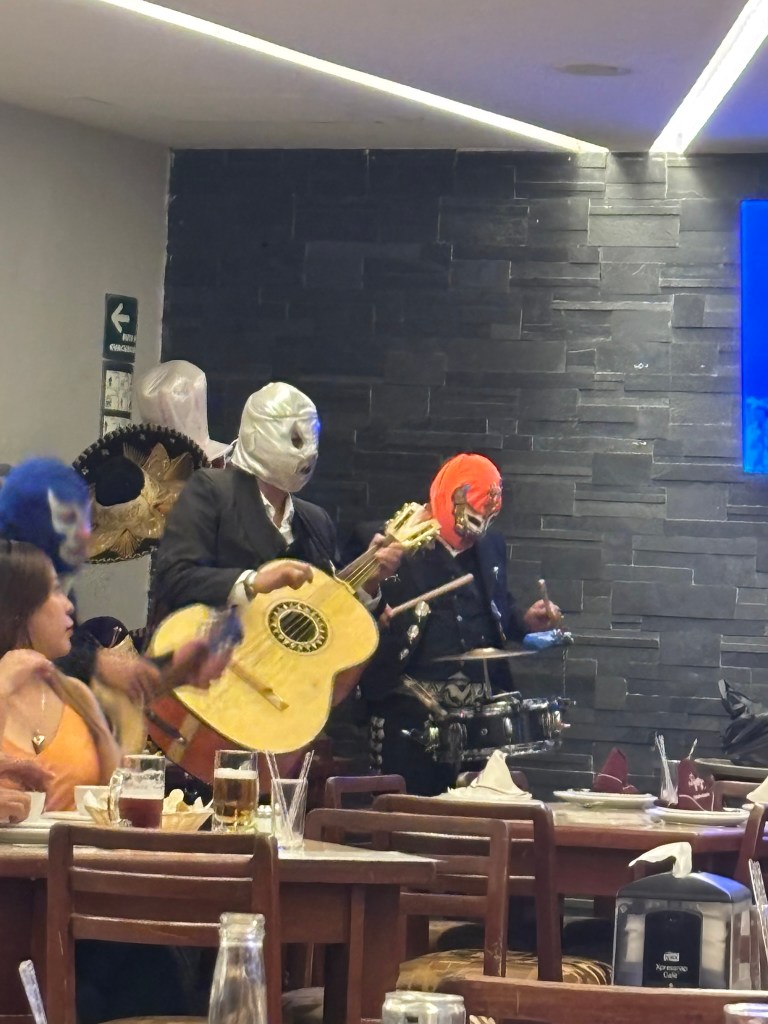
    • The Vibe: High-energy, loud, and celebratory, featuring live mariachi music, oversized embroidered sombreros for the table, and rolling drink carts weaving between tables.

    What I ate at this restaurant

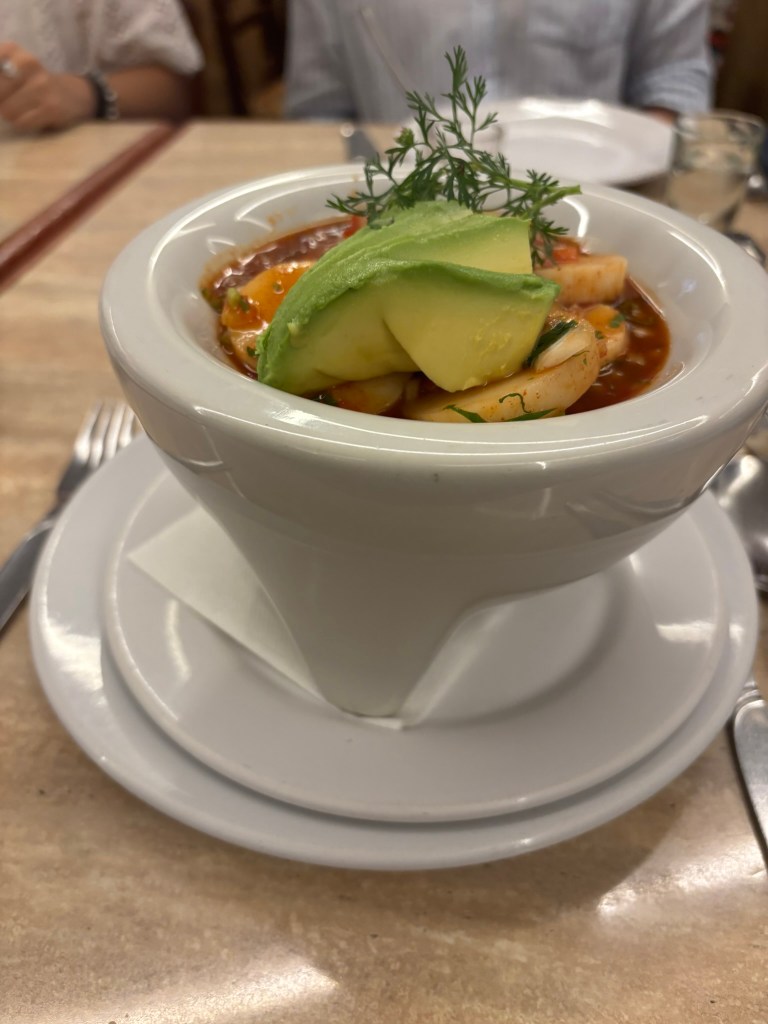
    We started with a very tasty vegetarian Ceviche made with tofu, as well as vegetarian empanadas. I followed that with a spicy carrot tostada that wasn’t on the menu but created specially for me

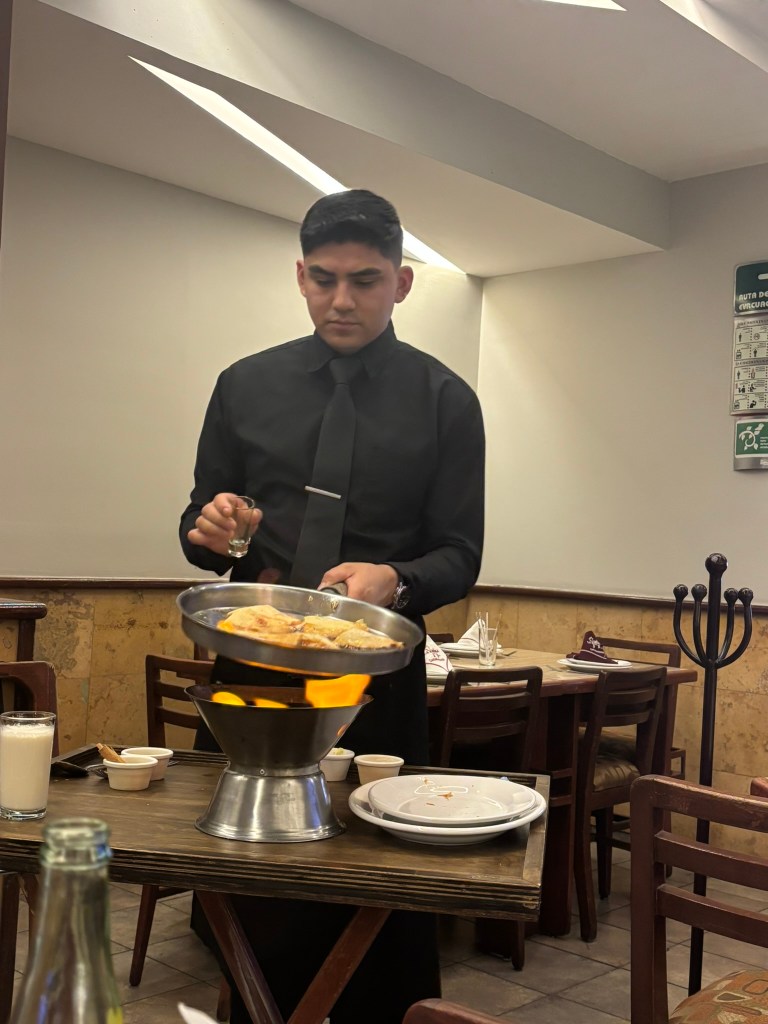
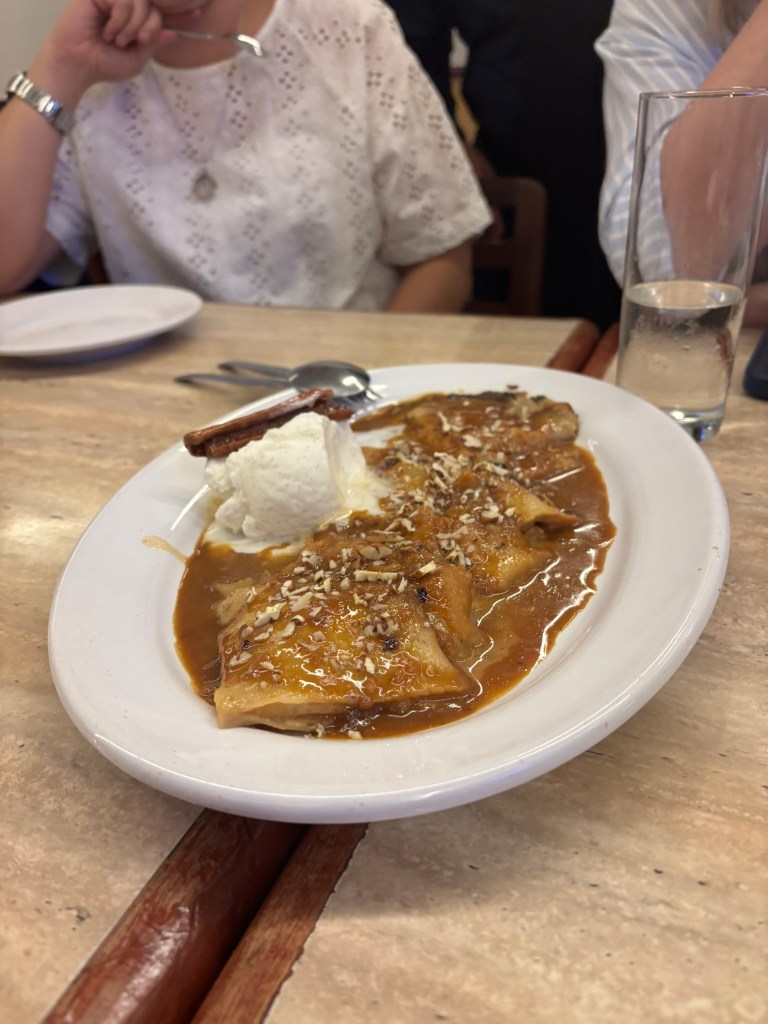
    The Grand Finale: Close out the entire evening with an elegant performance as servers prepare Crepes Suzette tableside on rolling, fire-lit carts, splashing spirits over an open flame to perfectly caramelize the sweet orange-butter sauce.

    The Ultimate Entertainment: While you eat, the restaurant erupts with a performance entirely unique to Mexico City: a Lucha Libre Mariachi band. Musicians dressed in immaculate traditional black charro suits storm the floor, wearing iconic wrestling masksโ€”paying homage to legends like El Santo and Blue Demonโ€”and deliver high-octane acoustic sets that turn the dining room into a festive, unforgettable party.

    Cultivating Connections: The Final Takeaway of the Vegetarian Business Traveler

    Ultimately, navigating a world-class culinary capital like Mexico City proves that business travel is about much more than boardroom meetings and spreadsheetsโ€”it is about the deep cultural connections forged across the dinner table.

    While the cityโ€™s complex, meat-dominant landscape can initially feel intimidating to an ovo-lacto vegetarian, stepping into its historic dining rooms alongside local colleagues completely unlocks the destination. Having trusted coworkers to navigate the nuances of the menu not only ensures total comfort and peace of mind, but it also opens the door to regional secretsโ€”like discovering a life-changing obsession with your very first warm concha bread straight out of a waiter’s basket.

    By leaning on local expertise, respecting ancient ingredients, and embracing the celebratory spirit of the table, you don’t just eat like a localโ€”you get to experience the very soul of Mexico.

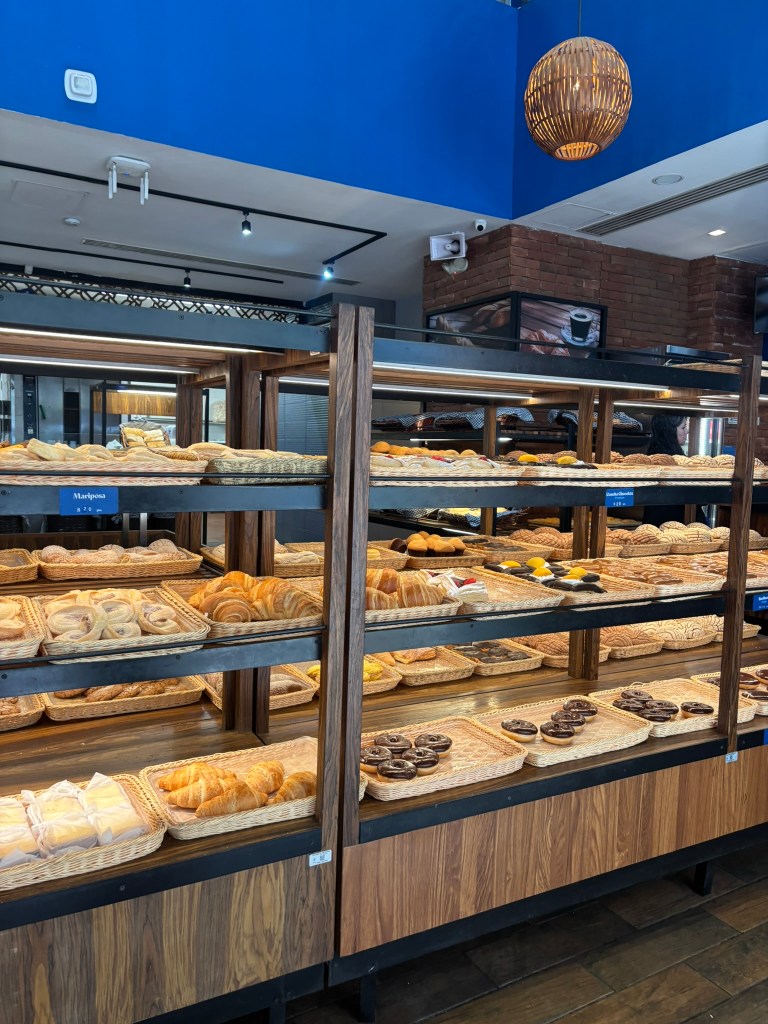
    Crumb Trails Through Time: The Historic Bakeries of Mexico Cityโ€™s Zรณcalo

    In Mexico City, the sweet smell of yeast, caramelized sugar, and warm butter is an inescapable part of the morning commute. The Centro Histรณrico surrounding the Zรณcalo (the central plaza) serves as the beating heart of this vibrant flour-and-sugar universe.

    To fully understand Mexico’s unique panaderรญa (bakery) culture, you must look beyond the shelves. The classic pan dulce we love today is a product of culinary hybridizationโ€”born from 16th-century Spanish wheat farming, indigenous adaptations with local ingredients like lard and piloncillo sugar, and 19th-century French lamination techniques popularized during the French intervention.

    When touring the historic center, follow this guide to the ultimate historic bakeries, what you need to order at each, and the deep, hidden histories carved into their foundations.

    1. 1. Pastelerรญa Ideal: The Cathedral of Dough Built on Sacrificial Stone
    2. 2. La Vasconia: The Oldest Standing Bakery in the City
    3. 3. Pastelerรญa El Molino: The Birthplace of a Global Empire
    4. 4. Pastelerรญa Madrid: The Chilango Local Favorite
    5. Walking route map
      1. Detailed Navigation Steps

    1. Pastelerรญa Ideal: The Cathedral of Dough Built on Sacrificial Stone

    No culinary tour of the Zรณcalo is complete without stepping into the pure, high-volume pandemonium of Pastelerรญa Ideal (Address: 16 de Septiembre 18). Established in 1927 during the turbulent years of the Cristero War, Ideal has transformed from a humble neighborhood bread shop into a massive, multi-generational cultural pillar.

       โ”Œโ”€โ”€โ”€โ”€โ”€โ”€โ”€โ”€โ”€โ”€โ”€โ”€โ”€โ”€โ”€โ”€โ”€โ”€โ”€โ”€โ”€โ”€โ”€โ”€โ”€โ”€โ”€โ”€โ”€โ”€โ”€โ”€โ”€โ”€โ”€โ”€โ”€โ”€โ”€โ”€โ”€โ”€โ”€โ”€โ”€โ”€โ”€โ”€โ”€โ”€โ”€โ”€โ”€โ”€โ”€โ”€โ”
       โ”‚                THE PASTELERรA IDEAL RITUAL             โ”‚
       โ”œโ”€โ”€โ”€โ”€โ”€โ”€โ”€โ”€โ”€โ”€โ”€โ”€โ”€โ”€โ”€โ”€โ”€โ”€โ”€โ”€โ”€โ”€โ”€โ”€โ”€โ”€โ”€โ”€โ”€โ”€โ”€โ”€โ”€โ”€โ”€โ”€โ”€โ”€โ”€โ”€โ”€โ”€โ”€โ”€โ”€โ”€โ”€โ”€โ”€โ”€โ”€โ”€โ”€โ”€โ”€โ”€โ”ค
       โ”‚ 1. Grab a massive, circular metal tray from the stack. โ”‚
       โ”‚ 2. Take a pair of long mechanical tongs.               โ”‚
       โ”‚ 3. Weave through the crowds to pile your tray high.   โ”‚
       โ”‚ 4. Take your haul to the wrap counter.                 โ”‚
       โ”‚ 5. Watch clerks tie it up in iconic blue-white boxes. โ”‚
       โ””โ”€โ”€โ”€โ”€โ”€โ”€โ”€โ”€โ”€โ”€โ”€โ”€โ”€โ”€โ”€โ”€โ”€โ”€โ”€โ”€โ”€โ”€โ”€โ”€โ”€โ”€โ”€โ”€โ”€โ”€โ”€โ”€โ”€โ”€โ”€โ”€โ”€โ”€โ”€โ”€โ”€โ”€โ”€โ”€โ”€โ”€โ”€โ”€โ”€โ”€โ”€โ”€โ”€โ”€โ”€โ”€โ”˜

    The Sacrificial History Beneath the Flour

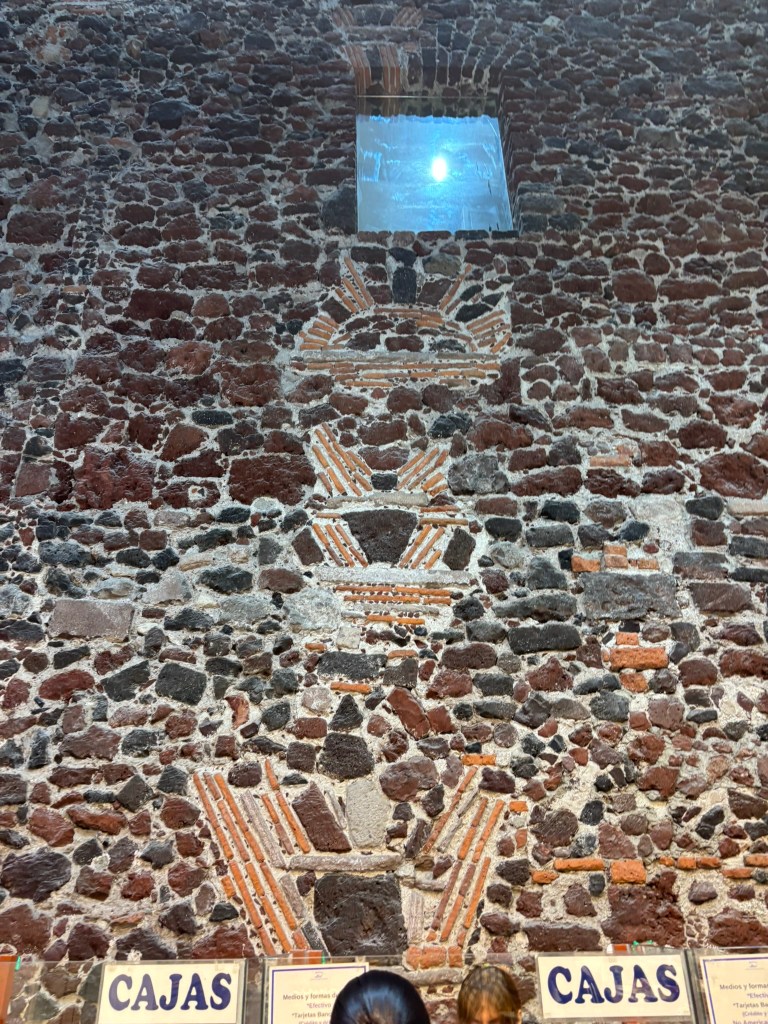
    The address itself holds profound historical weight. Pastelerรญa Ideal was built directly within the footprint of the Convento de San Francisco de Asรญs (Conquest-era Franciscan Monastery).

    Following the Spanish Conquest of Tenochtitlan in 1521, Hernรกn Cortรฉs granted land to the Franciscan order to build their headquarters. Built directly over the ruins of the Aztec Emperor Moctezumaโ€™s wild-animal zoo (Vivario), the Convento de San Francisco grew into the largest monolithic religious complex in the Americas. It housed extensive cloisters, gardens, chapels, and the first primary school for indigenous youth.

    The complex was systematically dismantled and largely demolished during the Reform War (Guerra de Reforma) under President Benito Juรกrez. The Liberal government’s 1856 Ley Lerdo confiscated all church-owned property. To break the economic power of the clergy and integrate the city, streets like 16 de Septiembre were cut directly through the monasteryโ€™s sacred cloisters, structures were torn down, and plots were sold off to secular business entities. The massive sugar factory, Pastelerรญa Ideal, operates directly atop these centuries-old ruins.

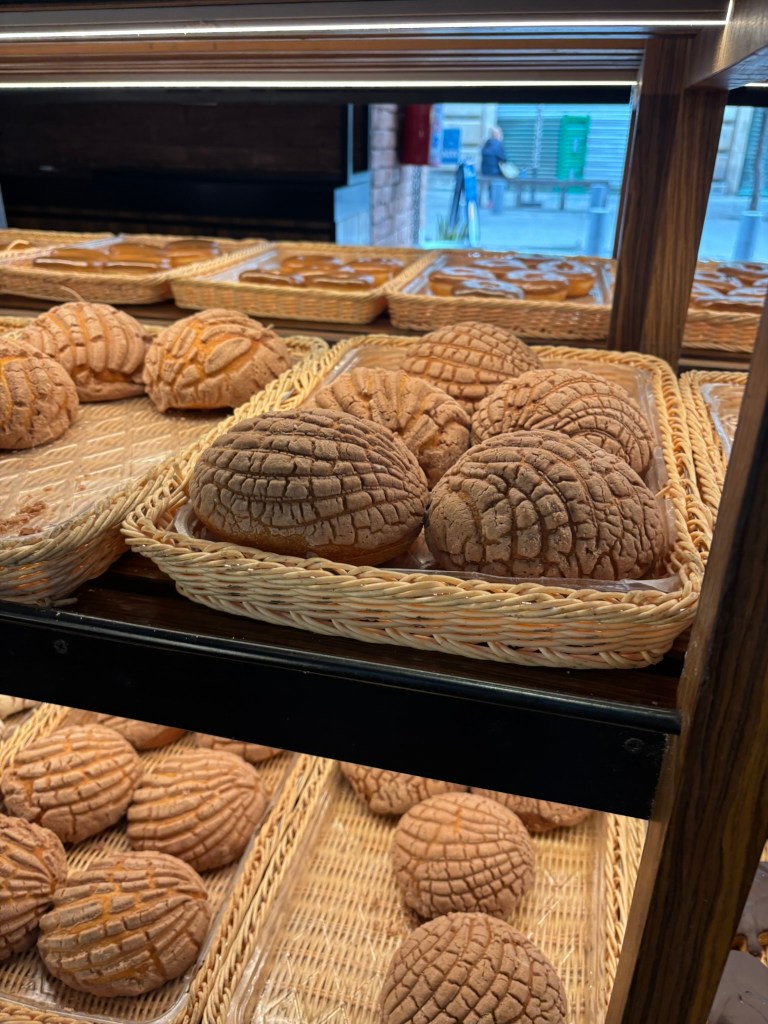
    • What to try: Get the classic Concha (a pillowy brioche bun topped with an iconic, crackled vanilla or chocolate cookie shell) and their delicate Pastas Secas (traditional dry butter cookies).

    2. La Vasconia: The Oldest Standing Bakery in the City

    Operating continuously since 1870 at the corner of Calle Tacuba and Calle de la Palma, La Vasconia is officially Mexico City’s oldest standing bakery.

    Founded by a Basque immigrant during the peak of the Porfiriatoโ€”the era where President Porfirio Dรญaz attempted to fully Europeanize the architecture and food of the capitalโ€”La Vasconia is a living museum. The interior, with its heavy wooden trim, high ceilings, and time-worn glass displays, feels entirely unchanged by time.

    • What to try: The bakery is famous for its crisp Orejas (the Mexican take on French Palmiers; flaky puff pastry layered with caramelized sugar) and their freshly baked savory lunch tortas made on-site.

    3. Pastelerรญa El Molino: The Birthplace of a Global Empire

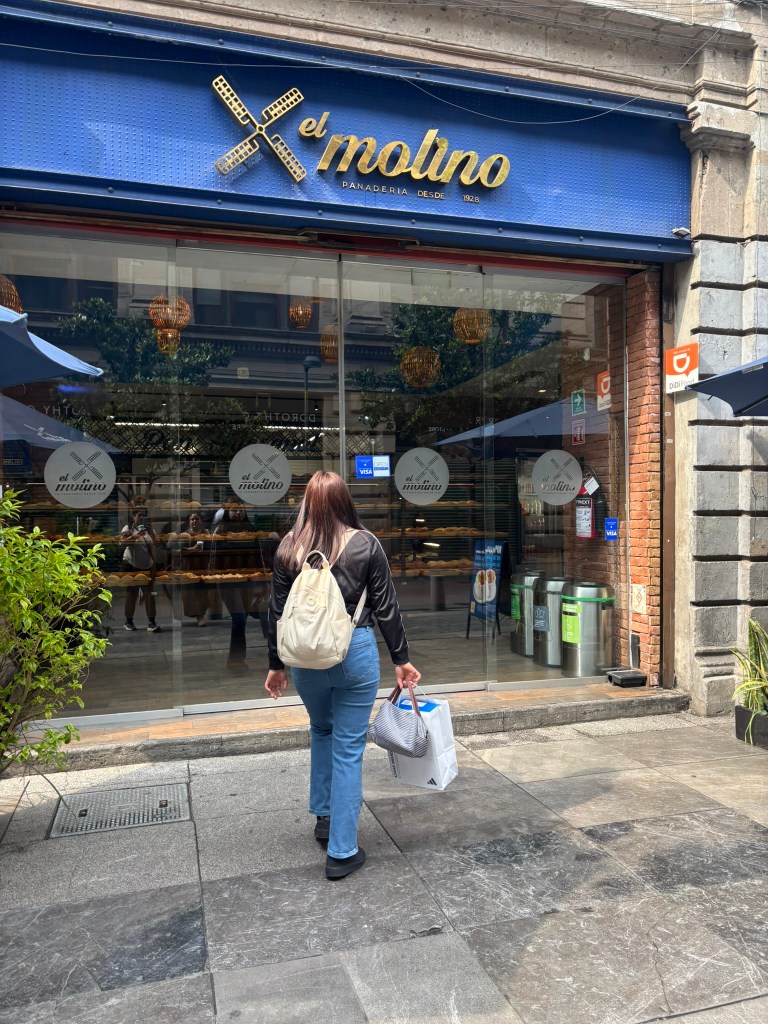
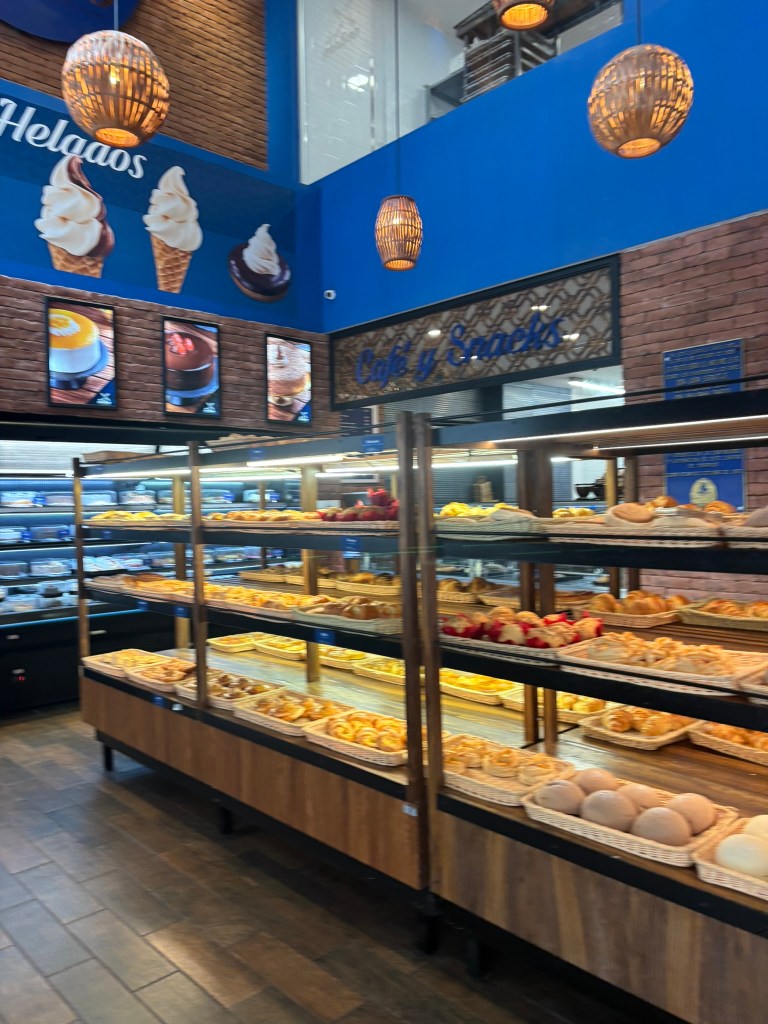
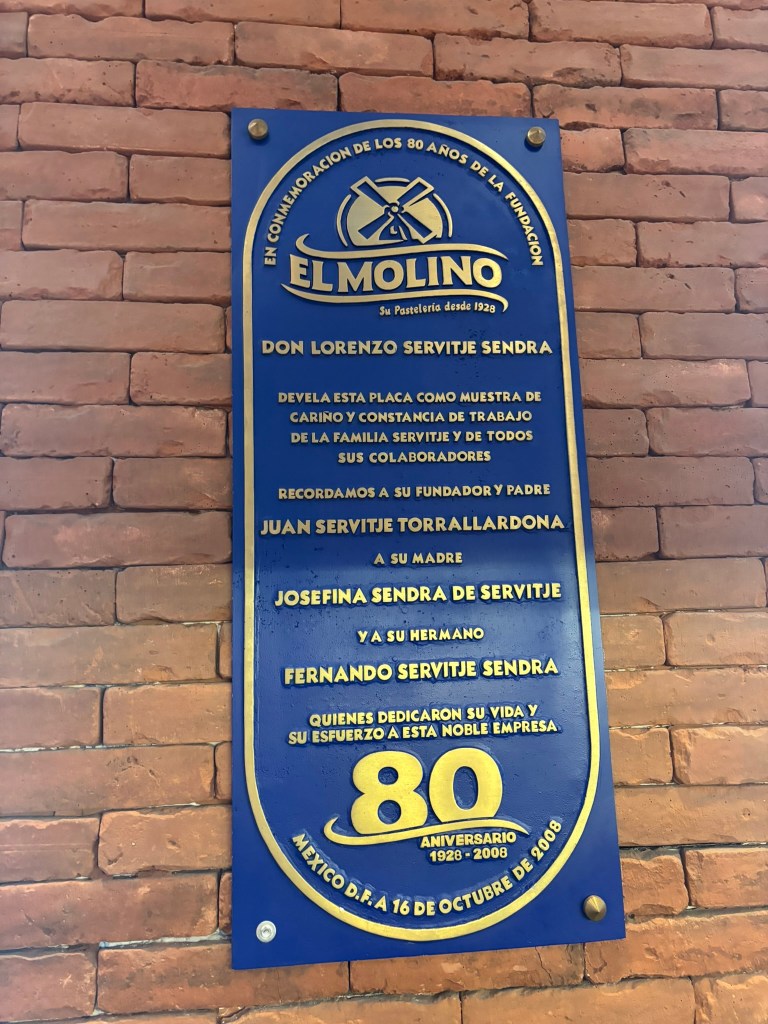
    Located at Av. 16 de Septiembre 59, Pastelerรญa El Molino has been serving passersby under its striking blue-and-gold windmill logo since 1928. While it operates today as a modern, budget-friendly neighborhood pastry shop, a commemorative plaque on the interior brick wall uncovers its massive industrial legacy.

    El Molino is the exact birthplace of Grupo Bimbo (Bimbo bakeries), the largest commercial baking company on Earth. Founded by Catalan immigrant Juan Servitje Torrallardona, the shop passed to his son, Don Lorenzo Servitje Sendra, in 1937. Lorenzo honed his commercial knowledge running this exact storefront. In 1945, using the capital, supply chains, and industry practices developed right here, he co-founded Panificaciรณn Bimboโ€”launching an empire that now spans over 35 countries.

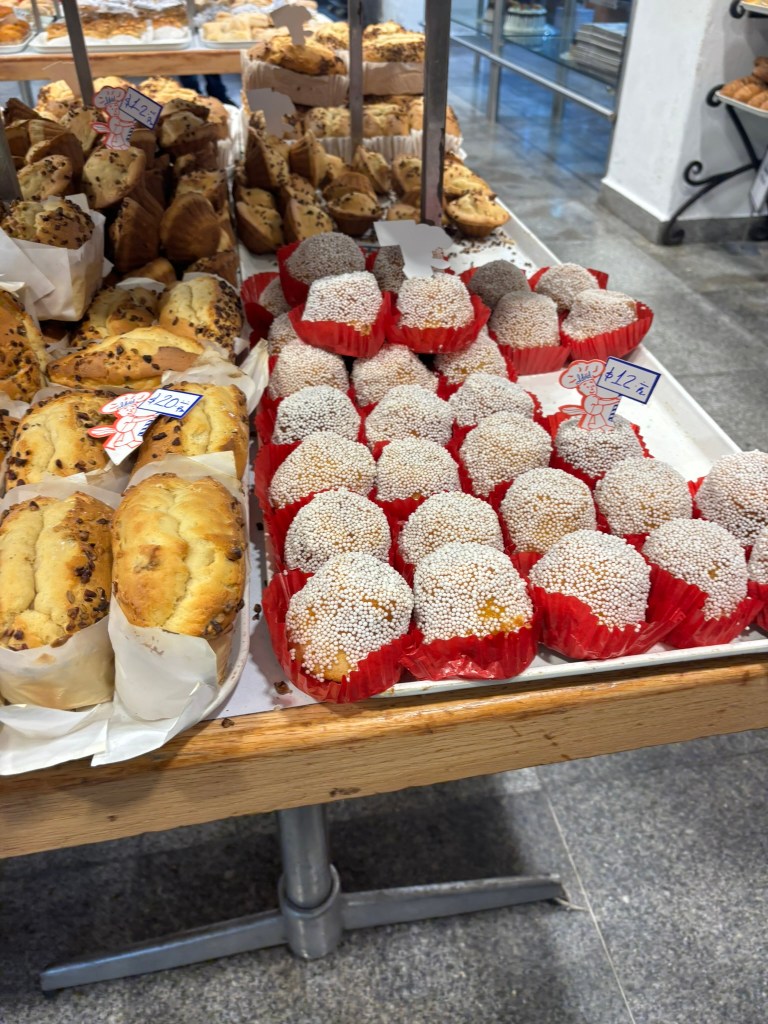
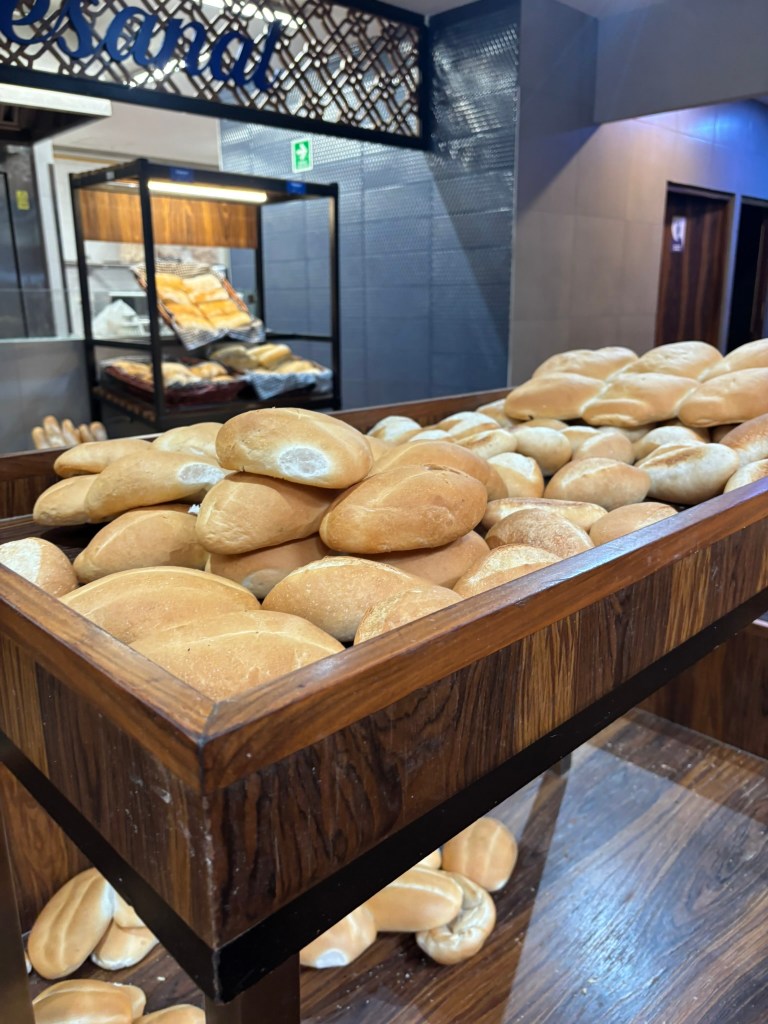
    • What to try: Do not miss their fresh Bolillos (traditional savory sandwich rolls descended from the French baguette, featuring a crisp outer crust and a pillowy soft interior) or their traditional Mariposa (butterfly puff pastry) dusted heavily in white sugar.

    4. Pastelerรญa Madrid: The Chilango Local Favorite

    Tucked slightly away from the primary tourist paths at C. 5 de Febrero 25, Pastelerรญa Madrid is where local Chilangos go to buy their daily bread. It is noisy, budget-friendly, and deeply integrated into the local neighborhood routine.

    • What to try: This is the absolute best spot to sample Panquรฉ de Elote (a dense, intensely moist, and naturally sweet Mexican corn cake) along with their exceptional cheese-filled pastries.

    Walking route map

    Here is a 1.6-kilometer (1-mile) custom walking loop through the Centro Histรณrico, designed to hit all four historic bakeries in a seamless, logical path starting and ending near the Zรณcalo.

    The entire walk takes about 20 to 25 minutes of pure walking time, keeping you on historic, highly pedestrianized streets.

           [ START: Zรณcalo Plaza ]
                     โ”‚
                     โ–ผ (Walk 1.5 blocks West on Av. 16 de Septiembre)
         1. PASTELERรA IDEAL  โ”€โ”€โ”€โ–บ  2. PASTELERรA EL MOLINO
                     โ”‚                        โ–ฒ
                     โ–ผ (South on Filomeno Mata)โ”‚ (West on 16 de Septiembre)
         [ Cross Av. Madero & 5 de Mayo ]     โ”‚
                     โ”‚                        โ”‚
                     โ–ผ (North on Tacuba)      โ”‚ (South on 5 de Febrero)
         3. LA VASCONIA       โ”€โ”€โ”€โ–บ  4. PASTELERรA MADRID

    Detailed Navigation Steps

    Stop 1: Pastelerรญa Ideal

    • Route: From the main Zรณcalo plaza, walk west down the pedestrian-friendly Avenida 16 de Septiembre. Walk past the front of the Gran Hotel de Mรฉxico. After 1.5 blocks, Pastelerรญa Ideal will be on your right side.
    • Vibe Check: Grab your massive metal tray immediately upon walking in.
    Stop 2: Pastelerรญa El Molino

    • Route: Exit Ideal, turn right, and continue walking west down Avenida 16 de Septiembre for just half a block. Cross Calle de Bolรญvar, and Pastelerรญa El Molino will be right there under its blue-and-gold windmill sign.
    • Vibe Check: Stop inside to read the historic Bimbo foundation plaque on the brick wall.

    Stop 3: La Vasconia

    • Route: From El Molino, turn right and walk to the next corner (Filomeno Mata). Turn right (heading north). You will cross the busy pedestrian hubs of Avenida Madero and Avenida 5 de Mayo. Continue north until you hit Calle de Tacuba. Turn right on Tacuba and walk 2 blocks east. La Vasconia is on the corner of Tacuba and Palma.
    • Vibe Check: Notice the 19th-century wooden framing. This is the oldest bakery in town.

    Stop 4: Pastelerรญa Madrid

    • Route: From La Vasconia, head south down Calle de la Palma. Walk 3 blocks south, crossing straight back over Madero and 5 de Mayo. When you hit Avenida Repรบblica de Uruguay, turn right, walk one block, then turn right again onto Calle 5 de Febrero. Pastelerรญa Madrid is just up the street.
    • Vibe Check: This is a local favorite; expect low prices and crowd energy.

    Heading Back to the Zรณcalo

    From Pastelerรญa Madrid, walk half a block north to Avenida 16 de Septiembre, turn right, and walk 1.5 blocks straight east to find yourself right back in the center of the Zรณcalo.


    A Taste of Home: Khanavalis, Karadantu, and the Flavors That Shaped My Childhood

    I was born in a small village in the North Karnataka region, and my earliest memories are steeped in its red earth, quiet lanes, and the comforting aromas of food cooked with love. Returning to Badami after nearly forty years felt like opening a long-forgotten chapter of my own story. As we drove through those familiar villagesโ€”names that once shaped my childhoodโ€”the vibrant green fields and gentle rhythm of rural life.

    When my family moved to South Karnataka at the age of ten, we carried North Karnataka with us in our hearts. We often found ourselves reminiscing about the genuinely kind people, the unhurried pace of life, and of course, the foodโ€”bold, earthy, and unique to the region. This trip back wasnโ€™t just a homecoming; it was a rediscovery of the flavors that shaped my childhood.

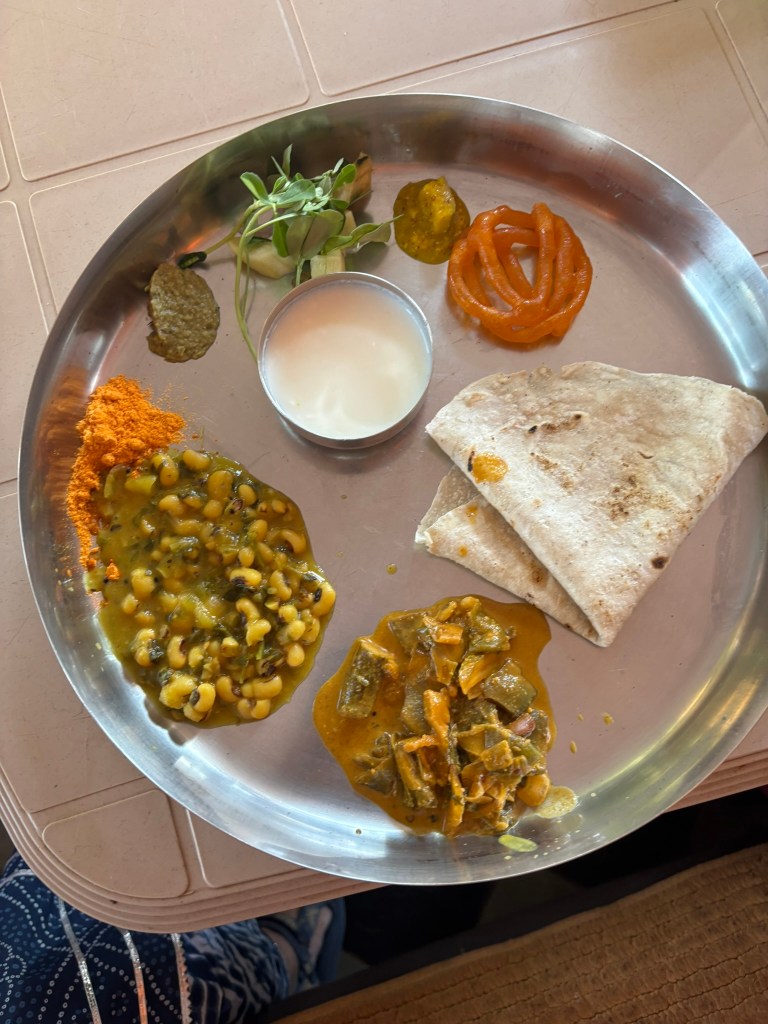
    No visit to North Karnataka region is complete without eating in a Khanavali. A khanavali (also spelled khanavali, khanawali, or khanavali mane) is a traditional North Karnataka restaurant jolada rotti oota. Think of it as a no-frills, simple, and unlimited meals. These establishments are characterized by a warm, welcoming ambiance, where guests are often treated like family, enhancing the dining experience. The menu typically features a variety of regional dishes highlighting Karnataka’s rich culinary heritage and includes sides such as saaru, dal, and chutney, all made with locally sourced ingredients. These restaurants are often family-run, ensuring recipes are passed down through generations, creating a sense of continuity and tradition. Very budget-friendly, Khanavalis offer an affordable dining option for both locals and travelers alike, making it a beloved choice for those seeking genuine, home-cooked meals away from home.

    Jolada Rotti Oota

    The signature meal includes:

    • Jolada rotti (jowar/Millet roti)
    • Yennegai (stuffed brinjal/eggplant curry)
    • Shenga chutney pudi (peanut spice powder)
    • Hesarukalu / Palya– Lentil Curry
    • Sambar / Saaru
    • Curd / buttermilk
    • Some type of Sweet dish

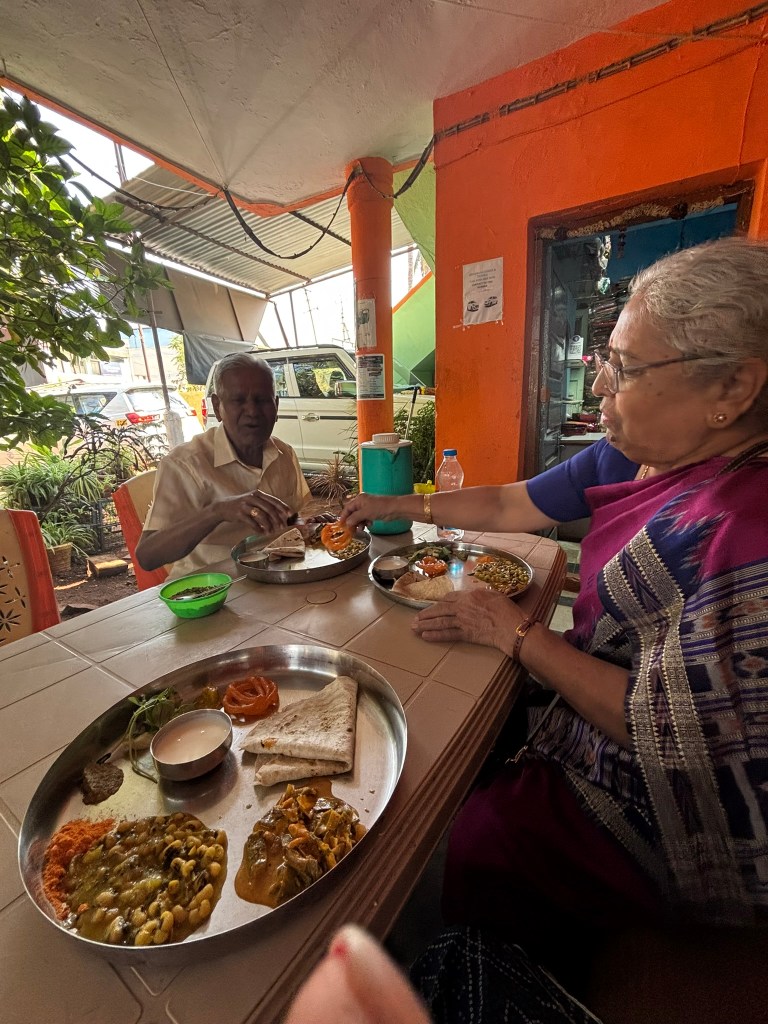
    We stopped at a small khanavali in Badami for lunch before heading to the cave temples, and the experience instantly transported me back to the flavors of my childhood. The food was simple, comforting, and made with the kind of care you only find in a home kitchen. The man serving us kept insisting we eat moreโ€”bringing extra rotis, more rice, and refusing to take no for an answer. In between all this, he shared stories from his life, telling us heโ€™d been working there for 13 years and genuinely loved feeding people. It didnโ€™t feel like a restaurant at all; it felt like visiting a long-lost relative whoโ€™s determined to send you off with a full stomach. As an NRI, Iโ€™m usually cautious about eating outside food, but this meal left me only with a happy, satisfied stomach and a heart full of nostalgia.

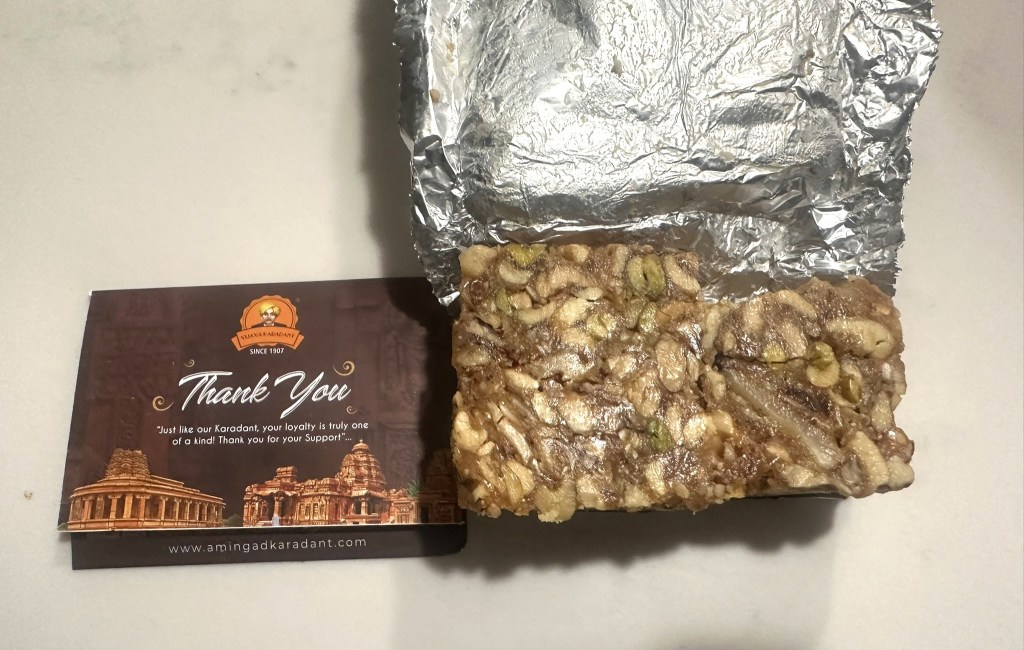
    And then, of course, came the sweet that is so unique to this region: Karadantu. This chewy, jaggery-rich delicacyโ€”packed with edible gum, nuts, and dried fruits.

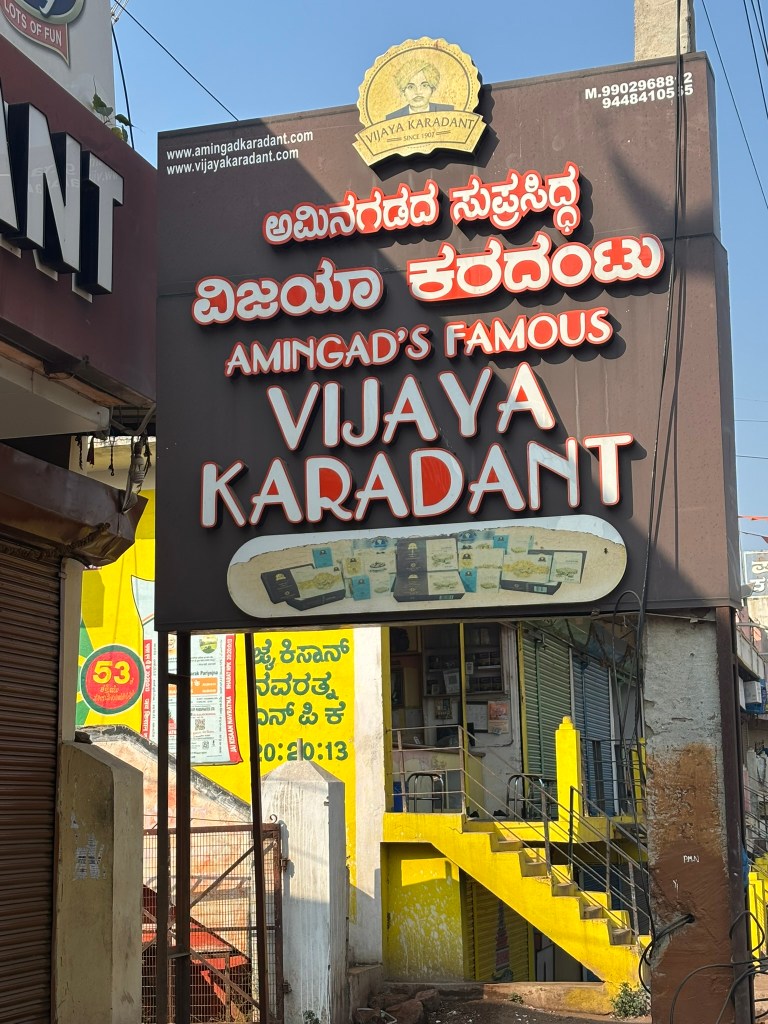
    While Gokak and Amingad both claim to make the “best” Karadantu, the real difference lies in their backstories, textures, and secret-ingredient ratios. I swung by Vijaya Karadant, known for whipping up the Amingad version since 1907. Of course, I snagged a few packs to share with my family ( and eat in the car as we travelled) and even brought one back to the US so my husband could enjoy a taste of my childhood nostalgia.

    Final Thoughts

    As I left Badami that afternoon, traveling through familiar fields and villages, I felt a surprising sense of fullness โ€” not just from my meal, but from the richness this place offers. From the warmth of a khanavali where strangers become family, to the chewy sweetness of Karadantu โ€” every bite tells a story.

    Returning after nearly forty years reminded me that some parts of us never truly leave home. They reside in our memories, ready to resurface with the first taste of a familiar dish. Bringing back a small box of Karadantu to the US โ€” a piece of my childhood wrapped in a box โ€” revealed that food beautifully keeps a bit of home with us, no matter how far we go.