Québec City packs an astonishing amount of charm into a small footprint: cobblestone streets, centuries-old stone ramparts, a castle-like hotel dominating the skyline, and a thundering waterfall just fifteen minutes away. As the only fortified city north of Mexico, this UNESCO World Heritage site feels like a slice of old-world Europe transported straight to North America.
Whether you are seeking historical grandeur or dramatic natural landscapes, this highly curated, 3-day itinerary ensures you discover the absolute heart and soul of the city at a manageable, walkable pace.

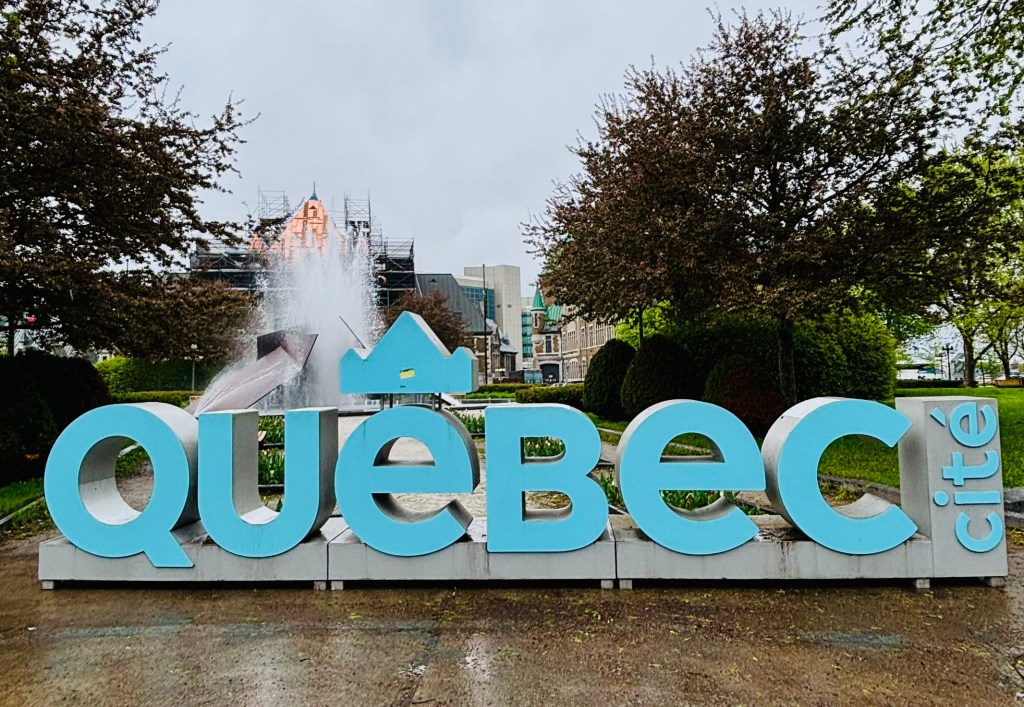
Day 1: Old Québec — Upper Town to Lower Town
Old Québec is split into Upper Town and Lower Town, connected by steep staircases, winding streets, and a funicular. Nearly everything is walkable, and every corner feels like a postcard.
Morning: Upper Town’s Icons
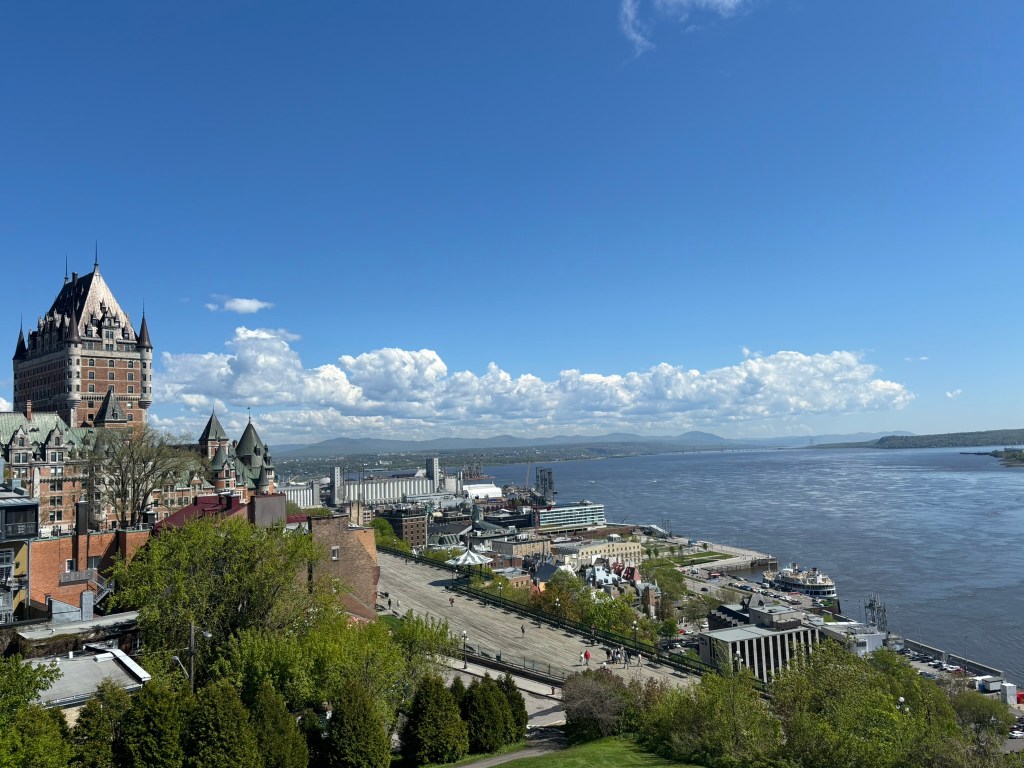
Begin at Fairmont Le Château Frontenac, the city’s crown jewel and one of the most photographed hotels in the world. Step out onto Terrasse Dufferin, the long boardwalk behind the hotel, for sweeping views over the St. Lawrence River.
Wander toward Place d’Armes and the Notre‑Dame de Québec Basilica‑Cathedral, one of the oldest parishes in North America. Then slip into Rue du Trésor, a narrow alley lined with local artists selling prints and watercolors — a quiet, charming place to pick up a meaningful souvenir.
If you want a dramatic viewpoint, head to Observatoire de la Capitale, perched 221 metres above sea level. The star‑shaped Citadelle, the river, and the city’s fortifications unfold beneath you.
Afternoon: Lower Town & Petit‑Champlain
Take the funicular (or the stairs, if you’re feeling ambitious) down to Lower Town, where Québec City was founded in 1608. Explore Place Royale, a cobblestone square that feels frozen in time, then wander into Quartier Petit‑Champlain, one of the prettiest streets in North America. Stone buildings, chocolate shops, cozy cafés — it’s pure magic, especially in the morning or during the holidays.
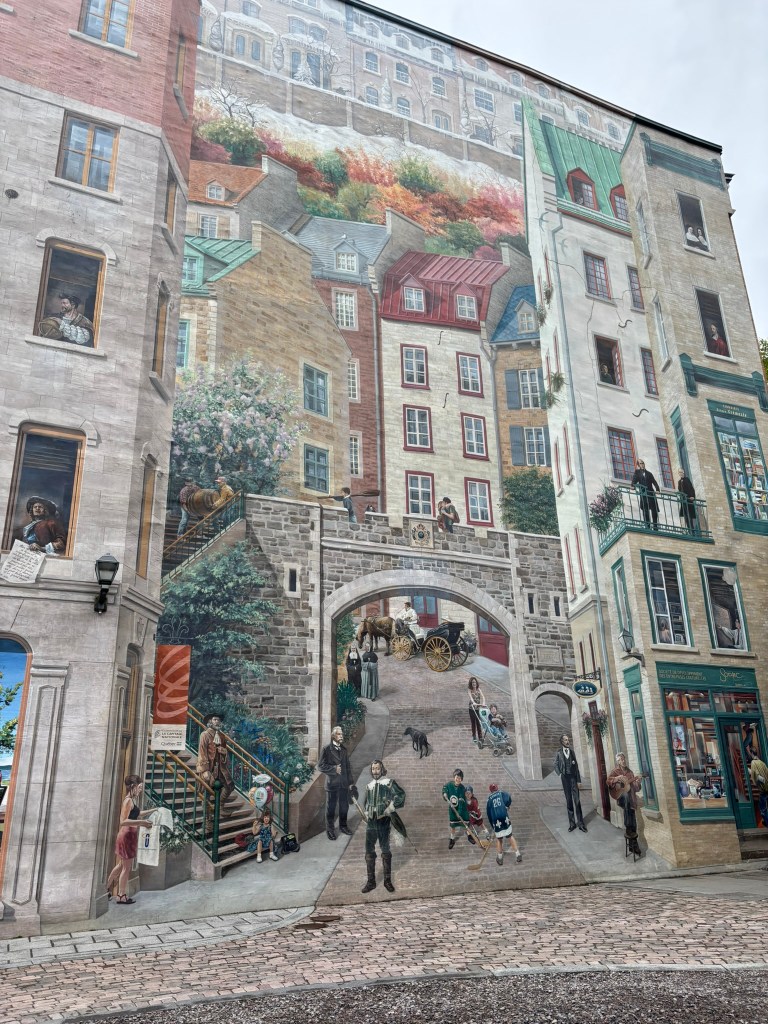
Don’t miss the Fresque des Québécois, a large mural tucked into the neighborhood that blends real history with trompe‑l’œil artistry.
Evening: Dinner & Night Stroll
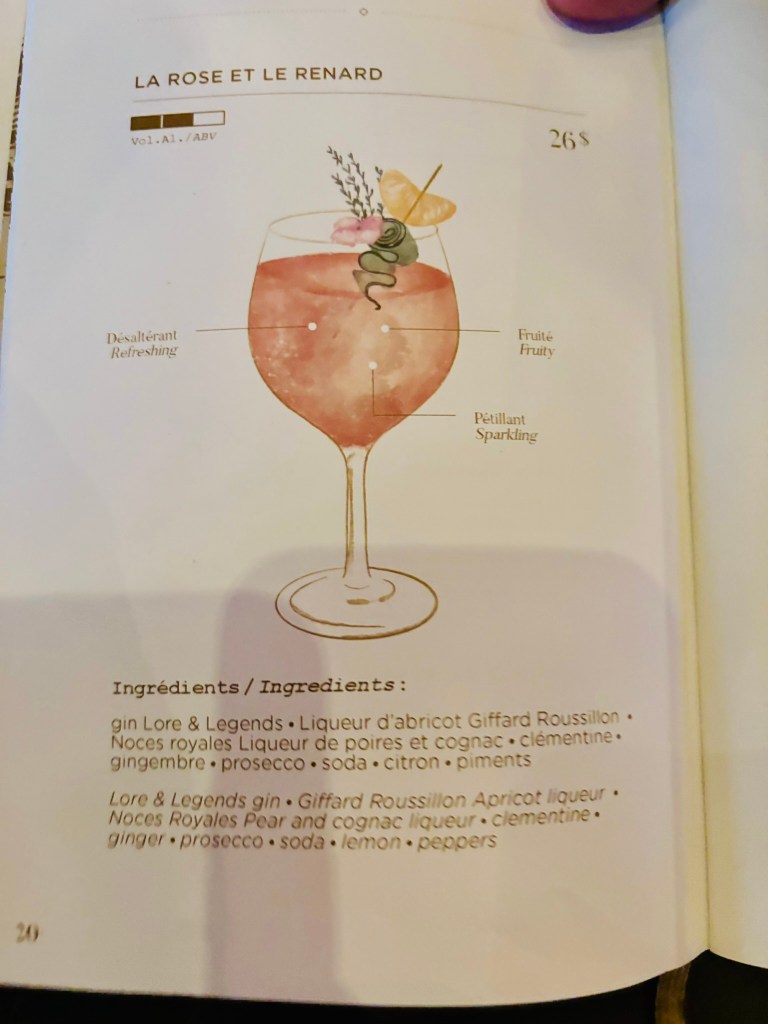
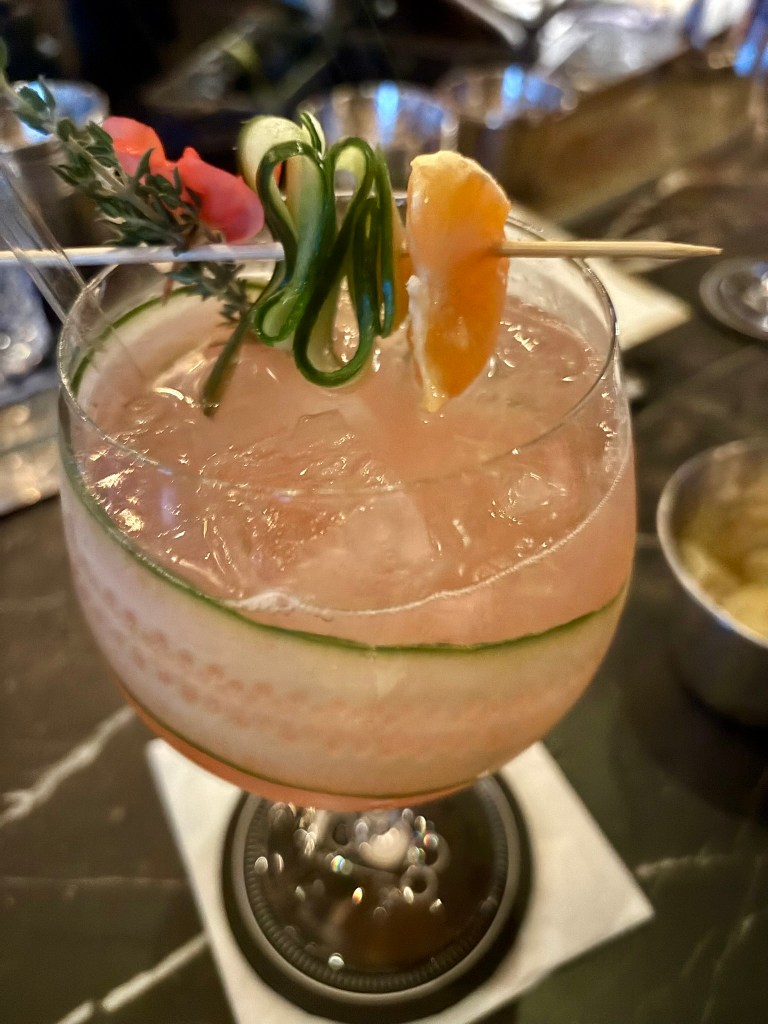
Old Québec glows at night. Choose a cozy bistro or a fine‑dining spot, then end the evening with a cocktail at 1608 Wine & Cheese Bar inside the Château Frontenac — a circular room inspired by literature, with drinks named after books and writers.
Day 2: Montmorency Falls & Québec City’s Creative Side
Morning: Montmorency Falls
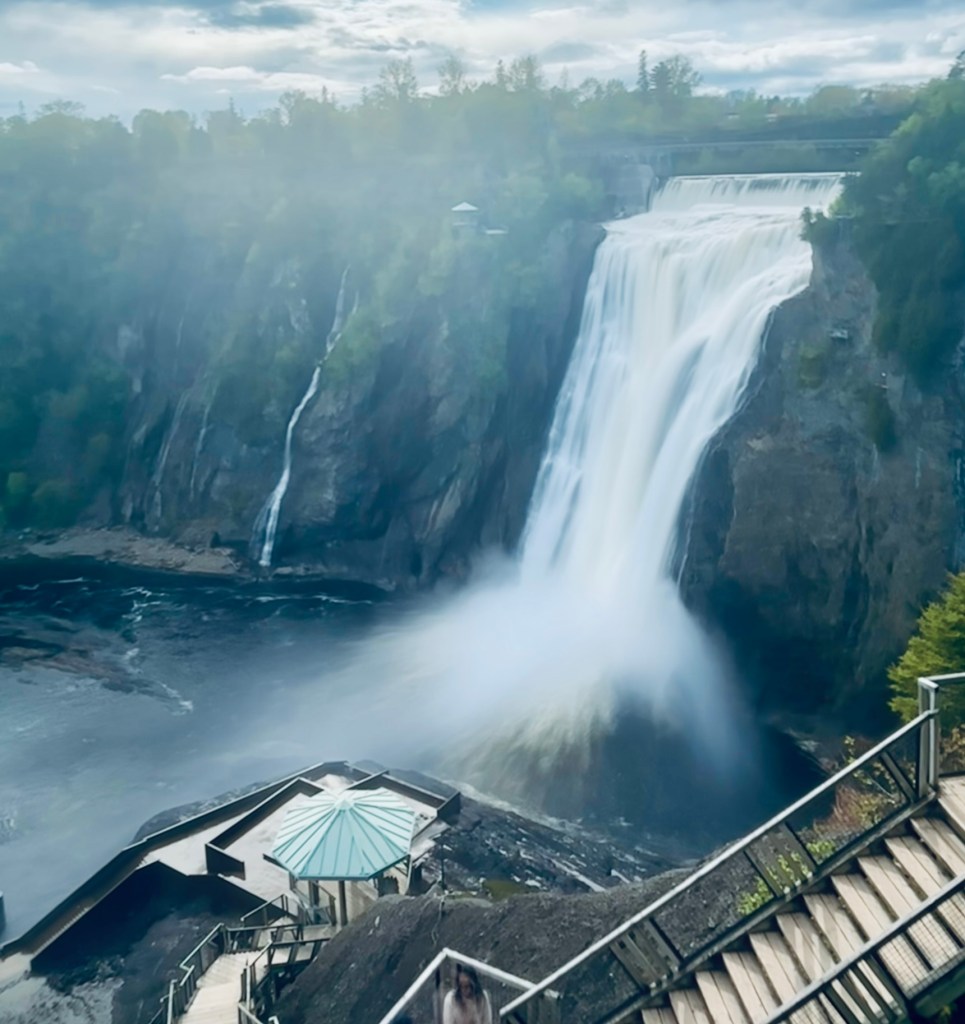
Just fifteen minutes from Old Québec, Montmorency Falls rises 83 metres — taller than Niagara and far less crowded. You can:
- Walk the suspension bridge directly over the falls
- Ride the cable car to Manoir Montmorency
- Descend the 487‑step panoramic staircase
- Try the 300‑metre zipline or seasonal via ferrata routes
The park is stunning year‑round: roaring in summer, frozen into an ice cone in winter.
Optional Add‑On: Île d’Orléans
If you have extra time, cross the bridge to Île d’Orléans, the “Garden of Quebec.” Six small villages, berry farms, cideries, vineyards, and views back toward the falls make it a peaceful contrast to the city. Even a short loop along Chemin Royal feels restorative.
Afternoon: Saint‑Roch & Saint‑Jean‑Baptiste
Back in the city, spend the afternoon exploring neighborhoods outside the old walls.
Saint‑Roch A modern, creative district filled with cafés, bakeries, boutiques, and street art. Walk Rue Saint‑Joseph Est for a taste of local life.
Saint‑Jean‑Baptiste: Colorful buildings, relaxed cafés, and small shops line Rue Saint‑Jean. Inside the walls, it feels historic; outside, it becomes more everyday and lived‑in — a perfect bridge between old and new Québec City.
Evening: Grande Allée
If you want a livelier night, head to Grande Allée, a boulevard lined with restaurants, terraces, and bars. It’s a favorite with locals and a fun place to end your second day.
Day 3 (Optional): New Town & Parliament Hill
If you have a third morning before departure, spend it in New Town, just outside the fortified walls.
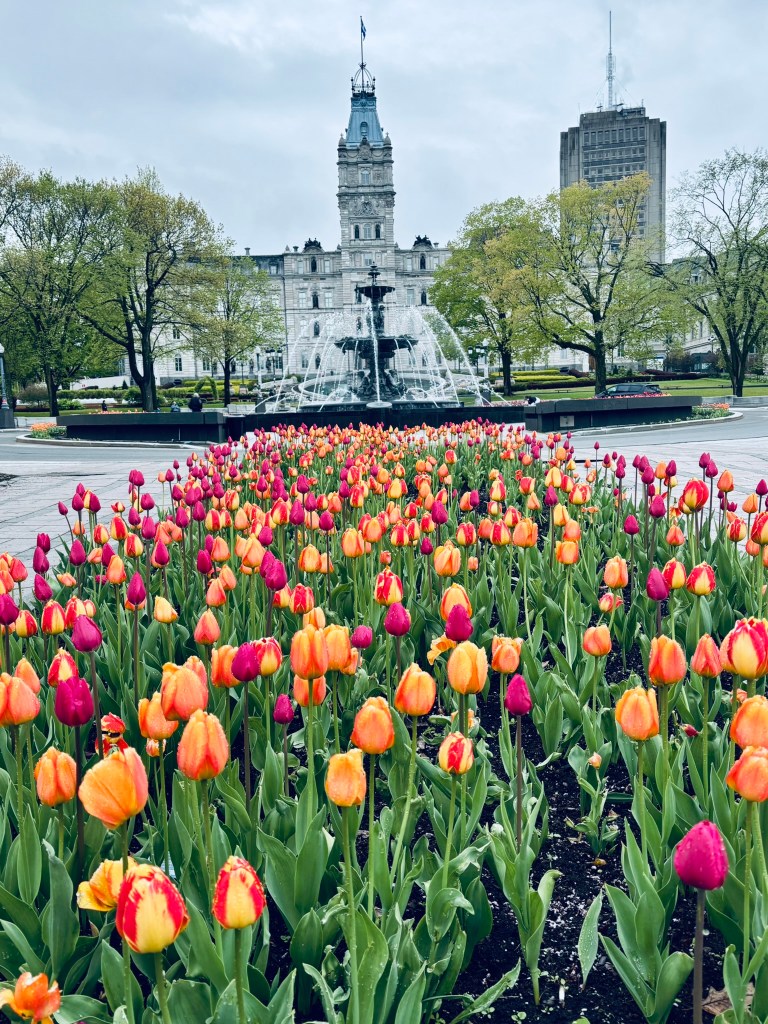
Start at the Parliament Building, home to Québec’s National Assembly — free guided tours are available. The Fontaine de Tourny outside is especially beautiful in morning light.
Walk down Grande Allée for breakfast or coffee, then continue toward the Musée national des beaux‑arts du Québec on the edge of the Plains of Abraham, the historic battlefield turned city park. Even a short stroll here is a peaceful way to close out your trip.
Where to Stay
Old Québec is the most convenient base for a short trip.
- Fairmont Le Château Frontenac — iconic, central, atmospheric
- Auberge Saint‑Antoine — boutique luxury with archaeological charm
- Hôtel Le Germain Québec — sleek, modern, steps from Petit‑Champlain
- Hôtel Le Priori & Hôtel du Vieux‑Québec — cozy, intimate, budget‑friendly charm
Where to Eat
- Chez Temporel — classic Québecois comfort
- Casse‑Crêpe Breton — beloved crêpes
- Le Lapin Sauté — hearty French‑Québec dishes in a stone‑walled room
- Chez Boulay – Bistro Boréal — northern, foraged ingredients
- Restaurant Tanière³ — one of Canada’s most celebrated fine‑dining experiences
- Chez Ashton — iconic poutine stop
Quick Tips
- Start early — Old Québec is magical before the crowds.
- Wear real walking shoes — cobblestones and hills are no joke.
- Book popular restaurants ahead.
- Funicular saves your knees; stairs save your wallet.
- Route 800 bus reaches Montmorency Falls; Île d’Orléans is best with a car or tour.
- Dress for the season — winters are snowy, summers warm, fall and spring gorgeous.
Final Thoughts
Québec City packs centuries of history, European‑style charm, and dramatic natural beauty into a small footprint. In two days, you’ll experience its fortified streets, river views, and creative neighborhoods. With a third day, you can slow down, wander New Town, and savor the city’s quieter corners before heading home.


That mural is so cool! Also, the viewpoint photo looks stunning! I’d love to visit Quebec City; this is such an awesome guide!
LikeLike