If the South Coast had shown us Iceland’s wild, watery side, the Golden Circle promised something different — a day of geology, history, and a few delightful surprises tucked between the big-name stops. We set off from Reykjavik ready to see Iceland’s three most famous attractions: Þingvellir National Park, the Geysir Hot Springs, and Gullfoss Waterfall. But the extra stops—a volcanic crater and a quiet geothermal town—ended up making the day feel like ours.
Kerið Crater: The Eye of the World
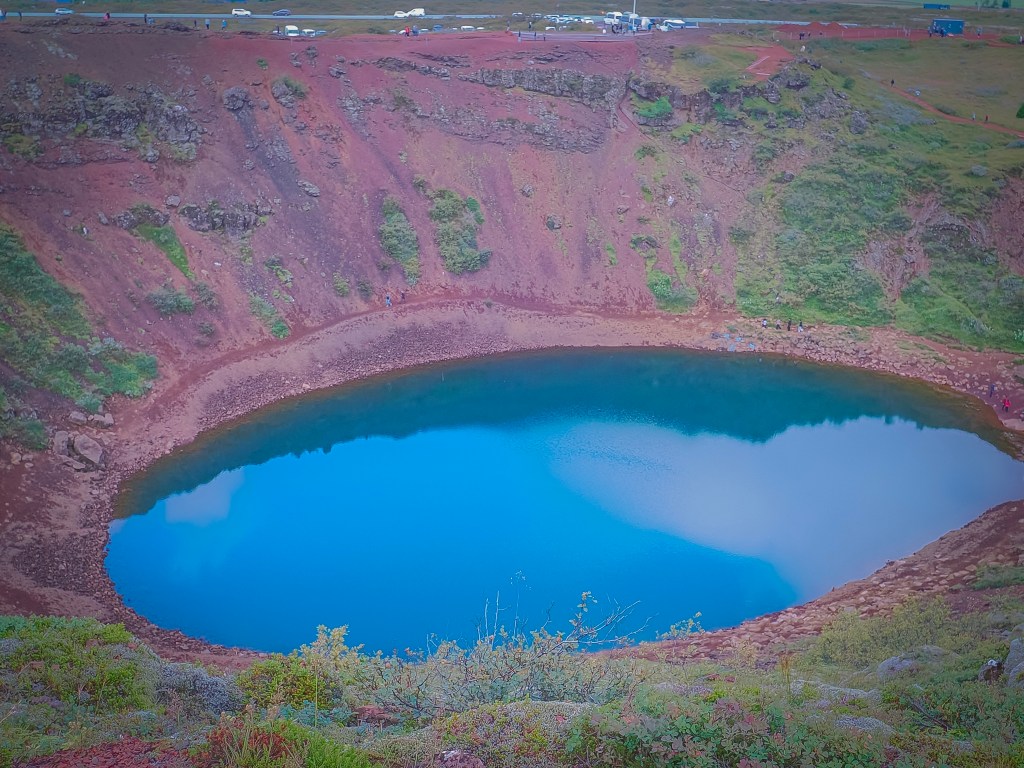
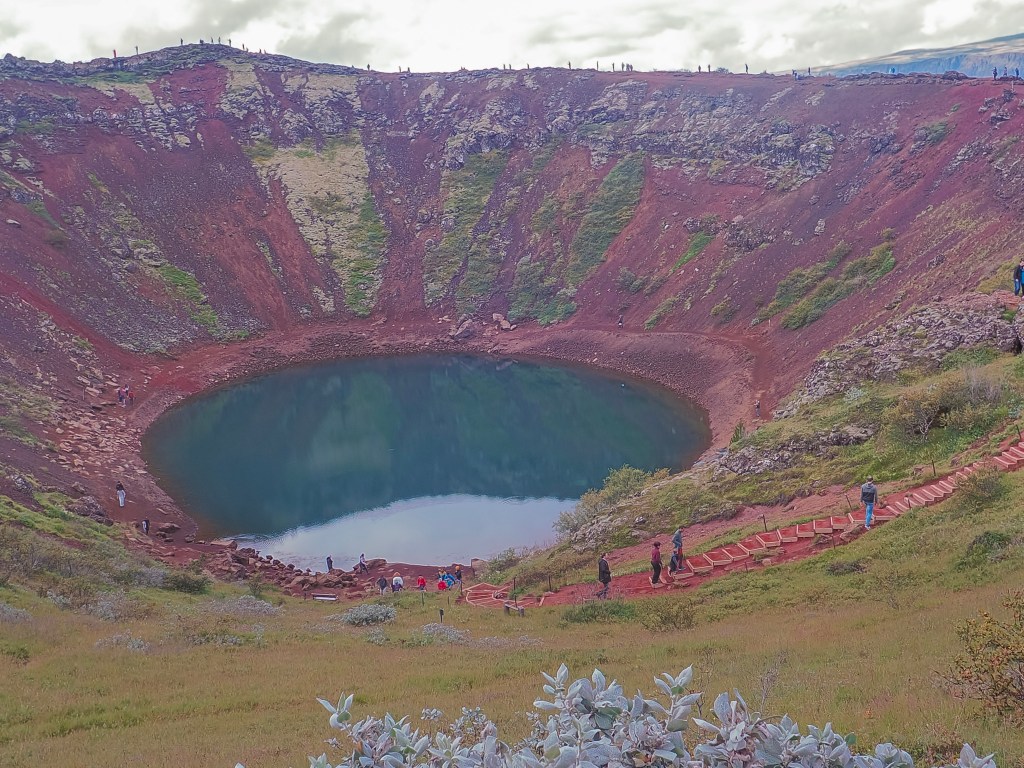
We started at Kerið, a volcanic crater so striking it’s earned the nickname “The Eye of the World.” Formed more than 6,500 years ago when a volcanic eruption caused the ground to collapse in on itself, the crater now cradles a beautiful blue-green lake surrounded by deep red volcanic rock — a combination of colors I genuinely wasn’t prepared for. Standing at the rim, with the crater stretching nearly 900 feet wide and its walls dropping almost 180 feet down to the water, I felt tiny in the best possible way. We took the short 20-minute walk around the rim, and every angle offered a slightly different, equally photogenic view — the kind of place where you keep saying “just one more picture” and mean it every time.
A Quick Detour: Meeting the Icelandic Horses
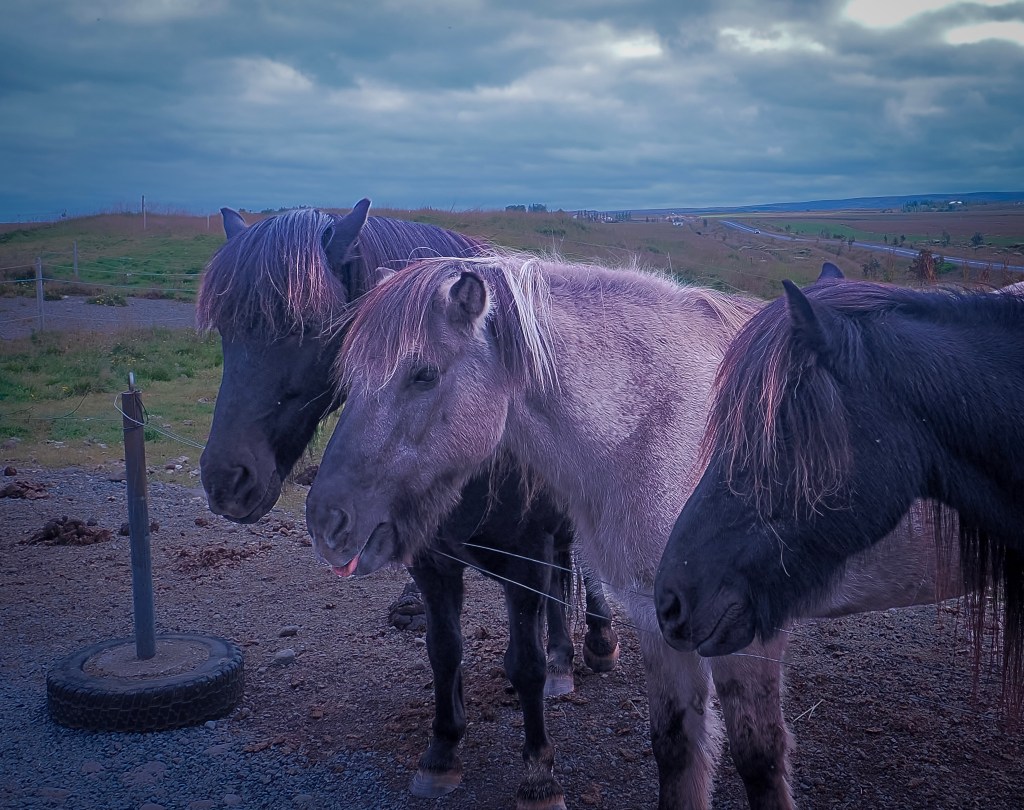
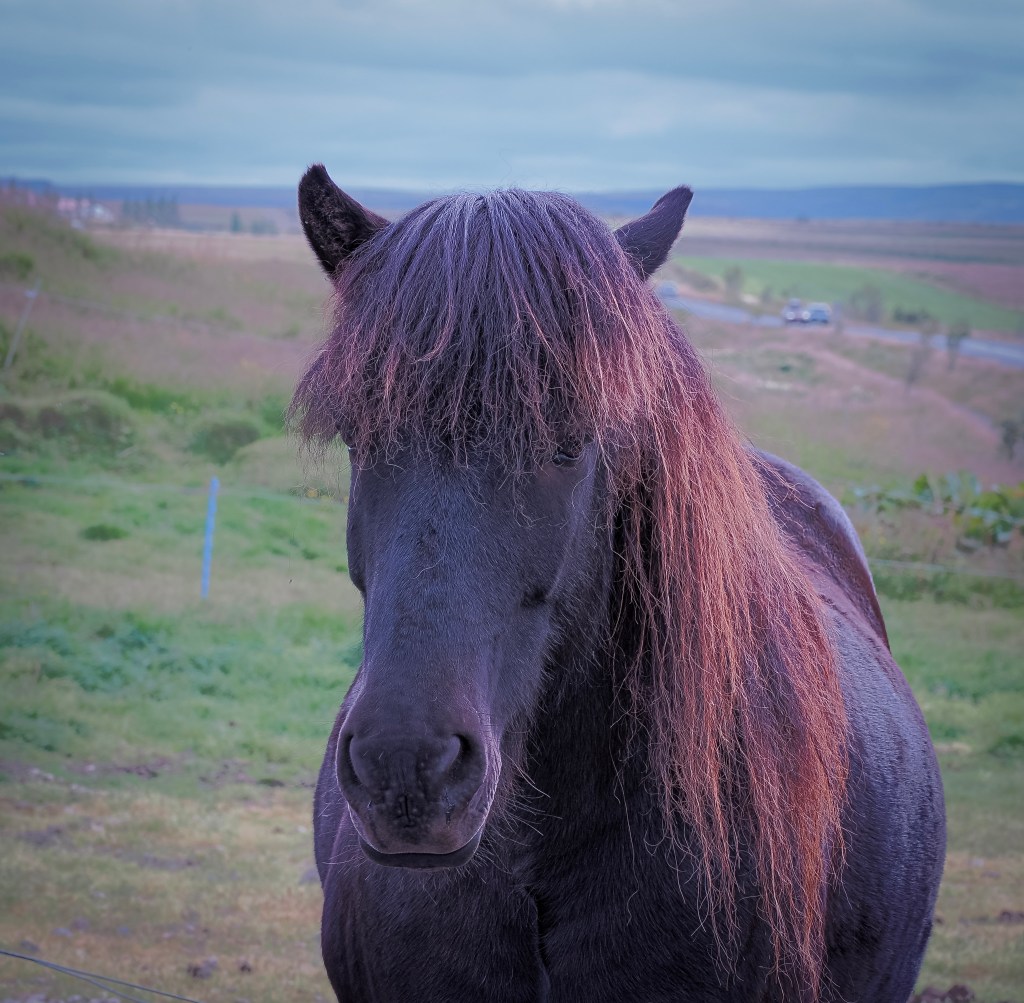
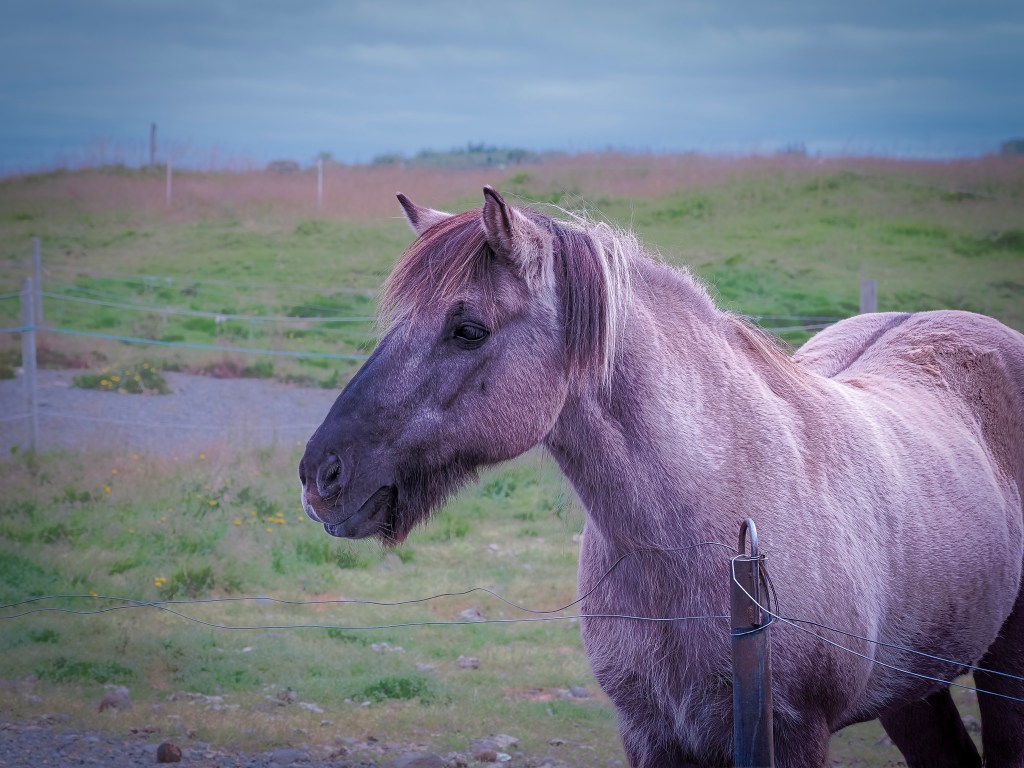
Our second stop wasn’t on the map I’d expected, and it turned out to be one of my favorite parts of the day. We pulled up to a small horse farm to feed some Icelandic horses — sturdy, shaggy, impossibly friendly animals with a gait and personality all their own. There’s something quietly joyful about hand-feeding a horse in the middle of the Icelandic countryside, mountains rolling out in every direction. It wasn’t flashy, but it was the kind of moment that sticks with you.
Gullfoss: The Golden Waterfall
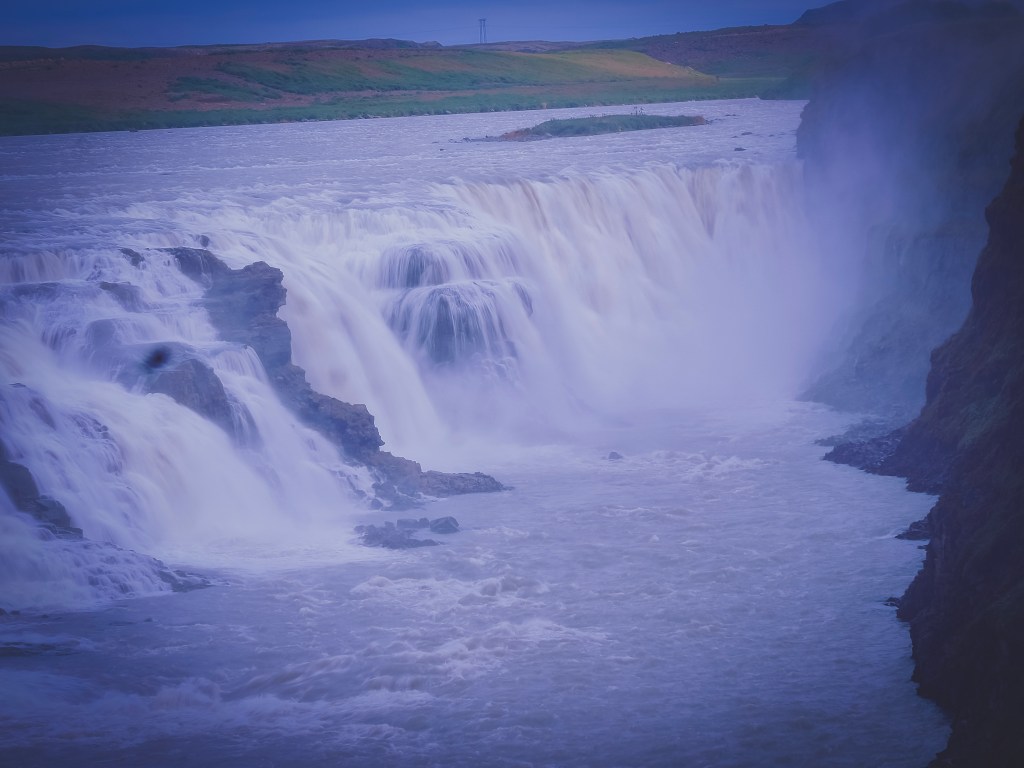
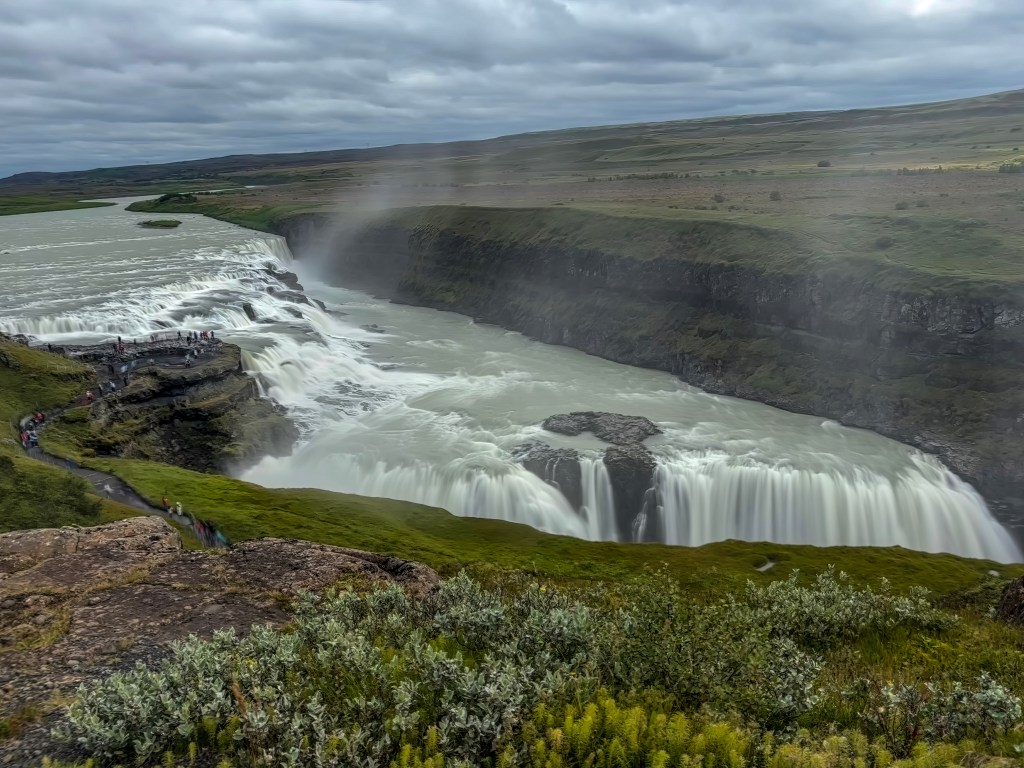
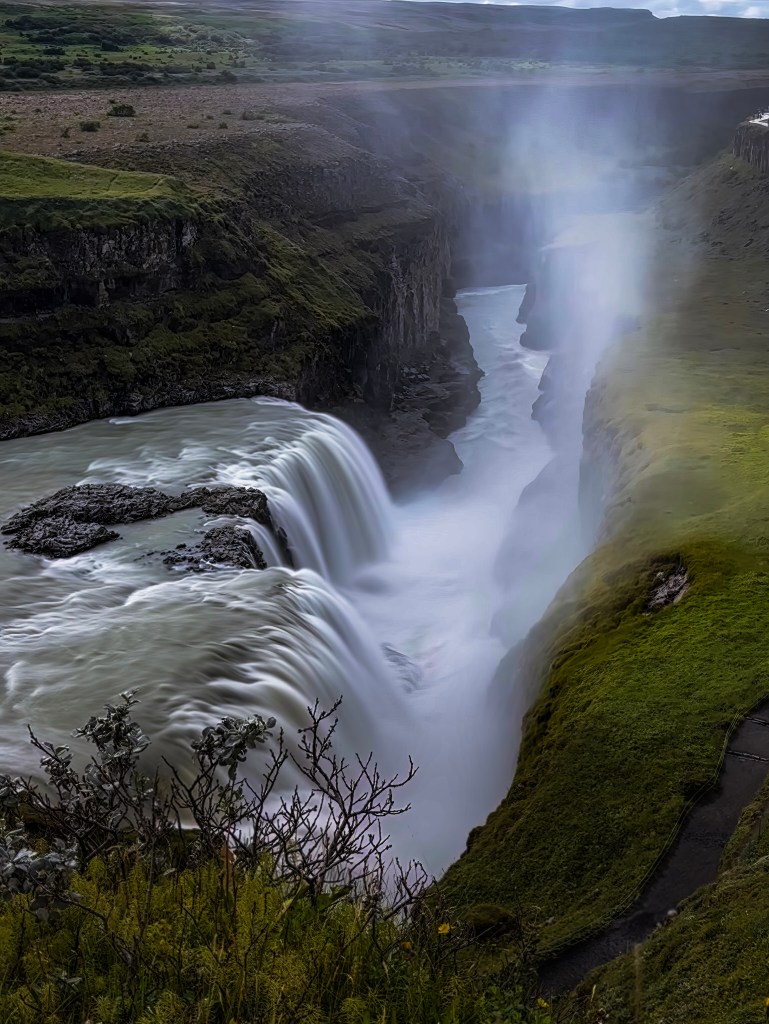
From there, we made our way to Gullfoss, the “Golden Waterfall,” perched right at the edge of the Icelandic Highlands. Fed by the Langjökull glacier and carving through the canyon of the Hvíta River, Gullfoss drops in two dramatic tiers, plunging 105 feet in total. Standing near the edge, watching the water seem to vanish into the canyon below, I understood immediately why this waterfall has captivated visitors for generations. It’s raw, powerful, and endlessly photogenic — the kind of place that looks stunning no matter which direction you point your camera.
Geysir and Strokkur: Where Geysers Get Their Name
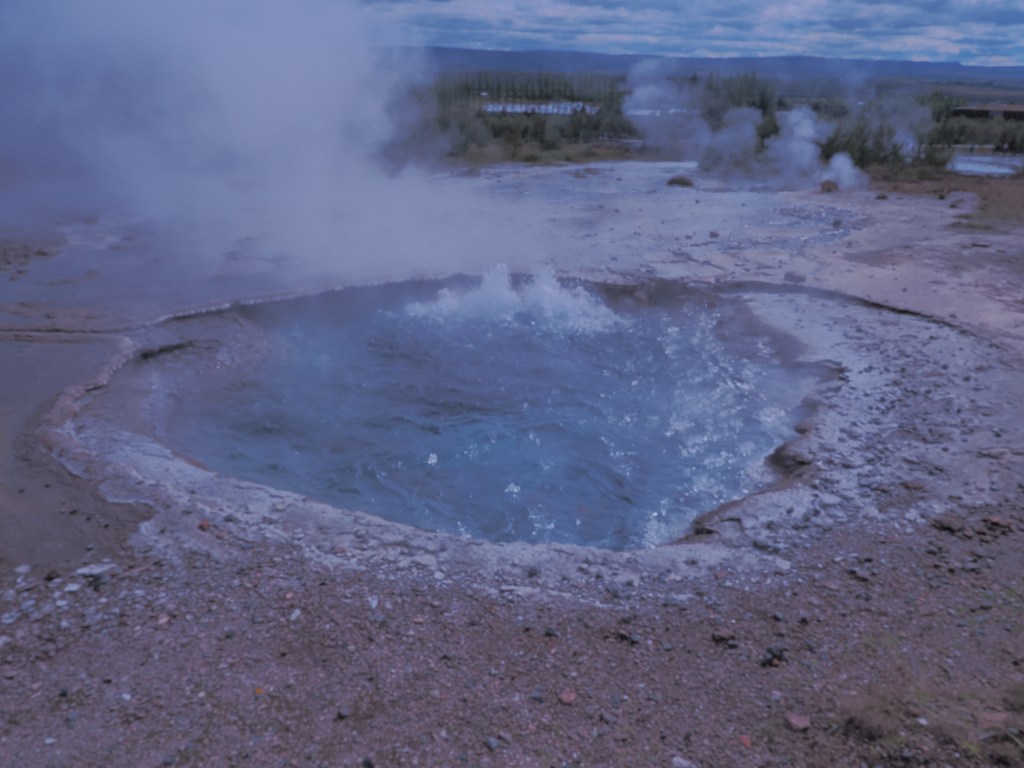
Next came the Geysir geothermal field, home to the geyser that literally gave all others their name. The original Geysir is dormant now, though it once held the record for the tallest geyser on Earth, shooting water up to 400 feet into the air. Thankfully, its “little brother” Strokkur was more than happy to perform — erupting every 4 to 10 minutes, which gave us plenty of chances to catch it on camera. There’s a strange kind of anticipation that builds as you watch the pool bulge right before it bursts skyward; I found myself grinning like a kid every single time it went off.
Þingvellir: Standing Between Two Continents
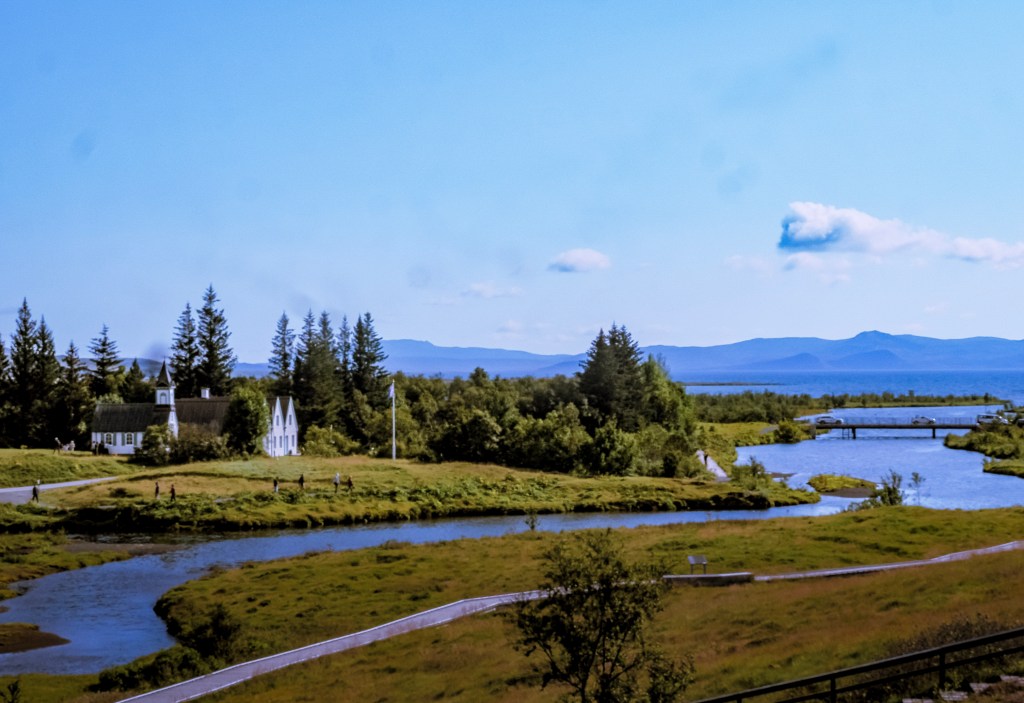
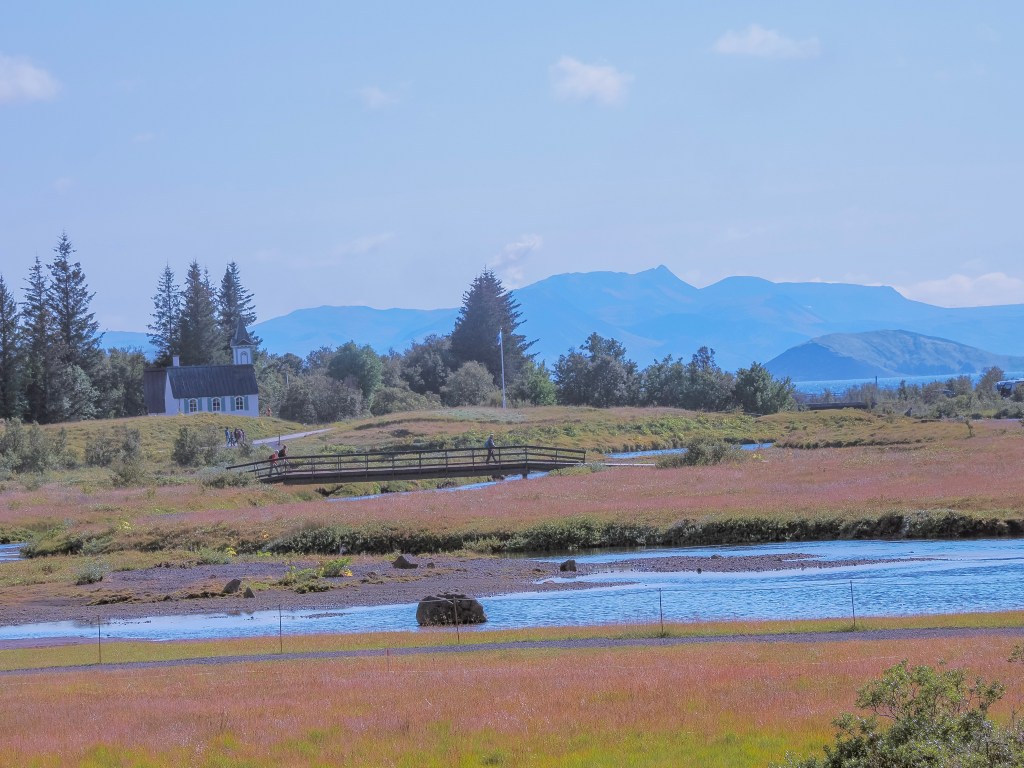
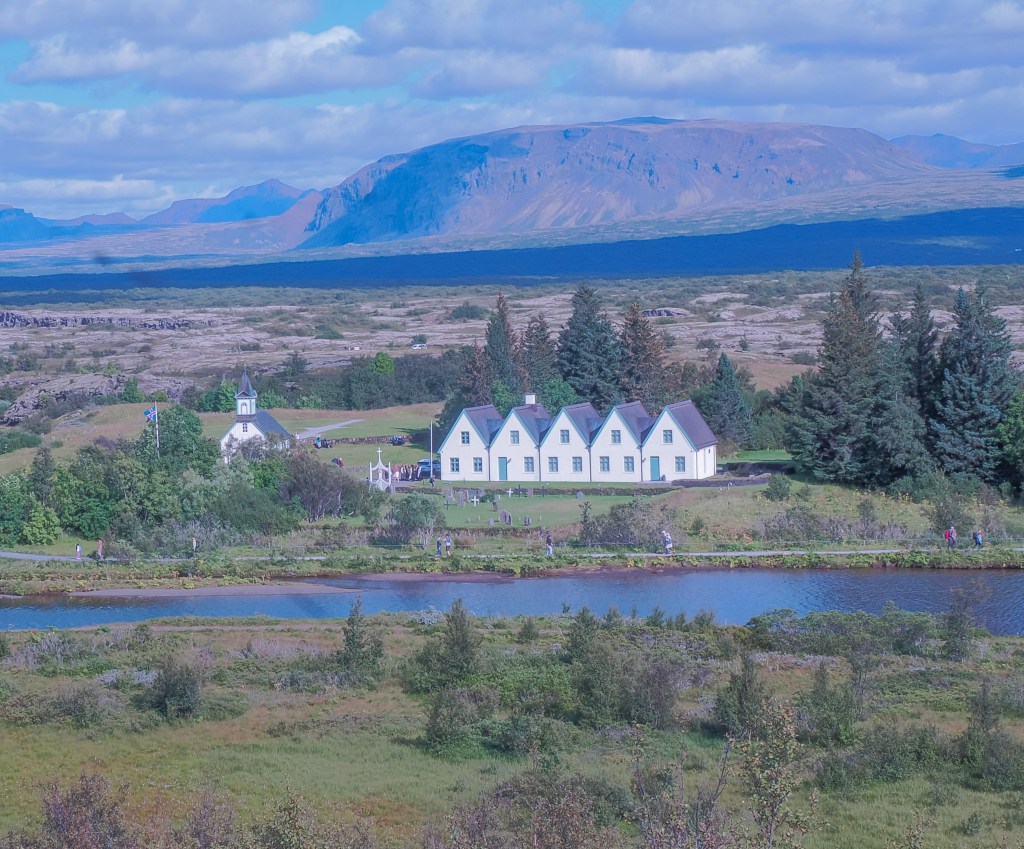
We closed the day at Þingvellir National Park, and it felt like the perfect place to end things — equal parts natural wonder and living history. Walking into the rift valley here means literally standing in the space where the Eurasian and North American tectonic plates are pulling apart, a slow-motion process millions of years in the making. But Þingvellir carries just as much human history as geological drama: this is where Althing, Iceland’s first national parliament, was established, and where the Almannagjá rift and the crystal-clear Silfra Fissure cut dramatically through the landscape, all set against the still waters of Þingvallavatn lake. Standing there, I couldn’t decide whether I was more struck by the geology or the history — really, it was the combination of both that made it unforgettable.
Final Thoughts
The drive back to Reykjavik took just 40 minutes, but it felt like we’d traveled through several different worlds in a single day — a volcanic crater, a horse farm, a thundering waterfall, an erupting geyser, and a rift between continents. The Golden Circle earns its reputation, but it was those unplanned little stops — feeding horses in a quiet field, lingering an extra few minutes at Kerið — that reminded me why I love traveling slowly and leaving room for surprises.
 Peaks to Palaces