
If you only have one day in Trinidad and want to eat well and understand the island, book a food tour. I spent five hours with Anthony on the Taste of Trinidad Food Tour, and it was easily the best day of my trip. I was the only guest that day, so it felt less like a tour and more like a friend driving me around the island, talking history, food, and life in Trinidad.
Here is exactly what we did, what we ate, and whether this Port of Spain food tour is worth your time (spoiler: yes).
Quick facts
- Tour: Taste of Trinidad Food Tour
- Guide: Anthony
- Length: About 5 hours
- Start time: 8:30 AM, with pickup at your Port of Spain hotel, Airbnb or the cruise terminal
- Book here: trinidadfoodtours.com/taste-of-trinidad-food-tour
Stop 1: Morning Pickup and Port of Spain Heritage Drive
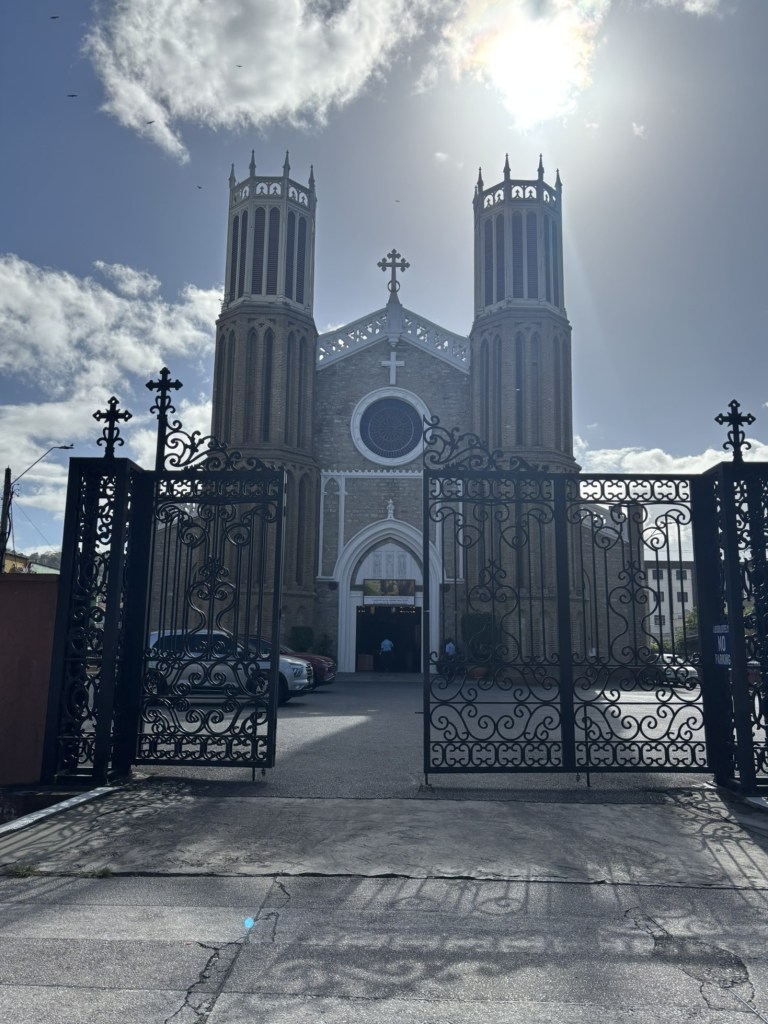
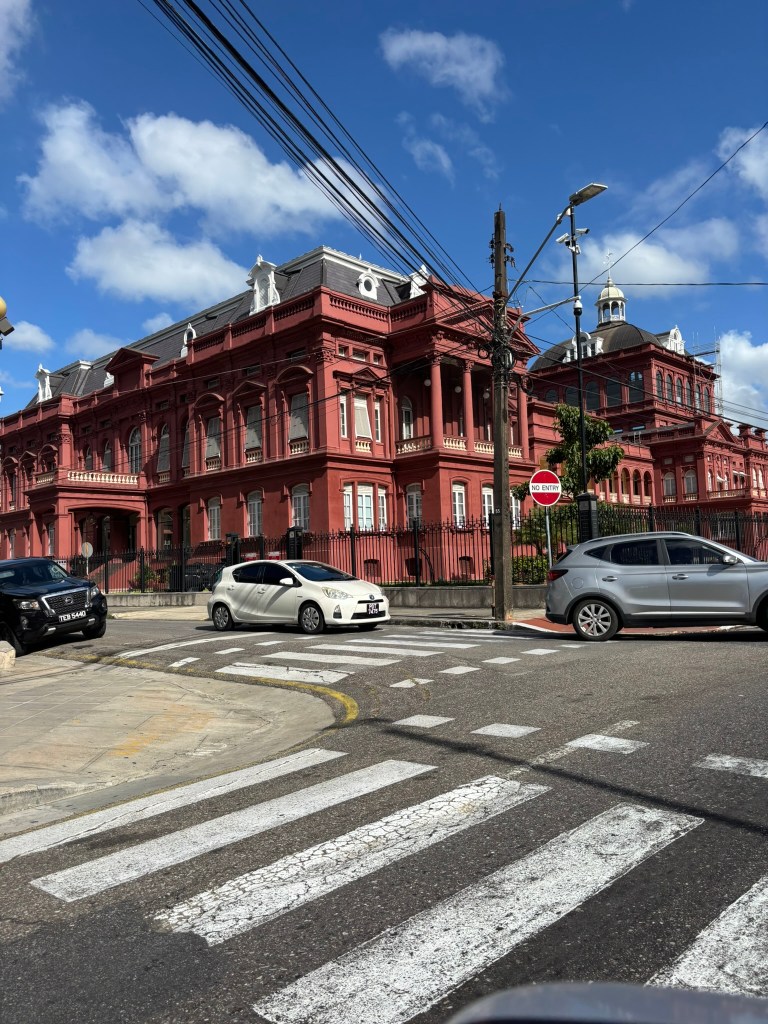
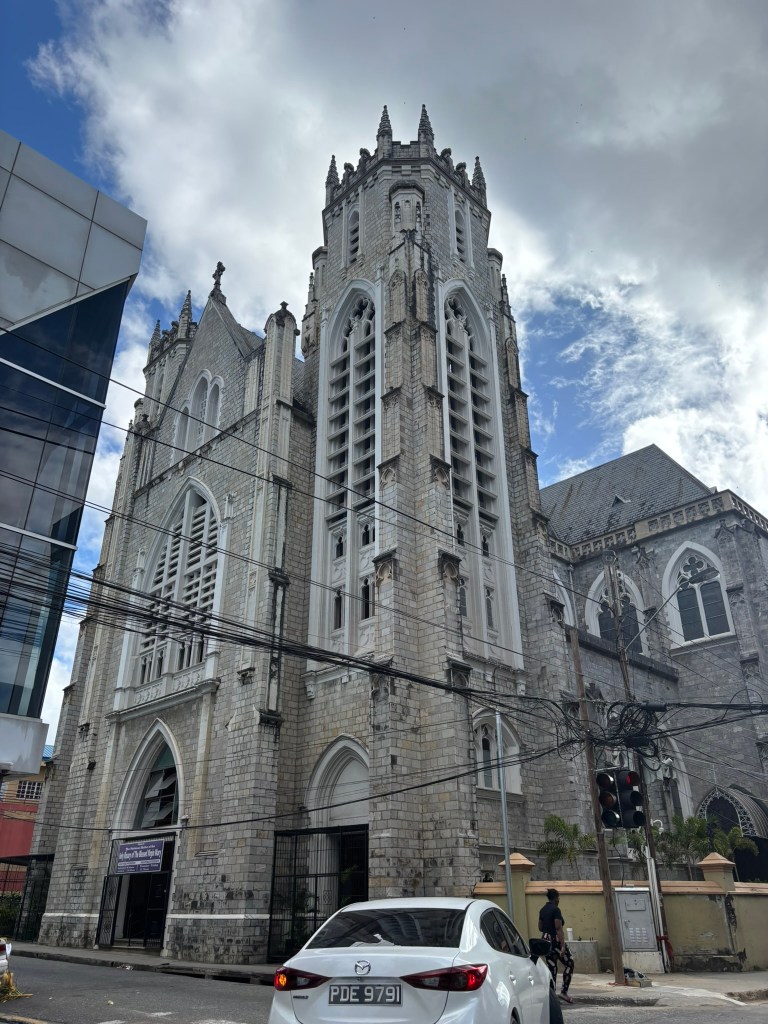
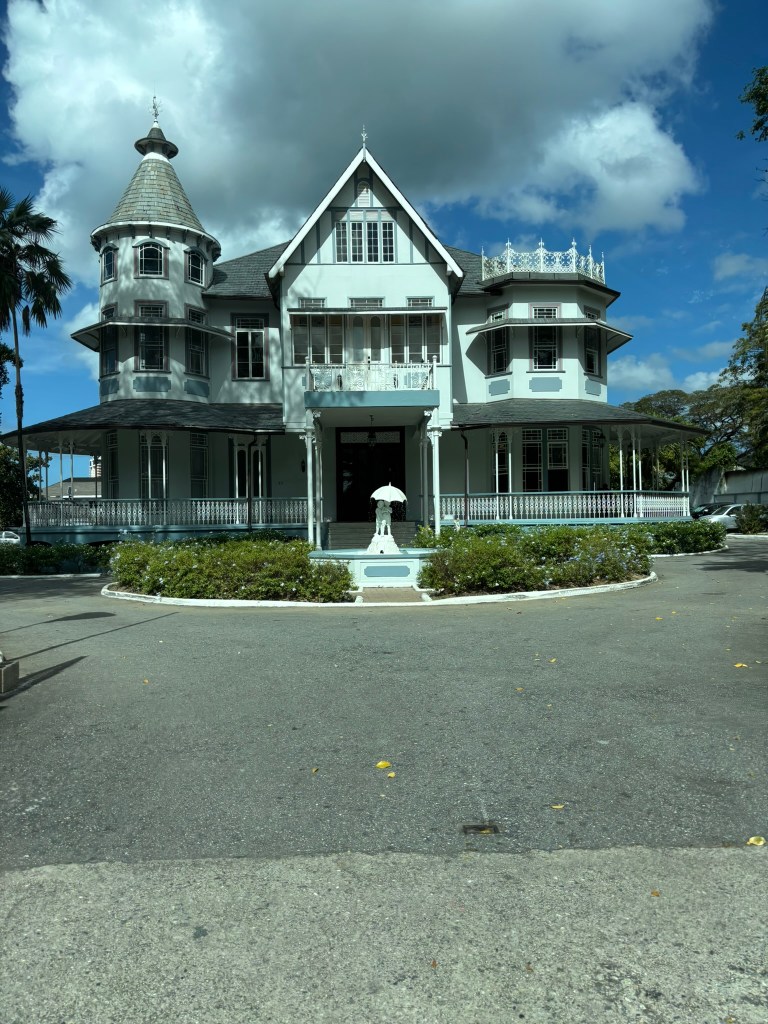
Anthony picked me up at 8:30 AM. We drove through the capital to see its 19th-century landmarks, including the Red House and the Magnificent Seven, the grand mansions around Queen’s Park Savannah. With their gingerbread details and wraparound verandas, these buildings are great for photos, and Anthony told me the history behind them. I planned to return the next morning to take more pictures of the places we visited.
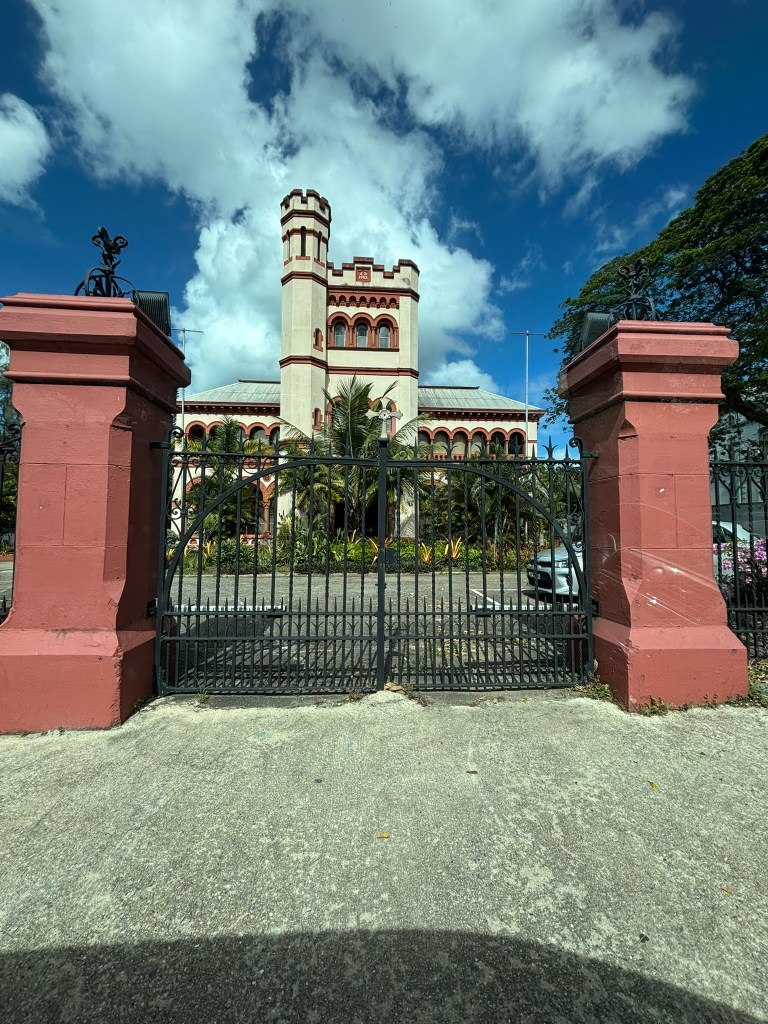
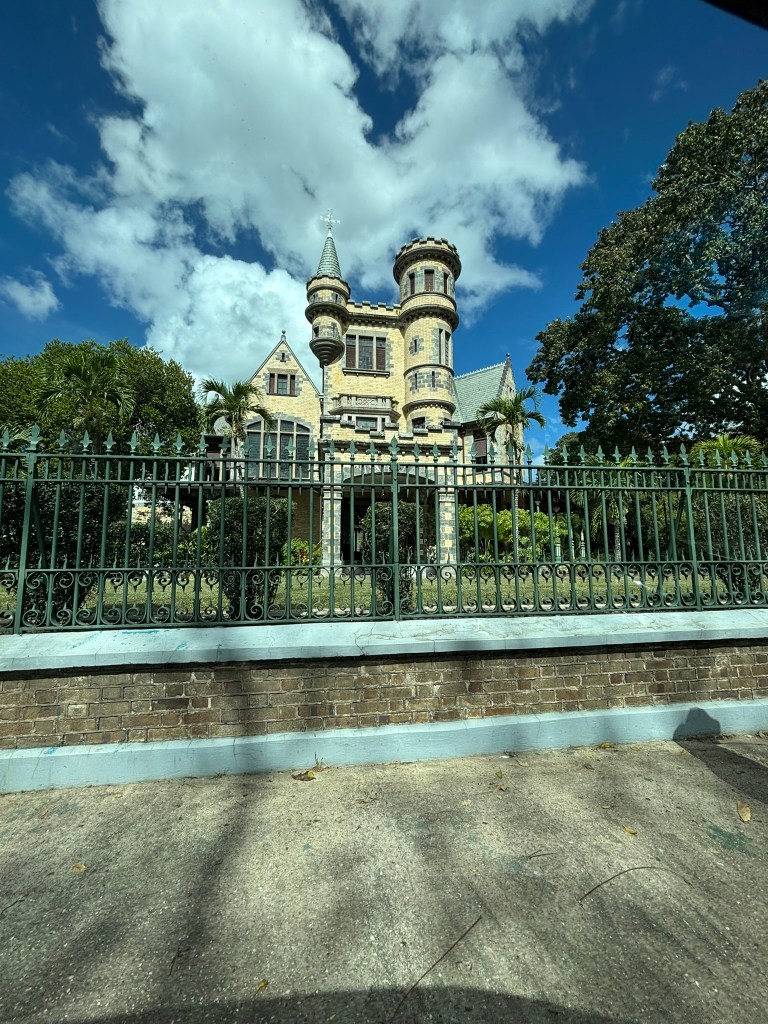
Stop 2: Cassava Pone from a Local Bakery
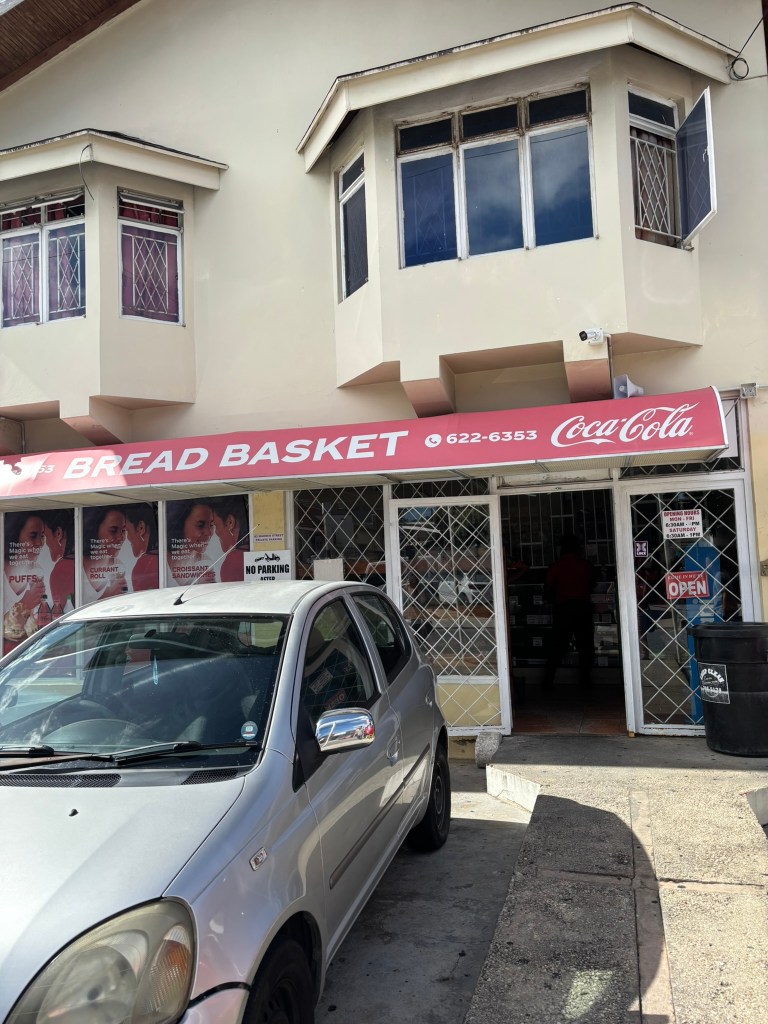
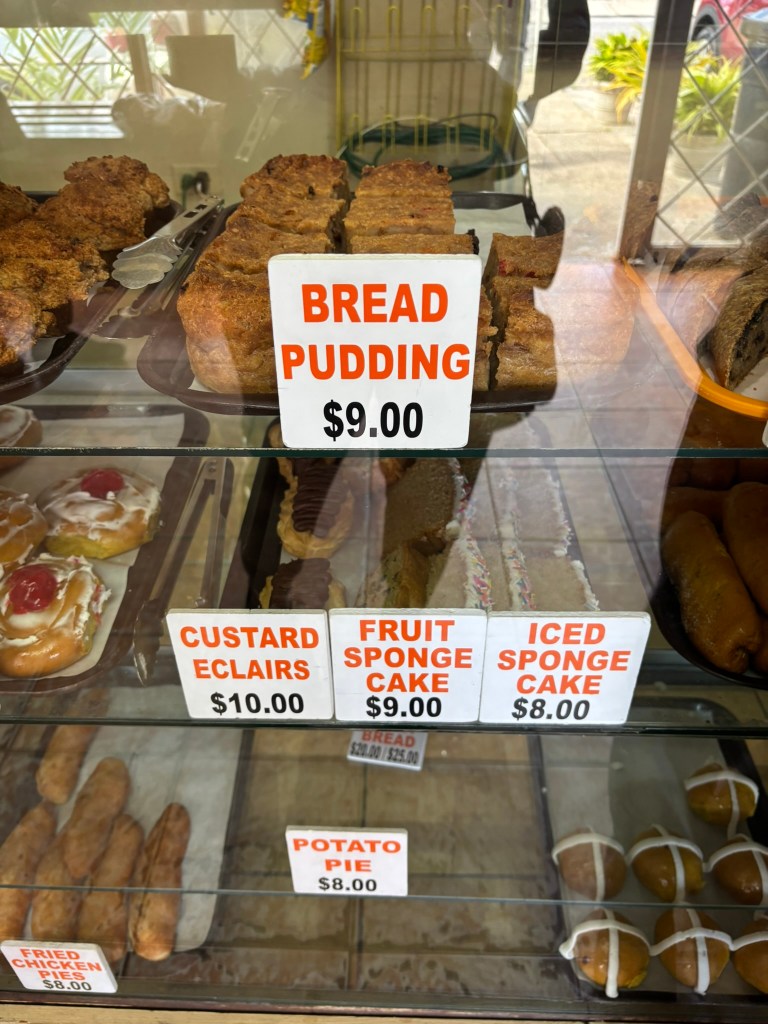
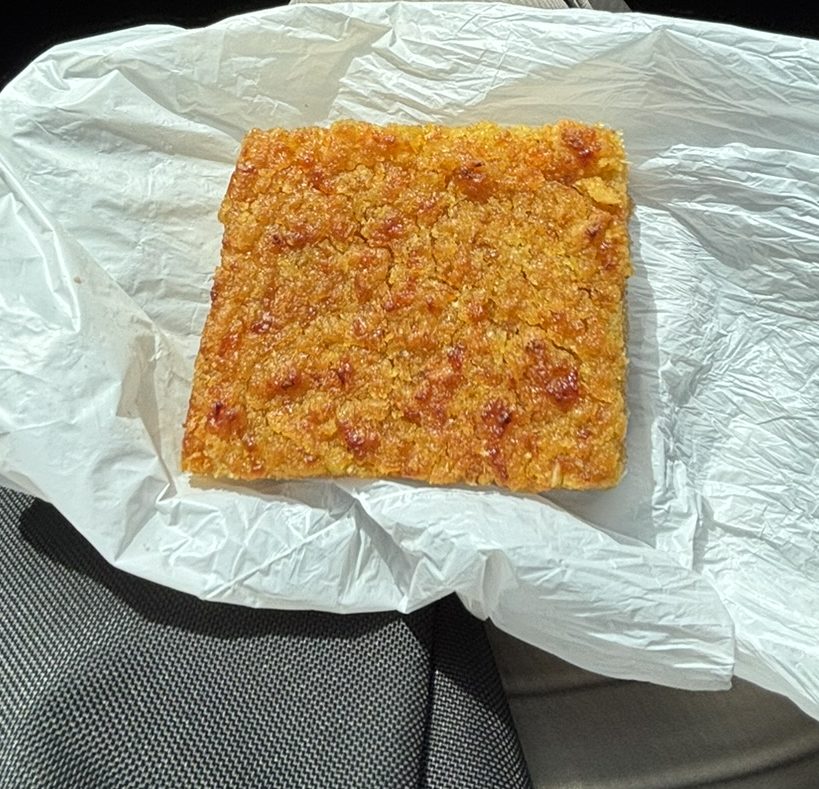
Before any savory food, we stopped at a local bakery (Bread Basket) for cassava pone, a dense, sweet, spiced baked treat made with grated cassava, pumpkin and coconut. The caramelized top is chewy, and the inside is rich and sticky. It also links directly to the island’s Indigenous roots, and Anthony explained its history as I ate a piece in the car on the way to the Royal Botanic Gardens.
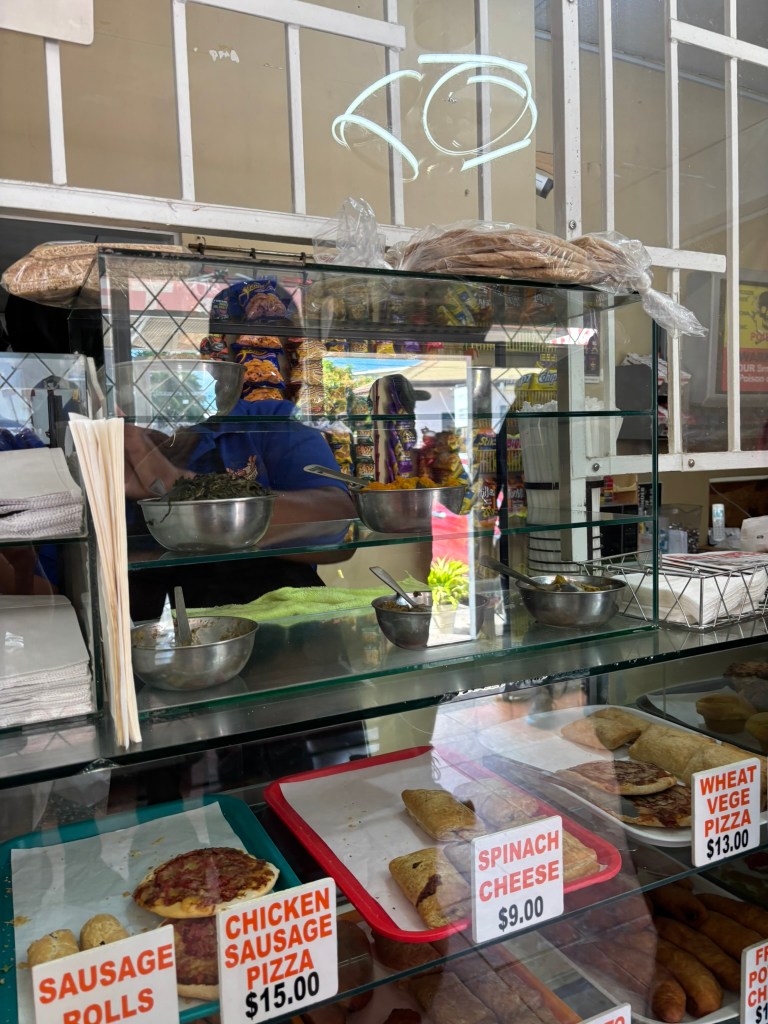
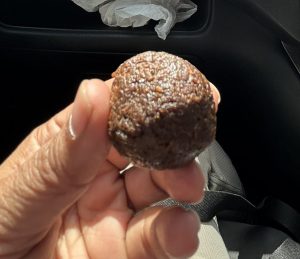
Anthony also gave me a sample of Tolum, which became my favorite treat from the island. I even got some home so that my family could try this delicious snack. Anthony also explained how Tolum became a snack. Tolum is a peasant food from sugar plantations, made with leftover molasses and grated coconut. It is sweet, sticky, with caramel notes.
Stop 3: Fine-Flavour Cocoa at a Local Chocolate Shop
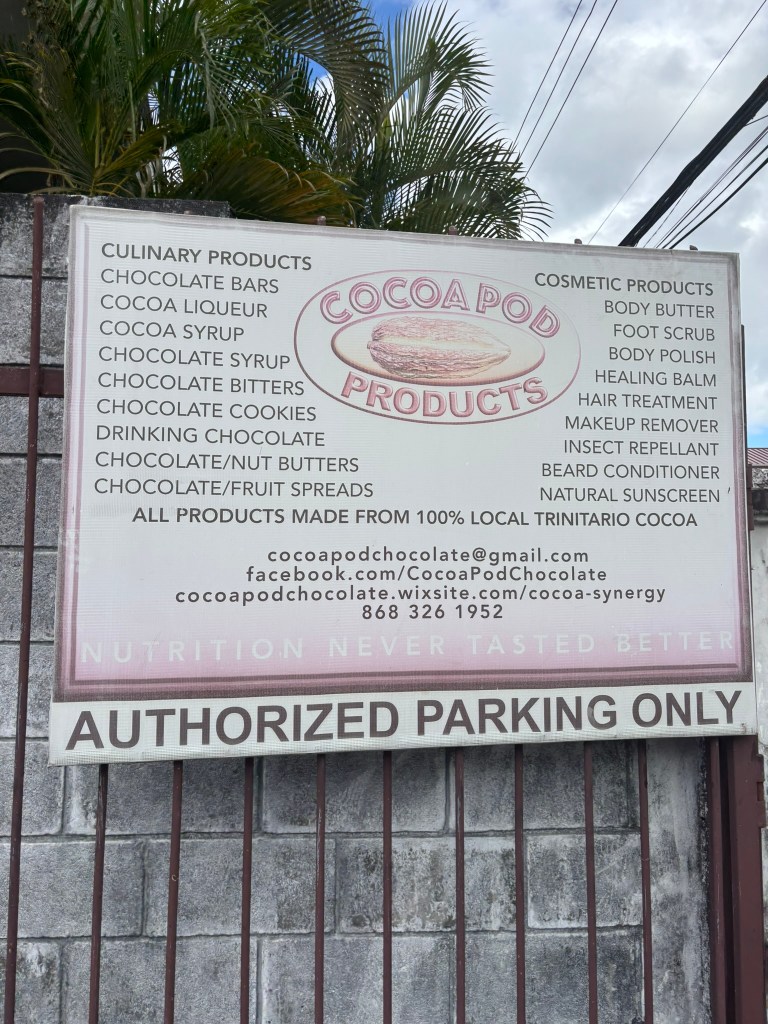
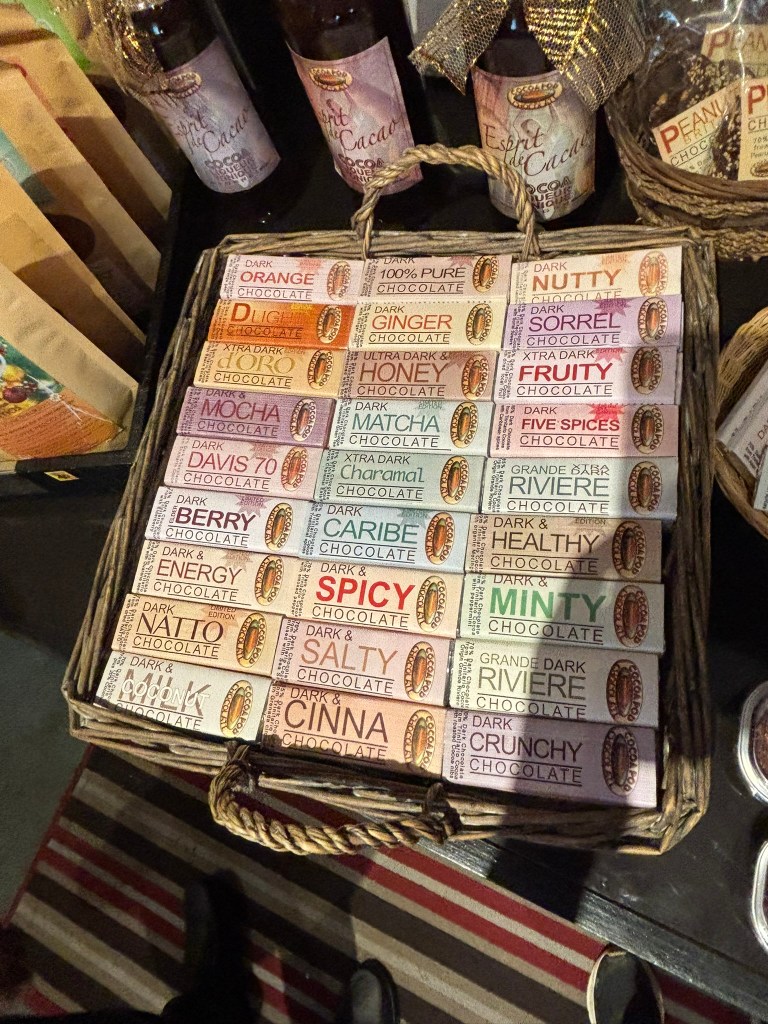
Trinidad is world-famous for fine-flavor cocoa, and this stop shows why. The shop works directly with local estates, and the wall of handmade bars was almost overwhelming: ginger, sorrel, orange, coconut, matcha, five spices, salty, spicy, minty, and more. We tasted several, and I learned how Trinidad’s soil and climate create flavors you will not find anywhere else. Bring cash and an empty spot in your suitcase, because these make perfect souvenirs. I bought one of each kind to bring home.
Stop 4: Panoramic Views from Lady Young Lookout
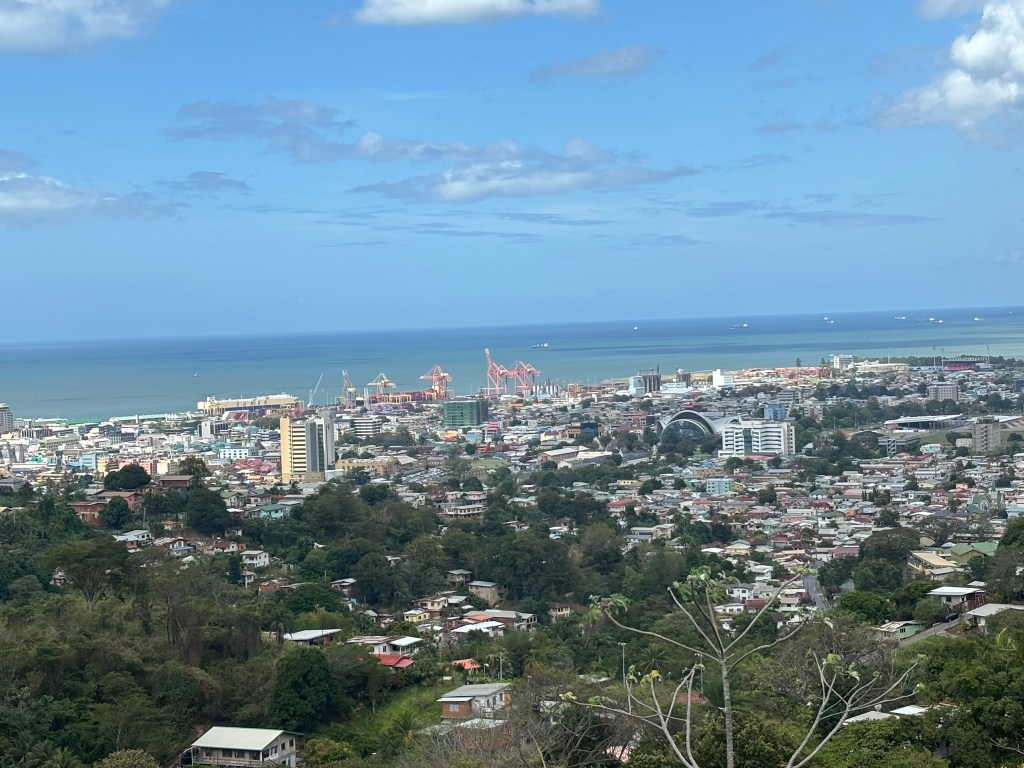
Next we wound up the hill to Lady Young Lookout for a sweeping view over the Port of Spain skyline, the harbor cranes, and the Gulf of Paria. On a clear day, you can even see Venezuela. It is the best place to understand how the capital is laid out, and a welcome break between stops.
Stop 5: Heritage and Tradition in St. Joseph
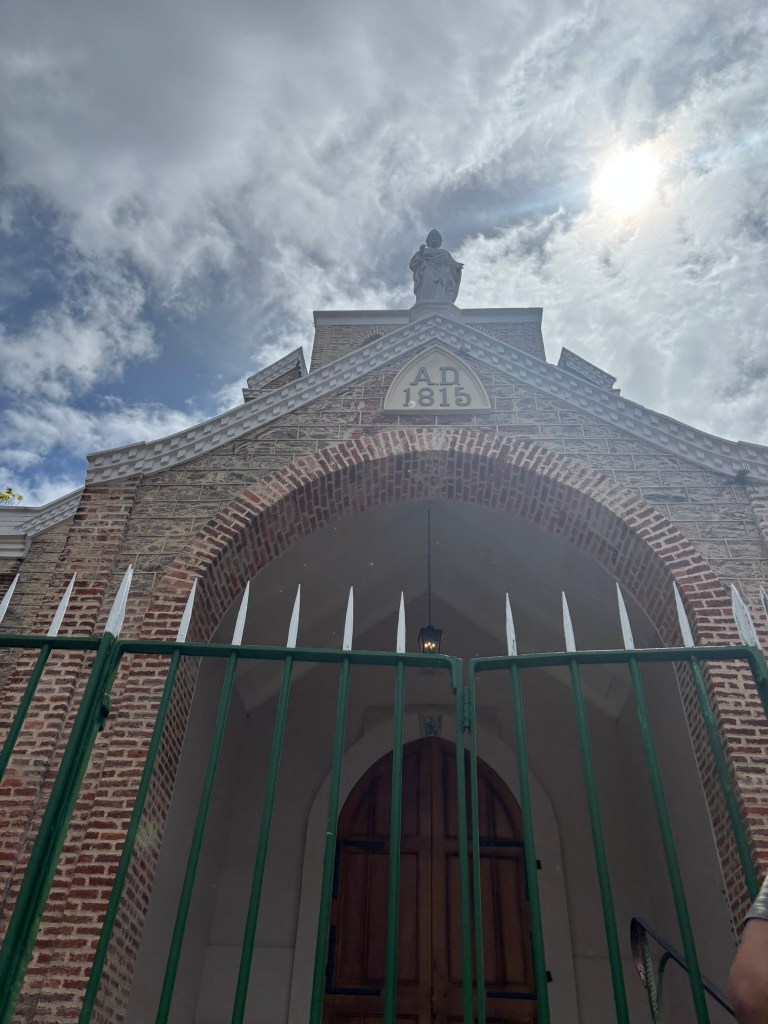
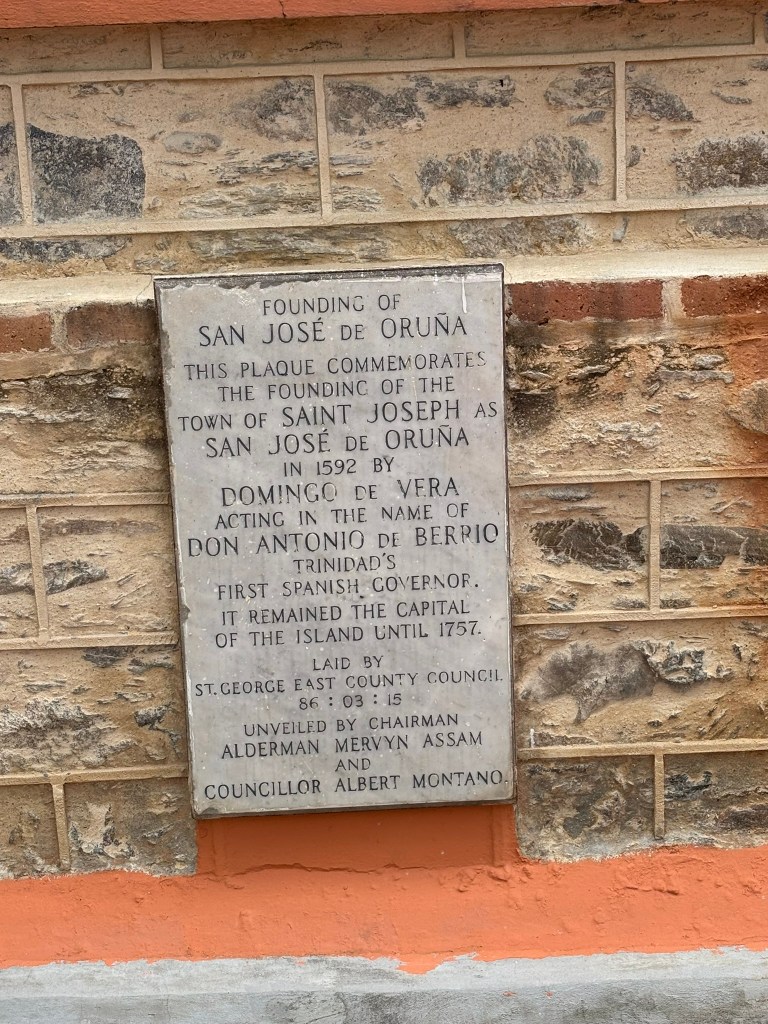
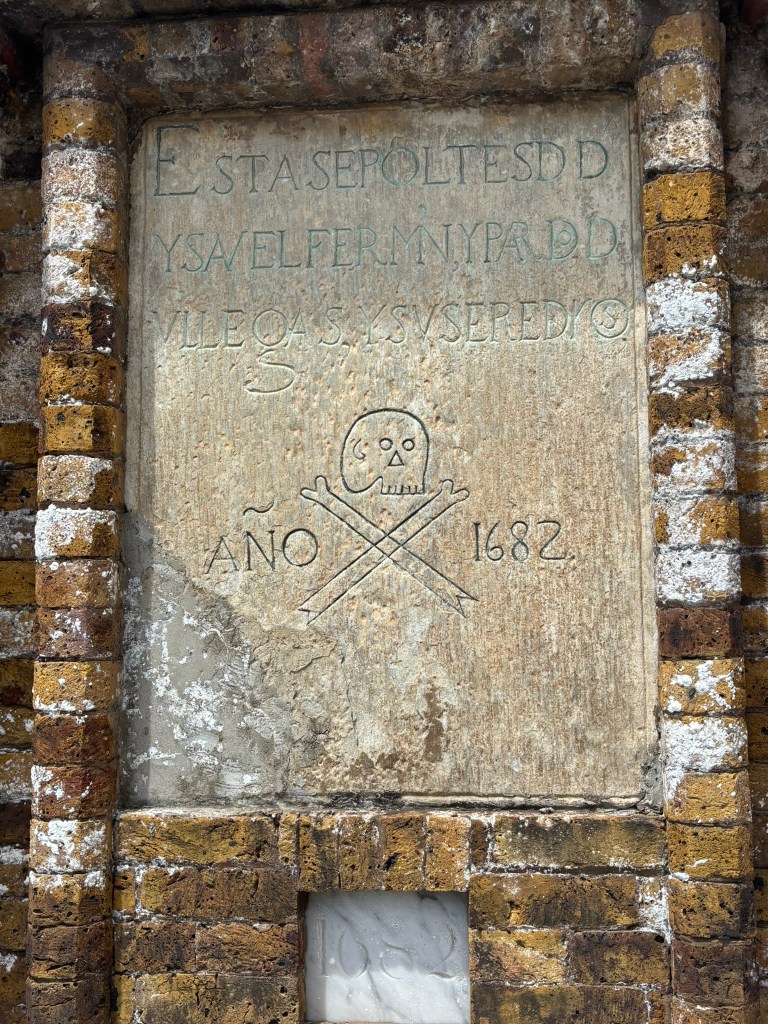
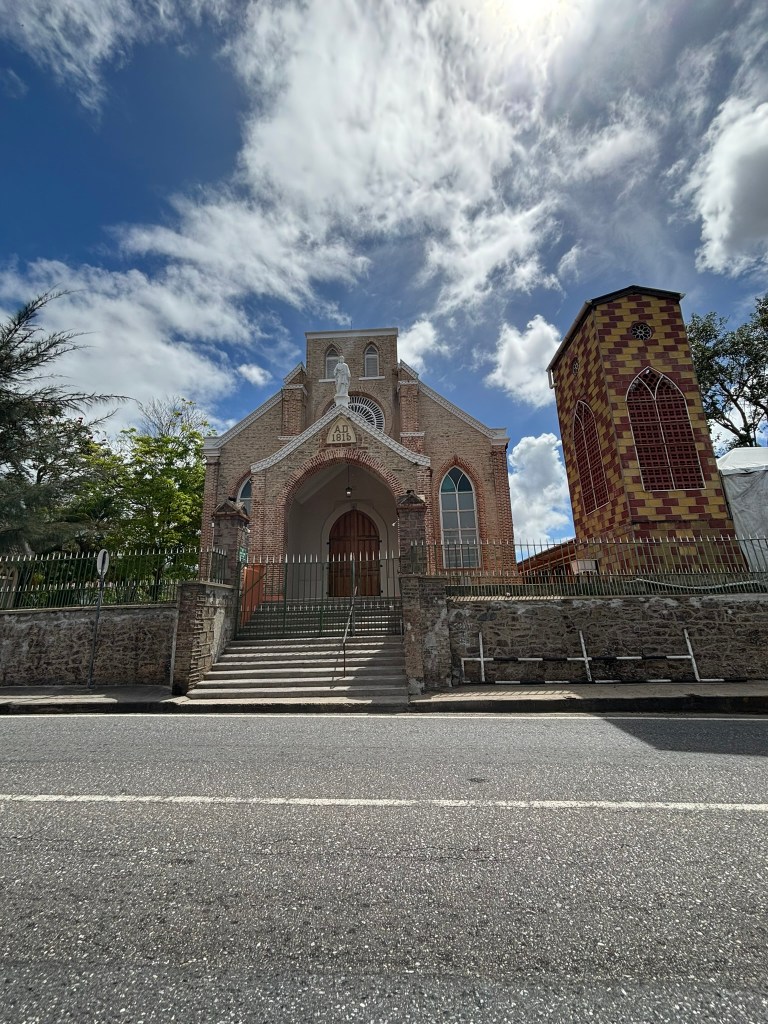
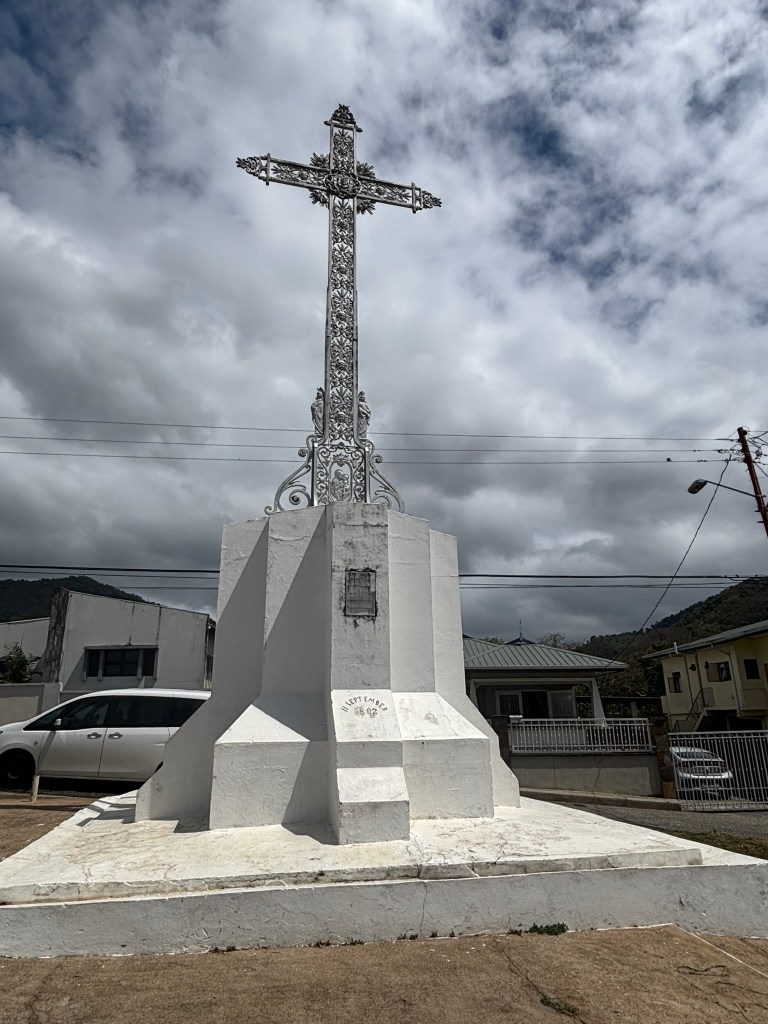
We then headed east to St. Joseph, Trinidad’s first colonial capital. A plaque on the old church marks the founding of San José de Oruña in 1592 by Domingo de Vera, acting for Don Antonio de Berrio, Trinidad’s first Spanish governor. The town stayed the capital until 1757. The church front is dated A.D. 1815. We also visited a historic cemetery with a skull-and-crossbones marking, which came with a bit of philosophy from Anthony. This is the history you will not get on a standard sightseeing bus.
Stop 6: Roadside Doubles, Trinidad’s National Street Food
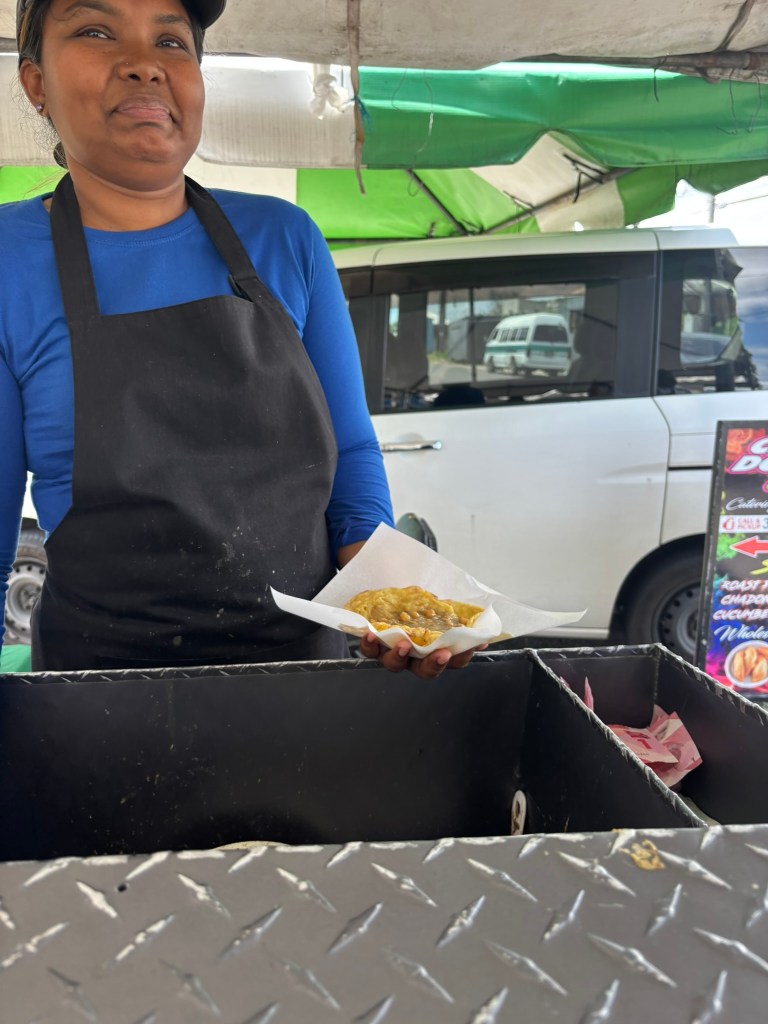
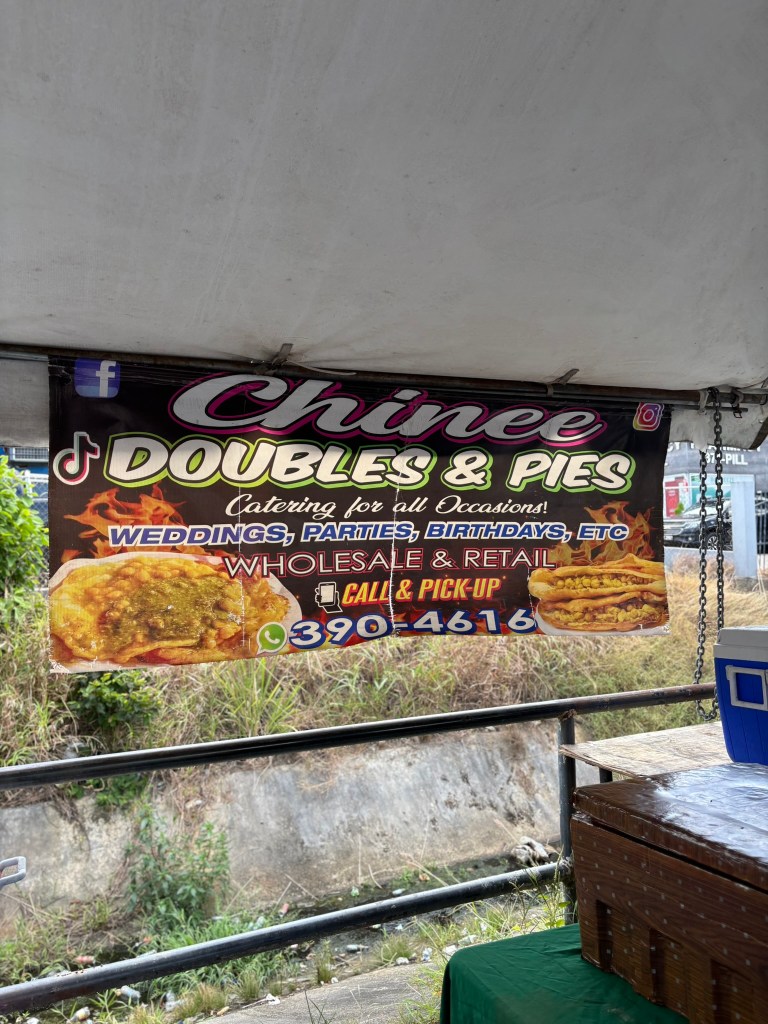
No Trinidad trip is complete without doubles: two soft fried flatbreads (bara) filled with curried chickpeas (channa). Anthony took me to a trusted, clean roadside vendor and showed me how to order like a local, from a touch of sweet tamarind to a dash of pepper sauce. Pro tip: if a local says “slight pepper,” believe them.
Stop 7: Sacred Spaces of Waterloo
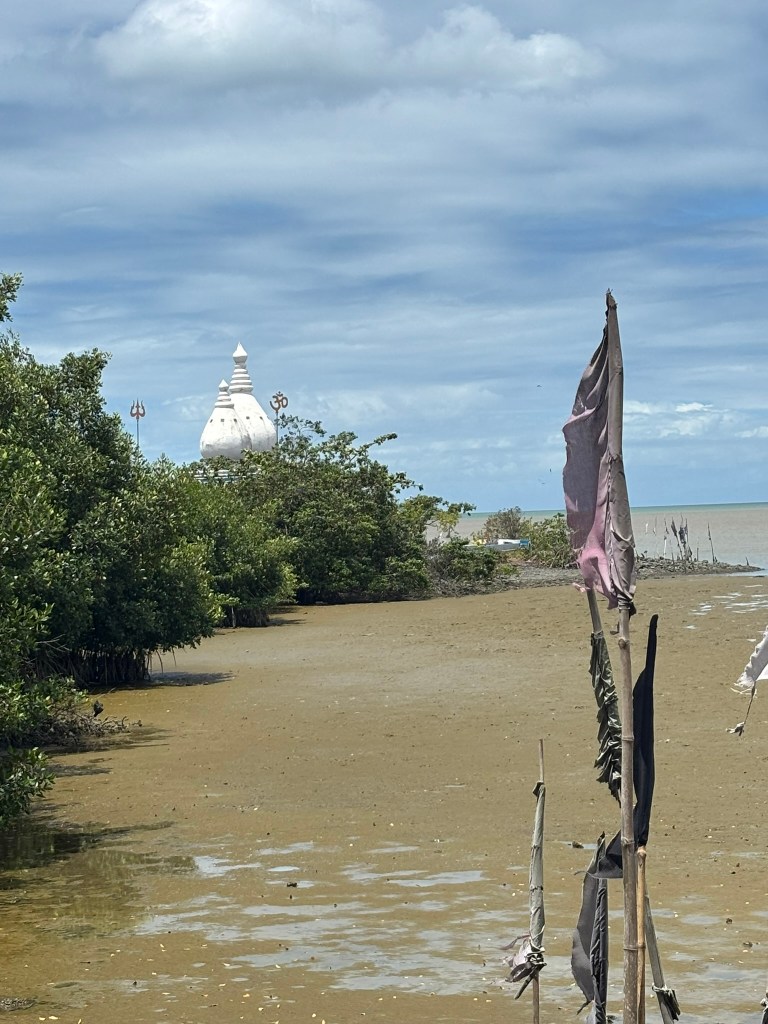
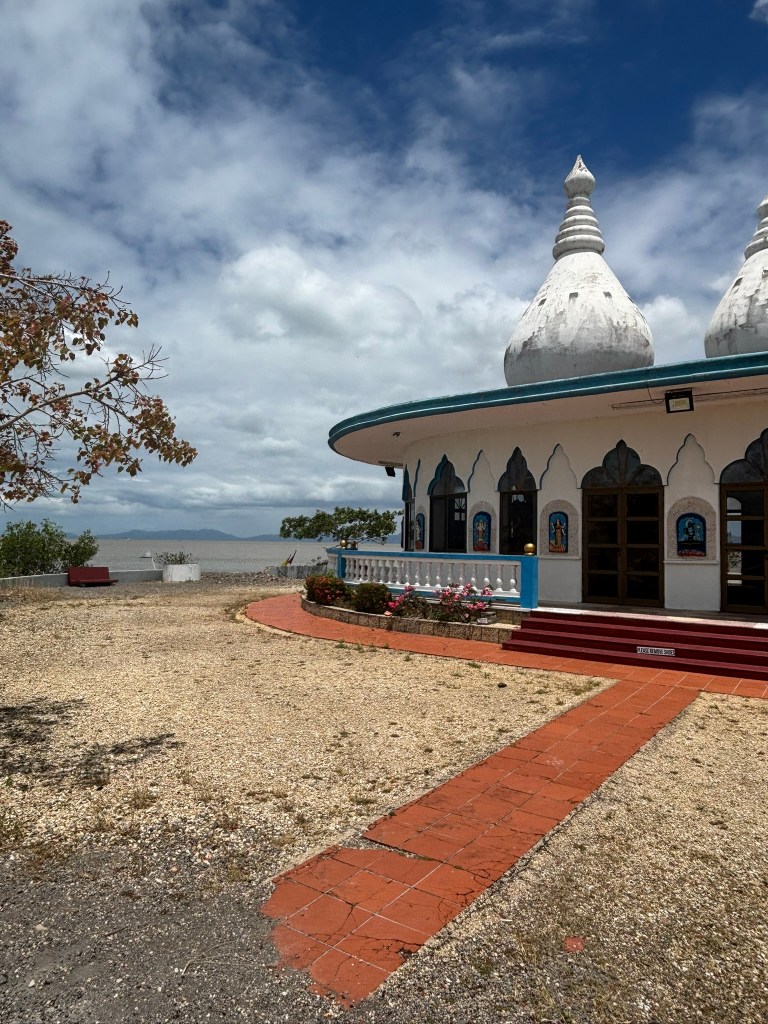
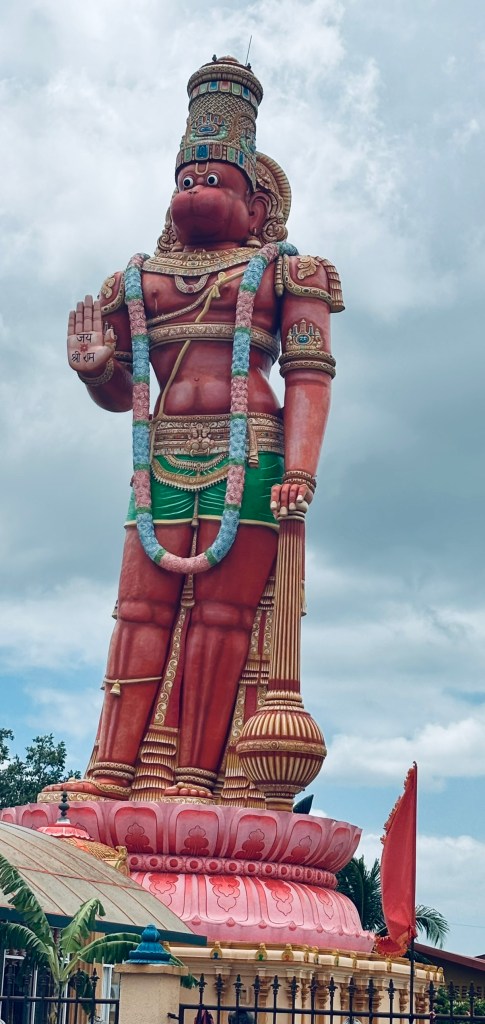
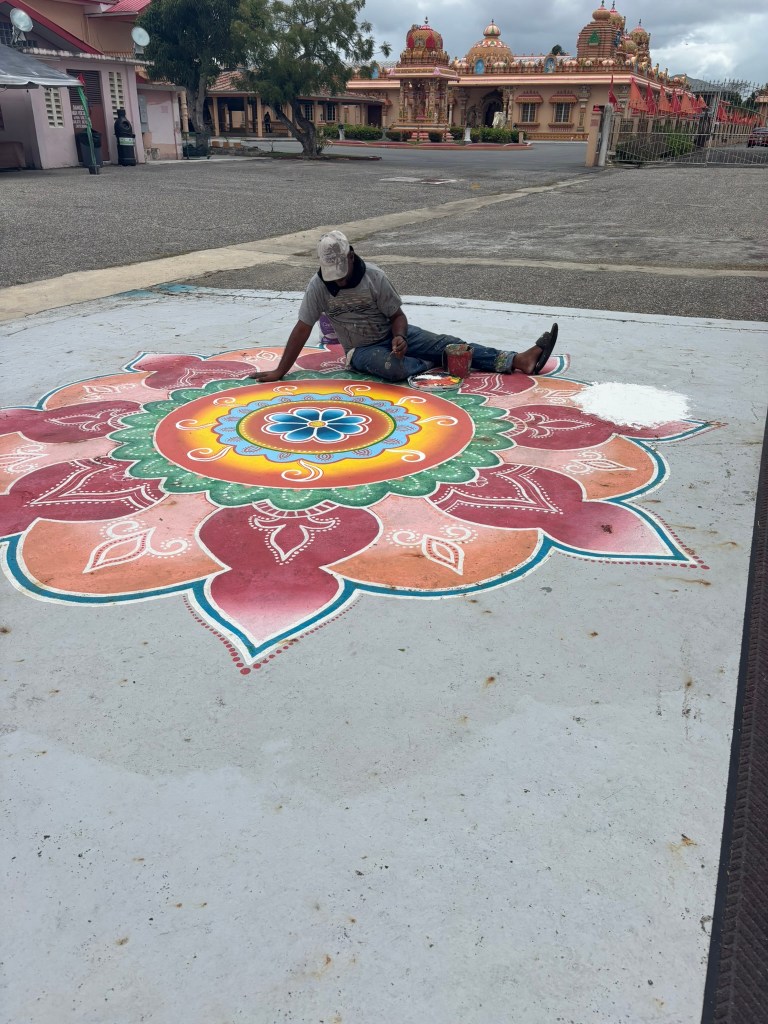
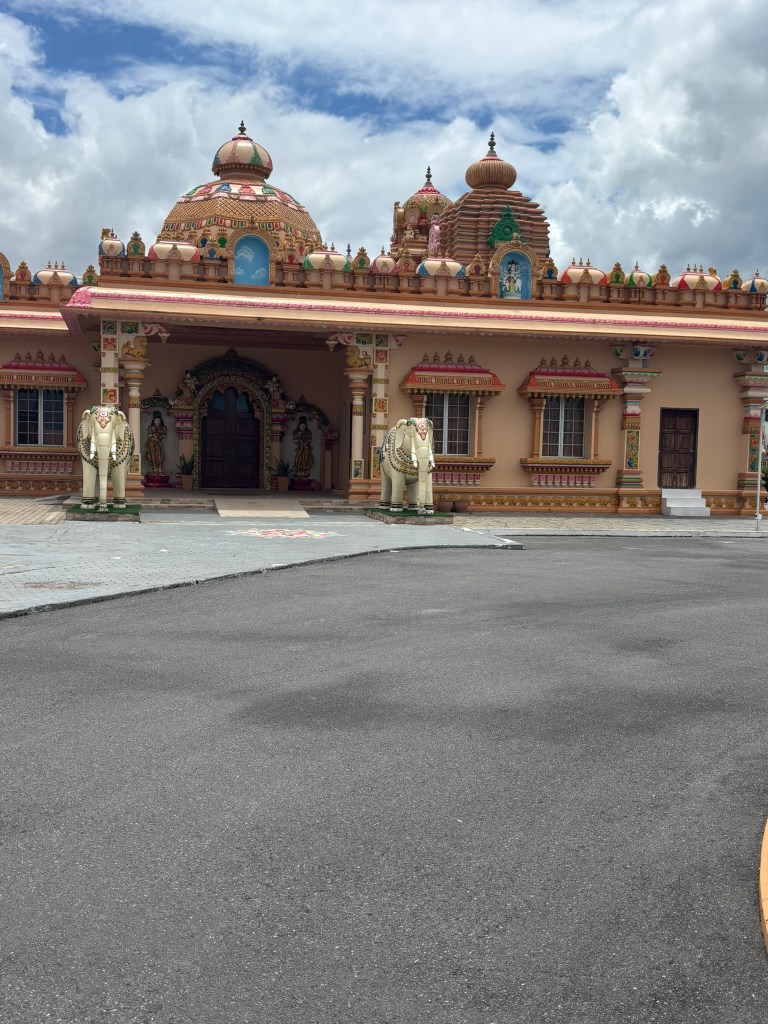
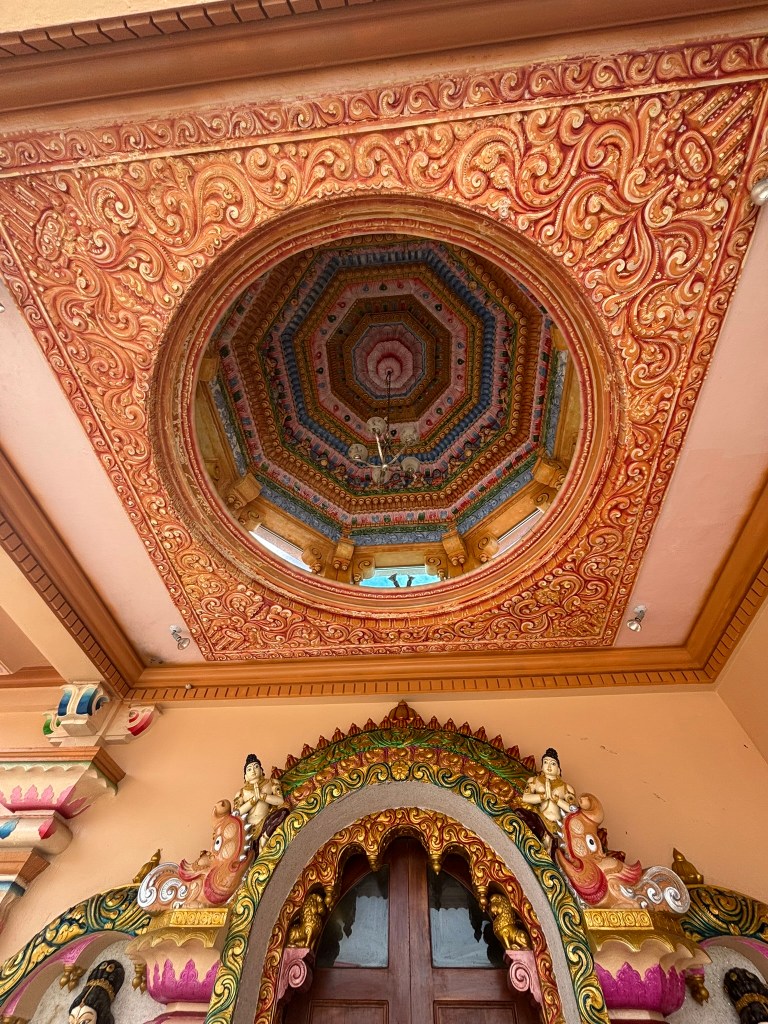
In Waterloo we visited two deeply meaningful landmarks: the towering 85-foot Hanuman Murti statue and the Temple in the Sea, a monument built through decades of individual perseverance. The Hanuman Murti is even more impressive in person, especially against the Trinidad sky.
Dress code reminder: These are active sacred sites, so cover your shoulders and knees. Wear modest clothing or bring a shawl, jacket, or wrap.
Stop 8: Traditional Wrapped Roti Lunch
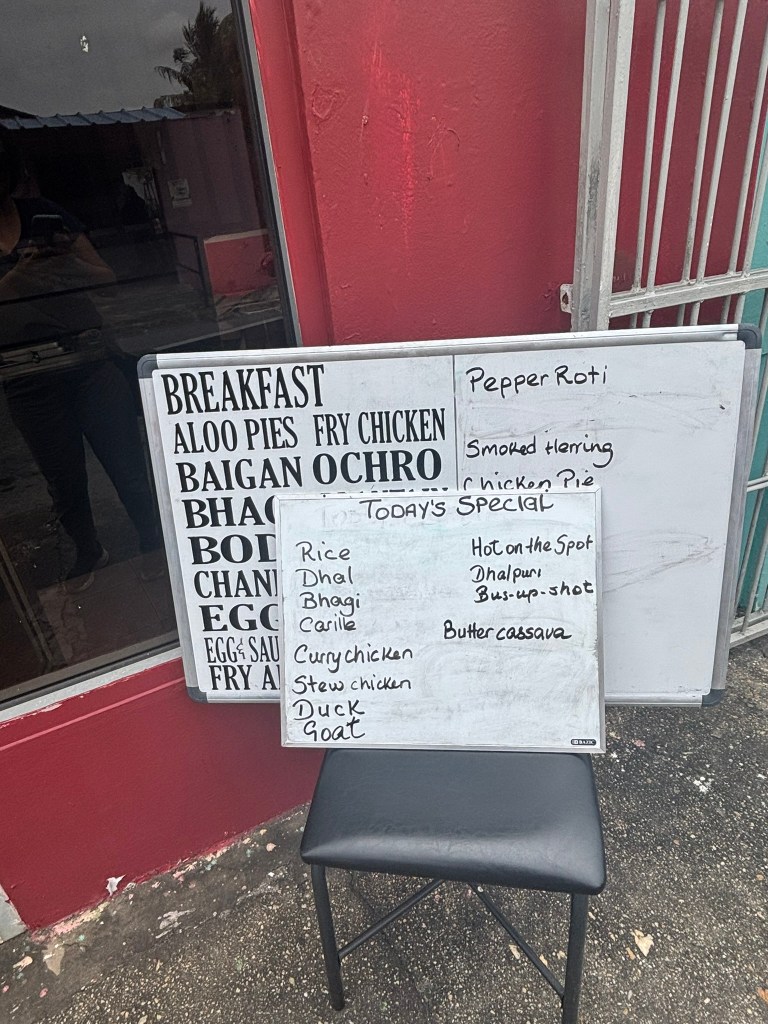
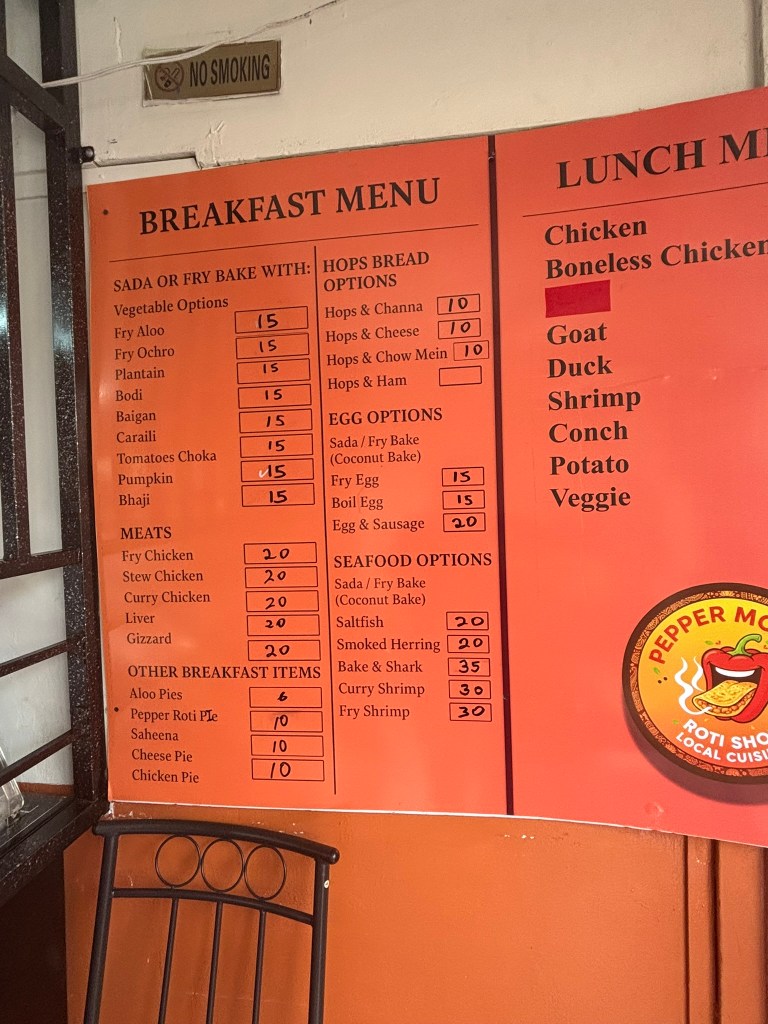
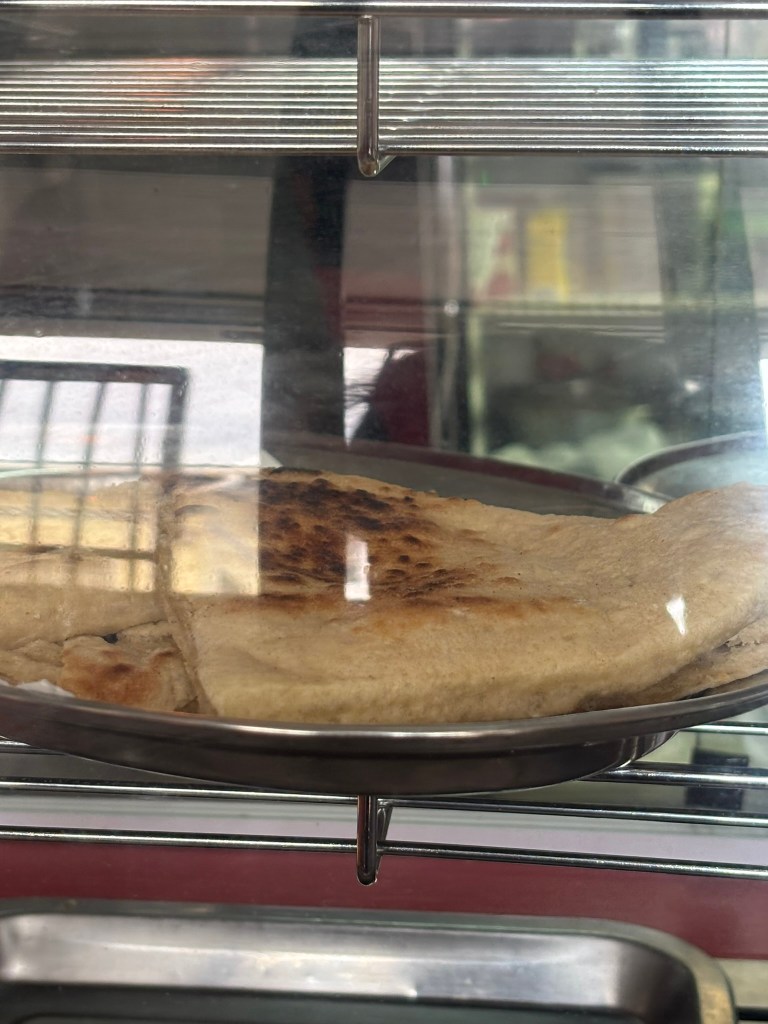
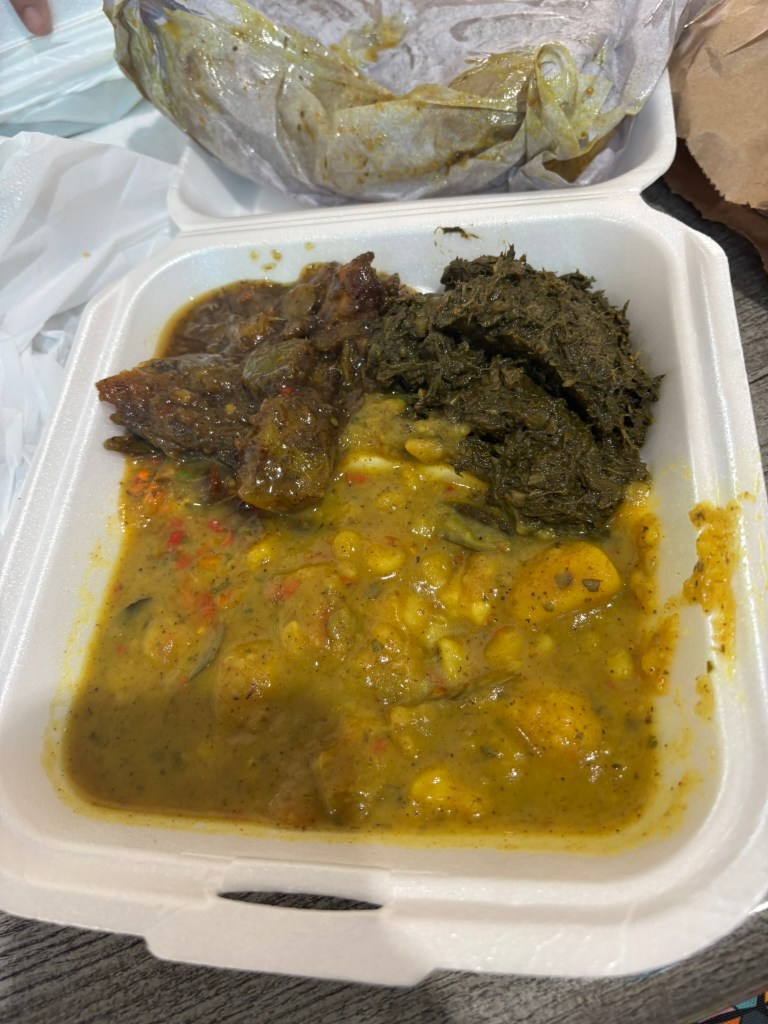
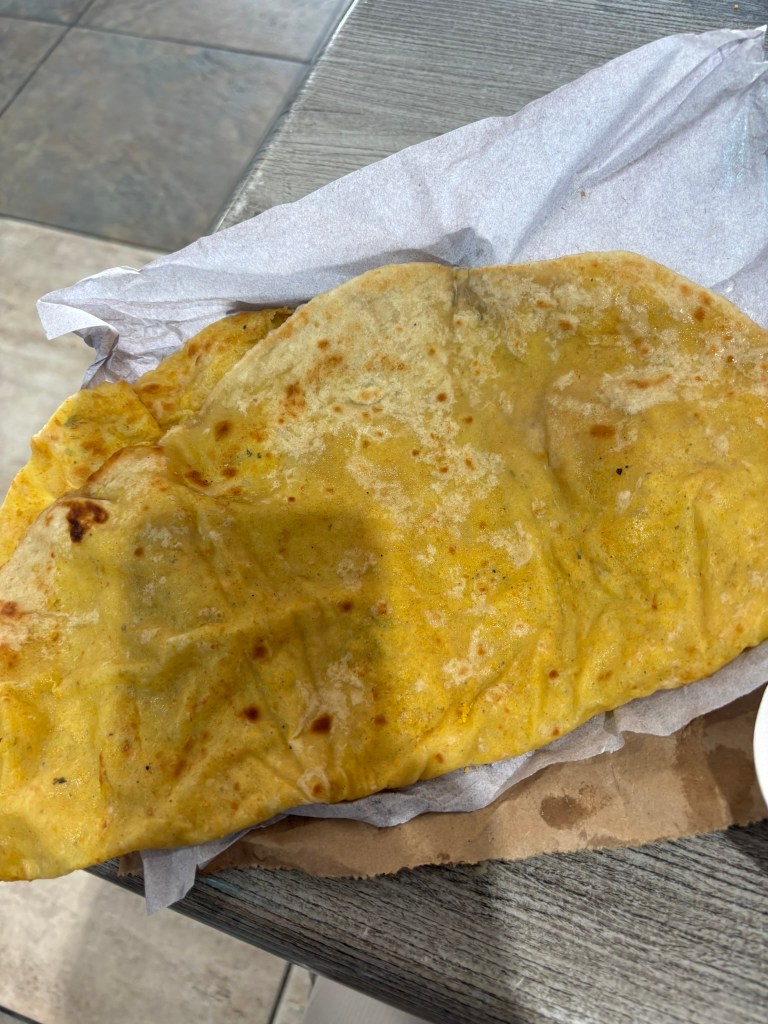
We finished with a hearty lunch at a local roti shop. The board outside read like a love letter to Trini food: dhal, bhagi, carille, curry chicken, stew chicken, duck, goat, dhalpuri, bus-up-shut and butter cassava. A classic wrapped roti is a soft flatbread packed with curried chicken, goat or rich vegetarian fillings, seasoned with fresh herbs like culantro (chadon beni). It was the perfect ending.
Is the Taste of Trinidad Food Tour Worth It?
Absolutely. In five hours, I got Port of Spain architecture, Indigenous and colonial history, artisan chocolate, a skyline viewpoint, sacred landmarks, and the island’s most iconic dishes, all with a guide who clearly loves his country. Being the only guest made it feel personal, but I would expect the same warmth in a group. If you are a foodie who wants an authentic experience instead of a tourist script, this tour is a must-do.
Book the Taste of Trinidad Food Tour here
Frequently Asked Questions
How long is the Trinidad food tour? The tour I took lasted about five hours and started at 8:30 AM.
Where does the tour pick up? Your Port of Spain hotel lobby, your Airbnb, or the cruise terminal.
What should I wear? Light, comfortable clothes and shoes. For the temple stops, cover your shoulders and knees.
Is the tour good for cruise passengers? Yes. Pickup at the cruise terminal is available, which makes it an easy way to see Trinidad in a day.
Are vegetarian options available? Roti can be filled with vegetarian options, so let your guide know your dietary needs when booking.
What should I bring? Sunscreen, water, a little cash for souvenirs, a wrap or shawl, and a big appetite.

