Of all the wildlife I saw in Trinidad, the moment I’d looked forward to most was the one the island is famous for: watching scarlet ibis flying home to roost in Caroni Swamp.
What Is Caroni Swamp?
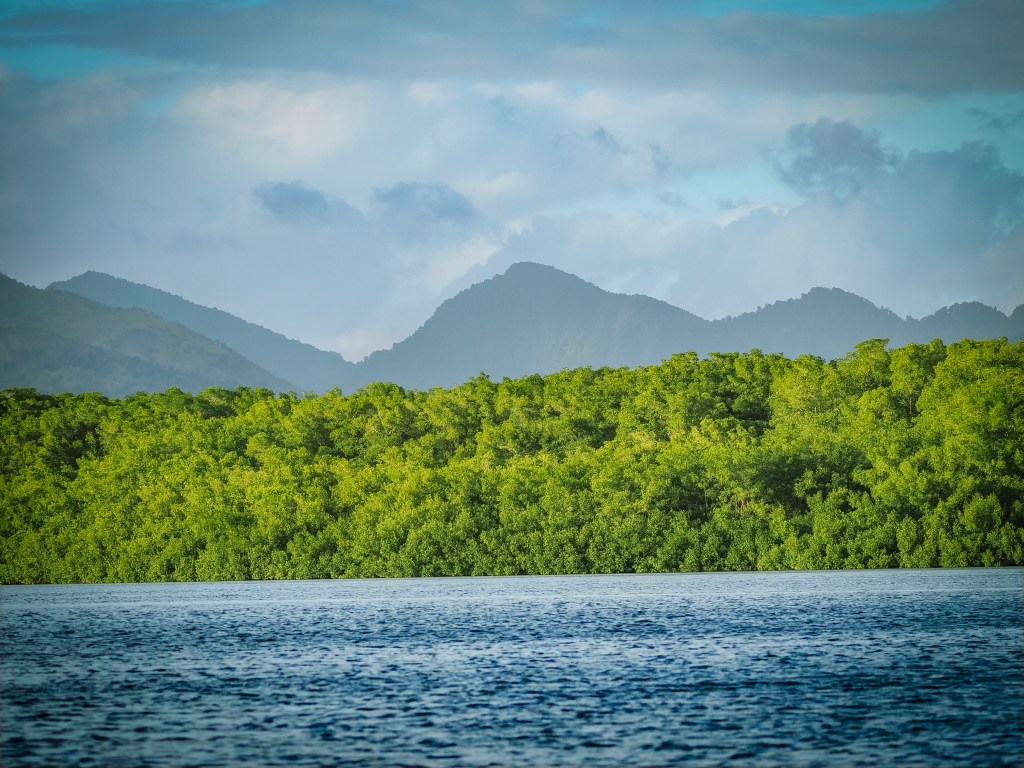
Caroni Swamp is a sprawling mangrove wetland on Trinidad’s west coast, where the Caroni River meets the Gulf of Paria, just south of the capital, Port of Spain. It not too far awy from Port of Spain and can be visited in an afternoon. It’s a maze of lagoons and narrow channels shaded by mangrove roots, and it’s home to more than 100 bird species, along with snakes, crabs, fish, and mammals. The big draw is the scarlet ibis, Trinidad and Tobago’s national bird. Thousands return to the swamp each evening to spend the night in the mangroves.
More About Caroni Swamp
A Protected Wetland of International Importance
Caroni Swamp covers more than 5,600 hectares of mangrove forest and herbaceous marsh, cut through by countless channels and by brackish and saline lagoons. It’s the second-largest mangrove wetland in Trinidad and Tobago, and it has been a Ramsar site, a wetland recognized as internationally important, since 1971. It’s also an important nursery and shelter for fish, crabs, and oysters, and its mangroves help protect the nearby coast.
The Ibis’s Daily Commute
What fascinated me most is that scarlet ibis don’t actually spend the day in the swamp. They fly across the Gulf of Paria to feed on the Venezuelan mainland, roughly 11 miles away, then return at the end of the day to roost in the mangroves. That’s why the best time to see them is dusk, and why the show takes place every evening instead of all day.
Wildlife Beyond the Ibis
The swamp has more than 100 recorded bird species, and some sources put the number well above that. Besides the ibis, you can see herons, egrets, cormorants and terns, and in recent years American flamingos have been spotted here too, which fits with what I saw. Red, black and white mangroves line the waterways, with tiny oysters clinging to their roots. Cook’s tree boas, spectacled caimans and silky anteaters are regular sightings on tours.
Conservation and Protecting the Ibis
The scarlet ibis is Trinidad and Tobago’s national bird, and swamp tour operators help protect it. Long-established operators talk a lot about conservation and education, and they push for stronger enforcement of laws that protect the ibis from poachers. Pollution and climate change remain ongoing concerns for the swamp, so be a careful visitor: keep your trash with you, stay seated, and keep your voice down around the birds.
When to Go
Dusk is the best time of day, since that’s when the ibis return. Trinidad’s dry season, from January through the end of May, is generally recommended. Tours usually last about two to three hours. Sunscreen and bug spray are a good idea whatever the time of year.
Setting Up the Trip
I was staying at the Asa Wright Nature Center, so I asked the staff to arrange my Caroni Swamp outing. That made it simple: no hunting for operators or working out transport on my own. If you’re based at a lodge, ask them first.
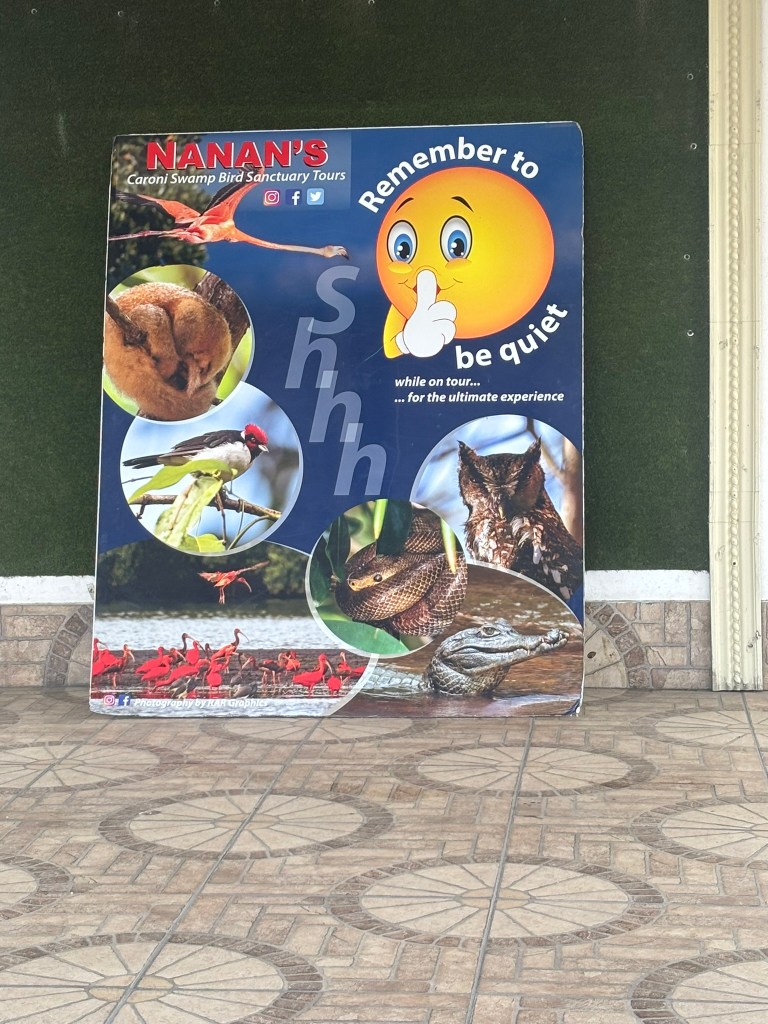
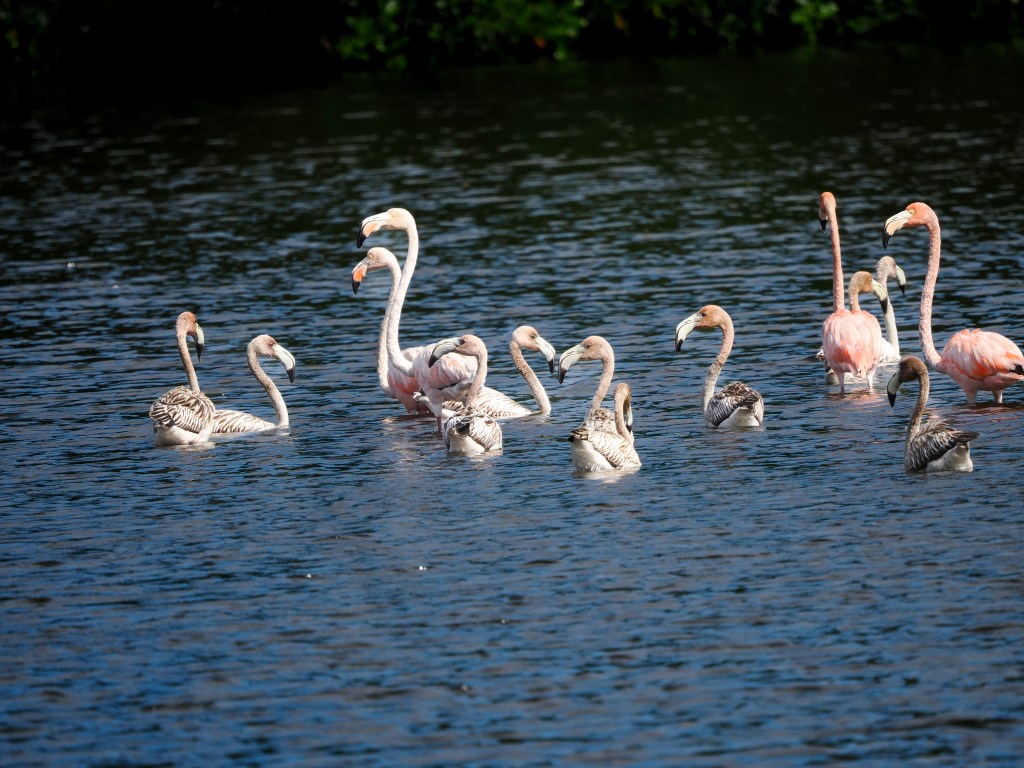
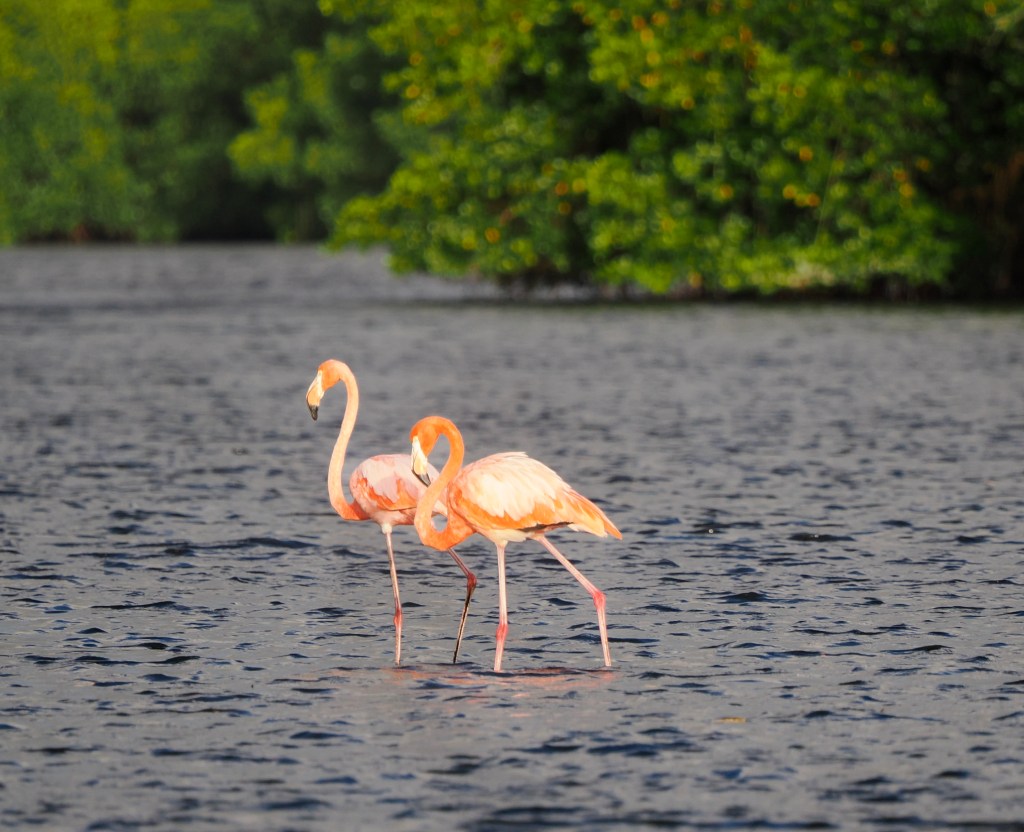
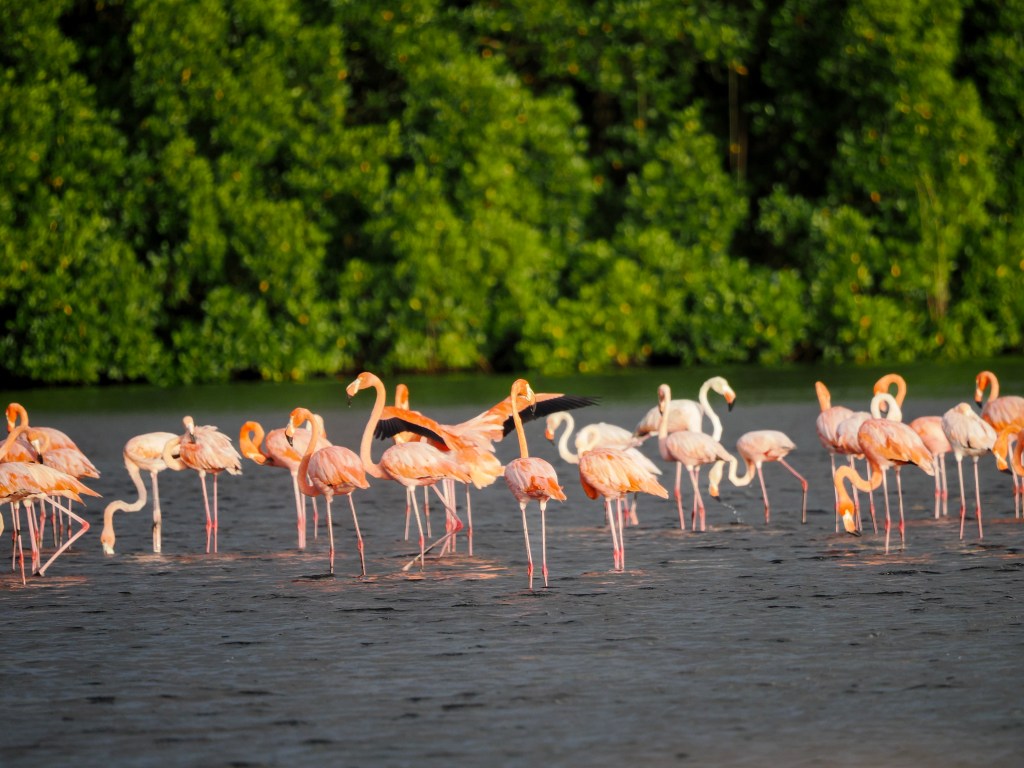
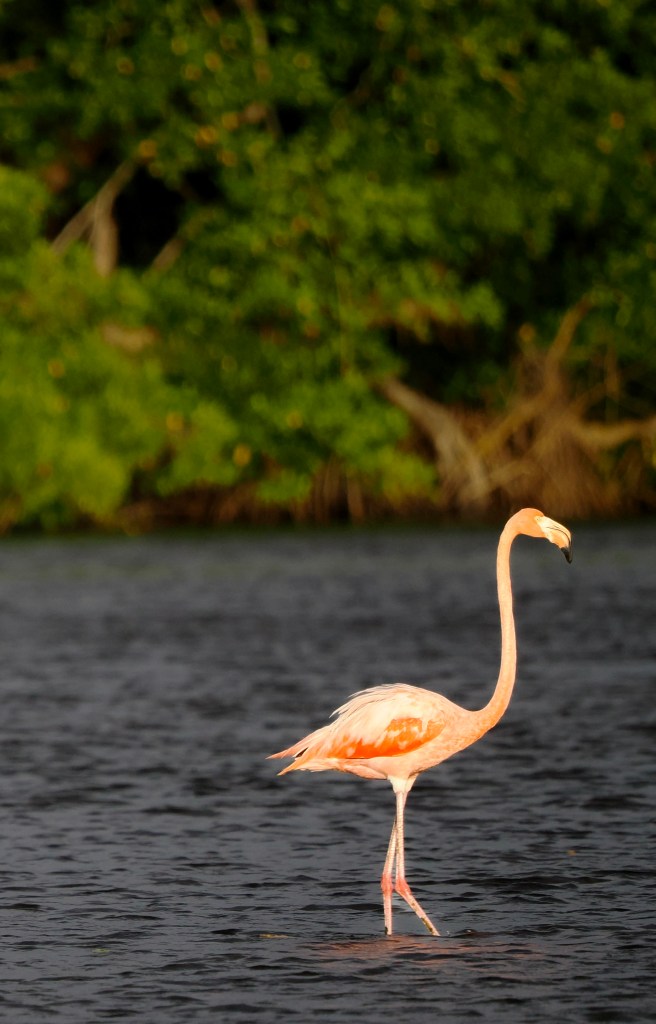
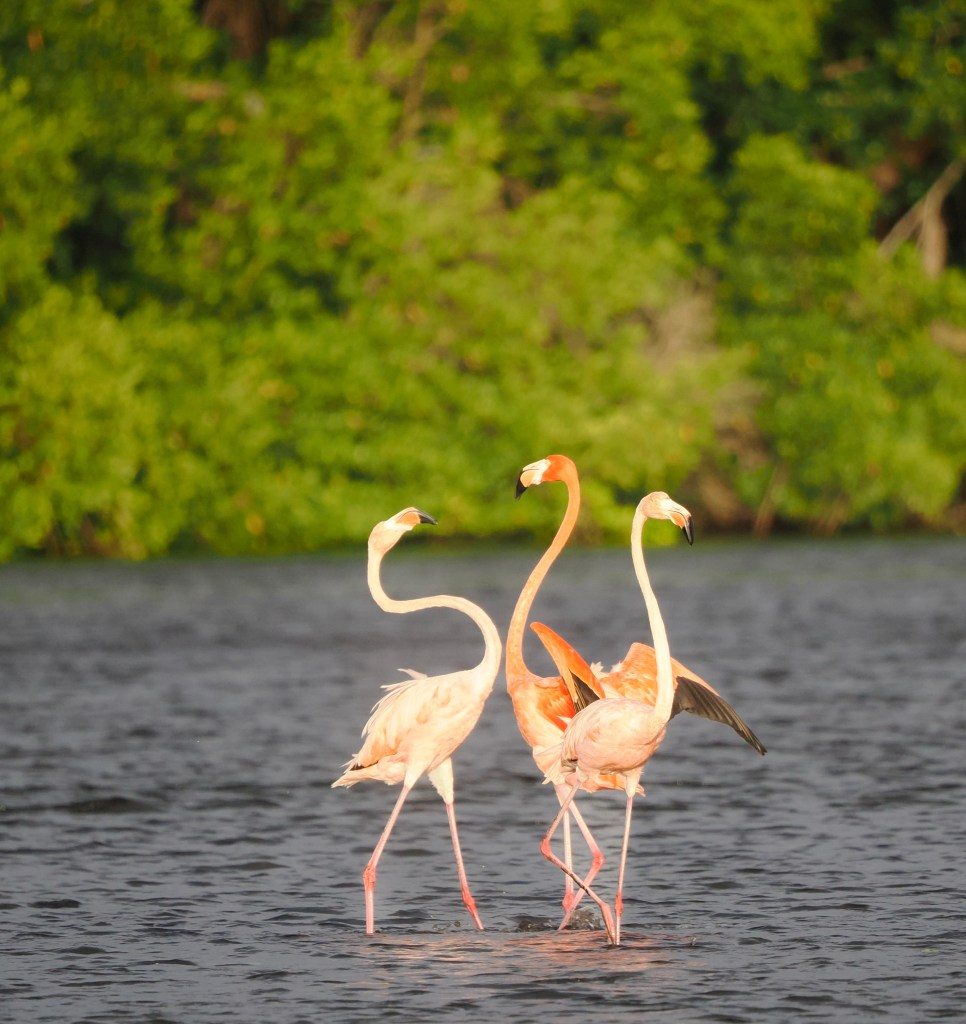
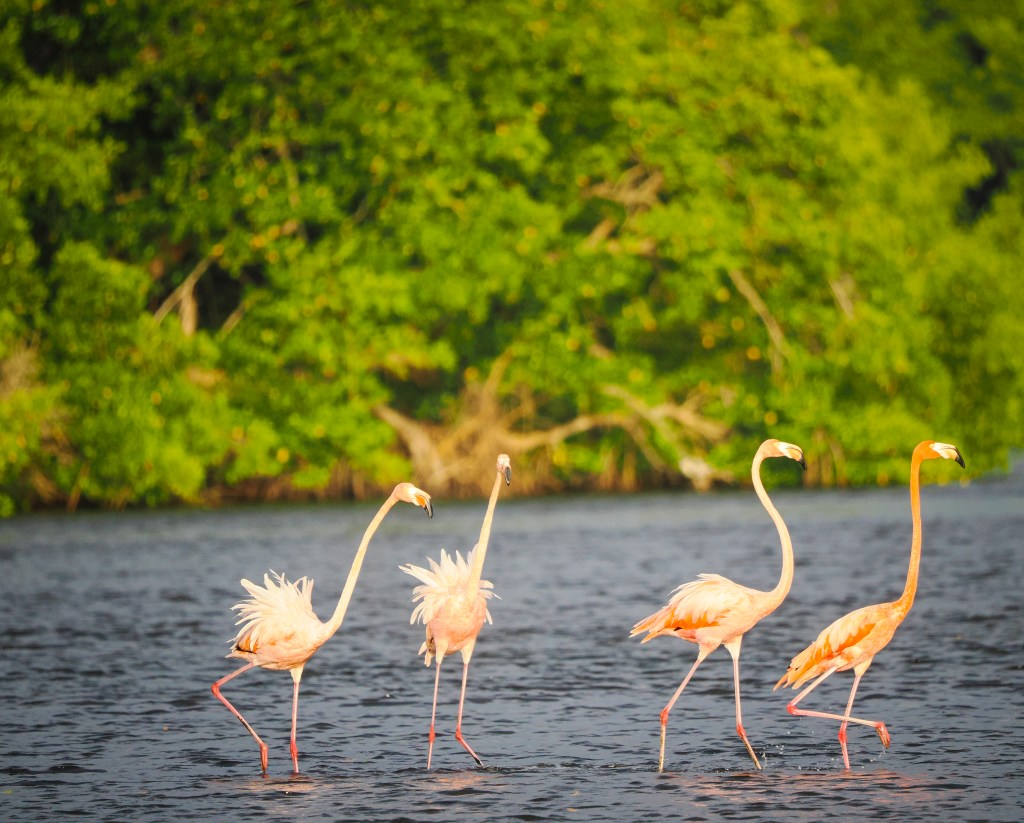
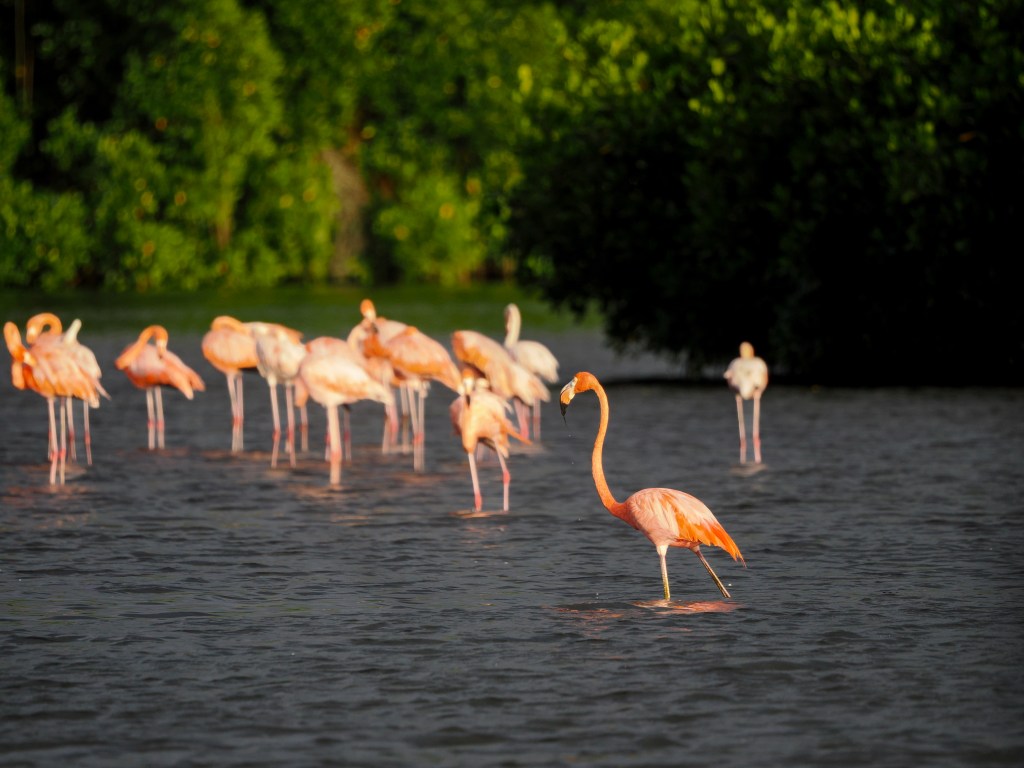
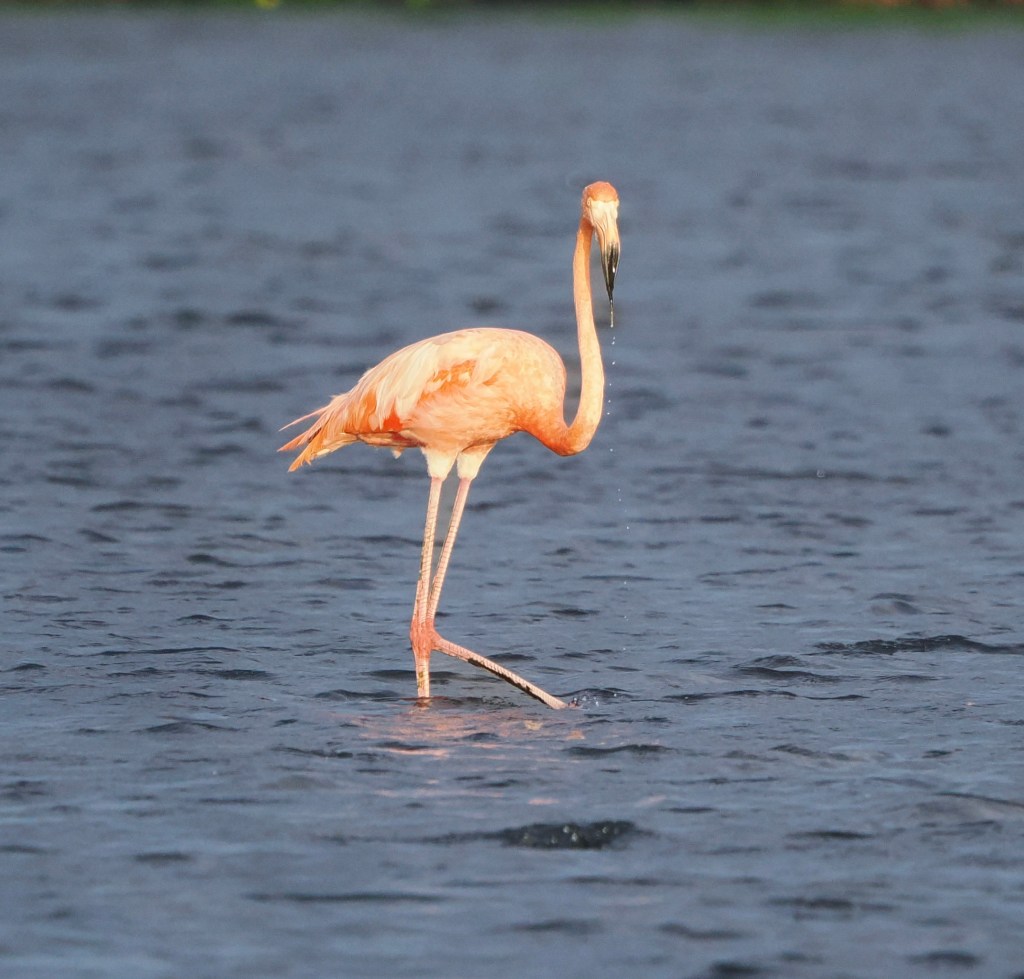
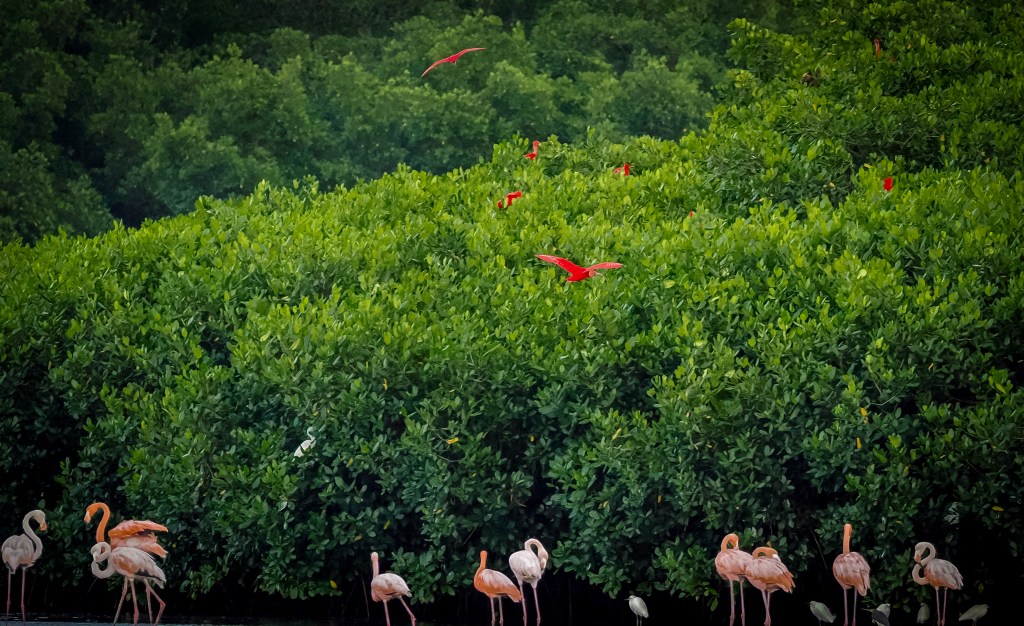
Two companies run boat tours in the swamp. I booked with the one you reach as soon as you enter (Nanan’s Bird Sanctuary Tours). The other is further down the road. I’d been told that scarlet ibis sometimes gather around the second company’s launch area at low tide, and since I arrived early, I drove over to take a look. The people there were very kind and showed me where the ibis might turn up. There were none that day, but I did see flamingos, which I hadn’t expected.
My tip: arrive early. It gives you time to look around, ask questions, and get settled before the boat leaves.
Out on the Water
The boat ride took a couple of hours. Tours like this typically leave in the late afternoon so that you’re on the water in time for sunset, and our guide steered us through the quiet channels, pointing out wildlife I would have missed on my own.
Here’s some of what we saw:
- Cook’s tree boas: these swamp snakes were curled up asleep on low-hanging branches.
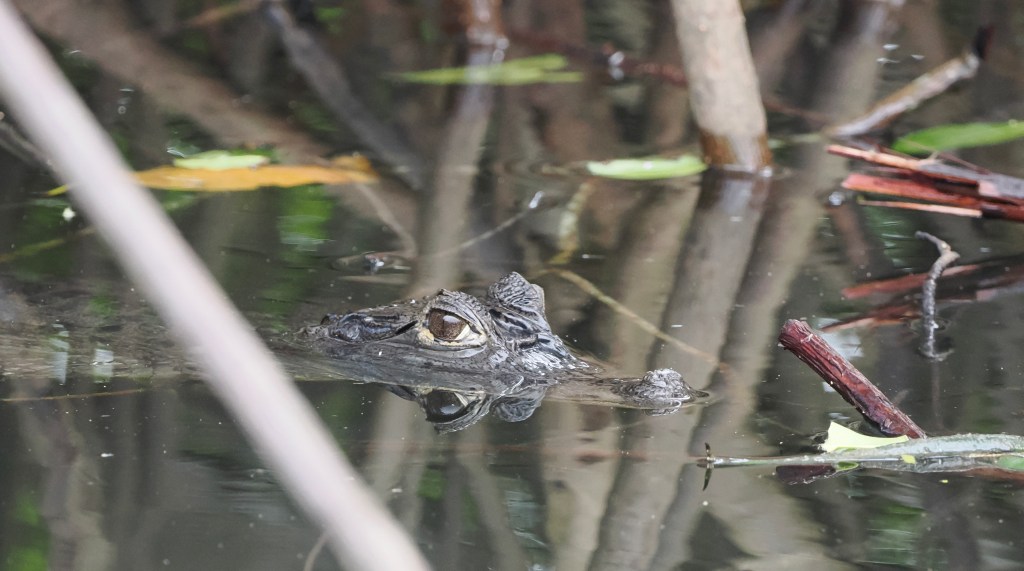
- Spectacled caimans: resting along the muddy banks.
- Anteaters: two of them, balled up asleep in a tree.
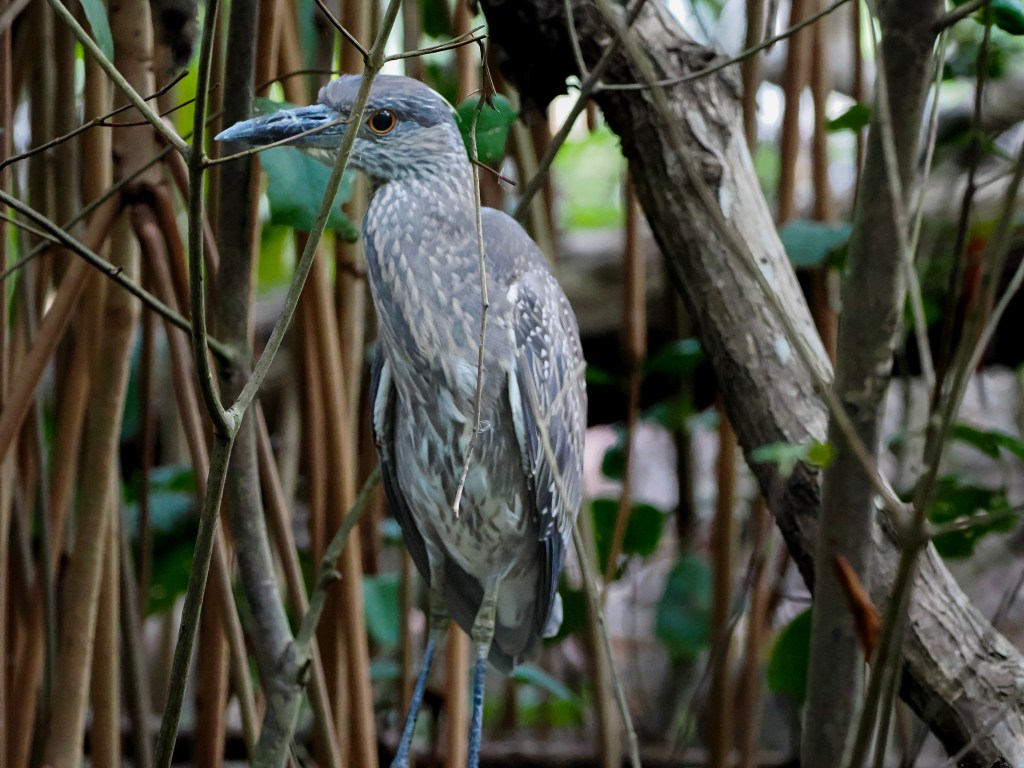
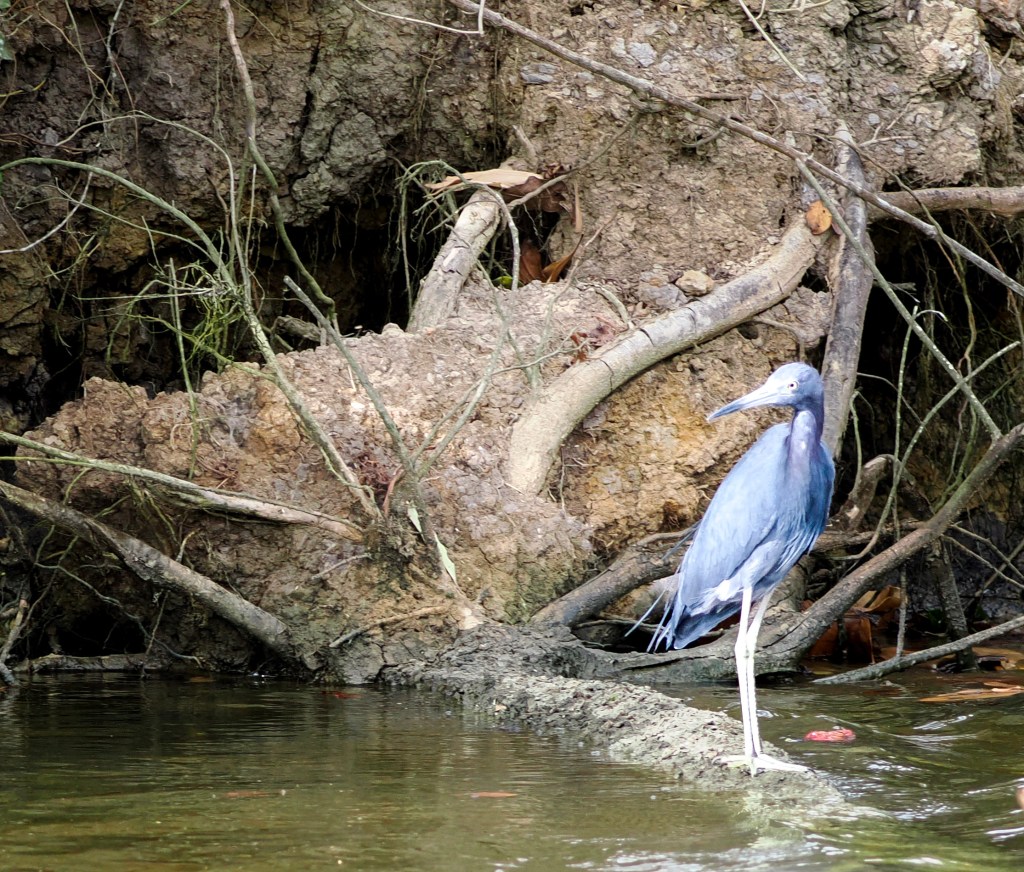
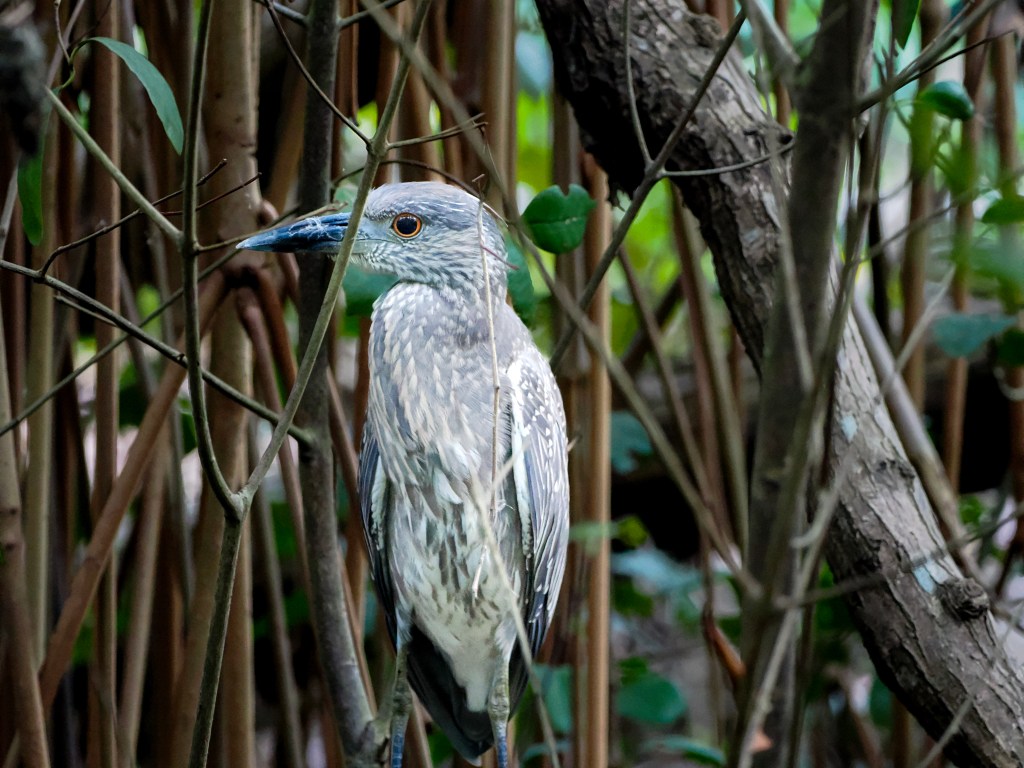
- Herons and egrets: including a juvenile yellow-crowned night heron perched among the mangrove roots.
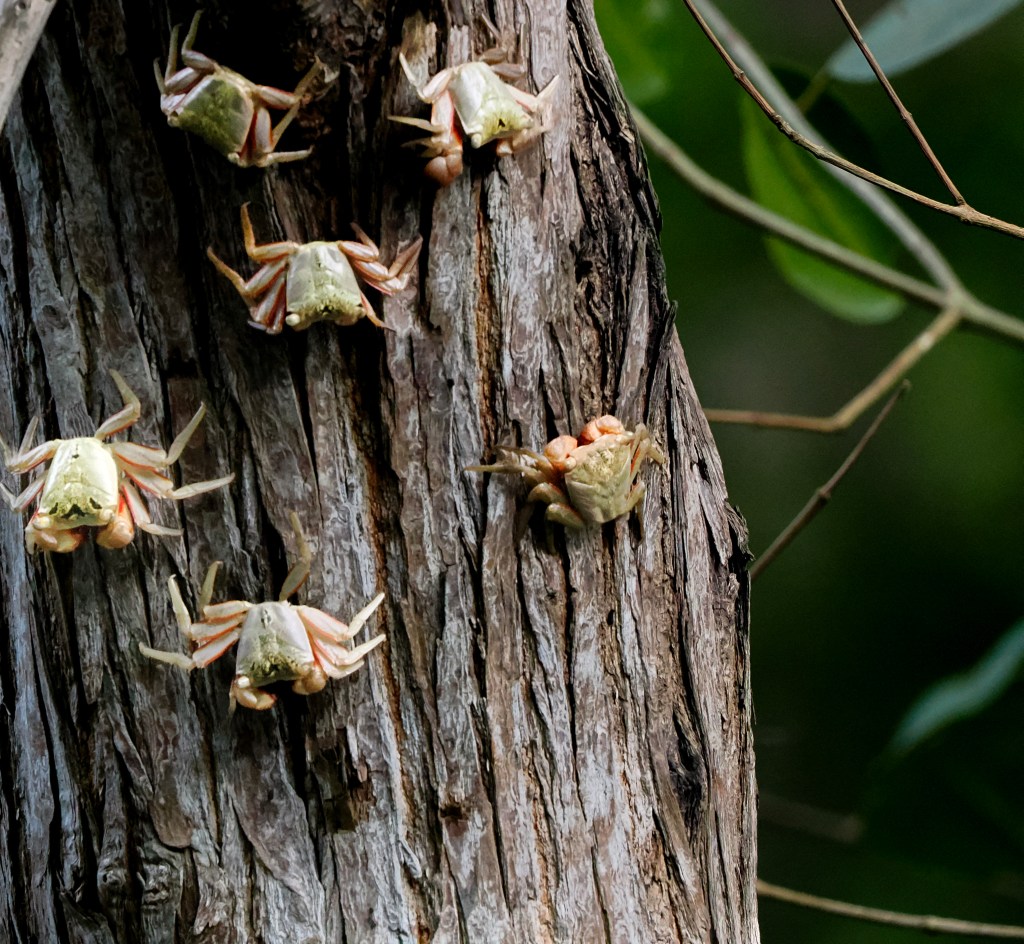
- Crabs: climbing the mangrove trunks.
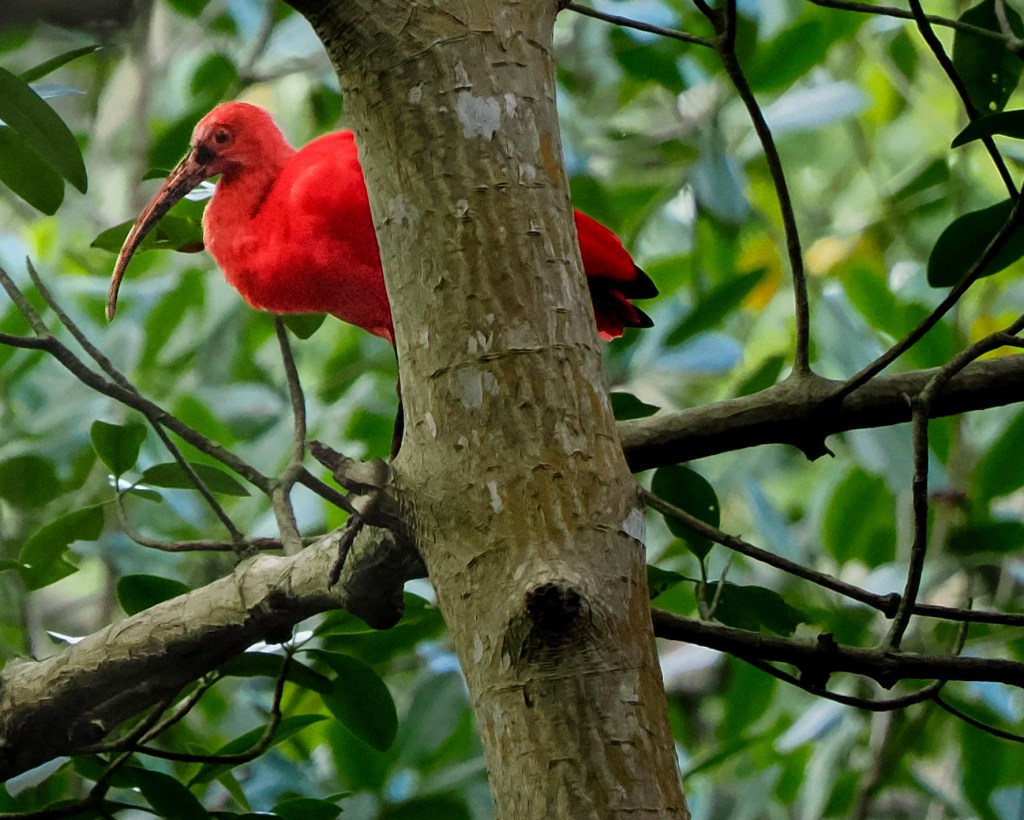
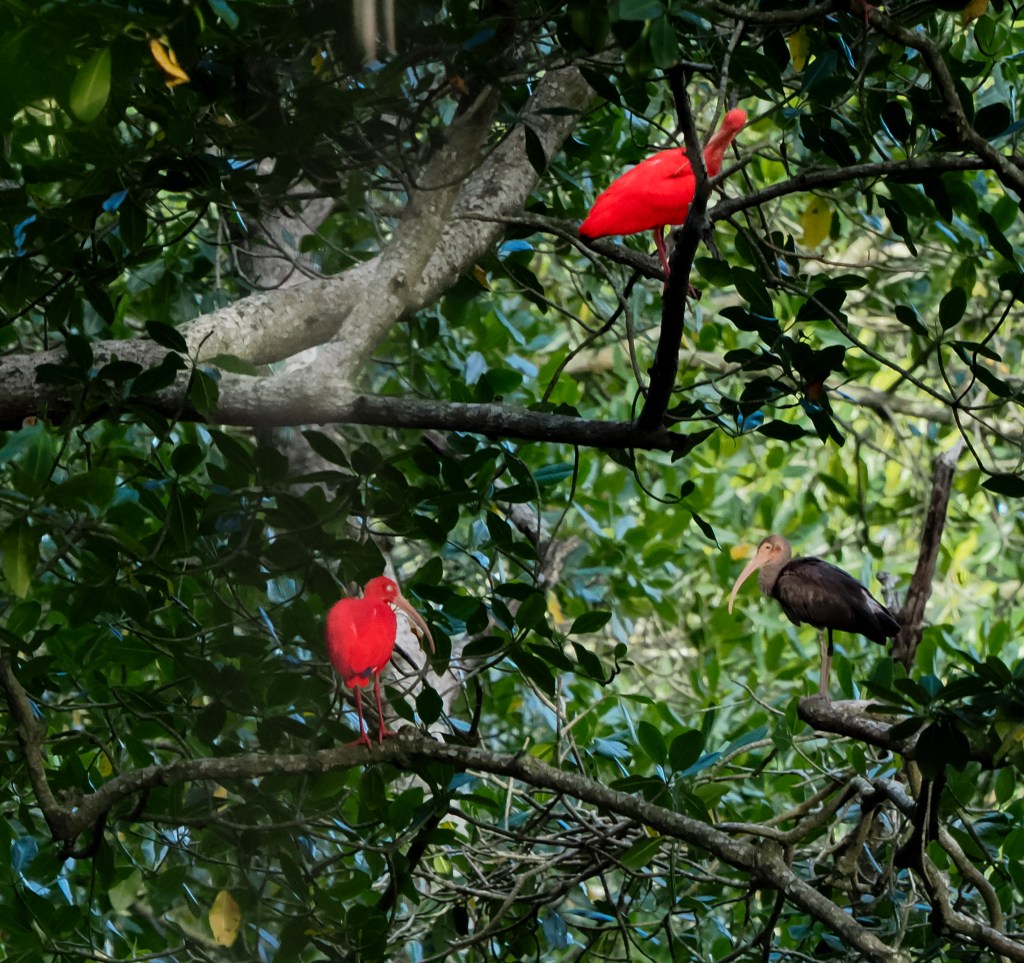
- A few scarlet ibis: perched in the trees well before sunset.
The Main Event: Scarlet Ibis Coming Home
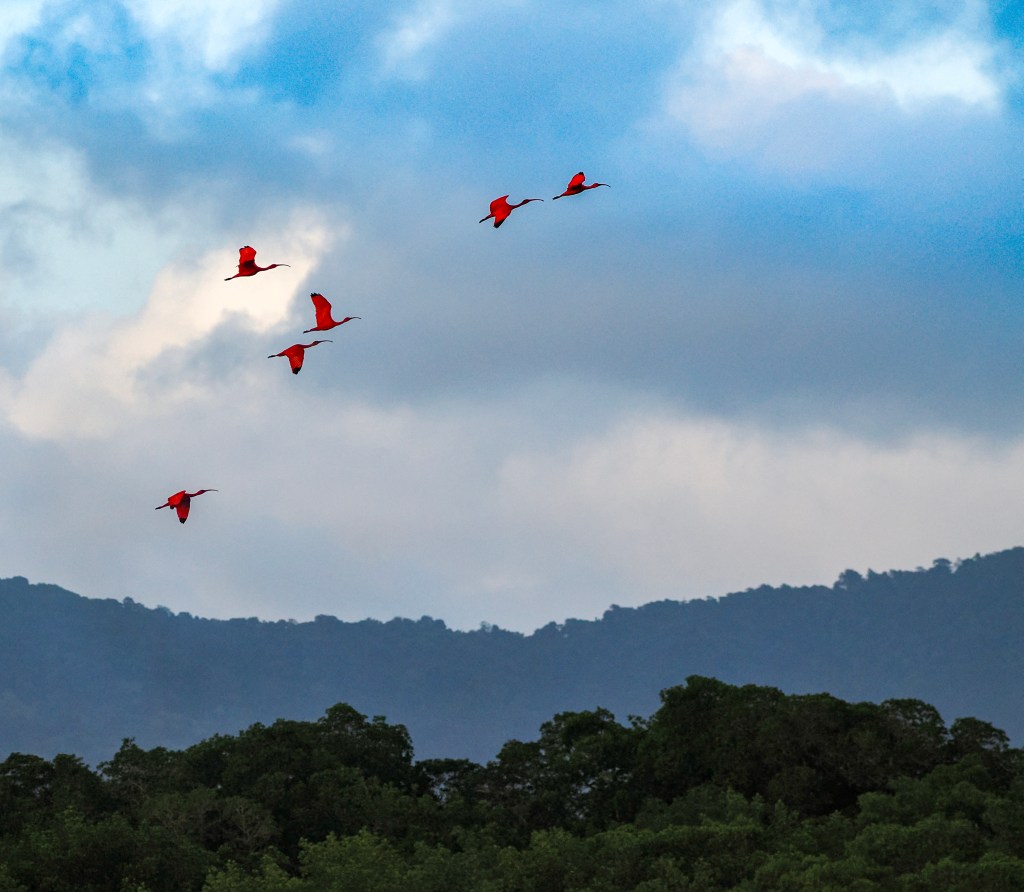
The highlight came when our boat docked, and we waited for the ibis and other birds to come home for the night. The light softened, the swamp quieted down, and a group of flamingos in the shallow water kept us entertained while we watched the sky. I feel like felmigoes added to the whole scene and made it more beatiful. I took tons of photos of Flemingoes (more than the Ibis) .
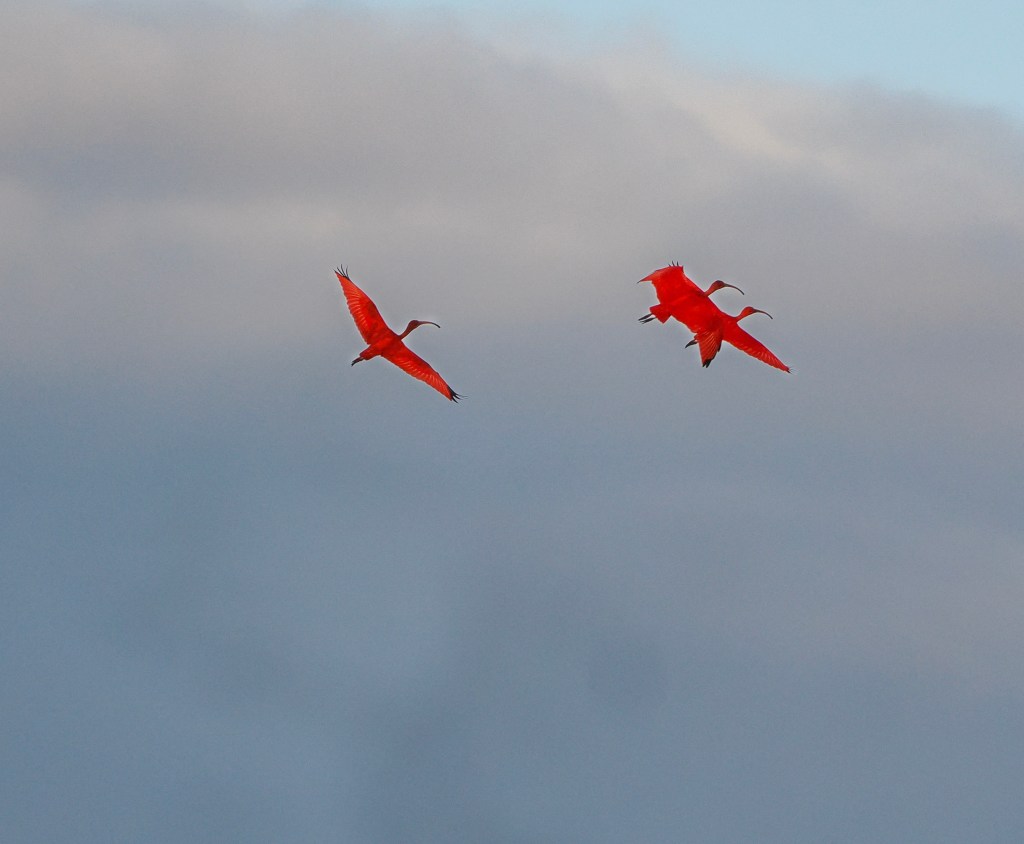
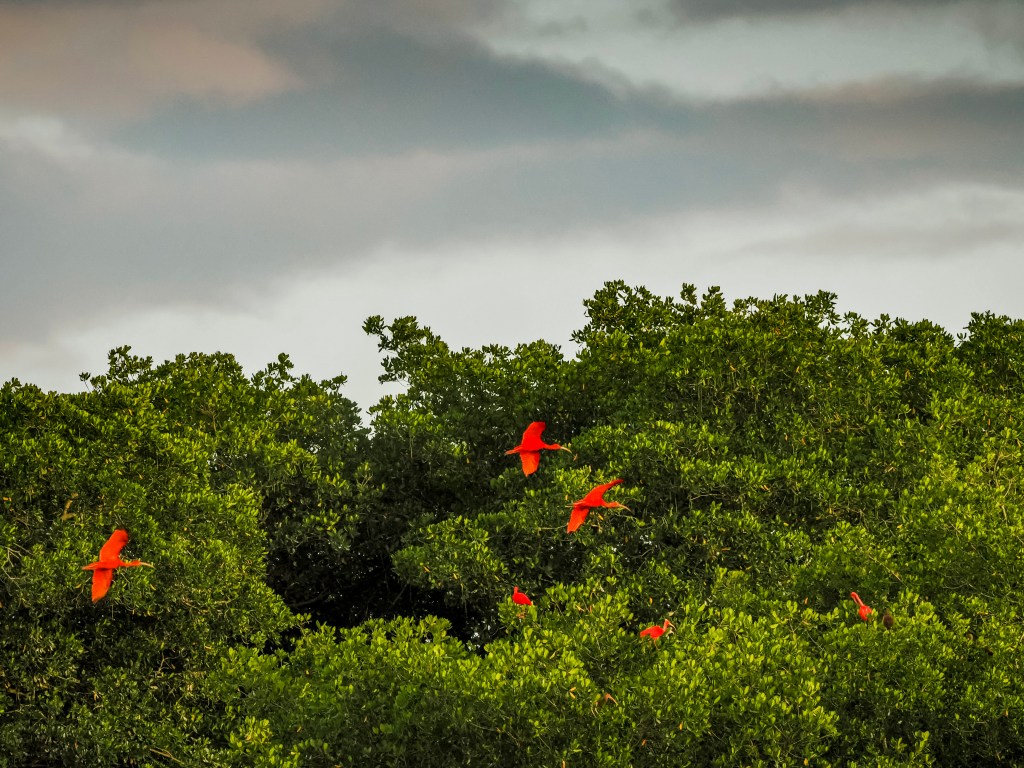
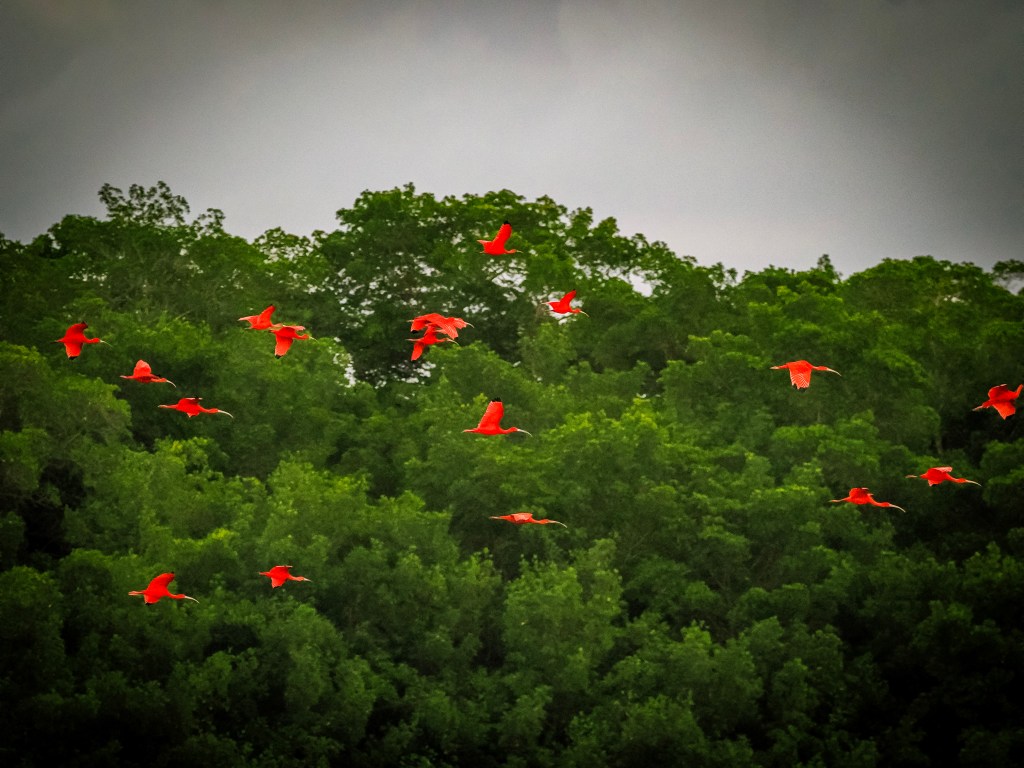
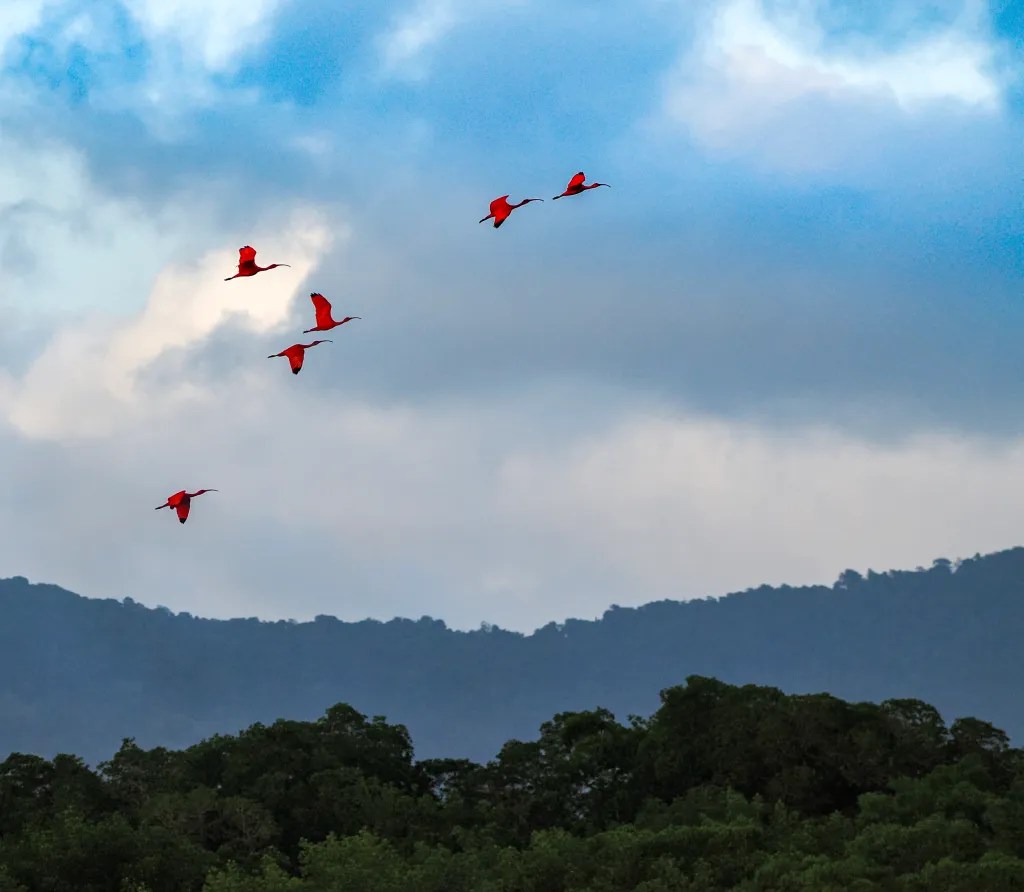
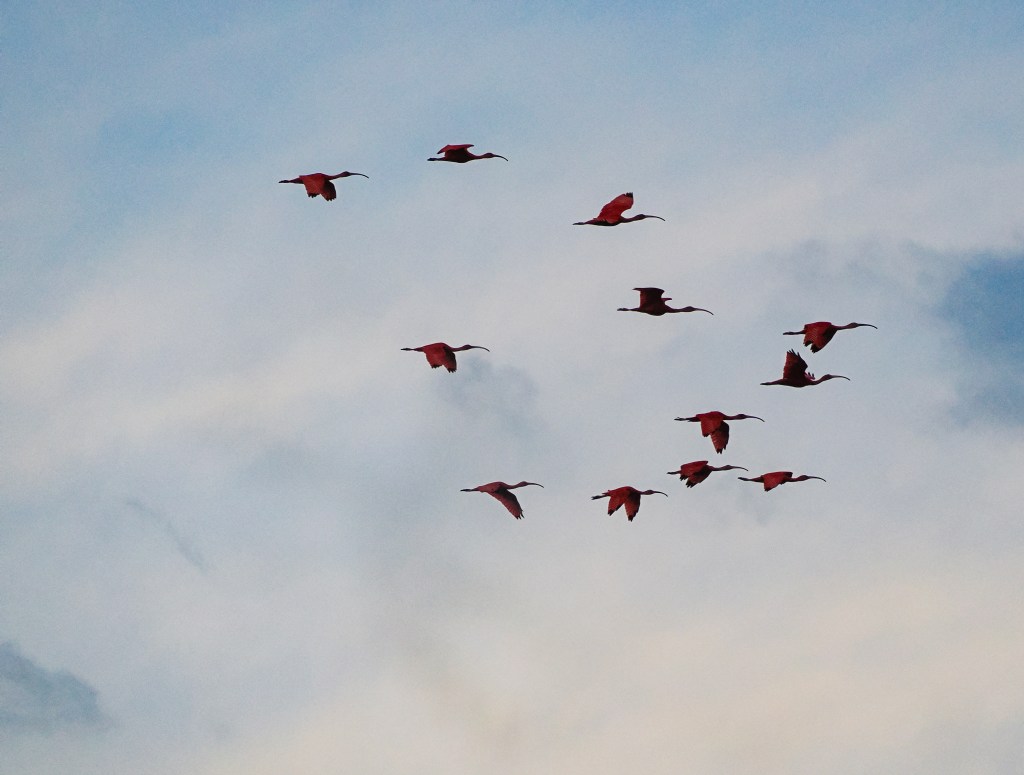
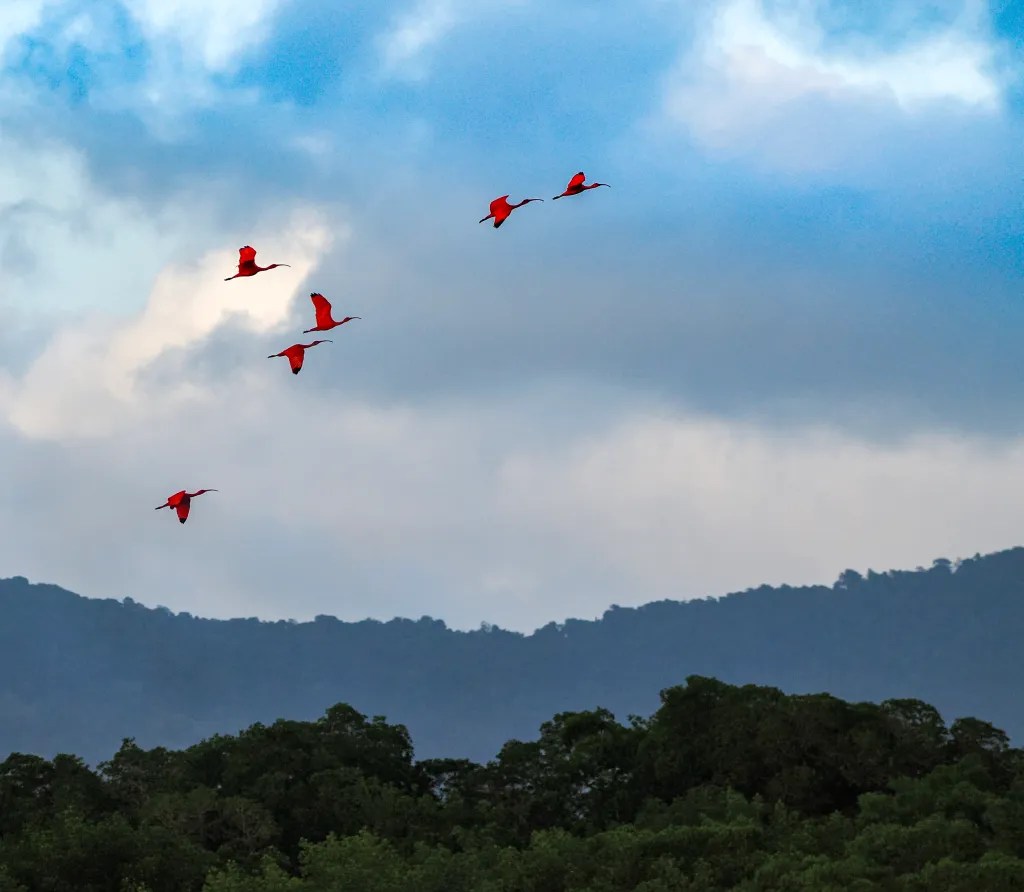
Then the first ibis appeared. The ibises typically return in waves around sunset, with the exact timing shifting slightly throughout the year. First a handful, then more, flying low over the mangroves in bright red against the evening sky, their vibrant plumage creating a stunning contrast with the deepening hues of twilight. It’s a sight photographs don’t fully capture, as the intricate details of their movement and the delicate interplay of light and shadow are best appreciated in person. They perch on the green trees, their presence enhancing the landscape’s natural beauty, and the whole scene reminded me of Christmas with greens and reds.
Tips for Your Own Caroni Swamp Trip
- Ask your lodge to book it. It saves effort and helps you coordinate the timing.
- Pick the late-afternoon tour. It’s the one that lines up with the ibis returning at dusk.
- Arrive early. You can look around the other launch area, as I did, or just settle in.
- Don’t count on seeing ibis at the launch. I was told they gather there at low tide, but none showed up on my visit.
- Bring a zoom lens or binoculars. Many of the best moments are at a distance.
- Pack insect repellent and a light layer. It’s a swamp, and the evenings can be buggy.
- Be patient and quiet. The birds are worth the wait.
Final Thoughts
Watching scarlet ibis return to Caroni Swamp was one of the highlights of my Trinidad trip, and the snakes, caimans, and flamingos along the way made it even better. If you’re visiting Trinidad, make time for a sunset boat tour. It’s easy to arrange and unforgettable.

